Tag: Lublin

  • Lublin – Everyday Life in Stefan Kiełsznia’s Prewar Photographs

    Lublin – Everyday Life in Stefan Kiełsznia’s Prewar Photographs

    Before the Second World War, around a third of Lublin’s inhabitants were Jewish, part of a community whose history in the city stretched back centuries. Jewish shops, schools, religious institutions and businesses were an integral part of everyday life. Under German occupation, that community was devastated by persecution, deportation and mass murder, while much of the old Jewish district was destroyed. I’ll write more about Lublin’s Jewish history and the ghetto established here during the German occupation in future posts.
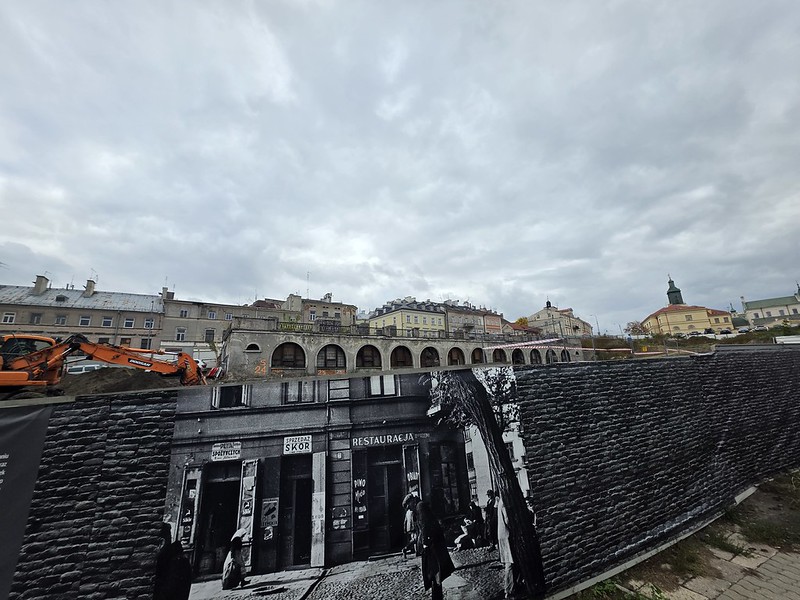
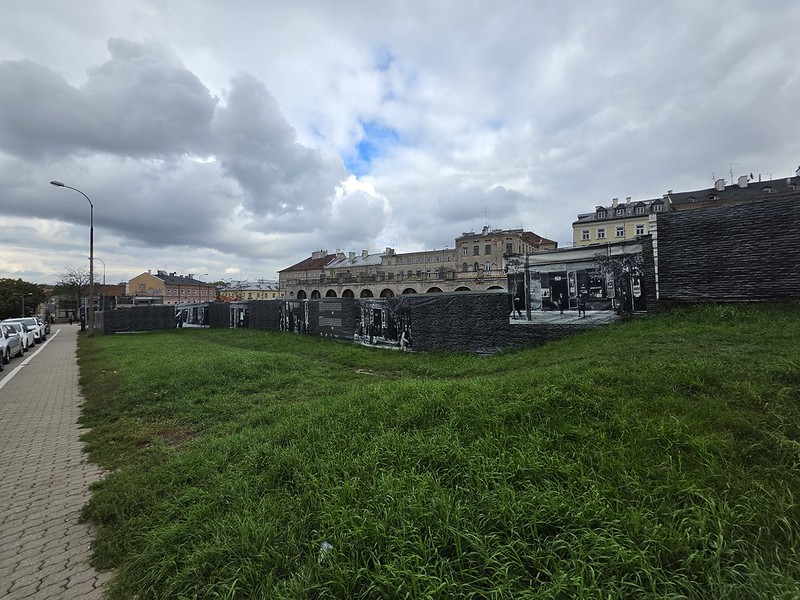
    This outdoor exhibition makes rather good use of the fencing around the former Arkady site, alongside Lubartowska and Świętoduska streets. Installed in 2025 through a collaboration between the Old Town District Council and the Brama Grodzka – Teatr NN Centre, it features photographs taken by Stefan Kiełsznia during the 1930s. There are explanations in Polish and English, with QR codes providing links to further information. I like this approach, placing images of the old streets amongst their modern surroundings and giving passers-by a reason to stop. Construction fencing has rarely been so informative and I took rather a large number of photos, so that’s several blog posts to come.
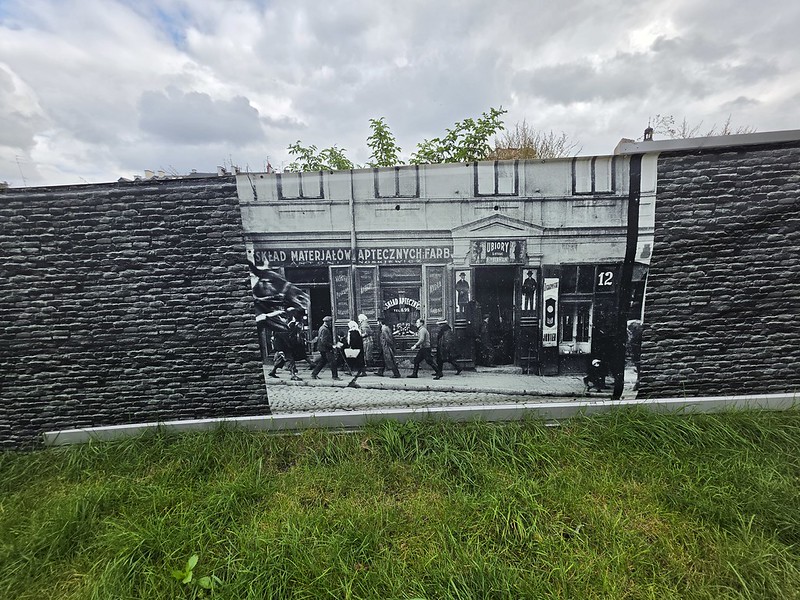
    The first photograph shows a row of businesses along ul. Lubartowska shows a row of businesses beneath the upper floors of a substantial building, with pedestrians passing along the pavement. One sign advertises pharmaceutical supplies, while another offers clothing, illustrated by pictures of rather formally dressed men beside the doorway. These were ordinary scenes at the time, but without these photos there would perhaps be no permanent record of many of these shops even existing.
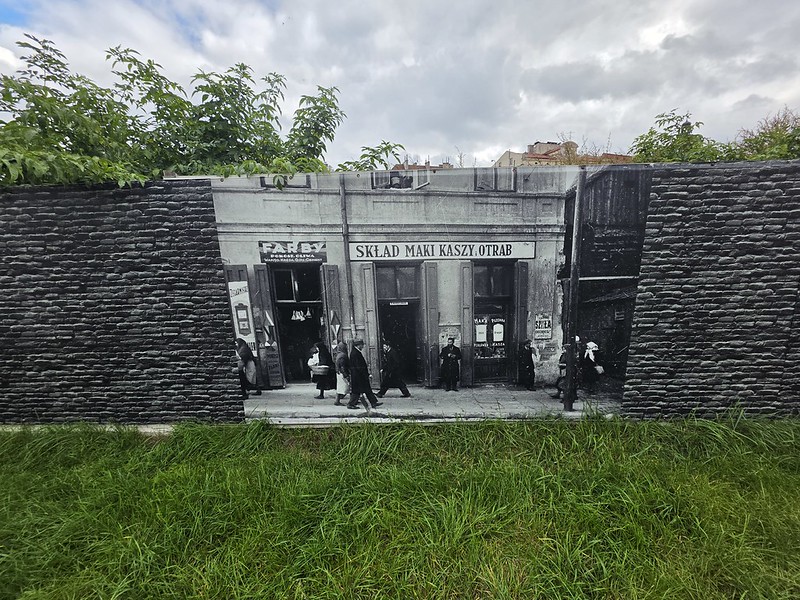
    The second photograph has more substantial lettering advertising flour, groats and bran, with a paint shop next door. The open doors offer glimpses into the premises, whilst people stand outside or continue along the pavement. The signage rarely leaves much doubt about what is being sold.
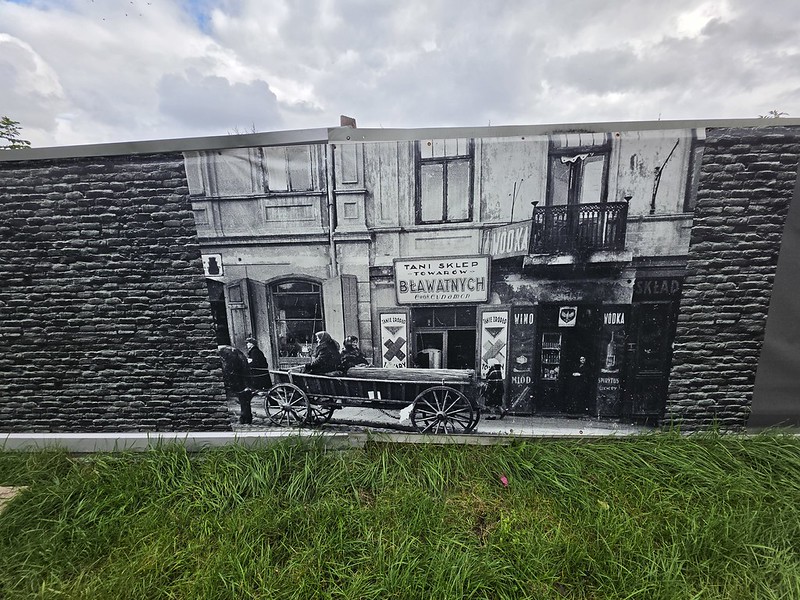
    The third photograph includes a horse-drawn cart outside a shop advertising inexpensive fabrics, alongside premises selling wine, vodka and mead. Above them are tall windows and a small balcony, perhaps with the shop owners living above. It is another photograph that perhaps rewards a closer look, recording the working life of a street rather than just its architecture.

    I had intended to walk past this building site, but the fencing turned out to have rather more reading material than expected. It doesn’t take much for me to get distracted.
  • Lublin Airport to Lublin POLREGIO Train

    Lublin Airport to Lublin POLREGIO Train

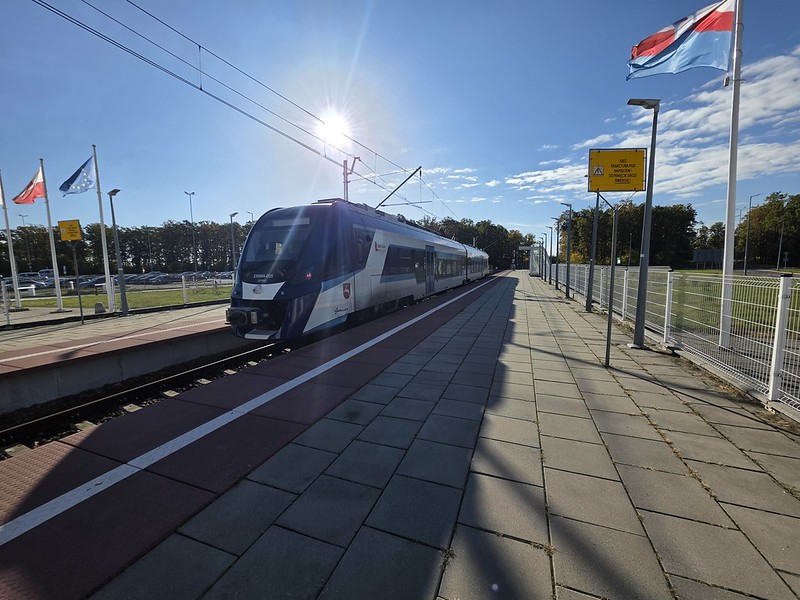
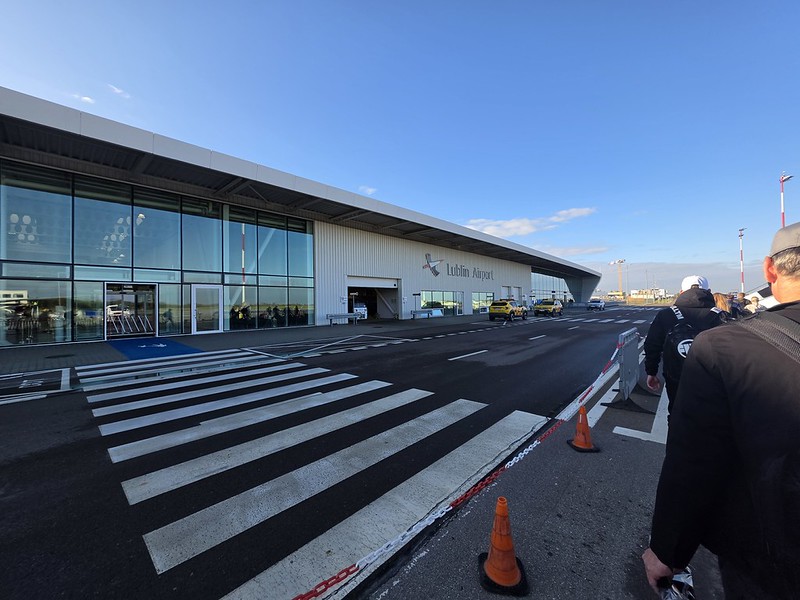
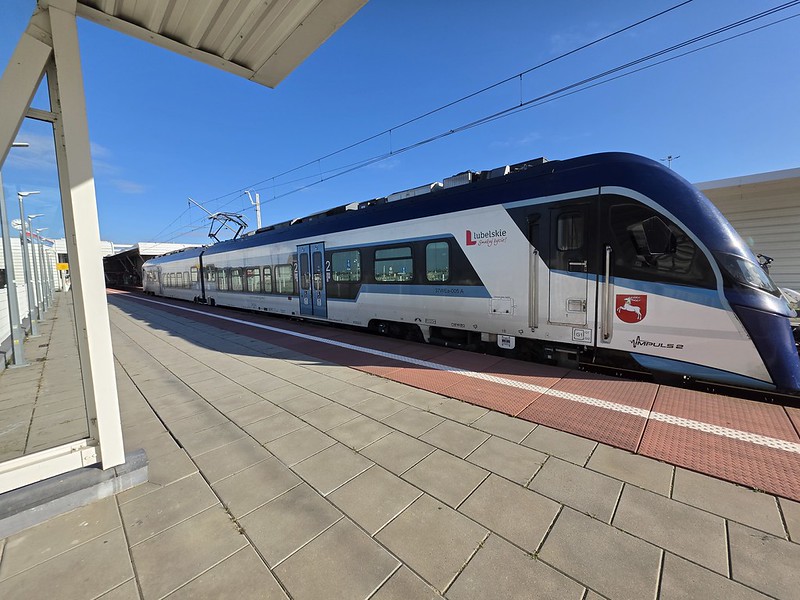
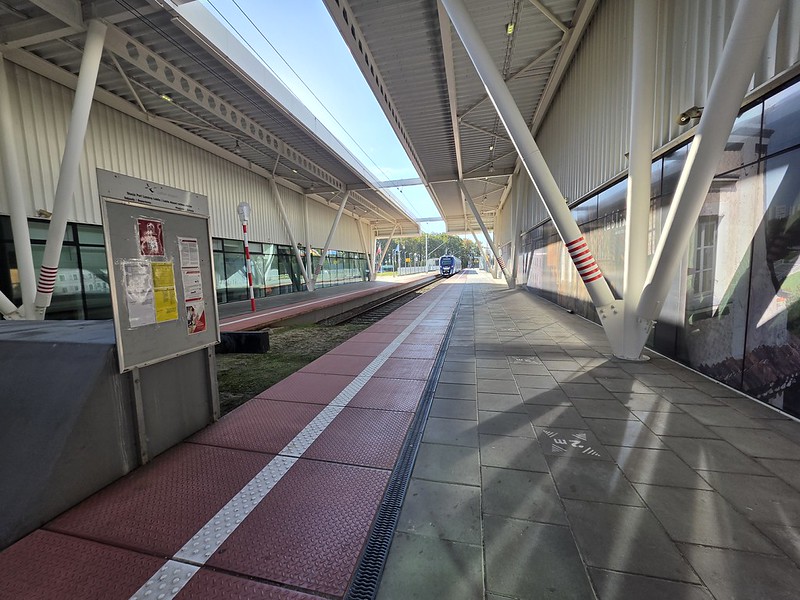
    There are only a handful of rail services from Lublin Airport railway station every day and I was pleased that my flight wasn’t much delayed as I didn’t much want to wait a few hours for the next one. Also, this is an impressive set-up, the entrance to the airport terminal is about two metres behind where I’m standing. Integrated public transport at its best.

    I thought that this train looked rather lovely in the sun and I had forty minutes to wait before it left. A Spanish woman came up to me and asked in hesitant Polish when it was departing. We soon switched to English as that’s the only language I can realistically speak and established that her clock was an hour behind local time. She had thought she faced nearly two hours of waiting, so discovering it was under an hour came as something of a relief.

    The train is operated by POLREGIO, but carries the Lubelskie region’s branding and coat of arms. For anyone interested, it’s a Polish built Newag Impuls 2 train. I purchased my ticket online whilst waiting whilst waiting for them to open the train doors, but there appeared to be a ticket machine on board for anyone who hadn’t bought a ticket beforehand. I couldn’t see any ticket machines at the station.

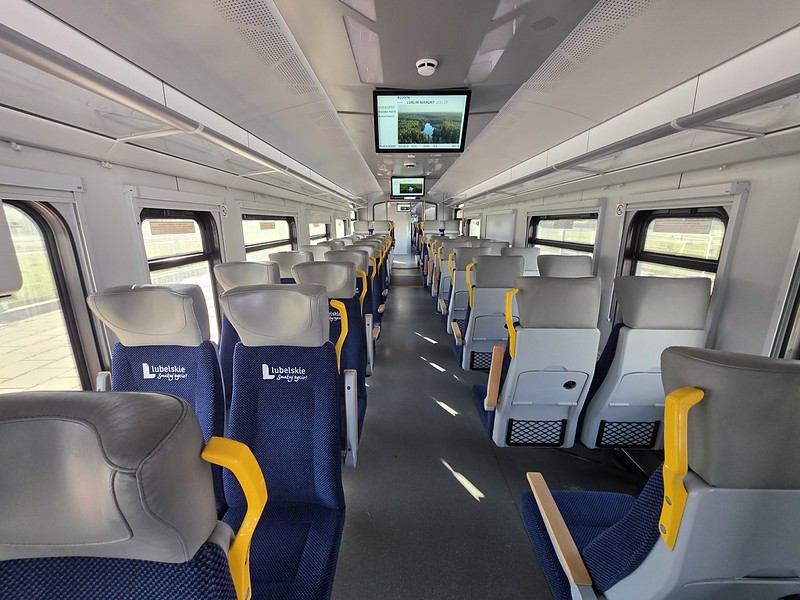
    Impeccable and I liked that they opened the train thirty minutes before departure. Spotlessly clean, working power points and not one single passenger put their feet on the seats or played music. The rail fare was around £1.50 and I felt that this represented excellent value for money. The journey into the centre of Lublin takes around twenty minutes and there was a guard checking tickets and assisting passengers.

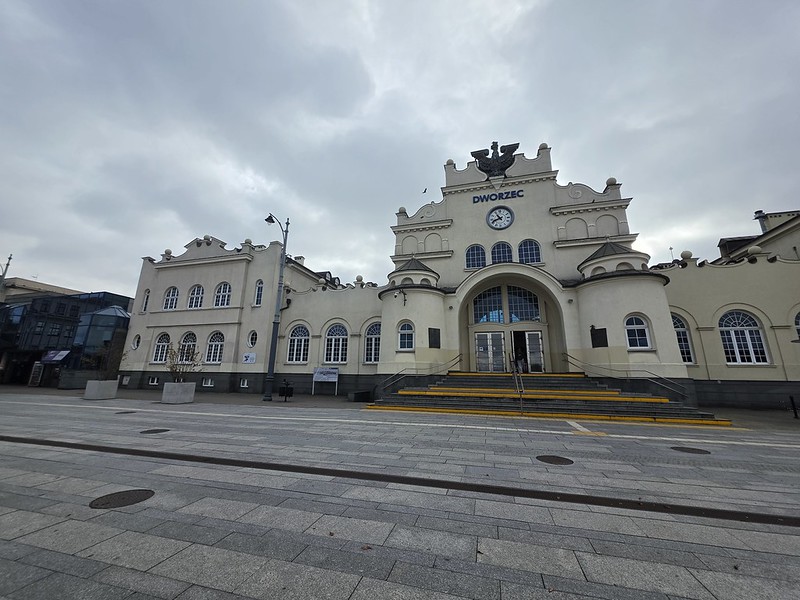
    Lublin’s central railway station, although I’ll witter on about this in another post.

    This was another success from the Polish rail network. I was given a power outlet, a clean train and no teenager broadcasting TikTok. Perhaps the transport revolution is complete.

  • Wizz Air Flight from London Luton to Lublin

    Wizz Air Flight from London Luton to Lublin

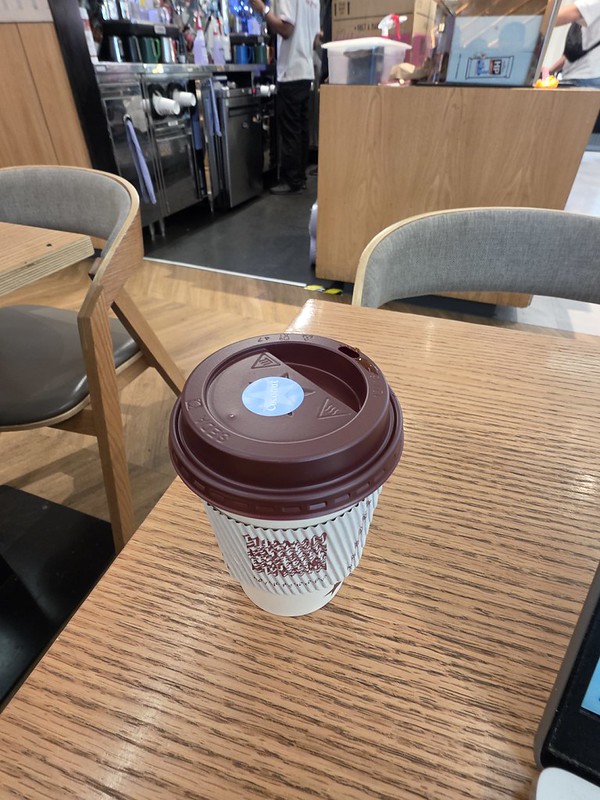
    Safely at Luton Airport, I had the excitement of staying up overnight whilst waiting for my early morning flight to Lublin. A cheap filter coffee at Pret was in order, which also allowed me to keep my devices fully charged. I do wonder, as an aside, whether this Pret might need to be more proactive about people who aren’t customers occupying several tables and preventing paying customers from finding a seat. Arriving early means I don’t have a problem here, but I notice that some potential customers do.

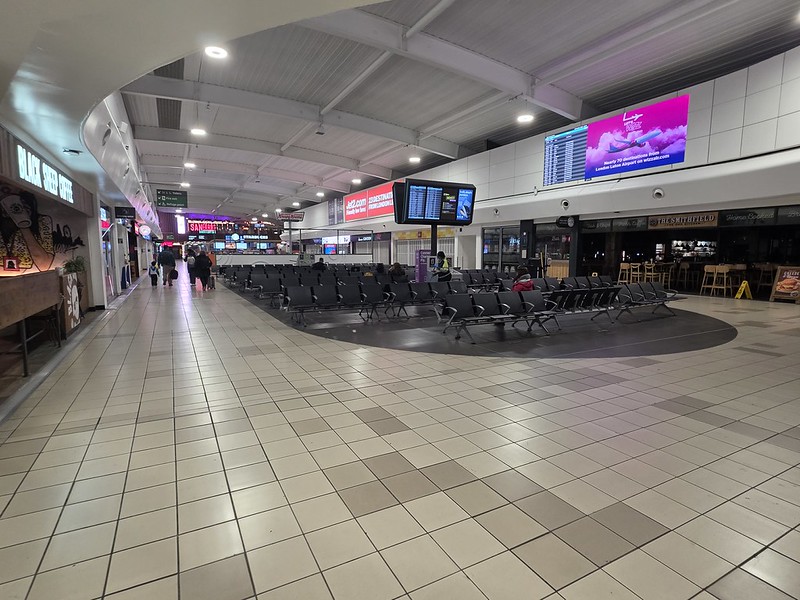
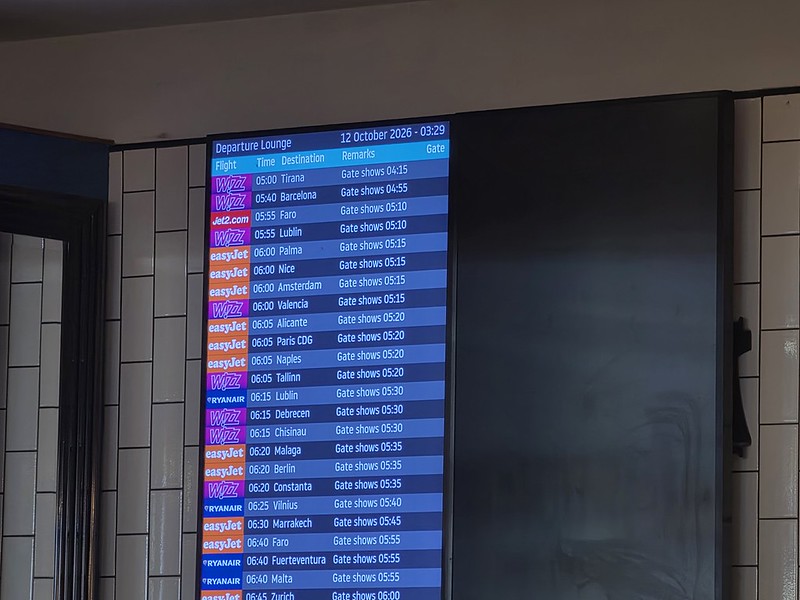
    I’m not sure that I’ve ever noticed before how early security opens at Luton Airport, as I saw numerous passengers going through at 02:00 which is much earlier than somewhere like London Stansted. I decided to go through at 02:30 to help keep me awake and it was suitably quiet and peaceful.

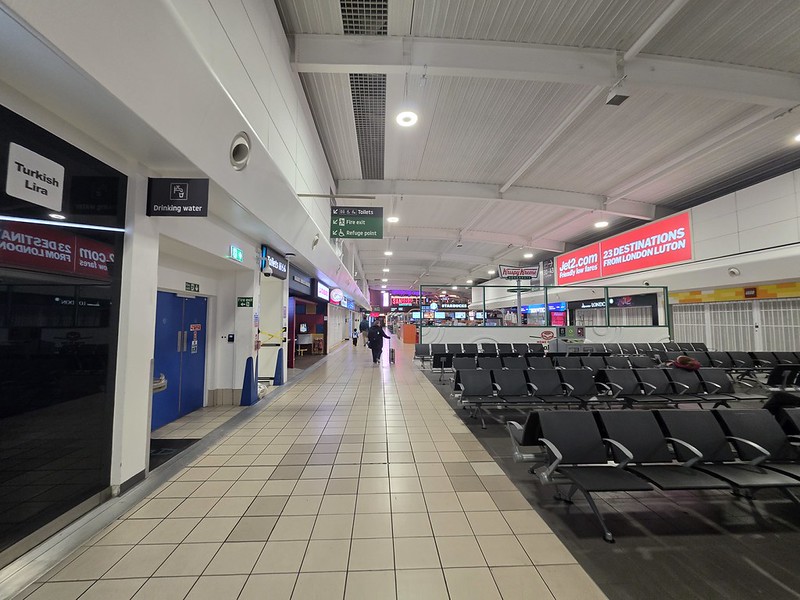
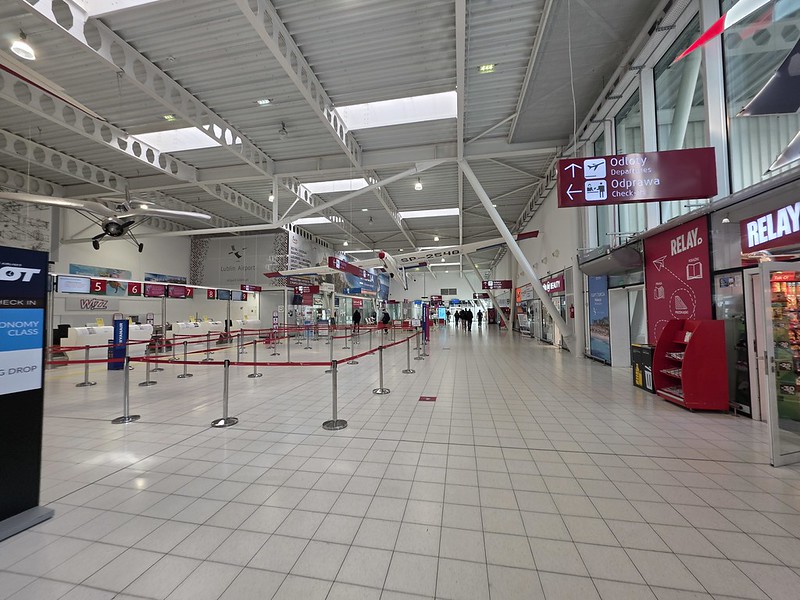
    The security process was efficient and the staff were kind and helpful as usual. No shops were open airside at this time, but there was plenty of seating.

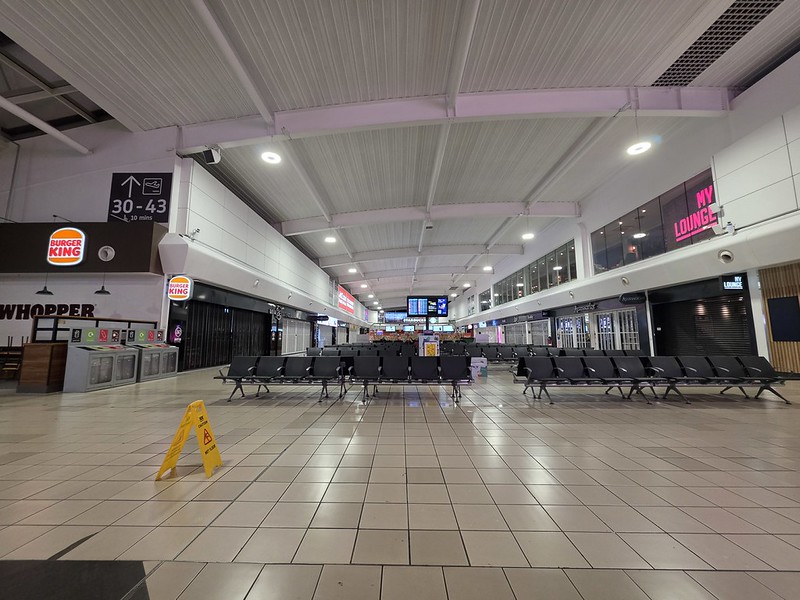
    A couple of hours after I took this photo, the terminal was packed and there were hardly any seats available.

    Mine was the fourth flight of the day out of the airport.

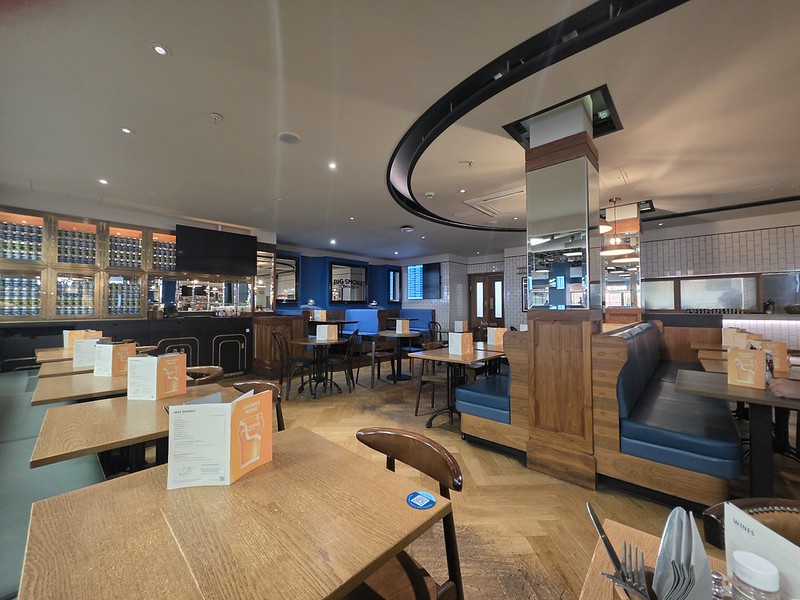
    Big Smoke is meant to open at 04:00, but this well-run venue seems to routinely open shortly after 03:00. They’re the first main food outlet that passengers see, so this seems a sensible call if they can get their staff members through security this early. I arrived at 03:30 and received a friendly welcome.

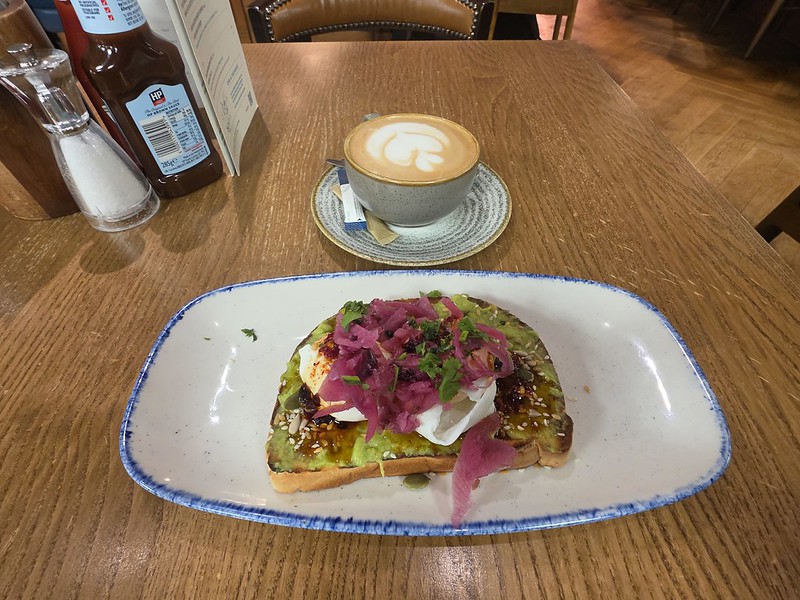
    I get an £18 credit to spend at Big Smoke with my lounge pass and this cost exactly £18. A latte alongside avocado, eggs and sweet pickle on sourdough toast. This is actually really decent, there’s a depth of flavour and taste to the food, with the coffee having the required caffeine in it. I’m not in the market to spend £18 on breakfast, as I’m not decadent, but for those who are, this isn’t a bad option.

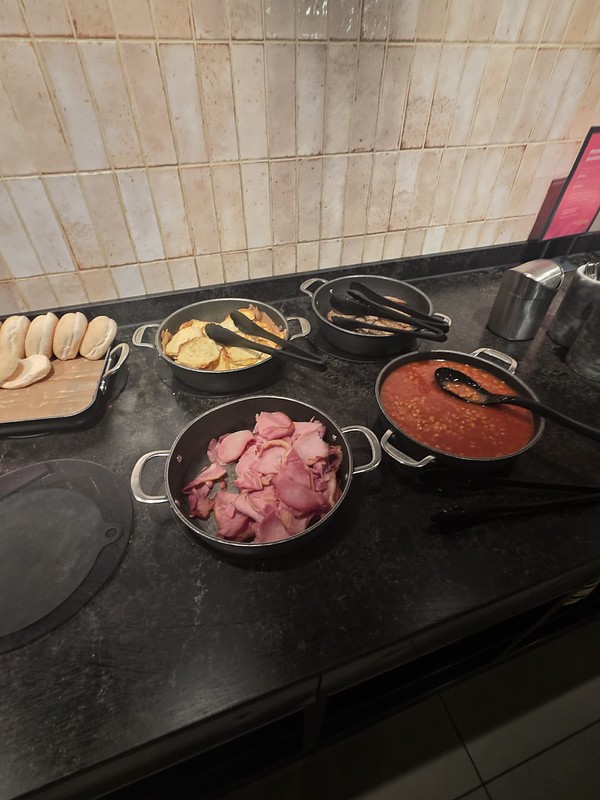
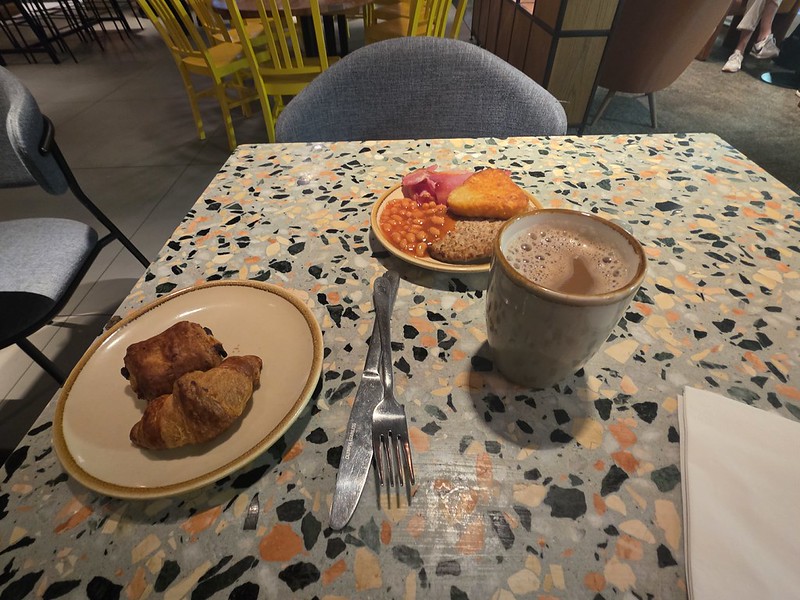
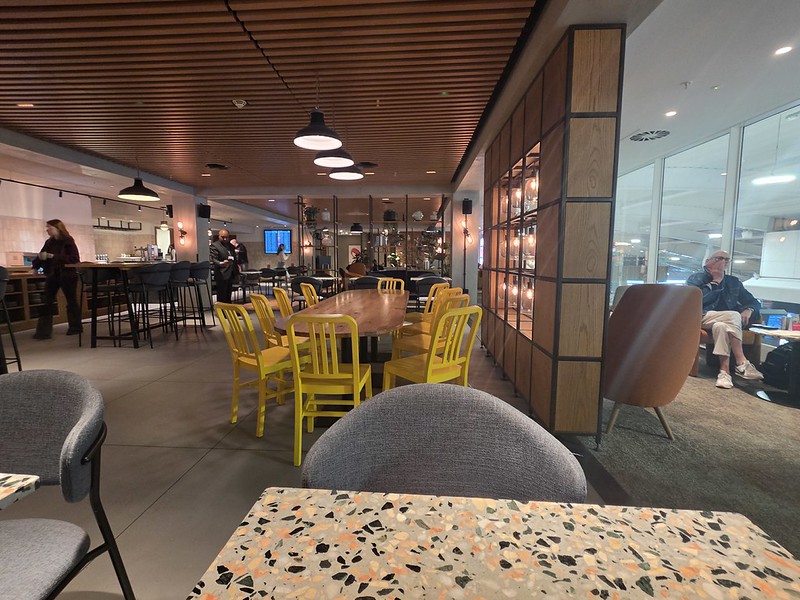
    I thought that I’d pop into the lounge as well to get more coffee. And I managed to get another little breakfast.

    Very nice. I’m not sure it would be worth paying £30 for access to this lounge, but my lounge pass means that I don’t need to be burdened with that decision.

    I thought that it would be a little busier than this, but everything was clean and they had remembered to polish the cutlery this time. It’s normally caked in dry food which is entirely sub-optimal.

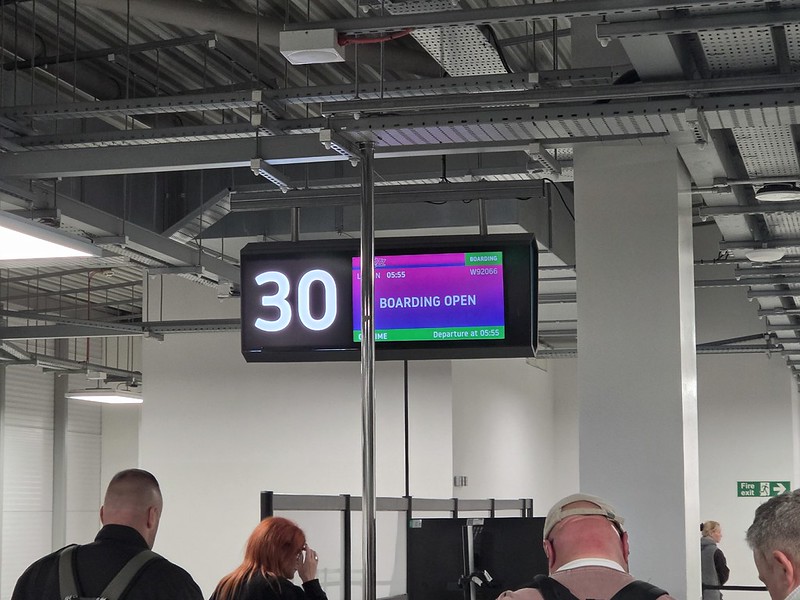
    The gate was called a little early and so I meandered over there. The boarding process was clear and well managed, with the staff members ignoring the numerous passengers who seemed to be pushing their luck with large bags. It was a busy flight and there weren’t many free seats left on the aircraft.

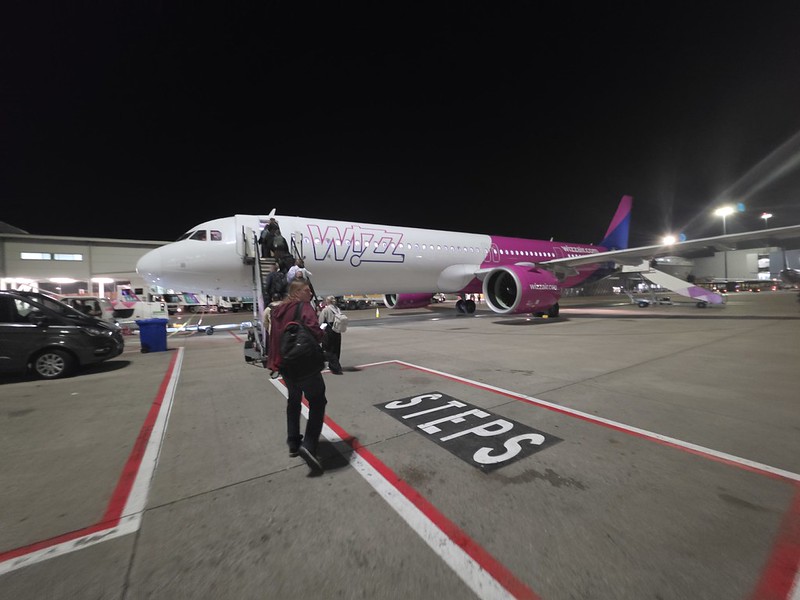
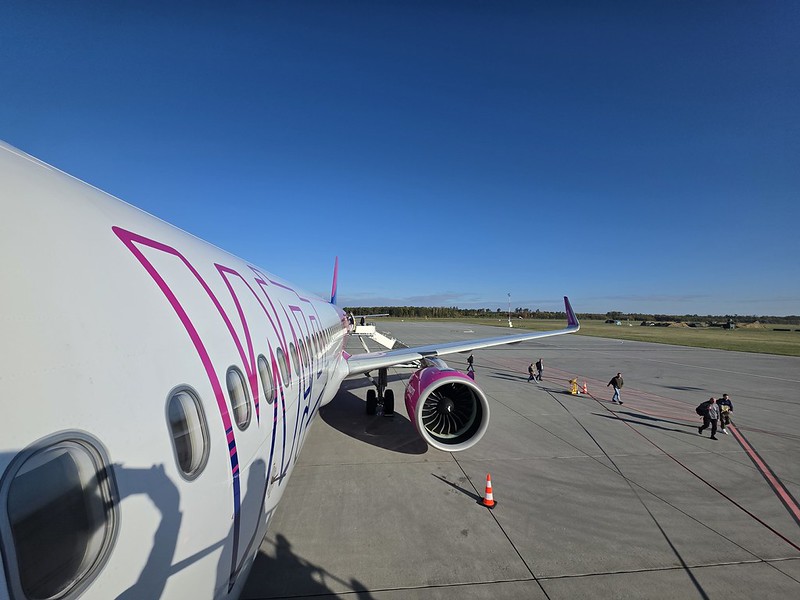
    Boarding the aircraft, which was G-WUKT that had taken me to Bratislava in June 2025. The seating gods had given me an aisle seat near the front which I was pleased with as it meant I could disembark quickly and I wanted to make a connecting train. The passenger in the middle seat asked me to switch with her boyfriend who was sitting around fifteen rows back. Although I am endlessly helpful, I refused this request as this seems to be happening on over half of flights now. The passenger was shortly afterwards moved by someone else as it transpired that she was in the wrong seat herself, so I was pleased that there wouldn’t be any awkward moments.

    We had a wait at Luton Airport due to a lack of slots, but the pilot said he planned to push back anyway and see what happened. It transpired that we had just a short delay before we took off and all was well. The crew were professional and helpful, although they didn’t have much to do as the majority of the passengers were more interested in sleeping than buying food and drink.

    I was delighted that by efficient speed walking I was able to be the second person at the border desk which sped things up. I’ve mentioned before that on Wizz Air, it feels that most of the passengers aren’t British in the way they often are with Ryanair. That meant I was through the border quickly and faster than many Poles who were using the electronic passport gates, with the member of border control deciding not to ask me what I was doing in Poland.

    It was my first time back in Lublin in nine years and as we had arrived without any significant delay, it meant that I could catch one of the few train services of the day that departed the airport. My flight cost £8.99 and, once again, Wizz Air delighted me with their service.

  • Lublin – Majdanek Concentration Camp

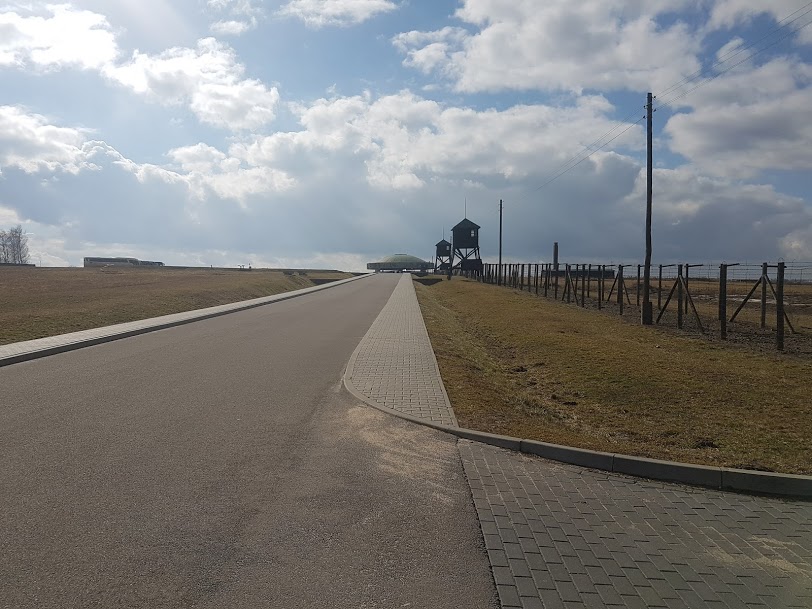
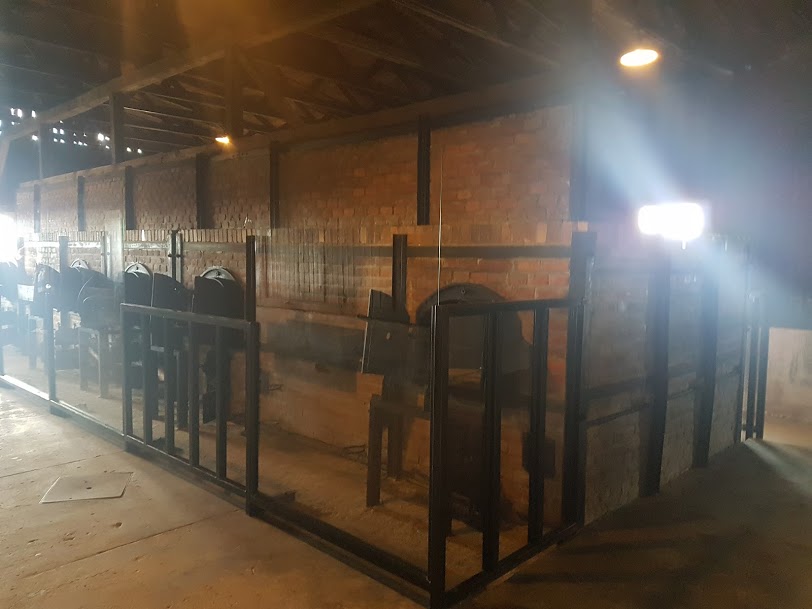
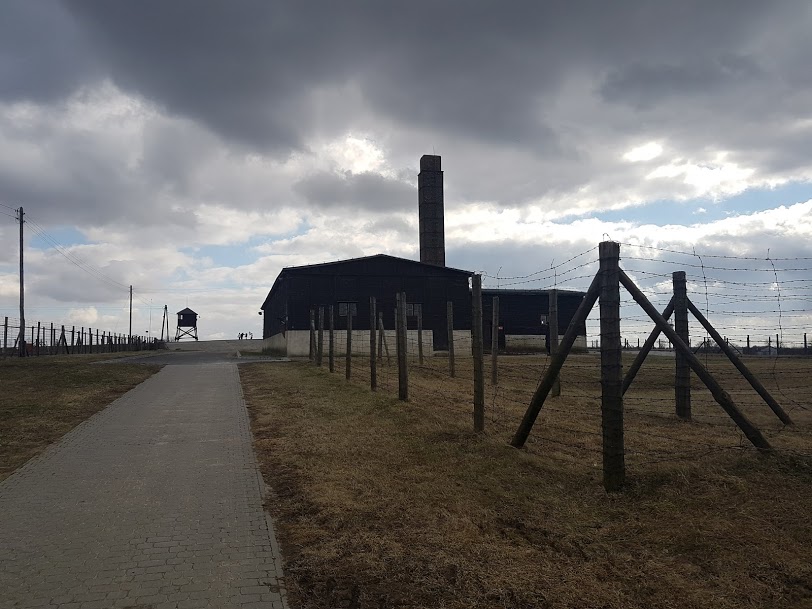
    Majdanek concentration camp is surprisingly central within Lublin, it’s within a built-up area of the city. So what went on here might not have been entirely public knowledge to the locals during the Second World War, but nor was it completely hidden.

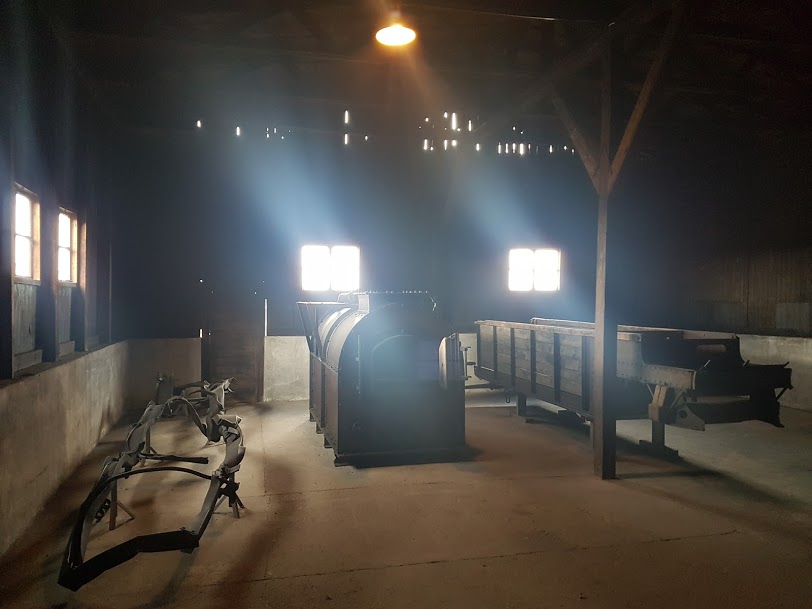
    The camp is relatively intact, which is primarily because the Soviets were able to march into Lublin before the Germans had been able to destroy evidence of what had happened here. There is still some controversy on exactly how much killing and torture went on here, but it looks fairly undeniable that there were war crimes and acts against humanity which took place.

    The camp was first established in October 1941 on the orders of Heinrich Himmer and it was initially intended to house prisoners of war. Majdanek became used though as part Operation Reinhard, which was the extermination of Polish Jews. It was also used as a storage depot for property stolen from the Jews, with enormous volumes of material being collected.
    There were five commandants of the camp between October 1941 and July 1944 when it was eventually liberated. None of the five survived long after the war, two were executed by the SS for theft, one committed suicide and two were executed following war crimes trials.
    When I visited there was a group from Israel who were, if I’m being honest, acting disgracefully. The supervisors of the group were lax, although someone sensible within the party did manage to get control of the situation. Of all the locations for a school group to be out of control, this was not it. Anyway, they all left around an hour into my visit, and it remained very peaceful and quiet after that with few visitors at the site.

    Interestingly, there were reports in the British media about this concentration camp as early as 1944. It was reported in the Nottingham Journal, amongst others, on 30 August 1944 (actually after the liberation, but no doubt the report from the correspondent had taken some time to arrive with the newspapers) that:

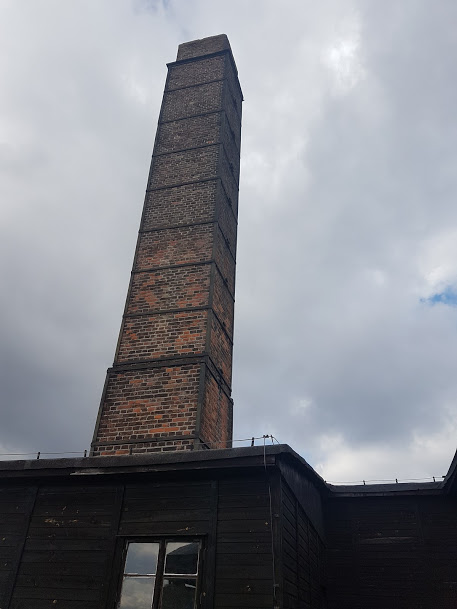
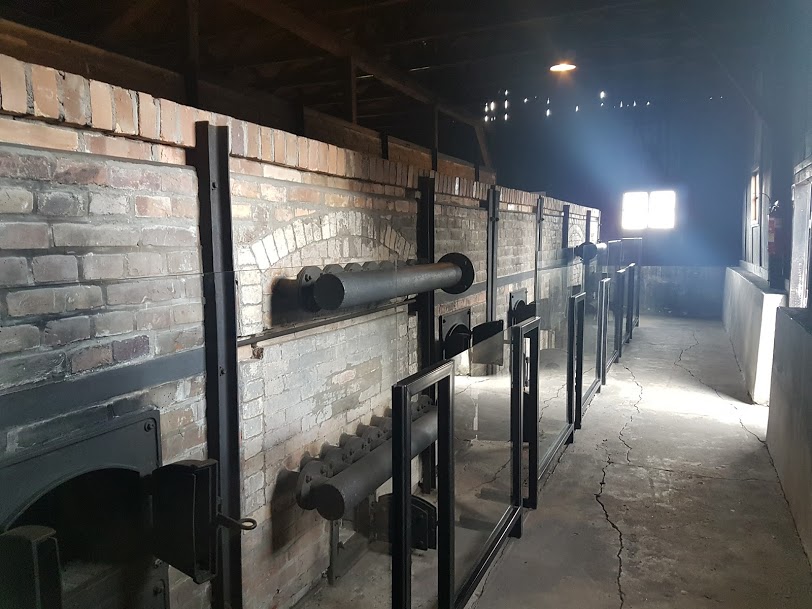
    “It was a factory – a factory of death, its shops were gas chambers, the chimneys belonged to the crematorium where corpses were burned. Along the roads men, women and children were driven and beaten to death, while 200 dogs were trained to participate in mass murder by tearing the victims to pieces.
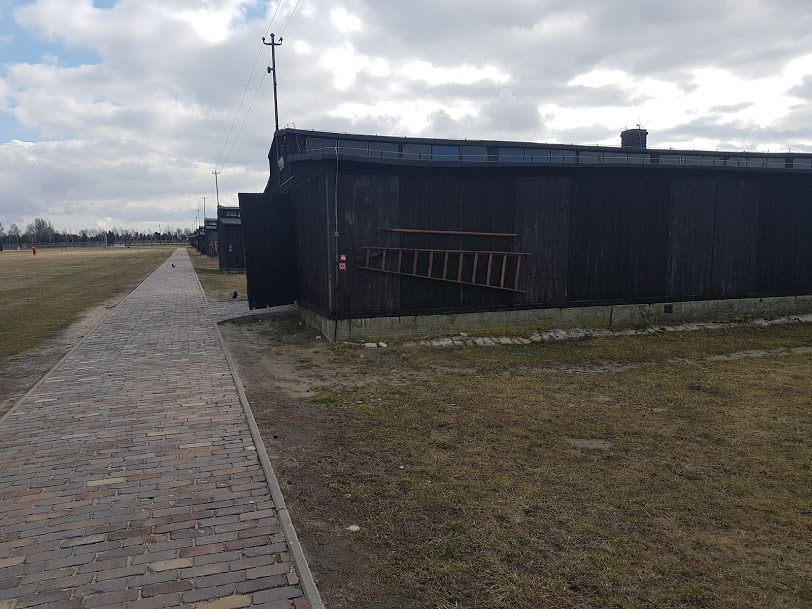
    Even the barracks were used as an instrument of death, because the Germans mixed healthy people with those suffering from infectious diseases. There were even profits. The Germans sold the urns with the ashes from the crematorium to the relatives of the murdered people, saying it was their ashes and exacted 500 to 3,000 zlotys.”

    The correspondence who wrote this report also said that prisoners were searched on arrival and he was able to see the large warehouses filled with the possessions which had been stolen from them.

    I did see a video of the site on Youtube about the liberation, which I think is this one being advertised on Amazon.

    I’ve posted separately about numerous other aspects of the site, and these posts include:

    Photos

    Dome of Ashes

    Sarcophagus

    Dissection Table

    External Photos

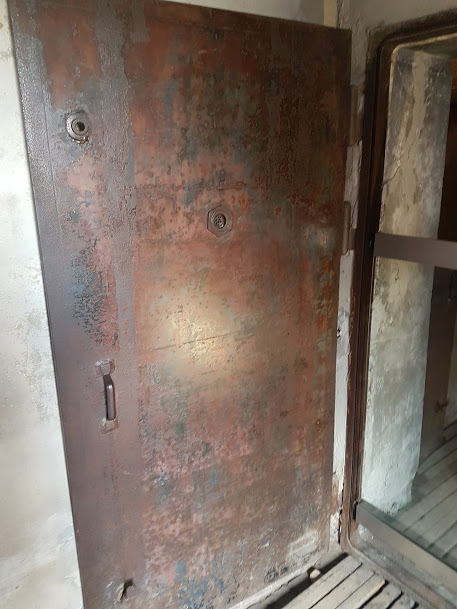
    Zyklon B

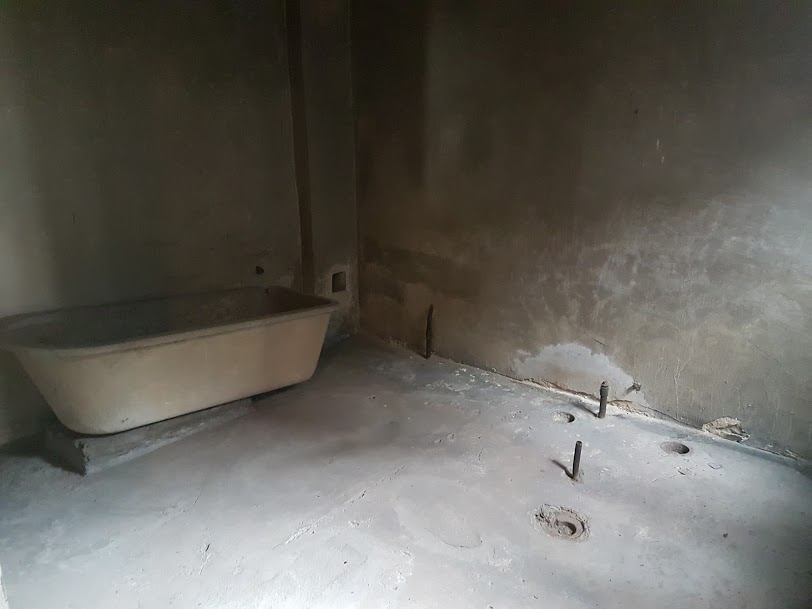
    Bathing

    Barracks

    Memorial

    Execution Ditches

    Column of Three Eagles

    Shoes


  • Lublin – Majdanek Concentration Camp (Other Photos)

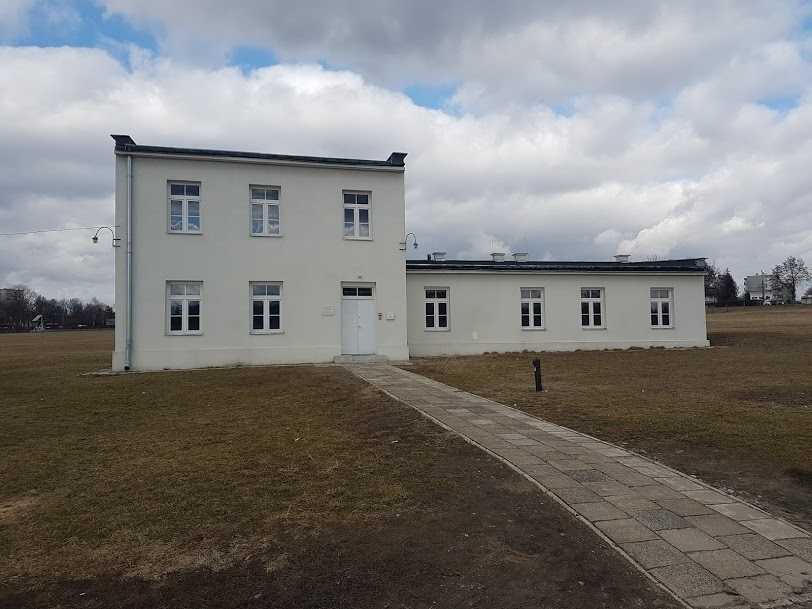
    Some other photos from Majdanek that I didn’t include in the other posts…


  • Lublin – Majdanek Concentration Camp (Dome of Ashes)

    Designed at the same time as the Majdanek Memorial, this dome stands on top of 17 tonnes of ashes and human remains. Wiktor Tołkin, the designer, put on the side of the structure the message “let our fate be a warning to you all”.

    Pieces of bone are visible in the huge pile of ashes, which were relocated here from another part of the site. The soil is treated with a substance, which isn’t visible, which protects it and stops it from blowing away.

    Carl Michael Hausswolf, an artist, was condemned internationally a few years ago when he said that he had stolen ashes from the site in 1979 and incorporated them into a painting. The painting was immediately withdrawn from the gallery where it was being displayed and it isn’t entirely clear whether or not the artist’s claim are genuine. One would like to think that the claims are untrue…..

  • Lublin – Majdanek Concentration Camp (Sarcophagus)

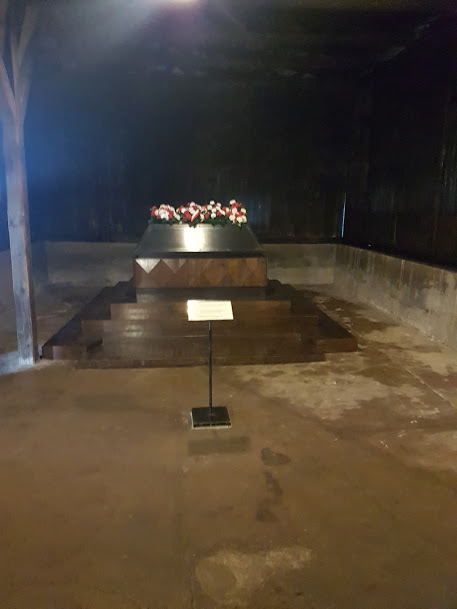
    This is the sarcophagus where the remains of bodies burned in the crematorium were stored in July 1944.

  • Lublin – Majdanek Concentration Camp (Dissection Table)

    The concrete dissection table at Majdanek, said to have been used when trying to remove items of value from a body, primarily gold teeth, but also to find valuables which had been hidden.

  • Lublin – St. Michael’s Church (Ruins)

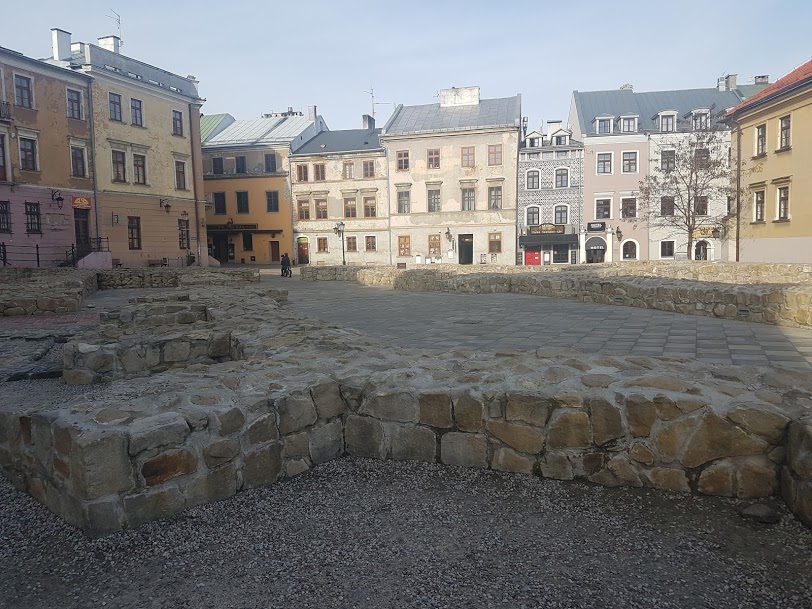
    St. Michael’s Church is no longer standing, although the ruins are still clearly visible. Work started on the church’s construction in the thirteenth century and it was rebuilt at the end of the sixteenth century when the original building was badly damaged by fire.

    The new sixteenth century building was substantial and it became one of the largest and tallest churches in Lublin. With the opening of the new cathedral building in 1832 the parish moved from St. Michael’s and the church was demolished between 1852 and 1855. Human remains were carefully removed from the cemetery at the site to the city’s new cathedral.

    The church’s stone was reused to build properties and also to use in road construction. Not an entirely ideal use for such an historic building.

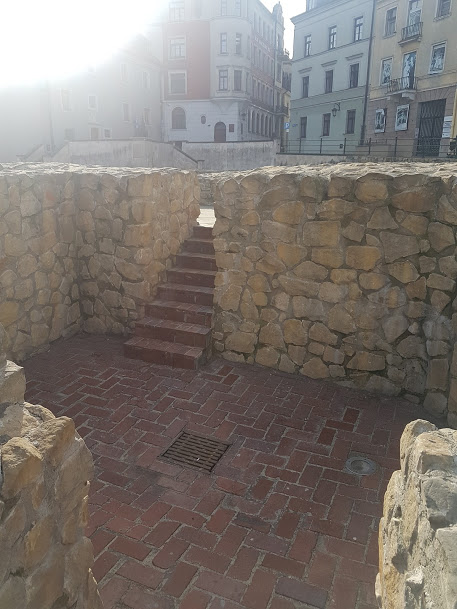
    The site was uncovered again in the 1930s and a large scale archaeological dig took place in 1970s. The remains of the church were then permanently revealed in the 1980s and are a reminder of what a beautifully location it was once located in.

  • Lublin – Sexy Duck

    Part of a small chain of two restaurants, which I admit is a small chain, with the other outlet being in Warsaw. Specialising in Italian food, which no end of other Polish restaurants seem to do, it was clean and comfortable inside the restaurant. The service was attentive and helpful, with the staff member finding me a table even though it was relatively busy during my visit.

    Quirky decor…..

    There was a dark beer option, which had a sufficiently interesting taste and was at least refreshing.

    The chicken pasta, clean in its presentation and with a depth of taste to it. The pasta retained some bite whilst the chicken was tender and flavoursome, and the rocket added some texture. The meal cost around £4 and the portion size was sufficiently generous.

    Towards the higher end of the price scale for Lublin, although still not particularly expensive by UK standards, I thought this was a better than average meal and the surroundings were comfortable. There were plenty of duck based dishes which was in keeping with the restaurant’s name, but I wasn’t tempted on this occasion.