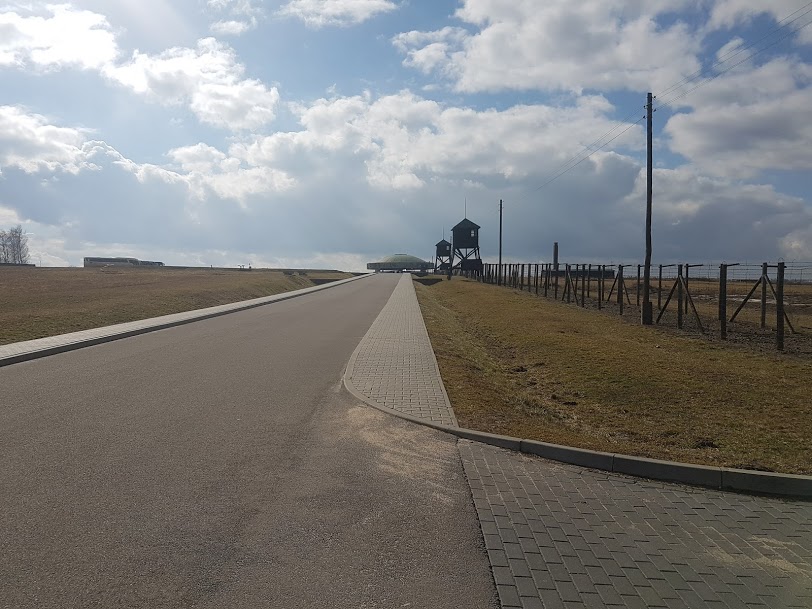
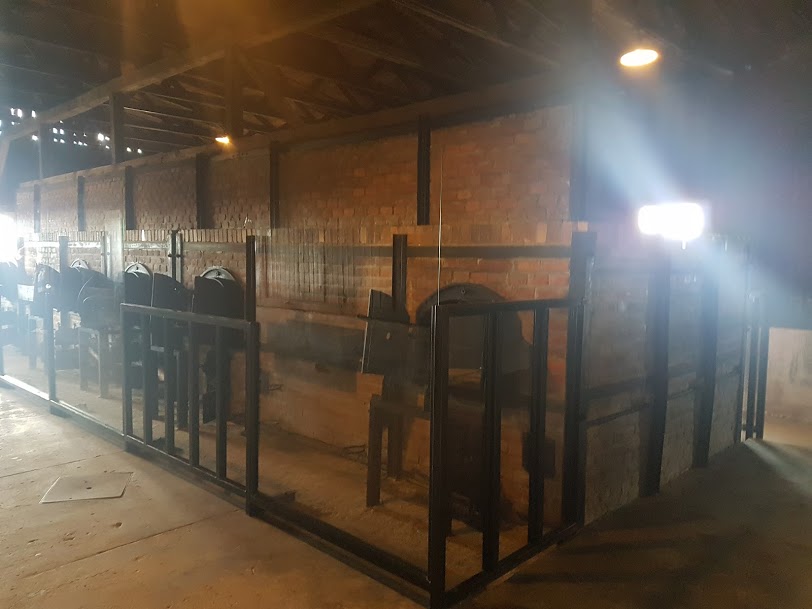
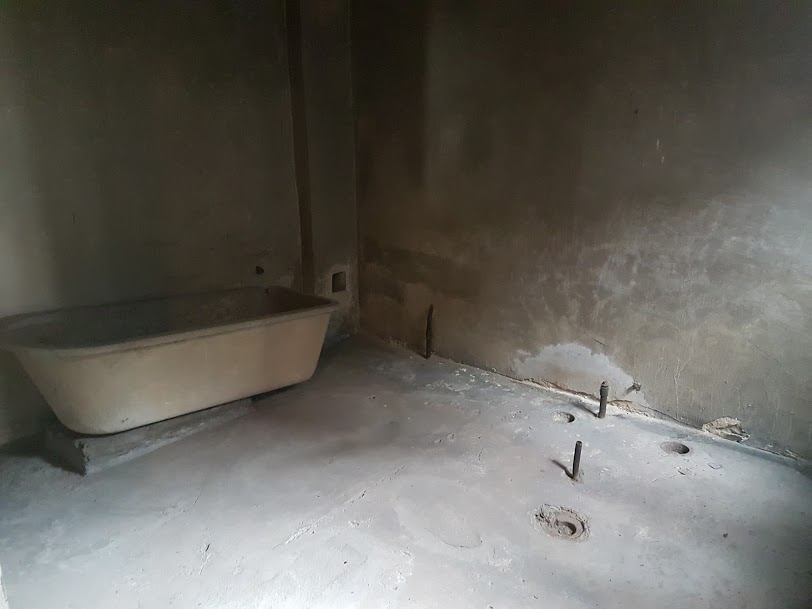
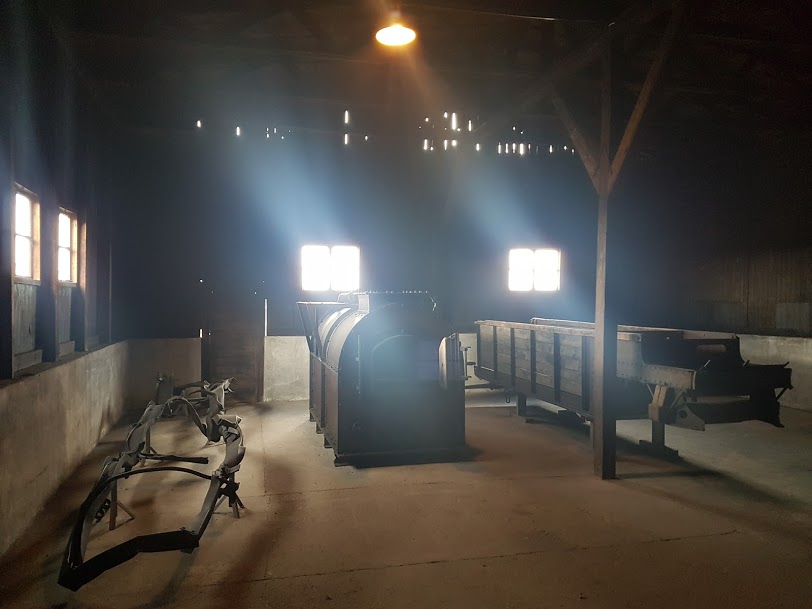
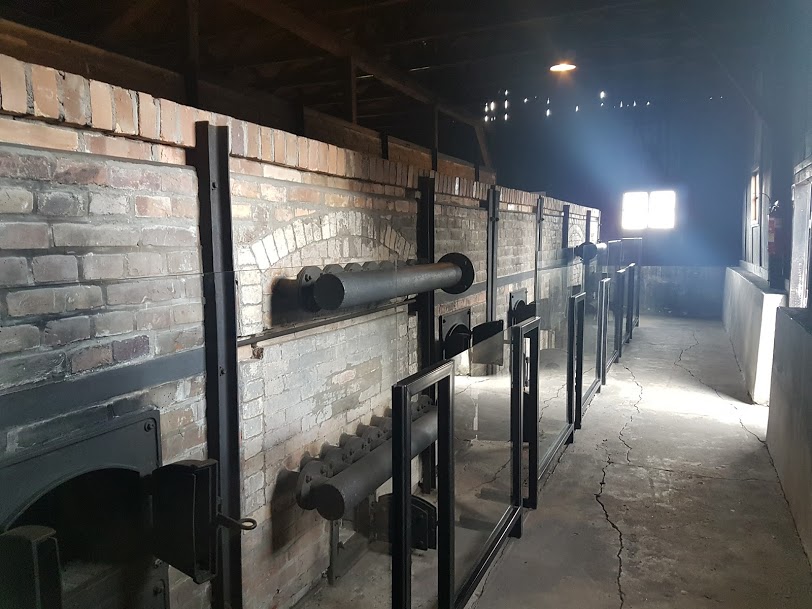
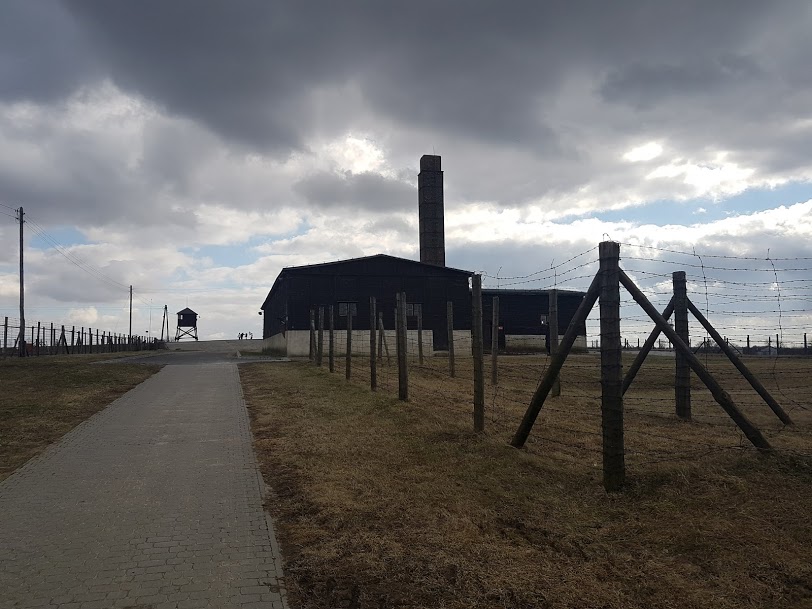
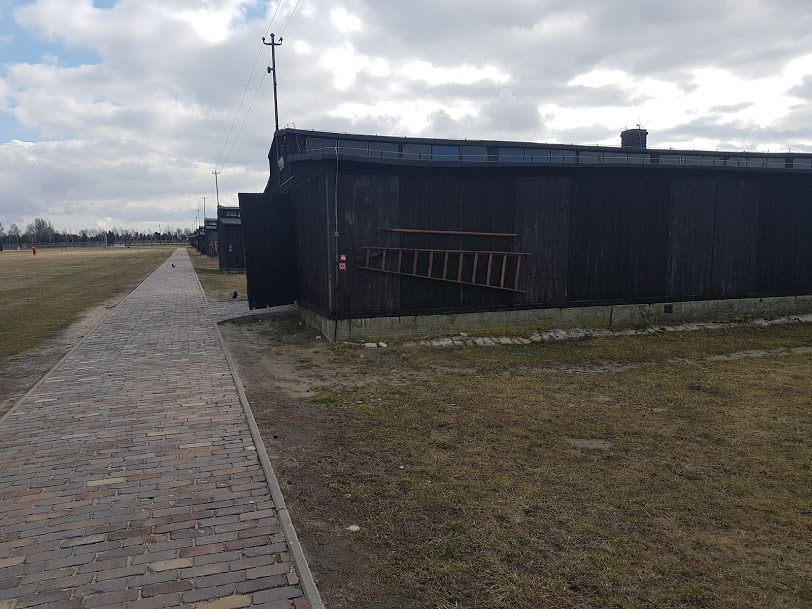
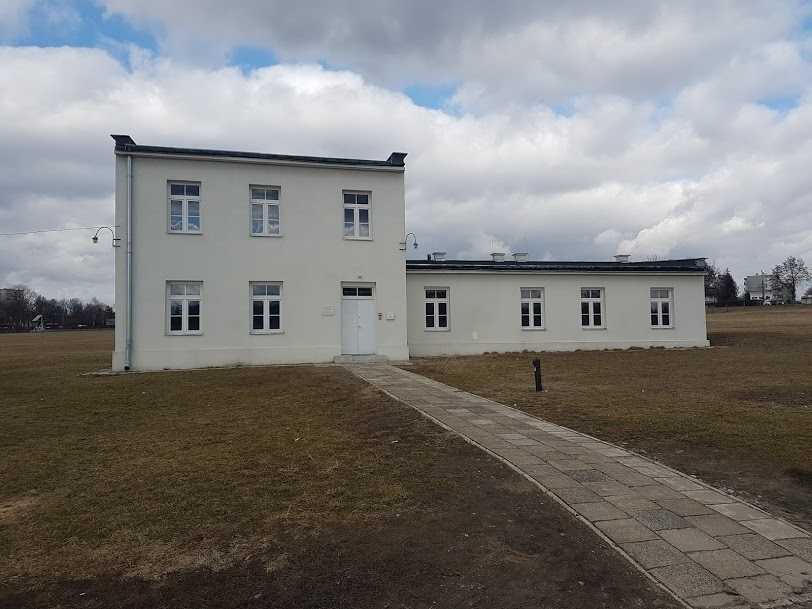
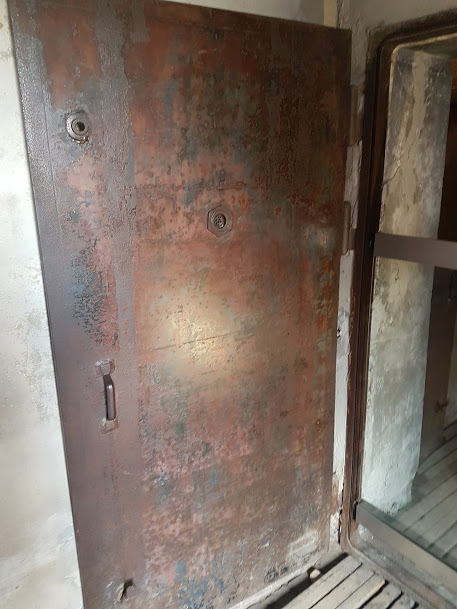
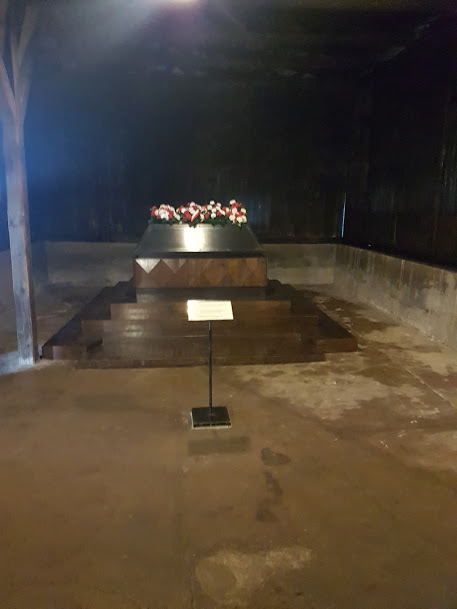
Majdanek concentration camp is surprisingly central within Lublin, it’s within a built-up area of the city. So what went on here might not have been entirely public knowledge to the locals during the Second World War, but nor was it completely hidden.
The camp is relatively intact, which is primarily because the Soviets were able to march into Lublin before the Germans had been able to destroy evidence of what had happened here. There is still some controversy on exactly how much killing and torture went on here, but it looks fairly undeniable that there were war crimes and acts against humanity which took place.
The camp was first established in October 1941 on the orders of Heinrich Himmer and it was initially intended to house prisoners of war. Majdanek became used though as part Operation Reinhard, which was the extermination of Polish Jews. It was also used as a storage depot for property stolen from the Jews, with enormous volumes of material being collected.
There were five commandants of the camp between October 1941 and July 1944 when it was eventually liberated. None of the five survived long after the war, two were executed by the SS for theft, one committed suicide and two were executed following war crimes trials.
When I visited there was a group from Israel who were, if I’m being honest, acting disgracefully. The supervisors of the group were lax, although someone sensible within the party did manage to get control of the situation. Of all the locations for a school group to be out of control, this was not it. Anyway, they all left around an hour into my visit, and it remained very peaceful and quiet after that with few visitors at the site.
Interestingly, there were reports in the British media about this concentration camp as early as 1944. It was reported in the Nottingham Journal, amongst others, on 30 August 1944 (actually after the liberation, but no doubt the report from the correspondent had taken some time to arrive with the newspapers) that:
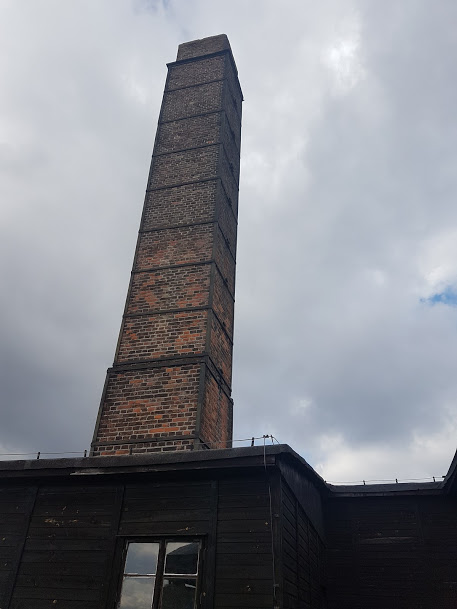
“It was a factory – a factory of death, its shops were gas chambers, the chimneys belonged to the crematorium where corpses were burned. Along the roads men, women and children were driven and beaten to death, while 200 dogs were trained to participate in mass murder by tearing the victims to pieces.
Even the barracks were used as an instrument of death, because the Germans mixed healthy people with those suffering from infectious diseases. There were even profits. The Germans sold the urns with the ashes from the crematorium to the relatives of the murdered people, saying it was their ashes and exacted 500 to 3,000 zlotys.”
The correspondence who wrote this report also said that prisoners were searched on arrival and he was able to see the large warehouses filled with the possessions which had been stolen from them.
I did see a video of the site on Youtube about the liberation, which I think is this one being advertised on Amazon.
I’ve posted separately about numerous other aspects of the site, and these posts include:
Photos
Dome of Ashes
Sarcophagus
Dissection Table
External Photos
Zyklon B
Bathing
Barracks
Memorial
Execution Ditches
Column of Three Eagles
Shoes