Category: London

  • London – City of London – London Liverpool Street – Fur das Kind

    London – City of London – London Liverpool Street – Fur das Kind

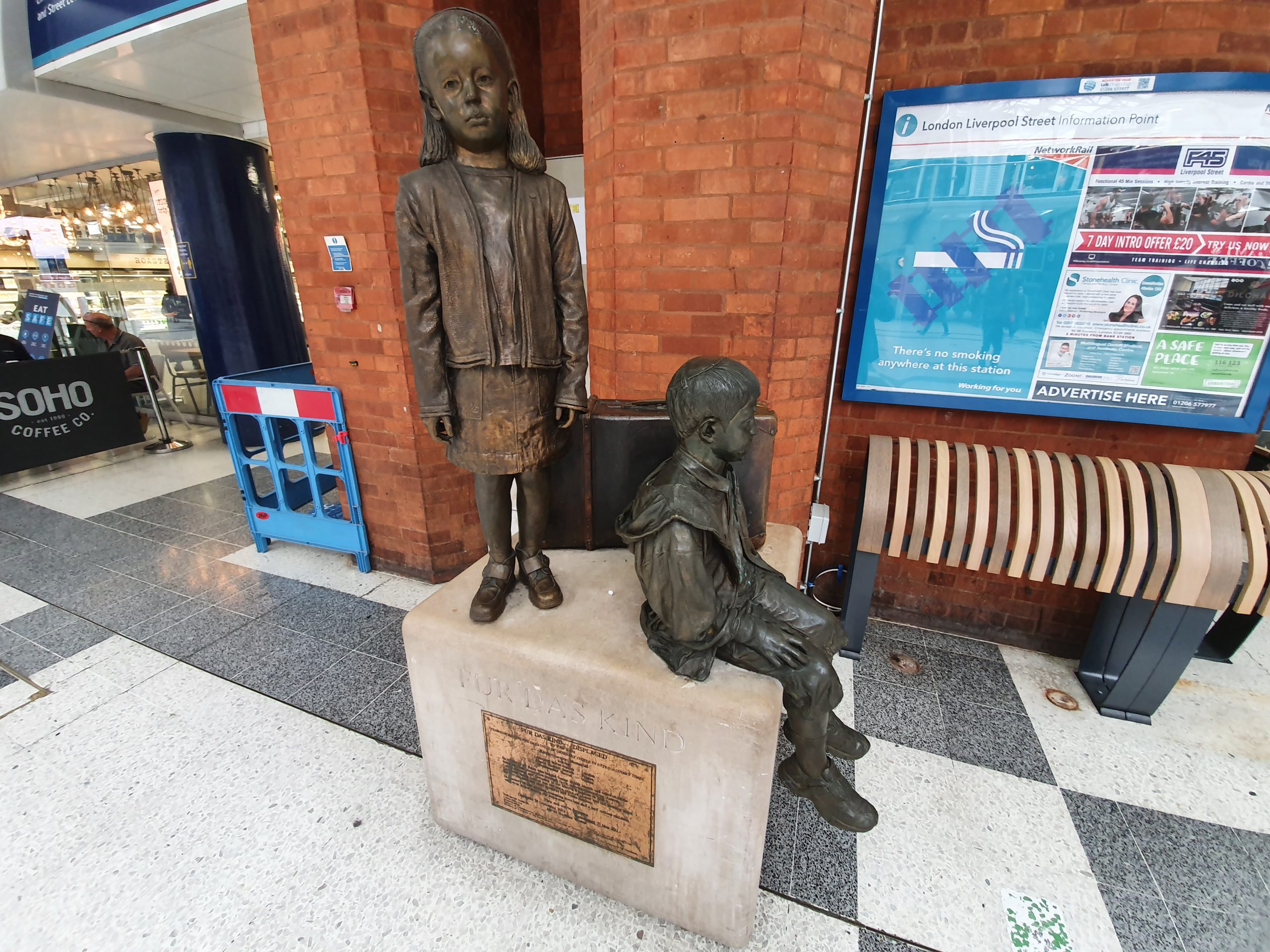
    I’ve wanted to take a photo of this numerous times before, but there have always been people sitting either on the sculpture or perched on the seat like thing next to it. Since London is suffering from a lack of visitors and workers at the moment, the railway station is quiet and there were few people around at all.

    The sculpture is designed by Flor Kent and not by Frank Meisler as I had thought, although he designed the sculpture on the main concourse and the one in Gdansk. They commemorate the same thing though, the Kindertransport which saved thousands of Jewish children from death. Unfortunately, the transports were brought to a halt by the start of the Second World War, but the lives of 10,000 children were saved.

    Originally this sculpture was placed on the main outside concourse of the railway station, but just the girl, which is a life size cast of one of the survivor’s grand-children. Along with the girl was a large perspex case of actual items that had been brought over by the children. Today, the figure of a child has been added and the case is no more, and they have been placed in the railway station as a reminder that this is where many children came on their rescue mission. I’m not sure that it’s best placed by the entrance to the underground station as it’s easily missed because of the people who often stand in front of it.

    There are other similar sculptures across Europe which note other parts of the journey that children went on. It’s a very emotive piece and a reminder of what went on here.
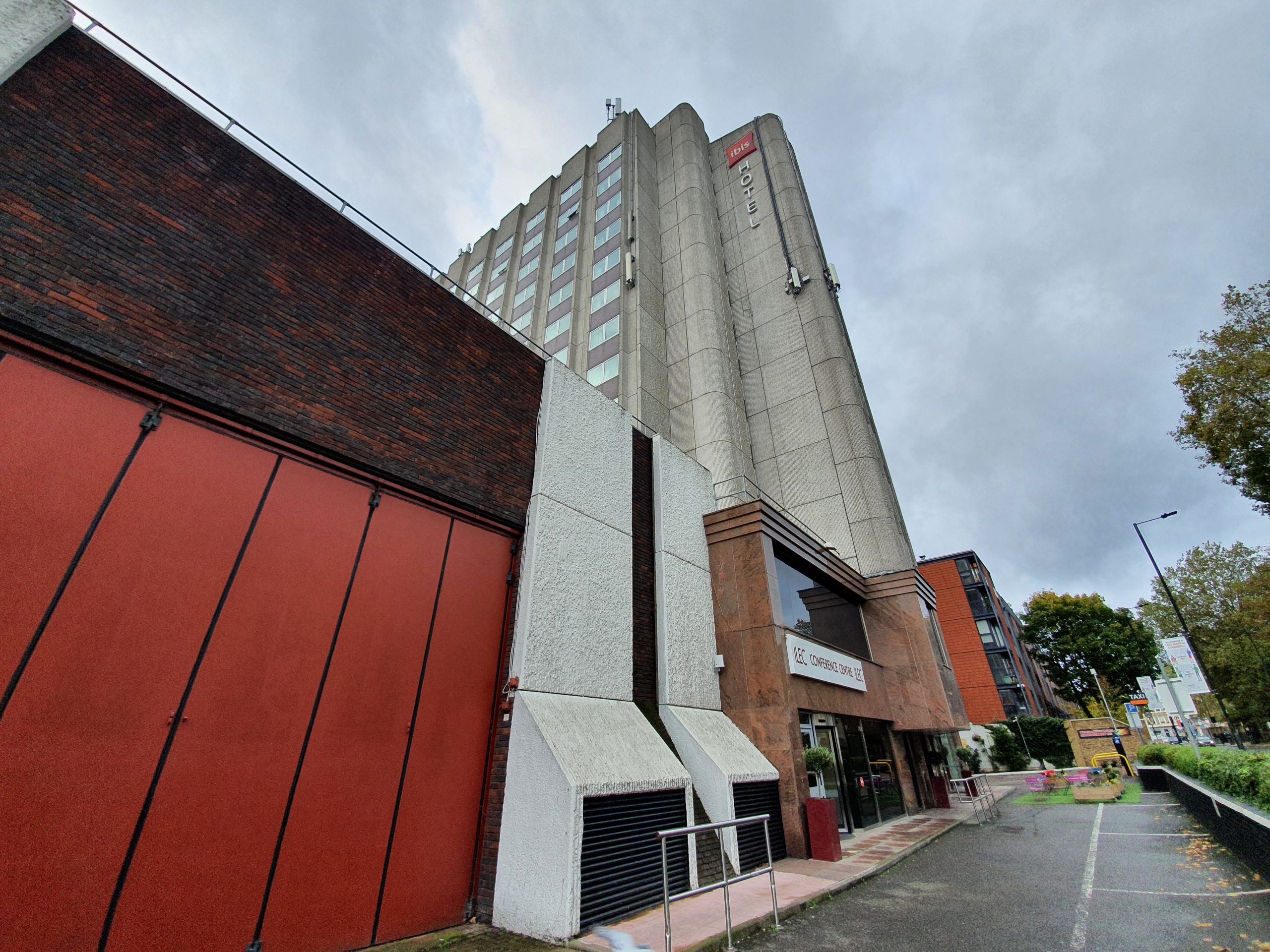
  • London – Hammersmith and Fulham (Borough of) – Ibis Earls Court

    London – Hammersmith and Fulham (Borough of) – Ibis Earls Court

    As I understand, this large Ibis hotel is usually busy with conferences and events, so these must be challenging times for them. I’ve never stayed here before, but their room rates are for obvious reasons low at the moment.

    The reception area, all modern in appearance and it seemed welcoming. There’s a separate restaurant area, but this is also the bar area which is in operation throughout the day. The staff were excellent, both at reception and at the bar, so all positive first impressions.

    This put me in a good mood, I wasn’t limited to a welcome drink of Budweiser. It’s lovely to get a welcome drink, but it’s nicer to have something different. I rarely have Leffe, it was better than I recall, so a decent option to have. I noticed afterwards that they also had London Pride, so they are making an effort not just to stock lagers.

    The room, which might not be the most modern in appearance, but I’m more interested in functionality than design. As long as I have a bed, desk, plenty of power points, a window and a door then I’m relatively pleased. There could have been more power points in the room, but it’s probably something that will be addressed when there’s a refurbishment. There were coffees and teas in the room, everything was clean and there was sufficient desk space.

    The bathroom, also clean and with a telephone should I need to contact anyone urgently.

    The view from the window and I could see central London and Canary Wharf by peering out of the window and looking left. Always positive to have an extensive view and to see plenty of the city. There were no noise issues either within the hotel or outside it, so I was entirely satisfied with the night’s stay. I paid for this room with loyalty points, topping that up with 84p which was collected on my credit credit. Not bad at all….

    It seems that the reviews from others are a bit mixed, perhaps the rooms become noisier when the hotel is busier, although many complaints are just guests thinking that the hotel decor is a little tired. I can’t imagine that the hotel is going to be able to afford to start on renovation works in the current climate, but at least what they have seems clean. Anyway, I liked this hotel and that’s the main thing to me  🙂

  • c2c : Basildon to Upminster

    c2c : Basildon to Upminster

    How beautiful Basildon’s railway station looks from the exterior…. It’s a relatively new railway station, opened in 1974 on an existing railway line to deal with the increasing number of people living in the new town of Basildon.

    I’ve seen more beautiful railway stations. I couldn’t buy this ticket on-line using GWR, who I usually purchase from (I get Nectar points), it said that the journey wasn’t valid. There must have been some timetabling issues, but I was able to buy a ticket from the machines as Basildon. It’s quite an expensive ticket at over £6 for the short journey, but there’s no other public transport that I can see that made this journey.

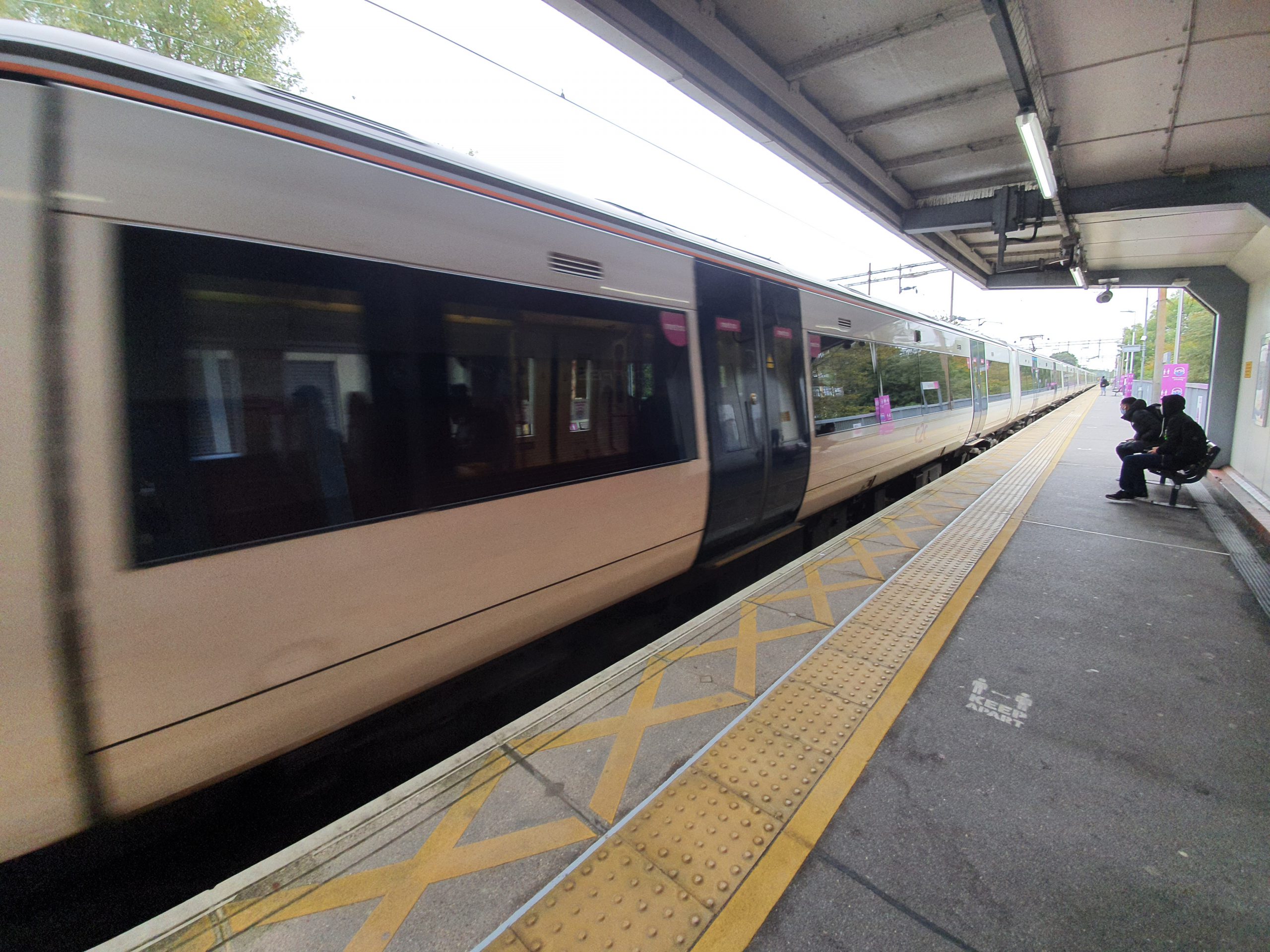
    The train wasn’t particularly busy and nor was it very clean either, with a fair amount of litter around. I’m entirely reliant on Wikipedia to work out what kind of train this is, but it’s apparently a Bombardier Electrostar Class 357.

    And arriving into Upminster on time. The train was getting a little busier by this point, although there were plenty of seats still available. From here, the train goes into London and arrives at Fenchurch Street in the city centre.

    Upminster railway station isn’t really the most beautiful in the world either, with this section of the station being added in 1932. The railway station itself though dates from 1885 when it was built by the London, Tilbury and Southend Railway.

  • London – Havering (Borough of) – Upminster – Heritage Trail

    London – Havering (Borough of) – Upminster – Heritage Trail

    I do like a nice heritage trail and this was a perfect length for a walk before the pubs opened, just over one mile long. There’s also an optional extension, which I didn’t do, which goes up to the Tithe Barn and Upminster Hall. The trail includes:

    The Old Chapel

    St. Laurence’s Church

    Clockhouse

    Upminster Windmill

    Workhouse

  • London – Havering (Borough of) – Upminster – Former Workhouse

    London – Havering (Borough of) – Upminster – Former Workhouse

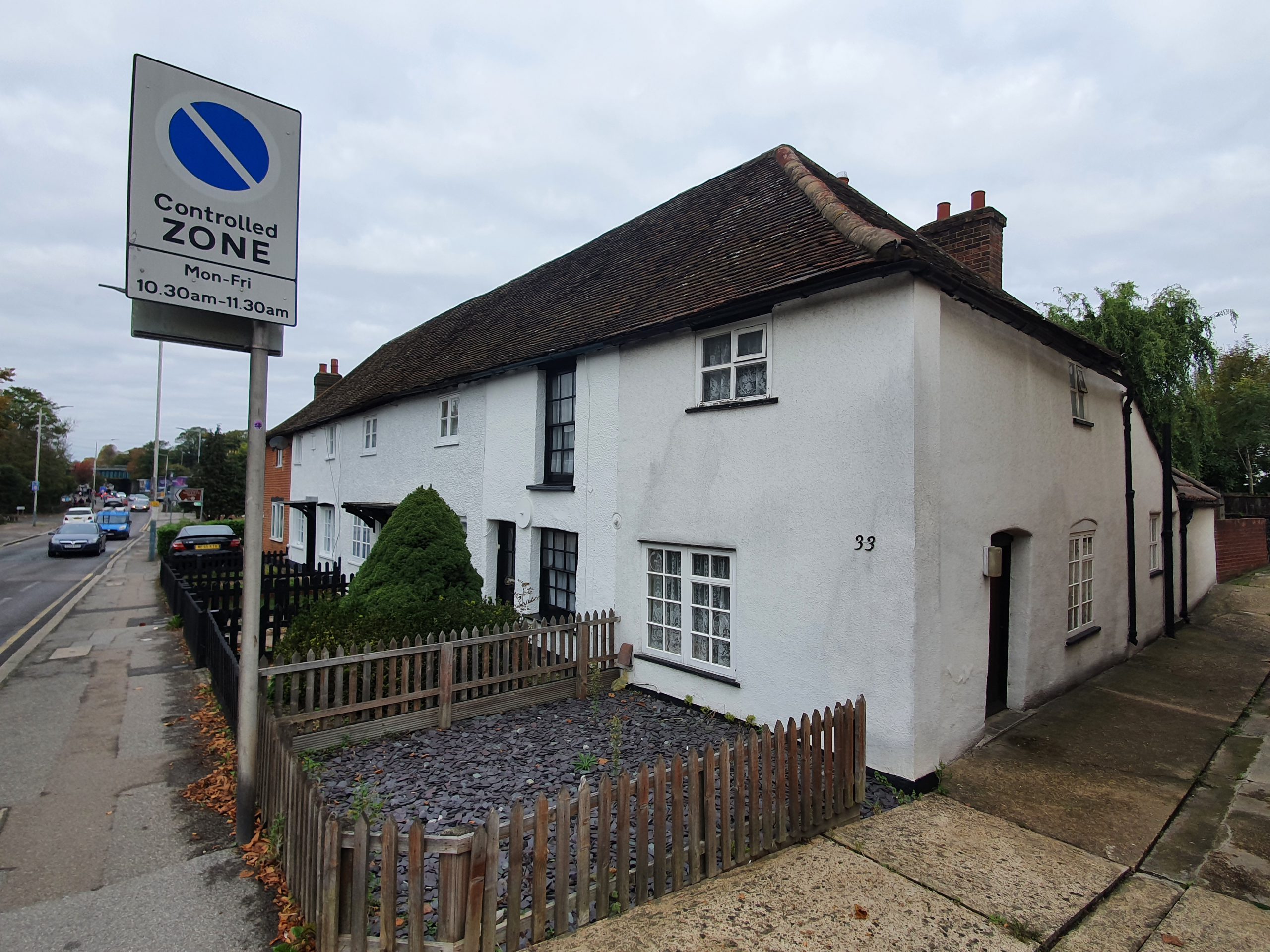
    This property was built in 1751 as the workhouse for the area, being extended in 1783. As the need for workhouses increased, a new building was necessary as this could only hold just over twenty inmates. After a new workhouse was constructed in Romford, this building was turned into a row of cottages.

    Now known as Ingrebourne Cottage, the frontages have been quite modernised, although the buildings retain some historic charm.

  • London – Havering (Borough of) – Upminster – Clockhouse

    London – Havering (Borough of) – Upminster – Clockhouse

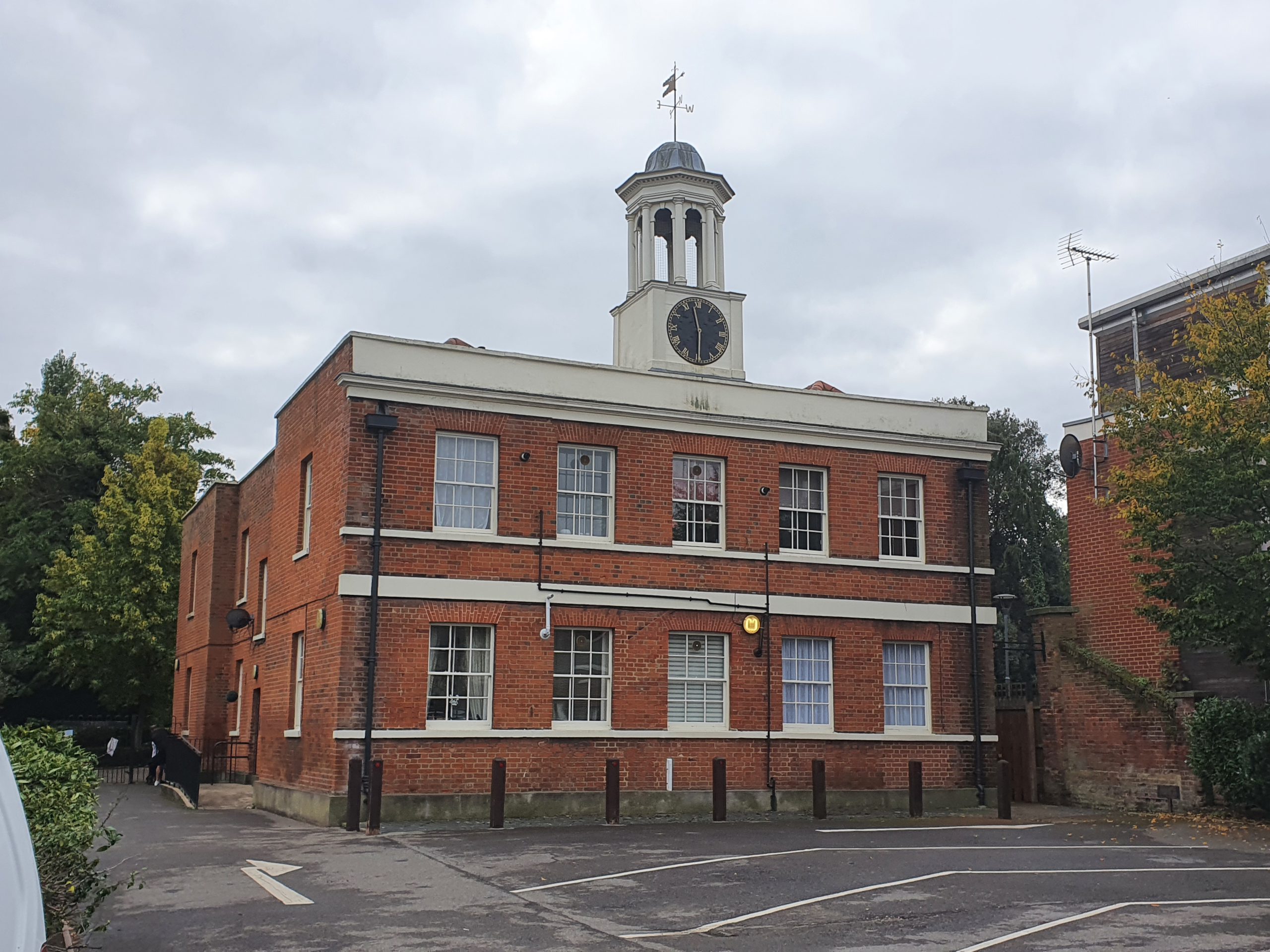
    This is the former stable block to the manor house of New Place, now demolished, and it’s known today as the Clockhouse. It’s been turned into flats now, although the gardens behind the property can still be accessed. The building was constructed in 1775 and the clock is from the same period, designed by Edward Tutet. A weather vane was moved from Woolwich Arsenal to the building in 1775, with this vane from 1700 now stored somewhere inside the building.

  • London – Havering (Borough of) – Upminster – The Old Chapel

    London – Havering (Borough of) – Upminster – The Old Chapel

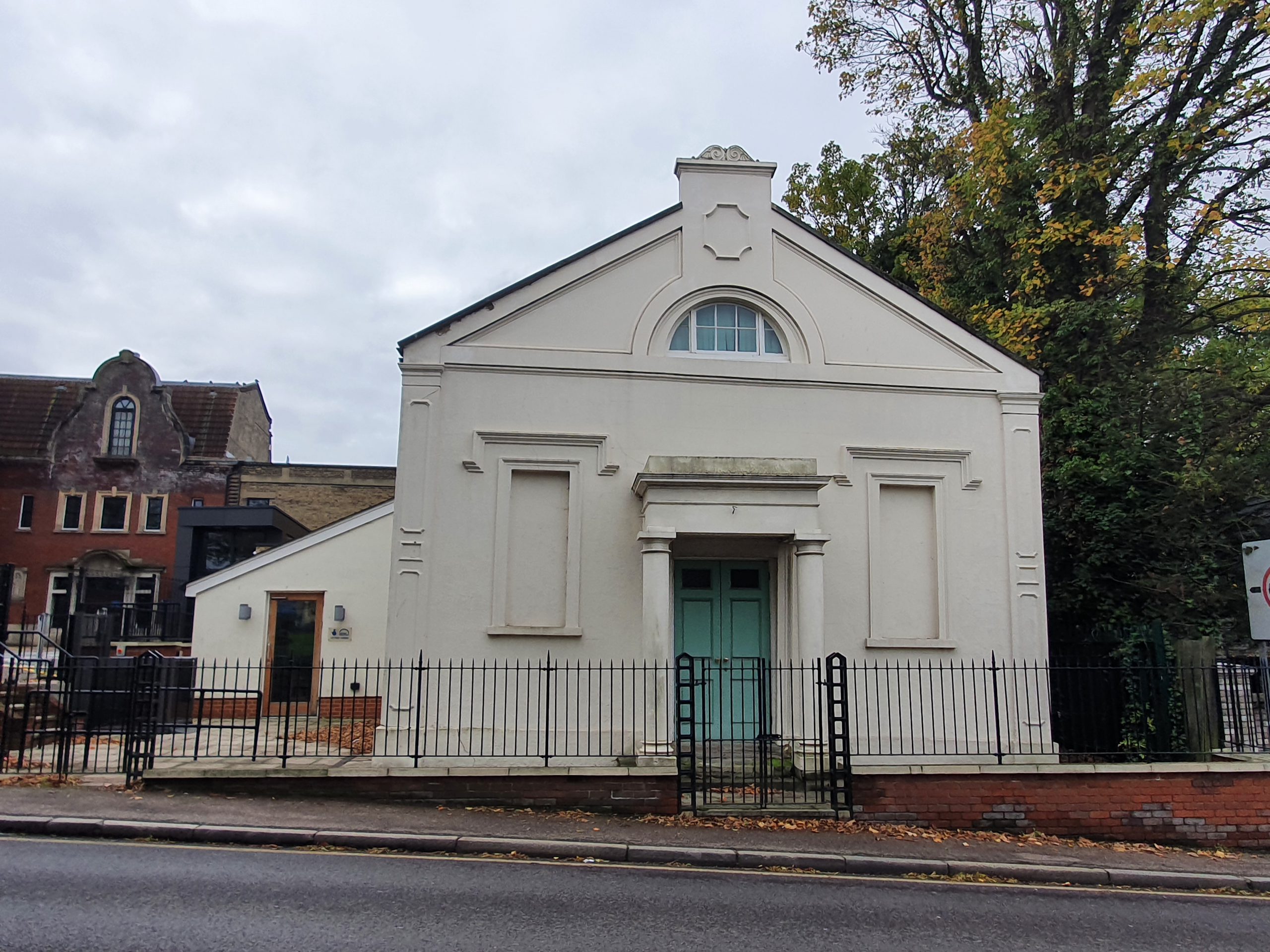
    This chapel is part of the Upminster Heritage Trail and is located on St. Mary’s Lane. It was first built in 1800 and was remodelled in 1847. It was used by the Plymouth Brethren until 1989, when it became used by the Sacred Heart of Mary Girls’ School. In normal times, it is open to the public at weekends and has been restored inside.

  • Pret – Coffee Subscription (unimpressed….)

    Pret – Coffee Subscription (unimpressed….)

    I cancelled my Pret coffee subscription after one month, which was the one that they gave me. Anyway, since I’m in London and they have lots of branches here, I thought that I’d resubscribe. The account process is terrible, it’s fiddly to log-in and I know other people are just making up new e-mail addresses to get free coffee, so they probably haven’t had vast amounts of people manually resubscribing.

    Anyway, with code in hand, the store at Moorgate refused the transaction suggesting that my payment hadn’t gone through. My payment had gone through, but these things happen. I heard the store manager say “nothing we’re prepared to do about it”. I contacted Pret and the problem, which was theirs, was immediately fixed. It might have been easier for them to just give me the coffee they’d poured and ask if I could resolve it with Pret customer service, but it’s possible they get too many people trying it on. As it wasn’t busy, a “do you need any help, or a contact phone number for Pret?” might have been really useful though.

    I was more annoyed by having to go back ten minutes later and then I ordered again and they forgot to pour that one entirely (I don’t think it was because they were annoyed at me, they forget an order from another customer as well). The service was polite and the coffee was fine and these things do happen, but it’s the “nothing we’re prepared to do about it” means I’m not prepared to renew….. Disappointing, as I very much like Pret.

    NB, and as an addendum written the next day, things improved  🙂

  • London – Havering (Borough of) – Upminster – St. Laurence’s Church

    London – Havering (Borough of) – Upminster – St. Laurence’s Church

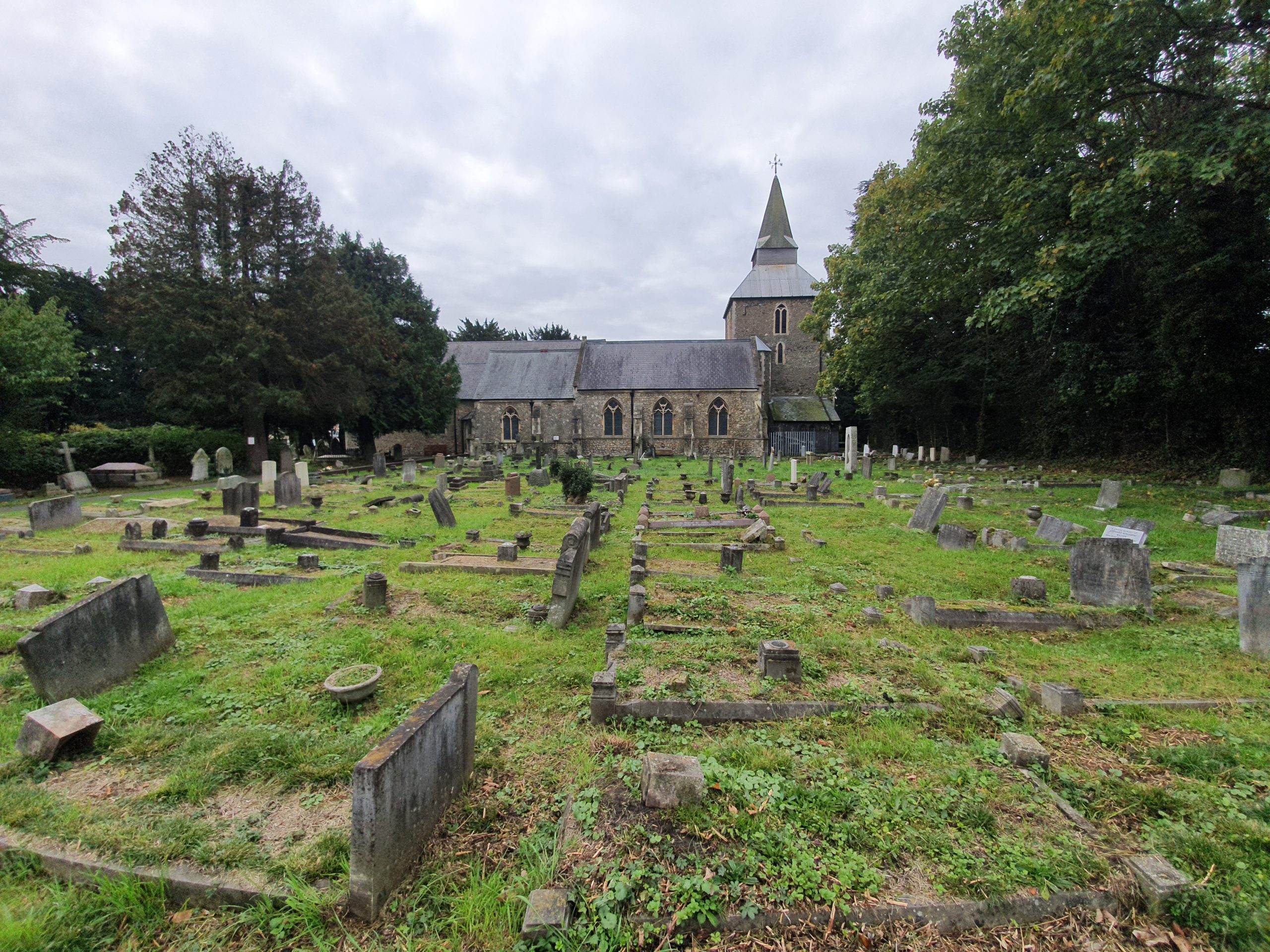
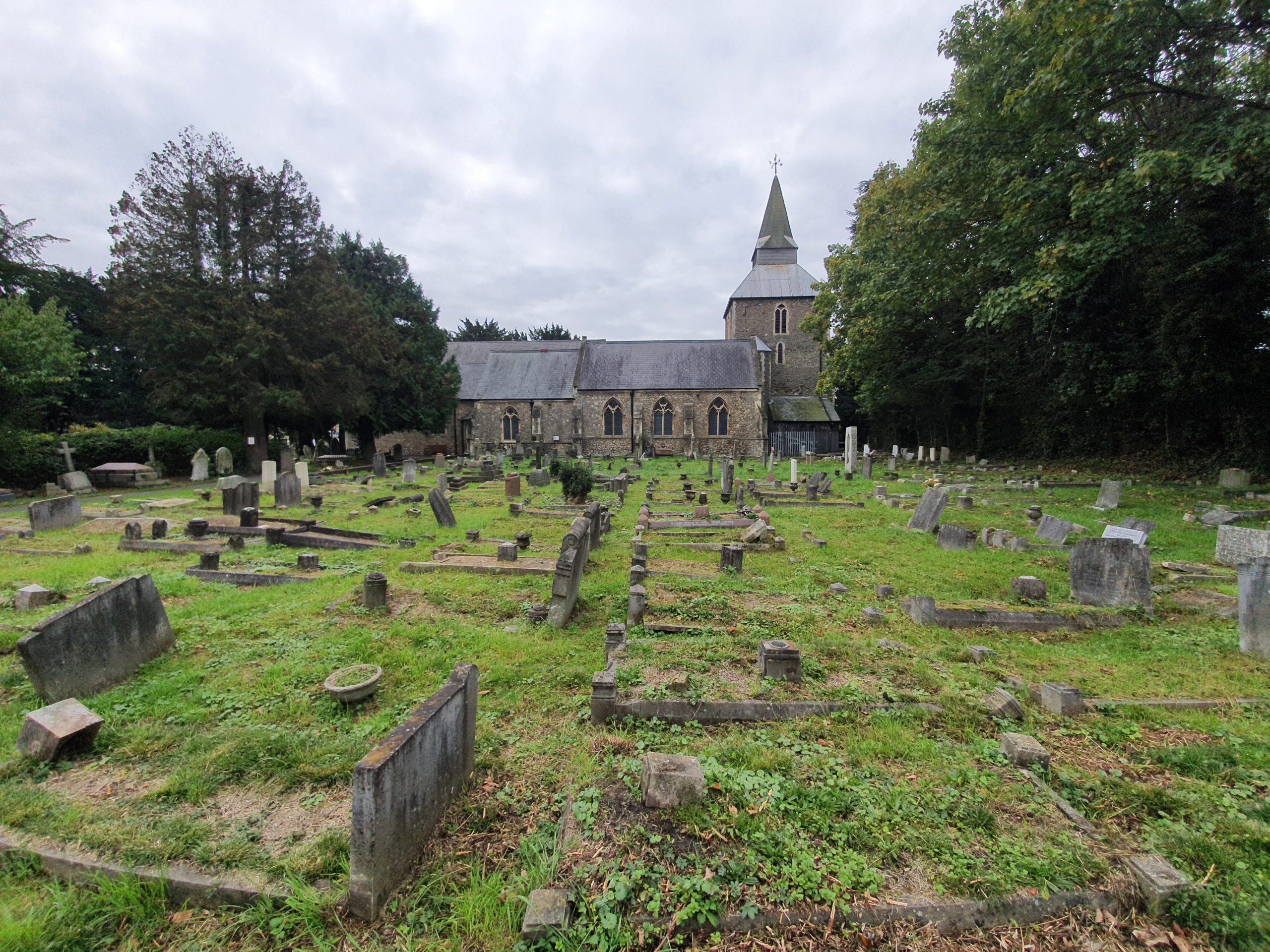
    The Church of St. Laurence is important to Upminster for numerous reasons, not least because it’s the origin of the town name. The church, or Minster, may have been on higher ground, hence the Upper Minster, or Upminster. There was likely a church here from as early as the seventh century, probably just made from thatch and wood, with a stone replacement not constructed until the twelfth century.

    As a little more history, somewhere in this graveyard is the body of Alice Perrers, the mistress of King Edward III of England, who was for a while as influential as a Queen.

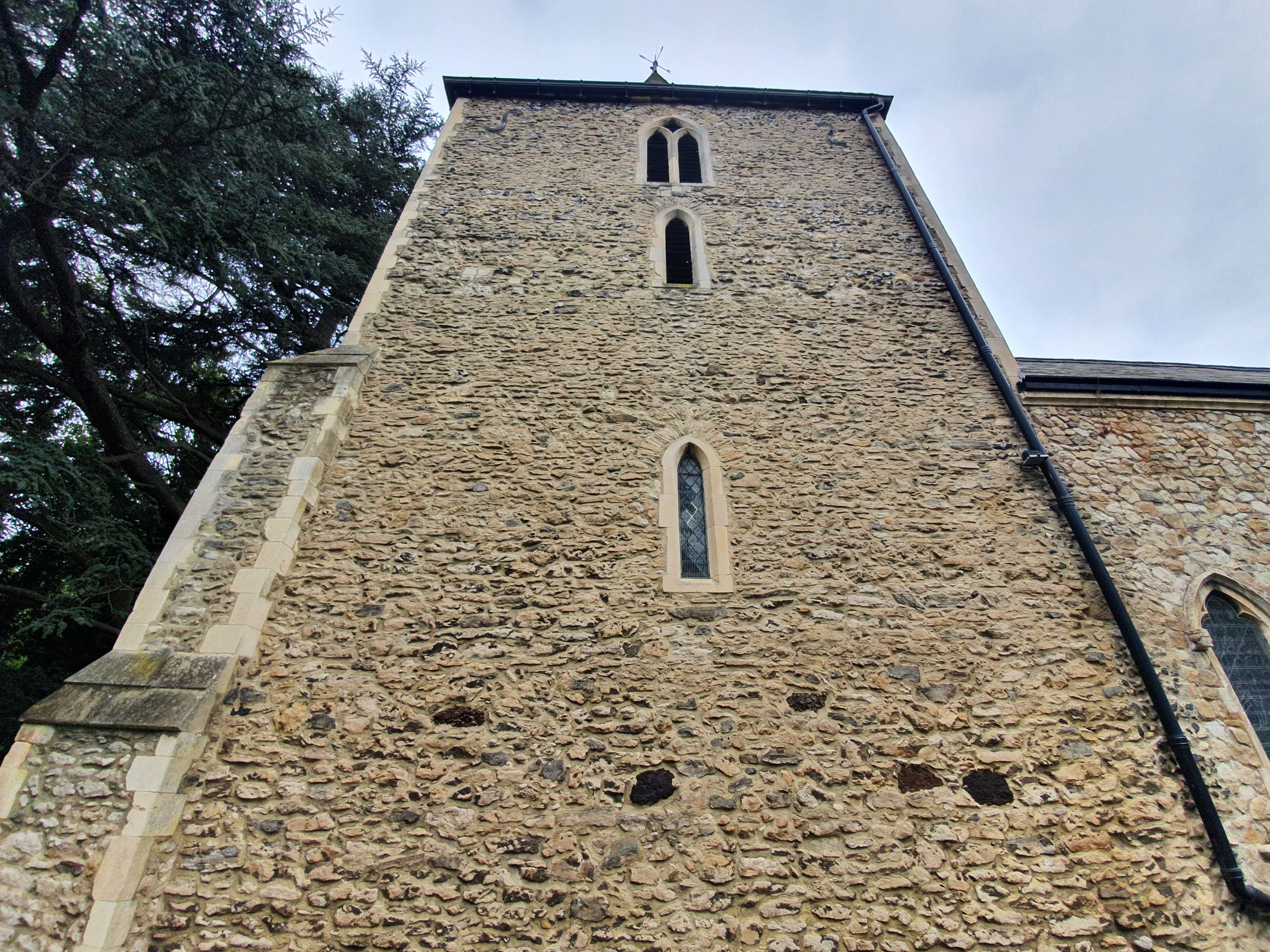
    The tower may date from as early as the twelfth century and the wooden frame which supports the spire is from the thirteenth century. That’s quite an impressive piece of engineering, to make it last for seven centuries. This is also the tower from where the speed of sound was first recorded, by William Derham (1657-1735), the rector of the church and keen scientist.

    Much of the rest of the building is later, mostly a rebuild from 1863 overseen by W G Bartlett, with twentieth century additions due to the increasing size of the congregation.

    One gravestone seems to have got itself caught up in the path.

    One of several chest tombs in the churchyard from the eighteenth and nineteenth centuries.

    The path of trees.

    The metal grave marker of Lydia Tunbridge.

  • London – Havering (Borough of) – Upminster – St. Laurence’s Church (Lydia Tunbridge)

    London – Havering (Borough of) – Upminster – St. Laurence’s Church (Lydia Tunbridge)

    I thought this metal grave was intriguing, located at St. Laurence church in Upminster. It commemorates the life of Lydia Tunbridge, who died in 1918 at the age of 70.

    At the 1901 census, Lydia lived at Hacton School House in Rainham along with her husband, George, who was an agricultural labourer. They had four children living with them, Ethel who was born in 1885, Herbert who was born in 1888 and was already working as an agricultural labourer at the age of 13, Ernest who was born in 1889 and was still at school and Mabel who was born in 1892. They also had an older sister, Alice, who was no longer living with them, but who appeared in the 1891 census.

    At the 1911 census, Lydia lived at Mission House in Hacton, with George still working as an agricultural labourer. Herbert, Ernest and Mabel were all still living with them, with Herbert also still working as an agricultural labourer and Ernest who worked as a horseman on a farm. Also now residing at the property was Winnie Fairchild, their grand-daughter.

    Lydia died in 1918 and she still lived at the Mission House at that time. The particularly sad element of this is that she died just a year after finding out that her son Ernest was killed during the First World War. Ernest died on 1 July 1917, at the age of 28, and is buried at the Cologne Southern Cemetery in Germany, which is where bodies were moved to from other parts of the country. Ernest fought in the 7th Battalion of the Northamptonshire Regiment and became a prisoner of war during the conflict, having already been injured in 1916, being discharged from a field hospital on 30 December 1916. He left a wife, RM Griffiths, who lived at 3, Westbury Rd., Walthamstow, London.

    I’m not sure why this burial used a metal headstone, but it may have been that a blacksmith could have made it for them. Ernest was working as a horseman on a farm, so, perhaps (and very much as a random guess) this was arranged for the family.