Tag: Warsaw

  • Warsaw – Museum of Warsaw (Linen Sack)

    Warsaw – Museum of Warsaw (Linen Sack)

    Continuing on my little series of posts of exhibits from the substantial Museum of Warsaw.

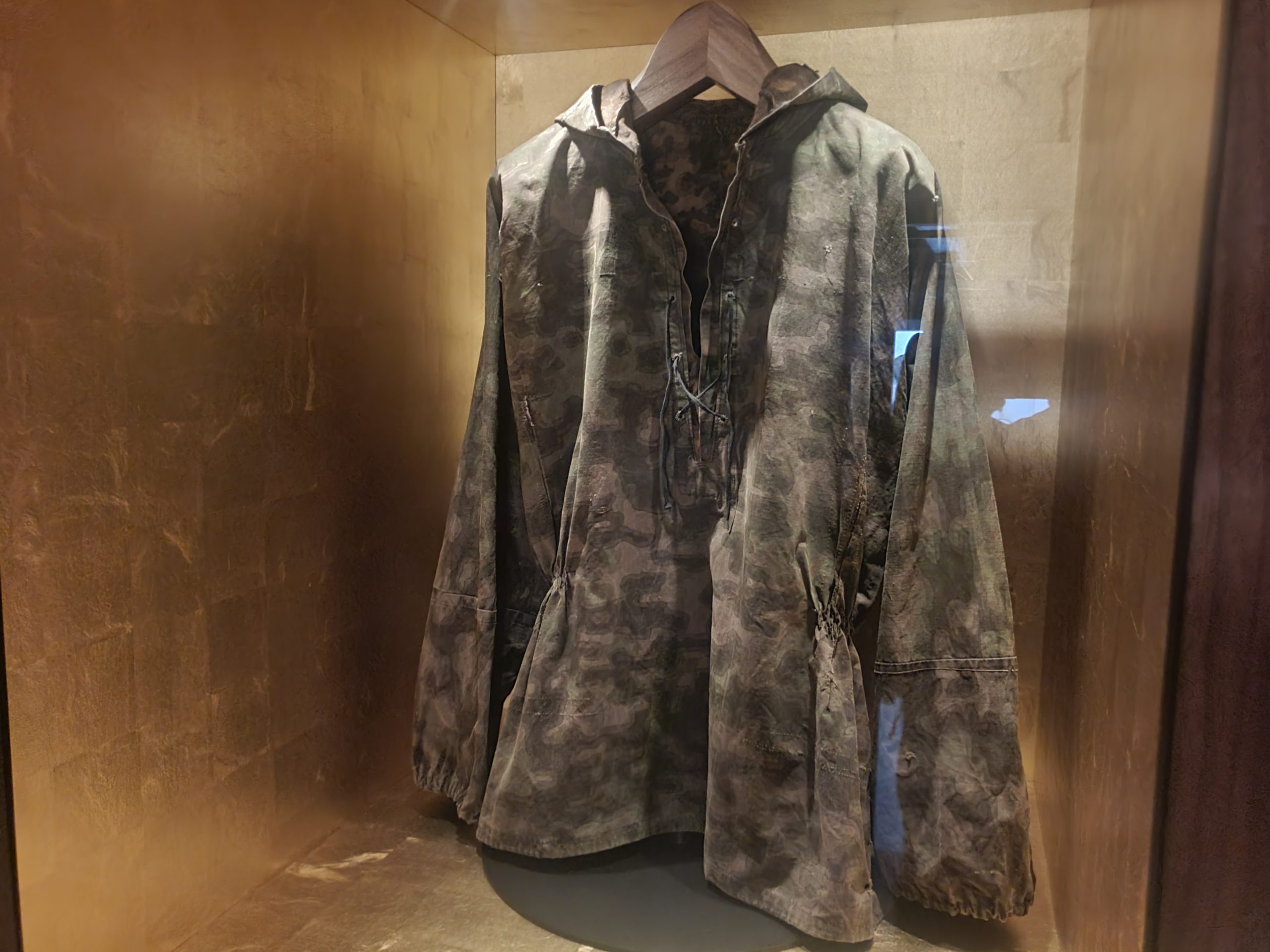
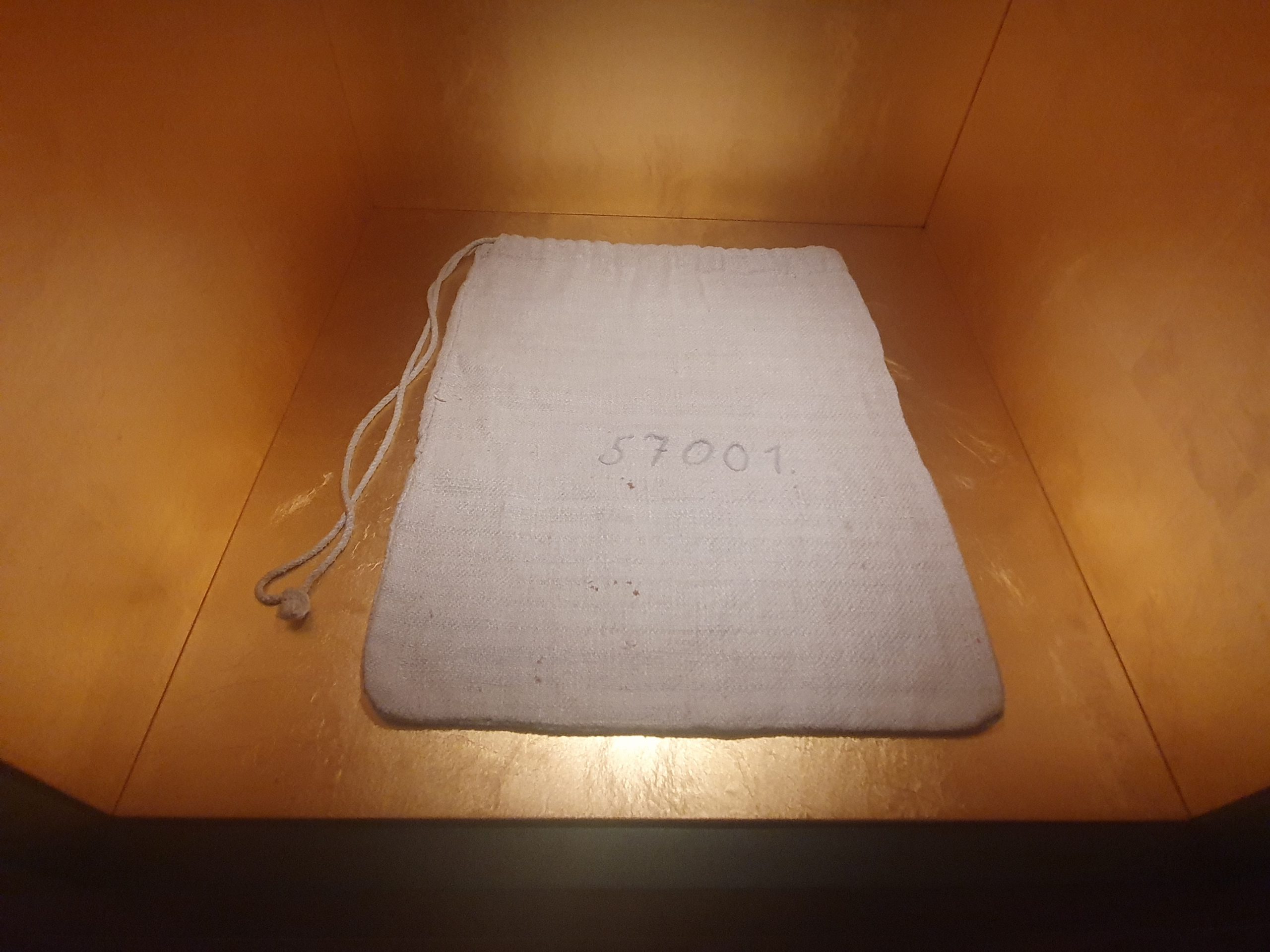
    This is a simple exhibit, just a linen sack with a number sewn onto it, but it is the heritage which is important. It belonged to an individual, Zofia Bożena Stefańska, who was at the Ravensbrück concentration camp, having been sent there by the Germans after Warsaw was cleared following the Warsaw Uprising. It’s fair to say that the Nazis were considerably annoyed at the bravery of the Warsaw population in the Uprising, thereby forcing the near one million residents out of the city so that they could flatten it.

    There’s an interesting account at the Norfolk Record Office blog about Elsie Marechal, who found herself in a similar set of circumstances, although she hadn’t come from Warsaw. The thought of that linen bag containing all the belongings that an individual was allowed is quite sobering.

  • Warsaw – Filtry Cafe

    Warsaw – Filtry Cafe

    After a busy morning looking around the city’s railway museum, we thought that we’d find a local cafe and this one at Juliana Ursyna Niemcewicza 3 came well reviewed. It might not be much to look at from the outside though, I can imagine that we’d have walked by if we hadn’t been on a slight mission to get there. It takes its name from the district of Warsaw that it’s located in and the cafe serve coffees, cakes and some pastries.

    The interior of the cafe is small and there was a homely and comfortable atmosphere. It was evident that there were no tables empty, but the staff member moved someone’s coat and gloves that were on a table for us, but fortunately they just belonged to his friend and he hadn’t expelled a random customer. I was pleased that he had done that, as I would have had to stand awkwardly until a table became free otherwise, which is far from ideal in such a small venue. Several of the tables were taken up by younger customers on laptops and although it’s very positive that the cafe was full, this does present a little bit of a problem for the owners. In warmer months though there are some outside tables which eases seating pressures somewhat.

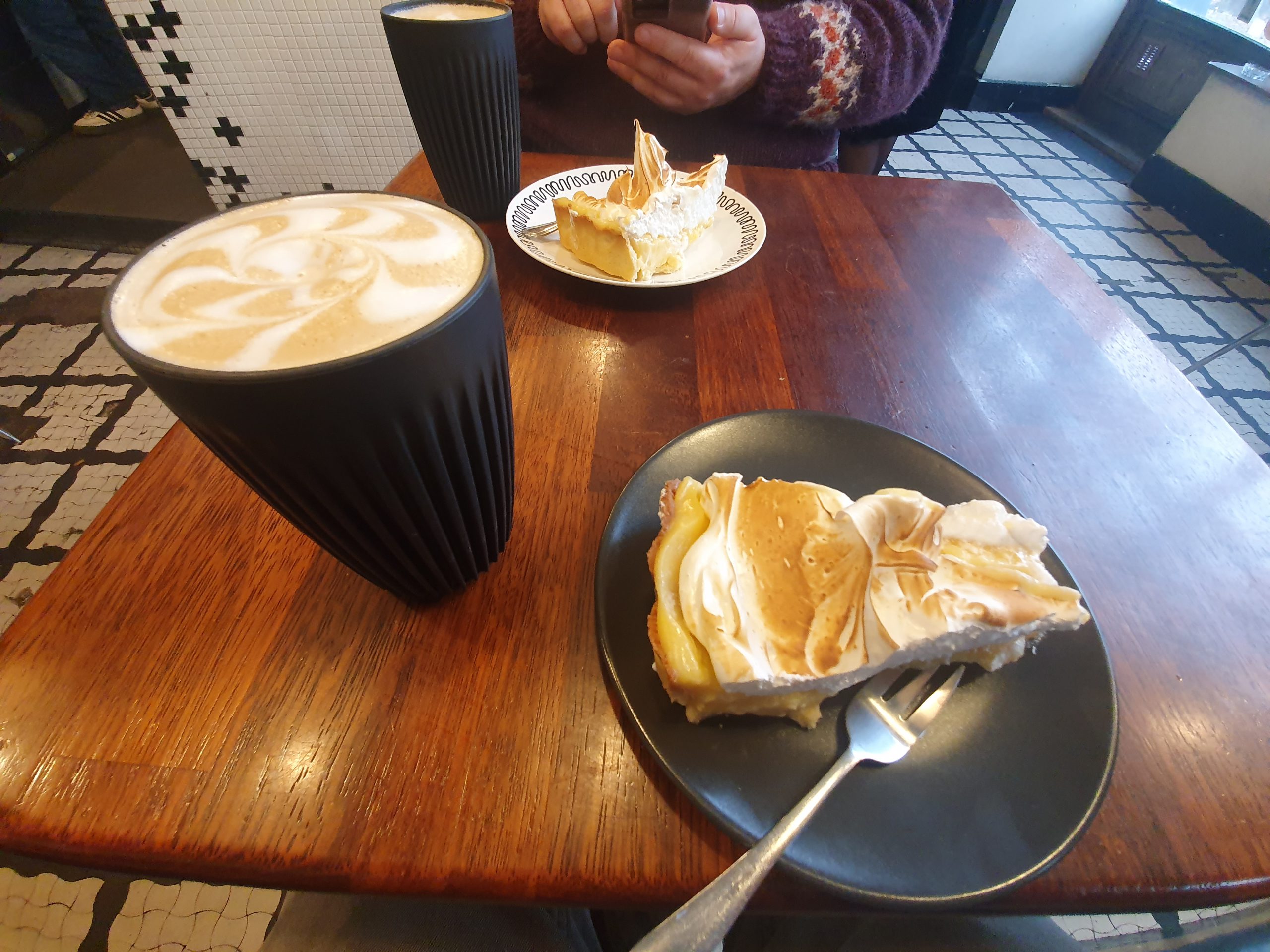
    I went for a coffee and a meringue cake, both of which were delicious and suitably decadent. All of the food was well presented, both before and after serving, with the cakes looking home-made or supplied from a local baker. I think the cafe is more of a craft coffee place, but my ability to describe that is limited, I just know that it was a rich and good tasting drink. There was some theatre in preparing the coffee as well, which was served after the food as it was a slightly convoluted process that I didn’t entirely understand. Very pleasing quality with the prices being reasonable, this was a nice warm place to visit given that it was quite cold outside.

  • Warsaw – Warsaw Ghetto Remnant at 62 Złota Street

    Warsaw – Warsaw Ghetto Remnant at 62 Złota Street

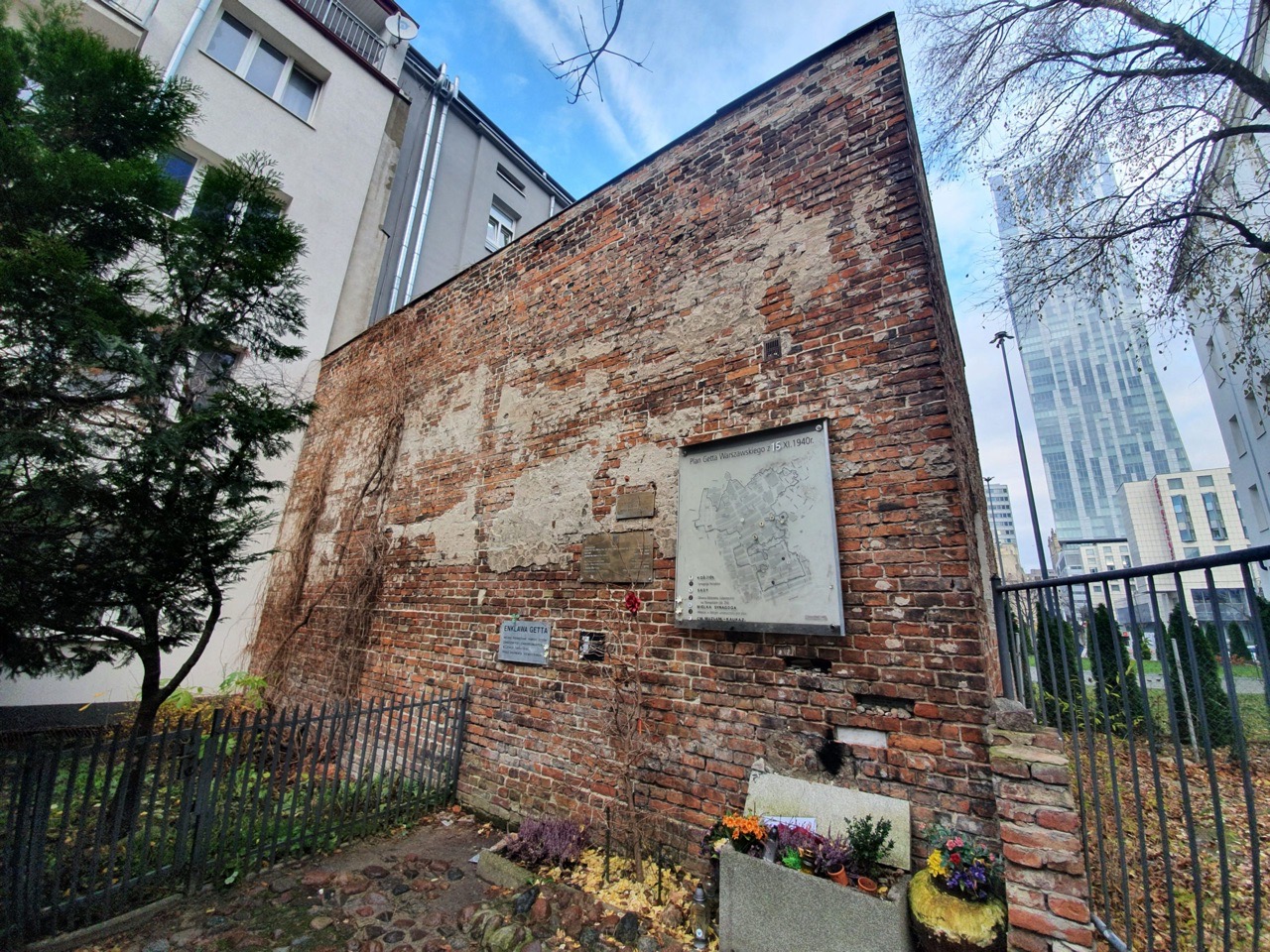
    I thought that I’d written about this section of the Warsaw ghetto wall before, but it seems that I just wrote about the footprint of the wall. There are very few remnants of the former ghetto wall still standing, even though it was once 18 kilometres in length.

    There’s a map of the ghetto wall displayed. There’s also a really useful one at https://travegeo.com/Warsaw_Ghetto-22948?sharemap which shows the old ghetto on top of a modern map. The ghetto does look like it covers a large area, but at its peak there were 460,000 Jews living within the boundaries. The ghetto was liquidated in 1942, although by then many had died of starvation.

    A number of bricks have been removed from the wall and sent to other institutions around the world, including Yad Vashem and the Holocaust Museum in Australia. I had a look at the virtual tour of the museum in Melbourne and it seems a little surreal seeing the missing brick in their collections, a reminder of how important these fragments are. So much was destroyed in Warsaw during the Second World War and these remnants are now overlooked by skyscrapers and shiny new buildings, but that they still exist is hugely important.

  • Warsaw – Zapiecek (Nowy Świat 64)

    Warsaw – Zapiecek (Nowy Świat 64)

    If I’m being honest, it’s much easier to find pizzas in Warsaw craft beer bars than it is traditional Polish cuisine. I’m not sure that this overly concerns me, but since Richard was coming over for a few days, he wanted an authentic experience that involved restaurants as well as bars. This restaurant is part of a small chain which does have quite a tourist fringe to it, but it also has excellent reviews and so seemed a sensible place to try.

    The entrance area to the restaurant, which was relatively large, although not overly busy in the early evening. We were welcomed immediately on entry, with the server offered what seemed a personable greeting.

    We were seated in an upstairs area and could see down onto the floor below, well, we could if it wasn’t for all of the Christmas decorations.

    The upstairs area that we were seated in, but it did become busier during our meal.

    The beer options were a little limited, but I went with the Książęce Złote Pszeniczne which was acceptable, but not exceptional.

    The highlight of the evening was Richard ordering four shots of flavoured vodkas. When they arrived he had a Bullingdon Club moment and flung them across the restaurant and drenched the floor in alcohol and glass. In a statement issued by Richard he noted:

    “This was not a deliberate act, the glasses were stuck into the wooden holder and were difficult to release”.

    Individuals can make their own minds up. The restaurant did let him order replacement drinks, although I was surprised to see that they were served in glass and not in plastic beakers. I did privately think that Richard would be more suited to KFC than the fine dining than I’m used to, but I didn’t say anything.

    I’m not a huge fanatic about a lot of Polish food and I’m not sure how authentic this actually is, but the sausages were delicious and I was very pleased with them. There was one white sausage and one traditional sausage, although it was possible to have two the same as well and it was served on Masurian region sauerkraut along with mustard and ketchup. Richard had pierogi, or dumplings, for both his main course and dessert, which seemed excessive to me, although I didn’t say anything.

    The chocolate in cherry sauce was a bit less exciting as there was nearly no evidence of cherry, it was just lots of chocolate. Not as decadent as I had hoped, but overall I thought that the food was fine and represented decent value for money given the central location of the restaurant. The service was always polite and helpful, even when Richard had smashed up half of the restaurant’s glassware.

    I accept that these restaurants are a little touristy, but that isn’t a bad thing here given the quality of the food and the friendliness of the staff. There’s plenty of choice on the menu and the reviews on-line show that they’re pleasing the vast majority of customers. The atmosphere is homely and although I wouldn’t claim it’s the most authentic Polish experience, I’d still merrily recommend these locations. The staff were also very tolerant of Richard’s behaviour and I was pleased that they, like I, didn’t go on about his little errors.

  • Warsaw – Same Krafty Vis-a-Vis

    Warsaw – Same Krafty Vis-a-Vis

    Located opposite Same Krafty, and hence this bar’s name, this is a compact location with a similar cosy feel to its neighbour.

    Like most craft beer bars in the city, the beers are listed on Ontap, which makes things much easier to plan. The options are though also on chalkboards above the bar and there are three options on drink sizes as well. There are some bottles and cans in the fridges as well, although the bar is less pro-active in advertising those on-line.

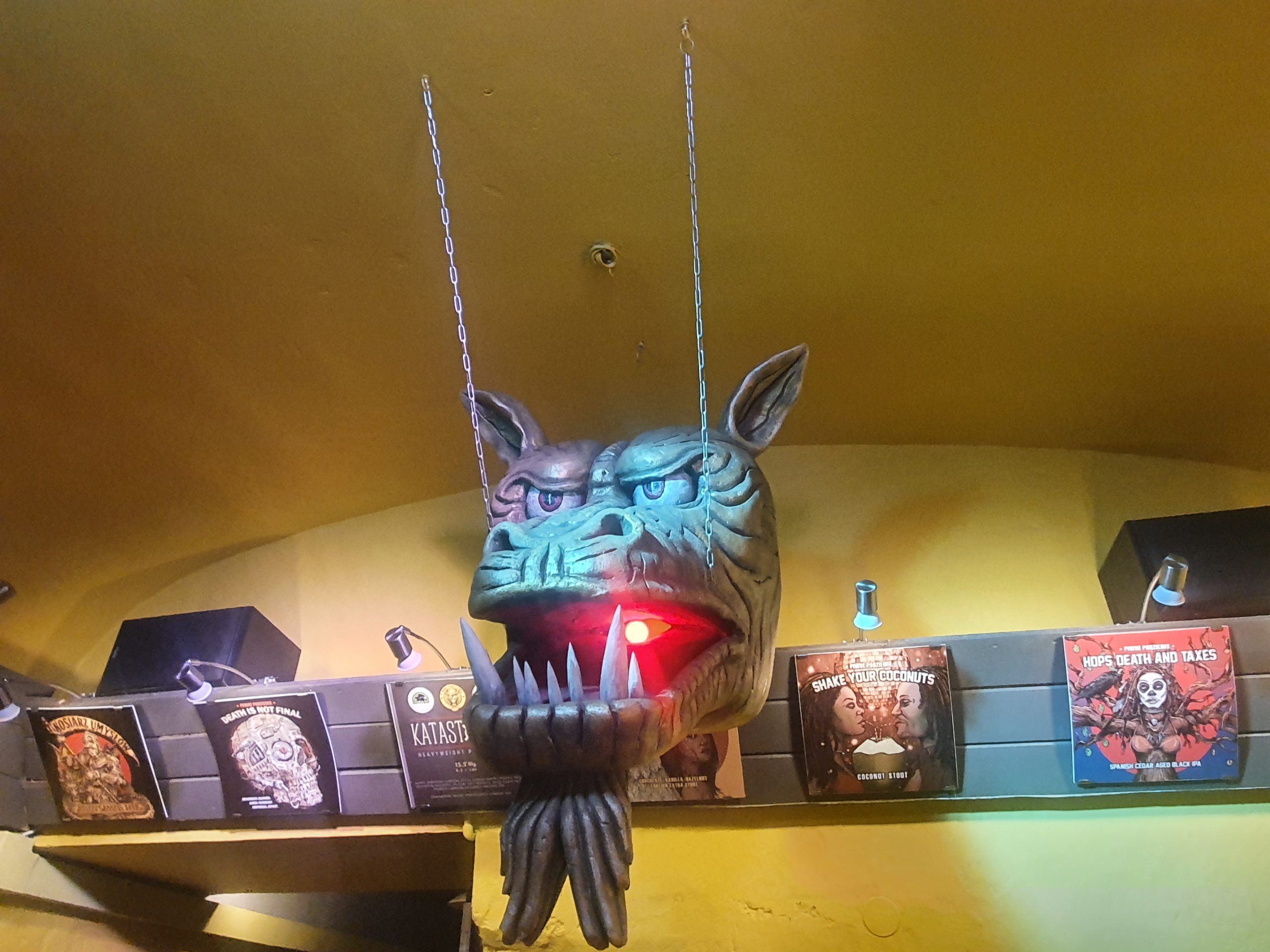
    The slightly quirky internal decoration.

    I went for the Double Sour Ni from Browar Monsters, perfectly decent although lacking in the depth of taste for me. I also went for the Coffeelicious Special from Piwne Podziemie, rich and sweet, but lacking that depth of flavour that can come from the best stouts. A very acceptable drink though with the more subtle than I expected flavours of chocolate and coffee.

    Service in the bar was friendly, although it wasn’t particularly busy, which seems true for much of the Warsaw Old Town at the moment. The beer selection was well curated so that there were a range of different styles, with the bar being clean and organised. They have the same pizza and burger options as are offered as their bar over the road, which are all reasonably priced given the central location. I suspect that there’s usually a larger customer base from tourists and this is certainly not a bad drinking option for someone coming to the city.

  • Warsaw – Museum of Warsaw (1780s Mock-Up of the City)

    Warsaw – Museum of Warsaw (1780s Mock-Up of the City)

    This is an impressive mock-up of what Warsaw would have looked like in the 1780s, designed at a 1:300 scale. It was first created in 1954 so that it could be displayed at the opening of the Historical Museum of the City of Warsaw on 17 January 1955, but it has recently been renovated and improved.

    This was a relatively good time for Warsaw in the 1780s, but things were going to get worse as Poland lost its independence as it was partitioned by other neighbouring countries. Poland didn’t become independent until 1918 and then the city of Warsaw was nearly entirely destroyed during the Second World War, before then the Soviets exerted a huge amount of influence on it until the beginning of the 1990s. Arguably, the city of Warsaw is now starting to enjoy a period of prosperity and independence once again after some very difficult times.

    The city has changed so much that it’s hard to work out a lot of the street plans, but the old market square helps with getting a bearing and understanding of the mock-up and how it relates to today’s layout of Warsaw. Certainly an attractive exhibit for the museum.

  • Warsaw – Museum of Warsaw (Ministry of Justice Building)

    Warsaw – Museum of Warsaw (Ministry of Justice Building)

    I hadn’t realised how large the Museum of Warsaw was, so that means I’ll have to break it down a bit otherwise I’ll never get to writing about it.

    This exhibit has quite a lot of emotive power, although it’s just a marble sign from 1933 which was on the Ministry of Justice building at 7 Długa Street. On 12 August 1944, it was turned into the Central Insurgent Surgical Hospital No. 1 as part of the Warsaw Uprising. When the Germans regained control of the city, they killed the 430 patients in the hospital and buried their corpses outside the building.

    The sign has such huge significance now as it was one of two where friends and relatives of those missing (who had nearly all died) wrote asking for more information to try and find out what happened to their loved ones. It’s not dissimilar to the messages left at the 9/11 site in New York and a sign of the desperation that the returning population to Warsaw had in trying to find out what had happened. There’s a memorial on the building today to note the atrocities which took place here.

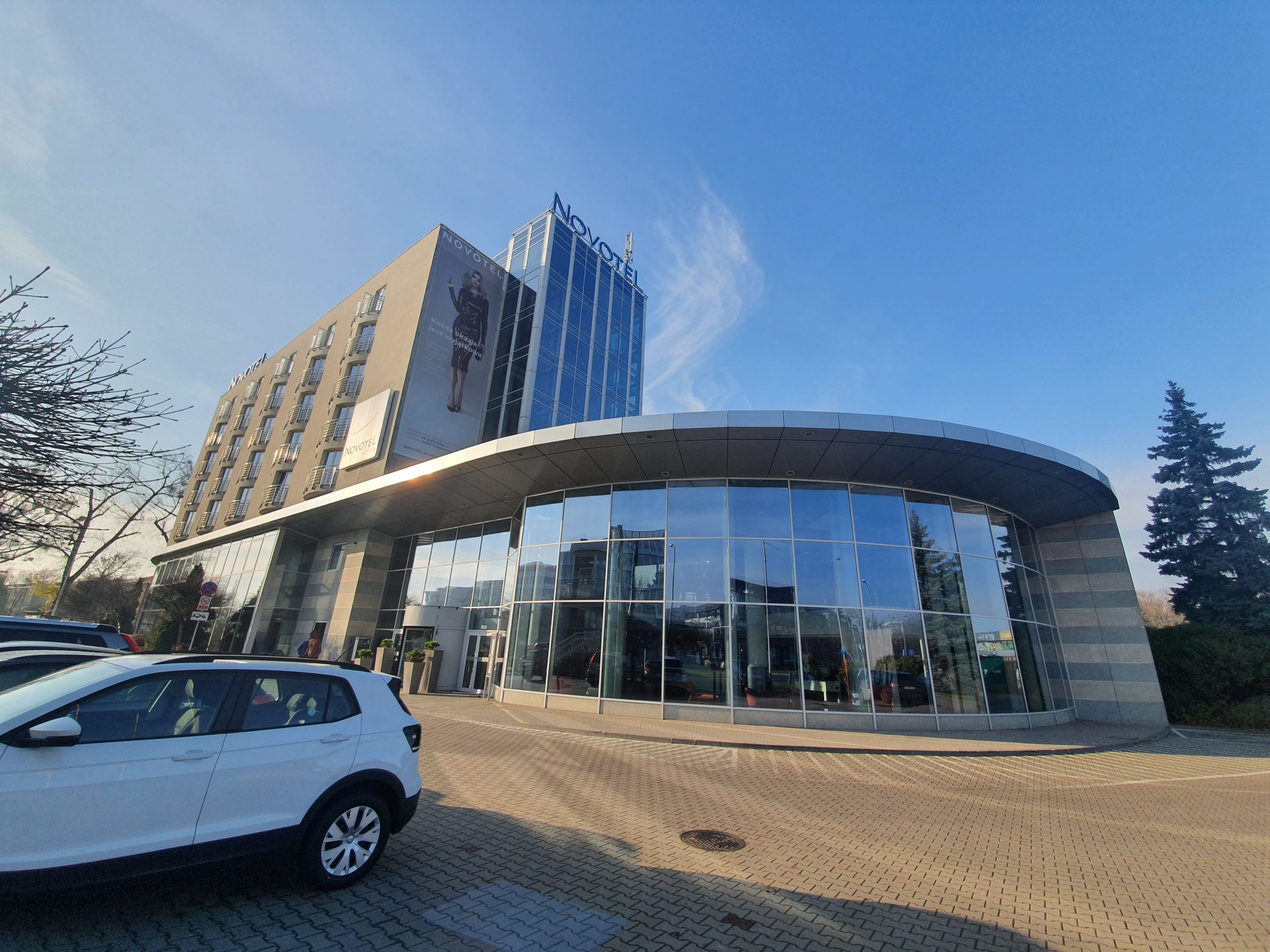
  • Warsaw – Novotel Warszawa Centrum (Repeat Visit)

    Warsaw – Novotel Warszawa Centrum (Repeat Visit)

    I’ve visited the Novotel in Warsaw several times before, including last year during the period between the lockdowns. The service then, as with my previous stays, was excellent and so I was in the city for my birthday this year, I thought that I’d stay here. It later occurred to me that this might have been a mistake, as there’s nothing like previously high expectations being dashed. However, all was well, and indeed the service was as impeccable as ever.

    On the morning of the booking I received an email from the hotel saying that I’d been upgraded. I’ve never had a hotel tell me this in advance and it seems a really quite clever thing to do, as the guest gets a warm glow of knowing the room will be better than paid for several hours ahead of their check-in. The check-in process itself when I arrived at the hotel was efficient and the staff member was personable and welcoming, and I appreciated the happy birthday comment.

    My room was on one of the top floors and I had hoped before booking that it would overlook the Palace of Culture, as those views over the city are some of the finest from any hotel that I’ve stayed in. Richard had booked into the hotel the day before and had been upgraded to a larger room which was also rather lovely, so he was equally pleased with the whole arrangement.

    I was delighted to see this view from my window and, perhaps rather sadly, I enjoy watching all of the trams, cars and buses shuttling about.

    The same view at night.

    And the hotel had gone far beyond what they needed to, with a slice of birthday cake (which was delicious) and some welcome gifts and a letter. It’s fair to say that this was really rather lovely and touching. As an aside, the cake seemed to have just been placed there, and I suspect that the call made by the receptionist to someone during check-in might have been them arranging for it to be brought to the room or at least checking that it was there. Either way, this is a nice thing to see when arriving.

    These were absolutely delicious, suitably decadent and they went well with the provided Nespresso coffees.

    The Żywiec Porter which was my welcome drink from the hotel. The member of staff in the bar was polite and helpful, bringing the drinks over to the table for us. Richard had saved his welcome drink up from his check-in the night before, and apparently was pleased with his wine option.

    The room was a little expensive by Polish standards, coming in at £55 per night without breakfast, but I very much like the welcome and comfort of the hotel so I think it’s very good value for money. And as a choice for my birthday, I was very pleased with the entire process, all really rather lovely and I appreciated the e-mail on the morning of check-in telling me I had been upgraded and they were looking forwards to welcoming me back. I think I’ve been to something like 100 Accor hotels, and the Novotel Warsaw is as far as I’m concerned the best managed of any of those locations. Really quite marvellous.

    And here’s a link to book and find out more.

  • Warsaw – Indian Taste Restauracja

    Warsaw – Indian Taste Restauracja

    I’ve for many years made an effort to visit an Indian restaurant in every country that I go to, and although I completed that target in Poland in around 2011, I’ve expanded it to try and go to one in every district of every city. I accept that is quite an expansion of my little programme, but I’m inspired by people such as this man who has visited 8,000 Chinese restaurants.

    There’s my friend Richard in the centre of the action in the restaurant, which was a warm and homely place, albeit one with very few other customers. We selected this restaurant (located at ul. Przemysłowa 36, 00-450) as we were staying in different hotels on that night, with this one being convenient for both of us and it was very well reviewed.

    The mango lassi I went for, smooth and tasting of mango, which is always a bonus when ordering a mango drink. The menu didn’t list any beers, although I could see that there were bottles behind the bar, but as there weren’t going to be any decadent craft beers, I thought a non-drinking day sounded a good idea.

    The chicken jalfrezi, lemon rice and naan bread. The portion size was generous, the naan and rice were perfectly cooked with everything being well presented. The chicken was tender and the sauce had a depth of taste, including a certain level of spice to it. Richard went for some lumps of vegetable in a curry, but despite that it was apparently still flavoursome and delicious. Indian food in Poland can at times be a little bland in terms of spice and heat levels, but the food here was some of the best that I’ve had in the country.

    The curry, rice, naan and drink came to around £10 per head, which I thought was entirely reasonable. The restaurant has business lunches available though, which cost around £5 per person with a daily changing menu. The server spoke excellent English and the environment was welcoming, with no effort made to get rid of us which meant that we could linger and gossip about various things. When we asked for the bill, it was though brought over promptly. I liked the environment, which was warm and the staff were hospitable, so I’d happily recommend this restaurant to others.

  • Warsaw – Galeria Kordegarda (Polish Enigma Machine)

    Warsaw – Galeria Kordegarda (Polish Enigma Machine)

    When we were on the tram, the ever alert Richard noticed that there was an exhibition on at the moment in Warsaw about the Enigma Cipher Machine. He’s very interested in the whole arrangement at Bletchley Park, so we thought that we’d go and hunt this museum exhibition out. It transpired that it was being held at the Galeria Kordegarda, a short walk from the Old Town, and the exhibition was free of charge which was a bonus.

    As can be seen on the map above, the Polish made a huge contribution towards cracking Enigma and there are numerous places in Warsaw which are part of that story.

    This diagram explains the difference between the German Enigma and the Polish Enigma machines, with the Poles having developed their replica version of the device.

    An original German Enigma machine.

    The Polish replica of the Enigma machine, which has apparently never gone on display before.

    I hadn’t realised before the importance of the Polish in cracking Enigma and that started in earnest in 1929 when the intelligence service began a cryptology course at Poznań University. Within a few years, Marian Rejewski had broken the Enigma code, meaning that the Poles were the only ones able to read German dispatches. This knowledge was shared with the British and the French in the 1930s, with the operation moving to France in 1939 when the Germans invaded Poland. Much of the work in decrypting German communications then took place at Bletchley Park in the United Kingdom, with the work that was done likely shortening the length of the war.

    There’s a better Enigma timeline available at https://enigma.umww.pl/en/enigma-timeline/ which explains the Polish contribution to the whole arrangement.

    Unfortunately, this exhibition is I think only here for a short period of time, but it was well worth going to see and Richard should receive credit for being so observant in finding out about it. All of the text was in English, as well as in Polish, and there was a video being shown which gave additional background information.