Author: admin

  • Malta – Northern Region – Mdina – St. Paul’s Catacombs (Museum)

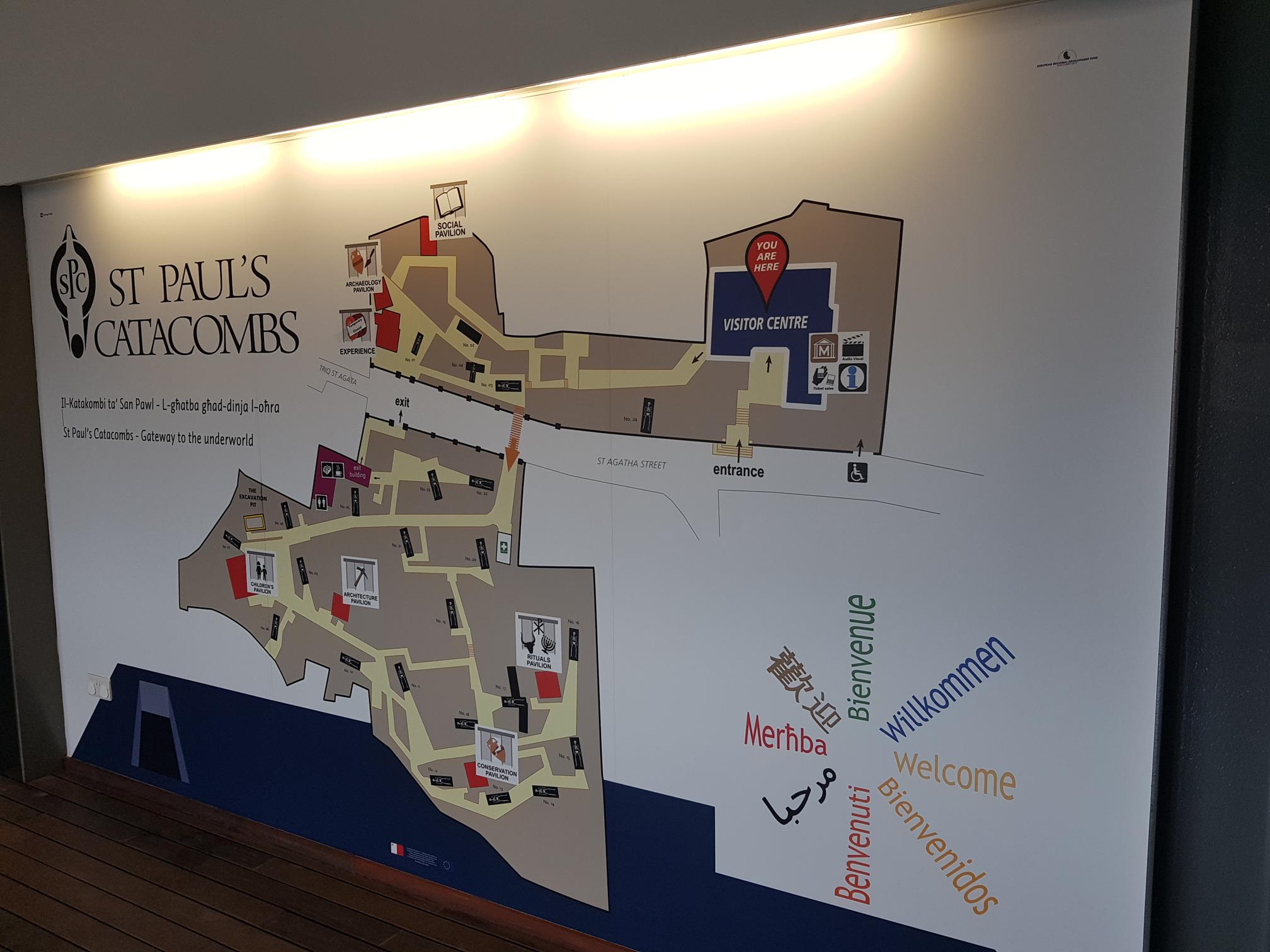
    I posted separately about my visit to the St. Paul’s Catacombs, but there is also an interesting museum at the site which gives an introduction to the catacombs. The above map shows the complexity of the site, with visitors entering at the top right, exploring the first catacombs and then crossing over the road before visiting the others.

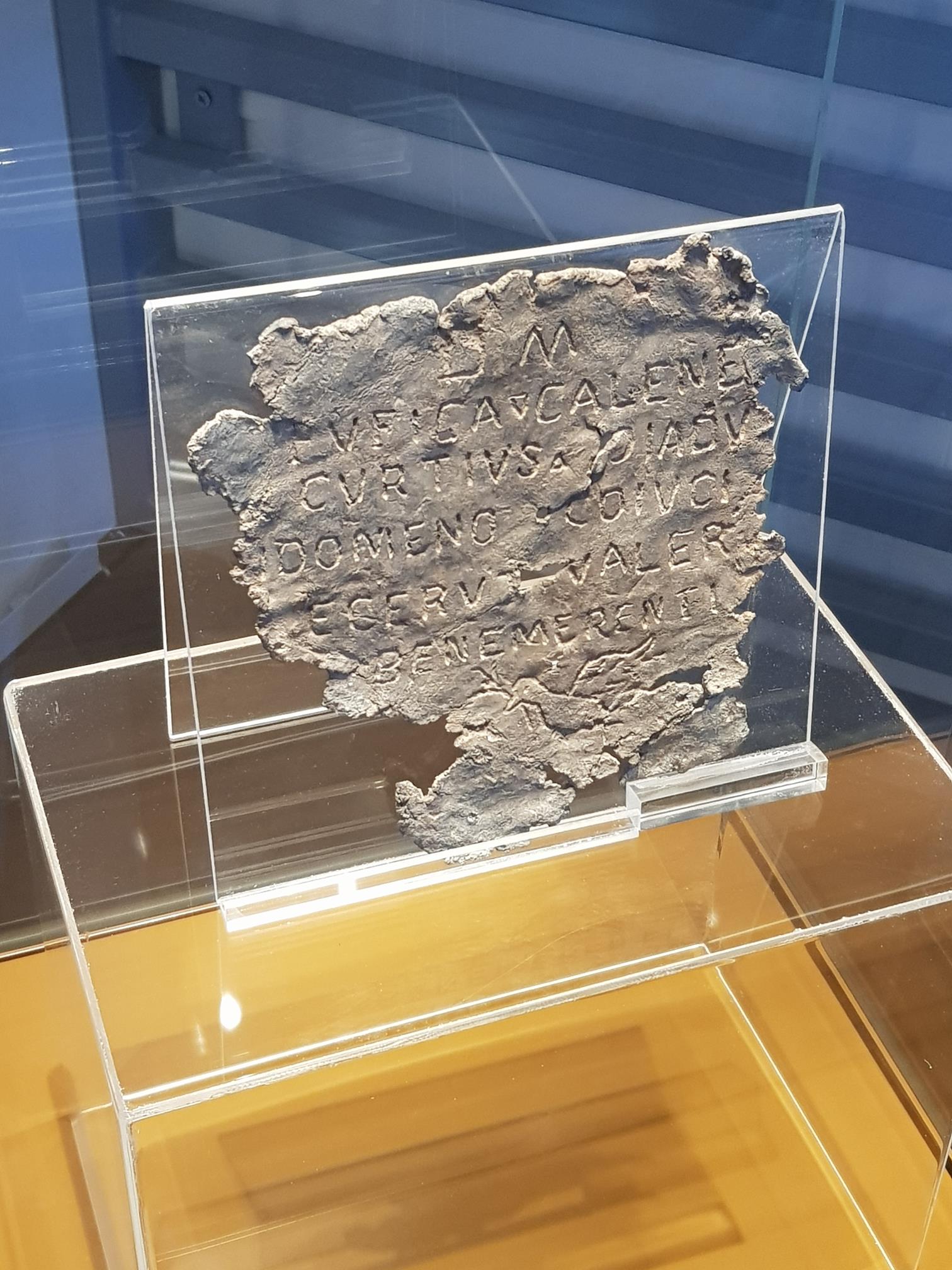
    Known as the Valeria Inscription, this dates to the fourth to eighth century AD. It was found in 1875 and is one of the oldest inscriptions at the site, although that’s primarily as they haven’t found that many. It reads “Fufica Galena and Curtius Diadoumenos, husband and wife erected this tomb for the well deserving Valeria”.

    What I like about this is that the main part of the inscription mentions who paid for it, which does seem to make sense. If you’re going to a lot of expense, then it seems right that you should get the main mention.

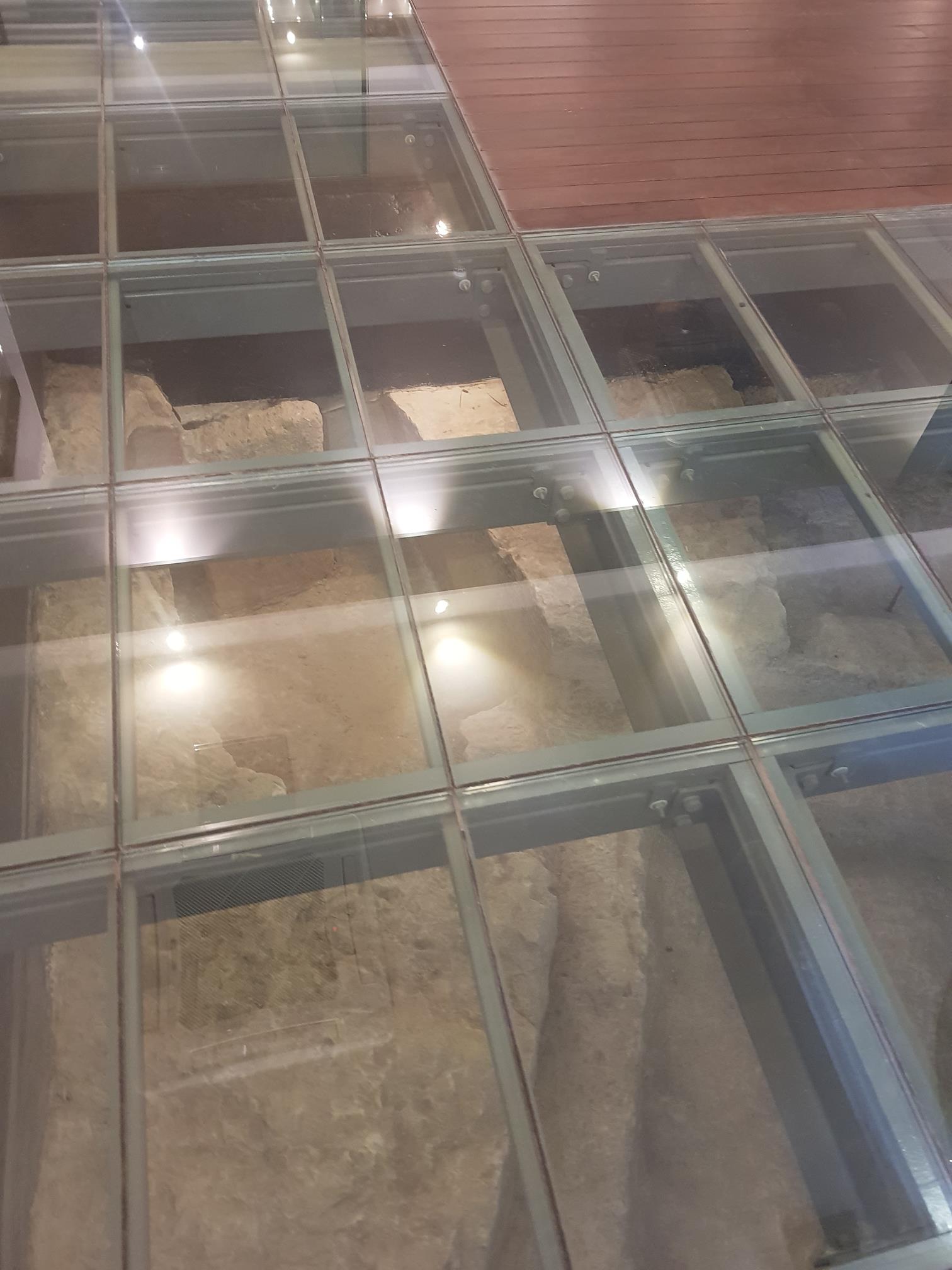
    Part of the catacombs were visible under the glass floor, but there was a little problem that some of this was covered in dirty footprints and the like. This bit was clearer, although it was difficult to know what I was supposed to be looking at.

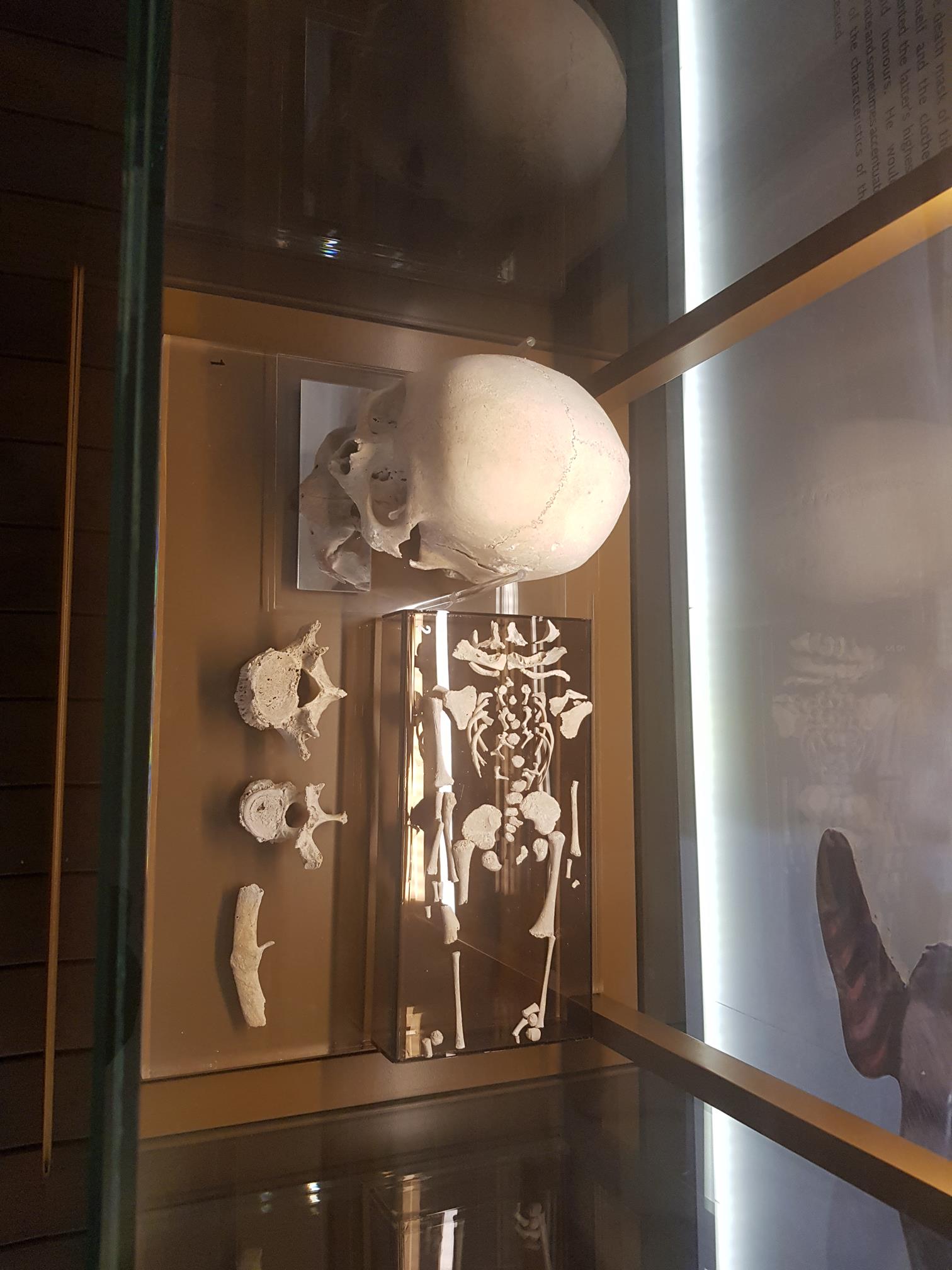
    The smaller skeleton has a sad story insomuch it’s not known whether this baby had been born or not when it died. There were a large number of skeletons found of children, an unfortunate reality of the number of youngsters who didn’t survive. It’s not clear when the individual died, but it’s thought to be from the Phoenician period.

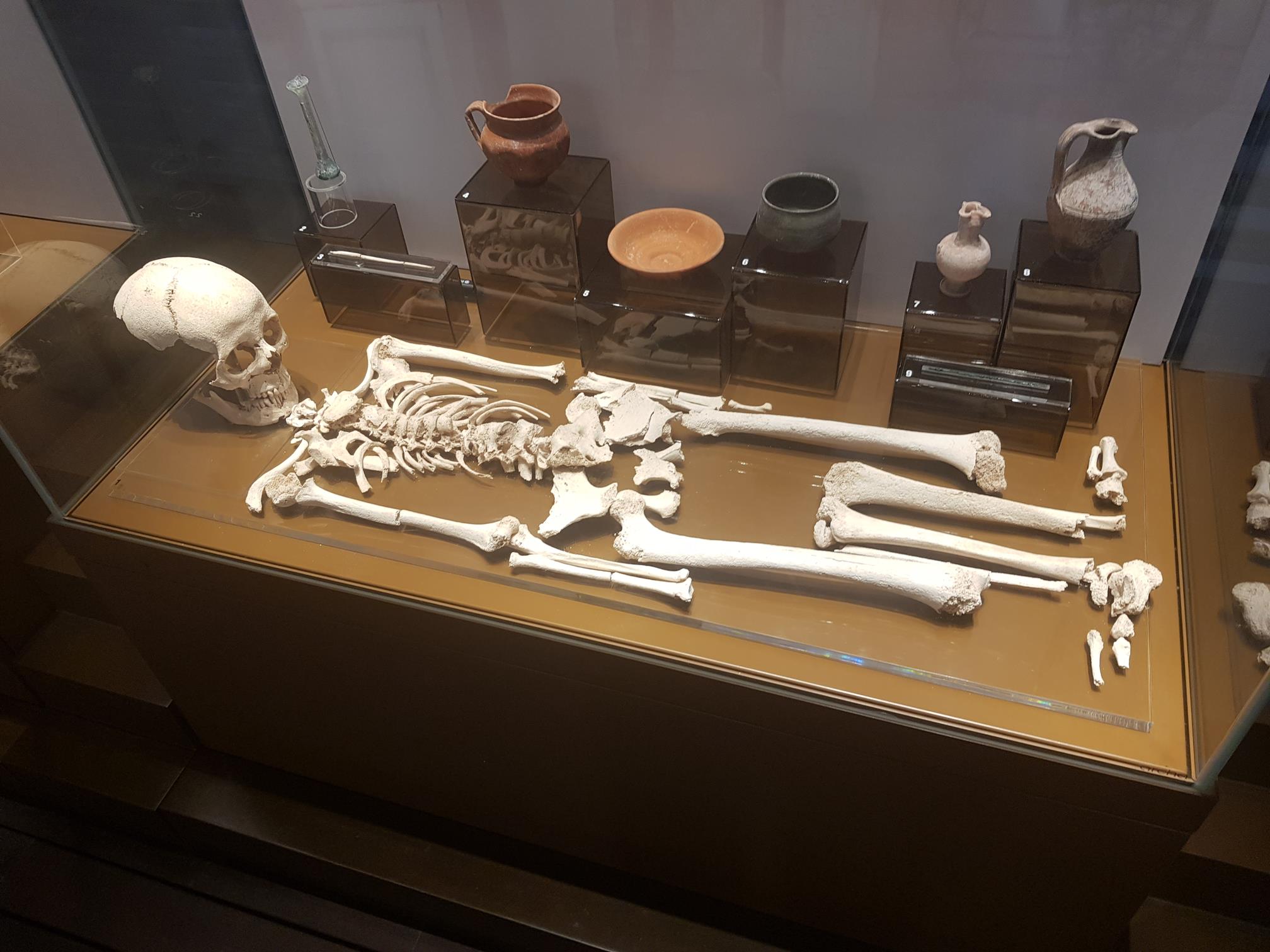
    This skeleton belongs to a man who was buried at the site between the fourth and second centuries BC. He was aged around 60, which was a comparatively high age for the period, and he apparently suffered from severe arthritis and a spur on one rib.

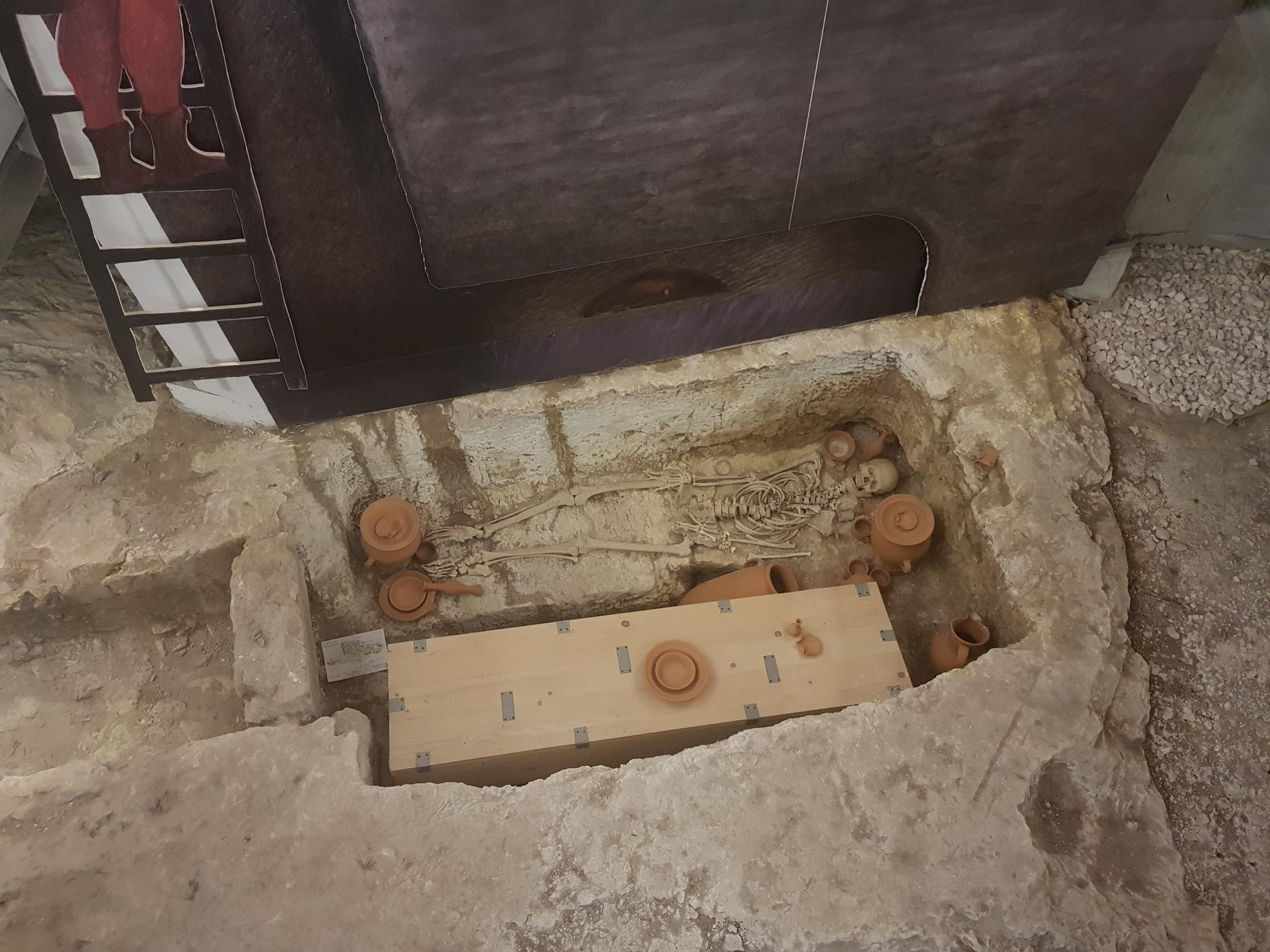
    An example of how a burial would have taken place.

    The museum was an interesting and useful start to the tour, although it didn’t cover the site in quite as much detail as I’d have ideally liked. However, the displays were presented in an accessible and informative manner, and I liked how one family managed to contain the excitement of their two children who wanted to go down the holes and instead they explained to them the meaning of what there was to see before the kids rushed off.

  • Malta – Northern Region – Mosta – Cannon

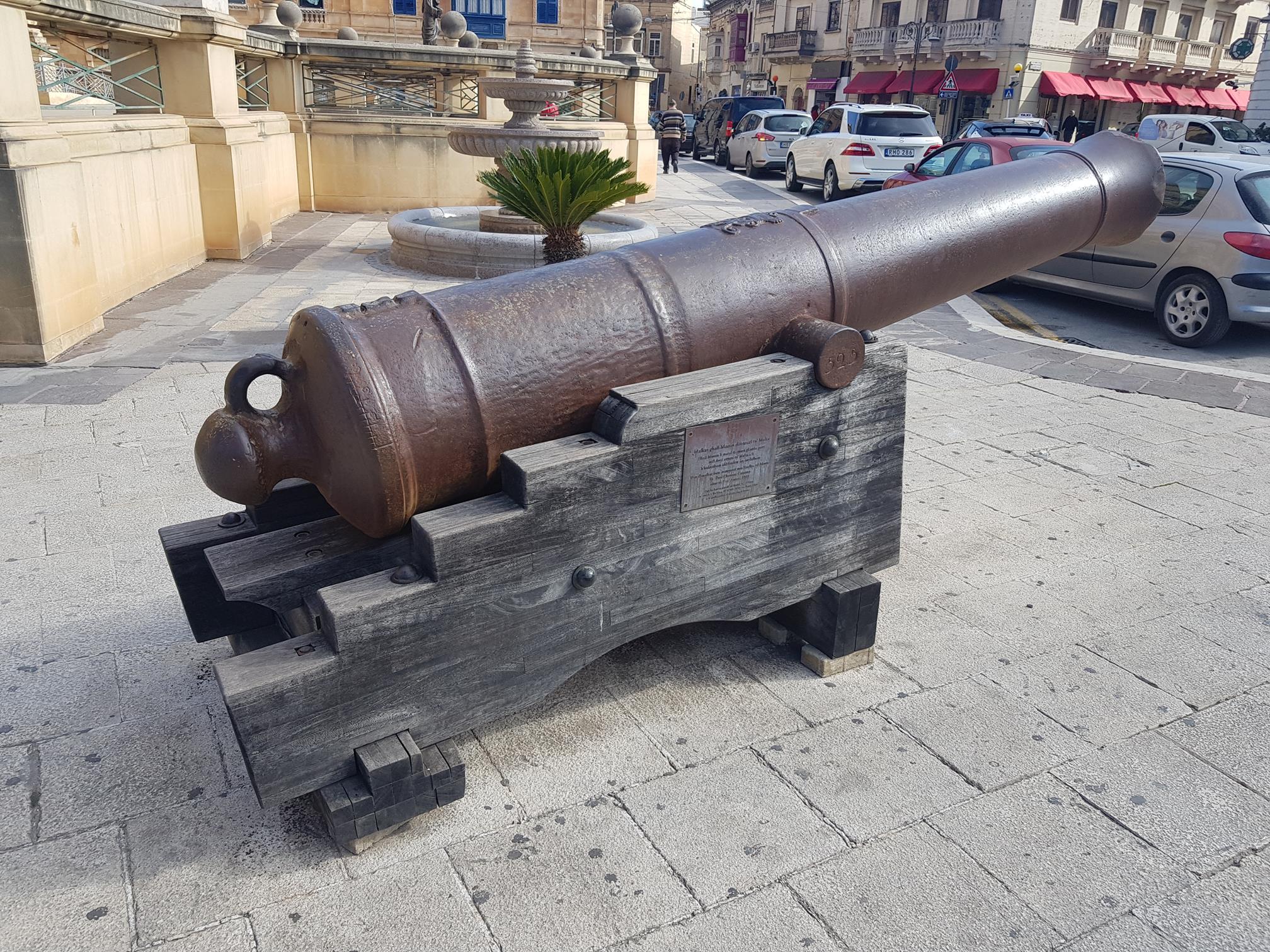
    I can’t find out what period this cannon dates to, but it takes pride of place outside of Mosta Rotunda.

  • Malta – Northern Region – Mosta – World War Two Tunnels

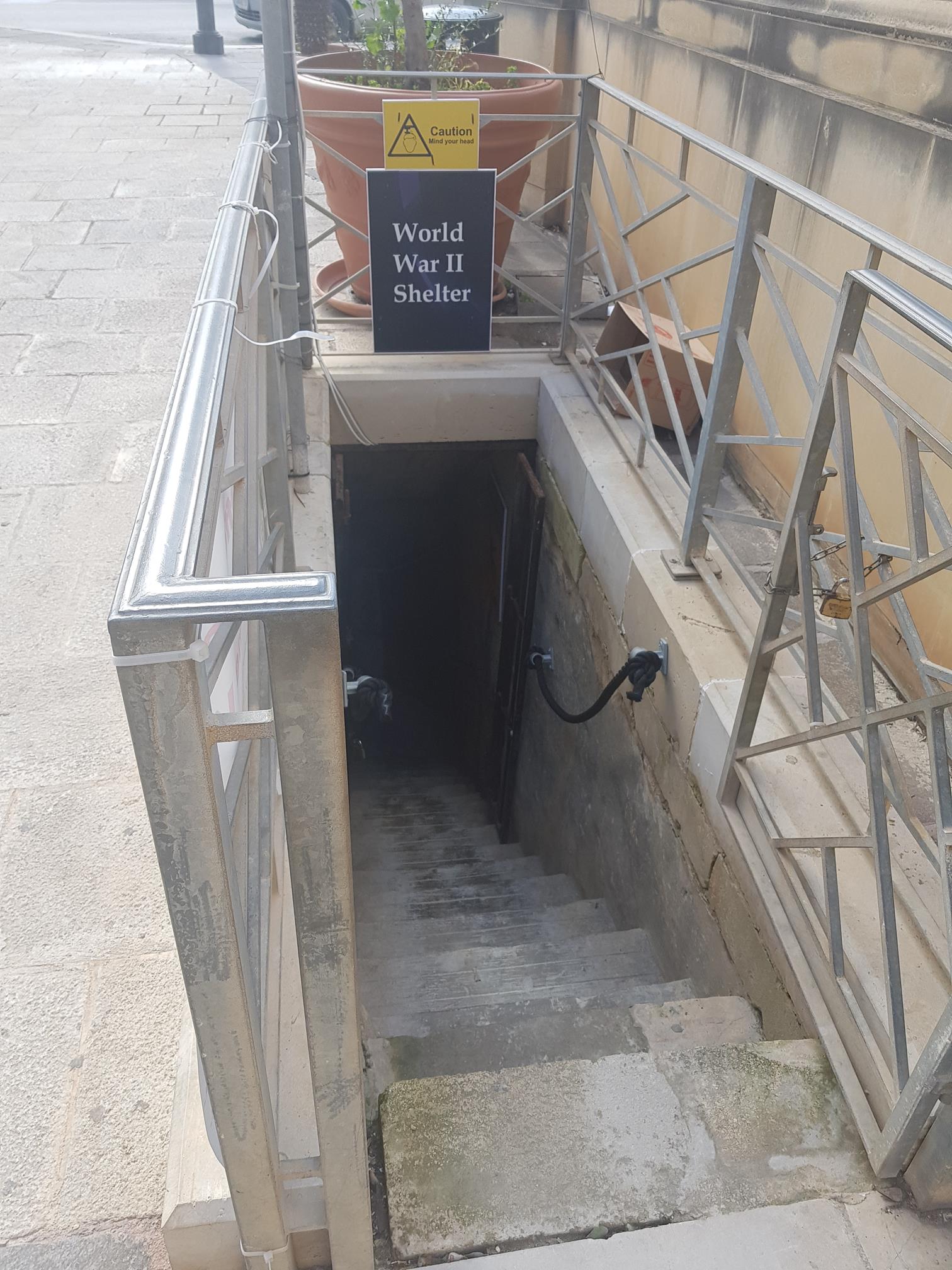
    During the Second World War, there were more bombs dropped on Malta than there were on London, so there was a need for every resident to have access to a shelter whilst the bombings went on. Mosta has recently opened up the shelters located under the town’s main square, in front of the Mosta Rotunda.

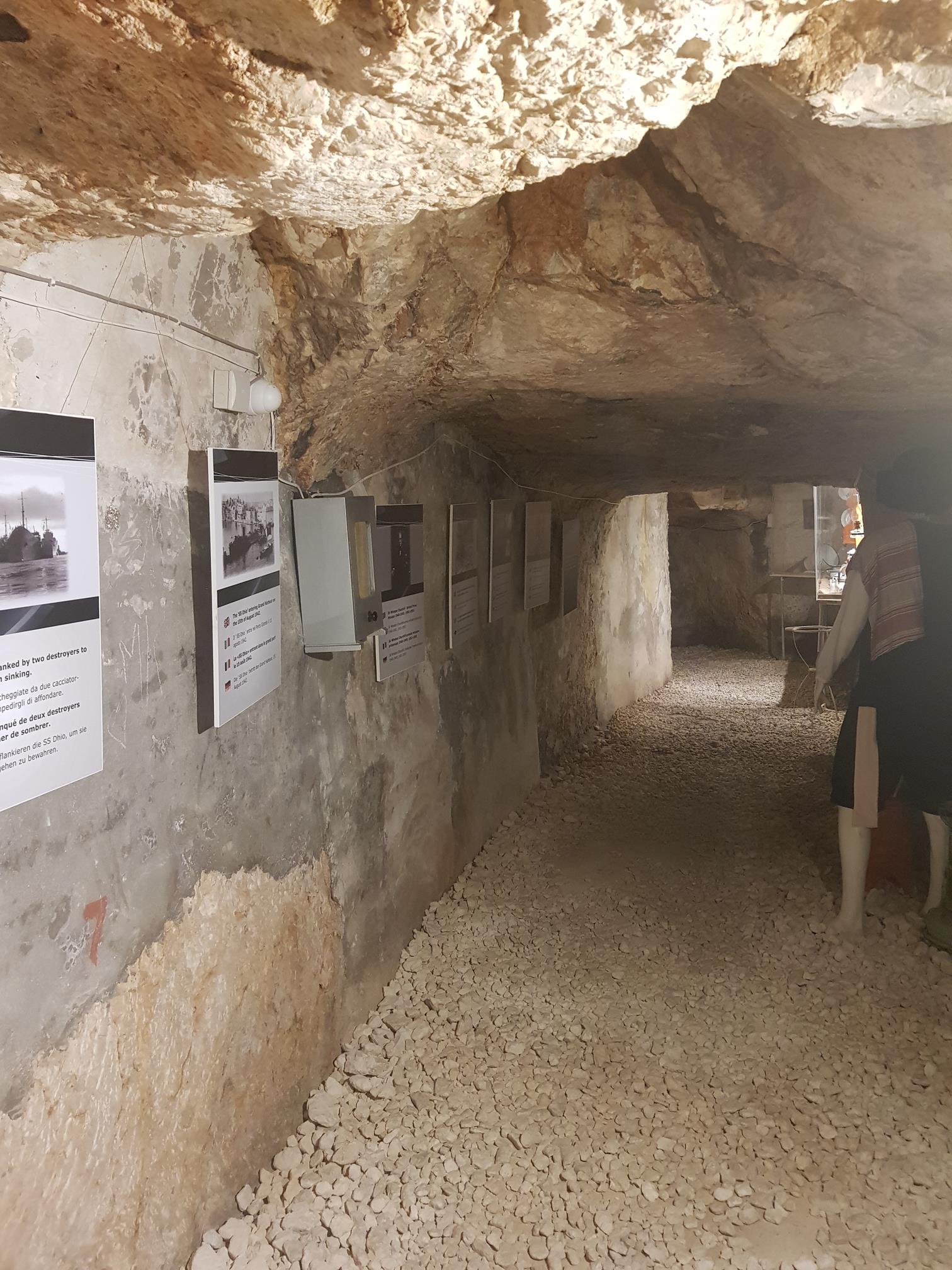
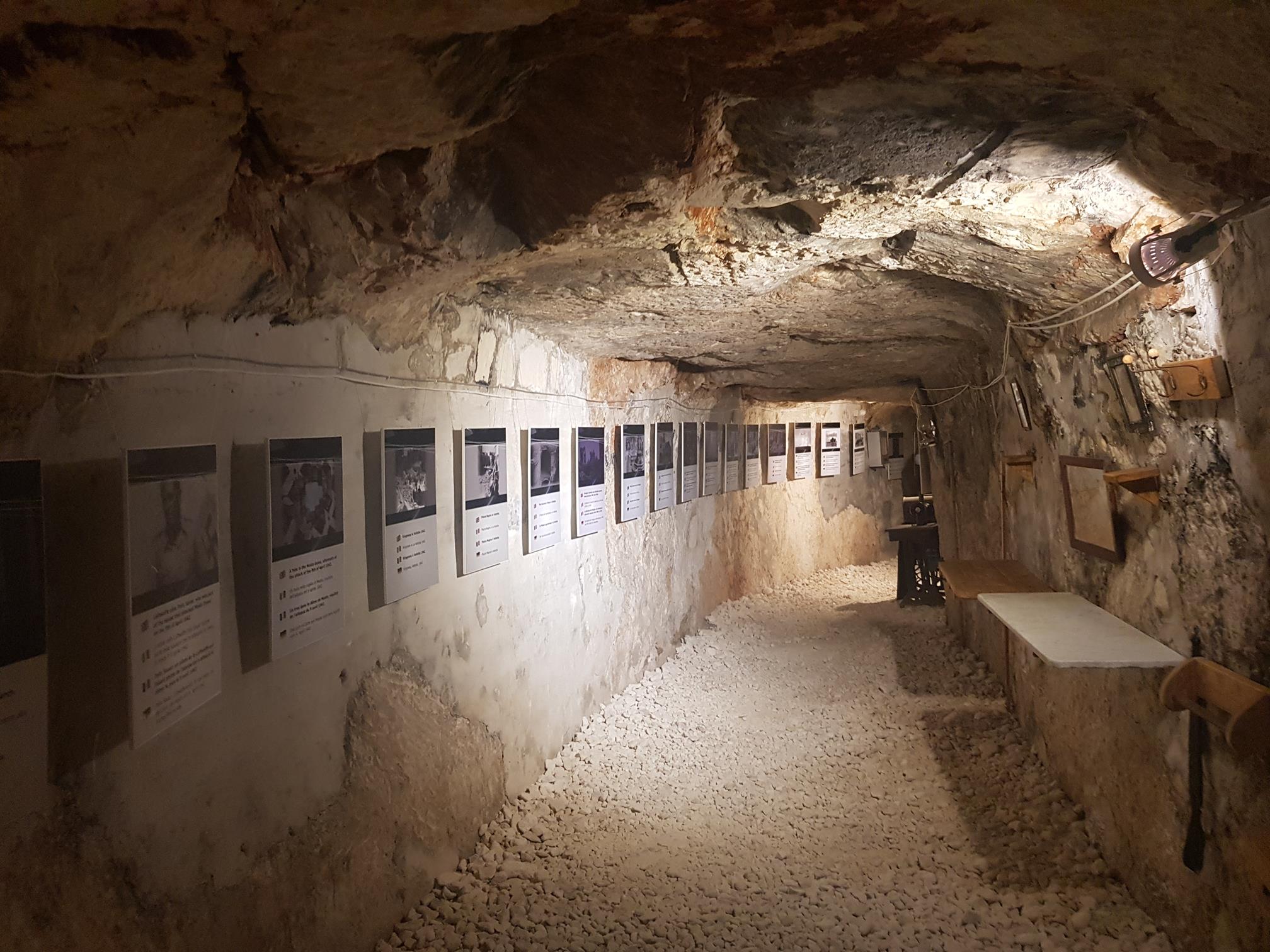
    The main tunnel has some information panels along its length.

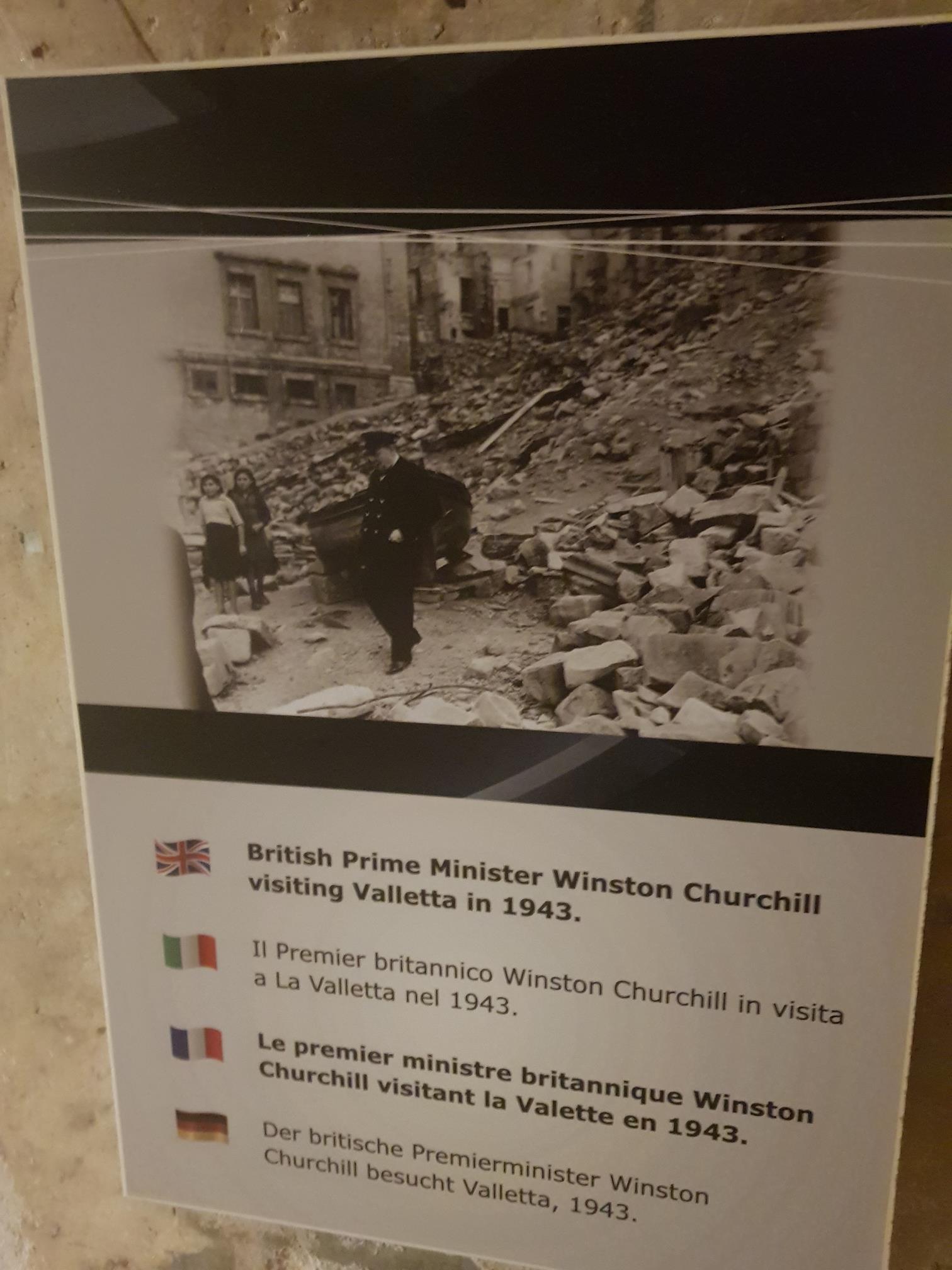
    I hadn’t realised that Winston Churchill had visited Valletta in 1943, which must have been a relatively dangerous mission.

    There were four exits to the shelters, this is one of them which is now sealed off.

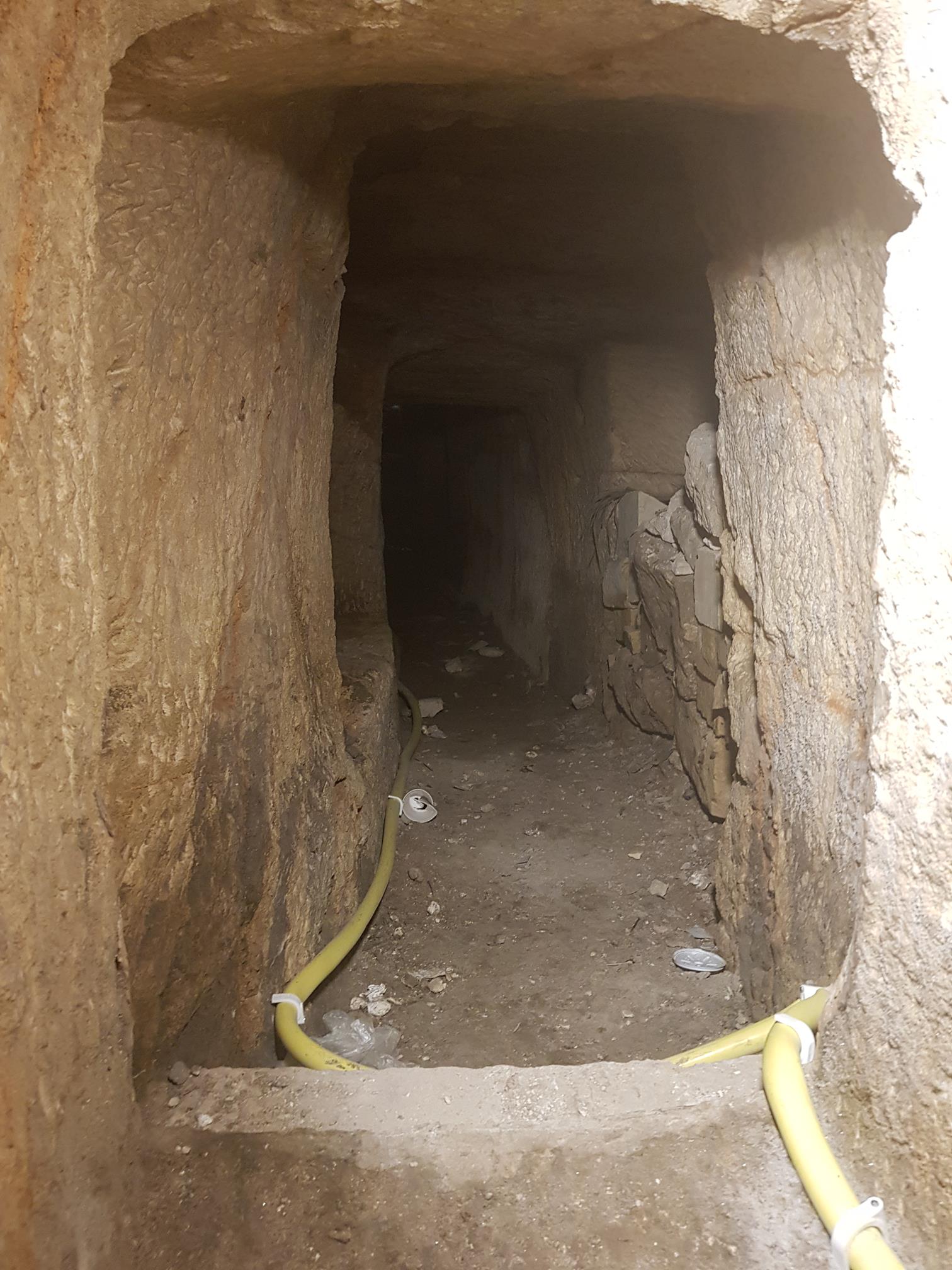
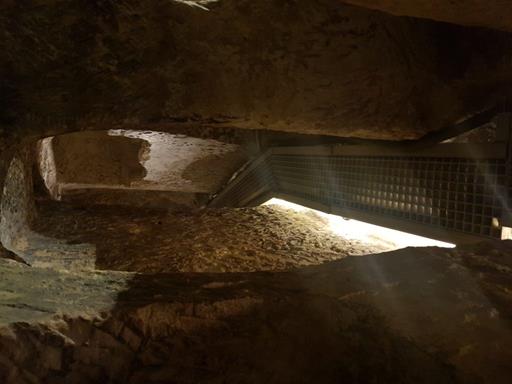
    One of the areas not accessible to the public. Well, it probably technically was as there was nothing stopping anyone exploring, but they’d have to stoop heavily or crawl, or just be short.

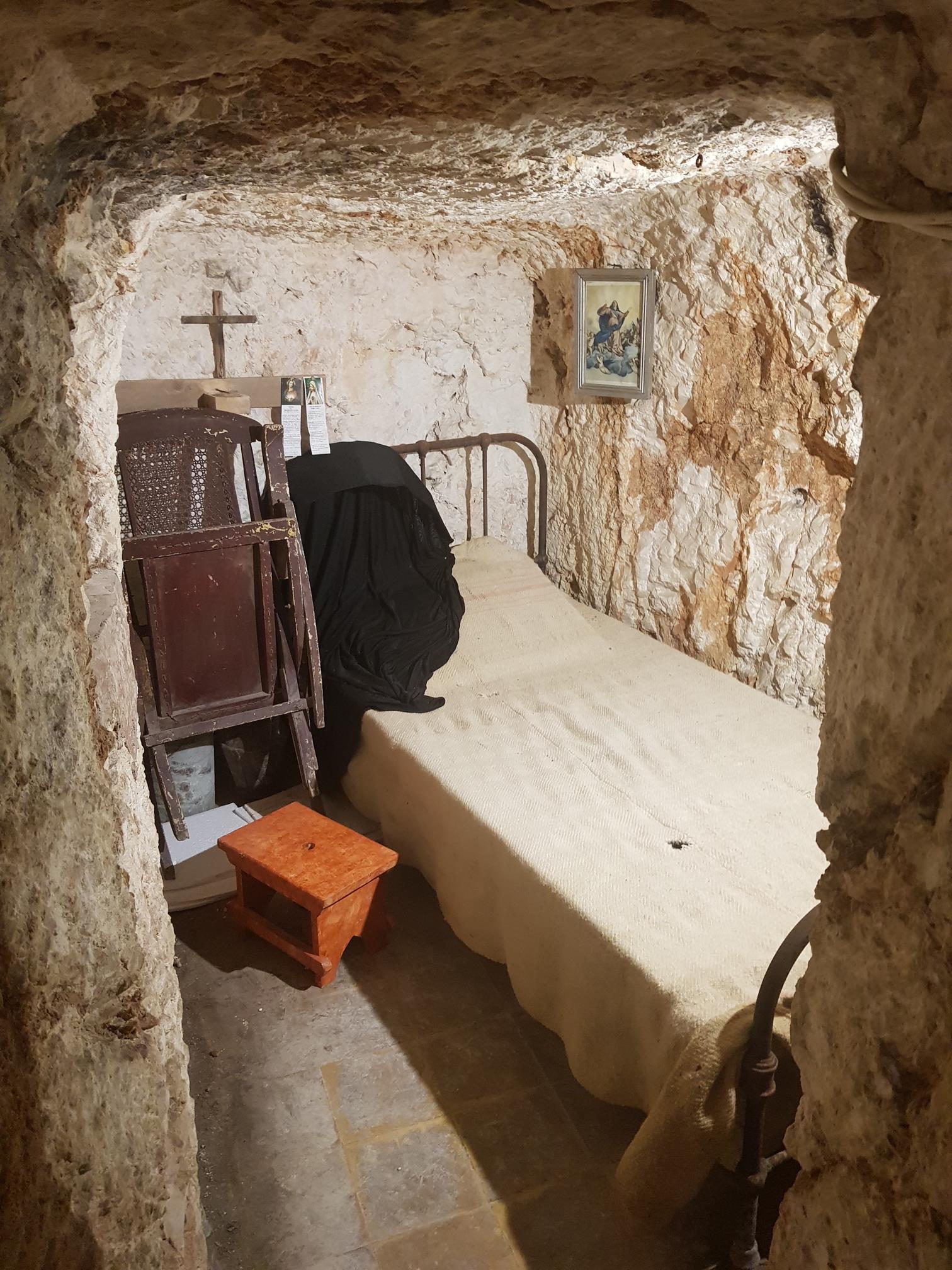
    A recreated bedroom area.

    The tunnels aren’t particularly large in size, but they were sufficient to protect the residents from the bombings which were taking place above. There was a joint admission charge of €3 for the Rotunda, or the town’s main church, and these tunnels, which was reasonable. I did try to work out where the other exits were on the main square, but that search was both a bit half-hearted and also entirely unsuccessful.

  • Malta – Twistees

    These crisps, available in a few flavours such as bacon, cheese, BBQ and chicken, are produced on the islands and appear to be one of the most common snacks which are available. Apparently they’re also widely exported from Malta, although I’ve never seen them before.

    At any rate, they’re excellent, very like Nik Naks…..

  • Malta – Northern Region – Mdina – Old Signage

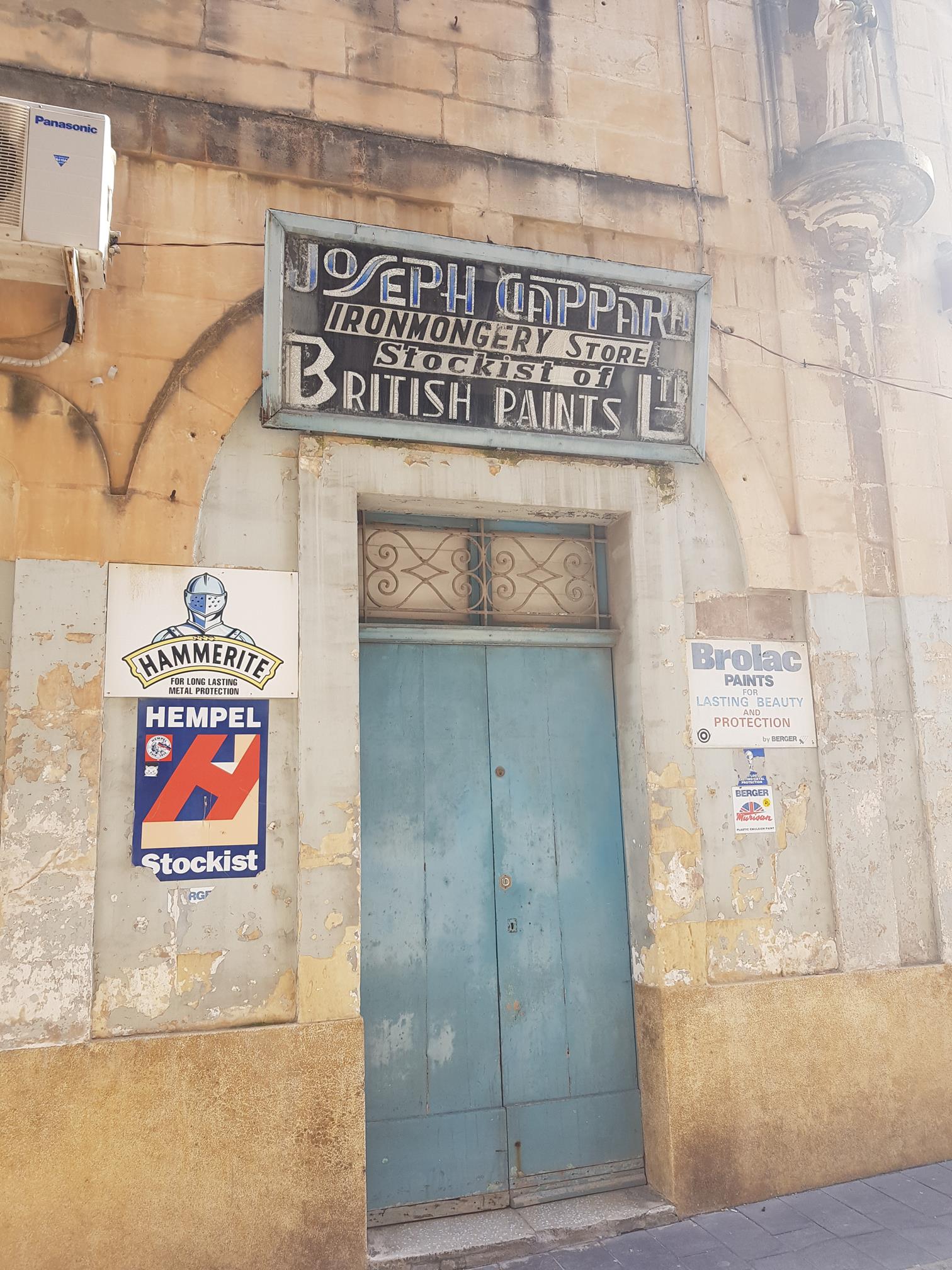
    An old sign on one of the streets in Mdina.

  • Malta – Northern Region – Mdina – St. Paul’s Catacombs

    These catacombs date from the Phoenician and Punic periods, although were used for over 1,500 years at various stages. There’s also a museum which I’ll detail in another post, as there are enough photos below already….

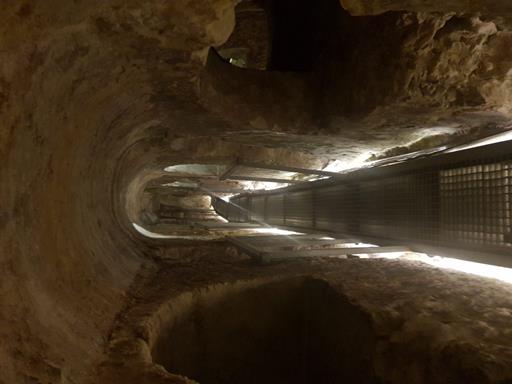
    The site is enormous, with most of the entry points involving walking up and down steps. The first catacomb that visitors enter is spacious inside, probably nearly half a mile of various walkways in what is a maze inside. There are panic buttons located all over the catacombs, which worried me as I wondered why there were lots of panic buttons all over the site.

    Fortunately, this is one of the catacombs which is currently closed off.

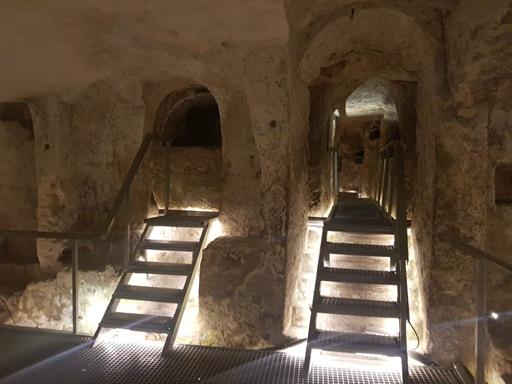
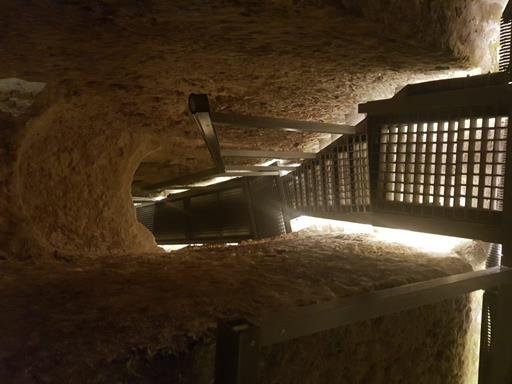
    This is how visitors get into most of the catacombs. There are fifteen or so of these sets of steps to go down, as although the catacombs mostly connect together, you’d never get visitors around them. I suspect that Dylan and Leon would have been able to explore at will though, and there were some catacombs that could only really be visited by short people or tall people willing to crawl.

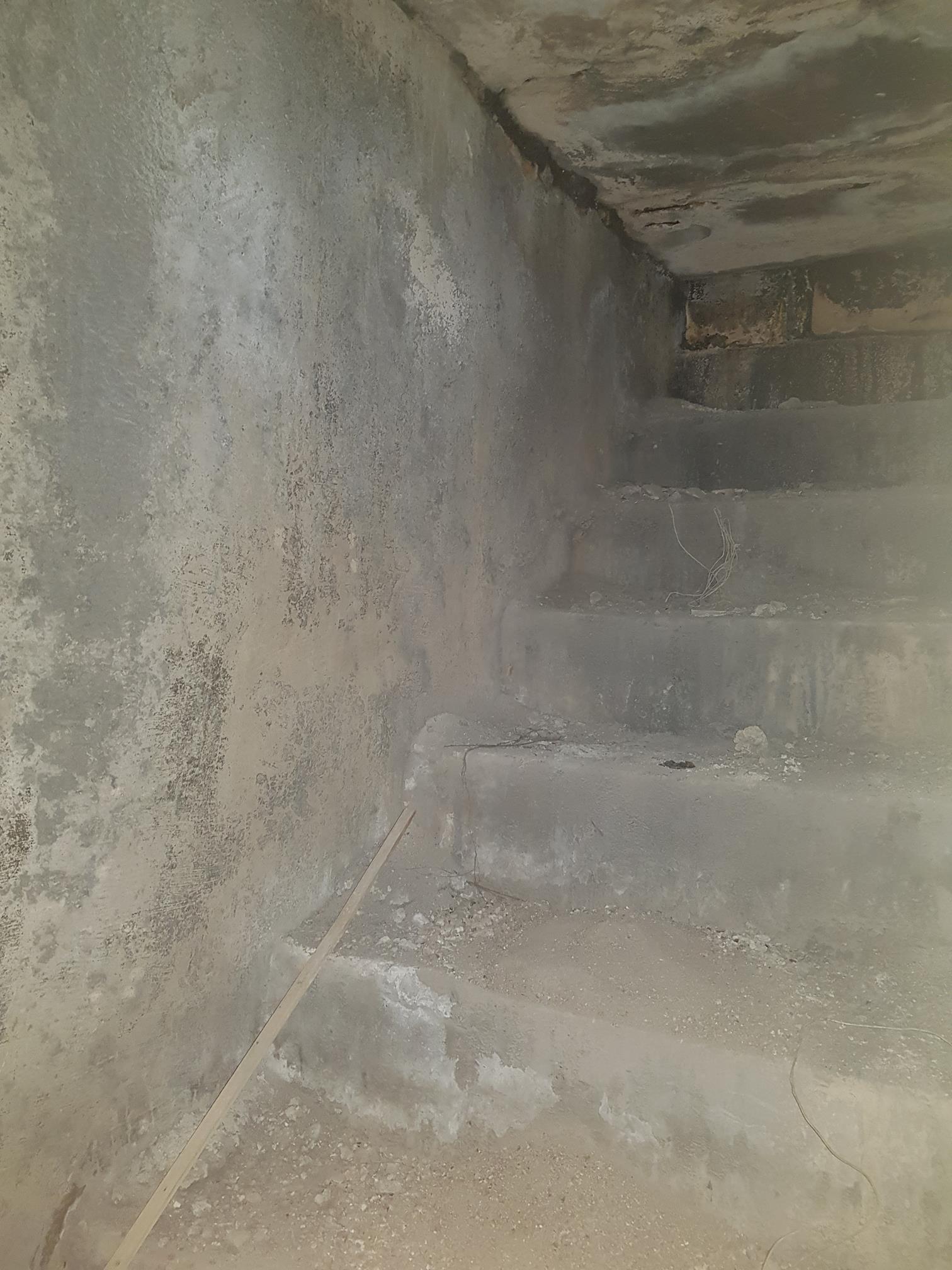
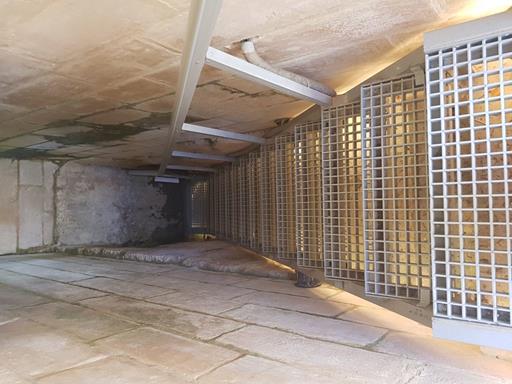
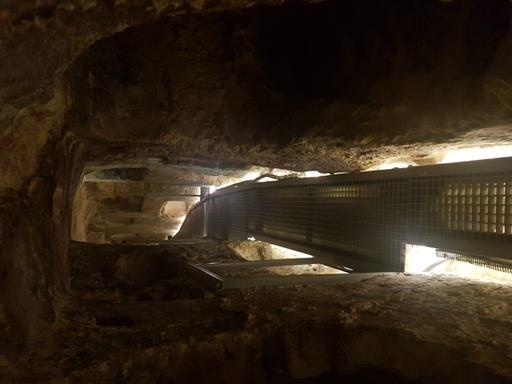
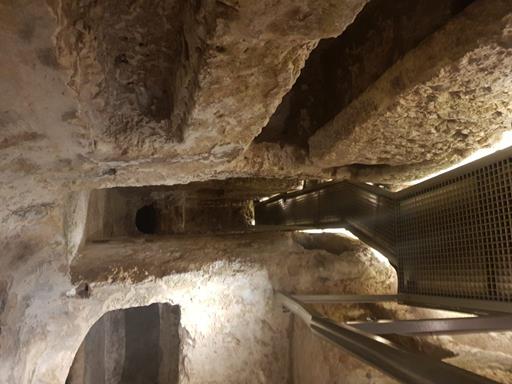
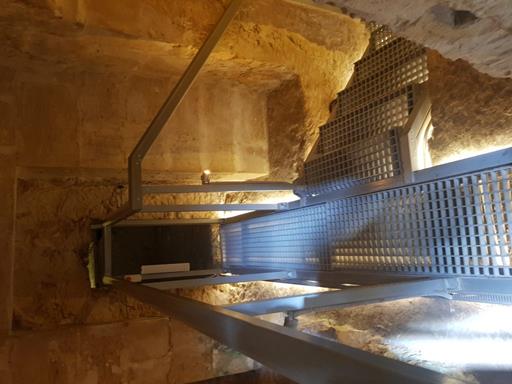
    Nearly all the access points have metal steps, which have been inserted over the top of older steps, which are mostly quite worn. This part was inaccessible and so there are just the old steps.

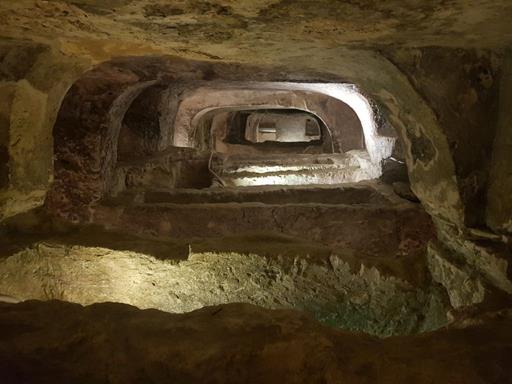
    Lots of walkways…..

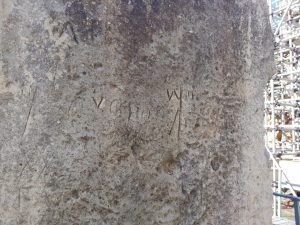
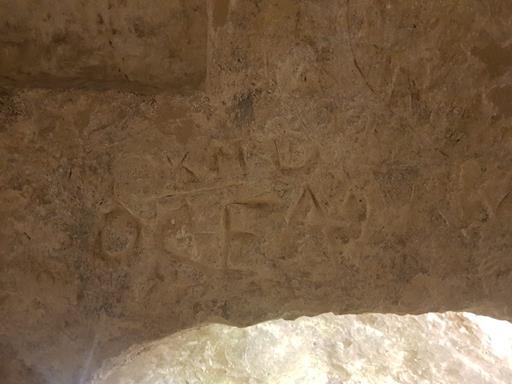
    This is graffiti that I think dates to the Second World War when these catacombs were used as air raid shelters. I thought initially that it might be relatively tolerable down here, but most of the stone feels damp to the touch, so it couldn’t have been very pleasant.

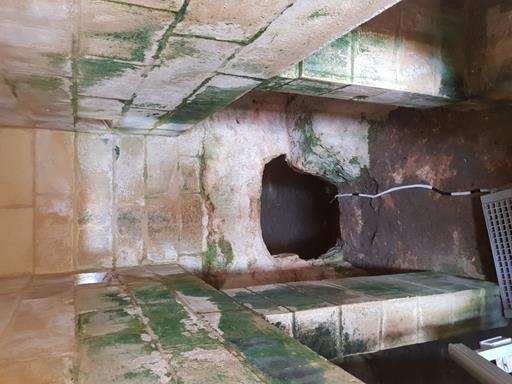
    The dampness is more evident here.

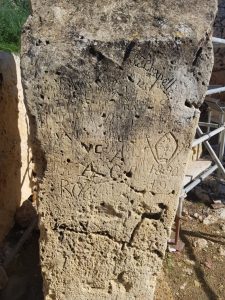
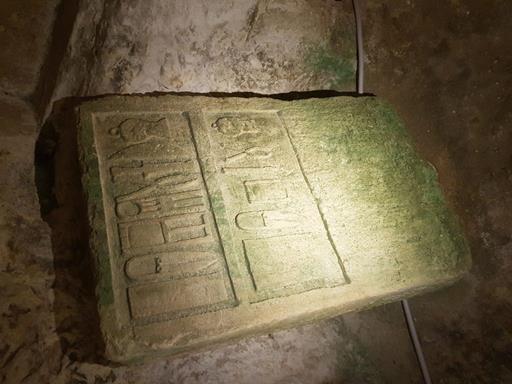
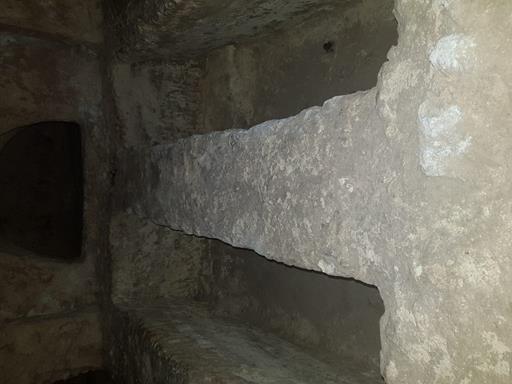
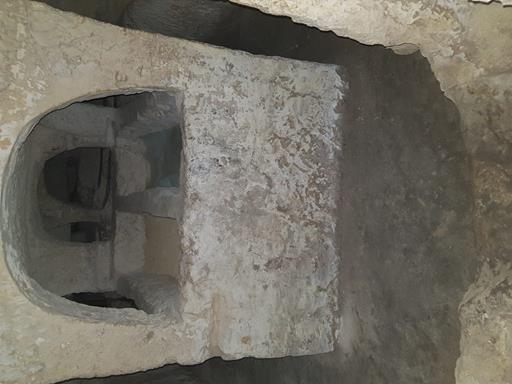
    This is a blocking stone inserted to, well, block off a burial area. The stone was reused from a Doric frieze.


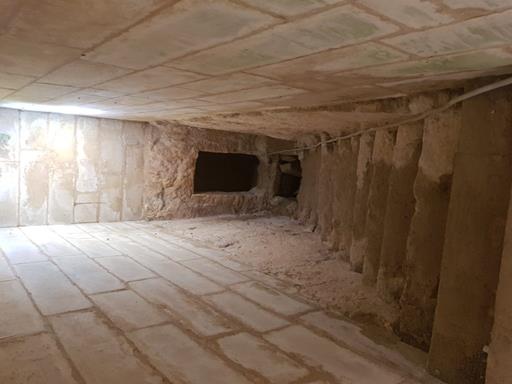
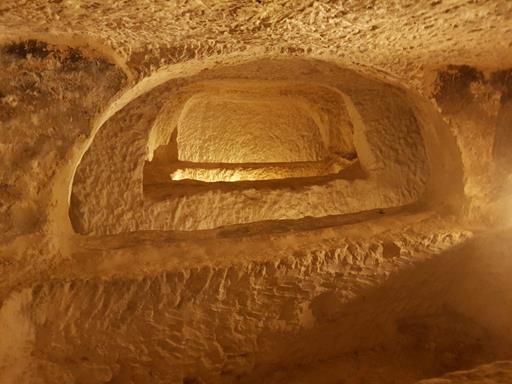
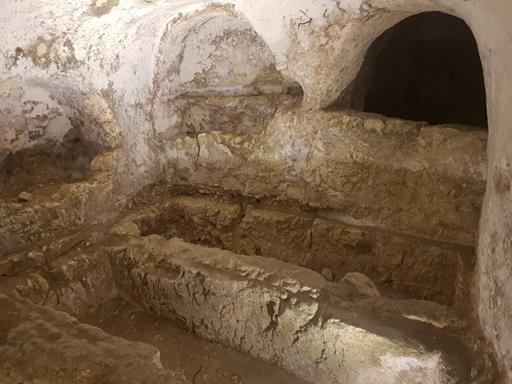
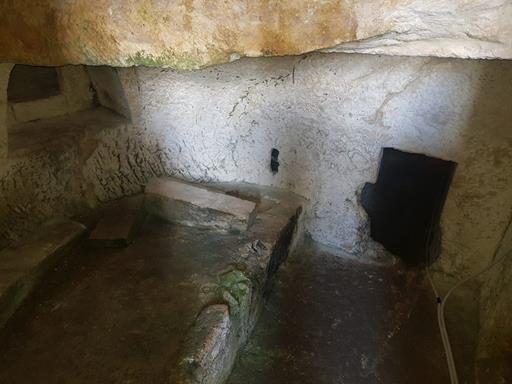
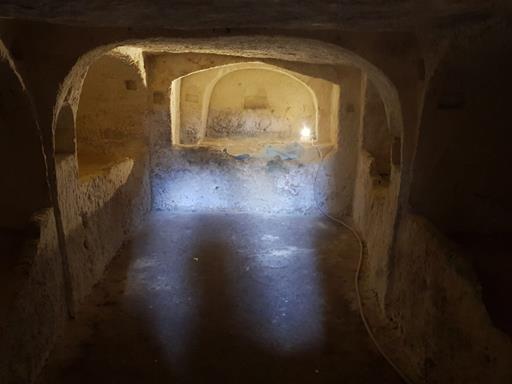
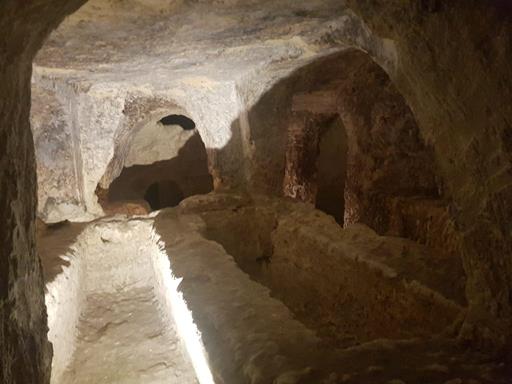
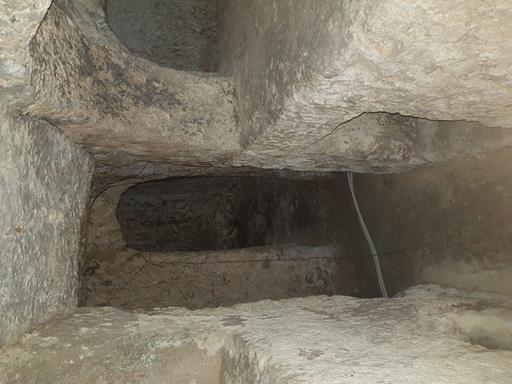
    There were hundreds of these, stone cut corridors and tombs for someone’s final resting place. Well, not final as it turned out. Although there’s actually no explanation for where the bones are, with the exception of some in the site’s museum. There are explanations that the site has been looted over the centuries, but I can’t imagine the bones were lifted out at that time, so I assume that it’s more recent.

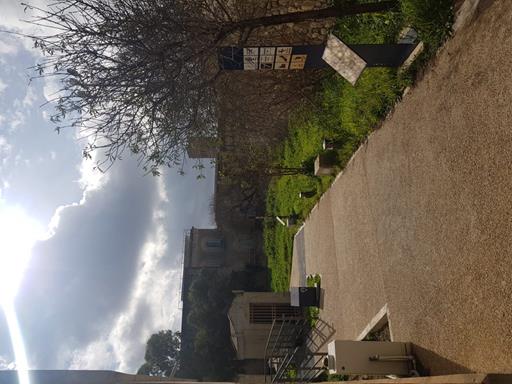
    The surface, with each of those stone hut type things being the entrance into one of the catacombs.

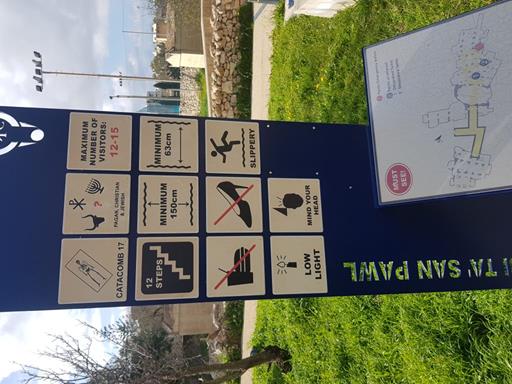
    Each of the catacombs had a sign such as this by it, with the appropriate warnings such as the maximum number of visitors and some height and width restrictions. The site had a few other visitors when I was there, but no real number to mean that I had to wait to enter any of the catacombs. I imagine during the summer months that the wait is rather more tiresome.

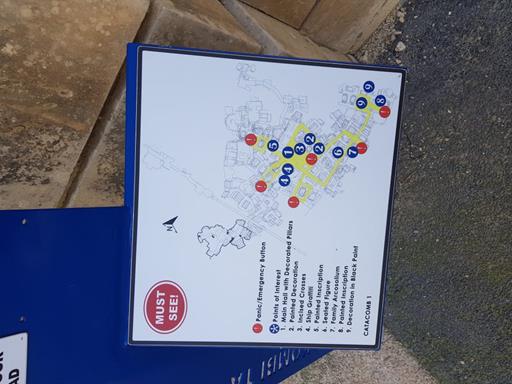
    These maps were interesting to see on the surface and they often told visitors what to look for. However, in the larger catacombs it’s difficult to get a sense of where anything is relative to this plan. There are nearly no descriptions downstairs, so I think I missed quite a lot.

    The catacombs are also more extensive than visitors can see, and there are separate, but still part of the same complex, areas which can only be seen with an appointment.

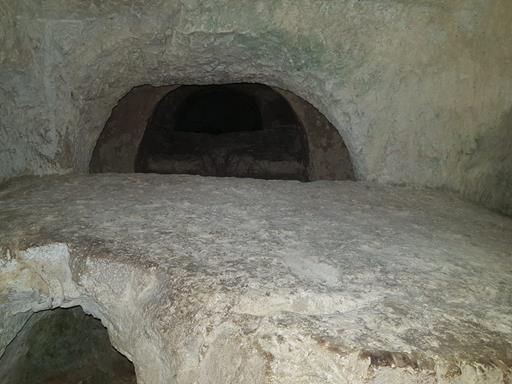
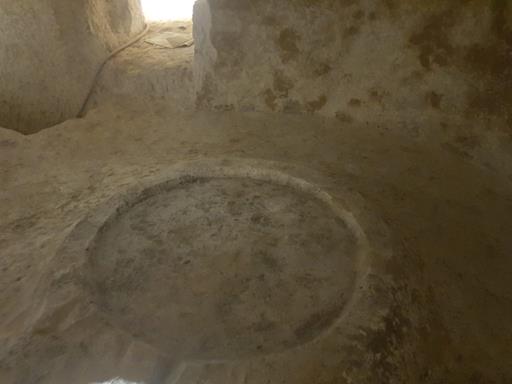
    I’ve seen two explanations given for these circular tables, of which there are several throughout the catacombs. The first is that they are tables where individuals would come for a final meal, as part of the ceremony after burial when the individual was laid to rest. The second is that they were used for an annual Roman ritual of celebrating the dead, but it’s probably the case that both are true.

    I must say though, Malta is a country which is rather pleasant in terms of the temperature. I’d have thought a final meal two metres above in the sun would be more pleasant, but such are the rules of burial rites I suppose…. There are also Christian and Jewish burials at the site, and of course many people were buried here before those two religions were established.

    So, this is a substantial site which it can easily take a couple of hours to explore, with a history dating back thousands of years. It’s full of atmosphere, character and intrigue, so I thought that I’d better check TripAdvisor to see what some visitors thought.

    “We came here half an hour before closing but could not see anything more than a few caves, no Bones.”

    Firstly, I wouldn’t come to a substantial site half an hour before closing, but each to their own. And a few caves? The largest catacombs in Malta with hundreds of metres of pathways? Hmmmmm.

    “Seen one seen them all! Not a through trip but up and down separate stairs to see holes in the ground!”

    Yes, burial sites are so samey…. Although there is some logic to this, many of the burials were quite similar in style. I like though that the site has to get a bad review because it’s simply not possible to link the catacombs together without getting visitors to crawl through them.

    “It costs 5 euros to visit the catacombs that have nothing to offer!”

    No, just thousands of years of history….

    All in, a really interesting experience, but I did have a lot more questions when leaving than answers, so I’d prefer for the interpretation centre to perhaps be a little more involved with details than perhaps it was.

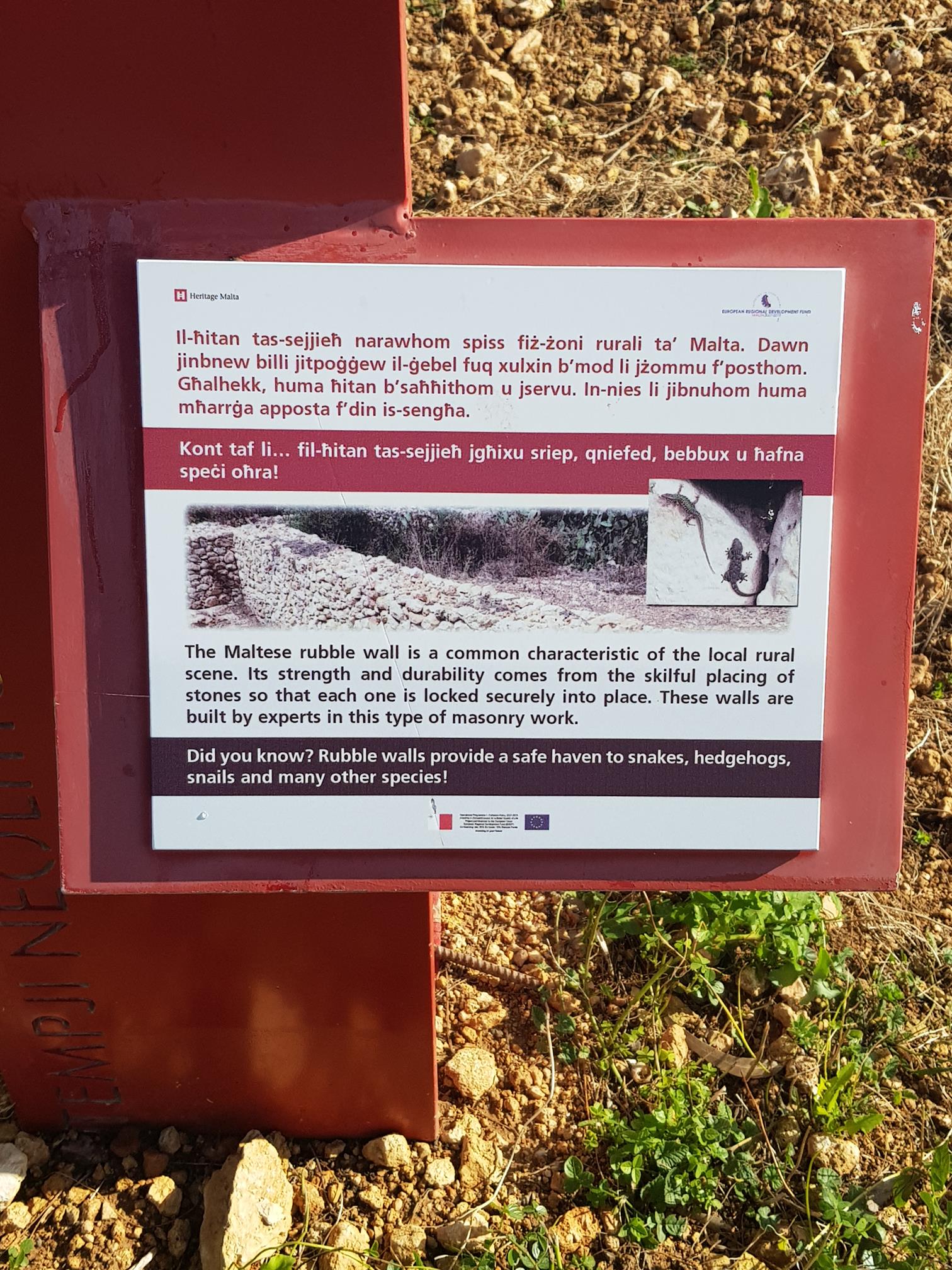
  • Malta – Gozo – Snake Warning

    There are snakes in the walls? I will ensure that I spent the rest of the week avoiding any wall, which could make walking slightly challenging….

  • Malta – Gozo – Victoria – Ta’ Rikardu Restaurant

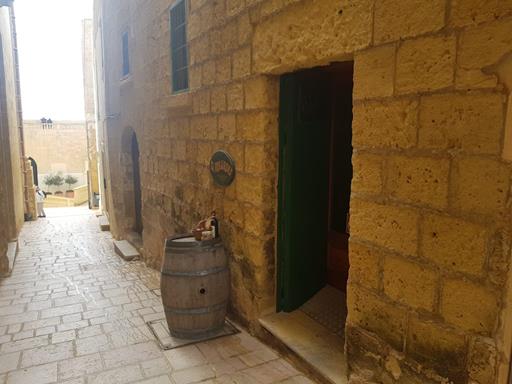
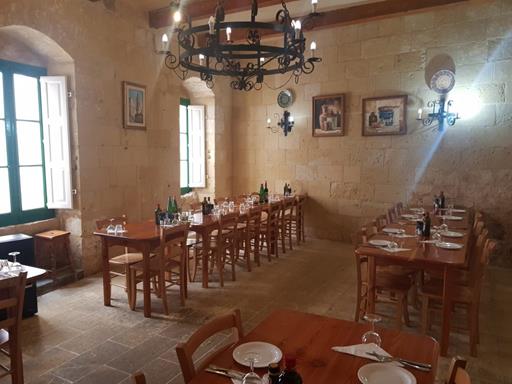
    Located in the Cittadella in Victoria, I walked by this restaurant a few days ago and didn’t think of going in. There’s no external menu, although that’s likely a limitation of the historic area in which they’re located and the authorities not wanting them to bang up signs all over the place. The reviews are mixed, although generally favourable, but it was the dining environment that intrigued me.

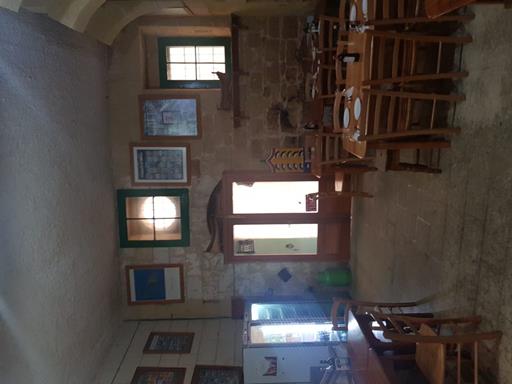
    The downstairs of the restaurant, with the set-up being a bit confusing. I was told when after I entered that the restaurant was upstairs, as it’s on two floors, and so I start to plod up, before being told that I could sit downstairs as well. I just go where I’m put, so I just went upstairs anyway as I like to look confident in my decision….

    One of the reasons I went upstairs is that I thought that it might be a bit busier, but it transpired that I was the first customer of the day. Anyway, I was seated by a friendly member of staff and given a choice of two tables, both of which sat ten people.

    The restaurant got much busier later, but then the staff did I feel fail some of the customers. One man sat down with his backpack on the stool at the rear behind the table, but was then moved as he was told that the table he was sat at was reserved. He couldn’t have known that, but he then accidentally smashed a glass when picking his backpack up. I felt quite sorry for him, the staff really should have seated him rather than make his visit awkward. The staff then did the same to another two customers, although they didn’t smash anything when moving.

    So, although I was quite happy with the service for my meal, which was always polite and attentive, I was conscious it wasn’t good enough for others.

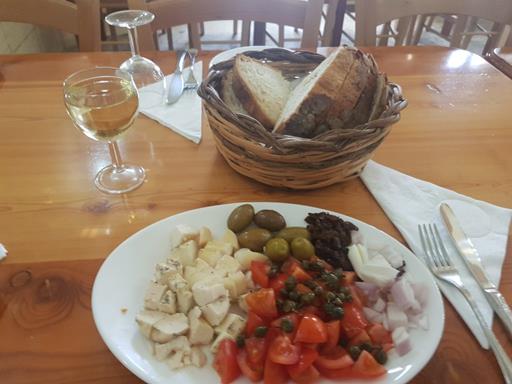
    This is the sharing platter, which I had seen photos of and was aware wasn’t as good as the one I had ordered in Valletta a couple of weeks ago. The bread was excellent and was another generous portion of it, which was freshly made and warm. The tomatoes had a clarity of taste, the olives were of a good quality, the capers added texture and the cheese had a rich flavour and quite a strong after-taste. I was less convinced about the need for the raw onions and the sun-dried tomatoes were at best adequate.

    The dining environment was though marvellous, a real feel of the old city centre of Victoria. This is the only restaurant in the Cittadella, with the exception of one more basic cafe operation, and has perhaps one of the best locations in the entire city. It wasn’t overly expensive, especially given that location, and the service for me was always polite, efficient and friendly. For others though, I do think they need to do more about their welcome and seating arrangements.

  • Malta – Gozo – Ġgantija Temples – Vandalism

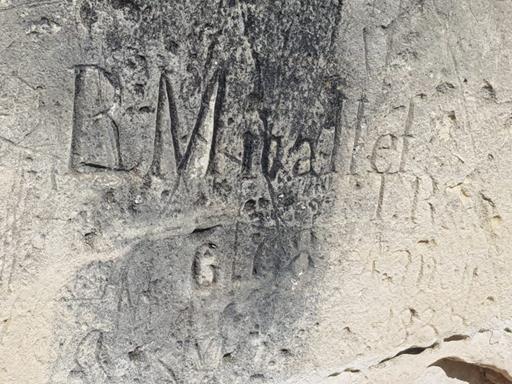
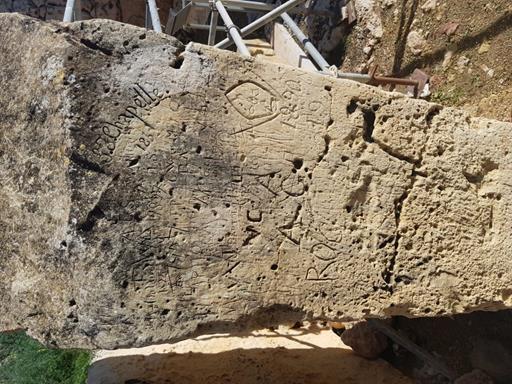
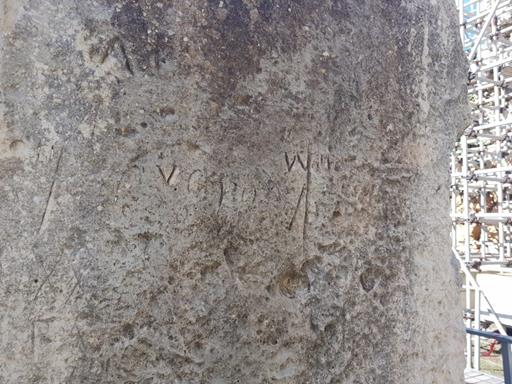
    I visited the Ġgantija Temples today and one might think that leaving graffiti on the stones came to an end in the nineteenth century. Unfortunately, not, this is just a link to show that vandalism of these historic sites still exists….

    https://www.timesofmalta.com/articles/view/20160909/local/irreparable-damage-done-to-ggantija-temples.624487

    The man said:

    “Are you telling me I cannot write my name on this piece of rock? I didn’t know you can’t”.

  • Malta – Gozo – Ġgantija Temples

    Ġgantija is a UNESCO World Heritage Site, and although it is slightly argued over, this site is perhaps the second oldest man-made structure in the world which is still standing. The temples date back 5,500 years and mark a significant and quite remarkable construction effort for the time.
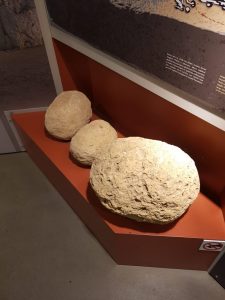
    A visit for most people starts at the entrance, but I decided to try and get into the exit before a staff member helpfully mentioned I was in the wrong building. Anyway, the visit for everyone else starts at the entrance and they first go into a museum which gives the background of the temples.

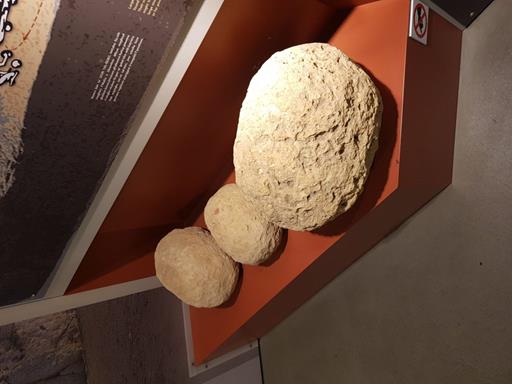
    Above are circular stones which were found on the site and it’s thought that these were used in moving the larger stones into place. This site pre-dates the creation of the wheel and these circular stones have been found in similar temple sites on the islands.
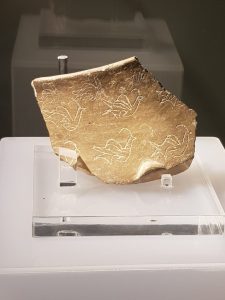
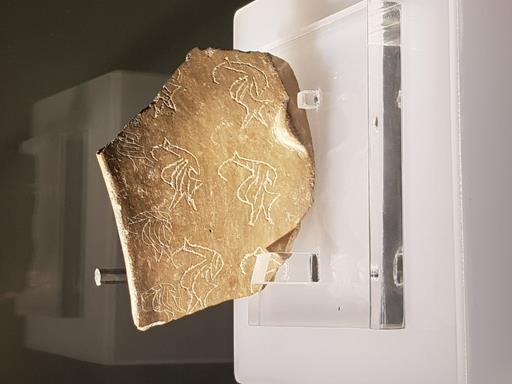
    The sheer age of this site means that most items found here are some of the oldest of their kind in the world. This is a decorated pot, with the decoration added after the pottery was fired. It’s thought to be around 4,500 to 5,000 years old.
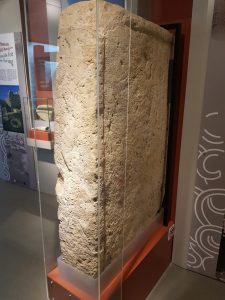
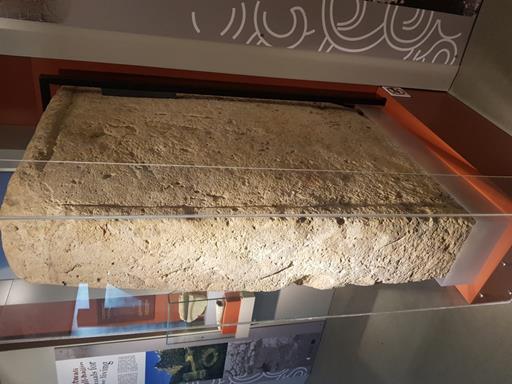
    This is one of the stone slabs found at the site, but moved inside in 1957 to better protect it. It has a carving on a snake on the side, again making this one of the earliest representations of a snake in existence.
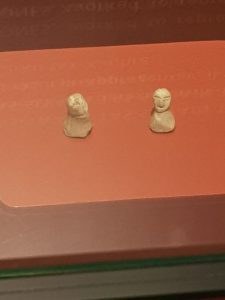
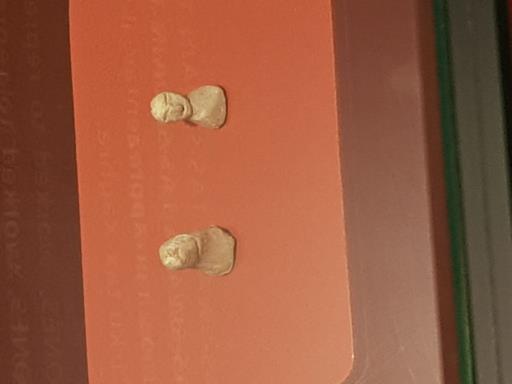
    These are cow toe bones found at the site, sculpted to represent human faces.
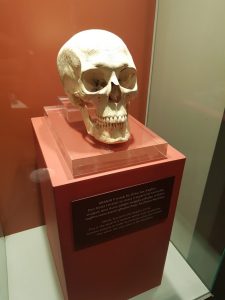
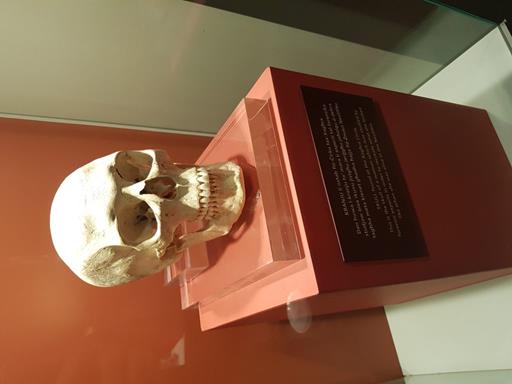
    A skull found at the site which dates back to the Neolithic period.
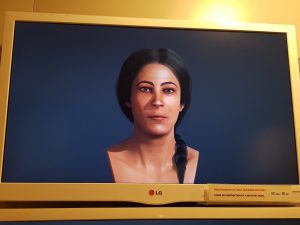
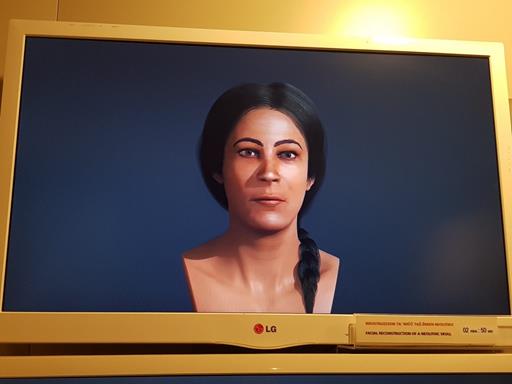
    Using the above skull they have been able to recreate what the person would have looked like, it was a young female.
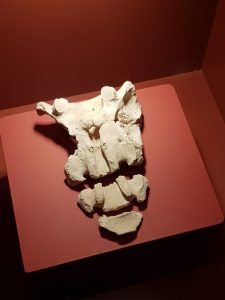
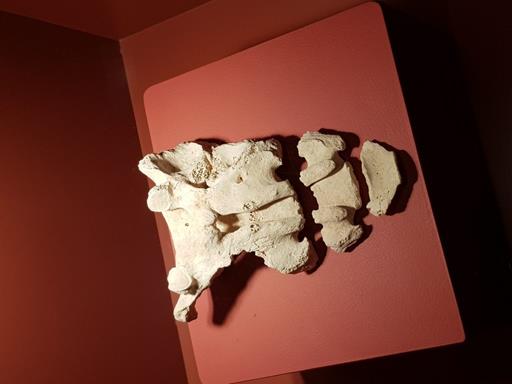
    Significant analysis has been made on the bones found at the site, and this individual suffered from spina bifida. They died at between the age of 8 and 13.
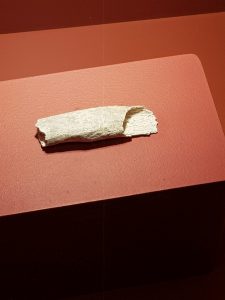
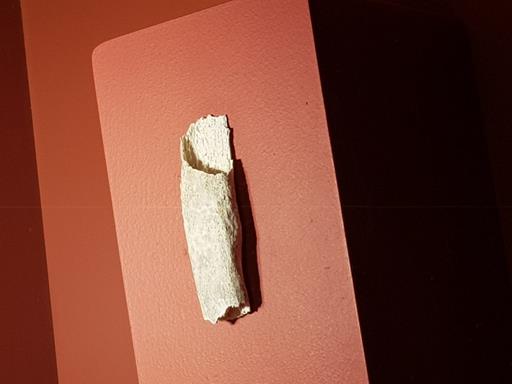
    This individual suffered from osteomyelitis, which is a bone infection which can apparently now be treated easily today with antibiotics.
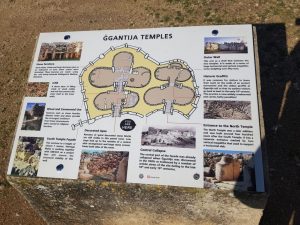
    After visiting the museum there is then the site itself. There was a coach party ahead of me, but they were leaving just as I arrived at the site. So, I had this site pretty much to myself.
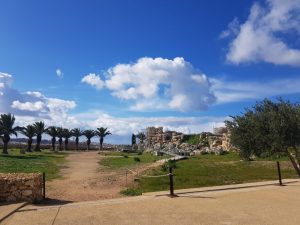
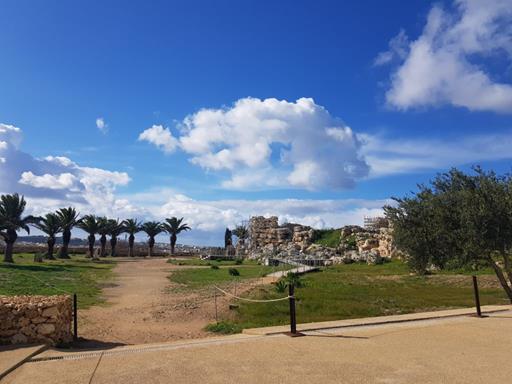
    They picked a nice site to place their temple.
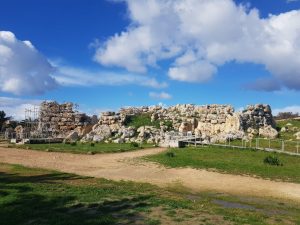
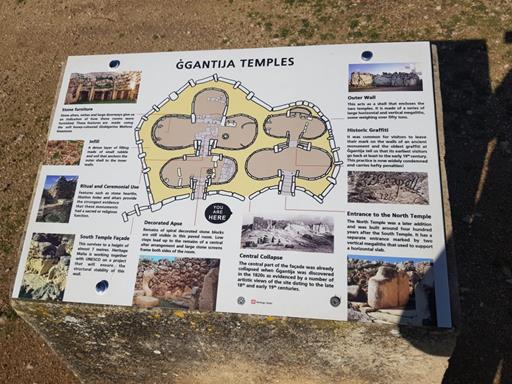
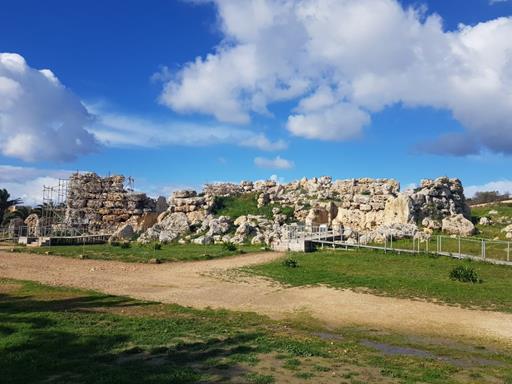
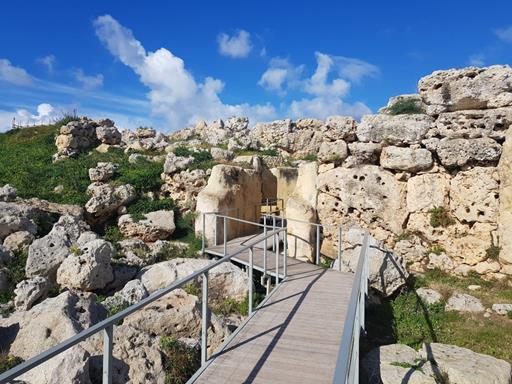
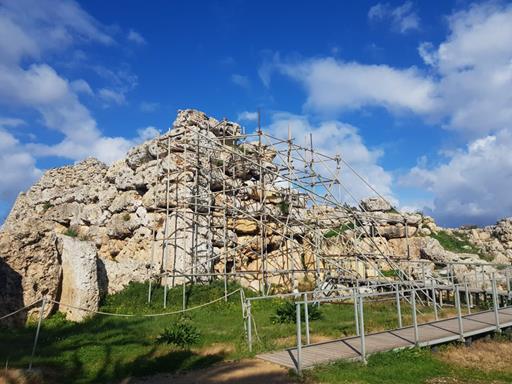
    The front of the site. Unless some other temple sites, this has avoided being messed around with too much. The British cleared the debris from the site in the 1820s, which probably caused significant loss, but nearly everything visible is original. Other than the scaffolding and the walkway obviously.
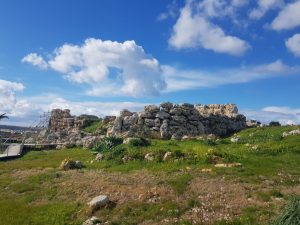
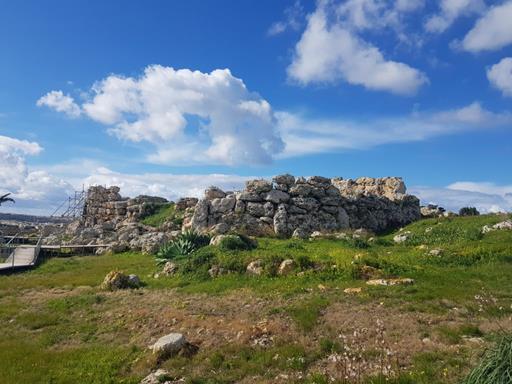
    The side of the site.
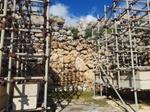
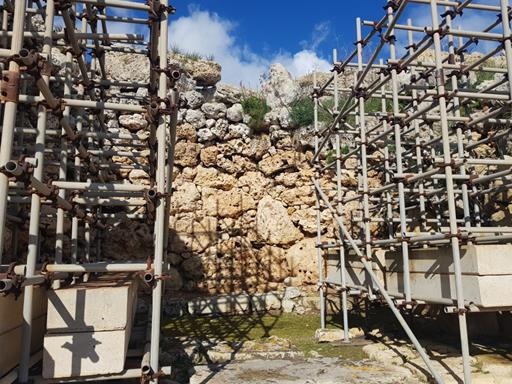
    Some of the structure is being supported by scaffolding to prevent any little collapsing incidents. There are long-term plans to remove the scaffolding by fiddling about with the stone, but I hope they don’t do too much fiddling with it.
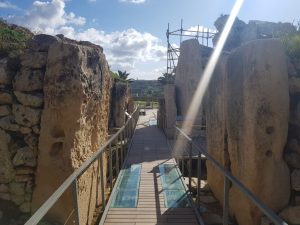
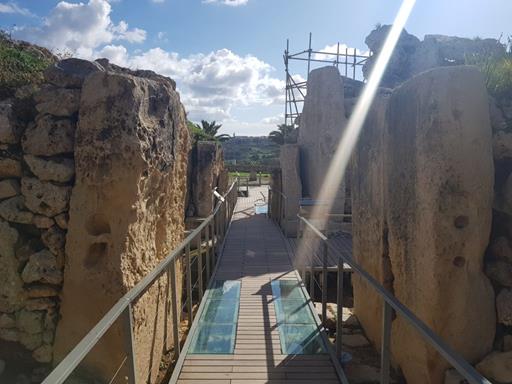
    A walkway into the main temple area.
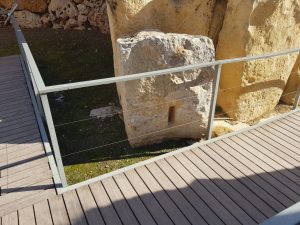
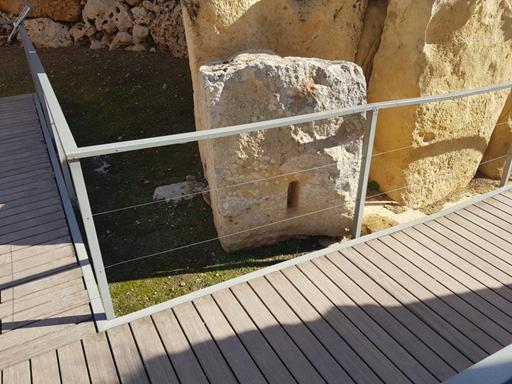
    It is thought that this is a later amendment to the main doorway as there is evidence of metal working, which wasn’t available to the original builders.
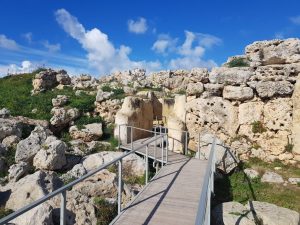
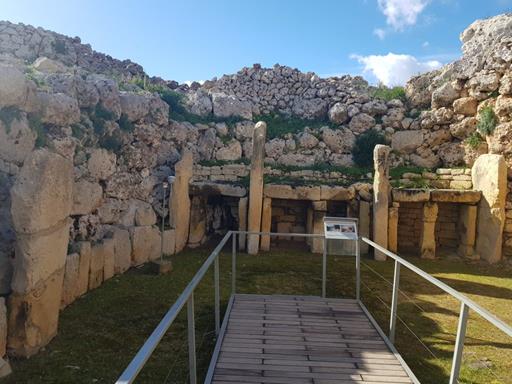
    The walkways inserted into the site to let visitors see the stonework.
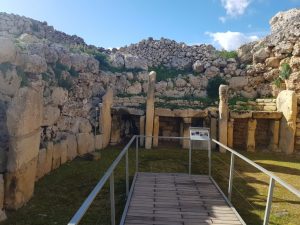
    This is one of the few areas where there has been some restoration, but it was done in the nineteenth century shortly after the stones fell and was based on paintings drawn a few years before.
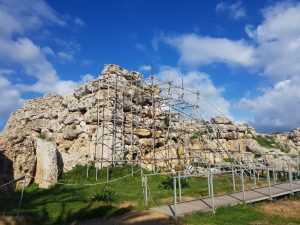
    The scaffolding is extensive around the site.
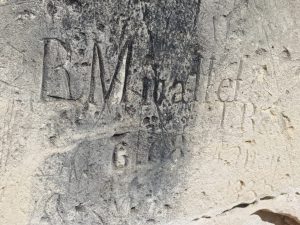
    This is nineteenth century graffiti which was added to the stones by people who visited the site, often as part of their Grand Tour. It was acceptable at the time, I assume because no-one thought to put a visitor’s book at the site. There are cameras at the site to stop anyone adding their little inscriptions now, although it’s still happening on occasion much to the fury of Heritage Malta.

    Anyway, I felt that this was an amazing site and one of the most important heritage sites that I’ve visited. For this to have been created by the people of the time with such limited means is a substantial achievement, and it’s impressive that it has remained standing since. Some of the site got buried over time, but it would have been easy to quarry some of the stone, history has certainly treated this site well.

    To amuse myself, I had a little look on TripAdvisor at the negative reviews, and this was a favourite:

    “Please don’t waste your money,or more importantly time visiting this place. How other people reviewed this at five stars beggars belief.Its a collection of nothing”.

    Hmmmm. The site’s response was professional and quite accurate IMO…

    “The Ġgantija Temples Heritage Park has recently benefitted from a major investment, which saw the construction of an Interpretation Centre that presents detailed information of the site, audiovisual facilities and a collection of unique artefacts from Gozo’s prehistoric legacy. This precedes the visit to the Neolithic temples of Ġgantija, a monument which has survived 6,000 years and which has been recognized by UNESCO as one of the earliest architectural accomplishments in human history. In view of this, the comment ‘a collection of nothing’ seems hardly fair.”

    Another little treat:

    “We visited on a rainy day and had it to ourselves. The museum was semi interesting. We then walked to the site and saw a bunch of rocks, many of which were held in place by metal scaffolding. Anything of interest was removed long ago, so you saw a pile of rocks. It really wasn’t much different than any other pile of rocks we’ve seen on Gozo. We left feeling quite disappointed. Sorry for the critical review but we expected a lot more.”

    The site didn’t deem this one worth replying, perhaps the metal scaffolding should be removed so that everything could fall down. And then they could build a McDonald’s at the site…. Great plan….

    And my final TripAdvisor review which I enjoyed reading:

    “We were taken to the Xaghra Stone Circle as part of our full-day guided tour of the island of Gozo. When the tour arrived there and we were guided through the small museum and then out on to the site under the blazing midday sun, we were wondering what we were actually doing there. We were taken around to see several different piles of rocks with the tour guide providing descriptions as we went. However, as it was so hot, very few members of the tour group could actually concentrate on what she was saying. If you are an archaeologist and piles of old rocks are your thing then this is the place for you. If not, give it a miss!”

    I thought that as piles of old rocks go, they’re some of the most amazing that I’ve seen. But, each to their own  🙂