
This is a clever little idea, place a frame up at a viewpoint over the town so that visitors can take a photo of themselves and the background. Or in my case, just the background, which is Ghajnsielem Parish Church in the town of Mgarr.

HOME · LATEST 100 POSTS · BAR BILLIARDS · GOOD BEER GUIDE · NORWICH MARKET · FLIGHTS · RAILWAYS · INDIAN MEALS · CONTACT
This is a clever little idea, place a frame up at a viewpoint over the town so that visitors can take a photo of themselves and the background. Or in my case, just the background, which is Ghajnsielem Parish Church in the town of Mgarr.
This post is just photos, it’s a walk from Mgarr (where the ferry terminal is at Gozo) along the coast. Very nice.


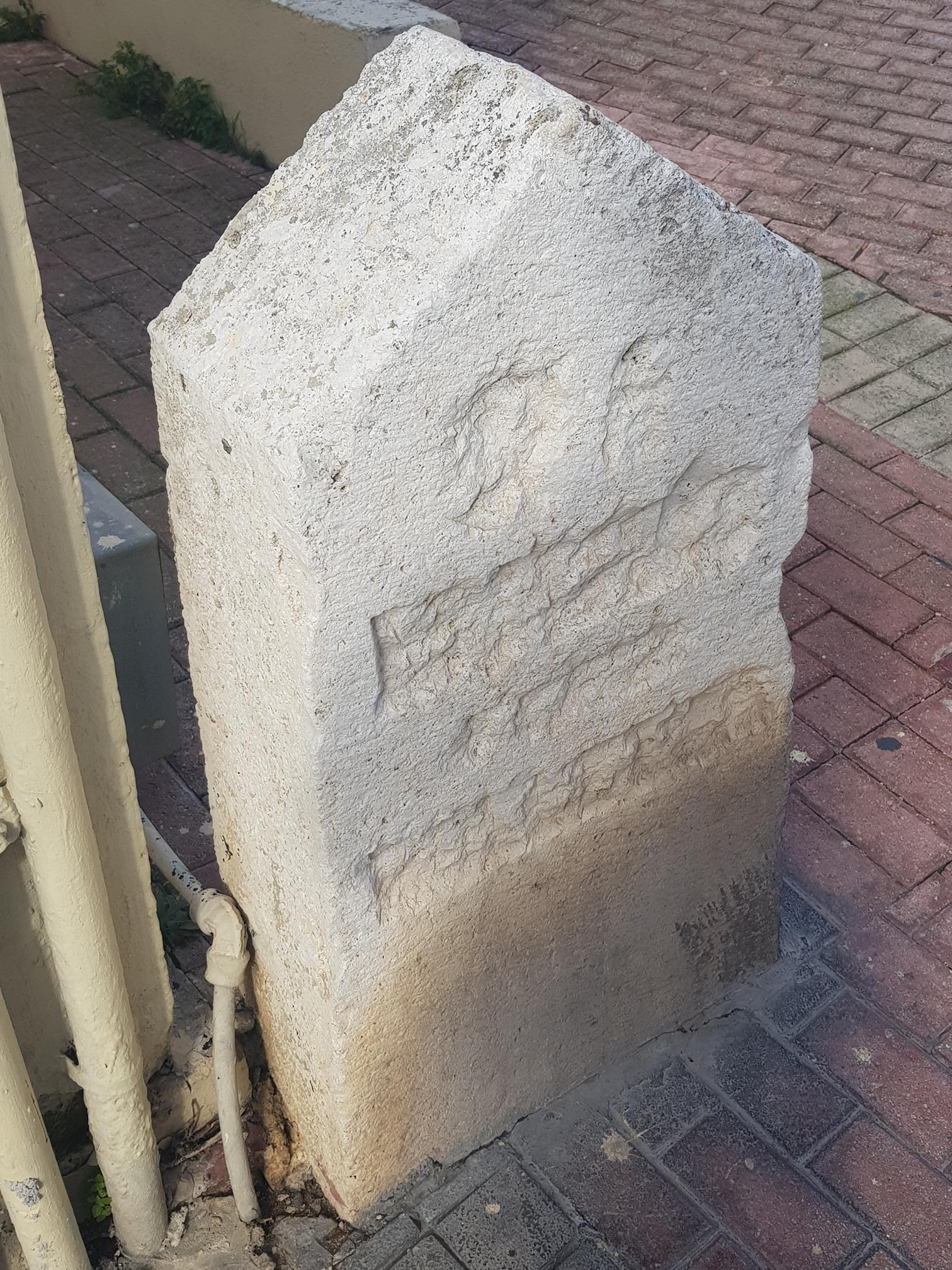
Although milestones dated back to the Roman period, it was the British who installed a large number of them around the Maltese islands. A hard wearing rock was used, but many have inevitably worn away over the years and many of them were defaced over time. This one is in Paul’s Bay and I can’t unfortunately read what it used to say.
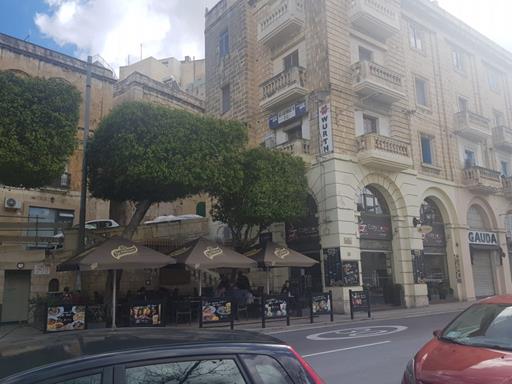
This Italian restaurant isn’t part of the UK chain, but is an independent restaurant located near to the harbour area in Cospicua, near Birgu. It was rather busier than I had expected, although the reviews for the restaurant are excellent, and it transpired that I was fortunate to get a table. I arrived around ten minutes before they were serving lunch, but by the time they had offered the menu and taken the order, the wait wasn’t noticeable.
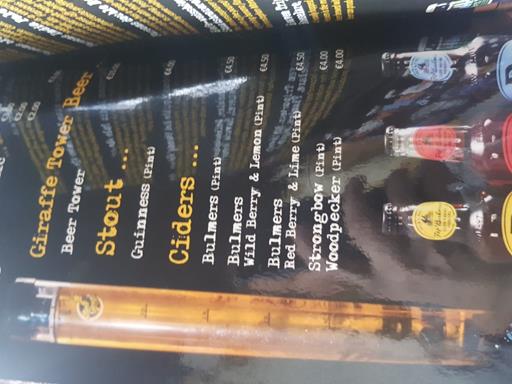
I didn’t order this tower of beer.
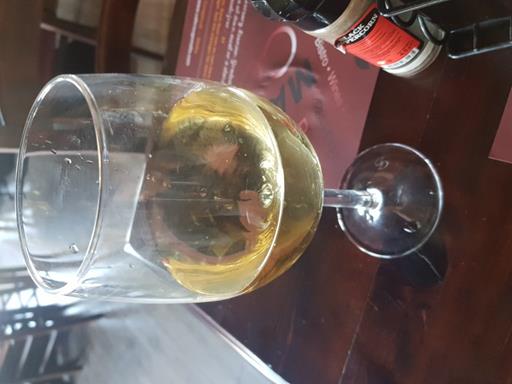
It didn’t seem right to sit in an Italian restaurant eating pasta without having a glass of white wine. Since I don’t understand wine, I just order the house wine which nearly always tastes fine and is just at the price point that I prefer.
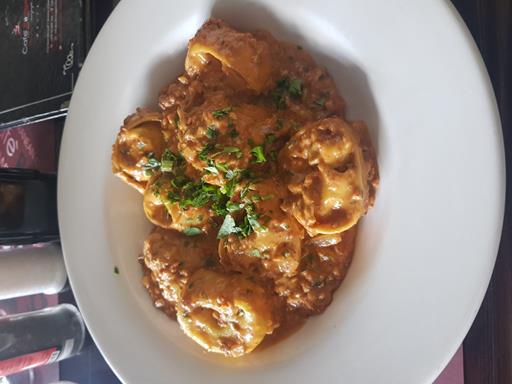
This is the homemade tortellini Maltese sausage pasta filled with local sausage, spinach, blue cheese, walnuts and a sun-dried tomato paste. It was as well presented as pasta can be and cheese was served alongside for me to sprinkle on. The pasta was excellent, the blue cheese was evident by taste and the sausage meat had a pleasant flavour to it. The walnuts added texture and the tomato flavour was rich, with the portion size being sufficiently generous.
Service was attentive and polite throughout, with a staff member noticing I had entered and helped me to find a table. I struggled slightly to get the bill at the end of the meal, but that was more because I think they were trying not to rush customers, and I was hardly in a massive rush to get to the next museum. The prices were a little expensive, but that was perhaps inevitable for a fashionable harbourside restaurant.
I can only imagine how busy this restaurant must get during the summer months, and it’s clearly in a wealthy area given the amount of yachts in the nearby harbour.
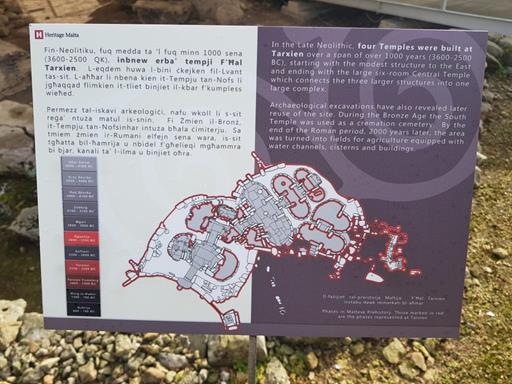
The Tarxien Temples are four megalithic structures which were constructed between 3600 and 2500BC, although were then repurposed between 2400 and 1500BC. The map above shows just how complex the structures are in their size and layout.
The site was discovered in 1914 after a farmer ploughing his field reported finding large stones. The farmer would have known for a long time about these irritating stones interrupting his farming arrangements, but in 1913 the Tarxien Hypogeum had been discovered nearby and he thought that this site might have a similar archaeological interest. He was right.
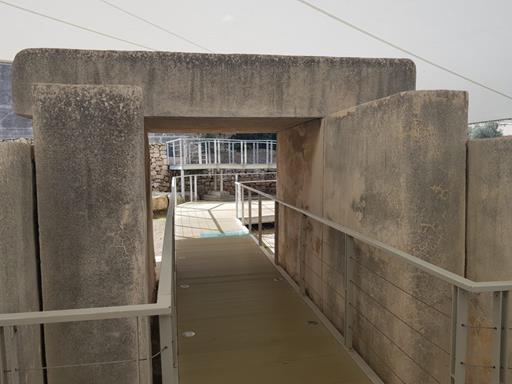
If I’m being honest, this really doesn’t help. All over the site there are more modern reconstructions of what the temple would have looked like. In this instance it’s apparent what is old and what is new, but in other parts of the site it’s confusing. In places, there were deliberate attempts to make the newer additions look original, which has all taken away from the experience. The 1950s restoration was also botched as they decided to use concrete to top off the stones, which has now damaged the original limestone.
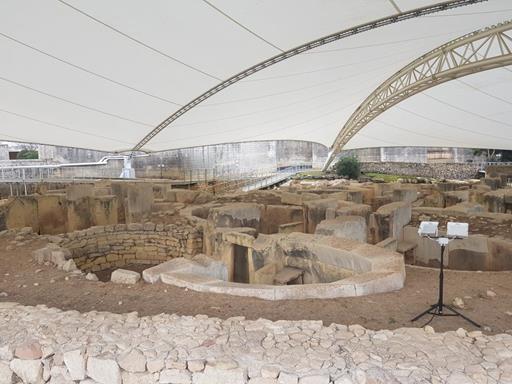
There’s a large canopy over the site to avoid any deterioration of the exposed stone.
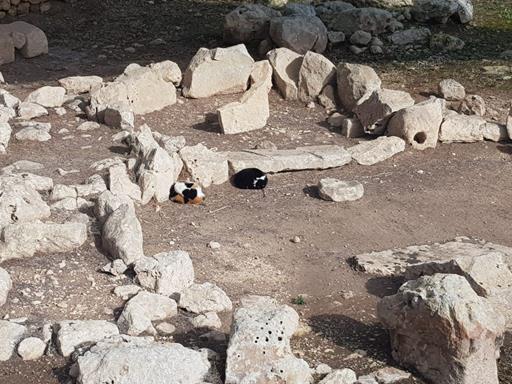
Cats have plonked themselves over parts of the site, knowing that they’re unlikely to be disturbed since they’re in an area that the public can’t get to.
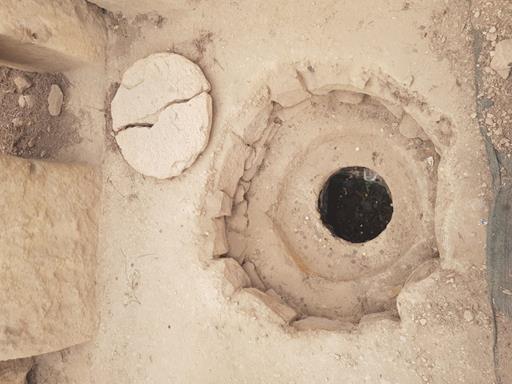
This chamber was discovered in 1921 by Thomas Ashby and was secured by the stone lid which is located next to it. I can imagine the excitement that Ashby must have had whilst nervously opening up the lid to see the delights that lay within. And I can also imagine his irritation when he discovered that the chamber was empty.
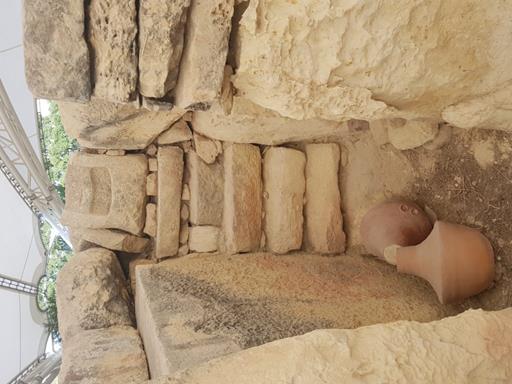
Steps coming down into the temple.
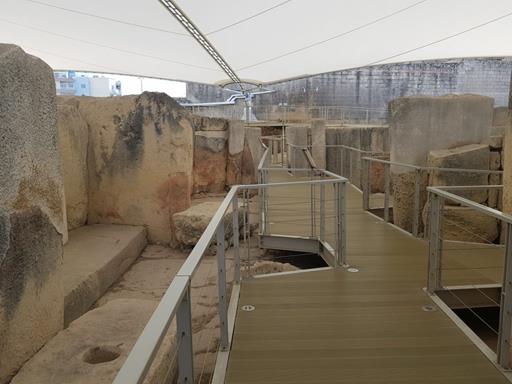
Visitors can walk all the way around the site on an elevated walkway, and then also through the site.
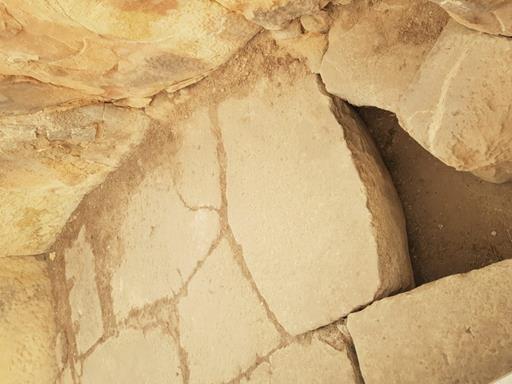
This is the floor of the temple, made from thick stone and so not just the compacted earth floor that might otherwise have been expected.
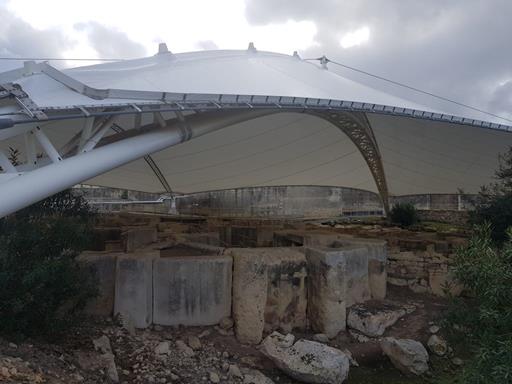
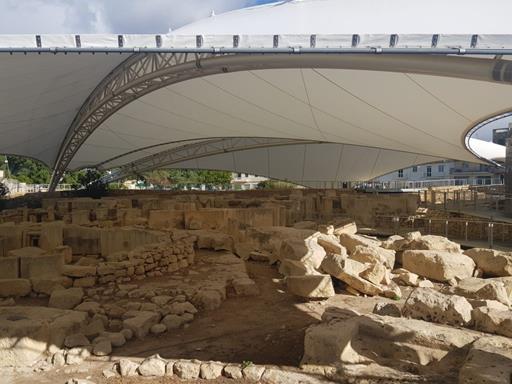
More views over the site.
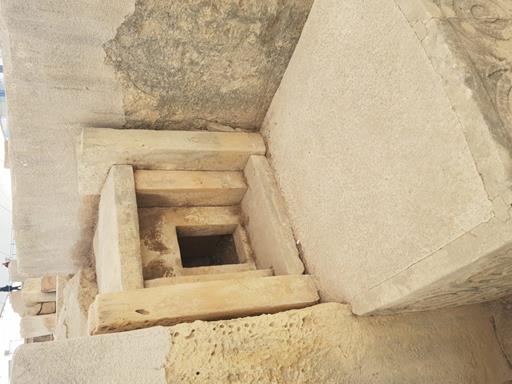
This cubbyhole was opened up and the archaeologists found flint knives and burnt animal bones inside.
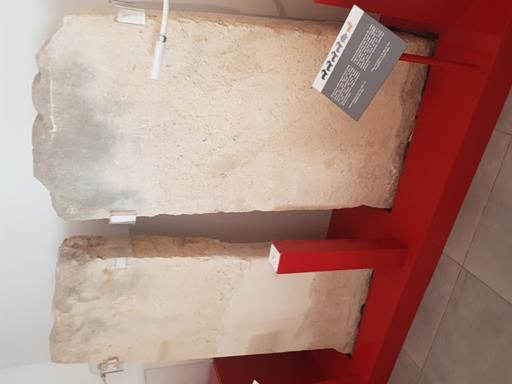
Some of the stones have been taken inside into the small museum area located by the ticket office, which has ensured that they don’t get too worn by the weather and local elements. If you use your imagination, and primarily read the description by the side, you can see boats and rafts on the stone which is on the right hand side. This is of note as it might be one of the earliest representations of a boat which is in existence anywhere.
I have a rather limited knowledge of ancient temples, with “rather limited” perhaps being better defined as “no knowledge at all”. It was an interesting site and I liked how visitors can walk around the site on the walkways, but I didn’t have much of a clue what I was looking at. The leaflet given to visitors has four items to look for, although three of these aren’t even at the site (they’re at the National Museum in Valletta, where I did actually see them) and there’s a limited sense of history for me looking at a copy that someone had made thirty years ago.
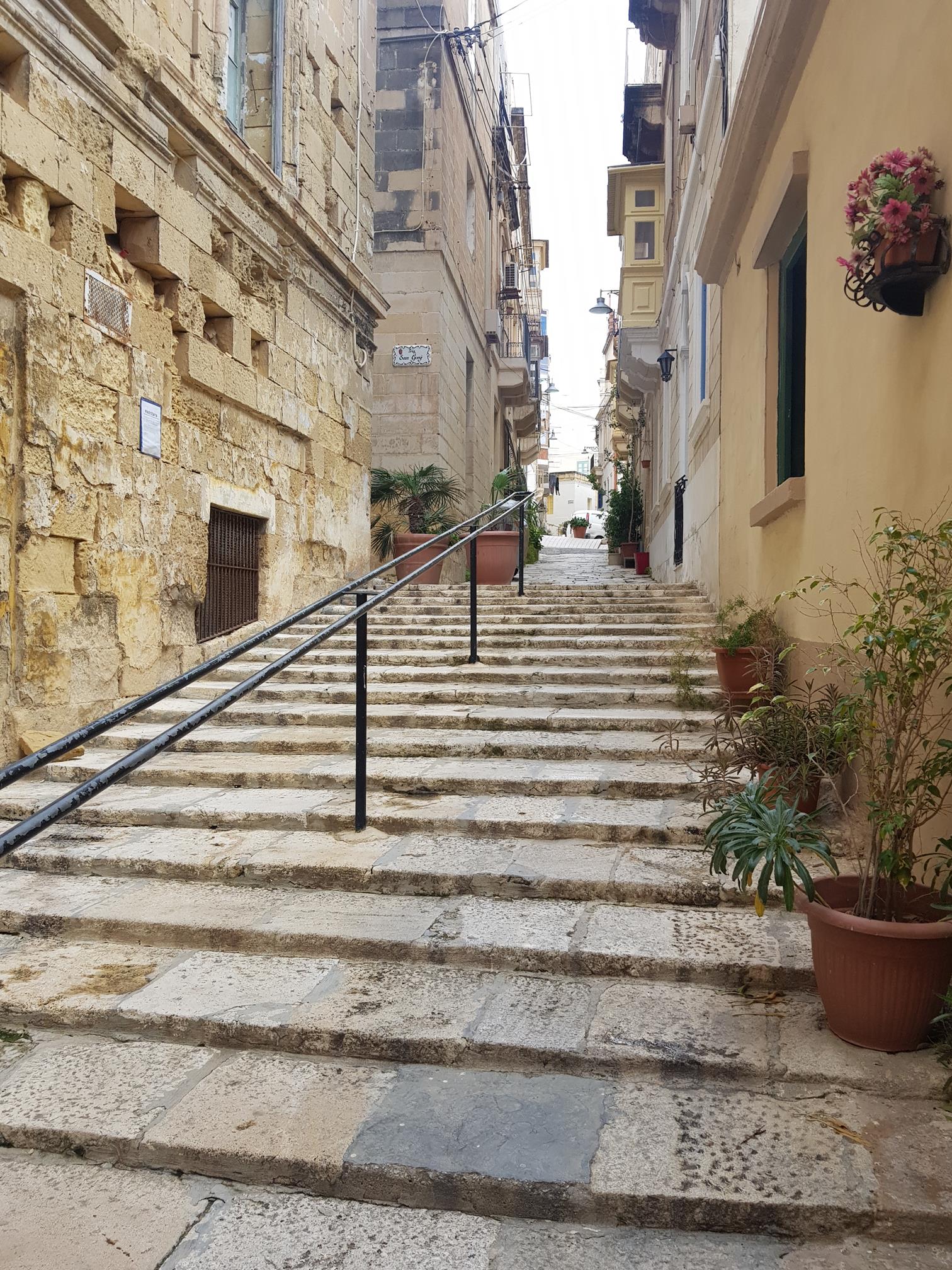
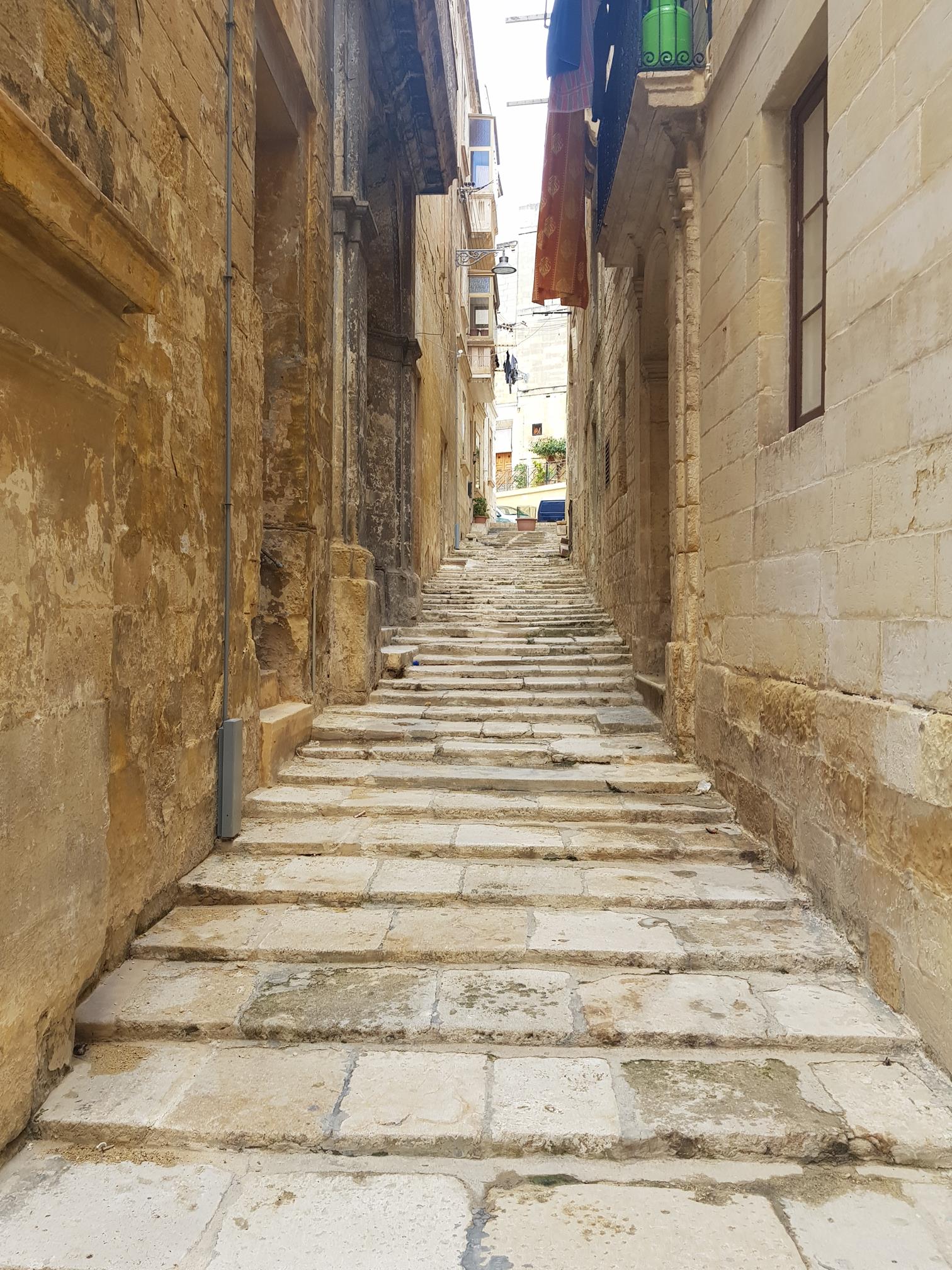
Just two random photos of Birgu streets which I thought looked and felt quite atmospheric. The Knights of St. John first settled in Birgu when they were kicked out of Rhodes by the Ottoman Empire, and steps were designed so that Knights could run up and down them in armour.
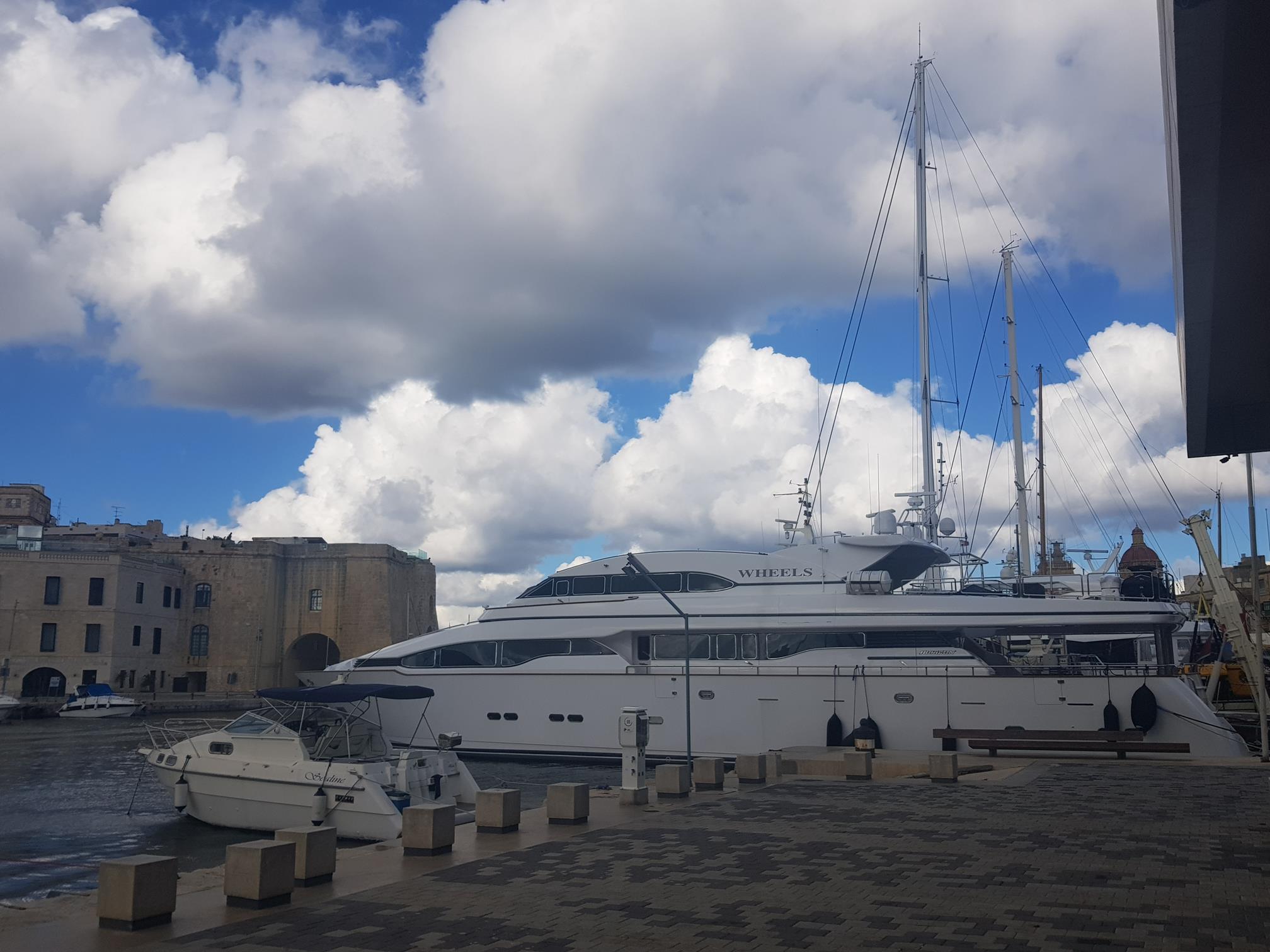
We hire a boat every year for Hike Norfolk to go around the Norfolk Broads on. I admit it’s not quite like this one though….
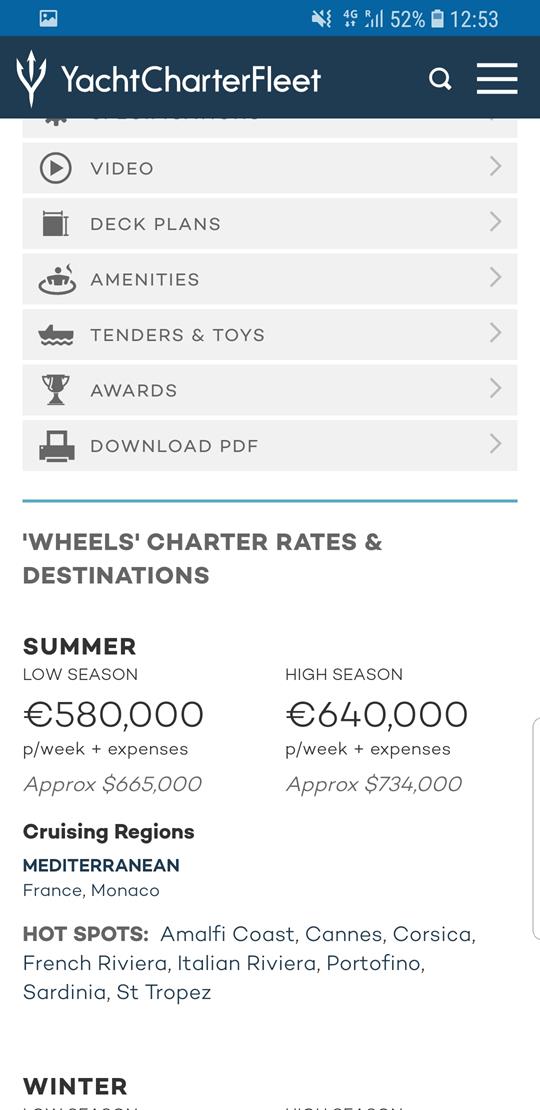
I’m also not entirely sure that we could afford the weekly rates….
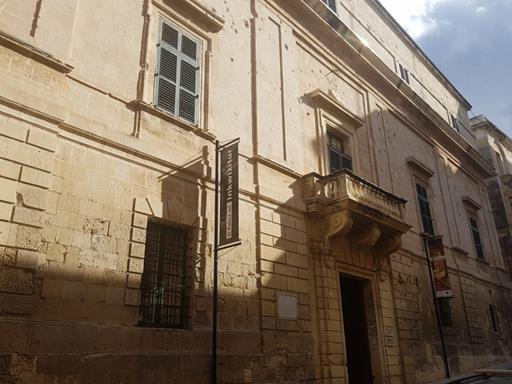
Located in Vittoriosa, this is one of the best examples of a former Inquisitor’s Palace building still in existence. It was unfortunately mauled about a bit internally by the British when we had taken control of Malta from the early part of the nineteenth century, but there is plenty of history remaining.
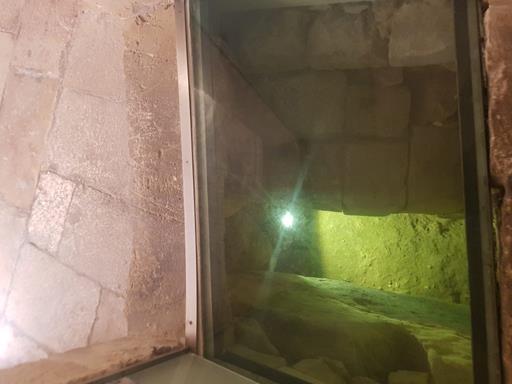
The Knights of St. John built this palace to be used as the civil law courts in the 1530s, shortly after they had moved from Rhodes. They built it on top of an earlier building, of which some of the above foundations are still visible. When the new capital of Valletta was constructed the courts moved there, so the inquisitor, or someone who checks up on how the Catholic faith is being obeyed, moved in four years later.
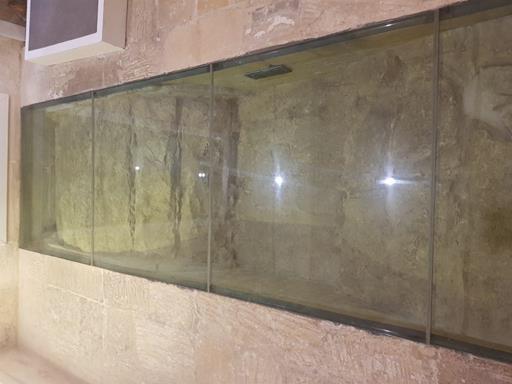
Part of a former ceiling, looked down on from above.
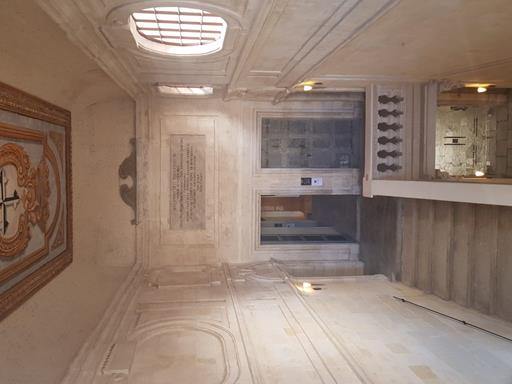
The grand staircase added in 1733 by Inquisitor Francesco Stoppani.
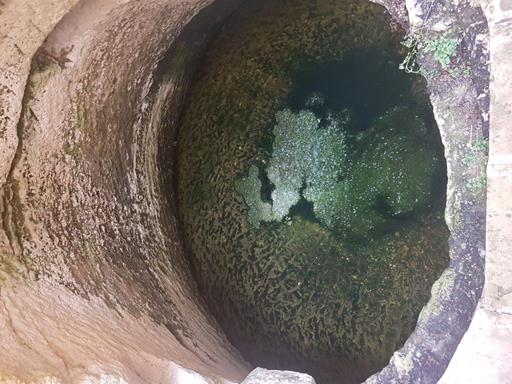
An external well which was constructed in the mid-seventeenth century to be used as the depository of the communal cell’s toilet.
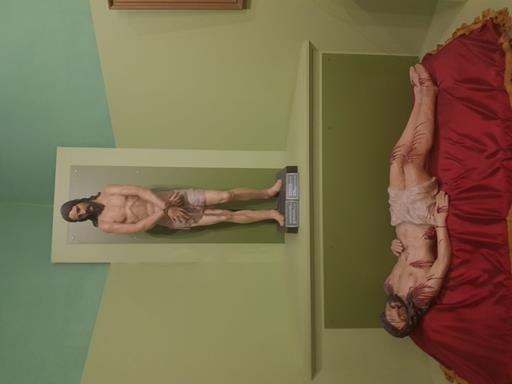
A rather graphic depiction of Jesus, the top one is made from wood and dates to the seventeenth century, whilst the bottom one is made from papier-mache and dates to the nineteenth century.
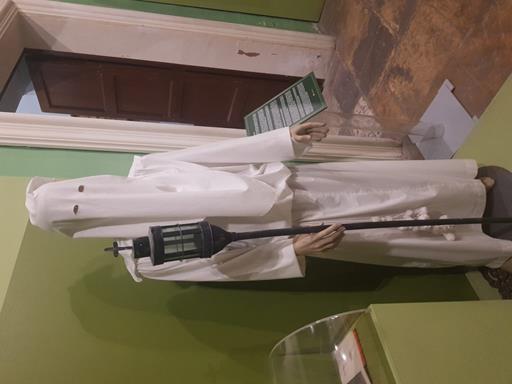
This is a twentieth century replica piece of clothing which I don’t entirely understand. Similar items were worn by individuals as an act of penance, so I’m guessing it’s for that purpose…
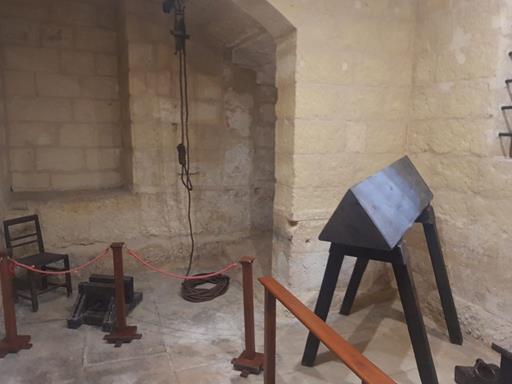
The torture chamber, which the museum makes clear was rarely used and it was only ever in operation to try and extract confessions rather than as a punishment. The inquisitors in Malta weren’t seen as brutal as those in other countries and the aim was to encourage people to follow good traditional Catholic values rather than to punish them excessively.
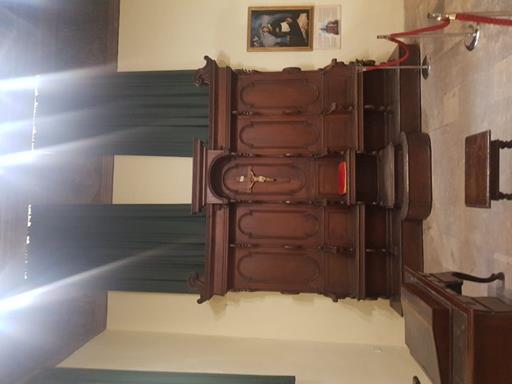
The Grand Inquisitor’s Chamber, where decisions would have been made and sentences announced.
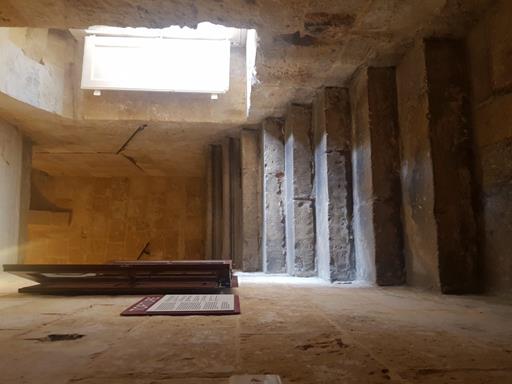
The inquisitors believed in secrecy and these are the steps which went up to the Grand Inquisitor’s Chamber. The window on the left of the steps looks into the torture chamber and would be closed to prevent anyone from seeing who was walking up the stairs.
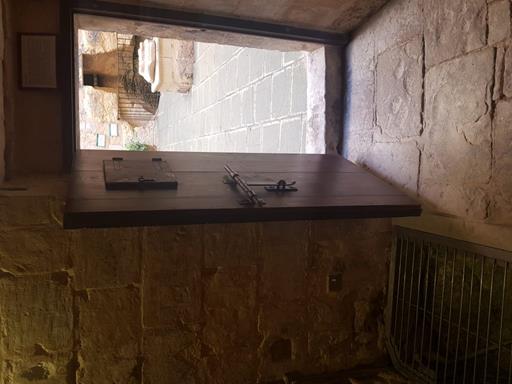
The entrance to one of the many cells, which is irritatingly low down.
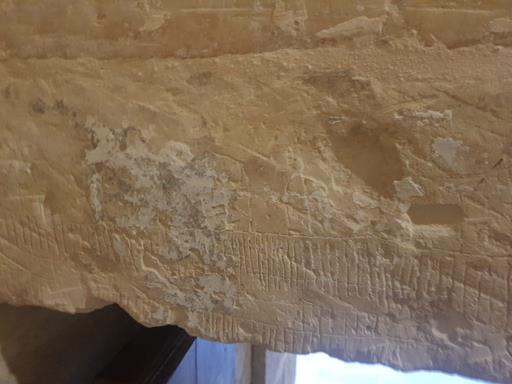
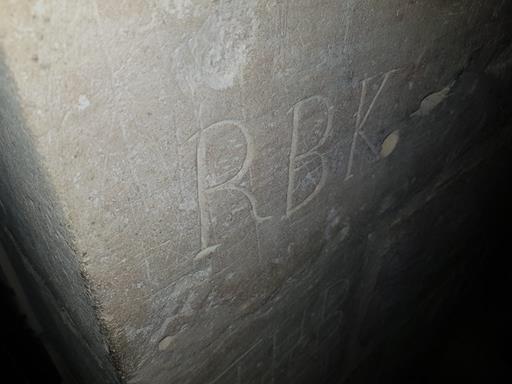
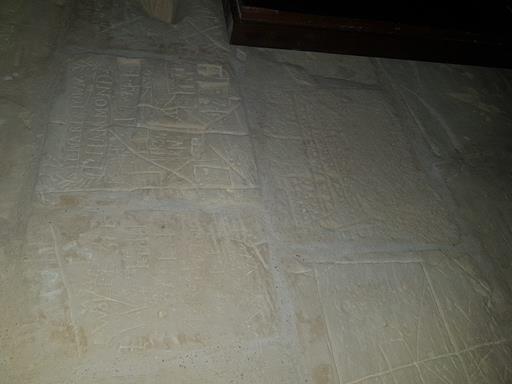
Graffiti in the cells scratched into the limestone by inmates over the centuries.
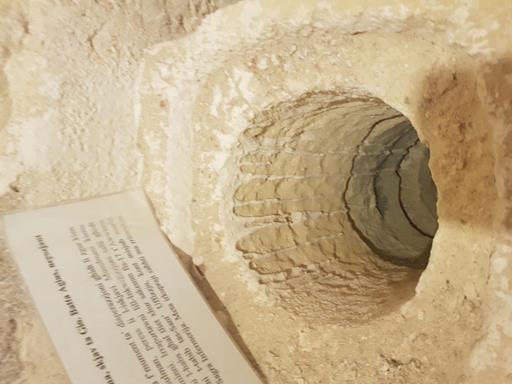
Hygiene in the cells was considered important and there was drainage and the facilities to deposit waste in every cell.
This is an extensive palace and there was plenty of see, including the former kitchens, the chapel (which the British turned into a corridor), the bedroom of the Inquisitor, the bedroom of the head warder and numerous other prison cells. It all really became a little bit of a maze, with the directions not always entirely clear. There was also a permanent display about Christmas and I didn’t quite understand the relevance of that to the whole museum.
The inquisitors were not the harsh men which they have more recently been made out to be, they were simply the enforcers of the church which was immensely powerful at the time. The inquisitors also used the role as career enhancing in many cases, there were 62 inquisitors in total of whom 27 became cardinals and two became Pope. The two men who were elevated to the position of Pope were Fabio Chigi from 1655 until 1667 and Antonio Pignatelli from 1691 until 1700, with the former being guilty of some appalling nepotism, whilst the latter put an end to the practice.
I’m sure though that more could be done with the museum, as some of the items marked as being original clearly weren’t and there was frequently no explanation as to what a particular room was for. They have far more rooms than they have exhibitions and some exhibits were rather padded out and not particularly informative.
However, it was a fascinating building which an immense history, one which has fortunately managed to avoid being damaged in wars or changed too much internally. It’s just a shame that they didn’t really explain the architecture of more of the rooms, I was more engaged with the history of the building than looking at displays about Christmas.
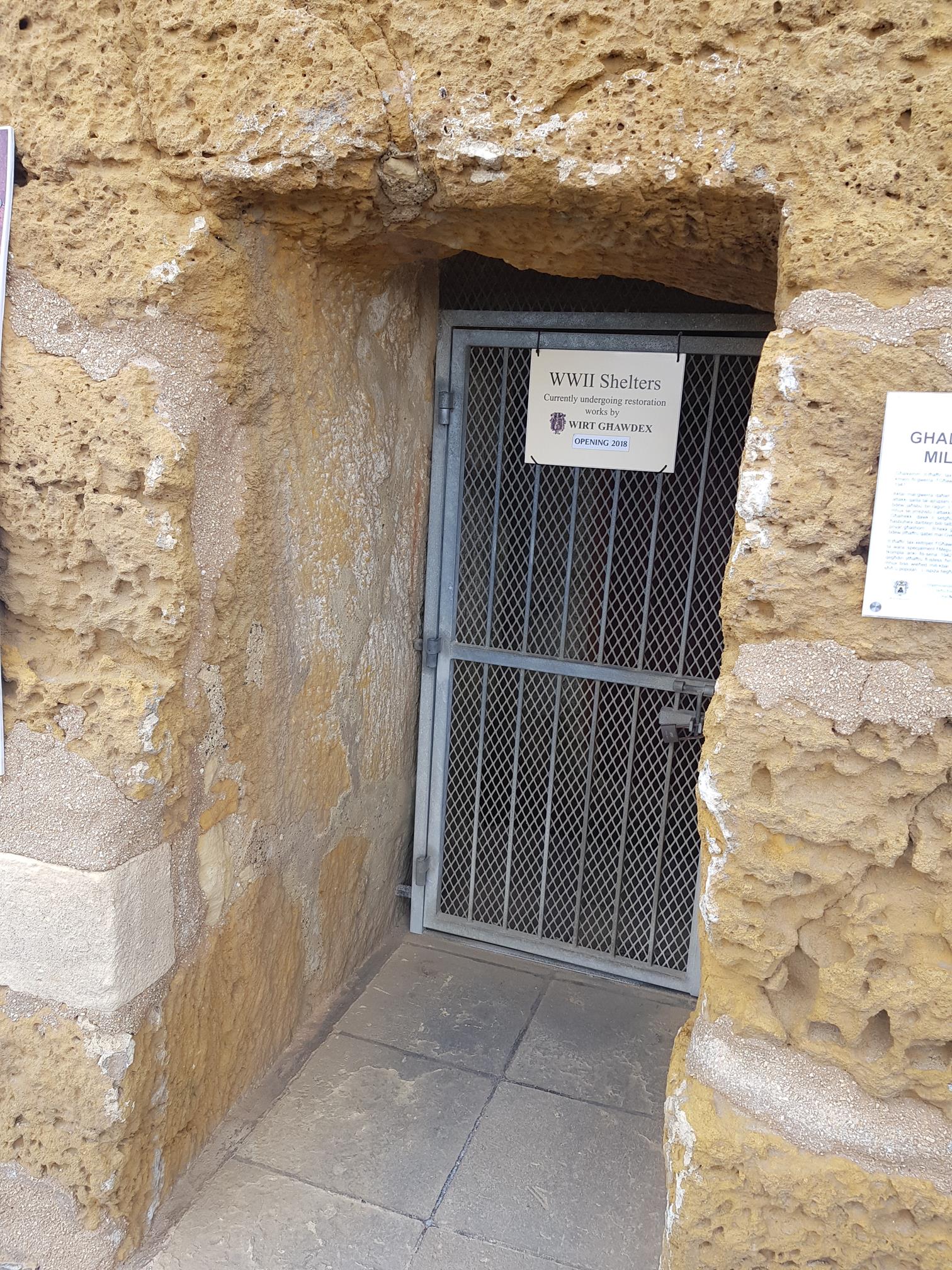
Located under the Cittadella is this 32-room complex constructed during the Second World War to be used as an air raid shelter. The complex fell into disuse recently, but a €50,000 renewal was announced in early 2018 to open them back up again. Unfortunately, the plan to re-open them towards the end of 2018 doesn’t seem to have worked out. I’m basing that on the fact that it’s 2019 and they’re still shut…. Anyway, at least work is on-going.
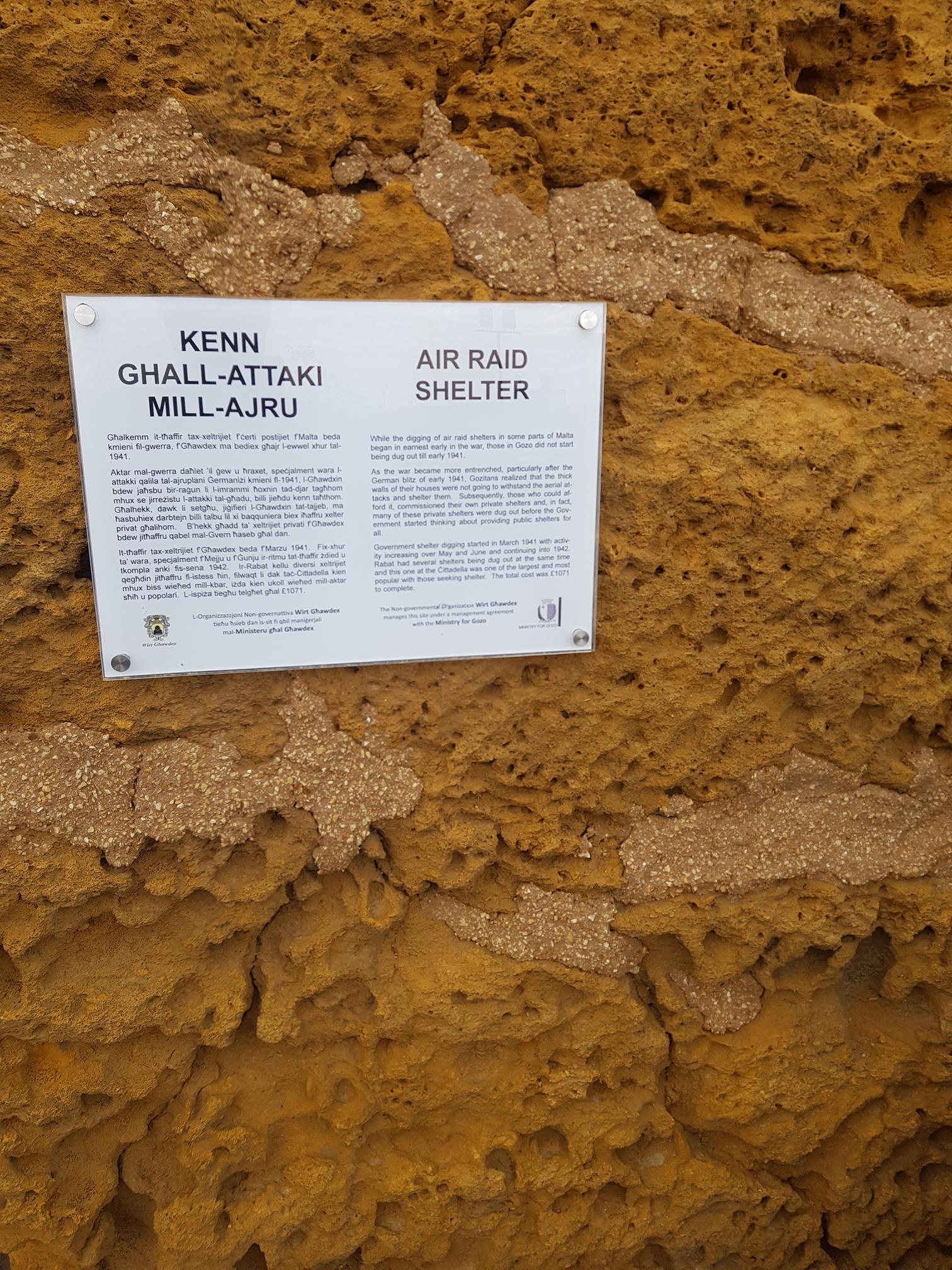
An information panel by the entrance. If I can get back to Gozo in a few years to see the new museum, I can hopefully come here as well.
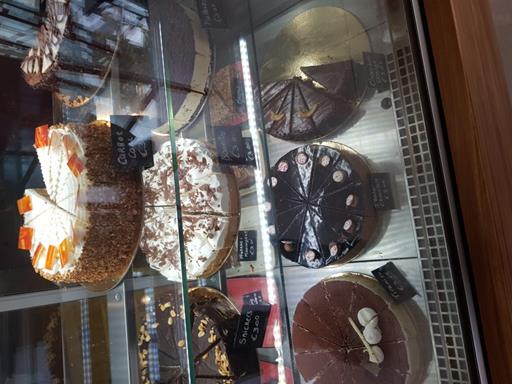
This medium-sized cafe had an inviting selection of cakes and it also had a welcoming environment. It seemed quite popular in terms of the number of customers and it served a wider selection of hot meals as well. They don’t accept card payments which is a little unusual for Malta, although perhaps just a little less so for Gozo, and I noted someone tried to pay by card and got refused.
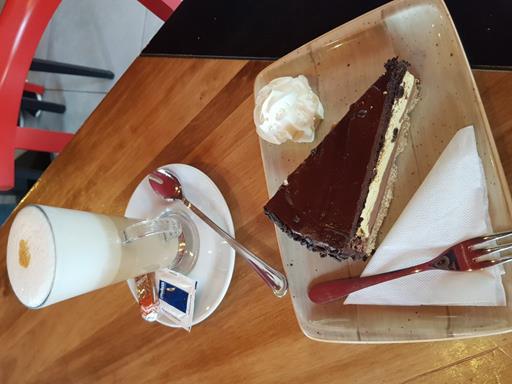
A latte and slice of cake, all well presented. The cake was dark chocolate orange, with a suitably rich flavour as could be expected. The price wasn’t too bad, a little over £4 for both the coffee and cake. The service was efficient, if not particularly engaging, but it was a clean and comfortable environment.