Author: admin

  • London – Waltham Forest (Borough of) – The Drum

    London – Waltham Forest (Borough of) – The Drum

    This is one of the oldest pubs in the JD Wetherspoon estate (opened in the mid-1980s) and it’s one of their smaller locations as well. Since I was staying at the Ibis Styles nearly next door, this proved to be a convenient breakfast option and it’s the best part of a decade since I was last here.

    As an aside, this is the opposite side of the street, and in the middle (with the white doors) is the former JD Wetherspoon pub that was known as The Auctioneers. That pub was even smaller than The Drum, which is named incidentally as the former owners had a collection of commemorative drums hanging from the ceiling.

    Photos of the interior and this is about the entire size of the place. It was all sufficiently clean, the health protocols were followed and the staff member was personable and helpful.

    A dray delivery arrived when I was there, which meant closing off the bar area and pretty much suspending service as well.

    And the traditional breakfast, purchased under the bargain JD Wetherspoon £2.99 for a traditional breakfast which is running at the moment. This is as good as their breakfasts get, the egg was runny and the bacon was crisp, with everything served hot. There were a couple of other customers in the pub, but it was otherwise quiet when I was there, although that was between 08:00 and 09:00 to be fair….

    I think this is one of the better pubs in the JD Wetherspoon estate as it retains some atmosphere to it, unlike some of their larger more sterile pubs. Having written that though, I think it fills up quickly, so it’s probably a nuisance to get a seat quite a lot of the time. As a piece of JD Wetherspoon history, it’s interesting though, and perhaps an unusual survivor.

  • Warsaw – Mercure Warsaw Ursus

    Warsaw – Mercure Warsaw Ursus

    I’ve worked my way around most Accor hotels in Poland and nearly all of them in Warsaw, but this appears to be a relatively new opening. Although it’s not in the city centre, it’s located opposite Warsaw Ursus Station and so doesn’t take long to get to by public transport.

    The reception area, all clean and modern. The staff member at check-in was personable, welcoming and engaging, all rather lovely first impressions. There were sanitisers conveniently located as well, it felt like a safe environment.

    I was fortunate enough to get a room upgrade, which got me a top floor room with a view over the railway station. There’s no getting away from the reality that this is a beautiful suite, well-appointed, clean and functional. The air conditioning worked and so the temperature was easy to get right, always handy as I like hotel rooms to be on the colder side.

    The room also came with a microwave grill, a fridge, coffee maker, kettle, cutlery, plates and far more things than I probably needed. I was pleased that I could understand the coffee maker, that was a nice treat compared to the sachets I’d expected. Although the hotel had put those in the room as well in case they were needed, along with numerous flavours of tea.

    A welcome gift selection, with white wine, biscuits and fruit. I very much appreciated this.

    The fruit was fresh and wasn’t just a cut-up apple.

    And the wine, how rather lovely.

    I was given this card giving me 10% off in the restaurant, so I felt it impolite not to take advantage. I didn’t have breakfast in the hotel, so this was a chance to see the large restaurant and bar area. Which, like every other part of the hotel, was spotless. Actually, on that note, I suspect that many hotels aren’t really cleaning any more than they normally did, they just pretend to. Not here, I noticed a three-man cleaning team going around ruthlessly sanitising rooms. This hotel is impeccably clean.

    The menu options, a reduced standard menu as well as their burger offer. Reasonably priced and a well-balanced selection of choices. The restaurant wasn’t particularly busy, but there were a few guests and the atmosphere was laid-back and welcoming.

    I’m never quite sure whether Zywiec Porter, one of my favourite drinks, is available or not with the welcome drink offer (we’ve had this debacle before). It should be given the text on the card, but some Accor hotels allow it, some don’t. I just asked what dark beers I could get with the welcome drink and the staff member in the restaurant suggested this, so I didn’t intend to turn it down. And, the staff member was also genuinely personable and welcoming.

    This was beautifully presented with a selection of cheeses and meats. The portion was larger than it looks in the photo, with the quality of the meats and cheeses being high. And I always like some pickled treats, so they were welcome. All of the ingredients seemed fresh and of a decent quality, so this was reasonable value for money for the £7 or so that I paid.

    I don’t like lard and I dread getting it with bread, as is some Polish tradition. But, not here, I got butter.

    So, in conclusion (this sounds like a write up after a science practical), this hotel was the best Accor location that I’ve stayed in. I don’t know who the manager is, but he or she is doing a fantastic job, this hotel was clean, the room beautiful and the staff endlessly friendly. Accor should be delighted at this Mercure hotel, it reflects their brand impeccably. And I’ll probably go back next week and just have to hope it’s just as good, although I’m confident that it will be.

    For anyone wanting to book the hotel, it’s here.

  • Warsaw – 1976 Protest in Ursus

    Warsaw – 1976 Protest in Ursus

    The ‘Factory’ on the right of the above photo is now a shopping centre, but this was once an industrial area linked to the Ursus Tractor Company. Poland, which it’s fair to say wasn’t the economic miracle that it is today, was lurching from one crisis to another in the 1970s and the beleaguered Prime Minister Piotr Jaroszewicz needed a solution. The obvious one to him was to increase prices and to try and hide that from the Polish people as best as he could.

    This wasn’t the greatest plan, as it led to a revolt in Radom which then started to spread. The workers at the tractor factory at Ursus decided that they would smash the railway line which ran to Warsaw, a major line which connected the country to France in one direction and to the then Soviet Union in the other direction. The Prime Minister wasn’t impressed with the 1,000 demonstrators and their little rearrangement of the railway line and the protest was soon broken up.

    There was a balance in punishing some people without leading to an uproar and although there were 131 arrests, only seven people were given prison sentences. The political situation in Poland was already tense and the Soviet Union had to intervene to order the cancellation of the proposed price increases across the country. This was likely a wise move, as a revolution in Poland would have caused substantial disruption across the Warsaw Pact countries.

    Although the Government seized back control after the the troubles in 1976, the economy remained in crisis and shrank in 1979. Revolution was perhaps inevitable and Solidarność, or Solidarity, was established in Gdansk (where there’s a rather lovely museum on this) in late 1980 and this spread throughout Poland. This monument marks the bravery of the workers in 1976 and also its indirect connection to the creation of Solidarity.

  • Warsaw – So! Coffee (Factory Ursus)

    Warsaw – So! Coffee (Factory Ursus)

    I’m not sure why I haven’t written about So! Coffee before, as I know I’ve visited a few of their outlets before. They are a relatively large chain in Poland, but I like them even though they’re not necessarily the cheapest. This is their outlet in the shopping centre at Factory Ursus.

    The shop was clean and organised, with the staff being ridiculously fluent in English (the Polish exchanges fell apart when I didn’t understand they were asking if I wanted a double shot of coffee) and, as so often in Poland, friendly.

    Latte and apple cake, a perfectly acceptable breakfast as far as I’m concerned. The latte was rich and creamy and the cake had one of my five a day underneath the sugar. All rather lovely.

    And, I’m very easily pleased, so I was entirely happy with the free piece of fudge that comes with the coffee. The shop was a comfortable environment, with seating inside and outside (well, outside the shop, still inside the shopping centre) which was all kept clean.

  • Warsaw – Quo Vadis

    Warsaw – Quo Vadis

    The location of this puzzled me (as many things do) as it’s one of my favourite Latin expressions (where are you marching?), sometimes suitable to describe our politicians…. But, I’ve now discovered it’s also a classic Polish book, written by Henryk Sienkiewicz. One of the characters is Ursus, which is also the part of the city where this road is located and that’s the only reason I can think of why this road has been named as it has….

    Nice though, I’d like to live on a street called this.

  • Warsaw – Wayside Shrine

    Warsaw – Wayside Shrine

    This rather lovely wayside shrine, or Kapliczka, is located on Dzieci Warszawy in the Ursus region of Warsaw. It has been here since the early nineteenth century and inside there was a painting of Our Lady of Częstochowa and a painting of St. Stanislaus. The shrine became derelict in the twentieth century, but was restored in the 1990s and modern copies of the paintings were placed back inside the shrine.

  • Warsaw – Sadist JW

    Warsaw – Sadist JW

    I have no idea what this graffiti means, but I noticed it given my own initials…. Perhaps there’s a deeper meaning.

  • Warsaw – Ursus Parish Cemetery

    Warsaw – Ursus Parish Cemetery

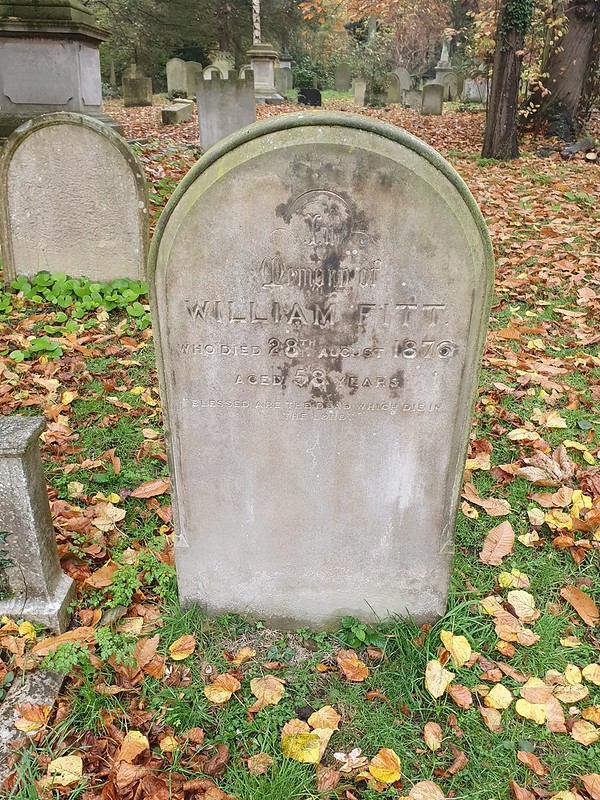
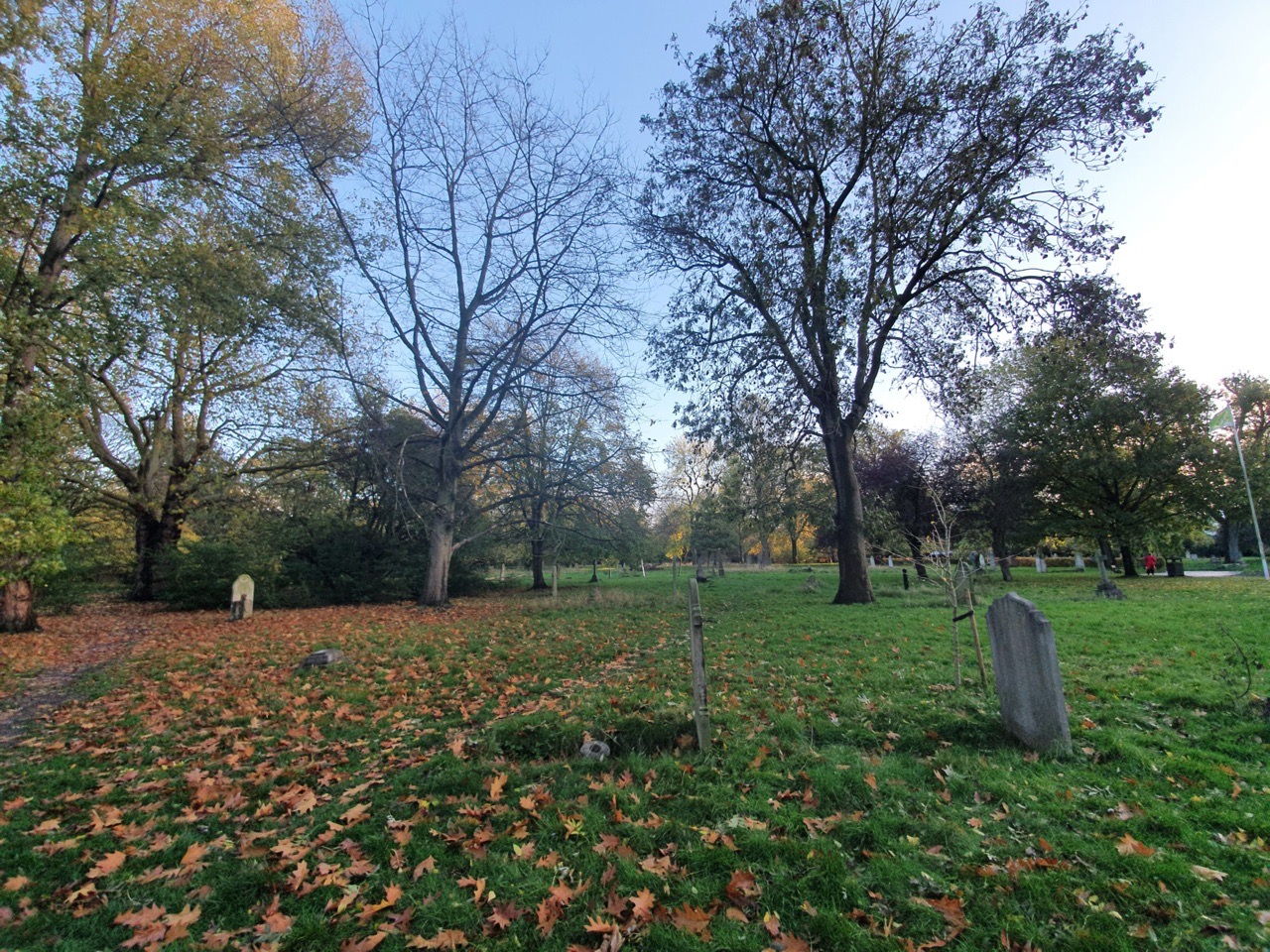
    I don’t have much to add about this cemetery in Warsaw other than to note the remarkable number of flowers on the graves (compared to British ones at least) and how spotlessly clean it was. It was quite a busy cemetery with quite a community feel it and I got the impression that tending graves was bringing people together.

  • Warsaw – Fort V Włochy

    Warsaw – Fort V Włochy

    Fort V, also known as Włochy, is part of the outer ring of the Warsaw Fortress which was constructed by the Russians in 1880s. The fortresses, of which there were ultimately 29, weren’t particularly effective in the defence of the city and they had to be upgraded soon after completion due to them already becoming out-of-date against modern weaponry. Then the ridiculous situation occurred in 1909 when the Russians, to save money, started to withdraw from the forts and they destroyed some parts of them. Then, in 1913, it was decided that they’d better start rebuilding them due to the threat of war. They were bloody useless anyway, the city surrendered to the Germans in 1915 without a fight.

    One advantage in the Russians leaving Warsaw after the First World War was that a decision was made to allow development outside the ring of forts. The Russians had banned this and it had held the city back from growing. After the First World War, the Poles didn’t really do much with the forts, although they were used when fighting the Germans during the Second World War.

    Today, the area of Fort V is a peaceful area with lots of paths and no shortage of lumps and bumps around the place. They could do with some interpretation boards though to try and explain what exactly used to be here, it’s quite a complex site.

    Anyway, some photos of the fort…..

  • Dictionary of the Vulgar Tongue – Day 181

    Dictionary of the Vulgar Tongue – Day 181

    The Dictionary of the Vulgar Tongue was first published at the end of the eighteenth century, and given that the current health crisis is giving too much time to read books, I thought I’d pick a daily word from it until I got bored….

    Lamb’s Wool

    Grose is back to his alcoholic recipes again with this definition, which he noted was “apples roasted and put into strong ale”. The phrase first appeared in writing in the sixteenth century, although this was something likely done for many centuries before that.

    The origins of the word aren’t known, although some speculate that it’s from ‘La Maes Abhal’, from the festival of the Day of the Apple Fruit. I suspect it’s just named after the appearance of the drink, which had a frothy top, given that whole eggs were often added and whipped in with the drink. Actually, I’m not sure what the eggs were doing in this drink, just the apples put in strong ale seems enough to me, but there we go….