And a little advert below for the LDWA’s history group, which can be joined by any member of the LDWA. It was thought a marvellous idea for me to lead a two-hour history walk for anyone who wanted to come along during the NEC weekend a couple of weeks ago. Rather pleasingly, I can report that there were no disasters. No-one got lost, stomped off, complained (to my knowledge) or left the LDWA. I’m fairly sure that the redoutable Stuart Bain (the NEC’s Environment and Risk Officer) was impressed as well. Win-win!
The city walls around York, which are some of the most complete in the country. York Minster looks rather beautiful from the walls as well. I must admit to quickly rushing around the walls before the walk started to check that they were still there, although to be fair they’ve lasted quite a few centuries. I also had to check, several times, when they shut, which was fortunately just after we would be leaving them. As can be seen, there was a lot of preparation here…..
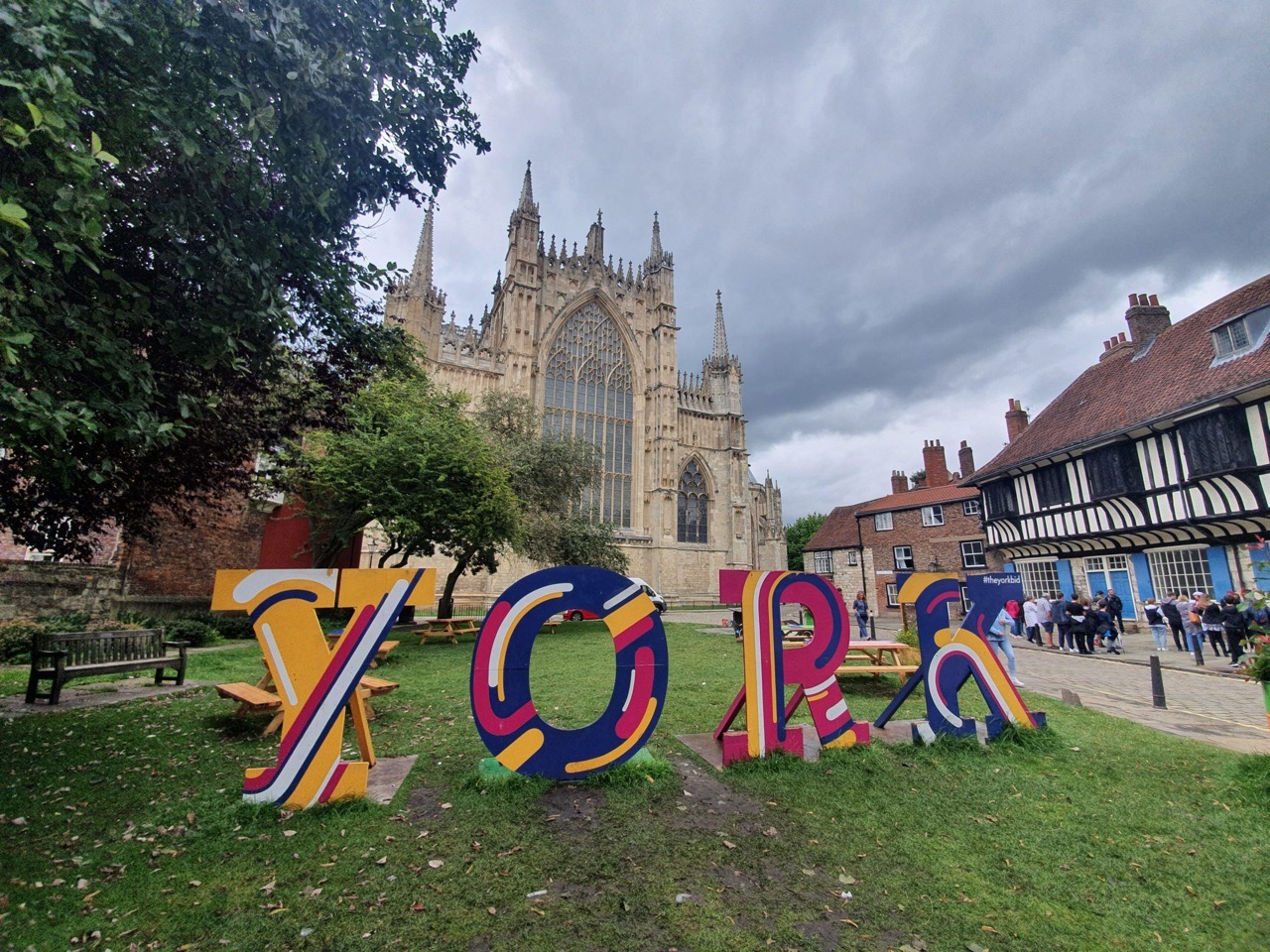
A photo opportunity with the York sign in front of the Minster, and a view from the city walls. The handy thing about leading a two hour history walk for the LDWA is that the distance was much shorter than our usual efforts, so it was likely just under five miles in length.
As another one of my irrelevant asides, I was one of the people who complained a few years ago at the hideous development that English Heritage were planning at Clifford’s Tower, ploughing straight into the mound with a new visitor centre. If I may say so, the proposals from English Heritage were arrogant, insensitive and showed a complete disregard for heritage, the latter of which really isn’t ideal given their name. In 2018, English Heritage scrapped the visitor centre element and said in a statement:
“English Heritage also has a new director for the north of England, Andrea Selley, who has been listening to the views of the local community. And while the proposed visitor building would have sat within a relatively modern part of the mound (dating from the 1930s) and did not pose a risk to the archaeology, it was clear that many people love the shape of the mound and disliked the thought of its circumference being broken. Because of these reasons, English Heritage will not now place a visitor building within the mound.”
Why they got so far with their proposals is another matter, but I digress…. Their new project is much better and respects the site’s integrity.
Coppergate, which is actually named after coopers, the men (as it was usually men during the medieval period who made barrels, casks and the like.
And some photos of York at night. I’d stress here that I didn’t get everyone lost for hours, I took these photos after the pub visit and on my way back to the hotel. I look forwards to leading a history walk in whatever town or city the NEC next spend a weekend in. Here’s to the next LDWA adventure!
Last weekend was one of the most important dates in the Hike Norfolk social calendar, the annual summer get together. Richard’s house has been replaced with a more decadent affair this year, adding extra excitement to the mix. There’s usually a walk to go along with the social element, but I couldn’t be bothered with that. We can go walking any day after all.
I decided to put myself in charge of the catering for the event, which was handled very professionally I thought. I was fortunate to have Bev come along to Morrisons to assist with the purchasing of essential supplies, which was rather useful. I let her push the trolley as it’s important to involve everyone in the project. We were going to start with purchasing bread, but noticed that the fruit and vegetables were being reduced in price. I thought getting this at a bargain price was a very good idea, I begrudge spending money (albeit not mine) on fruit and vegetables.
I got bored of the fruit and vegetables quite quickly. The kind man at Morrison’s also didn’t seem annoyed that he had to place six loaves of bread in the big cutting machine, so that was helpful and saved some cutting later on.
And a behind the scenes photo of the food preparation arrangements, with strict food hygiene procedures in place. I spent most of the time supervising arrangements, fortunate to have Richard buttering bread, Bev neatly arranging salad around sandwiches, Dave slicing things and Susanna putting the filling in to the bread. A very handy little team. It was also apparent that we had purchased too many 25p bags of salad, a reminder that it’s best to buy it when cheap to avoid expensive waste.
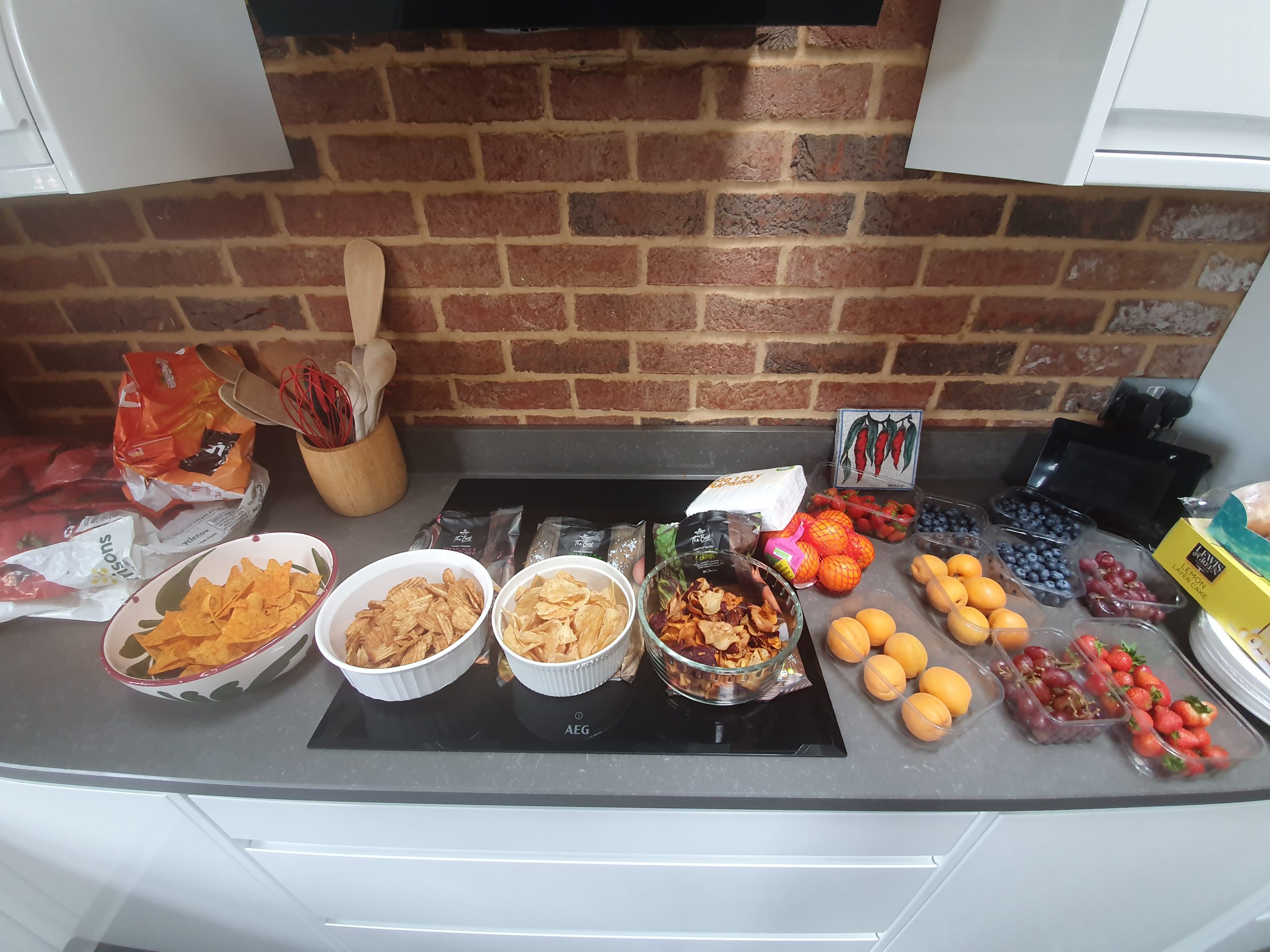
Crisps and fruit, what more could people possibly want?
And the sandwiches all neatly compiled, collated and ready for service. I have to say, I’m really very good at this food organising I think. I mentioned that to numerous people. We had a whole Smörgåsbord of sandwich options, including cheese & pickle, cheese & onion, ham & mustard and beetroot salad. Despite Bev’s best efforts to make the beetroot salad sandwiches look tempting, they were the least popular which is no real surprise.
We were lucky to have some members bring their own cakes, including a Victoria sponge, a meringue and numerous other delights. And they were all excellent, much appreciated by everyone in attendance.
And the party in full swing. Well, the photo that I can safely upload anyway, it’s fair to say that some members of the group are quite rowdy and so photos later on wouldn’t be appropriate to post. There was plenty of gossip and I thought that it went really well and we received some lovely feedback after the event. Which means that there seems to be more than enough demand to do all of this again. Anyone interested in attending just needs to join Hike Norfolk 🙂
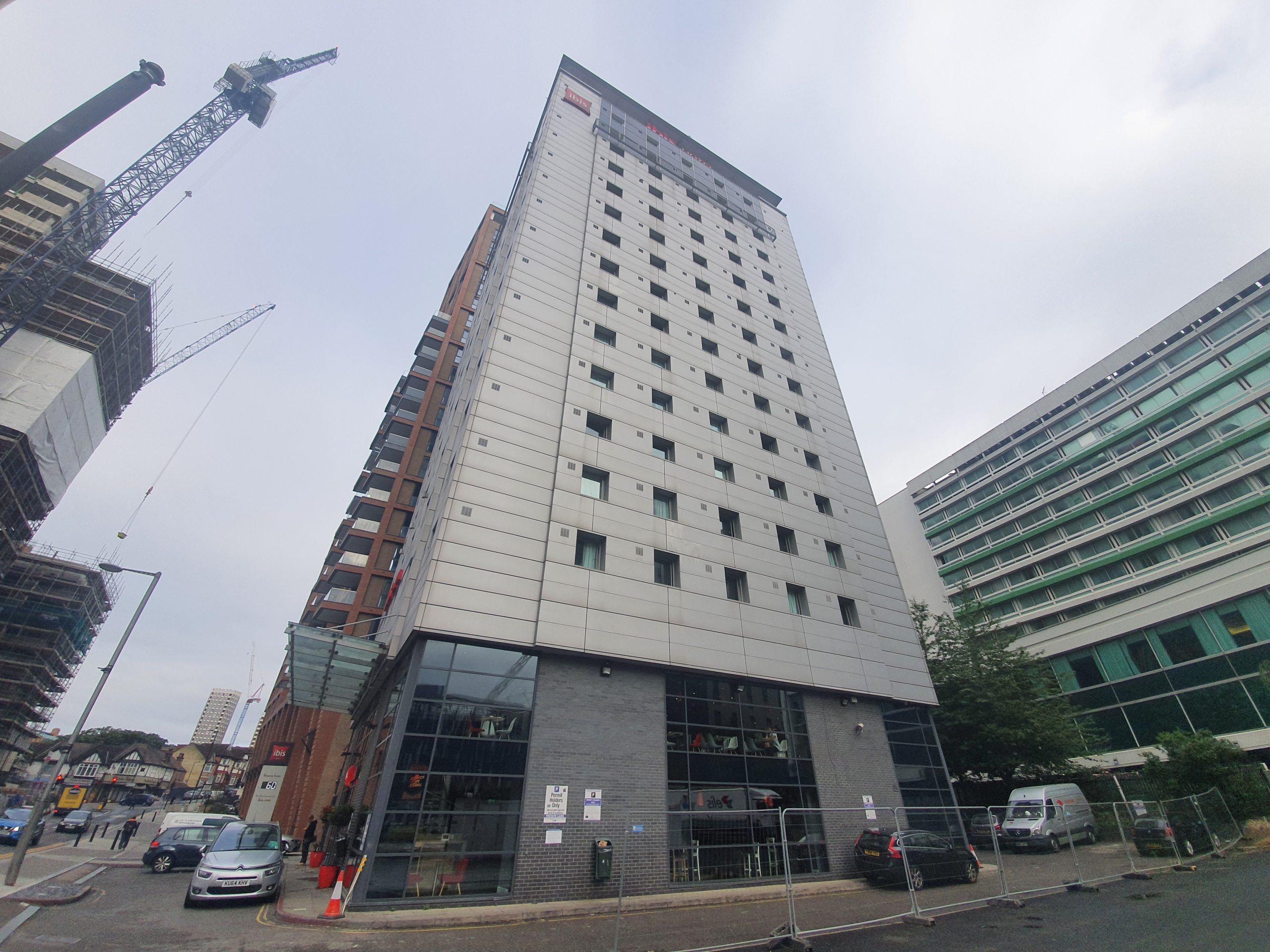
I’ve been to this Ibis hotel in Wembley on a few occasions before (1, 2 and 3 before I stopped writing about it) and it has always been reliable. I wasn’t going to write again given the number of previous posts, but I particularly liked this visit.
The check-in process was a bit convoluted as I was told that all guests need to show ID. I don’t have my passport as it didn’t seem to be necessary to visit Wembley (although I was in Pimlico yesterday, but that’s an irrelevant reference really) and I don’t have a driving licence. The situation didn’t seem ideal as with the exception of the ever quirky Ibis Styles Walthamstow, I’ve never been asked for ID by Accor in the UK. After dropping out of the queue and finding a photo of my passport on my phone I went back to reception, with the staff member being pleased with this, which was fortunate as I didn’t have any other solutions. He then looked at my details on his device and found my booking, before telling me that I hadn’t needed to show ID. I decided not to question what had gone on here. The staff member was friendly, although I had to ask for the welcome drink.
Just as I like it, my room was on the top floor and I’ve never had a view of Wembley from this direction. I rather liked the hills (well, what I call hills) in the background, although that building in the front does monopolise the view somewhat.
This is also the largest room that I’ve had in this hotel, all spotlessly clean and well presented. Its location in the corner of the building also made it incredibly quiet, which was rather lovely. I was also able to open the window so that I could hear life outside, albeit 14 floors down. The room also only had wi-fi in around one half of it which was nearest to the door. It transpired that being in the corner of the building was a problem for mobile and wi-fi signal.
The bar on the ground floor and the beer selection hasn’t changed from my last visit, with the Goose Island being entirely acceptable to me.
The prices charged here are generally low (which is why I keep staying here), unless there’s some sort of event on at Wembley. There’s a great deal of hotel capacity in the Wembley area which is designed to serve the events and sports market (the hotel overlooks Wembley Stadium), which has been badly affected by the whole pandemic thing. For me, this is a very good hotel which is well managed, clean and organised. I suspect that I’ll meander back at some point.
As part of my “overheard on the train” occasional series, which is some of the reason that I like travelling.
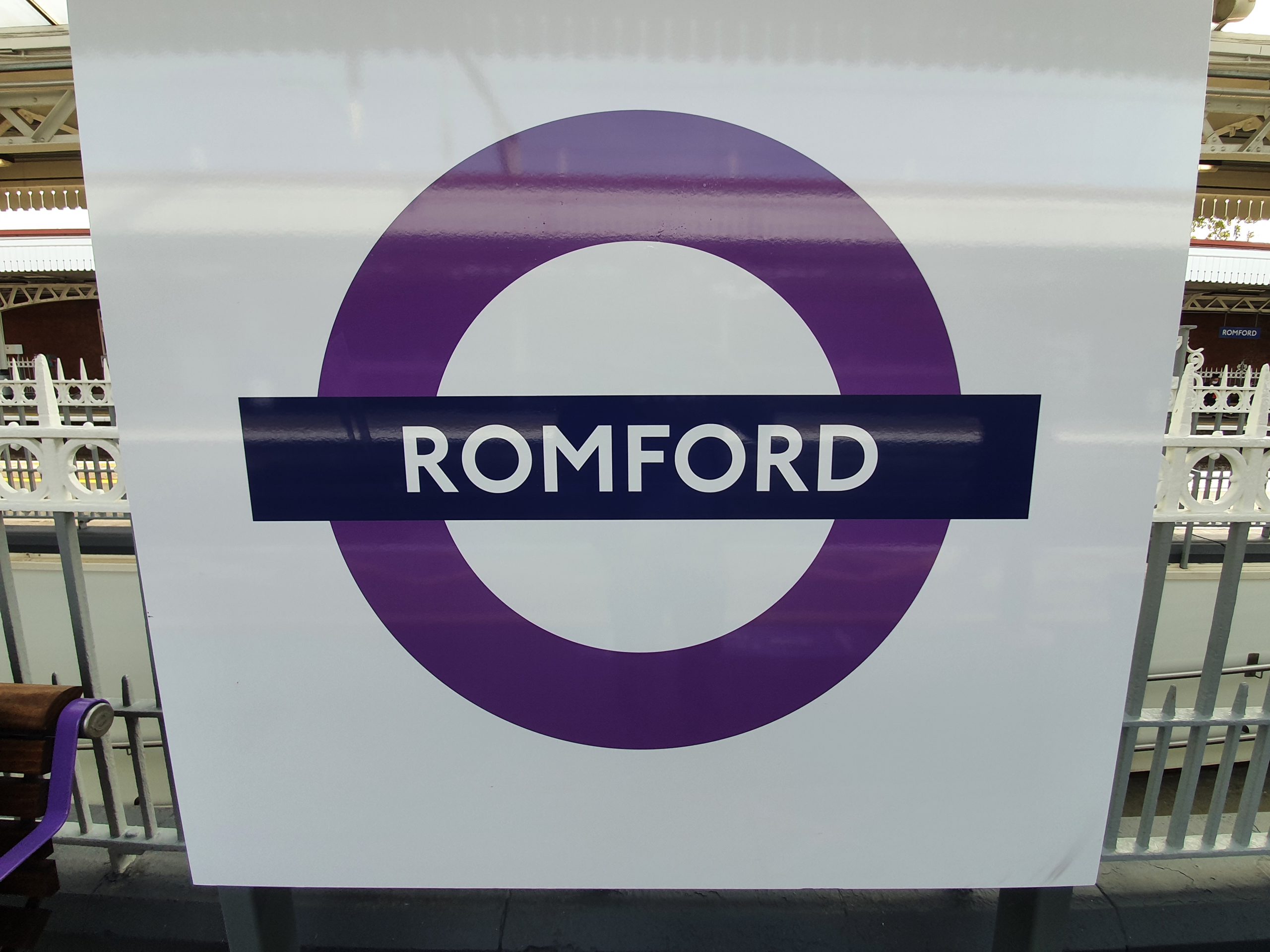
There are what I assume to be two grandparents and their two grandchildren on the train and we’ve just gone by Romford greyhound stadium on the Crossrail train (currently branded as TFL Rail).
Anyway, the grandfather said “there’s the greyhound stadium, do you know what your grandmother did there back in the day?“.
The boy (aged about 6), in all seriousness, replied “did she run round the track?”.
The grandfather is highly amused, but the grandmother looks positively livid. I don’t think the kids will be getting the McDonald’s they had been asking for….. For the factual record, she worked in the ticket office.
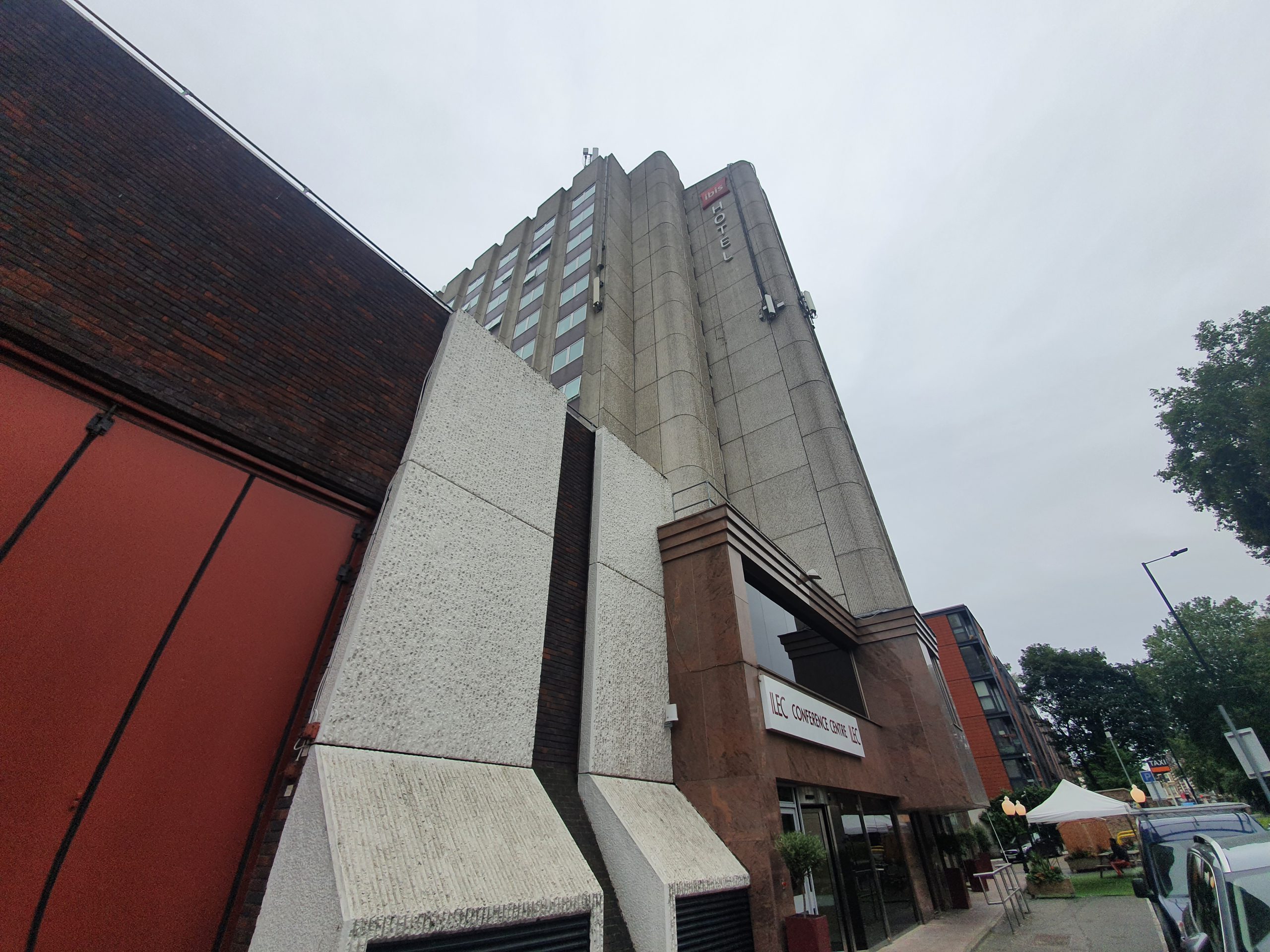
I’ve written about this hotel a couple of times before (Earls Court Ibis and Earls Court Ibis) although I’ve stayed here on around eight or nine occasions now I think. I thought I’ll add this visit just because it’s the first time that I’ve been since the on-site pub has opened, it’s never been busy enough before for them to open. I admit that it’s not hugely breaking news, but it’s something new…. This is a hotel where conferences usually take place, so I can imagine that this gets very busy when these are in full flow.
This is the former bar, which is just now part of the general reception area. There was quite a queue for check-in, typically when I was in a rush and I needed to be on a Zoom call and had just been stuck on the Victoria line for over half an hour. I tried to look slightly annoyed but there was little point as the staff were working through the queue quickly and they were polite with large smiles. The staff member who checked me in was bouncy and welcoming, mentioning that he had the same first name as me which was a reminder he had been at reception the last two times I’d visited. The reception staff here always seem friendly, it’s a positive introduction for guests.
All of my previous visits have seen me placed higher up the building (as in on a higher floor, not on the roof), with some rather lovely views, but I was down on the third floor this time. I suspect that they’ve done up the rooms in the higher levels of the hotel with a more modern design, as this is the older Ibis room interior. However, it’s still clean and functional. This remains one of the few hotels that keeps Bibles in the room, something that I haven’t seen for some time.
I haven’t seen an Accor hotel do this for a while, but these have the dual purpose of being decorative and also advertising other locations from the brand around the world. A nice touch I think, JD Wetherspoon used to do this in their pubs as well to advertise new openings from around the country.
Anyway, this is the hotel’s own little pub which is located on the first floor. The George and Dragon is designed to look like a traditional British pub and I quite like this, as often hotels go for something with a theme which isn’t local to their environment at all. Without generalising, this is at least something a little authentic for American guests and the like. I say authentic, it’s a hotel bar, but it’s all relative.
There was a sizeable amount of space inside the pub, although it was also quite busy with many customers getting food as well as drink. It all looked a bit expensive, but since my drink was free I didn’t dwell on this matter for long. They looked a little short-staffed and empty plates started to pile up on most of the tables, but they seemed to be doing their best. These remain challenging times for the hospitality industry, so I’m just impressed that the hotel is still functioning.
I found myself a high table to monitor proceedings from….
The beer choice was acceptable, albeit a little orientated towards lagers, but there were at least some choices. I can always tolerate a nice Goose Island IPA for my welcome drink and they didn’t seem to have any limits on what I could pick as my free beverage.
Anyway, another lovely stay with friendly staff, a clean environment and no noises issues either internally or externally. I shall hopefully stay here again, despite Accor annoying me (which I may have mentioned several times….)
As an update, the Mercure hotel themselves have resolved the matter to my satisfaction, but I remain disappointed that Accor managed to ignore the issue for three months.
And here’s another saga and a story that I didn’t much want to write as I was hoping Accor would come through. What’s below is a mix of rant, annoyance and a reminder I want my money back 🙂 I wish I had the words of Jay Rayner, who completely destroyed a failing Dorchester Hotel. His description of a dish as “it tastes mostly of tomato ketchup and profit” is glorious. I rely on quotes from the Inbetweeners, but I’ve limited myself to just one below.
I alerted some other hotel companies about the situation over the last couple of weeks (Accor have spurned my loving advances, so I’ll have to find a replacement), who seem to be bemused at what on earth Accor are doing. Although they would say that….. Anyway, that allowed me to get some quotes that I’ll be using over the next few weeks as this debacle unfolds and I throw my affections elsewhere. I’ve also merrily told some Accor hotels about this situation (not many, primarily as I don’t know many) and it’s clear there are some tensions between Accor and their franchisees, which all adds to the excitement. But, let’s not get distracted as this is extra drama for future posts.
Before I go any further, I’d mention that I’m very aware that there are problems in the hospitality industry, but this situation was meant to be resolved on 2 June 2021 and Accor have ignored every message to their customer support since. Given that we’re now 10 weeks after that date and there has been no request for more time from Accor, I’ve run out of options.
I think it’s fair to say now that the lovely representative at Accor communications has been helpful (and they likely think I’m an idiot and they wouldn’t be the first…..), but that’s the only part of Accor that isn’t ignoring me. Which isn’t ideal since I’ve got a section on this blog about them and mentioned tens of times about why they’re a pretty good hotel chain (especially in Poland).
But let’s set the scene and I will accept this isn’t one of the most urgent problems in the world. But it’s annoyed me and it’s my blog, so I feel it’s fair to air my general annoyance.
On 15 March 2021, I booked three nights at the Mercure Heathrow for £98 from 1 to 4 June 2021. All really rather reasonable and Accor confirms by e-mail that payment has been taken successfully. This is going well…..
I think nothing more of this as Accor bookings are usually problem-free and on 27 May 2021 I get the pre-stay email from Mercure Heathrow saying they’re looking forwards to me staying. All rather lovely.
Then, I turn up on 1 June 2021 and the hotel is a bit shut, it’s become a quarantine hotel. I approach a team member who tells me that this is why it’s best to book with Accor directly rather than a third party agent. I explain I booked with Accor. There’s then confusion and the team member confirms the hotel has indeed got a live booking for me and says it’s best to get in touch with Accor so they can fix the problem. They apologise profusely and look very confused.
So, whilst standing at the outer perimeter of what is now a quarantine area, I phone the Accor Platinum support team, who answer immediately. After some confusion about how this has happened, they confirmed that I have a live booking at a closed hotel and take responsibility. They apologise numerous times, saying that they will fix the issue. The very helpful operator goes to check which hotels they can put me in and she says it’s best for them to replicate the booking for three nights at a nearby Accor hotel, rather than me find one night myself. I comment that I’m happy with the cheapest (secretly I want to be put in the Savoy, but I was expecting an Ibis Budget), but the staff member says that the Novotel Heathrow is the nearest and that this is the best option.
The Platinum team then phone the Novotel Heathrow who don’t answer, which we agree isn’t ideal. The Platinum team member then says she’s sure it’s fine to book the hotel, but I’ll need to pay for the room and get a refund from Accor. Now, at this point, Expedia and booking.com state they wouldn’t do this, they would take the hit for the new booking themselves. Ironically, if I had booked this Accor hotel with Expedia or booking.com, then I would have had the matter resolved immediately. By booking with Accor, I’m now lumbered with paying for two hotels and making a claim back. But it seems clear, I’ll pay the £255.55 to Heathrow Novotel and Accor will refund that to me, so that I only pay the £98 I was originally meant to.
On another aside, the IHG comms team have now sent me a message about their refund policy. It’s a bit more nuanced and I’ll return to the details, but, in short, they wouldn’t have double charged like this either. To add some excitement, Travelodge and Premier Inn also told me that they wouldn’t have charged again, they would have found me another hotel within their estate. Accor’s policy is clearly already unusual and perhaps really not fair on their customers.
I don’t normally take taxis anywhere, but the phone support suggest getting them and sending in the bills. I just walked, I didn’t want to run up anyone’s bills unnecessarily as I don’t normally take taxis anywhere. I was at that stage very pleased with Accor and I wrote about that at the time. I was told this was a substantial mistake for Accor and the Mercure Heathrow hotel and they treated this very seriously, so I would receive a phone call the following day, 2 June 2021.
I receive an e-mail from Accor when getting off the phone telling me that the request is in hand and including a reference number, so all seems well. And that was that, it’s all that I’ve heard from Accor, who have now started to ignore me. Novotel Heathrow won’t help, although Mercure Heathrow sent some Rewards Points which covered my minimal extra expenses in terms of buses. Amex have also confirmed that Mercure Heathrow have returned the £98 that was taken for this booking. That means I’m still just under £160 down on this deal and I did suggest to Accor that I’d accept this in Reward Point vouchers for future bookings at Accor. They’ve ignored that request as well.
In fairness, a communications officer for Accor has been helpful and tried to resolve the matter. I won’t name them, but it seems they’re passing on messages and the Accor senior staff are just ignoring them. I can’t stress the communications team any more, this isn’t their problem. This blog post is unlikely to get more than 2,000 views which makes it easier for Accor to ignore, which in fairness is what they’re doing without much concern.
To quote Will from the Inbetweeners:
“Why don’t we at least attempt to have a sophisticated conversation? I know it’s a tall order, and I’m not expecting sparkling, but let’s give it a go, eh?”
The real difficulty here is that the legally responsible party are Mercure Heathrow, operated by Crimson Hotels. It was their hotel that was shut, the booking was with them and they gave permission for Accor to deal with the matter. That means I’ll have to take them to the small claims court, an entirely ridiculous matter given Accor could have quite easily fixed this. I hope yet that Accor decide that they will fix this little issue before I have to commence legal action against Crimson Hotels. If Accor had asked for a few more weeks to look at the matter, I would have been entirely happy, but they’re just merrily entirely ignoring me…..
As it stands, and I really don’t think Accor could disagree with this in the circumstances, it is currently safer to book hotels using a third party aggregator site (hotels.com from Expedia or booking.com) as booking directly with Accor comes with the very real chance of being left financially worse off. I’m not a fan of Trustpilot, but Accor seem to be having problems in a similar vein from other customer, https://uk.trustpilot.com/review/all.accor.com.
I shall update if Accor resolve the matter and I can put this down to a slight oversight….. Or indeed, I’ll update with my continued complaining at Accor, so either way, I suspect my limited blog readership will have to read about this on far more occasions than they’d want to. And I need to find a new hotel chain to pour my affections on.
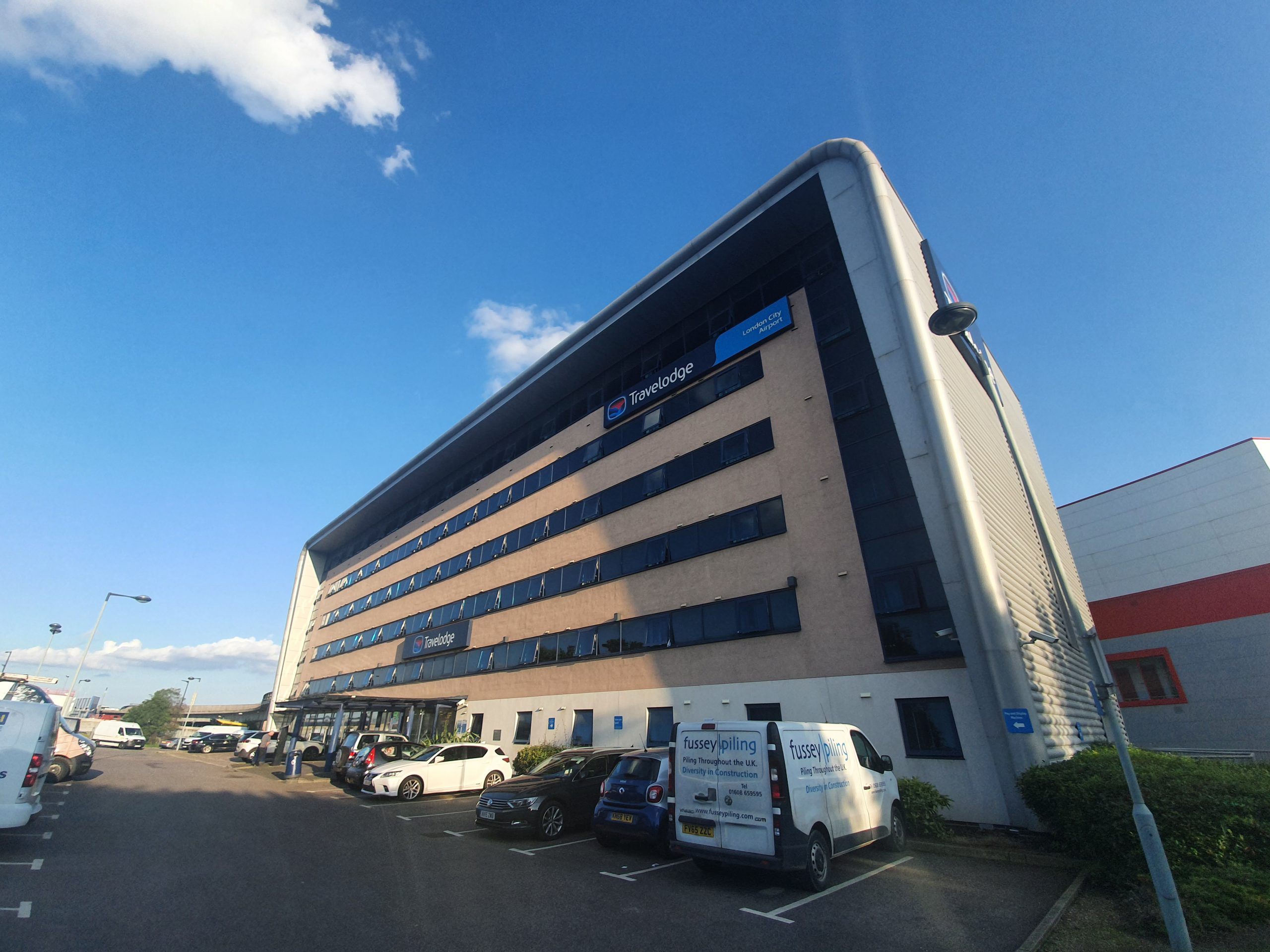
I used to live down the road from this large Travelodge hotel, so it was rather lovely to be able to use Pontoon Dock DLR station again all week. It was a reminder of just how many steps there are to get to the platform level and I’m sure I used to get up them quicker than I do now. Such is ageing….
This hotel usually benefits from being nearby to London ExCeL (I have to look that up every time to remember which letters need capitals and it annoys me very slightly every time) and London City Airport. Neither are quite the draw that they were a couple of years ago, meaning that this hotel has become just a little desperate to get customers in. I paid £21 per night, which was lower than usual as Travelodge have a “buy four nights, get one free” deal in London at the moment. That was a bargain as far as I was concerned, just over £100 for five nights.
For those interested in the history of this area, if we went back 100 years there were terraced houses lined up here rather than a chain hotel. Today, there’s little residential here, primarily as it’s nearly underneath the flight path of London City Airport. That has been evident from the thundering noise of aircraft from the airport all week, although I find it quite soothing. I accept that a lot of people don’t find aircraft noise as soothing, but there we go.
The room is on a business floor, which seems to solely mean that they’ve taken out the sofa beds from the rooms. It’s quite a spacious room and entirely functional, although the carpet probably needs replacing. Everything worked as it should and the windows open. I like it when the windows open and I might have mentioned that several times in recent weeks. There was a radiator and fan to give me choices, although it has been a little hot in London this week. I say a little, it has been far too bloody hot.
The hotel isn’t cleaning rooms on a daily basis, instead giving guests these. The one on the left is a bit pointless, as the default is now to do nothing anyway. The one on the right means that coffee is restocked, towels are replaced, the bins are cleaned and the bed is ignored. I put the one one on the right out on three days and they did do as they promised.
As one of my irrelevant asides, I’ve noticed on Facebook that people seem genuinely furious, livid and shocked that hotels charge more for the same room at different times of the year. I’m amused that Travelodge ruined a family’s hotel plans as they wanted to pay £29 per night for a week in Blackpool. I’m slightly puzzled that people think hotels charge the same amount every night, although perhaps I shouldn’t be shouldn’t be surprised by these things. It did mean I had a little look at the hotel reviews to see what palatial accommodation some people had been expecting.
George (surname unknown) annoyed this customer:
“Extremely bad customer service specially from a member of management called george wast very determine on giving his last name but just to be precise he where’s glasses and has curley hair very bad manner and extremely poor customer service skills and should definitely be removed from site as he is giving and providing a bad reputation for travelodge very unhappy and will be reporting with audio and camera proof of such bad customer services from the BBC”
Unfortunately, I can’t find any footage on the BBC…… Another guest wanted to punish the chain for their incompetence:
“Terrible hotel! Manager was so rude and unhelpful. Ended up booking another travel lodge it was that bad”
I did quite like the brutal nature of this review of the hotel’s SuperRooms though:
“Spent a little more for a super room and found it was the same as a normal room but had a coffee maker in which made really bad coffee”
I’m not actually sure they’re far wrong, but as I know from my friend Richard’s experiences, you do get a free Kit Kat. Another customer really battled the elements:
“Despite the dust hanging from the lamp on our bedside table, we went to sleep.”
So brave…..
I hope that Travelodge don’t mind if I say that they’re something of an earthy hotel chain, although perhaps not in the literal sense. They’re down to earth, generally affordable, honest and clean. They don’t pledge anything they’re not, so I continue to be entirely pleased with my stays. Accor and myself have fallen out with each other (although technically I think I’ve fallen out with them, they probably just think I’m an idiot), which is awkward when I’ve got an entire section on this blog about them. I can’t see myself falling out with Travelodge and what better praise could they want than that…..
This is a clever tactic I think from IHG, a new project they started a couple of months ago which gives 10,000 reward points (which is often enough to get a free hotel room in a Holiday Inn Express) for every ten nights stayed. On the 40th room night, they give a bonus of 30,000 reward points, all in addition to the usual earnings. I’m going to struggle to get to that total, although I’m on course to reach Platinum so I might not be far off. I have though received my first 10,000 bonus points from this campaign.
I thought that Accor would do something similar to this, as otherwise there’s not much additional incentive to stay further nights once a rewards tier has been reached (and I can’t reach any more without hitting Diamond which is their only tier which can’t be achieved by nights stayed). I’ve had a few problems with Accor this summer and none from IHG, so my loyalty is starting to waver a little. Accor do though have some excellent hotels that I really rather like…..
Going back a week (I’ve got a bit behind with these posts….), this is my stay at the Holiday Inn on Tadcaster Road for the LDWA NEC weekend. It’s a bit of a walk from York city centre, about forty minutes, but it’s a decent enough route to meander along. It passes by Tyburn, where criminals were executed in centuries gone by, to add a little spice to the walk. I’d add that there are regular buses for those who don’t feel the need to walk absolutely everywhere.
In about 90% of occasions I think the quality of a hotel is evident in the welcome at reception. Some hotels do this really well and their whole service ethic is just a delight. A few are, to be honest, bloody hopeless and that theme usually continues. Anyway, this hotel had a warm welcome, a friendly team member and there was an air of competence about proceedings. It transpired that this set the theme for the stay.
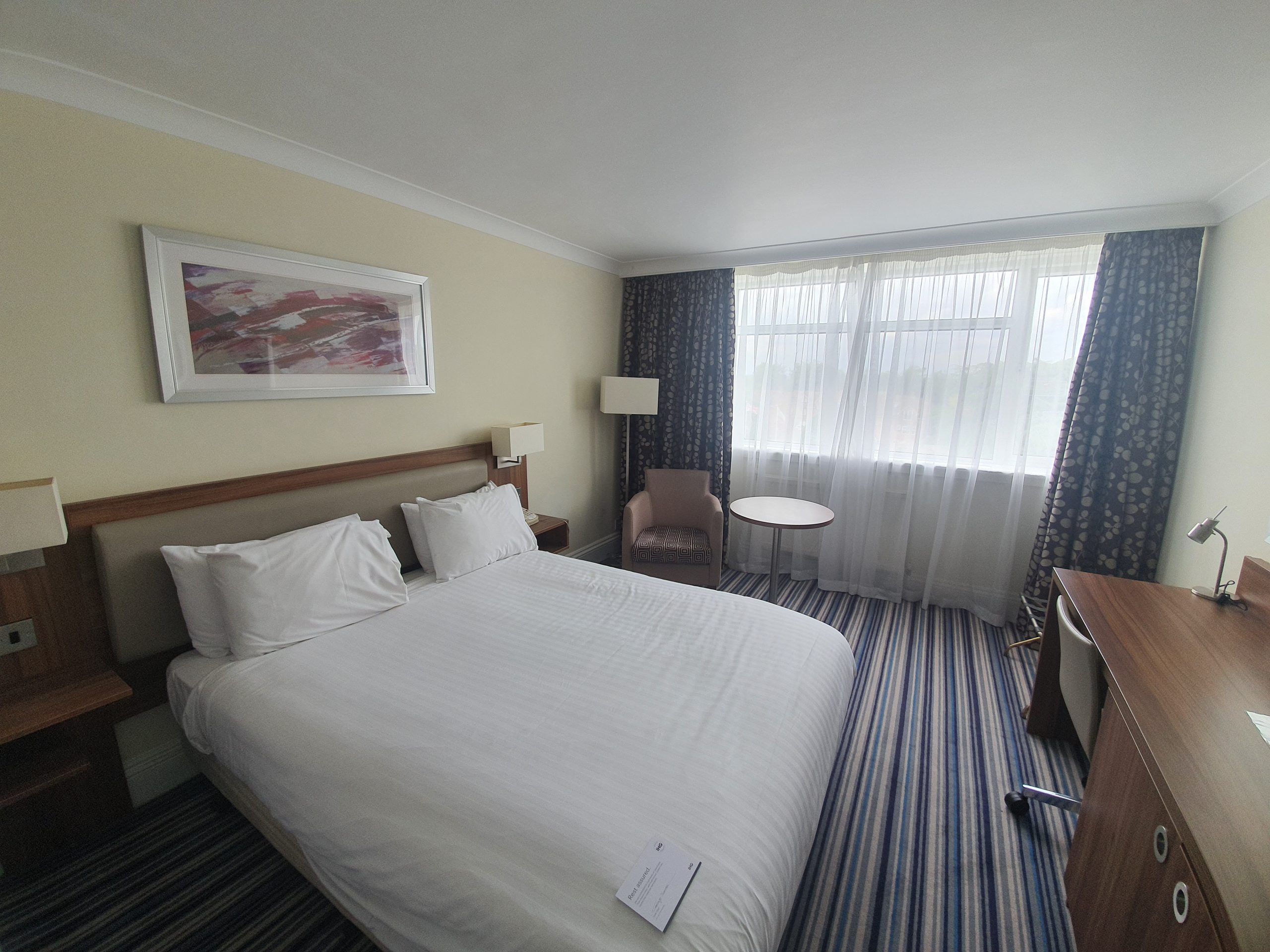
The room, which was spotlessly clean, with the exception of an old red wine stain that has clearly wrecked the carpet (not in the photo) at some point in the past. You don’t get that with beer…… There was a photocopied note from the area manager on the desk which said to please bear with them whilst they get supplies and staffing back to normal. I didn’t experience any issues, but I appreciated their honesty that things might not be perfect. It does seem though that they’ve had a number of staff leave and it has proved challenging to replace them, but I’m fairly sure that’s been a problem across the hospitality industry.
The view from my window, which fortunately opened as I’ve muttered on before about how I don’t like sterile rooms where everything is sealed. It’s not pleasant, it’s annoying. This hotel let their customers have some air.
There was a Kit Kat in the mini fridge, so I was immediately sold on the hotel. I’m easily won over….
And hot chocolate, that’s a decadent little treat.
The reviews for the hotel seem generally positive, although there are a fair few saying that the rooms look old fashioned. I thought that mine was fine and I can’t see any photos of different room designs, but perhaps they’ve shoved some people they don’t like in some old annex. There probably is a bit of renovation to do as they could do with some plugs near to the bed, but I can’t see that anything major needs doing.
My stay was for two nights and there was little remarkable else to say, which is a great compliment as it meant nothing went wrong. Although the hotel was clearly nearly full, there was no noise either internally or externally. The room was cleaned after the first night, something that some hotels are still trying to avoid doing. All told, I couldn’t find anything to fault the hotel on, it was all really rather lovely and another positive IHG experience.
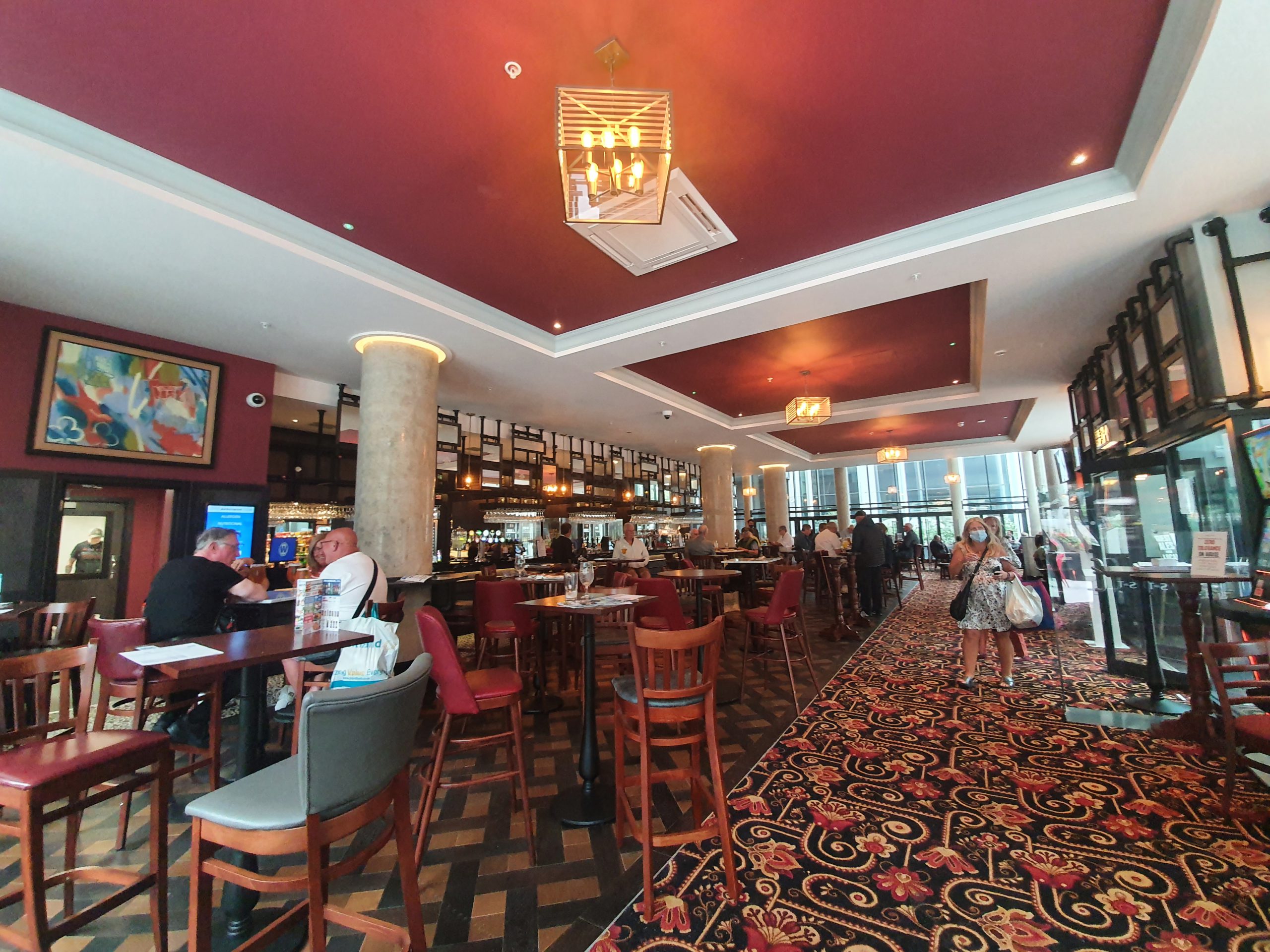
The Stick or Twist had been a JD Wetherspoon operated pub in Leeds from 1997 until 2018, when it was demolished to build student accommodation. The pub chain had a long lease which meant they were able to negotiate a new pub at the site as part of the new building complex. That opened a few weeks ago, in mid-July 2021, after a £1.8 million spend on the interior fittings. It’s apparently larger than the old pub, which I hadn’t visited, with a bigger external area as well for customers to enjoy the outside (for those people who like that sort of thing).
It’s all clean and organised, but I thought quite bland for a JD Wetherspoon outlet, although they’re limited by the quite bland building they’re in. Not many of the tables had access to power points, which is usually a feature of a renovation by the company, with only a limited number of booth style seats as well. The section at the front has mostly high seating (which is what I prefer) and the section at the side has mostly table seating, so there’s a bit of a choice for customers which is handy.
I ordered the Blonde Witch from Moorhouse’s Brewery from Burnley and I used the app to do that. That probably wasn’t the best idea, it took them 14 minutes to get the beer from the bar to my table, but I wasn’t in a rush. My table didn’t have a number on it and so I had ordered it to the table next to me, which was empty. The staff member seemed just a little bit put out at that, asking why I had used a different table’s number. The beer was quite bland and lacking any real flavour, but it was at the appropriate temperature and well-kept so it was about as good as it was going to get.
Anyway, there’s nothing particularly wrong with the transformation and I’m sure that many in Leeds are glad to get their pub back again. To me though, it all felt a bit generic and soulless, albeit at least clean and tidy. It’s good that pubs are starting to open though, even if this one was replacing a location that had closed.