Category: UK

  • British Airways (Heathrow T5 to Berlin)

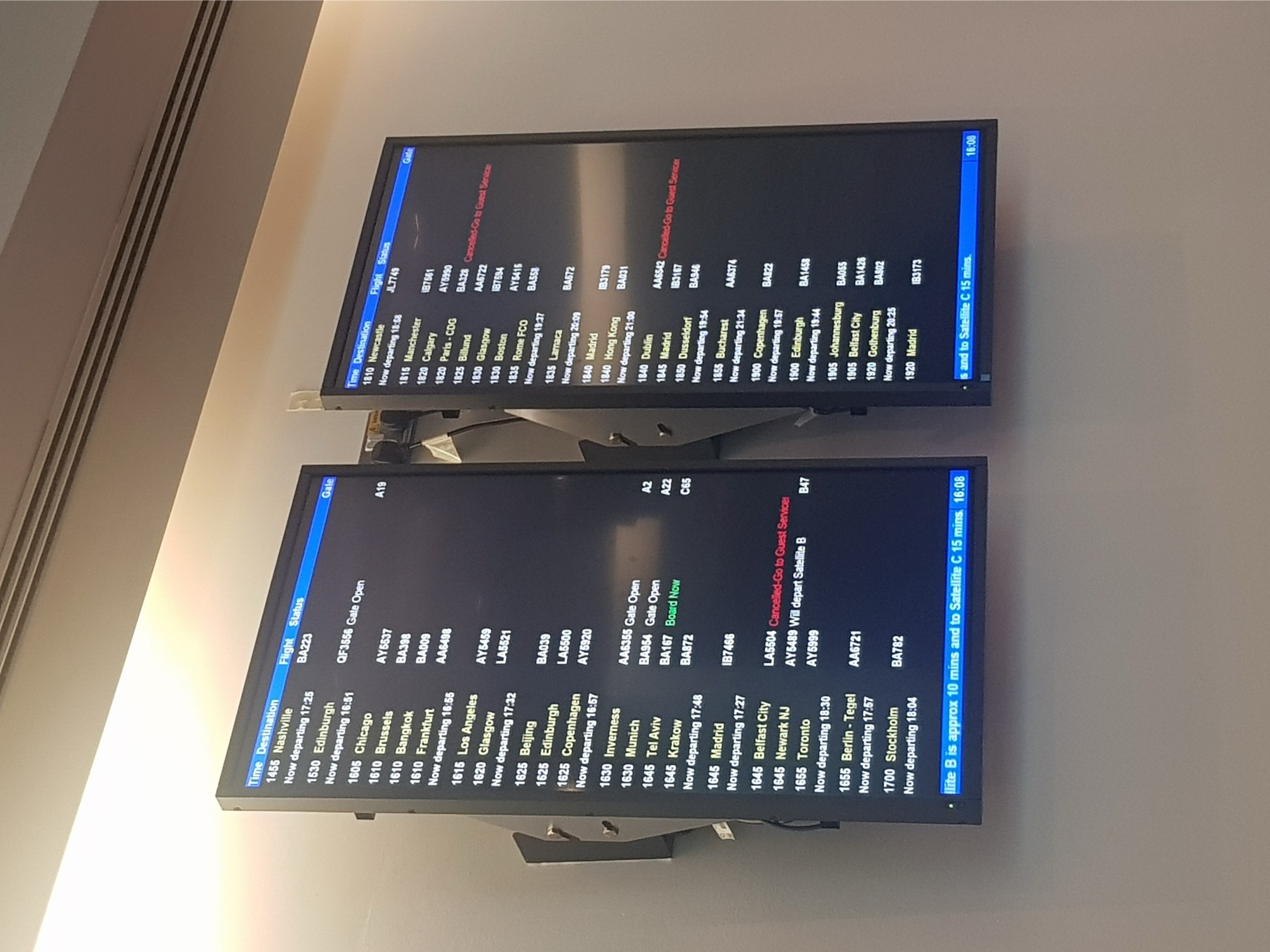
    Today’s expedition was to Berlin Tegel airport and, as usual, I arrived hopelessly early in the day to ensconce myself into the BA lounge. It was evident from the volume of rain hitting the roof of Heathrow T5 B Gates building that there were going to be some weather issues, although there were only a few cancellations and relatively minor delays.

    Fortunately, my flight was only delayed by around an hour, although there’s always the fear of a creeping delay where that one hour turns into two or three.

    Boarding was from gate A2 and I fail to understand why BA don’t make this process easier to understand. They did have separate queues for the different boarding groups, with groups 1 and 2 each having their own lane, and groups 3 to 5 were merged into one lane. But, in a piece of design brilliance, the lane for groups 3 to 5 was in front of groups 1 and 2 and so the others couldn’t be easily accessed. I’m not important enough for group 1, but I can sneak into group 2 and it took quite a determined staff member to get me, and some others, to the right place.
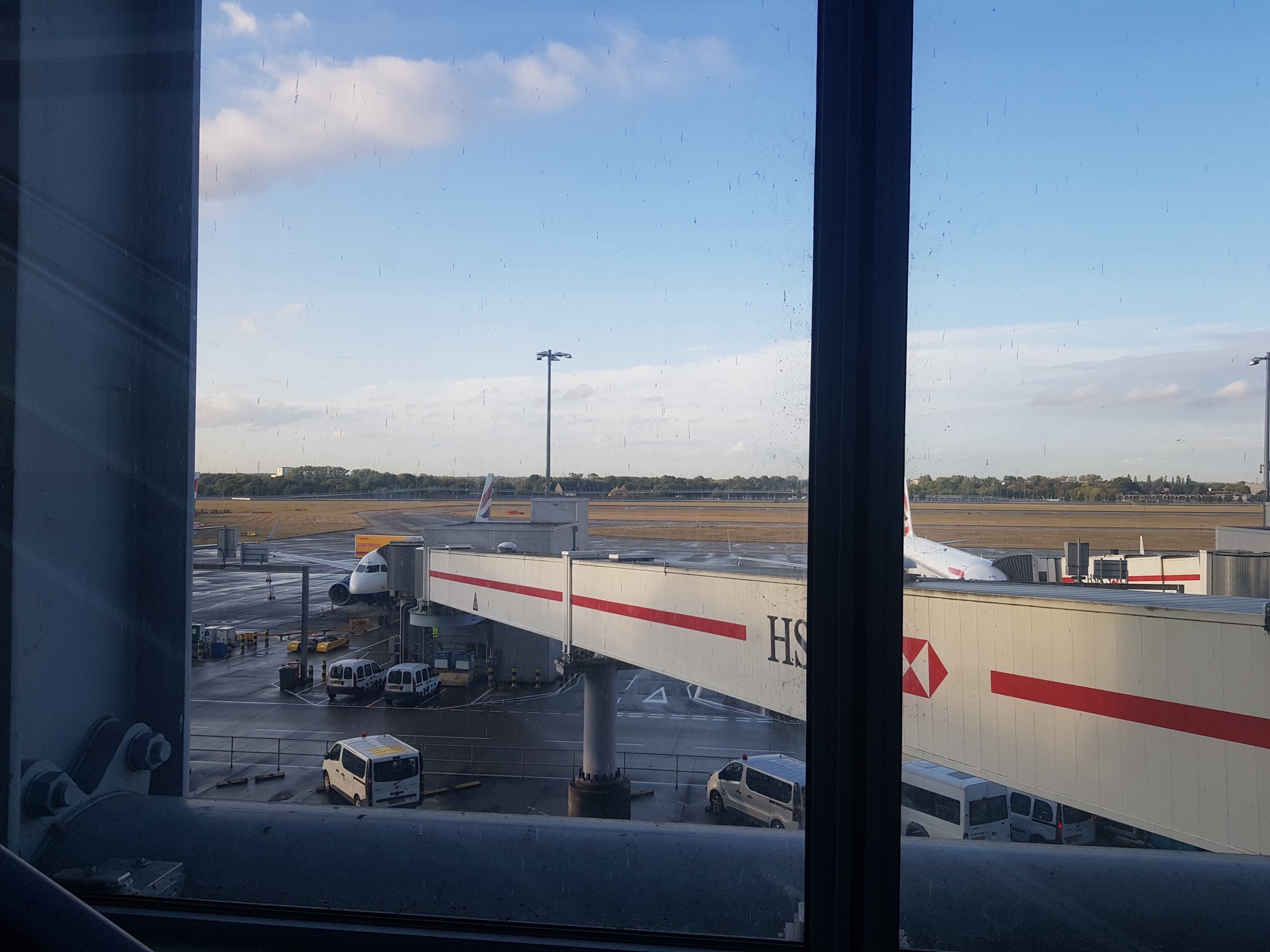
    There’s the aircraft at the end of the airbridge, which was registration G-EUOE, an Airbus A319 which British Airways have been using since it was manufactured in 2001.

    The aircraft was clean, although the crew had their usual challenge of trying to fit all the hand baggage into the overhead lockers. It’s the one disadvantage of exit row seats for me, having to engage in this whole overhead baggage game. This is a problem for me as my bag is relatively small, and usually there is someone with a ridiculously sized cabin bag who takes great exception to my small bag being in the lockers. So they try and shove it somewhere else. Always unsuccessfully I’d add.
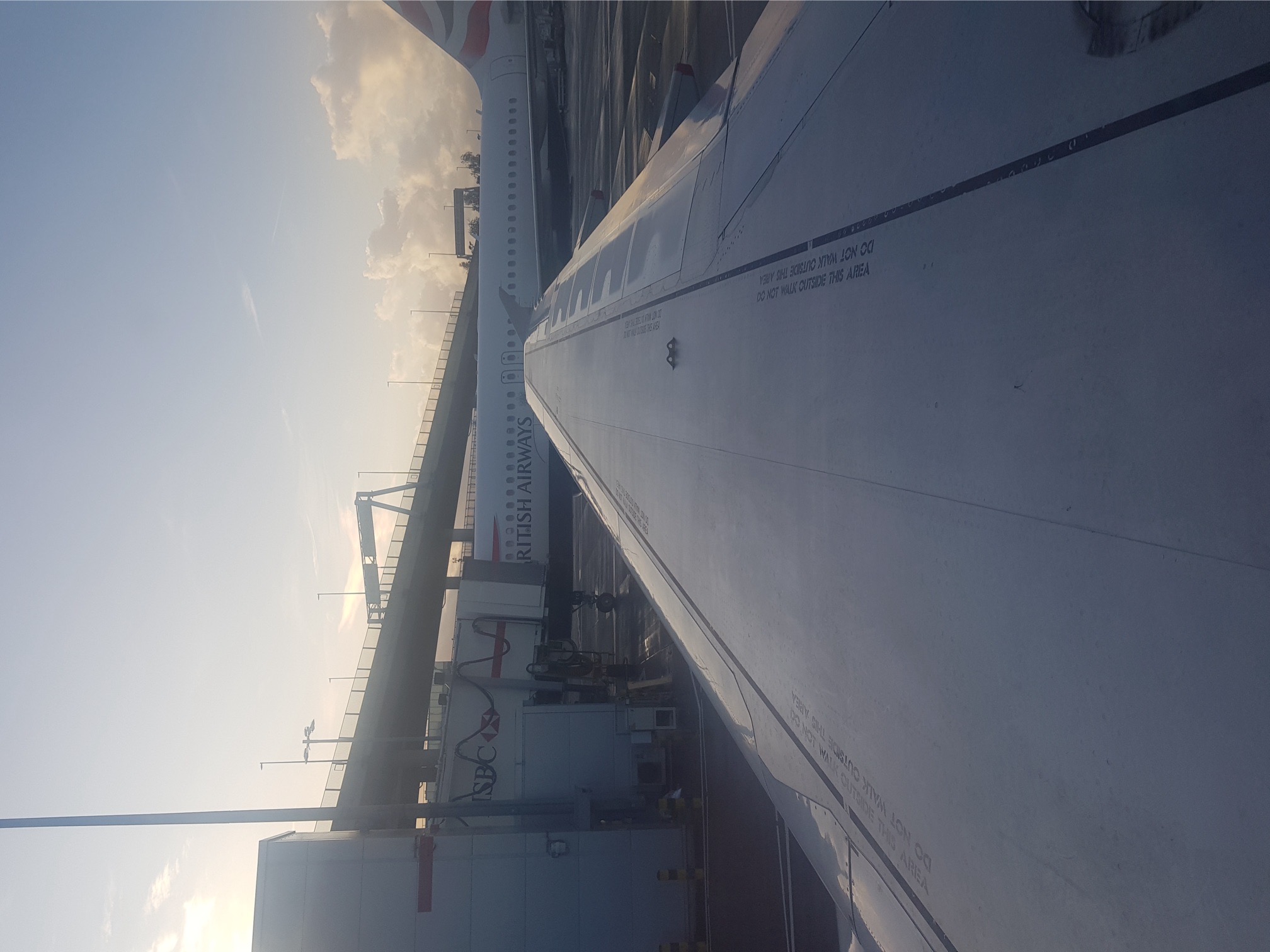
    Waiting on the tarmac for departure, with the captain sounding professional and fitting the British Airways brand perfectly. I was also pleased to note that there was silence during the safety demonstration, it makes things feel so much calmer. Indeed, the whole flight seemed calm and the crew were efficient and polite.

    We landed around sixty minutes late, with the pilot being able to make up a few minutes of the delay en route. I flew to Berlin Tegel around five years ago and thought it’d likely be the last time there as operations are being moved to Berlin Brandenburg Airport. Unfortunately, this is currently one of the world’s most mocked projects, with an opening expected nearly one decade late. All of which means that Tegel is looking quite rickety and spending more money on it is pointless given that it will all be demolished soon.

    Anyway, this flight was a Reward Flight Saver (RFS) so it cost £17.50 plus 4,000 Avios points.
  • Shoreditch – Brewdog

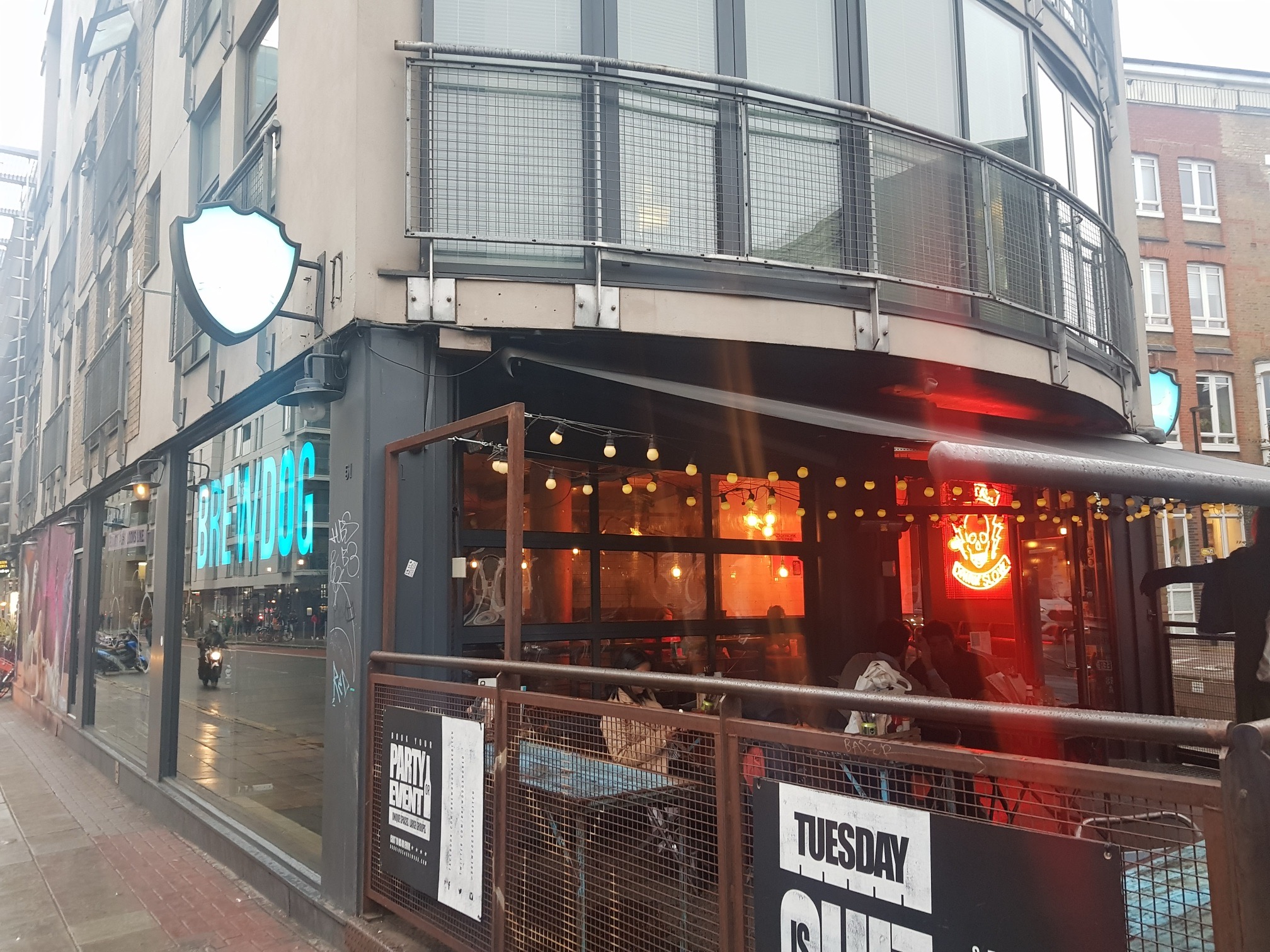
    Having arrived into London Liverpool railway station, I had no shortage of food and drink options in the Spitalfields and Shoreditch area of the city. I’ve been converted to Brewdog now, after initially taking a slight dislike to them for their corporate practices (which seem to have  now been moderated somewhat), so I thought that the ten-minute walk to their Shoreditch location was worth it.

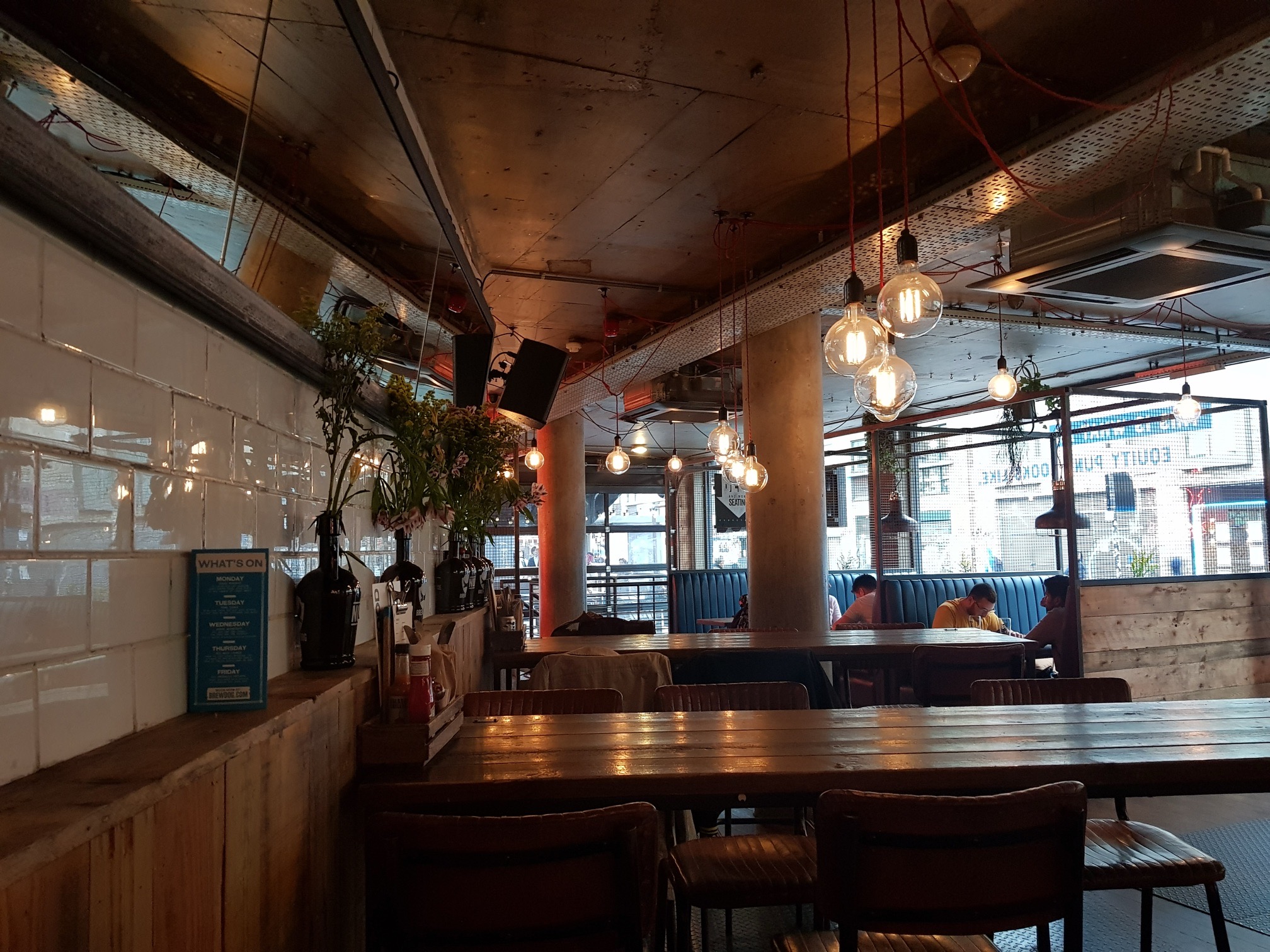
    Not particularly busy at 16:00 in the afternoon, although it did get busier later on. Lots of different seating styles, including bar stools, tables and booths. All clean as well, with the surfaces not being sticky, which is an irritating feature of some large pubs.

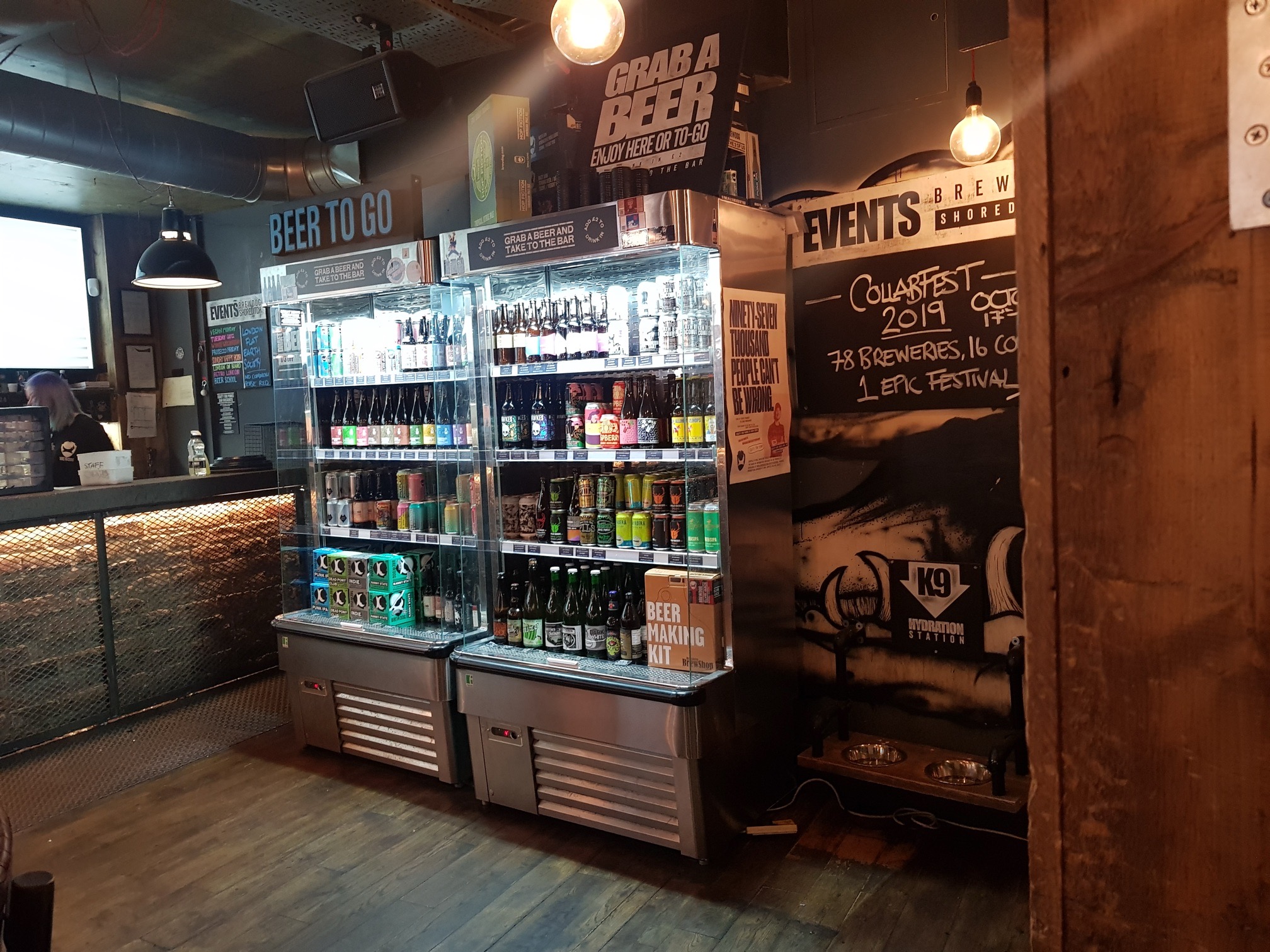
    The Brewdog beer fridge, with choices to take away, or for a premium, drink at the pub.

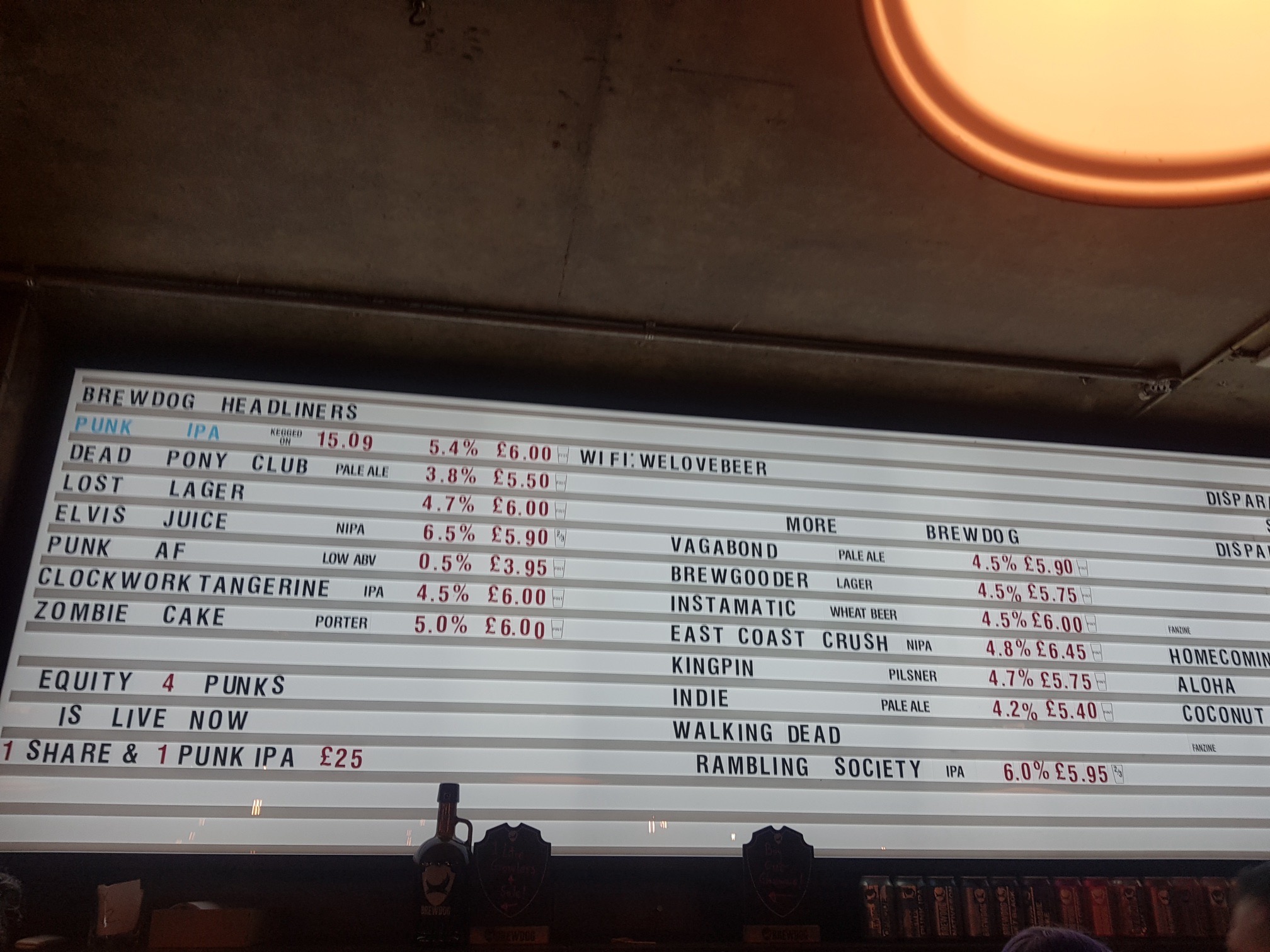
    The beer choice, but my preferred option of Zombie Cake had run out and the only other dark option was an imperial stout and I didn’t want that strong a beer.

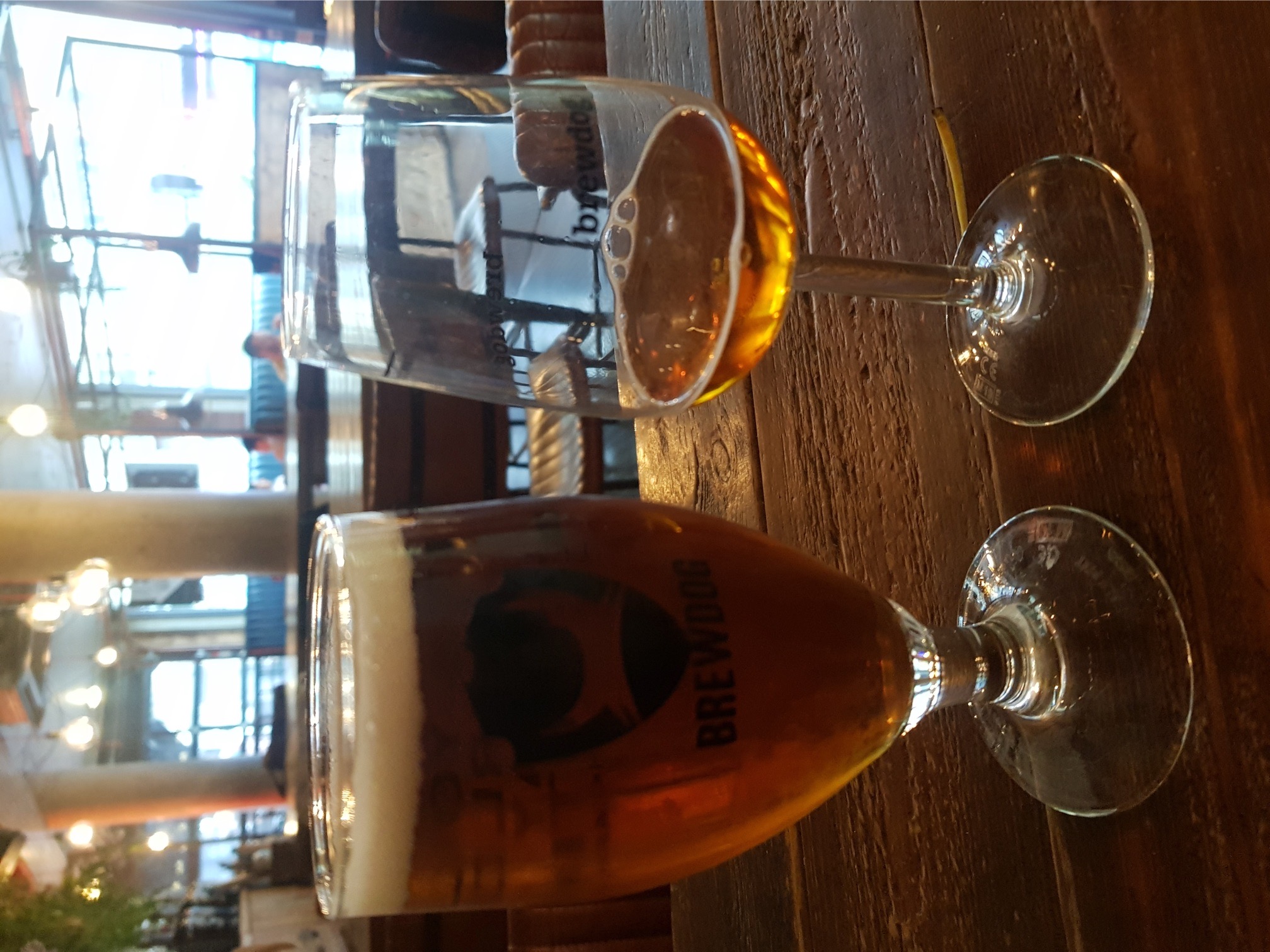
    Half a pint of Dead Pony Club and a sample of Clockwork Tangerine. There are a lot of hops in the Dead Pony Club, which is fruity and citrusy. Not my preferred type of beer, but full of flavour and very drinkable. Incidentally, I didn’t think that the Clockwork Tangerine had quite the strength of tangerine that I was expecting, but it was also light and drinkable.

    The meat feast pizza, which was a slight challenge to eat as the ingredients slid off the base with some ease. But, food should sometimes be messy, so it’s all about the taste. Actually, it’s about the temperature as well, which was very hot and I was a bit too eager to get started so nearly burnt the top of my mouth.

    As a pizza, we’ve established it was served at a hot temperature, but the ingredients were decent, the base was light and the sauce rich and flavoursome.

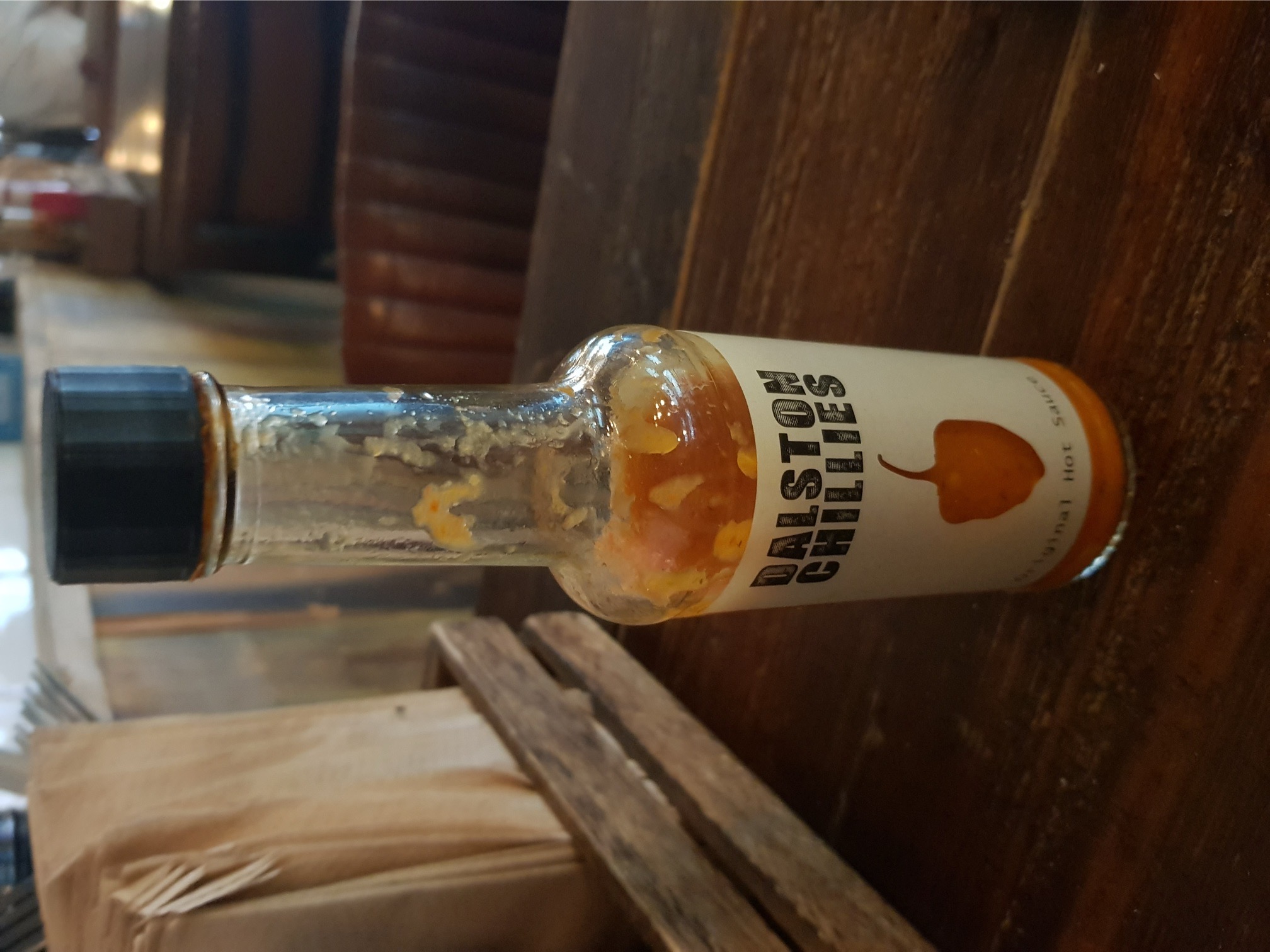
    The manufacturers of Dalston chillies say that “there is no junk” in their products and I have to say, I liked it. Quite a powerful little kick without being stupidly hot, so this complemented the pizza well. Although I might have got a bit exuberant with the amount of the sauce I put on one piece of the pizza, which required another emergency drink of beer.

    It’s painfully clear from the customers that this is a very on-trend brand and it’s perfectly suited to Shoreditch. There’s a contemporary and modern feel to the whole proceedings, which is also coupled with excellent customer service.

    If I could find fault, it’s one of those locations where some of the staff seem to be doing the majority of the work, whilst some of the others were perhaps preening themselves just a little too much. But, all told, the surroundings are comfortable and everything was as I’d like it to be. Other than they needed more darker beer selections.

  • Great Yarmouth – Forged Chain Sculpture

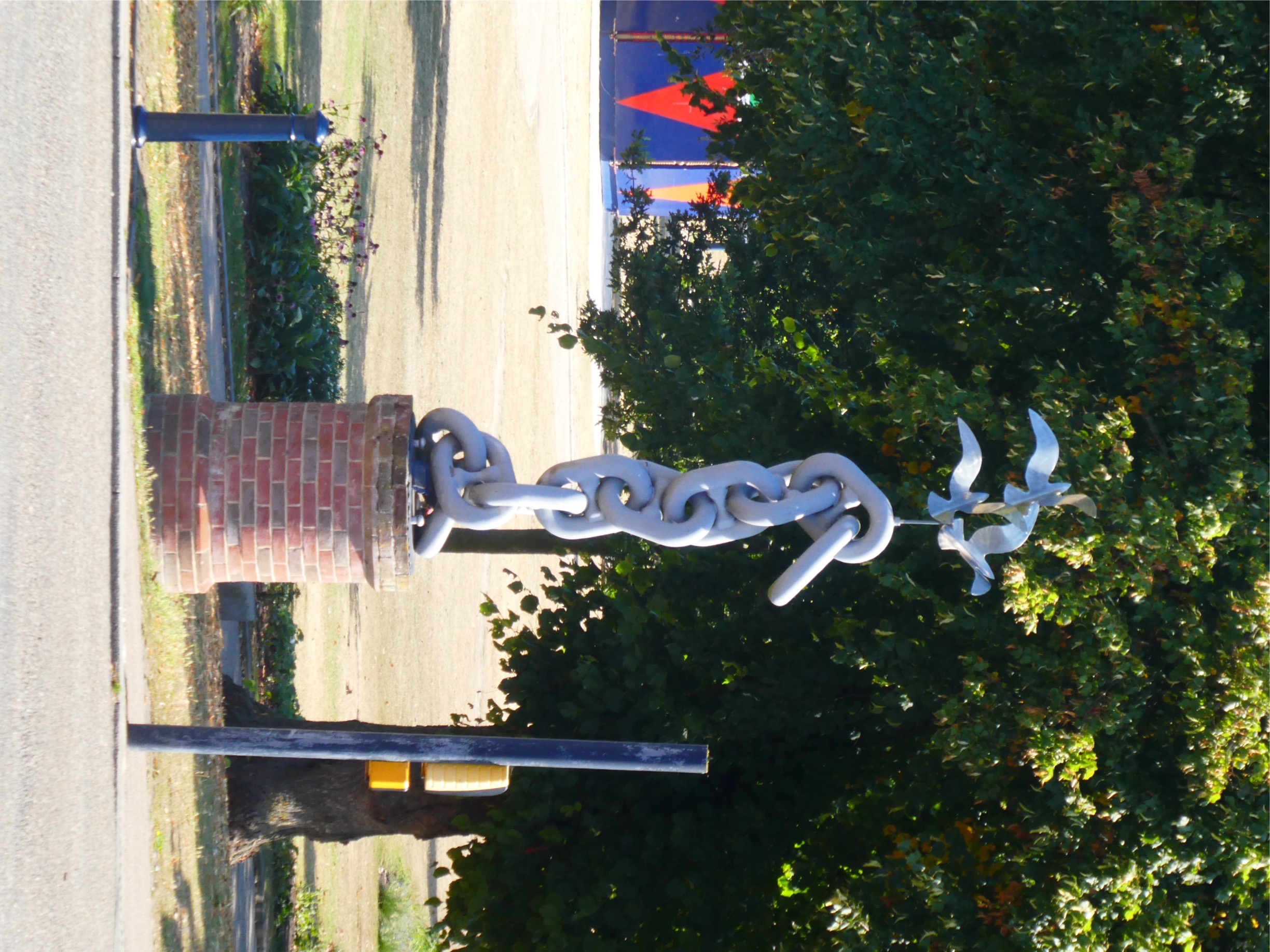
    The forged chain sculpture at the entrance to St. George’s Park in Great Yarmouth, designed by blacksmith artists Nigel Barnett and Ros Newman. It was installed in 2008 and represent chains from harbour with seagulls flying above them. It’s a pleasant addition to the area around the park, although I’m not entirely sure that the town needed any reminder of seagulls, but there we go….

  • Great Yarmouth – Row 46

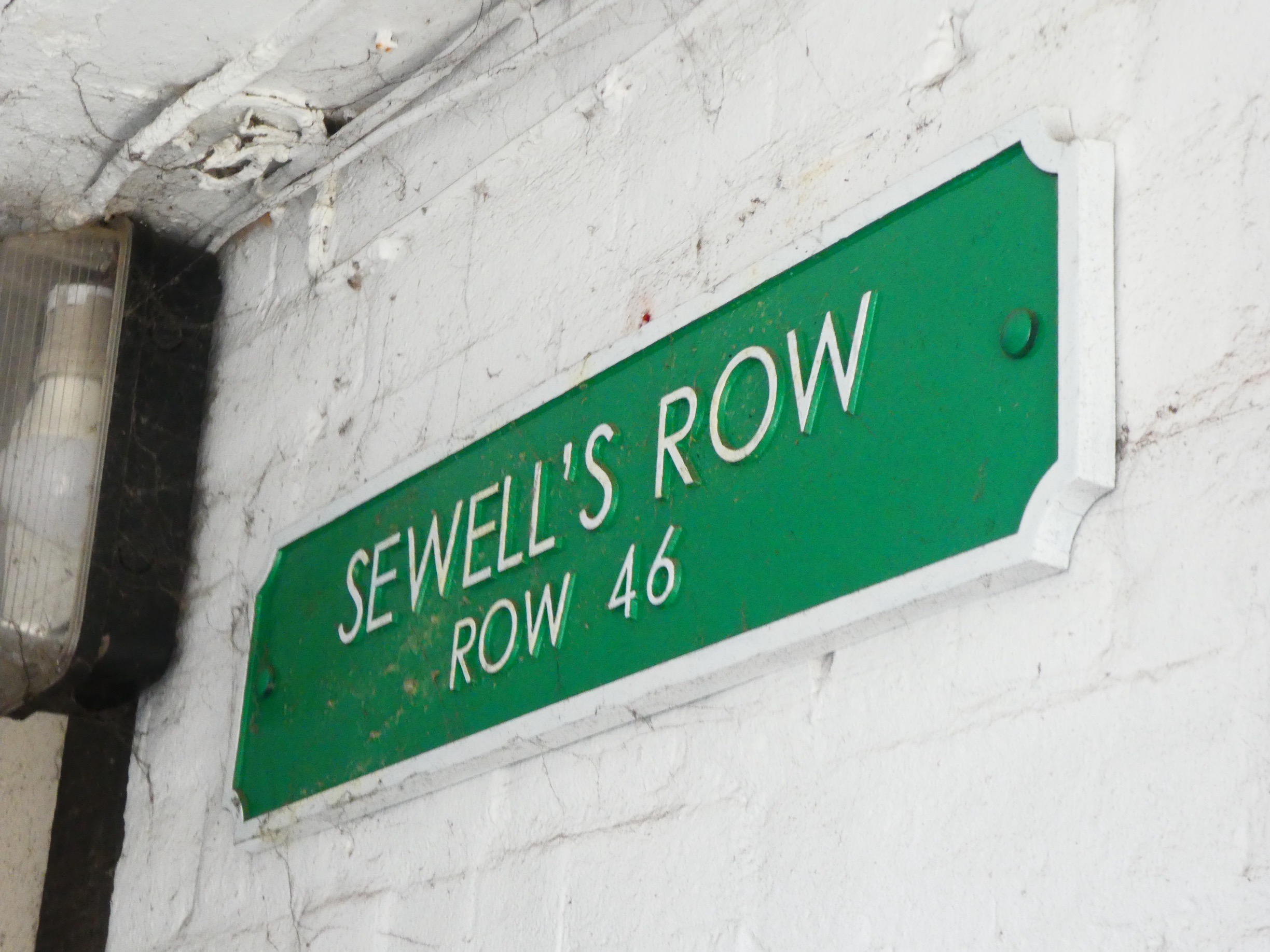
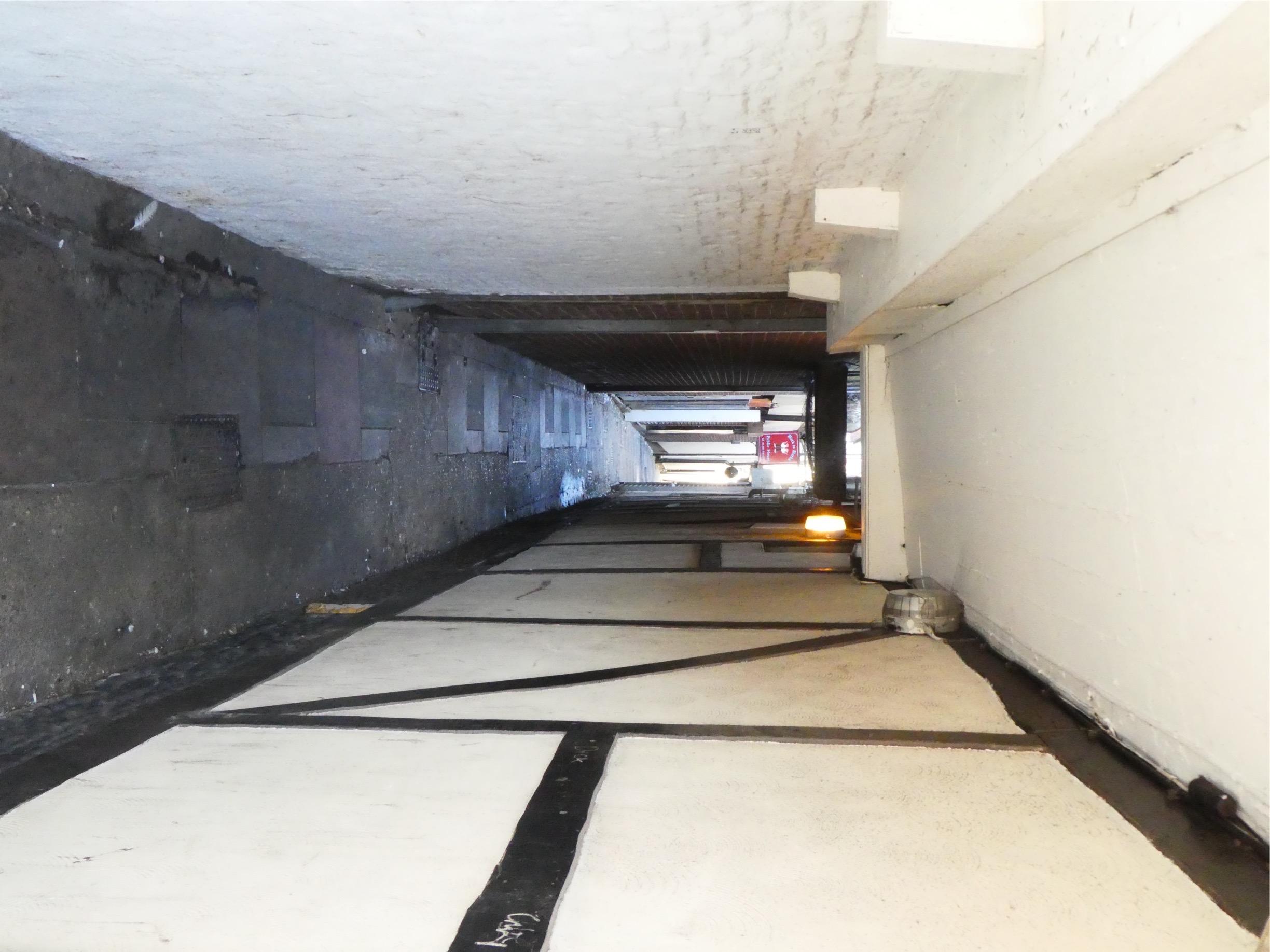
    This is one of the longest of the rows and is named after Sewell family who had a grocer’s shop here, which explains the alternative name of Grocer’s Row. The Sewells were Quakers and the last owner of the shop was Edward Sewell who died in 1870.

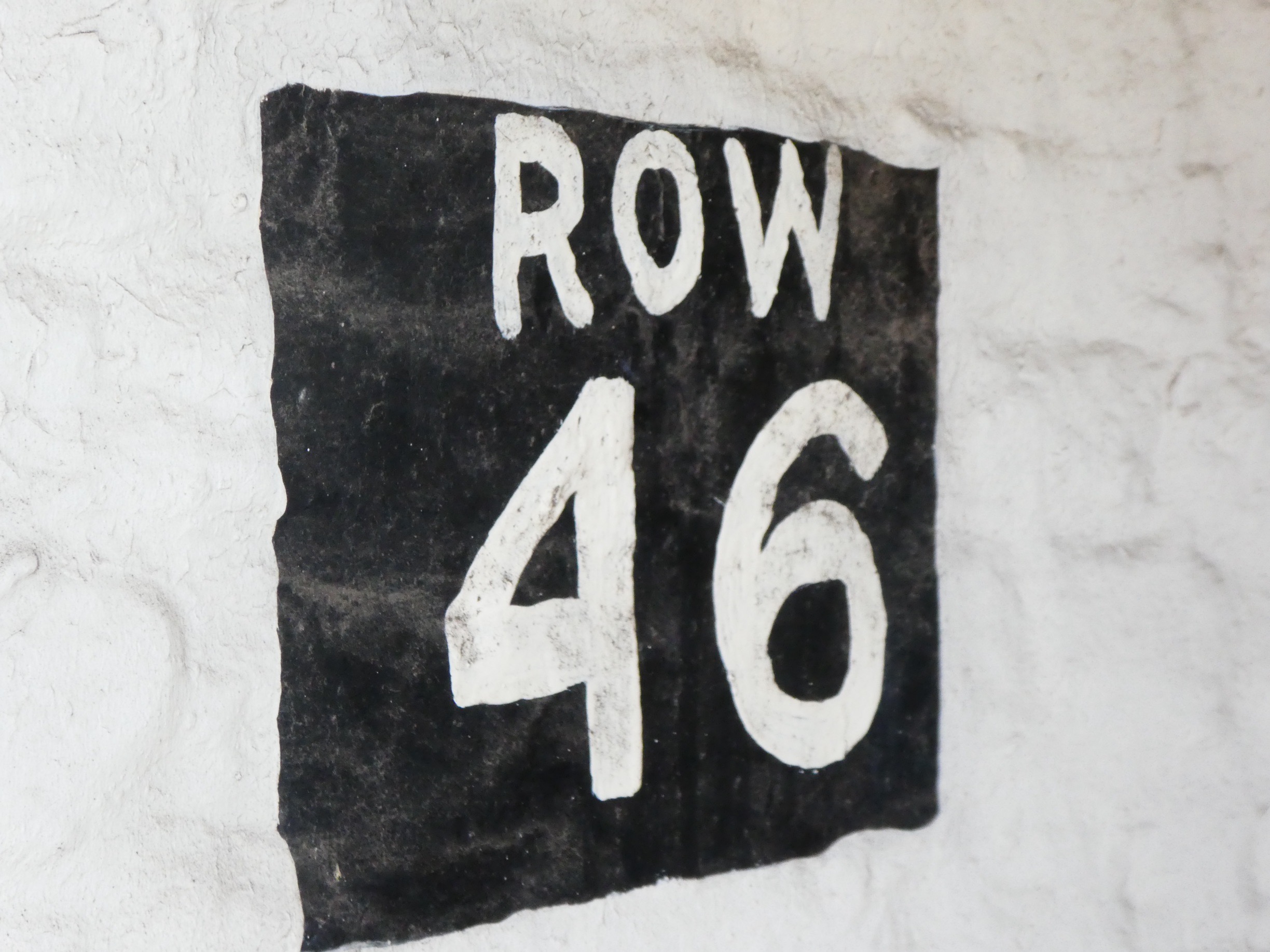
    The old way of identifying row numbers and although this one seems to have been repainted recently, there are some examples on other rows which I’d guess are from the nineteenth century.

    The row is also home to the entrance from the Market Place of the Back to Backs public house, which is the remaining section of the now closed Prince Regent pub.

  • Great Yarmouth – Row 38

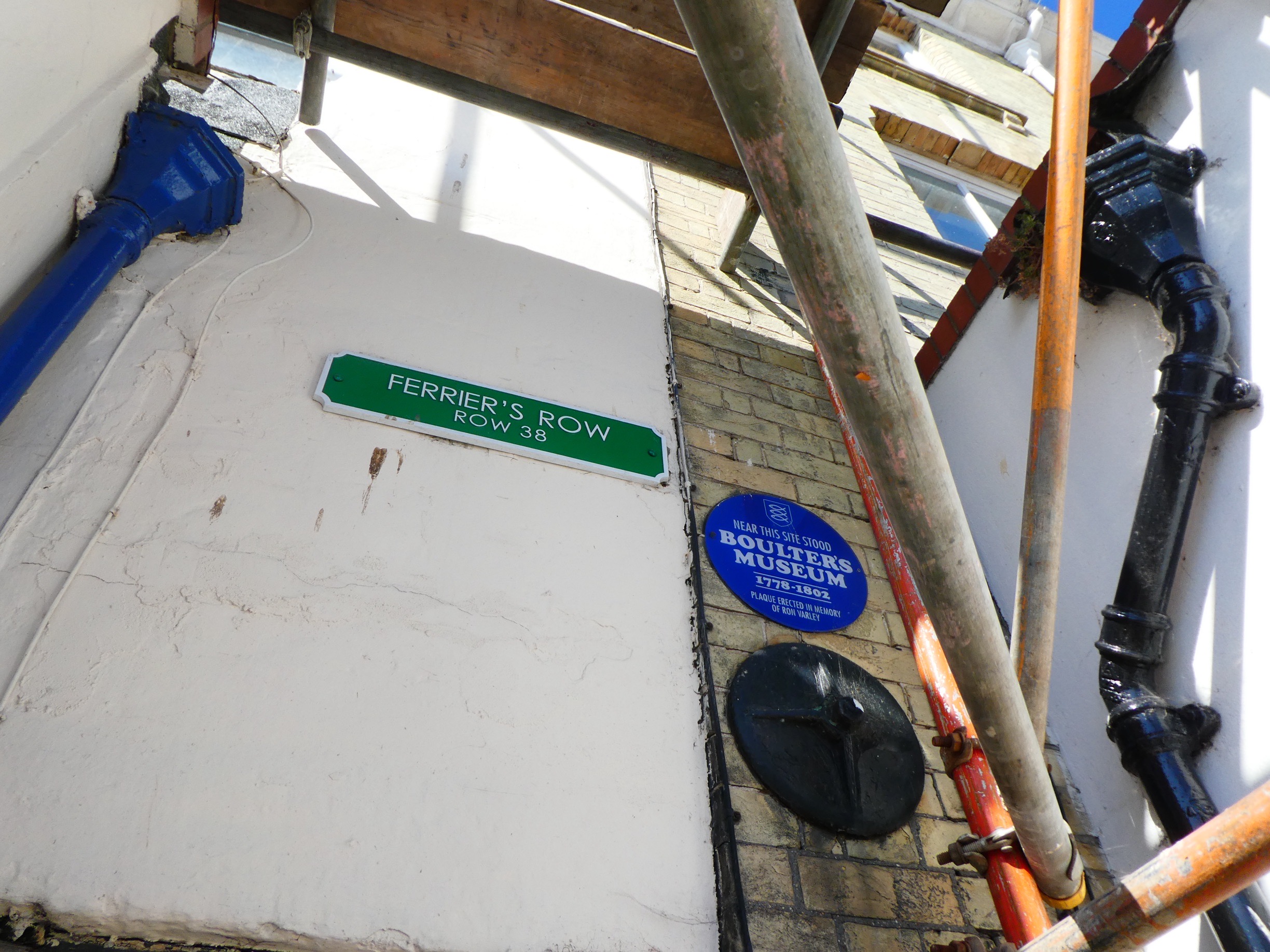
    There were a group of people I considered to be slightly frightening, and I don’t claim to be particularly tough, down this row when I visited and so I decided taking a photo on this occasion. These rows aren’t really locations that the majority of visitors to the town would take a photo of, so I didn’t feel an altercation was worth risking.

    Ferrier’s Row, or Row 38, takes its name from an early bailiff of Great Yarmouth, Richard Ferrier, who lived at a property on this passageway.

    Helpfully noted by a plaque in the above photo, this site is near to the location of where Boulter’s Museum operated from 1778 until 1802, although this was in a property by Row 35 which has long since gone. This was the first museum in the county and was opened by Daniel Boulter, a local Quaker and it remained open until his death. He had collected items which were initially more curiosities and put them on display, with more items relating to natural history being added later on which included items returned from Captain Cook’s voyages. And he also put the dried hand of a woman on display as well for a bit of variety.

  • Great Yarmouth – Row 44

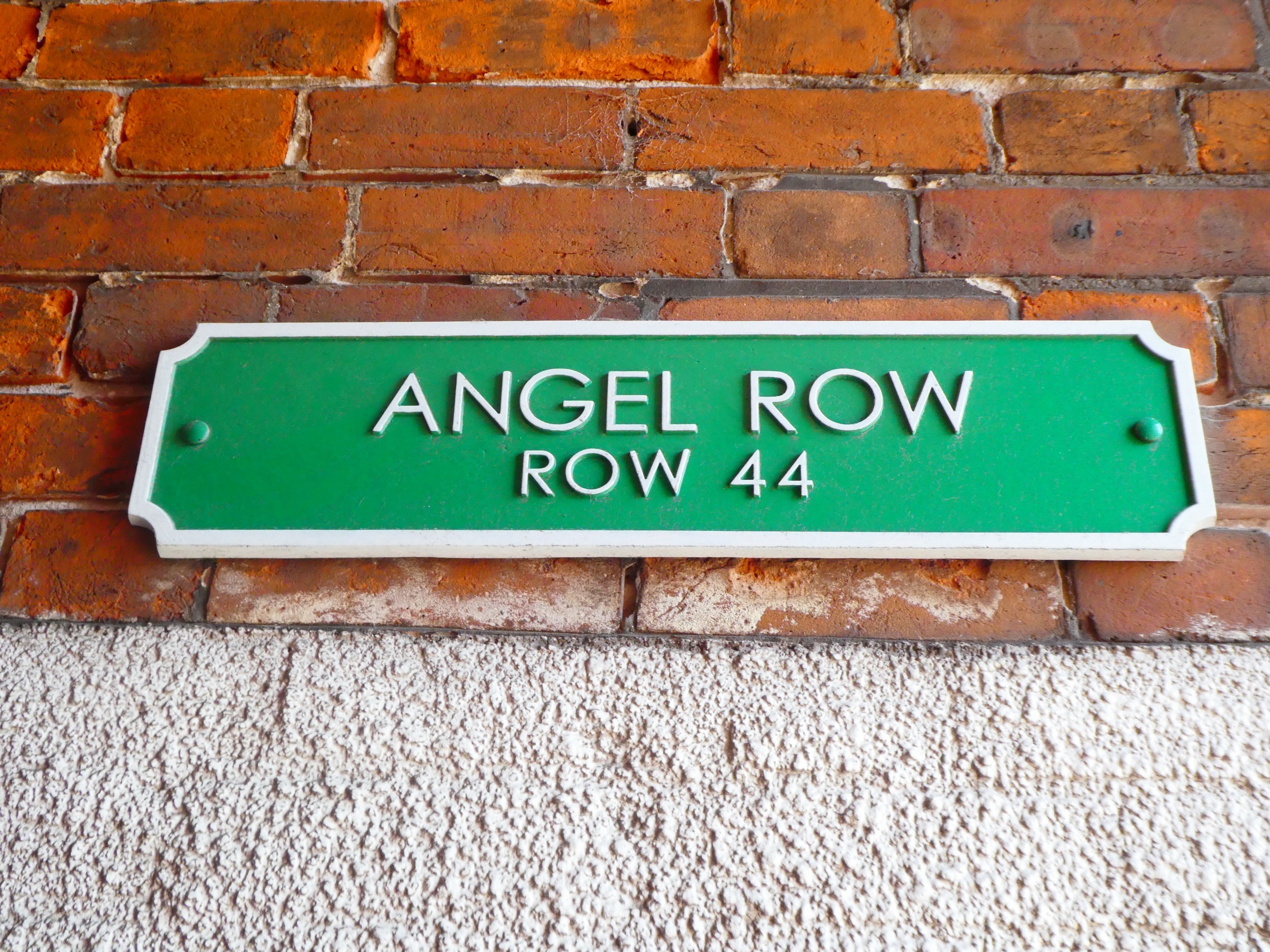
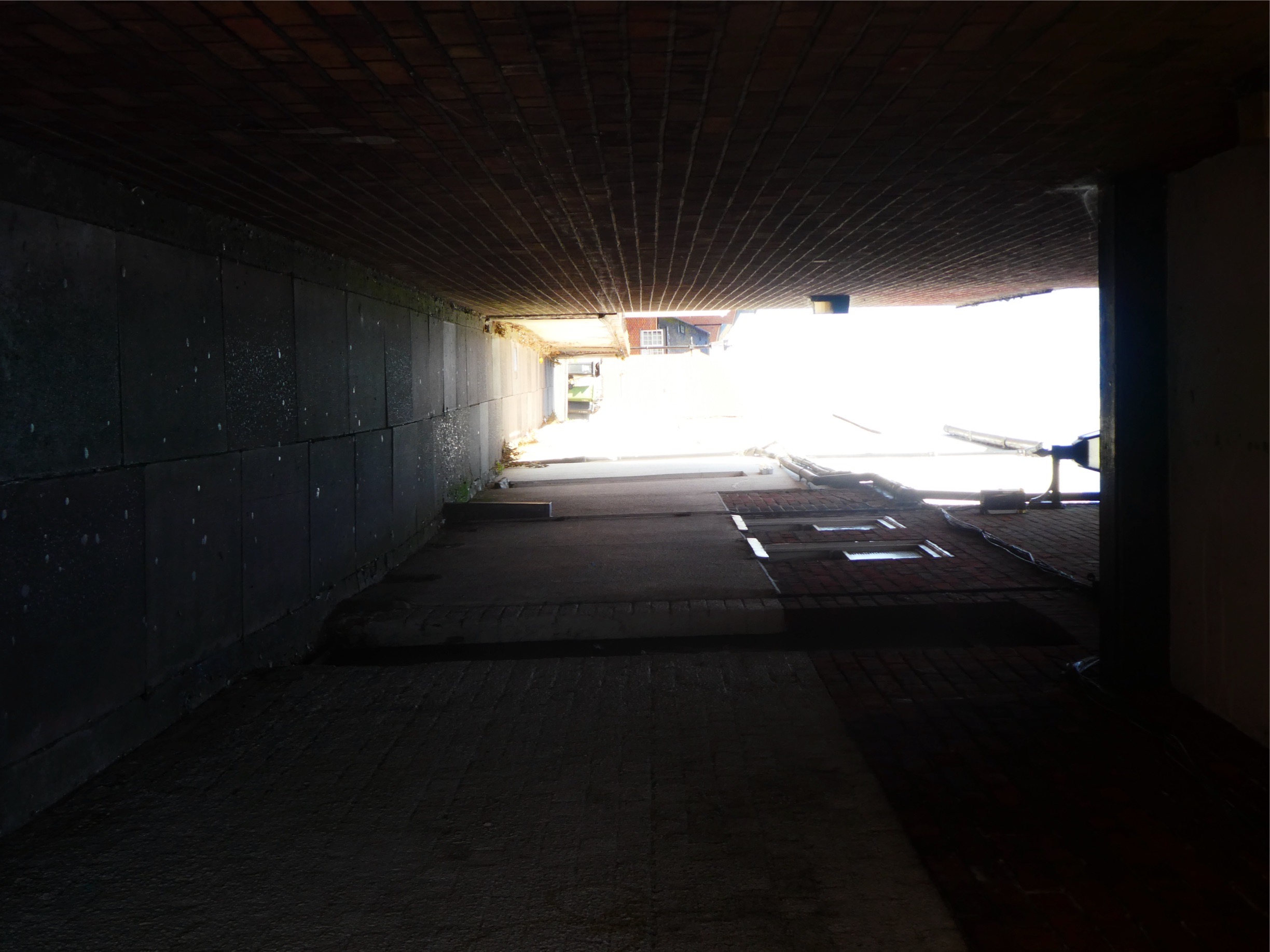
    Angel Row takes its name from the Angel Hotel which once stood looking out onto the Market Place, which was replaced by a drab and boring building which was occupied by Woolworths and, more recently, Poundland. Unfortunately this demolition took place as recently as 1957, depriving the town of an interesting old inn which had been standing since the mid-seventeenth century.

    Like many of the rows, these are gloomy places and it’s not hard to imagine dark deeds which have taken place in the past. In the case of this row, many bad things have happened, including a murder which took place in February 1898. A jealous and drunk man killed Thirza Bensley, before trying to, unsuccessfully, take his own life. The killer was Samuel Frederick Steel, a railway carman, who used the defence that he suffered from epileptic fits and was insane.

    Bensley’s father attended the inquest into his daughter’s death and the inquest jury decided that Steel was to blame, although this was a separate proceedings to the following court case. Steel in the actual court case was again found guilty, but his pleas of insanity were enough to save him from being hanged, instead he was given life imprisonment.

    In 1903, there was a case in the row of unlawful wounding which took place in the row, perpetrated by John Fleming, a Scottish fisherman, and a witness commented Fleming and a friend had “they said something in their own language”. Justice Lawrance, who I assume considered himself something of a wit, commented “did they say hoot mon?”…… He then sentenced Fleming to 14 days hard labour though.

  • Great Yarmouth – Old Cemetery (Robert Rising)

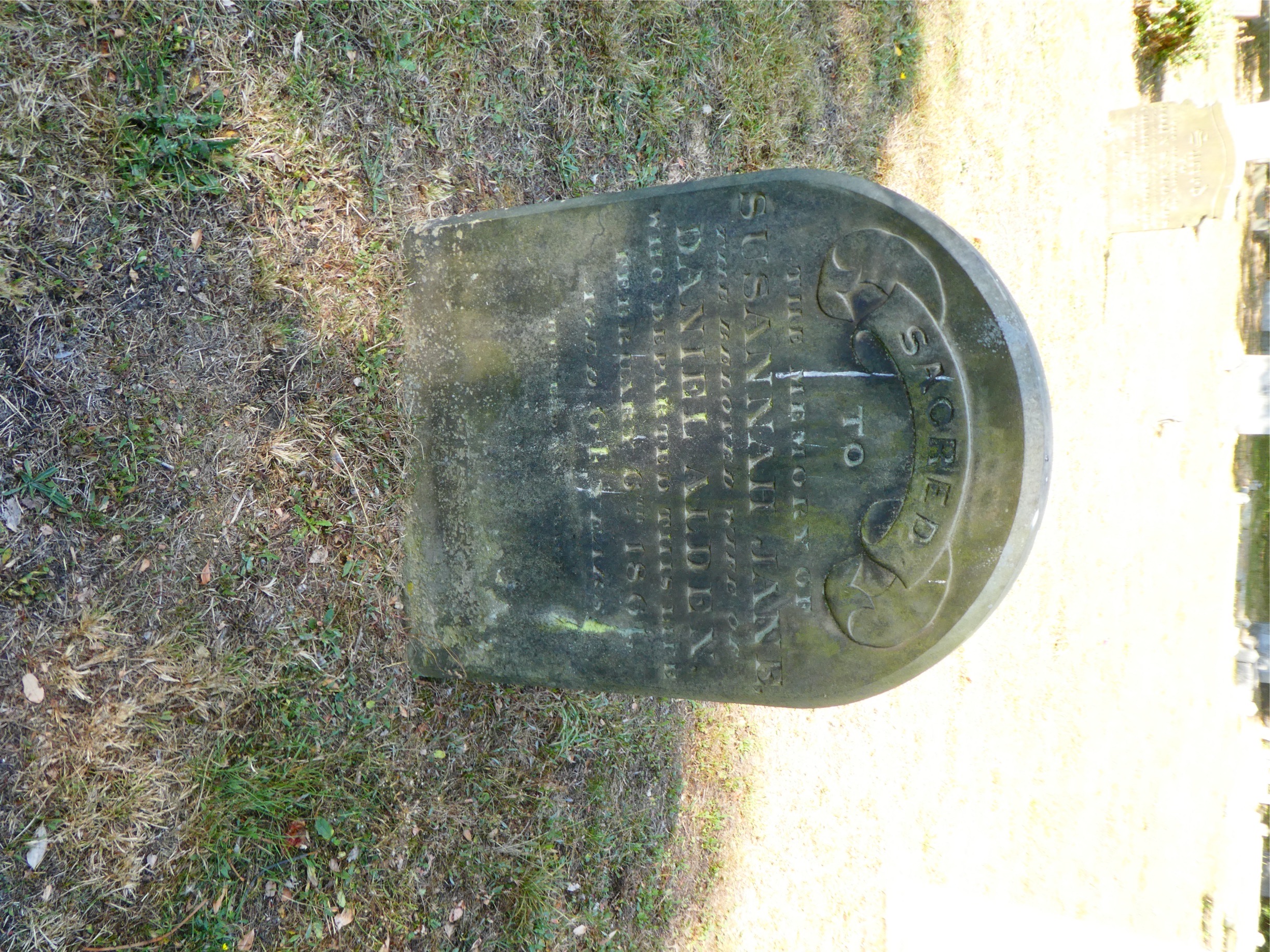
    This grave in the churchyard of Great Yarmouth Minster is that of Robert Rising who died aged 55 on 5 February 1854. Rising was the son of Captain Tilney Rising of Exmouth, Devonshire.

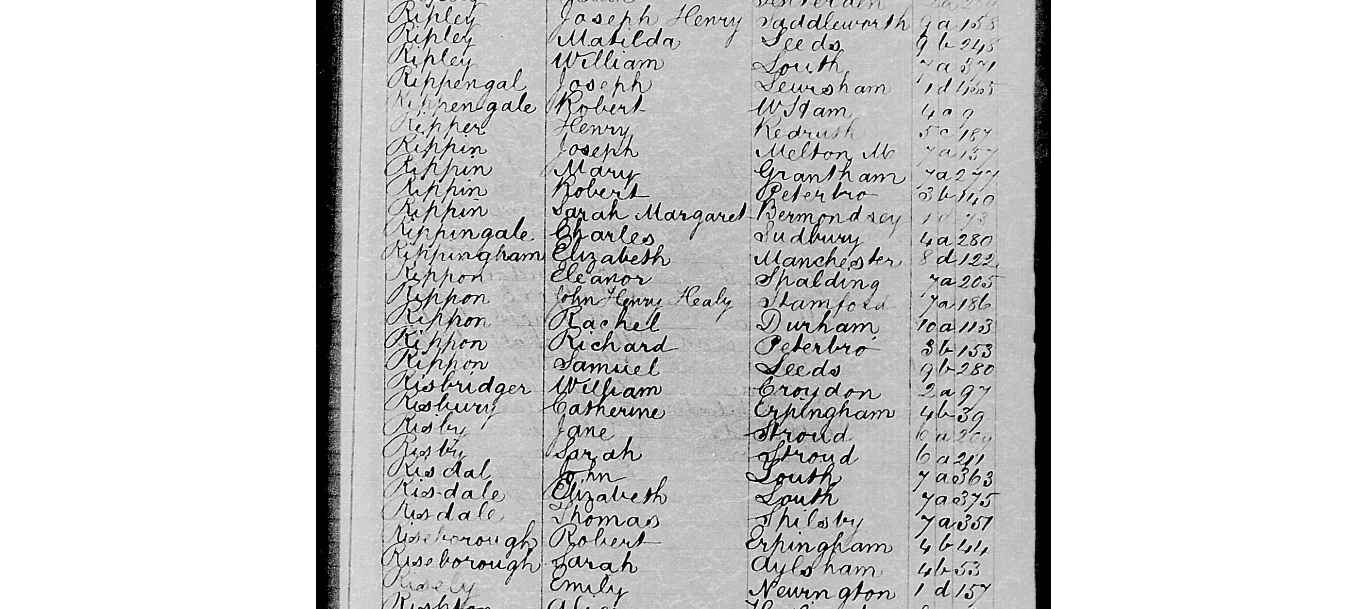
    Reason’s death certificate.

    Further tragedy struck the family in January 1858 when Robert Rising’s son, Robert Tilney Rising, was killed at the age of just 23 following the sinking of the Catharine Adamson ship near Sydney. The ship ran aground during its voyage from Falmouth to Sydney, with 4 passengers and 17 crew killed.

    Robert Tilney Rising isn’t buried in Great Yarmouth, as the bodies were placed in a mass interment  and given a burial together, along with victims from the Dunbar clipper which had sank just nine weeks earlier. His name is though at the base of his father’s gravestone.

  • Great Yarmouth – Old Cemetery (Tree in Grave)

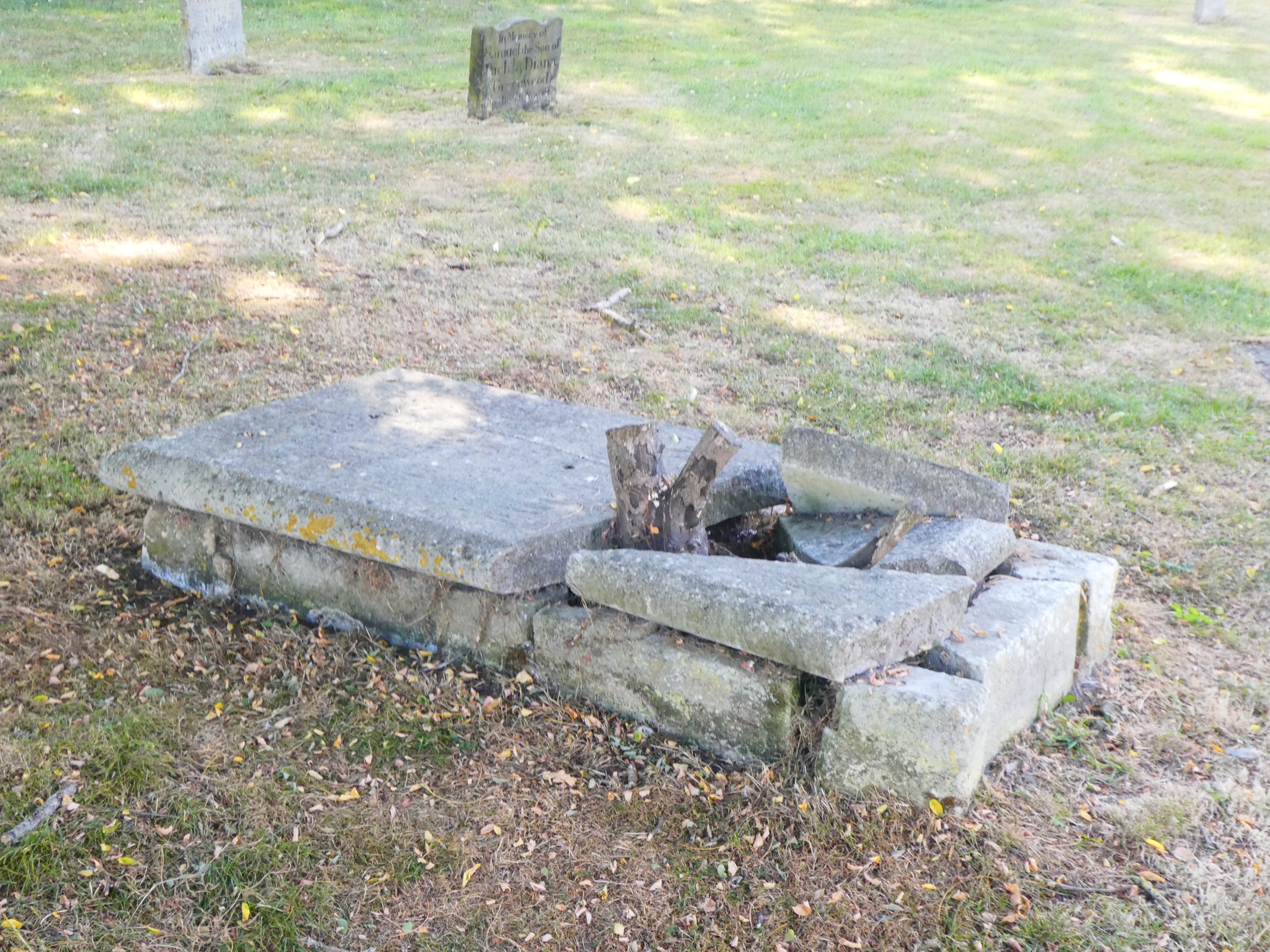
    It’s possible to ascribe a lot of symbolism to this image, the tree which broke through the gravestone and which has then too died a death. I’m not sure what this all means, but it was an interesting sight which probably really says more about a previous lack of maintenance in the cemetery to be honest.

  • Great Yarmouth – Squirrel in Cemetery

    There’s no particular point to this photo, other than I liked this squirrel who kept following me about in Great Yarmouth cemetery. Cute little thing.

  • Great Yarmouth – Row 84

    Row 84 in Great Yarmouth, named after John Ireland who was Mayor of the town in 1716 and practised as an apothecary.

    At the entrance to the row, in the building on the right hand side in the above photo, was the Ship Inn and this is where John Ireland lived. A once impressive pub, although reduced in size in recent years, which is unfortunately now no longer a pub and was turned into offices used by the NHS and is now a commercial premises for a cigar company. It was built in the early seventeenth century as a residential property and was converted into a pub later on during the seventeenth century. Apparently some of the seventeenth cellars are intact and although I doubt I’ll ever see them, I like that this sort of hidden history is still there.