Category: UK

  • Great Yarmouth – Row 46

    This is one of the longest of the rows and is named after Sewell family who had a grocer’s shop here, which explains the alternative name of Grocer’s Row. The Sewells were Quakers and the last owner of the shop was Edward Sewell who died in 1870.

    The old way of identifying row numbers and although this one seems to have been repainted recently, there are some examples on other rows which I’d guess are from the nineteenth century.

    The row is also home to the entrance from the Market Place of the Back to Backs public house, which is the remaining section of the now closed Prince Regent pub.

  • Great Yarmouth – Row 38

    There were a group of people I considered to be slightly frightening, and I don’t claim to be particularly tough, down this row when I visited and so I decided taking a photo on this occasion. These rows aren’t really locations that the majority of visitors to the town would take a photo of, so I didn’t feel an altercation was worth risking.

    Ferrier’s Row, or Row 38, takes its name from an early bailiff of Great Yarmouth, Richard Ferrier, who lived at a property on this passageway.

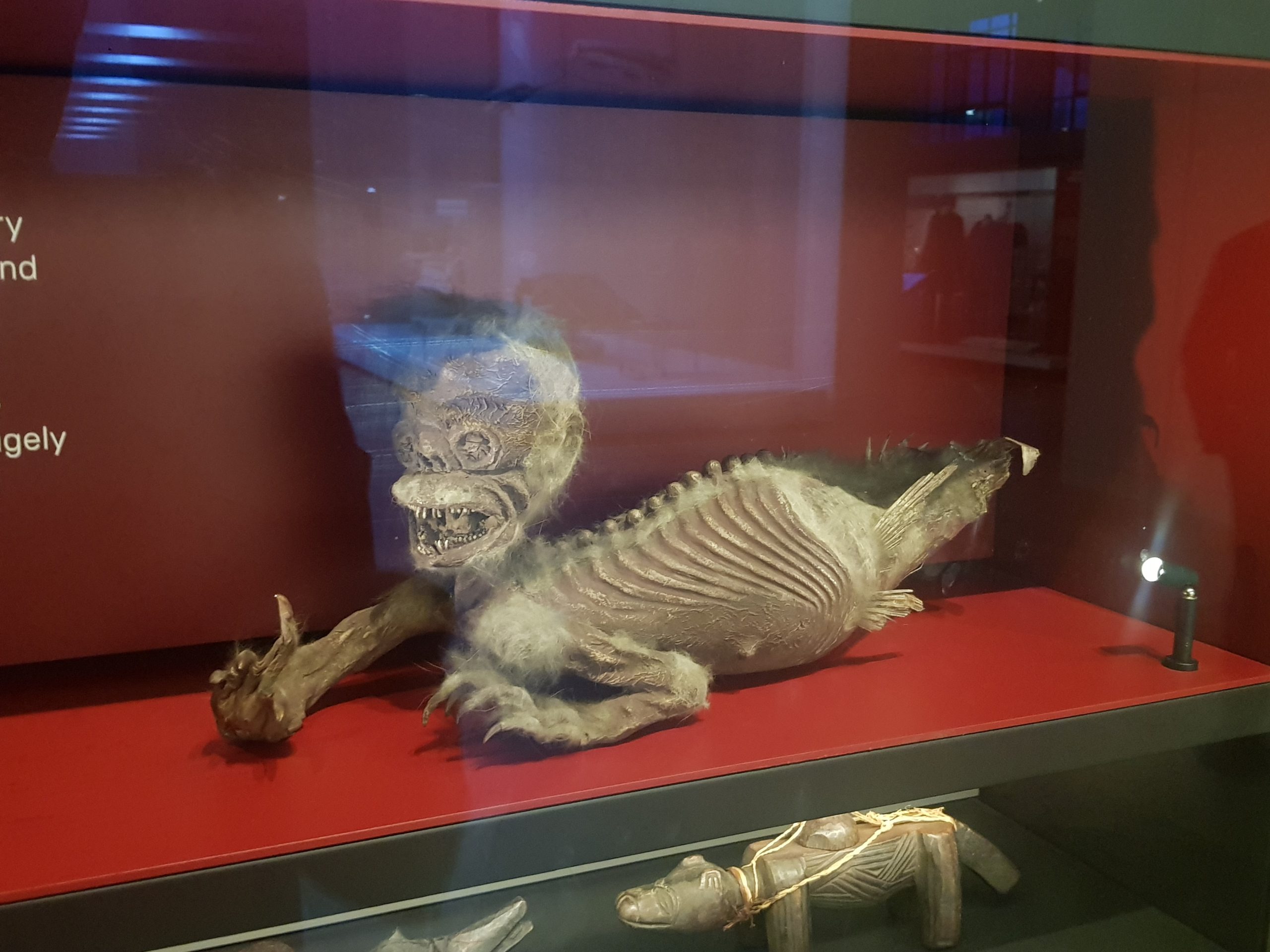
    Helpfully noted by a plaque in the above photo, this site is near to the location of where Boulter’s Museum operated from 1778 until 1802, although this was in a property by Row 35 which has long since gone. This was the first museum in the county and was opened by Daniel Boulter, a local Quaker and it remained open until his death. He had collected items which were initially more curiosities and put them on display, with more items relating to natural history being added later on which included items returned from Captain Cook’s voyages. And he also put the dried hand of a woman on display as well for a bit of variety.

  • Great Yarmouth – Row 44

    Angel Row takes its name from the Angel Hotel which once stood looking out onto the Market Place, which was replaced by a drab and boring building which was occupied by Woolworths and, more recently, Poundland. Unfortunately this demolition took place as recently as 1957, depriving the town of an interesting old inn which had been standing since the mid-seventeenth century.

    Like many of the rows, these are gloomy places and it’s not hard to imagine dark deeds which have taken place in the past. In the case of this row, many bad things have happened, including a murder which took place in February 1898. A jealous and drunk man killed Thirza Bensley, before trying to, unsuccessfully, take his own life. The killer was Samuel Frederick Steel, a railway carman, who used the defence that he suffered from epileptic fits and was insane.

    Bensley’s father attended the inquest into his daughter’s death and the inquest jury decided that Steel was to blame, although this was a separate proceedings to the following court case. Steel in the actual court case was again found guilty, but his pleas of insanity were enough to save him from being hanged, instead he was given life imprisonment.

    In 1903, there was a case in the row of unlawful wounding which took place in the row, perpetrated by John Fleming, a Scottish fisherman, and a witness commented Fleming and a friend had “they said something in their own language”. Justice Lawrance, who I assume considered himself something of a wit, commented “did they say hoot mon?”…… He then sentenced Fleming to 14 days hard labour though.

  • Great Yarmouth – Old Cemetery (Robert Rising)

    This grave in the churchyard of Great Yarmouth Minster is that of Robert Rising who died aged 55 on 5 February 1854. Rising was the son of Captain Tilney Rising of Exmouth, Devonshire.

    Reason’s death certificate.

    Further tragedy struck the family in January 1858 when Robert Rising’s son, Robert Tilney Rising, was killed at the age of just 23 following the sinking of the Catharine Adamson ship near Sydney. The ship ran aground during its voyage from Falmouth to Sydney, with 4 passengers and 17 crew killed.

    Robert Tilney Rising isn’t buried in Great Yarmouth, as the bodies were placed in a mass interment  and given a burial together, along with victims from the Dunbar clipper which had sank just nine weeks earlier. His name is though at the base of his father’s gravestone.

  • Great Yarmouth – Old Cemetery (Tree in Grave)

    It’s possible to ascribe a lot of symbolism to this image, the tree which broke through the gravestone and which has then too died a death. I’m not sure what this all means, but it was an interesting sight which probably really says more about a previous lack of maintenance in the cemetery to be honest.

  • Great Yarmouth – Squirrel in Cemetery

    There’s no particular point to this photo, other than I liked this squirrel who kept following me about in Great Yarmouth cemetery. Cute little thing.

  • Great Yarmouth – Row 84

    Row 84 in Great Yarmouth, named after John Ireland who was Mayor of the town in 1716 and practised as an apothecary.

    At the entrance to the row, in the building on the right hand side in the above photo, was the Ship Inn and this is where John Ireland lived. A once impressive pub, although reduced in size in recent years, which is unfortunately now no longer a pub and was turned into offices used by the NHS and is now a commercial premises for a cigar company. It was built in the early seventeenth century as a residential property and was converted into a pub later on during the seventeenth century. Apparently some of the seventeenth cellars are intact and although I doubt I’ll ever see them, I like that this sort of hidden history is still there.

  • Great Yarmouth – Row 91

    Of all of the rows, this isn’t perhaps the most interesting as there hasn’t been residential occupation along here in recent centuries.

    Another salubrious row, although there’s a nice lamppost. Robert Cubitt operated his whitesmith’s premises from here in the 1840s, but I don’t know where the Harrison reference comes from.

  • Great Yarmouth – Row 86

    There’s going to be a few posts about the Rows of Great Yarmouth (row as in a row of cottages, not as in an argument leading to a violent fight) since I’m leading a heritage walk there this weekend. I like the effort that the town has put in to placing signs up with the name of each row, with the old painted numbering system also still visible.

    Very delightful I’m sure everyone would agree. Anyway, this is Fisher’s Row, number 86, which has also been named Fielding’s Row after the surgeon Benjamin Fielding who lived here. The current name is from John Fisher, an eighteenth century merchant from the town and I think it’s the same person who was Mayor of Great Yarmouth in 1767.

  • Great Yarmouth – Sand Sculpture

    The sand sculpture at Great Yarmouth railway station of the new Stadler trains which are being introduced onto the company’s network of routes. It was created by Richard Spence and Jamie Wardley and I’m partly surprised no local ‘wit’ has fiddled with the sand sculpture.

    The leaping hare, which is the new brand image of Greater Anglia. I thought the whole thing was a nice little innovation, something a little different in the railway station. Hopefully the innovation next year will be a nice Greggs opening up.