Category: Bucharest

  • Bucharest – The Urbanist

    Bucharest – The Urbanist

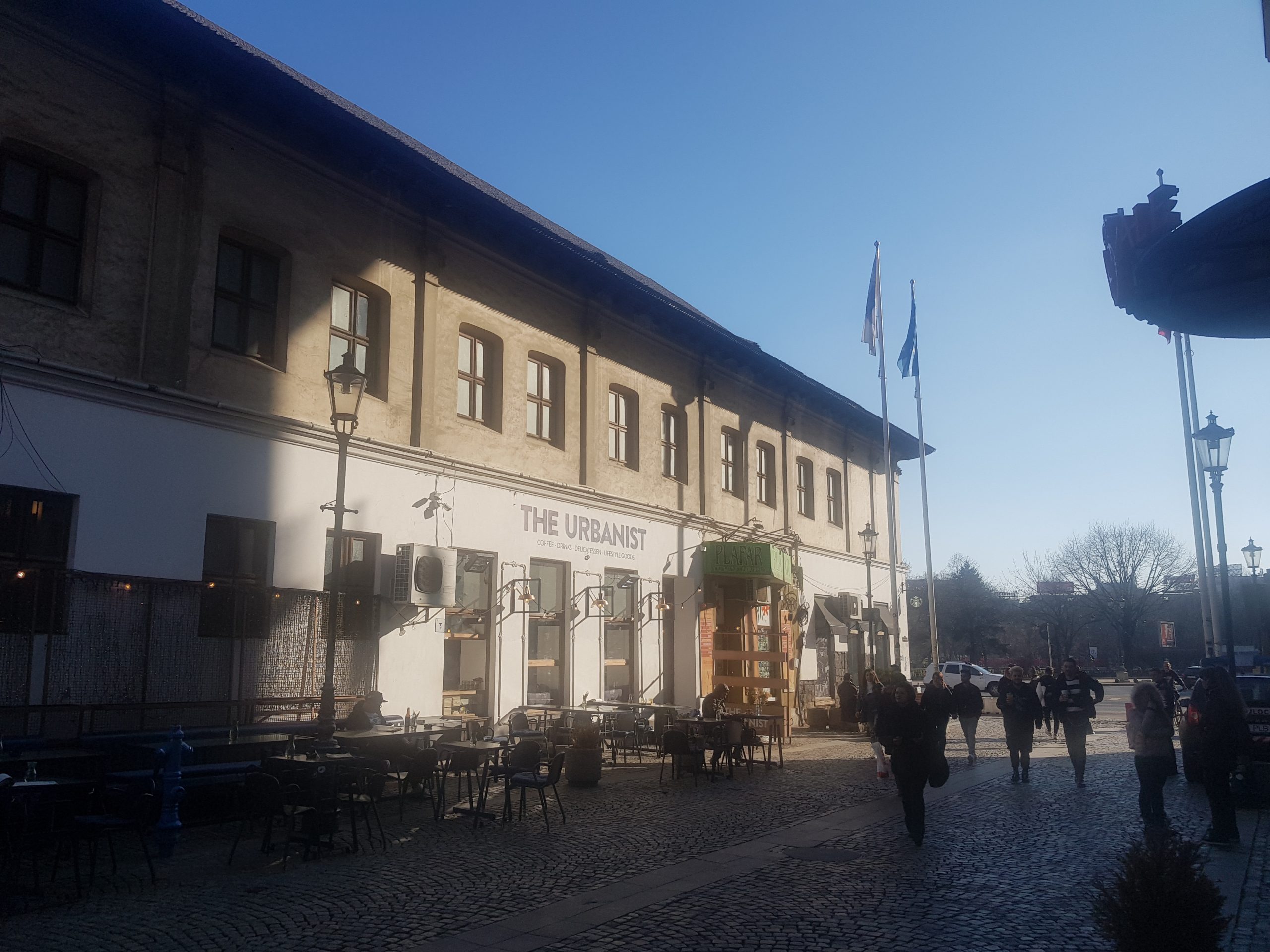
    This is the sort of location that isn’t necessarily designed for me, although also slightly is. It’s an on-trend clothing shop along with a bar and coffee shop, although I’m not sure which one generates the most profit. I suspect the bar, but it’s an interesting and quirky destination. The element that is designed for me is that they sell craft beer, so on that basis alone, I thought I’d have a little visit.

    Unfortunately, they didn’t have the Black IPA from Perfektum that I wanted, but the helpful staff member suggested the Zaganu Bruna instead. Indeed, that’s the only dark beer that they had, but I like Zaganu as I visited their bar a couple of days ago.

    I’m not sure jars are the ideal drinking vessel, but it adds to the theatre and so I didn’t disapprove. The beer was excellent, a taste of caramel and a pleasant aftertaste. Reassuringly competent…. The beer was about £3, perhaps a little expensive for Romania, but this was a city centre location which is clearly the place to be seen for many, so not an unreasonable cost.

    The clothing element of the store, all neatly presented. I liked this place, relaxing and comfortable, with a large outside terrace as well which would be handy in the summer months for people watching. I think it has more of a vibrancy in the evenings, but the daytime ambience was certainly sufficiently welcoming for me. It reminded me a little of when I visited Toms Shoes in Athens….
  • Bucharest – Grave of Nicolae Ceaușescu

    Bucharest – Grave of Nicolae Ceaușescu

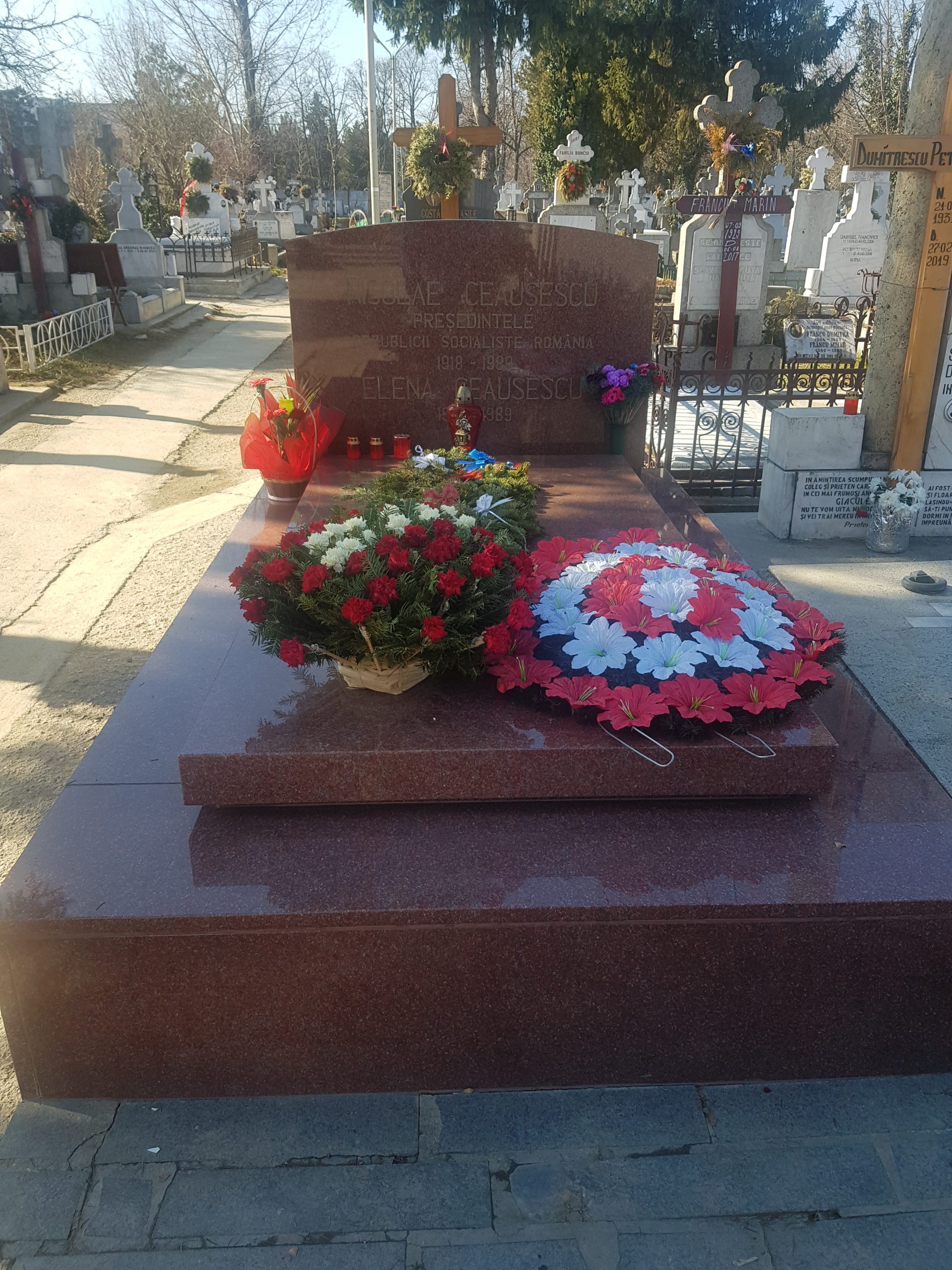
    It’s a bit of a walk from the city centre to go to Ghencea Cemetery, which is absolutely not where Nicolae Ceaușescu would have expected to be buried. After he was executed on 25 December 1989, his body, along with his wife Elena, was buried here and they were given different plots around 10 metres apart. It was deliberately a pauper’s burial, they weren’t going to get the state burial that they had anticipated.

    I struggled for a short while to find the grave, as I was using an older description of where they were located and it transpired that in 2010 the two former political leaders were exhumed to check that it was actually their bodies buried in the graves. Apparently the security guards at the entrance to the cemetery will walk you to the grave if you ask, but I wasn’t entirely comfortable asking someone where their former dictator was buried. Anyway, for anyone who wants to visit, it’s easy to find now, go to the central chapel, turn left and it’s there.

    The new joint grave is a much grander affair than the others, although for anyone walking in the cemetery, it doesn’t particularly stand out and there are many more substantial tombs nearby. Some people come and visit this grave to honour Ceaușescu, but I think it’s fair to say that I didn’t do much honouring. Incidentally, after the bodies were exhumed, it was confirmed that it was the couple, with Nicolae still in the thick black coat that he was shot in.

  • Bucharest – National Village Museum (19th Century House from Piatra Soimului)

    Bucharest – National Village Museum (19th Century House from Piatra Soimului)

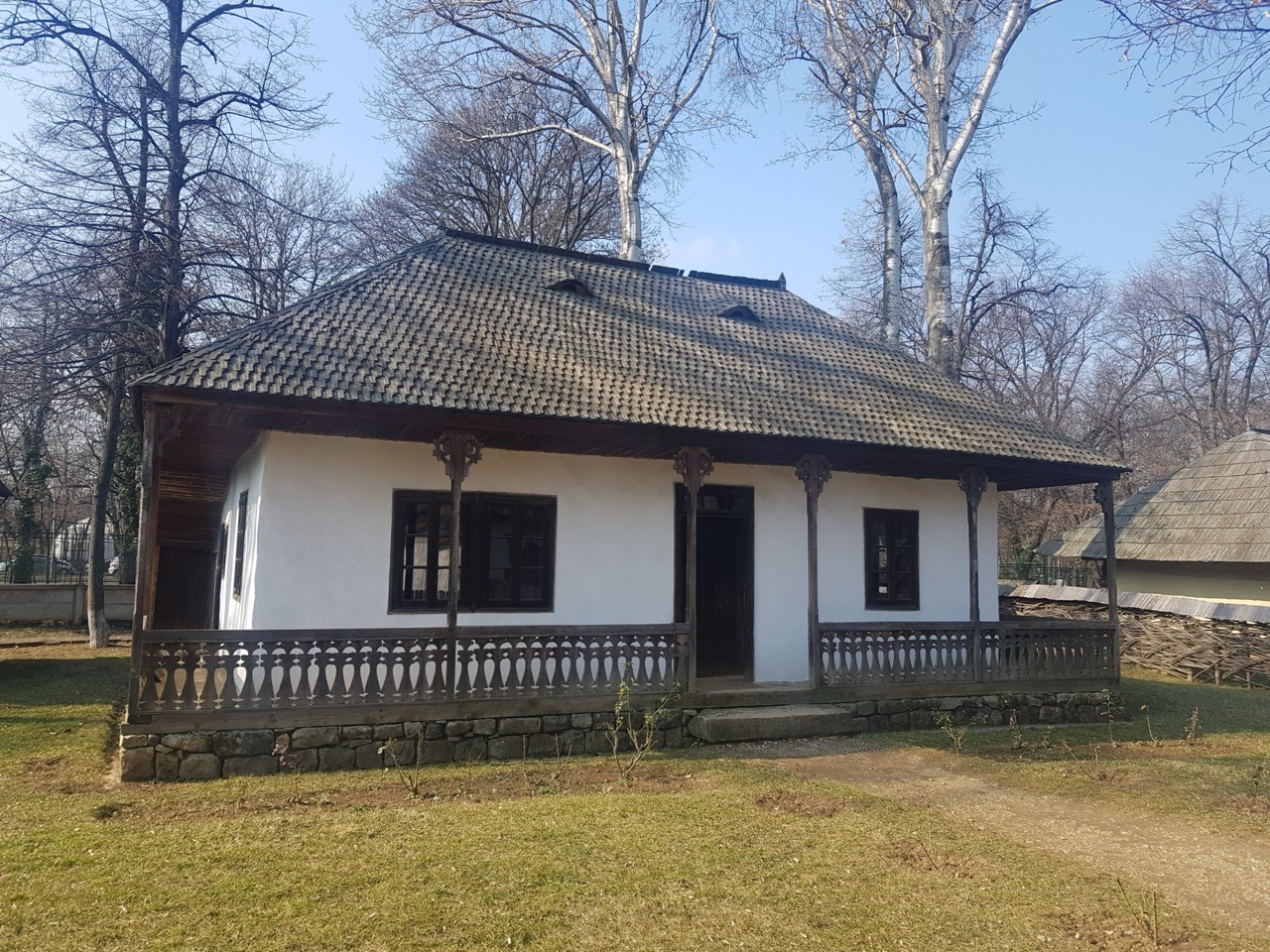
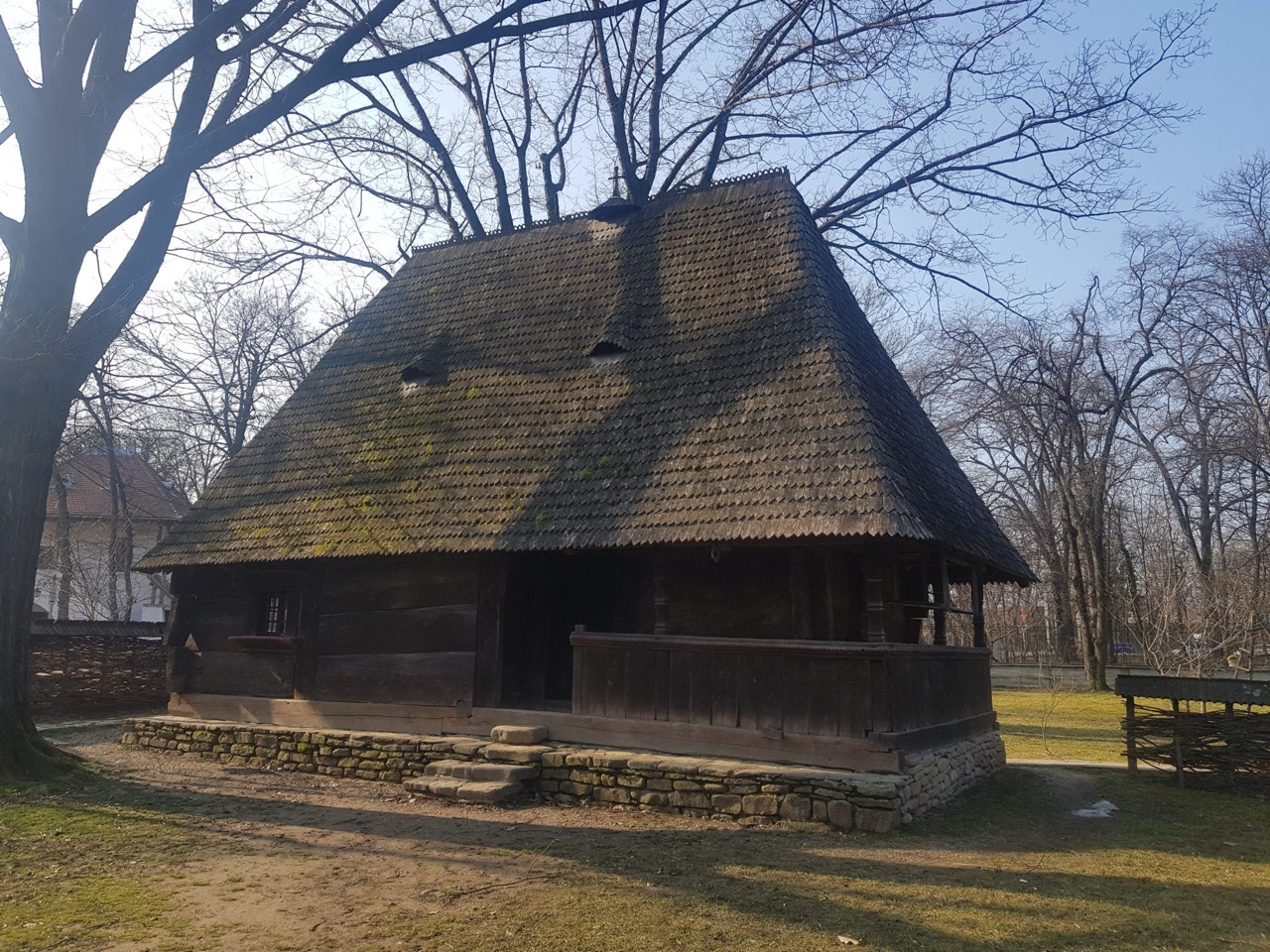
    This house was constructed in the late nineteenth century in Piatra Şoimului, a town in the northern part of Romania. It couldn’t have been there that long as it was moved to this museum in 1936. Quite a large property, there’s a guest room to the left of the main entrance hall, a pantry behind it and the main room to the right. The little bumps on the roof are to let smoke out of the attic.

  • Bucharest – National Village Museum (Hovel)

    Bucharest – National Village Museum (Hovel)

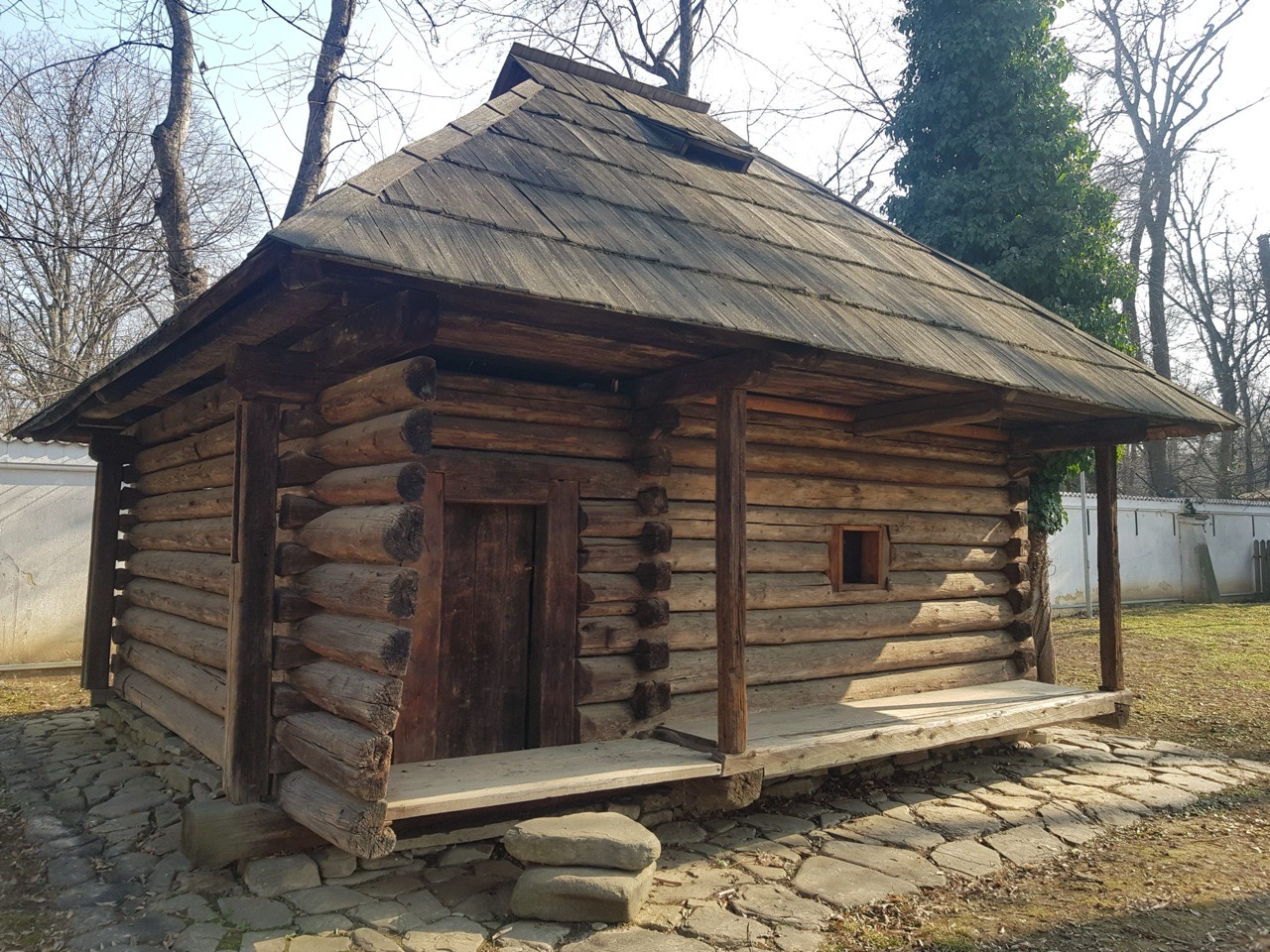
    I like the word hovel and I should use it more, but in this case that’s what the museum have called this eighteenth century building from northern Romania. It was used as a temporary home by a farmer tending his sheep and looking after his land.

    It has two rooms inside, a small entrance hall on the left and everything else in the room on the right. The entrance hall has planks of wood on the floor, the everything else room has a gravel and compacted earth floor. Very luxurious.

  • Bucharest – National Village Museum (Yellow Inn)

    Bucharest – National Village Museum (Yellow Inn)

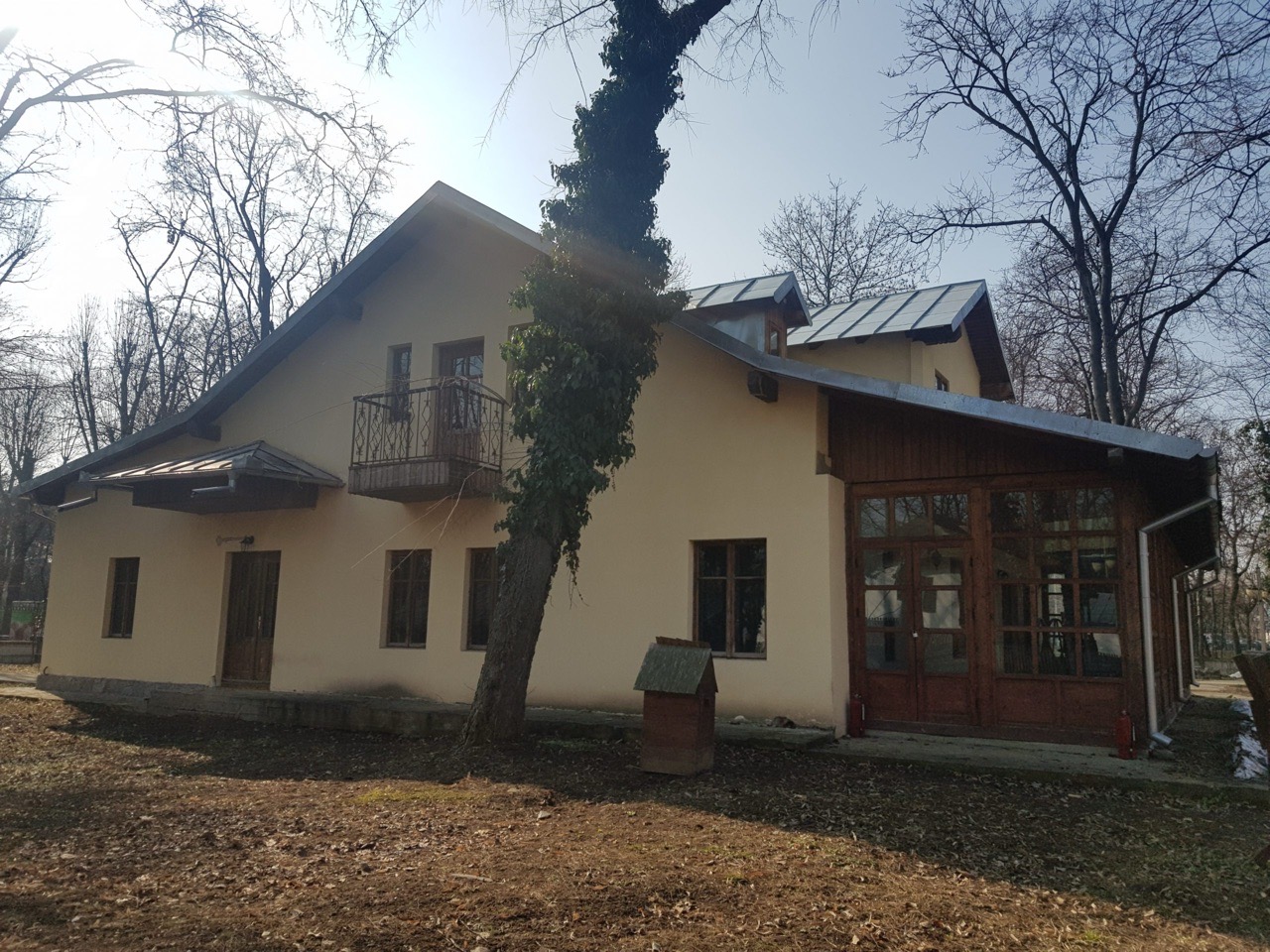
    This is the kind of heritage that too often gets lost, a nineteenth century inn from a northern suburb of Bucharest. Known as the Yellow Inn as it was yellow, there was no obscurity to that naming decision.

    The rear of the building, which, to be honest isn’t the most visually interesting at the museum. The interior was recreated using archives, although the building transformation doesn’t yet look quite complete. Internally, there are thirteen rooms, three halls, a veranda and a kitchen.

    The bread oven, which is more modern, from the mid-twentieth century.

  • Bucharest – National Village Museum (Turea Church)

    Bucharest – National Village Museum (Turea Church)

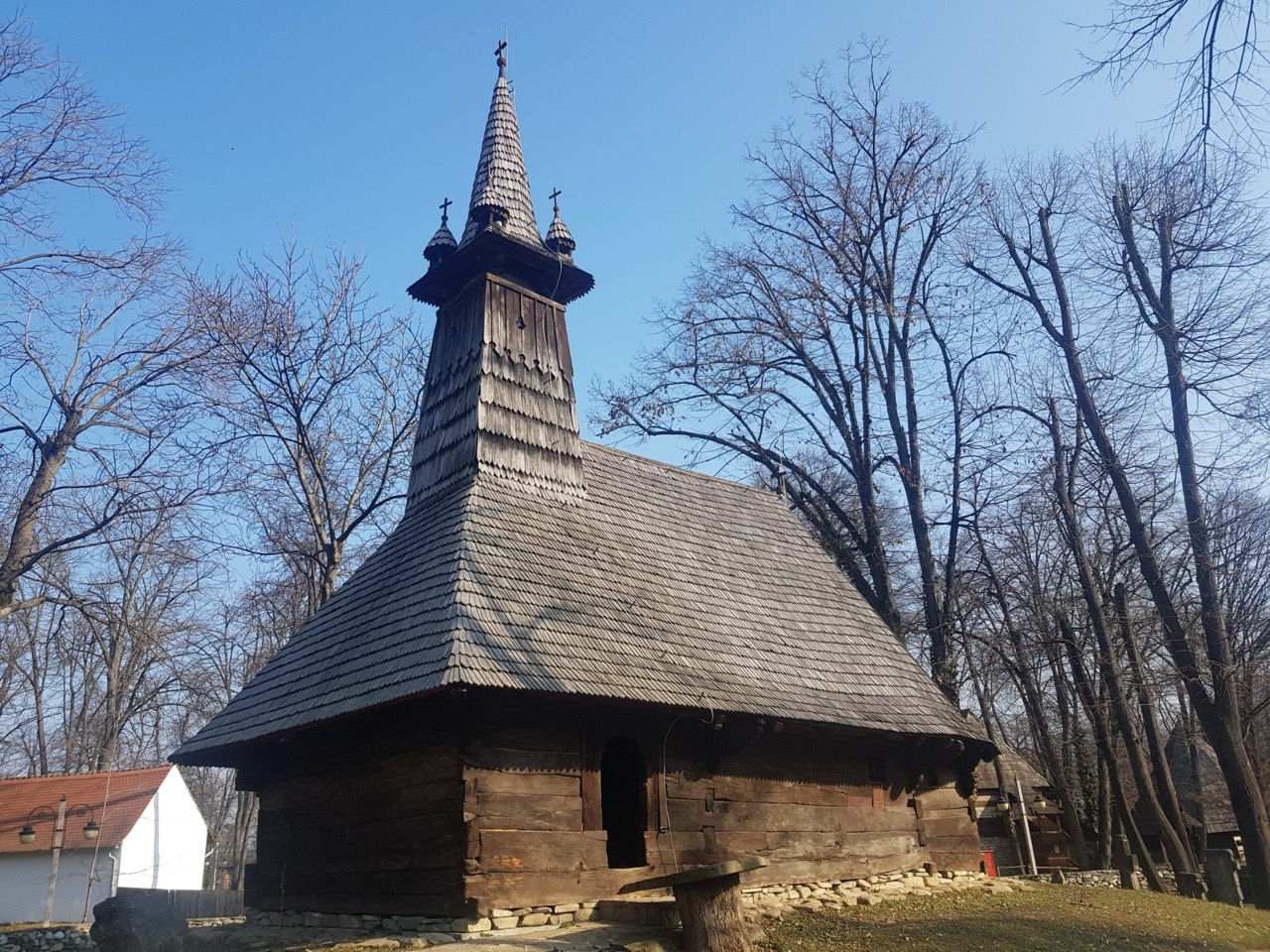
    This rather beautiful church is from Turea, in northern Romania, and dates from the middle of the eighteenth century.

    The interior of the church, which currently doesn’t look entirely, well, churchey… This is the nave, the altar is in the section at the rear.

    Gravestones in the small churchyard.

  • Bucharest – National Village Museum (1780 House from Moiseni)

    Bucharest – National Village Museum (1780 House from Moiseni)

    This is a little complex of farm buildings moved to the National Village Museum from Moişeni in the north of Romania. It’s a chunky construction, the walls of the main building are comprised of just two or three planks.

    The also quite chunky turning gate.

    The inside isn’t open, but there’s a photo provided at least.

    The stable.

    The pantry on the left, with modern fire fighting equipment, and the pigsty on the right.

    The wooden cross made from oak, apparently known as a ruga, meaning prayer. It was designed to offer protection for the household.

  • Bucharest – Charles de Gaulle Statue

    Bucharest – Charles de Gaulle Statue

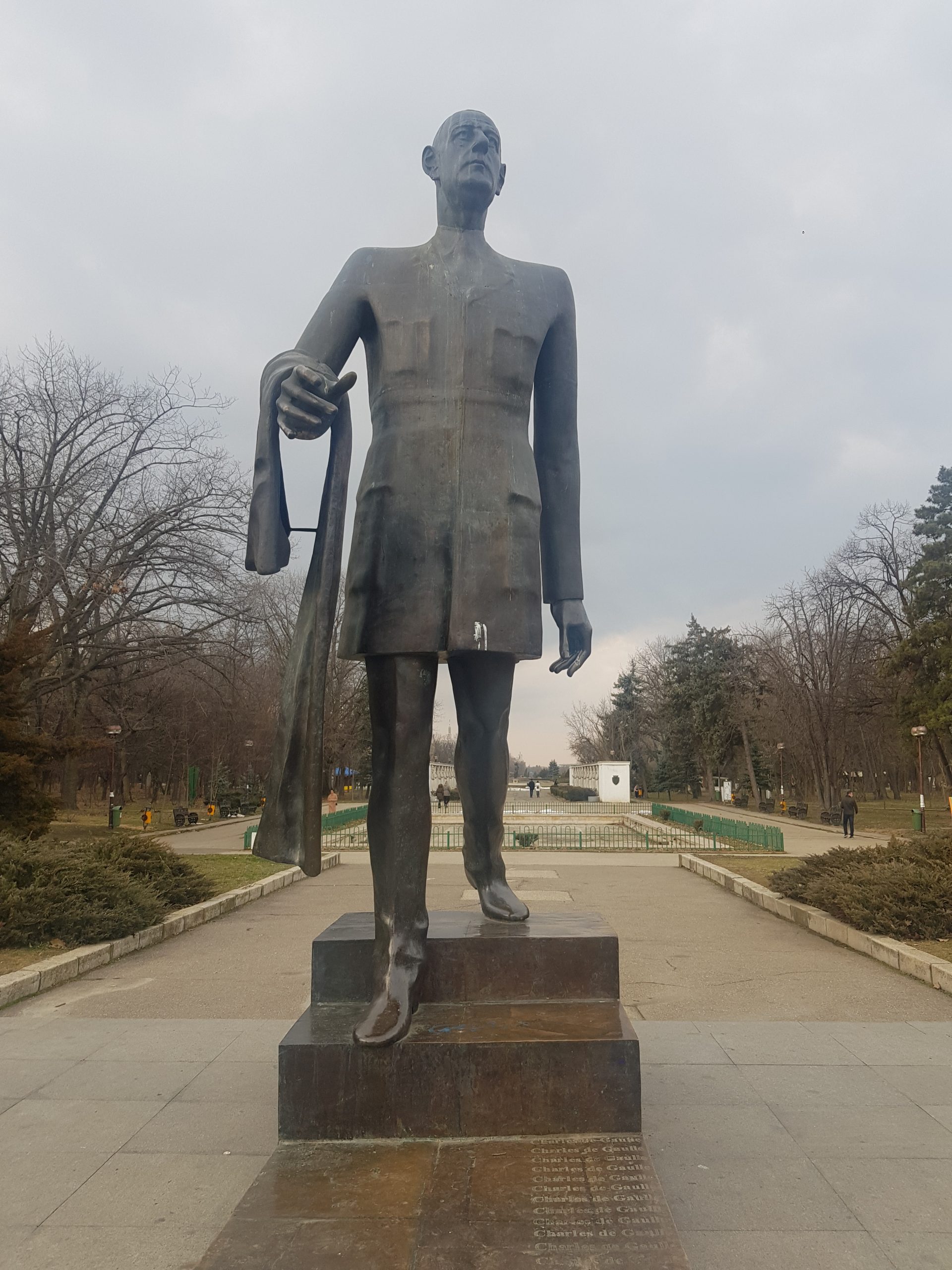
    As with many things in the world, this puzzles me. The statue is located in Charles de Gaulle Square, a name that it was given in the late 1990s, having previously been known as Aviators’ Square (the Metro station still has that name) and before that, General Stalin Square and Hitler Square. The statue was installed in late September 2006 and was designed by Mircea Spătaru, standing 4.6 metres tall (the statue, not the designer).

    I understand that the statue was placed here because of the name of the square, but I’m puzzled why they chose Charles de Gaulle in particular when they were renaming the square. The text on the statue itself doesn’t really help me here.

    The statue feels just a bit basic looking to me, but it’s probably modernist and I rarely understand such things. Anyway, it’s quite a spectacle and something a little different.

  • Bucharest – Metro (Piața Romană)

    Bucharest – Metro (Piața Romană)

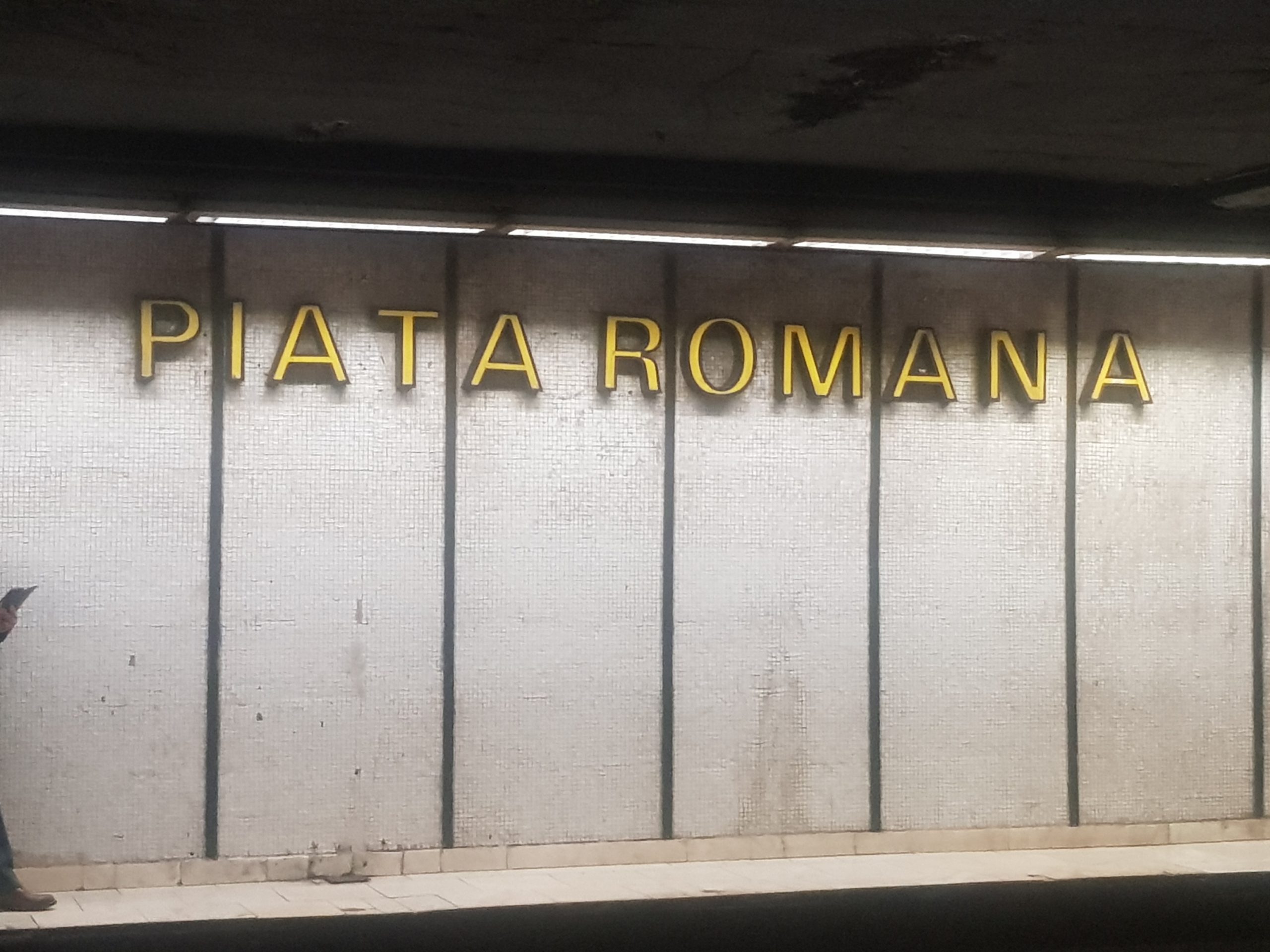
    This is one of Bucharest’s metro stations, located on line M2, and I’ll write more about the city’s network at some point.

    The station didn’t make sense to me though, as the platform is ridiculously narrow. Passengers are stuck waiting in gaps located along it, with this design appearing illogical given that the network is relatively new. It has transpired that this line opened between January 1986 and October 1987, which this stretch of the line opening on 25 October 1987. What makes sense to me now is that this station was a last-minute addition to the network, so there wasn’t space to add a proper platform, with this station not opening until 28 November 1988.

    I couldn’t help but think that the station also needs some modernisation, the platform was a bit worn in places and there was water leaking through the structure and there were large puddles on sections of the track. I’m glad that I was using this station at a quiet time, it can’t be ideal during busy periods.

  • Bucharest – Arcul de Triumf

    Bucharest – Arcul de Triumf

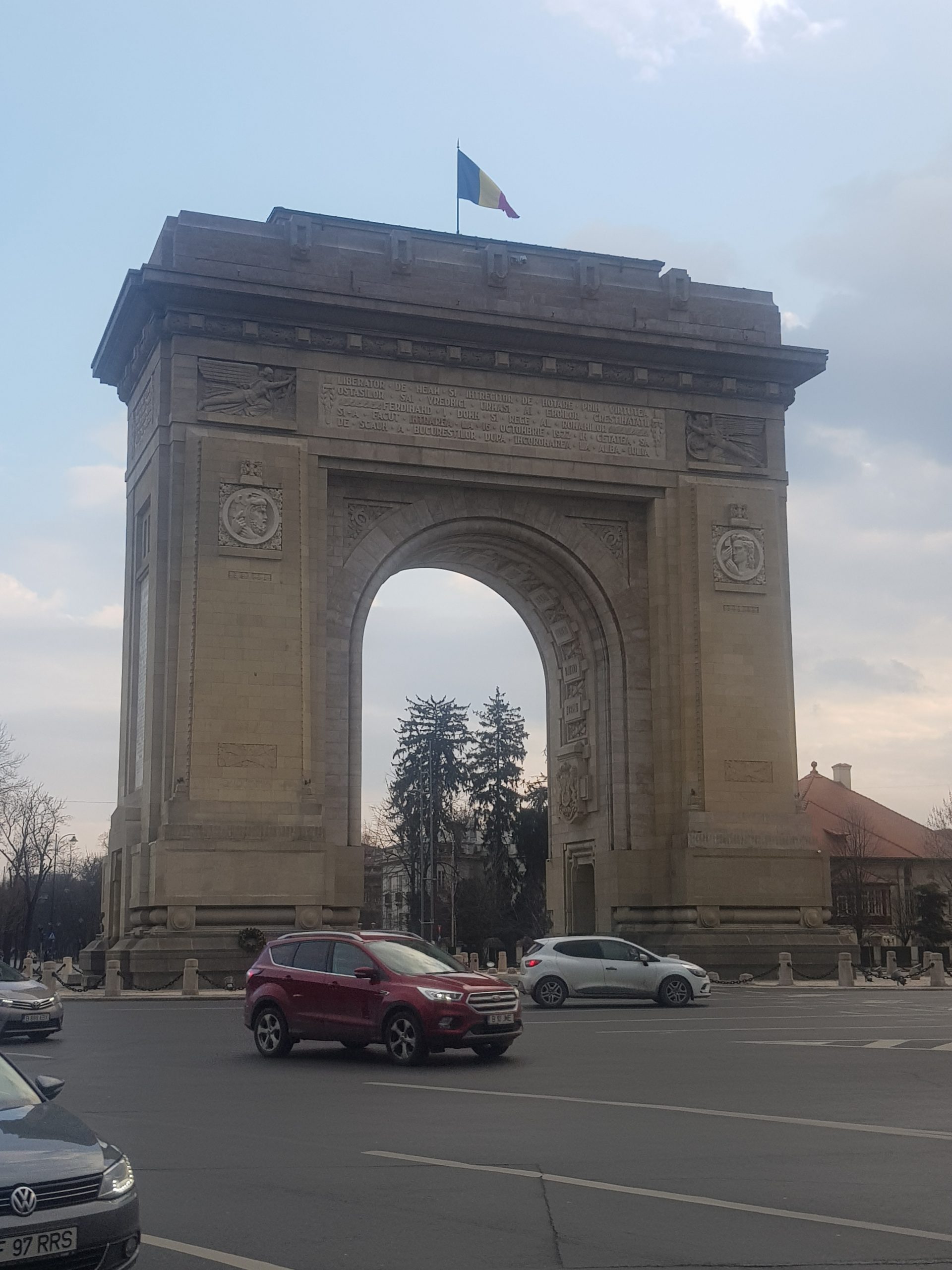
    The first Arcul de Triumf, or Arch of Triumph, was built here very quickly in 1878 in order for troops to march under it, to celebrate the newly formed country of Romania. The first arch was made from wood and its origins are from the Roman period, when these arches were built so that a military general could be acknowledged for a major victory.

    Another arch, this time made out of a more durable material, was constructed in 1922 although this was again a little rushed and under-financed and the exterior soon degraded. So, in 1936 a new structure was constructed and it was designed by Petre Antonescu, who also supervised the 1922 construction. This is the arch that is present today, although traffic fumes and general pollution have meant that it has had to be restored on numerous occasions.

    There is a small museum inside the arch, but it seems to rarely be open, just on special events. The current arch is made out of granite and stands 11 metres in height and is 9.5 metres wide. It’s not the most accessible either, being stuck in the middle of a traffic island. It’s still an impressive structure though and can be seen from some distance.