Category: Poland

  • Torun – Grande Pizza and Pasta

    Torun – Grande Pizza and Pasta

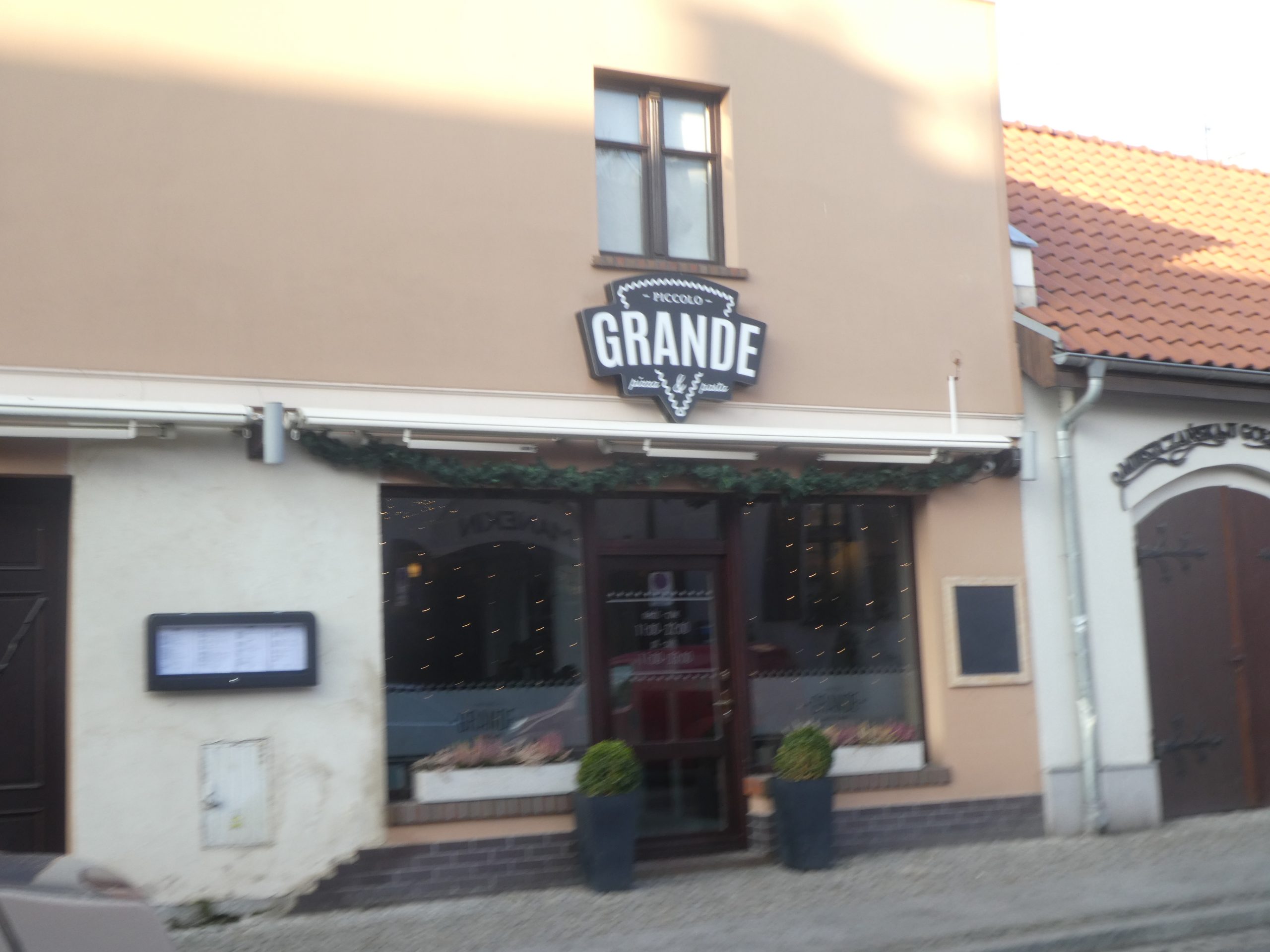
    As I’ve posted before, pizza seems to have become almost the national dish of Poland, the number of Italian restaurants is higher than perhaps any other type of international cuisine.

    I was a little unsure of the ordering process, but as this was quite restauranty, I guessed that it would be table service. On the grounds that a friendly staff member came over after a few minutes, hopefully that was correct. I had already decided what I wanted from the Polish menu, although the staff member did mention that there were English versions available. The design of the restaurant is quite modern and contemporary, although it remained quiet during my visit and there were never more than a handful of customers.

    There were a few beers, but nothing sufficiently dark and crafty, so I went for the reliable favourite of Pepsi….

    The pizza, which was perhaps a little too doughy, but otherwise fine, although I’d preferred it just a little thinner. The topping of chorizo was excellent, with a real depth of taste and flavour. I hadn’t realised what lamb’s lettuce was, other than some type of greenery, and they didn’t skimp on serving that. It tasted of green, although it added some texture to the pizza.

    The cheesecake, the exact variety of which I never knew as the staff member read the dessert options out to me. Well presented and it tasted fine, although unexceptional. The prices were relatively inexpensive and the environment was clean, comfortable and organised. There was nothing really notable about this restaurant, but the food and drink were perfectly acceptable and the staff members were helpful.
  • Wloclawek – Street Art

    Wloclawek – Street Art

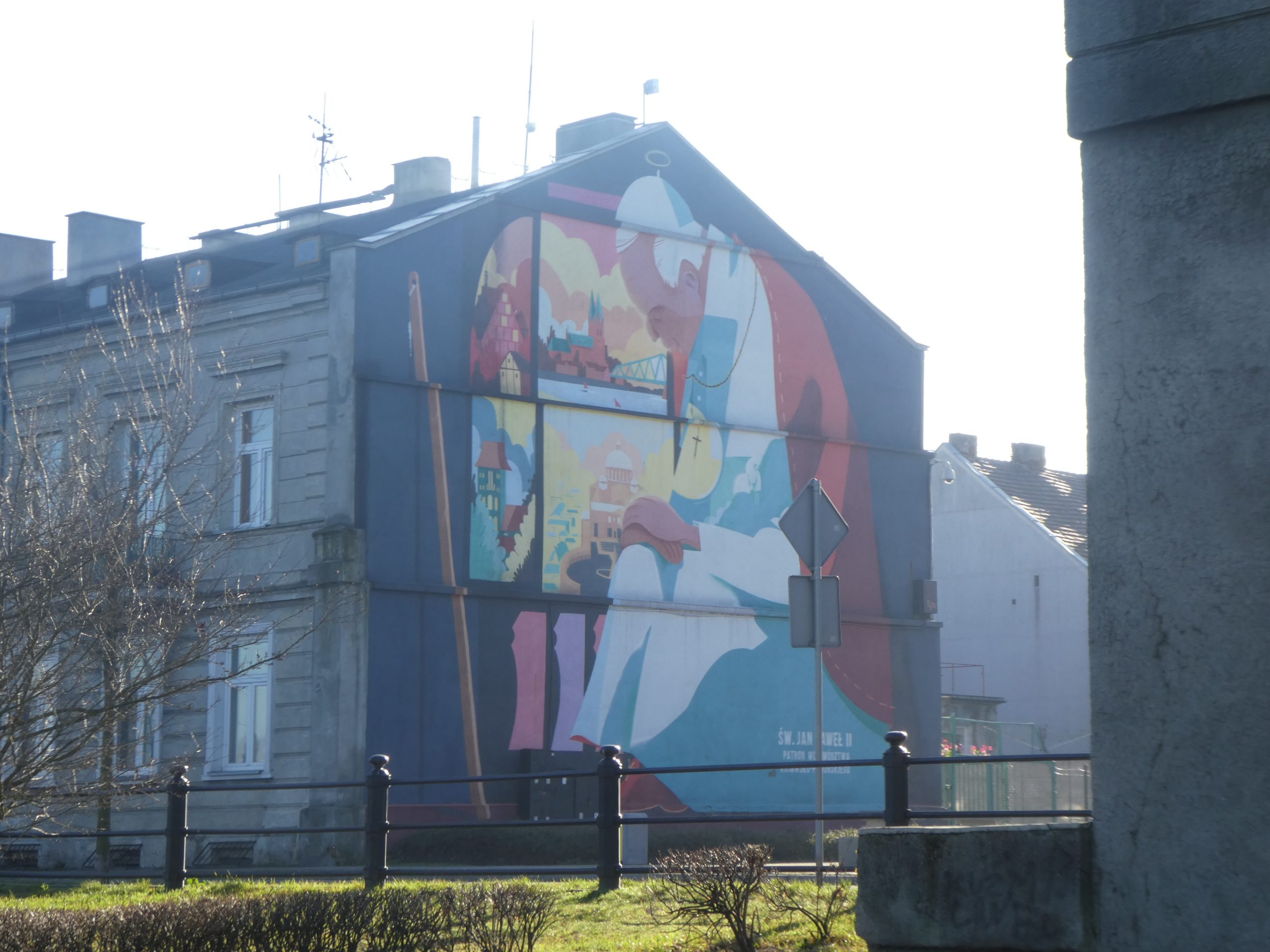
    Some of the street art (or whatever it’s called) in Wloclawek, which added a little something to the vibrancy of the city. The above mural is of Pope John Paul II.

    Lots of details on this one, which was the winner of a competition.

    These were three other entries for the same wall, with that one on the left being outstanding. Personally, I think it’s a shame that this wasn’t used, I love cities which are proud of their heritage.

    Not the greatest photo, but it was taken from the train that I was in….

  • Wloclawek – McDonald’s Bounty Shake

    Wloclawek – McDonald’s Bounty Shake

    As part of my forcing myself to visit McDonald’s so I can tell Dylan and Leon all about global cuisine in their favourite restaurant, I popped into their operation in Wloclawek.

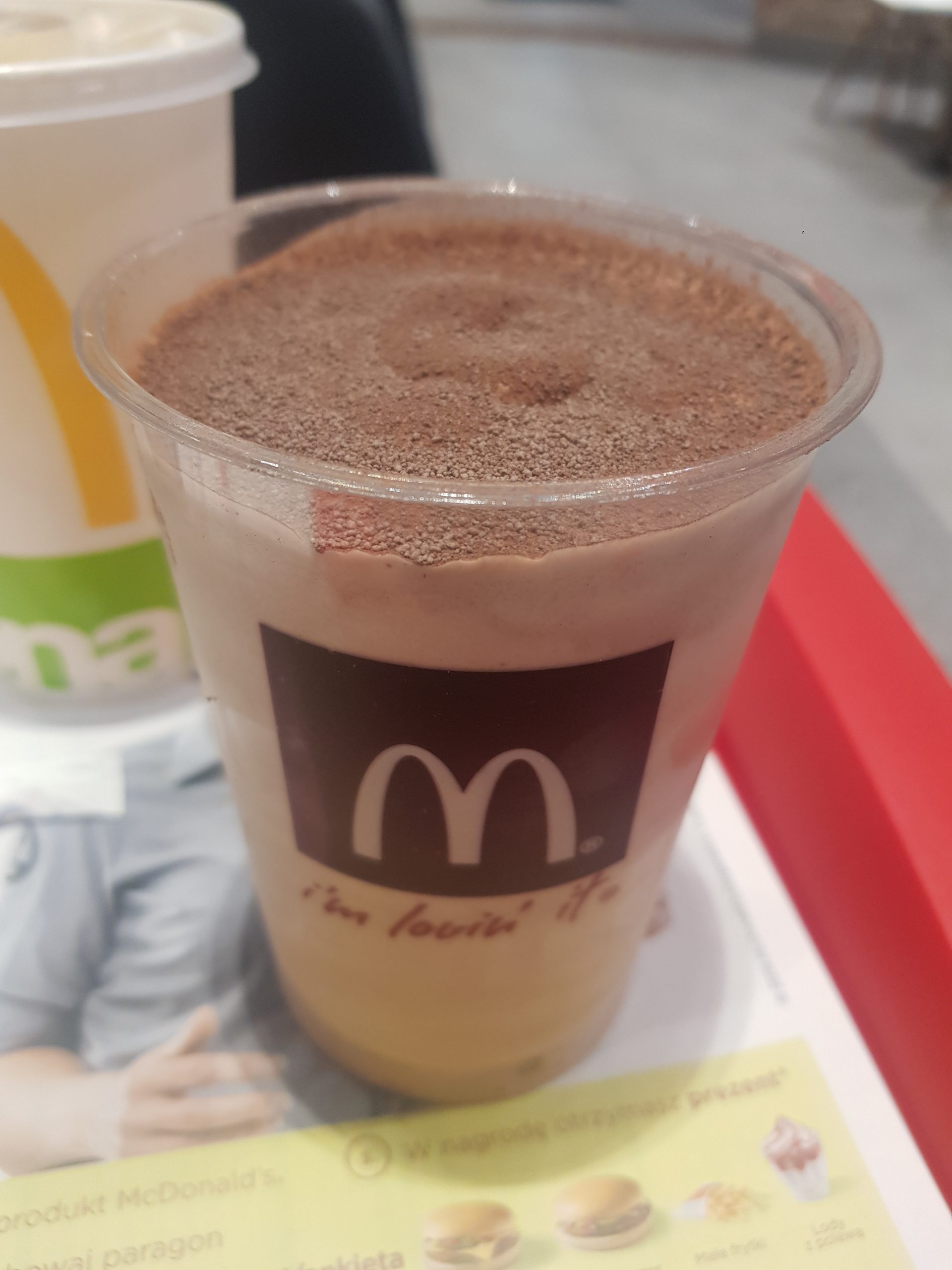
    And, this is the Bounty Shake, which they probably sell in the UK, but I don’t tend to bother going into McDonald’s back at home. It is rather glorious, although also quite thick, with a cocoa milk topping. I’d have liked sliced bits of Bounty to be lobbed into the drink, but it was still perfectly acceptable. It was also quite expensive in terms of Polish prices, just over £1.30 for a large version.

  • Torun – Dovecote Tower

    Torun – Dovecote Tower

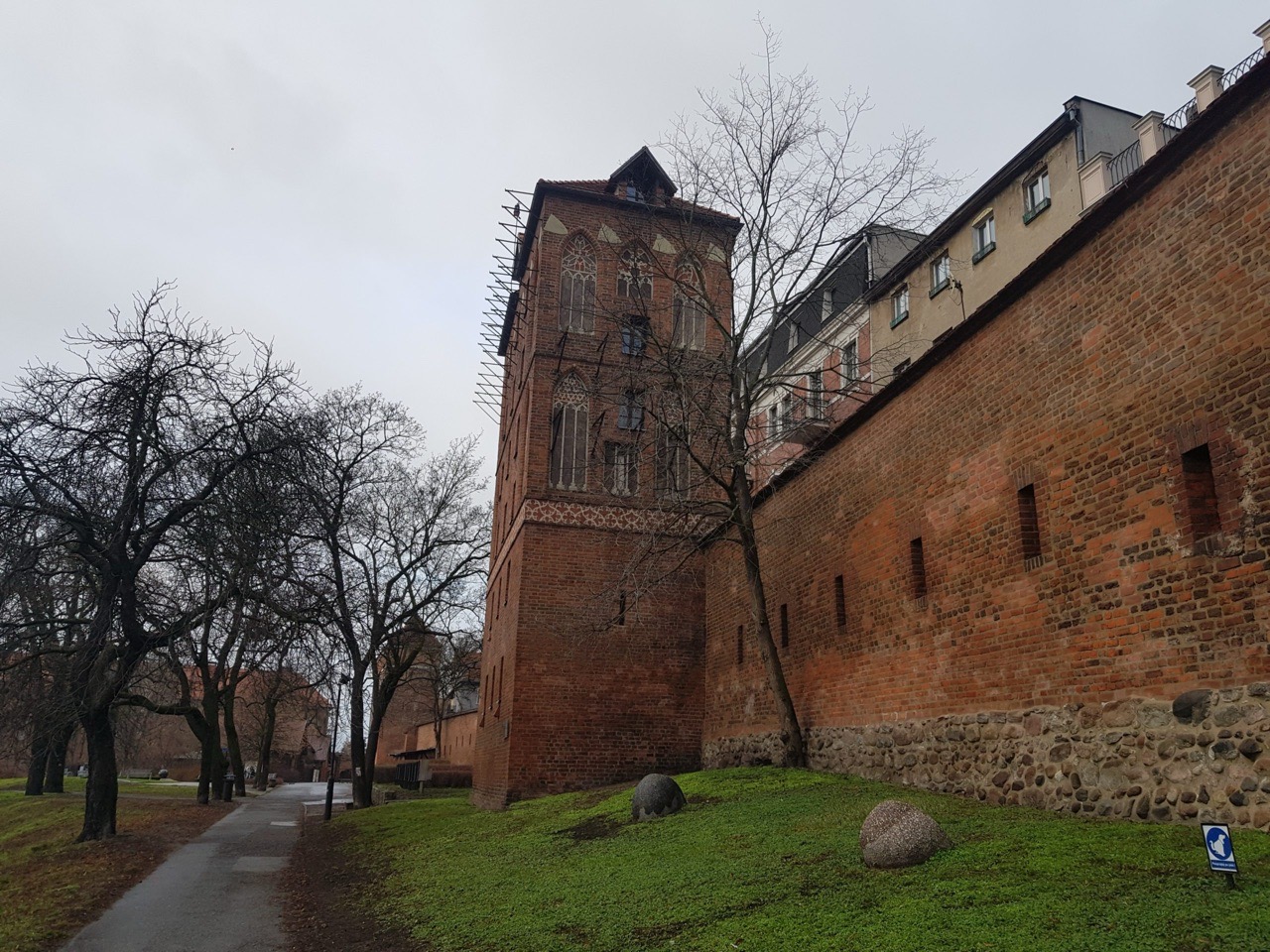
    I liked the back story to this tower (Baszta Gołębnik w Toruniu in Polish), which was built as part of the city’s defensive fortifications during the early part of the fourteenth century. In the nineteenth century it was converted into use as a Prussian base for carrier pigeons, who transported messages across the region, as well as for residential use by humans. It was formerly called the Citizens’ Tower, only taking its current name after the pigeon arrangement was set up.

    Anyway, carrier pigeons were used long ago to transport messages, but it was the Pigeon Post established in France in 1870 which brought the idea back into use. The Prussians started to use them extensively and they also started to train hawks to kill their rival’s pigeons. The French and Germans used their pigeons in the First World War, although the British had mostly abandoned their use by then. However, during the Second World War, the British used over 250,000 pigeons in the war effort….

  • Torun – Torun Miasto Railway Station

    Torun – Torun Miasto Railway Station

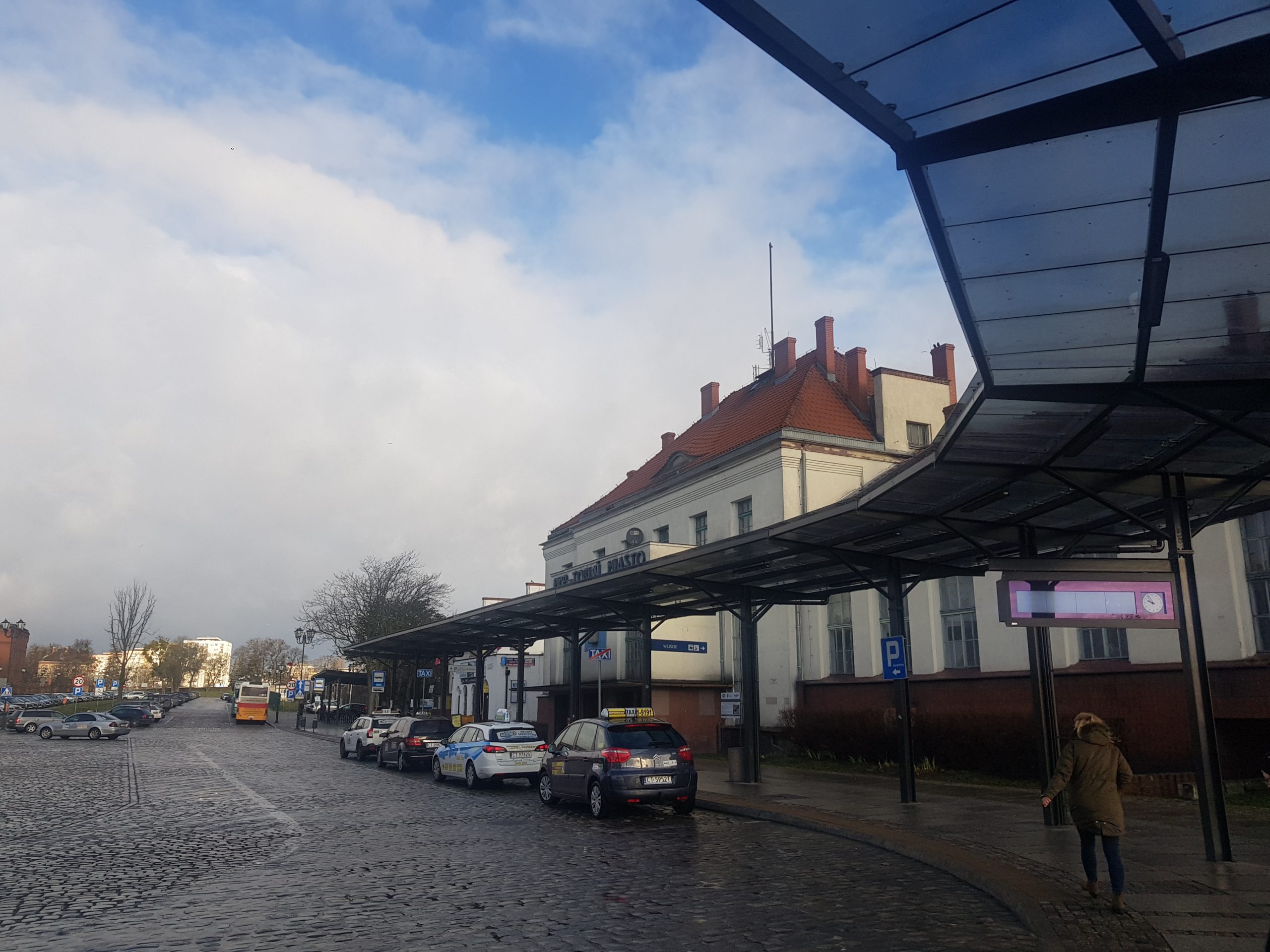
    This isn’t the city’s main railway station as that’s the other side of the Vistula River, but it’s the most central to the Old Town. The railway station was first constructed in 1873, with the current building dating to 1889.

    The clock at the front of the building.

    It feels dated and unloved, with everything inside being closed up. There was though a vending machine and a coffee machine, the only hints towards modernity. Well, other than the trains.

    A slightly lazy pigeon who didn’t move from that spot for some time.

    There is a modernisation programme which is shortly about to start on this railway station. It’s a shame that it’s in this slightly dilapidated state, but some modernisation will soon improve that. It’s used by over 1,000 passengers per day as it is, so a nicer station might get used by even more given its central location.

  • Flixbus – Torun to Warsaw

    Flixbus – Torun to Warsaw

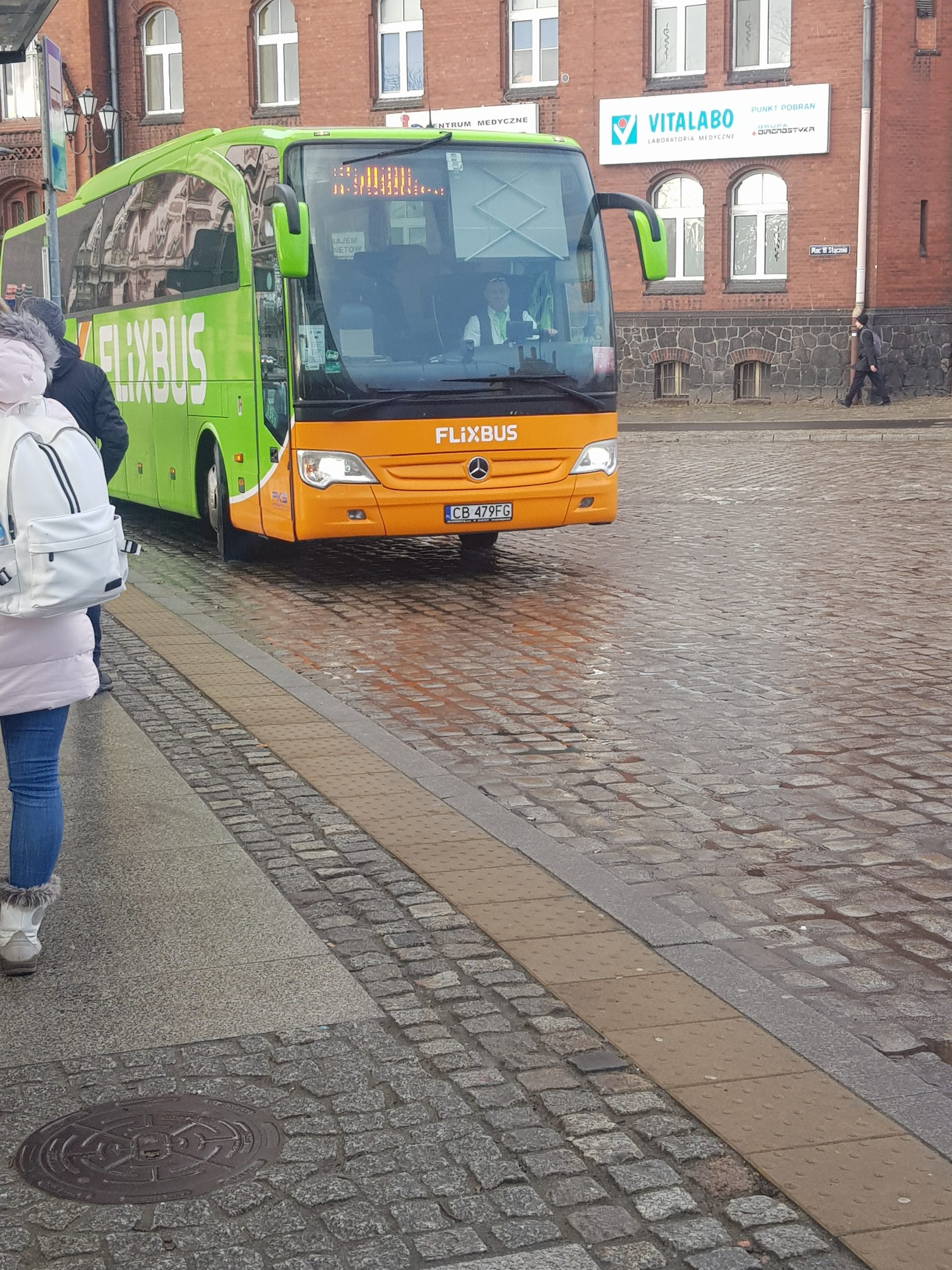
    After a week in Torun, it was time today to return back to Warsaw West coach station. I’ve been pleased with how easy Flixbus have been making my coach trips recently, after years of being more than a little inadequate in that regard. So, I wasn’t surprised today to see the coach turn up on time in Torun, at the location that I expected it. I’d even go as far as to say that I’m starting to trust Flixbus.

    The Flixbus tracking was working well, so I could see where the coach was.

    I can guess how busy a coach will be by trying to buy tickets for the service that I’m about to get on. If there are no tickets left, then the journey will be packed. If, as with the above example, there are 34 tickets left to buy, then it’s likely to be nice and quiet.

    One of the oldest buses I’ve seen Flixbus use, but it was clean and comfortable. I couldn’t use the power supply as the design doesn’t fit the size of my adapter, but I won’t hold that against them. The wi-fi was working, but was just a little sluggish, so I used by own data. However, I’m sure that the wi-fi would have been a usable speed for light users.

    And here we are safely into Warsaw coach station. The service was a few minutes late, but nothing of any note. The price was also cost-effective, it cost around £5 for the trip.

  • Torun – Ibis Budget

    Torun – Ibis Budget

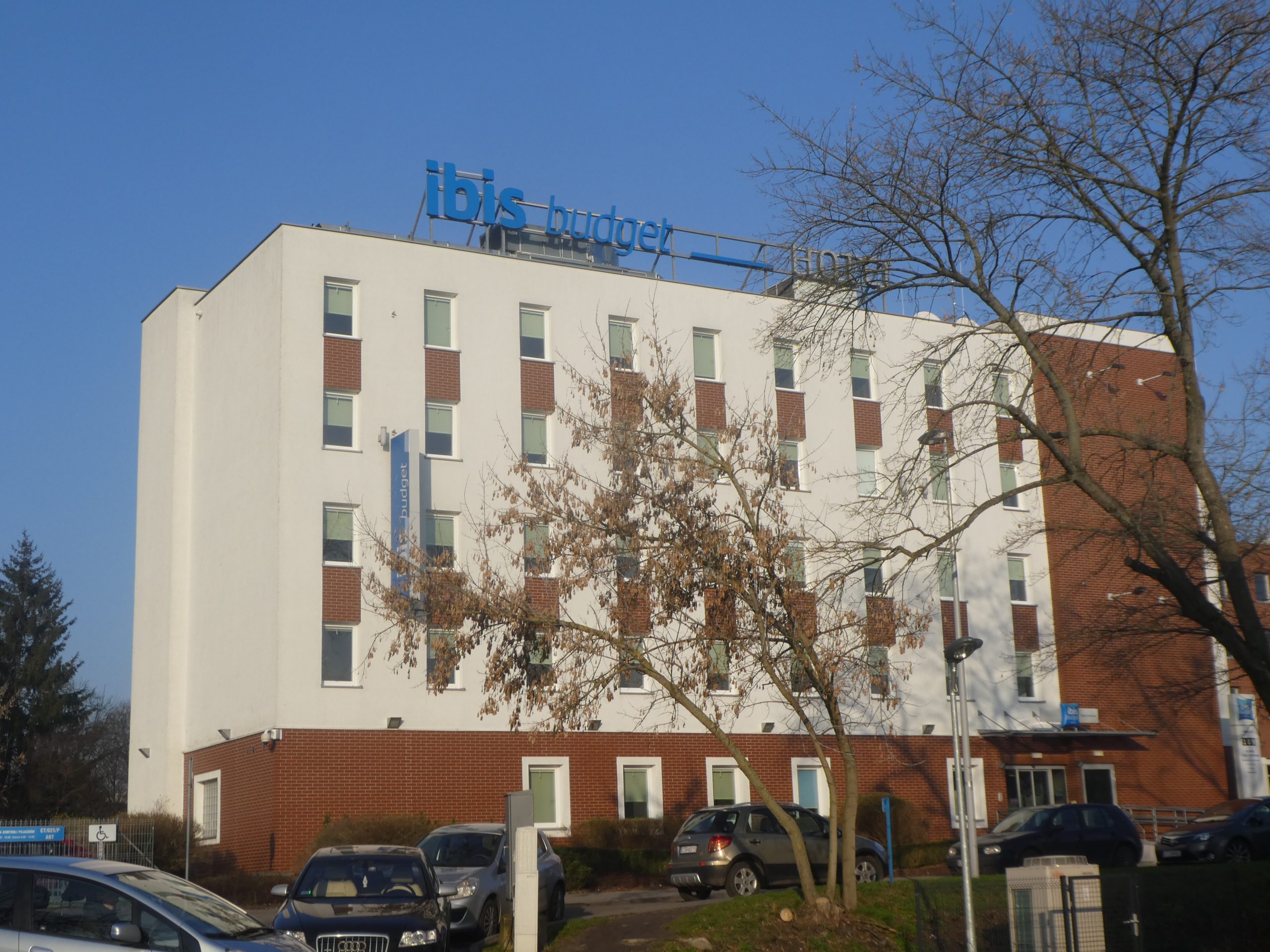
    This Ibis Budget hotel, one of the cheaper brands in the Accor hierarchy, is located around a six-minute walk from the city centre. It’s in a relatively quiet area, with car parking available for those who need such things.  The welcome from the staff member at check-in was warm, personable and helpful, so my first impressions were all positive.

    The room is basic, but was clean and well maintained. I was here for seven nights and the room was kept well stocked throughout that time. There aren’t hot drink facilities in the room, but hot drinks can be purchased cheaply at reception. There’s a vending machine as well for those guests who want some healthy chocolate based snacks.

    The breakfast room. The staff didn’t check whether guests had paid for breakfast, but I can’t imagine many people would try and avoid paying the small sum which is charged. As with the other parts of the hotel, it was spotlessly clean.

    I’m not personally particularly engaged with the cold meat selection provided by Ibis and Ibis Budget hotels in Poland, it has a watery texture and bland taste. But, I can’t much blame the hotel for that and the staff laid out everything carefully and ensured that it was well stocked.

    The cereals option was limited, but there were rolls and hot sausages available. There were orange and apple juices, as well as coffee and an excellent selection of teas. It was all very decent value for money and there were always seats available.

    Apologies to the hotel for ploughing through their pickles during the week, but I’m moderately addicted to them.

    The staff were friendly without exception, this is clearly a welcoming environment and a well managed hotel. The cost of this stay was £70 for seven nights, including breakfast, which is a ludicrously low sum. All very lovely indeed and another very positive Accor experience.

  • Wloclawek – Cathedral Basilica of the Assumption of the Blessed Virgin Mary

    Wloclawek – Cathedral Basilica of the Assumption of the Blessed Virgin Mary

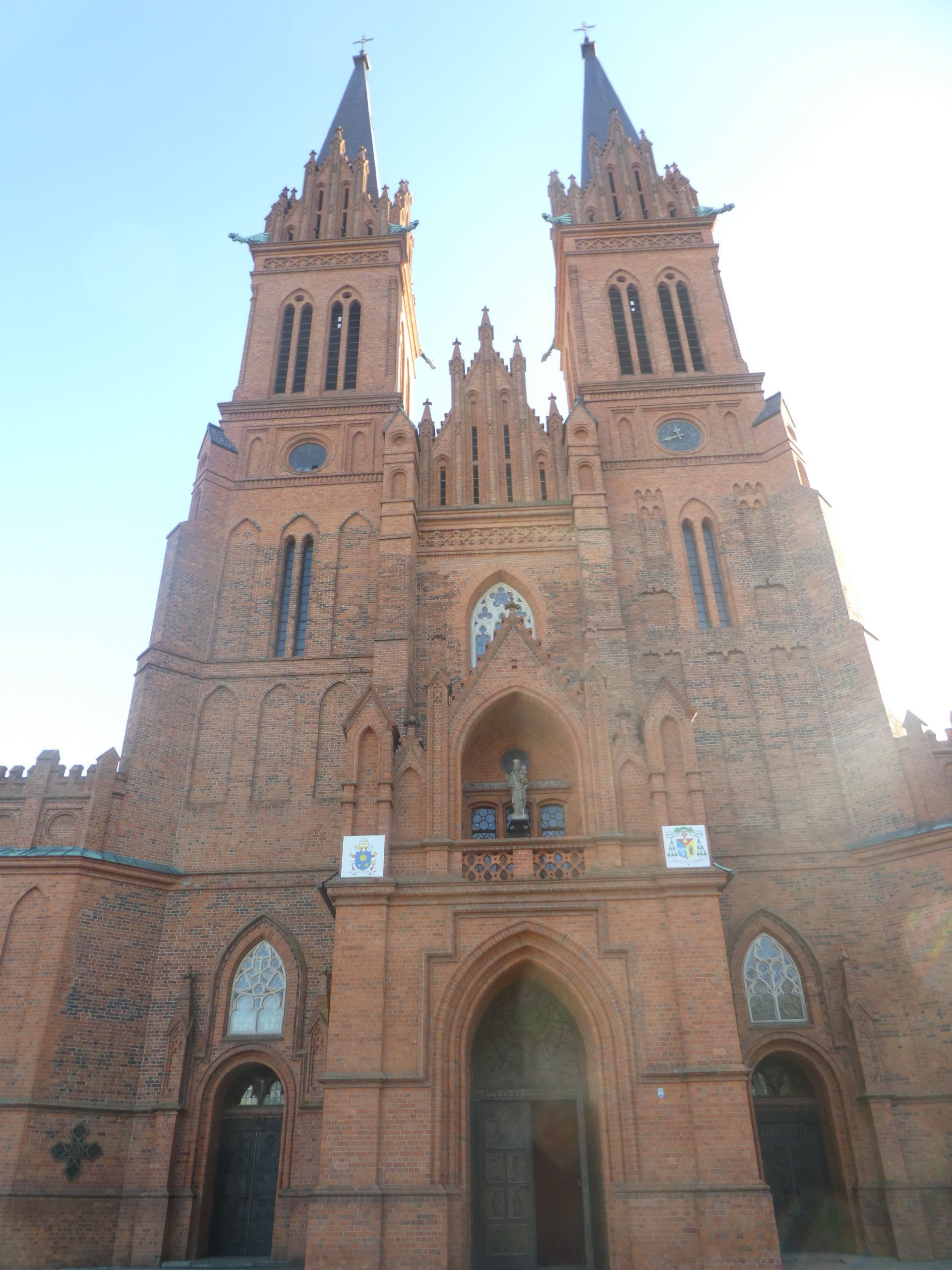
    Work started on this Cathedral in 1340, replacing an earlier brick church from the thirteenth century, which had in turn replaced a wooden church from the twelfth century. This building was at a new site agreed with the Teutonic Knights, who had unhelpfully burned down the previous one in 1329.

    The exterior of the cathedral, which hasn’t always had such high towers. The two towers were the same height as the nave until the late nineteenth century, when they had spires added to them.

    The bronze main door of the cathedral which was added in 2004.

    These photos seem a little wonky, but anyway, the nave. Very colourful, spacious and calm.

    The altar.

    The side aisle.

    An example of the colours of the nave.

    The organ, and the colourful painted roof.

    I like a bit of colour in a cathedral, they’re not quite the same when they’re plain. It’s also not how they were built.

    A grand door.

    A tomb.

    A memorial to Bishop Michał Jan Marszewski. There’s a long biography of him, including details of his achievements, on the cathedral’s web-site at http://www.katedrawloclawek.pl/ksieza_biskupi.php?id=74.

    A nativity scene. I visited on 21 January 2020, I’m not sure when these are taken down.

    A board showing a list of all the bishops, all the way back to the early twelfth century.

    The restoration during the 1880s and the 1890s was substantial internally and externally, and although the increased height of the towers does give the building that bit more presence, a lot of heritage was lost at the same time. There was damage done to the cathedral during some fighting in 1920, when agreement was still being made over whether Germany or Poland should govern the area, but fortunately, the building wasn’t damaged during the Second World War. Pope John Paul II visited the cathedral in 1991, which was a major event for the area and they’ve commemorated it with a bronze disc.

    This was a marvellously peaceful cathedral and I didn’t see anyone else in the time that I was there. There were numerous information boards about the buildings around the cathedral, but I didn’t see anything inside that might have given an indication of the historically important elements. Unfortunately, that lack of information did mean that I didn’t notice some interesting elements that are located inside the cathedral, such as baroque stalls, fourteenth century stained glass and fifteenth century tombstones. The cathedral’s web-site at http://www.katedrawloclawek.pl/ does though have a comprehensive history of the building and the bishops who have served the church.

  • Wloclawek – Edward Śmigły-Rydz Bridge

    Wloclawek – Edward Śmigły-Rydz Bridge

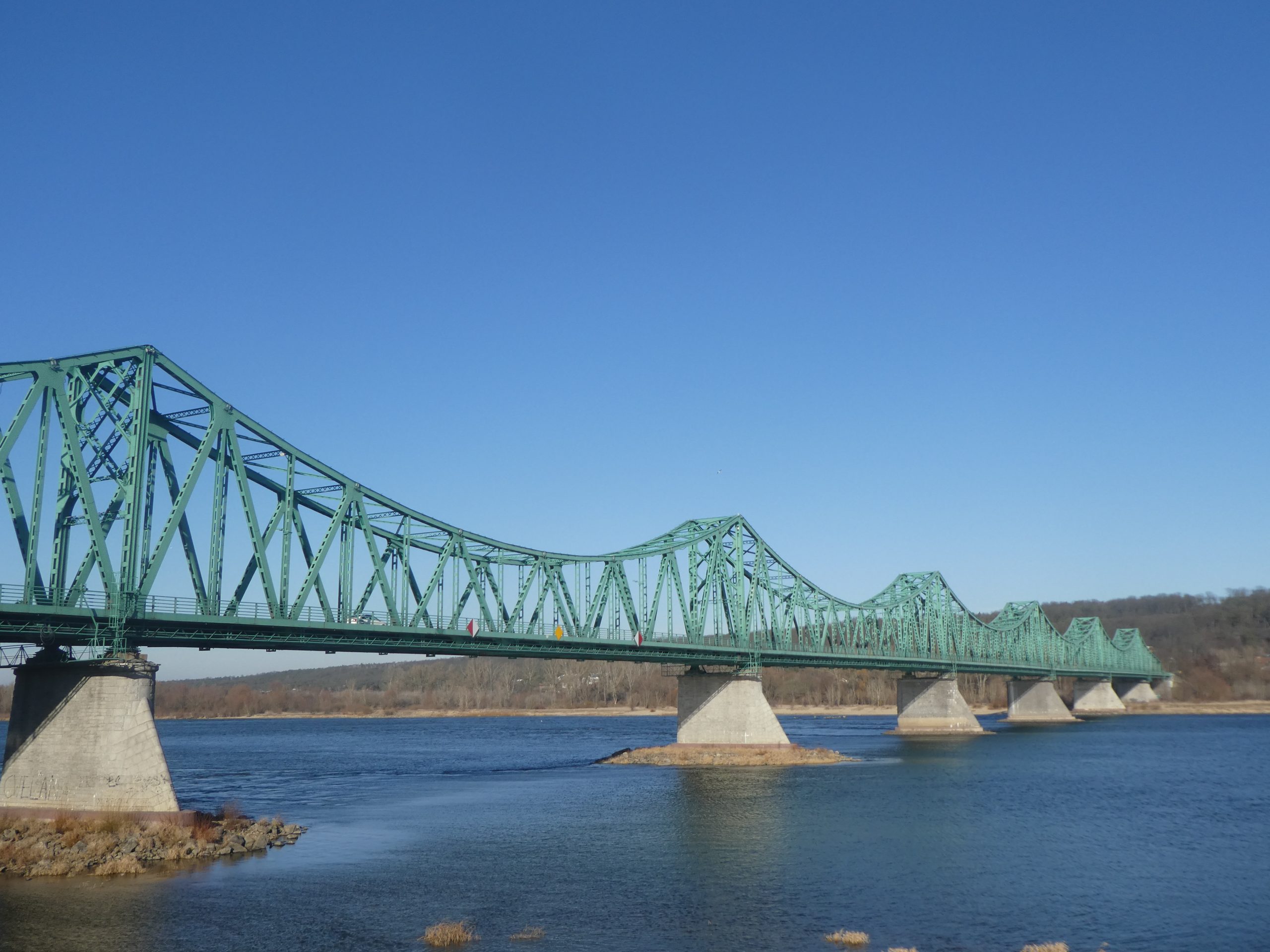
    This bridge at Wloclawek crosses the Vistula River and is 620 metres long and 9 metres wide. The bridge was named after Edward Śmigły-Rydz, an important military figure who was to become the Commander in Chief of the Polish army following the outbreak of the Second World War. He was interned by the Germans in Romania, but managed to escape back to Warsaw, although he died of a heart attack in December 1941. On 25 September 1937, Śmigły-Rydz came to formally open the bridge named after him, something I’d definitely do if anyone happens to name a decent bridge after me anywhere in the world.

    From what I can understand, the Polish blew up the bridge in 1939 to stop the Germans using it, so the Germans rebuilt it. Then the Germans blew the bridge up to stop the Poles using it. What a marvellously futile thing war is….. It was finally reconstructed in 1948 and was recently modernised.

    There used to be a wooden bridge across the Vistula River as well, but this no longer exists. It’s an impressive sight on the river, and lighting was installed during the modernisation to make it look quite spectacular in the dark.

  • Torun – Torun Railway Station (Steam Locomotive)

    Torun – Torun Railway Station (Steam Locomotive)

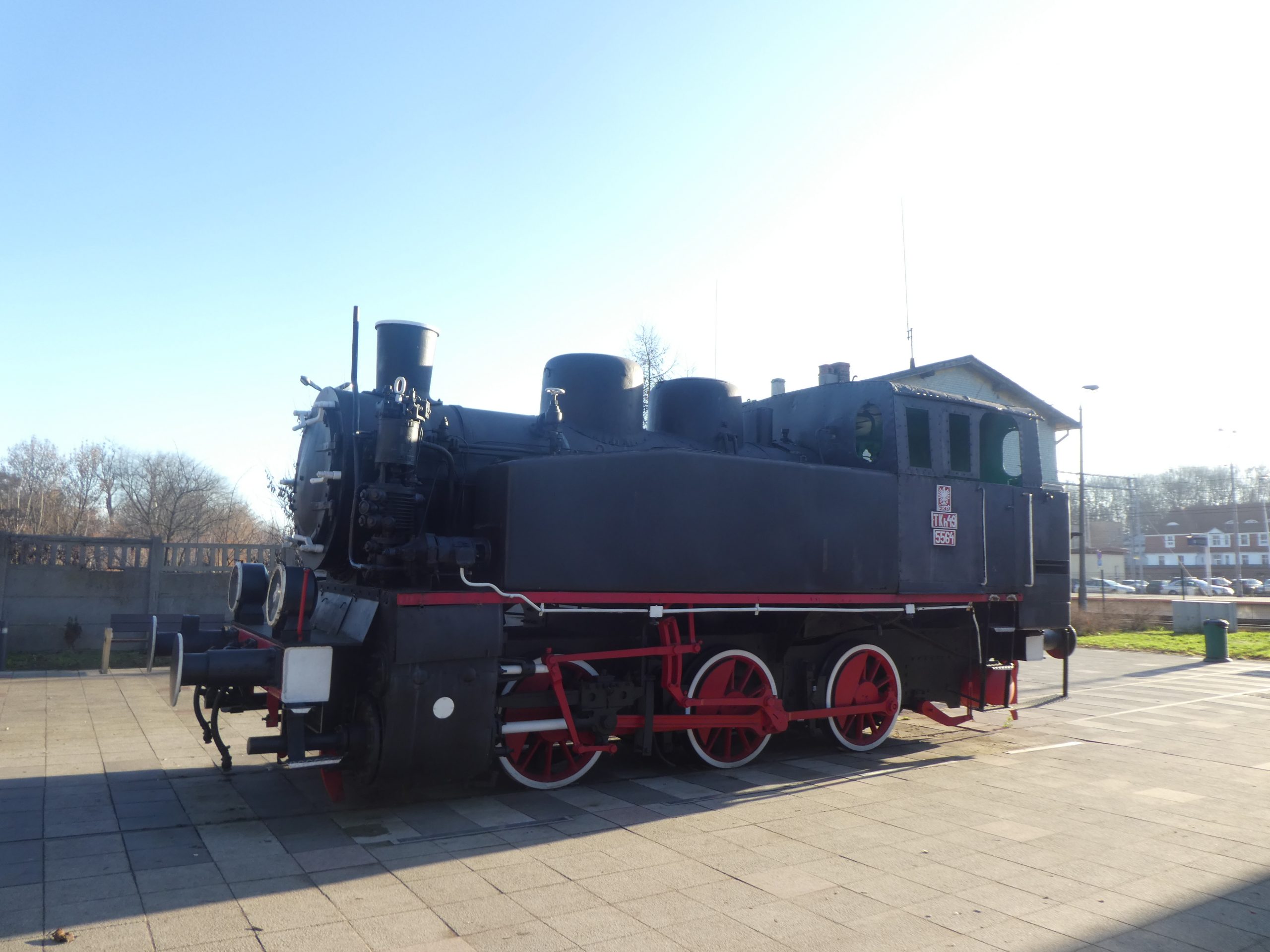
    I saw this steam locomotive parked up (well, less parked, more permanently affixed) at the front of Torun railway station before my little journey to Wloclawek.

    It’s steam locomotive TKH49-5564, produced at the Fablok factory in Chrzanów in 1956. It’s nice to have some railway heritage at a station, adds a bit of character to the proceedings….