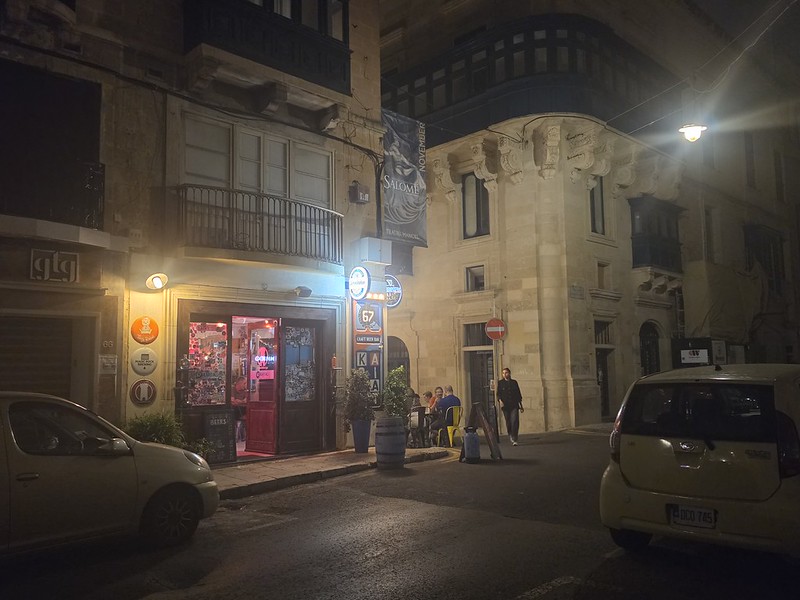
It has been over seven years since I first went to this bar and I’ve been back since with Liam, so I thought I’d check if it would still excite and delight me. I noted in that post in 2019 that I was excited by this wave of craft beer bars that were opening and I’m pleased that this expansion across Europe has continued since then. The city was busy, but although they had a steady trade here, there were a couple of tables free inside.
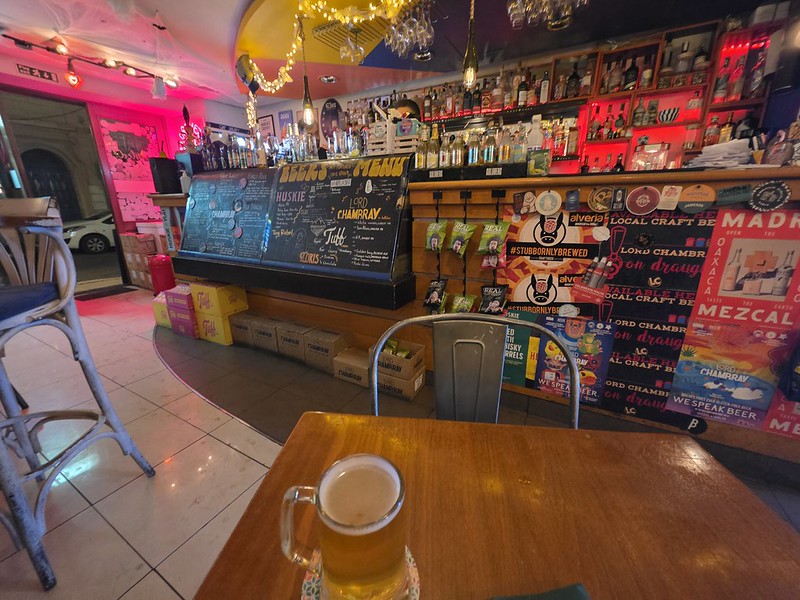
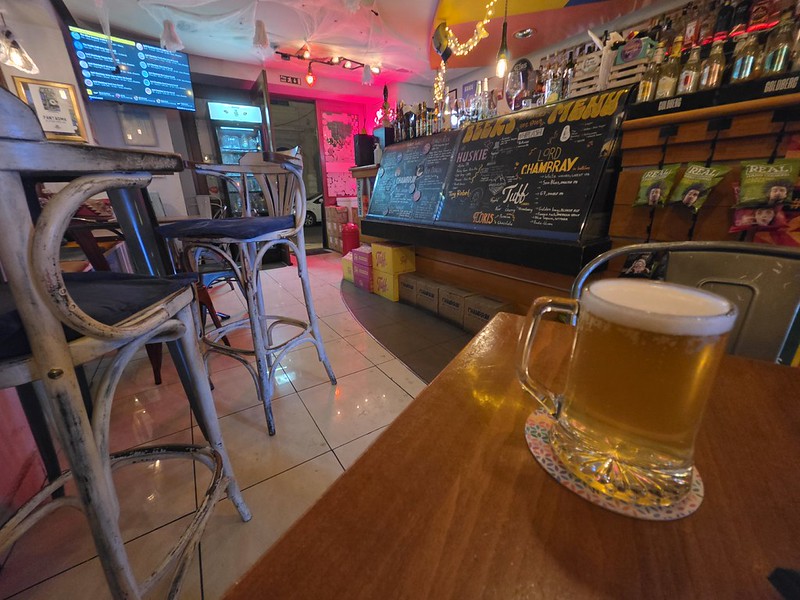
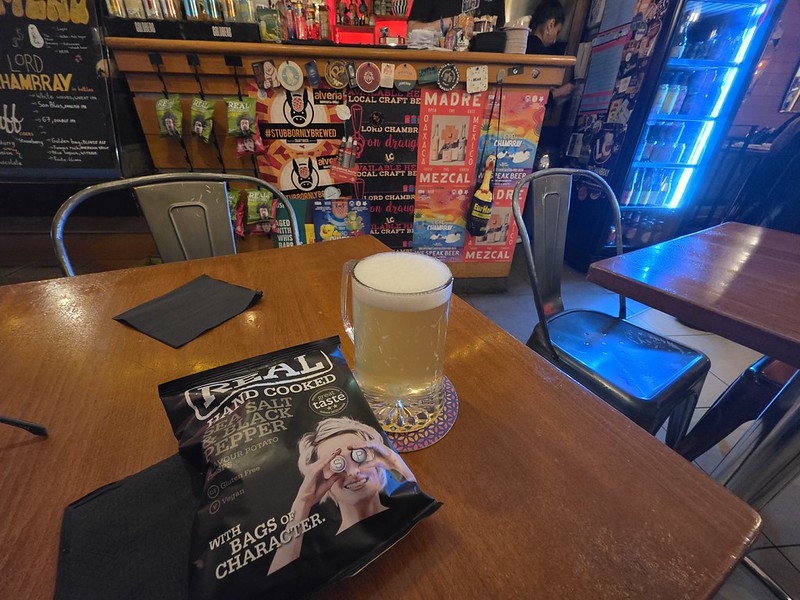
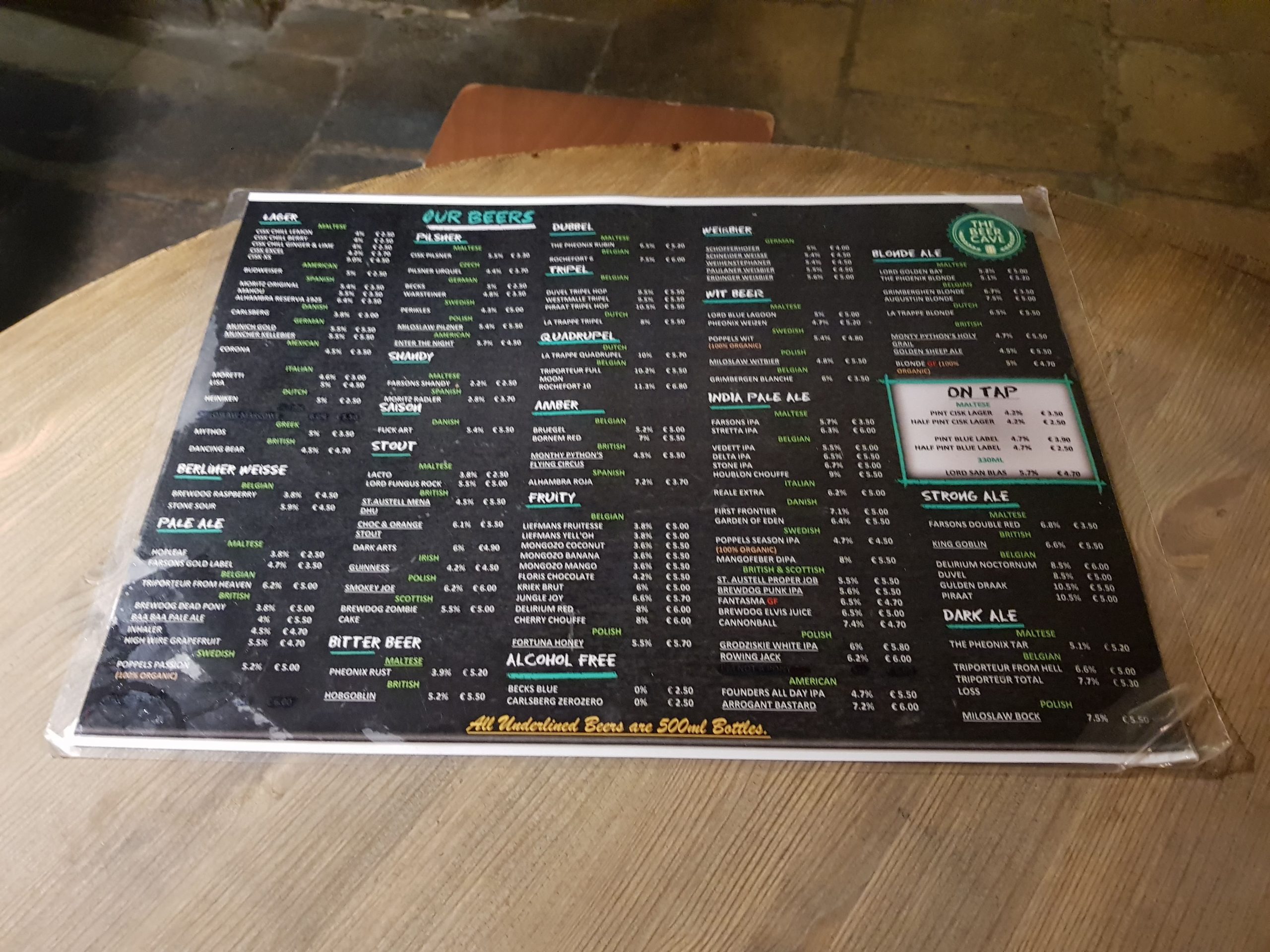
The interior hasn’t changed much and there’s still a clearly placed blackboard with the beers that are available and there were sufficient crisps. The beer list is also available on Untappd which is rather convenient as this allows me to study the beer list on my phone whilst sitting underneath the beer list. Table service is offered and this was efficient and polite. It’s all bright and upbeat, with an external seating area for those people that like that sort of thing.
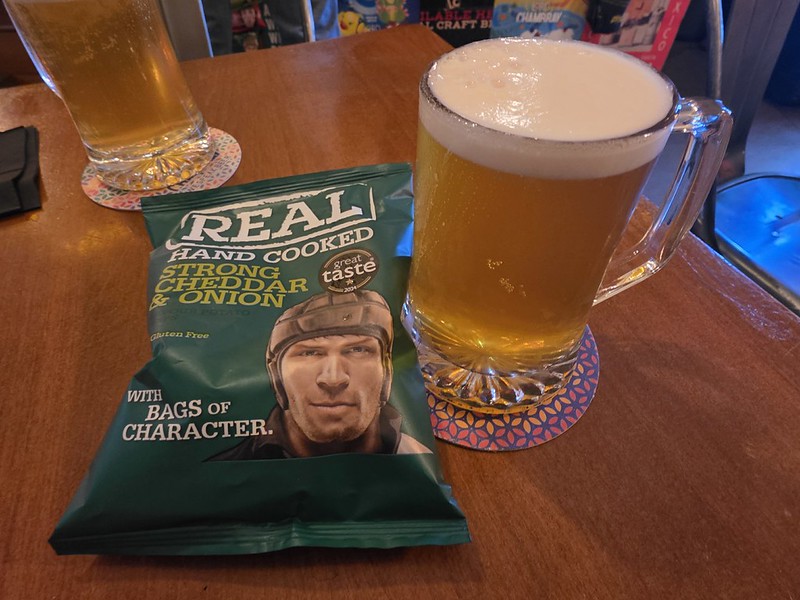
My first beer was the 67 IPA from Lord Chambray, which was hoppy, bitter and slightly dank. I felt that the food pairing choice was, once again, excellent. Lord Chambray was established in 2014 in Xewkija on Gozo, becoming Malta’s first craft brewery and probably its best known. It brews beers across a number of different styles and uses local ingredients where possible.
My second beer was the White Waves White IPA from Lord Chambray, which I forgot to tag in on the night and so my memories have somewhat faded. This means that my contribution to the historical record is therefore rather limited to confirming that I drank it, a situation which I suppose is a little sub-optimal.
My third beer was the Coral Cave from Lord Chambray, another hoppy, flavourful and clean beer.
It’s not the cheapest venue around, but I like their range of beers and the friendly service. Their deli food selection is another rather lovely attraction, although I wasn’t looking for anything to eat this time. I remember that Liam and I enjoyed the food here, especially the mounds of cheese. Seven years on, it still delivers the little arrangement of good beer and crisps that I require, so I’m pleased that standards have been maintained.
I accept that many of these photos are probably best not submitted to an international photography award, but they’ll have to do. The buildings were doing their best and any shortcomings in their appearance were largely on my side of the arrangement if I’m being honest.
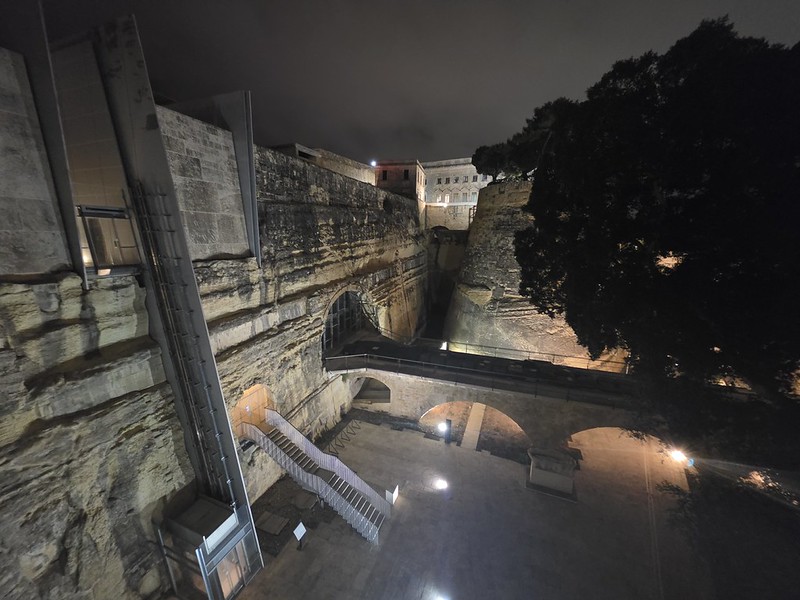
A look down into Valletta’s substantial defensive ditch, part of the fortifications planned after the Great Siege of 1565. There’s a less obvious transport history here too, as Malta’s railway crossed the ditch to reach its underground Valletta terminus between 1883 and 1931. There’s a decent website at https://maltarailway.net/ which tells the story of this railway, which would have been something of a key tourist attraction if it had survived.
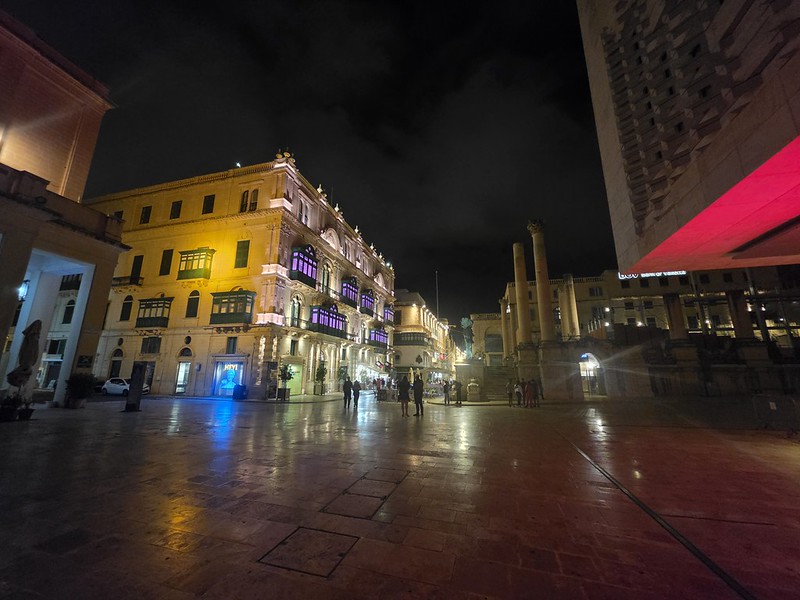
The ornate building on the left is Palazzo Buttiġieġ-Francia, commonly known as Palazzo Ferreria. Built in 1876 to designs by Giuseppe Bonavia, it occupies the site of the Knights’ former foundry. A rather substantial change from producing metalwork to providing something attractive for tourists to photograph, but times change.
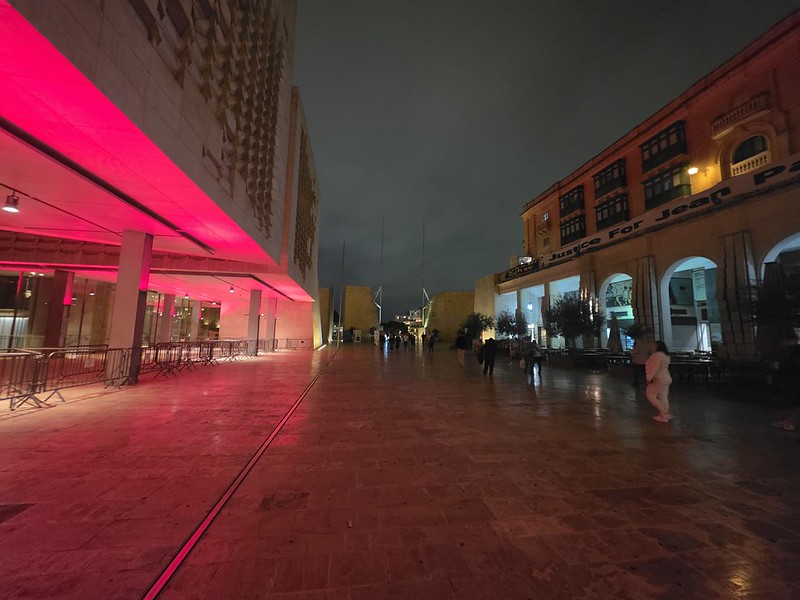
Looking towards City Gate, which forms part of Renzo Piano’s modern remodelling of Valletta’s entrance. His design replaced an earlier gateway with a narrow opening between enormous stone walls, deliberately revealing the depth of the fortifications.
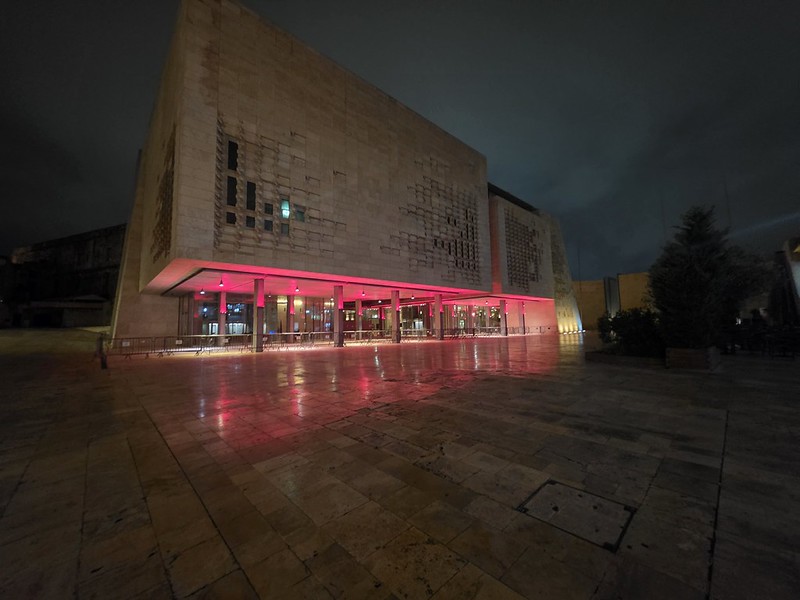
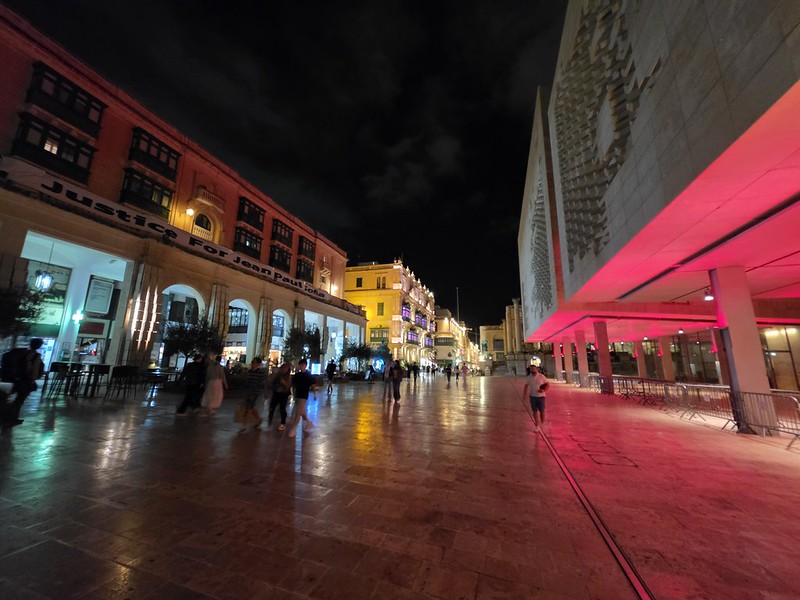
Malta’s Parliament building, designed by Renzo Piano and inaugurated on 4 May 2015. Its limestone came from Gozo, although the blocks travelled to Italy to be shaped before returning to Malta. A slightly sub-optimal way of getting there, but I could hardly complain given I was flying from Warsaw to Norwich via Malta.
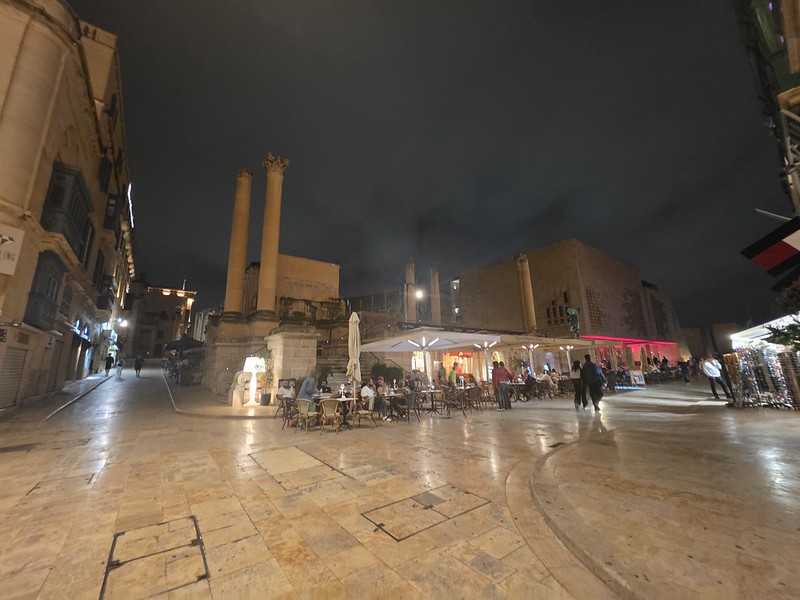
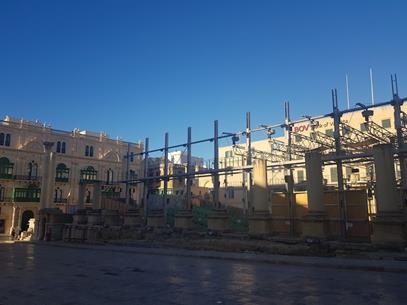
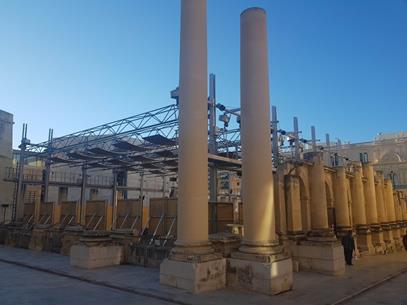
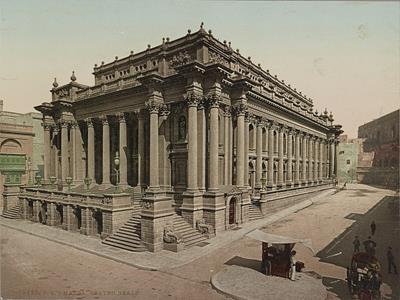
The columns belong to the remains of the Royal Opera House, designed by Edward Middleton Barry and opened in 1866. The theatre was devastated by bombing in April 1942, with its ruins eventually incorporated into the open-air Pjazza Teatru Rjal, inaugurated in 2013.
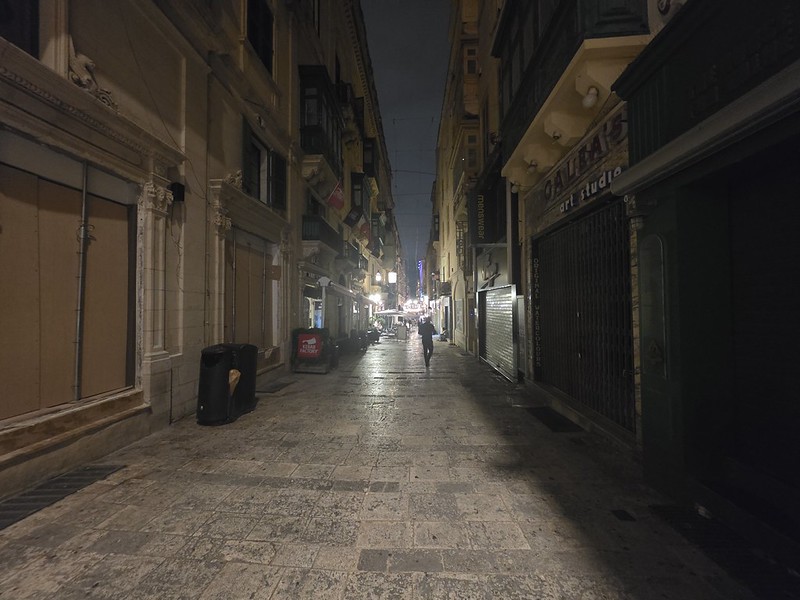
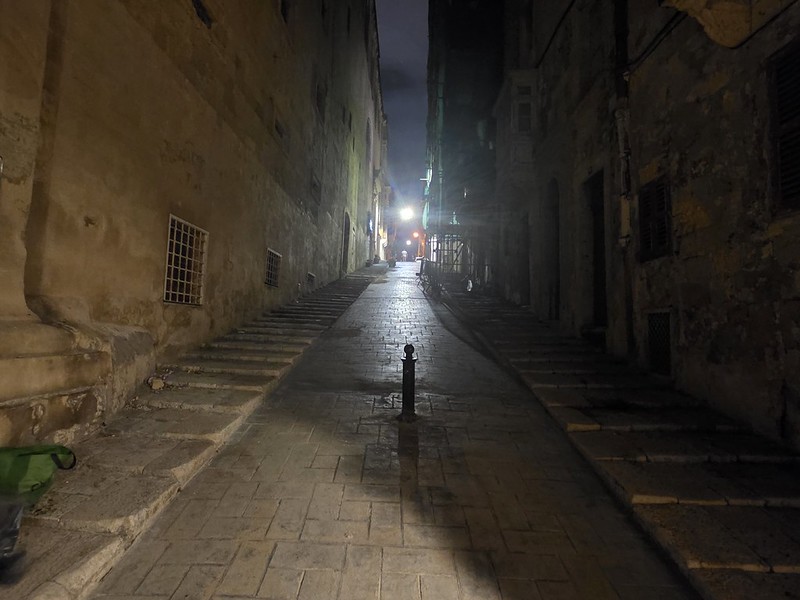
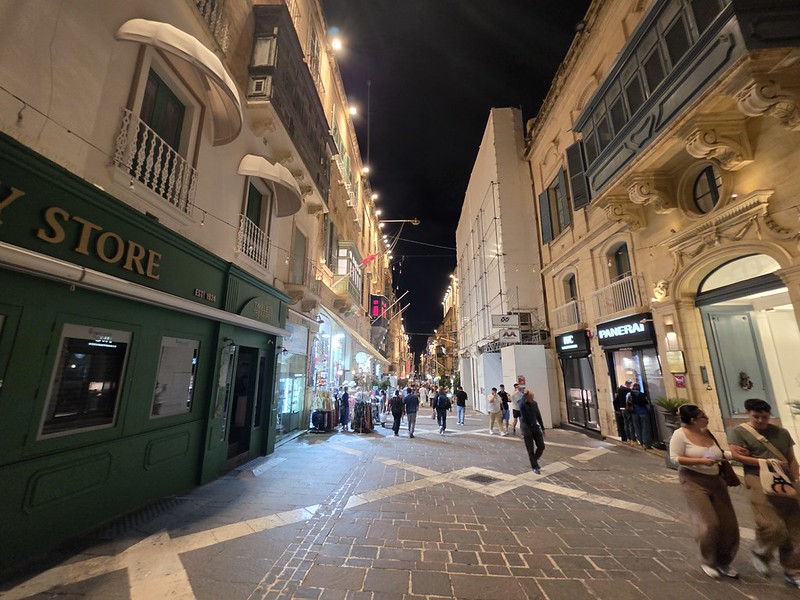
One of Valletta’s quieter streets, following the grid that has shaped the city since its foundation in 1566. This was a carefully planned Renaissance capital, rather than a settlement that gradually acquired streets wherever there happened to be room to shove them in.
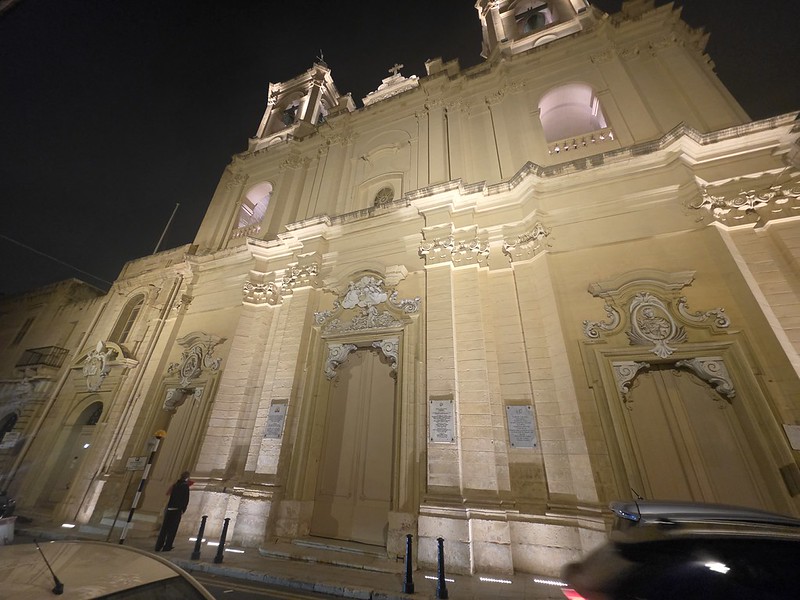
St Augustine’s Church looking rather magnificent illuminated at night. Construction of the present church began in 1765 to designs by Giuseppe Bonnici, with Antonio Cachia continuing the work after Bonnici’s death. It was inaugurated in 1785, although it only became a parish church in 1968. A suitably measured approach to the administrative arrangements, even by ecclesiastical standards.
Valletta’s orderly street grid was laid across a distinctly uncooperative peninsula, which explains why a straight road doesn’t necessarily mean an easy walk. The city’s military planning produced strong defences and direct routes, with the steps like that so knights could more easily run up them in their armour.
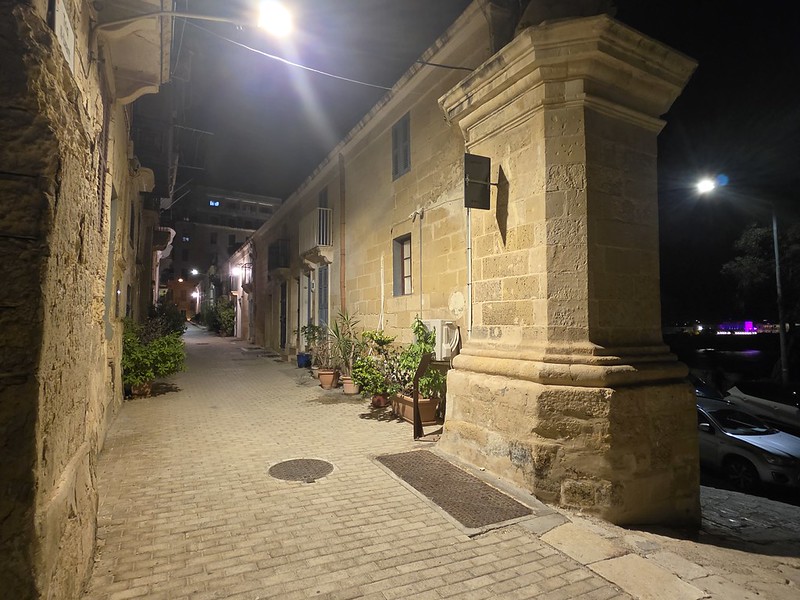
A quieter little corner of a city originally built by the Knights of St John, with construction beginning in March 1566. Their new capital combined formidable defences with churches, residences and the everyday life of shopping and eating. The pot plants provide a welcome domestic touch to soften the stonework. Indeed, a few strategically positioned shrubs can do quite a lot to suggest that the prospect of invasion has definitely receded.
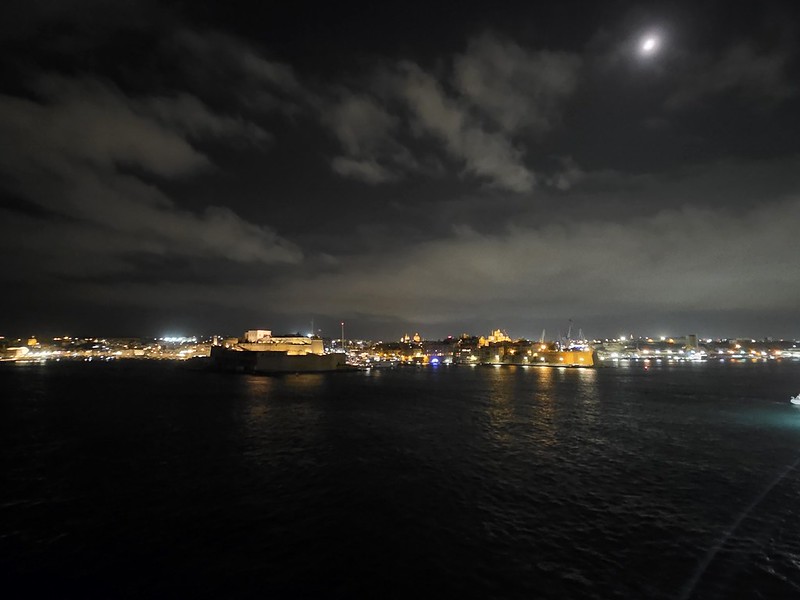
Looking across the Grand Harbour towards Fort St Angelo, the illuminated fortress on the left. The Knights made it their headquarters after arriving in Malta in 1530, and it played a crucial role during the Great Siege of 1565, before Valletta existed.
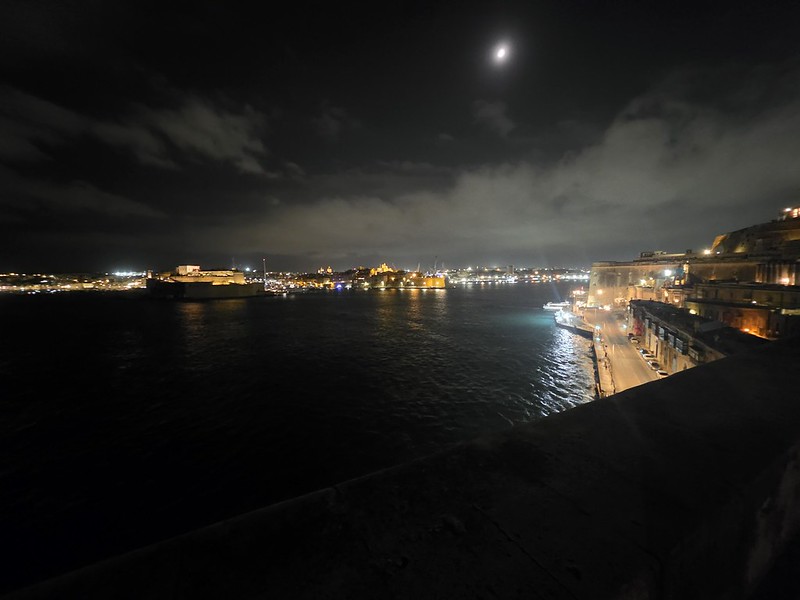
Another view across the Grand Harbour, whose military importance continued long after the Knights had departed. Fort St Angelo later became a Royal Navy shore establishment, serving until the final British forces left its walls in March 1979. A harbour with a considerable amount of history, much of which I was appreciating from the agreeable position of not being responsible for defending it.
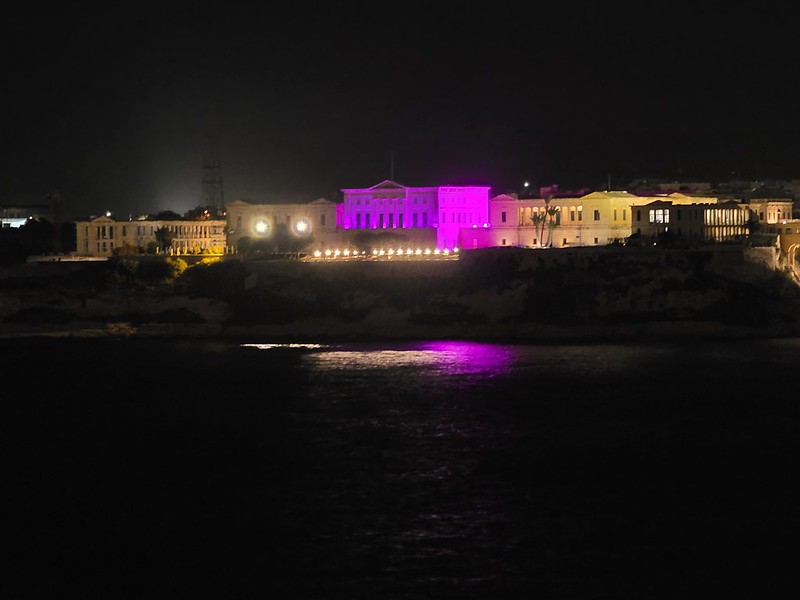
The Bighi complex across the harbour, illuminated with considerable enthusiasm. The site became a British naval hospital in the nineteenth century, with its foundation stone laid in 1830, and cared for casualties from conflicts including the Crimean War and both world wars. Part of the historic complex now houses the Esplora science centre. Quite a history behind something I initially photographed because it was pink.
Those enclosed wooden balconies are known as gallariji, one of Malta’s most distinctive architectural features. Documented examples date back to the late seventeenth century, when they were initially something that wealthier households could afford before becoming more widespread. An elegant way of extending a room and maintaining a discreet interest in everyone else’s arrangements.
Back beside Parliament, which occupies the former Freedom Square, previously used for markets, events and parking. Before moving here in 2015, Malta’s parliament met in the Grand Master’s Palace, initially in its Tapestry Chamber and later in the former armoury.
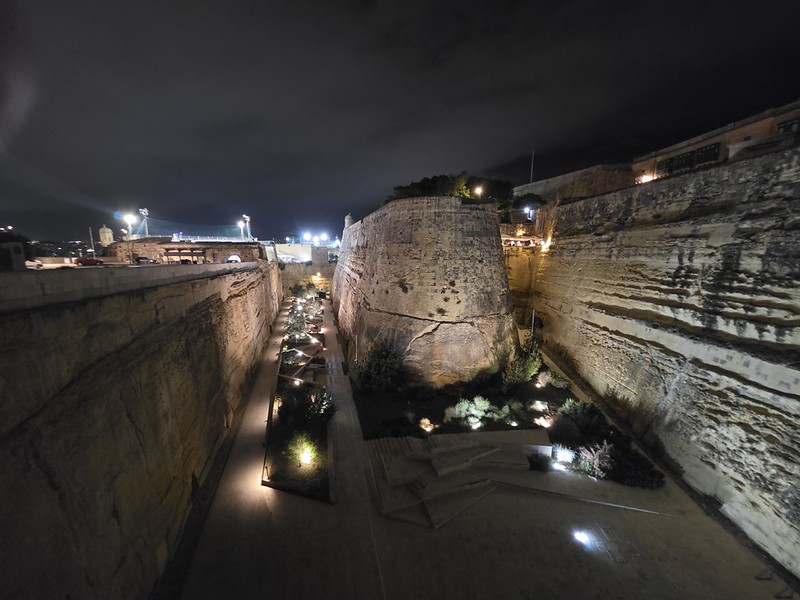
A final look into Ġnien Laparelli, the garden named after Francesco Laparelli, the military engineer responsible for planning Valletta’s defences. This ditch was intended to prevent attackers from reaching the city walls, although it later accommodated railway infrastructure, wartime shelters and parked cars before its partial transformation into gardens.
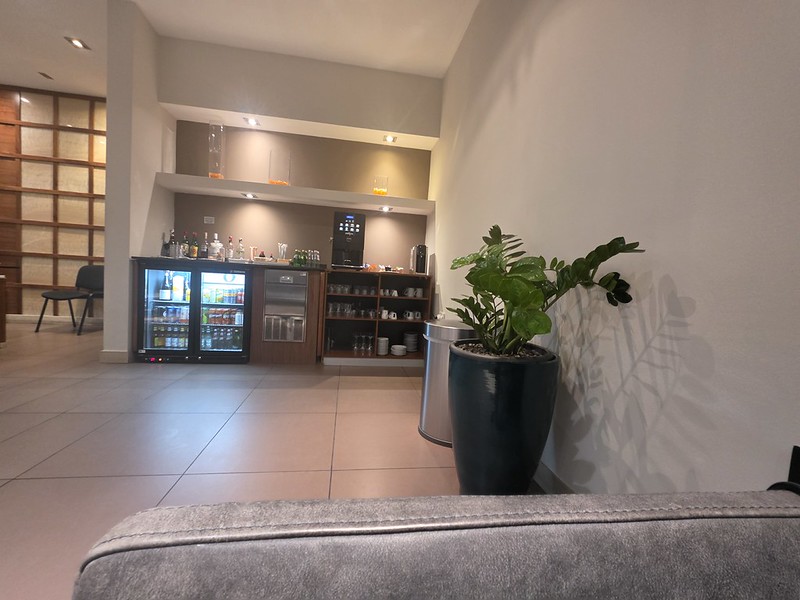
Excuse the wobbly photo, but this is the arrivals lounge at Malta Airport. Arrivals lounges are something of a rarity, so having access to this one is rather handy. It’s included with my Priority Pass card and I was the only person here, but it gave me a chance to ensure that my phone was fully charged before heading out to Valletta for the evening and then back to the airport. It would be nice for there to be more of these lounges around, they’re also convenient for those waiting for their bags to arrive.
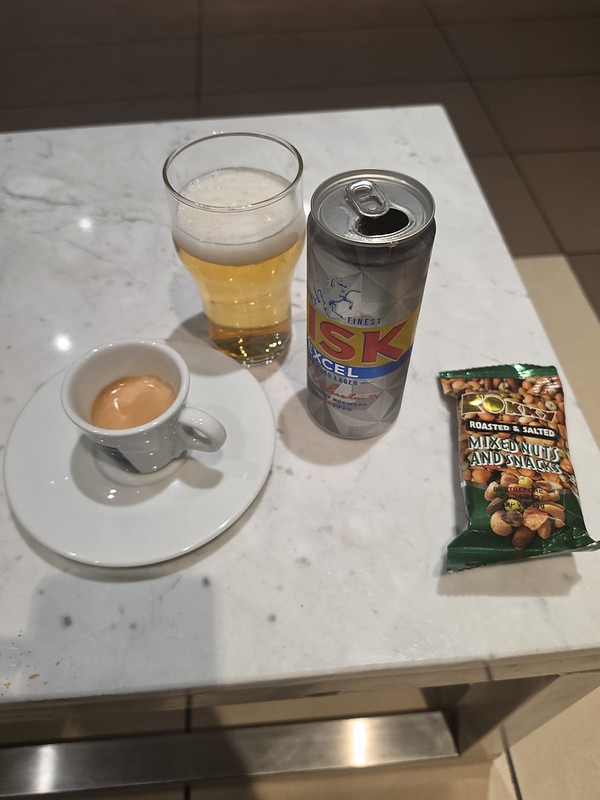
Whilst charging my phone, I was able to have some mixed nuts, some beer and an espresso. Very nice.
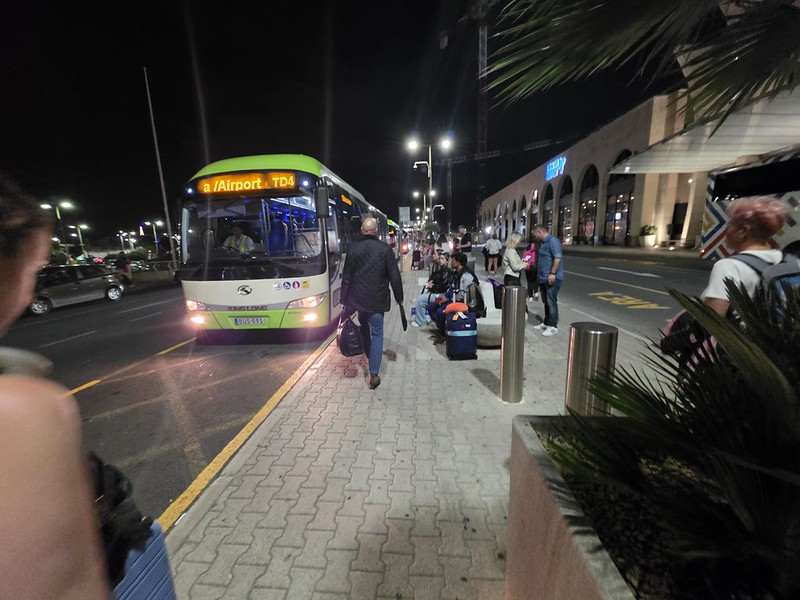
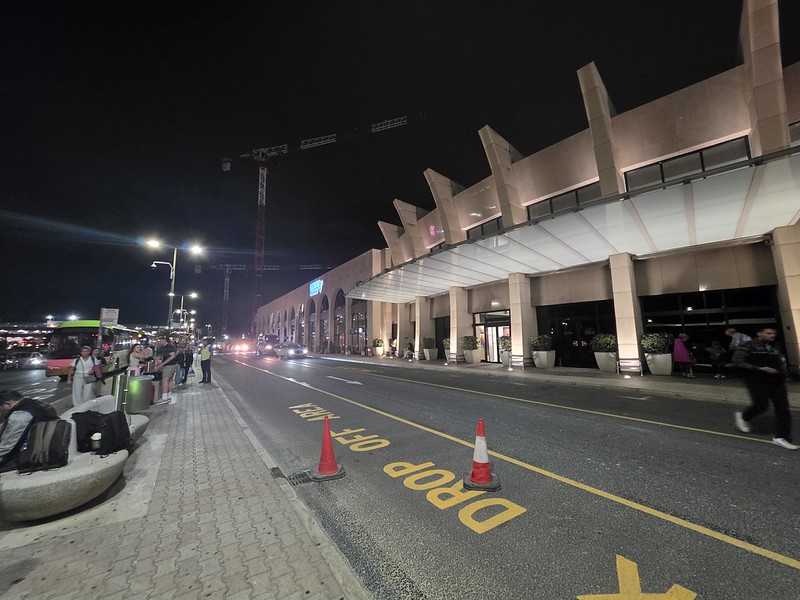
I’ve spent a lot of time in Malta in the past so it was rather nice to drop in for a few hours en route to Norwich. This is outside the airport, where I was waiting for my bus to arrive. Does travel get any more exotic than this? I suspect it does.
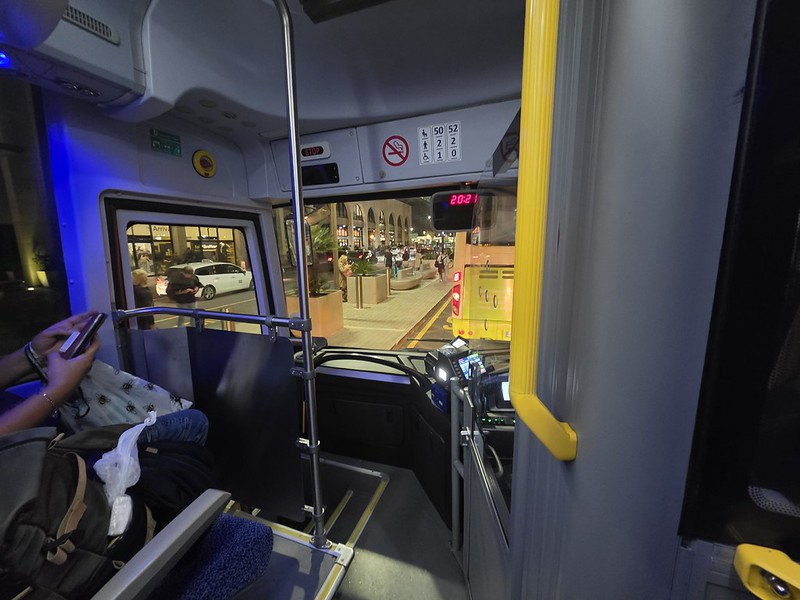
The TD4 bus goes from the airport to Valletta city centre and it takes around thirty minutes, costing €3.
I got a suitably interesting spot near the entrance and the bus was busy, with the driver struggling to get away as passengers kept meandering up. Passengers can pay with cash or contactless, it’s all efficient and easy to use.
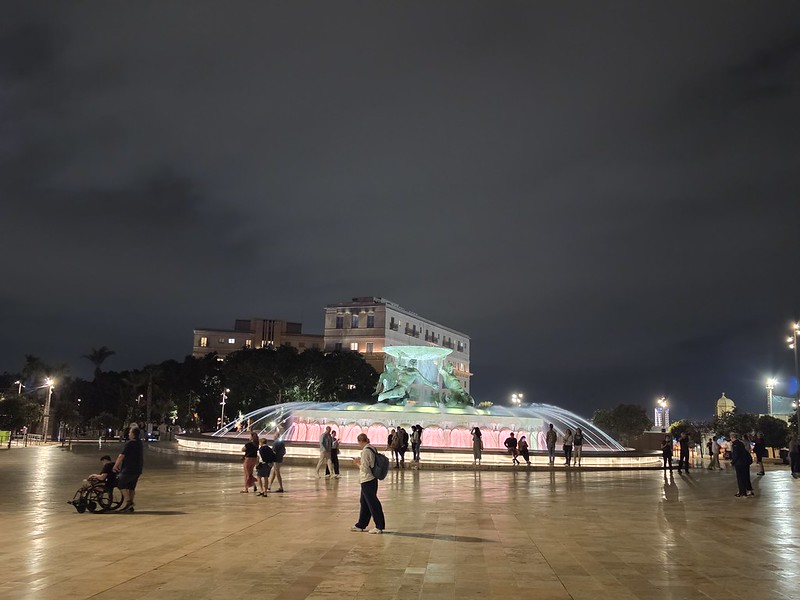
Into the area just outside of the Valletta city walls and it did feel slightly strange to be in Poland for several days and then suddenly in an entirely different country for such a brief period, but I was pleased that it wasn’t too hot. I’m also aware that Valletta has some remarkable architecture, although I appreciate that my photographs suggest it needs underpinning.
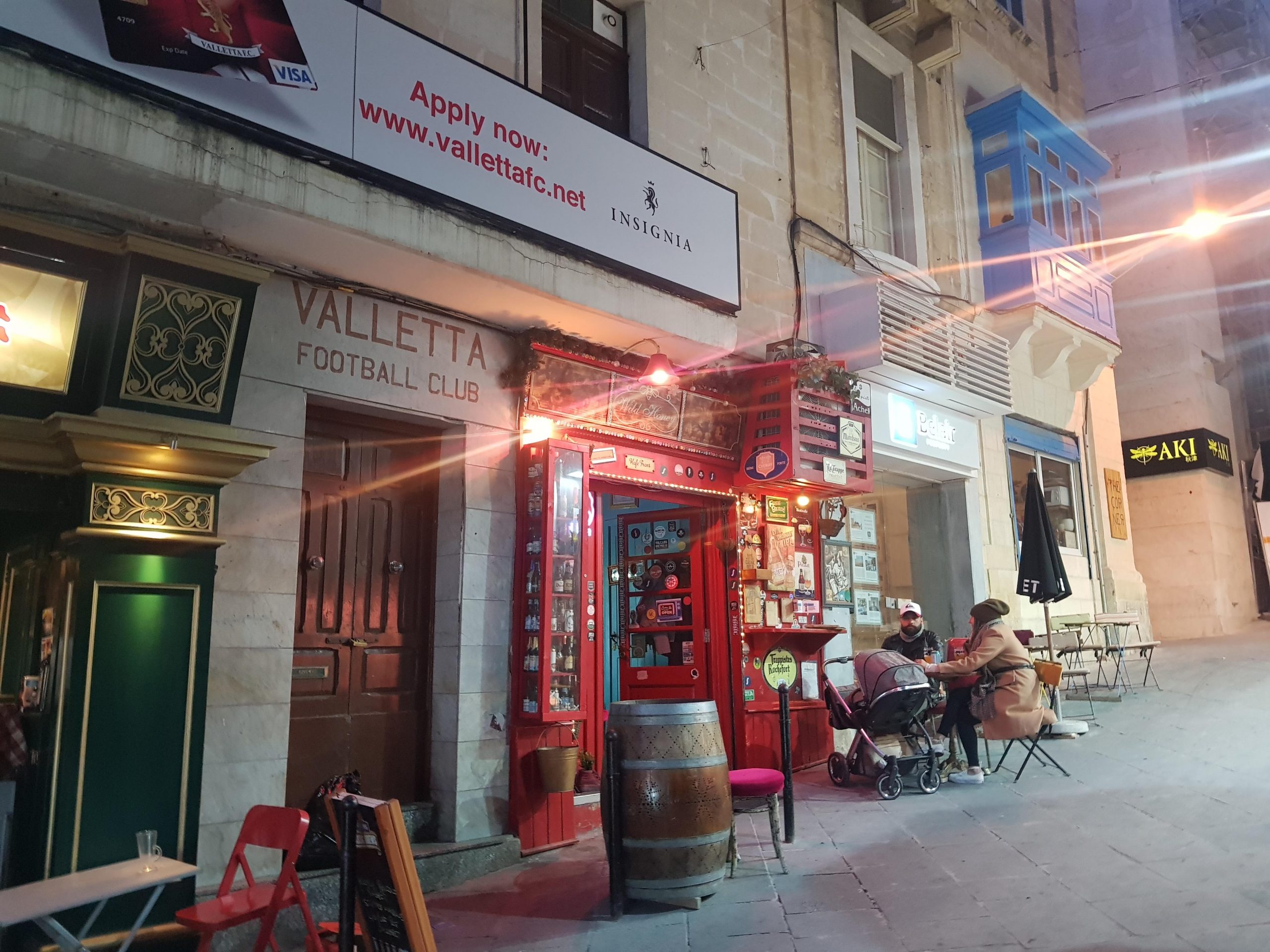
Wild Honey is a small craft beer bar in the centre of Valletta and I think it’s fair to say that I liked this place. A lot.
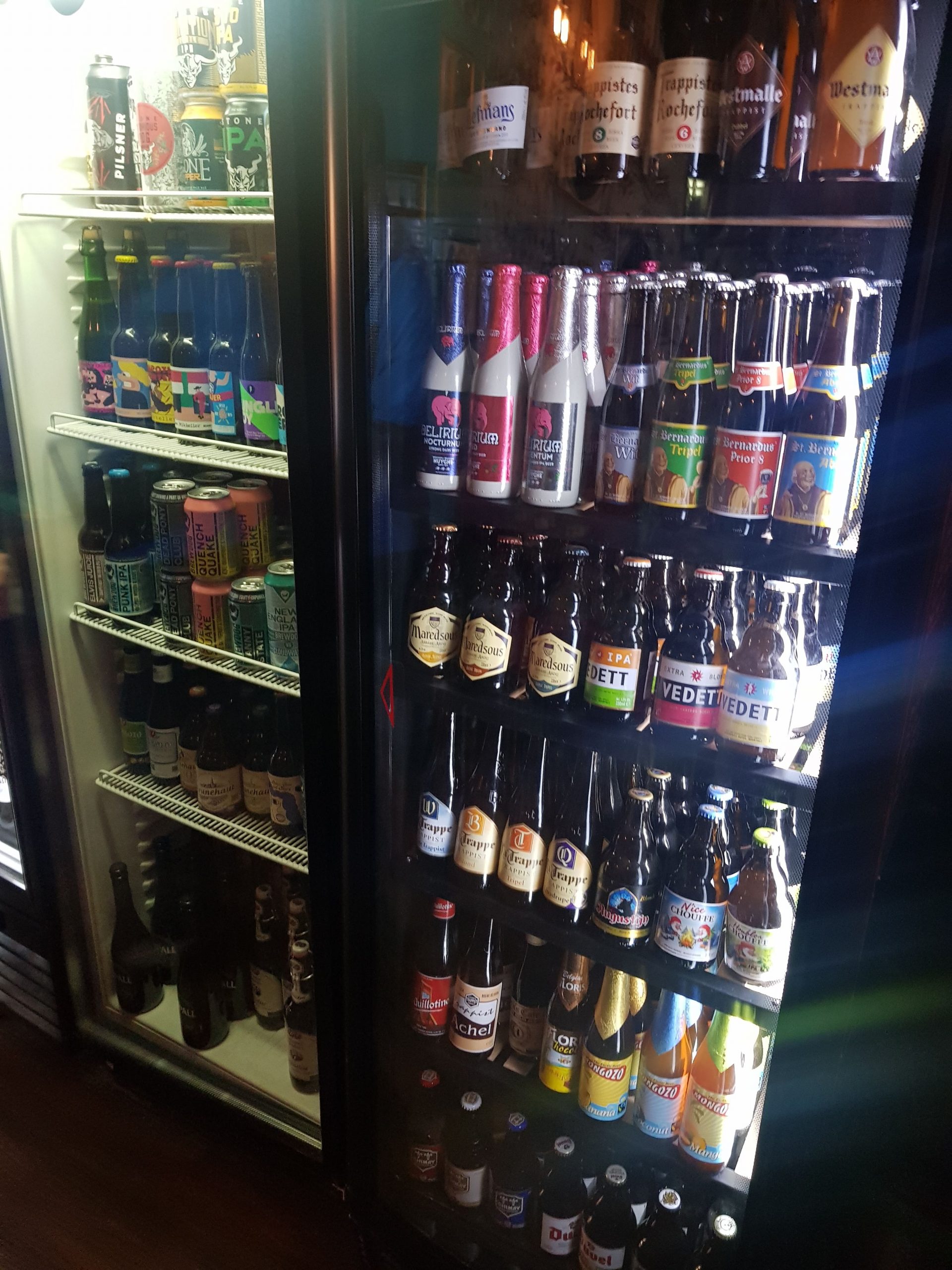
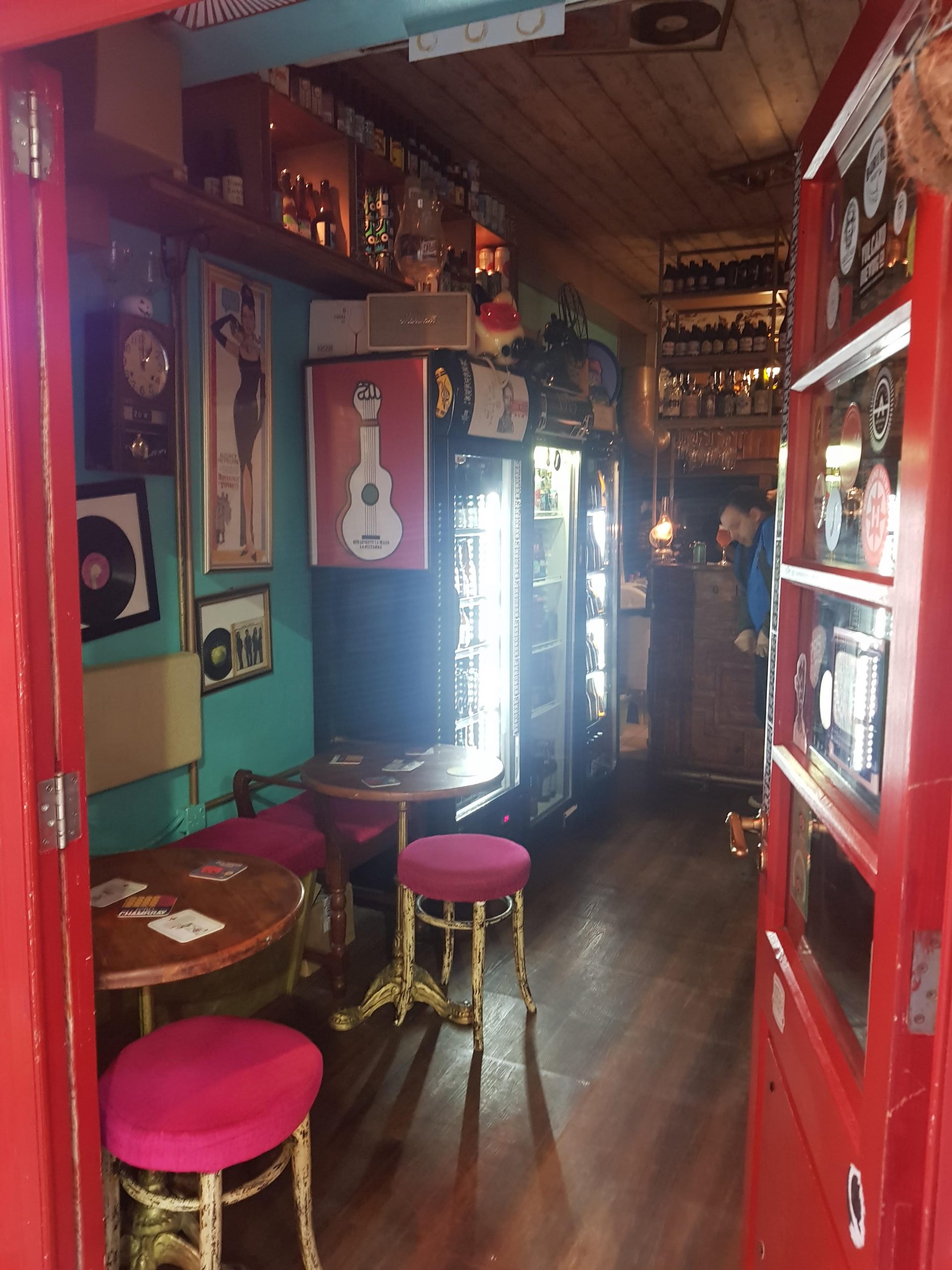
Beers in the fridges, some really innovative choices there.
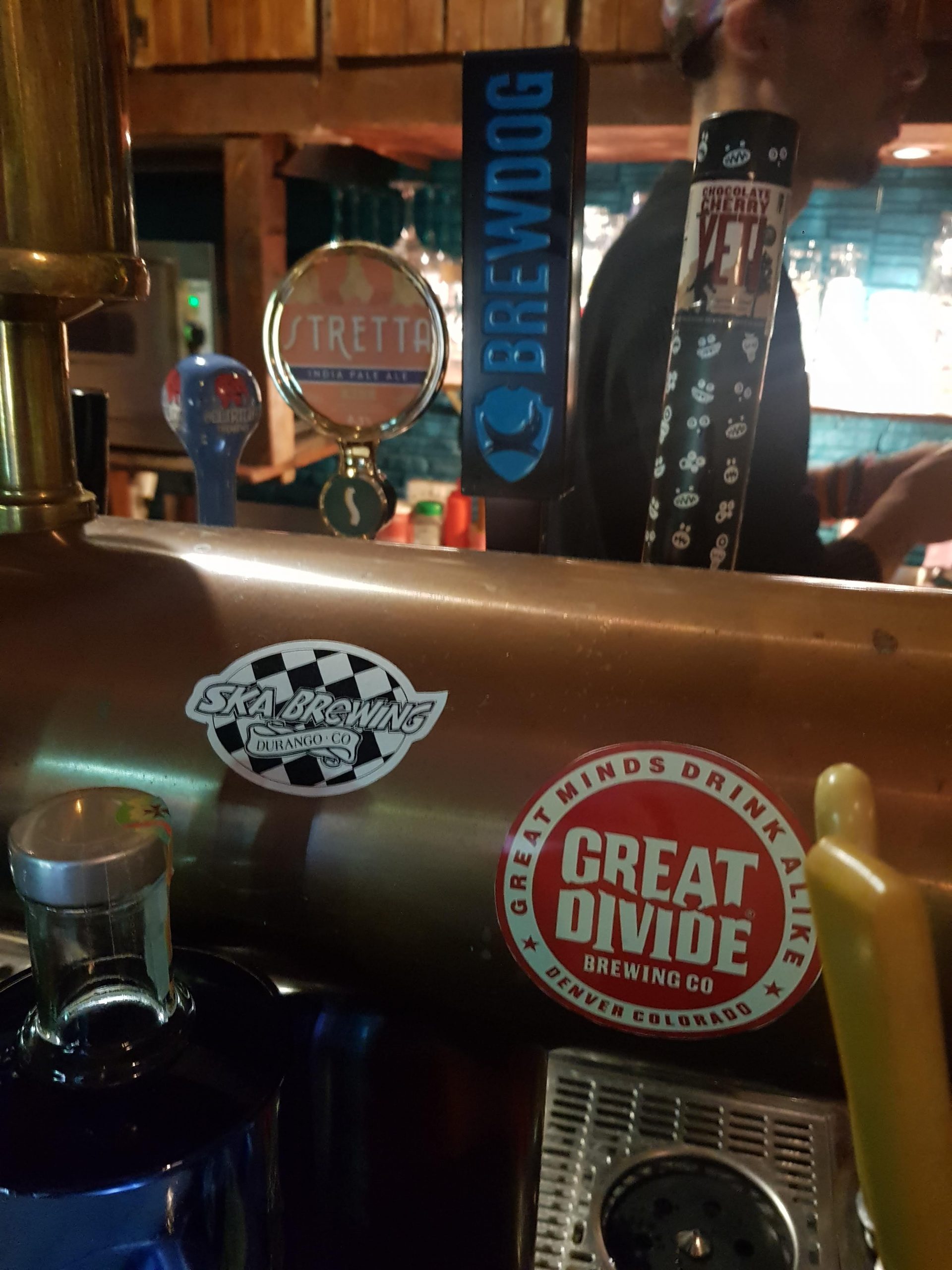
The staff member was personable and keen to make recommendations, and I was particularly excited when he suggested the Chocolate Cherry Yeti stout from the Great Divide Brewing Company in Denver, Colorado. The beer was excellent, at the appropriate temperature, slightly light on initial taste but with deep afternotes of chocolate and cherry. Which is good, as that’s what they’ve called the beer. Seeing this beer in Valletta was a delight, it must have been a right faff to get this here.
There are only around six tables inside, making it cosy and well, small.
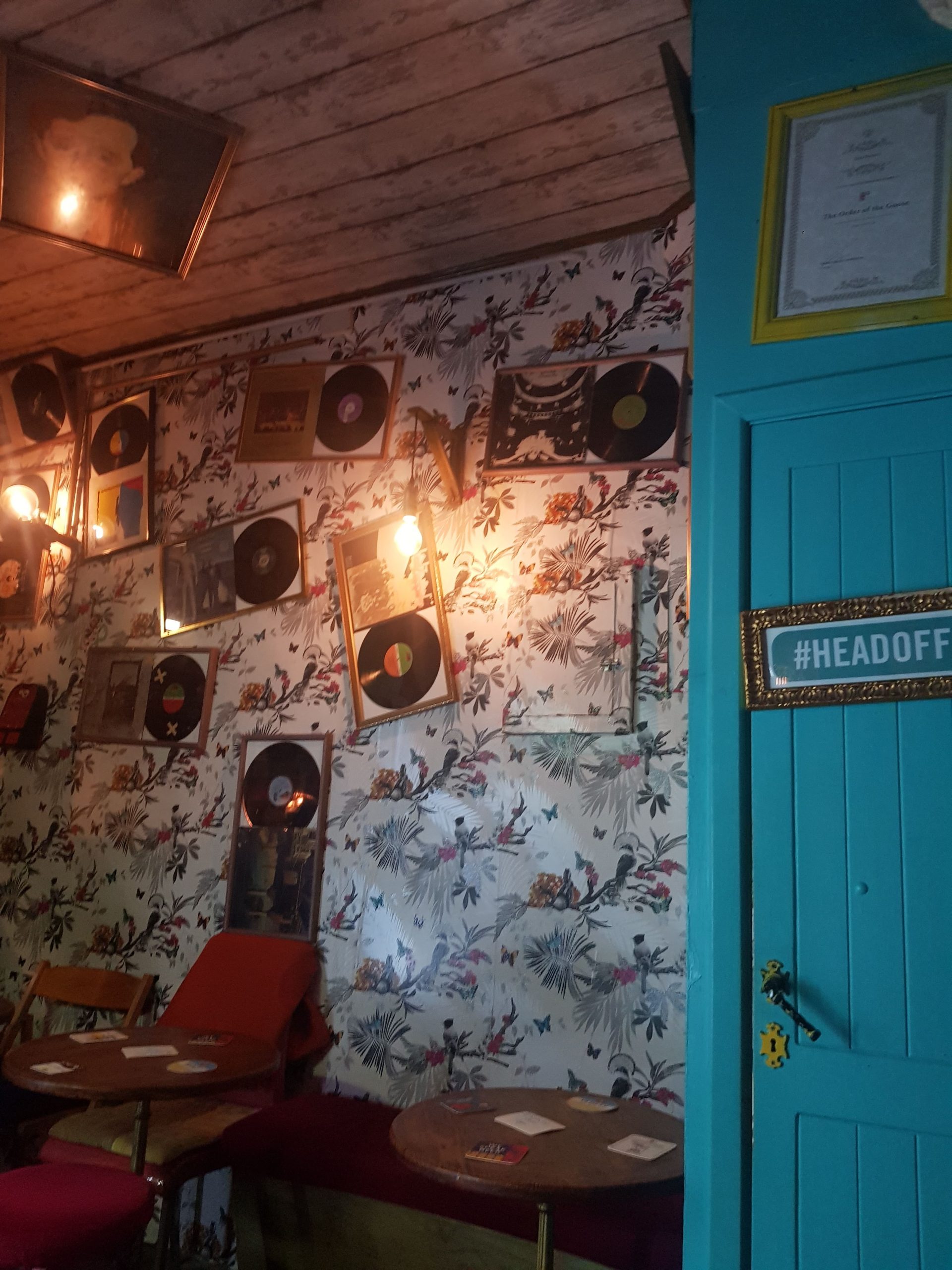
There’s natural character in this bar, which the decor adds to. That’s the toilet to the right of the photo, neatly fitted into the very small space. Half of the tables were reserved when we visited, which was a mid-day evening in March, so I’m not sure how easy it is to get a seat during the warmer summer months. But, it’s in the heart of Valletta, so it’s easy enough to take a little stroll by and have a look.
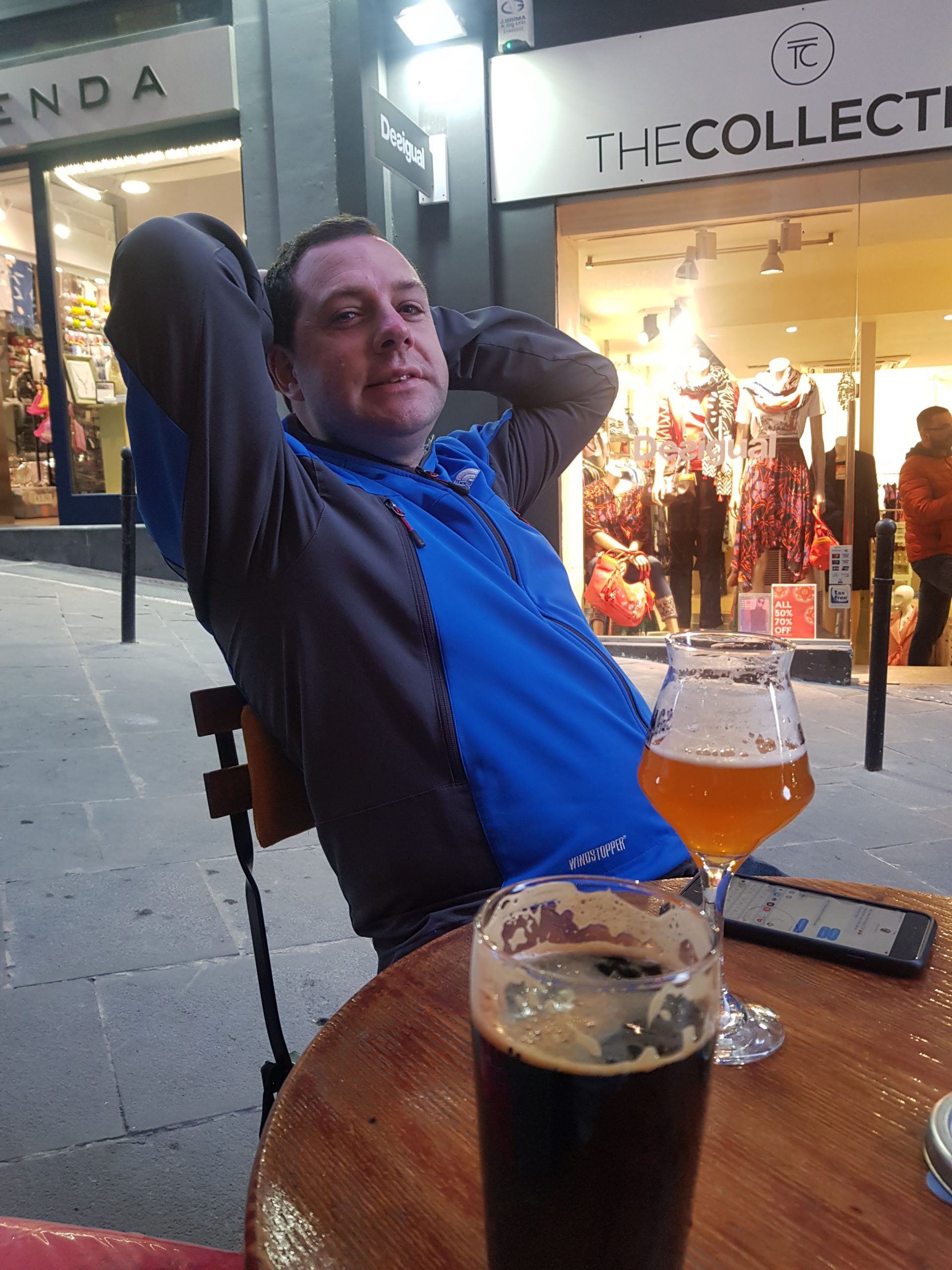
Liam enjoying some drink outside that he would have liked the look of (well, the look of the pump clip). There were a few tables here, although with the slight caveat that smokers may set up shop nearby.
I was tempted to stay here for longer, and could have happily done so, but there were more craft beer bars to investigate….. It seems that they offer food judging from the reviews on-line, and it looks of a similar high quality to the beer.
The reviews on TripAdvisor are, quite rightly in my view, very positive, although one visitor must have made clear he was ready to leave a negative review:
“The two chaps who seemed to be running the place were less that obliging and we just left them with the undrinkable wine after a less than professional exchange once they got wind that we were likely to take the advice of the sticker they had in the window, and leave our impressions on ‘Tripadvisor’.”
Anyway, a marvellous bar which was quirky, authentic and which had excellent beer.
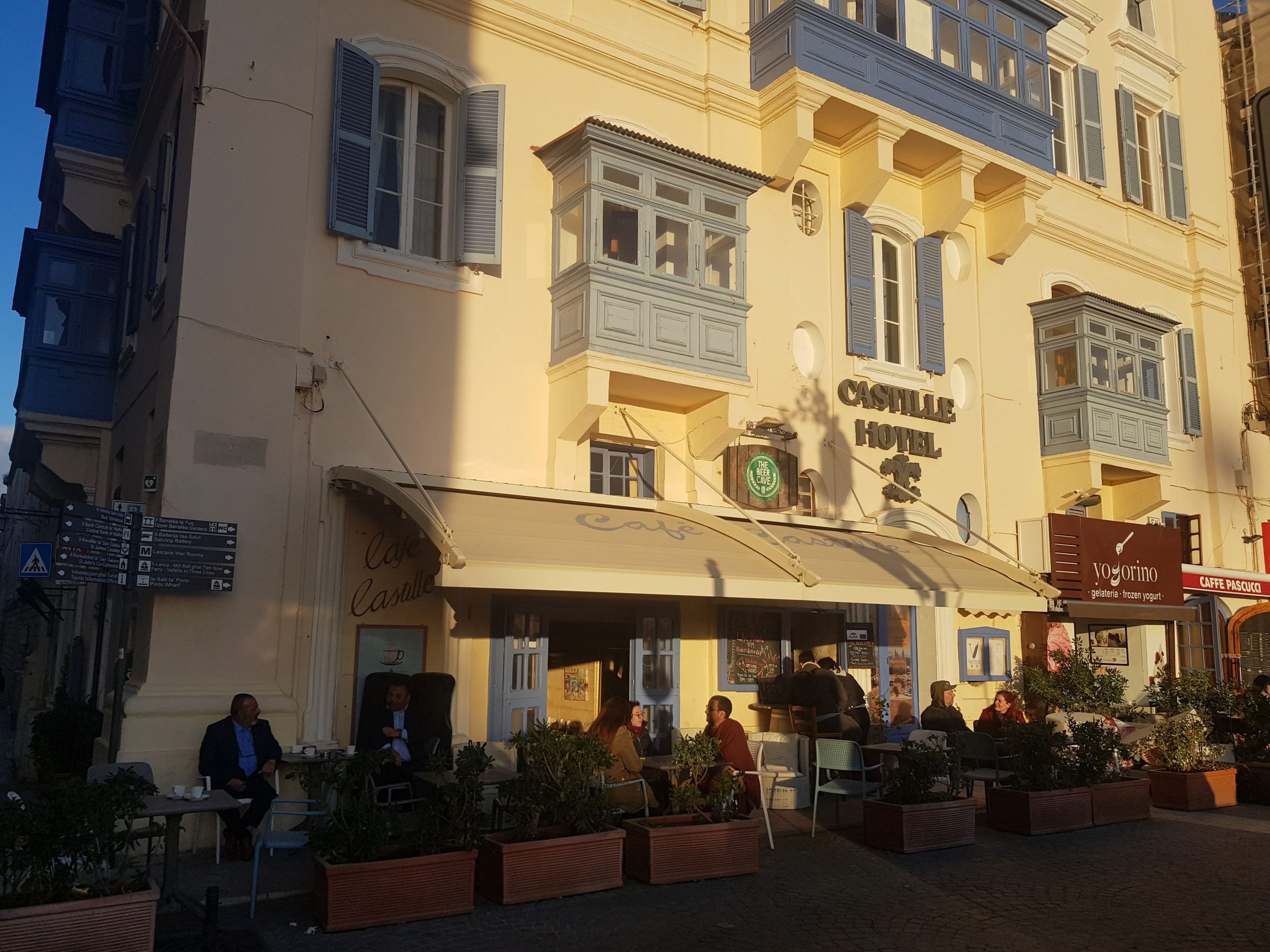
There aren’t a large number of craft beer bars in Valletta, or indeed in Malta, so it wasn’t too onerous a challenge to try and visit them all in an evening. Liam and I were certainly brave and courageous in our endeavours. The first one of the evening was the Beer Cave, located under the Castille Hotel in the heart of the city.
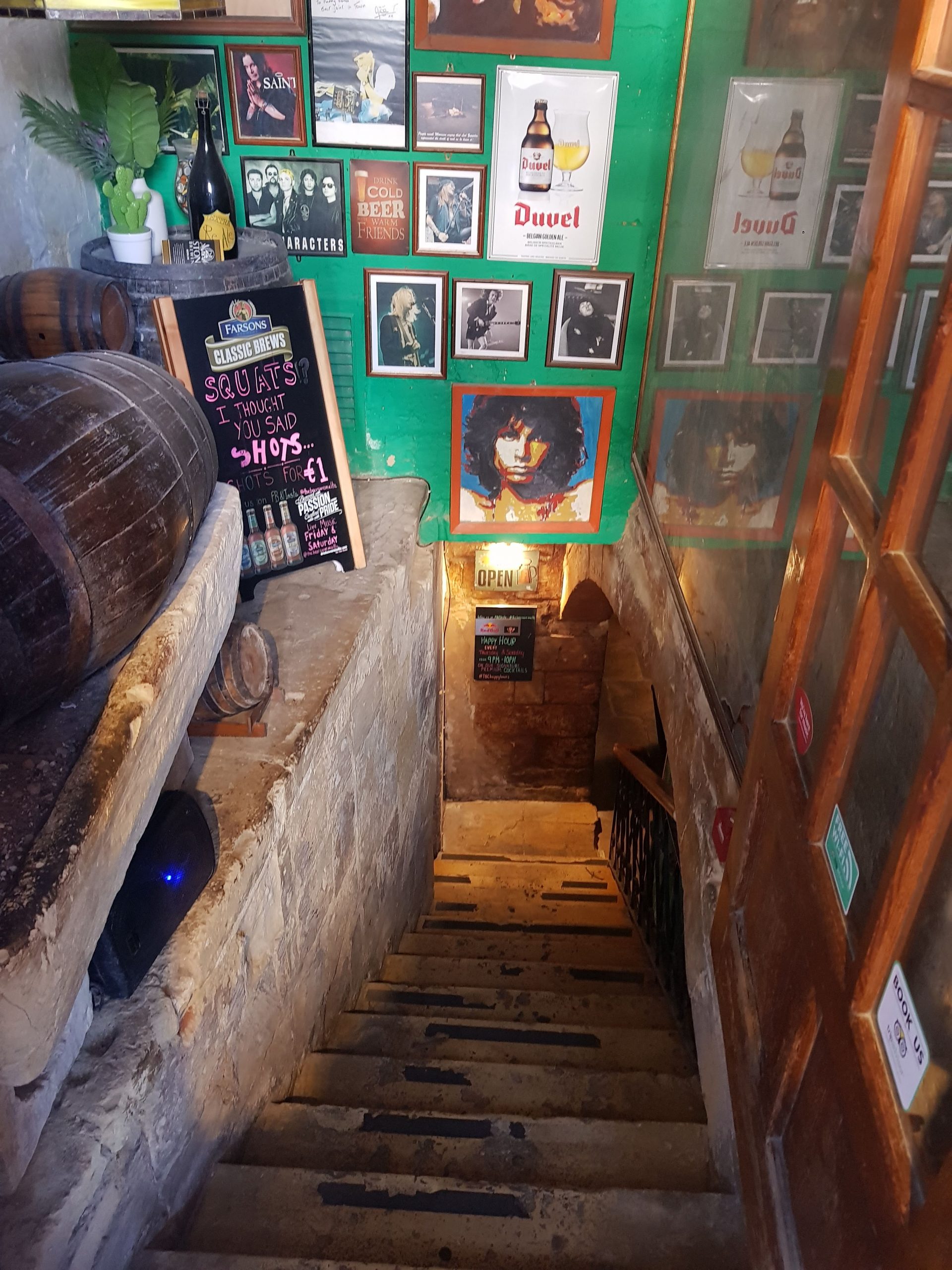
The entrance takes you straight down into the cellar, or cave, and it feels like a welcoming place. With one exception, which was the ridiculous volume of the music. I assume they thought it would attract people, but I can’t think of one single craft beer bar I’ve been to where they play music at high levels when there’s no-one in there. Personally, I like those bars who generate their own atmosphere without needing the crutch of music, but if they’re going for that (and this venue is big on live music and bands, which they seemingly do well), it’s probably best set against how many people are actually in the bar. So, we were always destined to make this a quick visit.
The staff member was friendly enough, I’m not sure that he was entirely familiar with the options, but since he couldn’t clearly hear what I was saying and I couldn’t clearly hear what he was saying, it’s a hard one to call. Which is another issue really, this type of bar can surely only benefit from lots of engagement between customers and the bar staff, or just between customers. I’m perhaps just too old to be doing lots of yelling. The beer choices were also pretty well curated in terms of beer types, it seemed to cater to most needs. I had my delicious stout and Liam got his grapefruit pale ale.
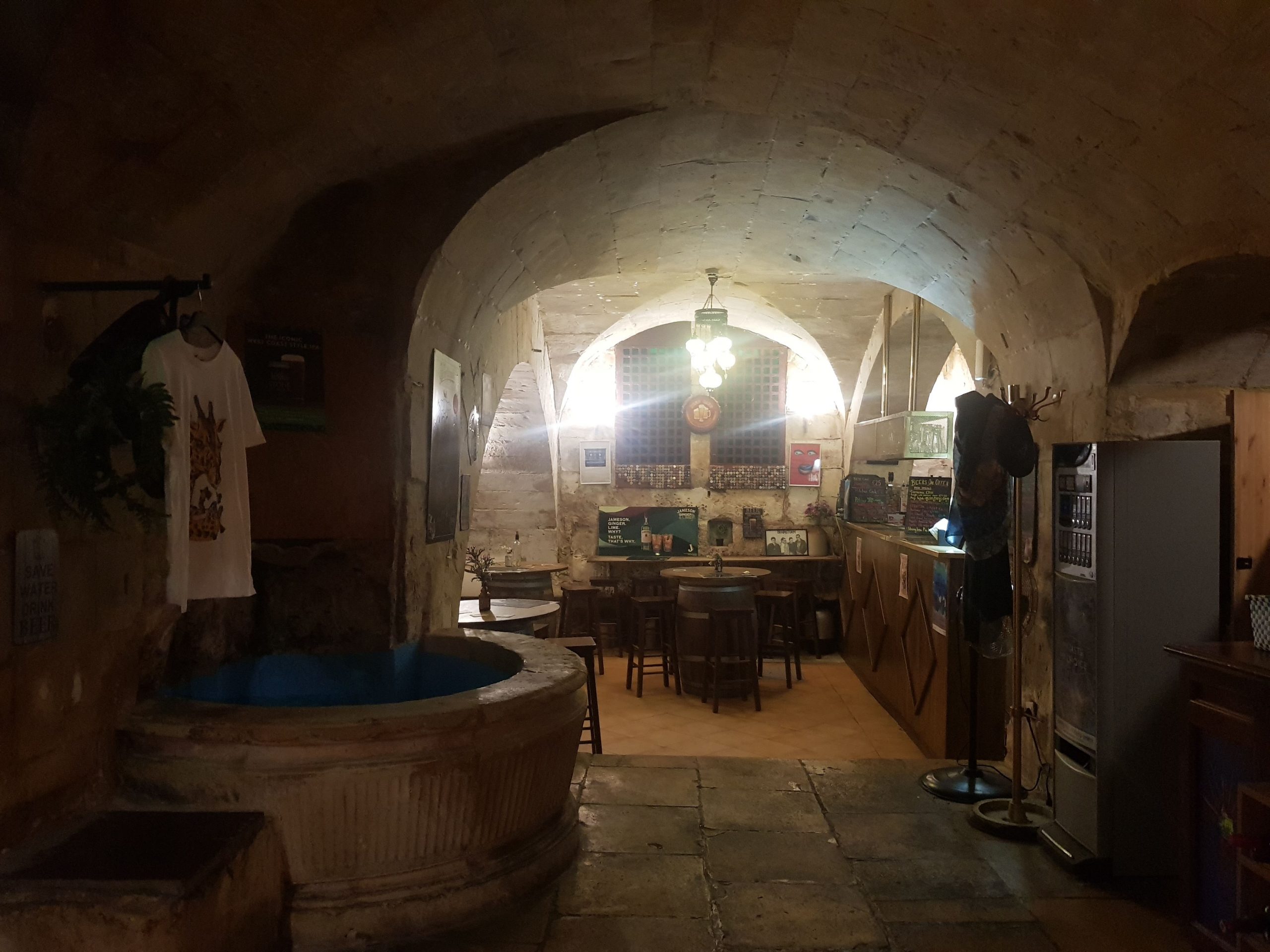
Downstairs, in an atmospheric location at least. I’d say that this is a music venue which happens to sell craft beer as opposed to a craft beer bar, but it’s well reviewed and so is clearly meeting a need. The bar remained empty all the time that we were in there, other than for two people who came down the steps and then went back up them again. Anyway, I’m glad it’s there, craft beer should be for the many, not the few.
The city’s royal opera house was built in 1866 and was designed by Edward Middleton Barry, who had also designed London’s Royal Opera House a few years before. The new opera house in Valletta pleased and delighted the people of the city until it burnt down in 1873. Not set back by this minor disaster work started again on the rebuild and it opened again in 1877.
All was well with the building until it collapsed on 7 April 1942 after being bombed by the Germans during the Second World War. The British decided that they’d demolish what was left to avoid any further injury, although since Malta was the most bombed location during the Second World War I’d have thought that the ruins were the least of the concerns that the local population had to deal with.
Anyway, the efficient and effective post-war government roared into action and managed to achieve precisely nothing in terms of rebuilding the opera house. Money was approved in 1955 to fund a new building, but it wasn’t spent and there were then decades of delays. It was decided that the locals could use the central area of the building as a car park, which didn’t seem a particularly useful way to utilise this prime piece of real estate.
In the 1980s the architect Renzo Piano contacted the government and made some recommendations about how the site could be used. The government once again roared into action and twenty years later they had again achieved nothing. However, in 2008 a decision was made to renovate the site and by 2013 the new open theatre was unveiled. It had taken just 71 years to resolve the problem……
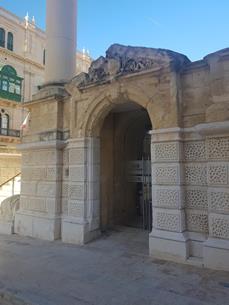
One of the former entrance doors to the opera house.
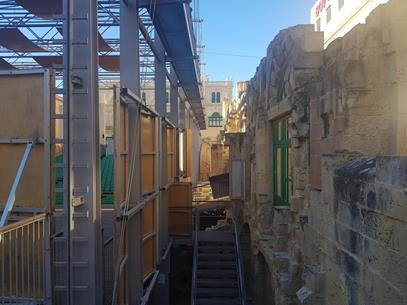
The new open air theatre structure has been placed inside the original walls without impacting on them. The new building has been controversial as there were numerous suggestions as to how the site could have been redeveloped, but it is now known as the Pjazza Teatru Rjal.
The pillars show how large the original opera house was.
And to make it even easier to imagine, here’s what it looked like in 1911.
It’s positive that the site has been reused and Renzo Piano has done an excellent job, as he has with the city’s new gate and the Parliament building which is located next door. It’s just a shame that it took the government so long to actually do anything with the ruins of the building.
Muza is the new art museum in Valletta which relocated and opened in its current location at the end of 2018. My visit came just a couple of weeks after they opened, so everything seemed quite new and modern. Although I didn’t like the stairs inside the building, but I mentioned them elsewhere….
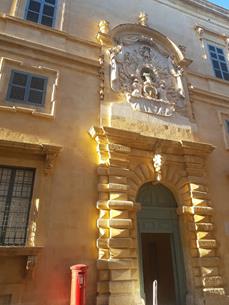
The gallery has been opened in the Auberge d’Italie building which dates back to the late sixteenth century. Over the centuries the building has been used as a Post Office, a school of arts, a courthouse and a military headquarters.
The signage in the museum isn’t really very good, although I’m sure that they’re planning to address this. I had a Heritage Malta pass so I didn’t go to the ticket office and instead headed to what I thought was the entrance so that they could scan my ticket. That worked, but the museum seemed very small, but it transpired that I had just visited the temporary exhibition which is on the ground floor. Fortunately a staff member told me as I was leaving…..
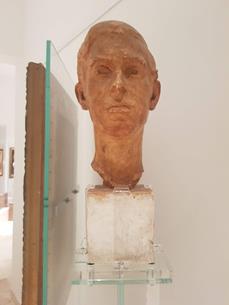
Anyway, above is a plaster portrait of HRH the Prince of Wales, sculpted by Vincent Apap, one of the most famous Maltese sculptors in recent history.
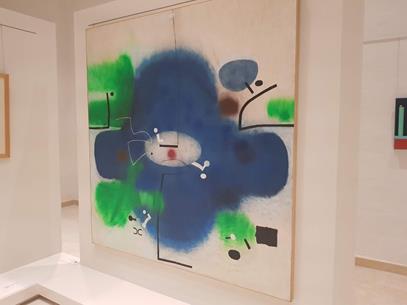
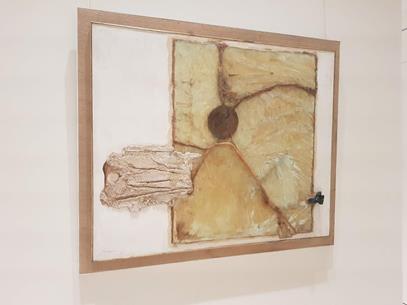
This is the last artwork by Victor Pasmore and it was found on his easel when he died in 1998. The information panel explains that “it is a synthesis of his style in Malta, featuring simple forms, dynamic lines and symbols”. I haven’t got the slightest clue what the artwork, which is titled Bla Titlu (this actually means ‘without title’ in Maltese, so I suppose it isn’t really titled), is about.
This artwork is by the Maltese Emvin Cremona and is a mixed media piece created in 1969. I have absolutely no idea what this is supposed to be about, which was a theme I was discovering about this exhibition.
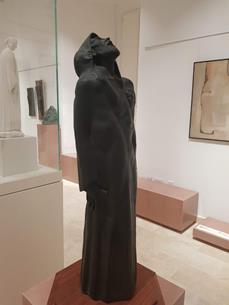
St. Anthony the Abbot, a sculpture in plaster by Vincent Apap, one of his earlier works having been created in 1932.
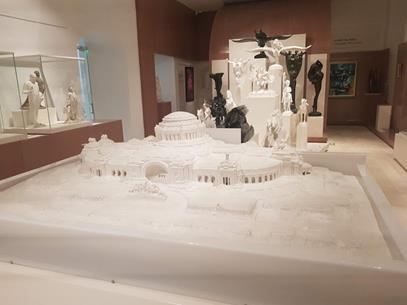
This is the design created in 1917 by the Maltese sculptor Antonio Sciortino for a project to mark the unknown soldier. Despite many years of work the structure was never built.
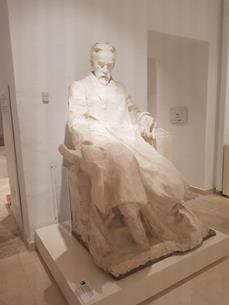
Another work by Antonio Sciortino, this one is a model for a monument of Anton Chekhov, which was in this case constructed.
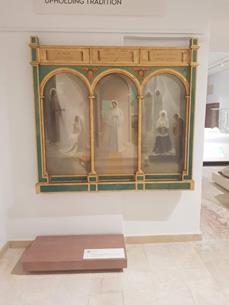
I like medieval triptychs, but this is a contemporary interpretation which was created in 1945 by the Maltese artist Anton Inglott.
Everything above was in the temporary exhibition, so I then made my way up the stairs to the main collection. The museum was surprisingly quiet, although it was also much larger than I had anticipated. There were gaps where signs and panels should be, but I assume that this is simply because the museum has just opened and they weren’t quite ready.
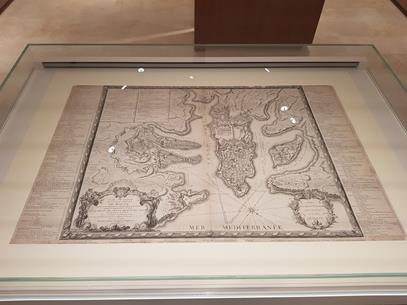
An early map of Valletta.
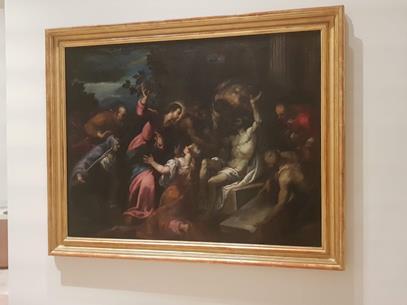
This is the ‘Raising of Lazarus’ which was painted in the late sixteenth century by the Italian artist Andrea Vicentino. Of note is that this is one of the few works which has survived which was once hung in the Grandmaster’s Palace.
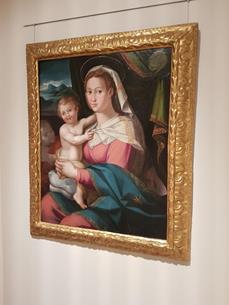
This painting of ‘Madonna and Child’ looks older to me, but is actually from the late nineteenth century, although the painter is unknown.
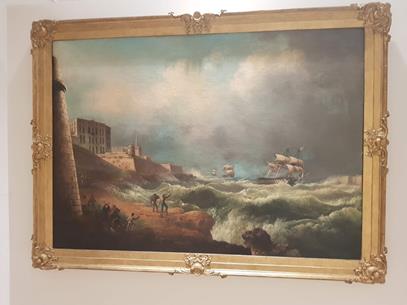
One of my favourite works in the gallery, this is a view of the Grand Harbour’s entrance, painted in oils in the early nineteenth century by Thomas Lyde Hornbrook.
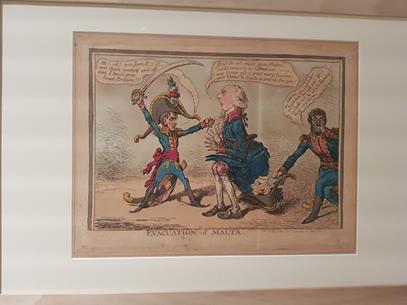
An interesting cartoon from 1803 representing the evacuation of Malta.
Overall, I liked this museum and the design felt contemporary and modern, befitting the new building. I also very much liked that there were numerous information panels relating to the history of the building itself, which has gone through numerous transformations over the centuries. The layout was though just a little confusing and I hope no visitors manage to miss the main part of the museum and instead just see the downstairs exhibition area.
Muza is Valletta’s new art museum, and more on which in a separate post. But I feel the need to comment on the internal steps inside the museum, which I noticed a couple of other people stumble on. I’m not sure how this design got through the planning process but perhaps it was just me who found it slightly difficult to identify the edges of the steps. Well, and the other people I saw stumbling.
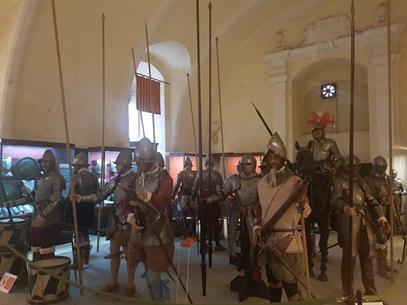
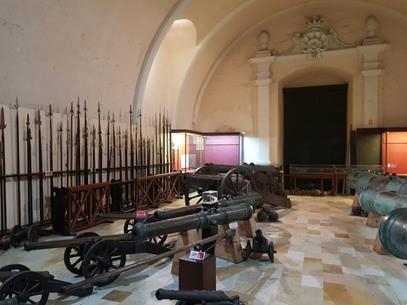
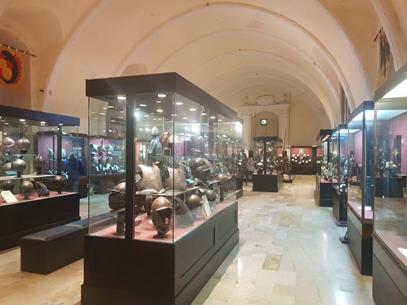
The Palace Armoury is part of the huge collection of armour that the Knights of the Order of St. John once possessed. Unfortunately chunks of it were stolen by Napoleon’s troops during the Napoleonic Wars and the storage area has moved to two former stable blocks, but solely because the original room upstairs was taken over by the Parliament of Malta.
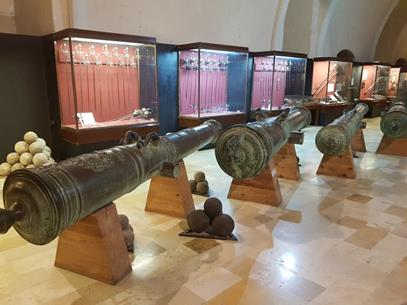
Collection of cannons.
There were a lot of the various pointy weapon things attached along the walls. I can quite imagine an invasion requiring the Knights to come into a warehouse like this full of weapons and armour, taking what was appropriate. This is incidentally one of the largest collections of weapons in the world which is still located in the original building.
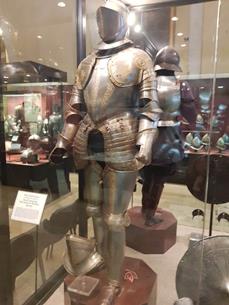
It’s thought that this suit of armour was designed for the Grand Commander Jean Jacques de Verdelain, who lived from 1595 until 1678 and he was the nephew of Grand Master Hugues Loubens de Verdalle. I suspect there’s an element of guess work here, but it makes the armour feel more relevant when there’s a connection to a particular person.
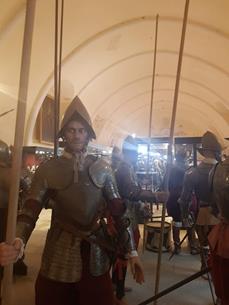
Some of the wax figures were quite realistic…..
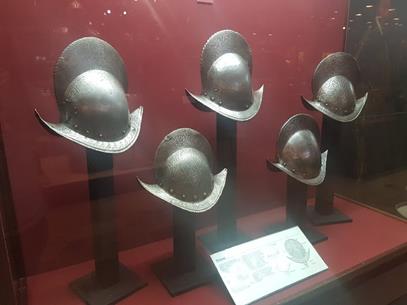
These are morions, or open helmets, which were used in the sixteenth and seventeenth centuries.
The collection, even in its depleted state, is still extensive in size. Originally the collection of weapons and armour would have been sufficient to arm thousands of soldiers.
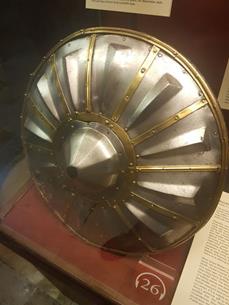
A decorative shield.
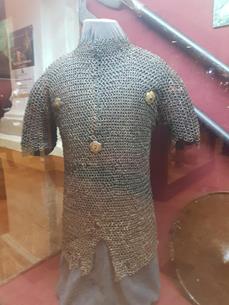
Chain mail which was worn under the armour and which looks heavy and clunky.
There was a free audio guide available but the staff member forgot to tell me that, and it only became apparent when I reached the state rooms which are in the same building. Not that it really mattered, I’m not that engaged with audio guides and there was plenty of descriptive information on the panels. There are a few negative reviews about this audio guide process and it is a bit clunky.
Overall, it’s an interesting enough museum although weaponry doesn’t overly thrill me and I tend to glaze over displays of guns and armour. However, it was clearly laid out and the highlight was seeing the armour which they had tried to associate with particular military leaders and Grand Masters from the period. The new location of the former stable block is a bit run down though, and perhaps a little bit of modernisation might be useful to the whole arrangements.
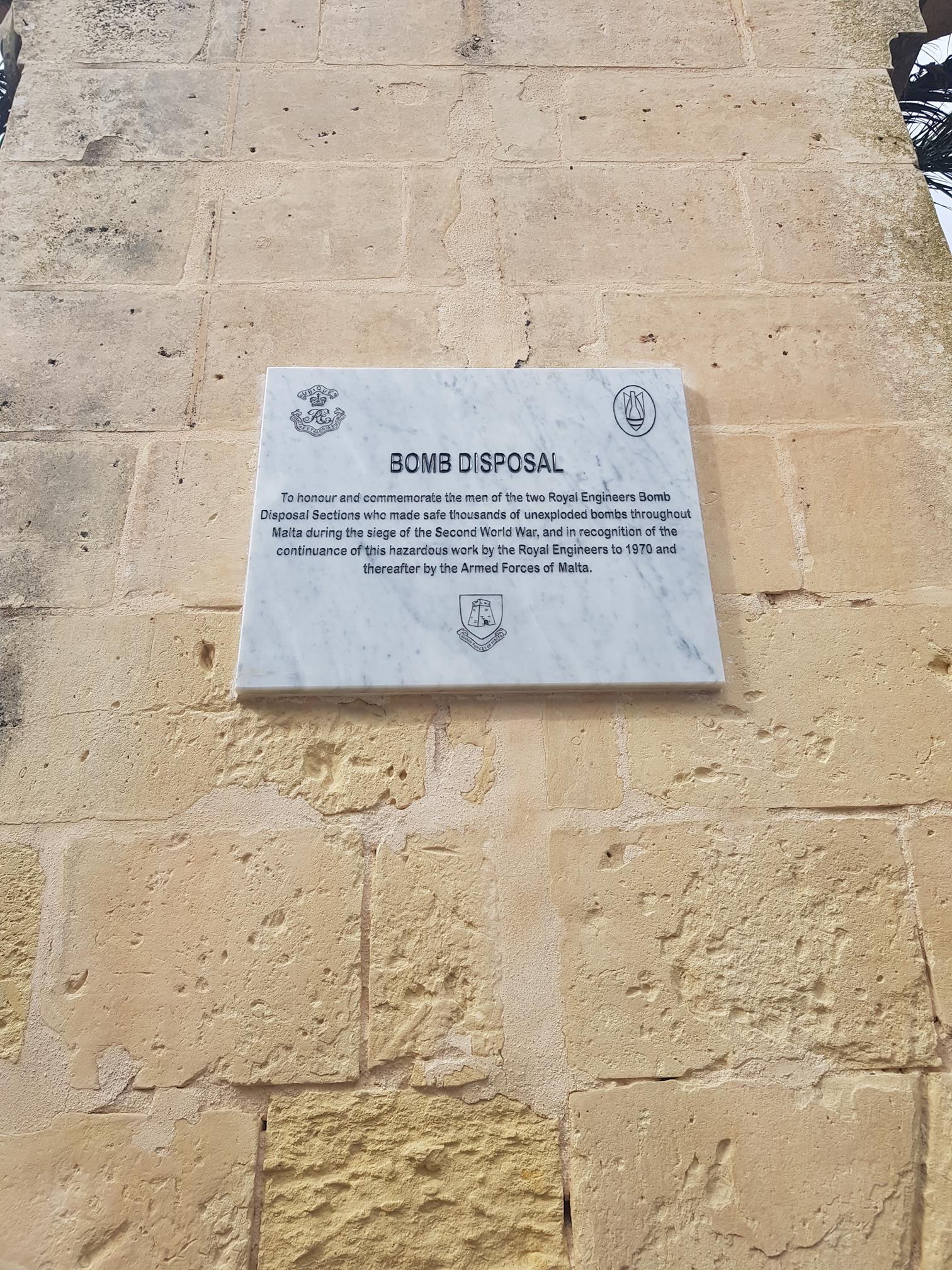
This plaque is located in Upper Barrakka Gardens and I can imagine that this is well deserved, the bomb disposal teams must have been enormously busy during the Second World War. More bombs were dropped on the islands than were dropped on London and the attacks were relentless for years. The plaque is also relatively new, it was unveiled by Joseph Muscat, the country’s Prime Minister, in 2017.
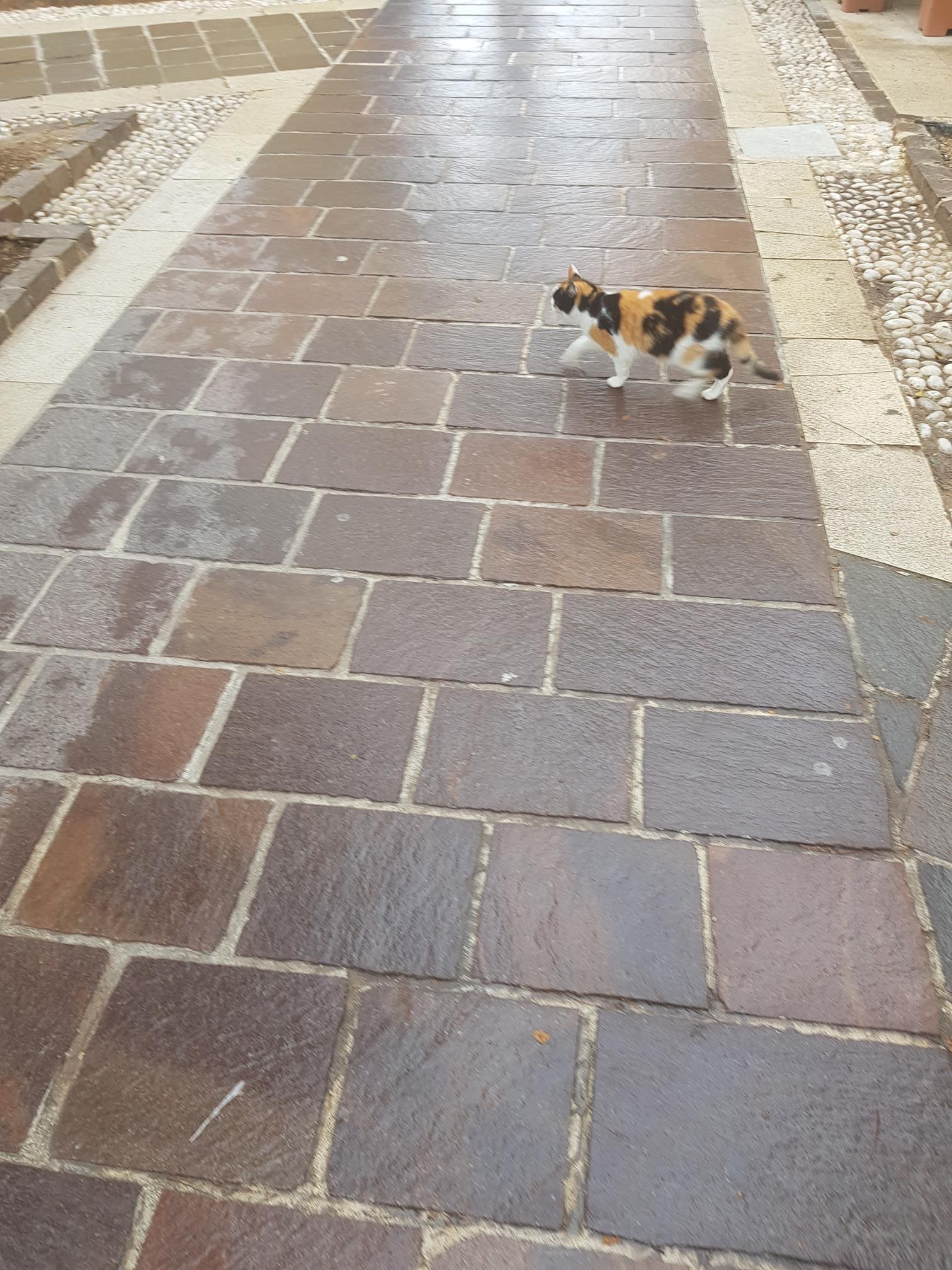
And here’s another photo of a cat, meandering around in front of the plaque.