[I originally posted this in May 2018, but have reposted it now to fix the broken image link. And, whilst I’m here, I can add to what I wrote at the time]
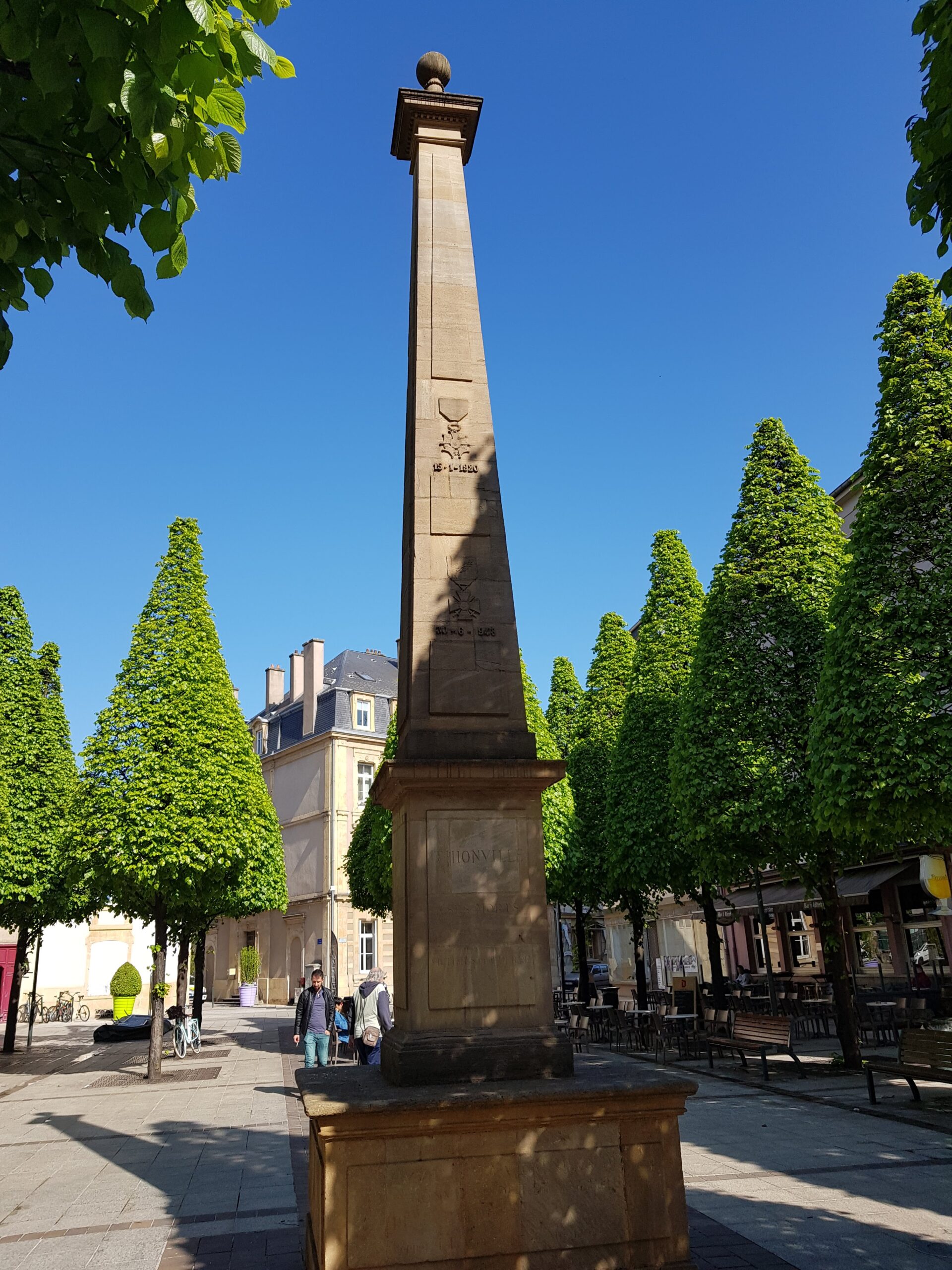
The Altar to the Homeland in Thionville was constructed on 22 September 1796, during the fervour of the French Revolution. There were many of these altars erected during the Revolution, but they were usually built of wood and many were lost under Napoleon’s rule, with this being the last stone one left in the country. It was intended initially to be a focal point for patriotic gatherings, with this one later being relocated to a cemetery and repurposed as a war memorial before being brought back here].
Apparently this is the only one of the 36,000 ‘Altars to the Homeland’ which still stand in France. Which sounds a little unusual and I haven’t yet ascertained as to why just this one exists. But it’s very lovely and the town is apparently very proud of it.
[I originally posted this in May 2018, but have reposted it to fix the broken image links]
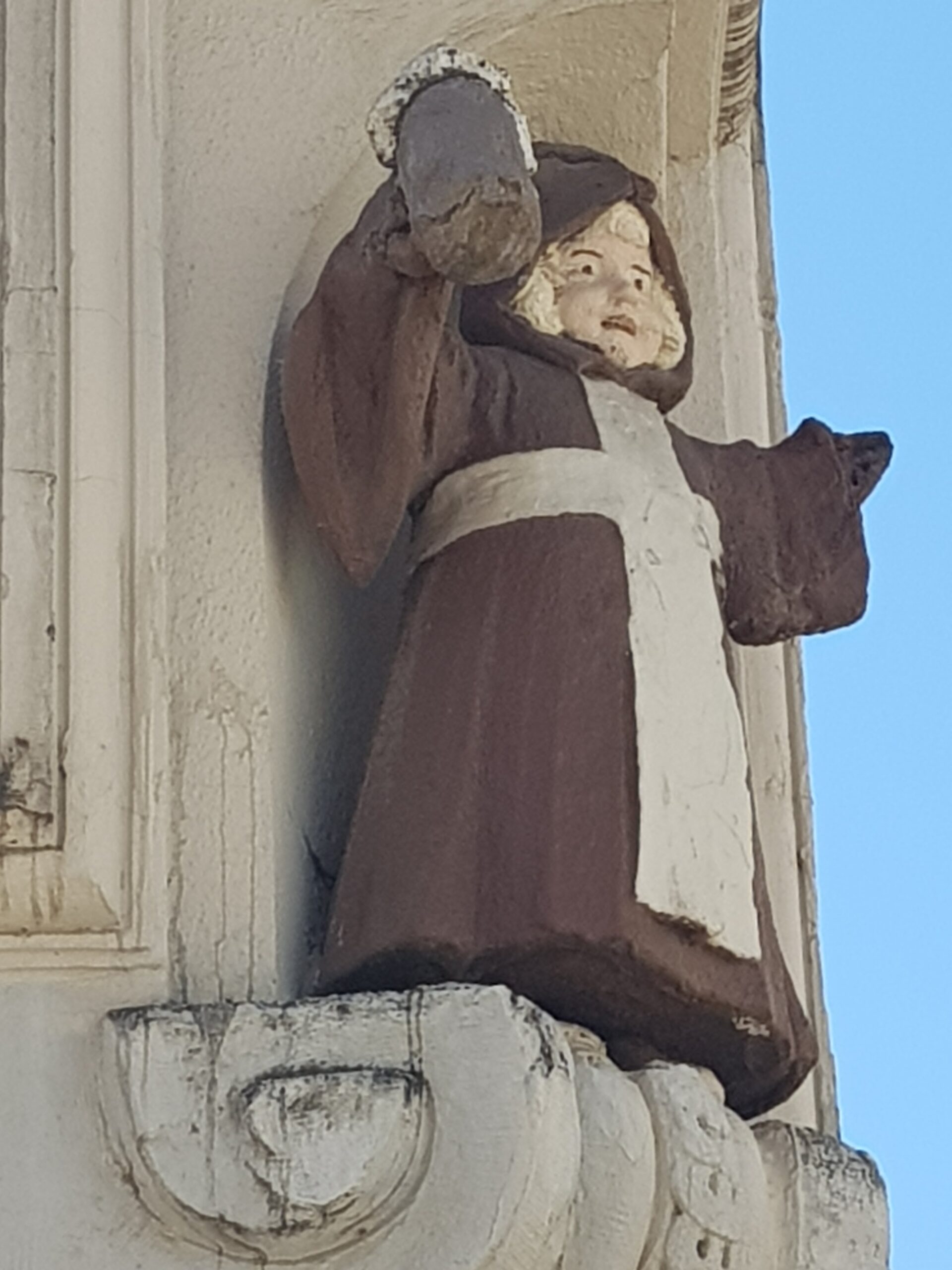
I’m not quite sure what the technical word is for these little statue things, but they’re located above the doors of shops. These are the two that the historical walking leaflet they gave me at the tourist information office mentioned to visit.
This is a sign that was once used by the local brewery.
This is the sign that once indicated a tobacconist’s shop, for which they used a representation of a slave sitting on tobacco and smoking a pipe (long since gone).
[I originally posted this in May 2018, but have reposted it to fix the broken image links]
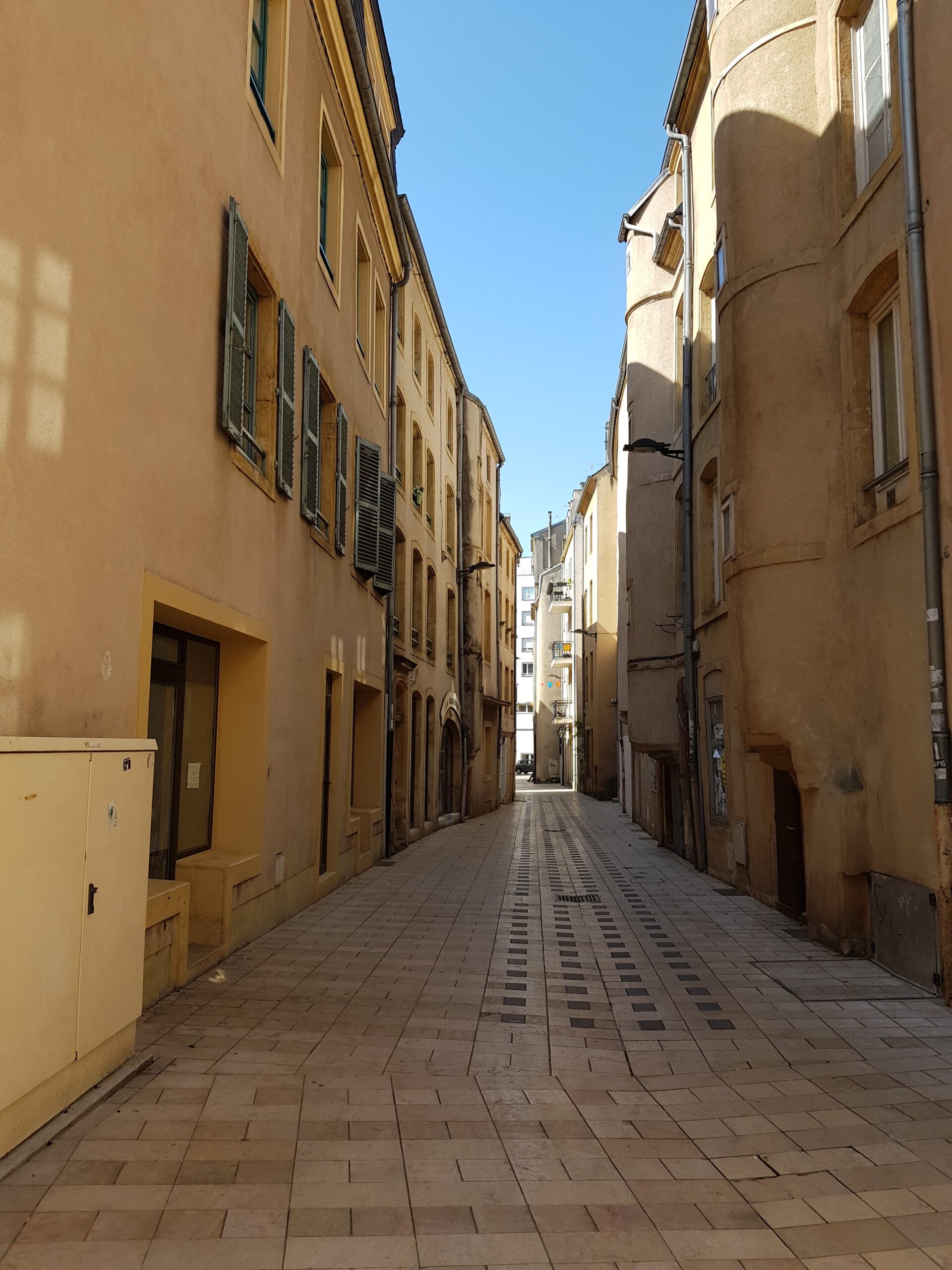
This street dates from the fifteenth and sixteenth centuries, with the staircases apparently being a legacy of the occupation of Thionville by the Spanish in the sixteenth century. Very pretty little street, right near to the town centre.
[I originally posted this in May 2018, but I’ve reposted it and fixed the broken image links]
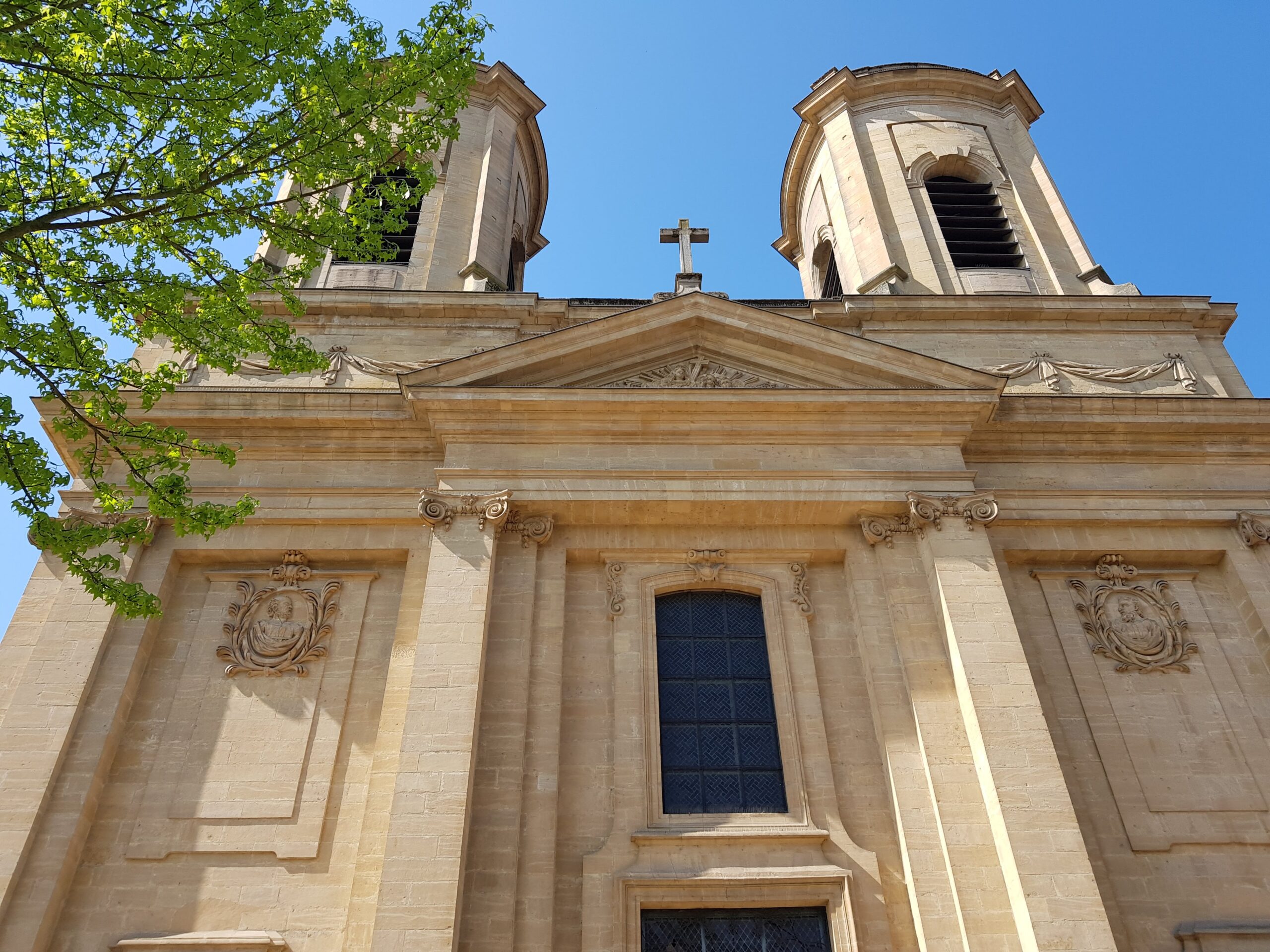
Currently a little bit of a building site, this is apparently a “stronghold” church, designed to withstand attack. The towers were used as a lookout point and it’s quite an attractive church inside, albeit a little covered up due to construction work.
Some of the photos below seem to be at a bit of an angle, I assume that the church was leaning slightly.
[I originally posted this in May 2018, but have reposted it to fix the broken image links]
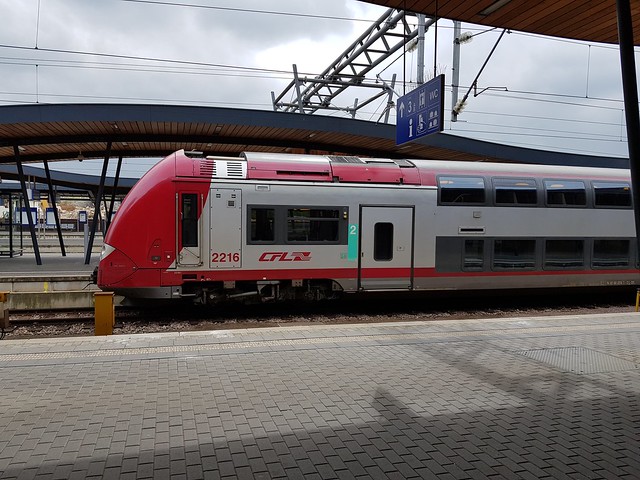
After arriving safely at the railway station in Luxembourg I faced the problem that was the SNCF rail strike. I decided to keep my trip to France, rather than changing to Germany, as the media had reported over recent weeks that support for the strike was falling and that more services were operating.
After checking with a staff member, they said that the trains to Thionville were running every hour, with the half hourly ones being cancelled. That was my expectation from the SNCF web-site, so I went to buy a ticket from a machine. The machine only let me buy tickets on services that were operating, so all seemed well.
Then the board never updated the platform that the train was going from and it then got “deleted”. I went to speak to the staff at the main information kiosk at the station and they confirmed I’d need to wait an hour for the one after.
There seemed something strange about this that didn’t quite ring true, as I didn’t see why so many trains would be cancelled to Thionville, especially as they had just sold me a ticket. So I went to the international departures desk and asked them.
The lady there was very helpful, and she was rather bemused at the situation as well. After a long conversation with her colleagues she said that she thought that the train was running and the information boards were wrong. She then suggested to go to platform nine and see if the train I had booked onto was running, and if not to speak to the conductor on the TGV service to Paris (which stops at Thionville) to see if they’d let me on.
As I got to the platform I could see the train that I had a ticket for was there and wasn’t looking very cancelled. I found a staff member who told me to get on as it was about to leave, which I did, although I was a still little unsure of whether this was actually the right train.
However, the right train it was and my trip to Thionville began. Luxembourg railway station is the first place that I took Dylan to, so happy memories of the place, although it was rather more stressful this time. Still lots of pigeons that looked like they might “get squished”.
The train was a double decker one and looked modern and well presented, although it was unclean and had rather a lot of litter on the floor. The prices for the train also weren’t that cheap, more expensive than the UK for the same distance. However, I got to Thionville safely and happily, so the end result was all very positive.
[I originally posted this in May 2018, but have reposted it now to fix the broken image links. And, public transport is now entirely free in Luxembourg]
Rather than spend €2 on the bus from the airport, I thought it’d be a far better idea to walk into Luxembourg city from the airport hotel. The city authorities have nearly made this very easy and they’ve ensured that 95% of the route has pavements. The other 5% appears to have passed them by….
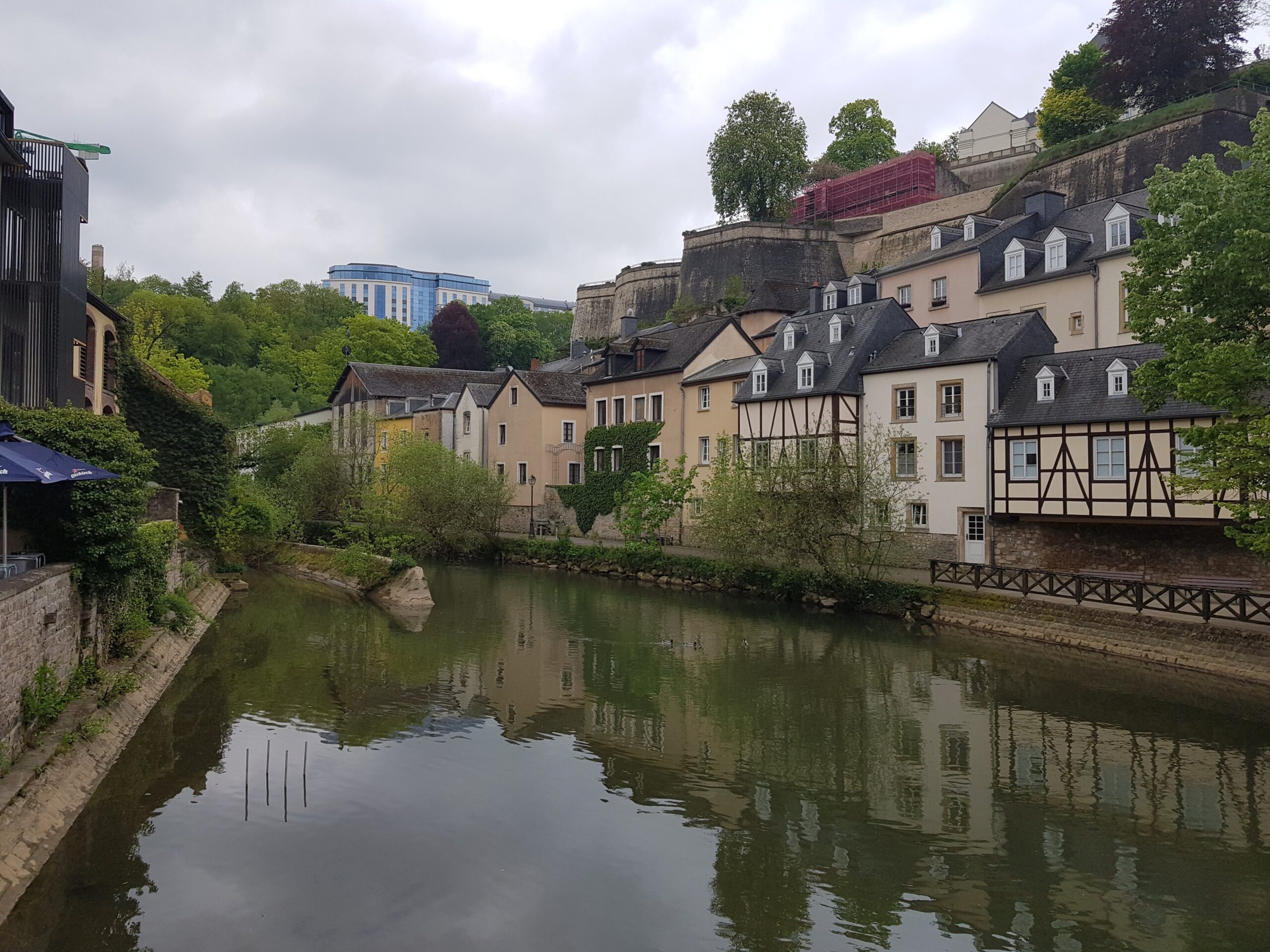
I’ve been to Luxembourg a few times before and it’s a beautiful city centre and a lovely end point for the walk. It’s about four miles to walk in and the weather was fortunately not too hot. The end point was Luxembourg central railway station, for the excitement game that would be “will be there a train during the SNCF strike?”.
The walk begins.
Reaching the city. It’s a pretty uneventful walk until the delights that are the city centre.