Author: admin

  • Malta – South Eastern Region – Valletta – Upper Barrakka Gardens (Winston Churchill)

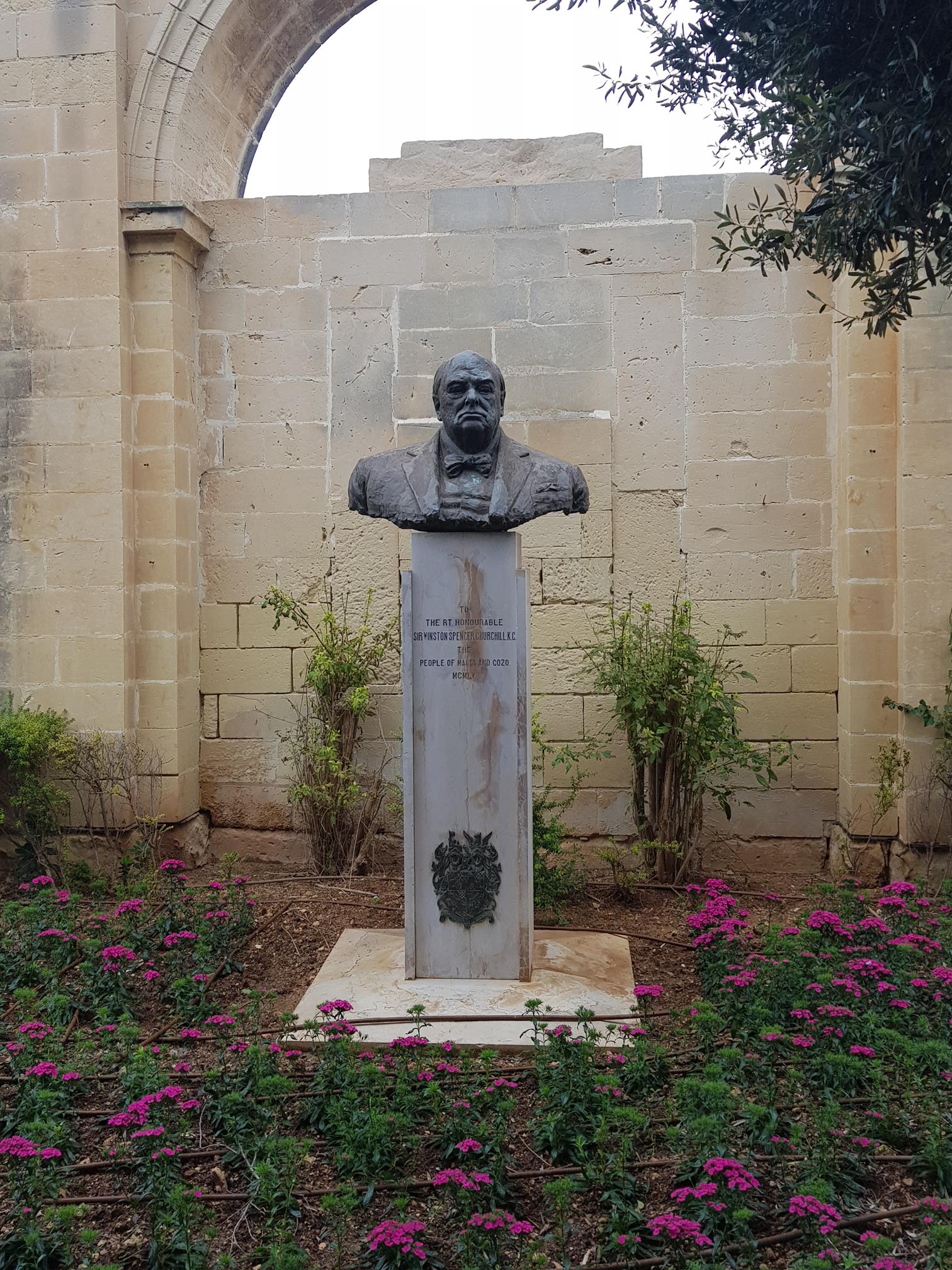
    Winston Churchill, Britain’s former Prime Minister, is still held in high regard in Malta from what I can tell. This sculpture of Churchill is located in Upper Barrakka Gardens and was sculpted by Vincent Apap, a Maltese artist. It was paid for by the people of Malta and Gozo and I think that it looks rather dignified and elegant.

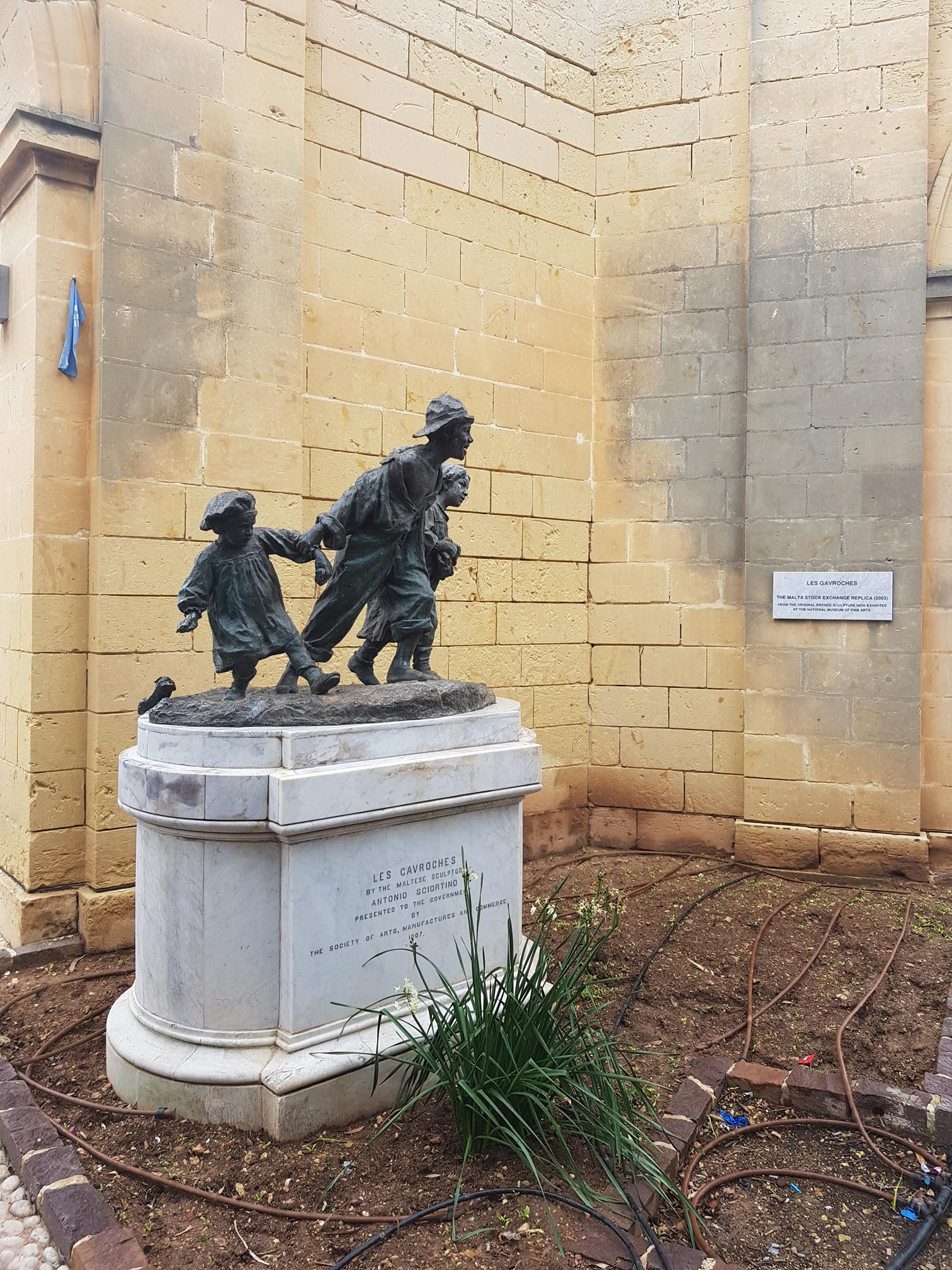
  • Malta – South Eastern Region – Valletta – Upper Barrakka Gardens (Les Gavroches)

    This is a copy of the statue that was once held here, but which is now in the National Museum of Fine Arts. The original was displayed in Rome and Paris before coming to Malta in 1907. It’s by Antonio Sciortino and shows three poor street children.

  • Malta – Northern Region – Roman Baths (Xemxija)

    Located towards one end of the Xemxija Heritage Trail are these Roman baths, which were only identified as such as late as 2000. Above are the steps down to the baths from the main trail.

    The Roman baths are located on the side of this ridge, but they date back to the Punic era of around 500BC when they were constructed as tombs.

    Looking back out of the baths.

    The baths were converted into a farmhouse in around the seventeenth century.

    It’s quite a large size and there are three distinct areas within the cave.

    This is the upper room within the caves.

    There are numerous niches located around the edges of the caves. The interesting thing about this site is that it’s always freely accessible and fortunately there doesn’t seem to be any vandalism within the caves. They’re a little bit off the beaten track and I didn’t see anyone else near the site when I visited. The whole trail has been intriguing, so much history packed into just one relatively short walk.

  • Malta – Northern Region – Cart Ruts (Xemxija)

    I went back today to complete the Xemxija Heritage Walk that I started on the first day that I visited Malta. Although going to look at cart ruts might not sound interesting, they are a mystery for historians. They date from the prehistoric period, but it’s entirely unclear what they were used for and how they were created.

    There are cart ruts located across the Maltese islands with these ones stretching for 275 metres. It’d make sense for these cart ruts to be linked to the construction of the temples on the islands, but unfortunately the ruts don’t coincide with those locations. They do though coincide with where early settlements were located, but it’s unknown whether they were created by humans or through the use of carts being towed by animals.

    The cart ruts are also of different widths, so if they were pre-planned, it was a slightly sloppy effort.

    Stretching into the now built on area, these type of cart ruts have also been discovered going into the sea and also off the edges of cliffs. An intriguing mystery….

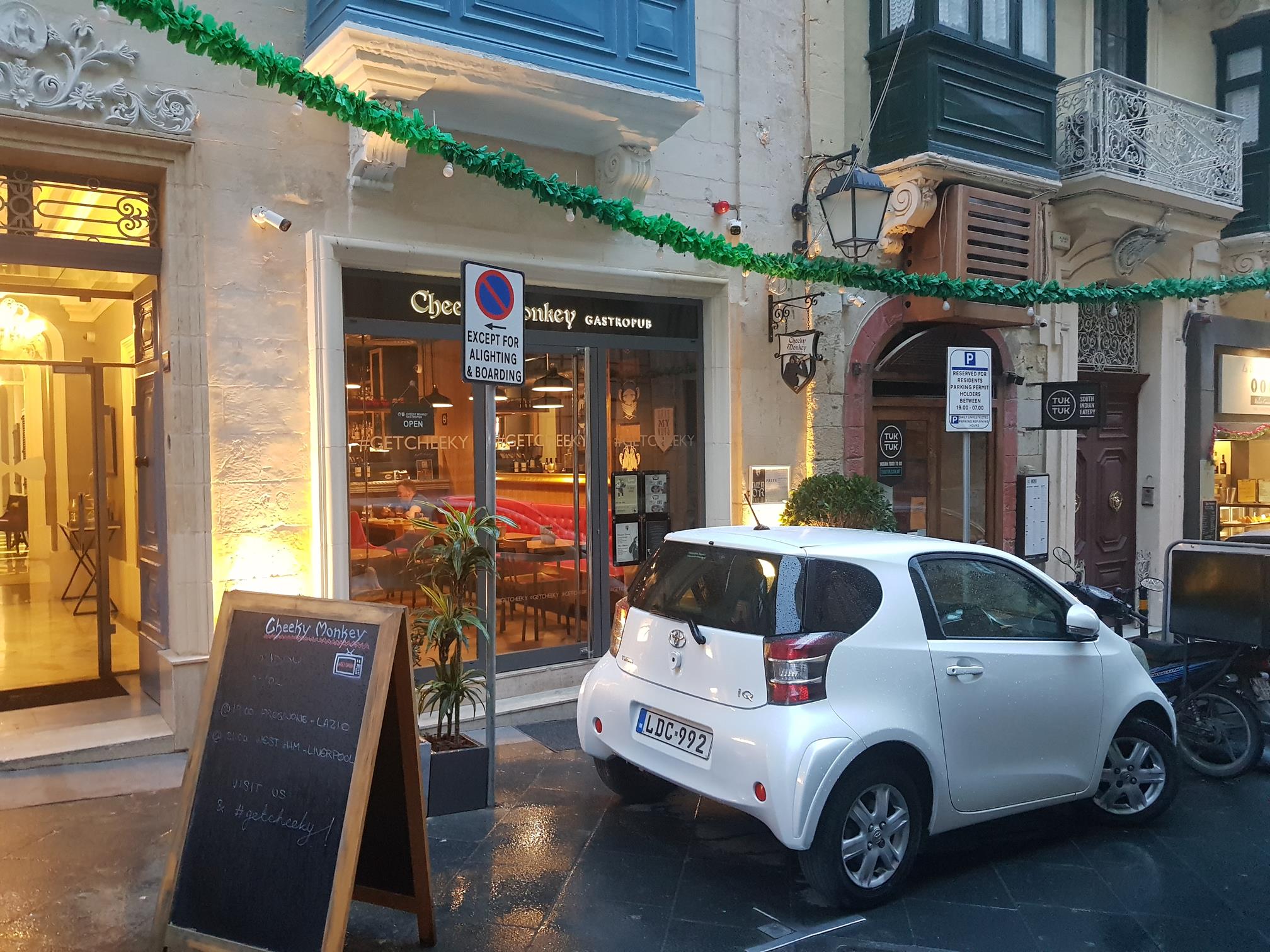
  • Malta – South Eastern Region – Valletta – Cheeky Monkey

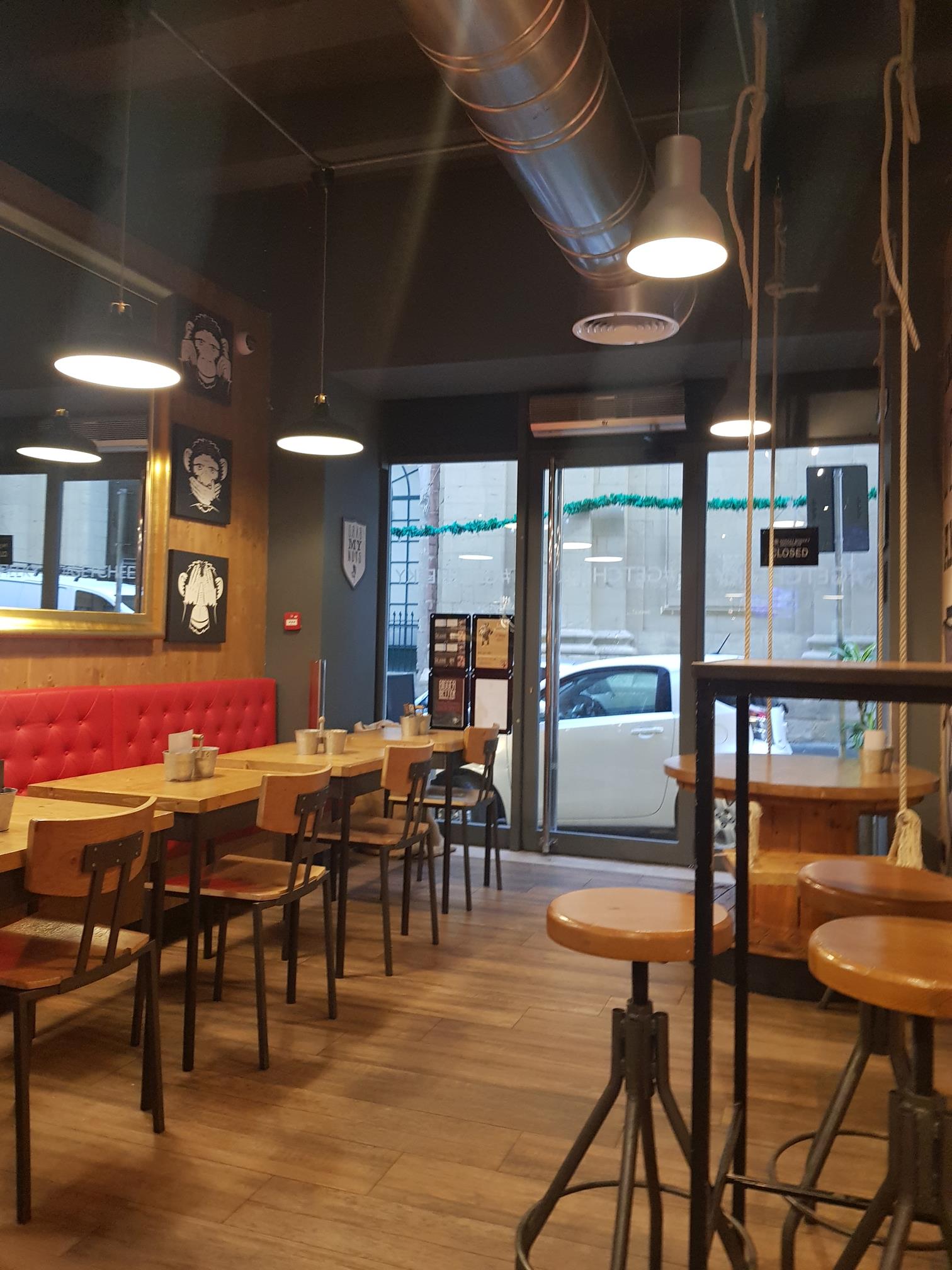
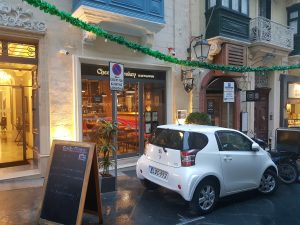
    A lot of restaurants and cafes in Valletta often have quite old-fashioned frontages, but Cheeky Monkey looks and feels modern. It’s well presented and their web-site is up-to-date, something which numerous restaurants in Malta don’t seem to concern themselves about.
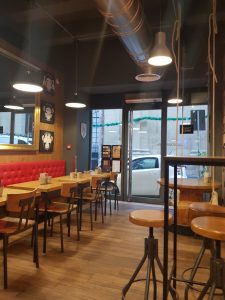
    I visited on a rainy late afternoon in February, so it wasn’t a surprise that it wasn’t that busy. There was a friendly welcome from a staff member, not just a “hello”, but something that actually seemed authentic and personable. So, my first impressions were rather positive.
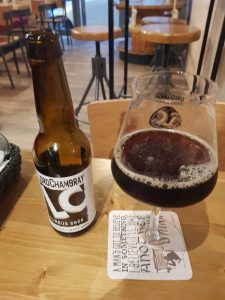
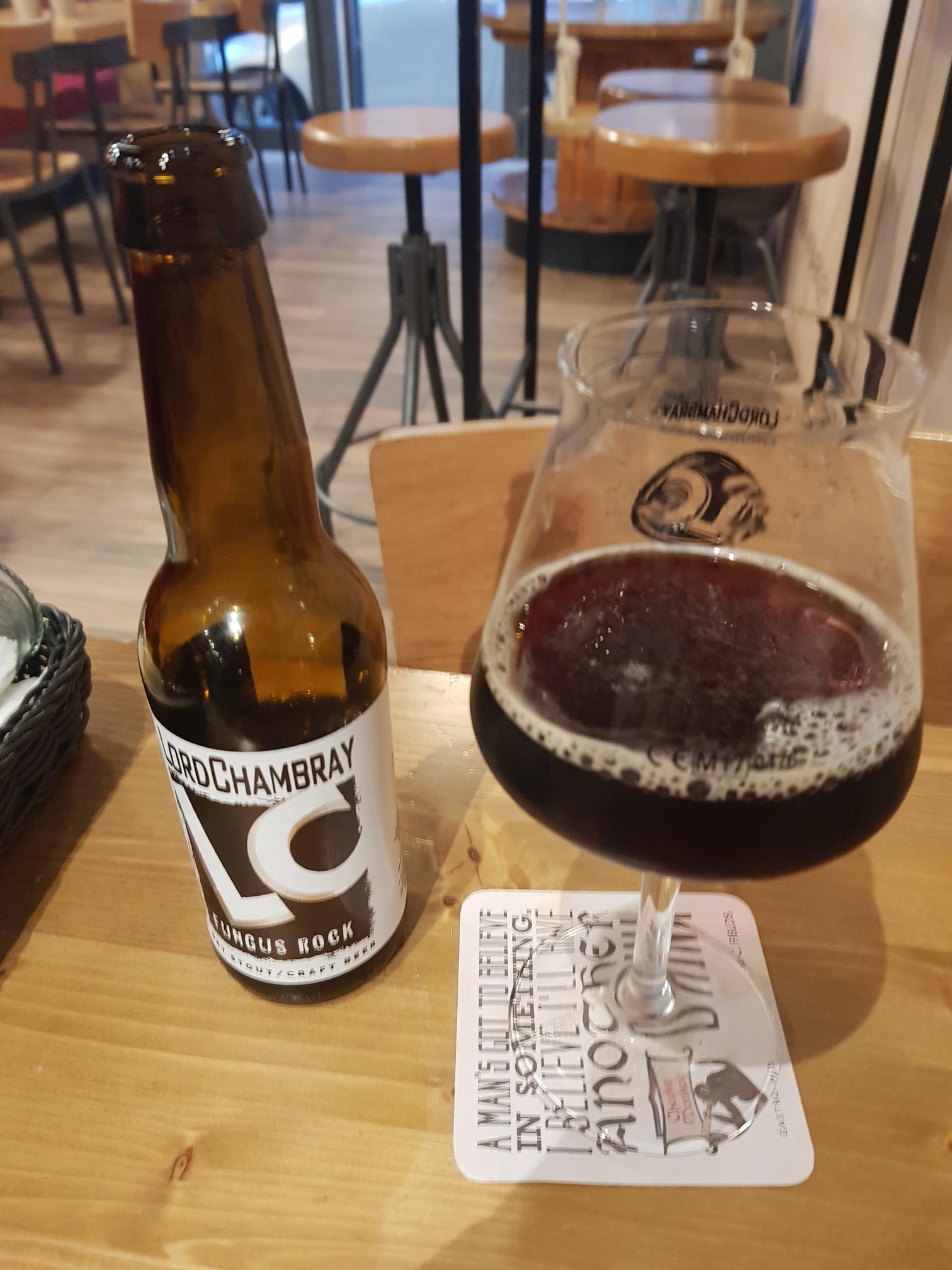
    Having craft beer is obviously a huge bonus for my enjoyment of a location, and although I’ve had this beer a few times, I like having it as an option. It’s the Fungus Rock dry stout from Lord Chambray Brewery on Gozo, one of the few local breweries. It doesn’t have the depth of flavour and afternotes that I’d ideally like, but it’s entirely acceptable. It transpired later on that I visited during happy hour, but the pub didn’t tell me that, which might have made my visit longer……
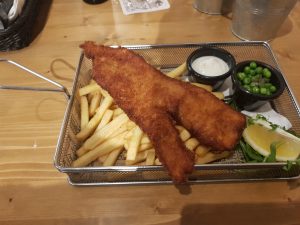
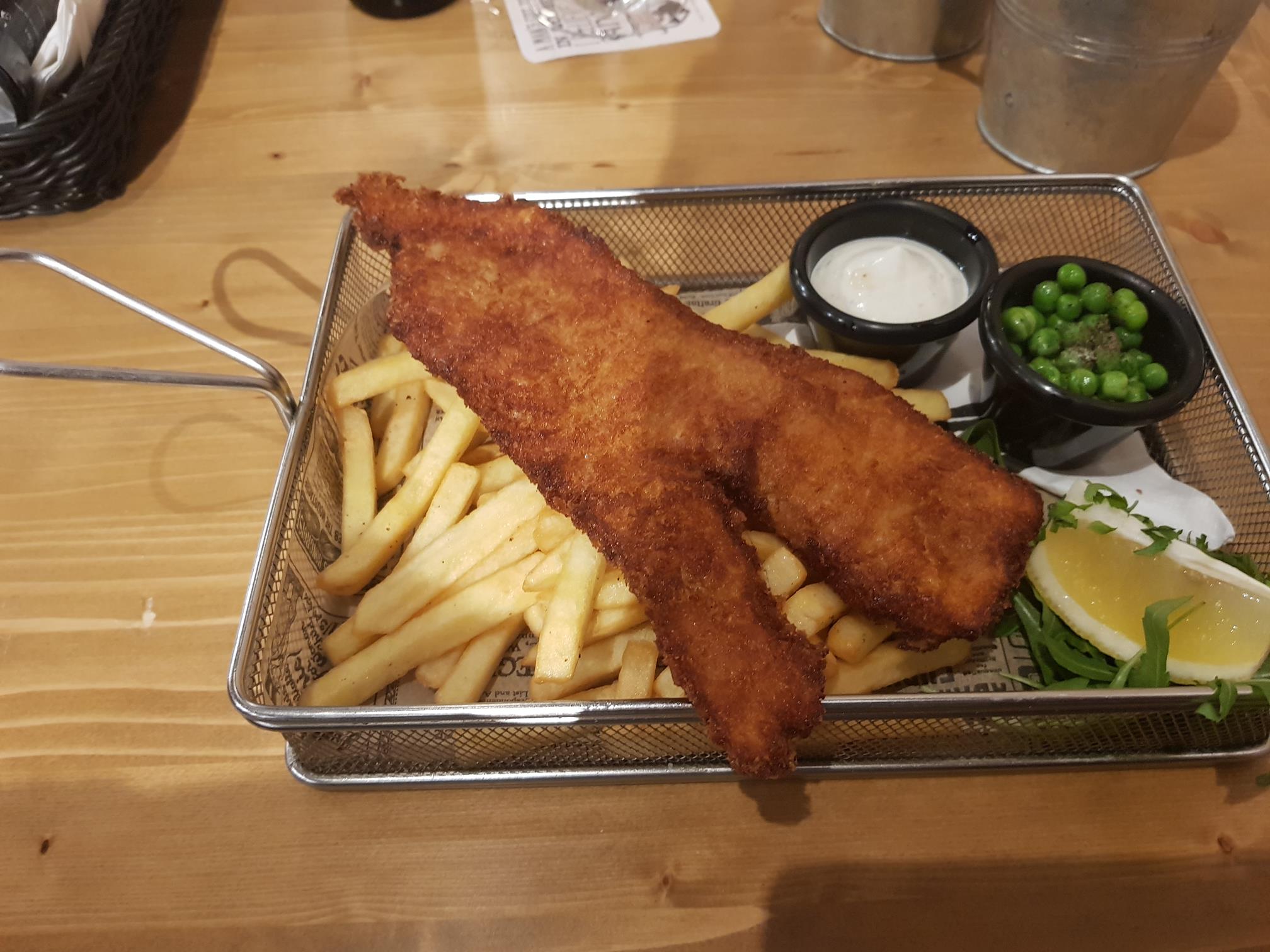
    The fish and chips, which was neatly presented and everything was at the appropriate temperature. Far too often restaurants put peas on with fish and they’re dry and tasteless, but these were excellent and despite being green, they had a depth of taste. The breading of the fish was even throughout and had a decent flavour, although the portion size was only adequate. The fish itself was again fine, although slightly uninteresting. The chips were though excellent again, crispy on the exterior and flurry on the interior, with the tartare sauce adding some extra flavour.

    It was all very acceptable and the prices weren’t unreasonable given the city centre location of Valletta. The service was above average throughout, always being attentive and polite. A staff member was going around with a tablet asking customers for feedback, something which I’m not sure works or not. I very much like the concept of it for picking up any issues, but they don’t seem to be doing anything directly with the data that they get. So if a customer isn’t entirely happy, I’m not sure if the pub is contacting them either immediately or after the event. If it isn’t (and they didn’t contact me), I’m not sure it’s a great idea, but the concept of immediate feedback is an interesting one which is very rarely done in this manner.

    But, everything was clean and organised, and I’d certainly go again, particularly as the staff were so friendly.

  • Malta – Southern Region – Filfla

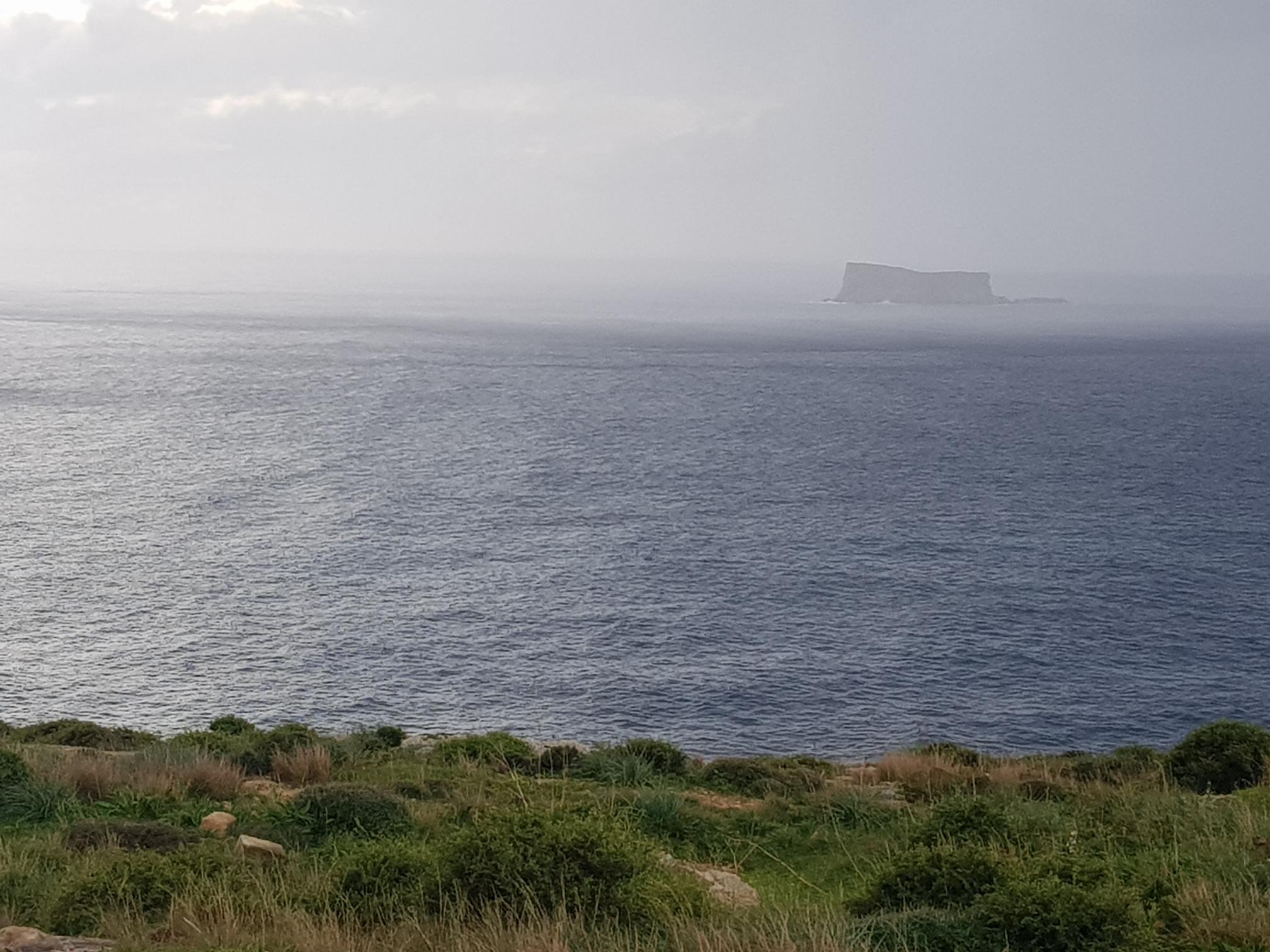
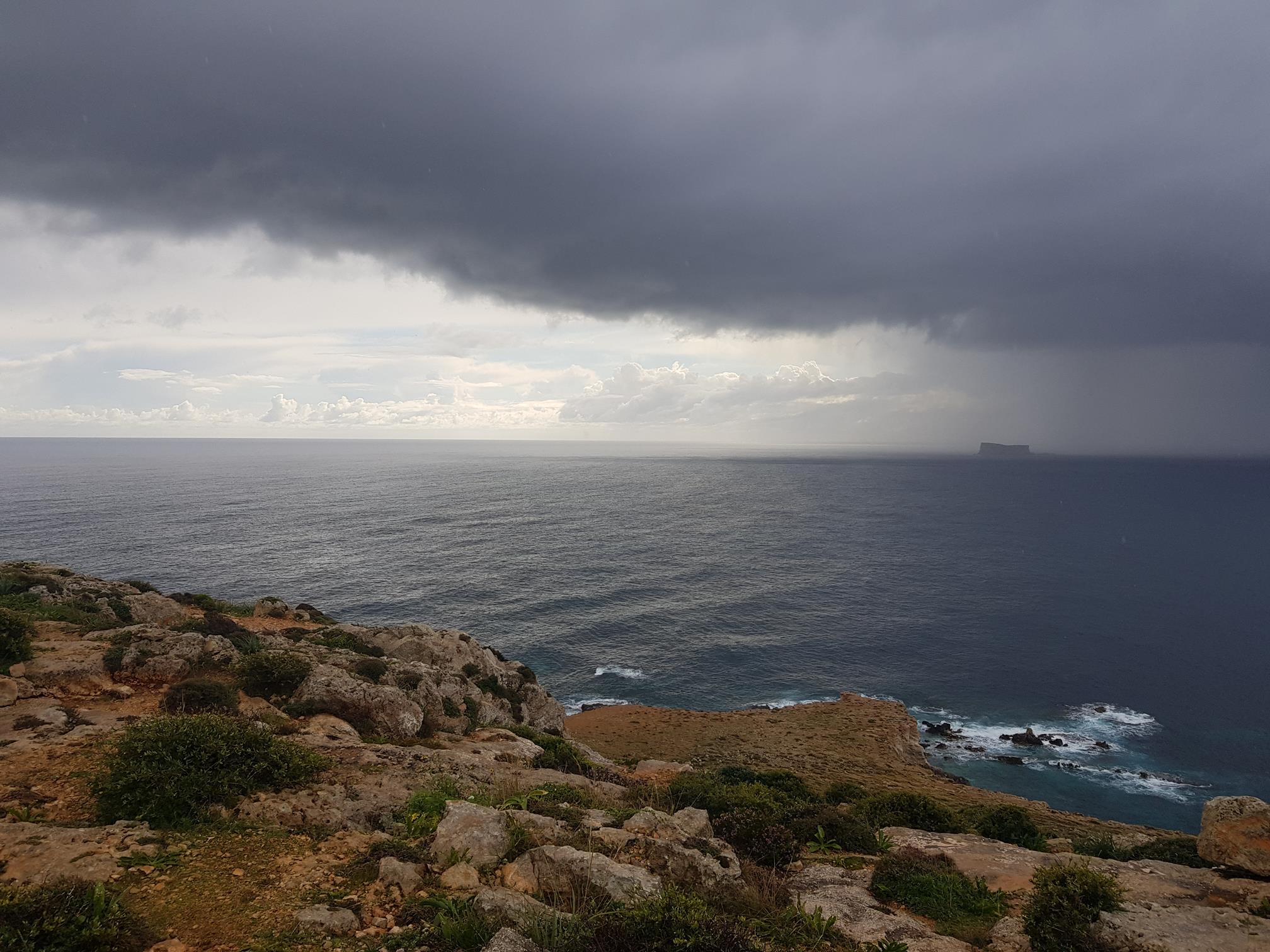
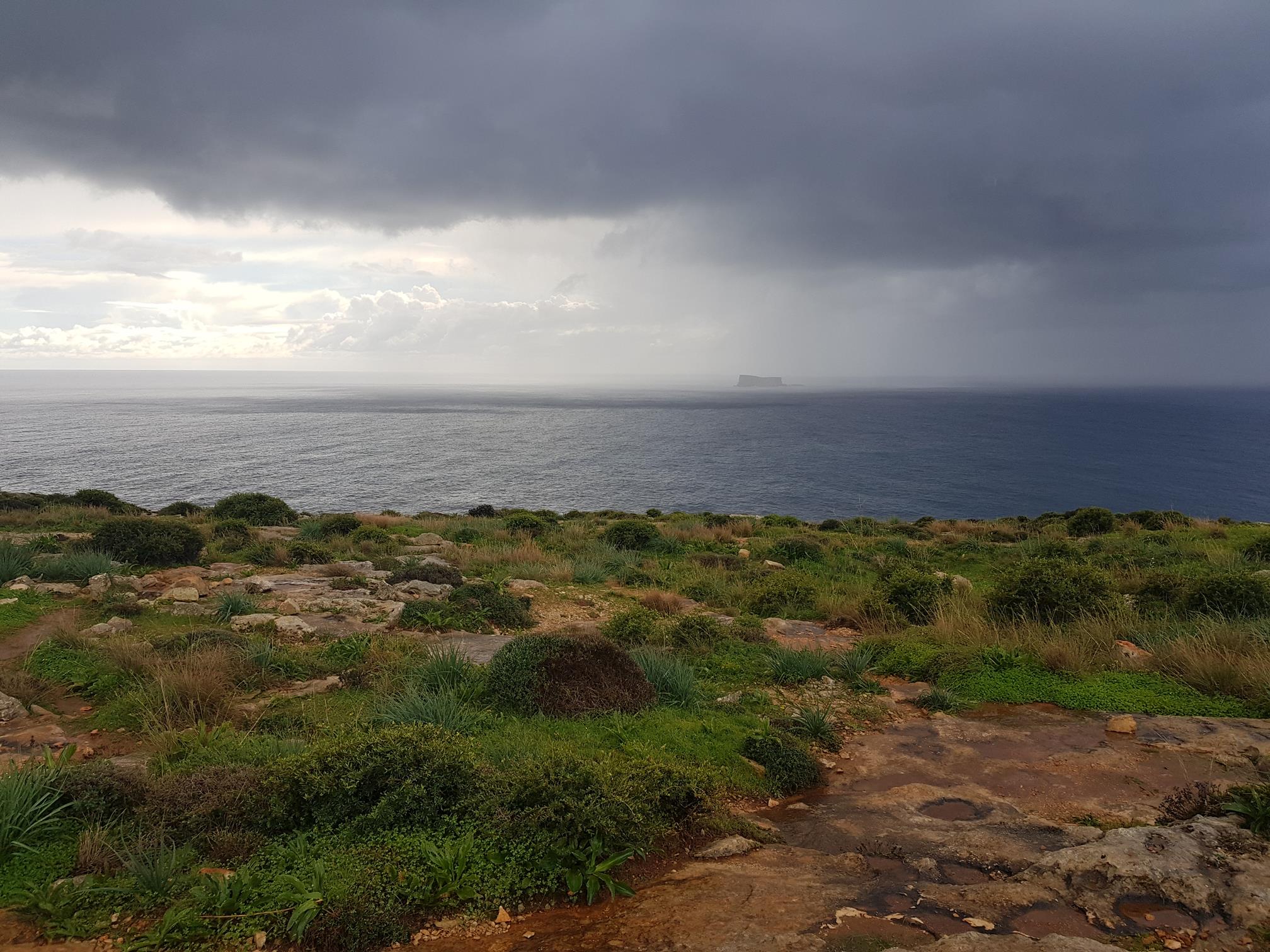
    The island at the rear of the three photos below is Filfla, which is around five kilometres to the south of the main island. It’s 15 acres in size and visitors aren’t allowed unless they get a permit in advance, which are usually limited to scientific or educational reasons. There was once a monastery on the site and also a lighthouse and small fort, but part of the island collapsed in an earthquake and took some of these buildings with it.

    The British decided that they would use the island as target practice and they did this until 1971, but the island was turned into a bird reserve in 1980. It’s a popular areas with divers and the island is also home to a subspecies of the Filfola lizard which can only be found here.

  • Malta – Southern Region – Ħamrija Tower

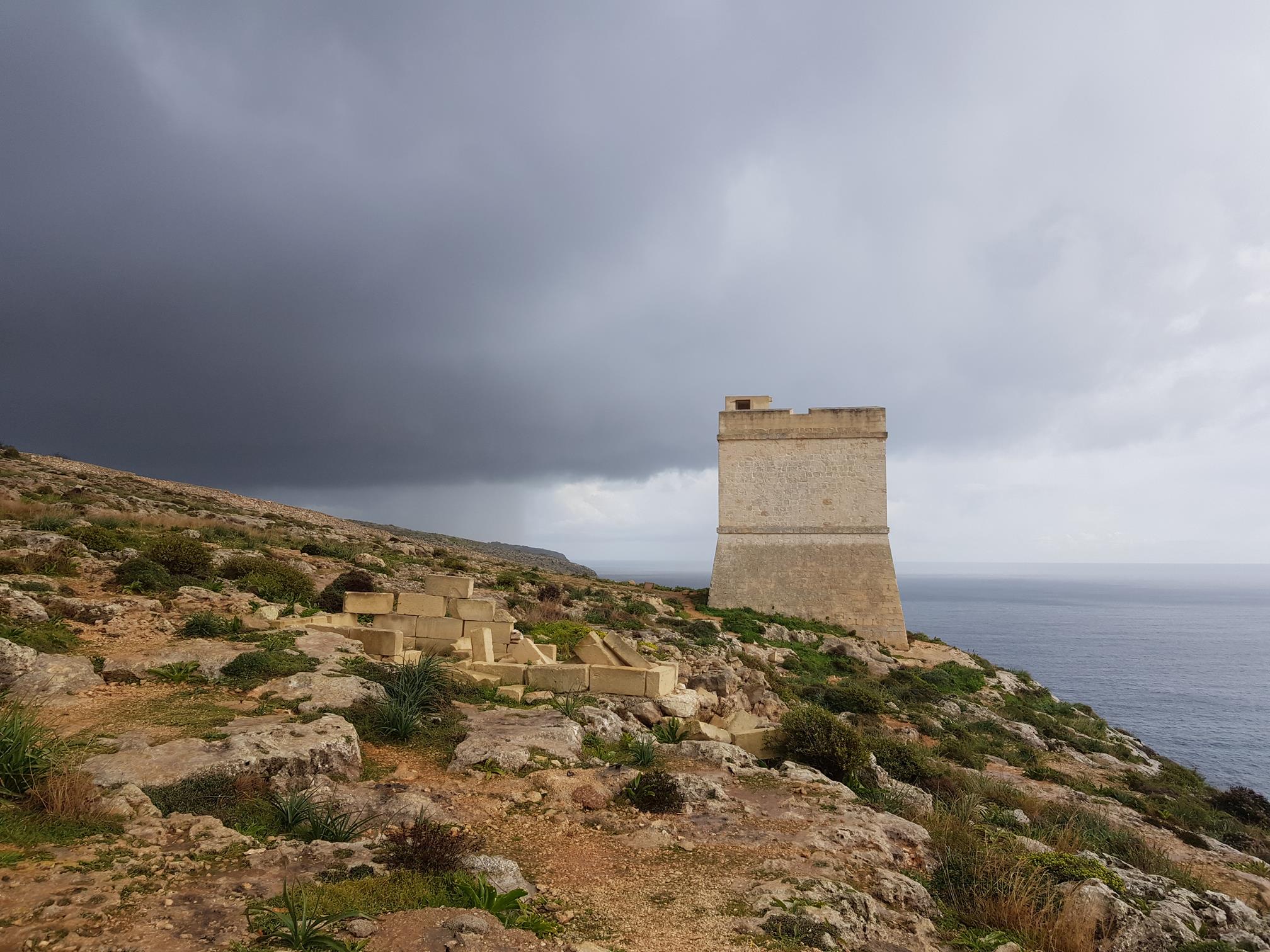
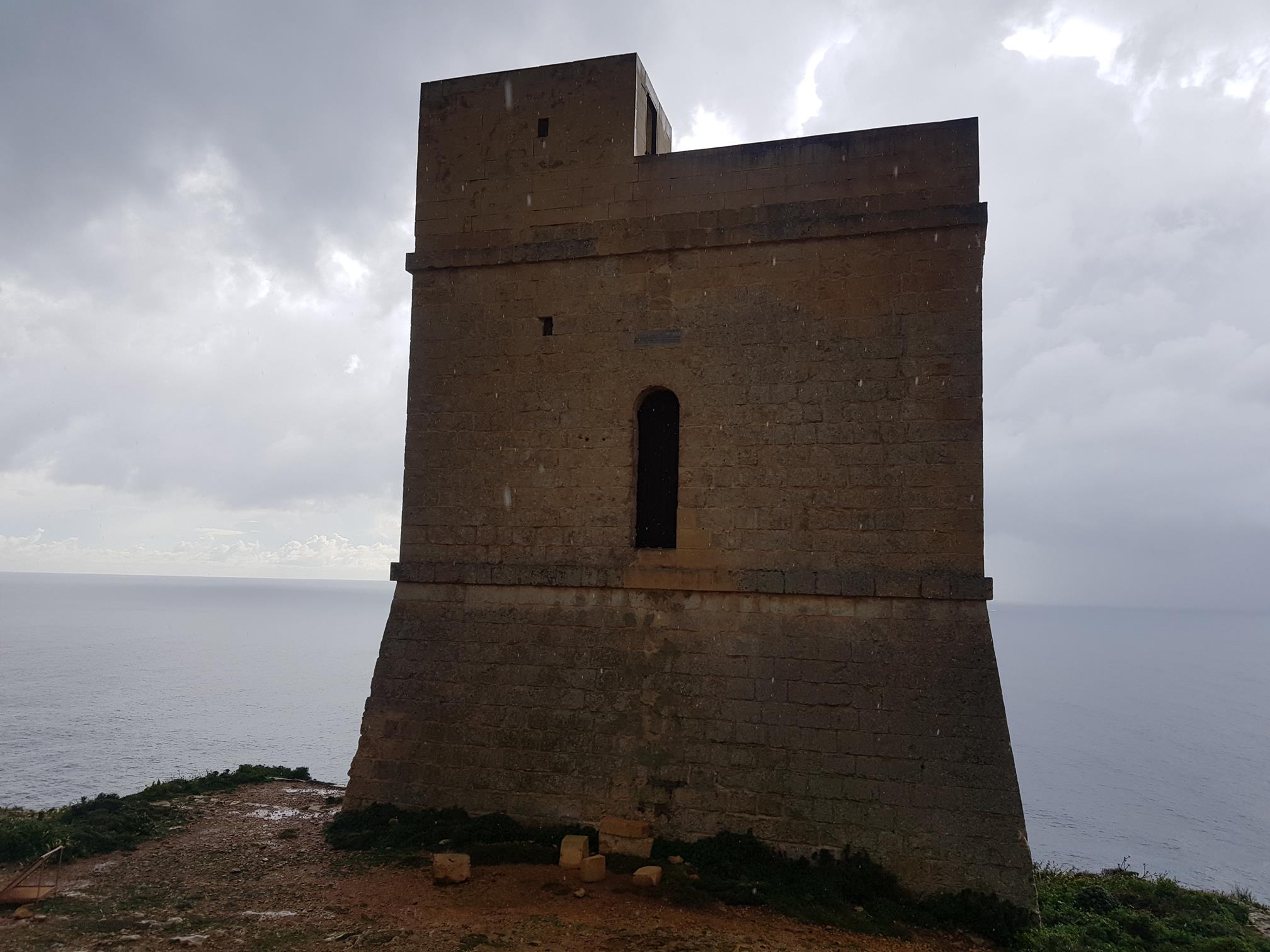
    This tower was built in 1659 and was one of a series of watchtowers located around Malta. There were thirteen of these towers built under the instruction of Martin de Redin, the Grandmaster of the Knights of the Order of St. John. The towers aren’t doing too badly, as eight of them are still intact, two are partly intact and only three have been lost to history.
    Bits of the tower started to fall off recently, but it has been repaired internally and a new staircase added. The entrance is visible above and access would have been gained via a retractable ladder. To my knowledge there’s no way of visiting the inside of the tower.
  • Malta – Central Region – Manoel Island – Views of Valletta

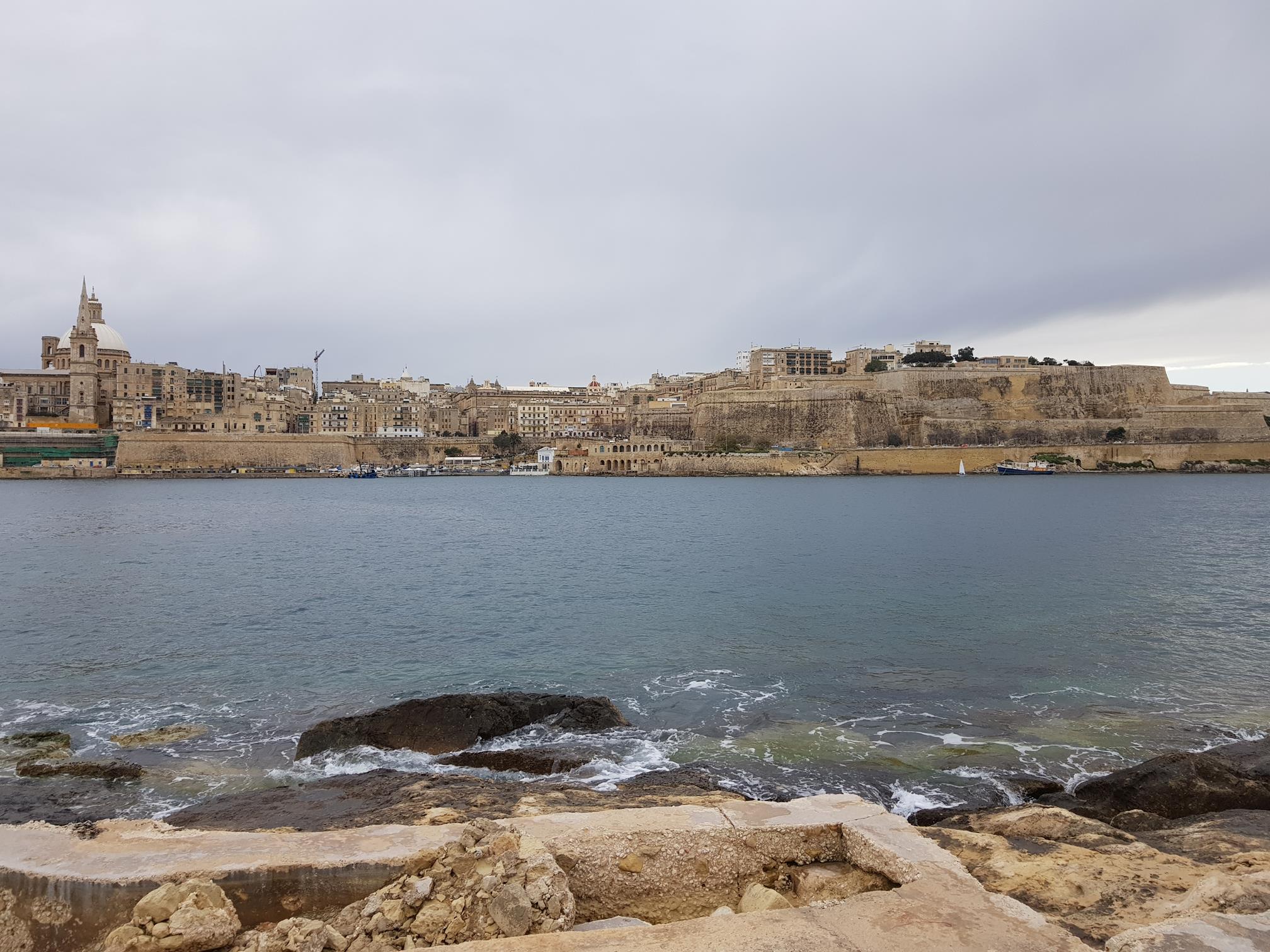
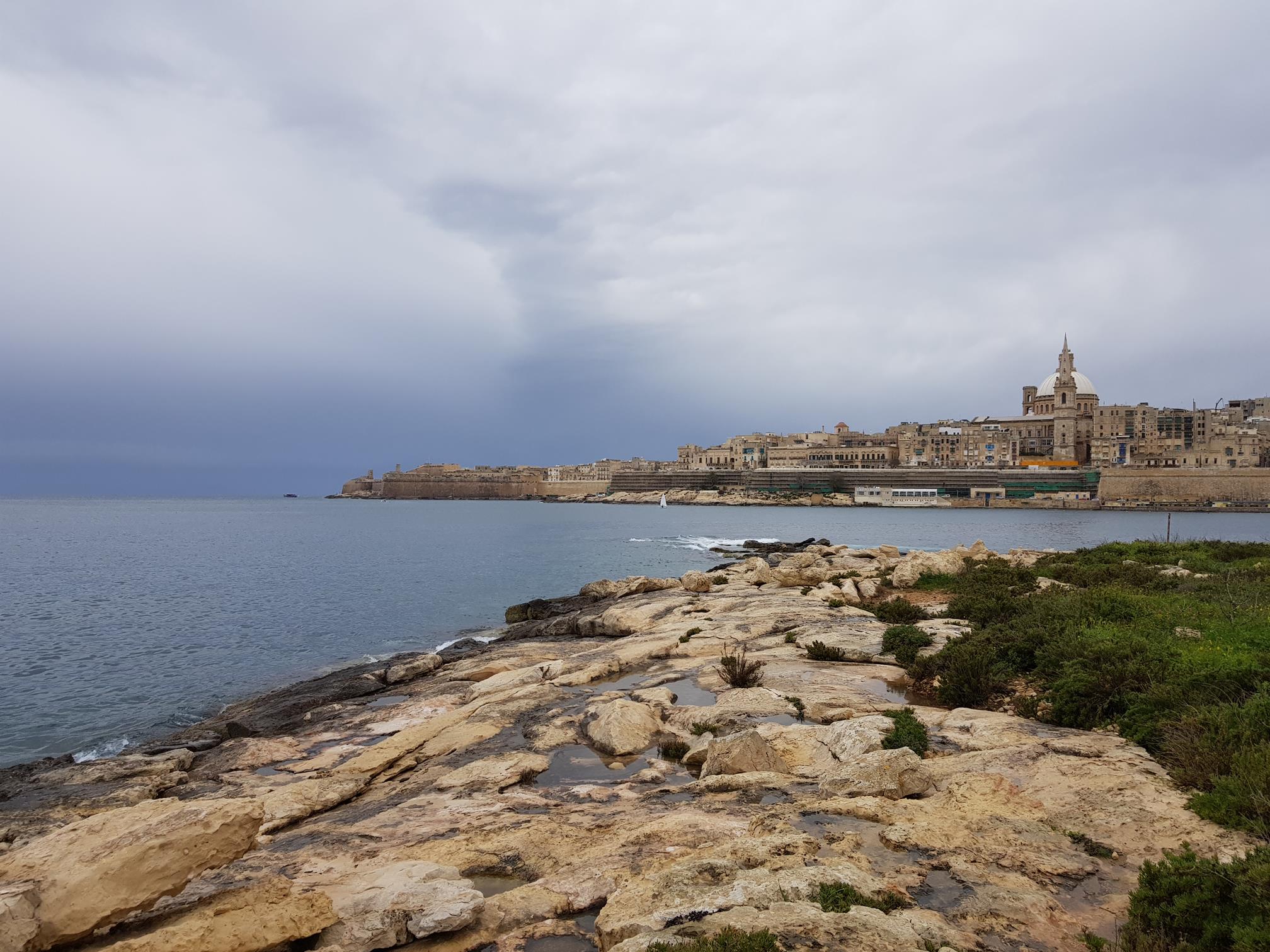
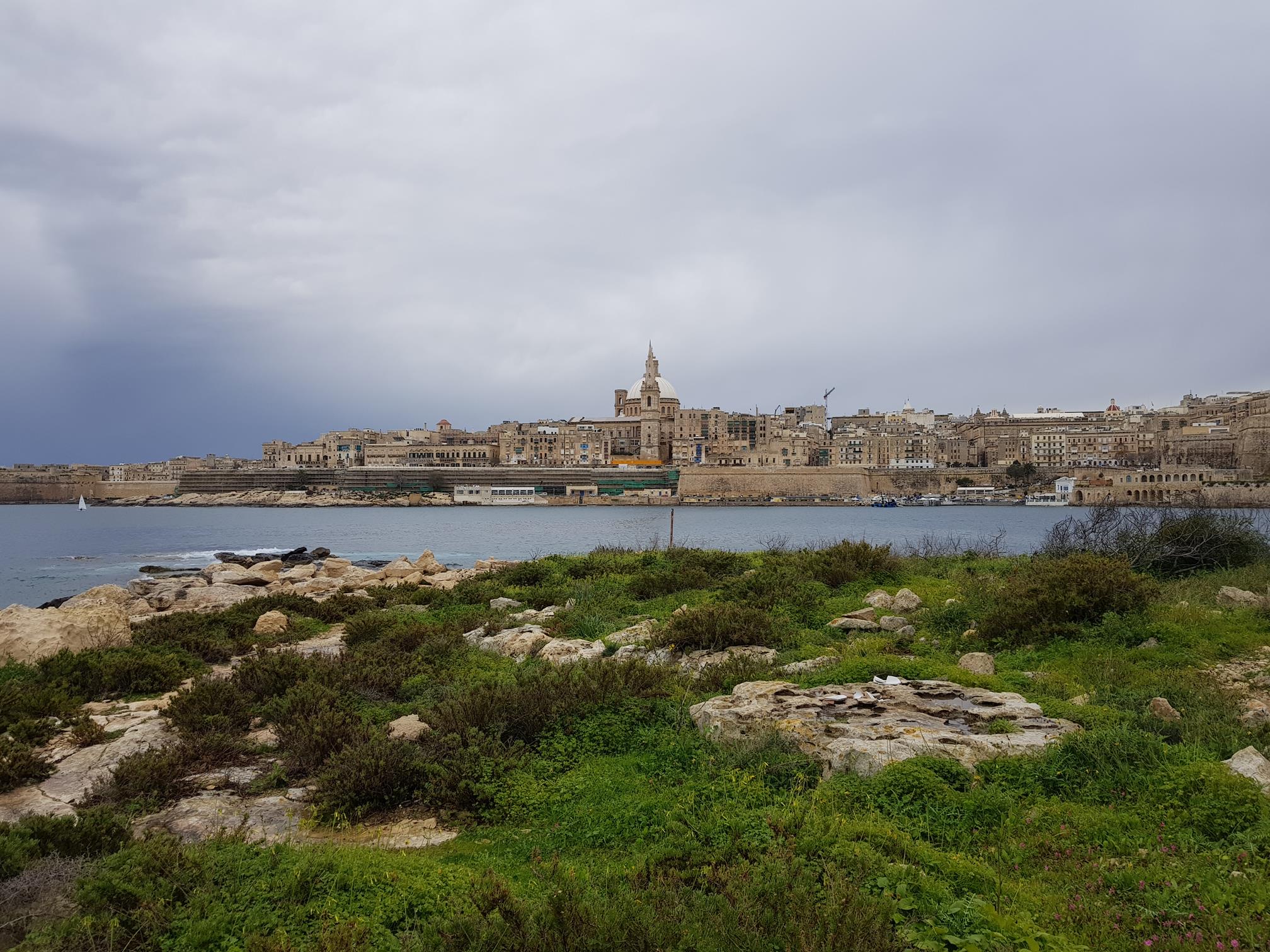
    The weather didn’t really allow for great photos, but there’s a spot at the end of Manoel Island which looks out onto the centre of Valletta. It’s an excellent way to see the country’s capital city, although it’s just a little bit of a walk to get there.

  • Malta – Central Region – Manoel Island – Fort Manoel

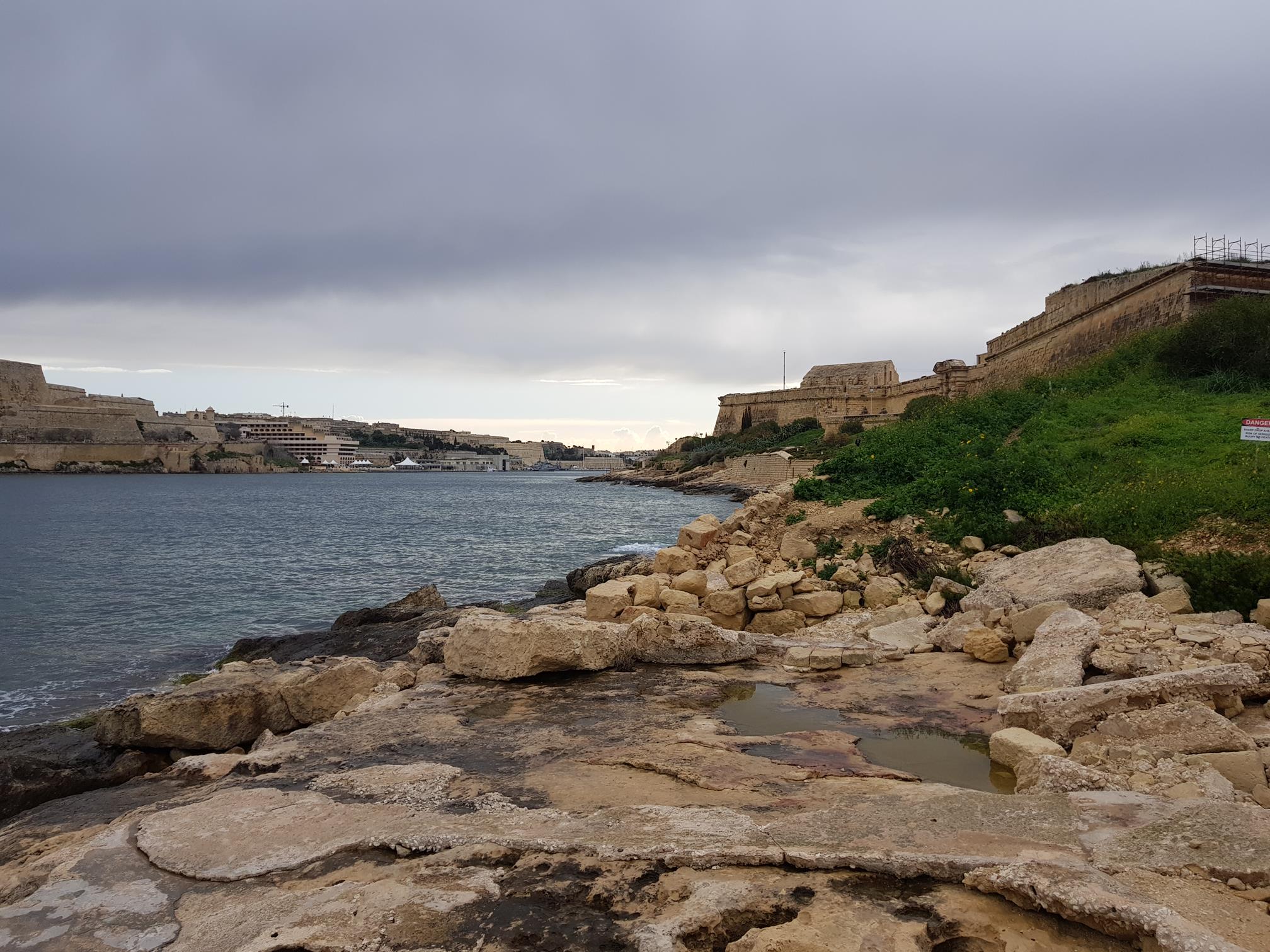
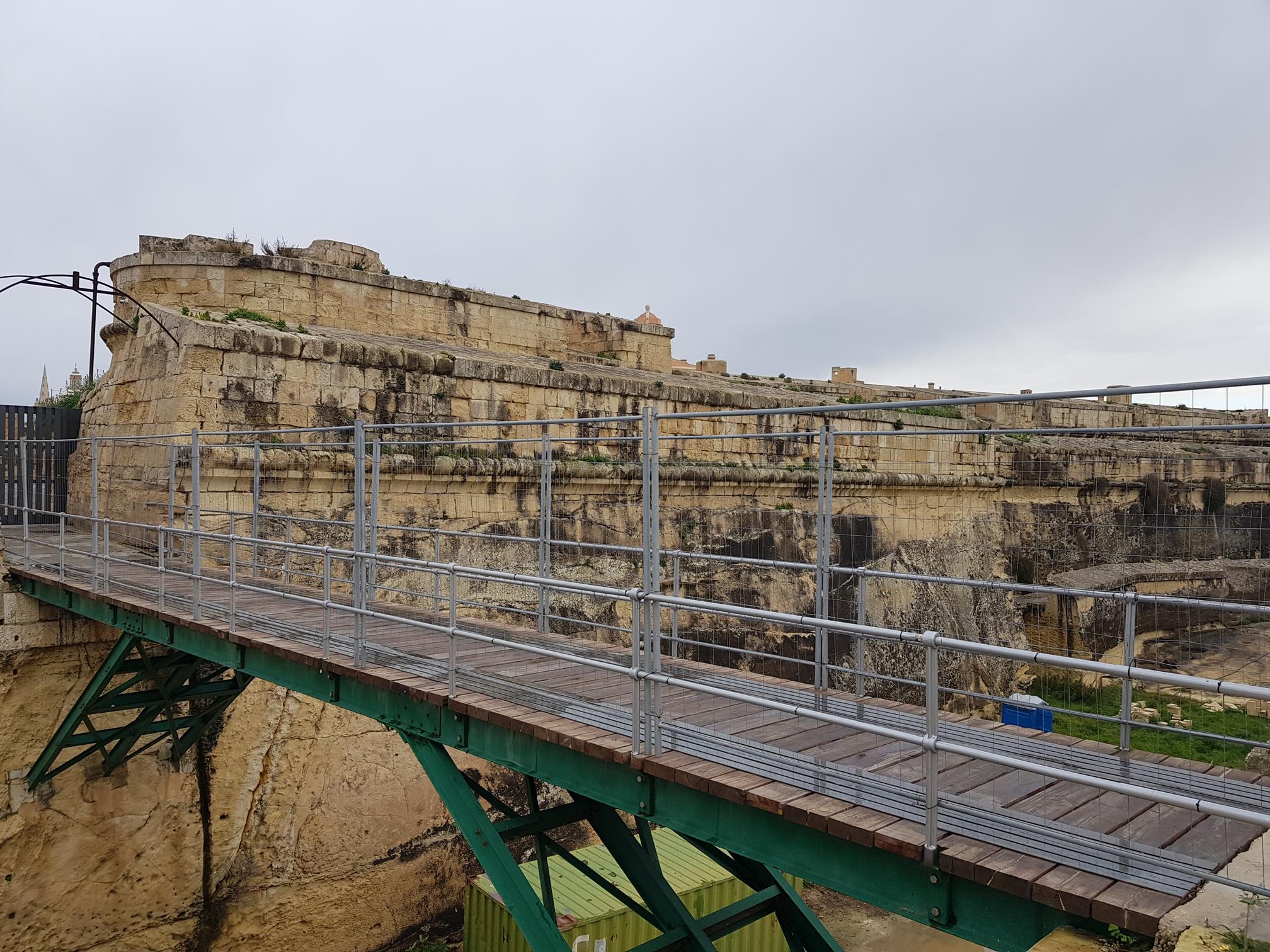
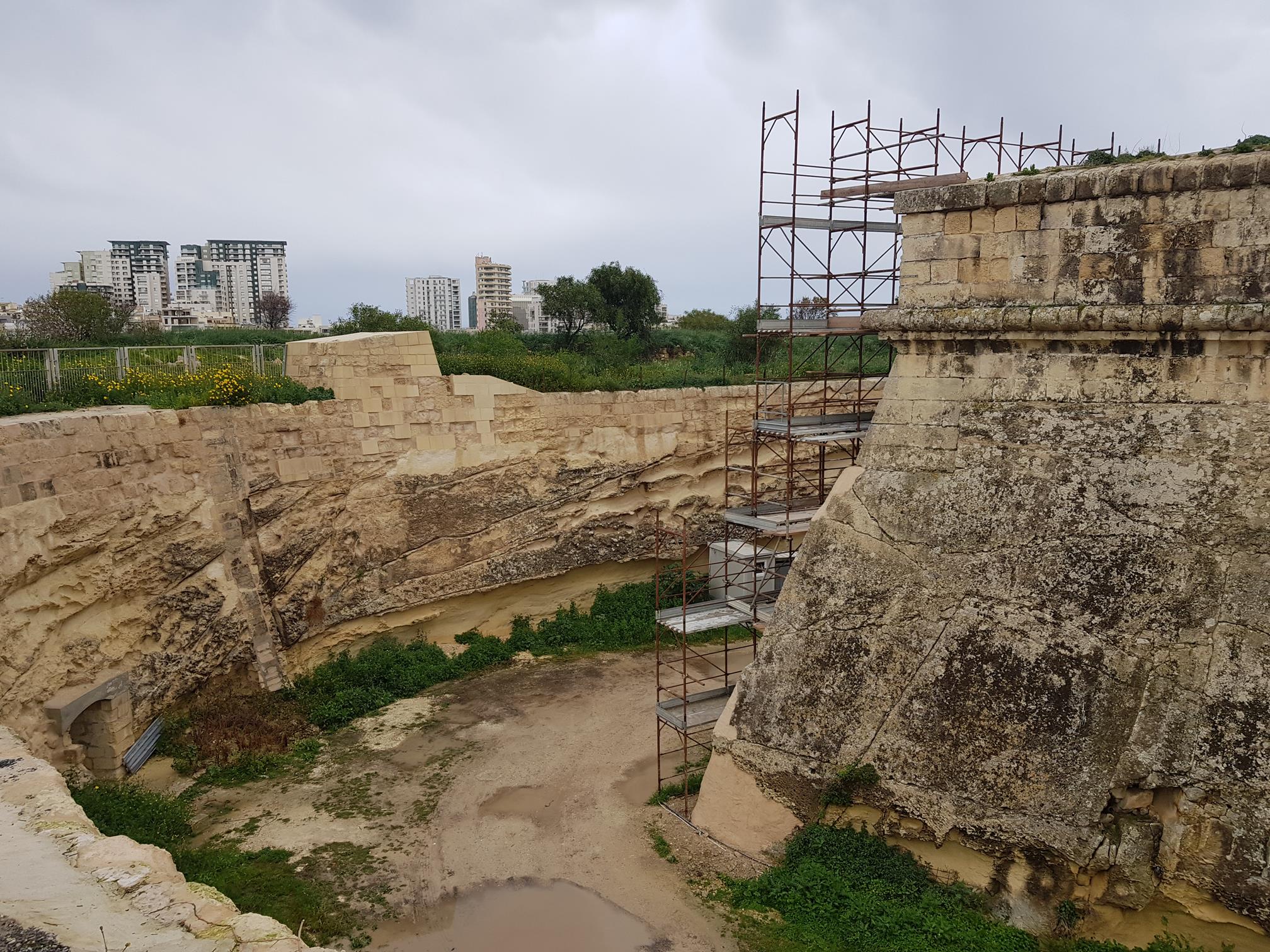
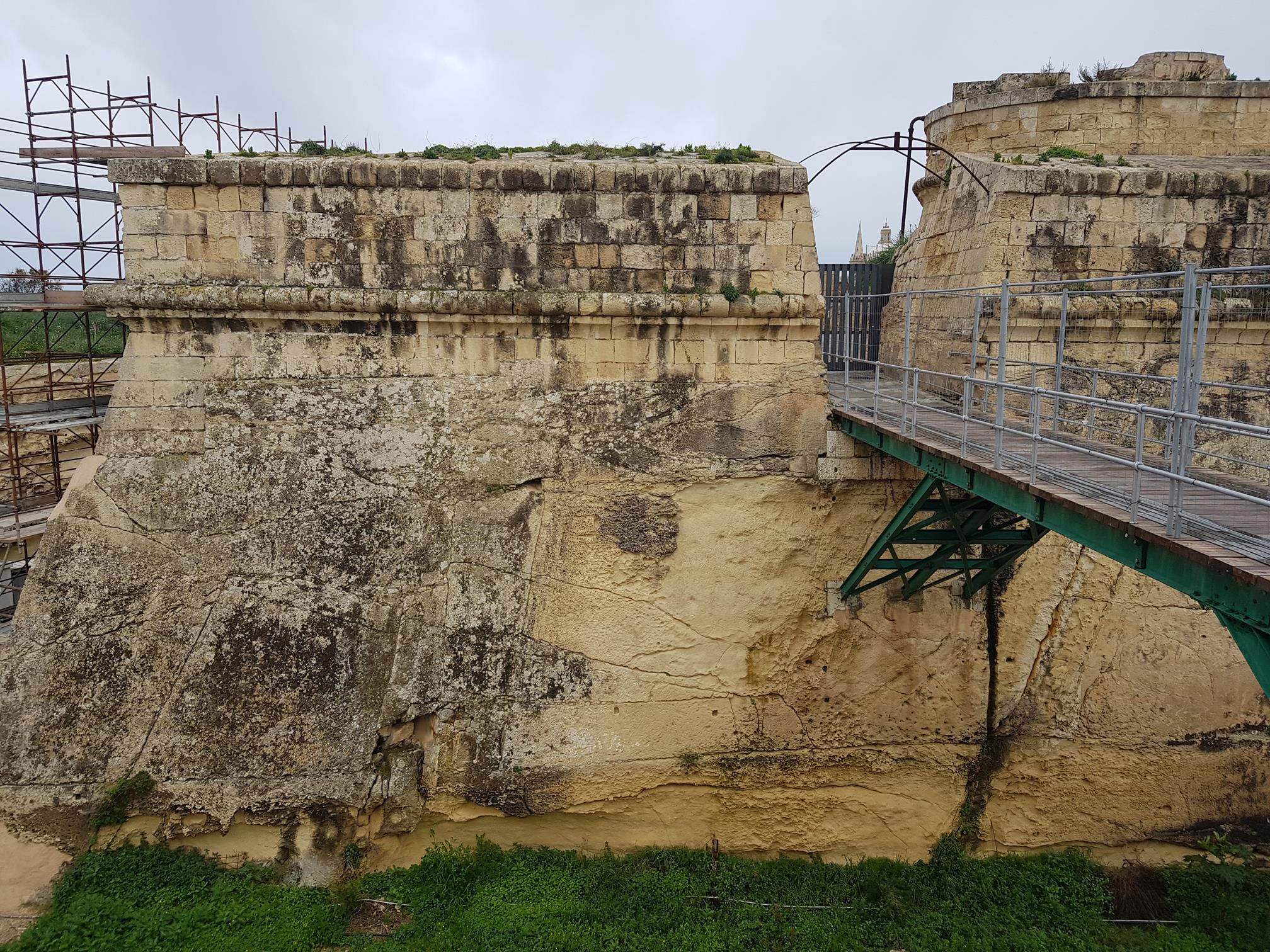
    Work on this fort started in 1722 and it was completed just over a decade later. It was later taken over by the British who used it as a naval base until 1906. It came back into use during the Second World War and it was damaged by air raids. This is the entrance into the site, although it’s unfortunately locked shut.

    Restoration on the site is on-going as it had started to fall into disrepair and had also been vandalised in places. This included the crypt under the fortifications where bones belonging to the Knights had been scattered around.

    Apparently the interiors are now secured in a generally good state and there are occasional special tours which take place. Hopefully over the next years something more substantial will be done here, perhaps a museum, which allows greater public access. I hope that it doesn’t become a housing development, but the developer paying for the restoration does seem to have that intention. They’ve put up a lot of photos of the site at http://www.midimalta.com/en/fort-manoel.

  • Malta – Central Region – Manoel Island – Duck Village

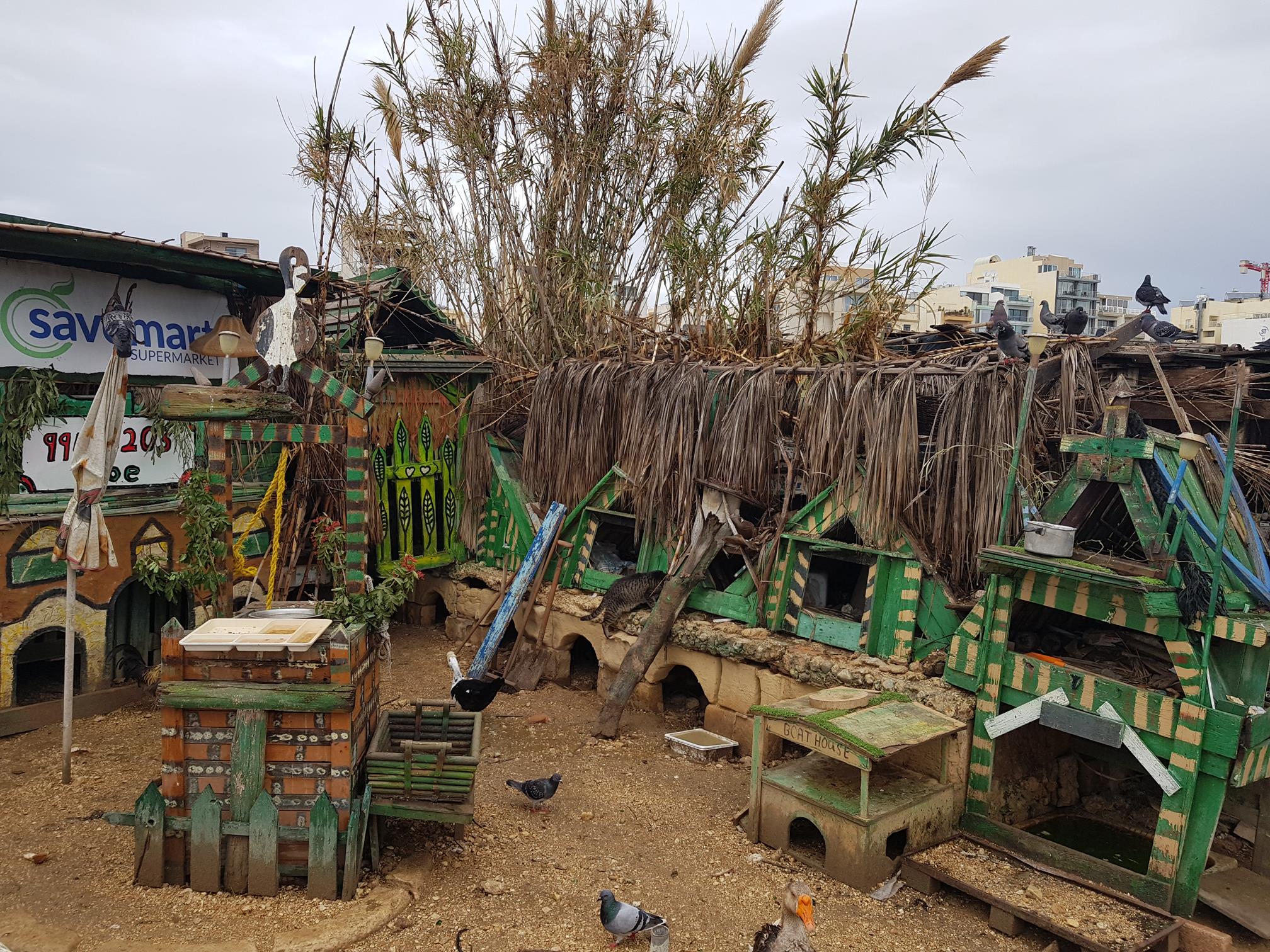
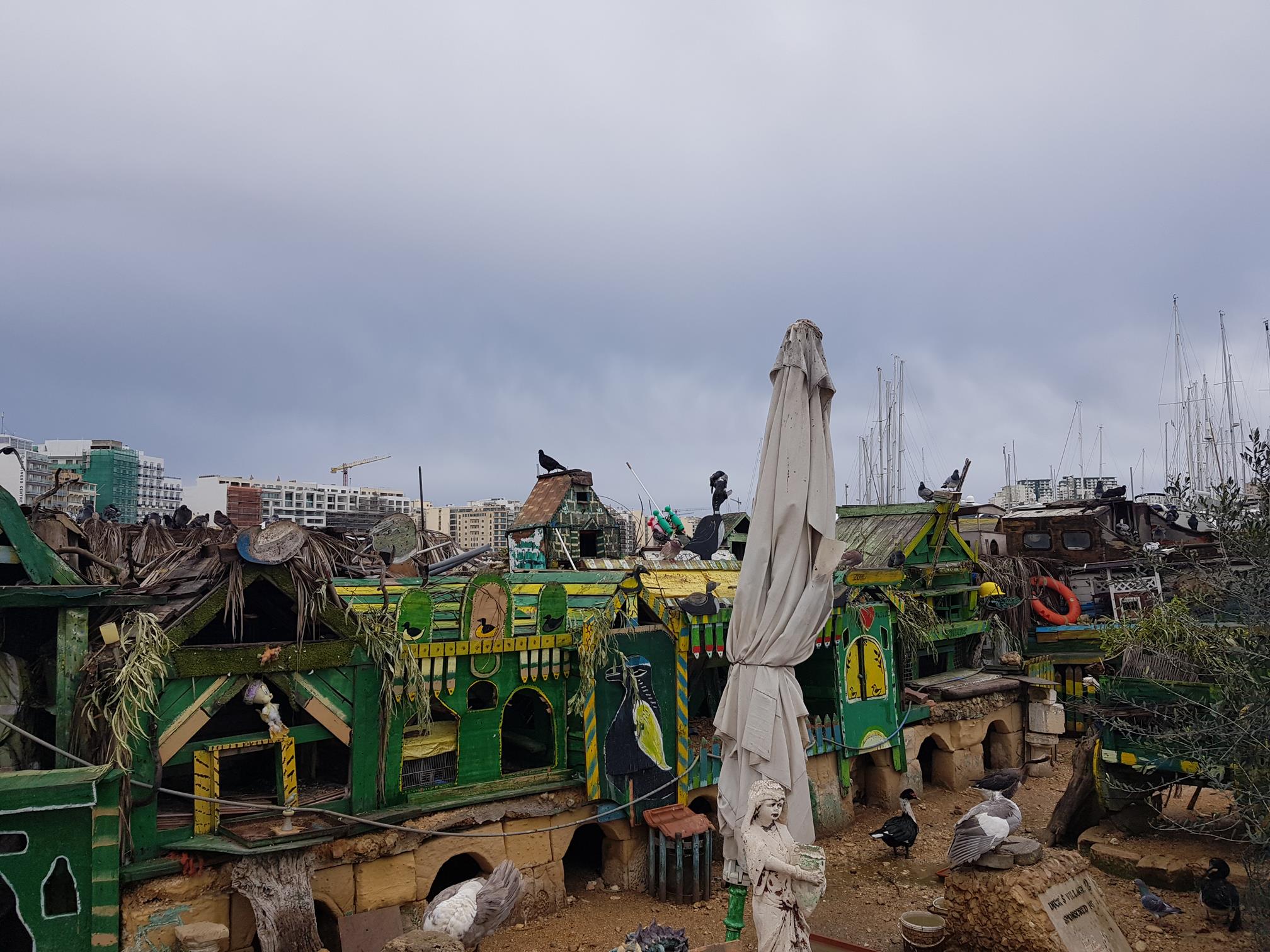
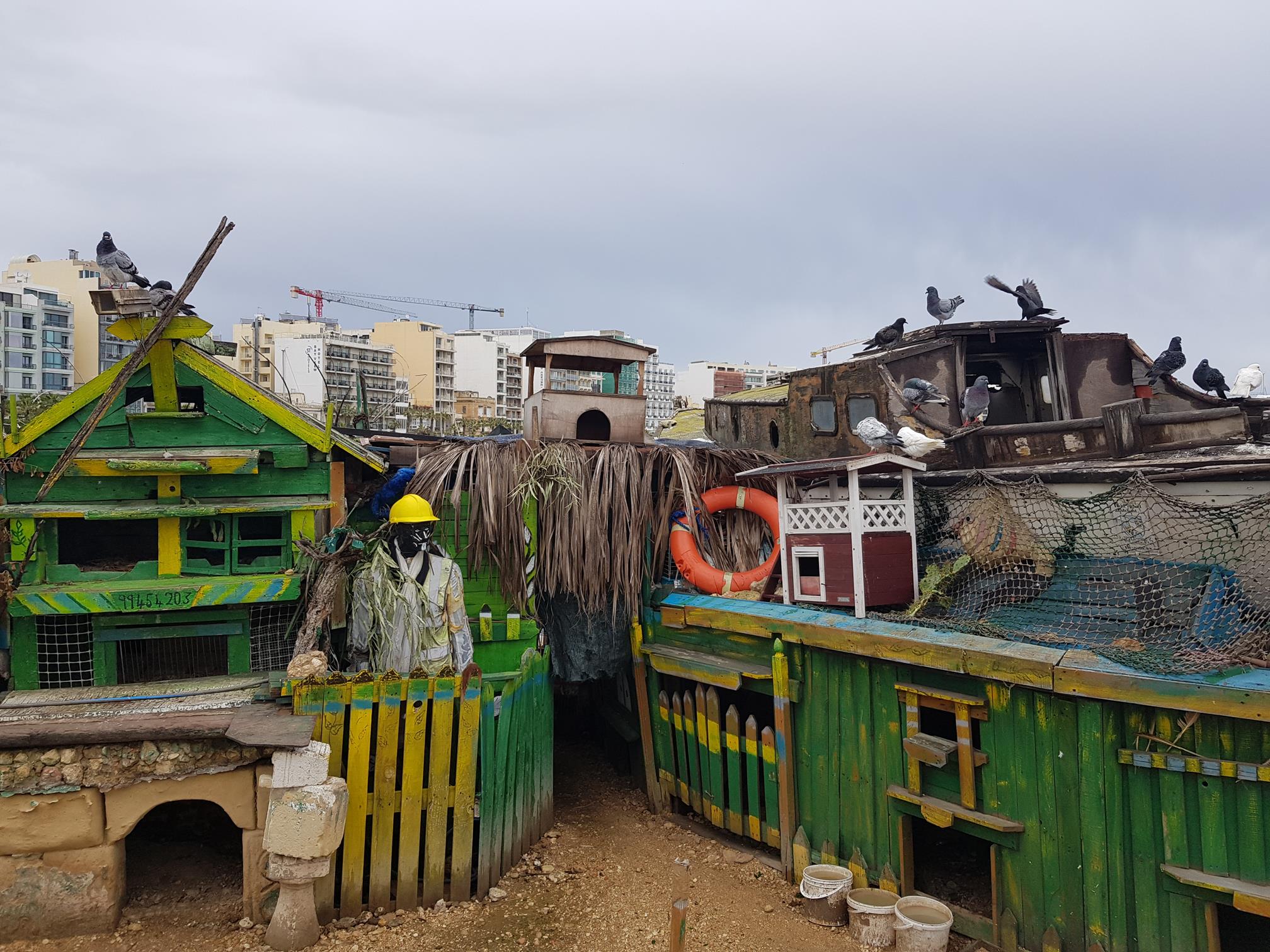
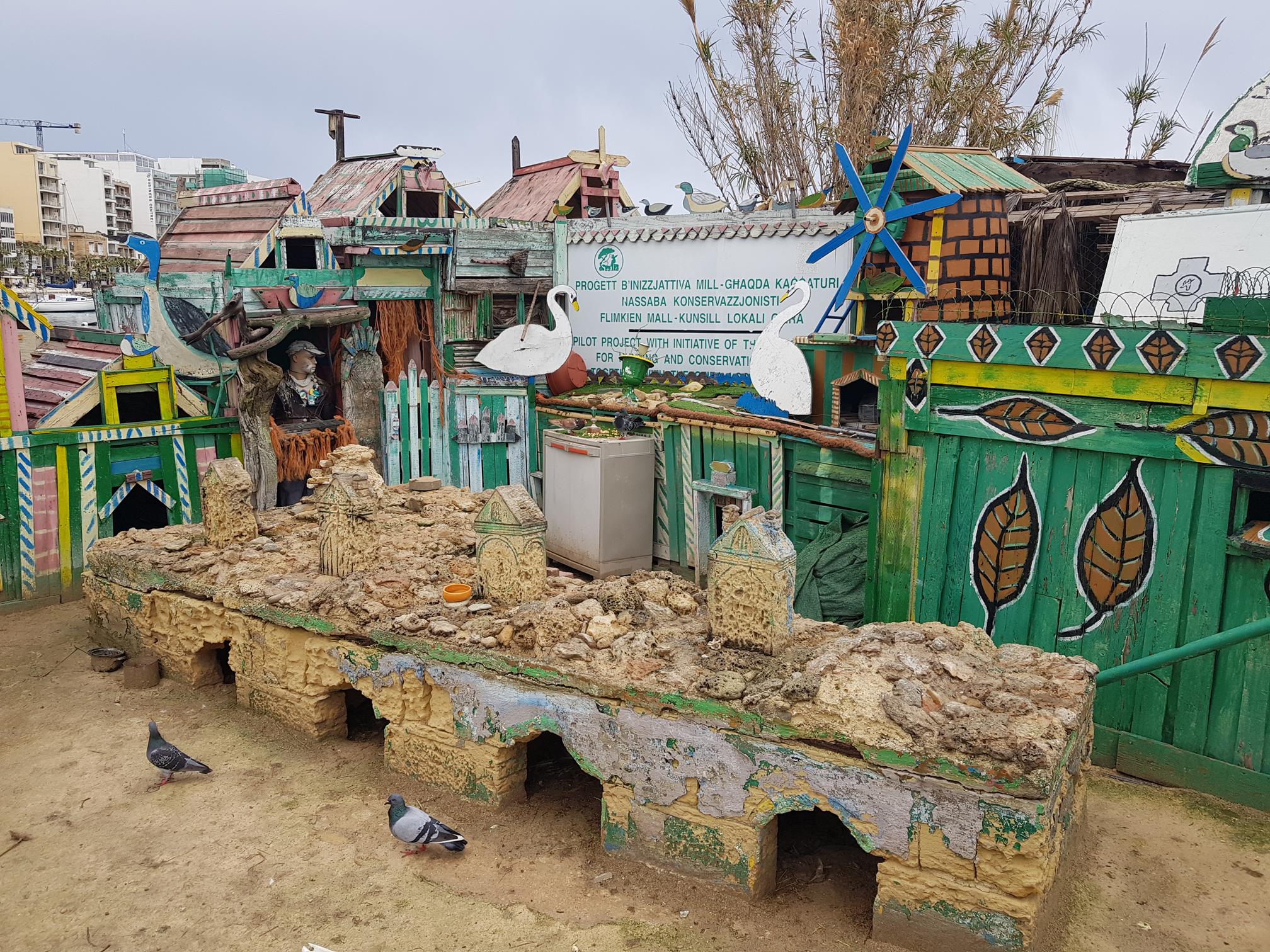
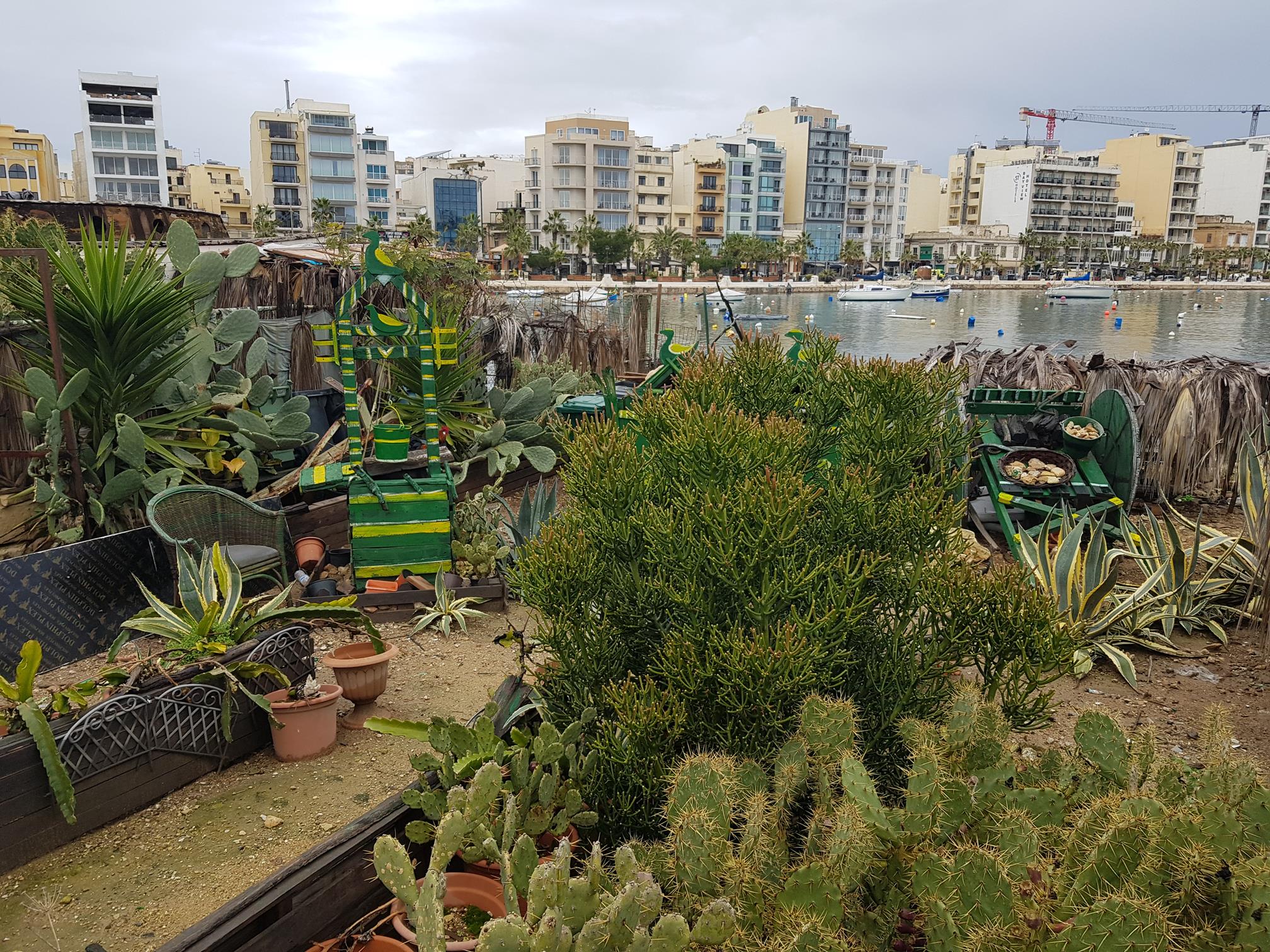
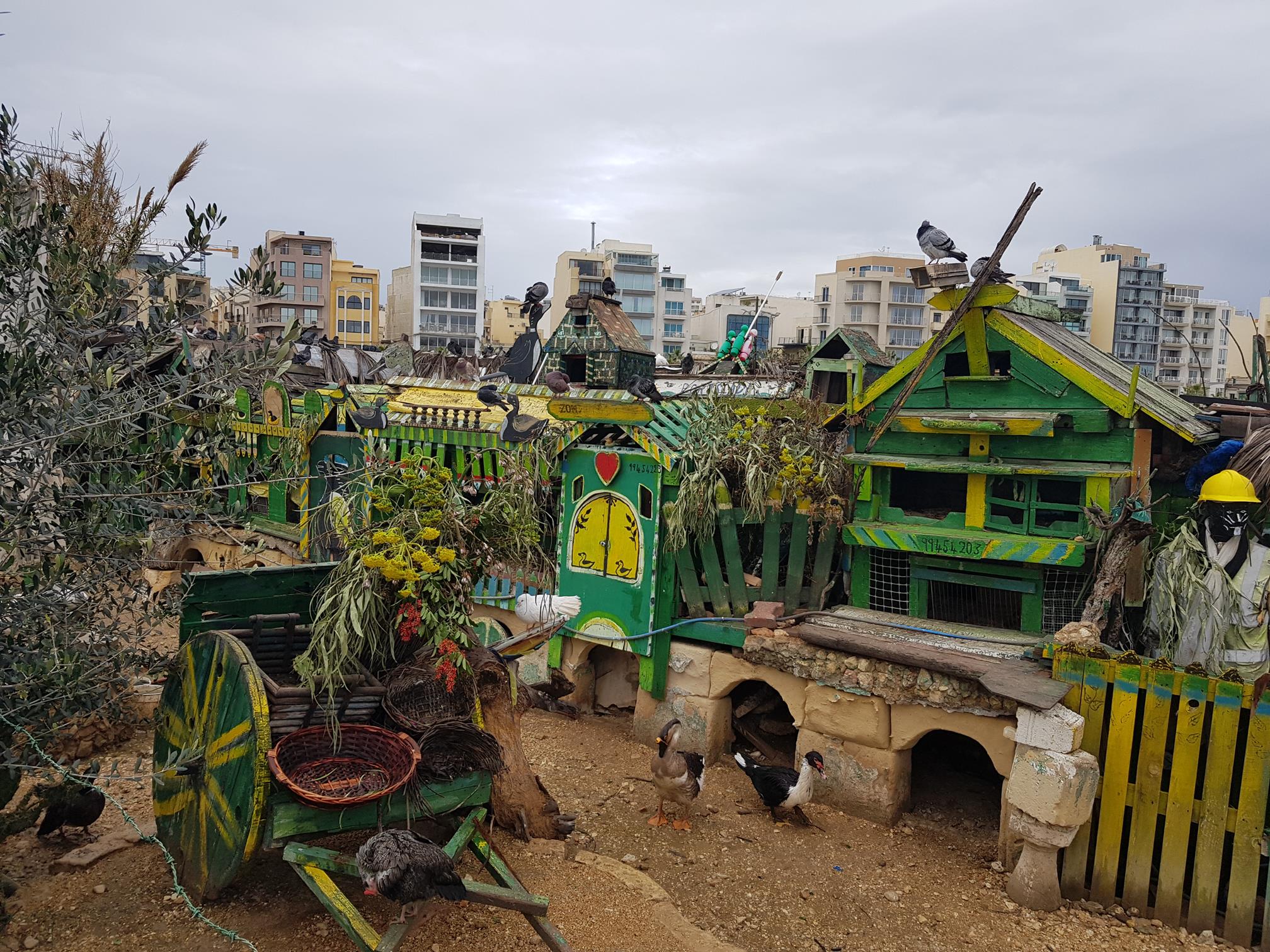
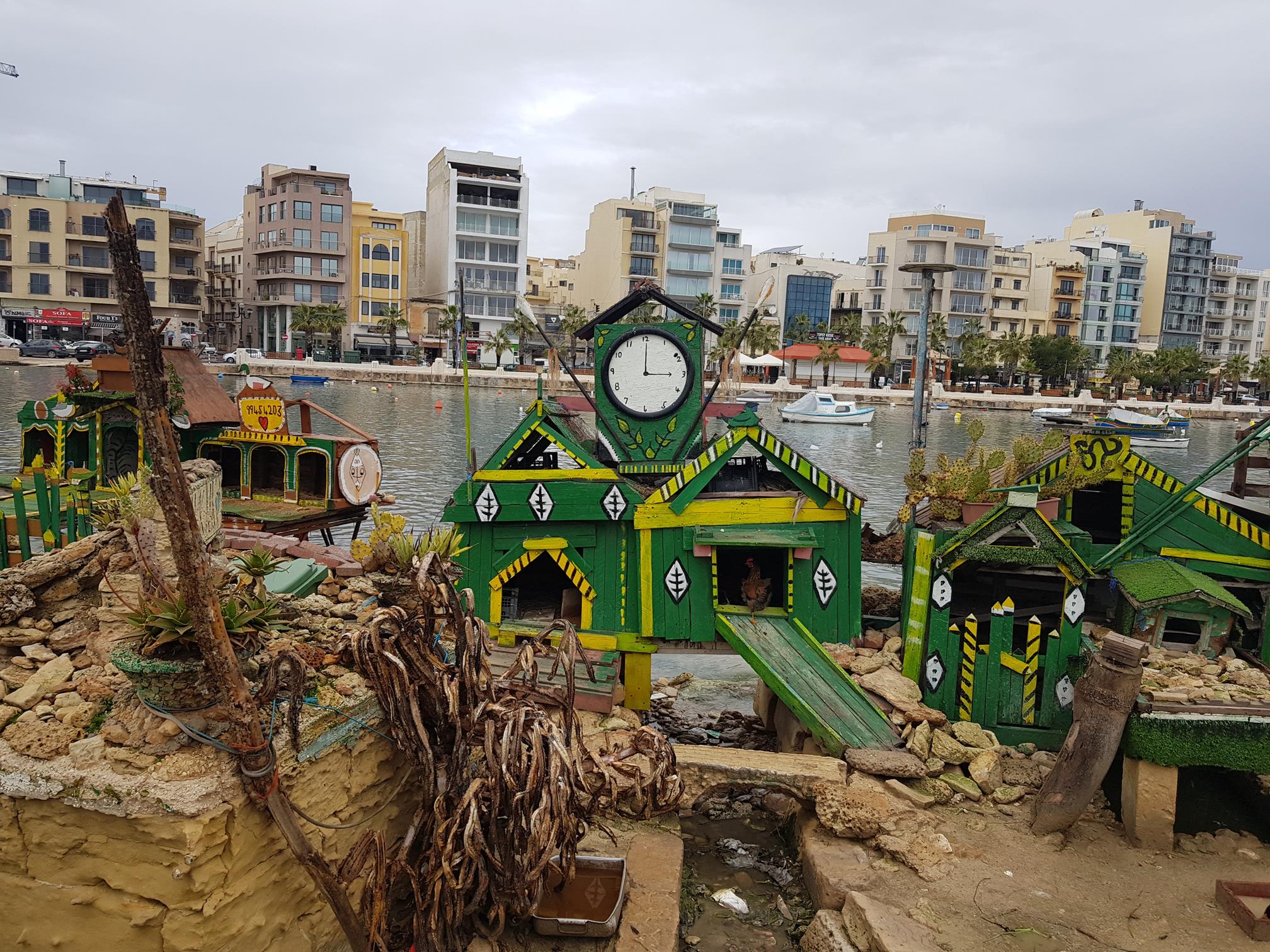
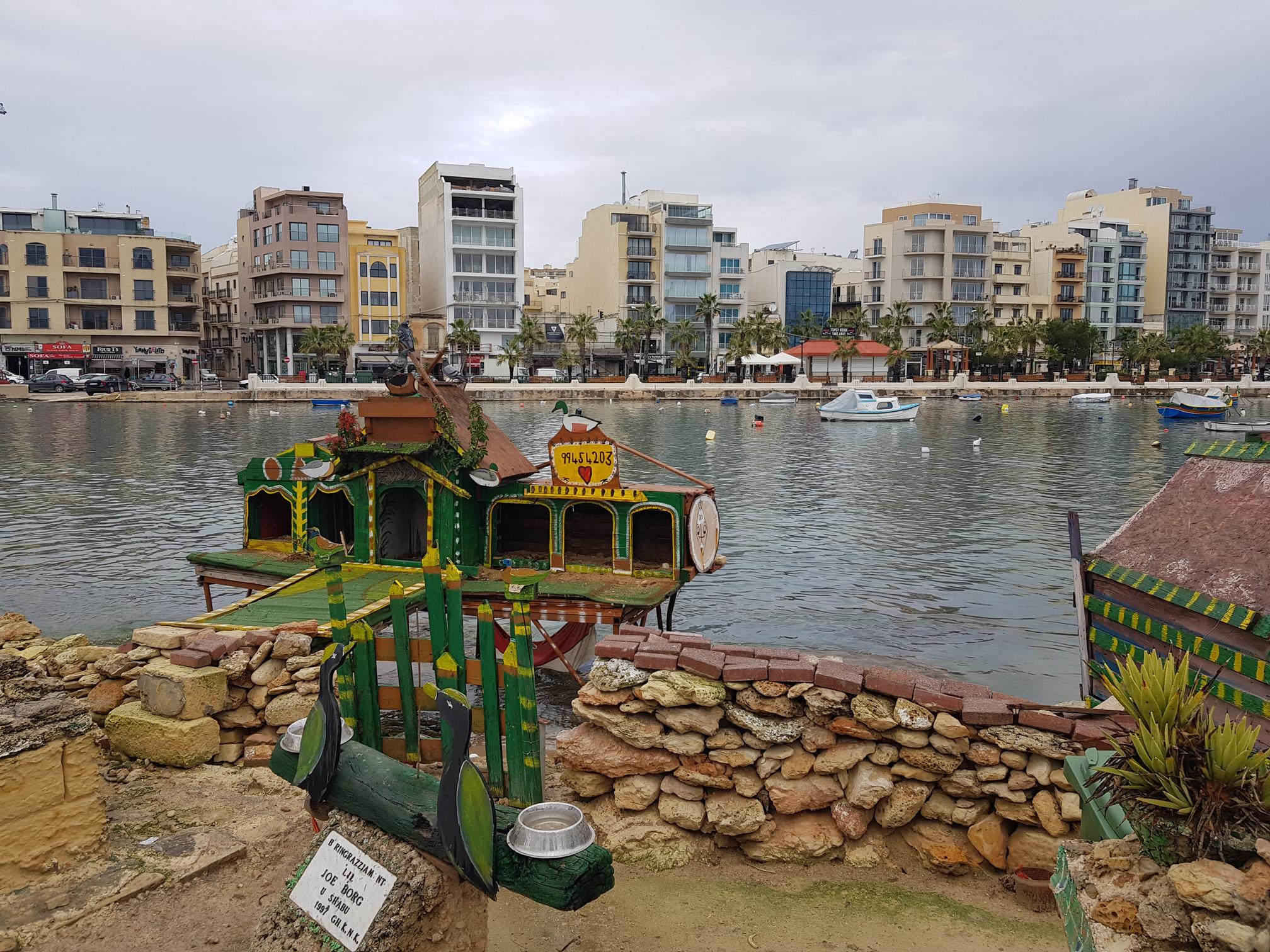
    Manoel Island is quite a quirky place and takes its name from the Grand Master who built a fort here in the early eighteenth century. At the entrance to this island, which is connected to Sliema by a small bridge, is Duck Village. I’m not quite sure what to think of this little arrangement, but there were some children there who really enjoyed it. It can all be seen from the road and there’s the option of leaving money for the owners to pay for duck food.

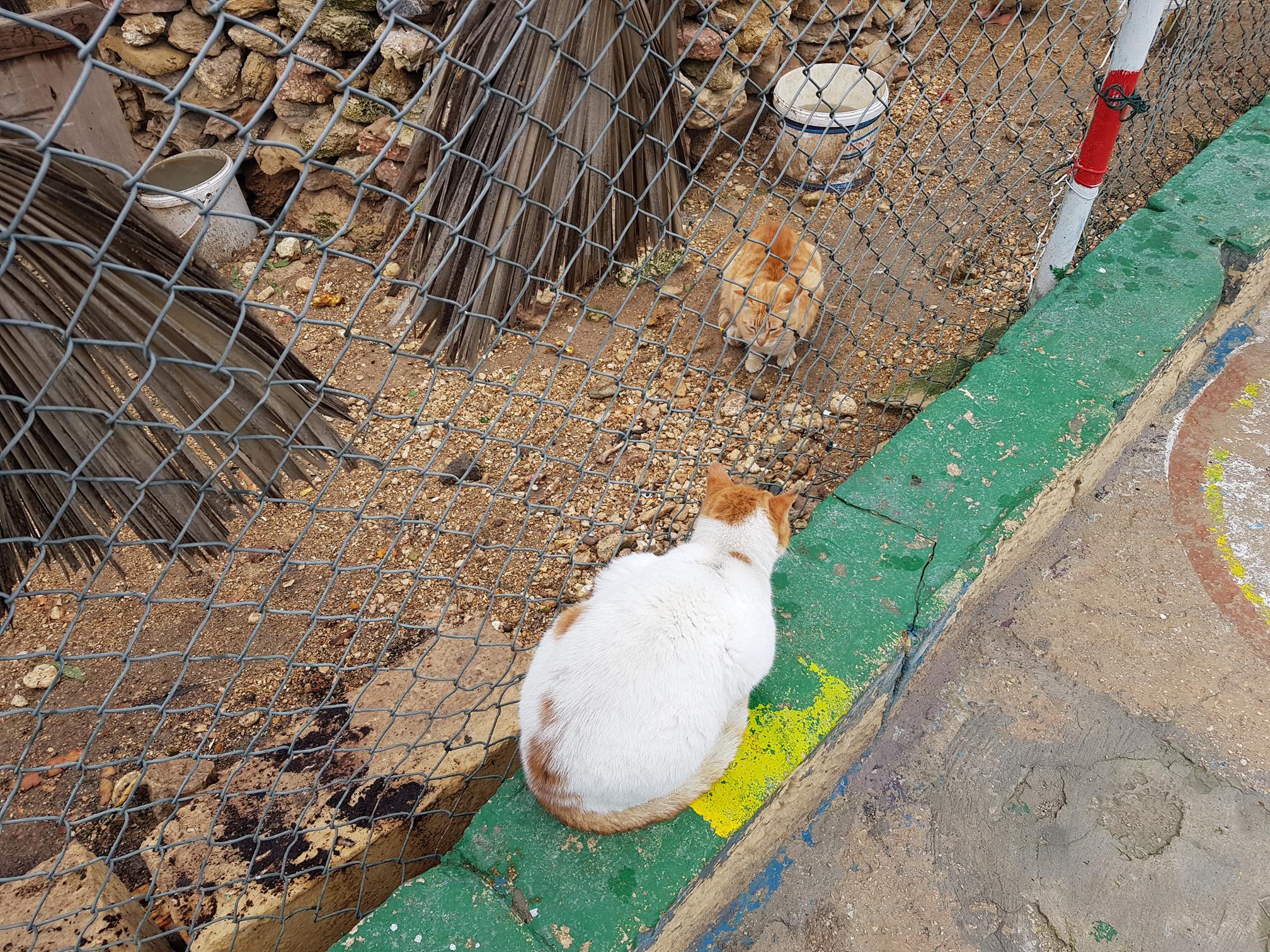
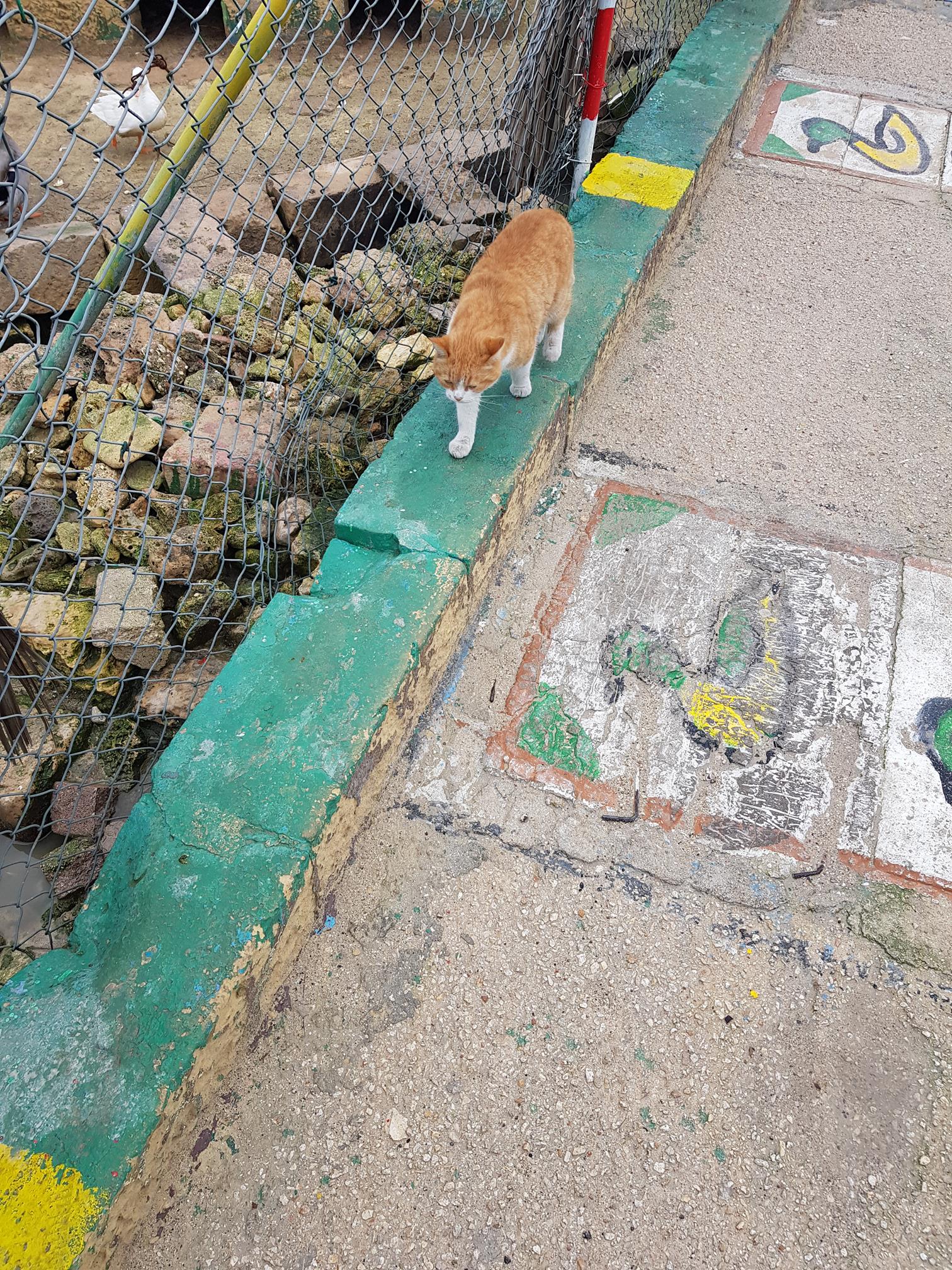
    The ducks, chickens and cats all seemed to be living alongside each other quite happily, and it’s a harmless little enterprise. Well, so I thought until I went to TripAdvisor and saw this:

    “Ramshackle run down junk compilation of scrap that is an insult to the ducks, primarily designed to relieve idiots of there hard earned pennies”.

    The ducks looked quite happy to me, and if it keeps children happy, then I’m unsure why people have to throw comments around such as “idiots”. But, such is the world we live in. Photos of this experience below: