Author: admin

  • Florence – Palazzo Pitti (Grand Ducal Kitchen)

    Florence – Palazzo Pitti (Grand Ducal Kitchen)

    The Grand Ducal Kitchen at the Palazzo Pitti can only be visited as part of a private guided tour, which are offered free of charge to those who have paid to access the palace complex and they just require visitors to put their name down. I think it’s fair to say that there wasn’t a big rush for spaces on the English speaking tour, so Richard and I were the only two people initially, with someone else who didn’t really speak English then adding their name down just before we got started.

    So, the three of us set off with the very enthusiastic guide and it started with a quick tour of the King’s Apartments, which are en route to the kitchen and are also closed off to visitors not on this tour.
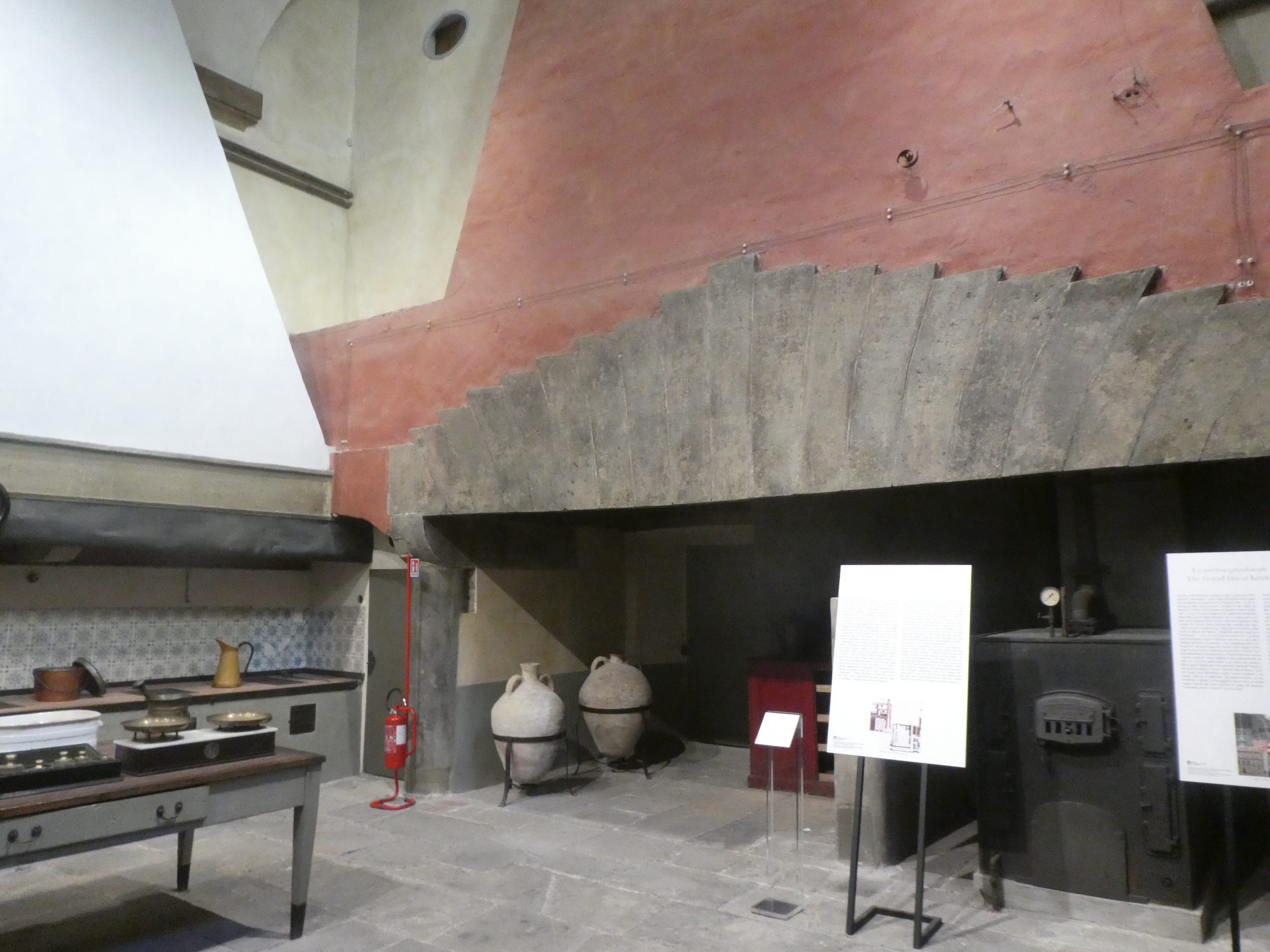
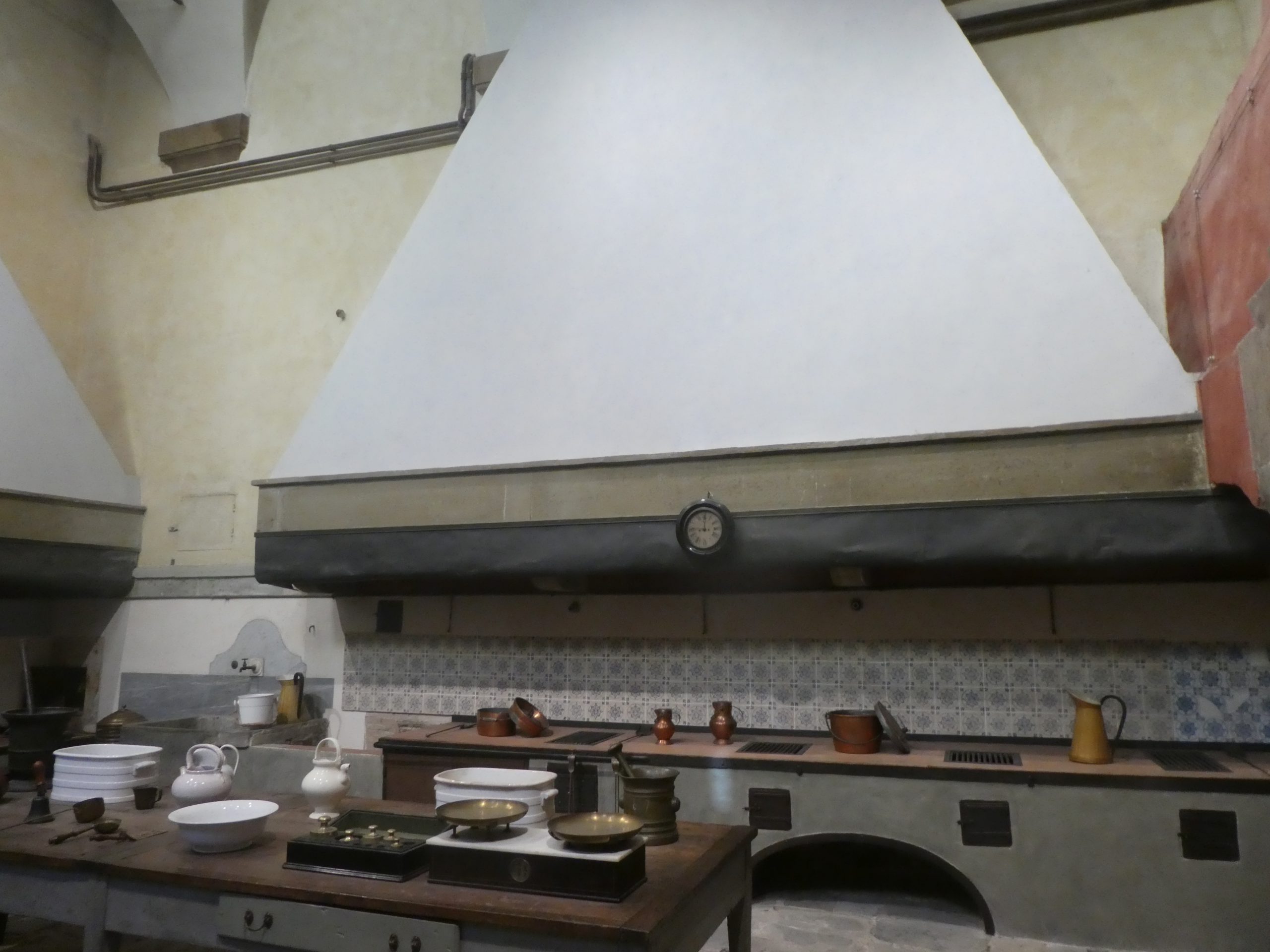
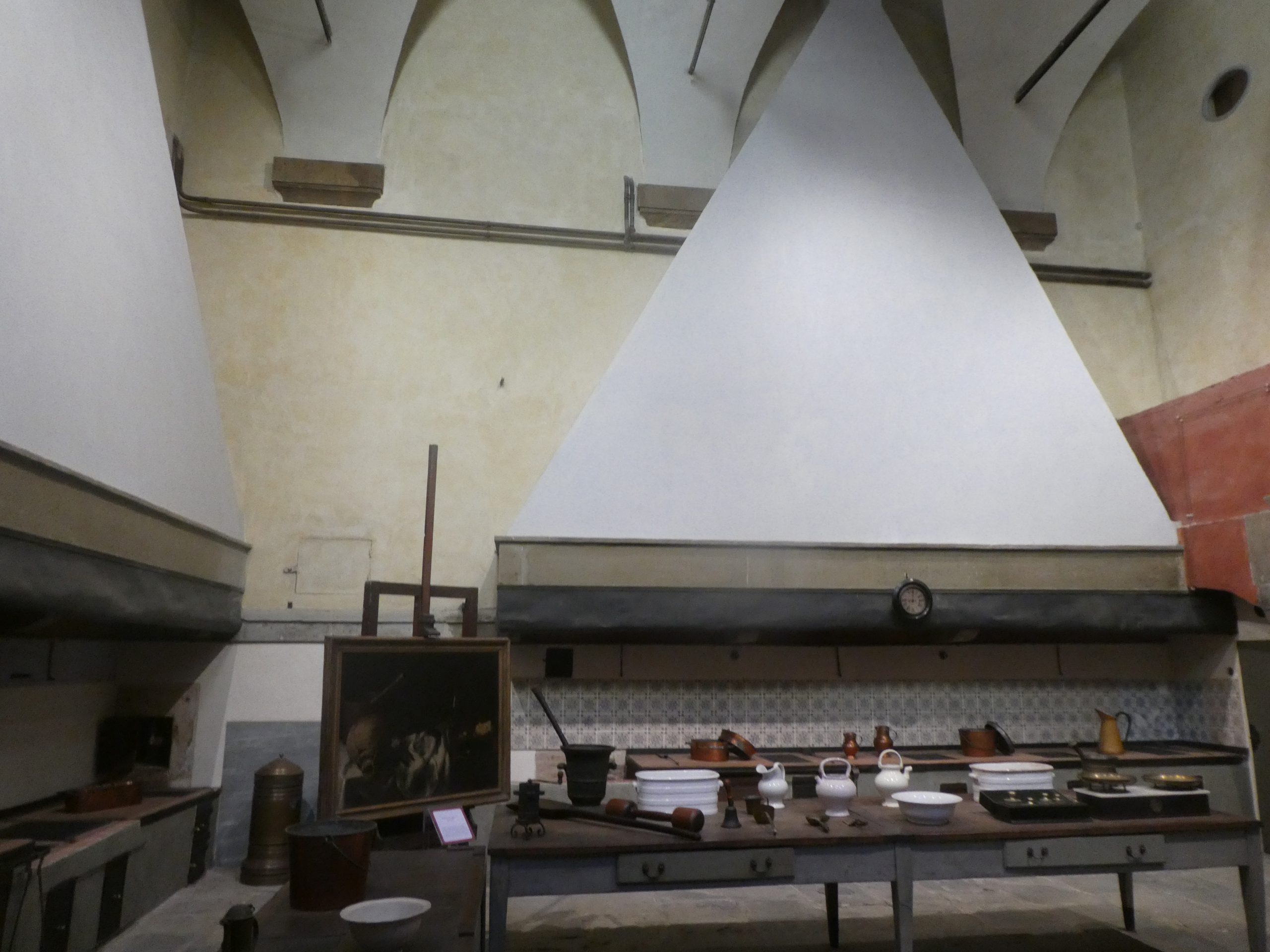
    The kitchen was large and spacious, but still dominated by this enormous chimney which was installed in around 1599 as part of the project led by Bernardo Buontalenti.
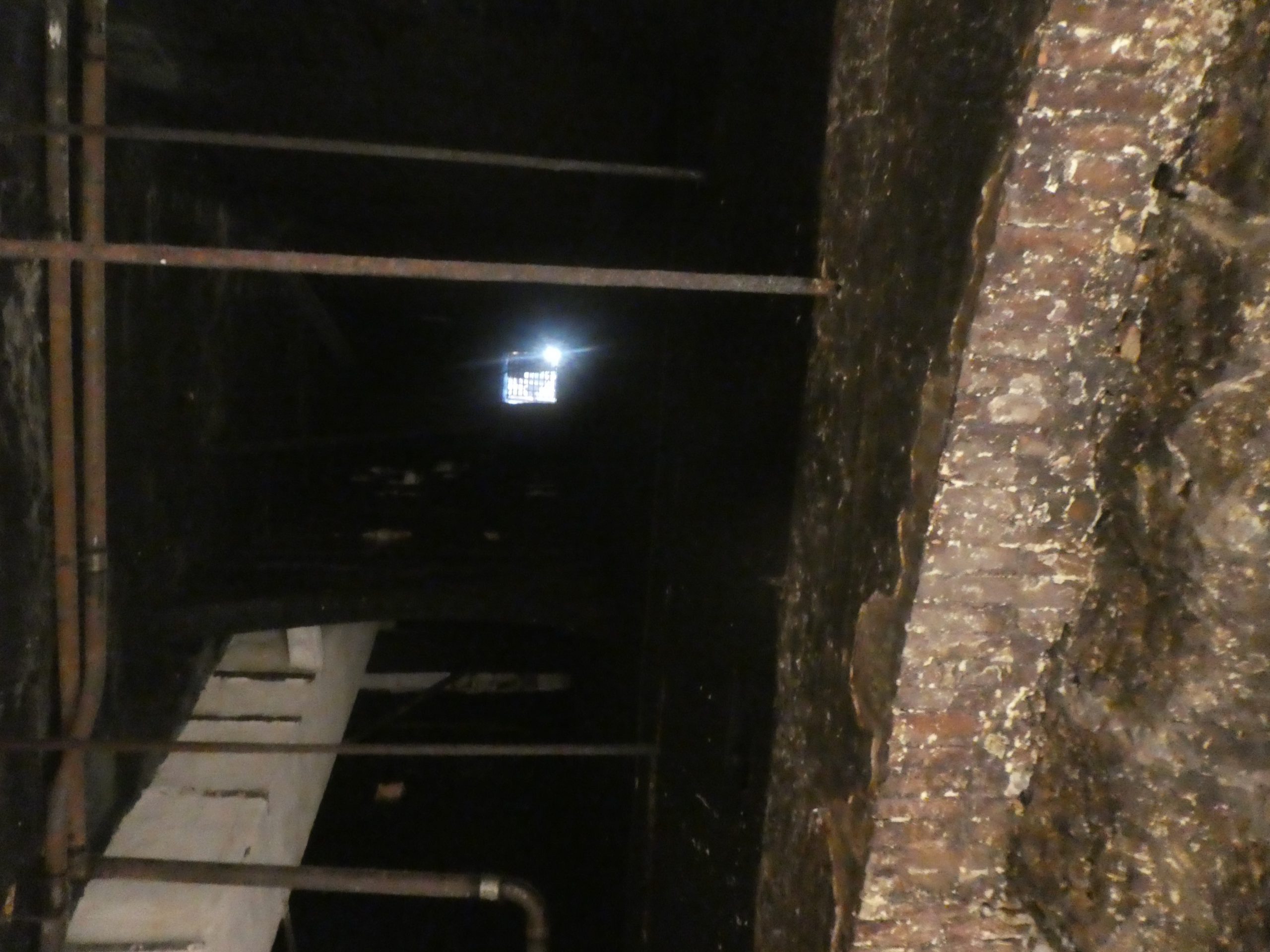
    The view from the bottom of the chimney and looking up.
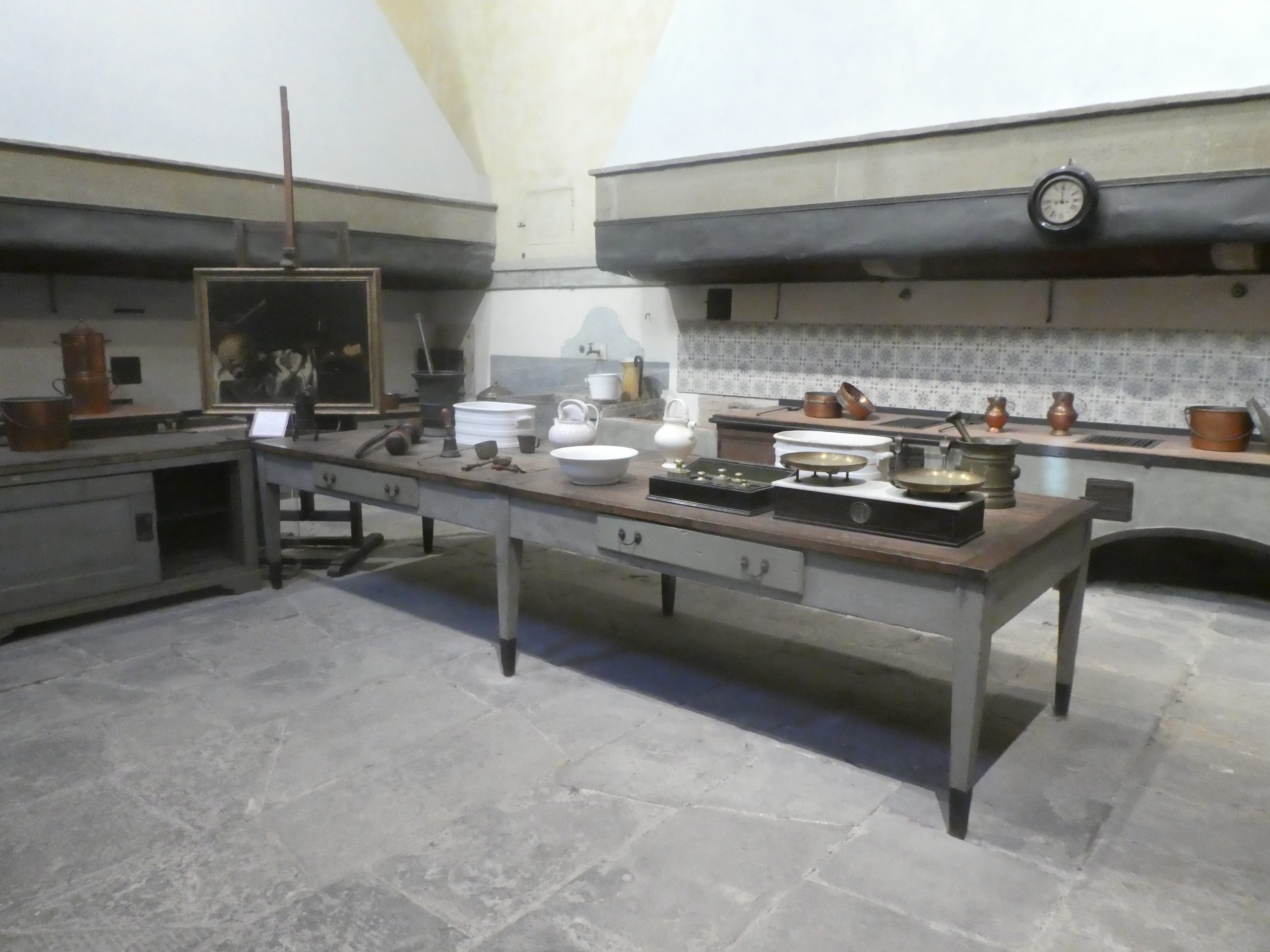
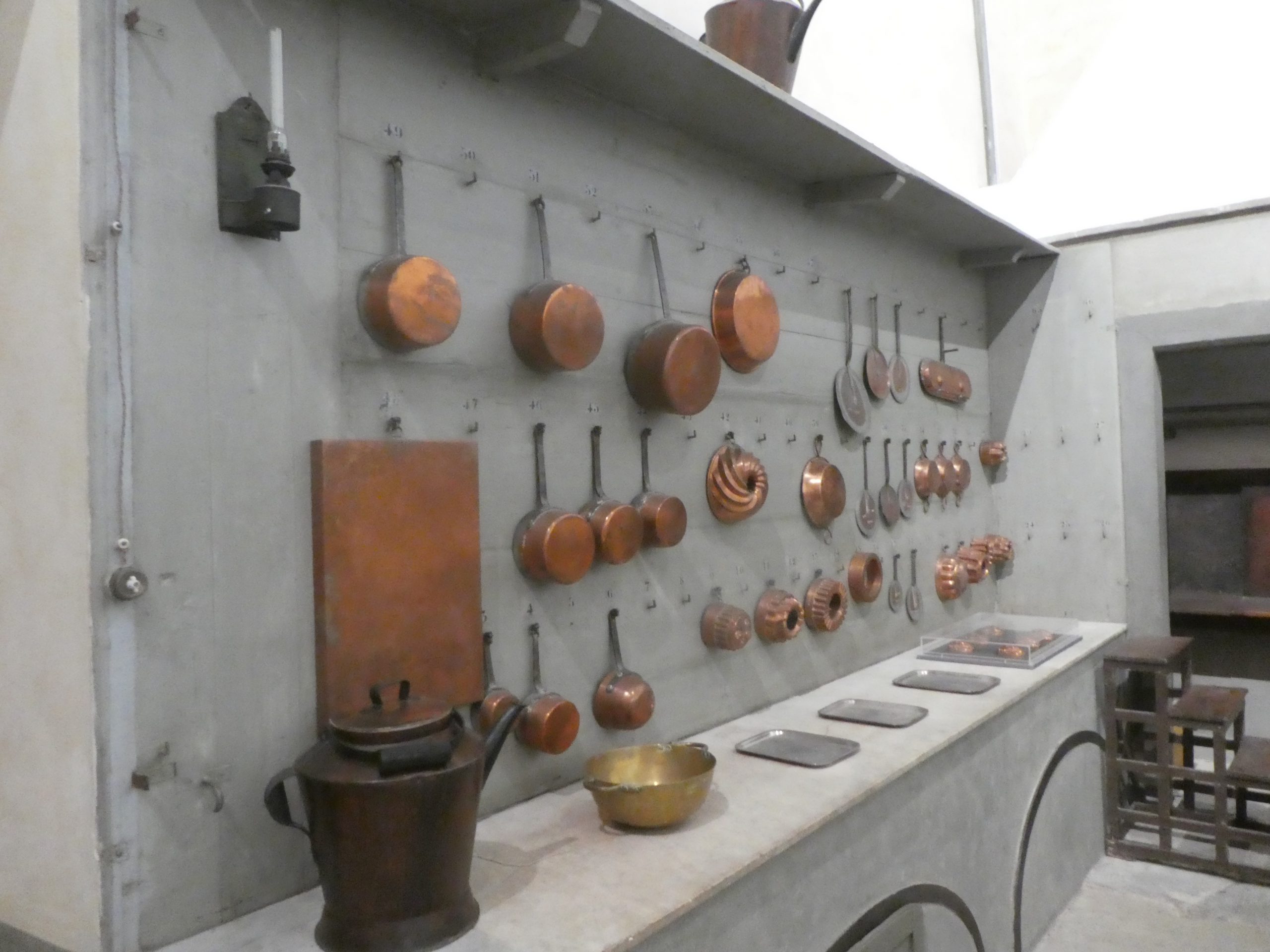
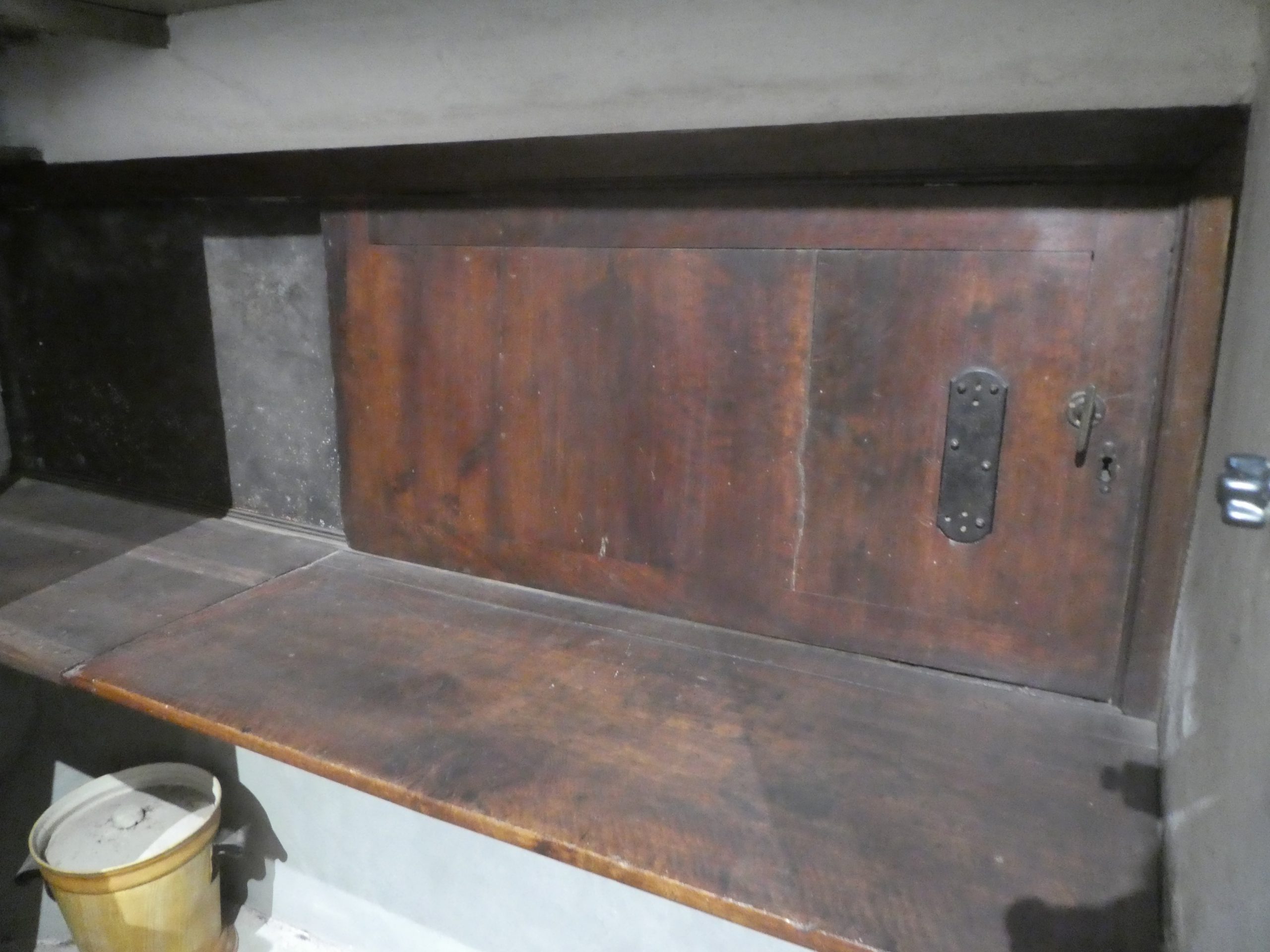
    Some views of the kitchen as it now looks, which reflects how it might have appeared in the nineteenth century. Meals were cooked here for the main palace and there are corridors that connected this grand kitchen, located to the side of the house, to the main rooms. The kitchen was restored relatively recently, as for the best part of the last century this area had been used for storage and had been somewhat forgotten about.

  • Changed Priorities Ahead

    Changed Priorities Ahead

    I like this road sign, it reminds me of what some politicians might soon need to be aware of…..

  • Dictionary of the Vulgar Tongue – Day Ninety

    Dictionary of the Vulgar Tongue – Day Ninety

    The Dictionary of the Vulgar Tongue was first published at the end of the eighteenth century, and given that the Coronavirus crisis is giving too much time to read books, I thought I’d pick a daily word from it until I got bored…..

    Crank

    Defined as “gin and water”, a combination which isn’t that commonly seen today. However, this was a better option than drinking gin neat, as had been the want in the eighteenth century, solely because the touch of water would bring out some of the flavours from the gin. Lemons and limes were relatively rare in the UK at the end of the eighteenth century and ice wouldn’t have been an option either. The habit of chilling drinks became more common throughout the nineteenth century, with ice becoming easier to acquire later on during the century, which proved to be the next evolution in alcoholic drinks.

    Incidentally, I don’t know the origins of the word ‘crank’ in this context, but another archaic meaning of the word is “weak or shaky”, or indeed with relation to ships “liable to fall over”, so perhaps that’s where this came about with reference to drinking too much gin…..

  • York – Brigantes Closing

    York – Brigantes Closing

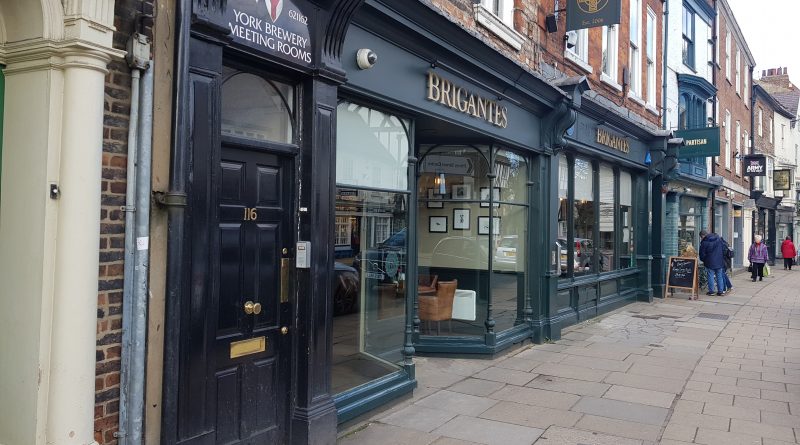
    I visited Brigantes a few days before all pubs were forced to close in the UK and I thought that it was a well-deserved entry into the Good Beer Guide. Anyway, it’s been confirmed today that Brigantes won’t be re-opening when pubs are allowed to, so the closure is permanent.

    Sad news and I agree with Roger Protz who posted on Twitter:

  • Tunstead – Name Origin

    Tunstead – Name Origin

    Back to The Concise Oxford Dictionary Of English Placenames to look up the origins of the village name Tunstead.

    Tunstead, Norfolk. Tunesteda in 785, Tunstede in 1044, Tunesteda in Domesday Book. Old English for farmstead.

    That’s nice and easy, it means farmstead and there are a few of these around the country, with ‘tun’ meaning farm and ‘stead’ meaning, well, stead. It’s a true piece of English history for a place name to stay the same for at least 1,250 years.

  • Coltishall – Name Origin

    Coltishall – Name Origin

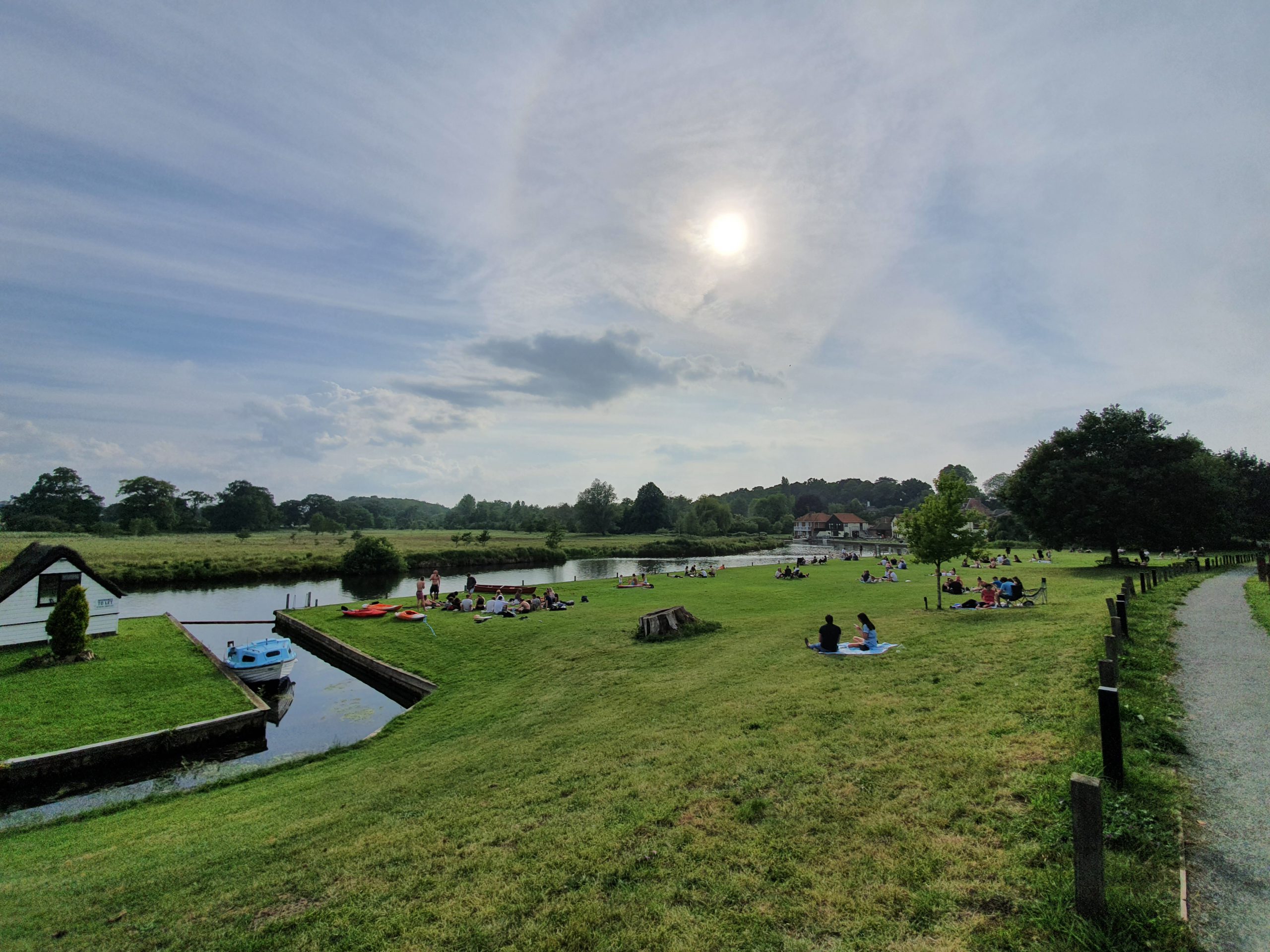
    After visiting Coltishall yesterday evening, I had a little look at The Concise Oxford Dictionary Of English Placenames to understand its name origins.

    Coltishall, Norfolk. Coketeshala in Domesday Book, Couteshal in 1200 and Couteshale in 1219.

    Like with Brundall, the ‘halh’ bit is usually a secret place, a tucked away area or some land which is separate from its administrative area. So, it’s a tucked away place owned by an Anglo-Saxon known as Cohhede or Coccede.

  • Tunstead – St. Mary’s Church

    Tunstead – St. Mary’s Church

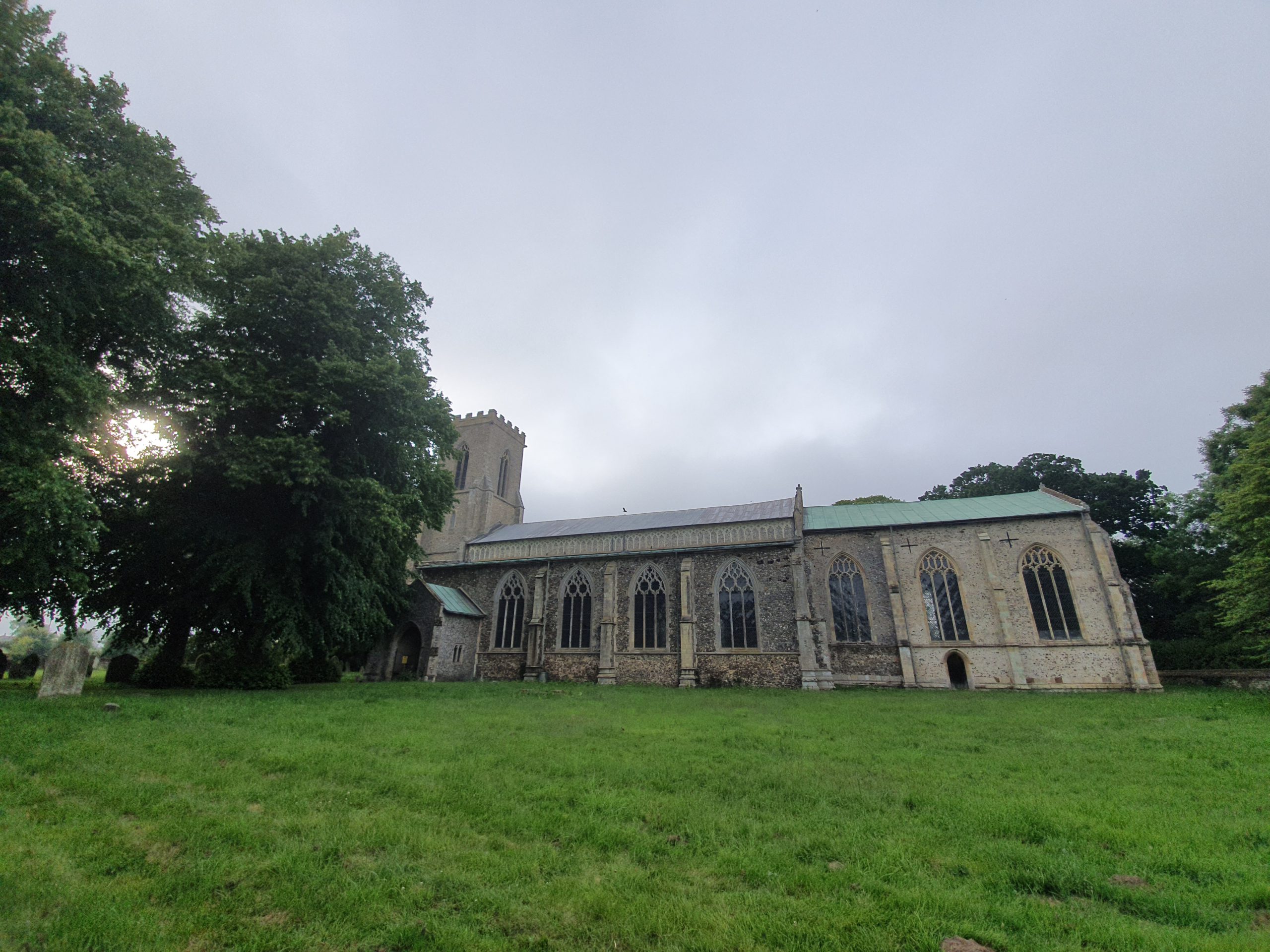
    I can’t remember visiting this church before, but it’s a substantial building and way out of proportion for the size of the settlement that exists today. All churches are currently closed at the moment, but the interior of this seems to have some mystery to it, so this is another building I’ve put on my list to visit again. I’m getting quite a long list…..

    Anyway, the bulk of this church dates to the fourteenth century and most of it was already completed before the Black Death caused so much death and suffering across the country. But the Black Death is probably the reason why there aren’t that many nearby homes and it seems possible that the church was funded by the woollen industry, in a similar manner to nearby Worstead Church.

    The base of the tower and it’s worrying to see that the building is on the Historic England Heritage at Risk register, so hopefully this will allow them to gain funding to fix some of the problems. The register mentions that plaster is flaking off the walls internally and the medieval rood screen is suffering from damp problems.

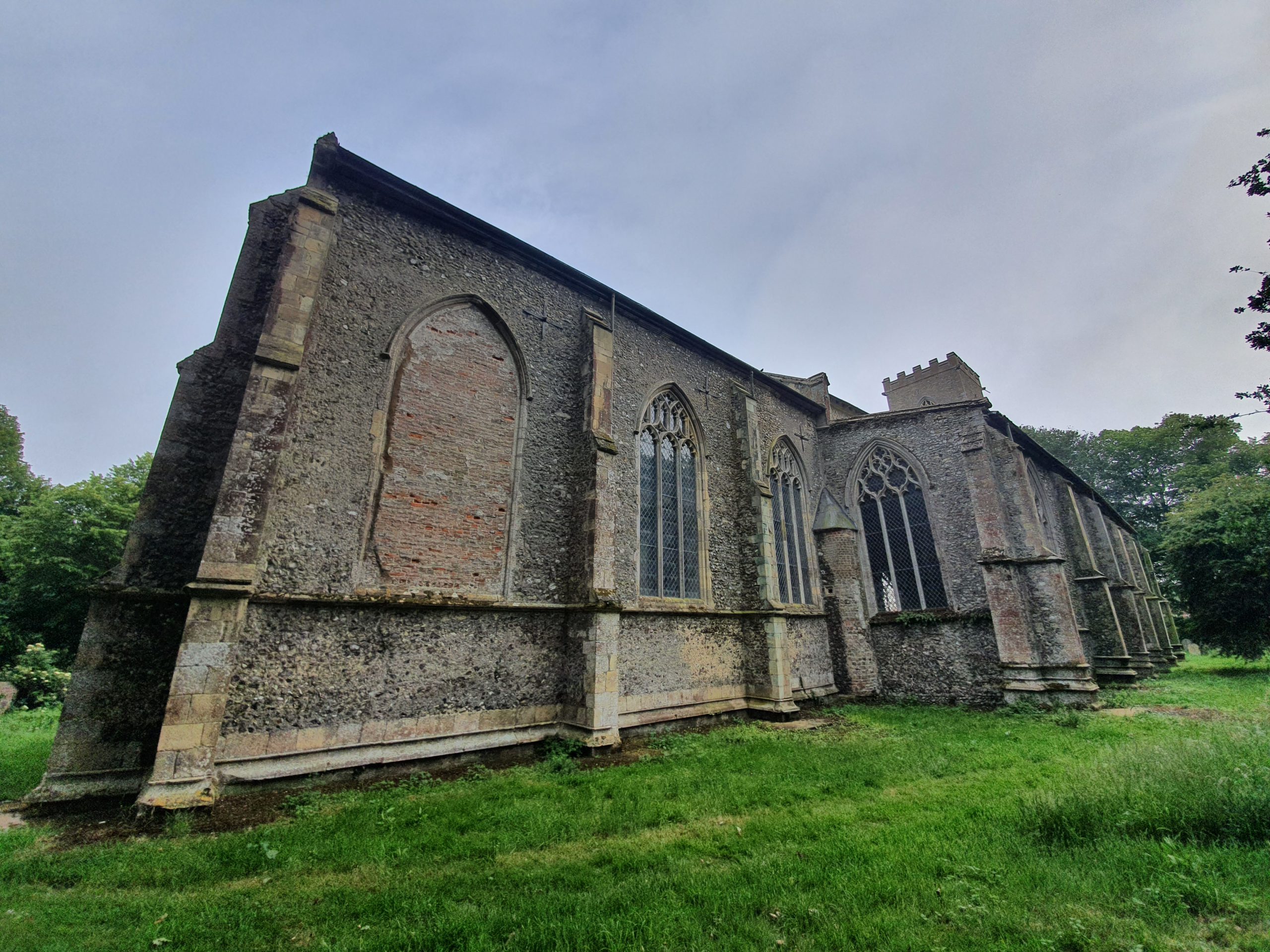
    The entirety of the east window is also blocked and I couldn’t work out why this was, but there’s an article dating back to the early nineteenth century that the glass was being smashed so often by local children that this was seen as the best solution by the church-wardens at the end of the eighteenth century. The author noted “our beautiful churches are continually being spoilt by the ignorance of peoples utterly unfit to be their guardians”. There’s sometimes a view that people always treated churches with great respect in the past, but stories like this show that this isn’t the case.

    As an aside, the same author notes that “the clearstory [clerestory] walls, instead of being pierced with windows, are beautifully panelled with flint and stone”, and they do look a little unusual in their arrangement.

    The north-east chancel window is also blocked, probably for the same reason as the east window.

    This iron working on the door is quite expansive and it’s original, dating back to the fourteenth century. Havelock Ellis wrote in 1920 that this ironwork was so well-formed that it seemed more modern than this, but its heritage seems beyond dispute and is of national importance.

    I’m assuming that this is the outside of the rood screen steps, since it’s located where the chancel and nave meet.

    Anyway, a rather beautiful church and I look forwards to being able to visit the interior.

  • Do You Even Iron Bro? from Lost Industry

    Do You Even Iron Bro? from Lost Industry

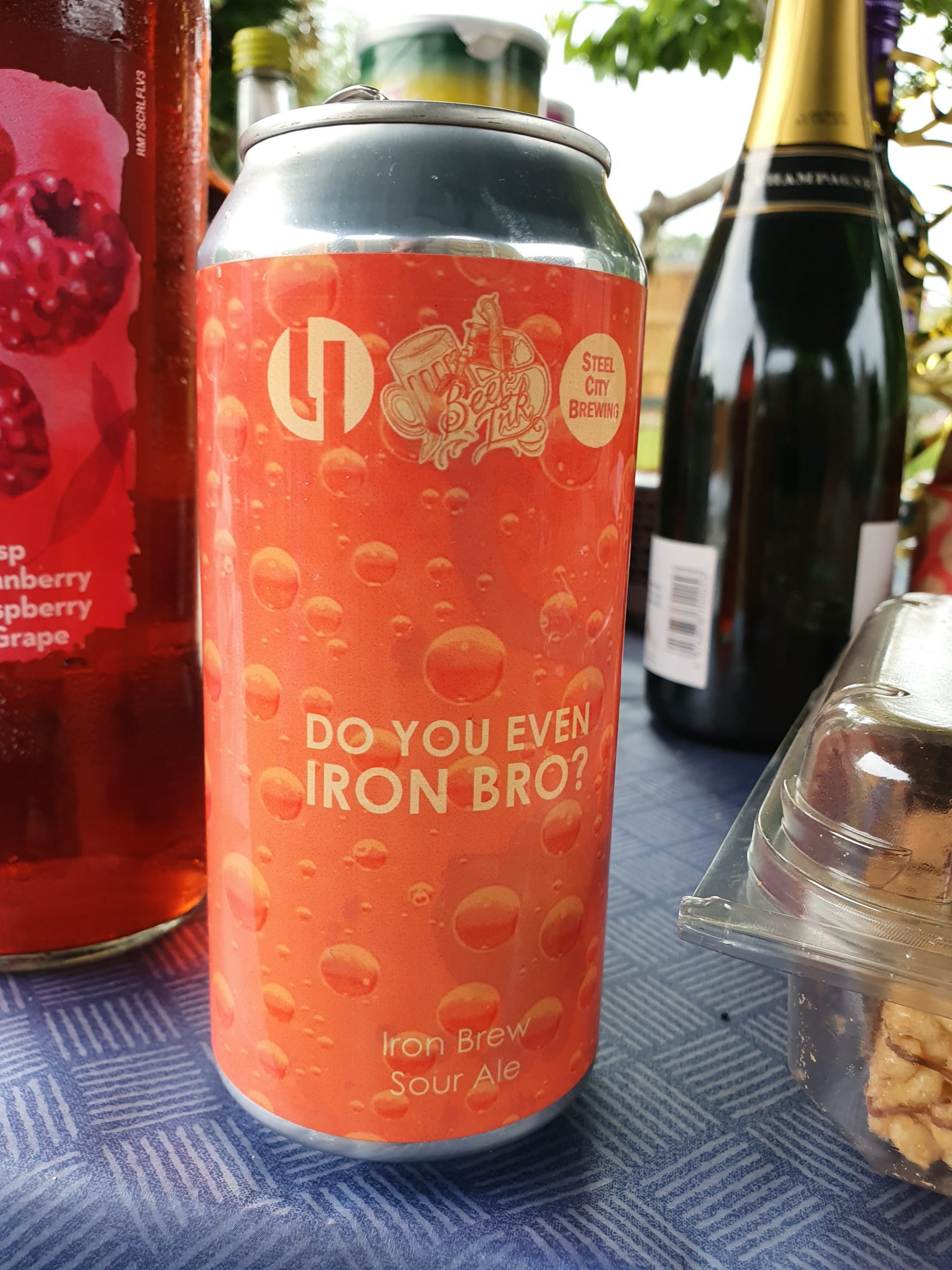
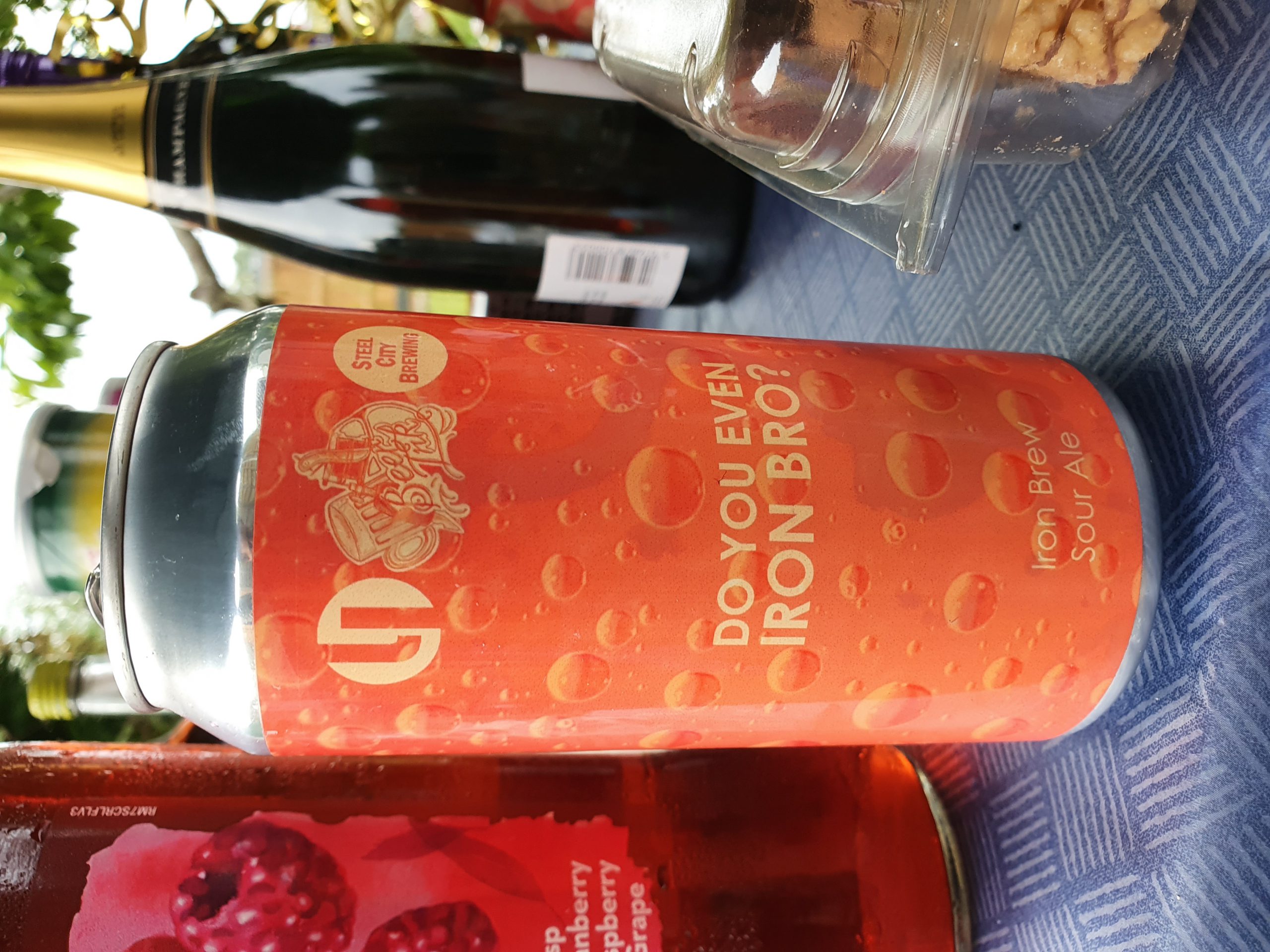
    As mentioned in some previous posts, there aren’t many opportunities to post about beers in pubs, so I’ll have to limit myself to beers bought from pubs to takeaway. This is a twist on the Scottish soft drink, a collaboration between Lost Industry and Steel City Brewing.

    The taste was there equivalent to the soft drink, but it was so authentic that it also tasted of a soft drink. Weak in body, not particularly sour and with a limited aftertaste. So, a fine idea, although it’d probably just be easier just to buy Irn-Bru.

  • Dictionary of the Vulgar Tongue – Day Eighty-Nine

    Dictionary of the Vulgar Tongue – Day Eighty-Nine

    The Dictionary of the Vulgar Tongue was first published at the end of the eighteenth century, and given that the Coronavirus crisis is giving too much time to read books, I thought I’d pick a daily word from it until I got bored…..

    Cramp Words

    Not quite as cheery as some previous definitions, this is defined as a term used in the criminal world meaning a “sentence of death passed on a criminal by a judge. He has just undergone the cramp word; sentence has just been passed on him”. There are a series of other terms related to this, such as “cramping day” which is when the execution took place and “cramp laws” meaning laws that could lead to the death sentence if broken. The terms were used from the early eighteenth century until it slowly faded out of use. Newgate Prison also became known as “Cramp Abbey” and this term was then used as a generic term for any prison.

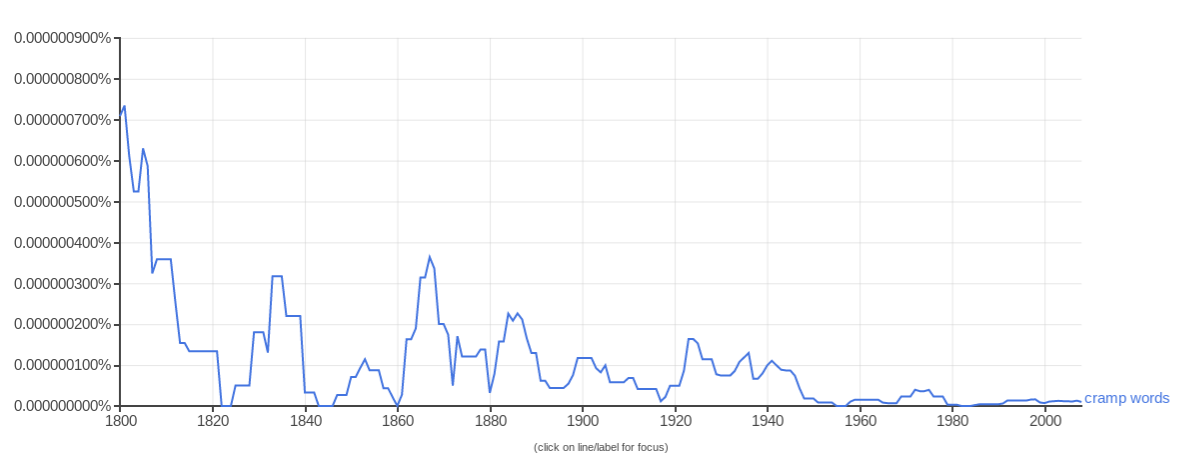
    And, the fading out over time of the “cramp words” phrase.

  • Coltishall – Railway Tavern

    Coltishall – Railway Tavern

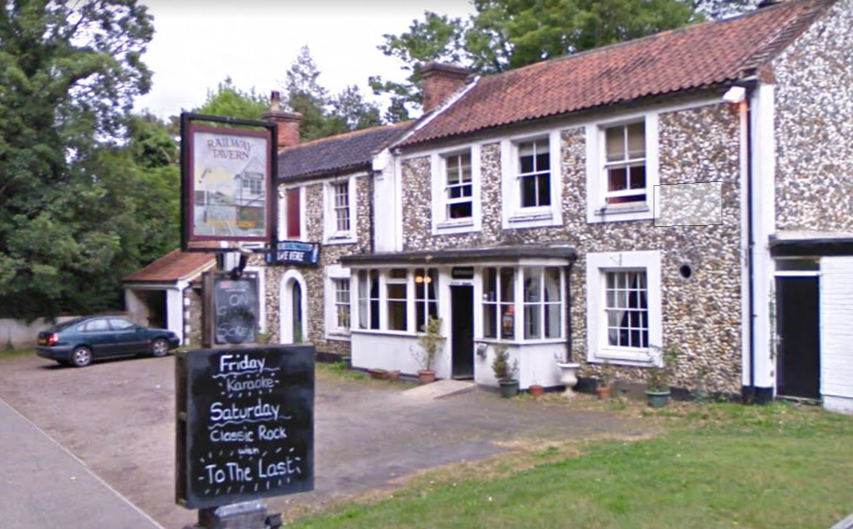
    Just to show how rarely I go to Coltishall, the last time I went by the Railway Tavern it looked something like this. It opened just before the First World War, originally known as the New Inn, before becoming known as the Railway Inn and later on the Railway Tavern.

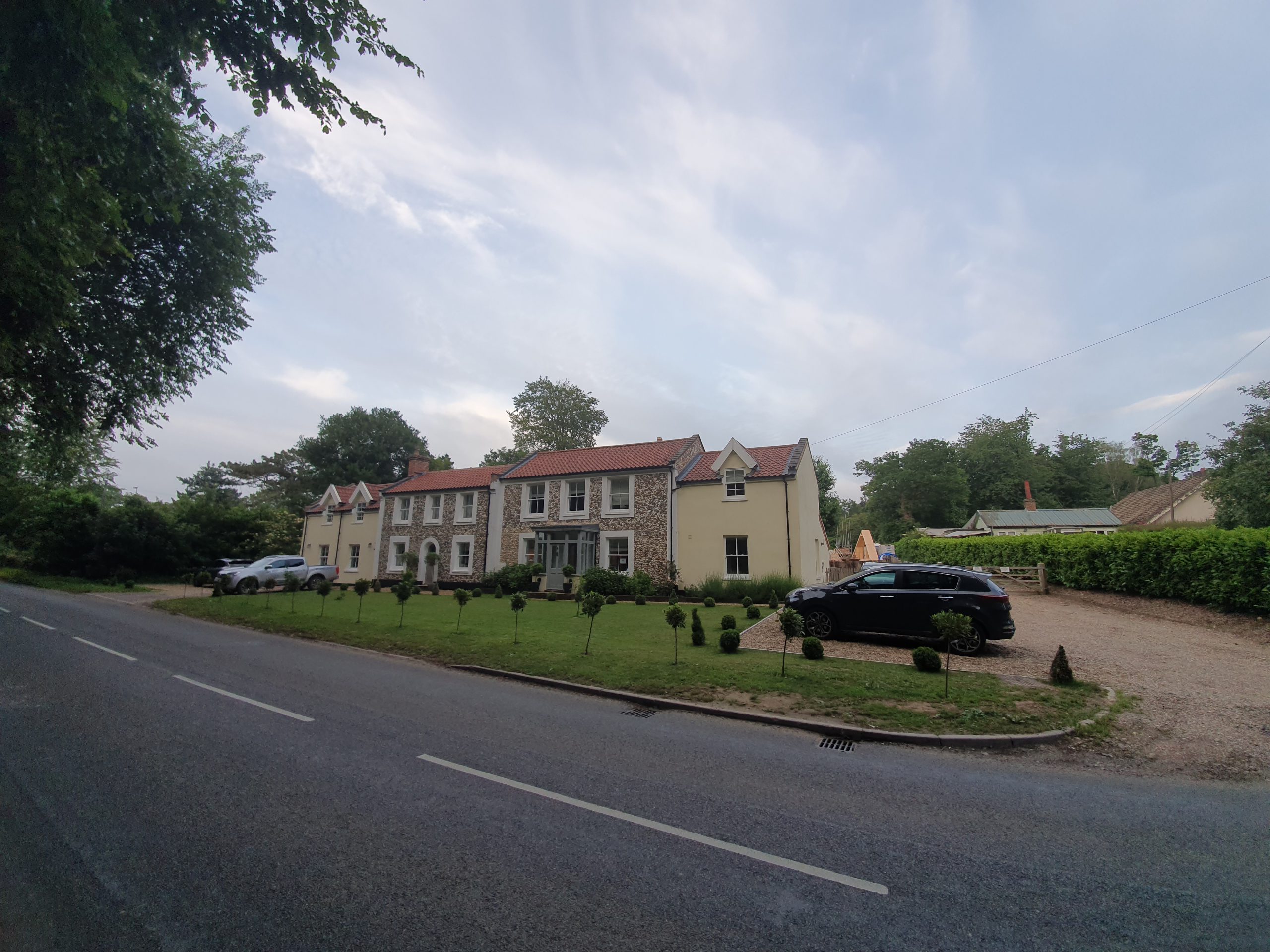
    And this is what it looks like now, which is quite sad as I suspect that with the seemingly ever-increasing number of people coming to Coltishall for walking and canoeing that it would likely have been able to be viable once again. I admit it’s at the wrong end of the village for that, but start serving craft beer and it’ll soon attract the hoards…. It closed in 2012, although it remained empty for some time before it was permanently delicensed. It’s a former Morgans, Bullards and then Watley Mann owned pub, before going through a series of pubco owners.

    What is interesting is the heritage statement required, primarily relating to the lime kiln behind the building, when planning permission was approved, with the document referring to the planning inspector being “spectacularly wrong” in 1991. It’s an intriguing read….