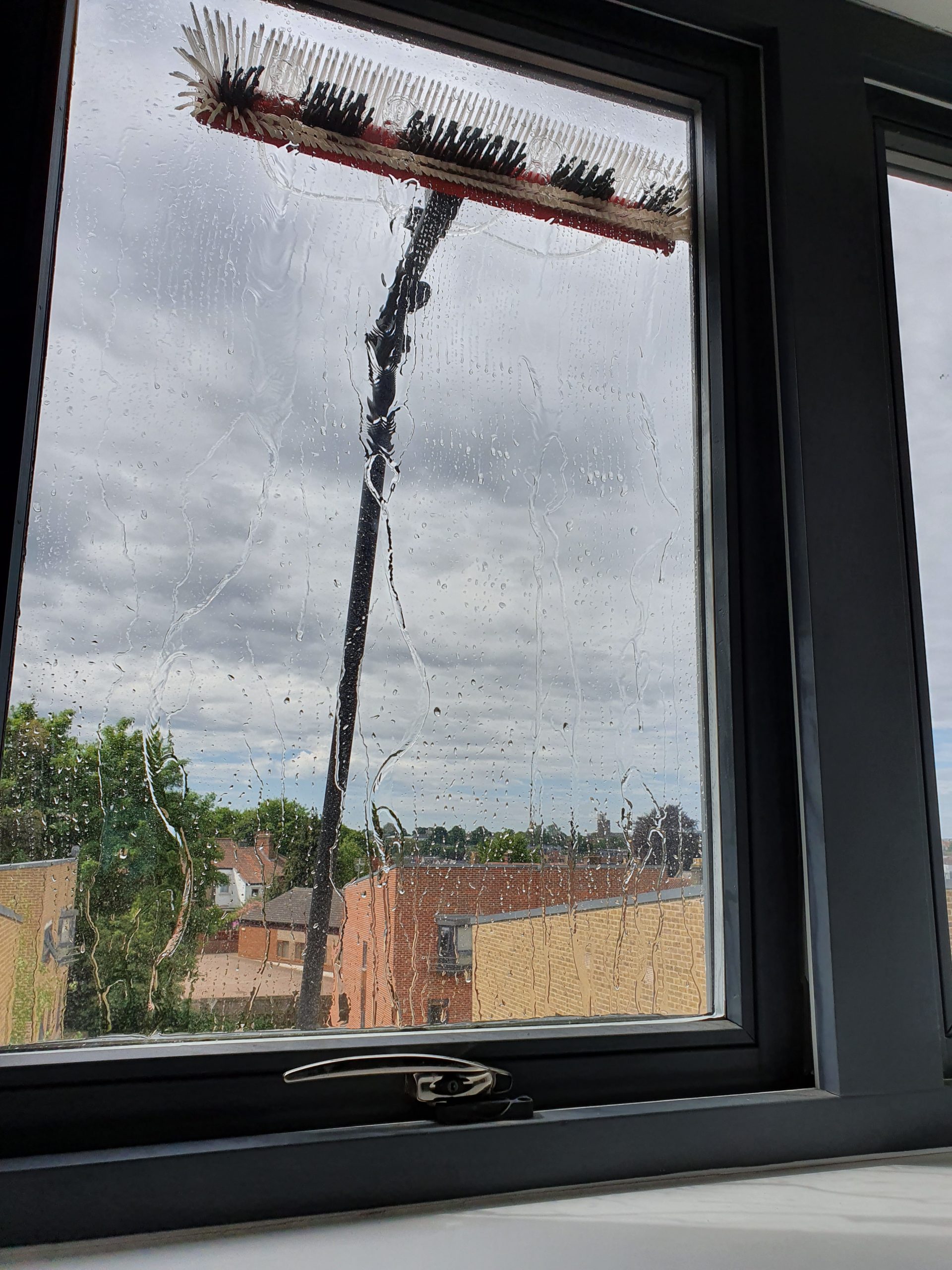
Since I live a little high up and there’s a contract for the window cleaning of the site that I have no involvement with, it’s always a surprise exactly when the windows get cleaned.
But every time this seemingly random event does happen, I get moderately startled as it sounds like a sea eagle has come clattering into the window….. But, it’s a relief to see that instead of a mangled bird, I do instead have clean windows.
Anyway, this isn’t the most exciting content ever, I will admit.
I still haven’t found the photos that I was looking for, but I have now discovered all my photos from when I visited Newark (the one in New Jersey, not the one in Nottinghamshire).
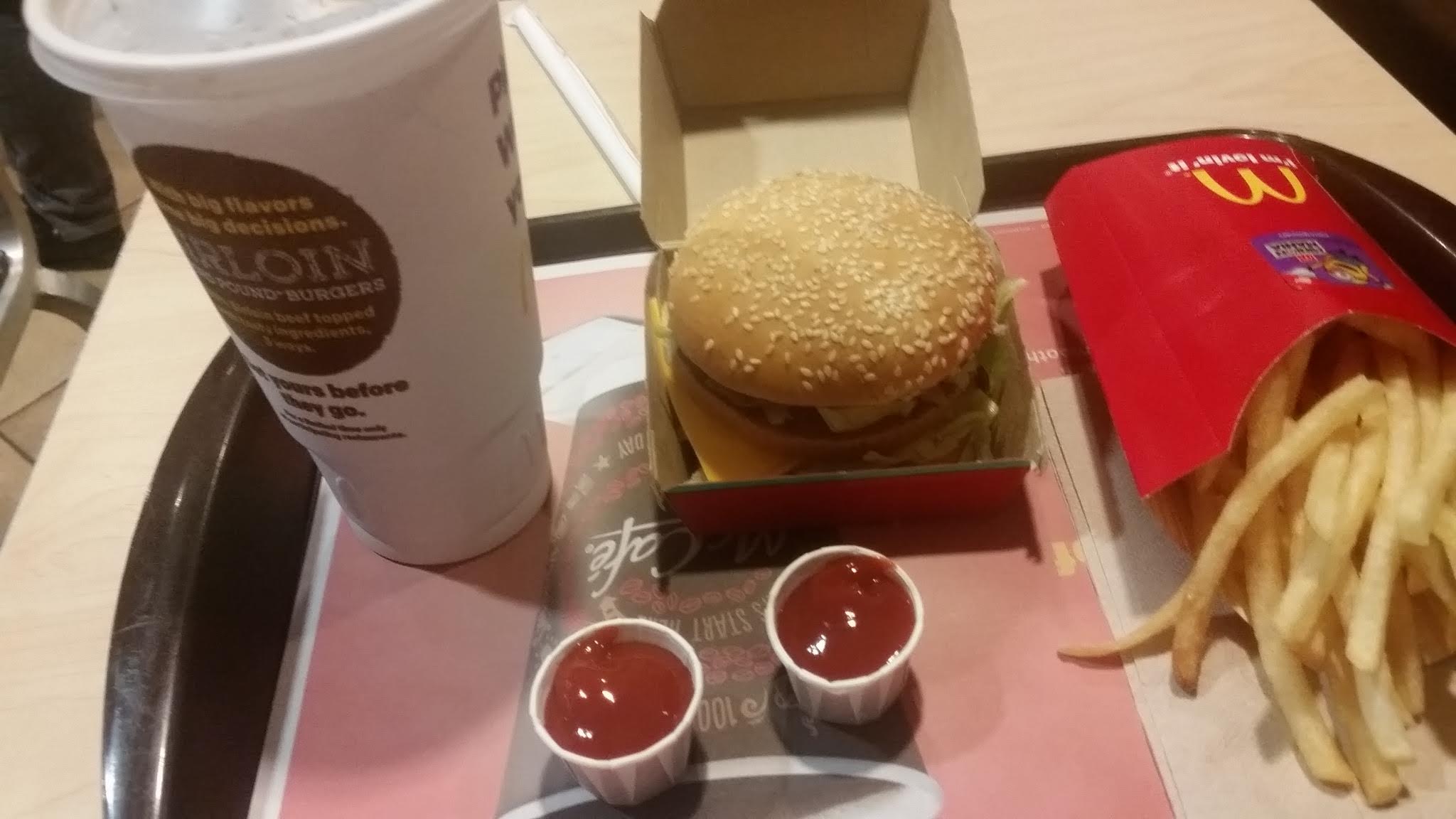
This was the only time that I’ve been to a McDonald’s and was asked by a staff member, and I’d add more inquisitively than in any negative manner, why I was there. When I told her that I was just visiting she then told me to be careful, which is never a great sign about the locality. Anyway, I’m very good at keeping myself to myself when required, but the atmosphere in the McDonald’s was quite tense and they had security guards trying to monitor the situation.
I didn’t spend long there, but I can remember thinking that the quality of the food was all brand standard and as expected, so all was well as far as I was concerned.
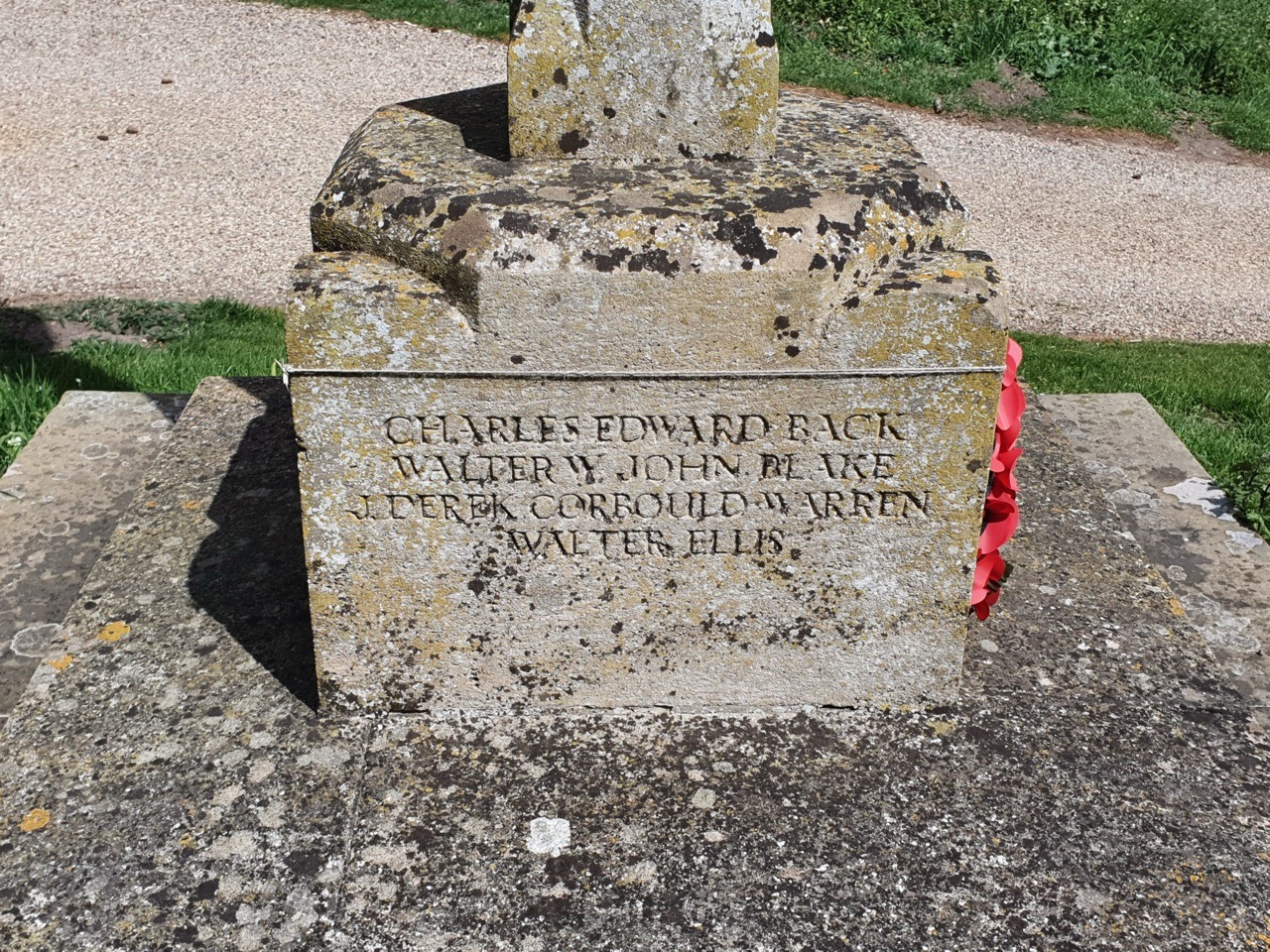
Walter Ellis was born in 1897, the son of George and Eliza Ellis who lived in Markshall which is effectively part of Caistor St Edmund. He joined the 5th Battalion of the Norfolk Regiment and was killed in action in Palestine, on 19 April 1917.
There was a major action, which was the Second Battle of Gaza, which took place between 17 and 19 April 1917 between the British Empire and France against the Ottoman Empire and the Germans. The 54th (East Anglian) Infantry Division were part of the military force, with the Norfolk Regiments losing a large number of men.
I’m not sure that Walter lies entirely at peace at Gaza War Cemetery, which is in the troubled Gaza Strip and which has been damaged twice by Israeli bombs over recent years, although they paid for the repairs to be completed to the graves. He’s a long way from home here in a place that he perhaps hadn’t even heard of when he was sent to fight there.
Since I’ve started shopping at M&S, which is new to me and entirely because I can’t be bothered to battle around Morrison’s, I thought I’d investigate their beer selection a few weeks ago. It was pretty unimpressive, nearly entirely IPAs and there was just one darker beer. I walked by last week and there were several darker beers, all of which seemed to be popular given by the gaps in the shelf. It’s probably just a different season of beers, but it almost looked like they changed the beer buyer at M&S Head Office.
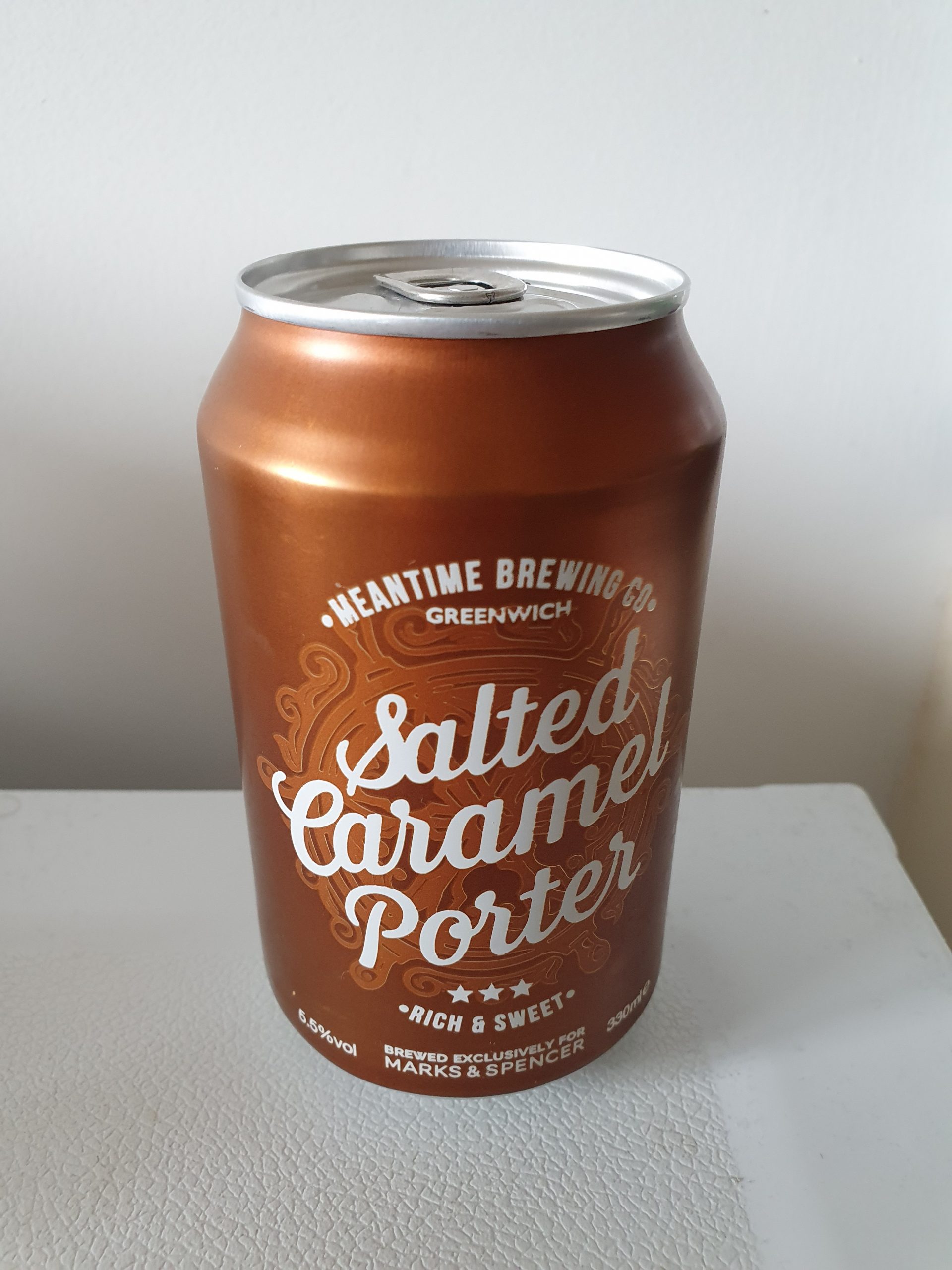
Anyway, not normally one for buying beer for home, I thought I’d encourage M&S slightly (and slightly is the word here, as I doubt my purchase volume will be noticeable, unlike my purchase of their reduced priced Easter Eggs…..) and buy this Salted Caramel Porter from Meantime Brewing.
It’s excellent in its intent, although its delivery isn’t particularly good as they seem to have forgotten to put any salted caramel flavour in. The Untappd reviews aren’t marvellous either, mainly based around the lack of flavour, but it’s a smooth porter nonetheless. And I like what they’re trying to do.
The Dictionary of the Vulgar Tongue was first published at the end of the eighteenth century, and given that the Coronavirus crisis is giving too much time to read books, I thought I’d pick a daily word from it until I got bored…..
Captain Lieutenant
Quite a long definition, the dictionary notes that this is defined as “meat between veal and beef, the flesh of an old calf; a military simile, drawn from the officer of that denomination, who has only the pay of lieutenant, with the rank of captain; but so is not entirely one or the other, but between both”.
It seems a rather long phrase to describe meat, a bit clunky for a butcher to have to write out on their display or for a customer to ask for. And on that basis, I also can’t find much evidence that this phrase was much used, but there’s something very precise about the term that I like. It’s perhaps a shame that Morrison’s to this day doesn’t use the phrase in their market street butchers…..
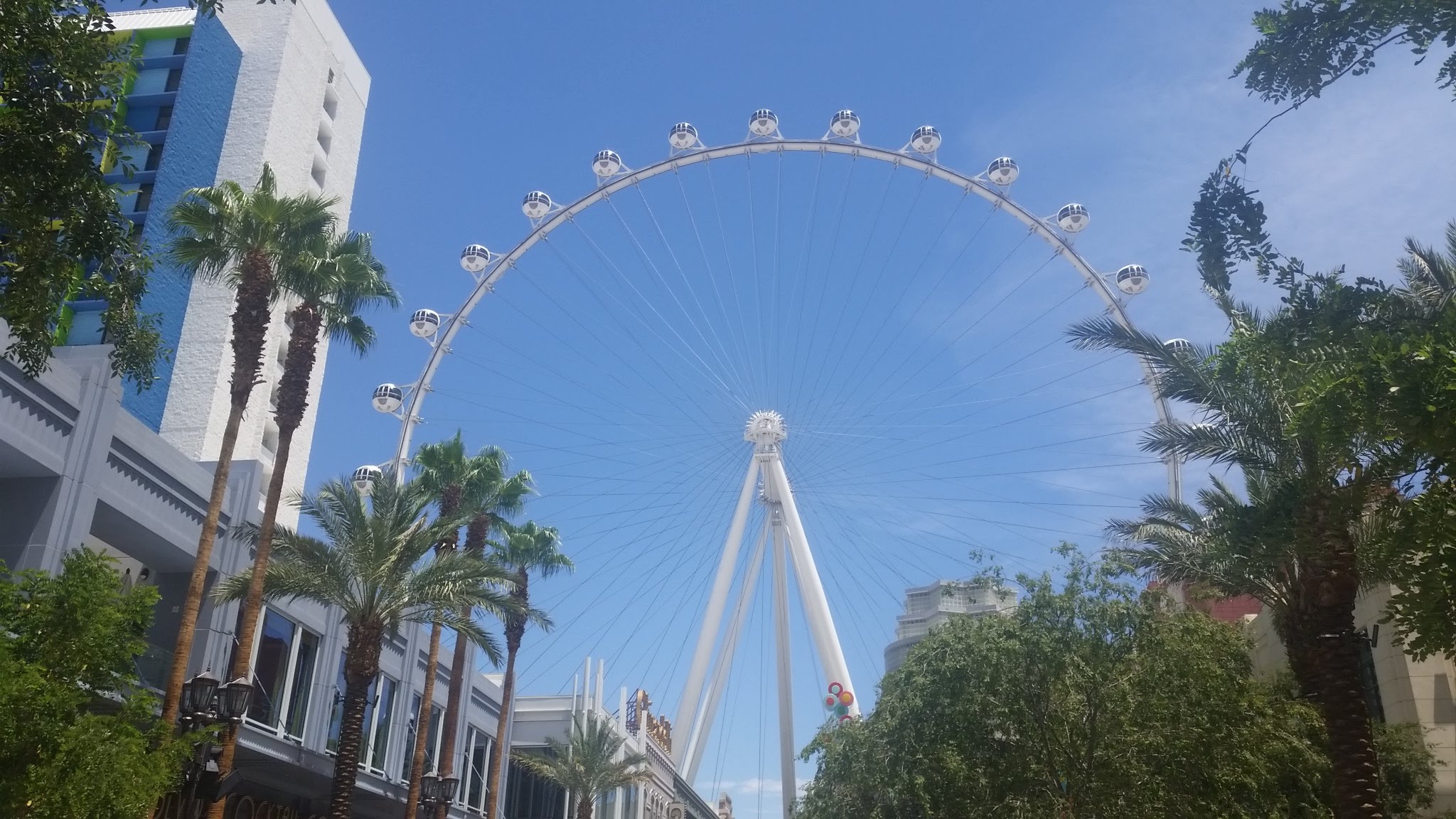
This is the 170-metre tall Observation Wheel in Las Vegas, more formally known as the High Roller. It opened in 2014 and is the tallest ferris wheel in the world, as everything in Las Vegas has to be the biggest.
My visit here was back in 2015 and there were some special offers on, including a ticket which included a barman and unlimited drinks. So, I accidentally got that ticket.
There’s a little exhibition area to browse whilst waiting to board the wheel. There’s only one observation capsule that has the bar set-up, so there’s a different boarding process to the other capsules.
This is the set-up, a barman who was friendly and welcoming, all very fitting for the United States and Las Vegas.
The drinks set-up.
Back in 2015, I was going through a cider stage, although I’d add that I mean decent real ciders and not Strongbow or anything. I didn’t expect that they would have a stock of scrumpy type drinks in Las Vegas, but they did have this Angry Orchard and this was a more than suitable drink to start with.
I then switched to spirits….. The whole arrangement was all generous and well-managed, the barman was fast serving, personable and was clearly enjoying his work environment. I can think of worse places to be a barman. This meant that everyone had more drink available than they could realistically comfortably drink, unless they had a real ability to binge drink I suppose.
Some photos above of the wheel itself.
And some photos of the views. Unfortunately, the quality of these isn’t great as these were from my phone camera back in 2015 and Google Photos has squished the image a little.
As an observation wheel, it went smoothly and quickly, although perhaps the alcohol helped with that process. There were views over the entirety of Las Vegas, and into the desert beyond. There weren’t too many people in the capsule and everyone there was well mannered, so the environment was all rather amenable. Very lovely.
It took me until 2015 to visit a Carl’s Jr, one of the largest fast-food chains in the United States. They were founded in the 1940s and the Jr. bit of their name is because the owners had already established Carl’s Drive-In Barbecue restaurant, and this new venture was something a little smaller. They started their new venture in Anaheim, which is one of the few parts of Los Angeles I haven’t been to, with the exception of sitting on board a coach in the coach station going between LA and Las Vegas. But I don’t think that counts.
The chain’s first expansion outside of California was to Las Vegas, and although it was in a different location within the city, it’s where I visited them in Sin City. Today, the chain also has a sister company, called Hardee’s, which is to all intents and purposes pretty much the same.
I’m not entirely sure about the burgers here, as in, they were fine, but they tasted pretty much the same as Burger King, so there’s little unique about them. There’s something about chains like Five Guys, White Castle and In-n-Out that allows their burgers to have a taste that is pretty distinctive to them. The fries are much better, crispy, firm, not greasy and sufficiently salty. Like nearly everywhere in the United States, the service was efficient and friendly, with the restaurant being clean and organised.
So, it’s all entirely acceptable, but as so often, there might be better independently-run burger restaurants available…….
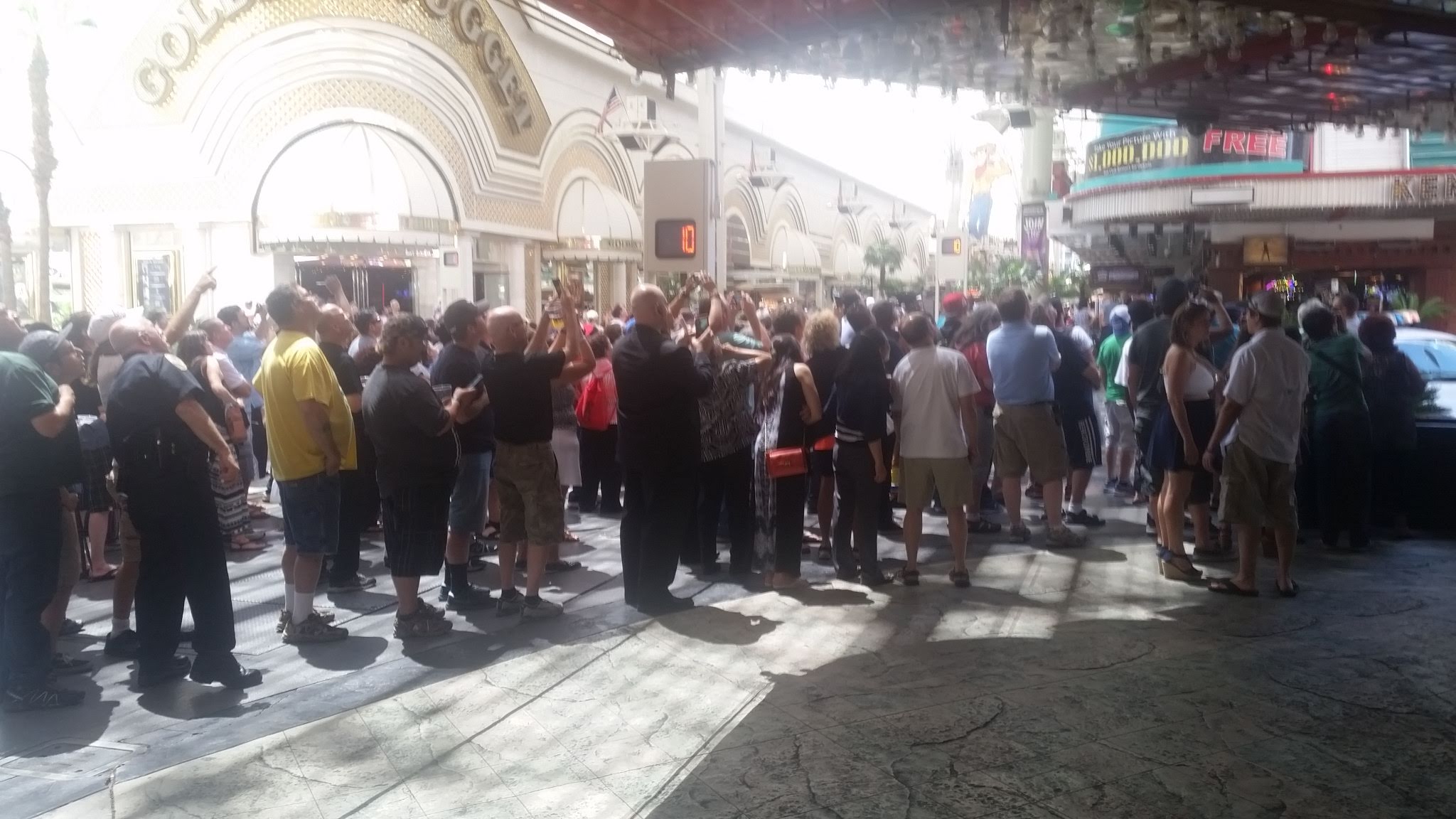
This is Fremont Street, in downtown Las Vegas, back in 2015. It’s a street which is neither understated nor quiet, with much going on along its now pedestrianised length. And perhaps, sometimes people forget what is the made-up entertainment of Las Vegas and what is reality.
Seeing a crowd, and liking drama, I had to interfere quickly to see what was going on. What was actually happening is that someone was standing on a tall building nearby and threatening to jump. The emergency services were already there in force and were trying to contain the situation.
Now, I’m not really into human suffering, blood and terror, so I decided to take a photo only of the people taking photos and then I left. To go to Banger Brewing actually, but that’s a different matter. I certainly didn’t want to hear the crowd’s reactions to every twist and turn of this drama, let alone witness something even more dreadful. I have no idea what the outcome was, but I’m still moderately surprised by just how many people wanted to watch this unfold.
The Dictionary of the Vulgar Tongue was first published at the end of the eighteenth century, and given that the Coronavirus crisis is giving too much time to read books, I thought I’d pick a daily word from it until I got bored…..
Canterbury Story
Defined as “a long round-about tale”, this has an obvious source which is from the long, tedious and winding stories of the fourteenth-century Canterbury Tales. I’ve just denigrated what is perhaps one of the most important medieval books, but they are a bit long…. There’s a possibility that it didn’t derive from Chaucer’s book, but instead from pilgrims on their way to Canterbury on a pilgrimage when they told elaborate and excessively long stories. But, that’s an excusable thing to do to pass the time.
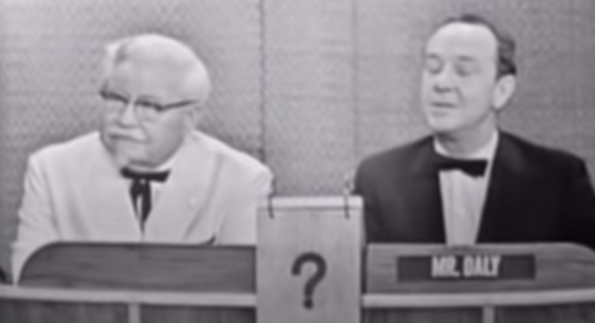
I’ve been watching some of the old US episodes of What’s My Line, and this is certainly my favourite so far…. Filmed in 1963, Sanders became much better known just a couple of years later.