Tag: Malbork

  • Malbork – Malbork Castle (Other Photos)

    Malbork – Malbork Castle (Other Photos)

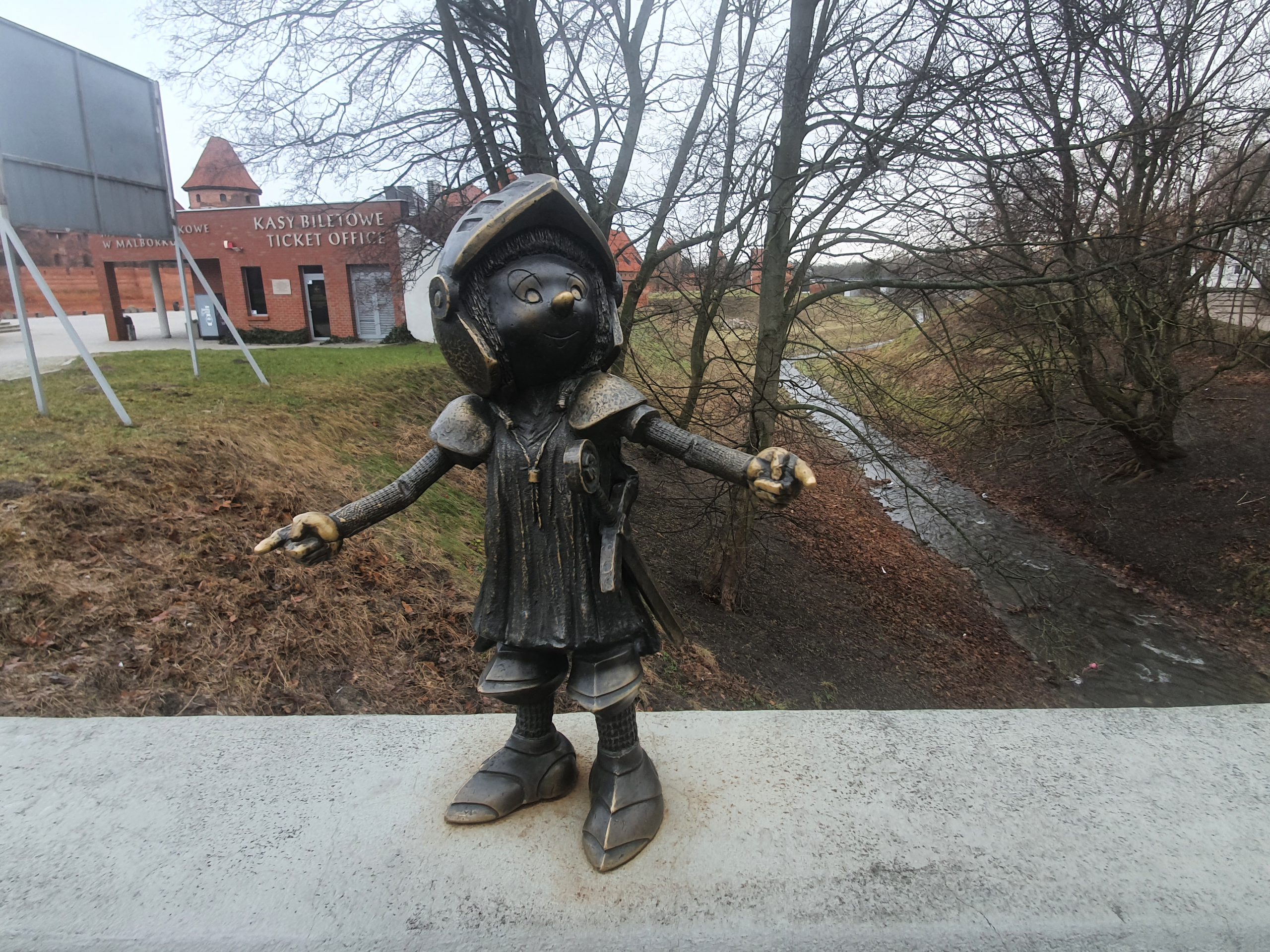
    And just photos from my visit to Malbork Castle a few weeks ago. I’m not sure that I’ll ever get around to creating individual posts relating to these photos, so here they are in their entirety. There’s a potential game playable here of “spot the other visitors to the castle”…..

  • Malbork – Malbork Castle (Frederick the Great Statue)

    Malbork – Malbork Castle (Frederick the Great Statue)

    Back to another post about Malbork Castle….

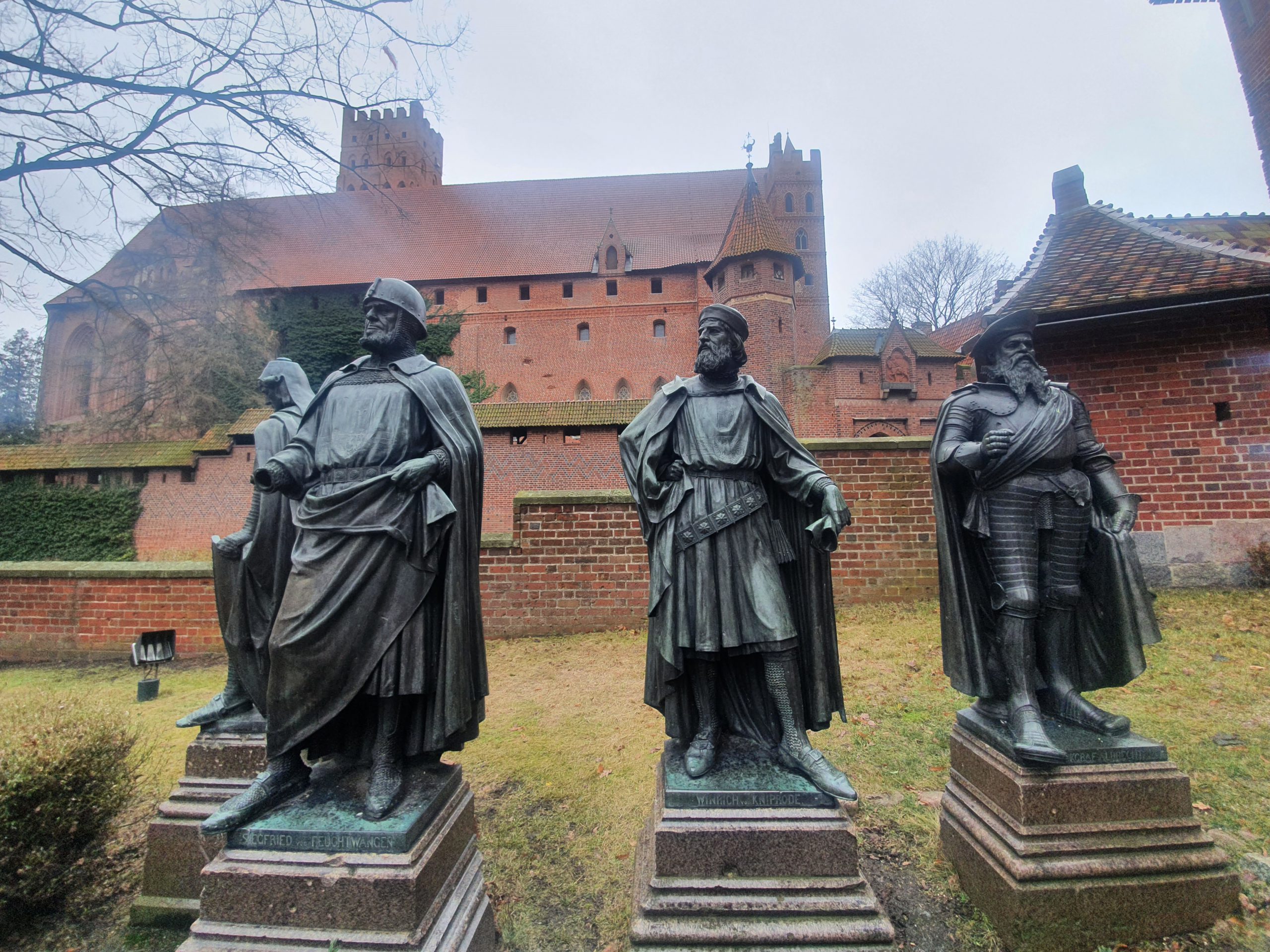
    The Germans had a marvellous idea in the 1870s that they would create a large and impressive statue of Frederick the Great (1718-1786) which would stand two metres high. Frederick was the King of Prussia between 1740 and 1786 and responsible for the First Partition of Poland, which was to ultimately destroy the Polish–Lithuanian Commonwealth. The aim of their great statue was to have four figures underneath it, each of whom was an important Teutonic Grand Master.

    They picked:

    Hermann von Salza, Grand Master from 1209 until 1239, who secured the status of the Teutonic Order.

    Siegfried von Feuchtwangen, Grand Master from 1303 until 1311, who moved the Teutonic Order base to Prussia.

    Winrich von Kniprode, Grand Master from 1351 until 1382, the longest serving holder of the office.

    Albert of Brandenburg-Ansbach, Grand Master from 1510 until 1525, who turned the Order into a Protestant one following the Reformation (it’s been Catholic again since the 1920s).

    The aim of this little arrangement was to show the continuity between the Teutonic Order and the Prussian Kings, with the statues placed in the central courtyard of Malbork Castle which would make them hard for visitors to miss. The statues were all designed by Rudolf Simering and they were unveiled on 9 October 1877.

    Unfortunately, like a lot of things at the castle, they were badly damaged during the Second World War. The statue of Frederick the Great has been entirely lost, although the four Grand Masters are still here and have since been repaired and restored. Their arrangement today looks a bit random, but they once stood in each corner of the grand monument that had Frederick the Great on top of them. I’m not sure what Frederick the Great would have thought about all this…..

  • Malbork – Malbork Castle (Amber Museum)

    Inside the formidable Malbork Castle is the amber museum which for reasons known only to them is entirely missed off the audio guide they gave to me, and I only found it as I guessed it should be on the tour. The signage on site is pretty poor for this, I think they’re relying on their audio guide.

    It’s quite a sizeable museum and would in normal circumstances be worth a visit in its own right, even if it wasn’t located within the castle. It opened in 1965, just four years after the castle reopened after repairs were made following the serious damage caused during the Second World War.

    Amber is fossilised tree resin which I think is impressive when it contains prehistoric creatures, such as the one above. Amber is also commonly used in jewellery, although that’s of little interest to me. It has though been traded in this part of Poland for centuries and it has apparently been traded for thousands of years. I think it’s possible to walk along the beach and often find some, but on my coastal walk last week it was snowing which made that endeavour rather more complex.

    Some of the examples of amber jewellery.

    A recreation of an amber worker’s set-up.

    There are some inter-active elements in the museum and the whole arrangement felt modern.

    I can’t see that I was overly excited by amber which has been turned into other things, but this was quite impressive. It’s some sort of solitaire game on the left dating from the eighteenth century and on the right are chess pieces dating from the first part of the eighteenth century.

    And my favourite item in the museum was the guild book of the Slupsk (a Polish town a little to the west of Gdansk) amber guild from 1569 until 1804.

    Anyway, it was an interesting distraction from the rest of the castle. I mentioned at the beginning of this post that the audio guide didn’t include this section at all. That’s not entirely true, just as I was leaving the exhibition it decided to tell me that I had reached the beginning of the amber museum. I turned the damn thing off at that point.

  • Malbork – Malbork Castle (Dansk Tower)

    Malbork – Malbork Castle (Dansk Tower)

    In the centre of this photo of Malbork Castle is Dansk Tower, which is the toilet block. It’s not known why it has taken the name of Gdansk, it was suggested that there are a number of reasons including:

    (i) The castle owners hated Gdansk and mocked it

    (ii) The men who constructed the tower were from Gdansk

    (iii) It’s on the Gdansk side of the castle

    Without any historical knowledge about the matter (although that won’t stop me from commenting) I’d guess that the truth is as mundane as it’s just on the Gdansk side of the castle. It was constructed in the late thirteenth and early fourteenth centuries and would have made matters much easier for the residents of the castle (or the staff employed to deal with such things).

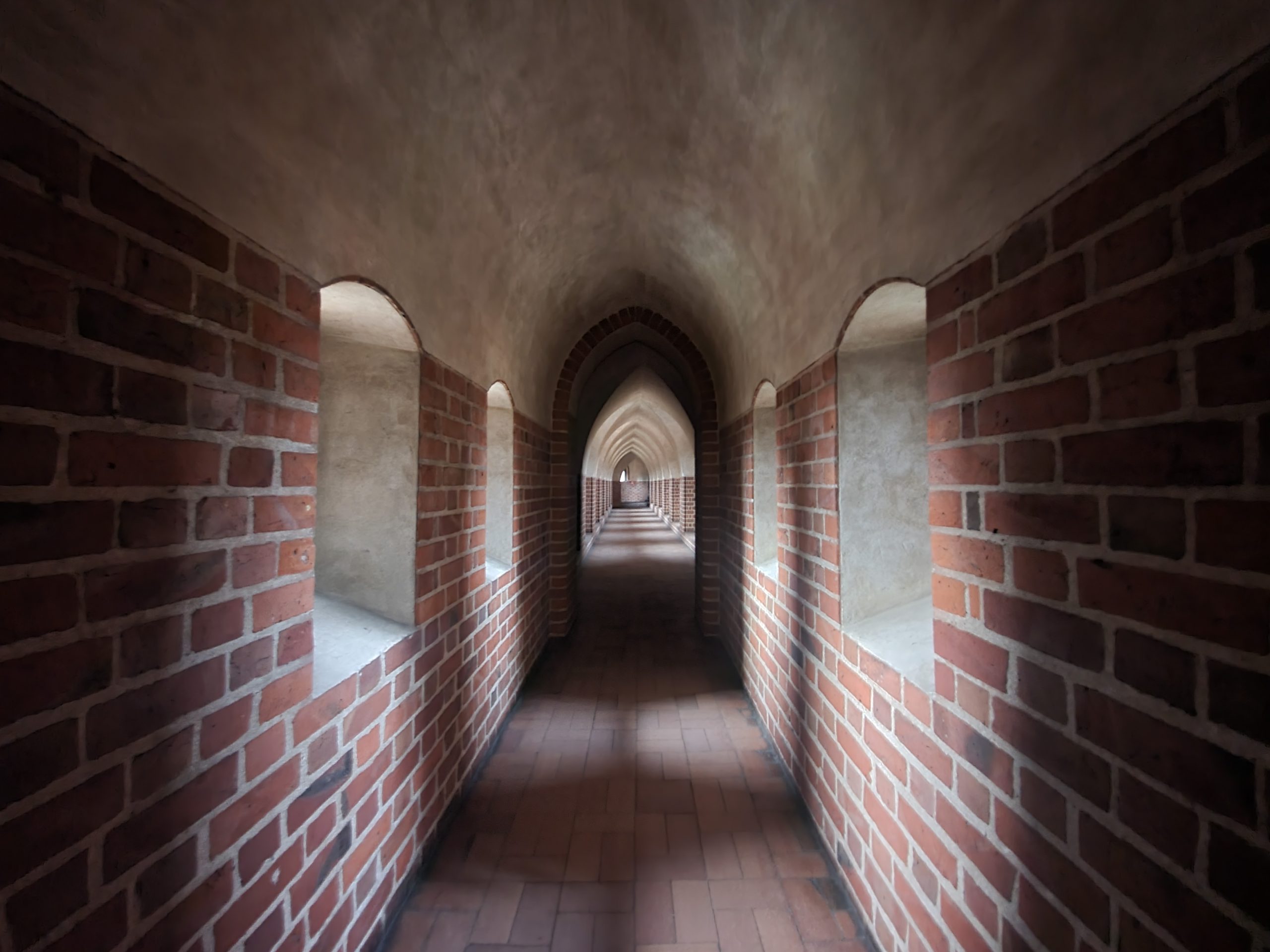
    There’s a long tunnel to get to the toilet tower, it’s a bit like an arrangement that Wetherspoons would have.

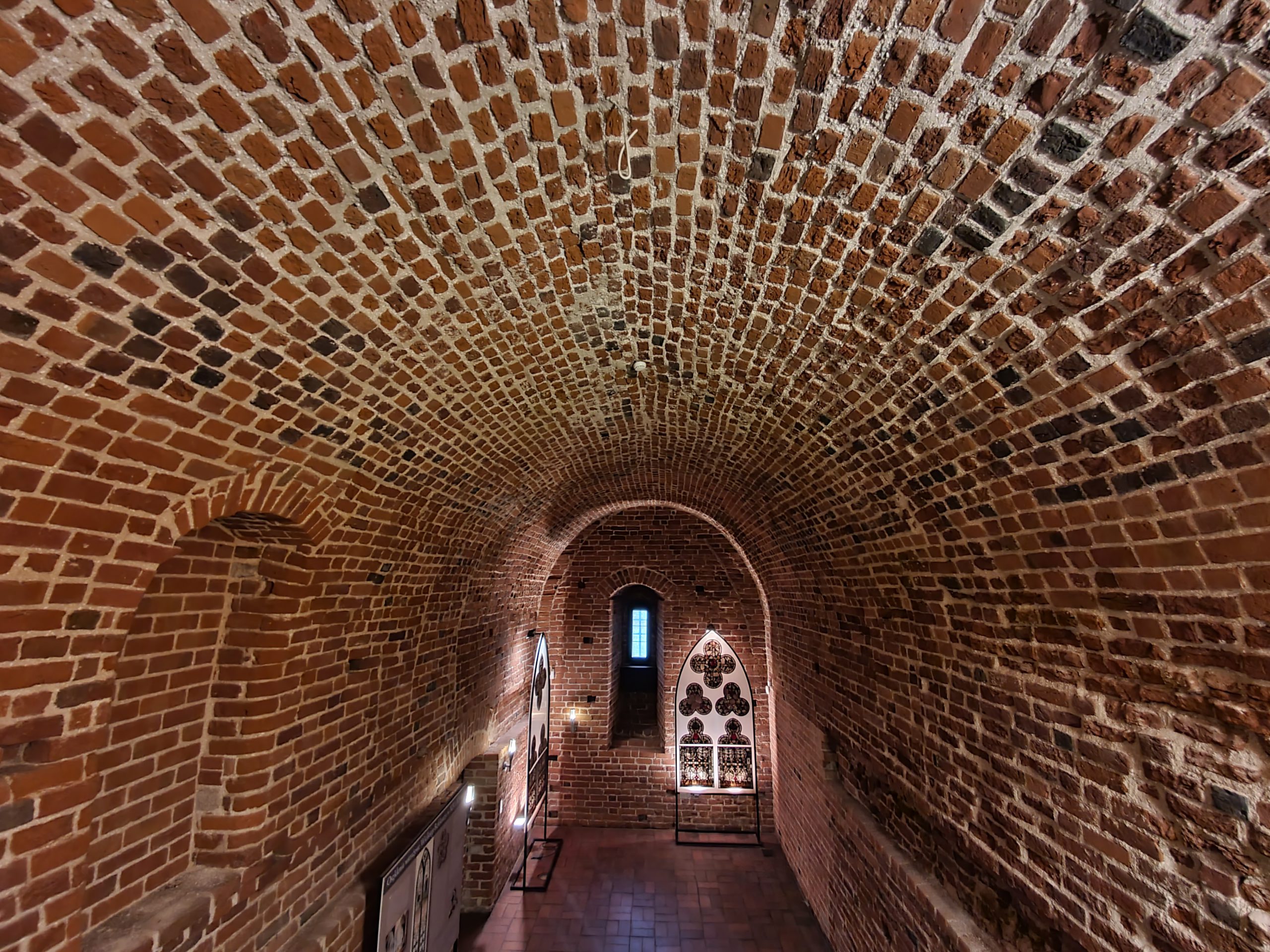
    It’s been built like this so that the toilet tower can hang over the wet moat, and the corridors could easily be destroyed internally if the castle came under attack. The modern brick arrangement is more modern and dates to the nineteenth century, with twentieth century repairs, as this passageway was a more simple wooden construction during the medieval period.

    The main chamber of the Dansk Tower, with the caged off section on the right dropping down straight into the moat.

    This is a recreation of one of the toilets (although they’re guessing a little with what they looked like), with another one having cabbage leaves as this was the medieval toilet paper. There’s a tale that there was a lever that sent anyone the castle owners didn’t like down into the ditches, but that seems to be entering the realms of fantasy. If there was someone the owners didn’t want in the castle, they wouldn’t be getting in. Unless the Teutonic Knights liked pranks, but I can’t imagine they spent a lot of time constructing their castle for that purpose.

    The tower was also there to be used as the location of last resort if there was a siege at the castle, with provisions stocked in the attic of the structure. If the main castle had been lost then there wouldn’t have been much hope left, but it would have at least bought them a little time.

  • Malbork – Malbork Castle (Golden Gate)

    Malbork – Malbork Castle (Golden Gate)

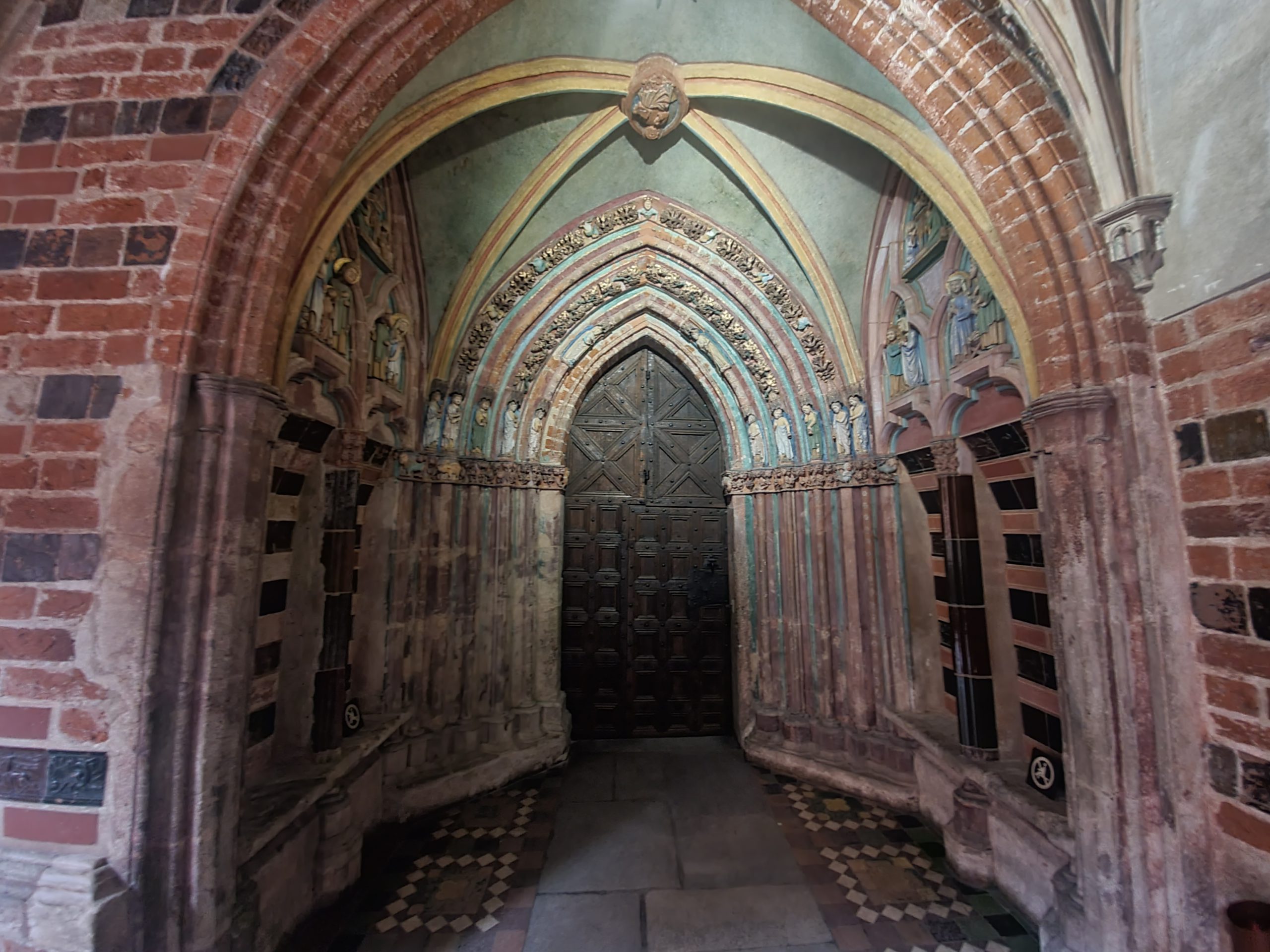
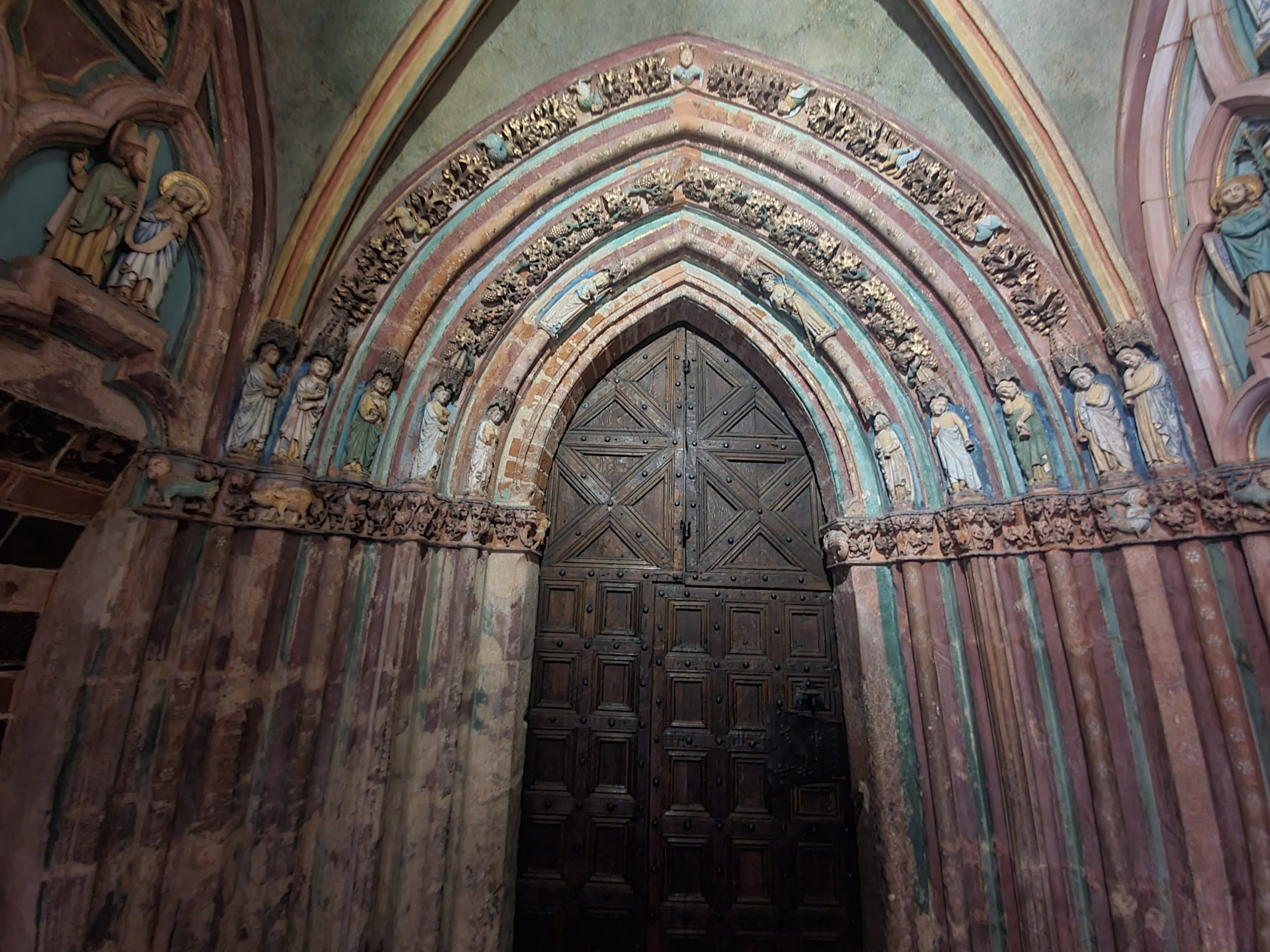
    One positive element about walking around Malbork Castle with no other visitors nearby was that I could look at decorative features without getting in the way or being in the photos of around ten other people. Even the audio guide noted that you should look in depth at this gateway if you were fortunate enough to have the space and opportunity, as it’s a highlight of the castle. It’s the only surviving original gateway that is left within the castle and dates to the late thirteenth century (or early fourteenth century, depending on what source you prefer).

    The Gothic gateway is the entrance to St. Mary’s Church, which has recently been repaired following the rapid repairs that were undertaken following the destruction during the Second World War.

    The details of some of the figures, and this gateway into the chapel is impressive today, so it must have made for quite a site for the visitors to the castle in the thirteenth century. The church was within the original hub of the castle complex and so the monks would have regularly walked through this doorway for their prayers and devotions. The colours are vibrant as well, that’s one thing I’ve never understood about many modern day cathedrals and churches, they’ve become quite drab in their decoration, but they weren’t usually constructed to be like that in the medieval period.

    And when they walked through that door they entered this chapel, with its newly restored roof. All really quite beautiful.

  • PKP – Malbork to Tczew

    PKP – Malbork to Tczew

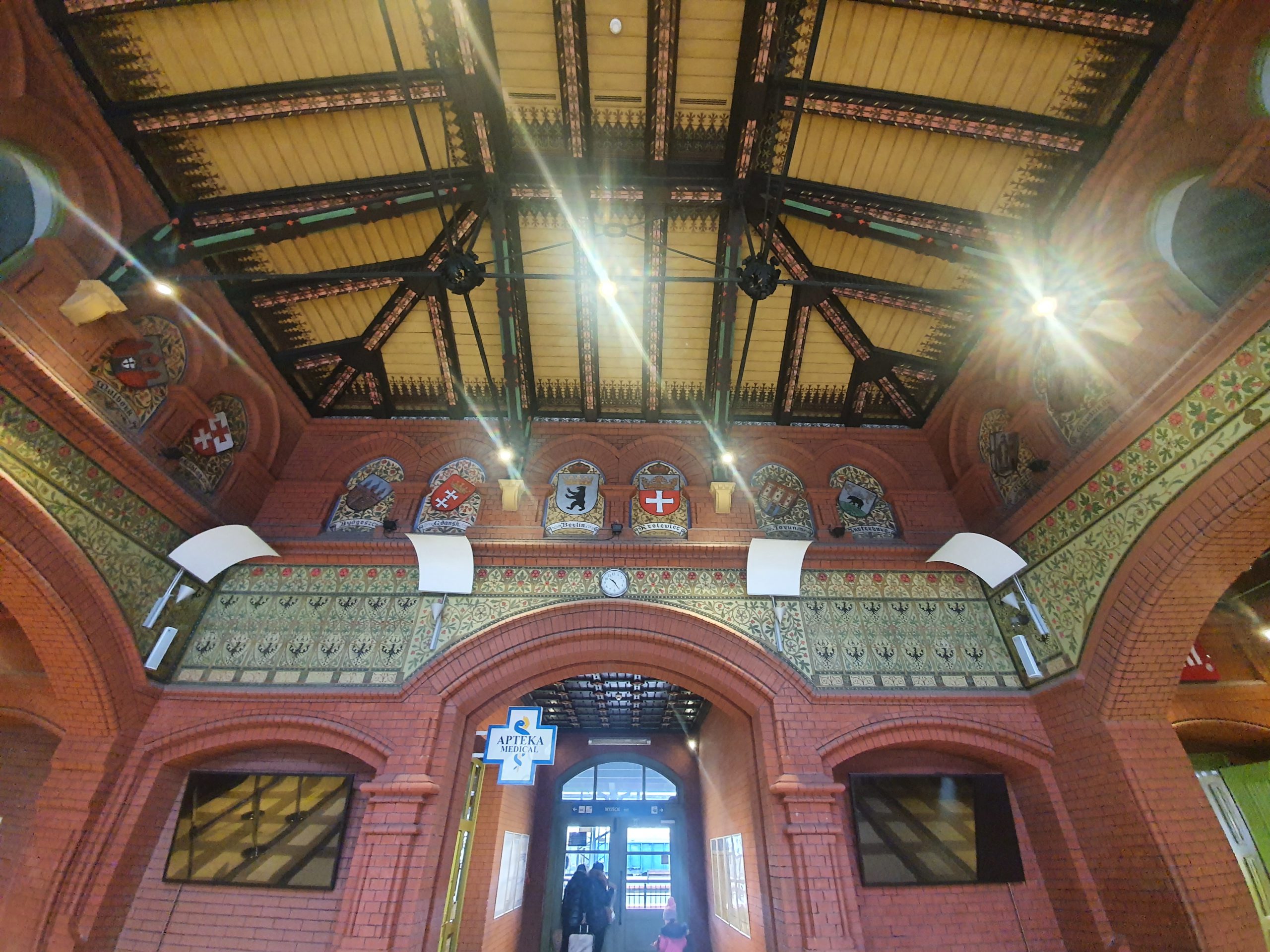
    Moving a bit closer to Gdansk again today by going to Tczew, this is the railway station in Malbork which dates from 1891, with a previous building serving the railway from 1852.

    This was a Prussian railway station until the end of the Second World War and the decoration is certainly quite Germanic. This was the railway station that the Poles managed to stop the Red Army from setting on fire in 1945 and they did well to protect it given its heritage.

    The grand entrance foyer, with a shop to the left, a waiting room straight ahead and a ticket machine to the right. It really is a beautiful building and money was deliberately spent on it so that it could be the pride of Malbork. It was also a border railway station between the two wars, so the Polish and German trains used this as a changing point.

    The inside of the large waiting room, with several rows of wooden seats and a television for some entertainment. It was rather cold today, but this waiting room had been heated to ensure passengers didn’t have to endure the Arctic outside conditions.

    The entrance foyer again, from the other side to the previous photo. The ticket desk is visible in the background and there is a change visible just above it, they changed the Prussian emblem to the Polish eagle after the war.

    There’s the train I was getting, the 11:15 to Tczew. I hadn’t realised that this is also the train that comes from Krakow and Warsaw, before going to Gdansk and Gydnia.

    The very wide platform at Malbork, the reasons for which I haven’t worked out.

    I’m not really sure those narrow chimney things at the railway station are entirely ideal, although most are now propped up with metal supports.

    This was another short journey, so safely into Tczew within twenty minutes or so. The train, which is on the left, was quite busy and there were numerous school parties on board. I had carefully reserved a window seat this time so that I could video Tczew Bridge when going over it, but more about that in another post. Unlike many stations, such as Malbork, there’s an overhead corridor between platforms at Tczew rather than an underground one.

    Tczew railway station, not as glamorous as the Malbork buildings and its interiors, but it was functional and organised. As it was on the same line then as well, this railway station first opened in 1852, just as in Malbork. Tczew is a railway junction town which means that the station is relatively important, being the 32nd busiest in the country, which is proportionally much more than the town’s population. The fare was just under £2, so again, another comfortable and efficient journey with PKP Intercity.

  • Malbork – Hotel Centrum

    Malbork – Hotel Centrum

    I was at this hotel for a couple of nights whilst visiting Malbork and it has a slightly odd location on the top floor of a shopping centre. It’s quite a neat arrangement though, there is an external entrance and a private lift for the guests to the third floor. The breakfast room, and apparently sometimes restaurant in the evening, is in the centre of the third floor with the room located around it. The welcome was friendly and the environment felt comfortable. Incidentally, it’s also possible to get to the hotel area through the shopping centre’s cafe and I think it was likely accessible via a roped off internal staircase, but I didn’t go rummaging as I’m not a brave urban explorer.

    The slightly odd shaped room is because it’s on the corner of the building, with the very slightest views of Malbork Castle and a much wider view of the petrol station. The air conditioning worked perfectly well, although there were also plenty of windows to open if required. There were also no noise disturbances either internally or externally, although I was right at the far end of the hotel and wasn’t likely to hear much from inside.

    The en suite bathroom, with everything being clean and organised.

    I thought the wood effect sink was quite attractive.

    There was a free chocolate left on the towels, so I was won over straight over.

    The breakfast arrangement in the morning, with cakes, salads, rolls, cold meats and the like. The breakfast only starts at 08:00, which is unusually late for a Polish hotel, and I’m not sure how long it was served for.

    The cold meats display. I’m really not one for Polish hot breakfasts and I can’t say that the ones here looked at all appetising. The effectively raw bacon in one container looked horrendous to me, but I’m sure it’s delicious to many people.

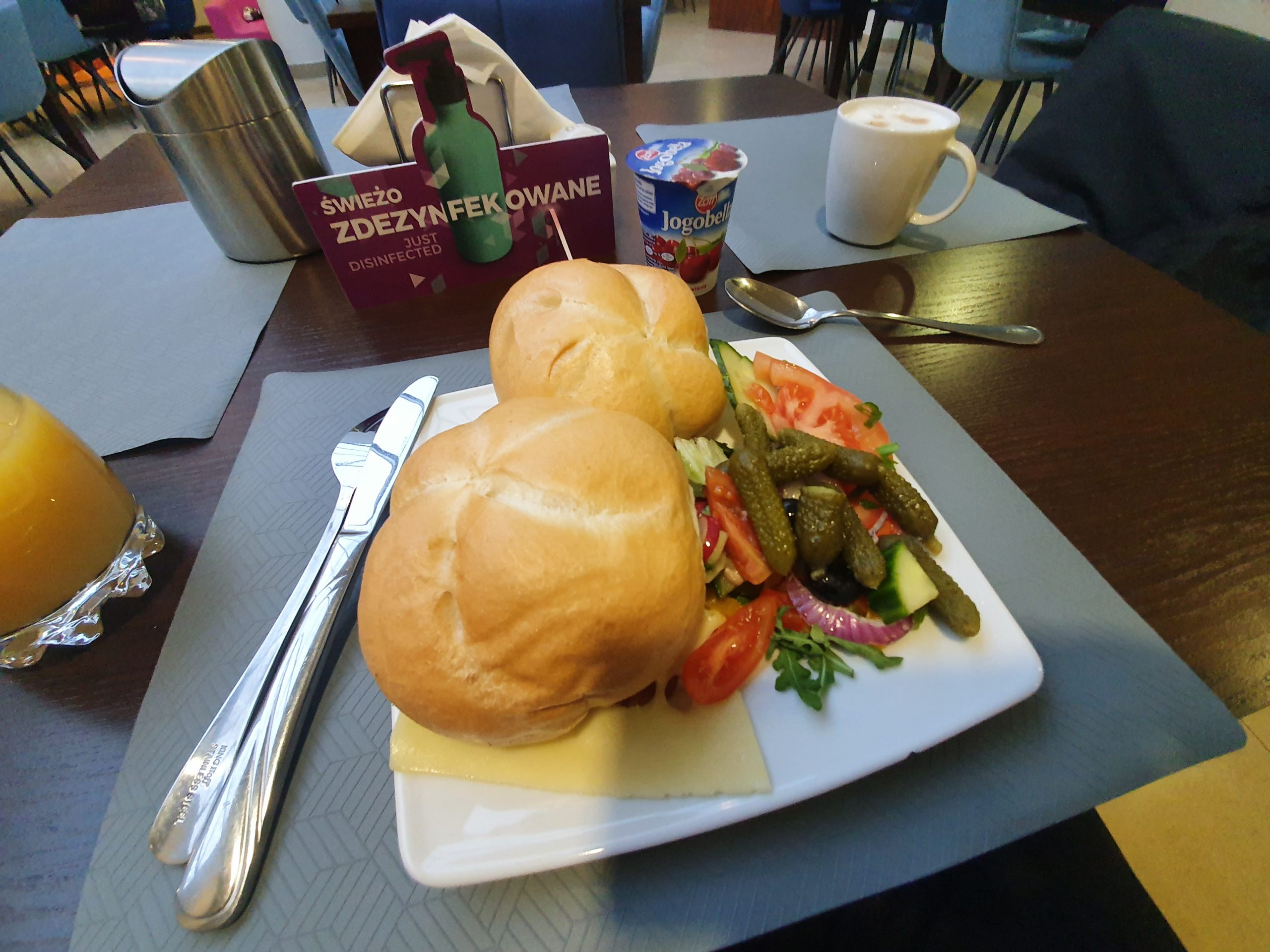
    The rolls, pickled onions, pickled gherkins, cheese and salad and so on, all very appetising. Plenty of orange juice available and there’s a coffee machine and wide selection of teas. The breakfast room, and indeed the hotel, didn’t really feel very busy, but I’m not sure that Malbork’s prime tourist season is January.

    The on-line reviews for the hotel are all broadly positive, with most complaints being about the wi-fi arrangement. Those complaints were justified judging by my stay, as the wi-fi was hopeless, although I didn’t really need to connect to it so it wasn’t an inconvenience. All told, I liked this hotel and it’s only a five minute walk away from the castle, and I think they will help sort entrance tickets out judging from some posters I noticed in the lift. Everything was as expected, other than the wi-fi, with the prices being moderate.

    There’s further information about the hotel here.

  • Malbork – Malbork Castle (Architectural Features)

    Malbork – Malbork Castle (Architectural Features)

    There aren’t a huge number of exhibits at Malbork Castle, not least because most had already been lost before the Second World War saw the end to most of what was left. However, towards the end of the tourist route (or the tourist route that I took, which I suspect differed from the route that everyone else took) is this collection of architectural features from the castle’s history.

    These are all elements from the early stages of the castle’s construction, when the Knights of the Teutonic Order were in charge. Clicking on the above photo makes it larger, and I particularly liked the item in the centre at the top, which is a figure of King David playing the harp dating from 1300.

    For completeness, the item at the top-right is a support which has the image of a monk (dating to before 1300), the two pillars at the bottom-left are vault supporters from Chapter House (dating to the thirteenth or fourteenth centuries) and the bottom-right is a vault supporter designed to look like a monster (dating to the fourteenth century).

    More sections of stone dating to the thirteenth and fourteenth centuries.

    Decorative pieces dating back to the fourteenth century.

    They carried on the theme over the centuries, the two on the left are from the nineteenth century. The third and fourth ones along are from the fourteenth century, although I think the one on the far right is from another castle.

    I was intrigued by these, as although I had nearly three hours walking around a castle looking at a lot of stone, it was hard to know what was old and what was more modern. Even before the reconstruction after the Second World War there had been much change over the centuries, but it’s known that these two stone and brick structures were from the second quarter of the fourteenth century. The sections are all from the ambulatory and would have been in this building in the first 75 years of its existence. Incidentally, these are also some of the earliest bricks (if we ignore the Romans), the practice of building in brick in this style reached this part of Northern Europe in the twelfth century.

    To see such early bits of stone still in the castle I find in many ways quite assuring. The castle has changed hands on numerous occasions and it’s been in different countries over the centuries. Even just 100 years ago this castle , then Ordensburg Marienburg, was actually on the border between Germany and Poland, the section of East Prussia next to the Polish corridor. Anyway, they might just be bits of stone, but I thought that they were quite interesting bits of stone.

  • Malbork – Malbork Castle

    Malbork – Malbork Castle

    I came to Malbork primarily as its castle is the largest in Europe and it’s one of Poland’s major tourist attractions. I noticed from reviews that the castle got very busy, but when looking to buy tickets on-line in advance they appeared to have sold nearly none on the cold Saturday morning that I intended to visit.

    I think it’s fair to say that I didn’t quite judge the demand for this historic attraction accurately. I turned up just before the ticket office opened so that I could join the queue, but I was the only person there other than the staff. I’ll add now that I didn’t encounter another visitor during my entire visit, although I saw some from afar. For a site where sometimes the queues are over two hours, my impressions of this castle are very different to others.

    The price to get into the castle is very high by Polish standards, coming in at £11. This includes an audio guide, something which I found a completely bloody nuisance. It’s meant to work by GPS tracking your movements inside the castle, but it doesn’t work effectively. It takes you on a journey around the site, but it misses chunks out and it’s also generally impossible to hear something twice if it does go wrong. This would be much easier if there were crowds of other people as it would be evident where to go, but when you’re the only visitor, it’s rather more challenging because entrances were rarely signed. I’m not sure that I missed very much during my visit, but I suspect I missed a few rooms, and only saw some parts of the complex because I ignored the audio guide.

    This is the gatehouse of the castle and this would on its own be a difficult entrance to get through for any invader. As a quick history, this castle was constructed by the Teutonic Order who kept on expanding it during their time of occupation between 1280 to 1457. Between 1457 and 1772 it was the residence of Polish Kings and its defences were never broken during that time. From 1772 until effectively 1945, the castle was occupied by the Prussians, but it returned to the Poles in 1945 following the redistribution of lands following the end of the Second World War.

    Although the Nazis very much liked this castle as it reminded them of what they considered to be their Teutonic heritage, it was badly damaged during the Second World War as this photograph shows.

    Below are photos from my visit, and I’ll save some highlights for later posts, but these give an indication of the variety of the rooms and also the size of them. I was fortunate not to have to battle for space during my visit, having the freedom to visit the castle interior was enjoyable, even if it did mean I perhaps missed a small portion of what there was to see. Everything was certainly peaceful. The outdoor areas were also extensive and it was possible to walk around many of the buildings, including a chance to visit the graveyard from the Teutonic period.

    In terms of general comments about the structure of the visit, I thought it was all a bit muddled. Not least the signage was terrible and the audio guide basic, meaning that there was nearly no written material to read. I suspect they’re trying to avoid needing to translate material into numerous languages, but things felt unstructured and disorganised. An audio guide system where visitors typed in the number of where they were on the site would have been better than one which was trying to, wrongly, work out where visitors were. However, as I mentioned, I doubt this is a problem when it’s busy, which seems to be most of the year.

    Like with many things, the destruction during the Second World War was very unfortunate, but it’s positive that so much has been recreated. They could keep expanding this museum for many years to come given the space that they have, as the building is of a huge size and there are what seem like endless out-buildings. Although I didn’t encounter any visitors, there were staff in most rooms, but they tended to be in the corner and out of the way, which was helpful when taking photos.

    To be able to explore a UNESCO World Heritage site nearly alone was really quite a treat, so a very memorable day in Malbork.


  • Malbork – Po Lodzie?

    Malbork – Po Lodzie?

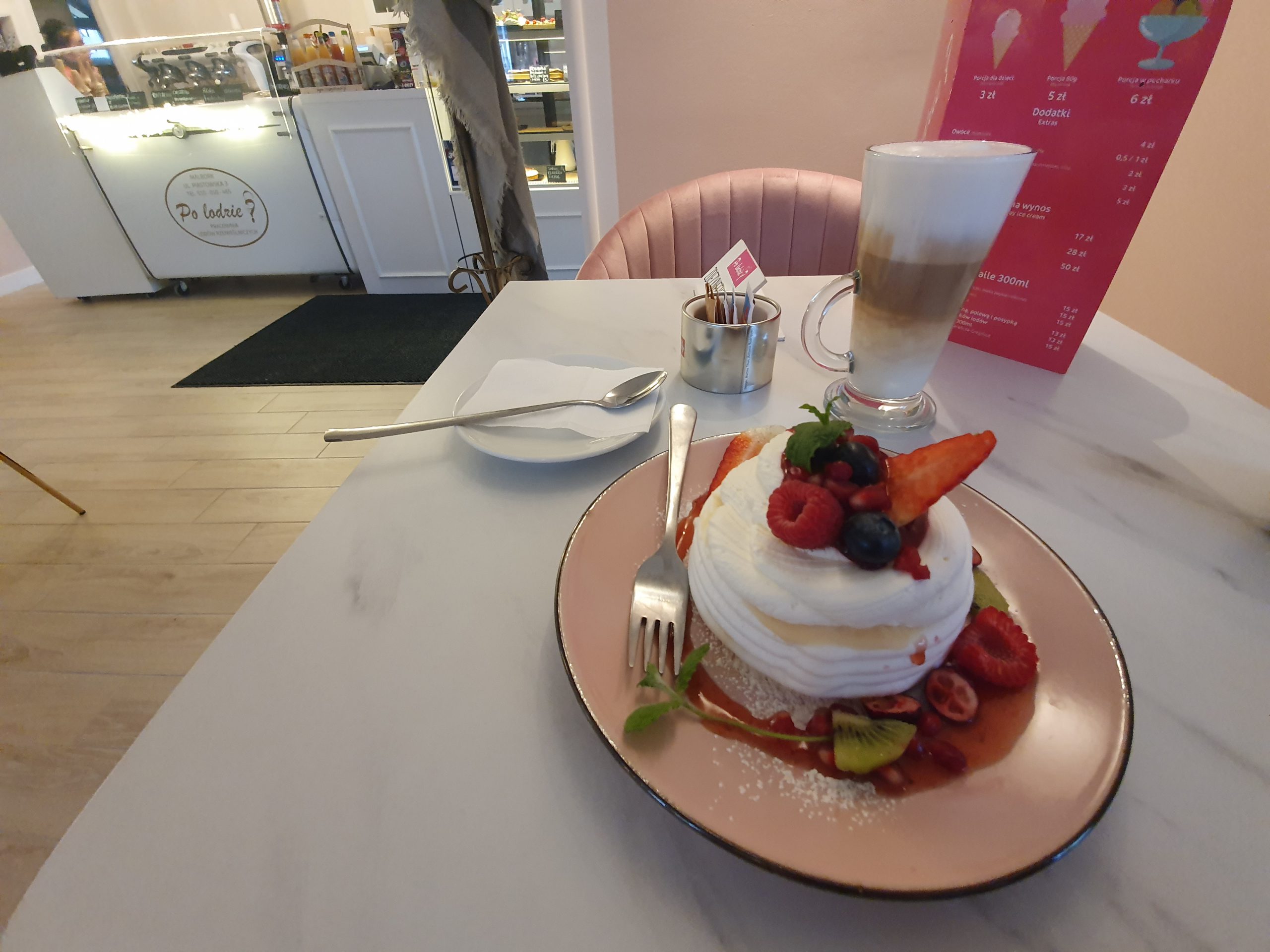
    It’s not the warmest in Malbork today, although most of the rain has stopped, but the wind is quite persistent. Nonetheless, a cafe seemed to be a pleasant place to visit given the temperatures outside and this one near to Malbork Castle was well reviewed on-line.

    I was the only customer in the cafe when I arrived, although it got a little busier later on. The service was personable and friendly, although I’m conscious I’m writing that for nearly every place that I go in Poland. The surroundings are very pink, but they were clean and warm, that sufficed my requirements.

    And I’m going to pause for a moment just to remember this meringue, as it was one of the best desserts that I can recall having. The meringue was light and melted in the mouth, the fruit had been freshly prepared and ingredients I couldn’t identify added texture and to the arrangement. The latte was also of a decent quality, but it’s that meringue that will be the lingering memory. There was nothing that I could fault here.

    Inevitably I’d recommend this cafe, with a friendly service, a clean environment and excellent food and drink. The drink and cake came to £4, which I thought was really rather good value for money given the quality. I’ve mentioned this with regard to other locations, but I imagine it must be very hard to get a table here during the summer months, given it’s around the corner from one of the country’s major tourist attractions.