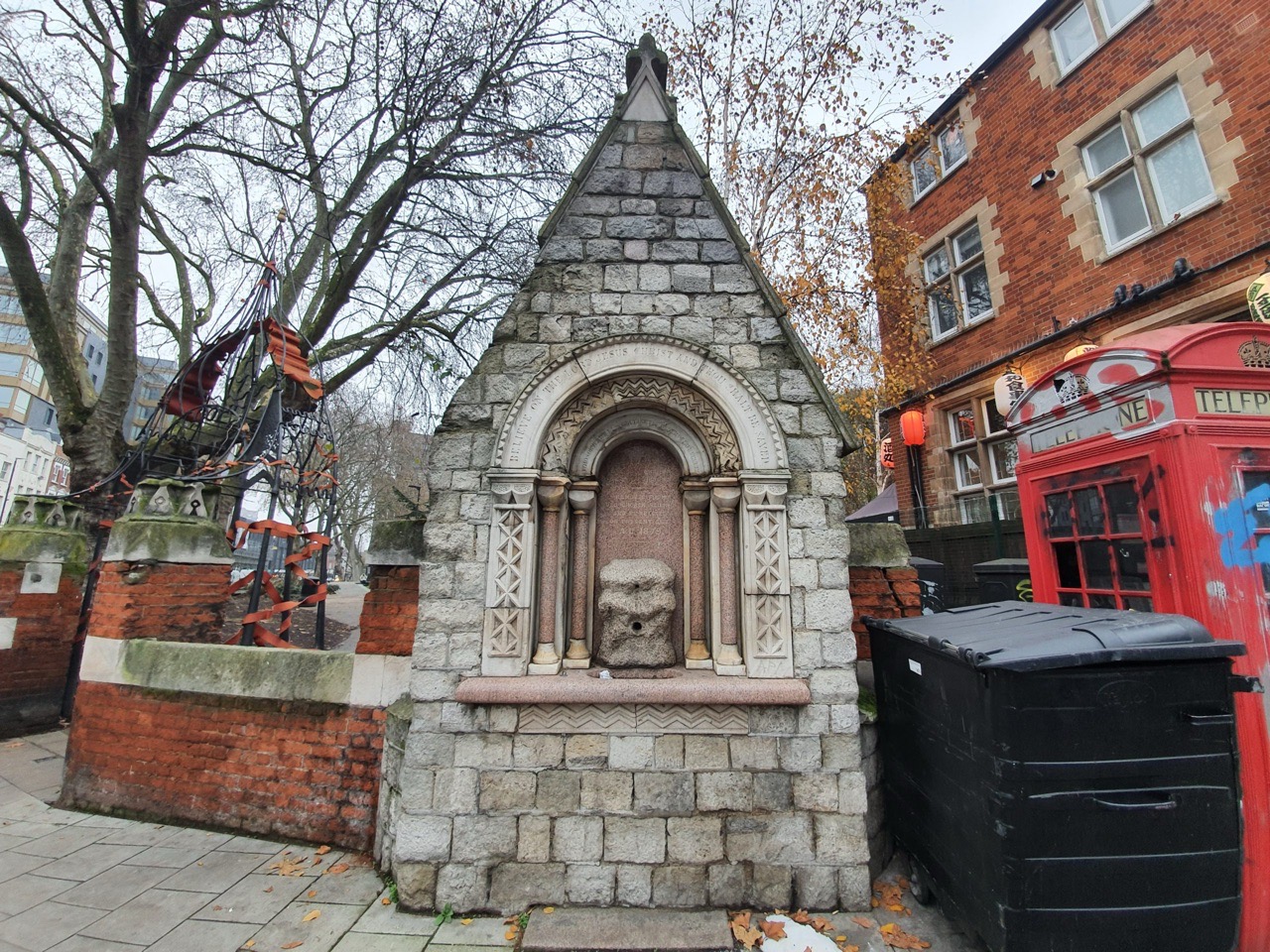
Category: UK

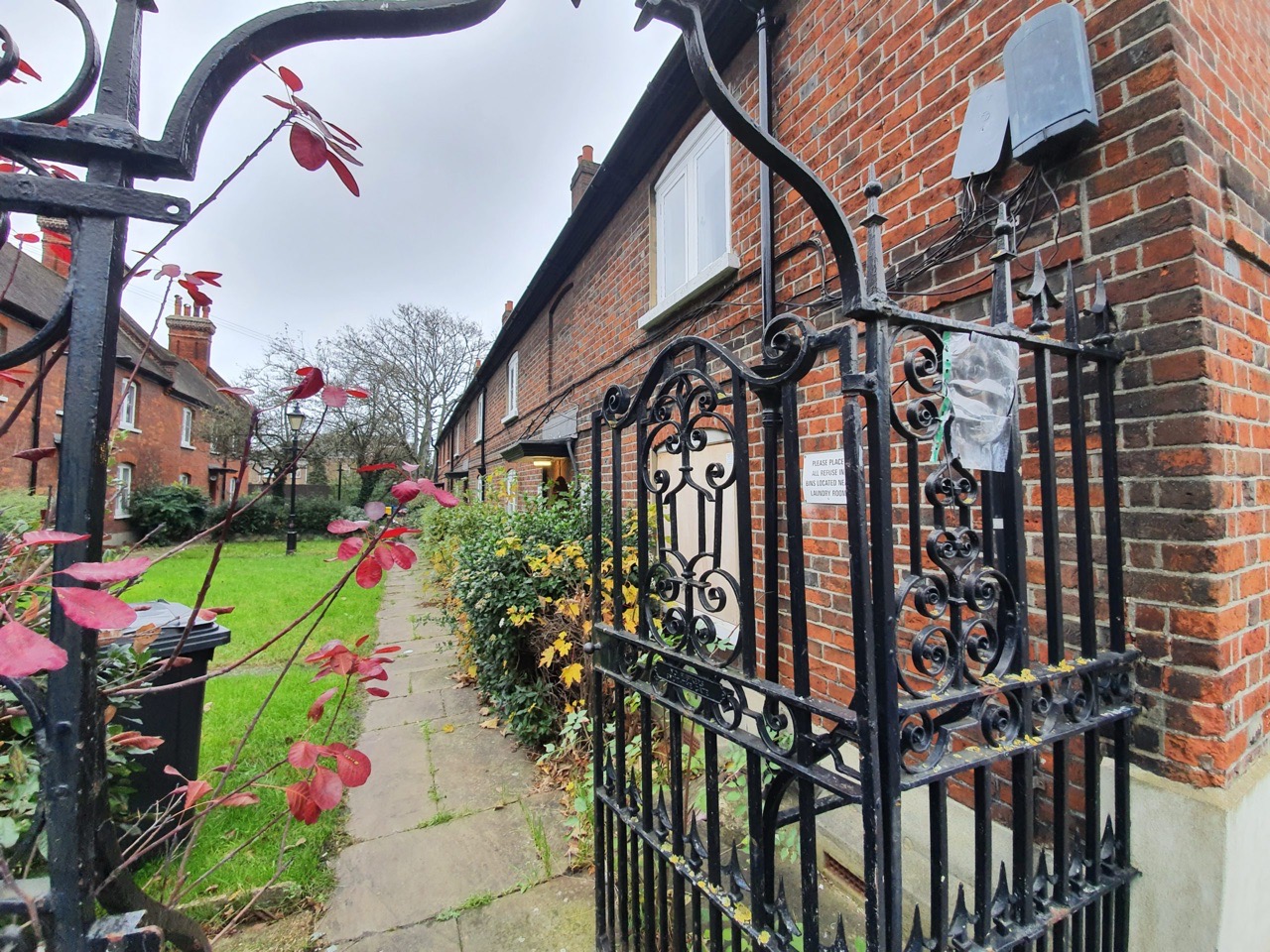
  • London – Croydon (Borough of) – Elis David Almshouse

    London – Croydon (Borough of) – Elis David Almshouse

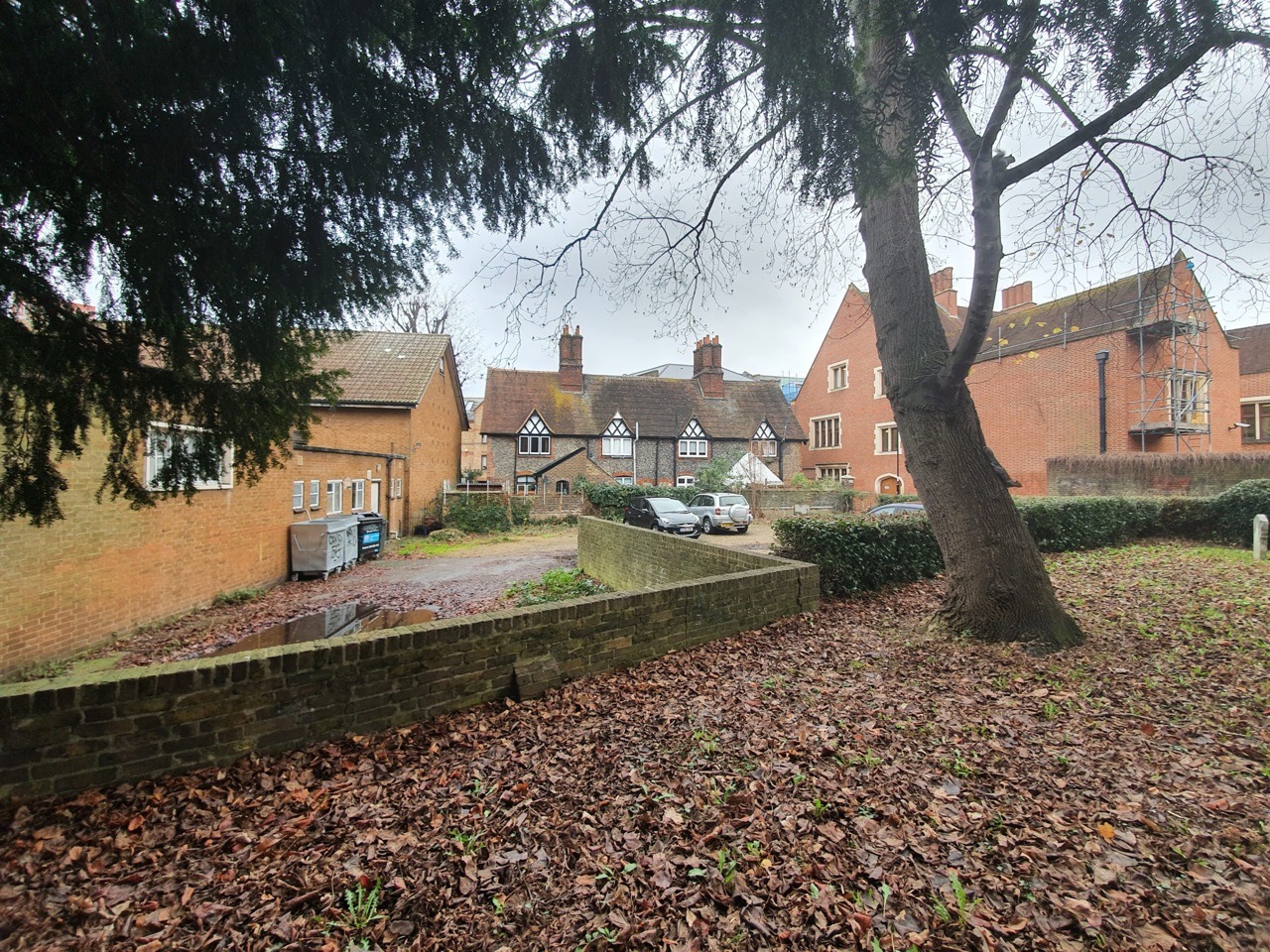
    This set of almshouses is located close to Croydon Minster and it gives something of a medieval feel to the area. There are two ranges, the south range (on the left of the above photo) and the north range (on the right). They were founded in 1447 by Elias Davy, although the current south range dates to 1887 and the north range to 1875.

    The charity who runs the almshouses has put together a comprehensive history of the site, although they moved the residents to a purpose built new centre in 1974 which has 55 flats. Elias Davy (or Elye Davy) saw his name evolve into Elis David over the centuries, primarily through misunderstandings and errors, but his contribution hasn’t been forgotten. Elias had made his money as a draper and it’s thought that he was inspired to create a charitable foundation by Richard Whittington (better known as Dick Whittington), a fellow draper.

    Elias purchased the land here in 1443 and his first project was to drain it, as it was on top of the River Wandle and that wasn’t entirely ideal. The charity notes that part of the original north wing is thought to have survived, just behind the frontages which were redone in 1875. There’s also a Second World War air raid shelter on the premises somewhere according to the listed building record.

    This was the only modern plaque I saw in Croydon during my two days there, although I’m sure there were more somewhere about….

  • London – Croydon (Borough of) – A Tale of One Town

    London – Croydon (Borough of) – A Tale of One Town

    One of the most over-used phrases to start a travel article is that a place is “a tale of two cities”, with some explanation of why first impressions can be misleading or some similar story. I’ve been to Croydon a few times, but usually staying the night before a flight from Gatwick Airport, I’ve rarely investigated anything else about the town. So, with a two-night stay, long since delayed due to the current health situation, I thought I’d spend the time in the town itself to understand it better.

    I was already pre-annoyed at Croydon Borough Council at their total indifference about the history of Croydon. It’s true to say that the council serves a wider area than just Croydon itself, but I noted they were encouraging people to “explore Croydon and learn about your local area with illustrated walks”. The council has condescended, which frankly is my overall view of their operations, to provide two marvellous history walks, never of which related to the town of Croydon itself. This isn’t a resources issue, the council has thousands of staff and heritage trails are an easy win as they’re cheap and engage the community. They’re easy to produce and it’s rare to find even smaller towns without something along these lines, let alone somewhere of Croydon’s size.

    It could be argued that history isn’t an essential element to the future of a town. But, not by me. In the 1990s, there was a discovery by the town’s museum that the local population didn’t have a positive view of the word “Croydon” or the word “museum”. So, to convince the locals, they named their new museum “Lifetimes”, as if calling it after a daytime TV show was the panacea to their problems. The whole point of a museum is to tell stories in an engaging manner, preferably relating to the subject the museum is designed to promote. Missing out the word Croydon is a problem if telling stories about Croydon.

    Anyway, the ridiculousness of the situation was reversed after the failure of the policy (or what they’d likely call an interesting experiment), the town’s history is served by what is now the Museum of Croydon. It is free, which is excellent, although it’s currently shut due to health limitations. I was moderately disappointed that circumstances didn’t allow me to find out more about the history by visiting.

    As an aside, the first three people who I told I was in Croydon all responded asking if that was the place with the riots. I’ve never much associated the 2011 riots with Croydon, partly because when I lived in London in 2012, it seemed to be Tottenham and Woolwich that were most spoken about. But, there are still holes in Croydon where buildings were damaged or destroyed, there’s still an tangible feeling of problems when walking down some streets. The built environment here is muddled, primarily saved by parks which were installed by the Victorians.

    I did meander down the town’s main street in the evening, watching the Christmas lights be put up outside some of the boarded up shops. It’s good to make an effort, with Croydon seemingly doing reasonably well in terms of retail. But, there was also someone kicking a football against a shop window, causing concern for the staff, and then I walked by a certain national clothing store, just as someone walked out with two coats setting off the alarms. The staff there looked bemused, no doubt told to not confront thieves. This didn’t feel like a town centre at ease with itself.

    All this text is getting me to my point that I’ve never been a place so seemingly embarrassed about its history by its local council and agencies. I saw one plaque on a building and one history board, the latter provided by the Heritage Lottery Fund. There was no obvious pride at all from the council, although they didn’t seem concerned at all about the litter on the streets either which was at a level I haven’t seen before. The current Museum of Croydon has made some sort of effort on its web-site, but it’s a country mile behind the digital collections offered by some museums. But, that might genuinely be a funding issue.

    And, without any kind of interest in the town’s past, which is long and complex, I can’t quite see what identity the council wants. The old town part of Croydon is potentially beautiful, with the Minster and collection of old buildings, but it hasn’t been treated well. The church has allowed for its burial ground to be dug up and gravestones turned into paving slabs and they have a lovely place to park cars. And Croydon excels at cars, pedestrians are not treated as the priority here, too often forced into underpasses or onto dank paths.

    But, back to just the Minster, which was shut, although that seems to be related to the current health situation. Although, other churches are open, so I’m unsure what the limitations are here. Perhaps there’s lots of history inside (and to be fair, they have put some history on their web-site), but, externally there is no information, no heritage, no depth. Surely half the point is to try and engage with people walking by, who might just be a little interested. In actuality, the Minster has more former holders of the Archbishop of Canterbury role buried there than anywhere else outside of Lambeth and Canterbury. This is because Croydon Palace, which still stands, was the summer residence of the Archbishop of Canterbury, something of enormous interest to at least some. I’d have expected some form of plan so that visitors could explore the area and see the important buildings around the church.

    The Minster burned down in the nineteenth century and was replaced on the same site by one designed by George Gilbert Scott, who designed another church in South Croydon. There’s a Roman Road running through Croydon, although visitors would likely guess this at least as that’s also what the road name is. But, no context or interpretation. And, just as Croydon’s council ignores its ancient and medieval history, it has made little effort in doing much with its modern history. There are communities here from around the world, and have been for decades, but there’s nothing accessible to visitors about that either. I’m sure that there are no shortage of projects that relate to this, and indeed the heritage of Croydon, but they weren’t overly well promoted.

    And, to be fair, it seems that the Whitgift Foundation, in conjunction with Handelsbanken Handelsbanken, did produce a heritage trail back in 2015. But, the web-site is no longer in operation and I can’t find any text of the heritage trail. It all means that anyone who wants to understand the history of Croydon is going to have to be very determined.

    So, this text has now become something of verging towards a diatribe, but I couldn’t really understand Croydon. The locals were as friendly as anywhere else, the vibrant market has a long heritage and the London Road to the north of the centre has no shortage of intriguing cuisines and businesses from around the world. Boxpark has some street food options which are an innovative as other London boroughs and there were hopes of Croydon Westfield building a substantial new shopping centre (and that’s been delayed for reasons not relating to Croydon). I’ve seen some defences of Croydon, but it’s hard to see what they define as Croydon’s unique identity and everywhere should have that. Croydon should be a town of stories, not an anonymous shopping street.

    Every London borough has a shopping centre, a range of cuisines and new buildings. I just couldn’t work out what Croydon was proud of, what it wanted to be or where it was going. As best as I could discover, Croydon’s council has no idea either. So, my attempt to tell a story of how exciting Croydon was, and indeed how people could engage with its history, has failed. I’m sure those stories are there, but the council perhaps needs to take a lead.

  • London – Croydon (Borough of) – Queen’s Gardens

    London – Croydon (Borough of) – Queen’s Gardens

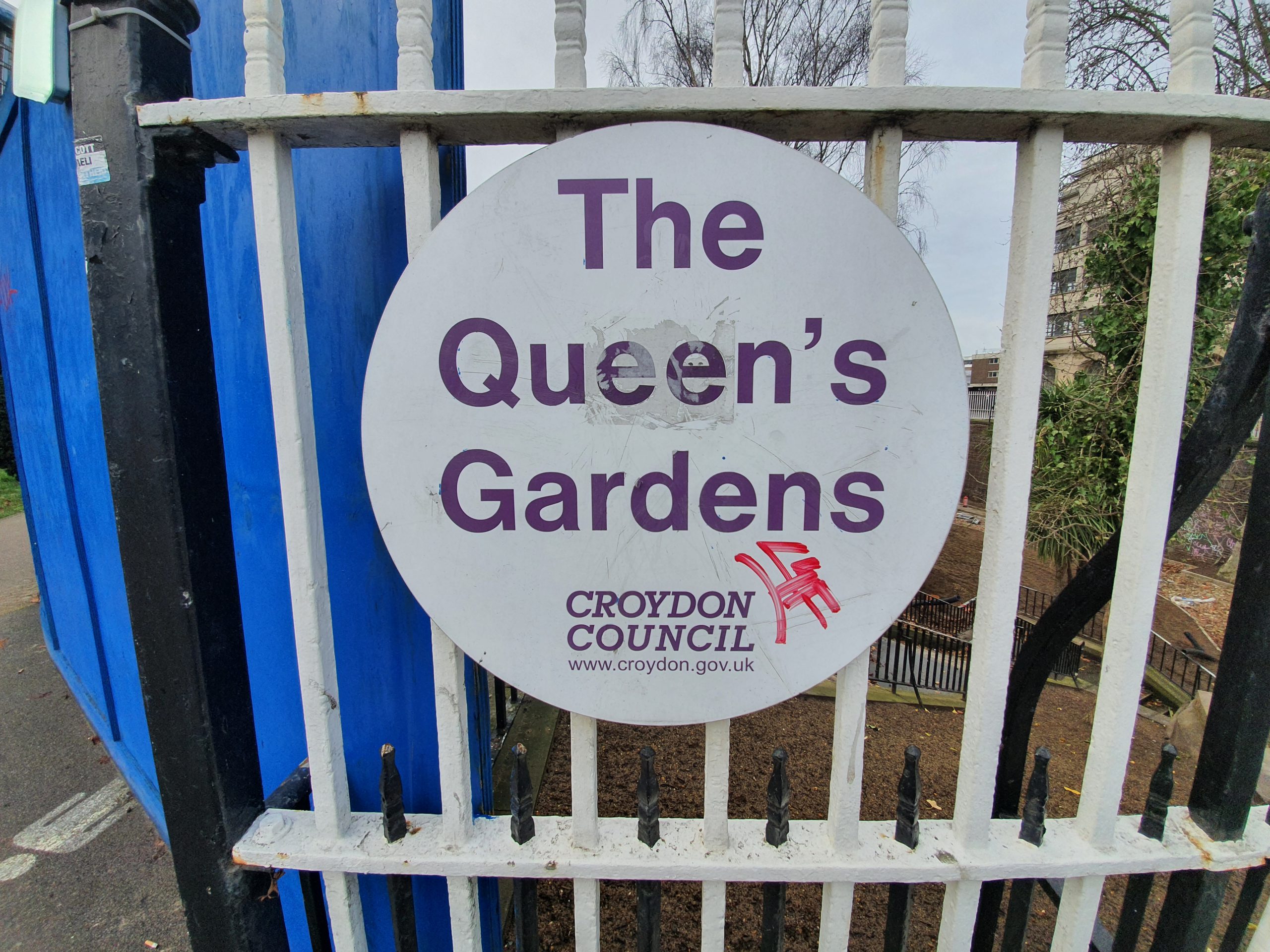
    One review I read about Croydon commented that the best place to visit in the town was the Queen’s Gardens. These was the site of a railway station which wasn’t entirely successful, but in around 1900 the location was used for the Town Hall and the town’s police station.

    Here there are at the moment, seemingly partly demolished and closed off. I have no idea what they’re planning to do with the site, as Croydon Borough Council’s web-site seems to think they’re still open. I assume that they’re creating something new for the large housing project being constructed here, but the current situation isn’t perhaps ideal….

    The situation 100 years ago, the train tracks are visible on the right hand side, and the park is where the town hall and police station were once located. This has all gone now and the road between them is now much wider.

  • London – Croydon (Borough of) – Former Swan & Sugar Loaf

    London – Croydon (Borough of) – Former Swan & Sugar Loaf

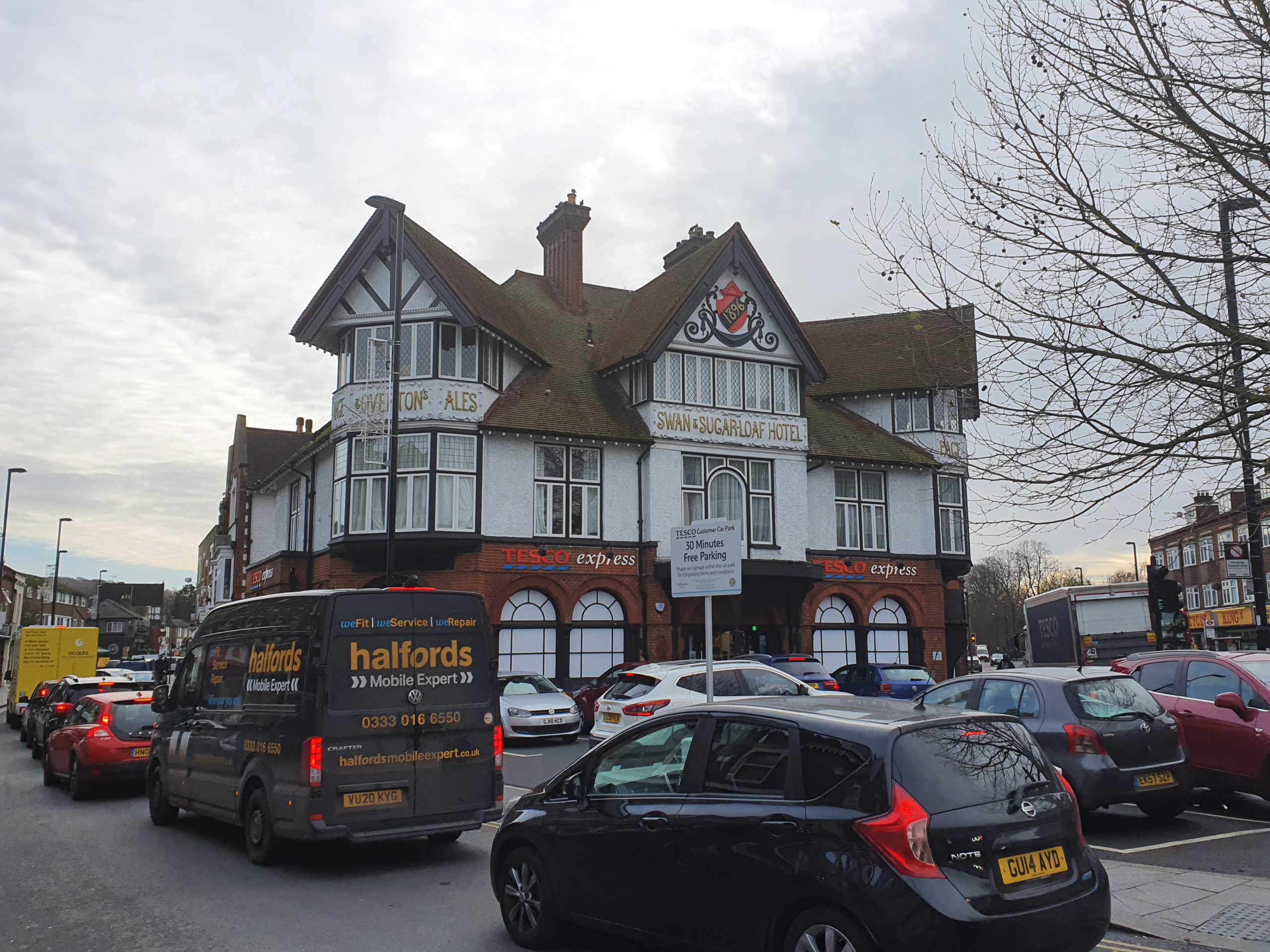
    This is a rather beautiful building in South Croydon, built as a pub and hotel in 1896. It was built on the site of another pub and was clearly the pride of Page & Overton, the local brewery. It stopped being used as a pub in 2010 and it was soon taken over by squatters, with concerns that it might be attacked during the Croydon Riots of 2011. Fortunately, the building survived and there were plans to turn it into a pub or restaurant after a restoration. Unfortunately, the restoration was ultimately carried out by Tesco, so the property is now used as a supermarket. Lovely as it is that the building survives, the historic interior has been lost and I can’t truthfully say that Tesco has been entirely sympathetic to the former pub.

  • London – Croydon (Borough of) – Trams

    London – Croydon (Borough of) – Trams

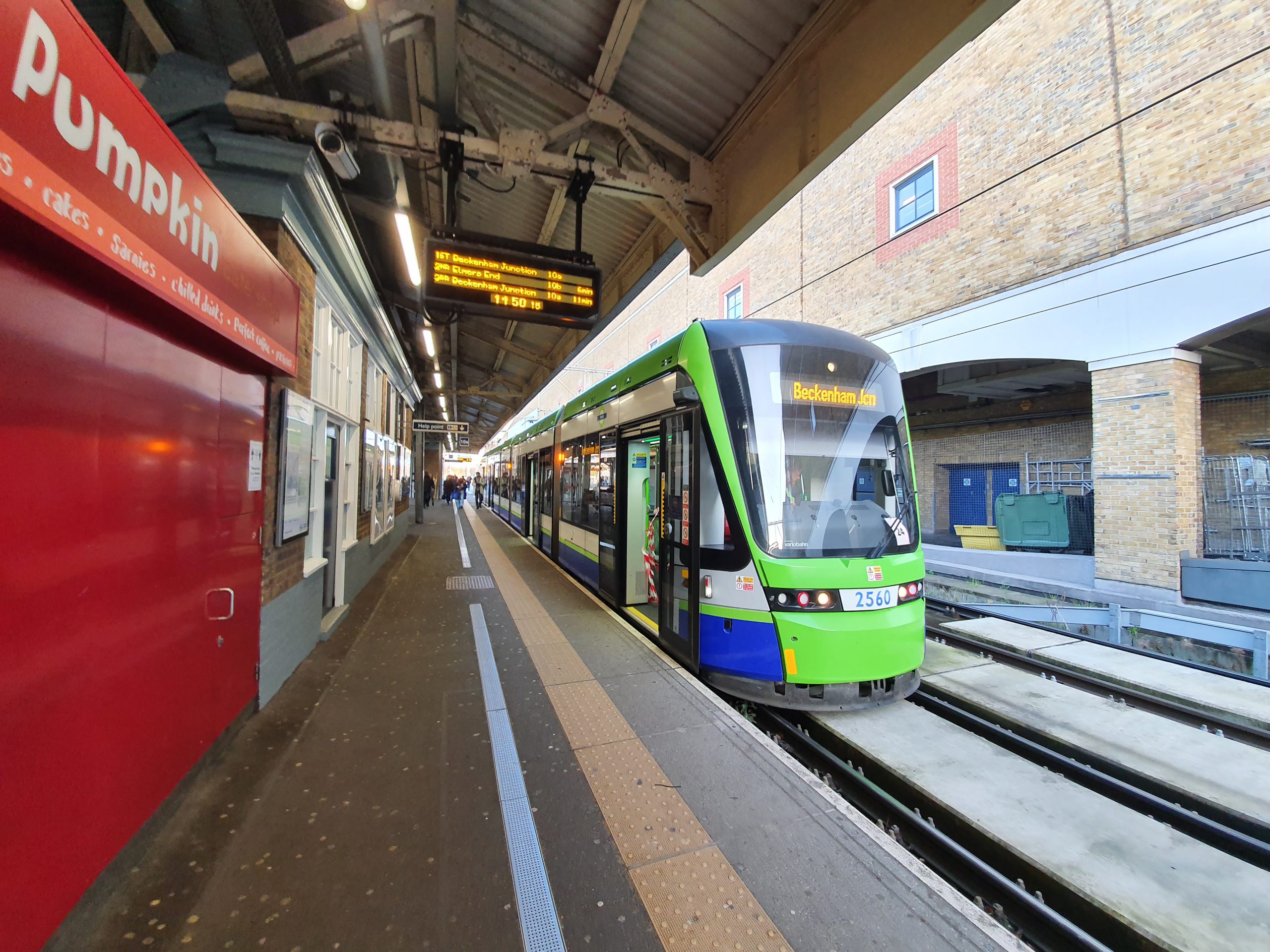
    I’ve never before used the tram service to Croydon, so this was a new experience. The network has 39 stops along 17 miles of track, connecting into the London Underground network at Wimbledon, where I caught the tram from. There are two main different trams on the network, the 23 trams of the older Bombardier CR4000 style and the 12 newer Croydon Stadler Variobahn variety. The above is the latter, and thus the newer model.

    The tram service wasn’t overly busy at Wimbledon, although it got busier towards Croydon. It was generally easy to use, although I forgot that it wasn’t the DLR and I tapped in when arriving in Croydon, which isn’t actually necessary. There is also a procedure in Wimbledon to tap in so that the system knows that the passenger used a tram and not a train.

    The service was comfortable and the journey was smooth, it’s a shame that more cities around the country can’t afford tram networks such as this. Norwich would perhaps be very well suited to such a network, although I can’t imagine how the initial funding would ever be reached. Although Norwich did have a tram system in the past, it’s very much now for larger cities only, in the UK at least.

    A tragedy took place on 9 November 2016, which became news across the world, when a driver managed to overturn a tram, killing seven people. It’s hard to imagine just how a driver could do this, but it was confirmed that it was his error that caused the incident, in what was the first tram crash in the UK since 1959 which led the death of a tram passenger. An inquest into the derailment was meant to start in October 2020, but it has now been delayed until next year.

  • London – Croydon (Borough of) – Pigeons

    London – Croydon (Borough of) – Pigeons

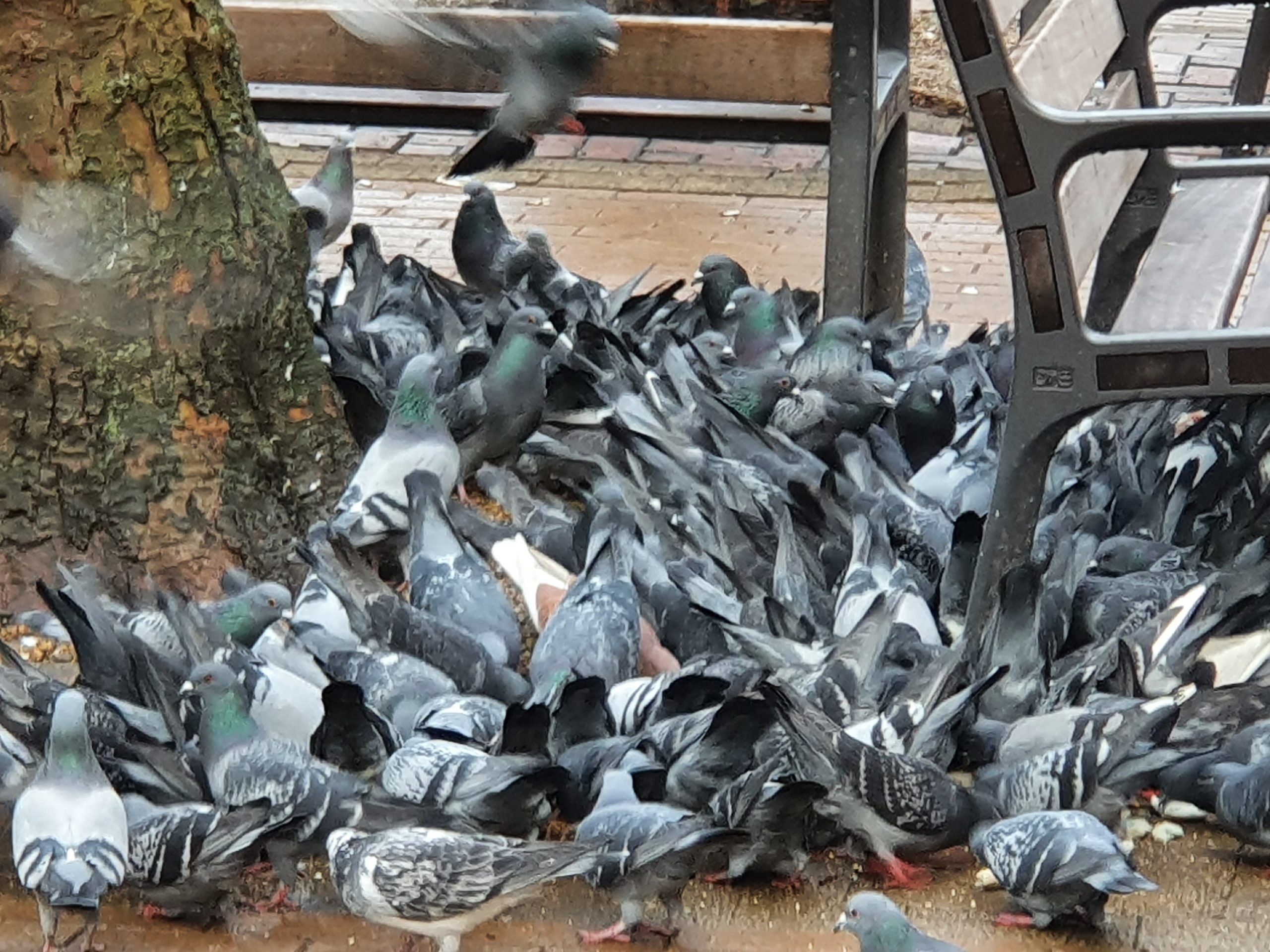
    I don’t think I’ve seen such frenzied pigeon behaviour since the days of when people were encouraged to feed them in London’s Trafalgar Square. Numerous Croydon locals decided to watch the pigeons enjoy their breakfast of bits of bread….

    Anyway, that’s enough nature photography.

  • London – Kensington and Chelsea (Borough of) – Holland Park (Walking Man)

    London – Kensington and Chelsea (Borough of) – Holland Park (Walking Man)

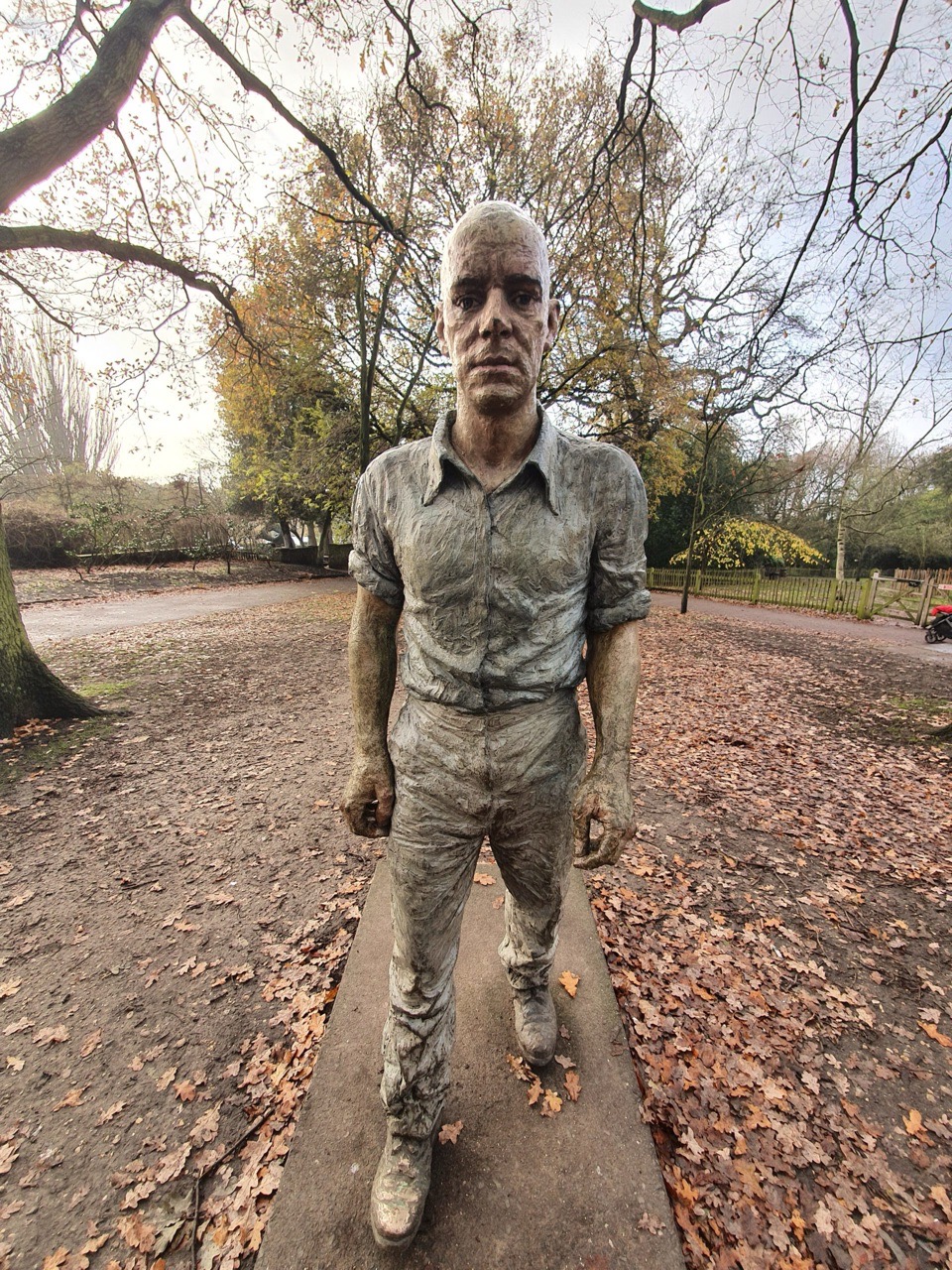
    This must be quite a scary thing to stumble across in the dark, although, I suspect Holland Park isn’t open at night which does avoid that dilemma….. It’s an artwork by Sean Henry and a text about the artist’s sculptures in this series (and he’s created numerous different versions within the theme) notes:

    “His figurative sculptures are self–contained, often pensive, and preoccupied by their inner imaginings and on occasion verge on melancholic representations of our human existence.”

    There was meant to be an exhibition by Henry on this month in London, although the current crisis means it has been cancelled or postponed. There’s an interesting on-line version though at https://experience.osbornesamuel.com/waiting-for-the-sun/virtual-tour/.

    With regards to the above artwork in Holland Park, Henry notes:

    “The Royal Borough of Kensington & Chelsea have joined forces with the Friends of Holland Park this month to purchase Sean Henry’s final cast of ‘Walking Man’ 1998 for permanent installation in the beautiful grounds of Holland Park, West London. A privately owned version of the sculpture had been on loan to the Royal Borough from 2000 until recently, and the new sculpture will stand in the same location, close to the famous Kyoto Gardens.”

    I’m not sure I entirely understand it, but I like the concept and where the artist can go with it. A nice choice by the council.

  • London – Kensington and Chelsea (Borough of) – Holland Park Mews

    London – Kensington and Chelsea (Borough of) – Holland Park Mews

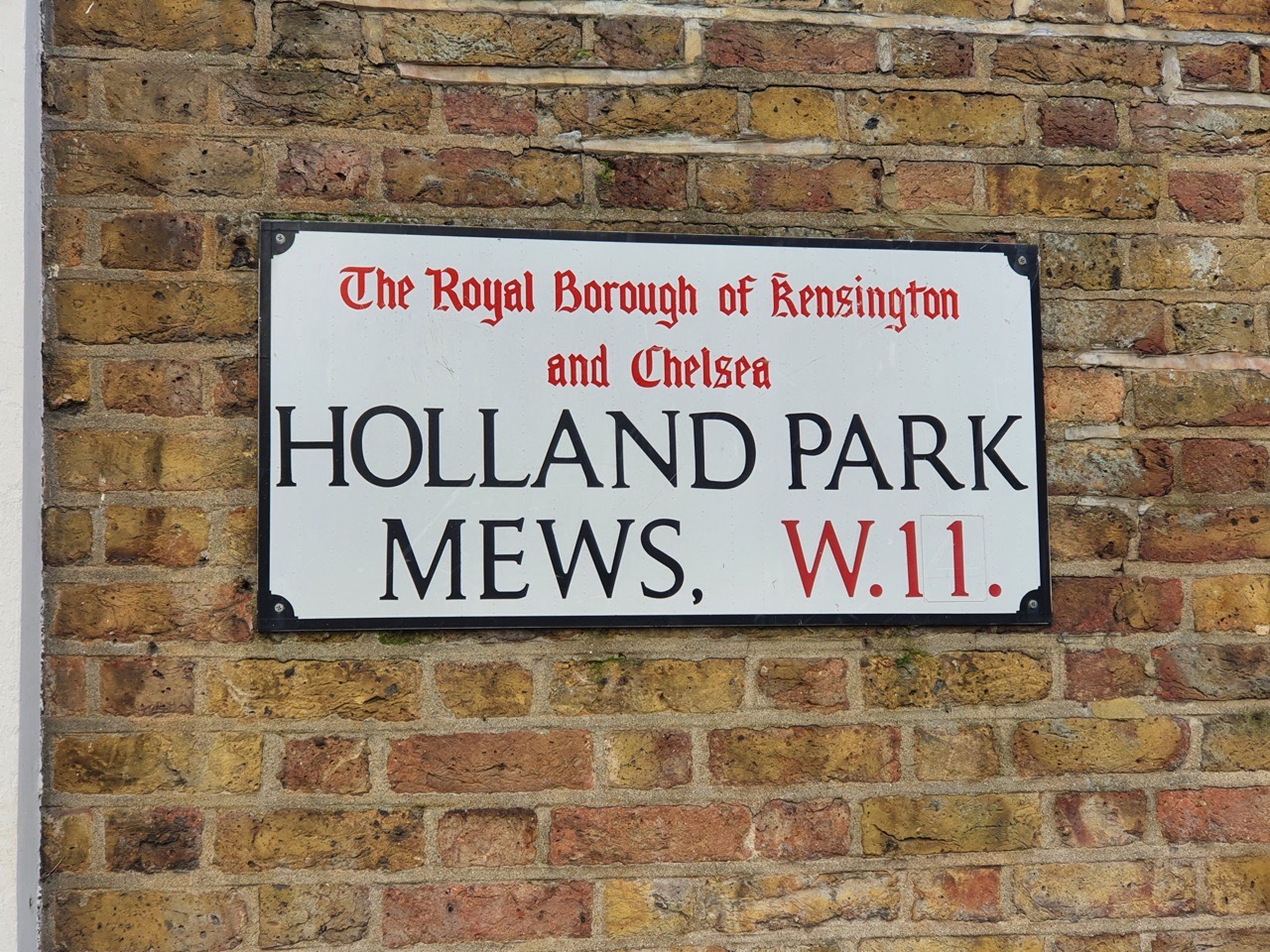
    This rather lovely looking street is located next to Holland Park itself and seems to be a quiet environment. It has 67 different properties on it and it was constructed between 1860 and 1879 as stables for the properties on either side.

    Here’s how it looked in the late nineteenth century, with the stables being on the ground floor (obviously, it would be fiddly if they weren’t) and servants from the villas would live above. These have since been converted to residential properties, now with garages below. The conversions have taken place in a rather piecemeal way, as the listed building record suggests:

    “Some houses unsuitably altered with ground floor remodelled or stairs removed and some without balustrades.”

    I had a look at some of the property prices of the houses down here, they’re now priced at around £2 million to £4 million each. That’s some change from when they were once stables….

  • London – Newham (Borough of) – ExCel Centre Holiday Inn Express

    London – Newham (Borough of) – ExCel Centre Holiday Inn Express

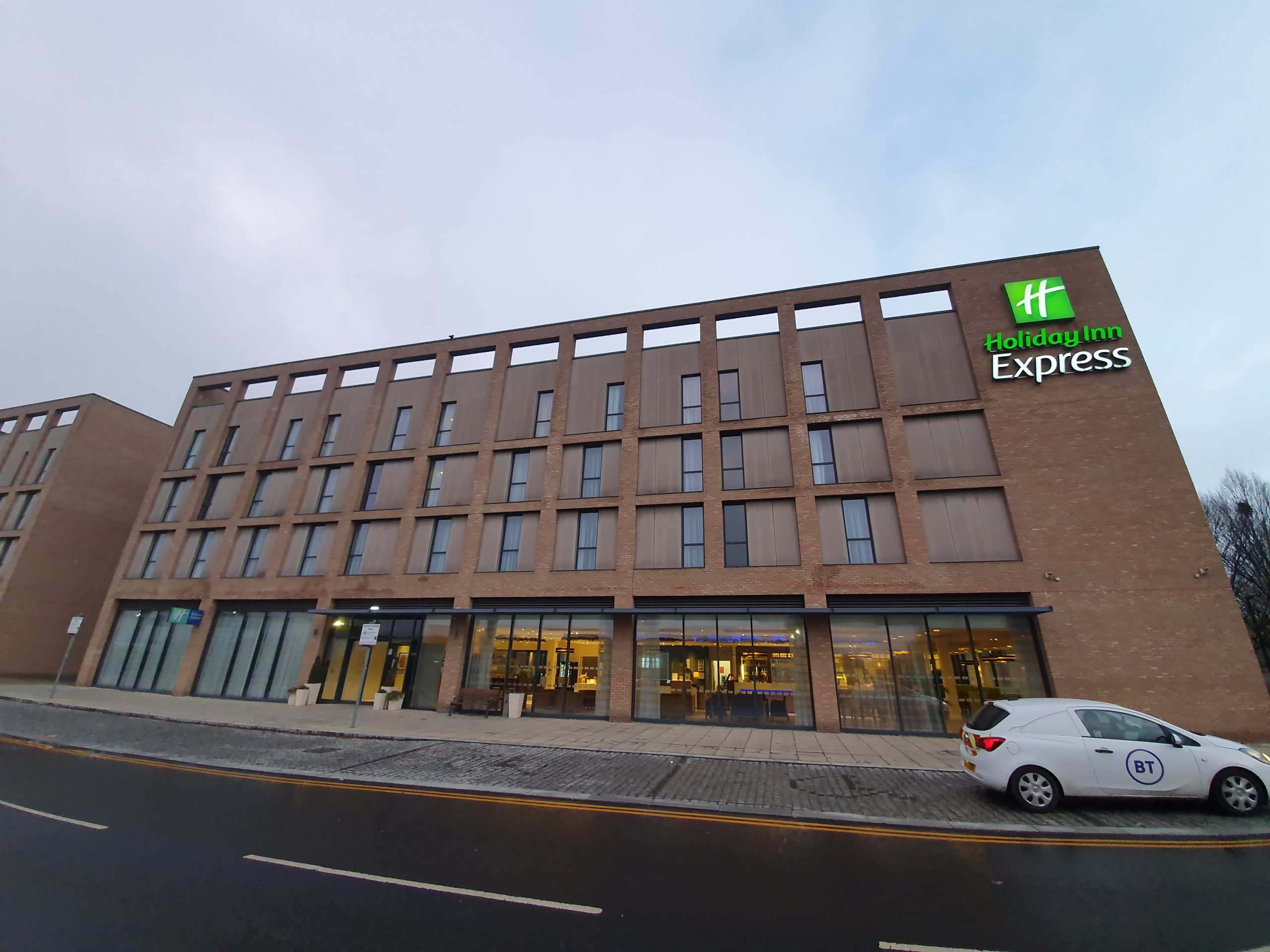
    Conveniently located near to the Royal Albert DLR station, I picked this hotel as there was an offer on points which I thought I’d take advantage of. The check-in was efficient and the Government’s slightly onerous rules were explained by a helpful member of staff. Normally there is an offer of a welcome drink or bonus points, but they were just giving extra points which seemed reasonable enough given the current Tier 2 situation.

    The room, all clean and well presented. However, I wasn’t that keen on the whole arrangement as this is one of those hermetically sealed hotels with no opening windows. That was coupled with a decision made by the hotel to set the temperature to that similar to that of a furnace in full operation. Making that worse was that the air conditioning was very basic, so customers can’t set it (there was a panel on the wall, more as a placebo effect as the hotel is all heated or cooled to the same temperature). It’s just a decision to do things on the cheap by IHG and it means I won’t stay here again. As an aside, I’d heard about a travel writer saying the best thing to do was to soak a towel in cold water and put under your feet or head, and that worked rather well. But it’s hardly ideal.

    I risked going down to breakfast at the “very busy, queues are highly likely” time. Although it makes me wonder why the hotel hasn’t changed the capacity to deal with that, but that’s a different matter for when the hospitality industry recovers.

    Here’s the very busy breakfast area.

    And the queues.

    There was a full English breakfast option available, but I opted for a bacon butty which was of a perfectly good quality. The drinks options were coffee, tea, pre-packaged juices and the like, but given the challenging times at the moment, this was all sufficient. Incidentally, the staff members were making a huge effort to explain the breakfast arrangements, take orders and engage with customers.

    So, if the hotel hadn’t skimped on its air conditioning arrangements then I might come here again as the staffing was on point and everything seemed clean and professionally run. For those who don’t mind warmer rooms, it’s probably all quite unproblematic as a hotel though.

  • London – Tower Hamlets (Borough of) – Drinking Fountain at St. Mary’s Churchyard

    London – Tower Hamlets (Borough of) – Drinking Fountain at St. Mary’s Churchyard

    I know that these drinking fountains are of marginal interest really, but I like them, a reminder of the time that many Londoners needed access to them to get clean water. This one dates to 1860, although they had to shuffle it around when they rebuilt the church.

    Nice Norman style arch decoration.

    And here’s what it looked like over 100 years ago.