Category: Poland

  • Torun – Leaning Tower of Torun

    Torun – Leaning Tower of Torun

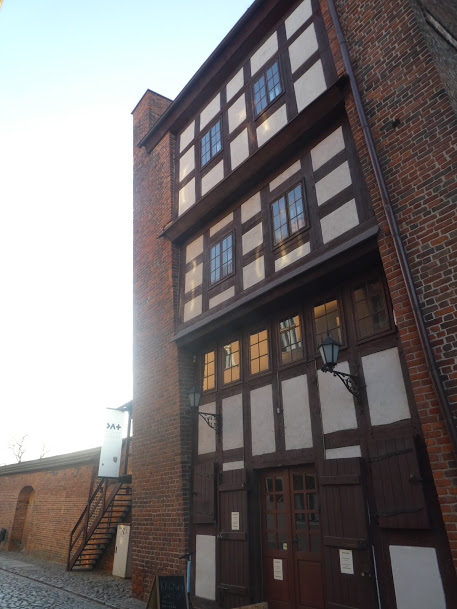
    Known in Polish as Krzywa Wieża, this is a defensive tower first constructed during the thirteenth century. Soon after, there was a little problem when it was discovered that some of the foundations were effectively resting on sandy ground and the building started to tilt.

    The tilt is more obvious from a little way away. It deviates by just under 1.5 metres from where it should be, which is quite a sizeable amount. I’m moderately surprised that the tower hasn’t fallen down, especially given the number of attacks it has faced over the centuries, but it has survived under its many guises.

    It’s not ideal for the viewpoint of a civil engineer, but it’s certainly a tourist hot-spot for the city. There’s a legend that if you’re honest, then you can stand with both feet on the ground against the wall, with your back against the wall whilst being able to stretch both arms out. I know how honest I am, so I didn’t need to try this.

  • Torun – Riverside Walk

    Torun – Riverside Walk

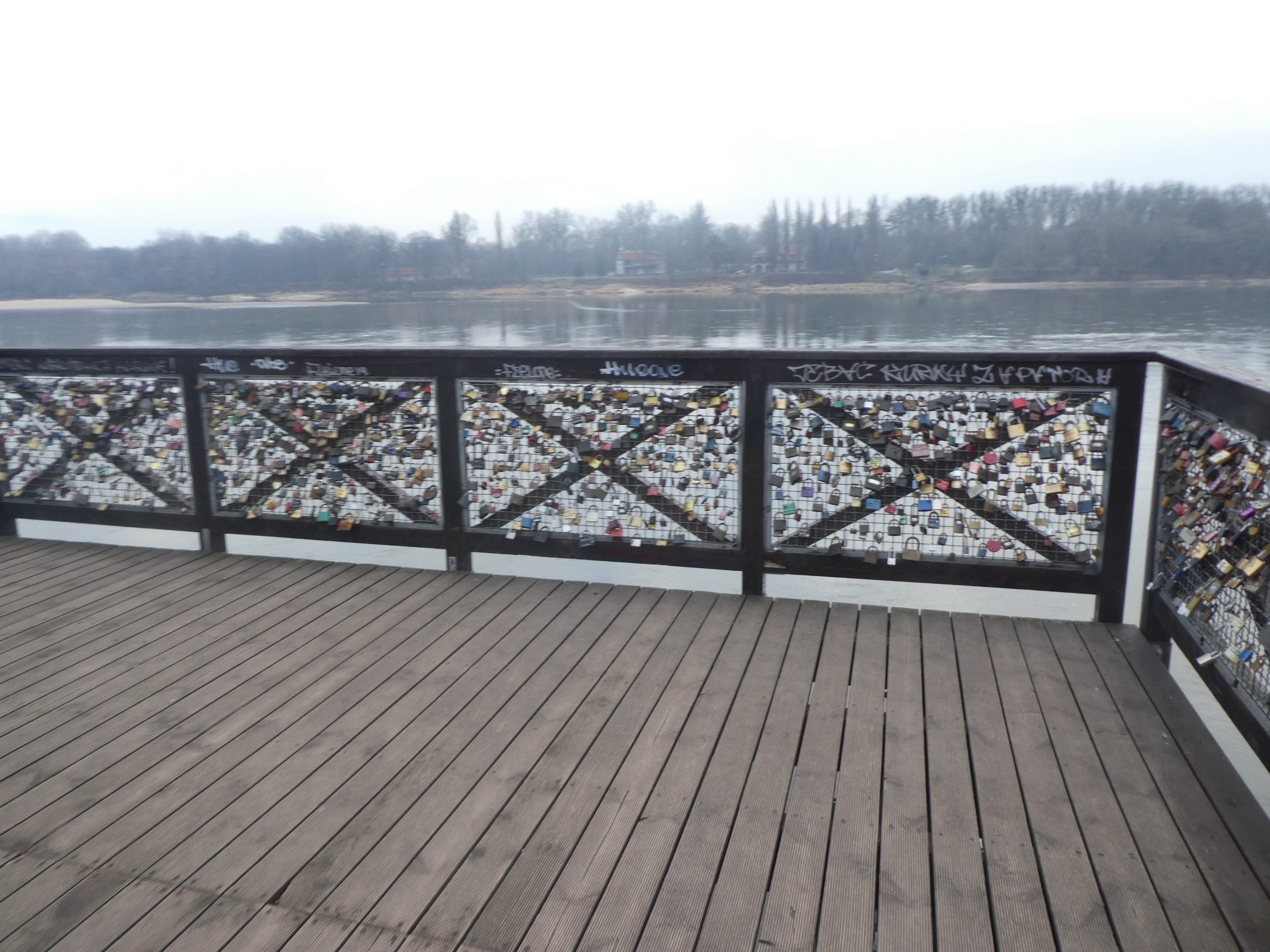
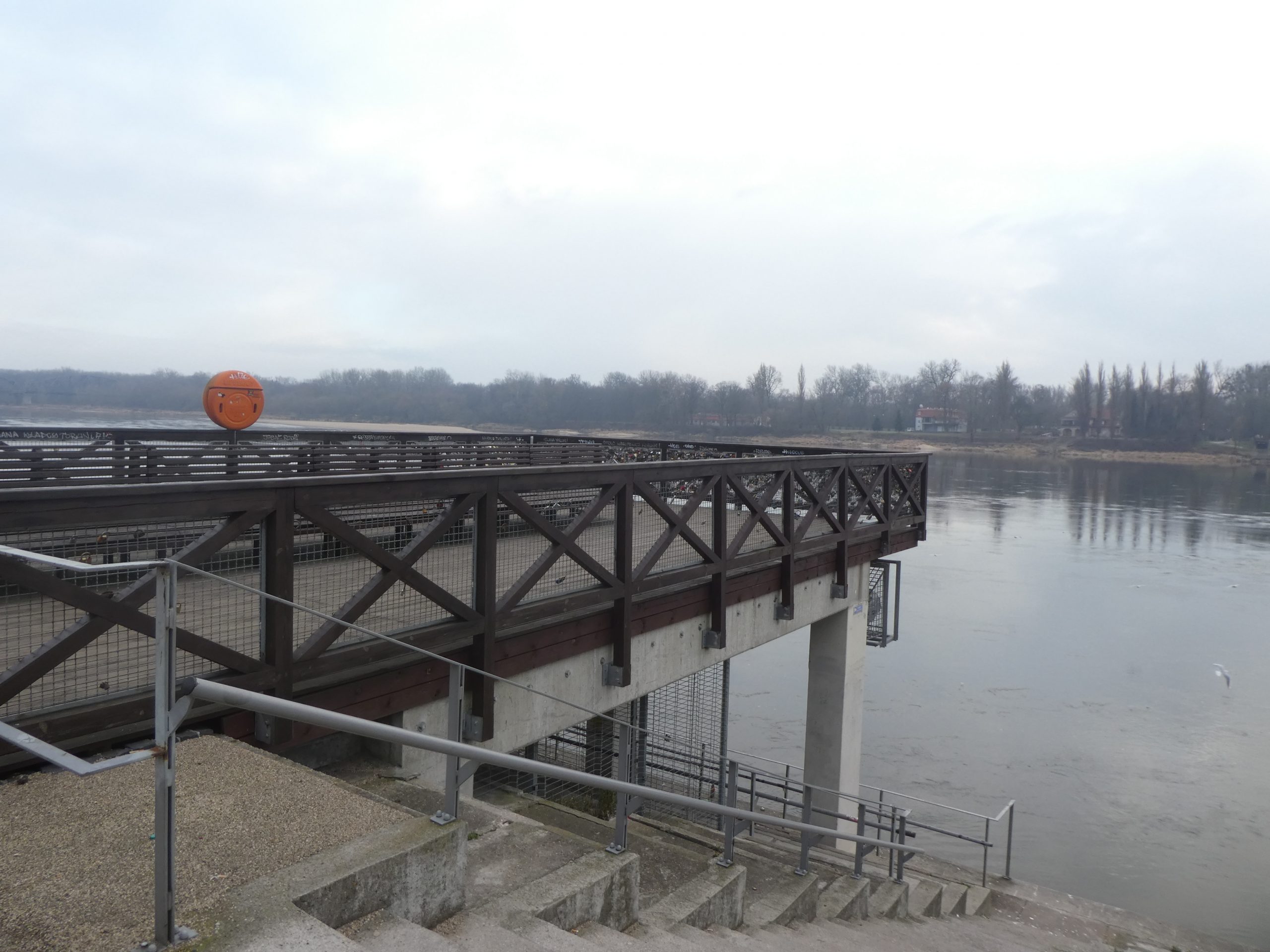
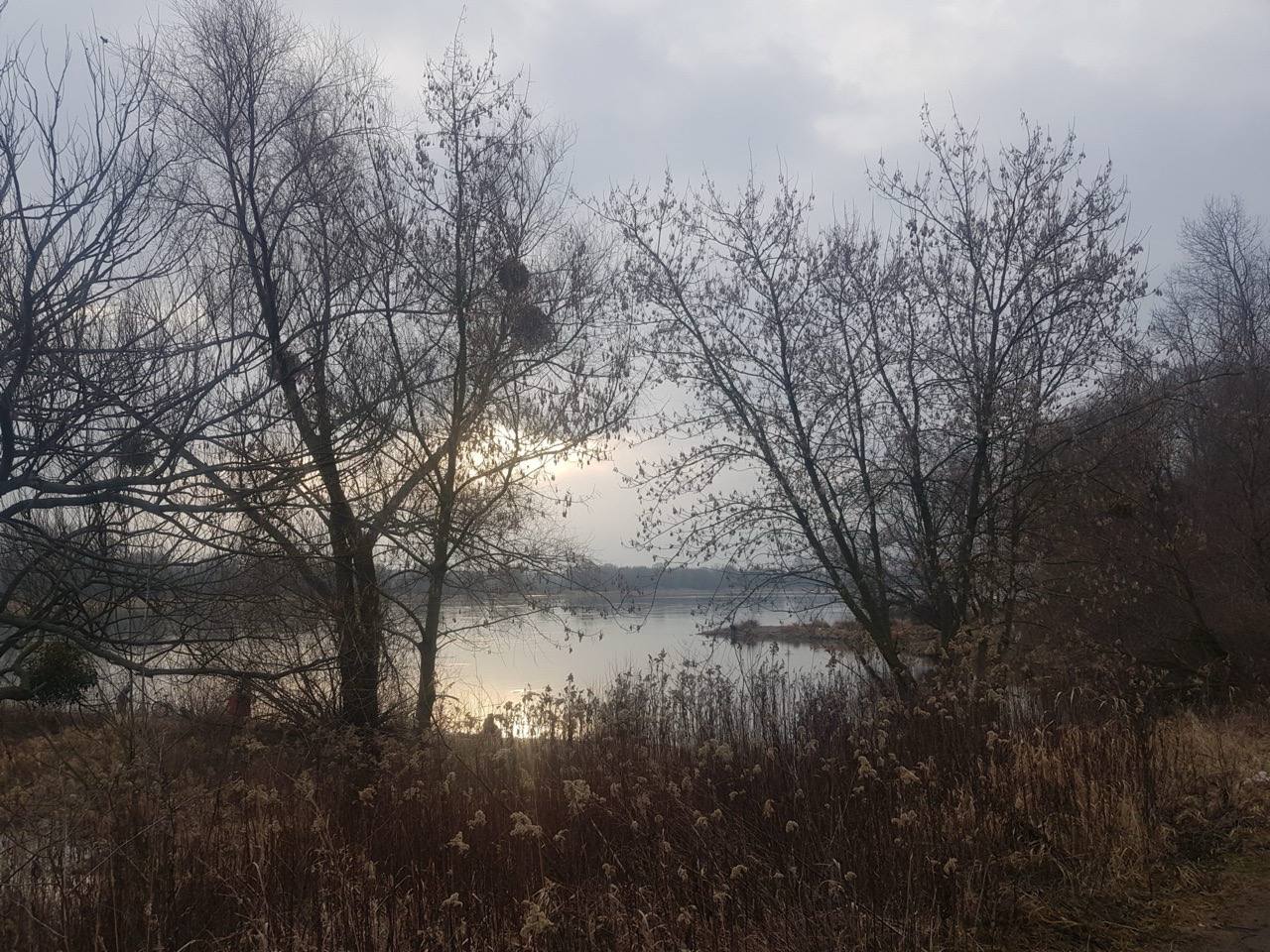
    This post is just photos, this is to the western side of Torun city centre, along the river. There were quite a few people fishing along the bank, merrily minding their own business.

  • Torun – Flooding on the River Vistula

    Torun – Flooding on the River Vistula

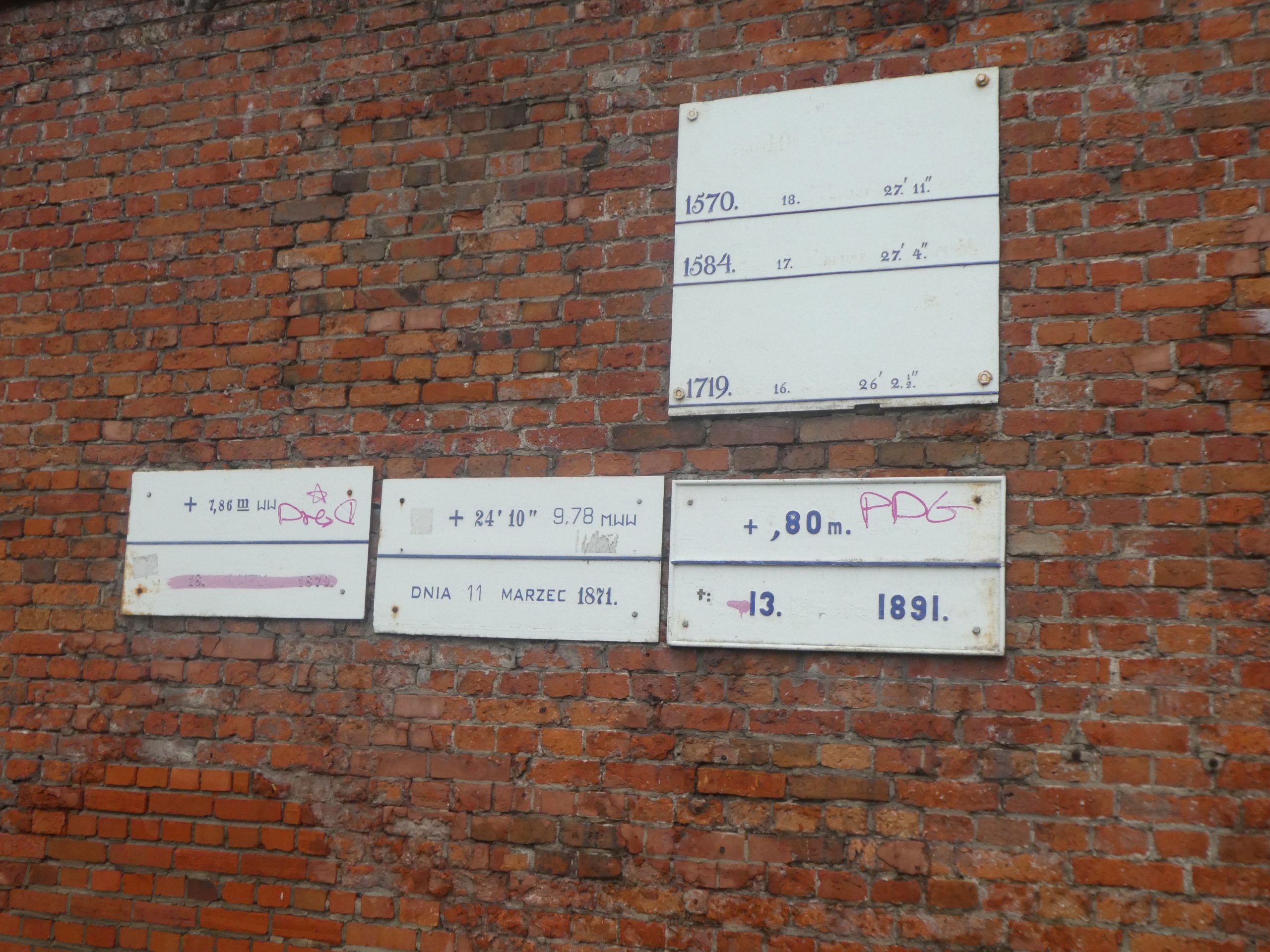
    Located near to the River Vistula (which is a sensible place to locate them….) are these panels on the wall which show how high the water reached during floodings over the centuries. 1570 must have been a bad year, as a few months after the flooding here in Poland, the coast of the Netherlands flooded and over 20,000 people lost their lives.

  • Torun – Torun Castle (Battering Ram)

    Torun – Torun Castle (Battering Ram)

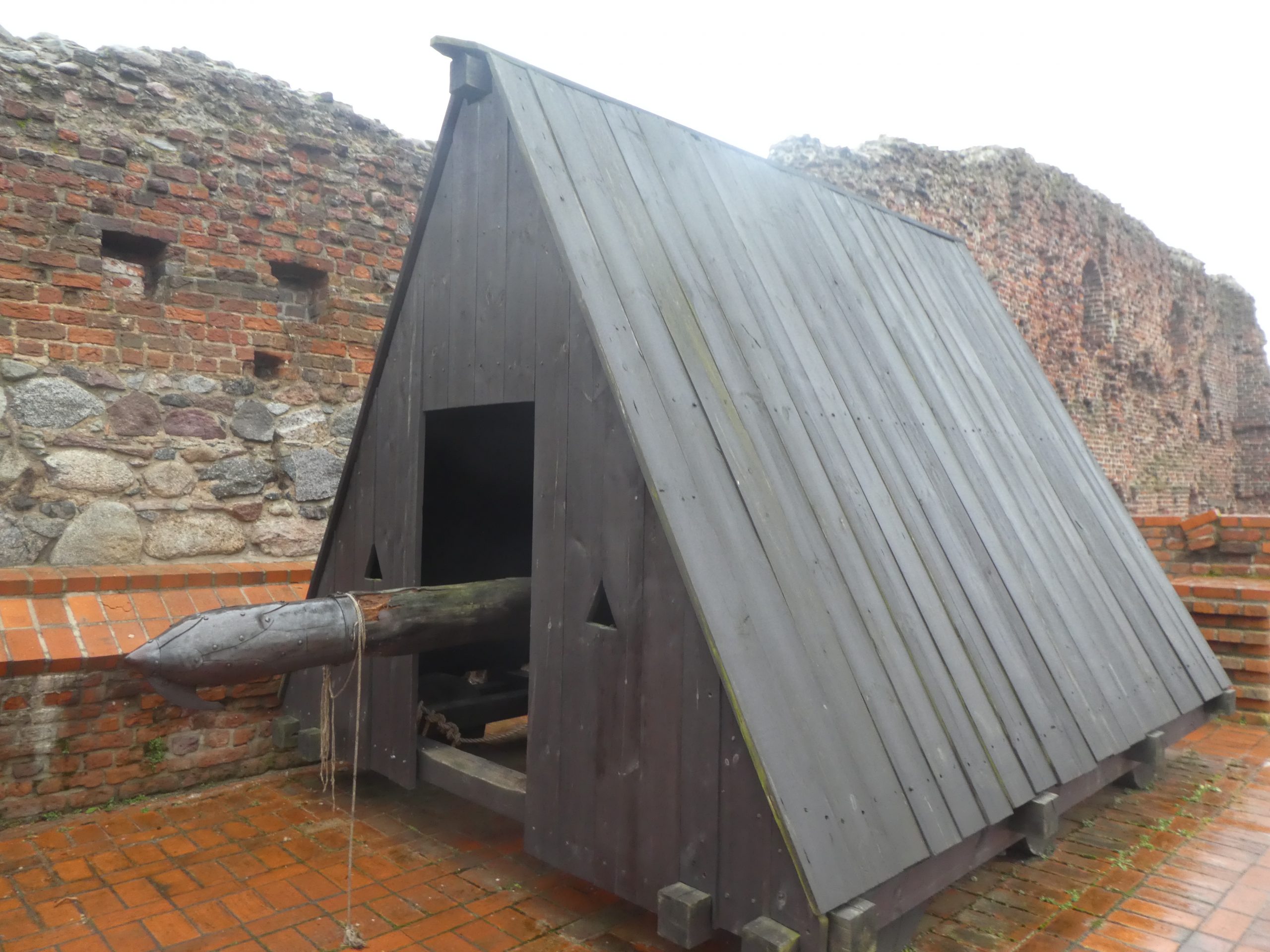
    This is one of several recreated medieval weapons on display at Torun Castle, with this being a not unsubtle battering ram. Various types of battering ram have been in use from antiquity through to around the sixteenth century, although the police in the UK now use an enforcer, or their own mini battering ram, to get through doors.

    The battering ram had to be pointed and covered in metal to have the most devastating effect on gates and walls. Before rolling it into position, the attackers would place wet hides along its structure to ensure that the defenders couldn’t try and set it on fire. A burnt battering ram wouldn’t have quite the same effect….

  • Torun – Torun Castle (Model of Castle)

    Torun – Torun Castle (Model of Castle)

    More on the history of this castle in another post, but above is a model of what the castle looked like until the locals tore it down in the 1450s in an argument with the Teutonic Knights.

    This is what is depicted on the left-hand side of the model, the bit under the roofed areas.

    This is what is depicted on the right-hand side of the model, the sweeping circular curtain wall.

    I think it’s fair to say that there isn’t a great deal left of the original castle….

  • Torun – Home Army Monument

    Torun – Home Army Monument

    If I’ve understood this correctly, this is a monument to the organisers of the Pomeranian Home Army District during the Second World War. This was the Polish underground army during the period of German occupation, which caused significant disruption to Nazi rule.

    The names on the memorial are:

    Józef Ratajczak (1897 – 1942) was born in Poznan and in 1910 he travelled to Krakow to celebrate the 500th anniversary of the Battle of Grunwald. He was drafted into the German army in 1917, but joined the Polish Army during the inter-war period. He was tortured at Powiak in Warsaw during the Second World War, but didn’t reveal anyone in the Home Army. Along with 230 others, he was taken to a forest near Warsaw and was executed.

    Rudolf Ostrihansky (1895 – 1963) was involved in the First World War, fighting against the Bolsheviks and in defence of Lviv. He remained in the Polish Army in the inter-war period and was Commander of the Home Army in the district between 1940 and 1943. He was arrested in 1943, was sent to Stutthof concentration camp in 1944 and he survived the war, later becoming a farmer.

    Jan Pałubicki (1897 – 1982) was involved in the First World War, fighting on the Russian front. He remained in the Polish army in the inter-war period, but was seriously injured early on during the war, on 23 September 1939. He worked in Torun during most of the Second World War and remained part of the Home Army, managing to avoid arrest, for a while he hid in nearby forests when the Gestapo were close to arresting him. He survived the war, but struggled with his life somewhat, dying in 1982 in Poznan.

    Józef Chyliński (1904 – 1985) was too young to fight during the First World War, but he joined the Polish army and remained heavily involved in the resistance movement. His wife died in the Warsaw Uprising and he found himself imprisoned by the new communist authorities between 1945 and 1947. He emigrated to Toronto in Canada after his release from prison, remaining there until his death.

    Franciszek Trojanowski (1899 – 1957) joined a young military group towards the end of the First World War and was involved in the defending of Lviv. He remained in the Polish army and fought in numerous areas of the country during the Second World War, fleeing to the coast at one point to avoid arrest. He died in Lublin in March 1957.

  • Torun – Grande Coffee

    Torun – Grande Coffee

    This centrally located cafe looked welcoming and inviting, as well as being well reviewed.

    I think I got the ordering process correct, which was ordering at the counter and having the food and drink brought over. This whole process still makes no sense to me though, there’s no clear logic as to which places offer table service and which don’t. Anyway, perhaps there is no logic….

    The interior of the cafe.

    Books, very lovely.

    This was better than I expected, a tasty pavlova type meringue which was served as a large portion. The coffee was fine, although not exceptional as it wasn’t packed with flavour, with the prices being a little expensive. However, it was worth it for the cake and the staff were friendly and helpful. The environment felt quite contemporary as well, with the drinks menu having quite an extensive selection to choose from.

  • Torun – Jan Olbracht Browar Staromiejski

    Torun – Jan Olbracht Browar Staromiejski

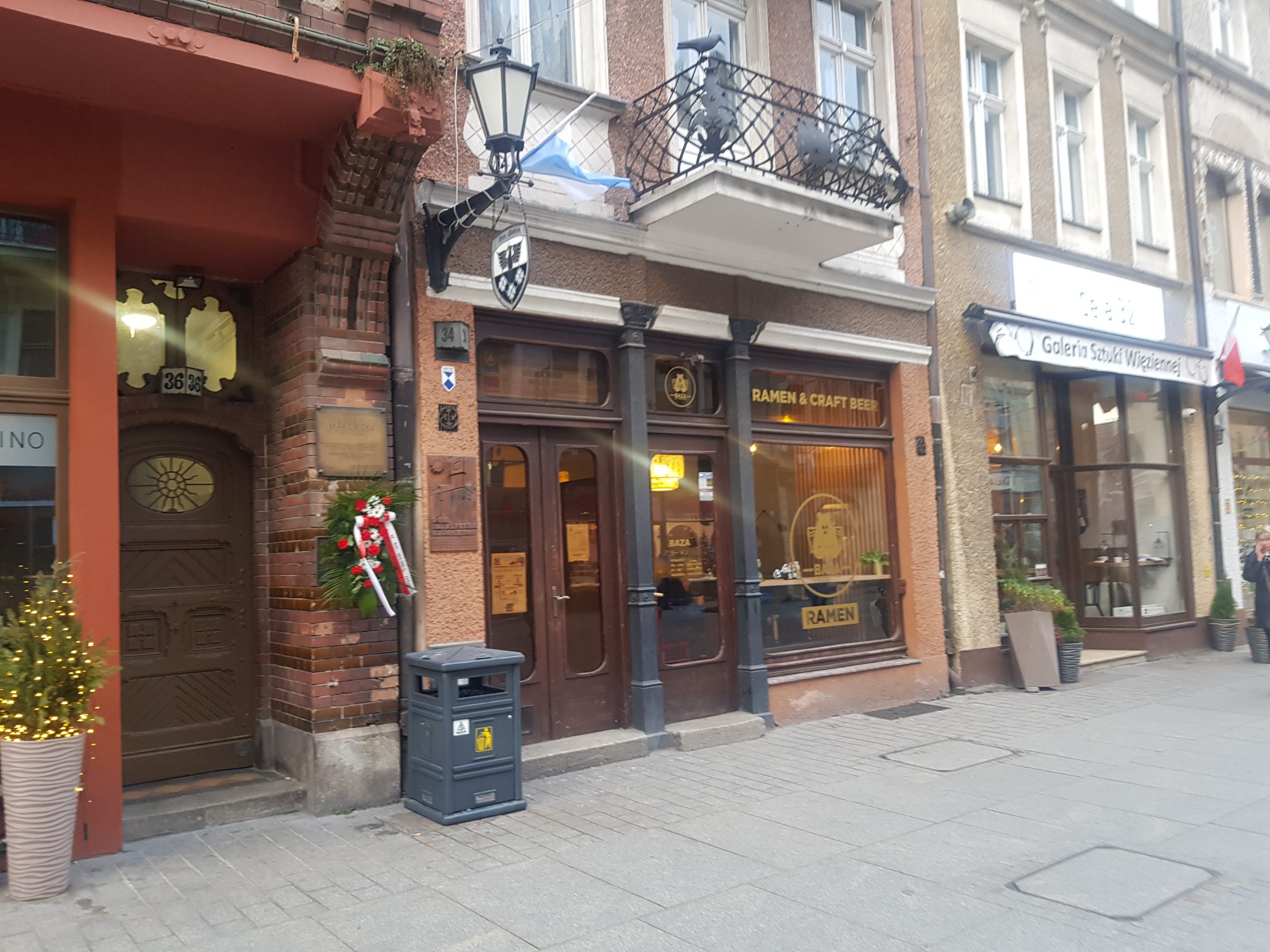
    This is a brewery, bar and restaurant all in one, something of a traditional Bavarian beer-house. The building that it’s located in also has some heritage, its a Gothic fifteenth century tenement house.

    The brewing equipment.

    Barrels above the bar.

    The beers which are brewed in-house.

    I got the tasting set selection, the gingerbread beer was the best out of these with a pleasant initial taste, although a surprisingly weak aftertaste. All of the beers had some interesting flavours, but they didn’t have the depth or richness of flavour that I’d ideally like. All of the beers which are made here are also unfiltered and non-pasteurised.

    However, the bar doesn’t fail in terms of its beer offerings, this is a really decent selection of different beers from around Poland. I went for the Sourtime Blueberry, because it’s from a brewery that I visited last week in Poland and they have some really innovative offerings. The beer was excellent, a depth of flavour, some sourness and a rich aftertaste, so a really good option.

    One of the seating areas in the pub, which was relatively busy during my visit. They seemed to miss me coming in as they welcomed other diners, but the service at the bar was always polite. The service wasn’t always entirely attentive, but the environment was welcoming and the atmosphere was relaxed. There’s quite a large food menu to choose from as well, although it was just the beer experience for me today.

    All in all, there’s a well thought out selection of different beers to cater for most tastes, including mine. A relaxing environment and I can imagine it has quite a vibrant atmosphere in the evenings.

  • Torun – Torun Castle (Masks of Shame)

    Torun – Torun Castle (Masks of Shame)

    These are modern copies in Torun Castle, but they’re intriguing nonetheless, they’re masks of shame (known as Schandmaske in German and Maski Wstydu in Polish) which were used during the medieval period. They were worn by those being punished for various misdemeanours, from gossiping to married couples arguing. The masks were designed to humiliate and encourage others not to behave in the same manner, with the victim sometimes also being placed in stocks at the same time. The practice went on until the eighteenth century in a few places, with some masks also being designed to cause significant discomfort and pain.

    And some more….

  • Torun – 100 Years Since Returning to Free Poland

    Torun – 100 Years Since Returning to Free Poland

    There are a series of events taking place today in Torun, marking the return 100 years ago of the city to Free Poland and the Second Polish Republic. One of the events which was held was a reconstruction parade using re-enactment societies of when Polish troops walked into the city to be given the keys to the gates.