Category: Malta (Northern Region)

  • Malta – Northern Region – St. Paul’s Bay – Xemxija Café Lounge

    Malta – Northern Region – St. Paul’s Bay – Xemxija Café Lounge

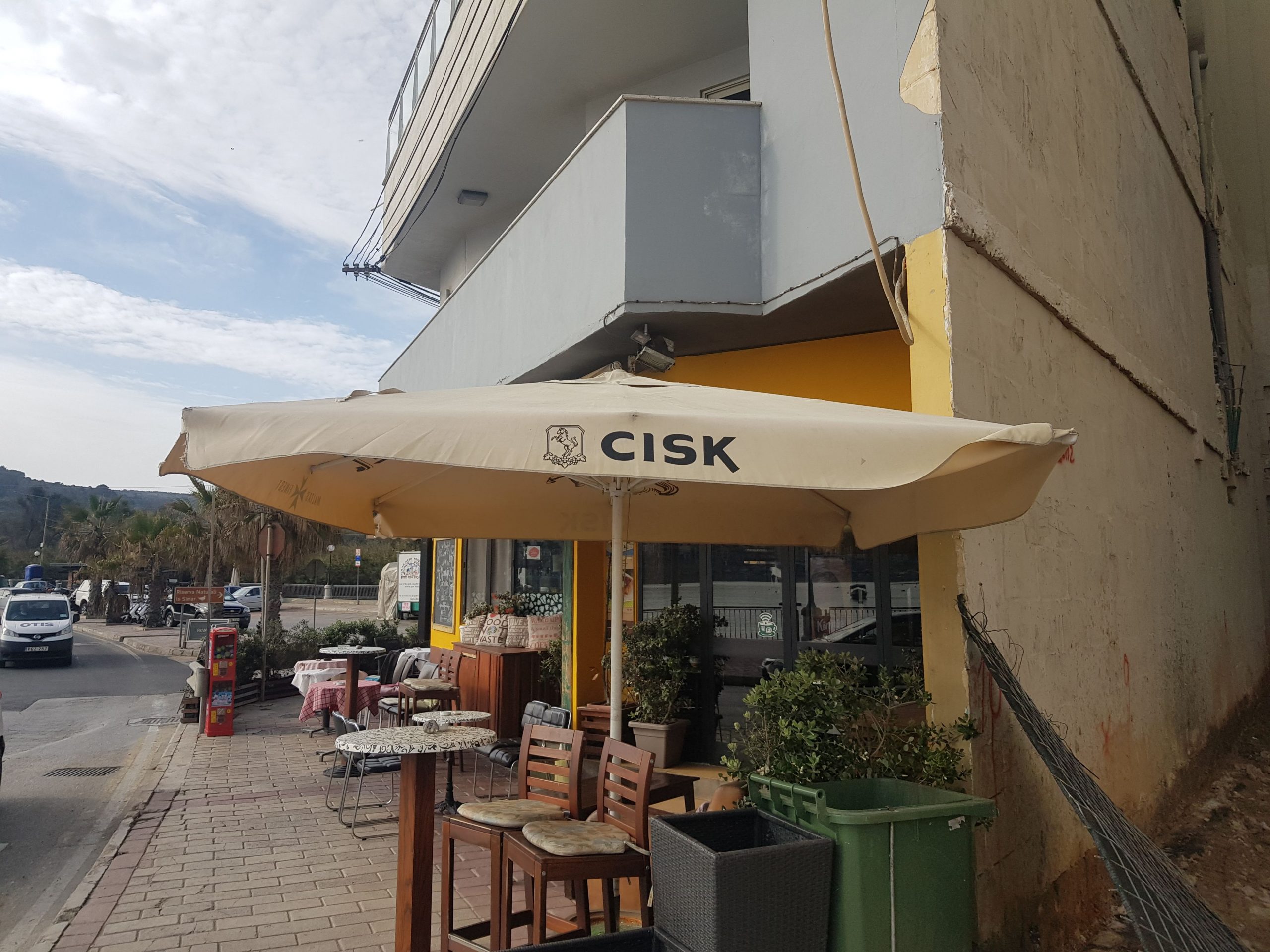
    Despite staying for three weeks last year around the corner from this cafe, I never made it inside. So, since we were looking for breakfast, it was a chance to finally see inside.

    The cake selection in the cafe, a little more expensive than other similar locations that we’ve been to, but it was all well presented.

    The breakfast options weren’t entirely clear as the menus on the tables really only mentioned waffles. It was all clean and tidy inside, but there wasn’t anything tempting for breakfast unfortunately. There were though some motivational messages on the wall for anyone who fancied some morning inspiration. There’s also a seating area outside and this has views over St. Paul’s Bay, albeit with a road between the cafe and the water.

    The coffee was reasonably priced, rich in taste and most importantly of all, it came with a little biscuit. What more could anyone want for breakfast? The service was friendly and helpful, so I imagine that this is a good option for lunch or an evening meal. We were the only customers in the cafe during the time that we were there, but the environment was clean and comfortable.

    The reviews for this cafe are nearly all positive, although I did note someone didn’t like the place a couple of years ago, but added:

    “As I said, at the time I did not complain as I did not want to ruin the eve for my friend, however that is what sites like Tripadvisor are for.”

    It isn’t really, sites like TripAdvisor are becoming pointless as restaurants don’t get a chance to deal with problems at the time, or at least in private after the event if they’re alerted to an issue. Anyway, a relaxing start to the day and I’d visit here again if in the area.
  • Malta – Northern Region – Oldest Carob Tree

    Malta – Northern Region – Oldest Carob Tree

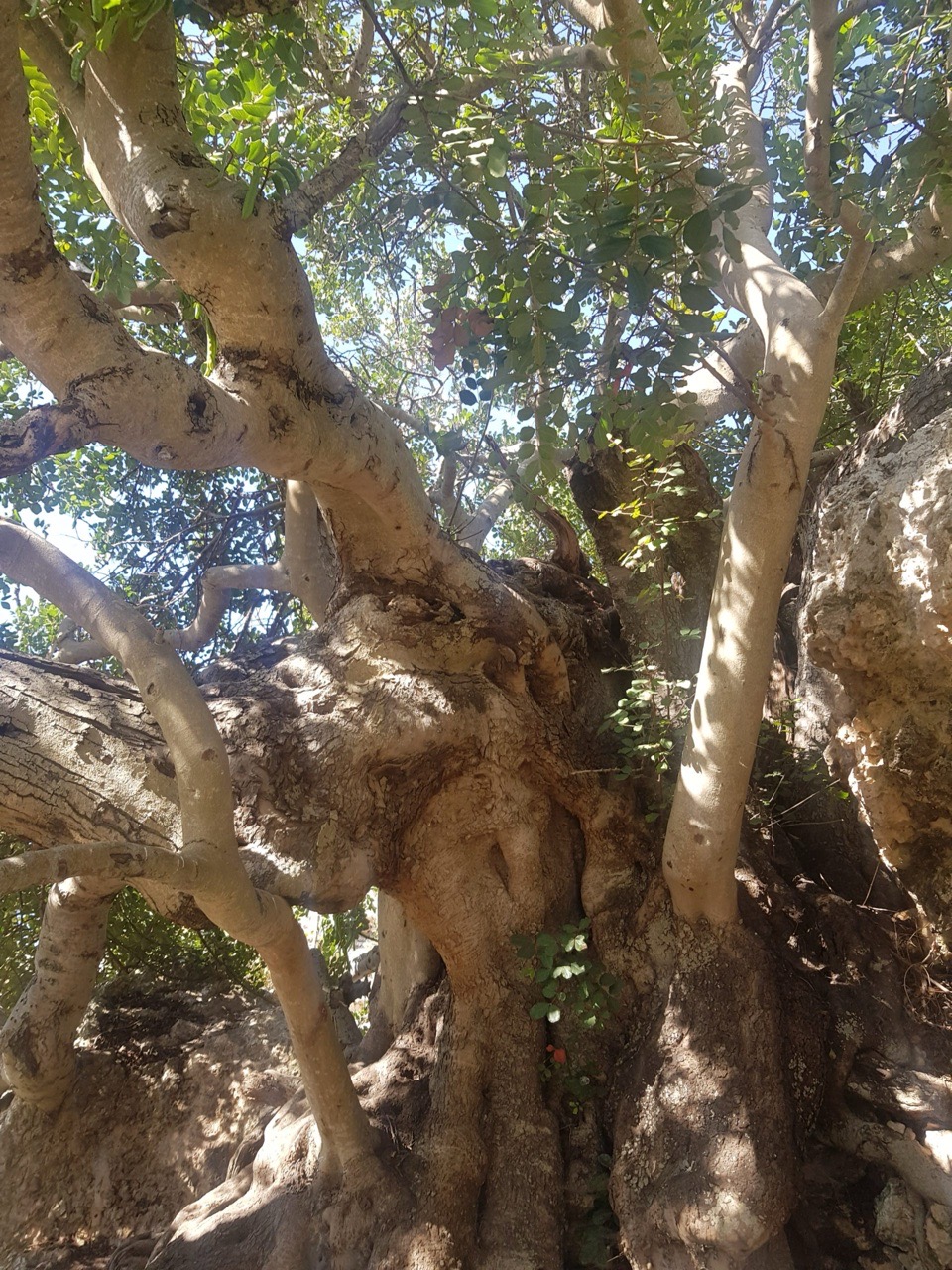
    Not that I would have known this without the helpful nearby information board, but this is the oldest carob tree on Malta and it’s thought to be over 1,000 years old. Getting on for being 7.5 metres in circumference, it’s certainly a bulky little specimen. It’s suggested that the name of this tree is where the word carat, as in gold, comes from, a derivative of the Arabic word ‘qirat‘.

    Some of the tree’s branches. The information board mentions that a home-made syrup has been made from the fruit of the tree, which is thought to be useful in alleviating the suffering from colds, and during the shortages of the Second World War it was also used as food.

    And a little information board about the tree, which is apparently popular with bees. Just behind the tree is an apiary dating back to Roman times, which is where bees were farmed, or whatever the technical term is to get honey.

  • Malta – Northern Region – Mellieha – Sundancer

    Malta – Northern Region – Mellieha – Sundancer

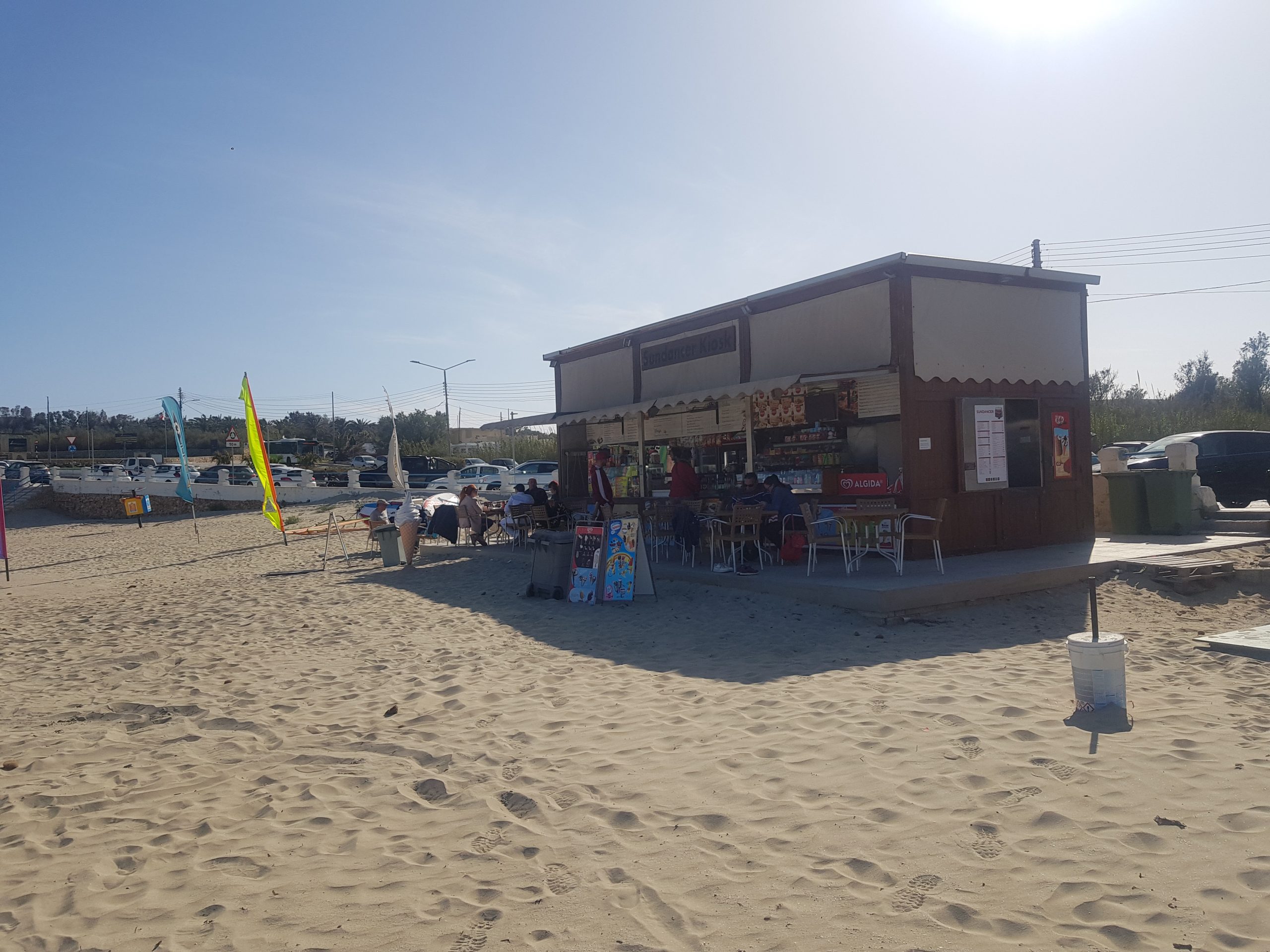
    And after a busy morning of walking and food exploration, it was time for a little snack….. Mellieha beach was quite busy, despite it being the first day of March, with plenty of children enjoying playing on the sand. Judging by the photos of this beach in summer though, it gets much busier during the warmer months. Most of the food and drink kiosks were closed when we were visited, although Sundancer and a couple of other operators were busy and working as normal.

    The snacks of ice creams and drinks, very welcome in what was becoming an increasingly hot Malta….. The staff at Sundancer were friendly and the prices were reasonable, and we were fortunate to get the last table outside of the kiosk. The kiosk did a relatively wide selection of food, such as pizza, burgers, chicken nuggets and other essential culinary delights, along with ice creams, crisps and drinks.

  • Malta – Northern Region – Mellieha – Tal-Puzzu

    Malta – Northern Region – Mellieha – Tal-Puzzu

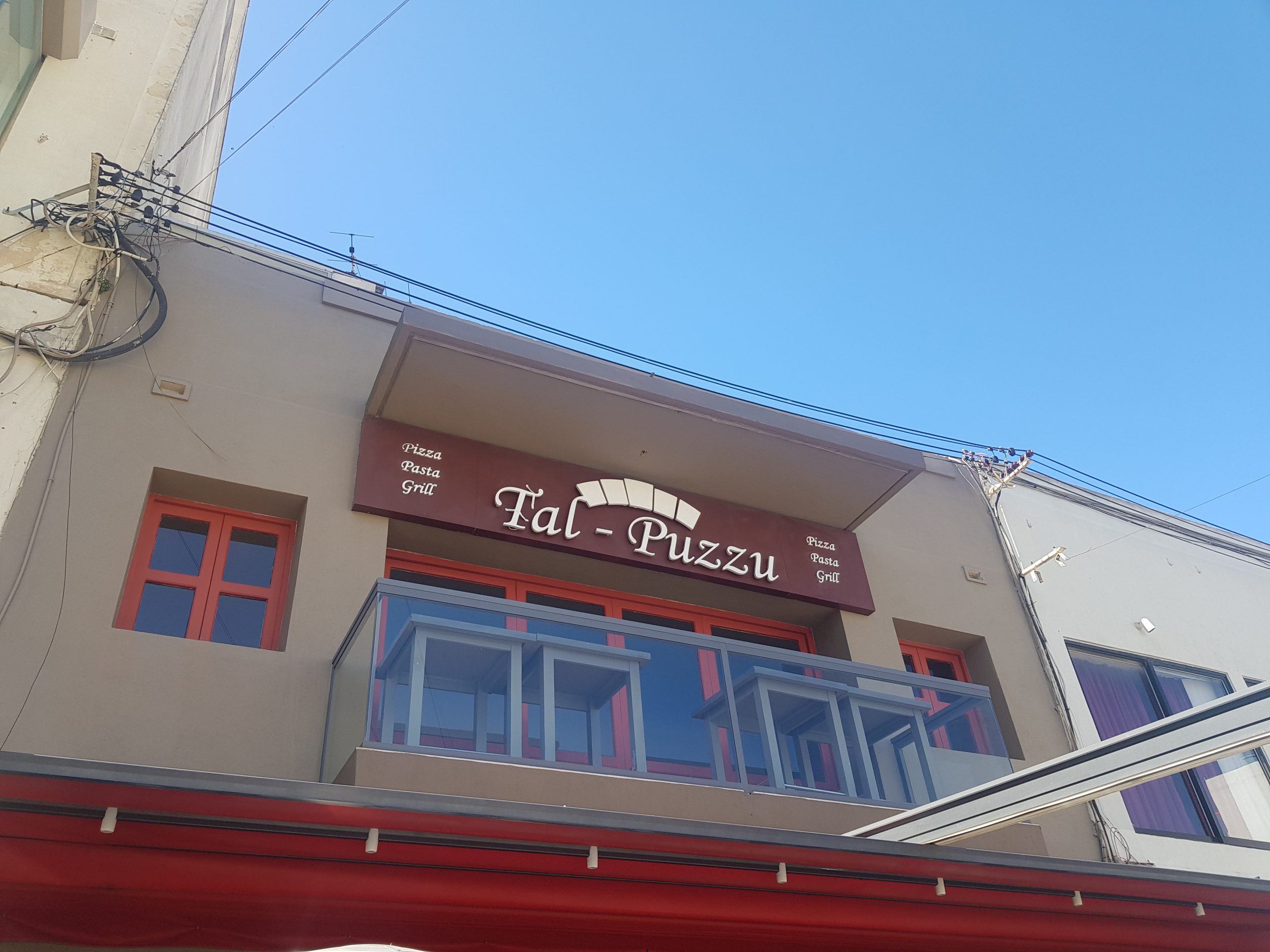
    To celebrate not getting run over on the road (more on which later) we thought that a little stop for lunch would be useful. Our walk had ended in Millieha and I had a sudden craving for pizza, which isn’t an entirely rare experience (the craving for pizza that is, not ending up in Millieha).

    I thought about beer, but a refreshing cold drink of Pepsi seemed more suitable, especially as craft beer wasn’t mentioned on the menu. This might be something that I go on about a lot this week….. We opted for the eating outside option at this restaurant and hoped that we wouldn’t be stuck with smokers nearby, although fortunately that eventuality didn’t come to pass. The restaurant was never full, but it remained suitable busy throughout, a mix of local and visitors to Malta.

    And the diavola pizza, which was perfectly acceptable and I think they have their wood fired pizza oven. A thin and beautifully crisp base, lacking perhaps a little in tomato flavour from the sauce (I like a rich tomato sauce on the base), but the toppings had some heat to them and for a lunch-time snack it met my needs. A number of reviews said that the rabbit was one of the specialities of the restaurant, but I’m deliberately not eating that, however much of a national delicacy and tradition it might be.

    Liam’s subtle little calzone, which had ham, mushrooms, tomato, mozzarella and, for some reason, egg, in it. But, it all worked well apparently. All the food seemed freshly made and was at the appropriate temperature, so I felt that we got value for money for the lunch.

    The service at the restaurant was attentive and polite, everything arrived promptly and they had balsamic vinegar from Modena, reminding me of Richard and his gift buying last weekend in Florence. After the meal it was time for some more discovery of the country’s history, with Liam discovering just how tiring this life of exploration actually is. I tell people that, but they often don’t believe it.

  • Malta – Northern Region – Bugibba – Michele’s Cafe

    Malta – Northern Region – Bugibba – Michele’s Cafe

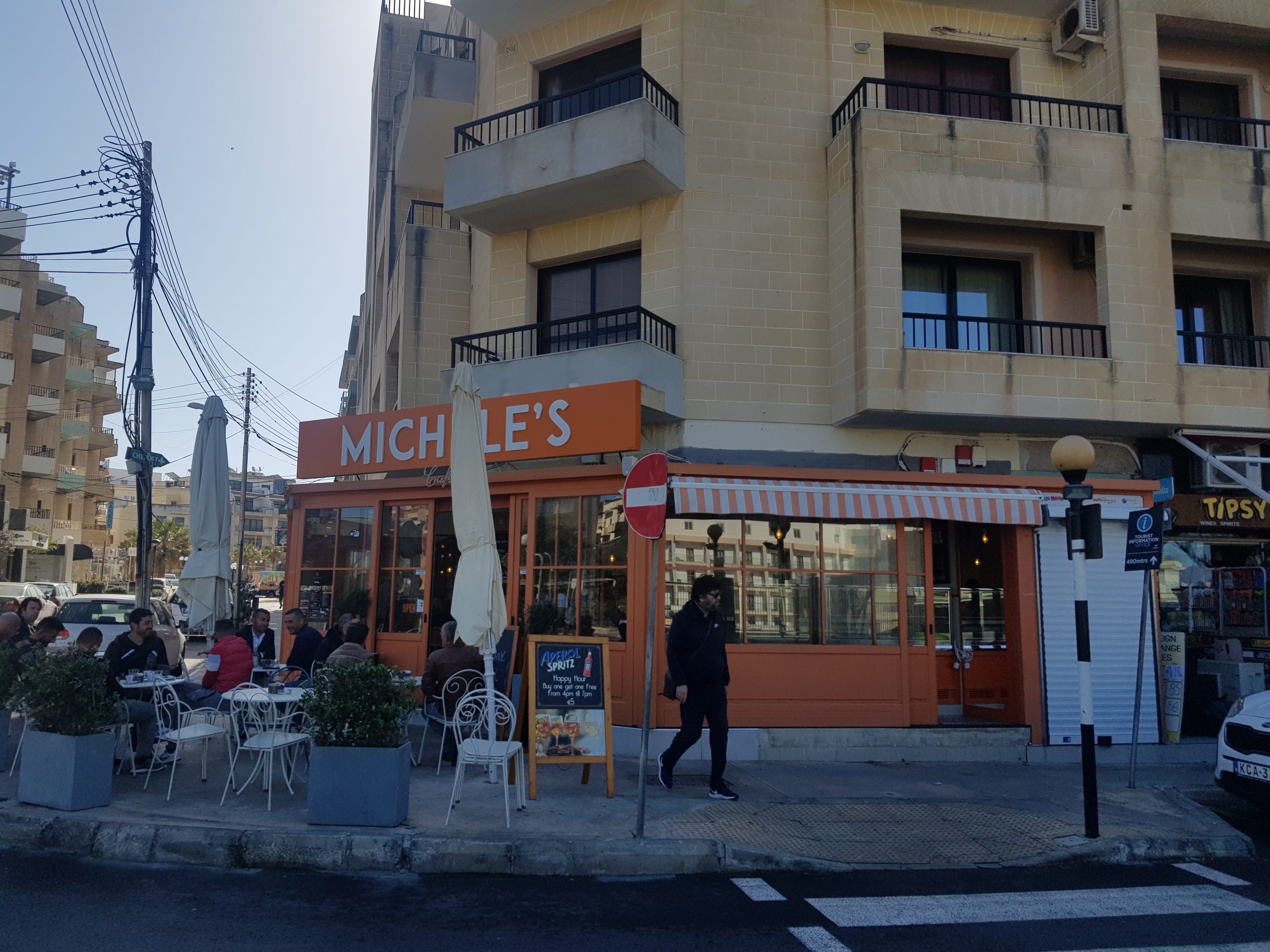
    We had a choice of any cafe in Bugibba for breakfast, but this one was well reviewed so we walked out of our way to go and find it. The welcome at the cafe was prompt and genuine, although we probably could have ordered at the table rather than at the counter. Nonetheless, the staff brought out the food and drink and there was a relaxed and comfortable atmosphere. Many of the customers were sitting outside, but inside looked much more appealing to me away from the road.

    The cakes looked well presented and appetising, a rather delightful sight in the morning.

    The coffee had a touch of richness and appears to be Lavazza coffee, a reminder of Wetherspoons, although it tasted absolutely fine. The environment was clean and the cafe seemed to have as many locals in it as visitors, nearly always a positive sign. It’s also located opposite the town’s bus station, so a handy time to get a quick drink and snack.

    The Cannoli was sweet with a firmness to the fried pastry, with pistachios at either end to add even more texture and a creamy interior which I assume had ricotta in it. Liam went for a croissant and the prices for this little assortment were very reasonable, just over £3 each. The cafe got quite busy when we were there and they also offer full meals, seemingly getting ready to serve their roast dinners for Sunday lunches.

    So, a rather lovely start to the week of dining in Malta, a genuinely friendly little cafe and I can imagine that the quality of the meals that they serve is high. We could have stayed here for hours, but there is so much to explore, so we forced ourselves out into what was becoming an increasingly warm Bugibba….

  • Malta – Northern Region – Bugibba – Bugibba Salt Pans

    Malta – Northern Region – Bugibba – Bugibba Salt Pans

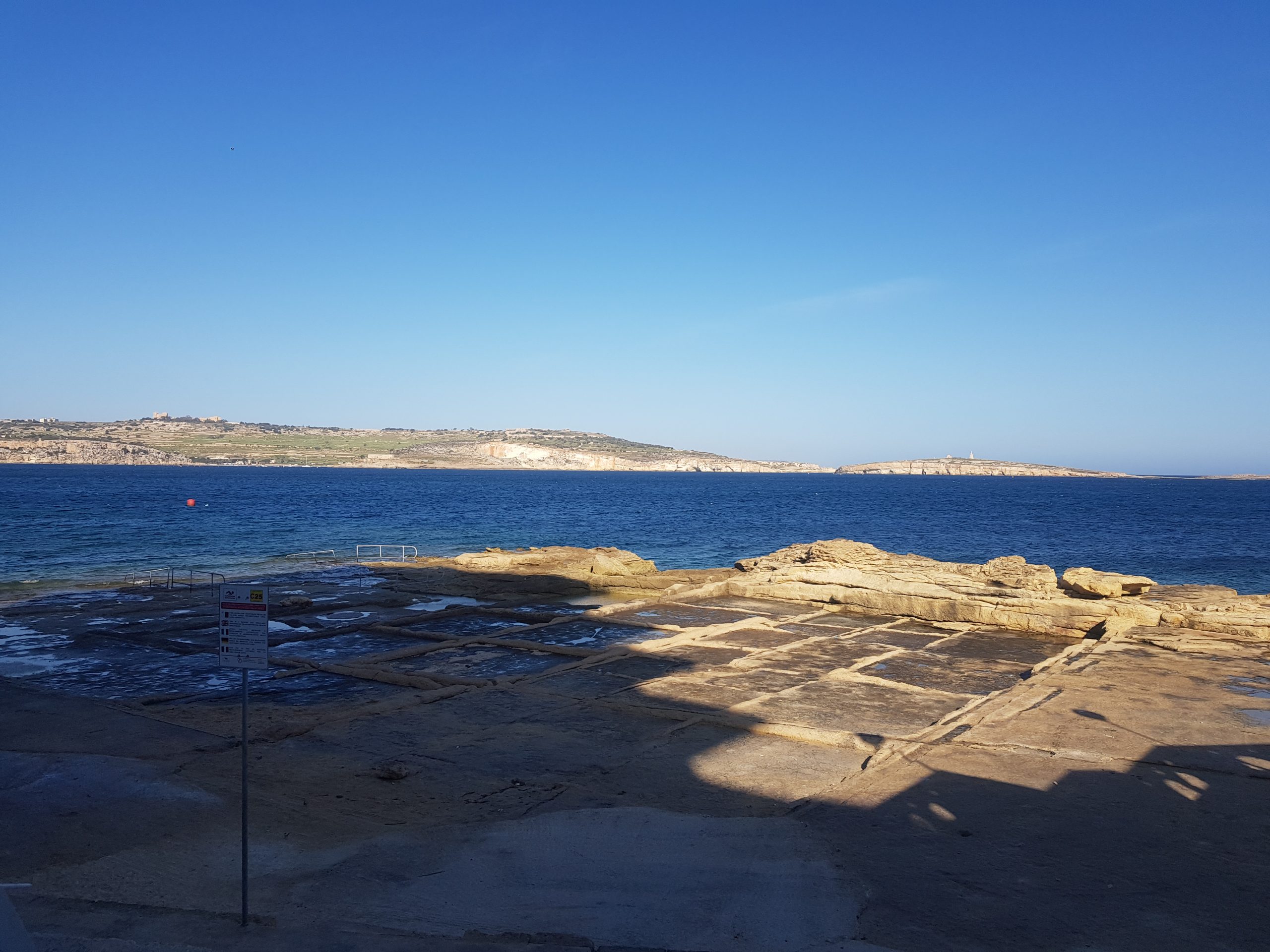
    These salt pans have, according to the historical information board next to them, been here for “a very long time”, with other sources suggesting that they’re probably Roman. They were rediscovered recently having been covered by the sand, once used by the locals to extract salt from the water. The sign also notes that the workmanship is much better than in other salt pans across the islands, with a level of professionalism to the set-up. Unfortunately, these salt pans were vandalised with paint a few years ago, but were swiftly repaired.

  • Malta – Northern Region – Mdina – Domus Romana

    I rather over-dosed on Roman history when I visited Trier a couple of weeks ago but although Malta has a lot of Roman history, there’s only one museum dedicated to it. This is a former Roman settlement in Mdina which has some extensive mosaics in the main building, and some other associated buildings which mostly weren’t as grand.

    This is the side of the site, with Roman buildings visible in the foreground. They would have been in the background as well, but the British built a road through the site in the mid to late nineteenth century. There were no records made of what was found, so much has unfortunately been lost to history. The Roman site itself was located shortly after, in 1881, during a landscaping project and was then carefully excavated.

    More of the external buildings.

    A skeleton which was found on the site from an Islamic cemetery built around the ninth century AD. The cemetery was built around the former Roman buildings and numerous Islamic gravestones have been found.

    Roman glass.

    I’m not really into my Roman columns, but this is apparently an internationally important example of an Italic-Corinthian capital as few are found intact.

    More pillars.

    This statue of Antonia comes from this site and it’s thought to have been from an administrative building rather than from a residential property.

    Another statue found at the site, this time of Claudius, dating from the 1st century AD.

    The mosaic in the main courtyard room.

    This is the tablinum, so could have been used as a reception room or study. There have been some fairly crude repairs to the mosaic floor during the later Roman period which look like I’ve done them.

    Not much of the mosaic flooring has survived in the triclinium, which would have been used as a family dining room.

    I had a Heritage Malta pass so didn’t pay for admission directly, but there are also options such as the Rabat ticket which gives admission to a few historic sites in the area. Visiting just the Roman museum is though perhaps just a little expensive at €6.

    Overall, I thought that this was a reasonably sized museum, which I deliberately visited from the end to the beginning, solely because there was a group of school children behind me. Fortunately they were well behaved children who didn’t get in my way, or indeed that of any other visitor. It’s a shame that more of the site didn’t survive the British road building, but at least a decent amount is still visible.

  • Malta – Northern Region – Roman Baths (Xemxija)

    Located towards one end of the Xemxija Heritage Trail are these Roman baths, which were only identified as such as late as 2000. Above are the steps down to the baths from the main trail.

    The Roman baths are located on the side of this ridge, but they date back to the Punic era of around 500BC when they were constructed as tombs.

    Looking back out of the baths.

    The baths were converted into a farmhouse in around the seventeenth century.

    It’s quite a large size and there are three distinct areas within the cave.

    This is the upper room within the caves.

    There are numerous niches located around the edges of the caves. The interesting thing about this site is that it’s always freely accessible and fortunately there doesn’t seem to be any vandalism within the caves. They’re a little bit off the beaten track and I didn’t see anyone else near the site when I visited. The whole trail has been intriguing, so much history packed into just one relatively short walk.

  • Malta – Northern Region – Cart Ruts (Xemxija)

    I went back today to complete the Xemxija Heritage Walk that I started on the first day that I visited Malta. Although going to look at cart ruts might not sound interesting, they are a mystery for historians. They date from the prehistoric period, but it’s entirely unclear what they were used for and how they were created.

    There are cart ruts located across the Maltese islands with these ones stretching for 275 metres. It’d make sense for these cart ruts to be linked to the construction of the temples on the islands, but unfortunately the ruts don’t coincide with those locations. They do though coincide with where early settlements were located, but it’s unknown whether they were created by humans or through the use of carts being towed by animals.

    The cart ruts are also of different widths, so if they were pre-planned, it was a slightly sloppy effort.

    Stretching into the now built on area, these type of cart ruts have also been discovered going into the sea and also off the edges of cliffs. An intriguing mystery….

  • Malta – Northern Region – Ta’ Ħaġrat Temples

    This is another UNESCO World Heritage site, dating back to around 3,600BC. As with the Skorba Temples and Ġgantija, it’s genuinely difficult to grasp just how long these sites have been here. For these sites to be nearly 4,000 years old when the Romans were building Hadrian’s Wall is not insubstantial.

    It’s a relatively compact site, although there’s much more still standing than at the nearby Skorba Temples. As with other similar sites on Malta, there was a village here before the temple elements were added.

    Certainly not a bad location and it’s possible to see the sea from the temple complex. The site itself has been badly damaged by being repurposed for farming use over the centuries, although the first archaeological dig didn’t take place until the 1920s.

    A heap of stones at the rear of the temple site.

    The site hasn’t been particularly mauled about by archaeologists in an attempt to restore it, although this stone doorway has been recreated with what I understand are the original stones.

    Like Skorba, there aren’t any facilities at the site, but there is better signage at this location which gives an understanding of the history of the temples. A visit isn’t going to last particularly long given the relative small scale of the site, but it’s the importance of the history which makes this worth seeing.