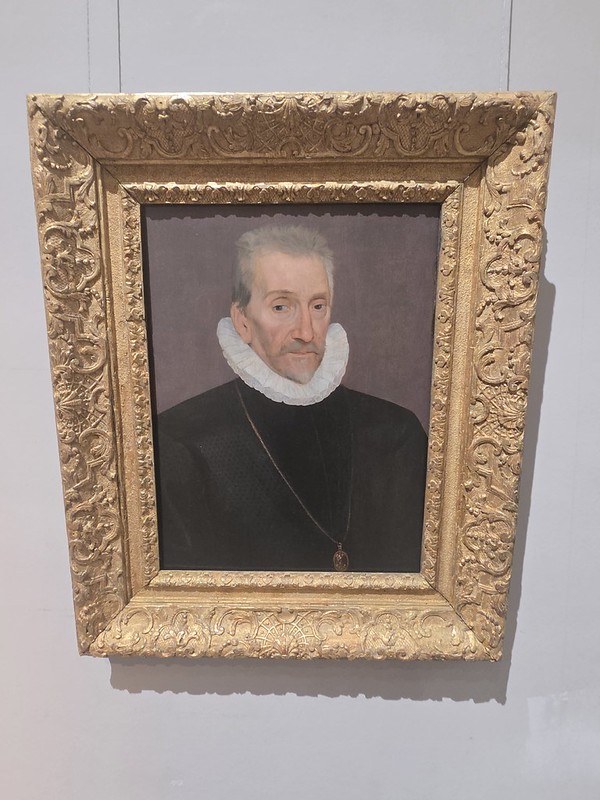
Portraits such as this are a reminder that history was not shaped only by royalty and the very wealthy. This is Jacques Hurault de Vibraye (1514–1588), one of the countless senior officials whose names have largely disappeared from popular history, despite spending a lifetime helping to run a kingdom during one of its most turbulent periods. Painted by an unknown French artist in the late sixteenth century, the portrait preserves the face of a man who was effectively a senior civil servant and, judging by the fact that he remained in royal service, was presumably rather good at it.
Hurault served the French Crown as a diplomat, councillor and senior administrator during the French Wars of Religion, when the country was repeatedly threatened by political instability and religious conflict. I imagine that most visitors to the gallery will never have heard of him, yet this painting has outlasted the political disputes, the court intrigue and probably almost every building in which he worked.
That is one of the pleasures of provincial art galleries. They can display a portrait of someone nearly nobody has heard of, painted by an artist whose identity has been lost, accompanied by a label that tells us very little about either of them. So this is effectively a blog post noting my satisfaction that an artwork has survived for more than four centuries without revealing very much at all. I rather like that it is there.
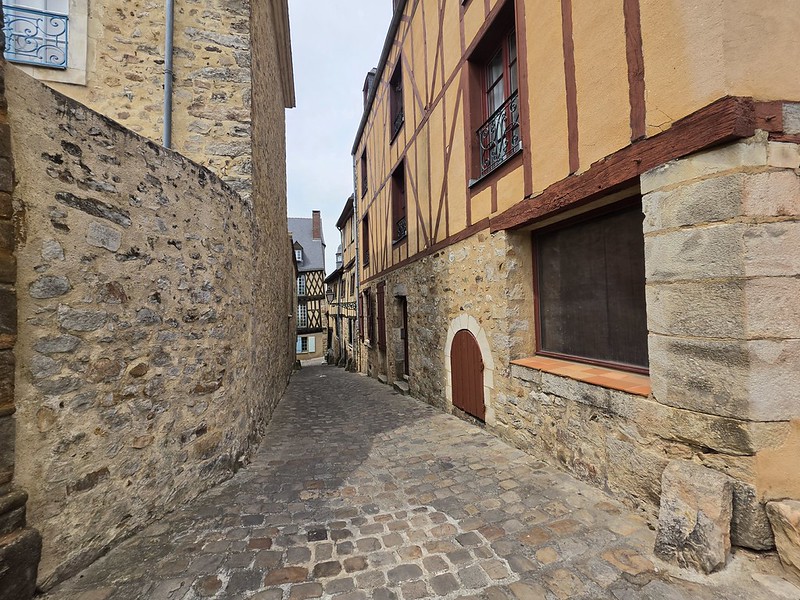
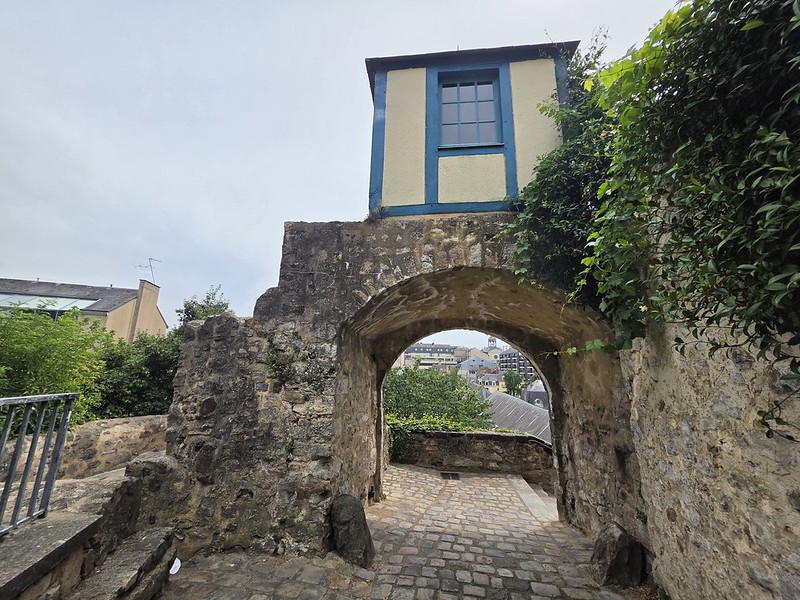
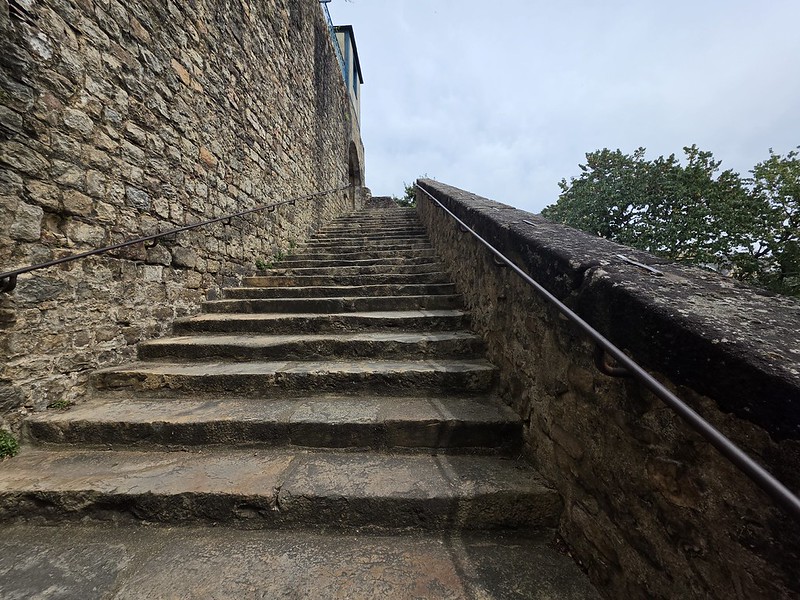
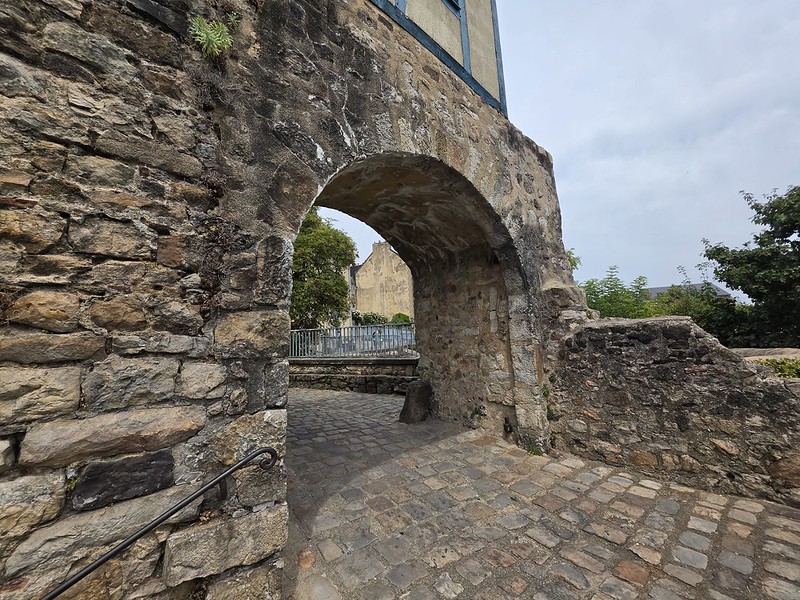
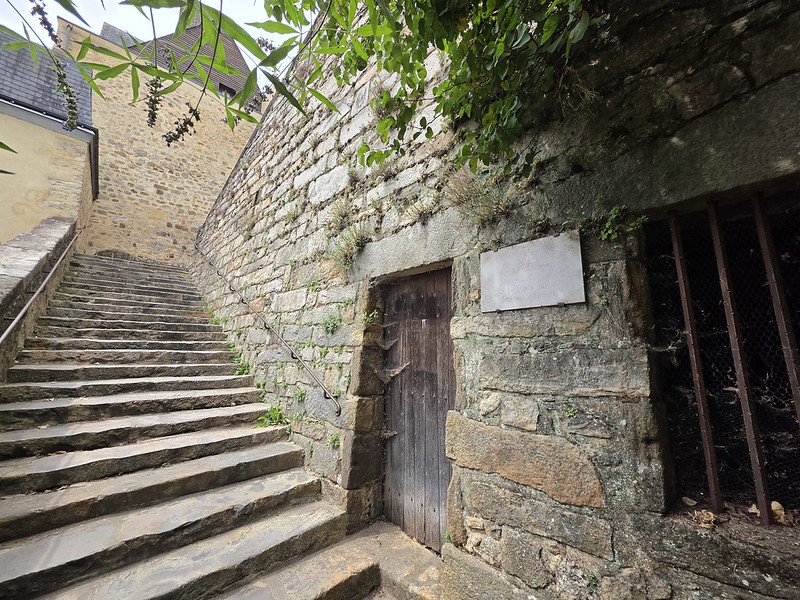
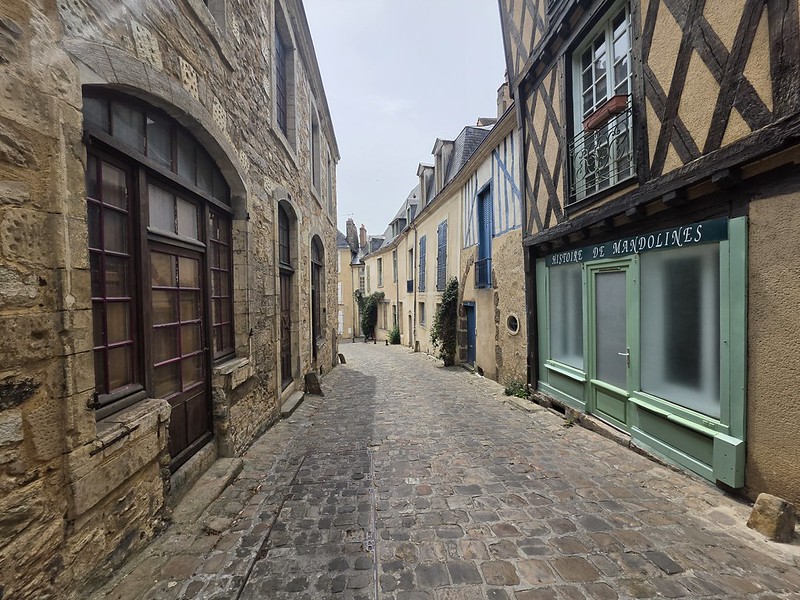
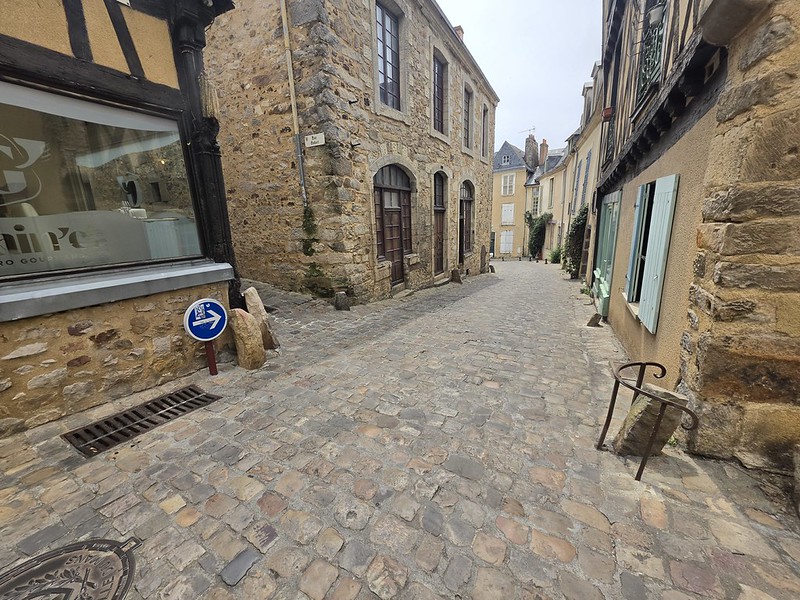
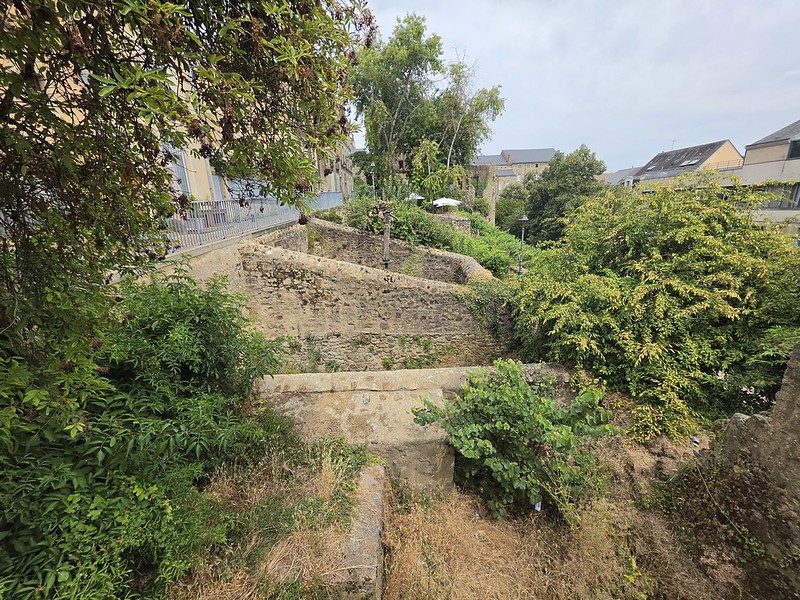
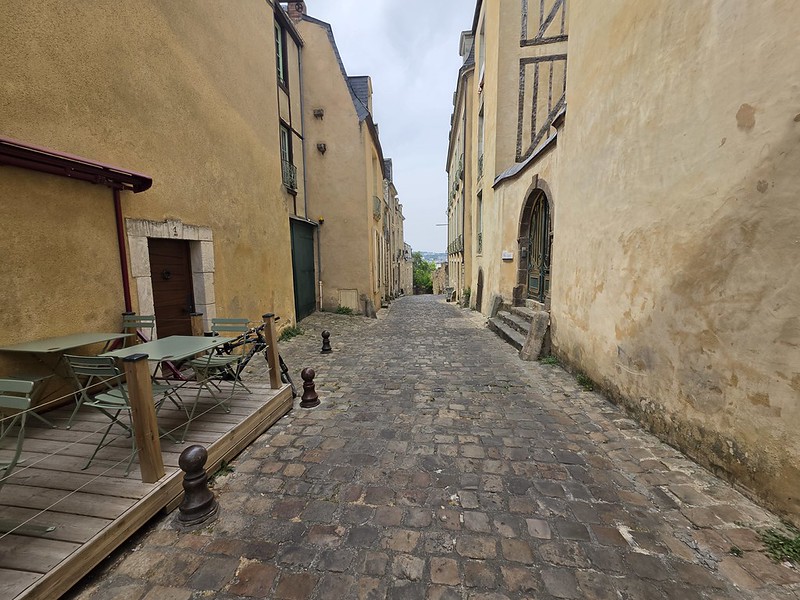
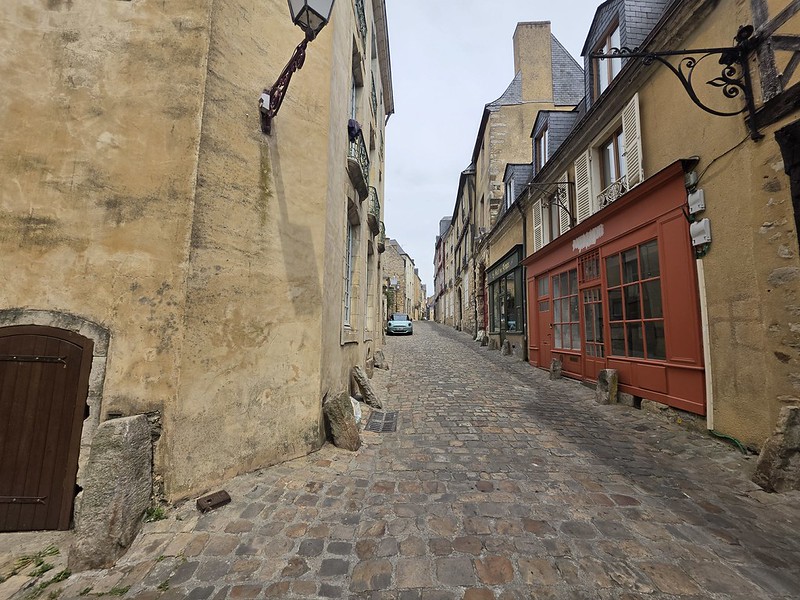
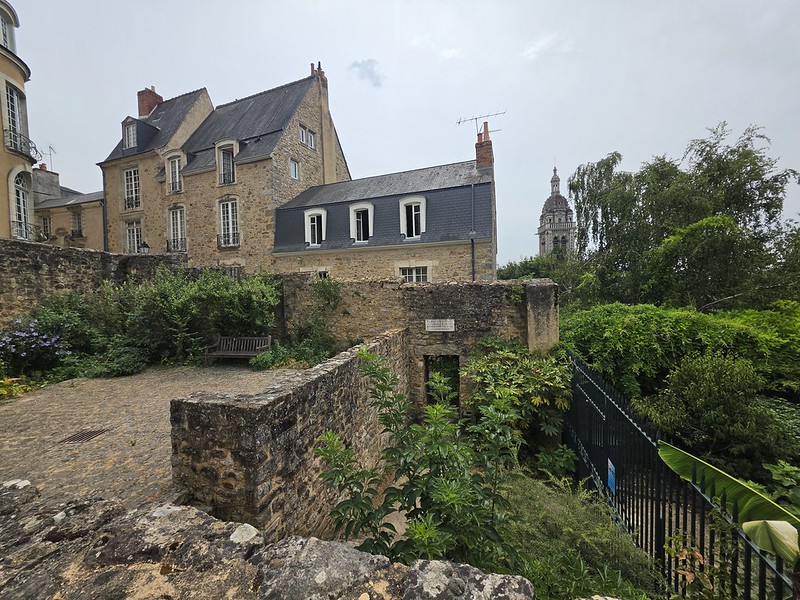
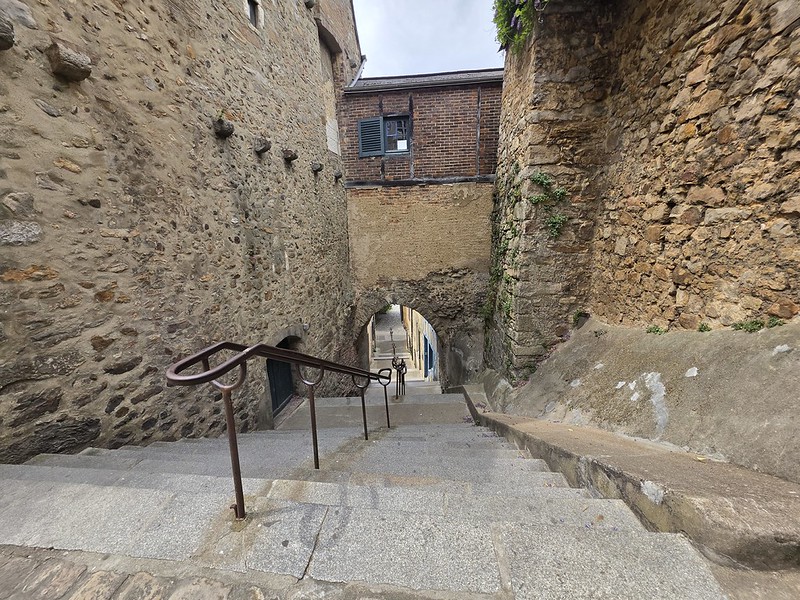
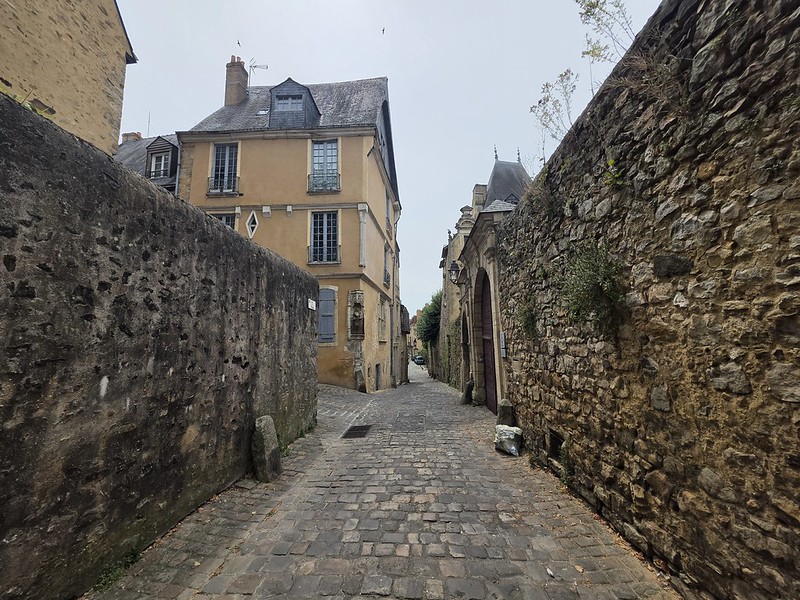
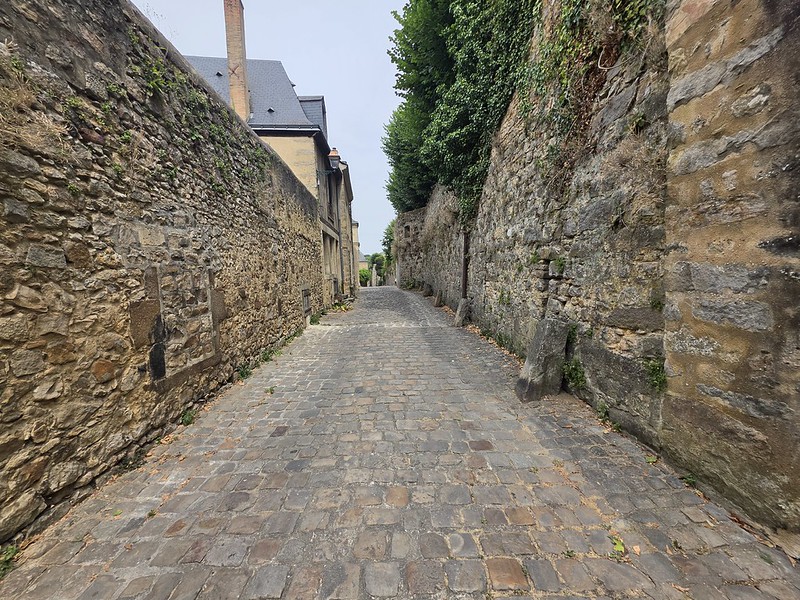
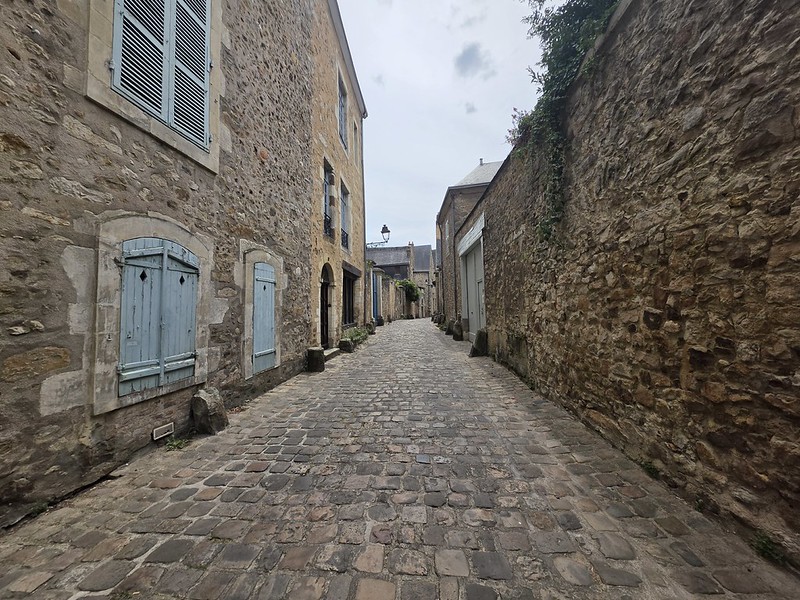
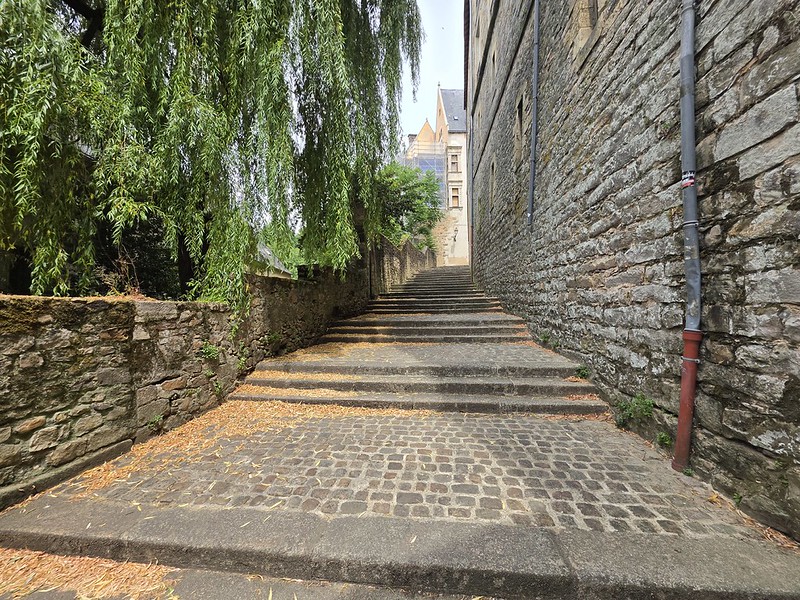
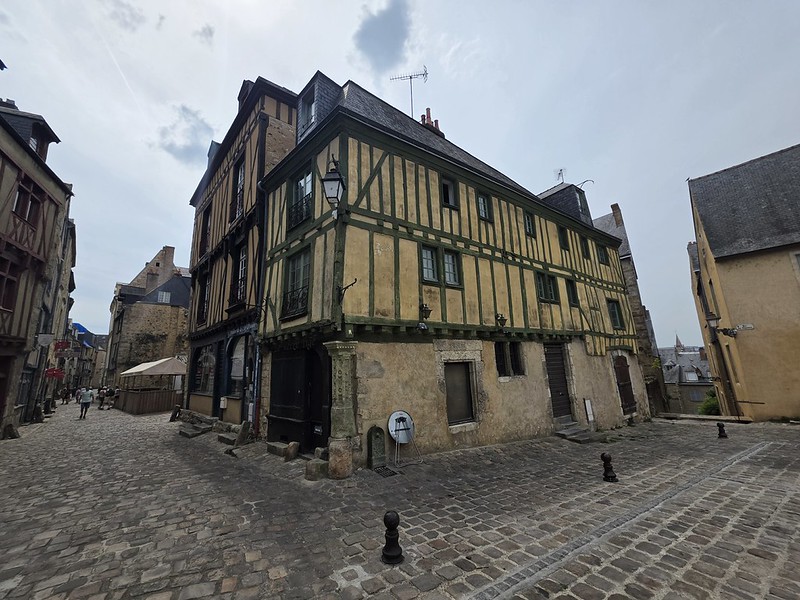
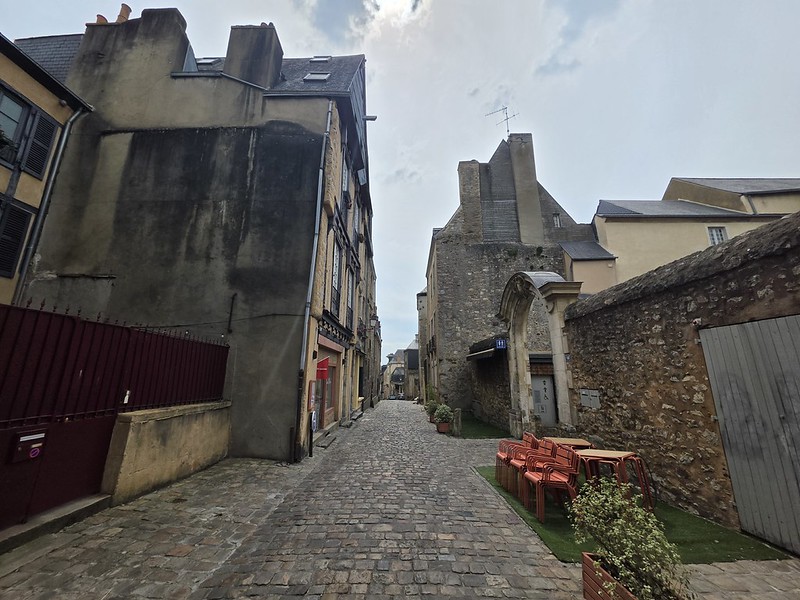
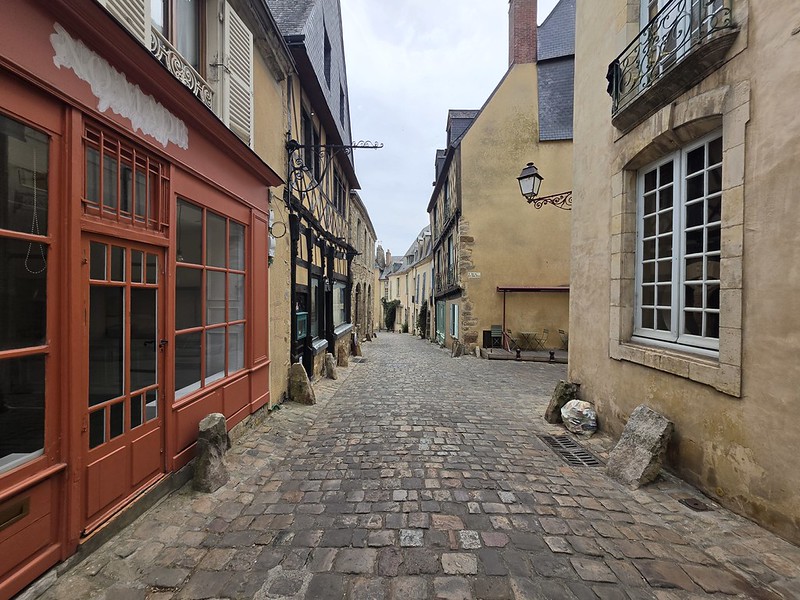
I arrived in Le Mans with very little knowledge about what was there, just knowing that there was a motor race that went on nearby at some stage during the year. It transpired that the real highlight for me was wandering through the remarkable Plantagenet City which is something of a survivor. This beautifully preserved medieval quarter is a maze of cobbled streets, half timbered houses, grand stone buildings and quiet squares, all enclosed by one of the finest collections of historic architecture in France. It’s of a decadence that I hadn’t anticipated and it was surprisingly quiet when I walked around, although it was very hot.
The district takes its name from the Plantagenet dynasty, which has strong links with Le Mans through Geoffrey Plantagenet, Count of Anjou, who married Matilda, daughter of King Henry I of England. Their son became Henry II of England, founding the Plantagenet royal house that ruled England for more than three centuries. Although the medieval streets predate the dynasty itself, the name reflects the city’s important place in the family’s history and its close historical connections with England.
Today, the Plantagenet City is one of the best preserved medieval centres in France, so this was something of a treat to meander around shortly after I arrived in Le Mans. Although I did have to sit in the cathedral, although more on which in another post, for nearly an hour to cool down. Medieval architecture is all very well, but when the temperature starts climbing into the mid-thirties, even my enthusiasm for wandering has its limits.
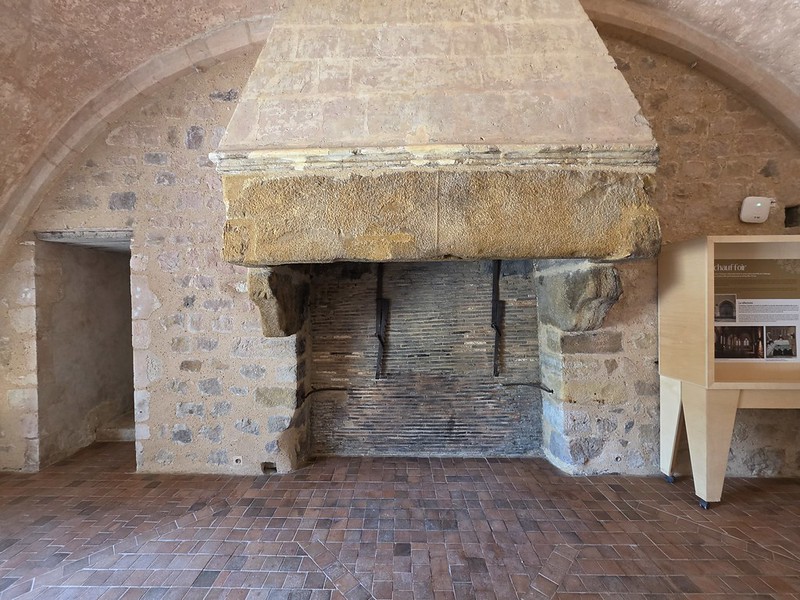
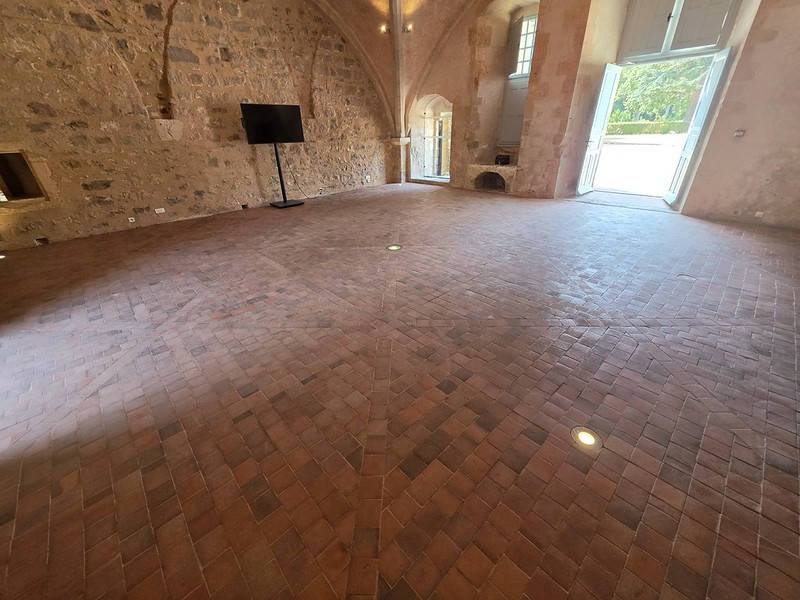
The calefactory, or warming room, was one of the more immediately appealing rooms at the Royal Abbey of l’Épau, largely because it contained something that would have been in relatively short supply elsewhere in the monastery, namely heat. This would normally have made it especially welcome, although when I visited Le Mans it was oppressively hot outside and the prospect of gathering around a large medieval fire had lost some of its charm. I think I have mentioned the heat already, so I shall resist documenting it further.
The room opens directly from the cloister and would have provided a practical refuge during the colder months. Its enormous fireplace dominates the space, with a broad hearth and a monumental stone hood projecting from the wall. The blackened interior shows that it once did rather more than merely provide an attractive architectural feature, although the fire was presumably managed with greater competence than I demonstrate whenever given responsibility for one.
The rest of the abbey was deliberately austere and largely unheated, in keeping with Cistercian ideals of simplicity and discipline. I suspect I would have coped reasonably well with that, as I am generally better with the cold than the heat. I might even have regarded the calefactory as unnecessarily decadent to be honest.
As an aside, the word ‘calefactory’ comes from the Late Latin ‘calefactorius’, meaning something with the power to warm or heat, itself derived from calefacere, ‘to make warm’. This combines calēre, meaning ‘to be warm’, with facere, ‘to make or do’, which is all rather neat.
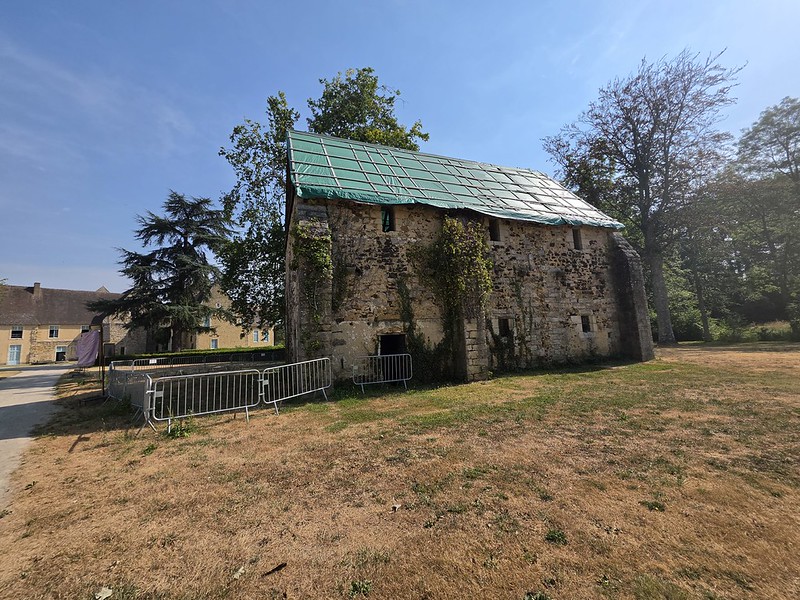
Not every building at the Royal Abbey of l’Épau was devoted to prayer, contemplation or the careful storage of books. The monks also required somewhere to keep the agricultural produce generated by the abbey’s estates, including cereals and wine, and this fifteenth-century building served as the cellar. It stands slightly apart from the main monastic complex, to the south of the former refectory range and close to what was once a fishpond. The ground floor provided a cool and secure space for produce, while an upper level increased the available storage. Its position away from the main abbey buildings would also have made it easier to bring in goods without carts, barrels and agricultural workers having to traipse through the cloisters.
As an aside, the French name for the building is ‘le cellier’, although this did not necessarily mean an underground cellar. The word comes from the Late Latin ‘cellarium’, meaning a store room for food and other provisions, and a French ‘cellier’ could be at ground level or stand separately from the main building. The English word “cellar” has the same origin, but later became more firmly associated with somewhere underground.
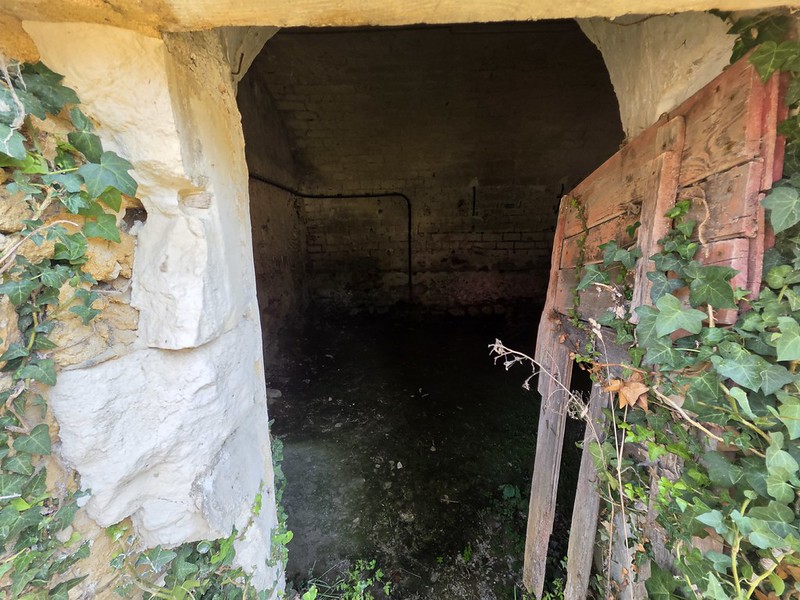
I was able to peer through the doorway into the lower room, although the darkness prevented a particularly comprehensive inspection. It nevertheless looked exactly as an old monastic cellar ought to look which was cool, gloomy and slightly damp. I rather like these administrative buildings, they are a reminder of how large the whole abbey operation would have been. I did think about trying to get in, but it was evident that this was positively discouraged and I was worried that there might be snakes inside. Historical curiosity has its limits.
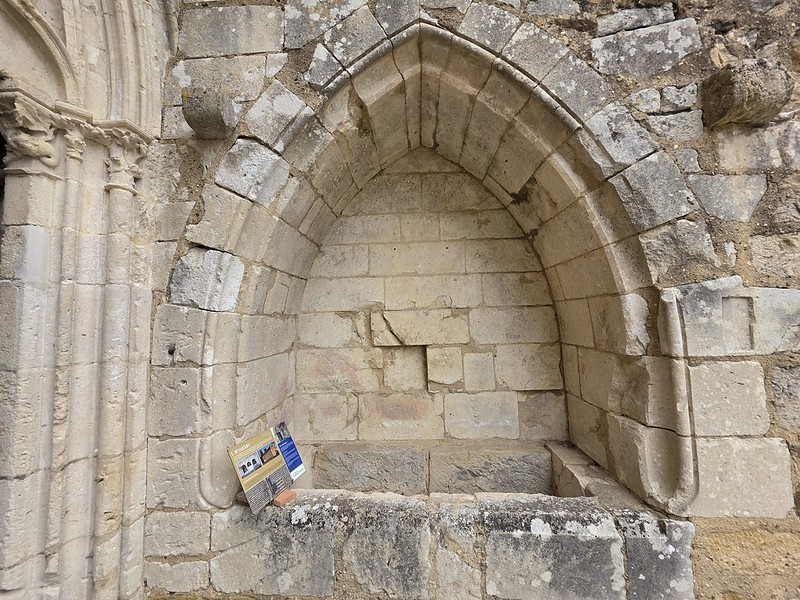
This rather modest arched recess in the cloisters at the Royal Abbey of l’Épau is effectively a cupboard, but far more exciting for me (I don’t get out much), it was a cupboard for storing books, better known as the abbey’s armarium. It was a handy location for the books to be stored whether for worship, study or some riveting evening reading. I like these little snapshots of abbey life, especially in a building where a lot of the details have been lost.
As for the word ‘armarium’, this is the Latin word for chest, cupboard or safe which is derived from the word ‘arma’ meaning tools, implements or weapons. And that’s where words such as armaments, army and the like come from.
Incidentally, I suspect that I would have needed a bigger book cupboard if I had been there at the time…..
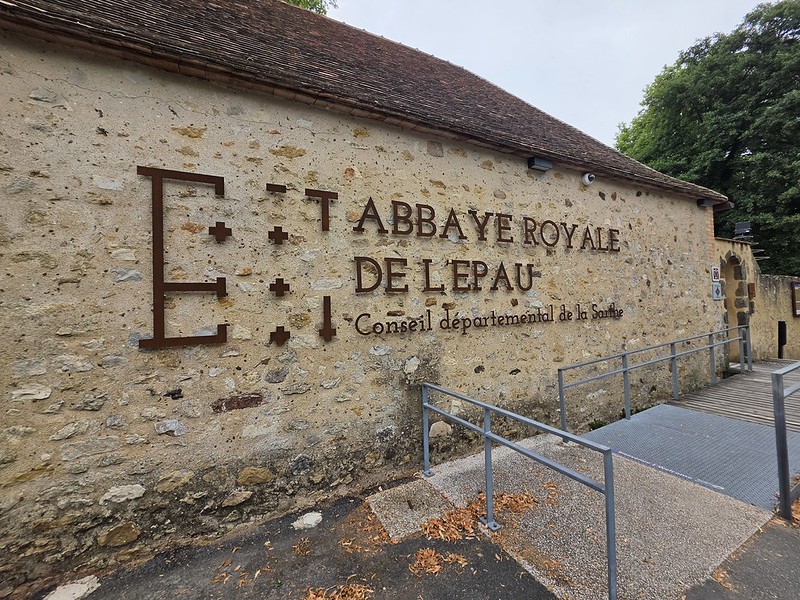
There will now follow, much to the delight of likely nearby no-one, a series of posts about the Royal Abbey of l’Épau, which was the highlight of my travels last week.
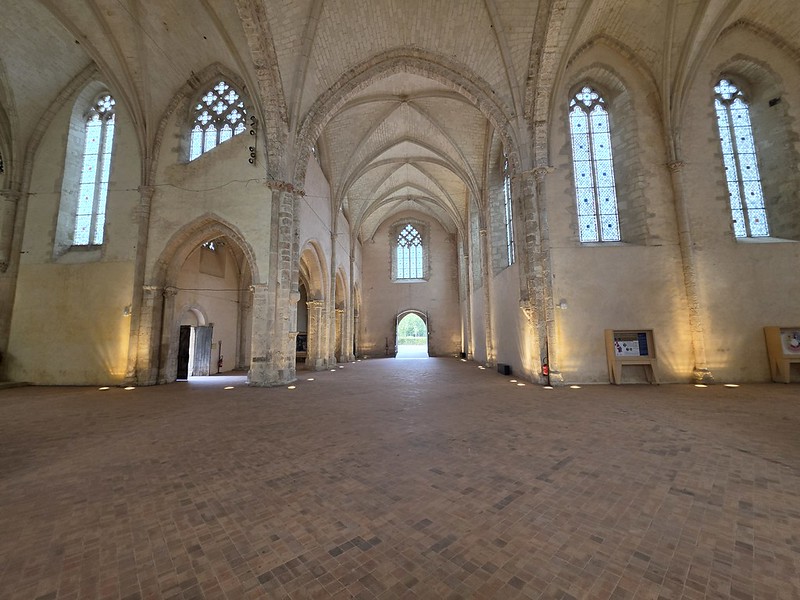
The Royal Abbey of l’Épau stands on the eastern edge of Le Mans and was founded in 1230 by Bérengère of Navarre, widow of Richard the Lionheart. Having settled in Le Mans after Richard’s death, she established the Cistercian monastery as both a religious foundation and her intended final resting place, although she died only months after the first stone was laid.
The first community consisted of twelve monks from Cîteaux, following the suitably austere Cistercian tradition in which unnecessary decoration, excessive comfort and cheerful clutter were all regarded with suspicion. I have some sympathy with their lack of interest in decadence and frivolity, it’s all rather over-rated. Bérengère was buried at the abbey, ensuring that she finally acquired a permanent connection with England’s royal history despite being the only English queen never actually to set foot in England. It felt most appropriate that I was visiting her tomb on the day that England were playing in the semi-finals of the World Cup because of the three lions link.
The abbey remained home to monks until the French Revolution, when it was sold as national property in 1791 and subsequently served as a laundry, farm and an agricultural store. It’s fair to say that it was not treated well during this period, these abbeys were not designed to be large sheds. But, at least the buildings weren’t demolished, although they were close to total destruction on numerous occasions. Indeed, it’s because the structure was rather handy as a large shed that they weren’t torn down.
British troops occupied the site during the First World War, while German forces used it as a vehicle garage during the Second World War, representing a particularly decisive departure from the original monastic rule. Things improved considerably after the Département de la Sarthe acquired the increasingly neglected complex in 1959 and began the extensive restoration that transformed it into one of the region’s principal historic and cultural sites.
Anyway, further examinations of the church, cloister, chapter house and Bérengère’s tomb will follow. At least it’ll keep me distracted for a while.
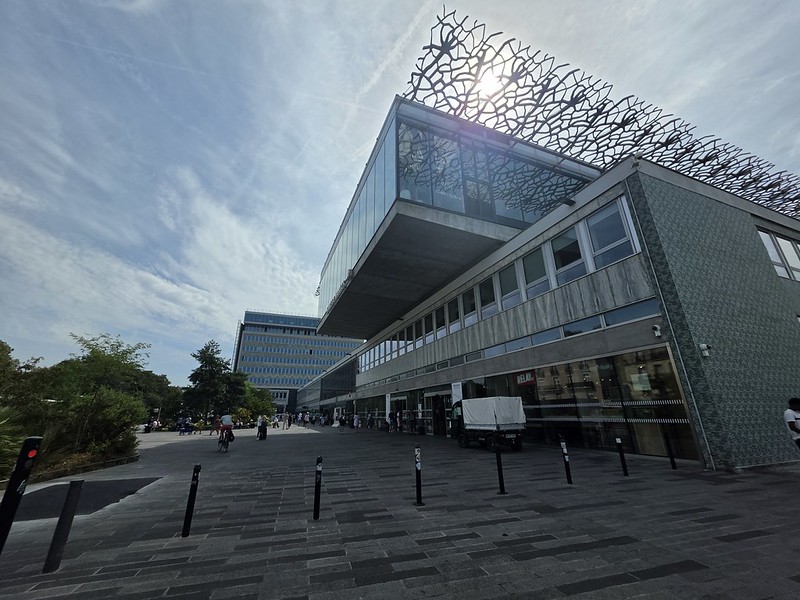
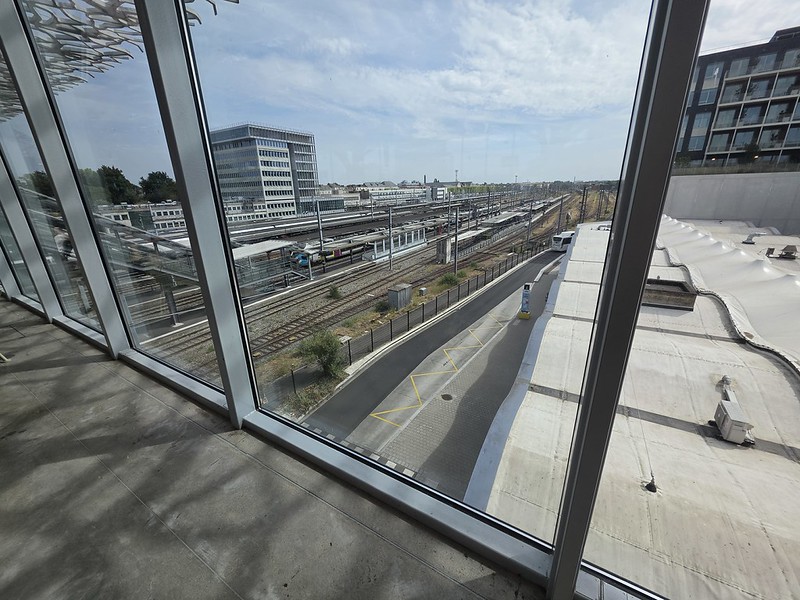
I meandered towards Gares de Nantes complaining to myself about the heat and preparing for my rail journey to Le Mans, the reasoning for all that is explained here. It’s a little odd as there are station buildings both sides of the tracks, although they’ve built a lovely new aerial walkway now to connect them together.
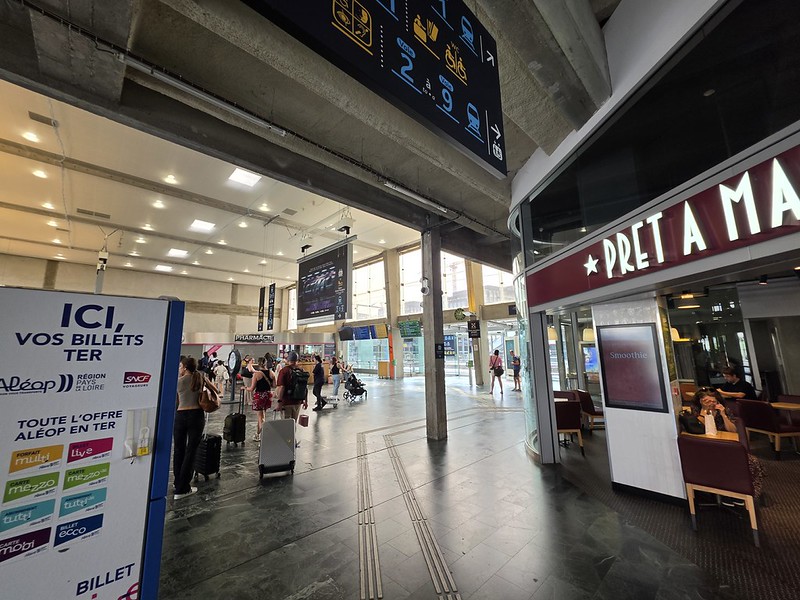
The station hall and I’m not entirely sure that I knew that there was a Pret a Manger in France, although I did know about the ones in Germany and the United States. It nevertheless provided a reassuringly familiar landmark, although I resisted buying a filter coffee as I already had enough thermal difficulties as it was.
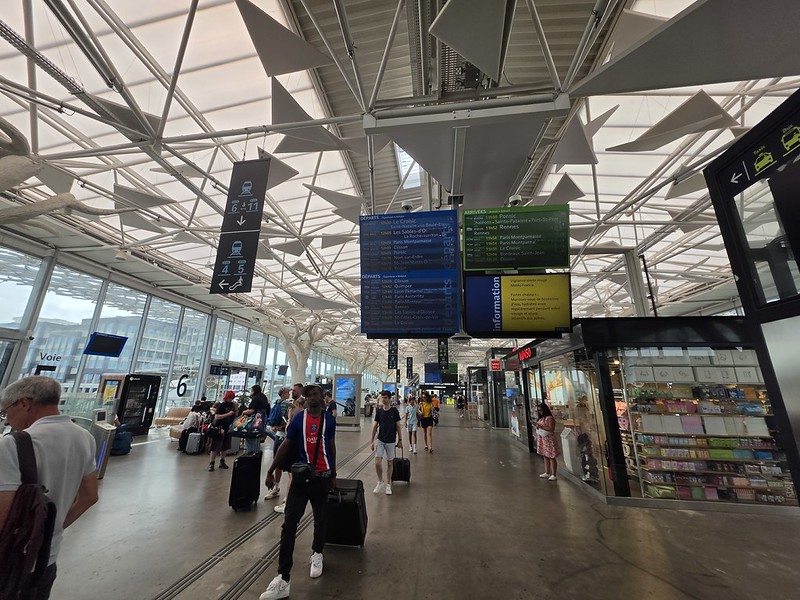
This is the aerial walkway over the platforms. The design is modern and open, but it also gave the railway station something of a heat problem. They’d effectively created a municipal greenhouse and, to be honest, I did find that arrangement a little sub-optimal.
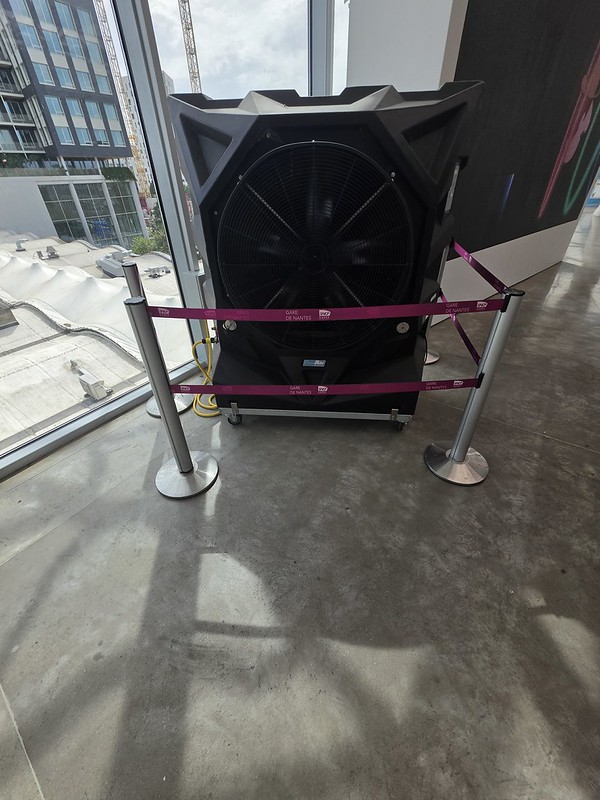
This heat problem was being resolved by having several of these dotted around the place and I enjoyed standing near to one of them to reduce my core body temperature to something that was compatible to continued life.
I took a photo of the railway tracks whilst I was standing in front of one of the fans.
I then went to the other part of the railway station as there was a Carrefour there, so I acquired a 1.5 litre bottle of Pulp, which is effectively their own brand cheap Orangina.
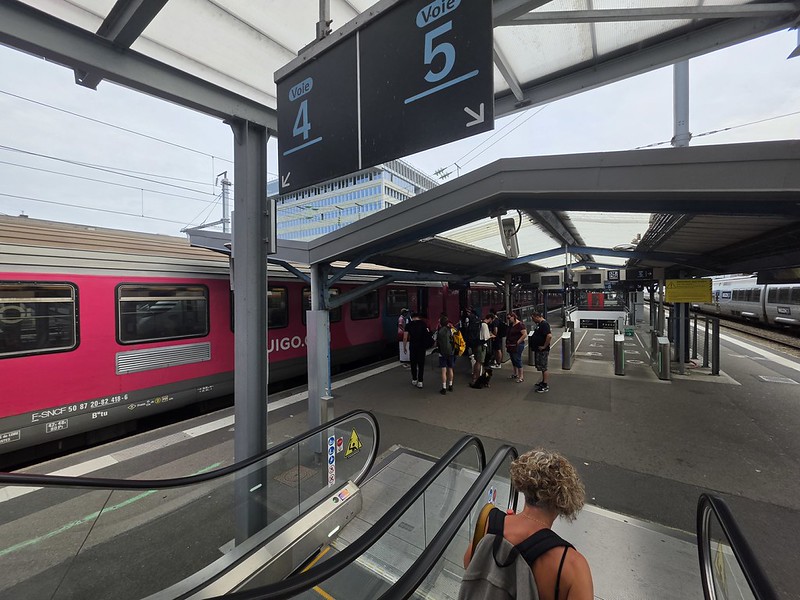
Down to the platforms and there were ticket barriers at the top of the escalators, but they were turned off and the staff were checking tickets before boarding.
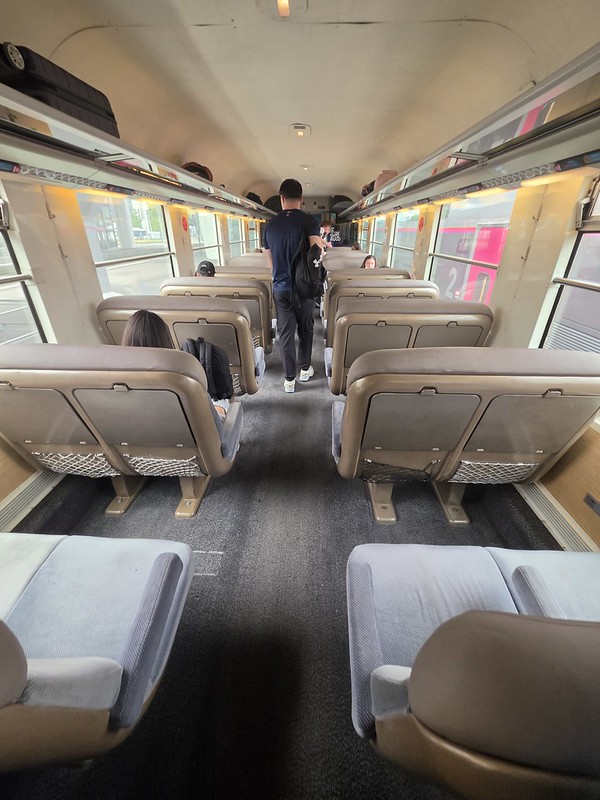
The train was relatively cheap, costing about £8 to get between Nantes and Le Mans. The service is operated by Ouigo classique trains and they’re using old SNCF Intercity trains to keep them in use and to have a lower price option. This train was going all the way to Paris and seat reservations, to my mild annoyance, were compulsory.
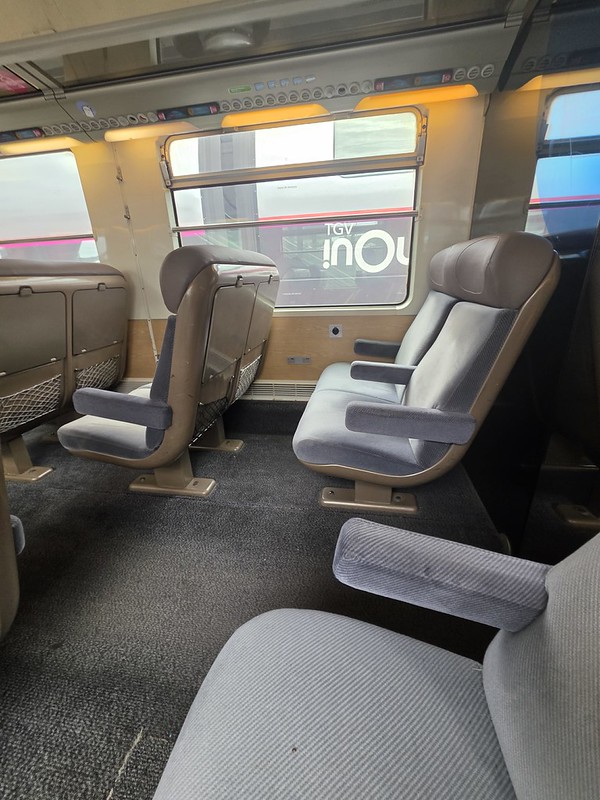
The trains were dated, but clean, although I prefer more upright seats in carriages. There were power points placed erratically down the carriage and one is visible on the other side, but I had to make do without any.
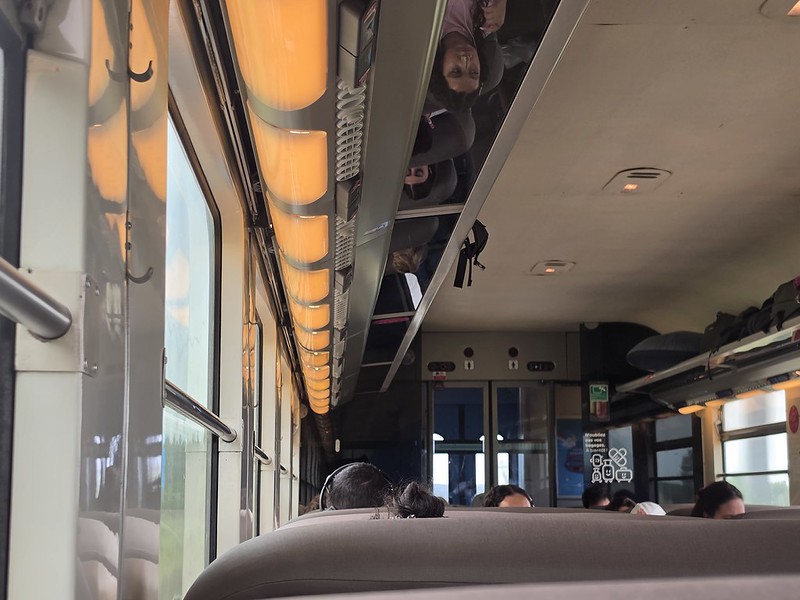
This carriage was literally the end of the train with nothing on the other side of that door at the rear. The temperature on board the train was moderate, not freezing cold as I would want, but also sufficiently cool that I wasn’t annoyed.
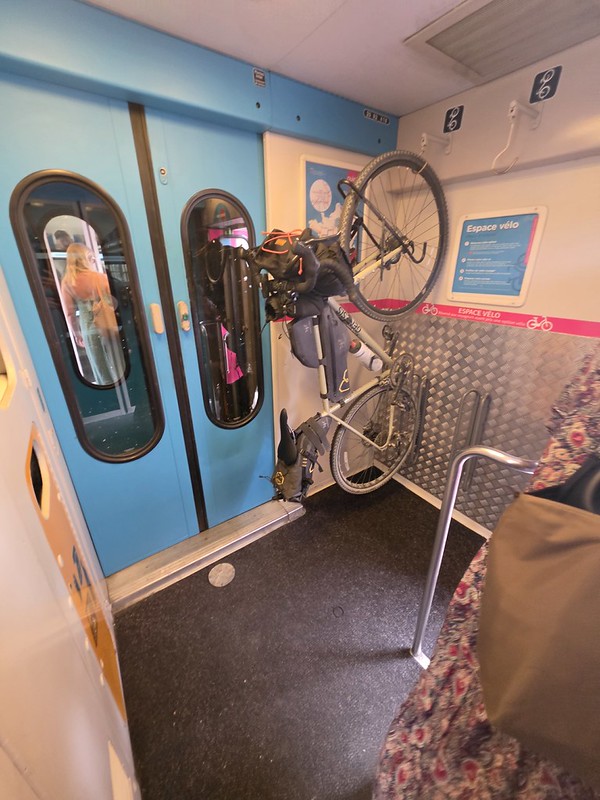
The bike storage facilities.
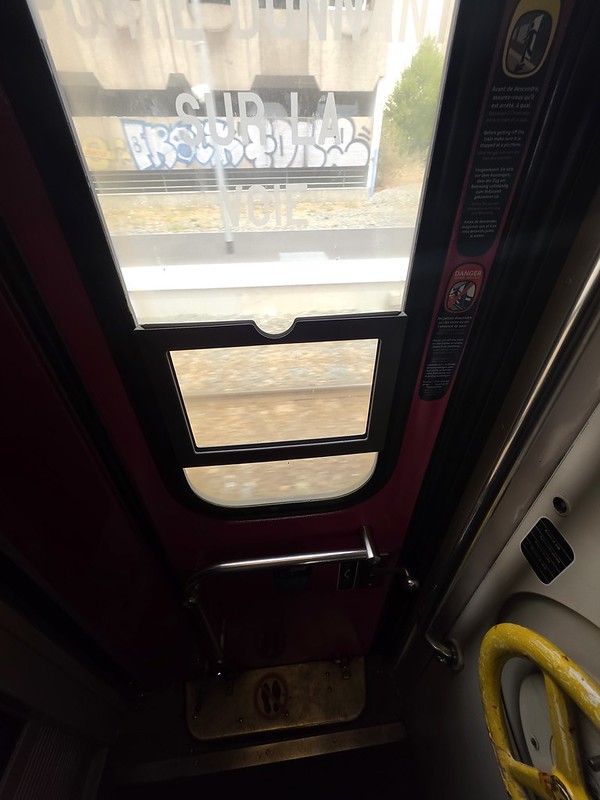
It seems almost archaic that in the UK until only a few years ago the trains from Norwich to London (and vice versa of course) could only be opened by lowering the window glass and then reaching out. The door handle here was on the inside, but passengers could roll down the window if they wanted. Incidentally, I was glad that another passenger opened the door and they struggled despite seemingly knowing what to do.
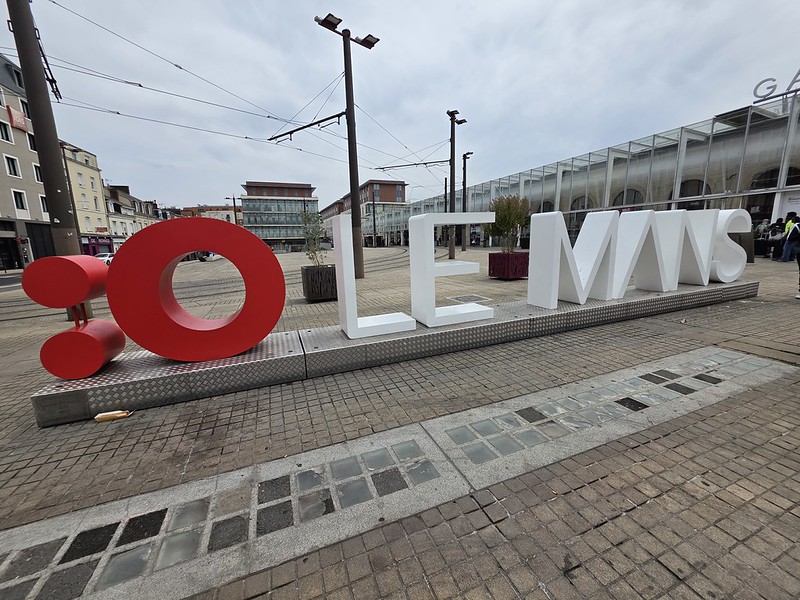
And safely into Le Mans. I felt that the service was keenly priced and sufficiently comfortable for the journey that I was making, but these trains are tired despite the modernisation that has been attempted on them. But, the journey went quickly, my phone coverage was strong throughout and I arrived on time.