Blog

  • Bratislava – Old Town Hall (Golden Rose Inn sign from 1719)

    Bratislava – Old Town Hall (Golden Rose Inn sign from 1719)

    20250628_113234

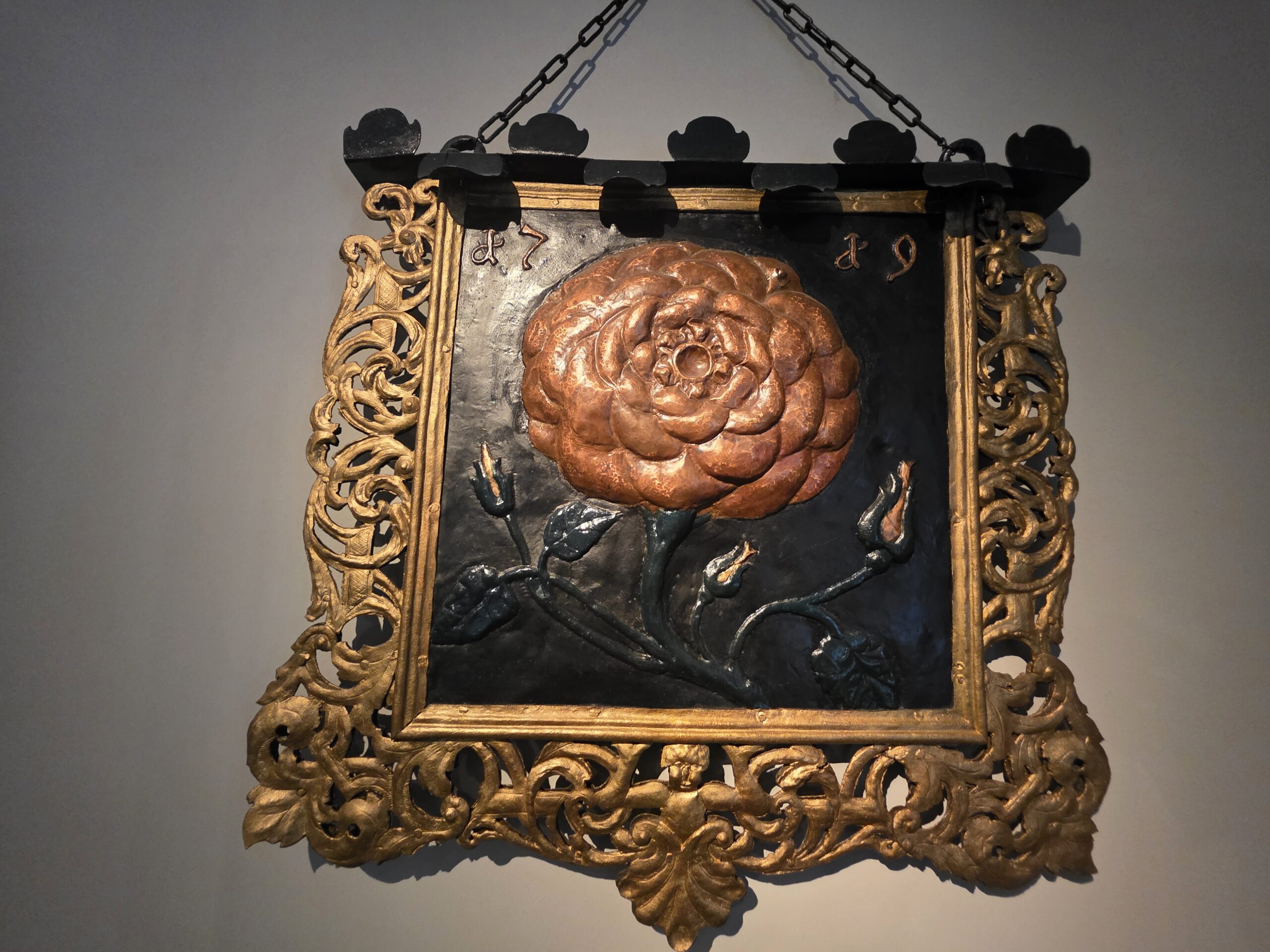
    It’s not often that you see a pub sign in a museum and assume, incorrectly, that it was designed last Thursday for a high-end florist with delusions of grandeur. Actually, seeing pub signs in museums outside of the UK isn’t something that I really see much of at all, especially when the sign is over 300 years old. But this one, the Golden Rose Inn sign, looks I think unnervingly modern (well, with a retro tinge of course) for something that dates from 1719. I might have even believed someone who told me it was a logo proposal for a craft beer bar in Shoreditch, although typing that has made me sad about the disappearance of Goose Island from the area. But I won’t digress.

    The pub sign is made from hammered iron, copper and bronze, and it once swung proudly over a pub on what’s now Jesenského Street in Bratislava, but which for a while was called Golden Rose street after the venue. The pub, of course, is long gone, but the sign has survived, improbably, through war, empire, revolution, regime change and, perhaps most dangerously, the temptation of being melted down during a metal shortage. That it’s still here at all feels a minor miracle, or at least the result of one very determined preservationist who didn’t want it ending up as part of a drainpipe.

    Pub signs themselves are a particularly enduring form of public communication, visual anchors in towns where literacy was never guaranteed but drinking always was. From Roman taverns with their bunches of grapes to medieval English inns hung with animals, crowns and celestial saints, these signs were never just decorative. They were wayfinders, storytellers and social cues, an invitation to step inside and forget the weather, taxes or whatever royal war was being waged that week.

    There’s something comforting in the idea that local residents in Bratislava would have walked under this sign and known exactly what it meant, namely warmth, rest, a drink, and probably the same gossip repeated for the fifth time that day (not that I associate pubs with gossip of course). And if nothing else, it proves that even in 1719, someone knew that branding mattered, as well as the need for a drink. I liked this sign because of what it represented, all really rather lovely.

  • Bratislava – Old Town Hall (Schützenscheiben – Queen Maria Ludovica from 1808)

    Bratislava – Old Town Hall (Schützenscheiben – Queen Maria Ludovica from 1808)

    20250628_112834

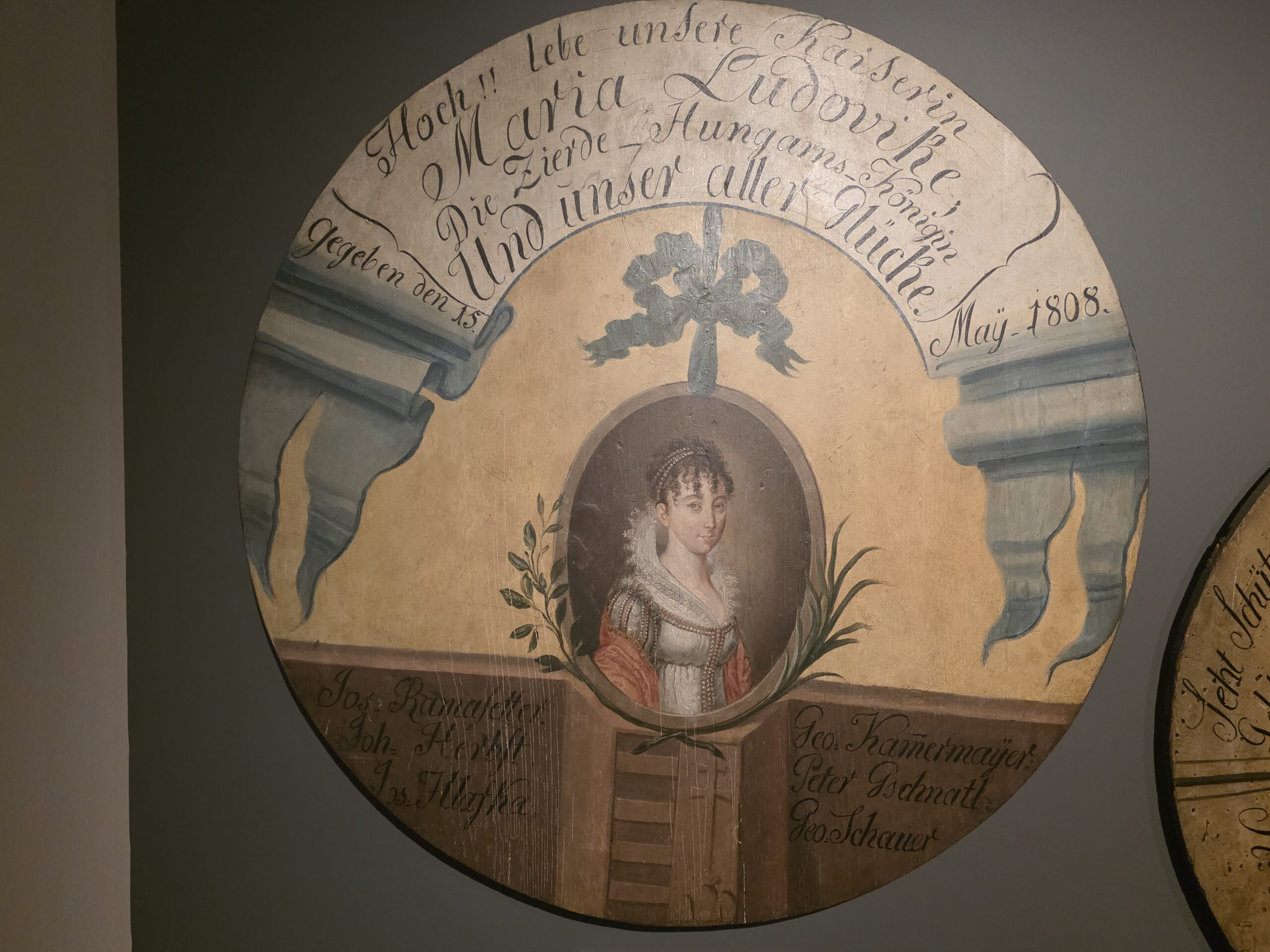
    This elegant wooden disc is a Schützenscheibe, which as my two loyal blog readers will now know, is a form of painted target used in traditional shooting competitions, a sort of festive invitation to take aim at a bit of imperial portraiture. In this case, the honour falls to Maria Ludovika (1787-1816) of Austria-Este, Queen of Hungary and Holy Roman Empress, depicted here in all her finery and dated May 1808. Nothing says “we love our monarch” like painting her onto a large wooden circle and then taking potshots at her from 30 paces.

    Maria Ludovika, for those not up to date on their early 19th-century Habsburg power players (and I’ve have had to faff about on Google as it’s not my strong point either), was the third wife of Emperor Francis II (later Francis I of Austria — same man, different empire). She was known for her political influence, strong anti-Napoleonic stance and, evidently, her ability to be immortalised on birchwood under a decorative ribbon and a hopeful branch of olive. The inscription rather helpfully proclaims her “the pride of Hungary” and “our greatest joy” which is precisely the kind of thing you say about someone you’re about to fire at respectfully with a musket.

    As some sort of claim to fame, she was the hostess of the Congress of Vienna in 1815, following Napoleon’s final defeat. Her health, however, had been deteriorating from 1809 due to tuberculosis. She died in Verona, Kingdom of Lombardy-Venetia on 7 April 1816 at the age of just 28. She is buried in the Imperial Crypt in Vienna and Maria Ludovika and Emperor Francis I had no children, but as he was married four times, he had successors ready and waiting.

    I rather liked the theatrical composition of it all and there are names of the good citizens responsible for commissioning at the bottom. This particular disc has survived remarkably well, with only a few signs of wear, suggesting either excellent preservation or slightly hesitant shooters. Another interesting little snapshot of what I would call the Germanic traditions of the early nineteenth century.

  • Trier – Flixbus

    Trier – Flixbus

    [I originally posted this in June 2018, but have reposted it to fix the broken image links]

    20180627_181126

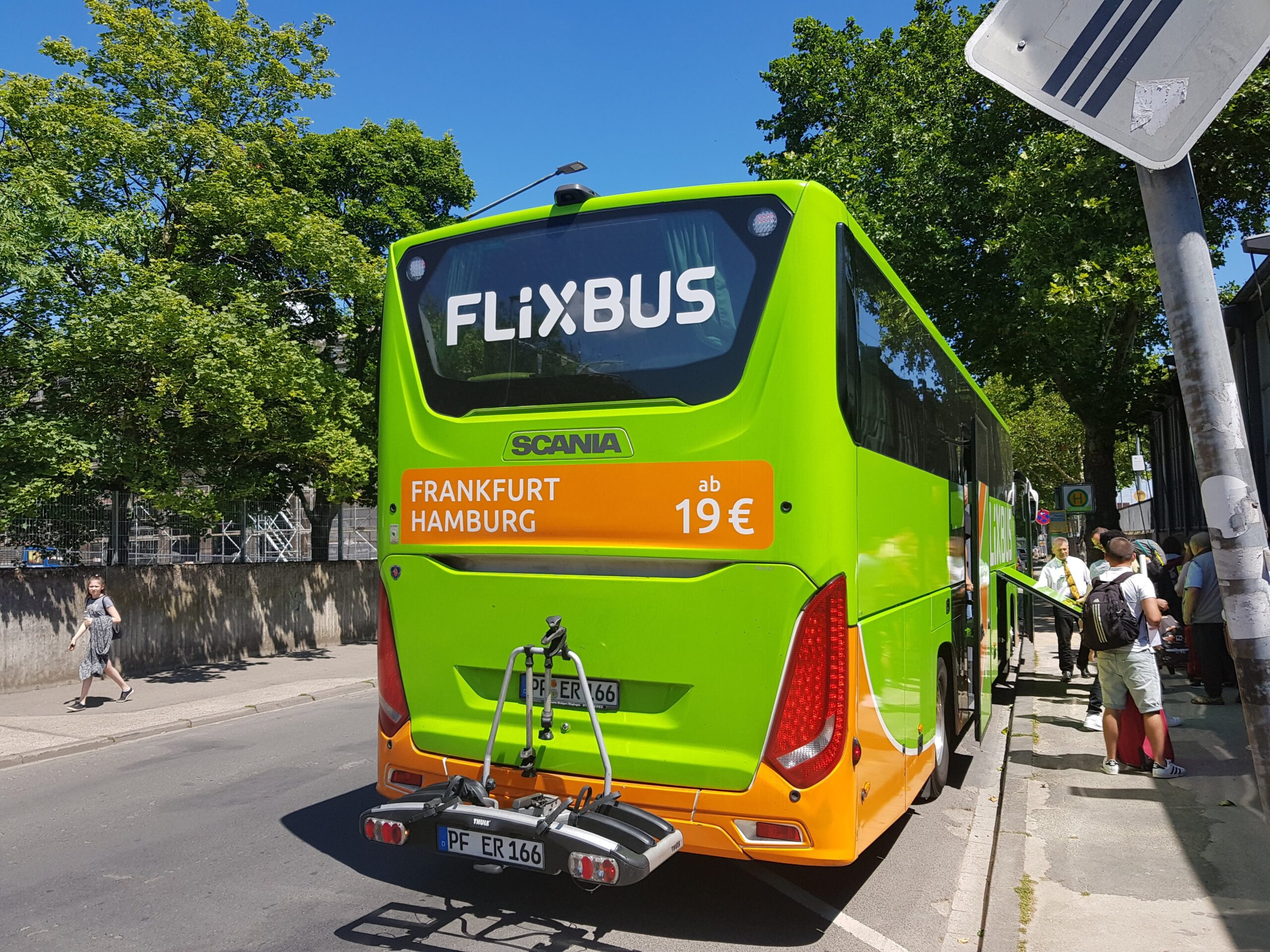
    On the same day I tried both Wizzair and Flixbus for the first time, breaking a habit from my usual budget options of Ryanair and the rail network. I’ve used Polskibus and Megabus many times before, although the former and the international routes of the latter are now part of Flixbus. I’ll do a review of Wizzair shortly, but I was suitably impressed and will use them in the future.

    I’ve heard many bad things about Flixbus, but then again, I’ve heard many bad things about Ryanair and Greyhound buses. It’s usually the case that the majority of people who leave reviews have negative experiences, so I pretty much ignored the poor reviews of Flixbus.

    As an advance note, I very rarely complain about public transport, usually it’s my confusion which causes issues. However, for this journey, the customer service wasn’t functioning as it should, so this whole splurge of text will sound a bit whingy and complainy.

    Anyway, back to the positives. The Flixbus bus network is exciting to me, it’s vast and spreads across Europe. The prices are very reasonable, so I was really hoping that this was an enjoyable experience, as I’d be very keen to explore more destinations using it.

    The web-site is well designed and it’s easy to find out routes and to find out the times of buses. The payment process was entirely broken though for me, or at least it was on my devices, as just before the final screen it reported a “system error” and returned me to the front page. However, I resolved this by switching to a mobile device, and that worked. I’m sure this bug has been fixed now, as I noticed a few complaints on-line at the time, and very little since.

    Undeterred, the first part of my journey was from Cologne to Trier, with a stop-over before going from Trier to Luxembourg. The first bus was around 20 minutes late, but I liked the automated update on the app and by e-mail, so I was happy that I knew where the bus was. I couldn’t find a coach tracking facility, but this update via the app and by e-mail was really useful, and it’s one of the best I’ve seen from a coach operator.

    20180627_095759

    My first thoughts about Flixbus started to get just a little negative when I saw the driving of another one of their coaches. The driver turned into Cologne airport bus station and then stopped in a random place. blocking everyone else. He then stood outside of the bus on his phone whilst taxis sounded their horns and struggled to get by. Eventually another Flixbus turns up behind him and since that’s now blocked, the driver of the bus gets off, says something to the first Flixbus driver, and he finally moves. All is well again.

    So, ignoring that, the bus pulls up right to where I’m standing, as I consider myself excellent at judging this. This made me very pleased with the driver, and I’m confident that we’ll have a rapport based on my being very pleased at where he stopped.

    The driver’s customer service though was simply inadequate, and the way he spoke to some American passengers was unacceptable to me. I take offence on behalf of other people more readily than I take offence myself, I’ll never understand why…. The Americans call him an idiot, the driver doesn’t hear, so again, all is well.

    I’m always very conscious that there’s a language barrier here, but the driver’s lack of engagement, lack of smiles and general lack of interest caused more confusion than understanding. It was a shoddy piece of service, and my impressions of Flixbus were dented. However, I’m conscious that the driver had probably had a long drive and perhaps had other things on his mind, so I didn’t want one thing to damage my perceptions of the brand.

    The coach itself was much better, the seats were clean, functional and all of the power points worked. The bus could have done with an information card to help passengers understand that the driver sold drinks, etc, but there was nothing in the seat pockets to explain the entire service. The driver did though play a pre-recorded announcement which gave the appropriate safety information.

    20180627_124303

    The bus arrived into Trier on time, and I liked how the driver explained that passengers staying on had 25 minutes in the city. He mentioned where the toilets and cafe were, and I liked that he gave that information in a clear and concise manner. The driver’s driving was fine and the views of Bonn and the countryside en route were rather lovely. This is one of the advantages of travelling by coach, it can sometimes (although obviously not always) offer much better views than would be possible by rail.

    Anyway, after my few hours in Trier, I returned to the same point to catch the next Flixbus to Luxembourg. I was aware that the coach was an hour late, as again there were updates on the e-mail and on the app.  I’d far rather the driver was late than felt forced to rush to meet deadlines, so the wait didn’t matter. The facilities at the bus stop were limited, well, limited to the fact there weren’t any. But, I’m used to that with Greyhound (although they seem to be investing in new coach stations), Megabus, and just about every other low fare long distance coach company. Low fares means that the coach operators don’t use the premium coach stations in many cases, but that’s all fine because of that reasonable pricing.

    There was a board at the bus stop which gave the stopping times of all of the Flixbus services. This is often simply not there with other operators, and it’s confusing for customers who aren’t sure where to stand. But Flixbus seemed to do this well, there’s been some investment in information boards to ensure customers know that they’re in the right place.

    The coach pulls up an hour late, which was exactly as the app suggested. There were two staff members and they appeared to be engaging and helpful, so my impressions were quite positive. Well, until it was clear that they were being engaging and helpful to four female customers. It was a muddled piece of customer service as these four didn’t have tickets, so it would have seemed best to board those who did. However, they didn’t, but such is life.

    So, I’m waiting quite excitedly to board with my ticket showing on my phone. I held it out and smiled in the hope that the driver might be happier than the last one. He did appear mildly happier but he then told me that my ticket was wrong and I needed the next bus. I queried this with the other staff member, who said that the next bus would be here soon. I thought this was a particularly impressive piece of intuition as neither felt it necessary to look at the ticket I had held out.

    I decided that this wasn’t an ideal situation as I was sure that this was the right bus. The driver said that he didn’t go to Luxembourg, which was where I was heading, and that the next bus did. However, the bus had Luxembourg on the front of it, so I was pretty confident that he did go there. I double checked the route number and it was quite clear that I did have the right coach.

    Anyway, I put it down to a translation issue and explained again that I had the ticket on my phone. The staff member didn’t believe me and decided to show me the passenger manifest on his phone as evidence that I had the wrong ticket. The passenger manifest had my name on it. The driver let me on.

    To be fair again to Flixbus, the service into Luxembourg was timely, well driven and comfortable. The power sockets worked again, the temperature was appropriate and the interior was clean. The driving seemed safe and we arrived into Luxembourg at the time I had expected, given that the coach came in an hour late. I didn’t use the wi-fi, but I heard another customer say that they thought that the connection was fast, so I’m sure that it was fine.

    20180627_174823

    20180627_174834

    I found that there was one information card in a seat pocket on the coach, and this was surprisingly well laid out. I wasn’t sure that I’d be leaving the driver a tip as the card suggested, but it was written in an informal manner which gave the appropriate information.

    20180627_174903
    The professionally printed information card informs customers that coffee costs €1.50. The rather less professional signage on the bus suggests that it’s €2.50.

    So, overall, the service is entirely usable for passengers, as it’s clean, comfortable and the infra-structure seems well managed. However, the infra-structure is that of a centralised set-up from Flixbus, whereas the actual driving is franchised out to local coach companies. Which is clearly leading to all manner of issues.

    My biggest disappointment is that I was a very big fan of Polskibus, I thought that they were world class and their pricing was excellent. Their drivers were, in my experience, happy, helpful and keen to engage when they could. However, Flixbus have taken over Polskibus, and I fear that they will decimate it and their excellent customer service.

    So, would I use Flixbus again? No. I’ve learned my lesson, I’m going to revert to travelling by rail and plane again, I feel safer with those. I’ve had some excellent experiences with rail in Europe over the last few years, such as the Polish rail conductor who last week showed me across the railway station to ensure I caught the right train.

    Although having said (written) that, Flixbus also operate a parallel service, conveniently called FlixTrain which is an open access operator. For all manner of reasons I think that’s exciting and appealing, so I might perhaps try their rail services in the future.

  • Bratislava – Old Town Hall (Schützenscheiben – Ferdinand V from 1830)

    Bratislava – Old Town Hall (Schützenscheiben – Ferdinand V from 1830)

    20250628_112804

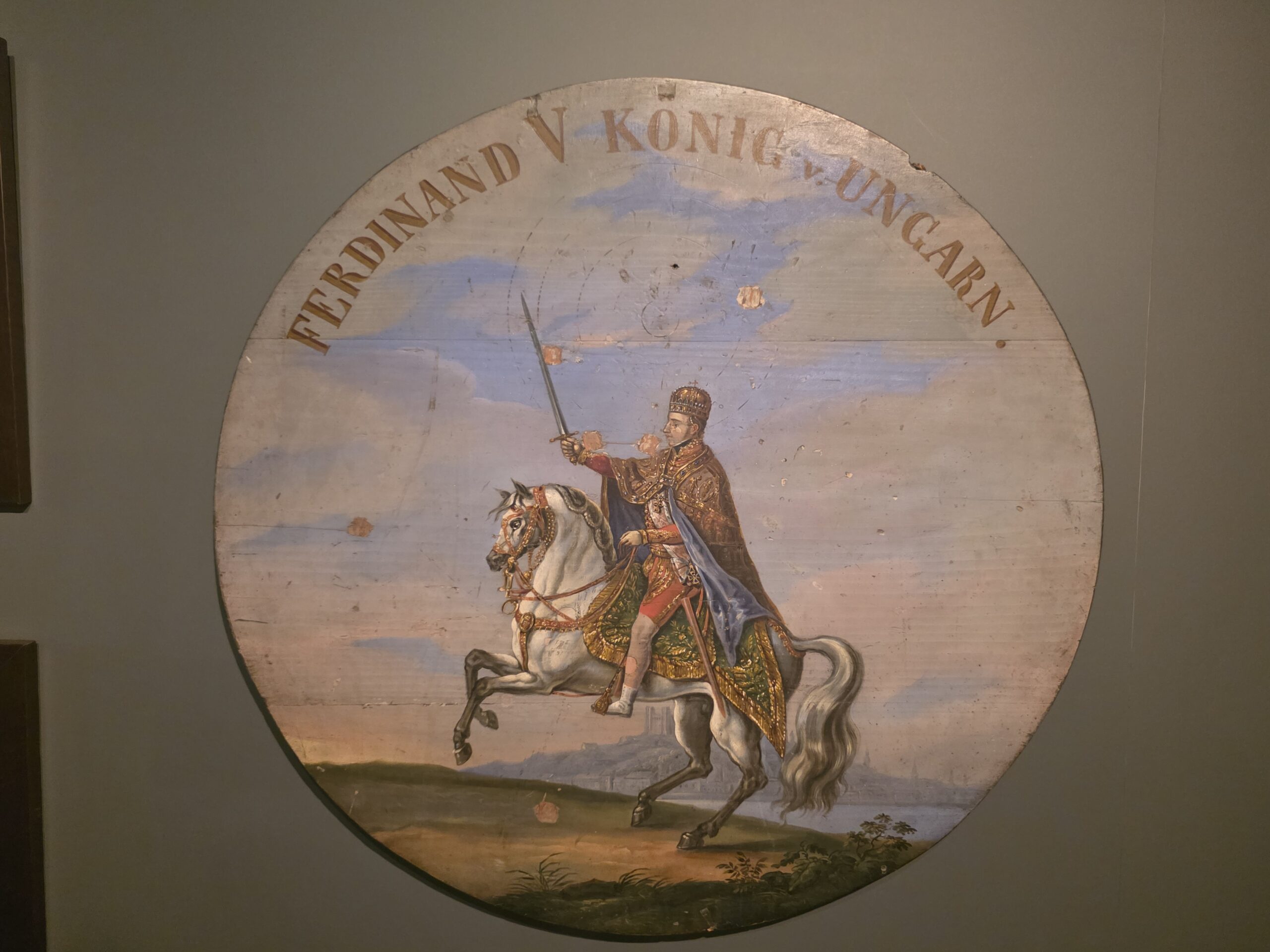
    This rather bold bit of decorative violence is a Schützenscheibe, a painted shooting target, and this blog might be featuring a fair few of these. This one features Ferdinand V (1793-1875), King of Hungary, looking thoroughly regal while charging into battle atop a very well-behaved horse. The date is 1830, when he was crowned in Bratislava (or Pressburg, depending on how much imperial nostalgia you’re feeling), and this object captures the solemn majesty of that moment, shortly before someone presumably tried to shoot it in the face. I was quite engaging with these targets, although that will likely become obvious to my two loyal blog readers when they see how many more there are.

    The Schützenscheibe tradition was a peculiar mix of patriotic enthusiasm and marksmanship, whereby people celebrated important figures or events by painting them onto wooden discs and then proceeding to fire projectiles at them. It’s not quite a state portrait, more of a royal rendering with optional bullet holes, but as ever, I rather liked it. Ferdinand V is doing his best “imperial grandeur” pose here and he’s wearing the Hungarian Crown of St. Stephen, because nothing says “shoot me here” like a giant jewel-encrusted hat. The whole thing is painted with surprising finesse, especially considering its fate involved standing at the end of a rifle range.

    There aren’t many holes in this one, so perhaps it was either just not used or the shooters were a bit inept. Ferdinand V, not content with being the King of Hungary, also became the Emperor of Austria in 1835. He abdicated from the Austrian throne in 1848, but he remained the King of Hungary as there was no way of abdicating from that. As a leader he was well-meaning and hopeless (I simplify things there quite a lot) but he’s an interesting character.

  • Bratislava – Old Town Hall (Eighteenth Century Map of the City)

    Bratislava – Old Town Hall (Eighteenth Century Map of the City)

    20250628_105608

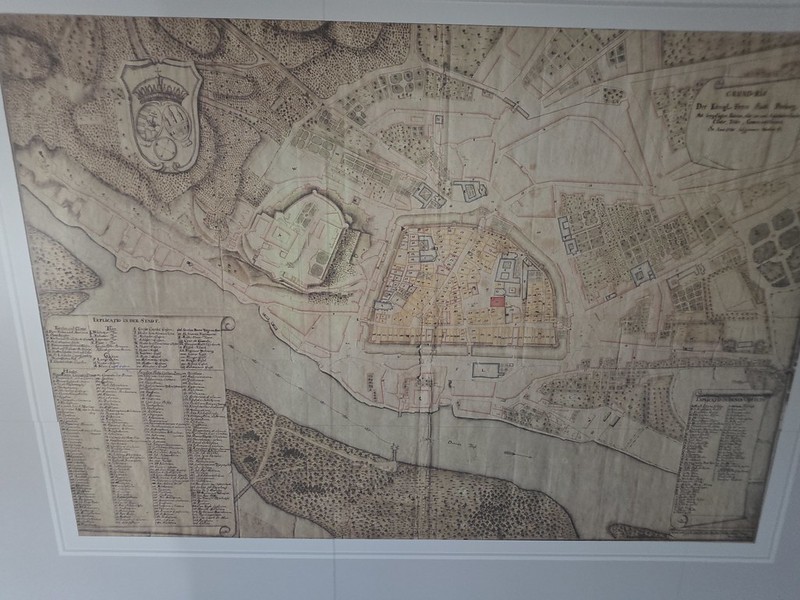
    This is a rather decadent old map of Bratislava, or Pressburg, or Pozsony, depending on how many empires you’ve been through and how particular you are about historical cartography. It shows the city sometime in the middle of the 18th century, back when people still called Austria-Hungary a good idea and maps were beautifully hand-drawn works of art rather than something you angrily pinch-zoom on while lost in a car park. It is a thing of beauty and the level of detail in the whole arrangement is high.

    20250628_105614

    What we’ve got here is a proper Grundriss, a ground plan, the sort of thing a Habsburg official would have unfurled dramatically in a candlelit war room while saying things like “we must reinforce the bastion” and “who authorised this delightful fountain?” This large fortified lump on the left is Bratislava Castle, looking satisfyingly blocky and formidable, perched up on its hill like it’s judging the rest of the city for not being quite as symmetrical. But, the history of Bratislava has been for a long time the fortified heart and then the neighbouring castle arrangement.

    20250628_105611

    I’m not suggesting that it’s a map to navigate by today, but the main street layout of the central fortified area hasn’t really changed that much. It’s a beautiful snapshot in time of a medieval walled city, albeit with many later redevelopments, not long before all the city walls were pulled down on the orders of Empress Maria Theresa in 1775. Although it was likely a sensible idea in terms of giving more space to the city and the threat of the Ottomans had somewhat diminished, it’s always just a little sad I think for a city to have lost its walls.

  • Bratislava – Bratislava Transport Museum (1968 Velorex)

    Bratislava – Bratislava Transport Museum (1968 Velorex)

    20250626_100958

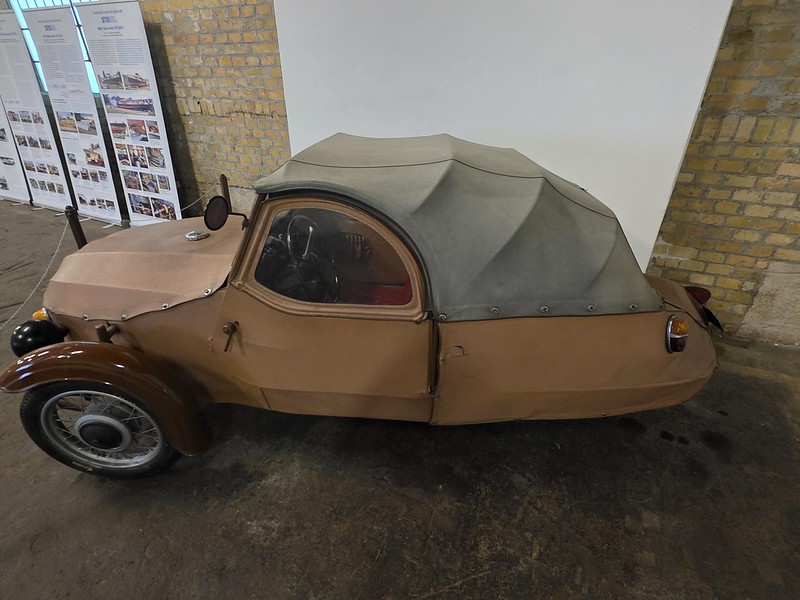
    This gloriously odd little machine is a Velorex from 1968, the Czechoslovakian solution to the question no one had asked “What if a car was made out of curtains?” Built from the late 1940s into the 1970s, it’s the vehicular equivalent of a determined shed because who needs crumple zones when you can just unzip your way out? This particular model is a Velorex Oskar 16/350, although the differences between versions were usually marginal and often depended on which bit of canvas hadn’t fallen off yet. The top speed was technically 85 kph with its motorcycle engine, but I suspect only achievable with a tailwind, a steep downhill slope and a complete disregard for mortality.

    What I rather liked, though, is how much design effort went into something that has the aerodynamics of a bread bin. The folded roof looks like it was borrowed from a military tent, and the door opens with all the structural confidence of a marquee flap. But I imagine that it works. It’s functional, minimal, and rather decadent in its refusal to pretend it’s anything other than a very determined mobility aid. But yet, a lot of people wanted these and demand outstripped supply for years.

    The Velorex was originally aimed at people with disabilities and what’s rather lovely is that this one has survived at all. Many were driven into the ground or abandoned when actual metal-bodied cars became affordable. But someone clearly saw enough charm in this canvas cocoon to wheel it into a museum rather than roll it quietly into a ditch. And rightly so. It’s an honest little thing, unpretentious, slightly ridiculous and all the better for it. It’s not a major exhibit here as it’s sat quietly off to the side, with the kind of modesty that suggests it knows it is playing second fiddle to the museum’s fine collection of Skodas.

  • Trier – St. Anthony’s Church

    Trier – St. Anthony’s Church

    [I originally posted this in June 2018 but have reposted it to fix some broken image links. There is now more information about this church online….]

    20180627_134531

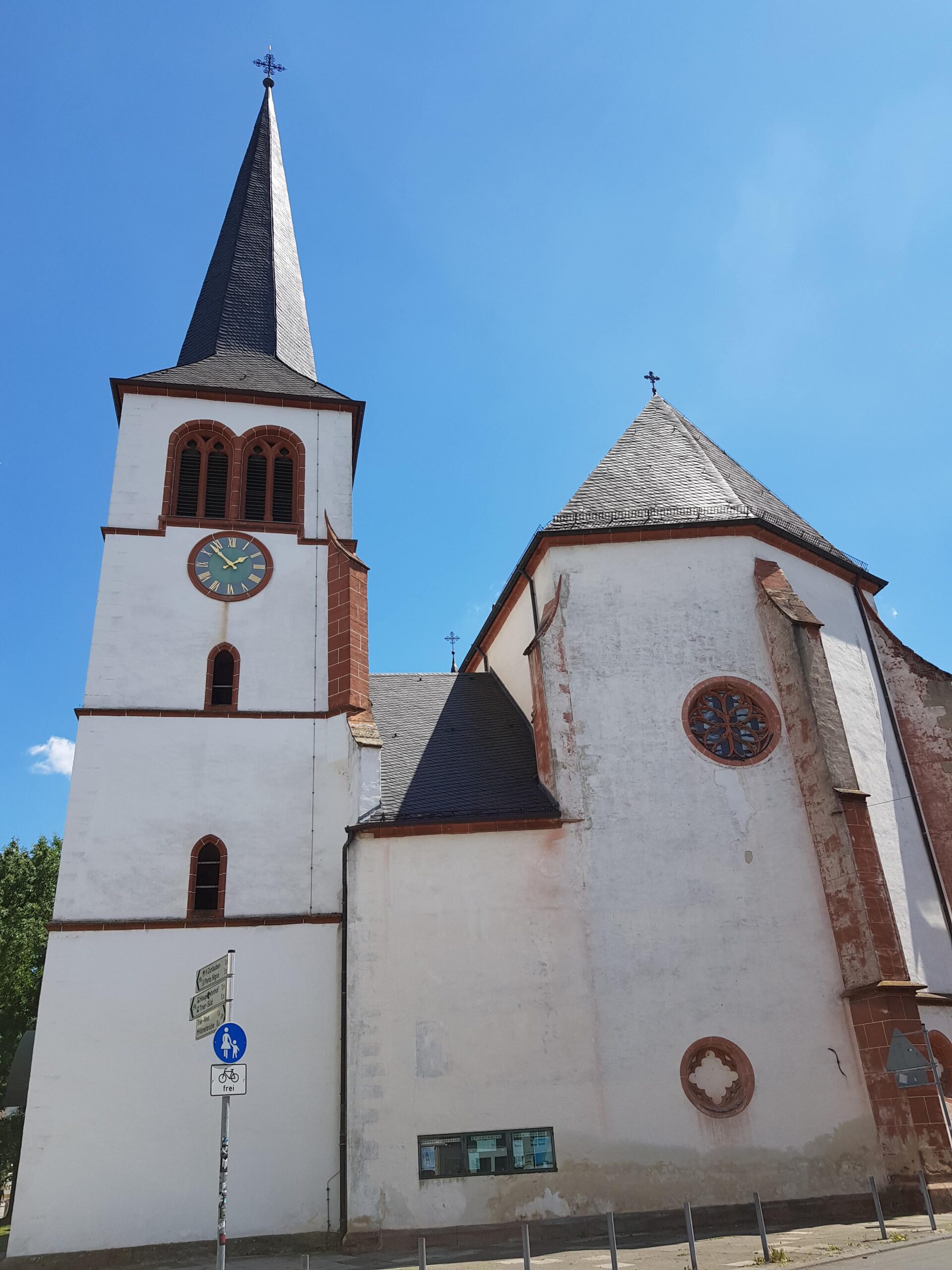
    This church was a little bit of a mystery, as it was marked as either not existing on Google or as closed on some other sites. TripAdvisor reviews also suggested that the church was closed outside of mass times, and so visiting it seemed rather unlikely.

    There was a sign outside saying that visits were possible at mass, but since access seemed possible I did what Jonathan would do and wandered on in. Since I didn’t see anyone during my visit, I wasn’t quite sure what their intentions were, but the doors were lodged open, so I’m sure it was meant to be open.

    20180627_135322

    I couldn’t find out much about this church’s construction, but from the side it looked like there have been numerous extensions over the years. Indeed, I can’t really post much of interest at all about this church given the lack of information that I’ve found….

    20180627_134703

    The beautiful nave. I’m still puzzled as to how little information there is about this church on-line, but there were two photos inside the church which show how ornate the interior was before the Second World War, and how plain it was afterwards. So, I can only assume that it suffered serious bomb damage during the conflict.

    20180627_134729

    The rather ornate pulpit.

    20180627_134715

    Sculptures around the walls of the nave.

    20180627_134734

    The organ at the rear of the church.

    20180627_135243

    These were inside the main door of the church, with most of the individuals (although not all) having died during the war. One day I’ll work out more about this church….

  • Bratislava – Old Town Hall (Stained Glass from St. Martin’s Church)

    Bratislava – Old Town Hall (Stained Glass from St. Martin’s Church)

    20250628_105132

    20250628_105136

    20250628_105140

    20250628_105143

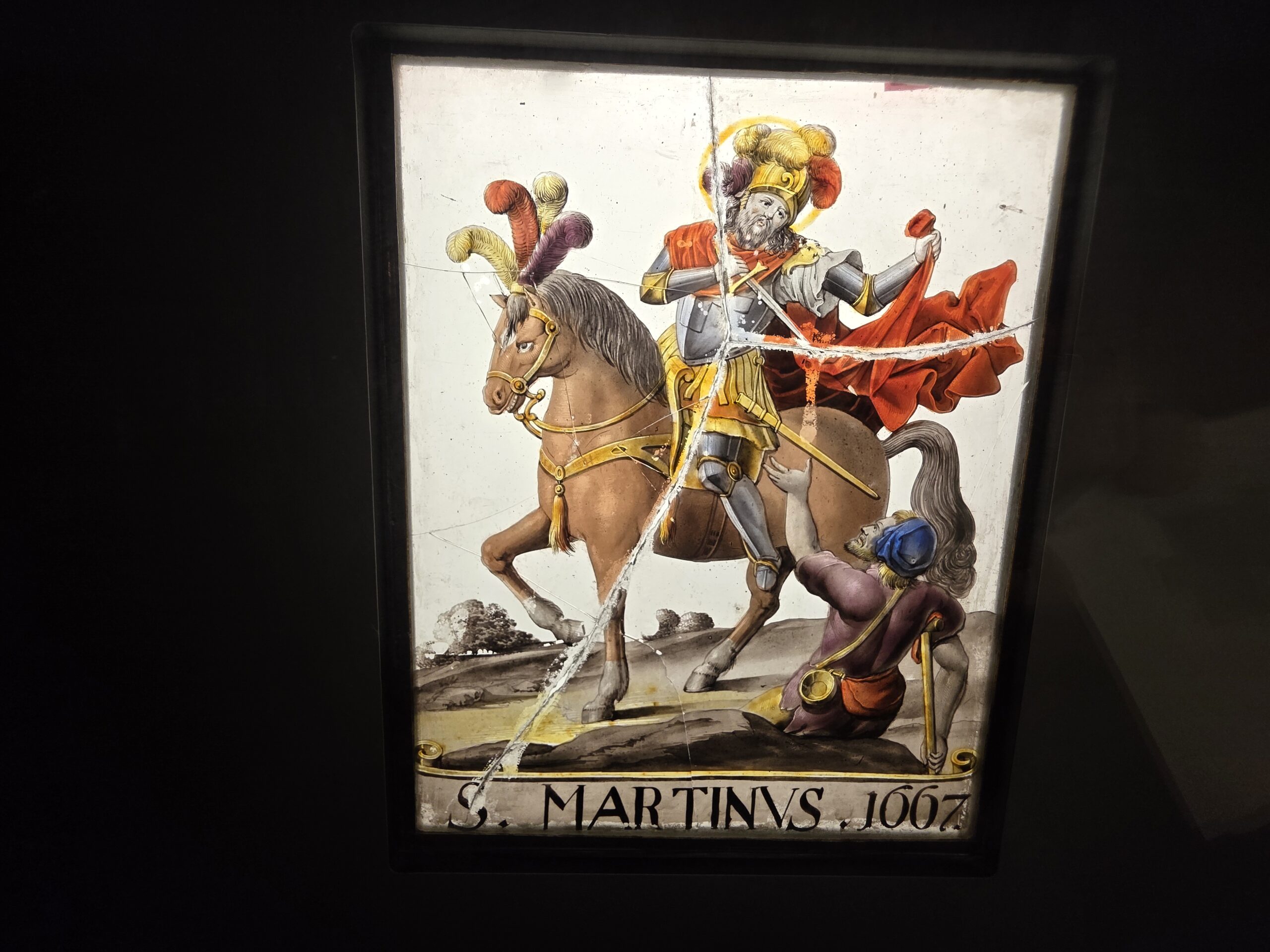
    The museum seems rather proud to have these four pieces of stained glass which were located in St. Martin’s Cathedral in the city. The stained glass dates from 1667 and it was donated by Johann Glitzer, a master hatter and they were originally located in the second window of the northern wall of the shrine in the Cathedral. However, in the first half of the eighteenth century they were removed as George Rafael Donner was leading a reconstruction of the Chapel of St. John the Almoner in a Baroque style. That meant out went Glitzer’s gift.

    This Baroque chapel was in itself fortunate to survive as tastes changed and the whole cathedral was made to look Gothic in the nineteenth century, but they kept the chapel’s decorative features. It’s not a major exhibit in the museum, but the quality of the stained glass is high and I do like that a decision was made to keep it rather than just chuck it in some skip (or whatever the early eighteenth century equivalent was).

  • Bratislava – Bratislava Transport Museum (Skoda Octavia)

    Bratislava – Bratislava Transport Museum (Skoda Octavia)

    20250626_105202

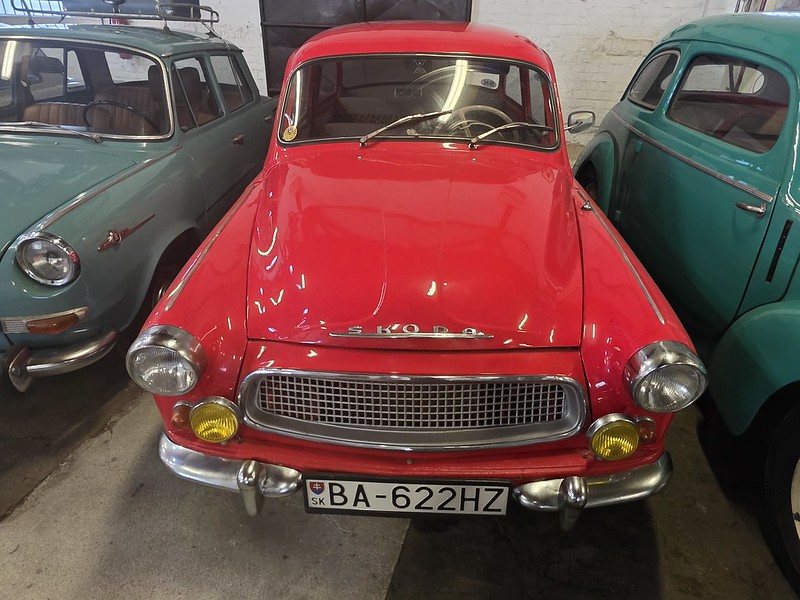
    This charming red contraption is a Škoda Octavia which has Bluetooth and crumple zones, and it’s not to be confused with the modern Škoda Octavia, which has Bluetooth and crumple zones, this version has neither, but it does have style, presence and just enough horsepower to make it to the end of your street if the wind is kind. Manufactured from 1959 until 1971, this was Škoda’s eighth post-war model, hence the name ‘Octavia’ which they presumably thought sounded rather decadent. And in fairness, for something made in a command economy, it’s rather swish.

    Power came from a 1.1 or 1.2 litre engine that produced around 40 horsepower, although that’s ‘horsepower’ in the same loose way that instant coffee is ‘coffee.’ It would get up to about 110 km/h if you were being brave, had a clear road, and said your goodbyes before setting off. The rear-wheel drive setup meant that in the right conditions, by which I primarily mean snow, you could probably get a bit of sideways action, or at least an elegant pirouette into a ditch.

    This particular example is in glorious postbox red, nestled confidently between a few other Czechoslovakian classics in the museum. I rather liked it. It has that Cold War chic that’s now swung firmly into the territory of retro-cool. The kind of car you’d drive ironically until you realised you’d accidentally grown fond of it. It doesn’t whisper luxury, it mutters durability and it doesn’t demand attention, it earns it. And unlike most modern cars, it could probably survive a mild nuclear event with only cosmetic damage…..

  • Trier – Porta Nigra

    Trier – Porta Nigra

    [I originally posted this in June 2018, but have reposted it to fix some broken image links]

    20180627_125719

    [Since writing this I came back to take a look inside the structure]

    Porta Nigra (meaning Black Gate) looks a little like a burnt out Second World War building, but is actually a Roman gate, and one of the largest in northern Europe. It was originally constructed in around the second century AD, although it fell into disuse when the Romans left.

    The name of the gate comes from the blackness of the stone, although this wasn’t original, it’s through centuries of pollution and weathering to the structure. What the Romans originally called the gate is unfortunately lost to history, and for a long period there was no certainty of when it had originally been constructed. This puzzle was only solved when recent dendro-chronological dating found that it was constructed in around 170AD.

    20180627_125758

    Although slightly hard to imagine now, the structure was turned into a church after it had fallen into a state of disrepair. A tower was added to the building and numerous extensions were added on, with the photo above showing where the nave once was. Napoleon suppressed the church in the first few years of the nineteenth century and it was at this stage that it was returned to its Roman appearance.

    20180627_125739

    The original entrance to the gateway and visitors can go inside, and also go onto the upper levels if they enter the attached museum. Like everything else in Trier, I had to miss this as I didn’t have enough time. The structure looked fascinating though, with its so many different usages over the centuries.

    20180627_130609

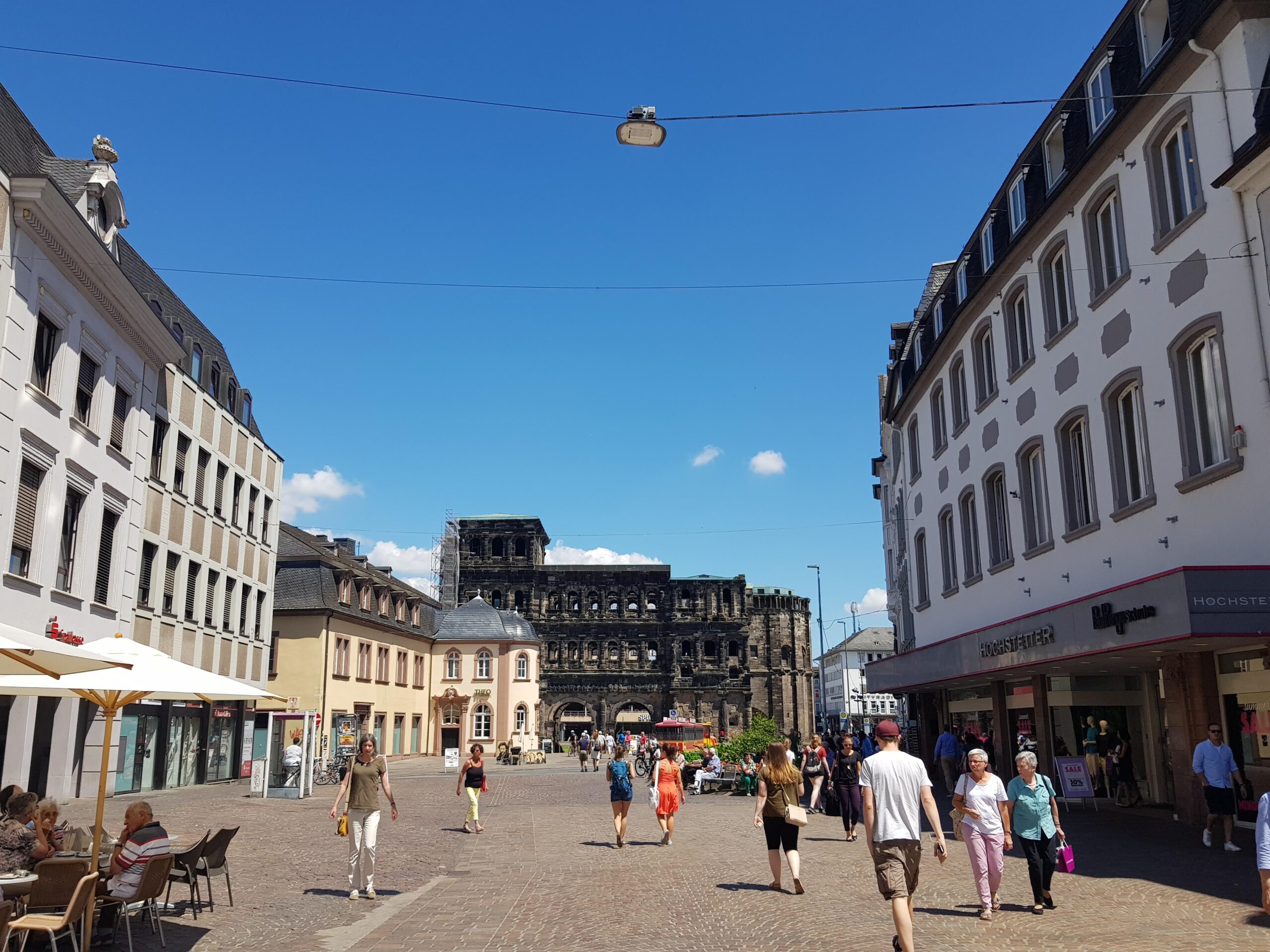
    A view of the gate from further down the main street, it certainly dominates the local street scene.