Author: admin

  • Ireland – Ennis – Centurial Sphere 1916 Memorial

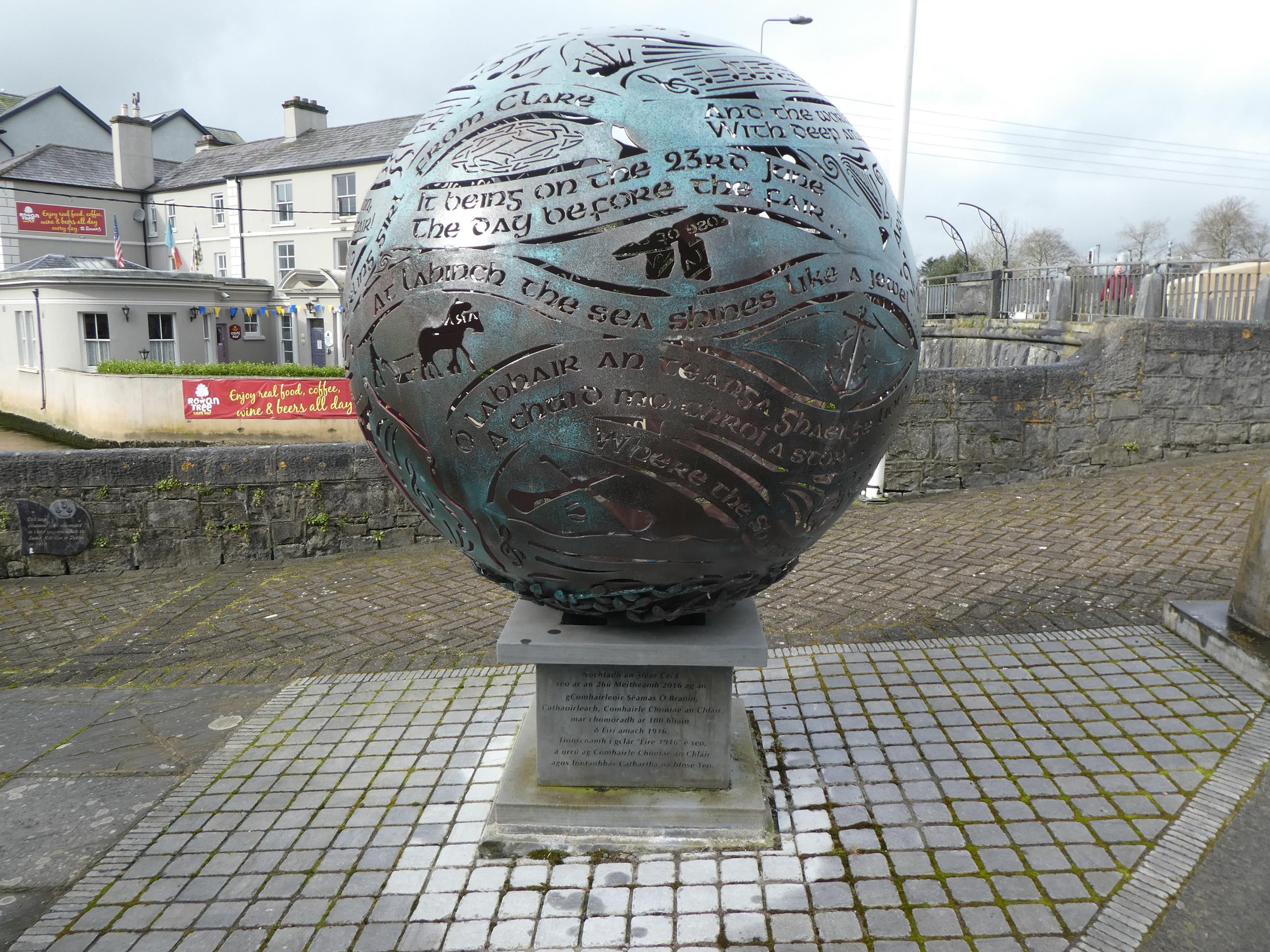
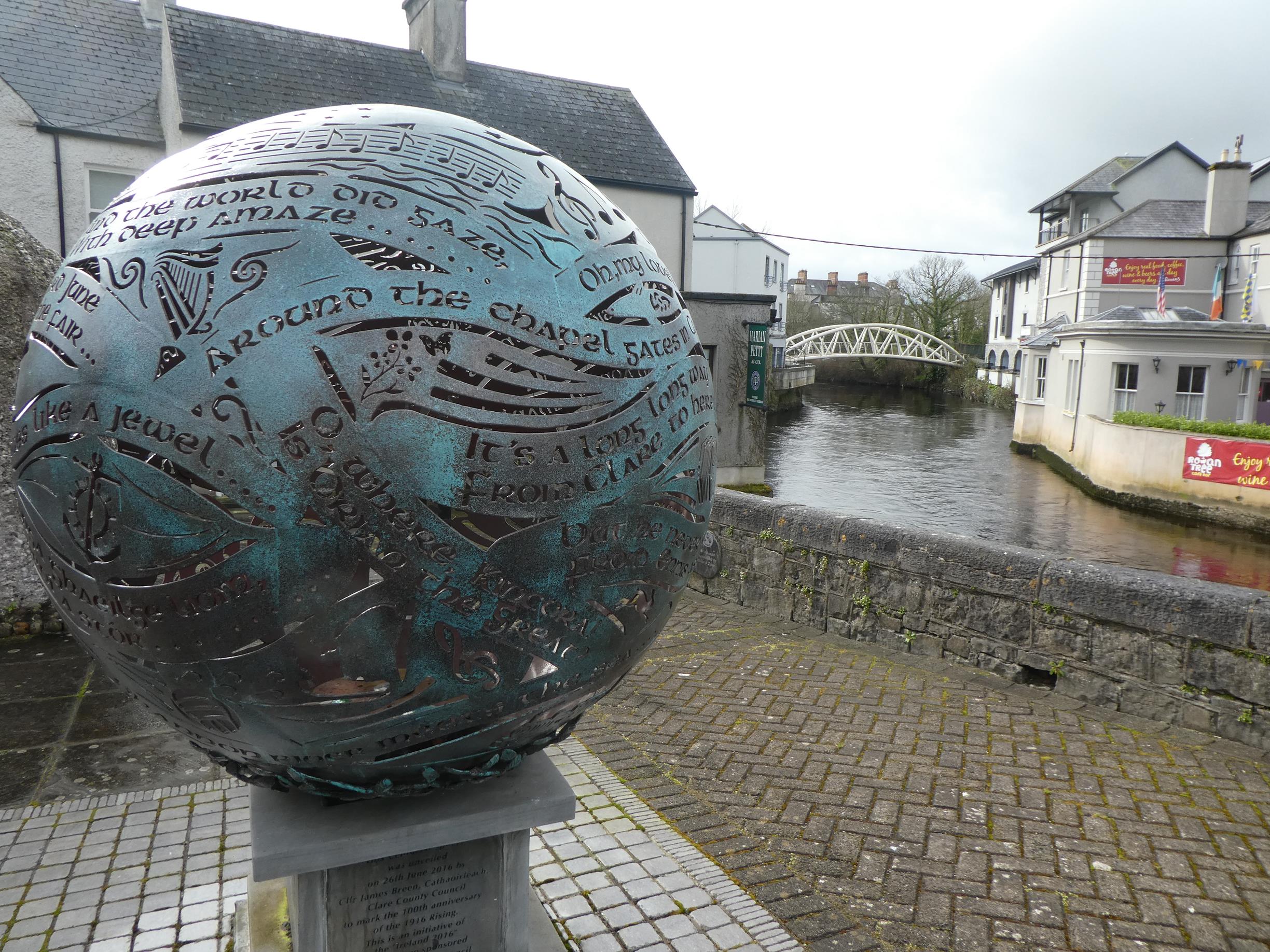
    Located next to the 1966 memorial which marked the fiftieth anniversary of the Easter 1916 uprising is this artwork which marks the one hundredth anniversary.

    The sculpture is known as the Centurial Sphere and was commissioned by Clare County Council. It was designed by Paddy Murray and is made of galvanised steel. The text on the sphere is from songs about County Clare and its cultural heritage.


  • Ireland – Ennis – Street Signage

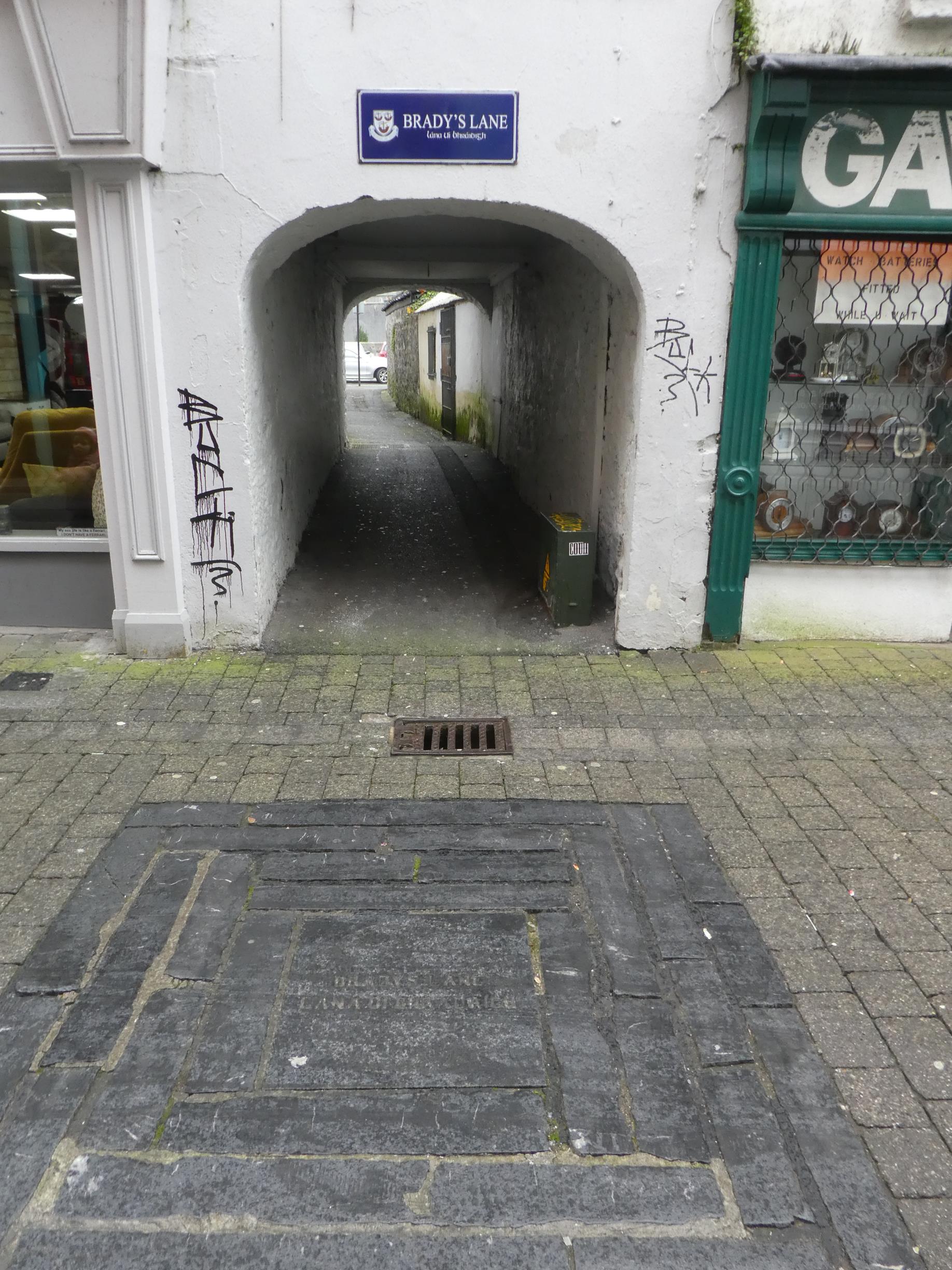
    Many of the side streets in Ennis seem to have this substantial piece of signage on the pavement to indicate the street name. The signage in many places is almost as wide as the actual road that it’s signing. An interesting concept though.

  • Ireland – Ennis – Pat McHugh

    I took this photo in case this was a local figure of historic interest, but it’s more recent and it’s the very kind effort of a friend of Pat McHugh, a local busker who died a few years ago. The friend was Michael McTigue, an Irish sculptor and it’s a piece of black granite set on limestone. It’s a lovely gesture to make to someone who has died and McTigue carved it whilst he was moving along a parade in Ennis on St. Patrick’s Day.

  • Ireland – Ennis – Cooks Lane Cafe and Deli

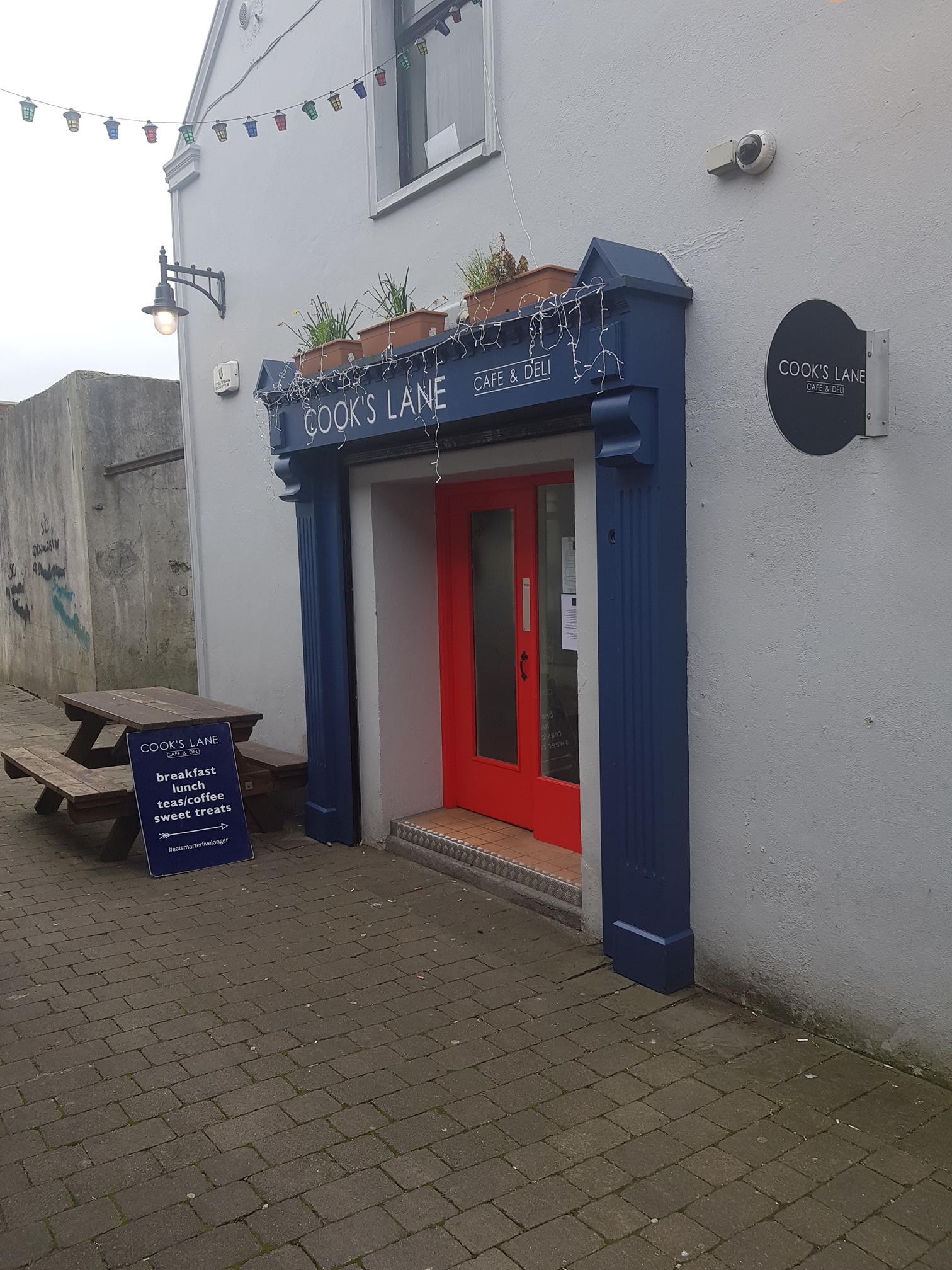
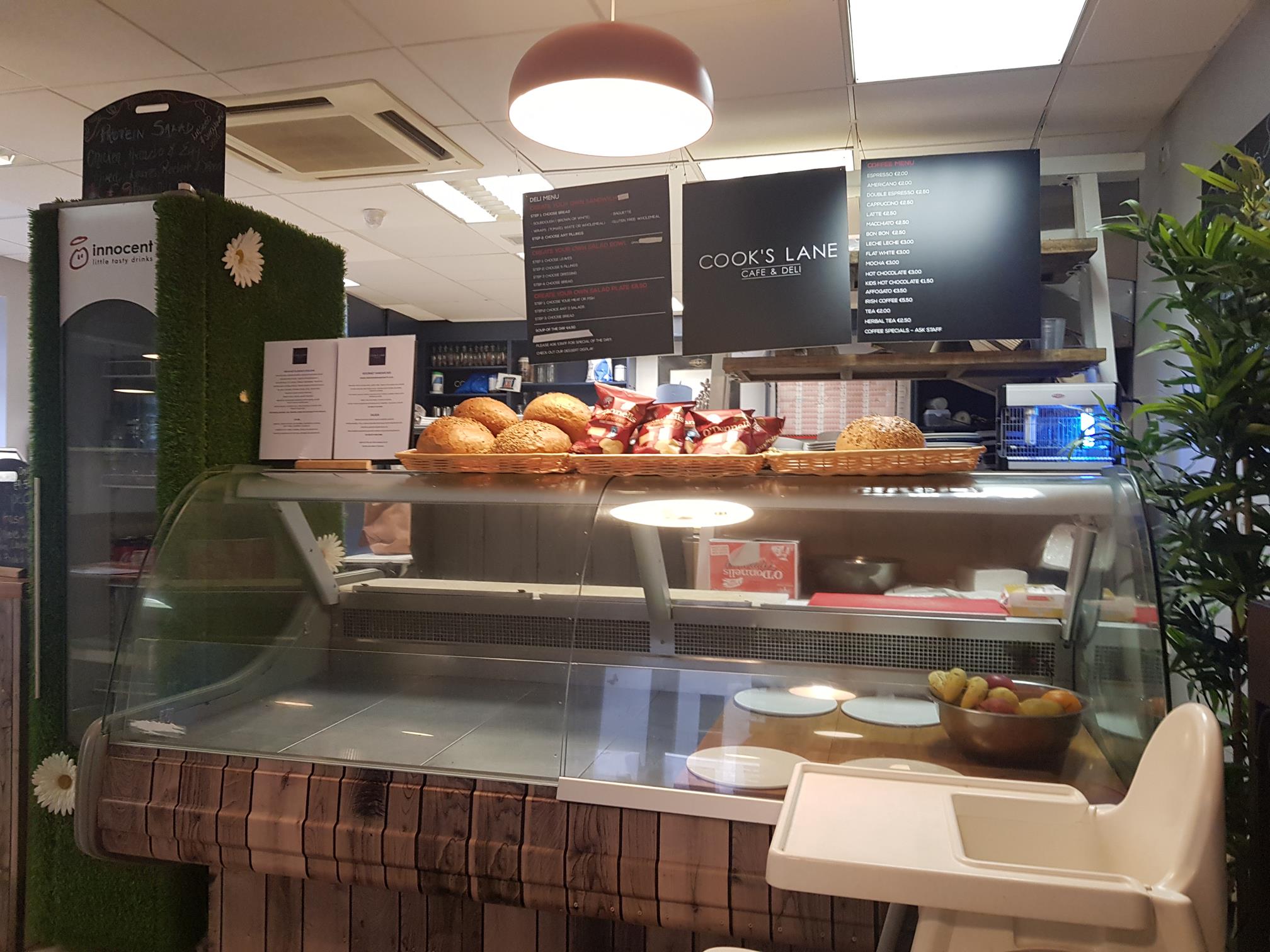
    On the hunt for a breakfast that wasn’t some greasy fry-up, this cafe was well recommended on-line, although is just slightly hidden down a back street. When I went in I was the only customer, which isn’t necessarily a particularly good first impression.

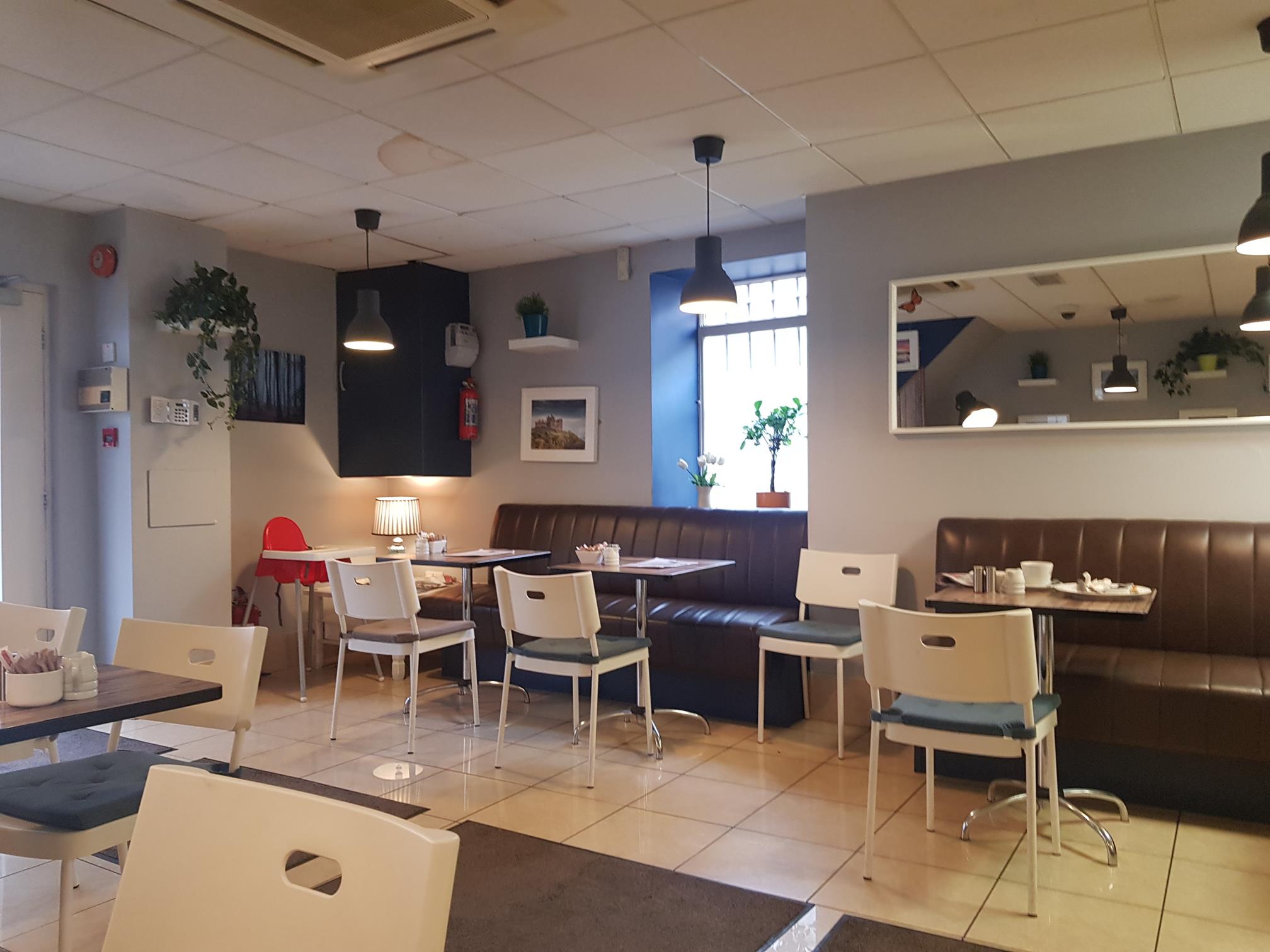
    The welcome was lovely and the cafe was clean and comfortable, with the staff member being engaging and helpful. The cafe never got busy, but there were several more customers who entered whilst I was in there, so it clearly isn’t entirely unpopular.

    Some modern design without trying to make the cafe into some over-designed boutique environment.

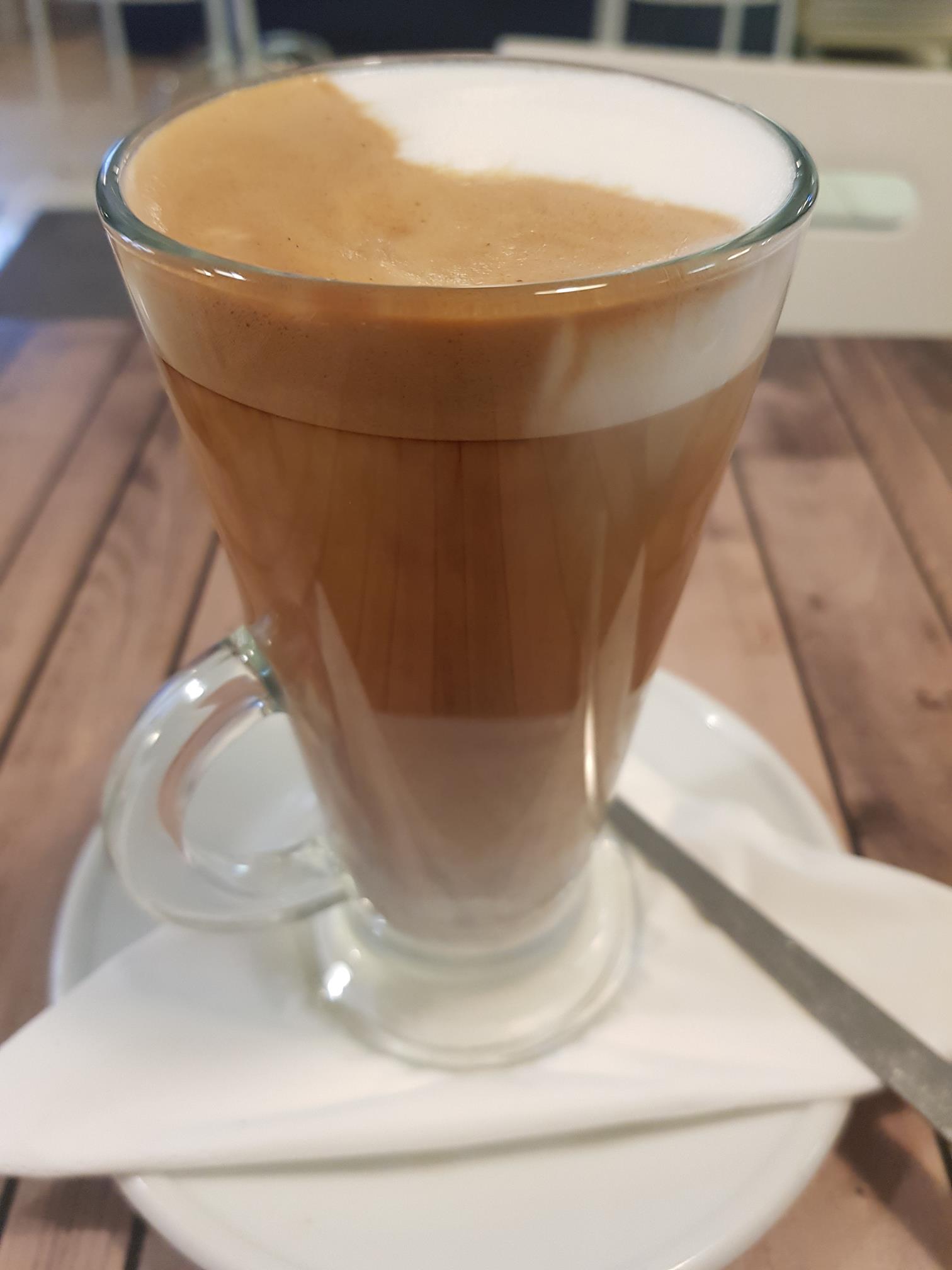
    The latte was at a temperature that I could drink and had a rich taste, so my expectations were met there.

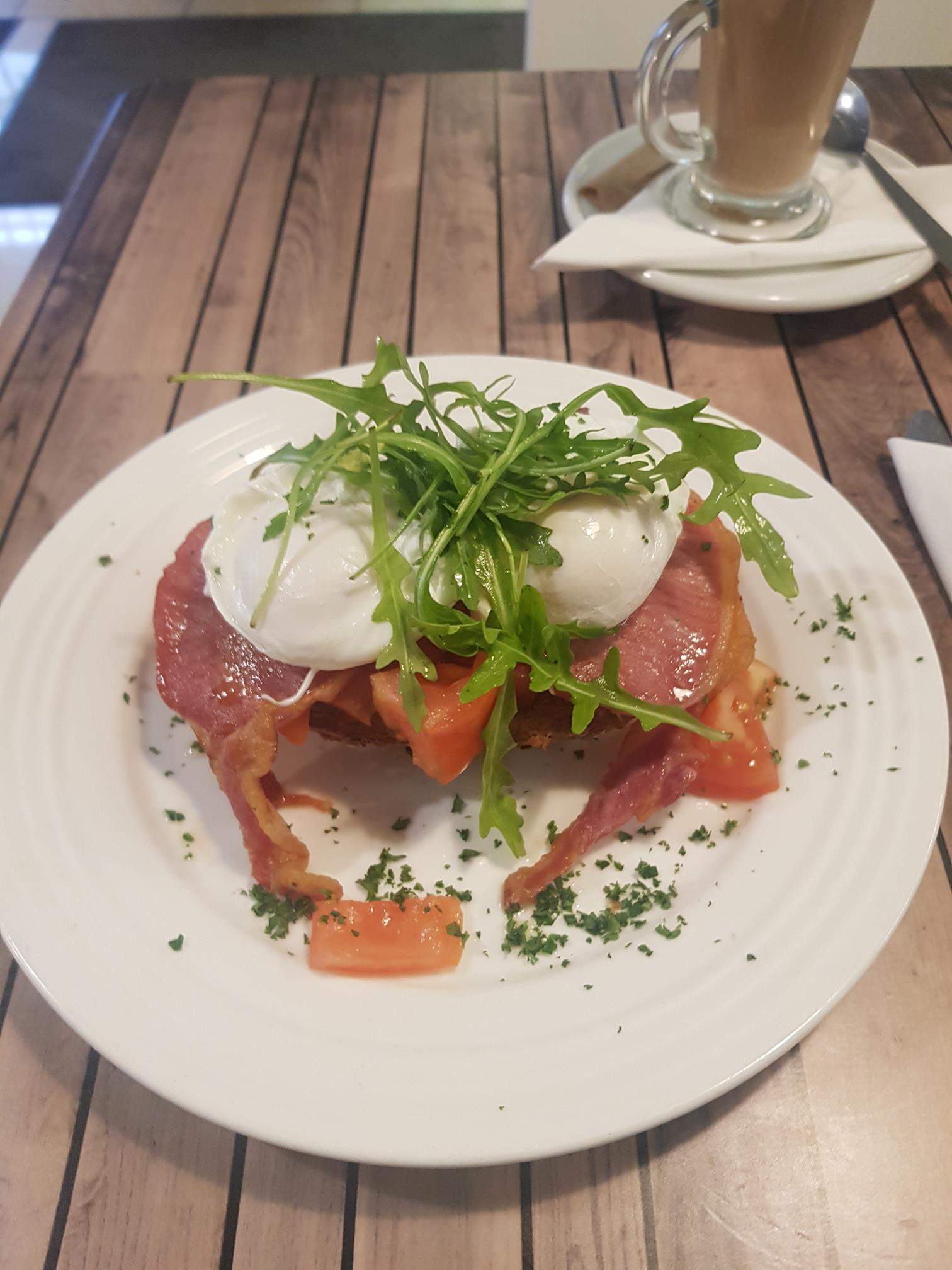
    And the breakfast, which was bacon, tomatoes and poached eggs on top of a sourdough bread base, with rocket placed on top. This was excellent, the bacon was cooked properly as there’s nothing more irritating (in breakfast terms only, as there are many more irritating situations in the world at the moment) than bacon which has just been wafted vaguely over a heat source. The bacon also wasn’t fatty, which saved me spending ages trying to cut the fat off, and the eggs were perfect so they were runny when cut into. The rocket added a peppery flavour and the tomatoes were plentiful and had some taste to them, not the watery taste variety that is far too common. The sourdough bread also had a pleasant taste and there was a quality across the ingredients, with a clean and simple presentation.

    The breakfast and coffee cost around £8, which for the quality entirely met my expectations. The service was engaging, warm and attentive, and the cafe perhaps deserves to be much busier in the mornings. All very lovely.

  • Ireland – Ennis – Independence

    A copy of the proclamation of independence from the Irish Provisional Government. It’s located next to the Centurial Sphere which was installed to mark the one hundredth anniversary of the Easter Uprising.

  • Ireland – Ennis – Knox’s Pub

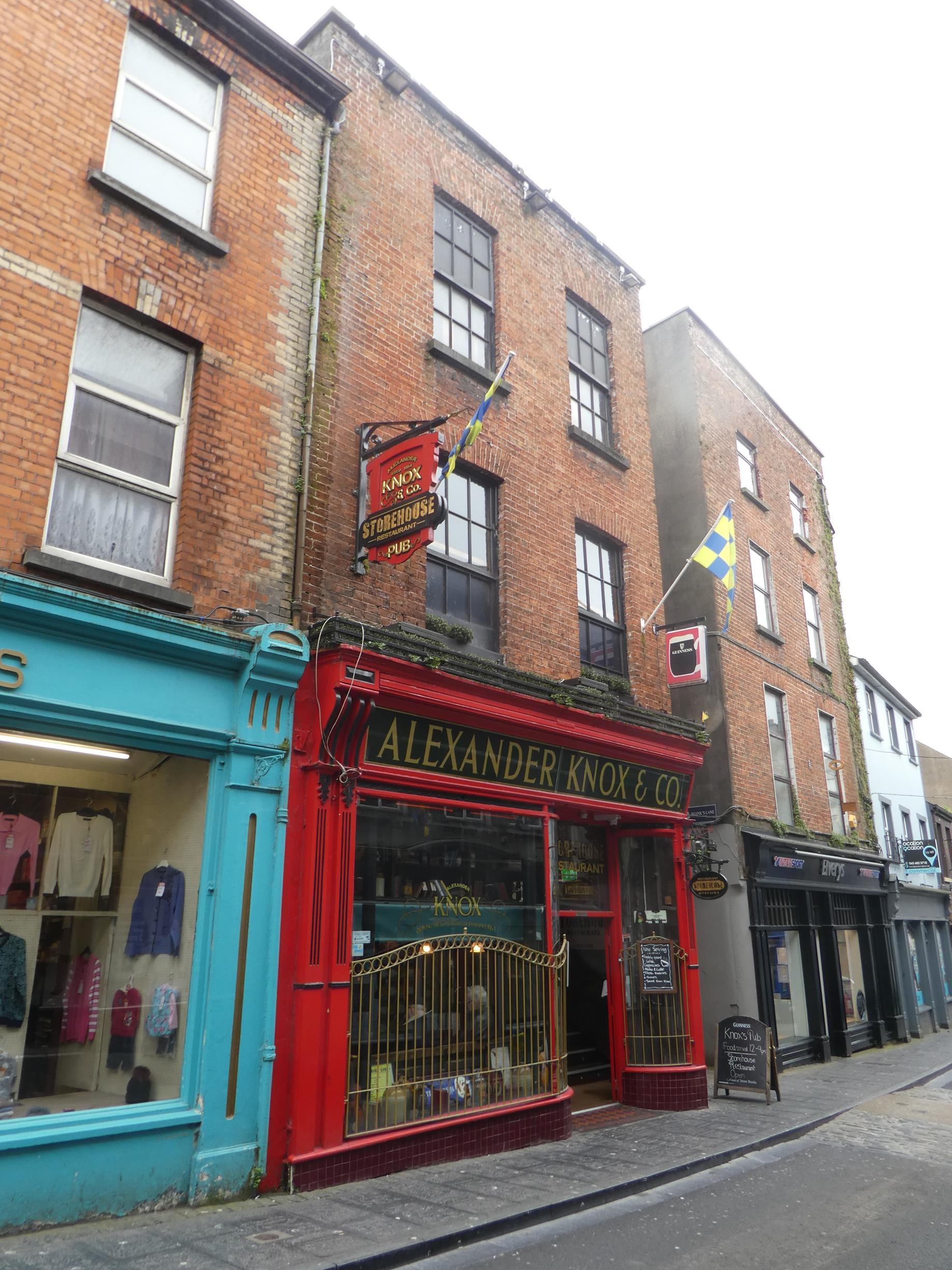
    I’ve been to many pubs in Dublin over the years, but this is the first pub that I’ve visited in Ireland outside of the capital city. It claims to be the oldest pub in the town of Ennis and was also well reviewed and looked like it had plenty of character.

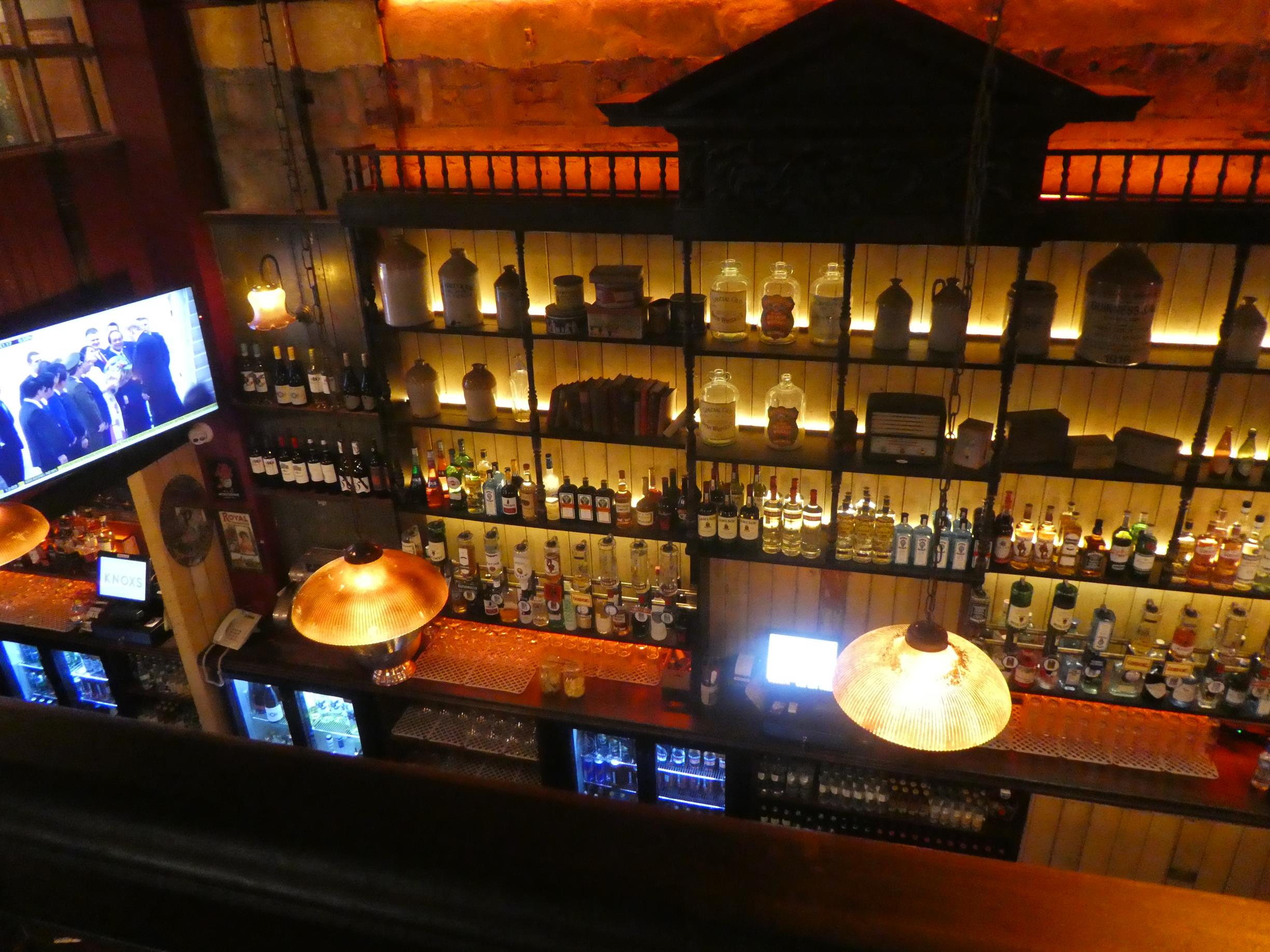
    Looking down from the first floor down onto the bar, a mix of contemporary style without removing the character and historic charm of the interior.

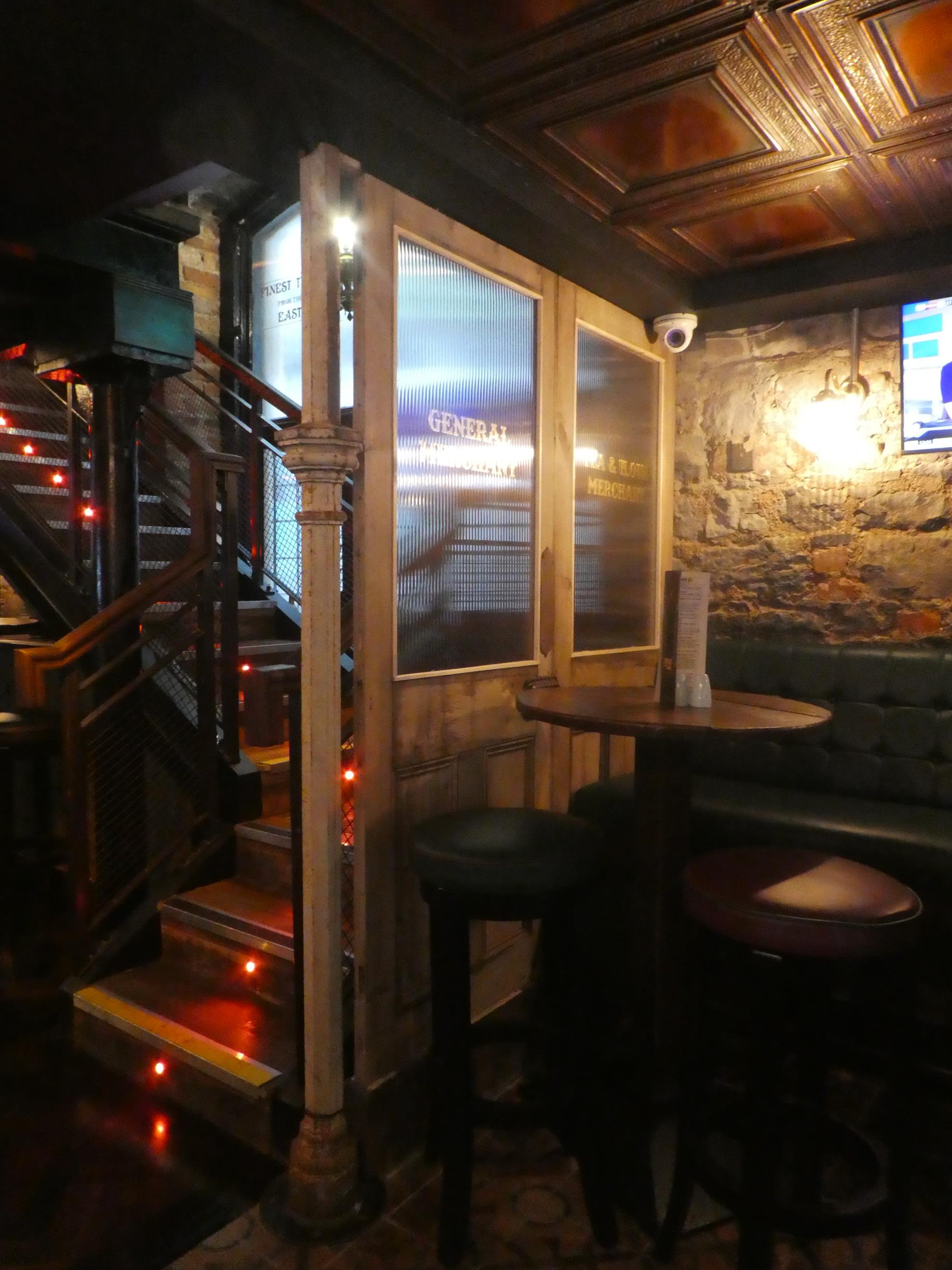
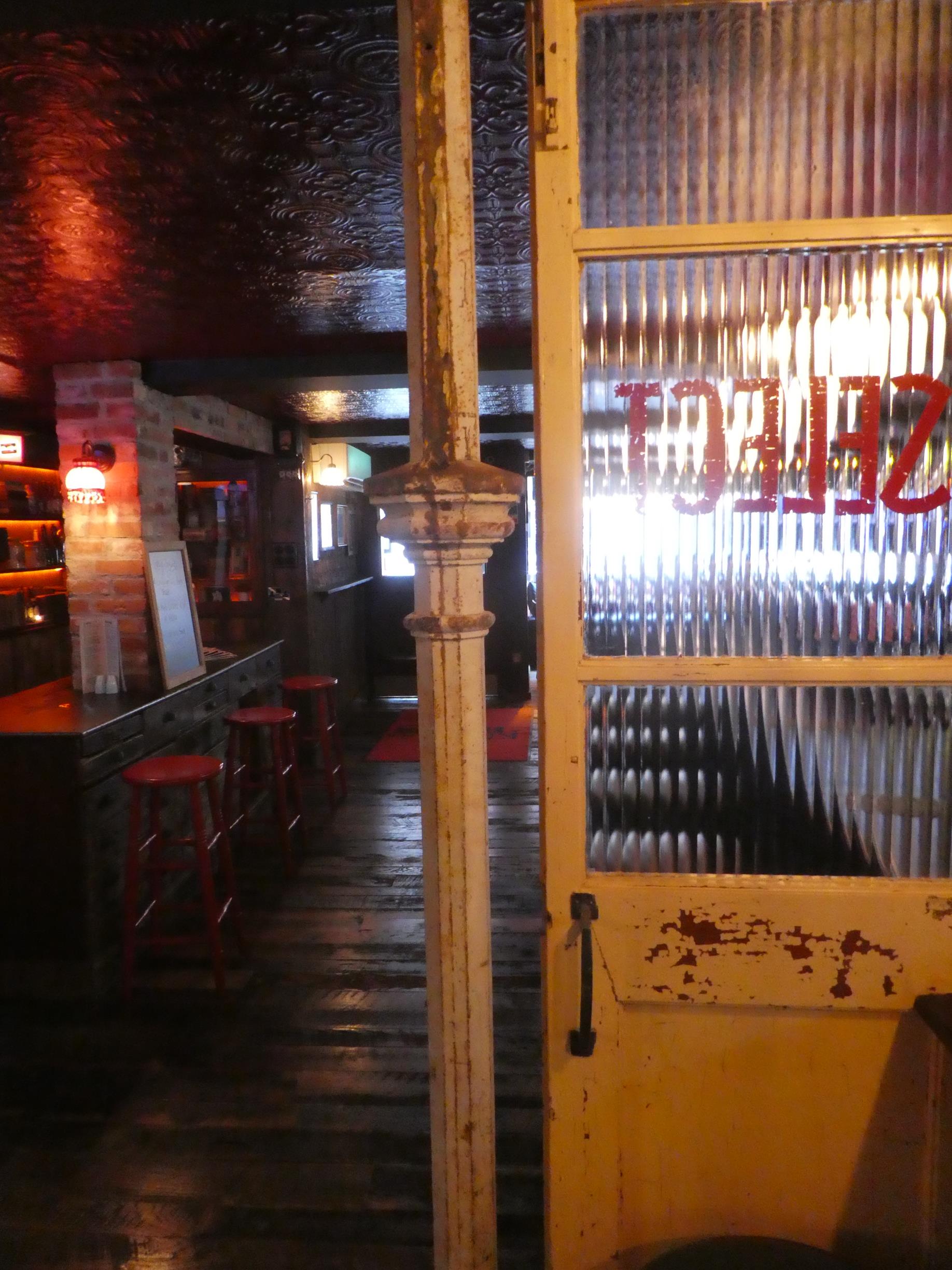
    There was plenty of character in the pub, it felt all very Irish, which it should since it’s in Ireland. So it was just what I’d hoped for in terms of the general ambience. And the welcome was equally friendly, a swift acknowledgement and then an engaging and really helpful staff member. Indeed the service was friendly and welcoming throughout, so I can see that both visitors and locals would be content visiting here.

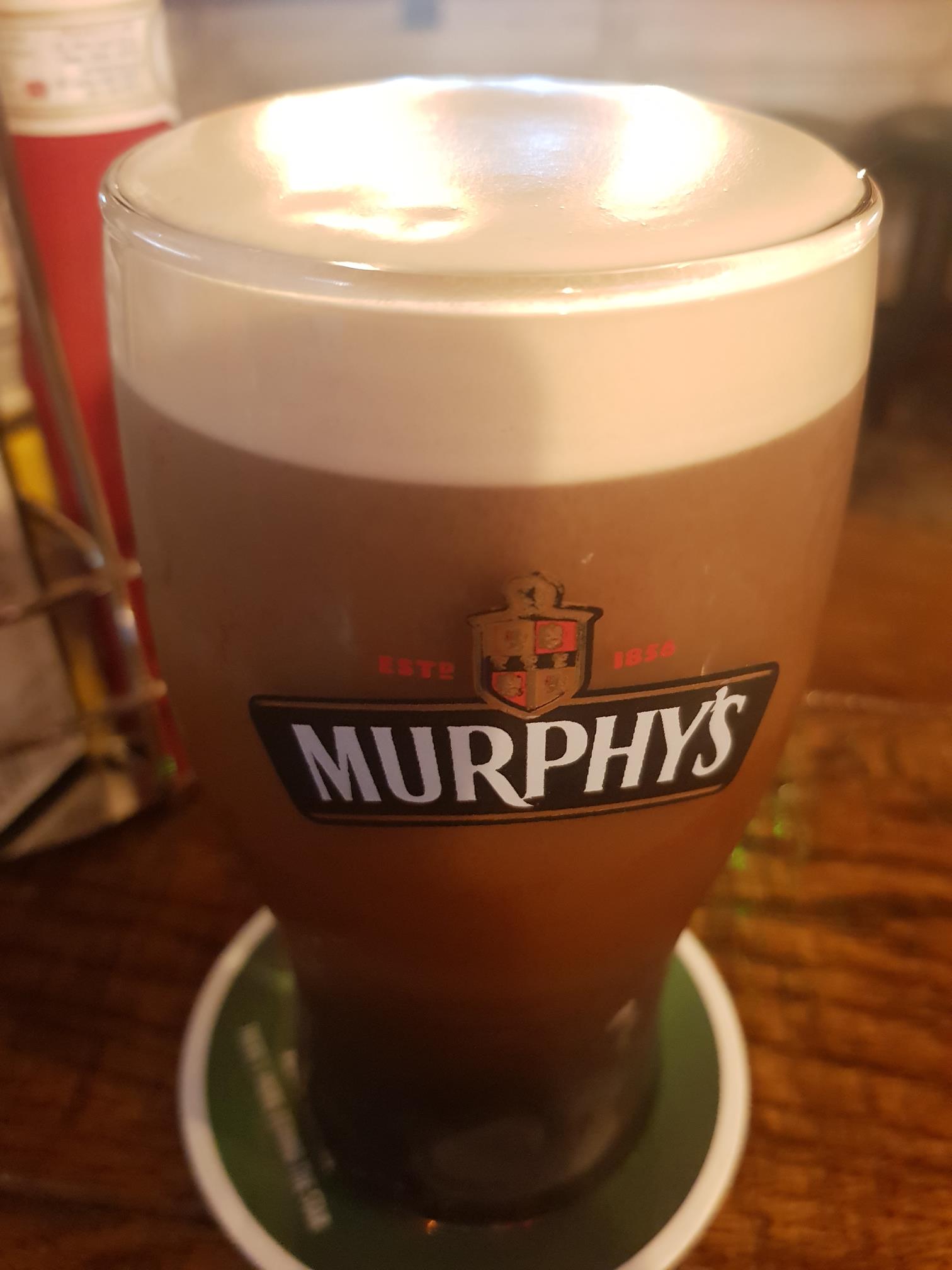
    Later on the staff member asked politely why I’d opted for this and not Guinness, but much as I like Dublin’s finest, I prefer Murphy’s. I think there’s a debate about this matter across the whole country, but this has a more chocolate milk and sweeter flavour for me. So it’s Murphy’s in the day and Guinness in the evening.

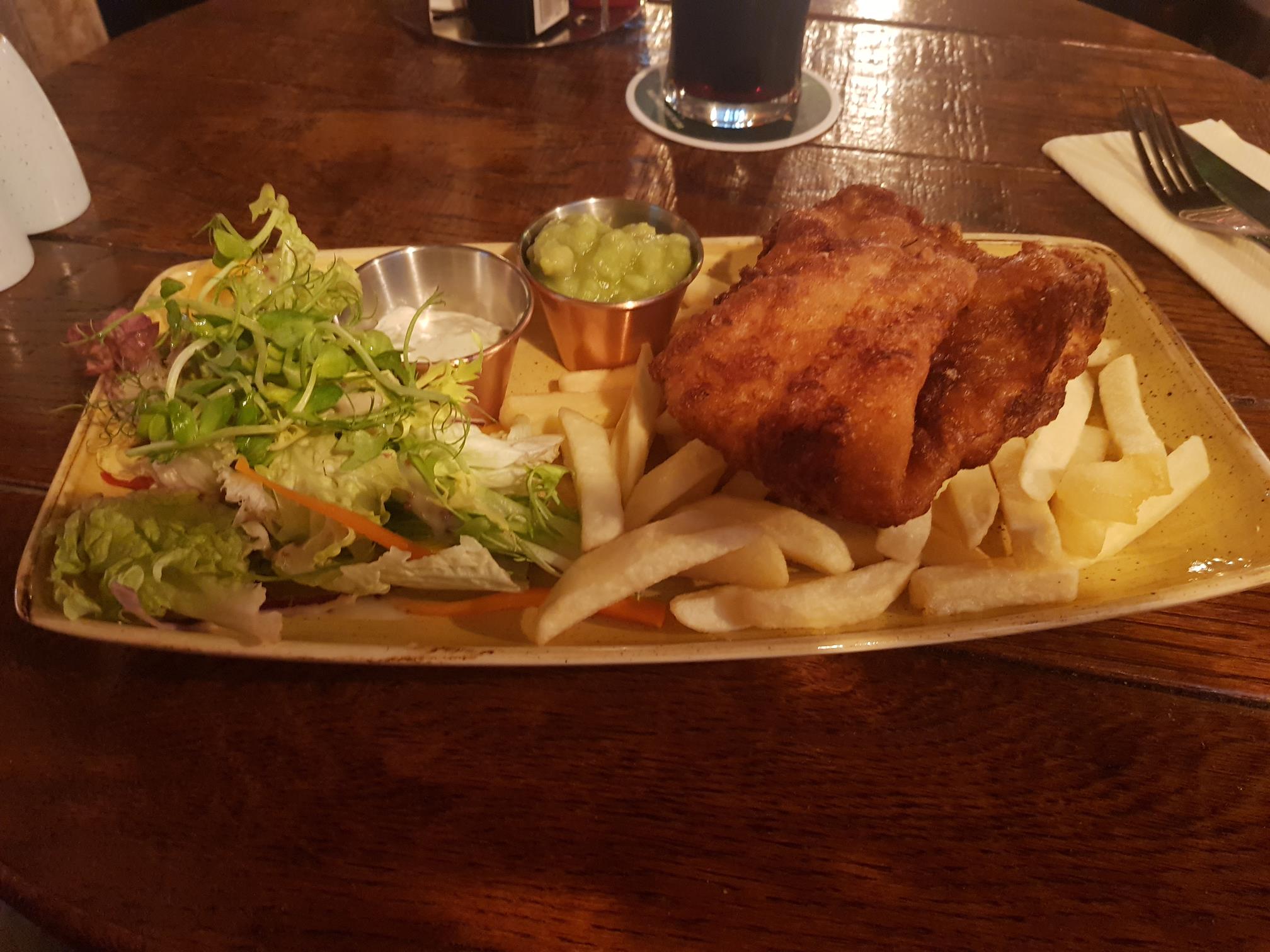
    Fish and chips, well presented and everything was hot and of a decent quality. I suppose the chips could have been cooked for marginally longer, but they still had a pleasant taste. The batter on the fish was rich and is apparently made using Western Herd beer, which I think explains the darker colouring. It was crispy and the hake had a subtle flavour. The salad element had some mustard dressing on and had a variety of tastes and textures.

    The bill came to around £15, which I felt was reasonable given the quality of the food and drink, as well as the friendliness of the service. For my first visit to a pub in Ireland outside of Dublin, I was though very satisfied and it met my quite high expectations. I can only hope that the other pubs on this trip will be equally as charming and welcoming.

  • Ireland – Ennis – River Fergus

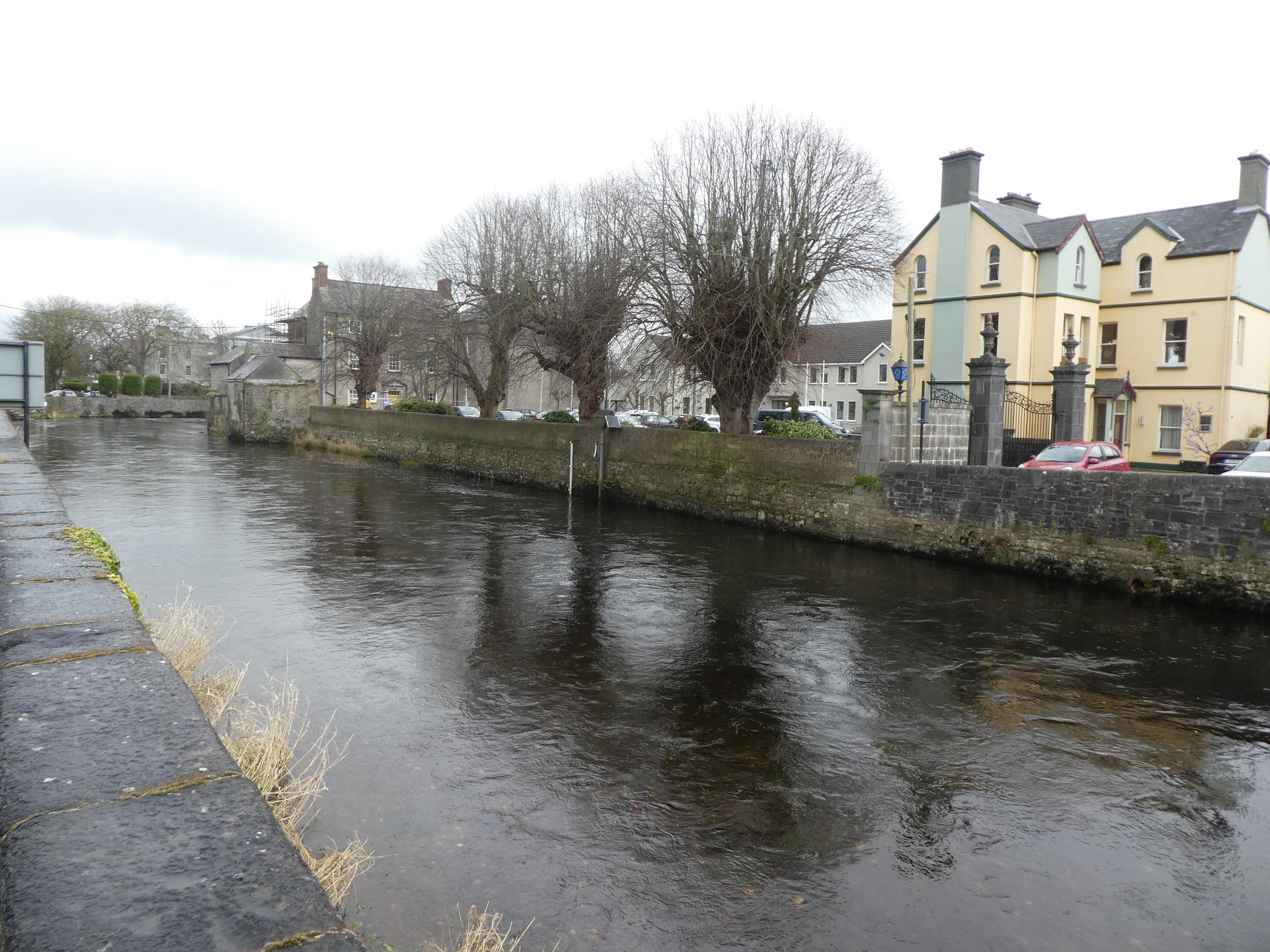
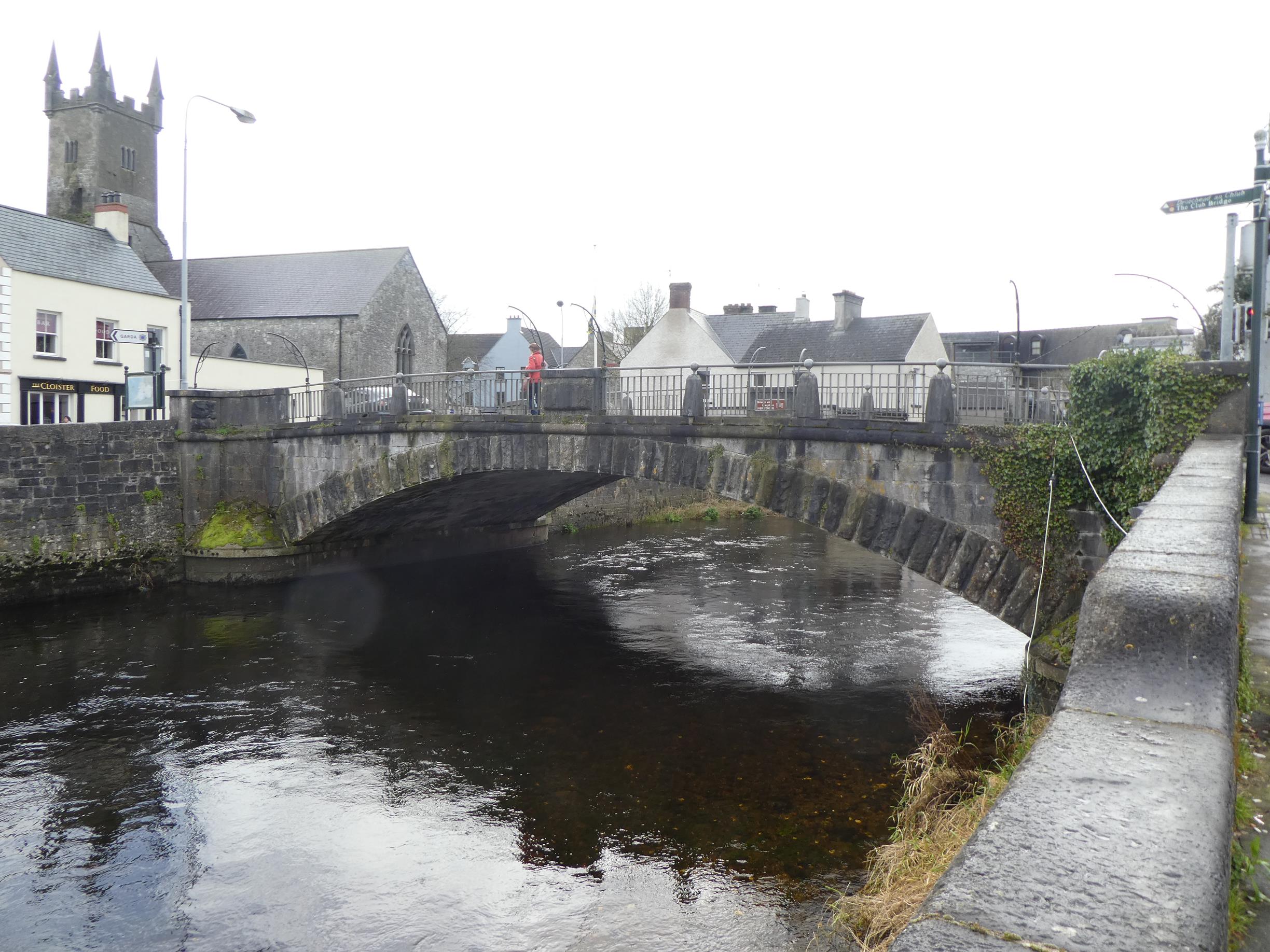
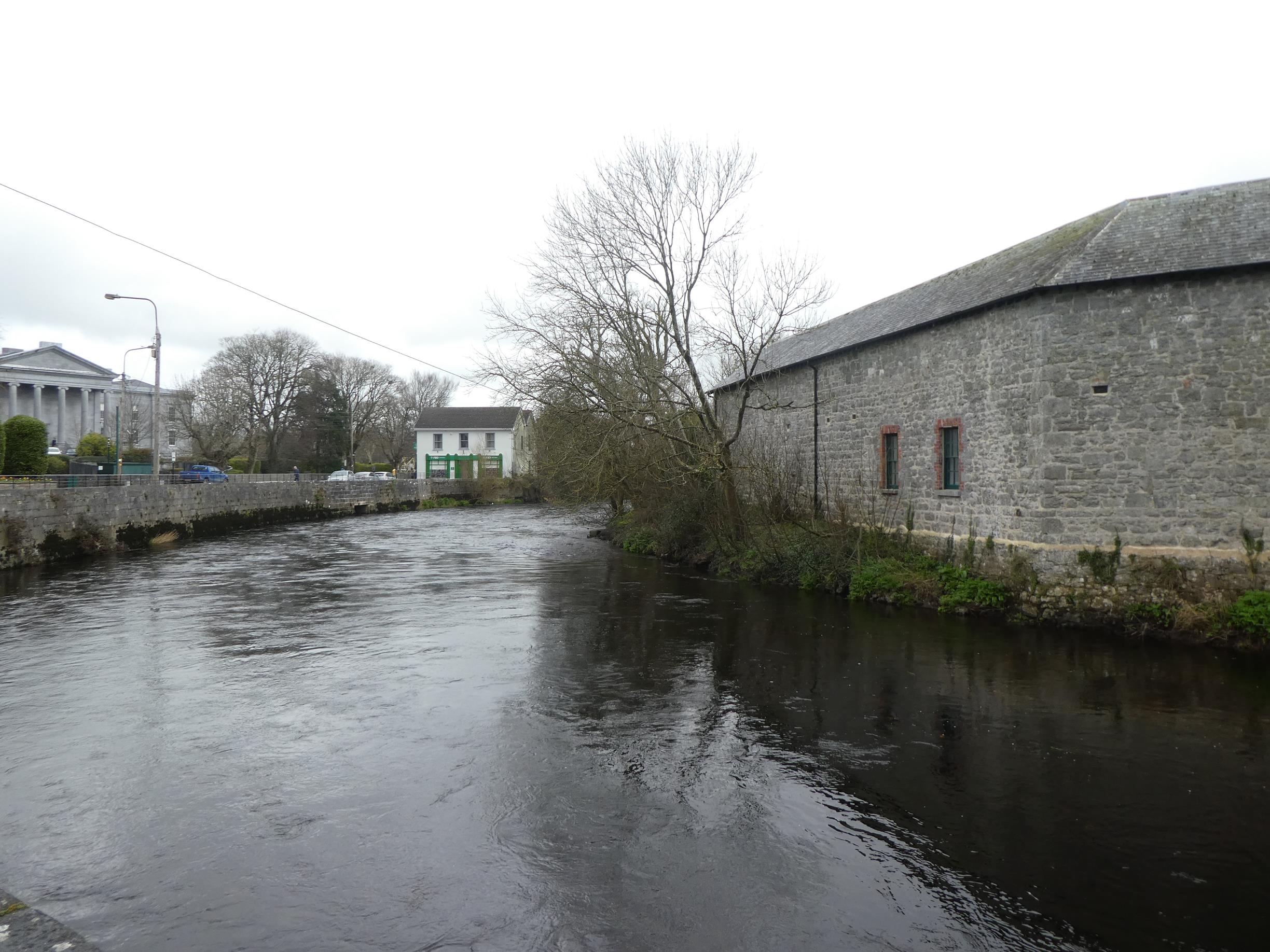
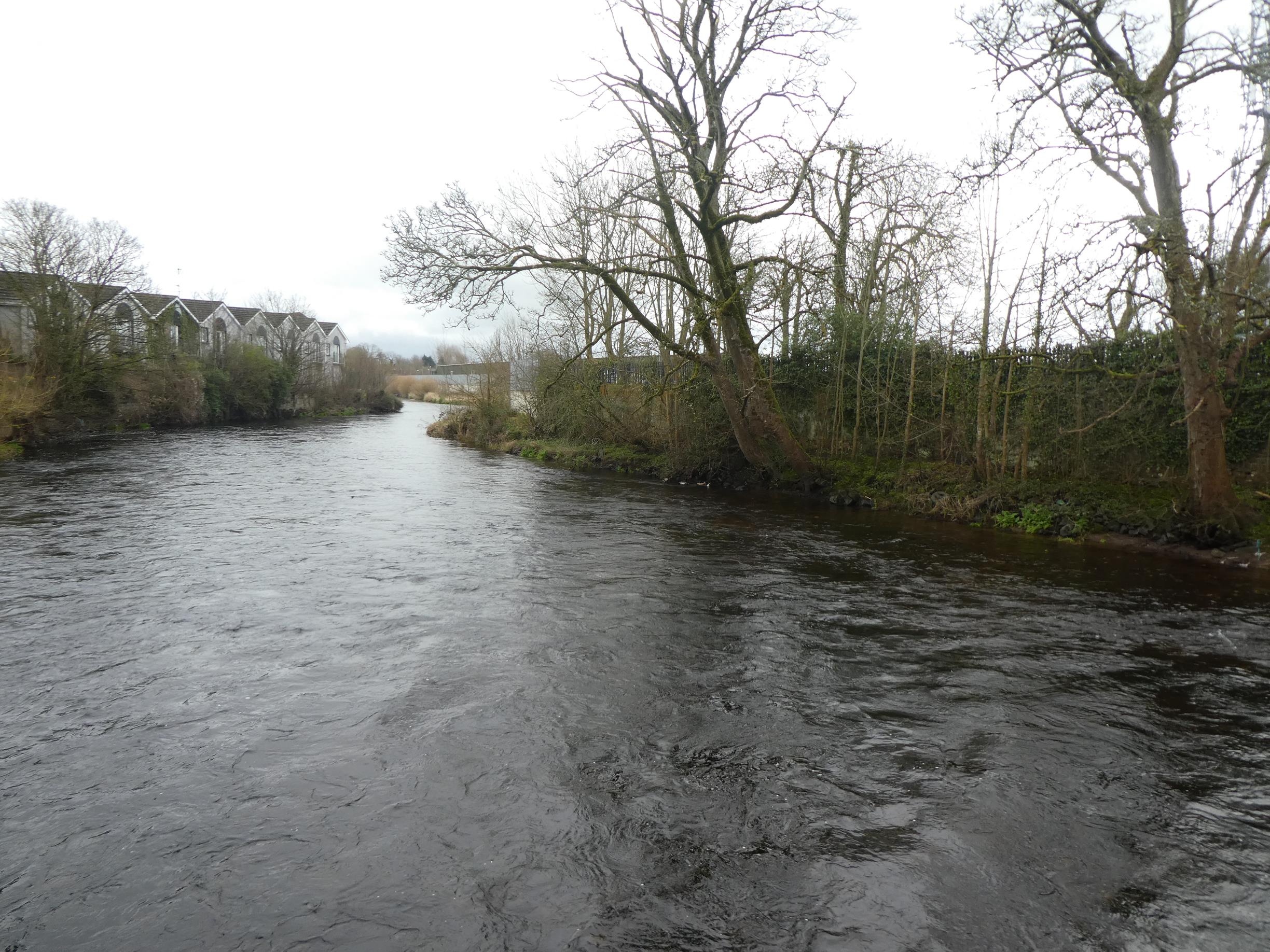
    Just some photos of the River Fergus, which runs through the heart of Ennis.

  • Ireland – Ennis – Steele’s Rock

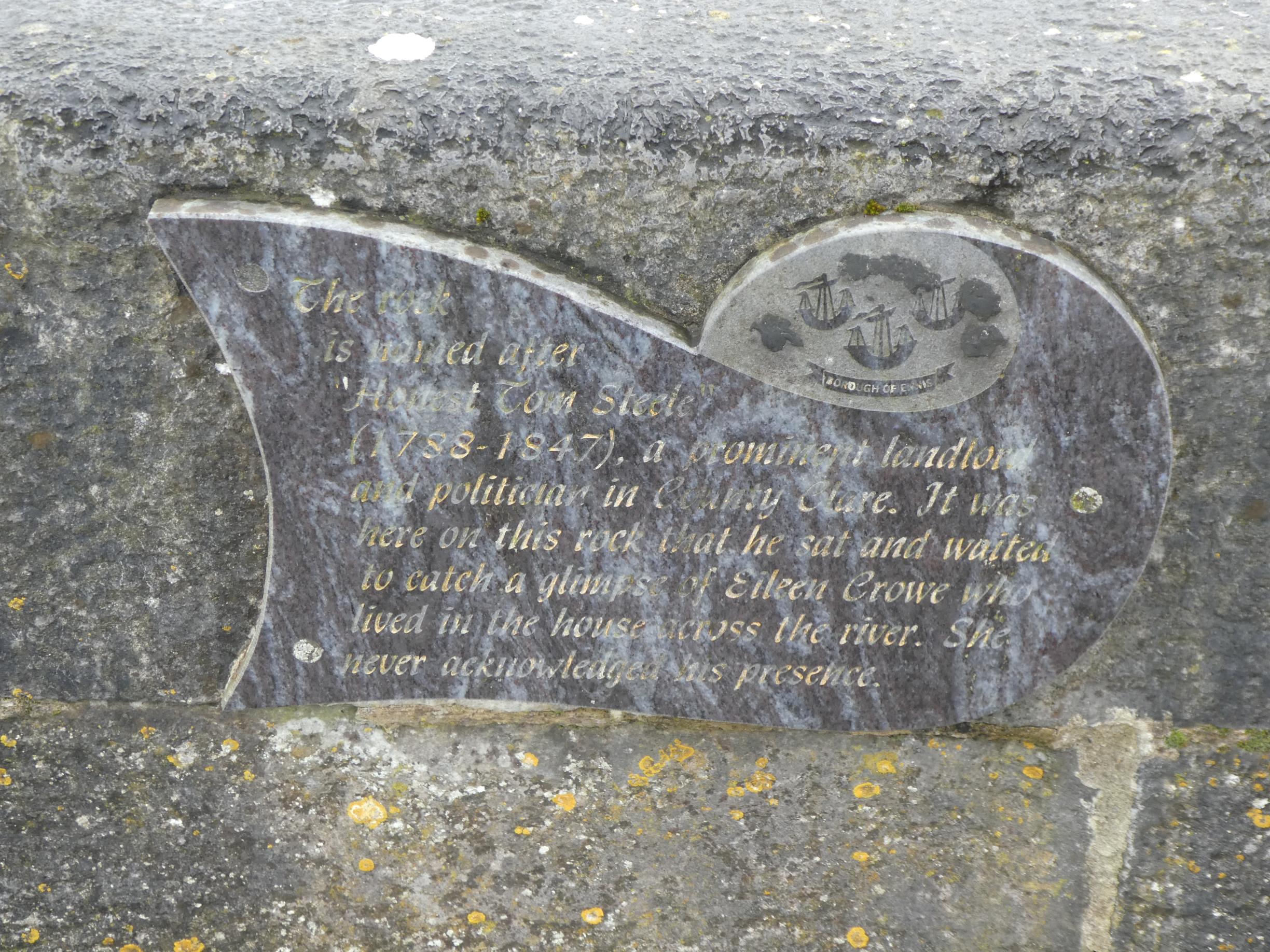
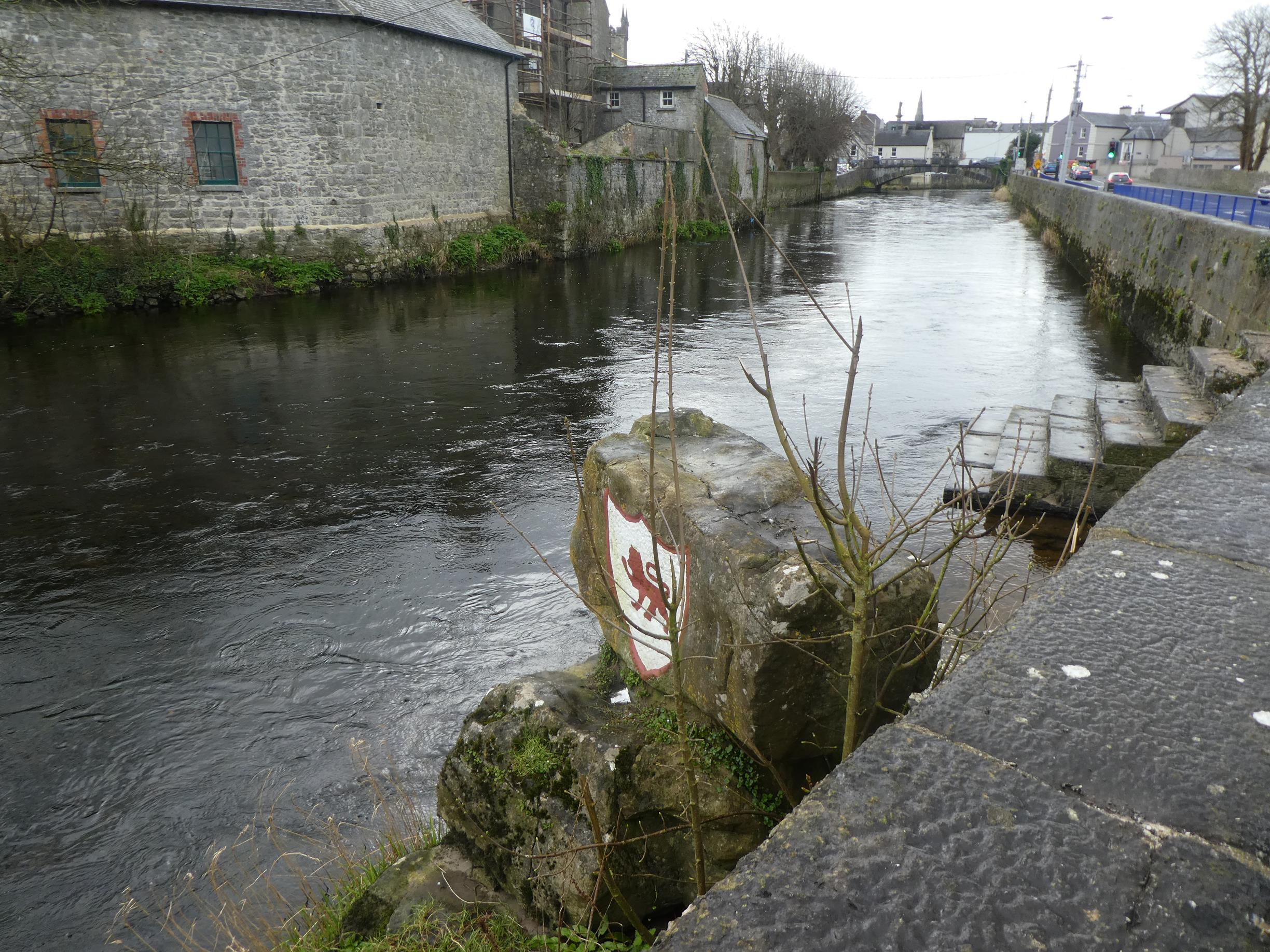
    This quirky little memorial marks where Tom Steele, a friend of Daniel O’Connell, would sit so that he could look over the river to try and see Matilda (Eileen) Crowe who lived in the house opposite. Matilda was the love of Tom’s life, but she didn’t acknowledge him and so after a while he went instead to Spain feeling just a little desolate.

    Steele, also known as Honest Tom Steele, certainly appears to have been a bit of a character, and I might have seen his grave in Glasnevin Cemetery in Dublin as it’s near to that of Daniel O’Connell. When O’Connell died in 1847 the loss hit Steele hard and he tried to commit suicide in London by throwing himself off a bridge into the River Thames. He was saved, but died shortly afterwards.

    And the rock which Steele sat on…..

  • Malta – Gozo – Victoria – Gran Castello Historic House

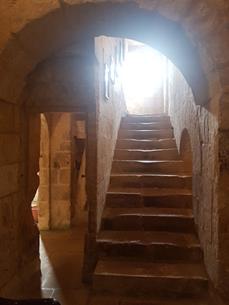
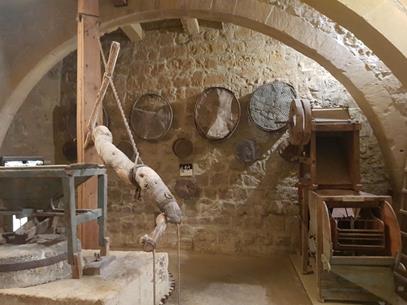
    Formerly known as the Folklore Museum, this museum is formed from several former residential properties in the Cittadella. The properties would have been for the more wealthy local residents and were rather grand townhouses. They were merged together to form a museum in 1983 and there are displays about various trades and skills.

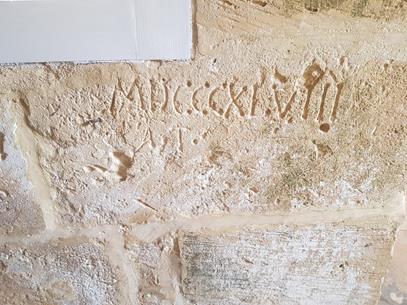
    Graffiti on one of the walls, 1848 if my knowledge of Roman numerals works out…

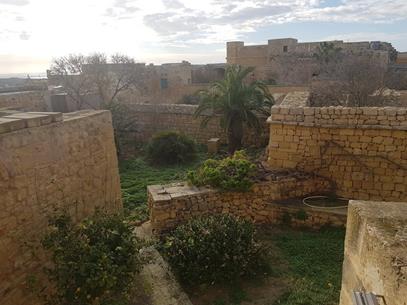
    The view over the rear gardens.

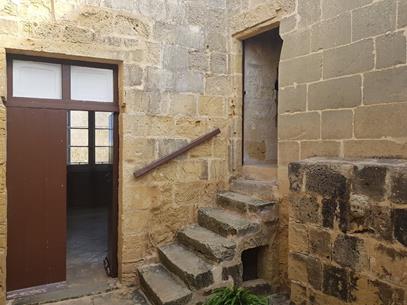
    A view of the rear of one of the properties.

    Some, er, equipment.

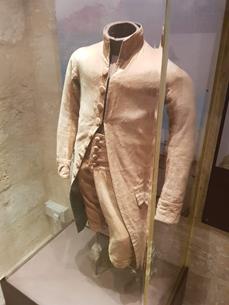
    Clothing as it might have appeared in the eighteenth century.

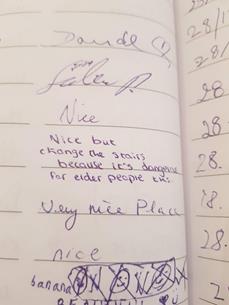
    I can’t disagree that there are a lot of stairs in the buildings, but I’m intrigued as to what on earth this person thought that the museum could do about it. I suppose they could have demolished the buildings and constructed a new one without stairs. This must be one of the few properties that Heritage Malta have where putting a lift in would be next to impossible and they’d also likely need to put three lifts in.

    I’m not overly engaged by folklore museums, but this location had the advantage that it was located within an interesting building with plenty of history of its own. The museum is well laid out and tries to tell the story of how people lived and worked in Gozo over the centuries. It was a bigger museum than I had expected as well, with plenty of hidden corners to explore around the buildings.

  • Malta – South Eastern Region – Valletta – Royal Opera House (Pjazza Teatru Rjal)

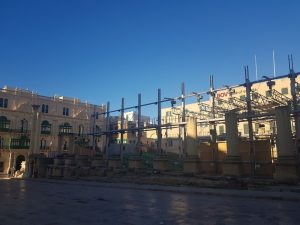
    The city’s royal opera house was built in 1866 and was designed by Edward Middleton Barry, who had also designed London’s Royal Opera House a few years before. The new opera house in Valletta pleased and delighted the people of the city until it burnt down in 1873. Not set back by this minor disaster work started again on the rebuild and it opened again in 1877.

    All was well with the building until it collapsed on 7 April 1942 after being bombed by the Germans during the Second World War. The British decided that they’d demolish what was left to avoid any further injury, although since Malta was the most bombed location during the Second World War I’d have thought that the ruins were the least of the concerns that the local population had to deal with.

    Anyway, the efficient and effective post-war government roared into action and managed to achieve precisely nothing in terms of rebuilding the opera house. Money was approved in 1955 to fund a new building, but it wasn’t spent and there were then decades of delays. It was decided that the locals could use the central area of the building as a car park, which didn’t seem a particularly useful way to utilise this prime piece of real estate.

    In the 1980s the architect Renzo Piano contacted the government and made some recommendations about how the site could be used. The government once again roared into action and twenty years later they had again achieved nothing. However, in 2008 a decision was made to renovate the site and by 2013 the new open theatre was unveiled. It had taken just 71 years to resolve the problem……
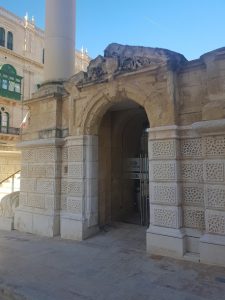
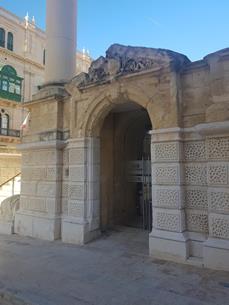
    One of the former entrance doors to the opera house.
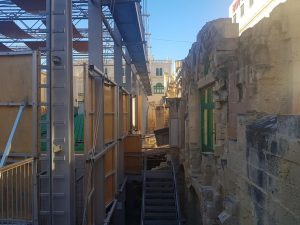
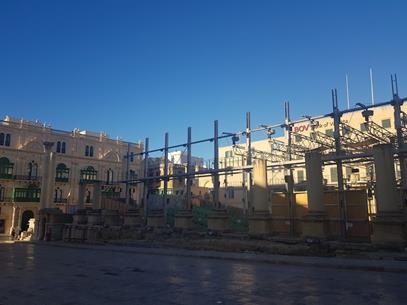
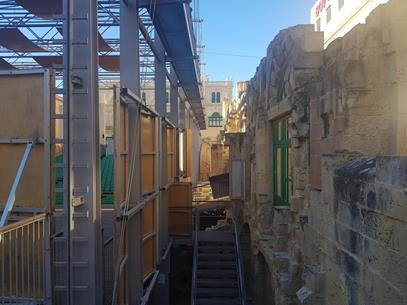
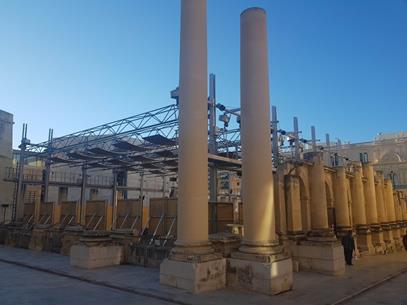
    The new open air theatre structure has been placed inside the original walls without impacting on them. The new building has been controversial as there were numerous suggestions as to how the site could have been redeveloped, but it is now known as the Pjazza Teatru Rjal.
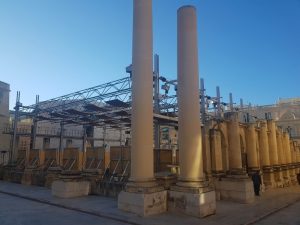
    The pillars show how large the original opera house was.
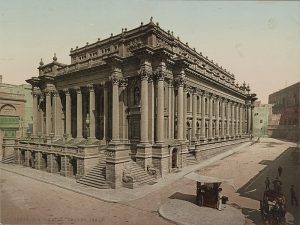
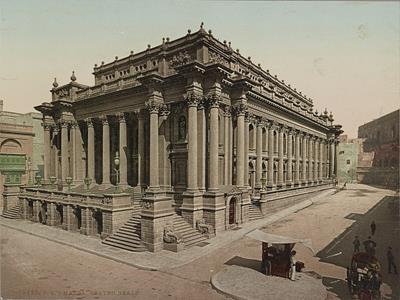
    And to make it even easier to imagine, here’s what it looked like in 1911.

    It’s positive that the site has been reused and Renzo Piano has done an excellent job, as he has with the city’s new gate and the Parliament building which is located next door. It’s just a shame that it took the government so long to actually do anything with the ruins of the building.