Author: admin

  • Wisbech – King John’s Treasure

    Wisbech – King John’s Treasure

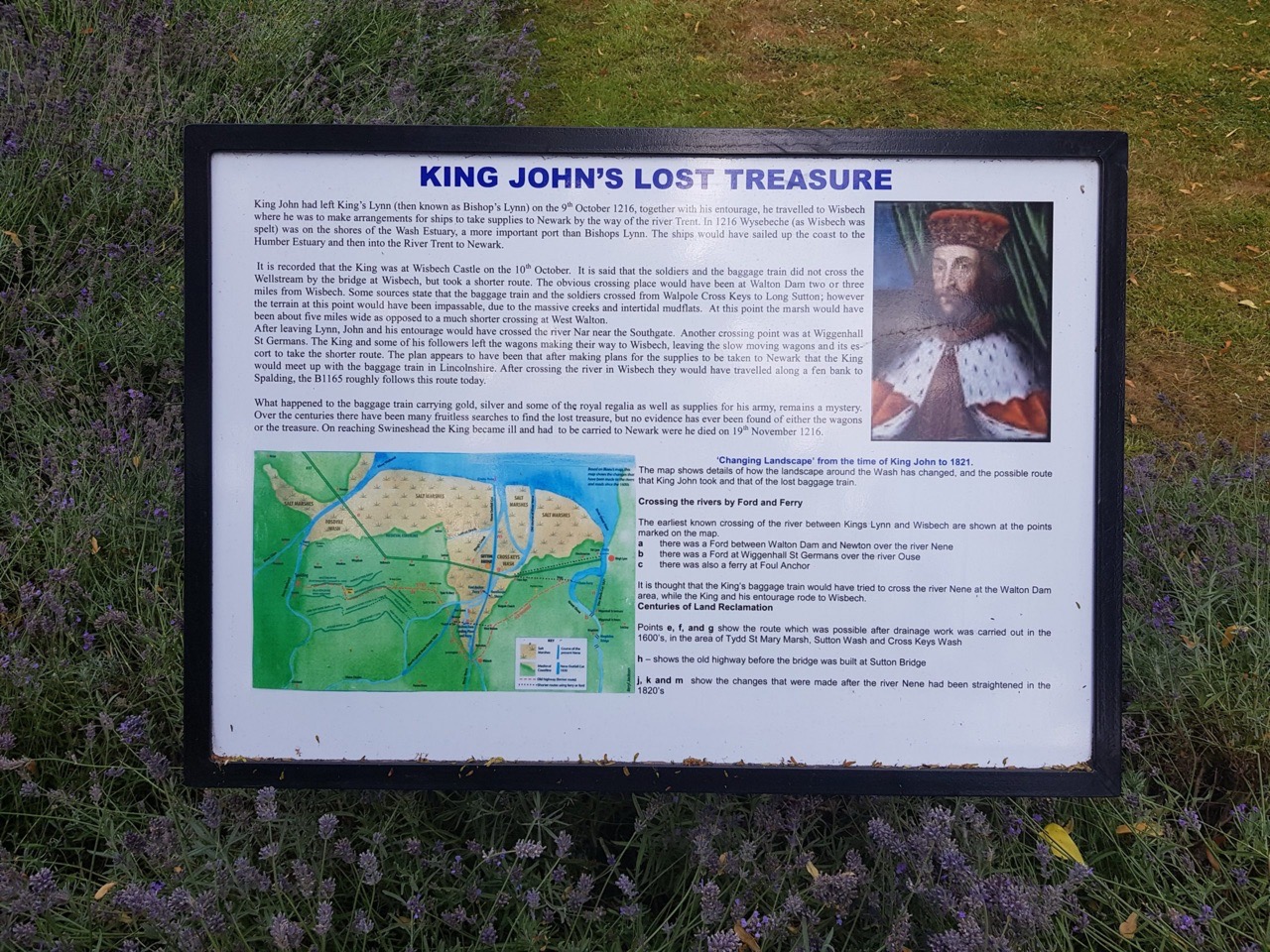
    The story of King John’s lost treasures is well known, they were allegedly lost when a baggage train led by an idiot misjudged the tides on a causeway. They’re relevant to Wisbech as this is where the King was staying whilst travelling from Spalding to King’s Lynn (albeit then Bishop’s Lynn) and I can imagine his irritation when it was discovered that his head of transportation had lost the Crown Jewels in The Wash.

    The reality is perhaps less exciting as the thought that these treasures may one day be found. It seems that numerous experts have claimed that most of King John’s treasures still existed after the date that they were meant to be lost, with the only true element about being the story being that some idiot sank most of the King’s baggage train. But, from experience of walk leading, it’s never easy to judge tides and I suppose that they couldn’t quickly Google them.

    There is more evidence that King John did lose a crown during this little debacle, although the chances of finding this seem remote now. But, that hasn’t stopped numerous people continuing to hunt for the treasures and the media has been littered with stories over the last few decades about some new project to find them. In 1906, a local and important antiquarian, William St John Hope, had spent hours establishing the tides which would have existed at Sutton Bridge at the time of King John and he was confident of finding the treasures and suggested digging shafts to begin that work. He, obviously, never found anything of note.

    Perhaps the finding of the lost Crown, and whatever associated treasures there are, might be a sign of something quite substantial. Like the advent of a new Monarch, a change in the future of the United Kingdom of Great Britain and Northern Ireland, or perhaps just the opening of a new Greggs in Sutton Bridge.
  • Wisbech – St. Peter and St. Paul Church

    Wisbech – St. Peter and St. Paul Church

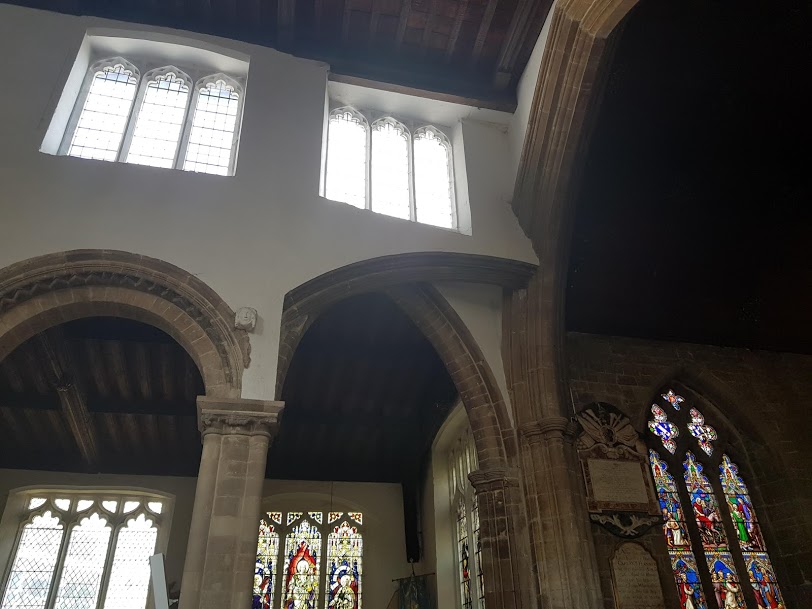
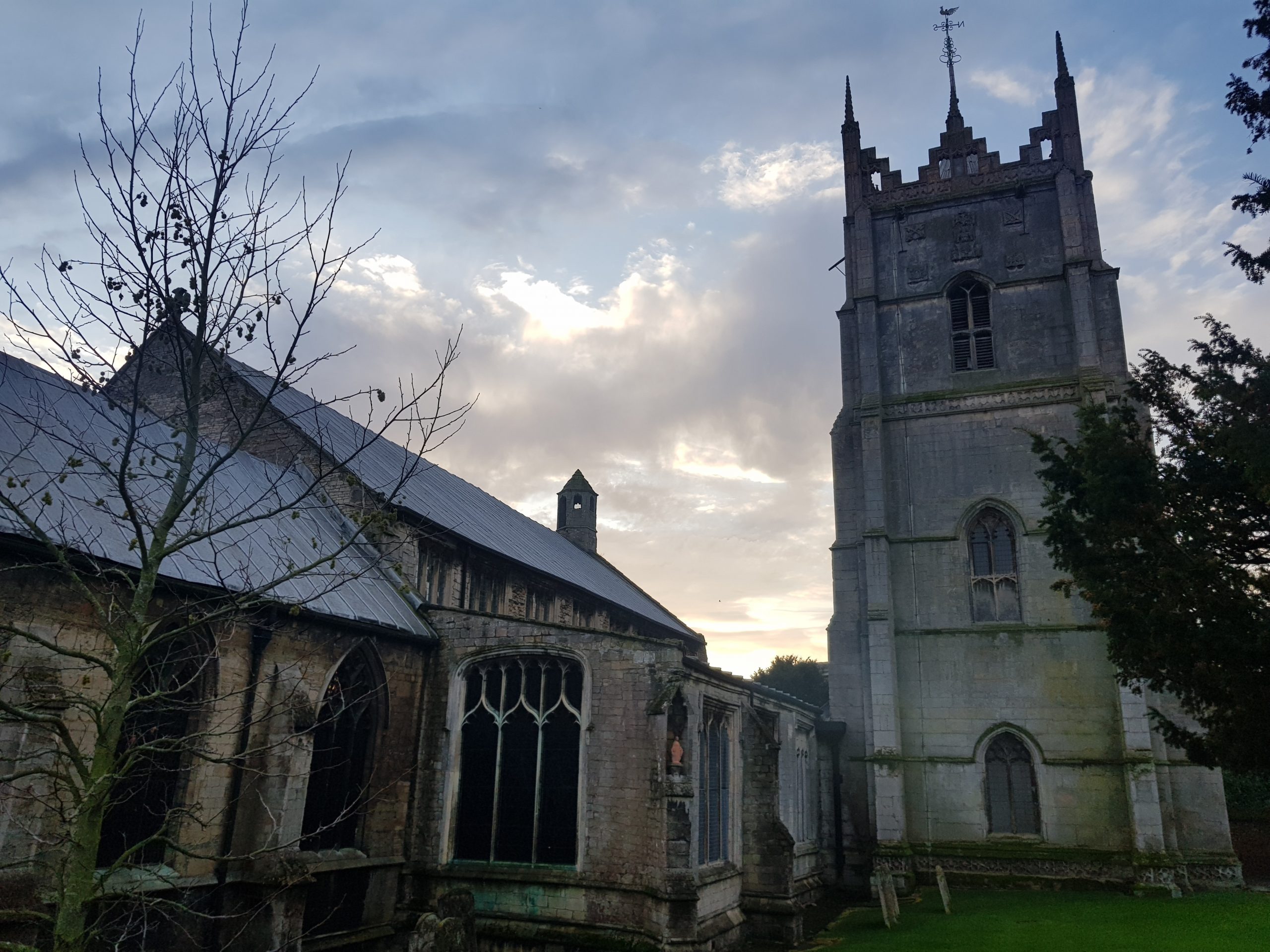
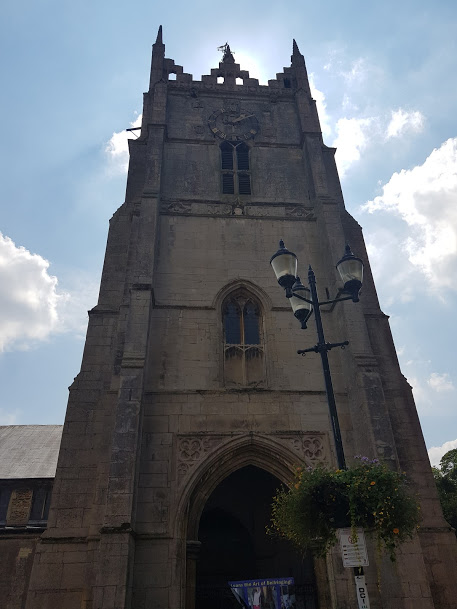
    This church dates back to the twelfth century, it’s thought around 1187, although there was a Saxon religious building at the same site which it replaced. Much of the current building is from the fourteenth century when the nave was enlarged and the chancel increased in size. Concerningly, the church has found itself on the Heritage at Risk register, but, fortunately, a National Lottery Heritage Fund project development grant has been made available to help to resolve the problems.

    The church tower dates from around 1525 and is separate from the main part of the building, fears of unstable ground dictated its placement.

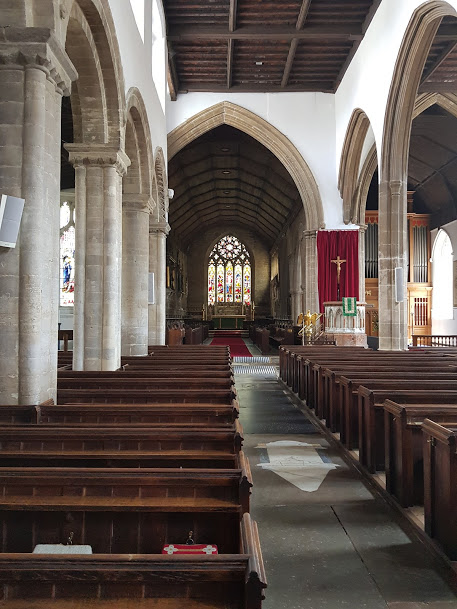
    I like irregularities in church buildings, it helps to tell the story of how the structure has changed over the centuries, with some of this relating to the rebuilding of the chancel. The complications of the church continued when there was a little incident and the original tower fell down in around 1450. The structure of the church is confusing, as the central nave is narrower than the north aisle and there are two south aisles due to the positioning of the tower.

    The nave.

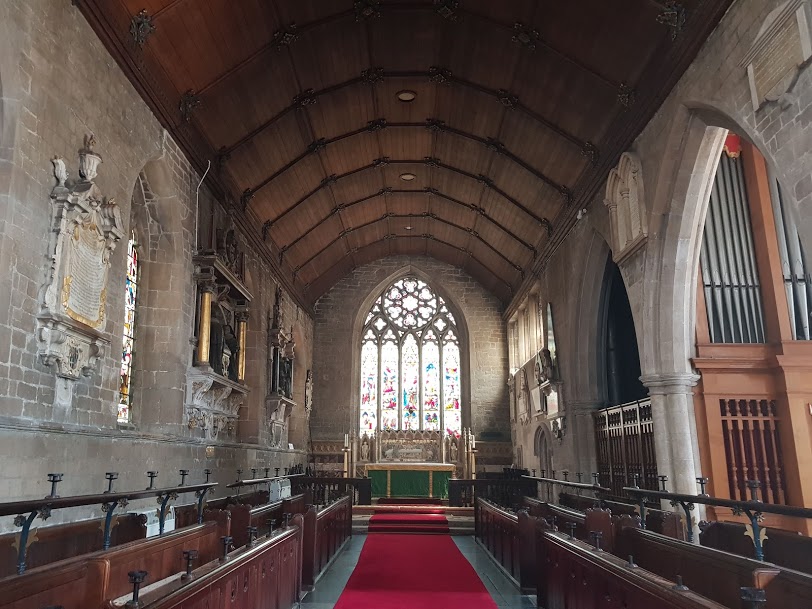
    The chancel, looking towards the altar, this is one of the most logical parts of the building in terms of its design.

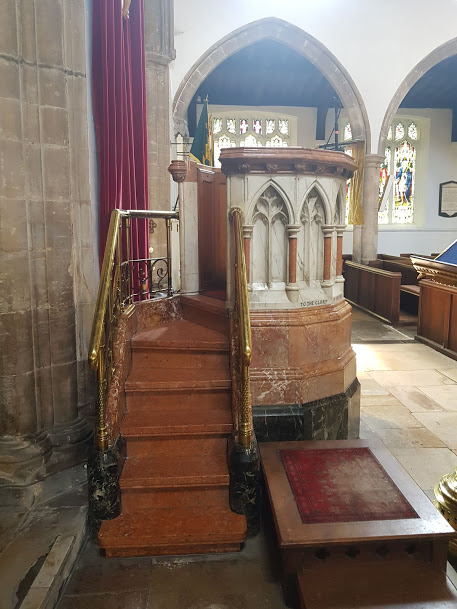
    The marble pulpit, a relatively new addition which was placed here in 1904.

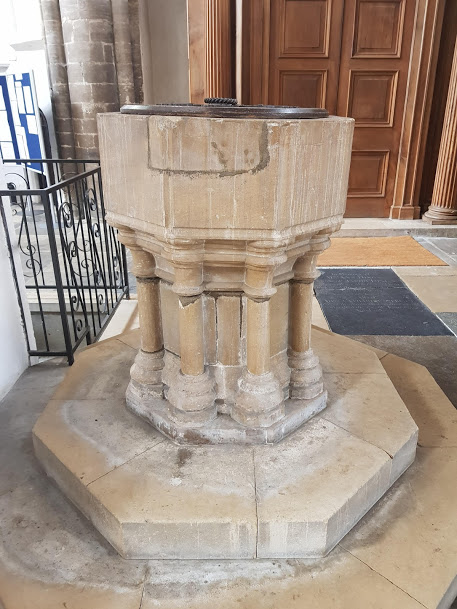
    The font, which dates to the fourteenth century.

  • King’s Lynn – Nip and Growler

    King’s Lynn – Nip and Growler

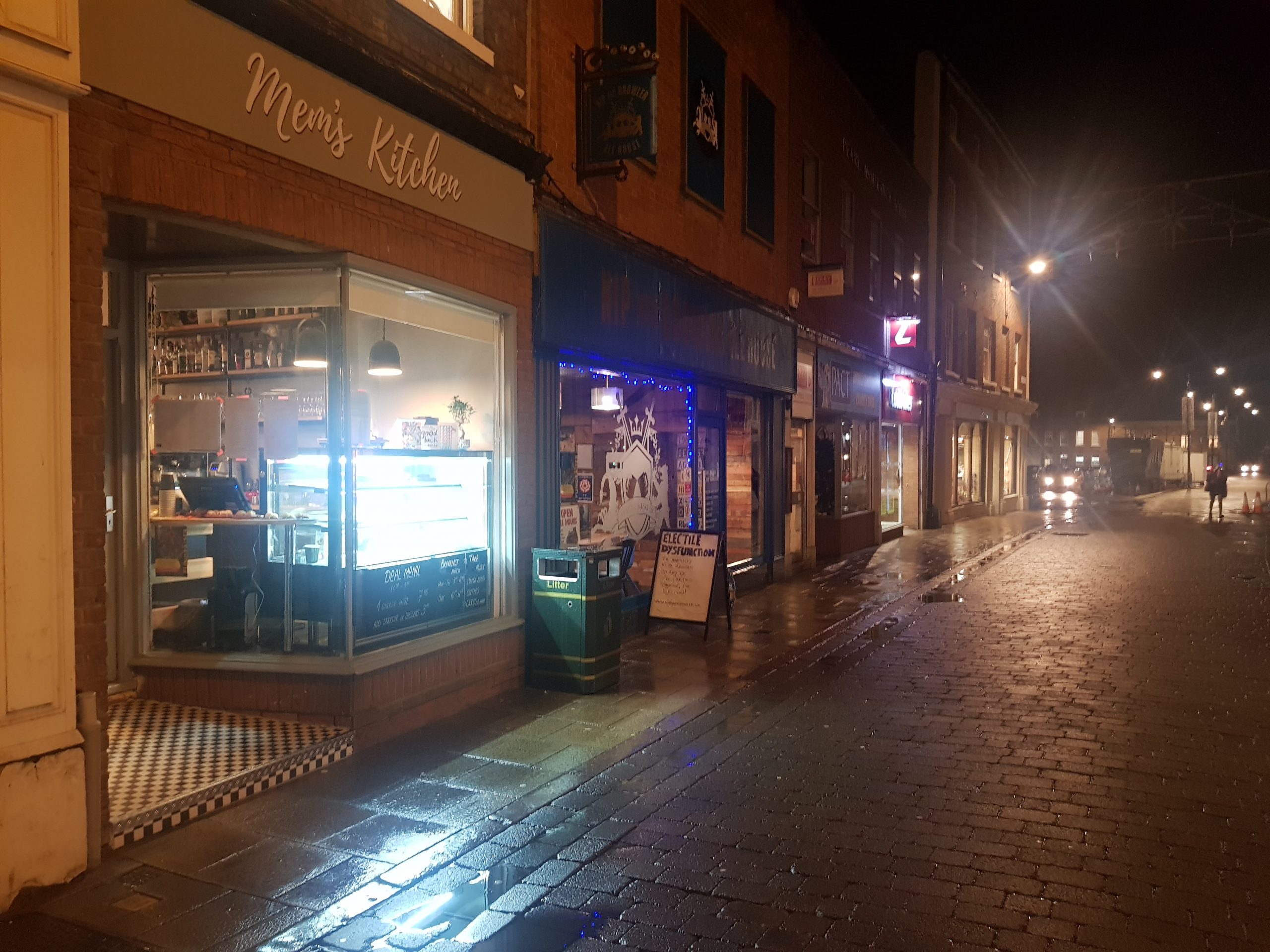
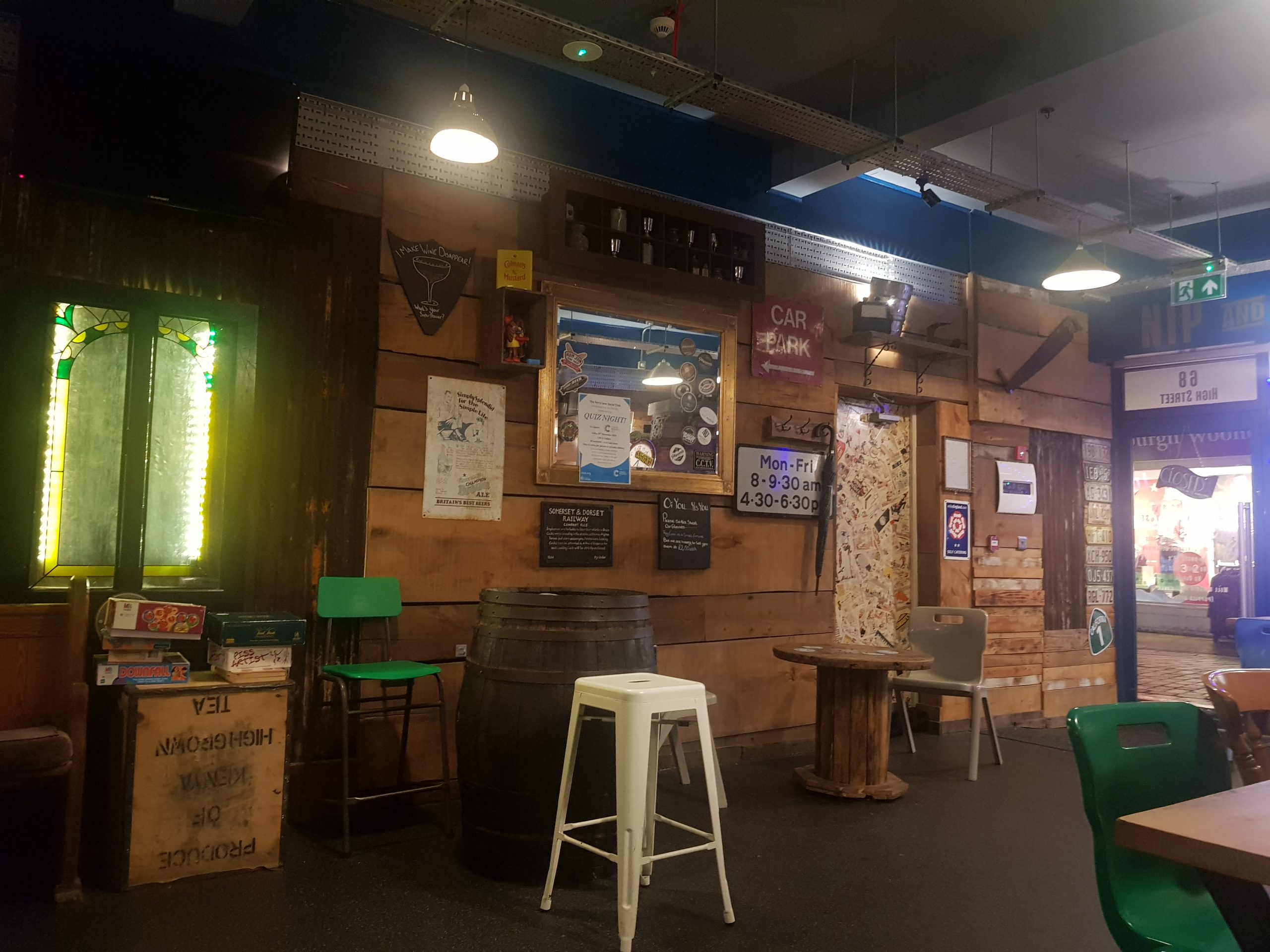
    This micropub, the first in King’s Lynn, opened in 2017 in what was formerly a Jessops camera shop, although in a previous incarnation this was the location of a pub, originally the Bull Inn. I know this the pub owners have taken the time and trouble to arrange for a comprehensive history of the building to be placed on their web-site at http://www.nipandgrowler.uk/. I like owners who are proud of their building and see it as part of the offering, and irritated at myself that it’s taken me two years to manage to come here.

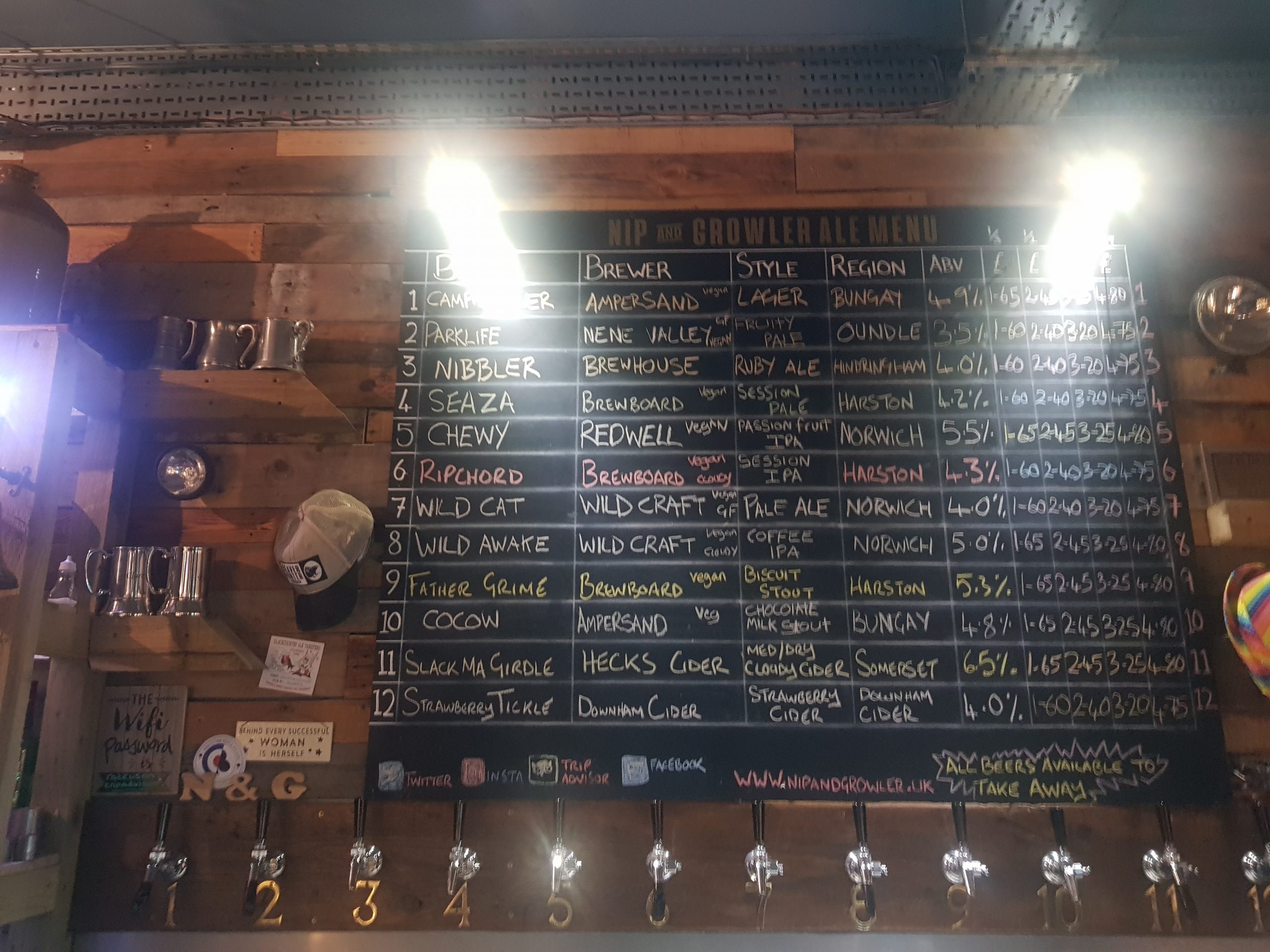
    The pub specialises in local beers and ciders, which is a noble endeavour. But that hasn’t limited the quality or range of the selection, with the wonderfully friendly member of staff keenly telling me about the two dark options. This is one of the friendliest pubs that I’ve been in, there’s an atmosphere which just works well, something that is often lacking. Quirky, relaxed and comfortable. I like it.

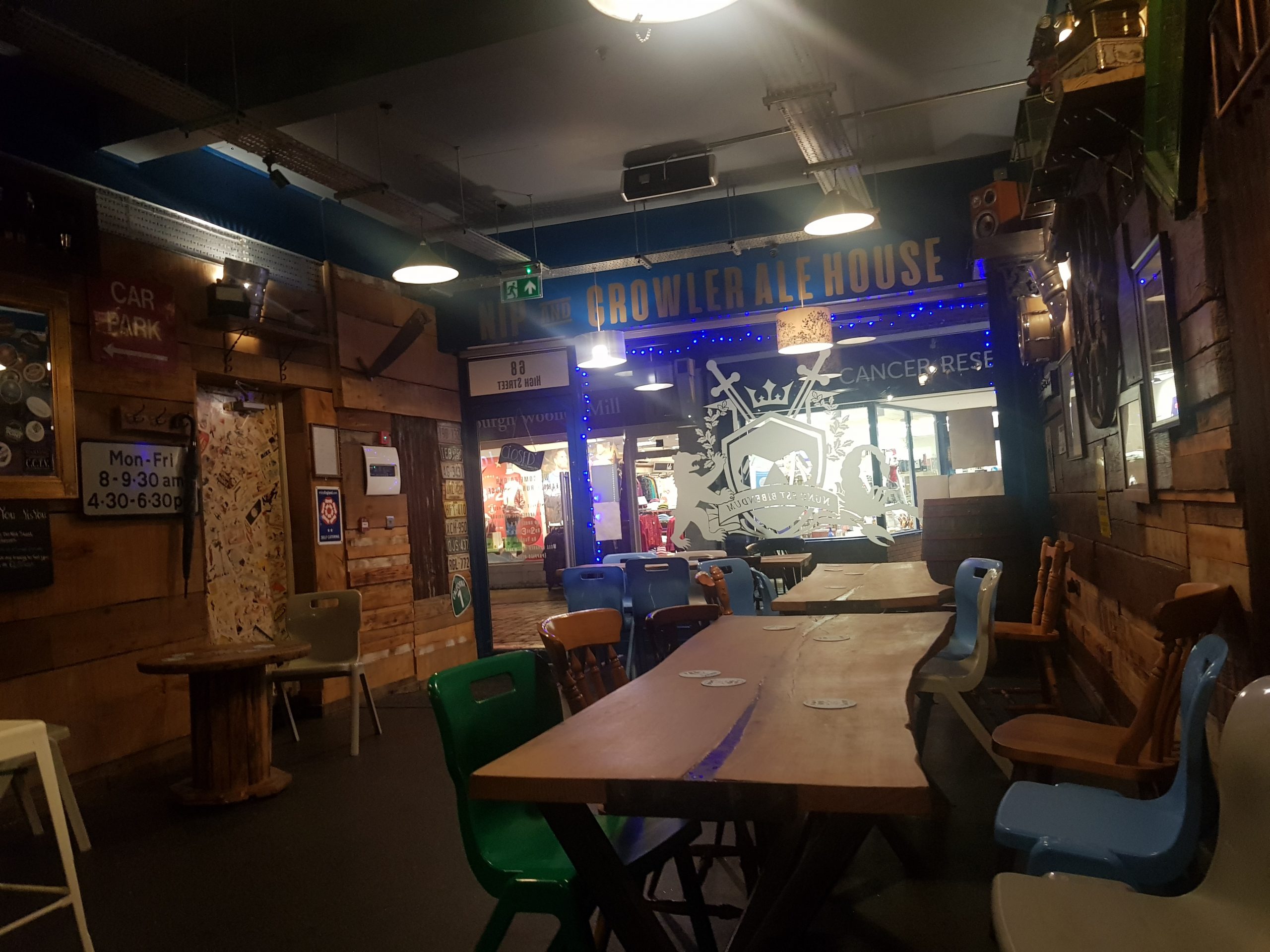
    The interior of the pub, which makes it look quiet, but I took the photos during the brief gaps between customers. There’s some fun signage, but nothing forced like it’s come out of a modernisation organised by Craft Union, who seem to rip out atmosphere in pubs they ‘update’. There’s wi-fi and plugs, all sufficiently modern, but there are also board games for customers to amuse themselves with.

    The service was impeccable throughout my visit, little things like actually saying goodbye to customers is often overlooked by publicans and their staff and it’s not difficult when it’s clear someone is getting ready to leave. I have droned on to people about Hop and Vine in Hull, where the landlord has managed to create himself a marvellously welcoming atmosphere. There’s a different customer base here, but the atmosphere doesn’t lag far behind.

    Onto the beers, and I felt the need to try both of the dark beers.

    The Cocow from Ampersand Brewery near Bungay is a chocolate milk stout, which is very much my favourite kind of beer. This was beautiful, the flavours of bitter chocolate and a little bit of coffee in the mix, like some fine bar of dark chocolate. The flavours aren’t immediately obvious, they’re more of an aftertaste, but that works for me.

    The Father Grime is a stout from Brewboard, a brewery I hadn’t heard of, but they’re from Harston, near Cambridge. The promised biscuity flavour was there, quite a rich stout although without the strong and pleasant aftertastes that the Cocow had. But, still, very lovely.

    Overall, and this is just for my reference than because anyone else is interested, but this is certainly one of my pubs of the year. It’s also near enough for me to be able to visit again, which I most definitely will. What a delightful pub option though for the people of King’s Lynn, and I look forward to some micro-pub set-up opening in Swaffham to liven things up a bit.

  • Wisbech – Wheatsheaf Inn

    Wisbech – Wheatsheaf Inn

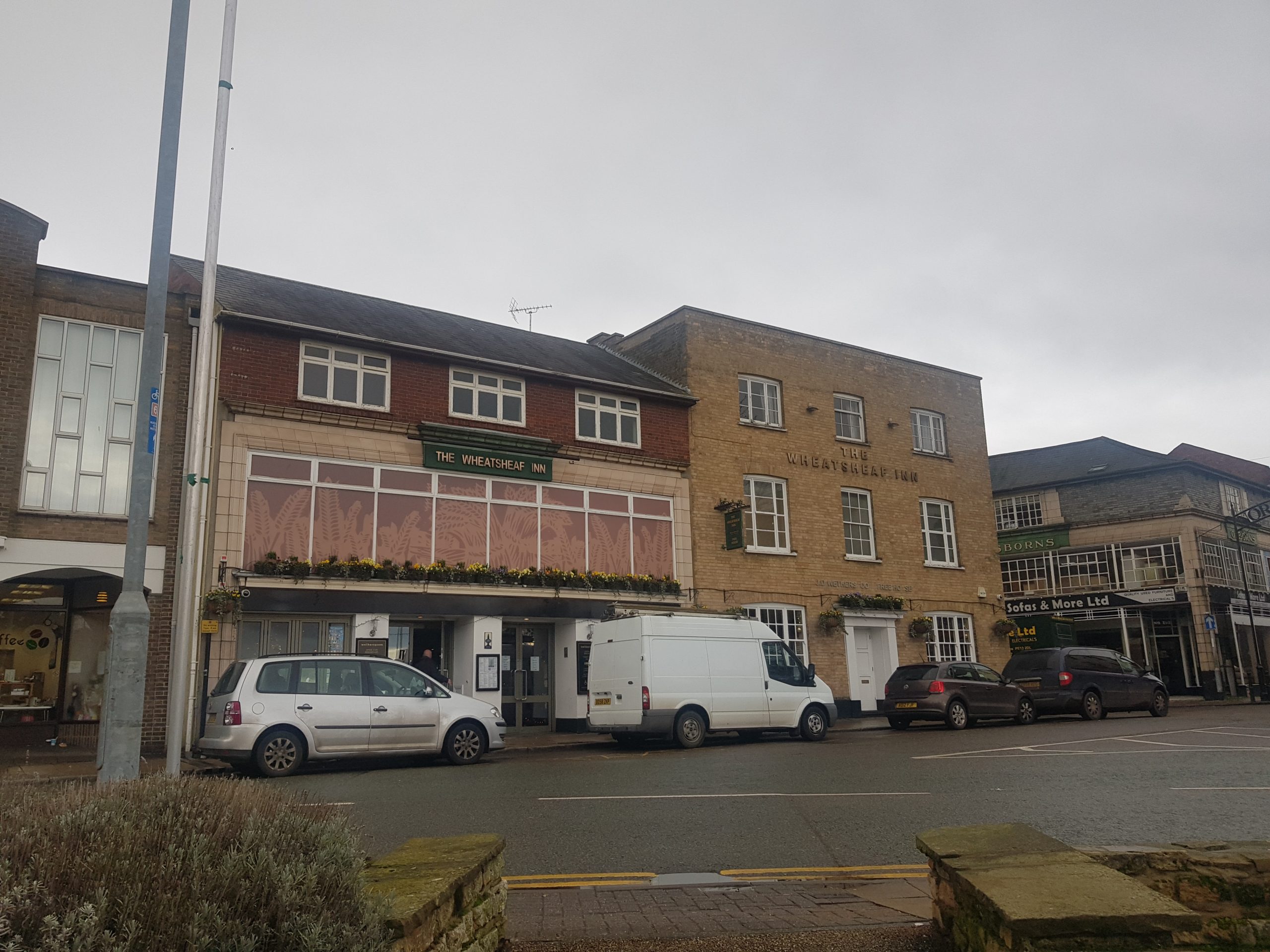
    The frontage of this building isn’t the most inspirational, but it houses a relatively large JD Wetherspoon outlet, probably the busiest pub in the town. The frontage used to have large advertising boards up, which I thought made the building look better than the new decoration of wheat sheafs, although I can’t deny that this is an appropriate image.

    The history of the building is told by Wetherspoons:

    “This pub comprises a former furniture and decorating store and the old Royal public house. Before 1869, The Royal was called The Wheatsheaf, recorded at this address since 1792.”

    CAMRA’s Whatpub tells an interesting story….Very cheery.

    “Murderers were once gibbeted on a close by common and it is said that the last man to be hanged in Wisbech ate his last meal in the pub. Said to be haunted.”

    Most of the stories I’ve found about this pub are sad, with the Huntingdon, Bedford & Peterborough Gazette reporting in August 1836 that the three-year old son of a poor man, working as a journeyman tailor, ran out into the road outside the pub and was killed after being hit by the shaft of a loaded waggon.

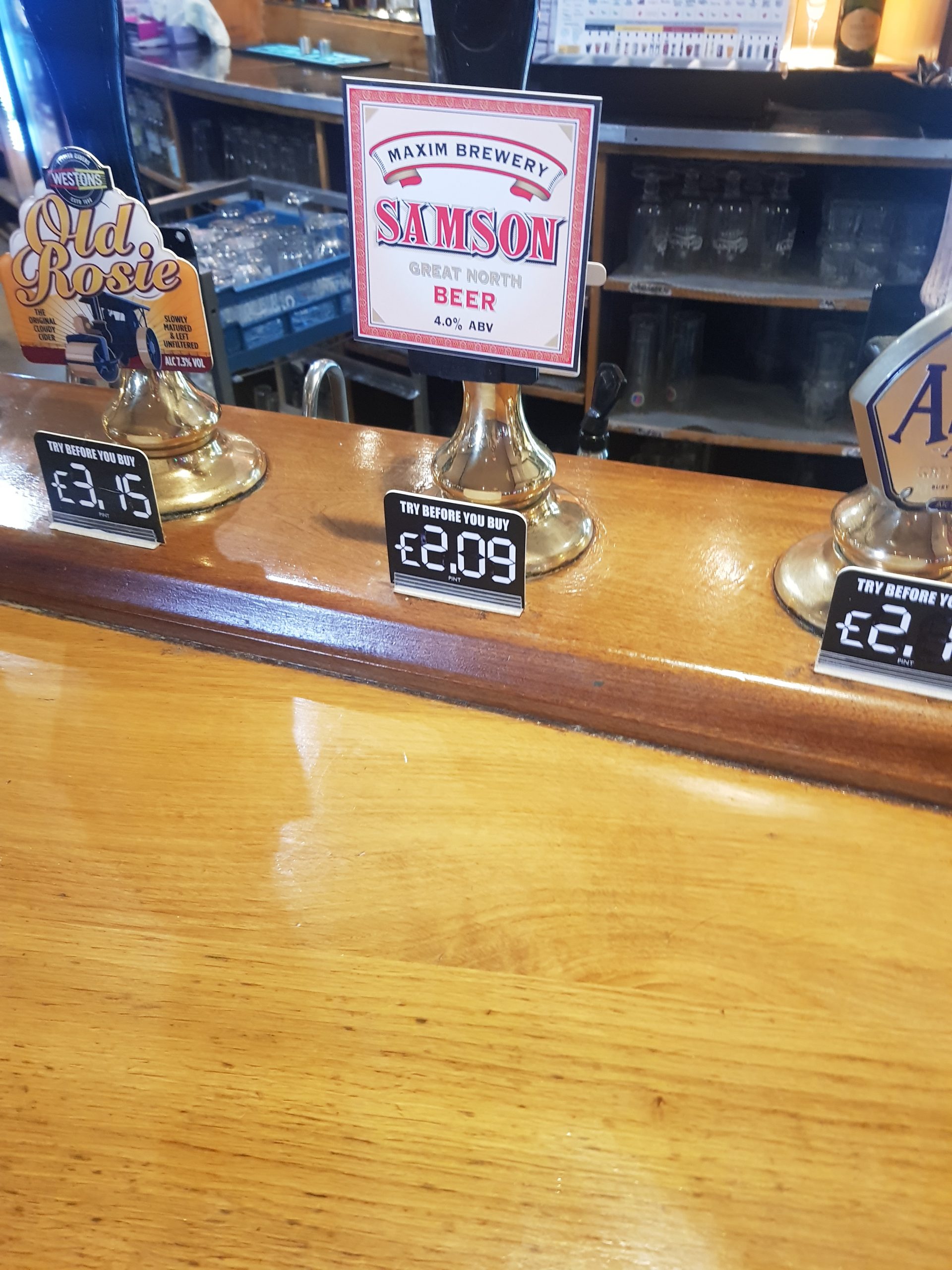
    The beer choice wasn’t fabulous, despite the pub offering seven different ales, with nothing particularly intriguing. I went for this, which was well kept and tasted fine. I couldn’t work out what tastes the beer had, likely because my palate isn’t quite sophisticated enough, but other reviewers tasted biscuit, breadcrust, berries, caramel and coffee. I got none of those, but the beer didn’t have an unpleasant or dull taste.

    The pub itself is largely open plan on a single floor, nothing inspirational, but perfectly functional.

    Reviews are broadly positive, although the recent poster on TripAdvisor didn’t seem to be a huge fan of the pub:

    “Vile. Absolutely disgusting, smackheads hitting up in toliets, feces all over walls staff not washing hands really would not recommend”

    There’s something about this which suggests to me that the reviewer wasn’t allowed in and decided to post angrily, but who knows….

    The review:

    “Food was cold staff rude all area place dirty tables asked for coke with no ice when it came with ice when I mentioned it she picked it out with her hands would avoid this place again”

    Isn’t great. I’m not sure the poorly presented response of “thank you for your comments” from the pub helps much either, it looks like someone from the pub has been responding on a phone as the other responses from management are littered with spelling and punctuation errors. My favourite are responses from Wetherspoon pub managers where the reply to grumpy customers is terse and passive aggressive, I have lots of respect for those.

    Anyway, I got distracted with being far too concerned about spelling mistakes from two years ago. It’s also hard to complain about a pub with a pint of beer which costs £2.09, and indeed, £1.59 with a CAMRA 50p off voucher.

  • Swaffham – Butter Market Cross

    Swaffham – Butter Market Cross

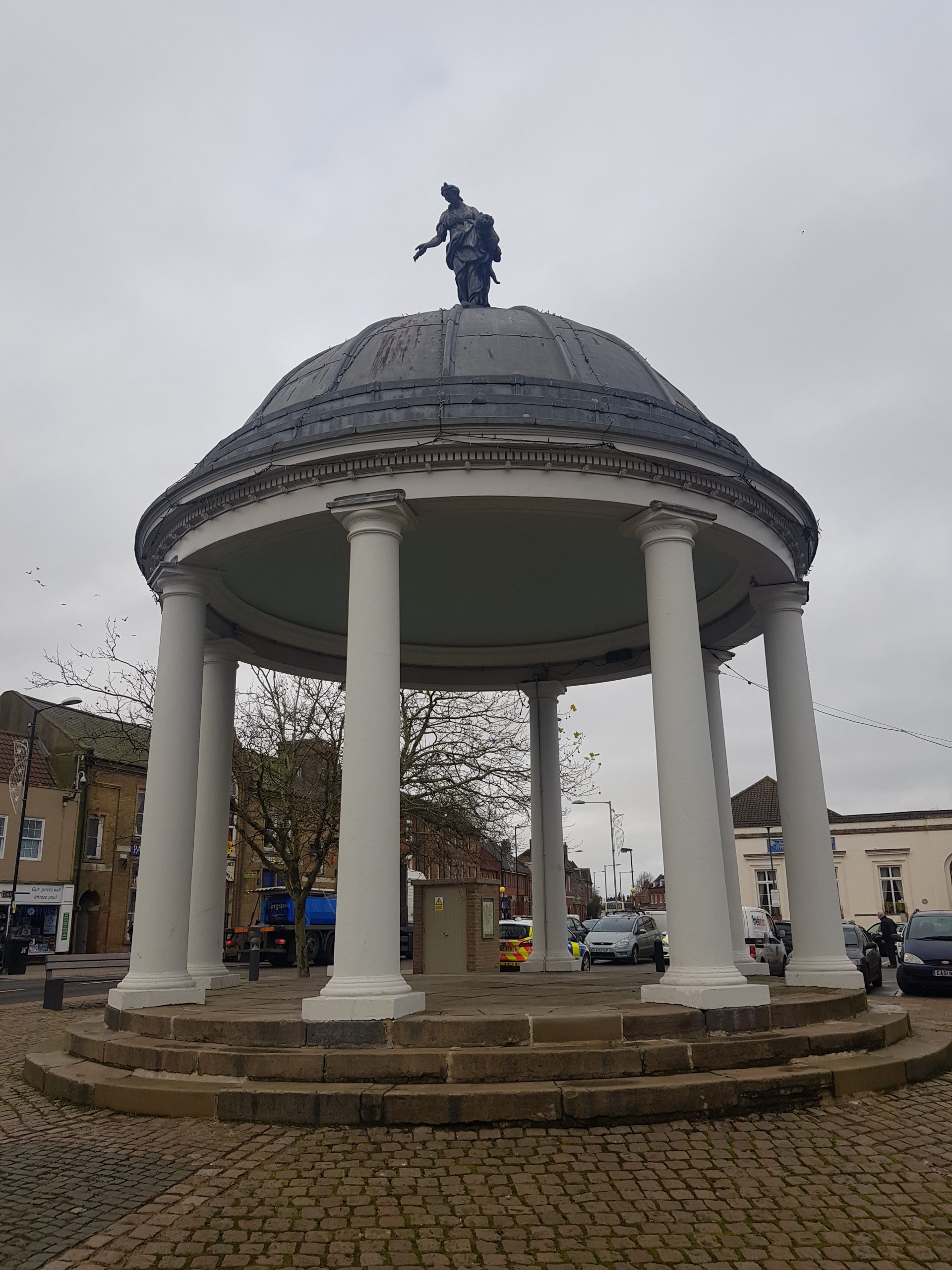
    The town’s market cross, erected for the Earl Orford between 1781 and 1783 (I’m not sure why it took two years, civil engineers and cups of tea again I suspect…) and designed by James Wyatt. On the top is Ceres, the Roman Goddess of agriculture (there’s a bookshop in the town called Ceres Bookshop as well).

  • Wisbech – Wisbech Library

    Wisbech – Wisbech Library

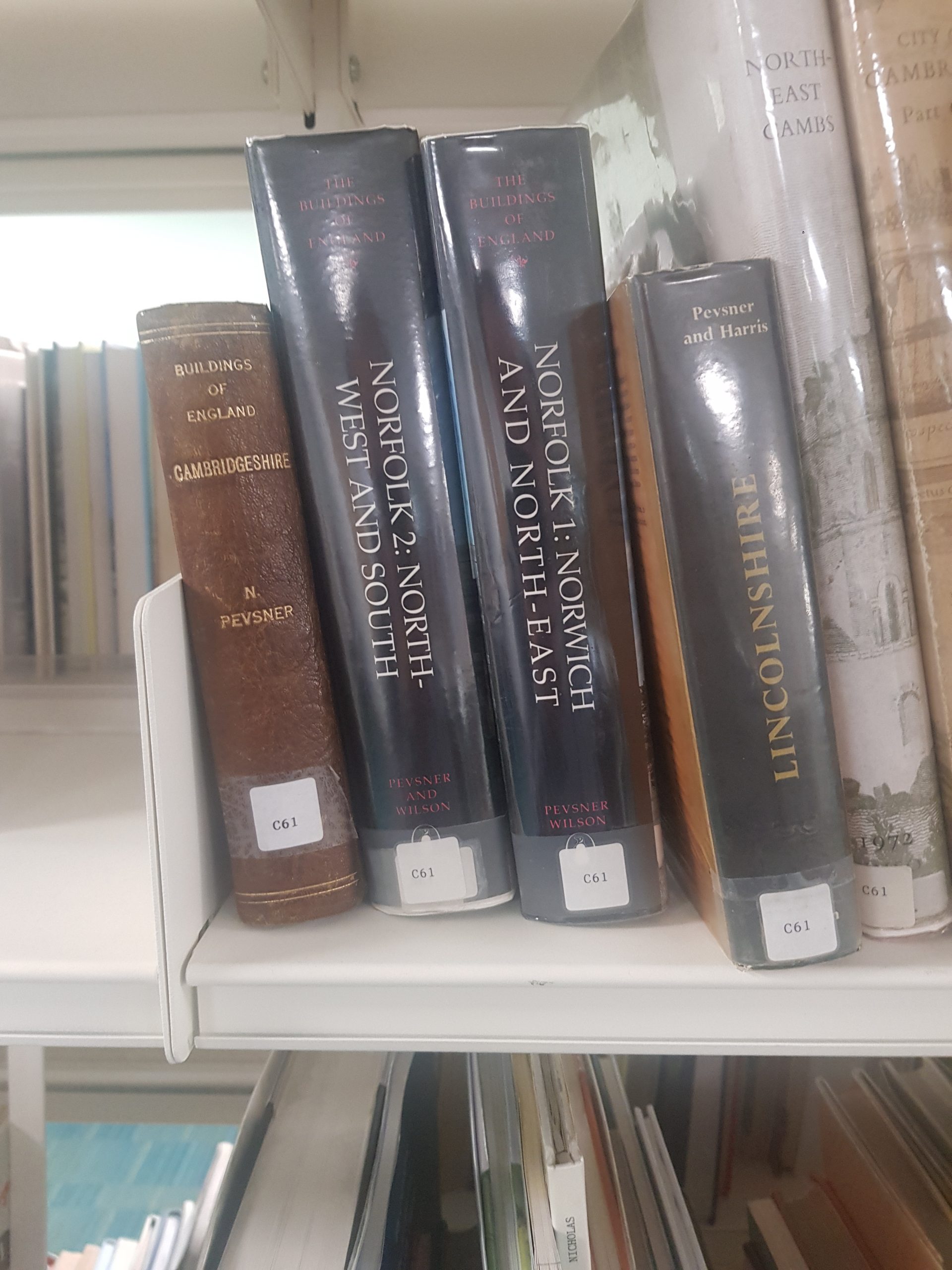
    Well, great news on the Pevsner front. Norfolk Library service couldn’t manage to supply me with a Pevsner for the Swaffham area in either their Swaffham or Dereham libraries (one was locked in an office in a library I couldn’t get in anyway, with the second one having been pinched), but Cambridgeshire Library service have managed to have it available in Wisbech. And, bonus points for an older Cambridgeshire edition and even more bonus points for having public wi-fi, which Norfolk don’t.

  • Swaffham – “I Doubt He’ll Find That in his Swaffham Indian”

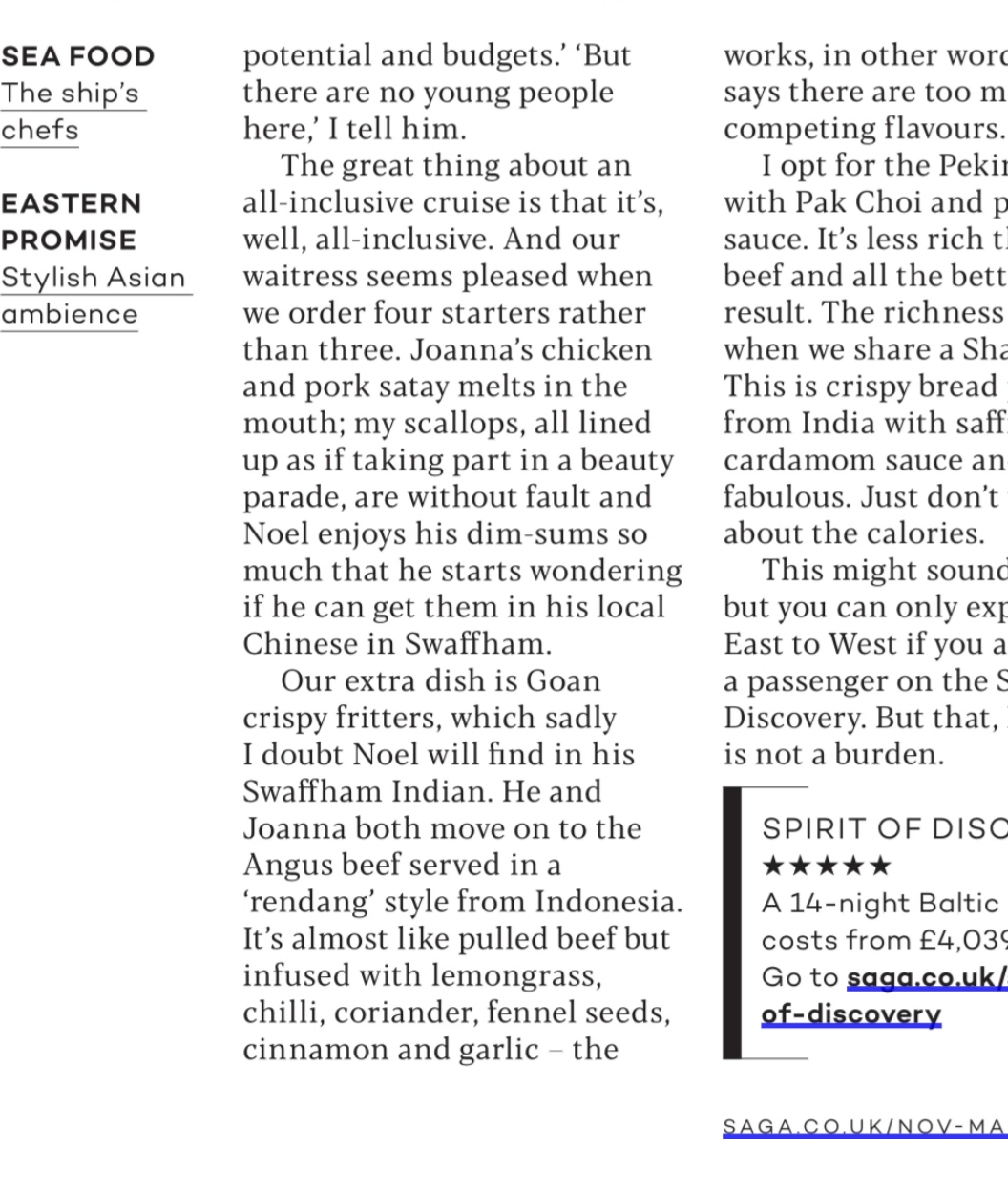
    I was a little amused by this article about a cruise in Saga Magazine (don’t ask) about Swaffham. I suspect that the author might be right about Noel….

  • Swaffham – St. Peter and St. Paul Church (Elizabeth Hainesworth)

    Swaffham – St. Peter and St. Paul Church (Elizabeth Hainesworth)

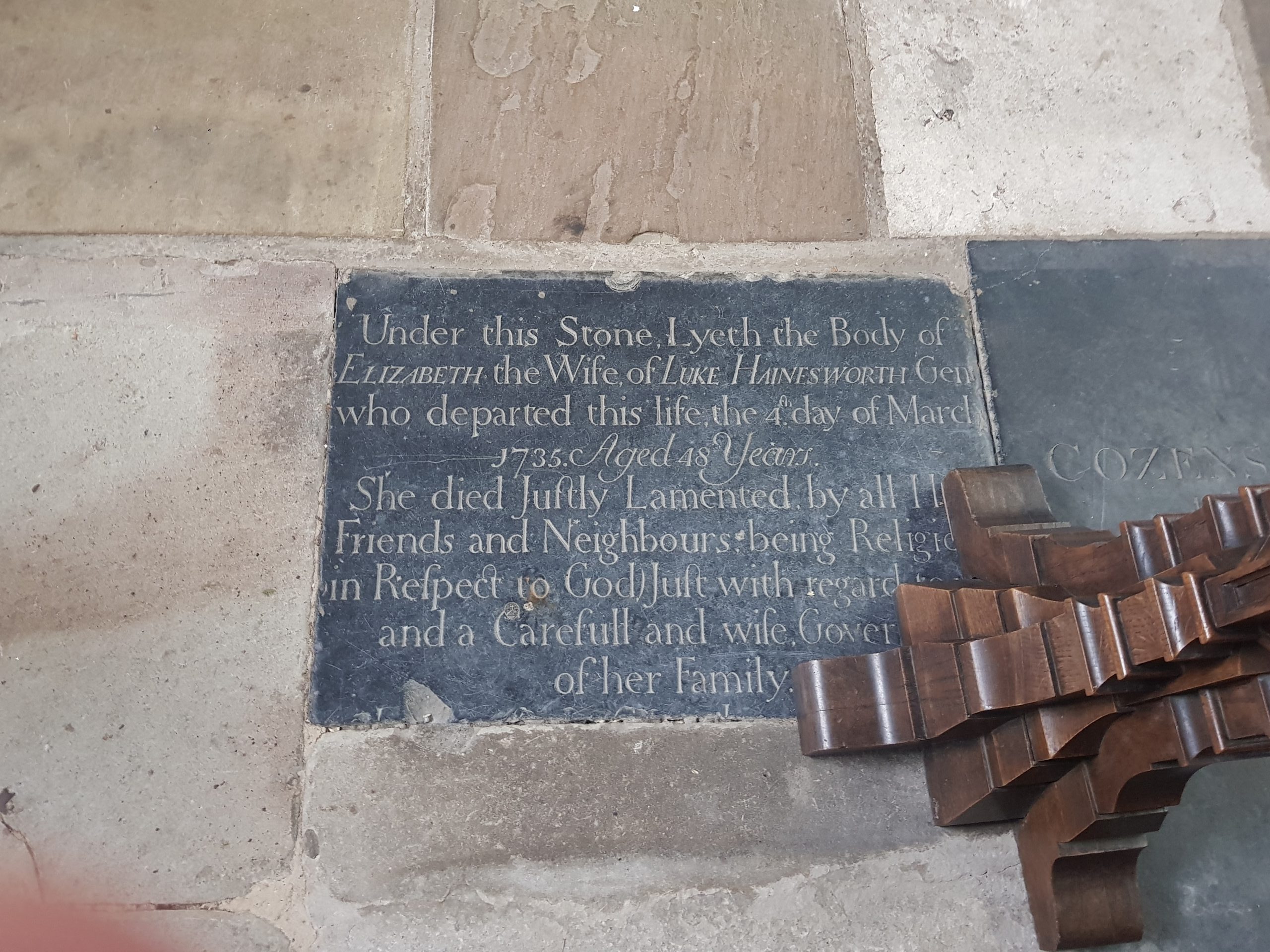
    Judging from the furniture placed on it and the rearrangement of stones, the church interior at Swaffham Church has no doubt changed somewhat since Elizabeth Hainesworth was buried here in 1735. There’s not much of a story here that I can tell, as there isn’t much information that I can find out. As the stone says, Elizabeth died on 4 March 1735, aged 48 years old.

    Her husband Luke does appear in a few registers from the early eighteenth century from when he employed apprentices. He was a grocer and a mercer (dealer of fabrics) in Swaffham and there’s little doubt that he would have been comfortably off. They had at least one child between them, John Hainesworth, who was baptised on 25 May 1726. But, other than that, the on-line databases are producing nothing more. But I liked the stone, in a rather good state of repair for its age.

  • Swaffham – St. Peter and St. Paul Church (Robert Huson)

    Swaffham – St. Peter and St. Paul Church (Robert Huson)

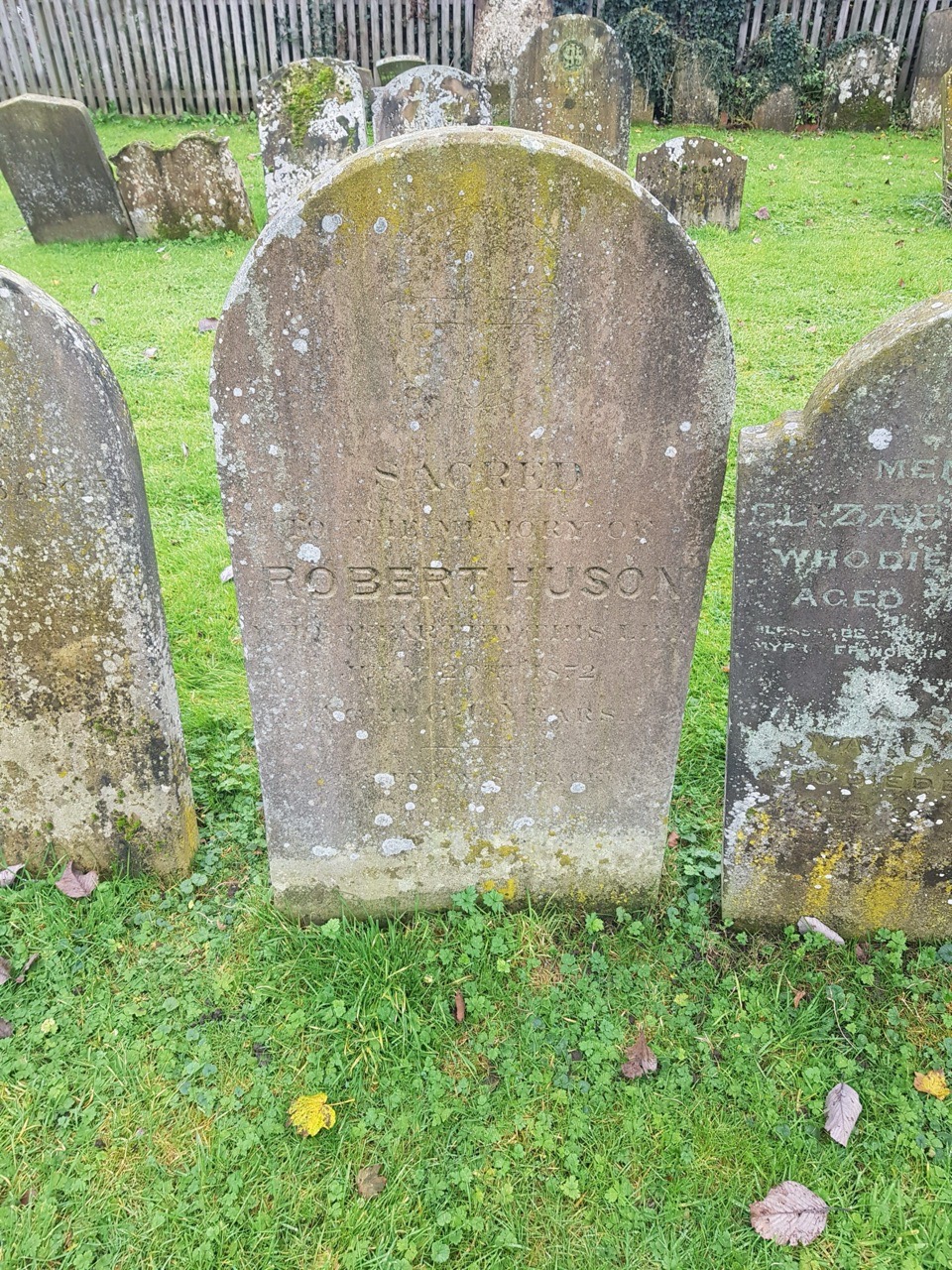
    There’s no logic to these posts, just some graves of people at St. Peter and St. Paul Church in Swaffham which seemed intriguing.

    Robert Huson was born on 26 July 1808 and was baptised on 14 August 1808 in Swaffham, the son of Robert Hudson and Susan Allen. He married Mary Huson, who was 14 years younger than him, and he worked as a carpenter. He had a son, Arthur Huson, when he was aged 50 and by the 1871 census he was living with his wife and Arthur on Lynn Street in the town. He died in 1872 at the age of 64, with his son Arthur becoming a grocer, going bankrupt and starting over again. Relatives of Robert and Arthur still live today, but unfortunately, I can’t find out anything more about Robert Huson’s life. He rather disappeared off the radar, or at least the radar visible to me, for some decades and I can’t make out what he did with his life. One day I’ll solve some of these random little mysteries….

  • Swaffham – St. Peter and St. Paul Church (Guy Dennis Buckeridge)

    Swaffham – St. Peter and St. Paul Church (Guy Dennis Buckeridge)

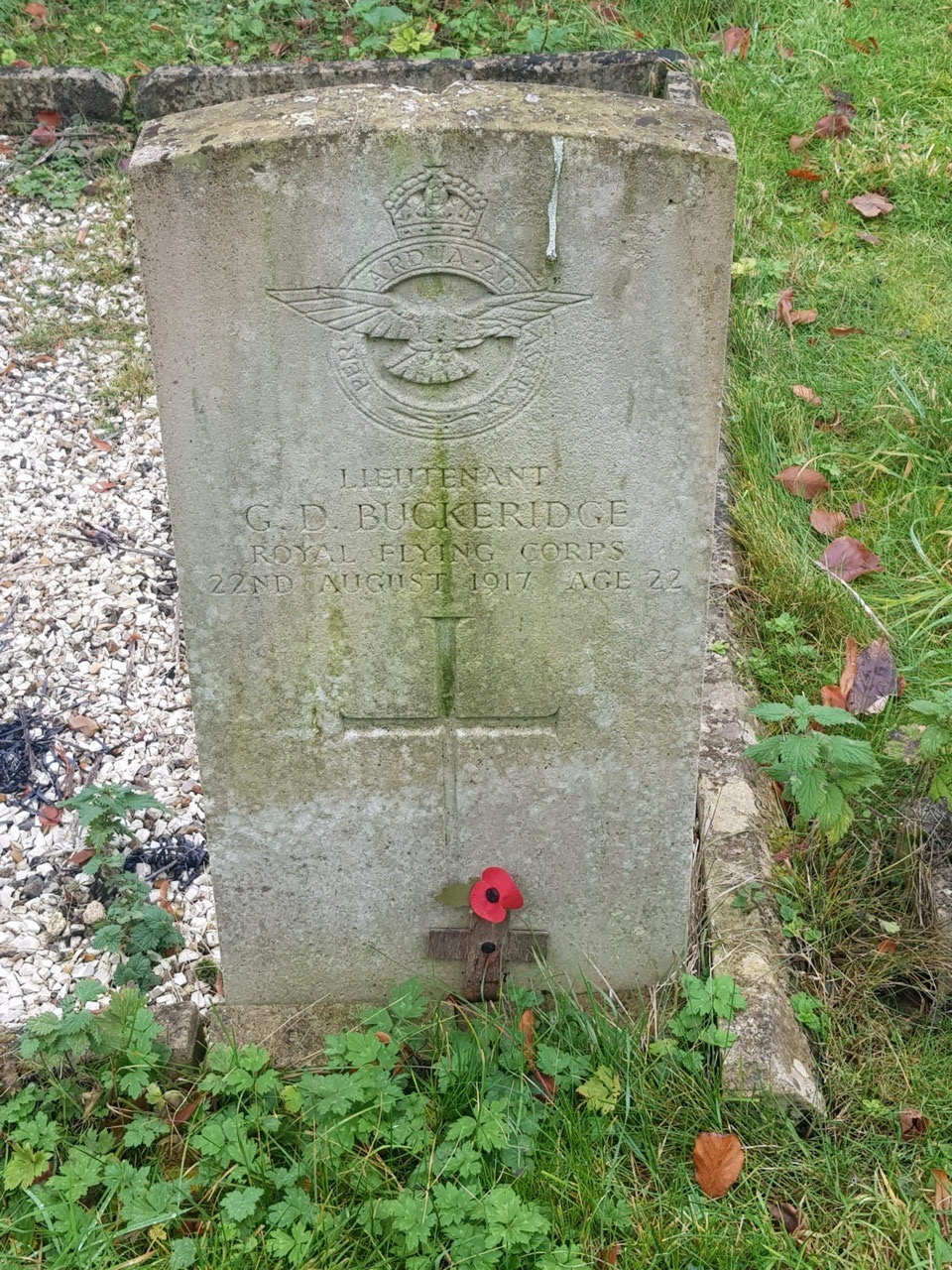
    This grave is located within the churchyard of St. Peter and St. Paul Church in Swaffham.

    Guy Dennis Buckeridge was born in Johannesburg in 1895, the son of Alfred Dennis Buckeridge and Amy Buckeridge, but they moved to the UK at some stage and lived at 8, Cardigan Road in Richmond-on-Thames. He appears on numerous passenger lists though, returning to South Africa frequently. He joined an air force unit in Reading in 1916 and in early 1917, he began training as a night-time pilot.

    Lieutenant Buckeridge flew his last sortie on 21 August 1917 when he flew from RAF Marham in Norfolk. During his flight his aircraft got trapped in a spinning nose dive and he died the following day, at the age of 22. His next of kin, which was his wife, was duly informed and he was buried at Swaffham, which was near to where the aircraft had crashed and not far from RAF Marham.

    Norman Frank Dennis, who was Guy’s older brother, died on 26 April 1940, killed whilst serving in the Royal Air Force during the Second World War.