Author: admin

  • Dictionary of the Vulgar Tongue – Day Seventy-Four

    Dictionary of the Vulgar Tongue – Day Seventy-Four

    The Dictionary of the Vulgar Tongue was first published at the end of the eighteenth century, and given that the Coronavirus crisis is giving too much time to read books, I thought I’d pick a daily word from it until I got bored…..

    Choak Pear

    Quite a lengthy definition this:

    “Figuratively, an unanswerable objection: also a machine formerly used in Holland by robbers; it was of iron, shaped like a pear; this they forced into the mouths of persons from whom they intended to extort money; and on turning a key, certain interior springs thrust forth a number of points, in all directions, which so enlarged it, that it could not be taken out of the mouth: and the iron, being case hardened, could not be filed: the only methods of getting rid of it, were either by cutting the mouth, or advertising a reward for the key. These pears were also called pears of agony”.

    And the instruments that the dictionary refers to have since been created to show what they would have been like. They are though almost certainly a figment of imagination from the early author, F. de Calvi, who first mentioned them. It’s true that devices like this were used as gags in punishment, but there has been no evidence present for criminals ever using them.

    If a criminal of the time wanted to steal something from someone, they could easily do that. The chances of them having some complex mechanical device which they then used to extort a ransom seem low, there must have been easier ways for them to manage to get money out of their victim. I’m blaming the grub street press again, keen to sell newspapers and scare people, this would be the perfect story to spread. A few newspapers reported the device, but they all referenced Grose’s dictionary.

    So, the stories behind devices also known as Pears of Agony or Pears of Anguish are likely false, with the museum pieces mostly dating to the nineteenth century. But if they were true, this must have been a hideous thing to endure.
  • Shotesham – Name Origin

    Shotesham – Name Origin

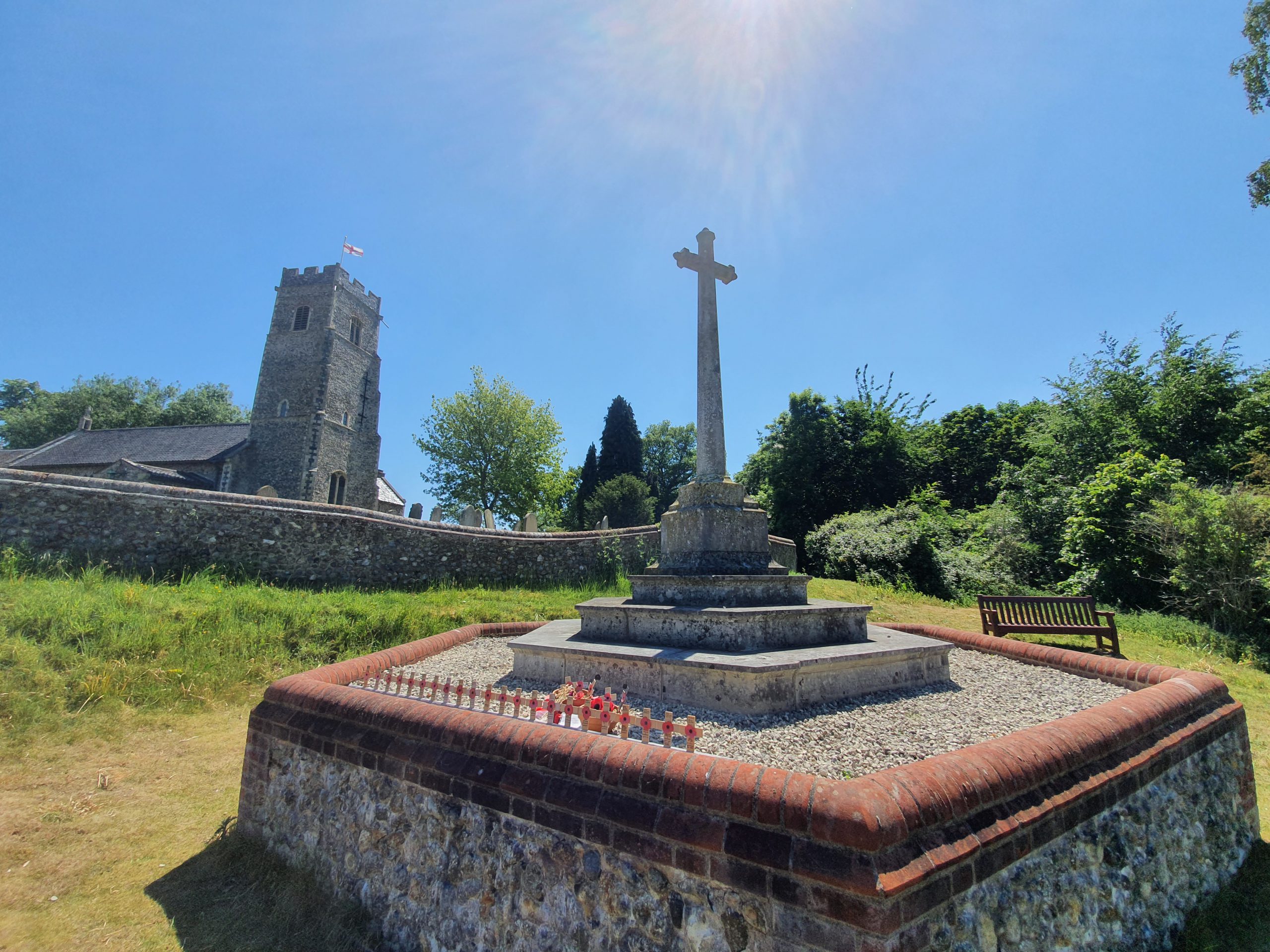
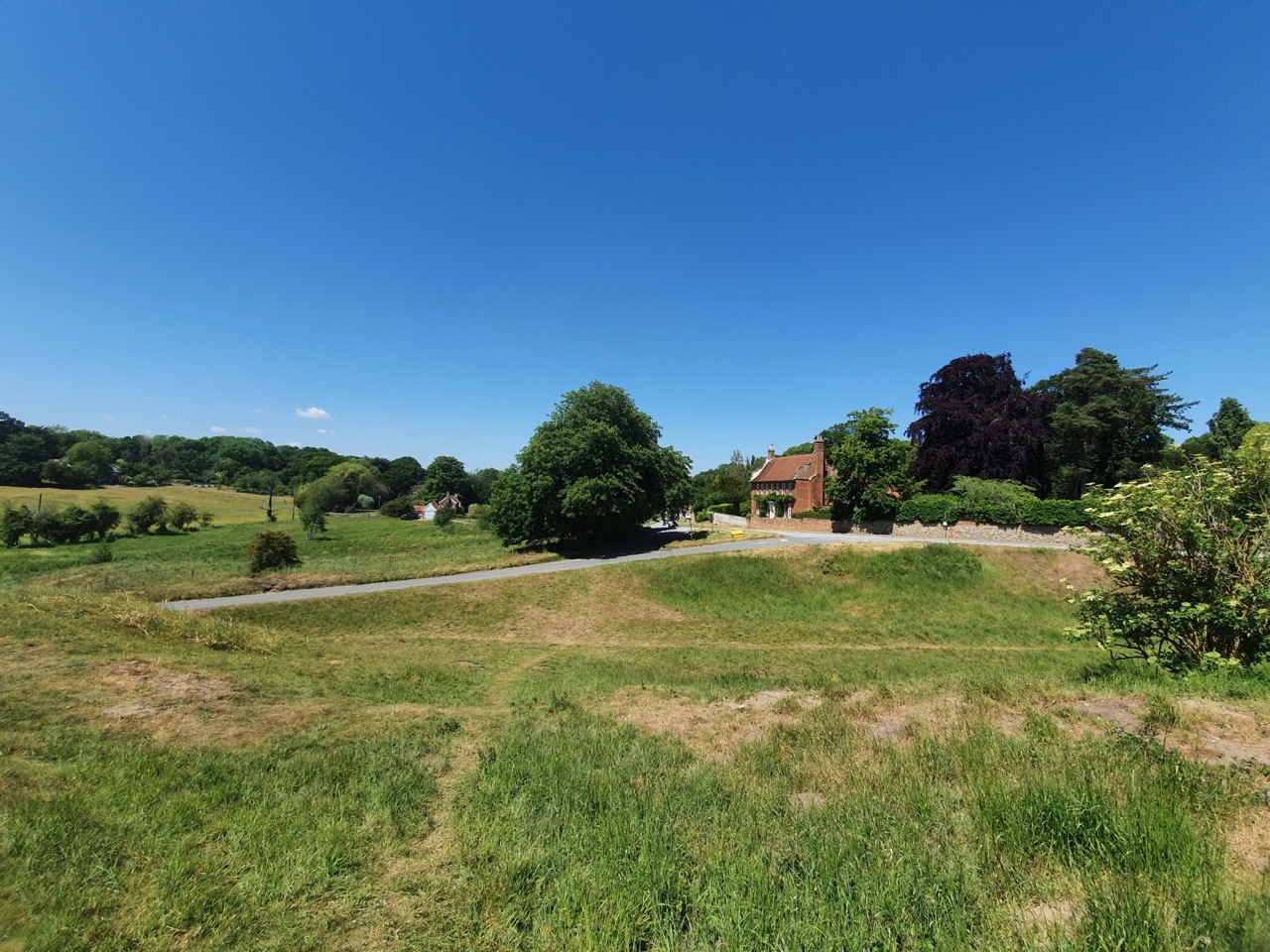
    It’s been a couple of years since I’ve been to Shotesham and my visit today saw some warm weather. A bit too hot, but there we go. Anyway, the origins of the village name.

    The Concise Oxford Dictionary comments on this name:

    Shotesham, Norfolk. Shotesham in 1044, Scotesham in Domesday Book, Schotesham Omnium Sanctorum in 1254. Scott person, literally from Scotland or Ireland.

    The 1254 longer version of the name means Shotesham All Saints, but it’s impressive that the village had the same unchanged name nearly 1,000 years ago of Shotesham. The ‘ham’ means farm, homestead or settlement, but I’m not sure what Scots person exactly this is named after. I’m sure that whoever it was that they’d be surprised to see just what a legacy they had on the area.

  • Shotesham – Shotesham Rocket

    Shotesham – Shotesham Rocket

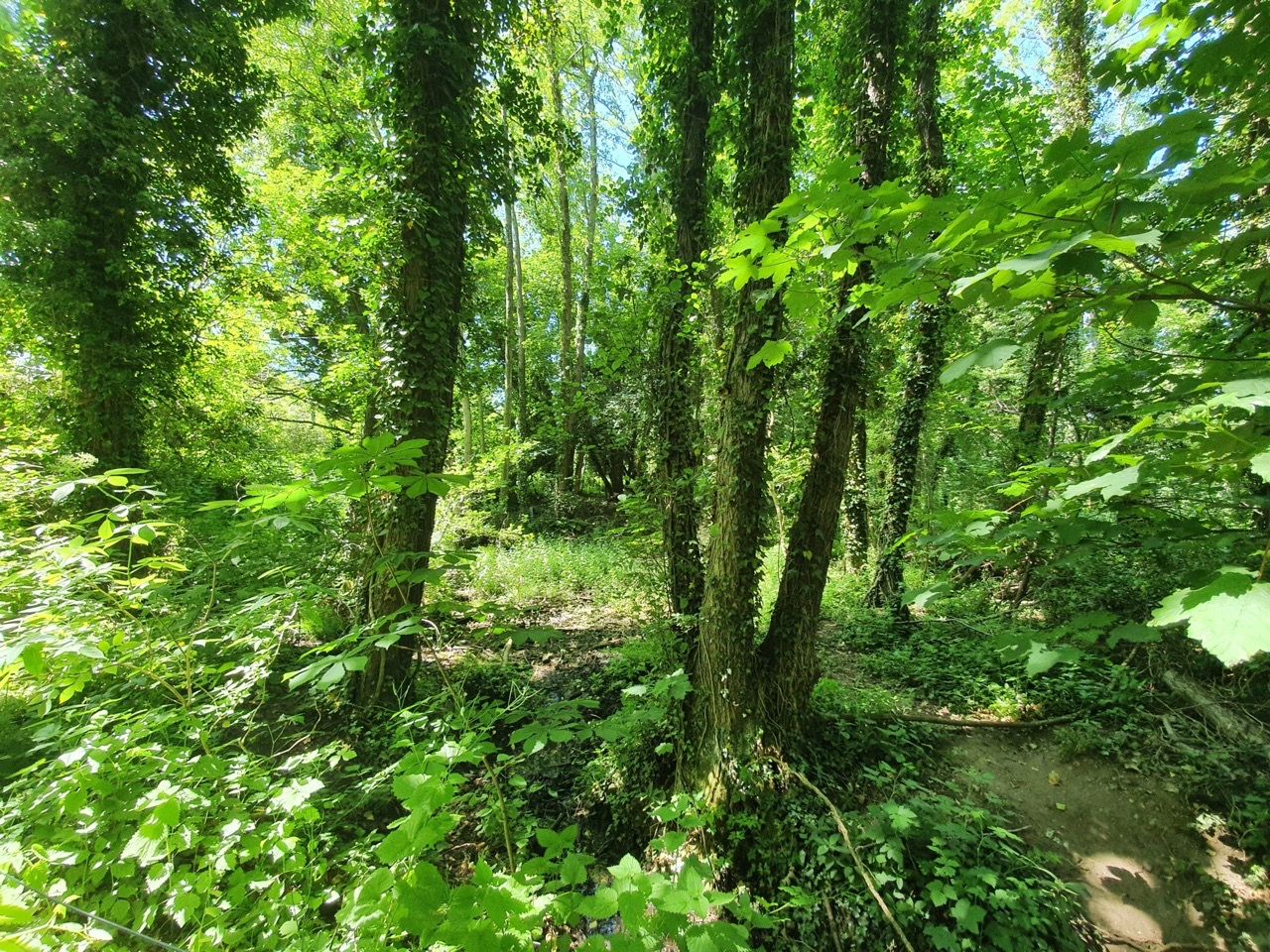
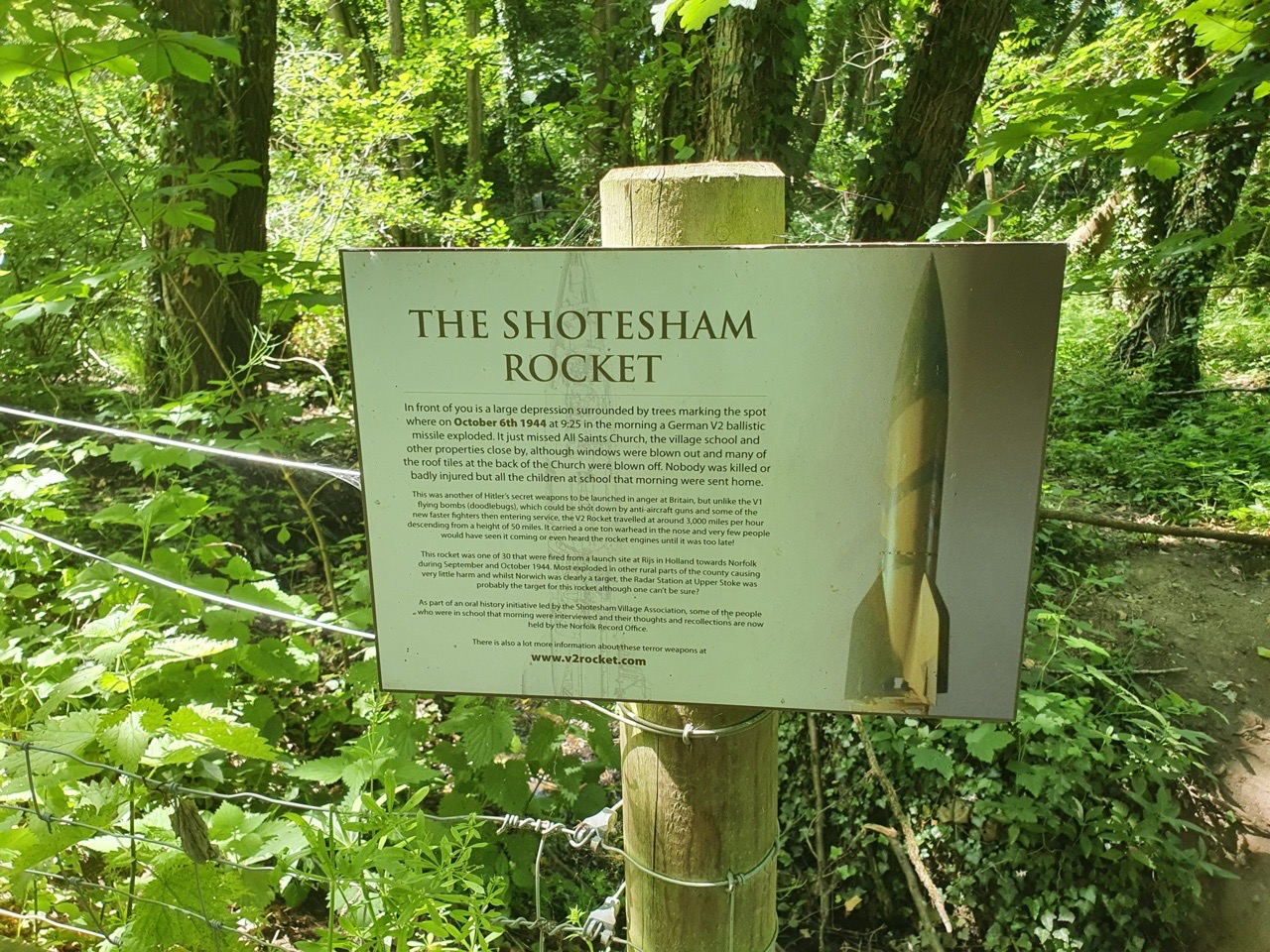
    Located near to the village of Shotesham, near to All Saints Church, is this sign which gives some history about why there’s a hole here.

    The depression, which is a little hard to make out here now because of the trees, was caused by a German V2 missile which caused damage to 43 buildings in the village. It was fired on 6 October 1944, the only such attack in the UK that day, and fortunately no-one was hurt during the explosion. As the sign notes, it’s not entirely clear what the Germans were trying to hit, but it’s thought that it might have been the Radar Station at Upper Stoke. So, it wasn’t a marvellously accurate attack, as that’s a few miles away.

    The rocket was fired from Rijsterbos in the Netherlands and it travelled at around 3,000 miles per hour and descended from a height of fifty miles. The rockets caused significant damage to the area where they landed, with craters being around twenty metres in width and eight metres in depth. If this would have been developed and used earlier in the war, its impact could have been terrifying as they were nearly impossible for the British military to be able to stop once they were fired.

  • Whitlingham – Name Origin

    Whitlingham – Name Origin

    Whilst on a roll checking the origins of place-names in the Concise Oxford Dictionary, the village of Whitlingham is defined as:

    Whitlingham, Norfolk. [Wisinlingaham in Domesday Book, Wicthlingham in 1206, Withlingham in 1254]. The ham of Wihthelm’s people.

    ‘Ingas’ (or ing) is the Saxon word for a group of people, whilst ‘ham’ means farm, homestead or settlement. I’m not sure if I’m meant to know who Wihthelm was, but I don’t. Although he was probably quite important if he had a little collection of followers. It does though help date the settlement, now best known for its lake and sewage treatment works (these two are separate locations, they haven’t merged them), to at least the Saxon period.

  • Panxworth – Name Origin

    Panxworth – Name Origin

    I was reminded of the village of Panxworth as I visited it yesterday and I’ve long found its church quite intriguing. It fell into disrepair and was brought back by the Victorians who reconstructed the nave and since then it has been taken down again and just the tower remains.

    I still didn’t know where the word Panxworth had come from, but the Concise Oxford Dictionary also struggled to come up with an answer, noting:

    Panxworth, Norfolk. [Pancforda in Domesday Book, Pankesford in 1165, Pangeford in 1254] The only old English word with which the first element may be compared is panic, a kind of millet, a Latin loanword. Probably some other form of explanation should be sought.

    So, the second half used to make more sense, it was a shallow river crossing, or ford. Although worth is a different meaning, it’s from the Anglo-Saxon ‘worðig’, meaning an enclosure, so the village name must have changed in around the thirteenth or fourteenth century. The word ‘panic’ has a different origin to how it’s used today, it’s from ‘panus’ which means the ‘ear of millet’ in Latin.

    I’m not sure I got an answer to the name origins of Panxworth, but it’s probable that Panx was just a person and they’ve named the village after him. But, there’s something nice about it being derived from the word panic.


  • Dictionary of the Vulgar Tongue – Day Seventy-Three

    Dictionary of the Vulgar Tongue – Day Seventy-Three

    The Dictionary of the Vulgar Tongue was first published at the end of the eighteenth century, and given that the Coronavirus crisis is giving too much time to read books, I thought I’d pick a daily word from it until I got bored…..

    Chirping Merry

    A charming way to describe someone who has been drinking perhaps just a little too much, the dictionary defines this as “exhilarated with liquor. Chirping glass, a cheerful glass, that makes the company chirp like birds in spring”. The phrase was also linked with a regional term that was “cherry merry” meaning the same thing, the phrases were in use from the late seventeenth century to the early nineteenth century. It’s quite a polite term, there are much more vulgar ones in the dictionary.

  • Quincy – Hancock Cemetery (Ebenezer Hayden)

    Quincy – Hancock Cemetery (Ebenezer Hayden)

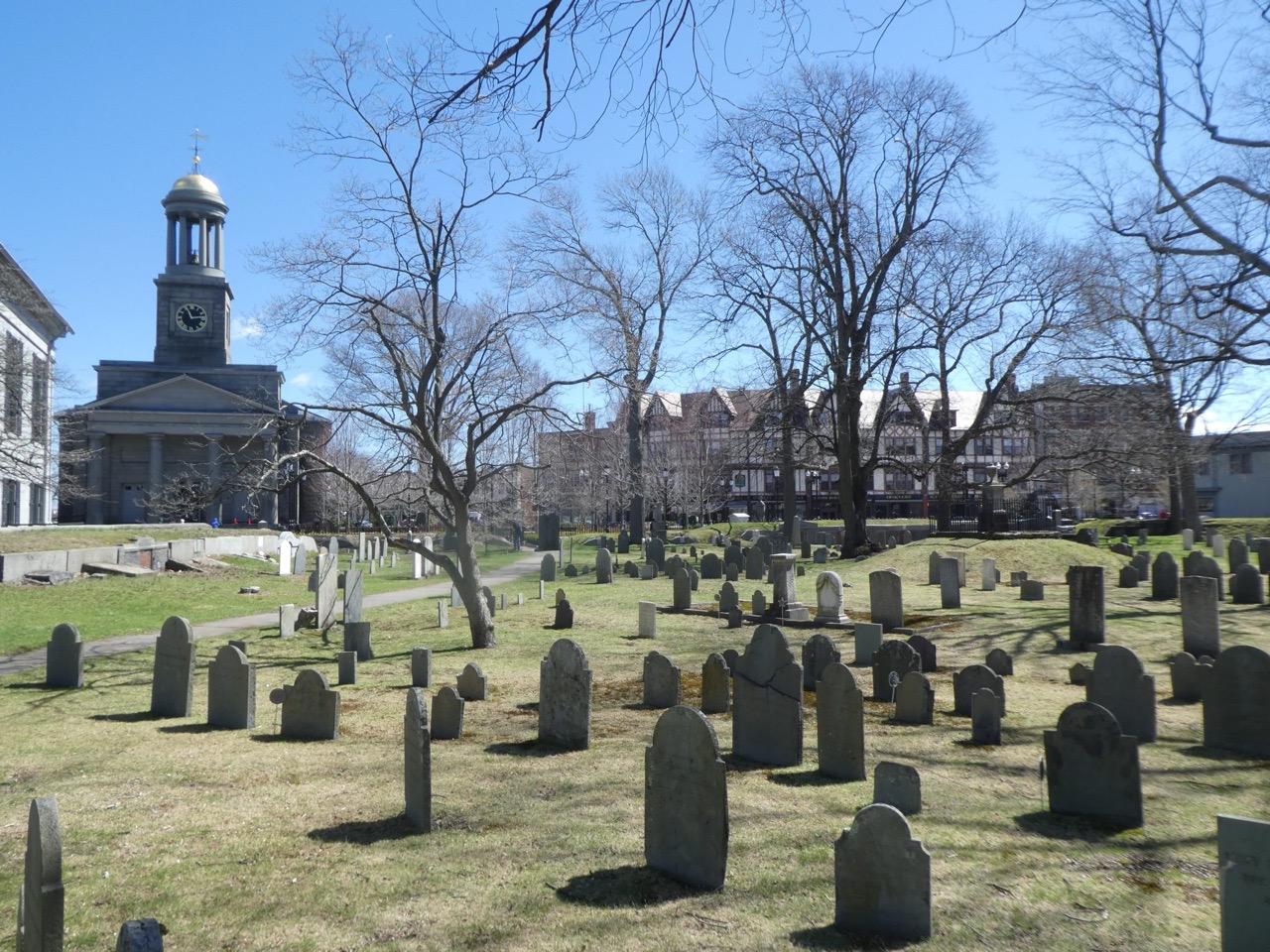
    Back to my visit to the Hancock Cemetery in Quincy.

    This is the grave of Ebenezer Hayden, who was the son of John and Susanna, and he was born in 1645 and died on 13 February 1717. Colonial American history doesn’t get much older than this and Ebenezer married Anna and had three children, Ebenezer jr (born 13 April 1679), Ruth (born 19 November 1681) and William (birthdate unknown, but he married Sarah Hobart on 26 December 1726). Hayden was made a freeman in Boston on 15 May 1690, but lived most of his life in Braintree (which was effectively the same place as Quincy then).

    Hayden fought in the Suffolk Troop during King Philip’s War, also known as the First Indian War, which was a conflict lasting from 1675 until 1678. It was fought between the native Americans and the colonists, and although the numbers on each side were about even, the native Americans suffered greater losses. That time in the military meant that Hayden is now seen as a veteran of the US Army, hence the circular marker by his grave.

    I do wonder what these seventeenth-century colonists would make of the Braintree and Boston areas today……

  • Dictionary of the Vulgar Tongue – Day Seventy-Two

    Dictionary of the Vulgar Tongue – Day Seventy-Two

    The Dictionary of the Vulgar Tongue was first published at the end of the eighteenth century, and given that the Coronavirus crisis is giving too much time to read books, I thought I’d pick a daily word from it until I got bored…..

    With the moving of server last week I got a bit behind on these, but I’ve caught up now and today is day 72 of this. This has lasted for considerably longer than I had anticipated.

    Cherry-Coloured Cat

    I had heard of this phrase in relation to PT Barnum, when he agreed to buy a cherry coloured cat for his circus and realised he had been fooled when he was presented with a black cat and the seller told him “you can get black cherries as well as red”. But, this dictionary pre-dates Barnum, and their definition is nearly identical, which is “a black cat, there being black cherries as well as red”.

    The phrase has also been used to describe a confidence trick or scam and there was a report in a newspaper in the 1830s fondly telling the story of how a man in Scarborough enjoyed fooling the gentry who came to the town with the same trick. This then became a common jape in the late nineteenth century, but it’s perhaps through Barnum that this lives on.

  • Atlanta – Birthplace of Martin Luther King

    Atlanta – Birthplace of Martin Luther King

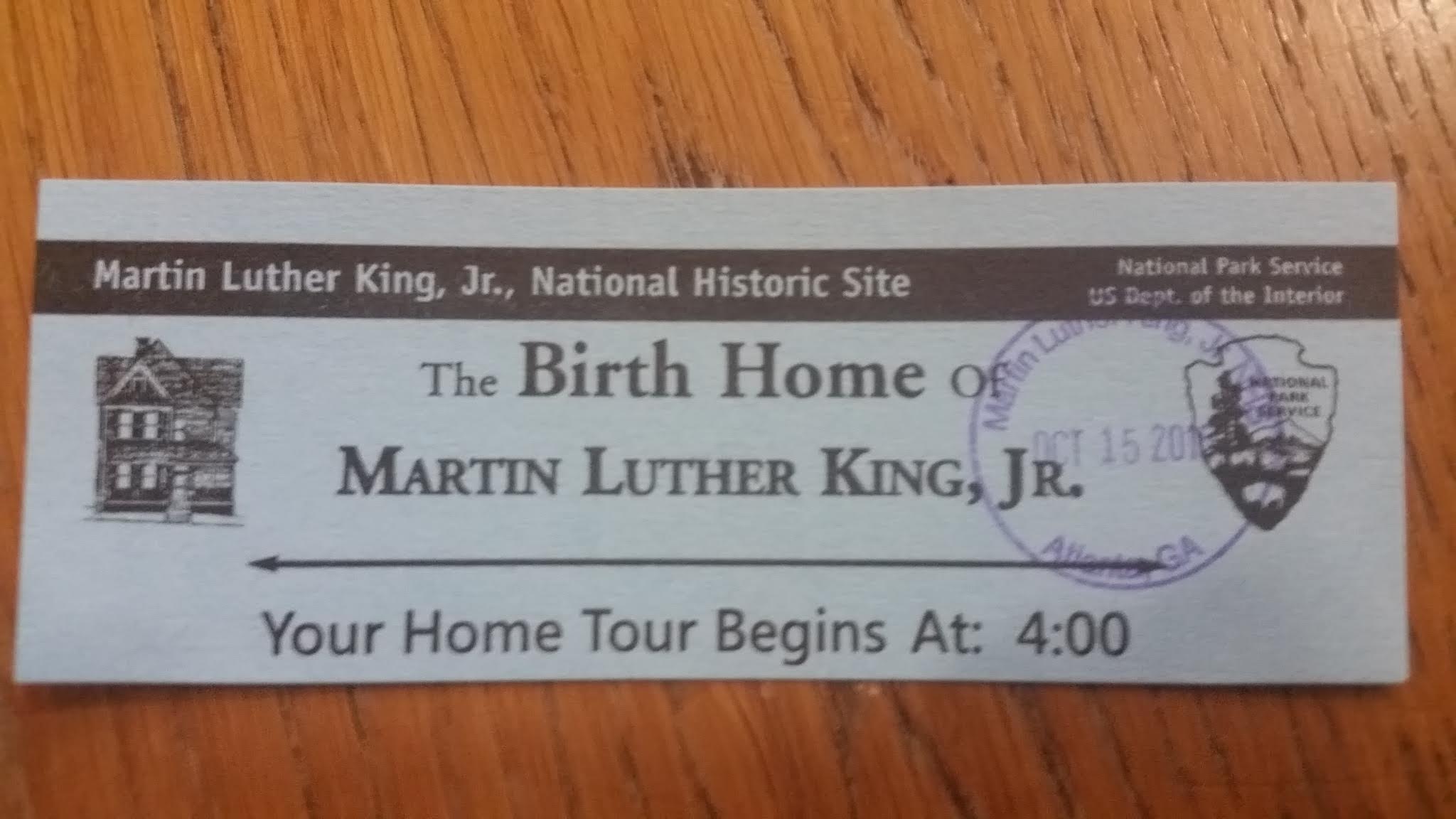
    After visiting Atlanta Zoo and the Jimmy Carter Presidential Library, I didn’t have much hope of getting a ticket for the birthplace of Martin Luther King. So, my plan was just to go to the visitor centre and see that, but I thought I’d ask about a ticket anyway. And, good fortune prevailed, there was one ticket left for the last tour of the day. This isn’t always possible, many reviews state just how difficult it is to get a ticket to visit the property and it’s recommended to go early on in the day.

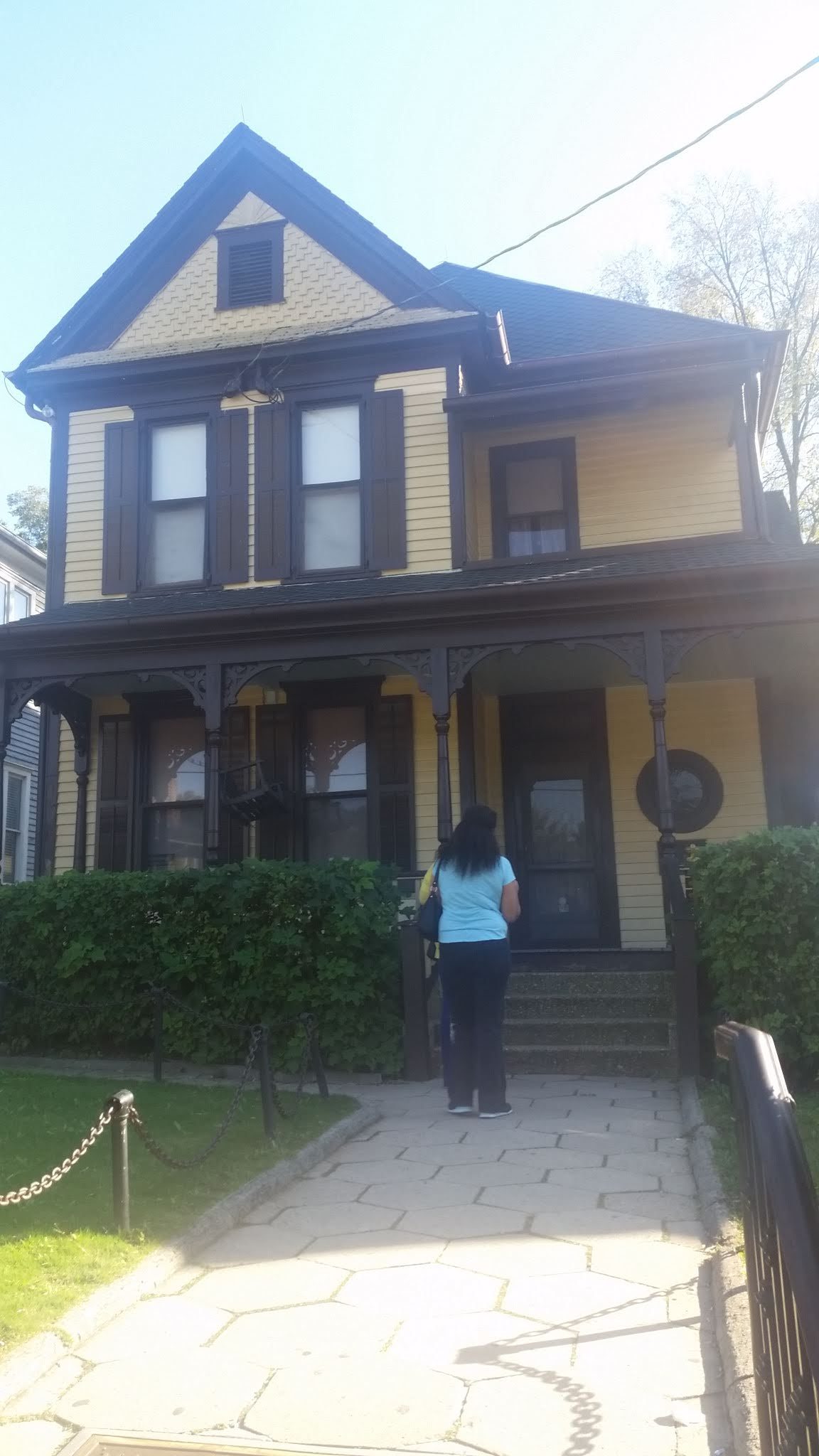
    It’s a short walk from the visitor centre to the birthplace home of Martin Luther King, one of the greatest of American political leaders. There were 15 people allowed on the tour and access is only granted to the house to those who have a ticket, which is issued free of charge.

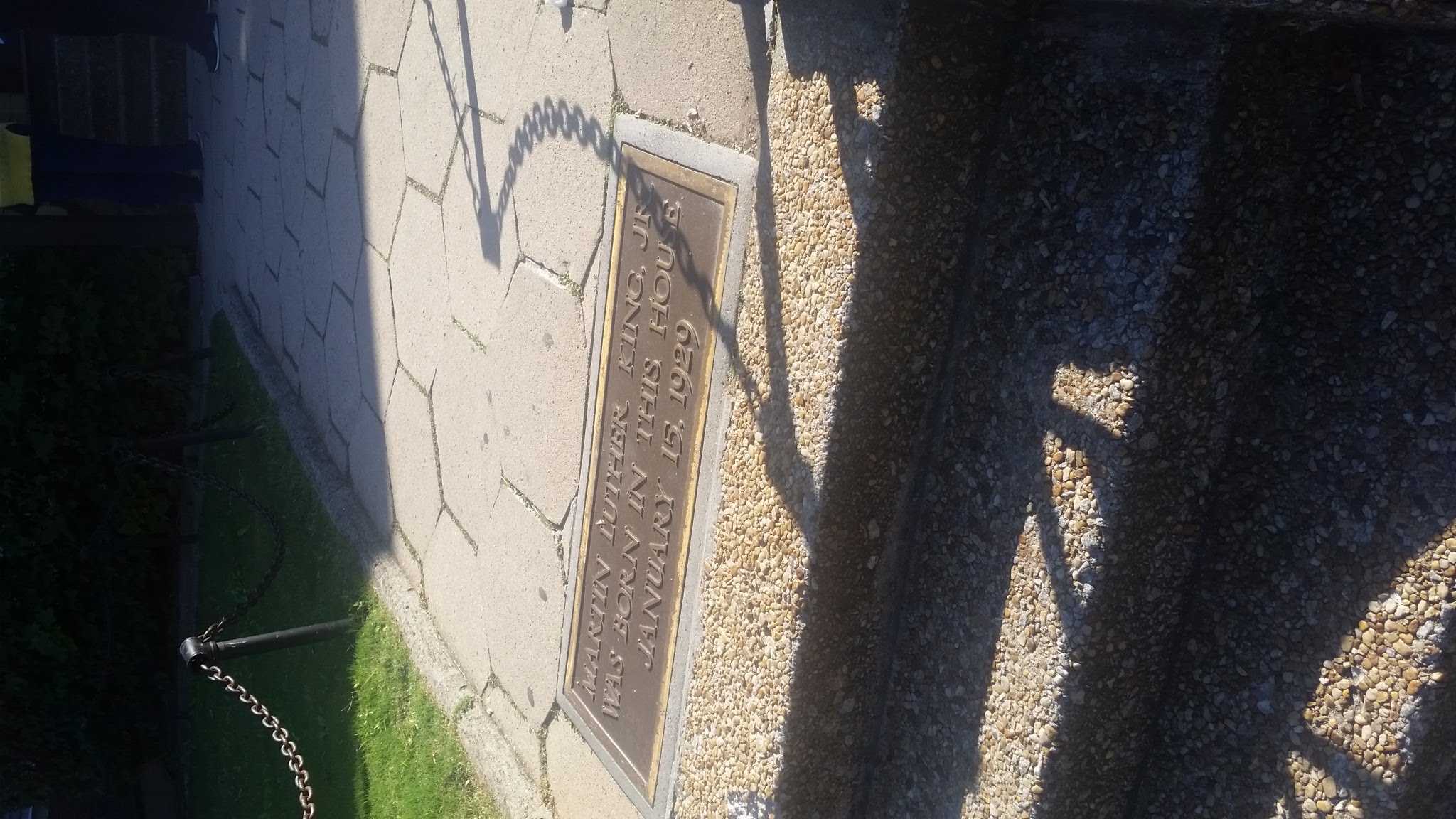
    The plaque at the entrance to the property, which is at 501 Auburn Avenue in Atlanta. King was born on 15 January 1929 in what was a predominantly black area at the time, living at the house with his grandparents, parents and siblings for the next twelve years. King was assassinated in Memphis in 1968 and so he feels like a figure from history, but if events had turned out differently, he could still be alive today.

    Given how many people were living in the house, it’s not the largest, but the family were comfortable there. The tour lasts for around half an hour and it was led by an enthusiastic ranger who gave information about the building and the family who lived there. Photos inside aren’t allowed, which is probably for the best as there isn’t much time for the rangers to guide people around as it is.

    The building was owned by the Martin Luther King Jr. Center for Nonviolent Social Change after his death, but the National Park Service purchased it relatively recently for $1.9 million. It’s fortunate that the property has survived, a sweeping plan to modernise the area was proposed in 1966 which would have seen its demolition, but there was too much opposition to that.

  • Dictionary of the Vulgar Tongue – Day Seventy-One

    Dictionary of the Vulgar Tongue – Day Seventy-One

    The Dictionary of the Vulgar Tongue was first published at the end of the eighteenth century, and given that the Coronavirus crisis is giving too much time to read books, I thought I’d pick a daily word from it until I got bored…..

    Chaw Bacon

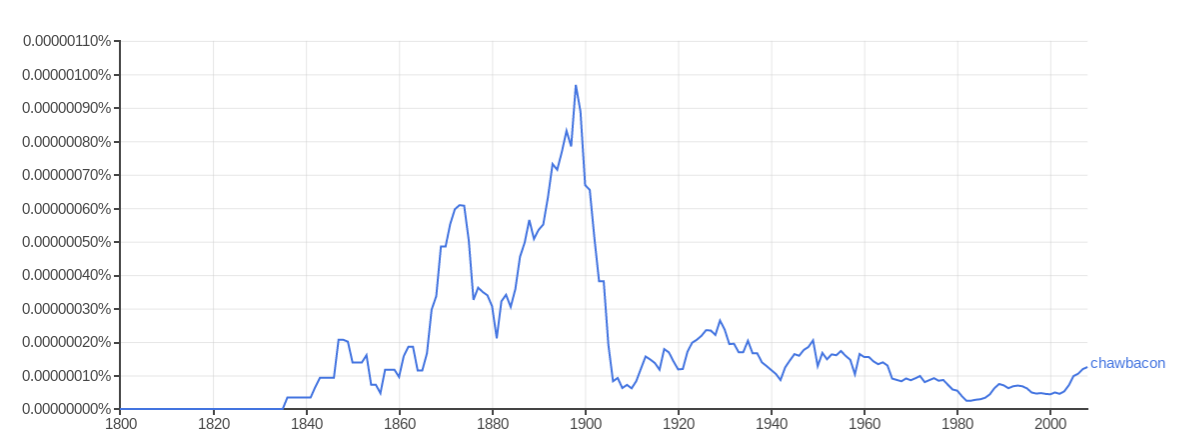
    This beautiful phrase, now more commonly just one word, is defined as “a countryman, a stupid fellow”. ‘Chaw’ is an old English variant of the word chew and the combination of the bacon element, which was traditionally seen as a poor man’s food (well, and women and children) so it’s the equivalent of a country bumpkin.

    The phrase dates back to at least the early eighteenth century, but it seemed to have a resurgence in the late nineteenth century before falling back into obscurity.