Tag: London

  • London – British Museum (Cloth Seal)

    London – British Museum (Cloth Seal)

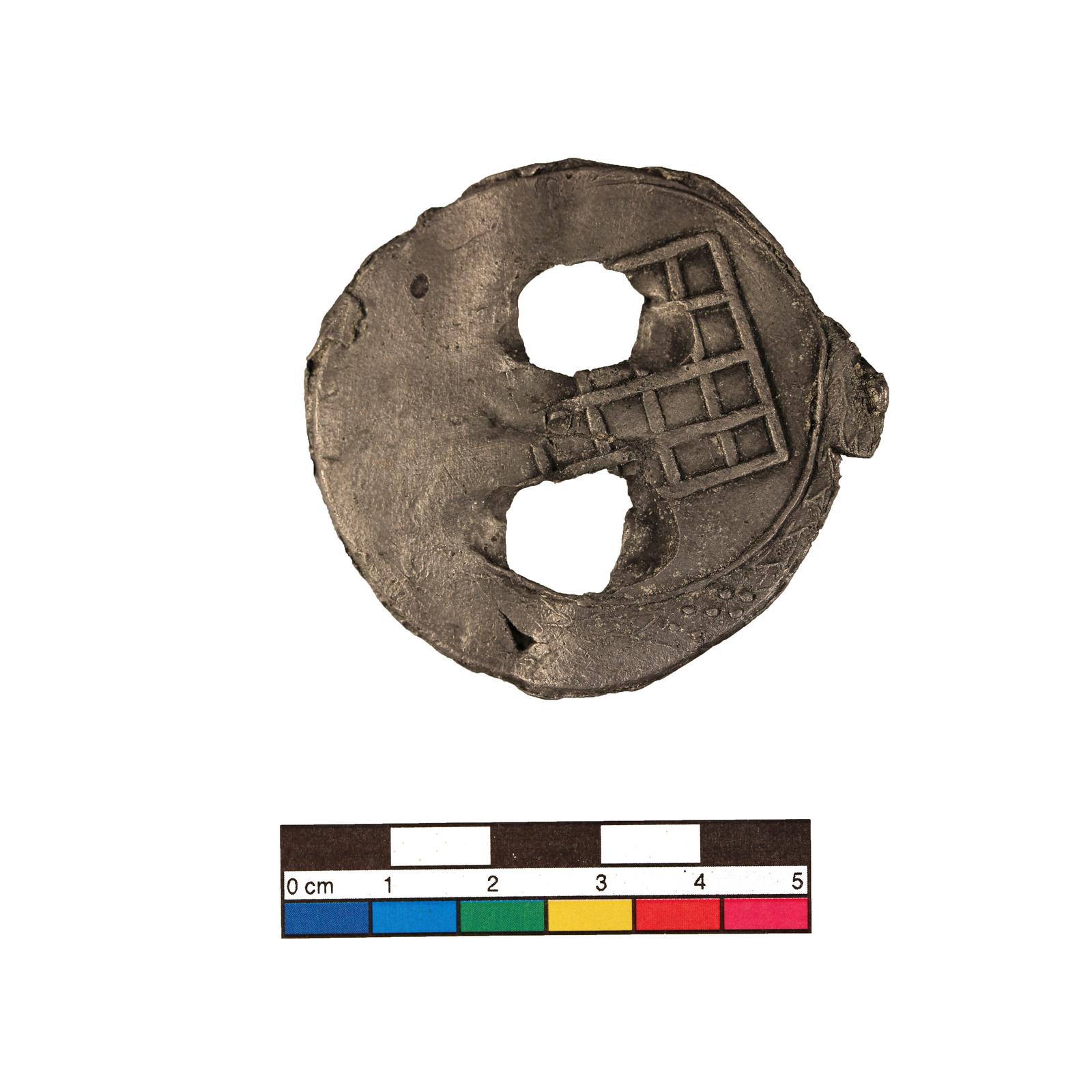
    I usually visit the British Museum three or four times a year, something which is a little difficult to do with the current virus situation, primarily because it’s shut. However, they’ve placed hundreds of thousands of images on their web-site, so this will have to do me for the moment. The images can be used non-commercially, as long as the British Museum is credited. So, this is their credit.

    I probably need to get out more given that I’m intrigued by an object in the British Museum that I’ve never seen and isn’t even on display there. But this is a cloth seal that was found in the River Thames, but it’s thought that it might have been made in Norwich by the Dutch immigrant community. Made out of lead, it would have secured clothing and the two holes are the rivet marks. The description of the seal is quite complex (by this, I mean I don’t understand it, although I’m not an expert in cloth seals to be fair), but it’s probably a portcullis.

    The seal was made in the late sixteenth or seventeenth century, but what is perhaps interesting is the size of the Dutch community in Norwich. It made up around 45% of the city’s population at one stage, but the community was welcomed in, despite their different language and culture. By all accounts that I’ve seen, the integration went well and the Dutch were welcomed and contributed financially to the city, which had been suffering a little economically.

  • London – British Museum (Iceni Coin)

    London – British Museum (Iceni Coin)

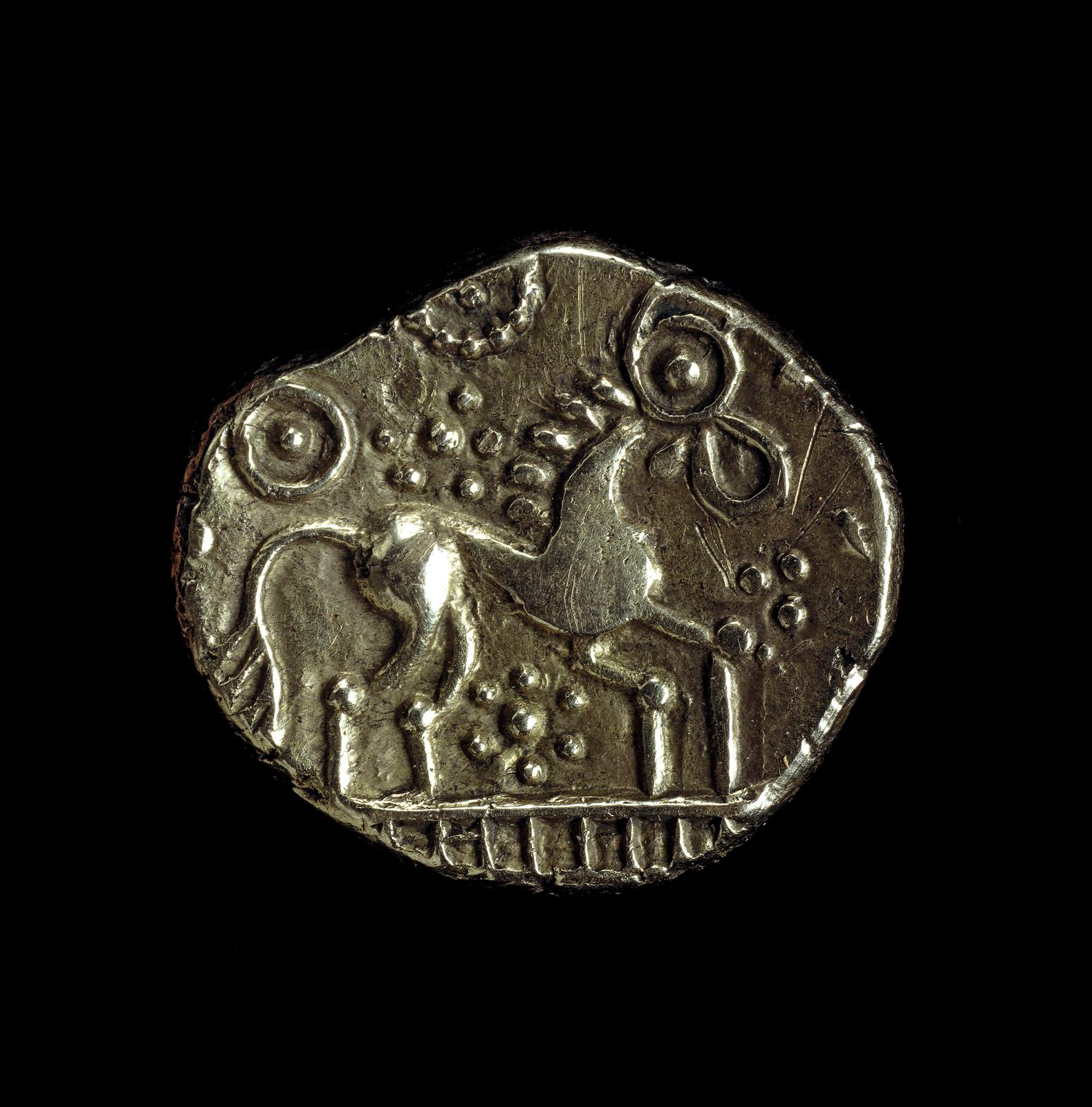
    I usually visit the British Museum three or four times a year, something which is a little difficult to do with the current virus situation, primarily because it’s shut. However, they’ve placed hundreds of thousands of images on their web-site, so this will have to do me for the moment. The images can be used non-commercially, as long as the British Museum is credited. So, this is their credit.

    The quality of these images is incredible (click on it for more detail), the British Museum has done a wonderful job here. This is an Iceni coin which was minted in Norwich and dates to around 5AD-20AD and is made up of 45% copper, 39% gold and 16% silver. It was discovered in Norwich in the early nineteenth century and purchased by Harry Osborn Cureton, before being owned by Clifton Wintringham Loscombe and then acquired by the British Museum in 1855. Unfortunately, this rather lovely coin isn’t on display.

  • London – British Museum (13th Century Coin from Norwich Mint)

    London – British Museum (13th Century Coin from Norwich Mint)

    I usually visit the British Museum three or four times a year, something which is a little difficult to do with the current virus situation, primarily because it’s shut. However, they’ve placed hundreds of thousands of images on their web-site, so this will have to do me for the moment. The images can be used non-commercially, as long as the British Museum is credited. So, this is their credit.

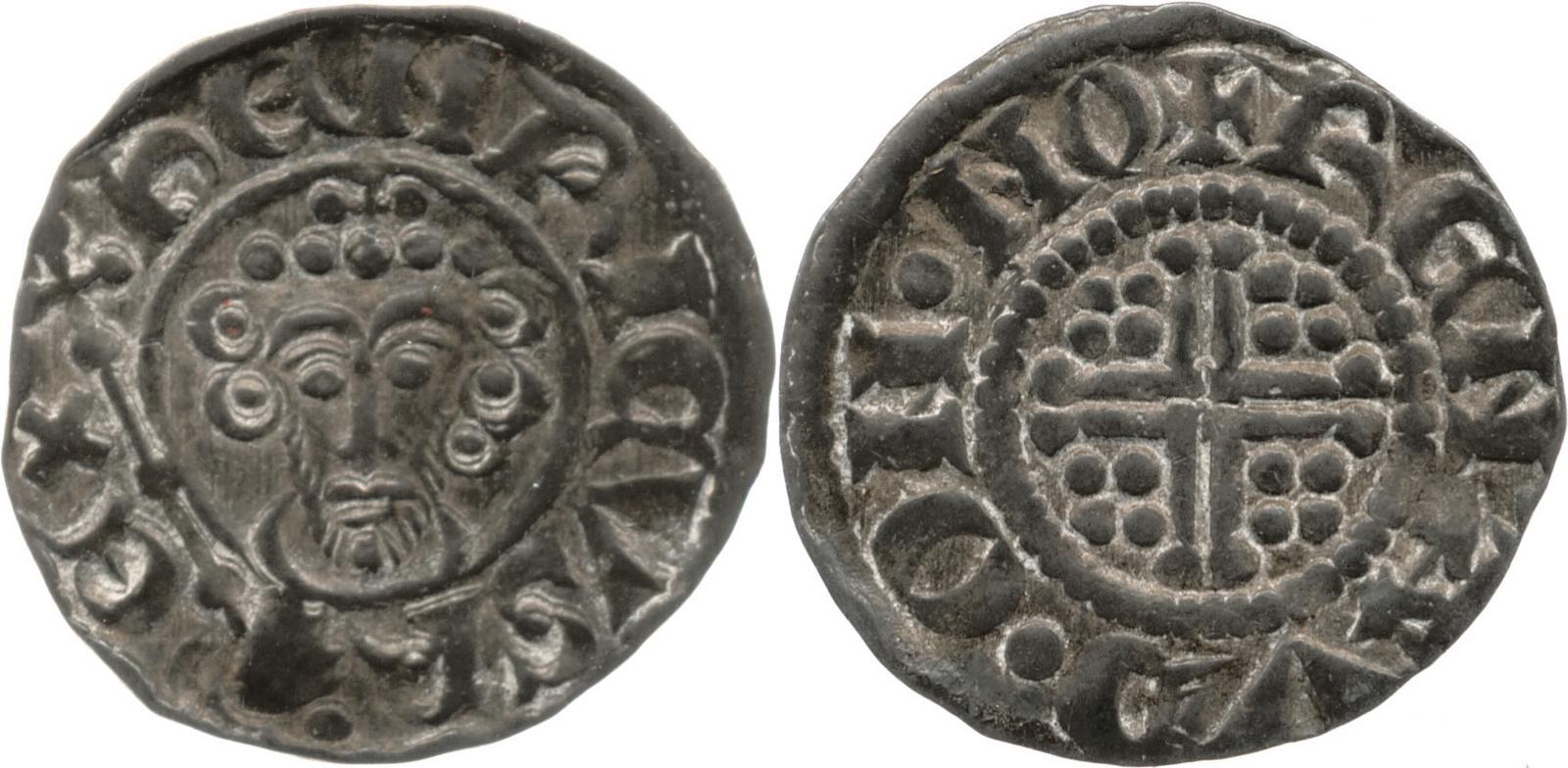
    I like this, it’s a coin which was minted in Norwich between 1201 and 1207, when this city was one of nine mints across the country. It’s known as short cross coin and it was minted by the moneyer who was known as Renaud (or Renald). I’m not sure that anyone knows where for sure this mint was, but it was probably at what is now known as Old Mint Yard, off Fishergate.

    The coin was part of the Eccles Hoard, a huge collection of over 6,000 coins which were discovered in November 1864, mostly silver pennies, and it’s thought that they were buried in around 1230. The coin was purchased by Sir John Evans, and then acquired by John Pierpont Morgan (better known today for being the force behind JP Morgan) and then by the British Museum in 1915 after Morgan died.

    And, I wouldn’t have seen it if the British Museum was open, as this coin isn’t on display.

  • London – Tower of London (Poppies)

    London – Tower of London (Poppies)

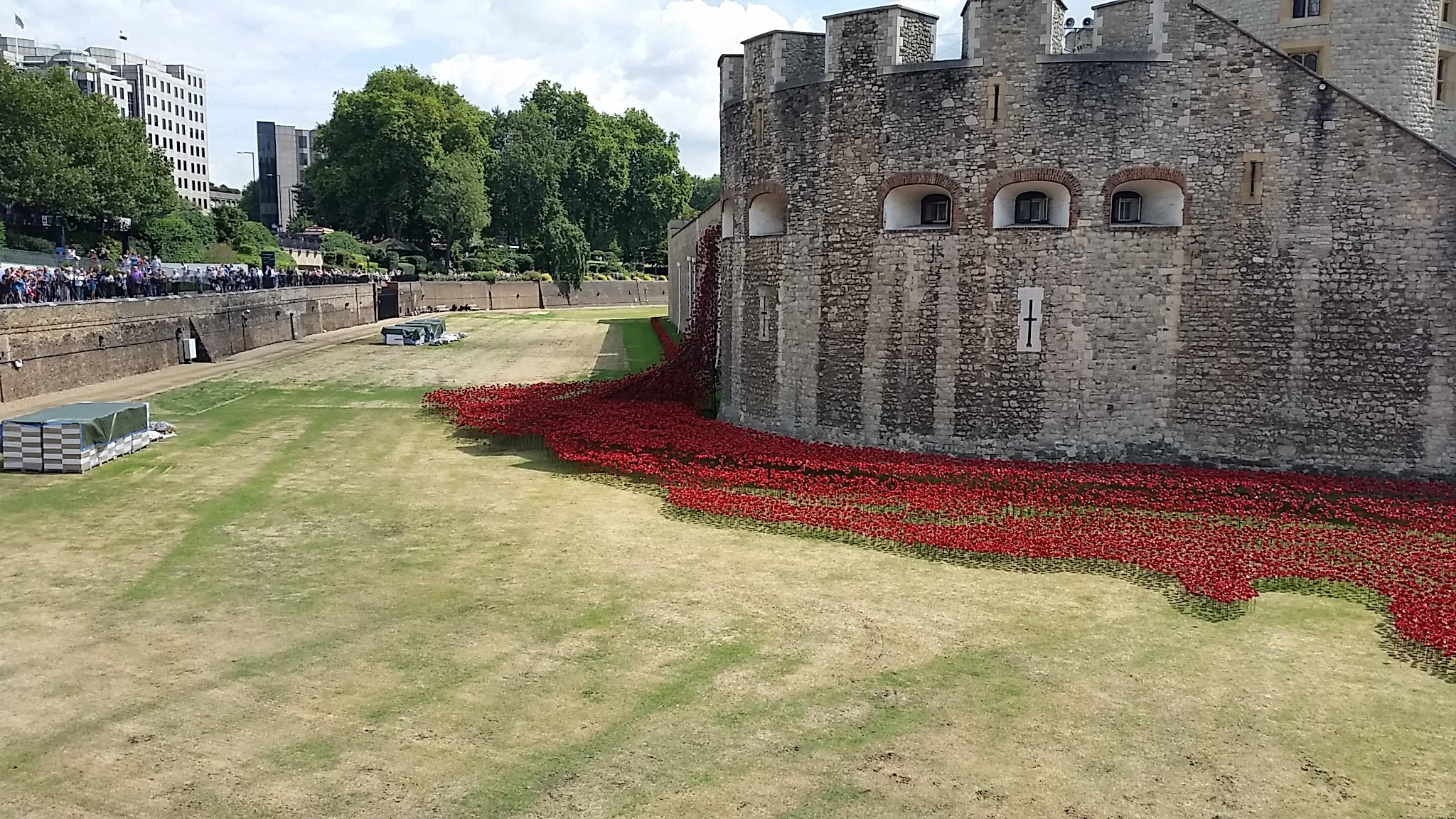
    This is how the Tower of London’s moat looked when I visited back in August 2014, a sea of poppies to mark the centenary of the start of the First World War.

    The installation was called ‘Blood Swept Lands and Seas of Red’ and it remained in place between July and November 2014. Paul Cummins was the artist and Tom Piper designed the concept behind it, which was a magnificent sight in the Tower’s moat.

  • London – Ibis Budget London City Airport

    London – Ibis Budget London City Airport

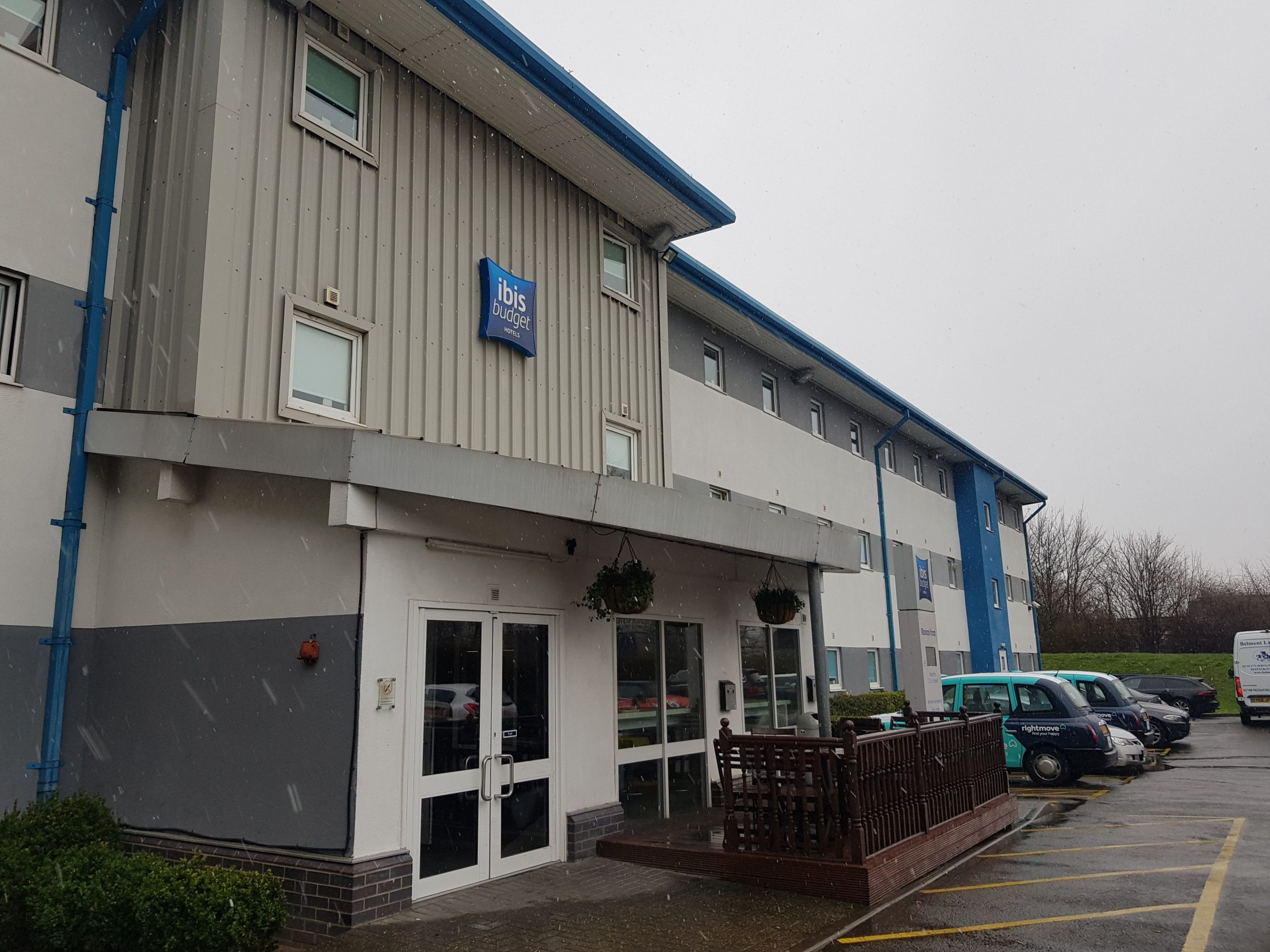
    I stayed at this hotel near to London City airport following my flight back with British Airways from Florence. For a time it looked like my flight would be cancelled, or at best, it would have arrived too late to land at London City and so would have been diverted to Southend Airport. I sent the hotel an e-mail asking if I could check-in late and they responded quickly saying that they’d do the check-in there and then on-line, so I could just pick up my keycard which they had put under the desk for the night porter. All very professional.

    I got there in good time in the end, thanks to British Airways, and the receptionist was the friendly and helpful staff member who had sent the e-mail to me. This is a relatively cheap hotel, but the welcome seemed authentic and I was pleased with the bargain price of £33 including breakfast. It’s only an eleven-minute walk from London City Airport, so convenient for these late arriving flights.

    The room was clean and to brand standard, perfectly sufficient for a one-night stay.

    I went down to breakfast and I was the only one there, so at least it was peaceful. There were cereals, pastries, yoghurts and a selection of meats. This was sufficient before my train journey back to Norwich, with the orange juice and coffee being helpful as well, particularly the coffee for that little energy burst. When I checked-out at around 09:00 the breakfast area had around thirty people in, so it was either a coach party or perhaps a flight load of passengers who were on one of the cancelled flights from the previous day from London City airport. I imagine that the breakfast experience for them wasn’t quite as relaxed as mine was.

    Anyway, I thought I’d have a little look at TripAdvisor to see what people thought about this 81-room hotel and the reviews are quite reasonable. I mentioned above that I walked this in eleven minutes, but some reviews complained it was a long walk, people managed to take 15, 20 and 35 minutes. I don’t know what the one taking 35 minutes was doing.

    One person didn’t like their toilet and must have been told to use the one on the ground floor, which isn’t ideal, although certainly isn’t illegal. I don’t like the comparison with easyHotel, which is one of the few hotel chains that I hold in entire contempt. Which might be unfair since I’ve never stayed with them….

    “Im sure prisoner’s get better service better breakfast. Rooms more then basic think easyhotel – class customer service. First room toilet didnt work fully booked normaly by law a hotel would have to reacomerdate u somewhere else at there cost. Not here so no toilet facility apart from going down three floors in lift.”

    Another guest was pleased:

    “One member of staff in particular was aggressive and combative”.

    I never manage to find aggressive staff in hotels (well, bar that one in Los Angeles a few years ago, which I must write about at some point), but it’d certainly liven the check-in experience up.

    “In my 36 years alive on this earth, this hotel has to be in the top 3 worst stays ever, in fact i would have rather have slept in my car and woke up and jumped in the Thames had i known it was that bad.”

    Hmmm, sounds like they didn’t find this their perfect stay….

    Another guest complained that the place was “full of builders” and there are lots of problems with noise, which I can imagine must be a problem at weekends. Having lived near to this hotel a few years ago, the area isn’t the most salubrious, but I thought that the staff did well to manage everything. To be honest, I was just pleased to be able to get back to London before the curfew at City Airport and get to the hotel.

  • Greater Anglia : Norwich to London Liverpool Street (New Trains)

    Greater Anglia : Norwich to London Liverpool Street (New Trains)

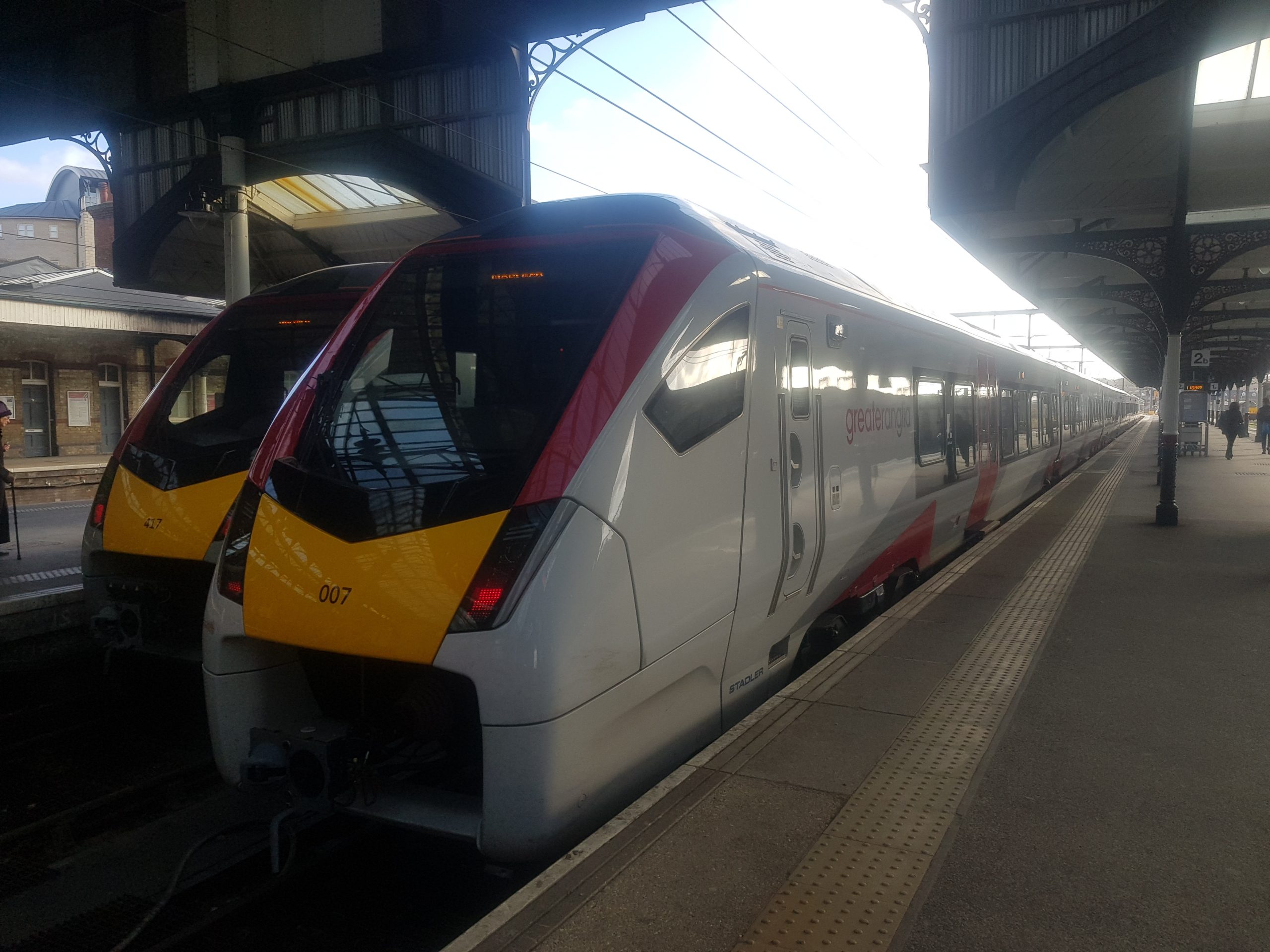
    This is the first time that I’ve had chance to go on the new train between Norwich and London Liverpool Street, I seem to have caught the older rolling stock over the last couple of months. The train was the 11:30 from Norwich, which seemed relatively quiet, even though it was taking passengers from the 12:00 service which had been cancelled. The new train has twelve carriages, and they’ve been made by Stadler in Switzerland.

    A screen showing customers where everything is on the train.

    It’s possible to see all the way down the train, but there are closeable see-through doors along the carriages. The design of the seats is clunky and rushed, the heater unit on the side is in the way of customers, as is the table’s central support which is just where knees might otherwise go. There is now just one power point between two people (unless one has a USB) and for reasons that I cannot comprehend, plugs don’t fit into many of the power sockets as the base of the seat is in the way. I was able to plug my laptop into the power sockets under the seats on the other side of the table, but only because there was no-one sitting there. It’s an unfortunate bodged job from Greater Anglia, arguably unacceptable given the price increases that they’ve introduced which should have meant they had more than enough money to do this properly.

    This slightly irritated me, some idiot putting their feet on what are nearly new seats. Fortunately, it also irritated the guard who politely, but firmly, told the passenger to stop this behaviour when he saw her.

    And safely into London Liverpool Street, all on time.

    The old rolling stock on the left and the new rolling stock on the right.

    Taking everything into account, I prefer the older train. It’s more comfortable, it’s better designed and I think it’s more functional. However, there are two caveats with that, the older train isn’t easy for those with disabilities and it also doesn’t hold as many people as the new train, so these are two big advantages with the upgrade. It’s all very nice that money has been spent on new trains, but I’m hoping that they’re taken in for an interior refit soon to try and give the finish a slightly classier and more functional edge.

  • London – Fourex Machine

    London – Fourex Machine

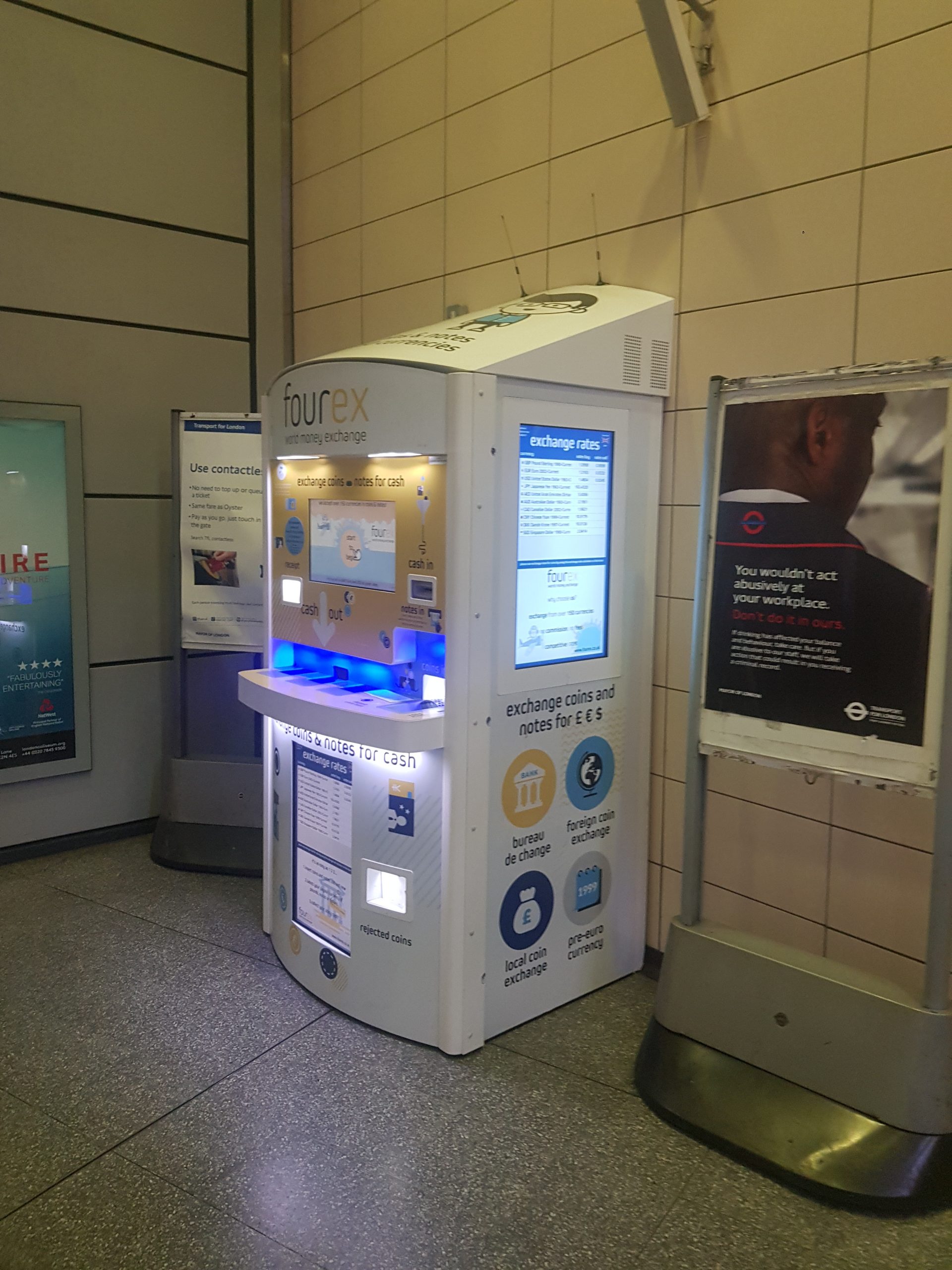
    I’ve never seen one of these machines, but it appears that the company operates around 75 of them, primarily in London, but also at some transport hubs. They’re a way for customers to place in foreign coins and notes and get back out UK pounds, or another currency. They even accept pre-Euro currency, so an opportunity to get rid of some old French francs.

    The rates aren’t though the best. 1,000 Polish zloty are currently worth just over £200 (which is good, as they were lower a few weeks ago and I’m off there next), but this machine would pay £175 (or just £120 if coins were paid in). Looking at companies who provide buy-back, they give back from £195 at best (currency on-line group to £181 at worst (RBS). However, for convenience, the rates aren’t too bad in the scale of things and the banks don’t generally accept coins at all.

    It’s a marvellous idea though and I might look at my little currency reserves, which are very small, as there doesn’t seem to be a minimum transaction size. A very good idea and the transparency of having the rates on their web-site is also useful.

  • London – DLR

    London – DLR

    Despite living by a DLR station for nearly two years, I never got bored of sitting at the front and pretending to drive the train….. One day I’ll manage not to find such ridiculous things so interesting….

    Anyway, here are the photos from a December journey pretending to be a train driver, part of a journey from Canary Wharf to Bank.

  • London – Tower of London (1961 Guide Book)

    London – Tower of London (1961 Guide Book)

    Tower Of London Guide Book

    This (it’s in .pdf format) is apparently out of copyright and it’s the guide book published by the Ministry of Works in 1961. Quite a lot has changed over the last sixty years and I hadn’t realised that the Crown Jewels at the time were in Wakefield Tower, which must have been quite a challenge in crowd management, although not so much in centuries gone by when they were in the Martin Tower.

    Also, the Tower of London used to be free of charge on Saturdays and Bank Holidays (although there was a small charge to see the Crown Jewels), it’s now much more expensive and I’m not sure that they ever have any free admission days. The description of the rooms in the various buildings is now so different that I’ve been unable to even ascertain which room is which.

  • London – Tower of London (Then and Now)

    London – Tower of London (Then and Now)

    The Tower of London has an interesting concept to mark the contribution of those who had fought in the First World War, which was to merge photos from the time with a recent and symbolic image. The above image is the original and the idea is to take a modern photo at the same place, but with a different person, although someone connected with the original image.

    This is the modified image, with a boy scout taking the place of the boy in the original photo, but he’s standing in the same location.

    I was sufficiently intrigued to go and take my own photo at the same site. This really brings to life the past when museums do this, a reminder that the very ground that visitors are standing on has so much history from across so many generations. Not least, because of the contribution that these men and boys gave, there’s a feeling of ‘standing on the shoulders of giants’.