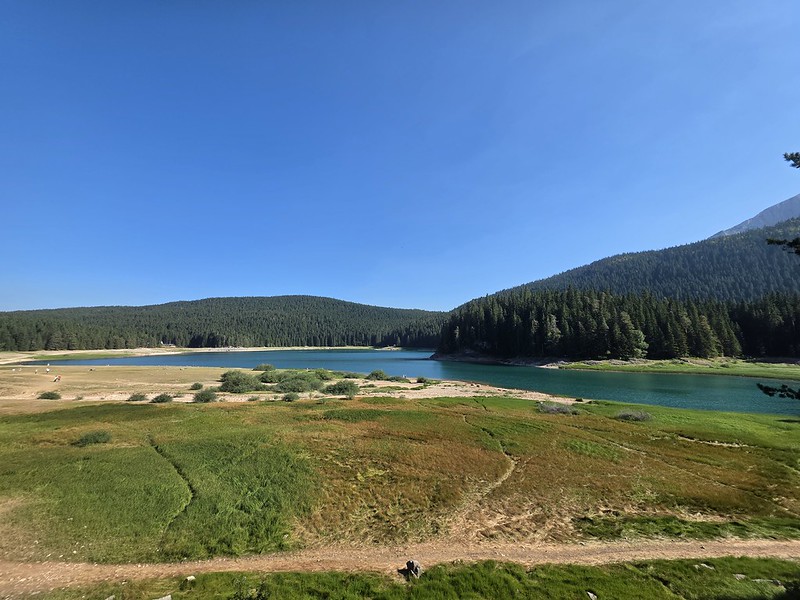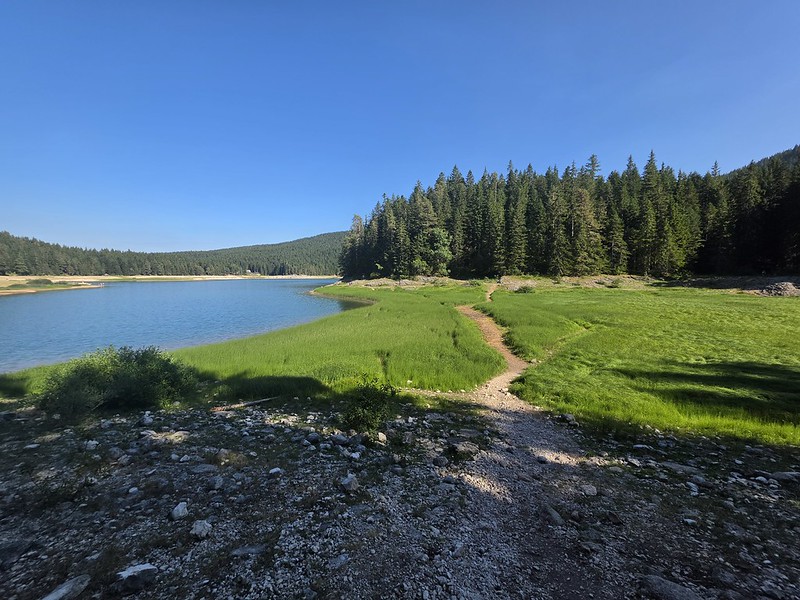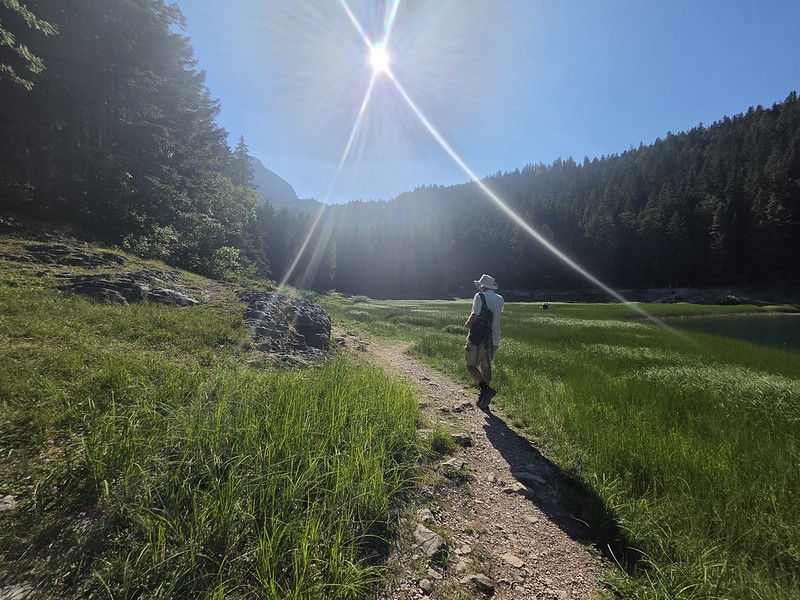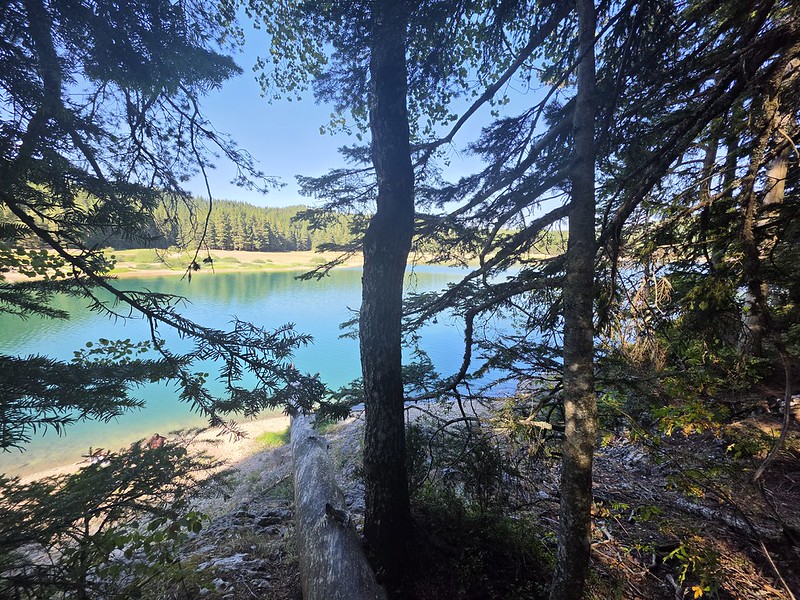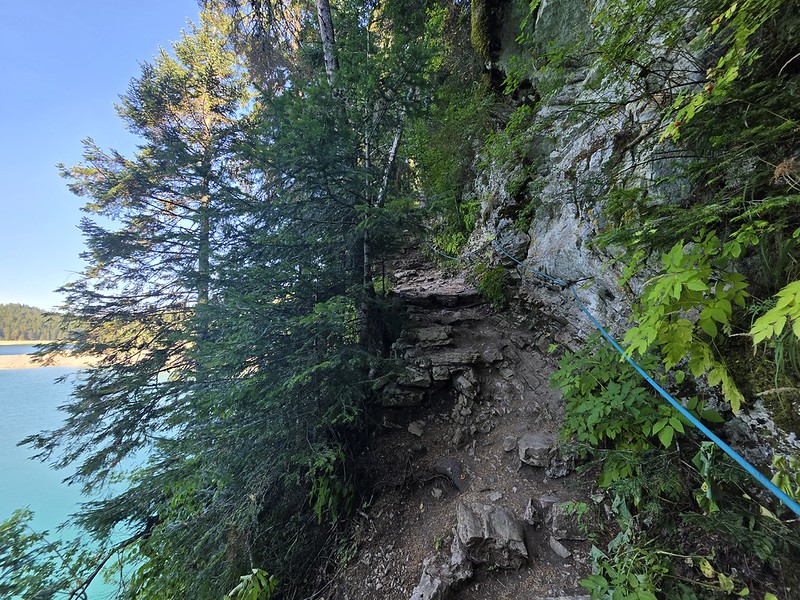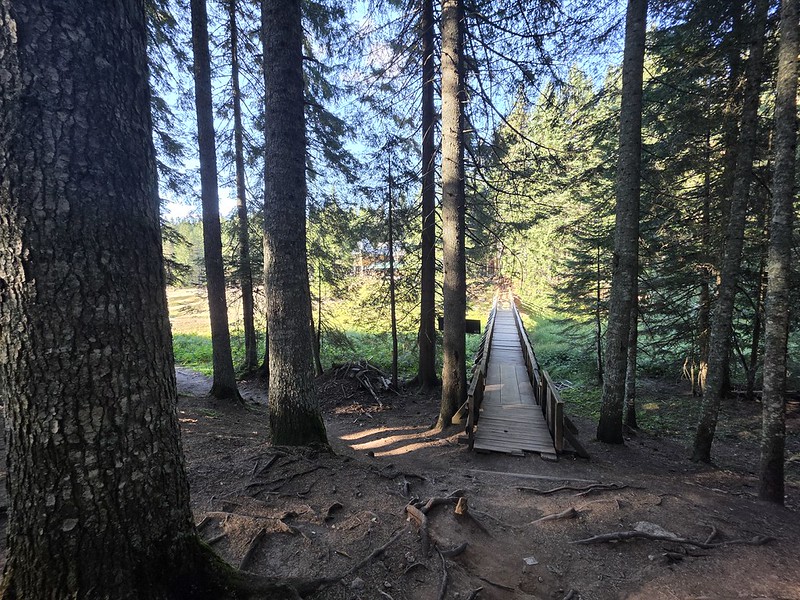
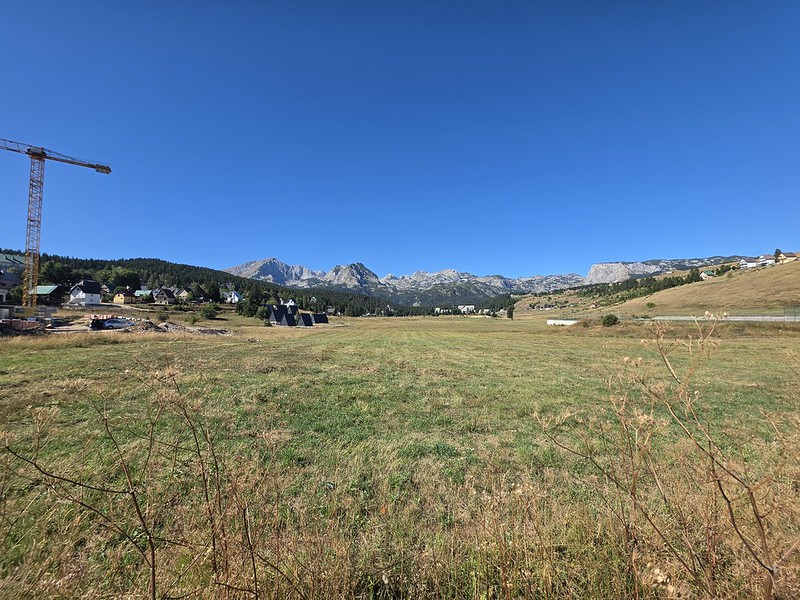
For our second day of visiting the Durmitor National Park, we were looking for a walking route that would take around five hours, which wasn’t technically difficult and which would give us decent views from the mountains. Walking to the Ćurevac Viewpoint from Žabljak seemed to be the sensible option and wasn’t overly onerous. We’re not all David Morgan, regarding every mountain as an exciting challenge. Some of us prefer little hills which are ideally quite flat.
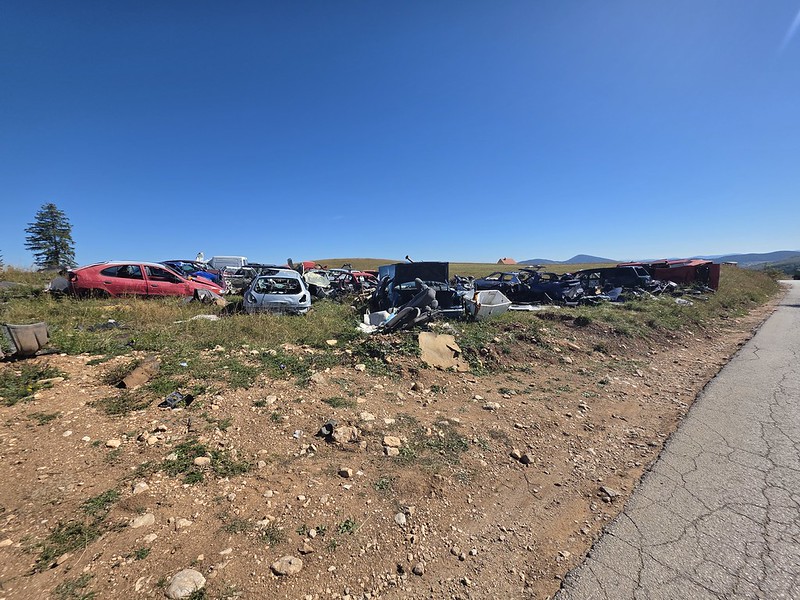
Quite why it has been decided to put a scrapyard in this area is a little difficult to understand. The other side of the road contained former fridges, washing machines and other assorted junk. It was an unexpectedly industrial opening to a walk leading towards one of Montenegro’s finest viewpoints.
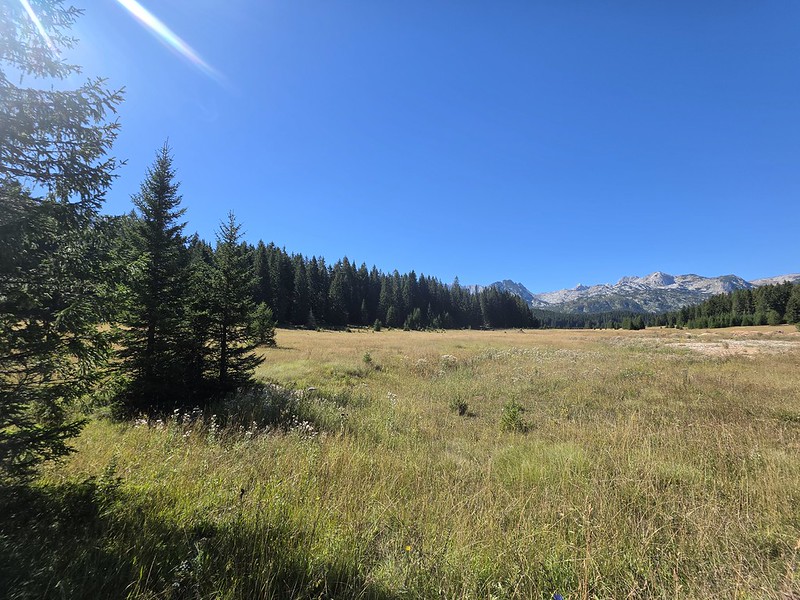
We were fortunate with the weather, it was warm but it wasn’t overly hot and there was something of a breeze.
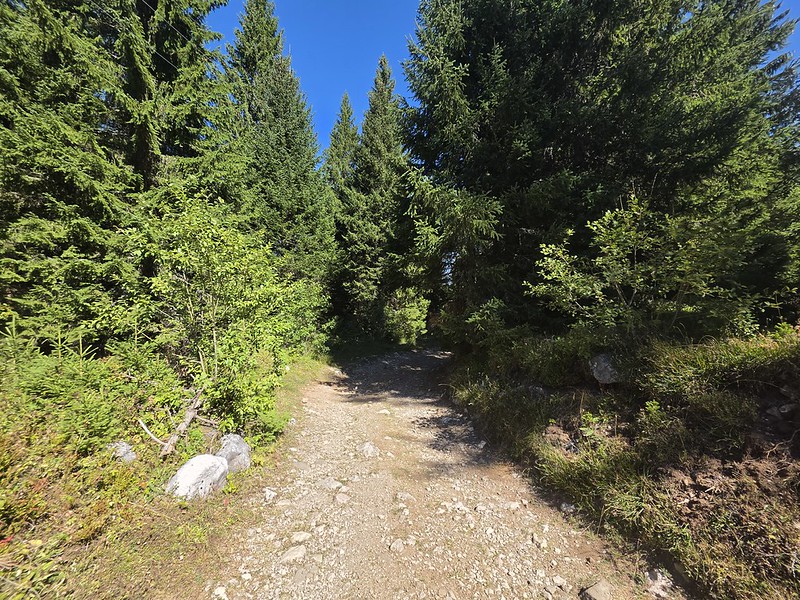
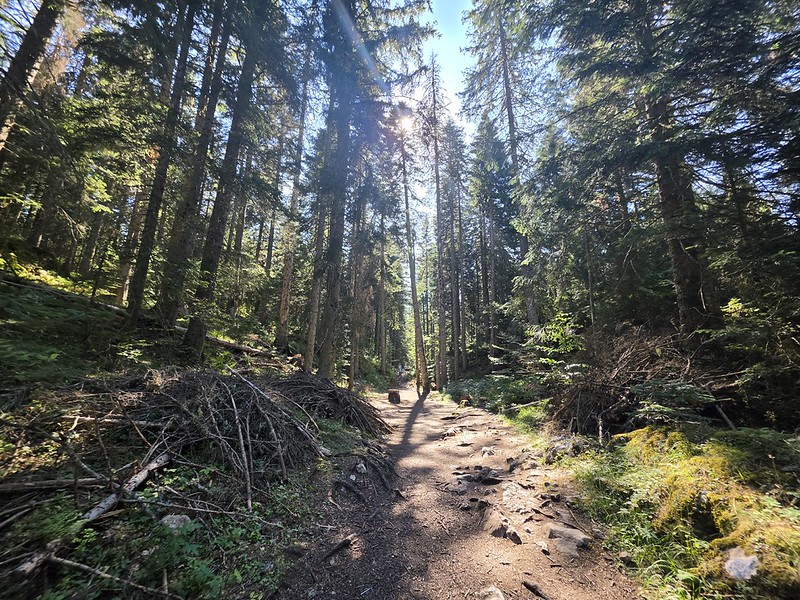
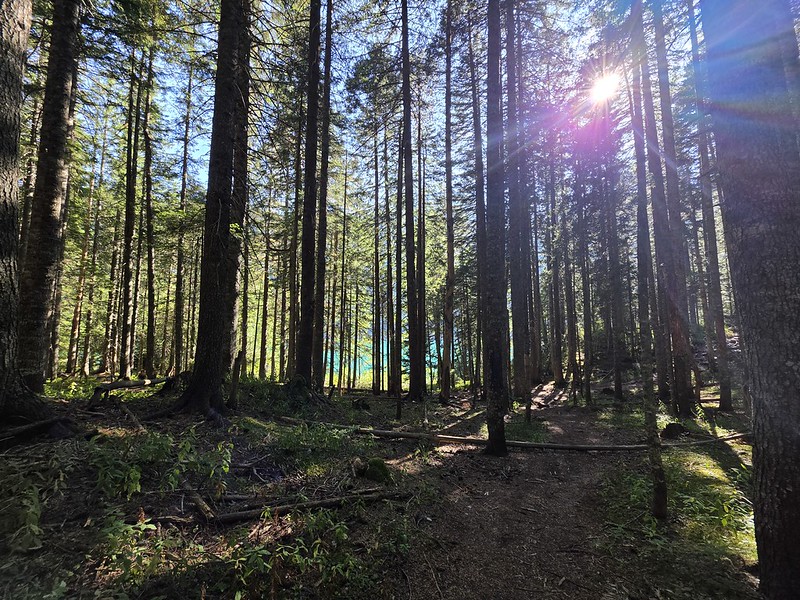
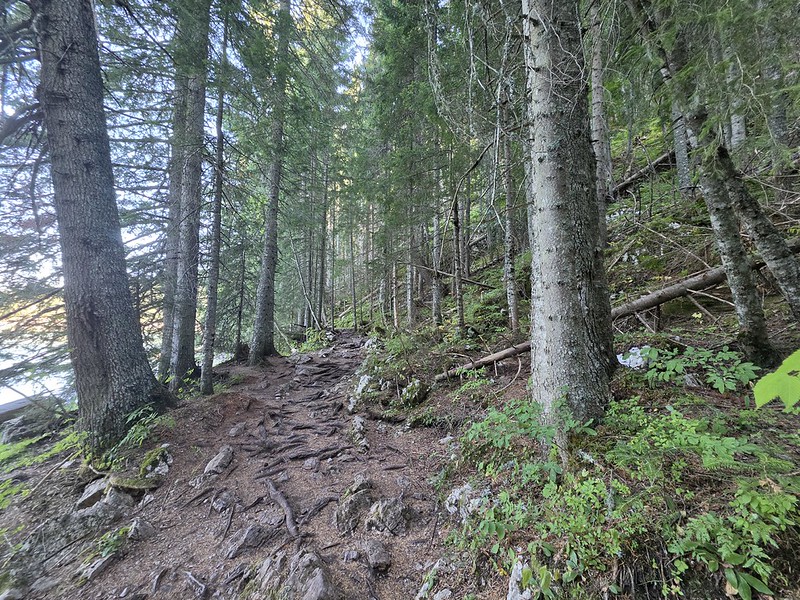
There was a lot of woodland walking, which is some of my favourite, and I appointed myself head of navigation.
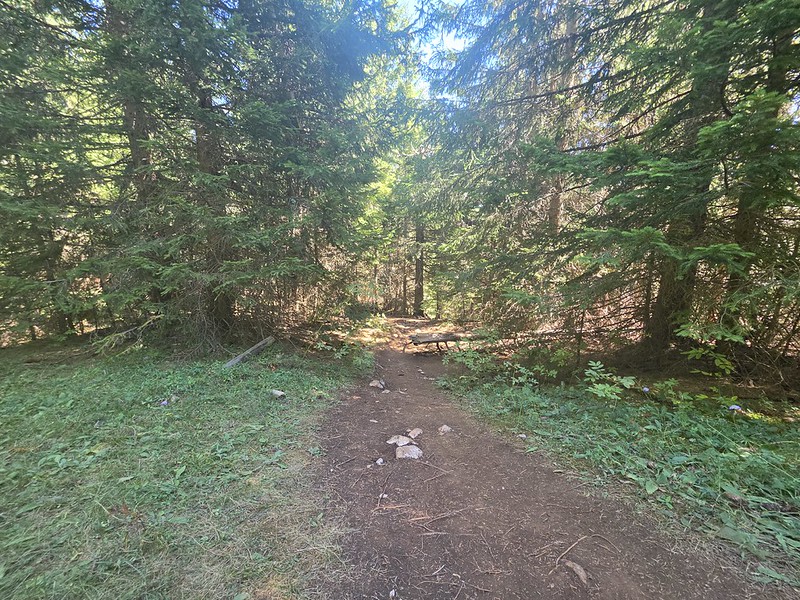
The route was easy to follow from a map, but it was also pretty evident from the ground as well. We didn’t see many people on the trail and we had occasional little stops to rest.
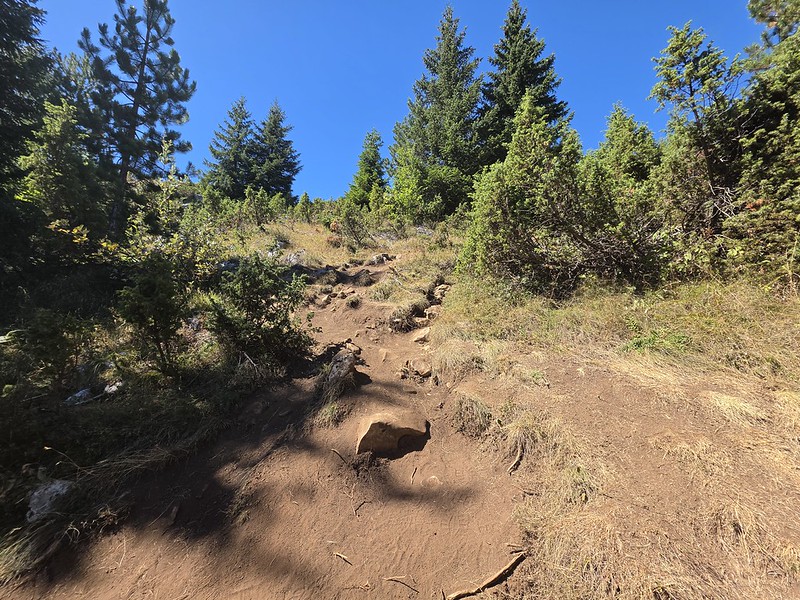
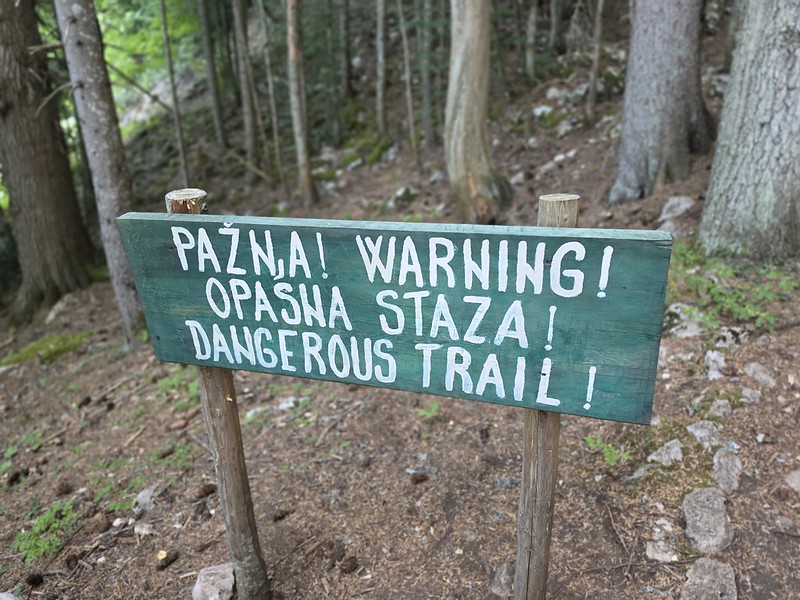
Most of the route could have been managed by my friend Richard, albeit with a steady dialogue of complaints and collapses. As we got further in the whole arrangement started to become steeper and a little more challenging. I remained, as my loyal blog readers would expect, very brave.
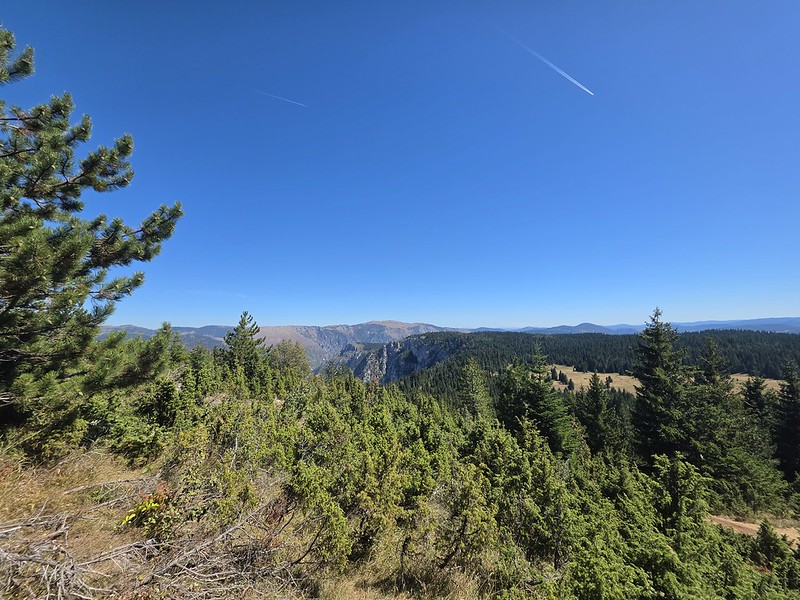
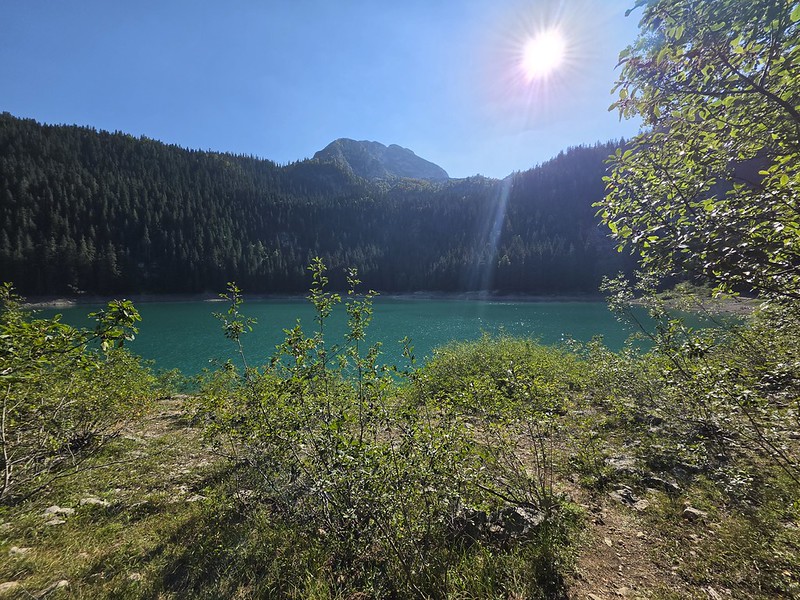
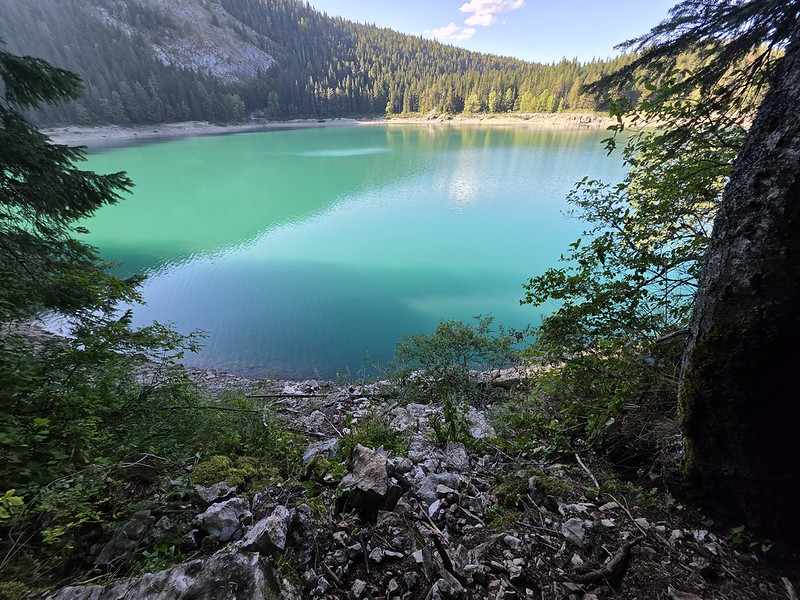
Looking back over where we had walked, and I had started to complain, we were rewarded with some rather lovely views.
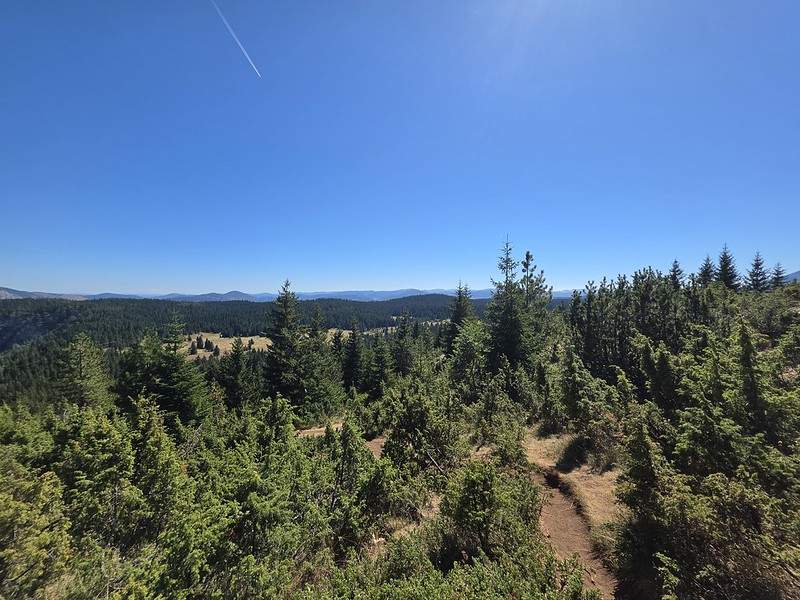
One more little burst of energy was needed to get to the viewpoint.
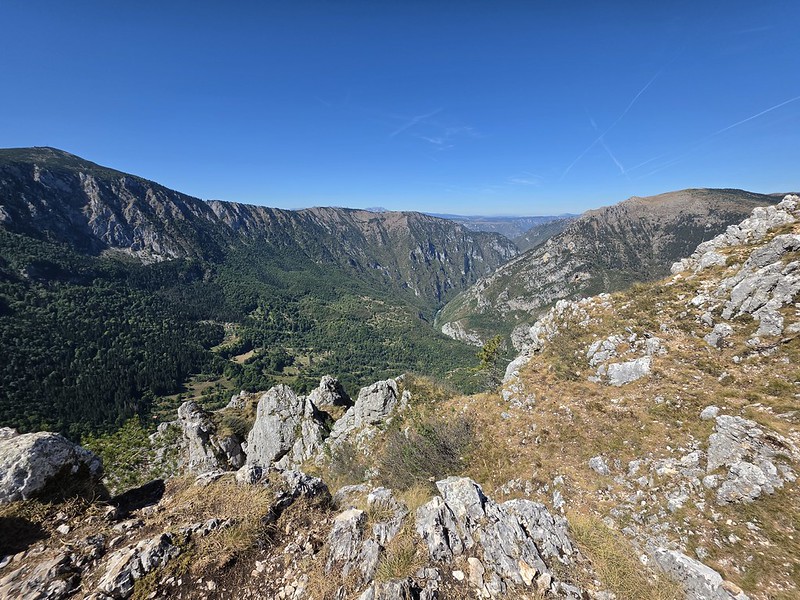
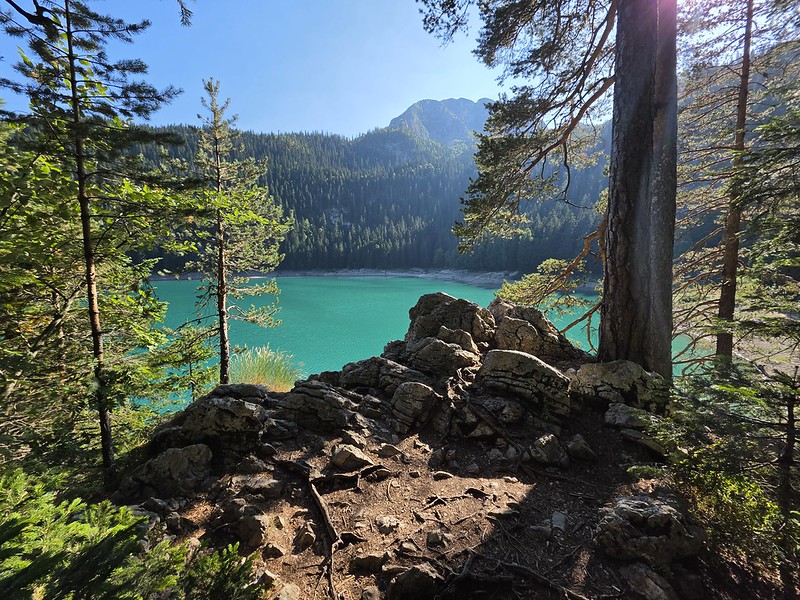
And these views made it worth it.
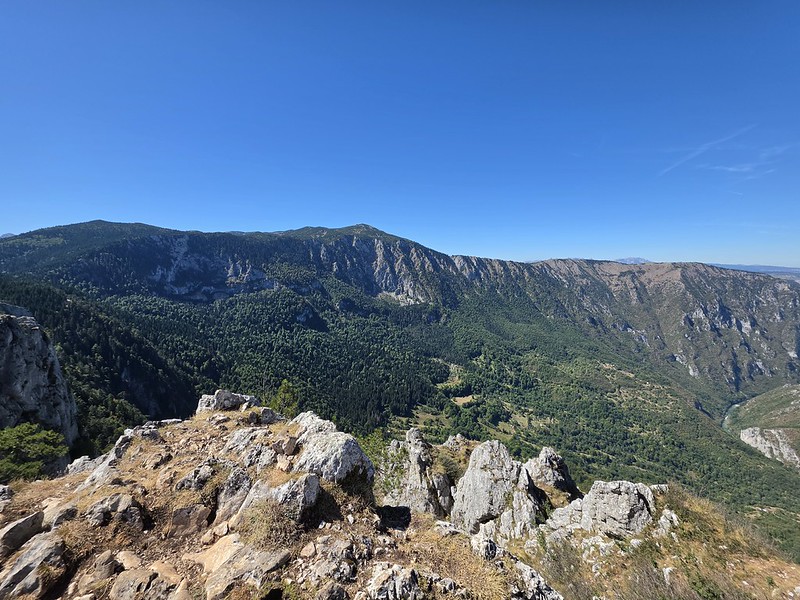
I didn’t go too near to the edge as I’m scared of sheer drops, but I perched myself on a rock to have a look over the valley.
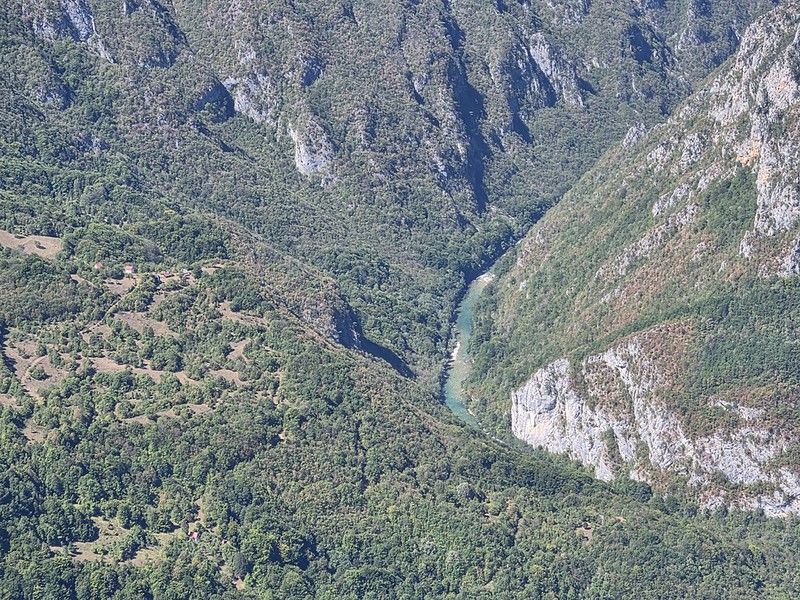
The Tara River at the bottom of the valley.
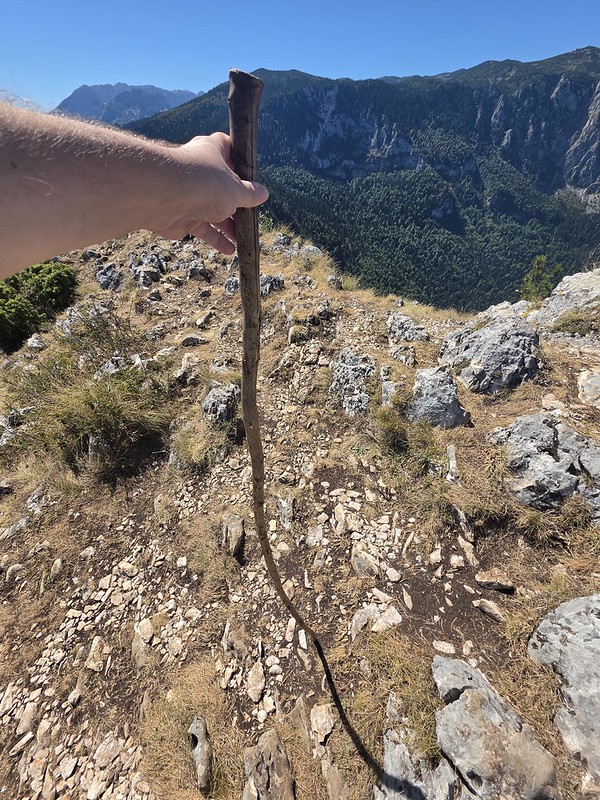
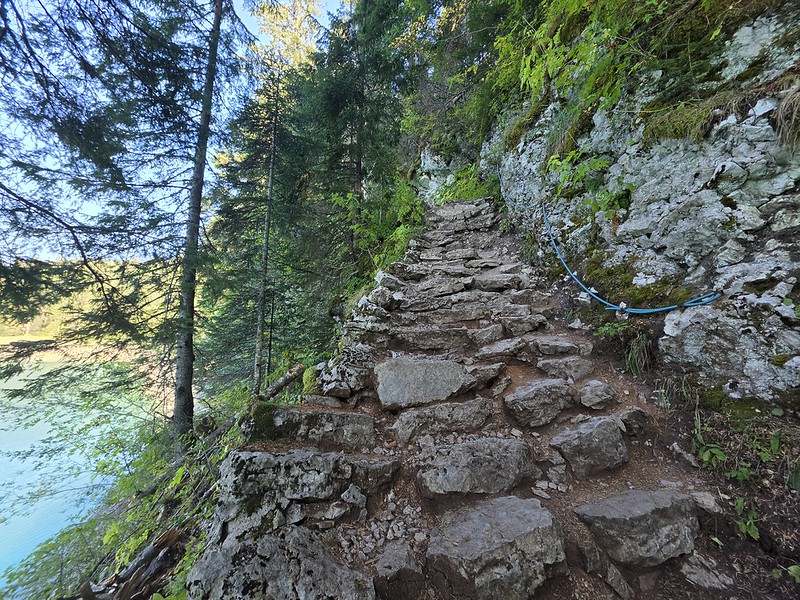
Jonathan had acquired a stick through mountaineering expertise, while I acquired it through the more traditional method of taking it from him. I was nervous about some of the more challenging bits of descent and he was very agreeable.
My reward on the walk back to the start.
This was a really lovely walk, it wasn’t too onerous, I didn’t complain for more than five minutes at any one time and the views were spectacular. I think that there’s a car park near the top as there were a fair number of people at that section, but there were very few people on the rest of the route. And congratulations to Jonathan for listening to my “this is too slippery” on several occasions.