Tag: Croydon

  • London – Croydon (Borough of) – Numbers 2-8 Church Road

    London – Croydon (Borough of) – Numbers 2-8 Church Road

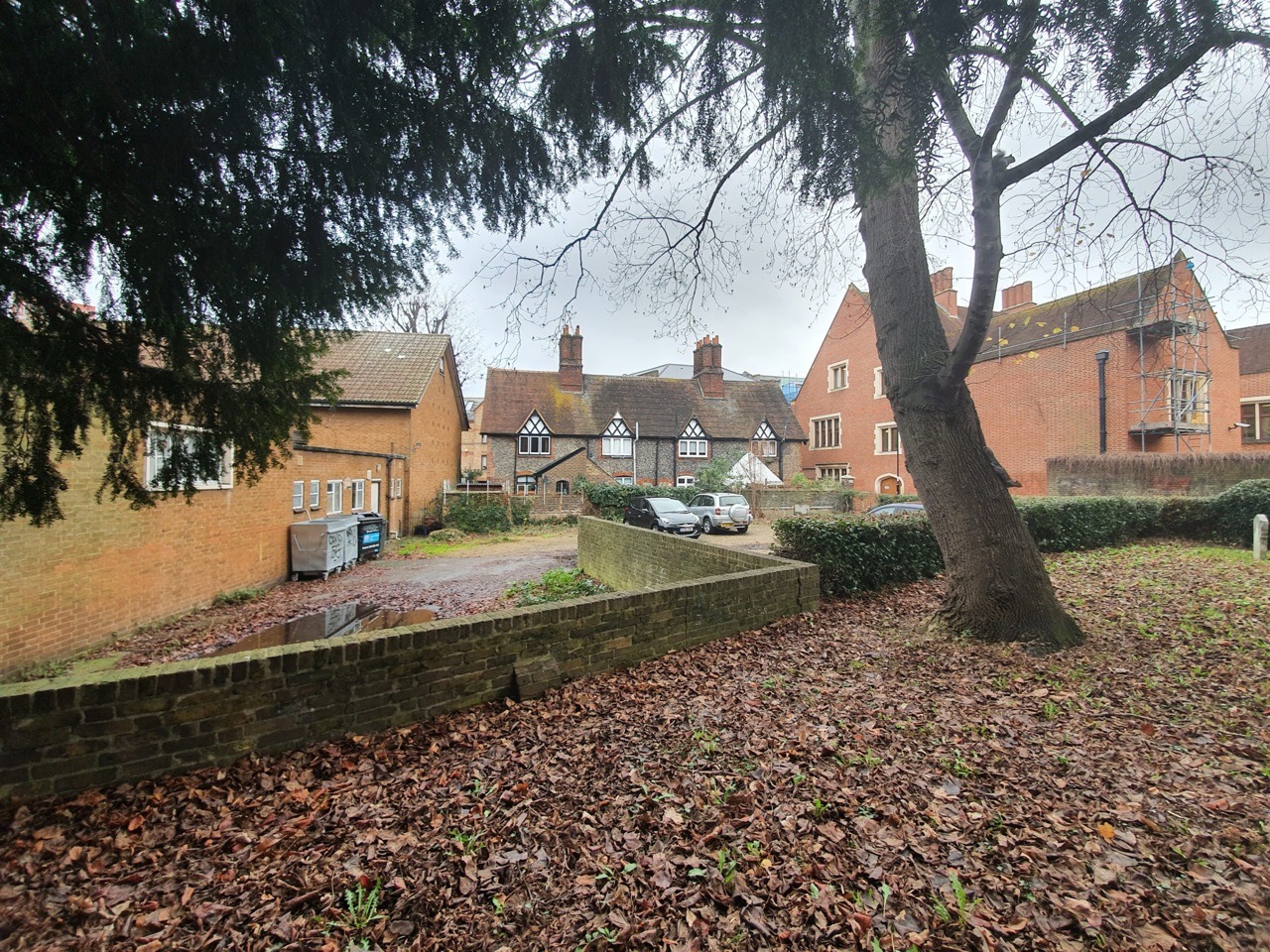
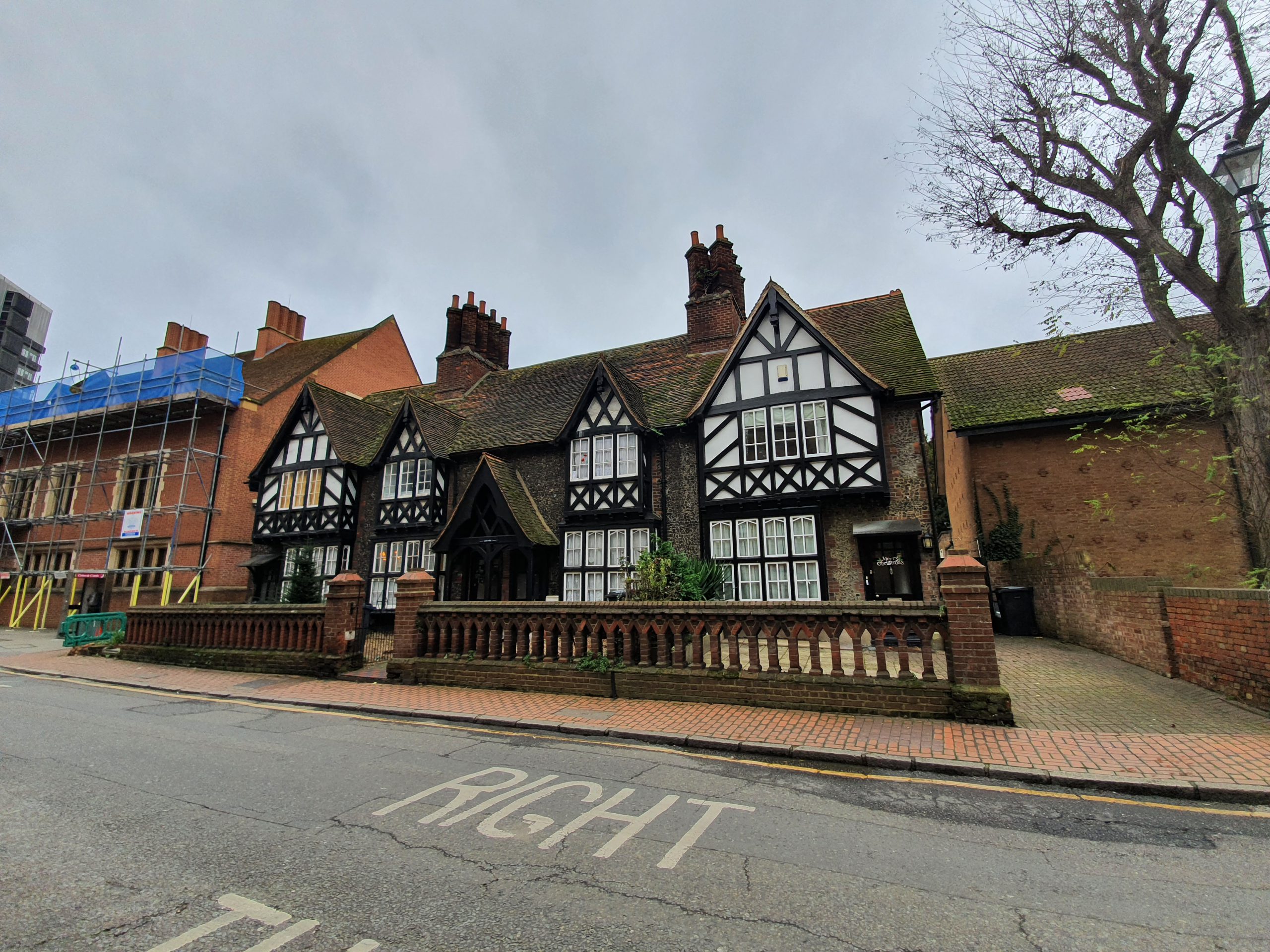
    Located near to Croydon Minster (the one with the paving slabs made out of gravestones) I thought that these looked rather beautiful in the otherwise urban environment of the town. From a time where design and heritage was given at least some thought, these are actually from the late nineteenth century and have some nice bits of decorative work.

    There we go, something positive about Croydon.

  • London – Croydon (Borough of) – Croydon Minster

    London – Croydon (Borough of) – Croydon Minster

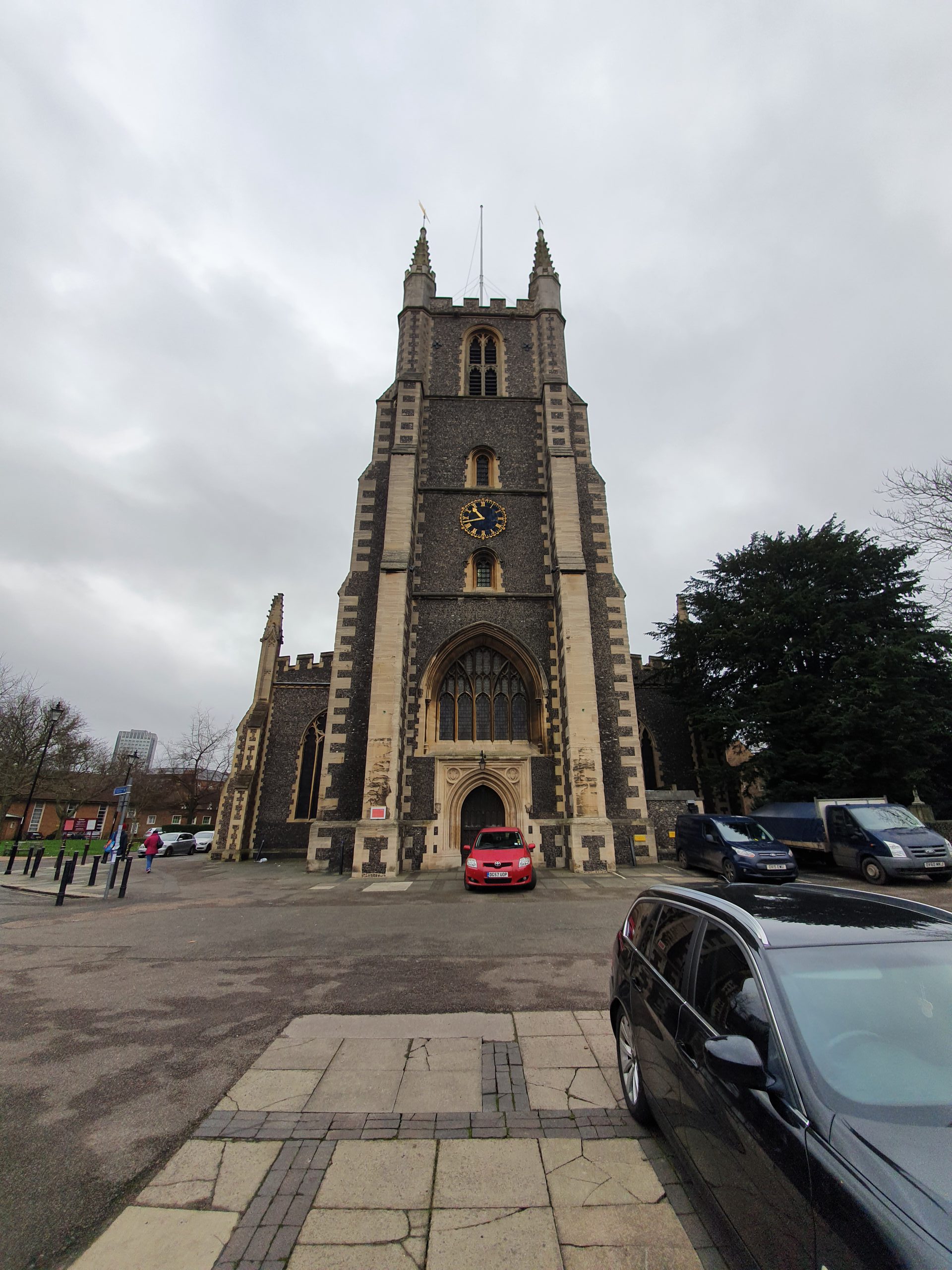
    I feel I’m in danger of it sounding as if I like everywhere that I go, unless it’s in Croydon. I was hopeful that Croydon Minster would be something which lifted my spirits, but it was shut which wasn’t entirely ideal. However, these are challenging times and I hoped that the exterior would be interesting and intriguing.

    My first impressions were a little negative, as I approached the Minster which seemed to be in the middle of a car park. Also, and I can’t think of a similar sized church where this is the case (and I accept that there are likely many), but there were no information boards to help visitors understand the building.

    To be fair this isn’t just my view, as a council report (that I’ll mention later) did note about the Minster:

    “This is a car-dominated environment that harms the setting of this important asset”.

    Well, there was this to be fair, noting that the churchyard was closed down in 1950 and that a war memorial was placed within in it. Interesting, but not entirely what I was hoping for.

    Some of the problem is that the road has rather come crashing through in front of the church, as is evident from these two side by side images from 100 years ago and today (clicking on the image makes it larger).

    There has been a church here since the Saxon period, so the heritage is undeniable. Unfortunately, there was a substantial fire on 5 January 1867, with much of the interior being lost. That means that the interior is primarily Victorian, but there are six former Archbishops of Canterbury buried here, more than anywhere else other than Lambeth and Canterbury.

    This was the nicest photo I could take of the churchyard, or what is left of it. The box tomb is damaged, but the trees add character.

    This was the churchyard. I make no comment, which is very restrained of me.

    For anyone wondering what happened to the gravestones, clicking on the above image gives a clue. I have to say, I’m not overly impressed with the Church of England here. Someone in the nineteenth century would have likely made great sacrifices to pay for a gravestone for a family member, it would have very likely been something they treasured and would have perhaps thought would have been treated with respect. Knocking it down, cutting bits off to fit and then using it as a paving slab probably wasn’t at the forefront of their mind.

    And more paving slabs. The writing has become heavily eroded now, so it’s hard to make out the dates and names on them.

    Not wanting to labour a point, but the church clearly wanted to pave as wide an area as possible with their new slabs.

    Goodness knows what has happened here.

    But, at least Croydon Council has worked out something is wrong here. A report they commissioned a few ago noted:

    “When there are services at the Minster the area is tightly jammed with cars. The overall quality of the space is poor and
    it does not enhance the setting of the Minster. The subway and associated concrete wall has a negative impact on the character of the area.”

    It was added though that the core of the buildings were exceptional:

    “The Croydon Minster and the complex of buildings at Old Palace School are Grade I listed, the latter described in the Buildings of England series as ‘one of the best survivals in England of a medieval archbishop’s palace’”.

    As for the road plonked in front of the Minster:

    “Roman Way is a busy highway located immediately to the west of the Croydon Minster Conservation Area that has a direct impact on its setting, creating a noisy and car-dominated environment.”

    The report is one of the most sensible documents that I’ve seen, which did bring me some reassurance. Not much else did about this Minster, I think it’s possibly one of the most depressing churchyards I’ve seen.

    And below is how the church looked in 1890, really quite beautiful.


  • London – Croydon (Borough of) – John Jorrocks Statue

    London – Croydon (Borough of) – John Jorrocks Statue

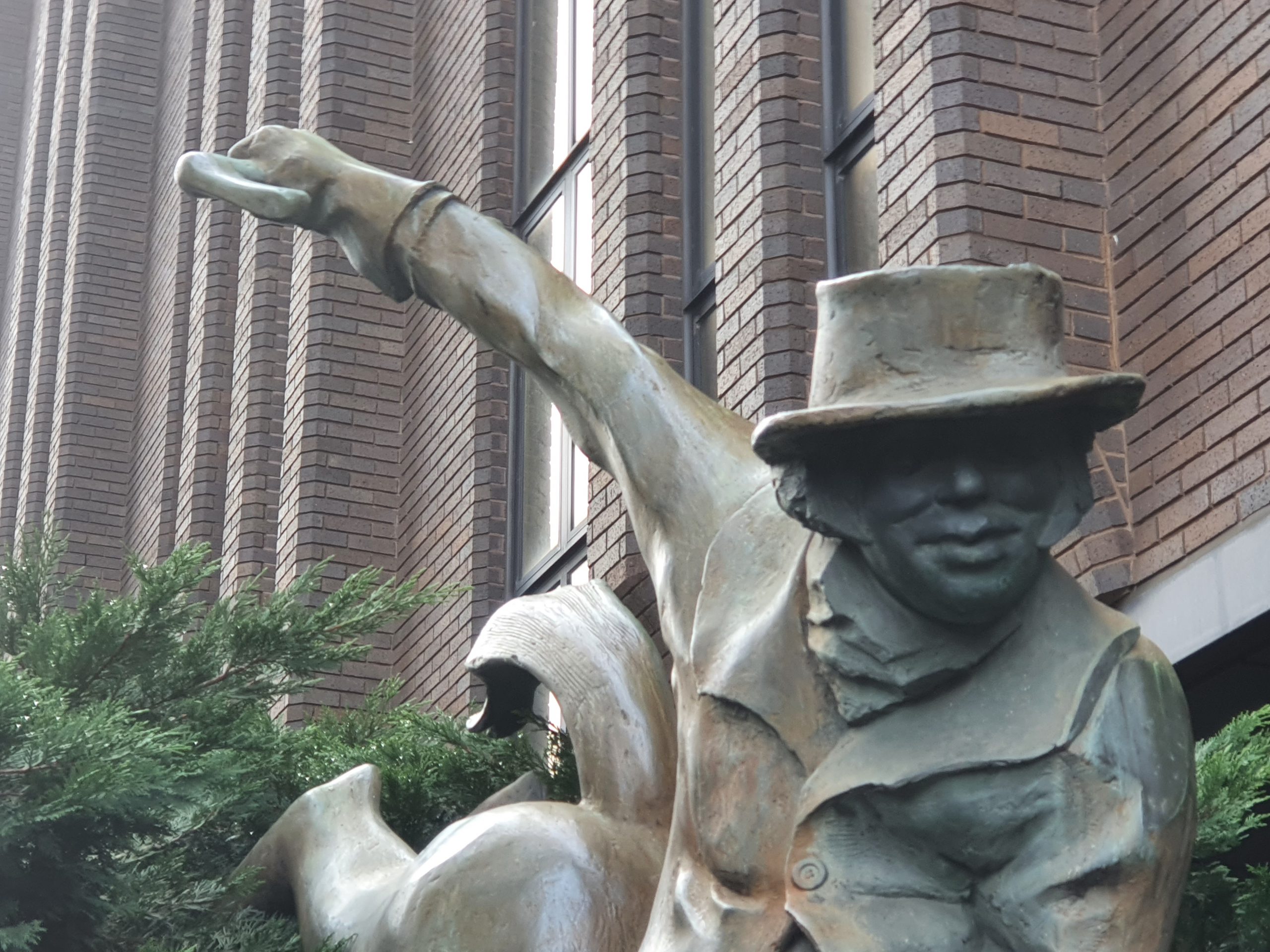
    I’m pleased that Footprints of London have written about this statue off George Street in Croydon, as there was no other information located nearby to it to give some context. It’s certainly a striking statue and it’s of John Jorrocks, a fictional character from the nineteenth century that was created by R S Surtees.

    Thanks to the information provided by Footprints of London, they discovered that it was placed here in 1982 by the development company, Waites, who were transforming the building. It was designed by John W Mills who has completed some nationally important works, with his web-site at https://johnwmills.com/.

  • London – Croydon (Borough of) – Ibis Styles

    London – Croydon (Borough of) – Ibis Styles

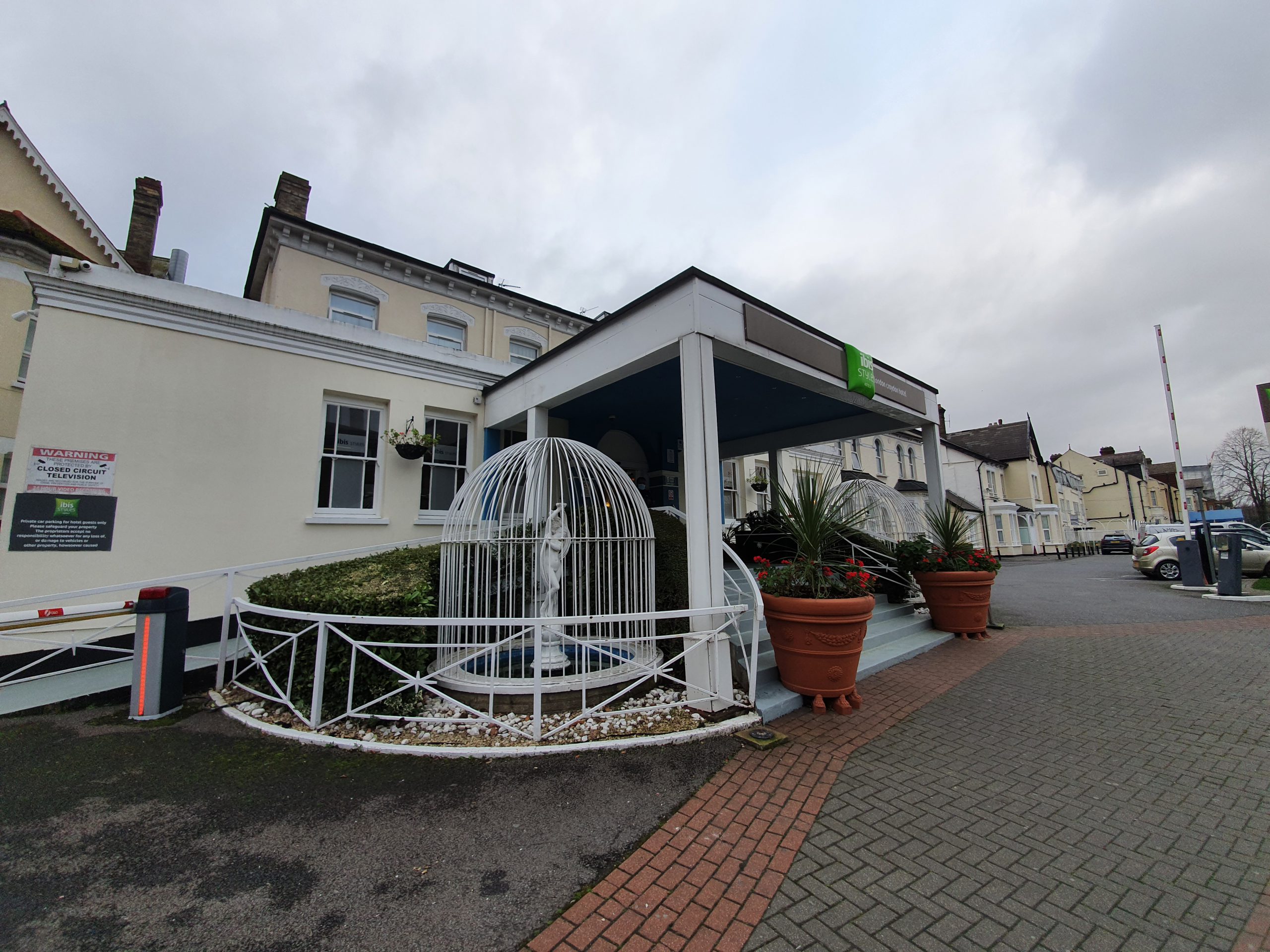
    I think this was my fifth stay at this hotel, it’s a handy and convenient option for getting flights from Gatwick Airport (or what I call convenient anyway). I suspect the hotel would have wished I hadn’t booked two nights before my flight from Gatwick Airport in April, as I’ve postponed this stay on three occasions and had to contact them to ask why it suddenly got cancelled entirely a couple of months ago. But, they fixed the issues and all was well. Then, when I was at the hotel, I decided I want a different room on the second night. Although they were no doubt annoyed at me, they managed not to show it, which is a definite plus.

    The reception area and where the breakfasts would usually be served. I actually quite liked their breakfasts in the past, they were basic but entirely satisfactory, but they’ve been replaced now by grab bags until the current health crisis is over.

    This was my first room where I should have been for two nights. It’s in the crypt of the building (well, cellar, but I prefer the word I’ve used) and I didn’t much like it, although the design is fine, as there was a slight smell of damp. But, the room was well ventilated, with the option of opening the window and using the air conditioning, so all was well there.

    Well, until the room next door moved in, which involved a birthday party, what seemed like endless numbers of guests and banging of doors. I don’t know the rules on this at the moment, and nor did I check, but it wasn’t ideal. Headphones get rid of most of these issues, although they were pushing their luck a bit here in the neighbouring room. But, to be fair to them, the hotel hasn’t got door dampers on and it absolutely should have done.

    Anyway, I tolerated that situation (I don’t like conflict at the best of time) and hoped the guests wouldn’t be there the next day. I popped back to the room in the afternoon of the second day and the noise situation didn’t look like it’s improve. One woman shouted loudly to another guest “make sure you put your clothes on for when the food arrives” and after something like thirty door bangs which shook the room over the next ten minutes, I decided I wasn’t going to risk this debacle continuing. So, I had to do what a typical British person hates doing, which is to actually complain rather than tut silently about the situation.

    Now, I wouldn’t normally expect a hotel to say this, but since they did I assume they’re content for everyone to know, not that I’m one for gossip. But they told me that the room was occupied by a doctor and this seemed to be a first attempt to negate my complaint. I did add that I didn’t know if the guest they now had in was the same as the night before, although their pattern of behaviour was little different in terms of noise. I had by this point given up on the room, despite the suggestion they’d speak to the room occupant. I’m not sure that’s the best idea in these circumstances, as I don’t know what the occupant might think of that. To be fair, the manager did agree to a room change without my needing to ask for a third time, so all was well. And I’d add that this is the first room change I’ve requested in at least the last 100 hotels that I’ve stayed in (I had hoped for one in a hotel in Warsaw as the room was a bit small, but I didn’t ask for that) so I hardly make a habit of this.

    The second room, I liked this one (and it had a desk that was useable).

    As an aside (another one), I discovered that the air conditioning switched off if the window opened, which isn’t a bad policy. I was pleased I had moved, I much preferred this new room and there were no noise issues. There were clearly some minor damp issues as the hotel had painted over them, but it didn’t smell of damp and I was entirely happy. And, as a bonus, the shower in this second room had a choice of temperatures, where the first room was locked into just offering a scaldingly hot water temperature.

    The breakfast on day one, this isn’t a bad little effort. The milk is quite hard to open, so the easiest solution is to use the straw to pierce the carton and try and drain it from that. I say easiest, it was still a slight challenge, but that helped me wake up.

    And a little variety for the second day.

    So, overall, I can’t much complain about the hotel as the prices were towards the lower end of the scale. They do though perhaps need to look at the internal noise of doors slamming, but otherwise, there were no huge problems. I’m not sure I dare stay again, but I wouldn’t suggest that there are any reasons why others shouldn’t.

  • London – Croydon (Borough of) – Elis David Almshouse

    London – Croydon (Borough of) – Elis David Almshouse

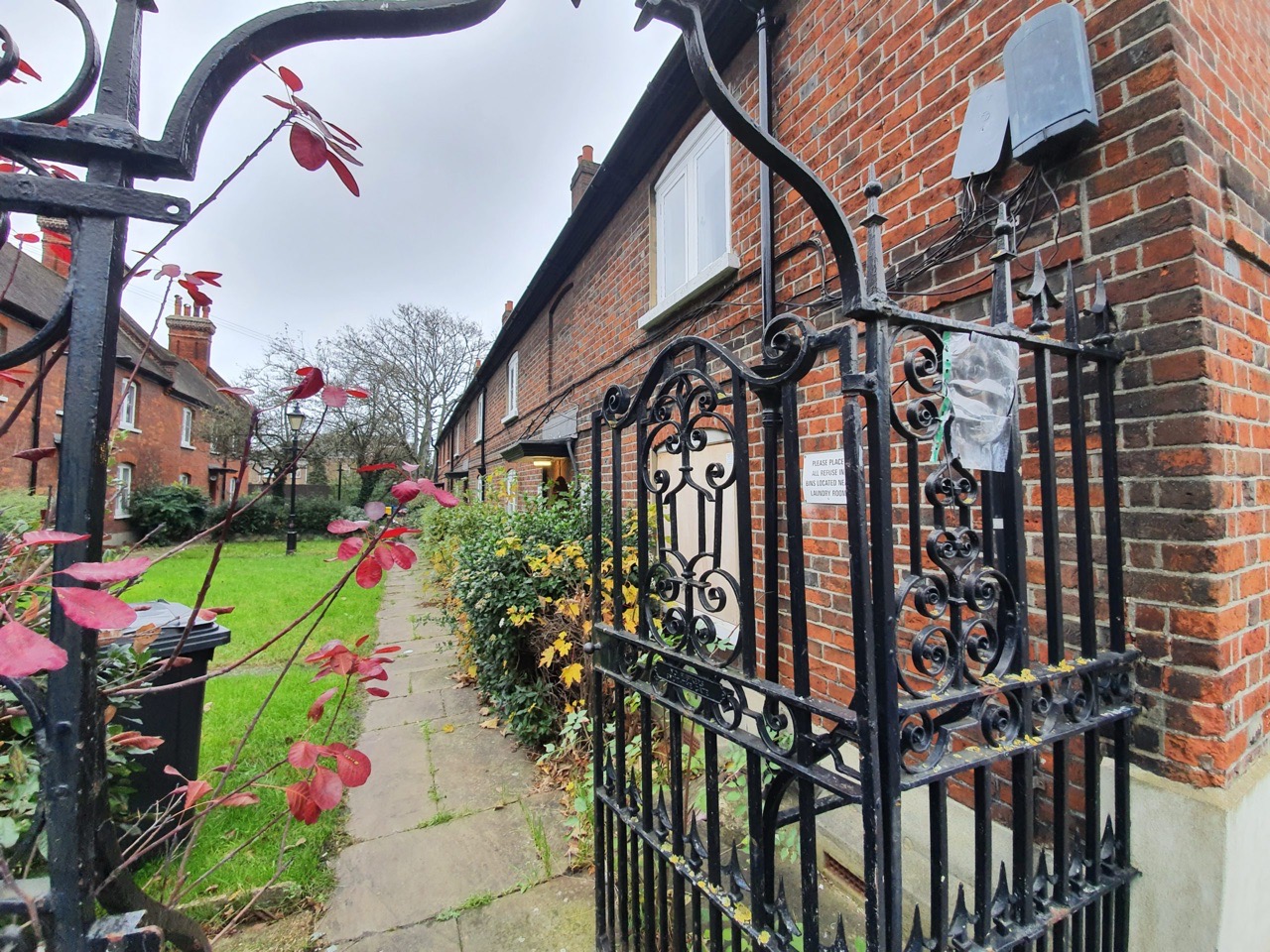
    This set of almshouses is located close to Croydon Minster and it gives something of a medieval feel to the area. There are two ranges, the south range (on the left of the above photo) and the north range (on the right). They were founded in 1447 by Elias Davy, although the current south range dates to 1887 and the north range to 1875.

    The charity who runs the almshouses has put together a comprehensive history of the site, although they moved the residents to a purpose built new centre in 1974 which has 55 flats. Elias Davy (or Elye Davy) saw his name evolve into Elis David over the centuries, primarily through misunderstandings and errors, but his contribution hasn’t been forgotten. Elias had made his money as a draper and it’s thought that he was inspired to create a charitable foundation by Richard Whittington (better known as Dick Whittington), a fellow draper.

    Elias purchased the land here in 1443 and his first project was to drain it, as it was on top of the River Wandle and that wasn’t entirely ideal. The charity notes that part of the original north wing is thought to have survived, just behind the frontages which were redone in 1875. There’s also a Second World War air raid shelter on the premises somewhere according to the listed building record.

    This was the only modern plaque I saw in Croydon during my two days there, although I’m sure there were more somewhere about….

  • London – Croydon (Borough of) – A Tale of One Town

    London – Croydon (Borough of) – A Tale of One Town

    One of the most over-used phrases to start a travel article is that a place is “a tale of two cities”, with some explanation of why first impressions can be misleading or some similar story. I’ve been to Croydon a few times, but usually staying the night before a flight from Gatwick Airport, I’ve rarely investigated anything else about the town. So, with a two-night stay, long since delayed due to the current health situation, I thought I’d spend the time in the town itself to understand it better.

    I was already pre-annoyed at Croydon Borough Council at their total indifference about the history of Croydon. It’s true to say that the council serves a wider area than just Croydon itself, but I noted they were encouraging people to “explore Croydon and learn about your local area with illustrated walks”. The council has condescended, which frankly is my overall view of their operations, to provide two marvellous history walks, never of which related to the town of Croydon itself. This isn’t a resources issue, the council has thousands of staff and heritage trails are an easy win as they’re cheap and engage the community. They’re easy to produce and it’s rare to find even smaller towns without something along these lines, let alone somewhere of Croydon’s size.

    It could be argued that history isn’t an essential element to the future of a town. But, not by me. In the 1990s, there was a discovery by the town’s museum that the local population didn’t have a positive view of the word “Croydon” or the word “museum”. So, to convince the locals, they named their new museum “Lifetimes”, as if calling it after a daytime TV show was the panacea to their problems. The whole point of a museum is to tell stories in an engaging manner, preferably relating to the subject the museum is designed to promote. Missing out the word Croydon is a problem if telling stories about Croydon.

    Anyway, the ridiculousness of the situation was reversed after the failure of the policy (or what they’d likely call an interesting experiment), the town’s history is served by what is now the Museum of Croydon. It is free, which is excellent, although it’s currently shut due to health limitations. I was moderately disappointed that circumstances didn’t allow me to find out more about the history by visiting.

    As an aside, the first three people who I told I was in Croydon all responded asking if that was the place with the riots. I’ve never much associated the 2011 riots with Croydon, partly because when I lived in London in 2012, it seemed to be Tottenham and Woolwich that were most spoken about. But, there are still holes in Croydon where buildings were damaged or destroyed, there’s still an tangible feeling of problems when walking down some streets. The built environment here is muddled, primarily saved by parks which were installed by the Victorians.

    I did meander down the town’s main street in the evening, watching the Christmas lights be put up outside some of the boarded up shops. It’s good to make an effort, with Croydon seemingly doing reasonably well in terms of retail. But, there was also someone kicking a football against a shop window, causing concern for the staff, and then I walked by a certain national clothing store, just as someone walked out with two coats setting off the alarms. The staff there looked bemused, no doubt told to not confront thieves. This didn’t feel like a town centre at ease with itself.

    All this text is getting me to my point that I’ve never been a place so seemingly embarrassed about its history by its local council and agencies. I saw one plaque on a building and one history board, the latter provided by the Heritage Lottery Fund. There was no obvious pride at all from the council, although they didn’t seem concerned at all about the litter on the streets either which was at a level I haven’t seen before. The current Museum of Croydon has made some sort of effort on its web-site, but it’s a country mile behind the digital collections offered by some museums. But, that might genuinely be a funding issue.

    And, without any kind of interest in the town’s past, which is long and complex, I can’t quite see what identity the council wants. The old town part of Croydon is potentially beautiful, with the Minster and collection of old buildings, but it hasn’t been treated well. The church has allowed for its burial ground to be dug up and gravestones turned into paving slabs and they have a lovely place to park cars. And Croydon excels at cars, pedestrians are not treated as the priority here, too often forced into underpasses or onto dank paths.

    But, back to just the Minster, which was shut, although that seems to be related to the current health situation. Although, other churches are open, so I’m unsure what the limitations are here. Perhaps there’s lots of history inside (and to be fair, they have put some history on their web-site), but, externally there is no information, no heritage, no depth. Surely half the point is to try and engage with people walking by, who might just be a little interested. In actuality, the Minster has more former holders of the Archbishop of Canterbury role buried there than anywhere else outside of Lambeth and Canterbury. This is because Croydon Palace, which still stands, was the summer residence of the Archbishop of Canterbury, something of enormous interest to at least some. I’d have expected some form of plan so that visitors could explore the area and see the important buildings around the church.

    The Minster burned down in the nineteenth century and was replaced on the same site by one designed by George Gilbert Scott, who designed another church in South Croydon. There’s a Roman Road running through Croydon, although visitors would likely guess this at least as that’s also what the road name is. But, no context or interpretation. And, just as Croydon’s council ignores its ancient and medieval history, it has made little effort in doing much with its modern history. There are communities here from around the world, and have been for decades, but there’s nothing accessible to visitors about that either. I’m sure that there are no shortage of projects that relate to this, and indeed the heritage of Croydon, but they weren’t overly well promoted.

    And, to be fair, it seems that the Whitgift Foundation, in conjunction with Handelsbanken Handelsbanken, did produce a heritage trail back in 2015. But, the web-site is no longer in operation and I can’t find any text of the heritage trail. It all means that anyone who wants to understand the history of Croydon is going to have to be very determined.

    So, this text has now become something of verging towards a diatribe, but I couldn’t really understand Croydon. The locals were as friendly as anywhere else, the vibrant market has a long heritage and the London Road to the north of the centre has no shortage of intriguing cuisines and businesses from around the world. Boxpark has some street food options which are an innovative as other London boroughs and there were hopes of Croydon Westfield building a substantial new shopping centre (and that’s been delayed for reasons not relating to Croydon). I’ve seen some defences of Croydon, but it’s hard to see what they define as Croydon’s unique identity and everywhere should have that. Croydon should be a town of stories, not an anonymous shopping street.

    Every London borough has a shopping centre, a range of cuisines and new buildings. I just couldn’t work out what Croydon was proud of, what it wanted to be or where it was going. As best as I could discover, Croydon’s council has no idea either. So, my attempt to tell a story of how exciting Croydon was, and indeed how people could engage with its history, has failed. I’m sure those stories are there, but the council perhaps needs to take a lead.

  • London – Croydon (Borough of) – Queen’s Gardens

    London – Croydon (Borough of) – Queen’s Gardens

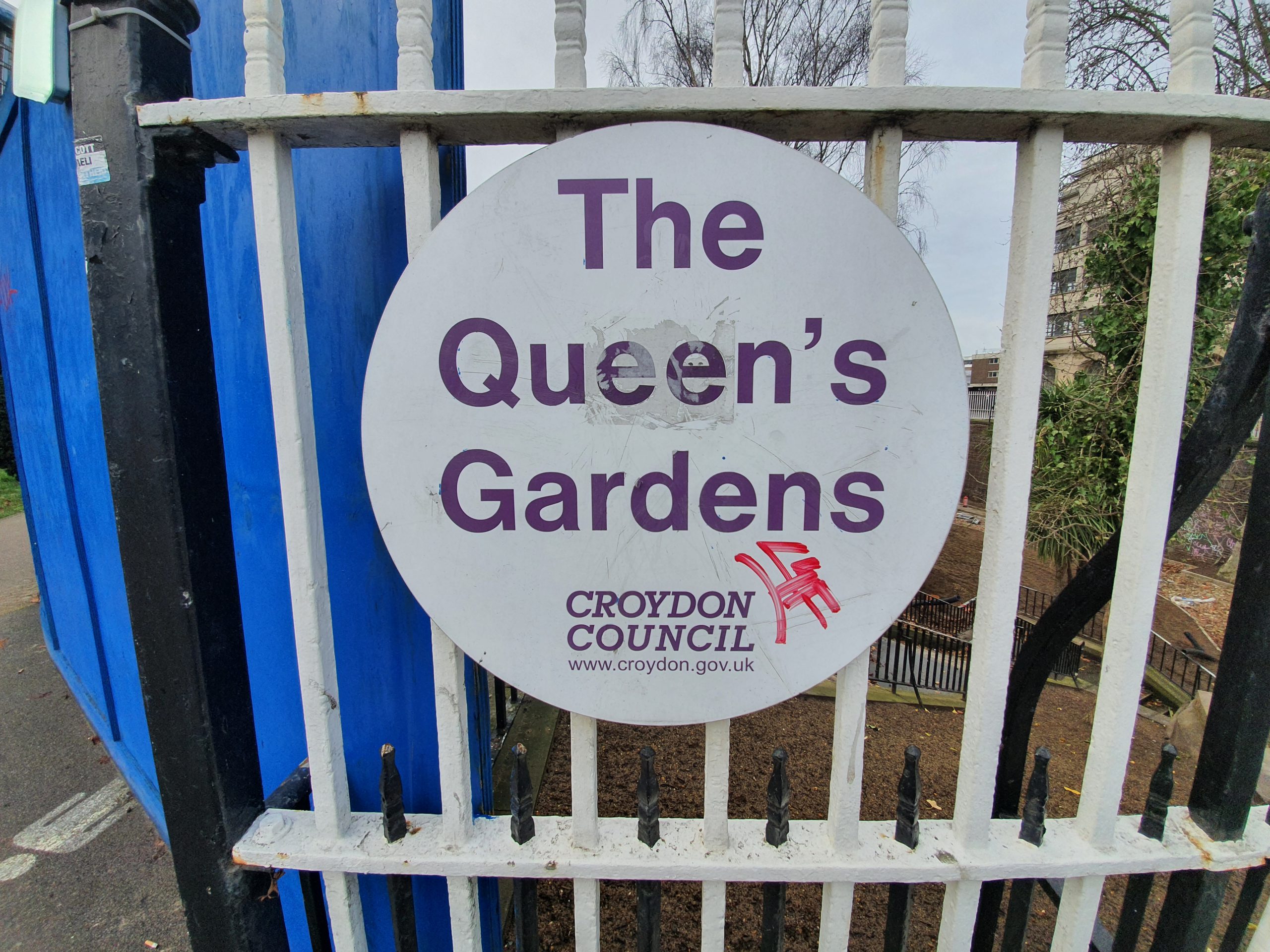
    One review I read about Croydon commented that the best place to visit in the town was the Queen’s Gardens. These was the site of a railway station which wasn’t entirely successful, but in around 1900 the location was used for the Town Hall and the town’s police station.

    Here there are at the moment, seemingly partly demolished and closed off. I have no idea what they’re planning to do with the site, as Croydon Borough Council’s web-site seems to think they’re still open. I assume that they’re creating something new for the large housing project being constructed here, but the current situation isn’t perhaps ideal….

    The situation 100 years ago, the train tracks are visible on the right hand side, and the park is where the town hall and police station were once located. This has all gone now and the road between them is now much wider.
  • London – Croydon (Borough of) – Church of St. Peter

    London – Croydon (Borough of) – Church of St. Peter

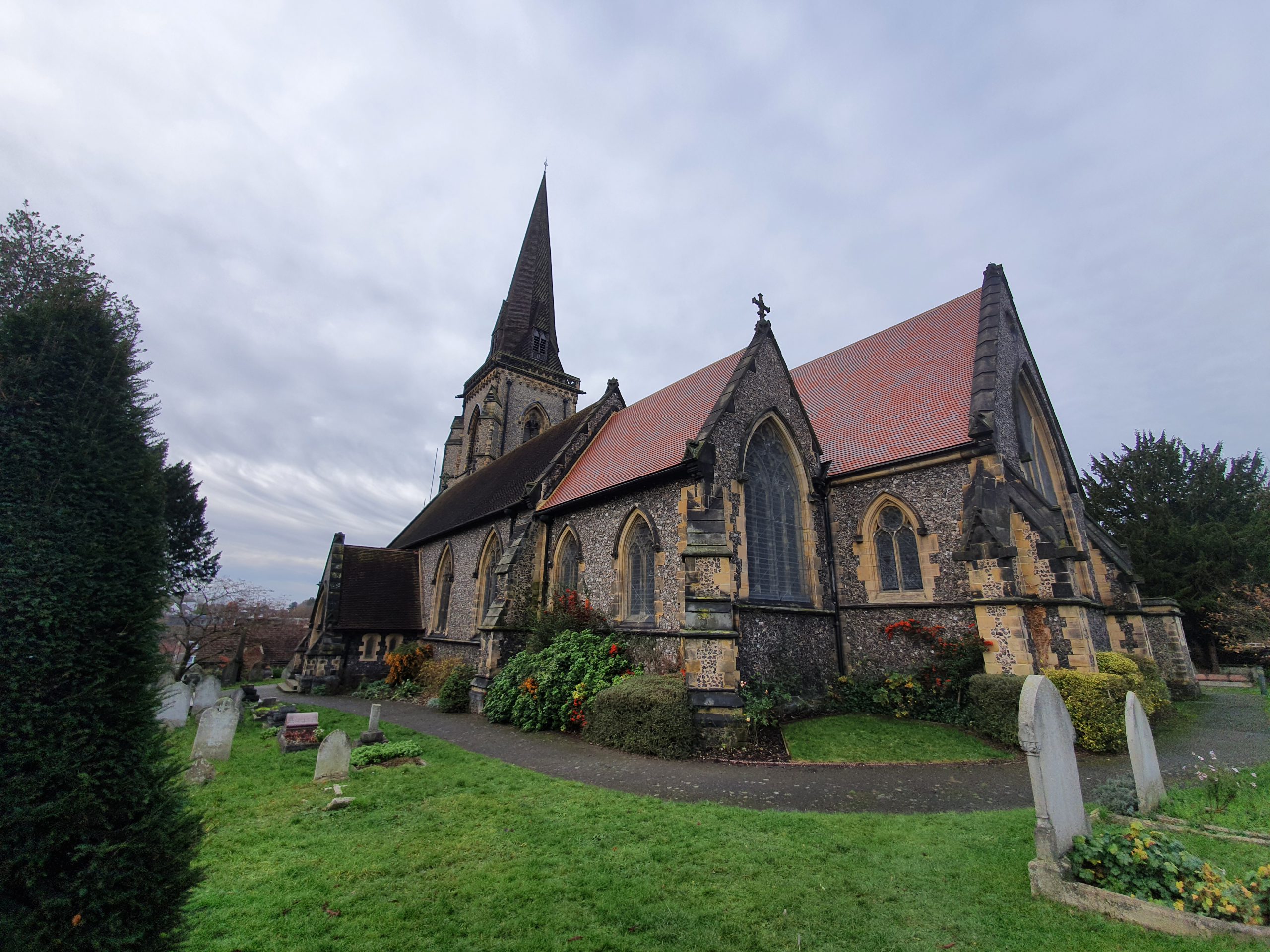
    This church is in South Croydon, but it’s visible from Croydon itself and I felt that it deserved further exploration. It’s well proportioned and has avoided the generic and bland designs that some Victorian churches have suffered from. The designer was the brilliant George Gilbert Scott and it was built between 1849 and 1851.

    The four-stage tower, not entirely dissimilar in style to some medieval churches in Norfolk, although that’s a substantial window.

    The graveyard is in pretty decent shape with no litter or badly maintained areas, although it’s evidently now nearly full.

    This is from the archives of the Church of the England and they think that this document might have been created by George Gilbert Scott, it shows the free and let areas of seating in the church.

    And this is George Gilbert Scott’s work, the design of the church.

  • London – Croydon (Borough of) – Former Swan & Sugar Loaf

    London – Croydon (Borough of) – Former Swan & Sugar Loaf

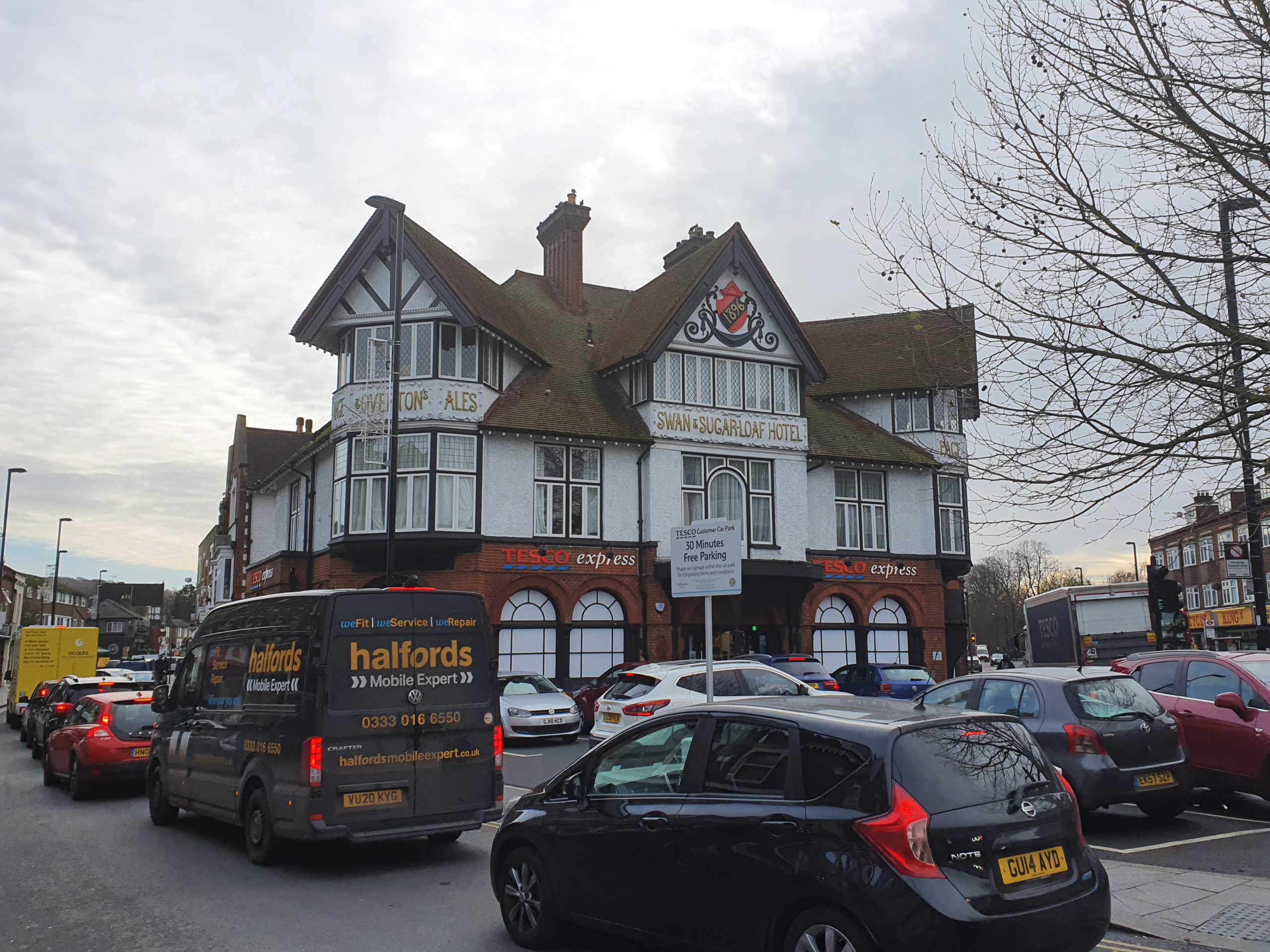
    This is a rather beautiful building in South Croydon, built as a pub and hotel in 1896. It was built on the site of another pub and was clearly the pride of Page & Overton, the local brewery. It stopped being used as a pub in 2010 and it was soon taken over by squatters, with concerns that it might be attacked during the Croydon Riots of 2011. Fortunately, the building survived and there were plans to turn it into a pub or restaurant after a restoration. Unfortunately, the restoration was ultimately carried out by Tesco, so the property is now used as a supermarket. Lovely as it is that the building survives, the historic interior has been lost and I can’t truthfully say that Tesco has been entirely sympathetic to the former pub.

  • London – Croydon (Borough of) – Trams

    London – Croydon (Borough of) – Trams

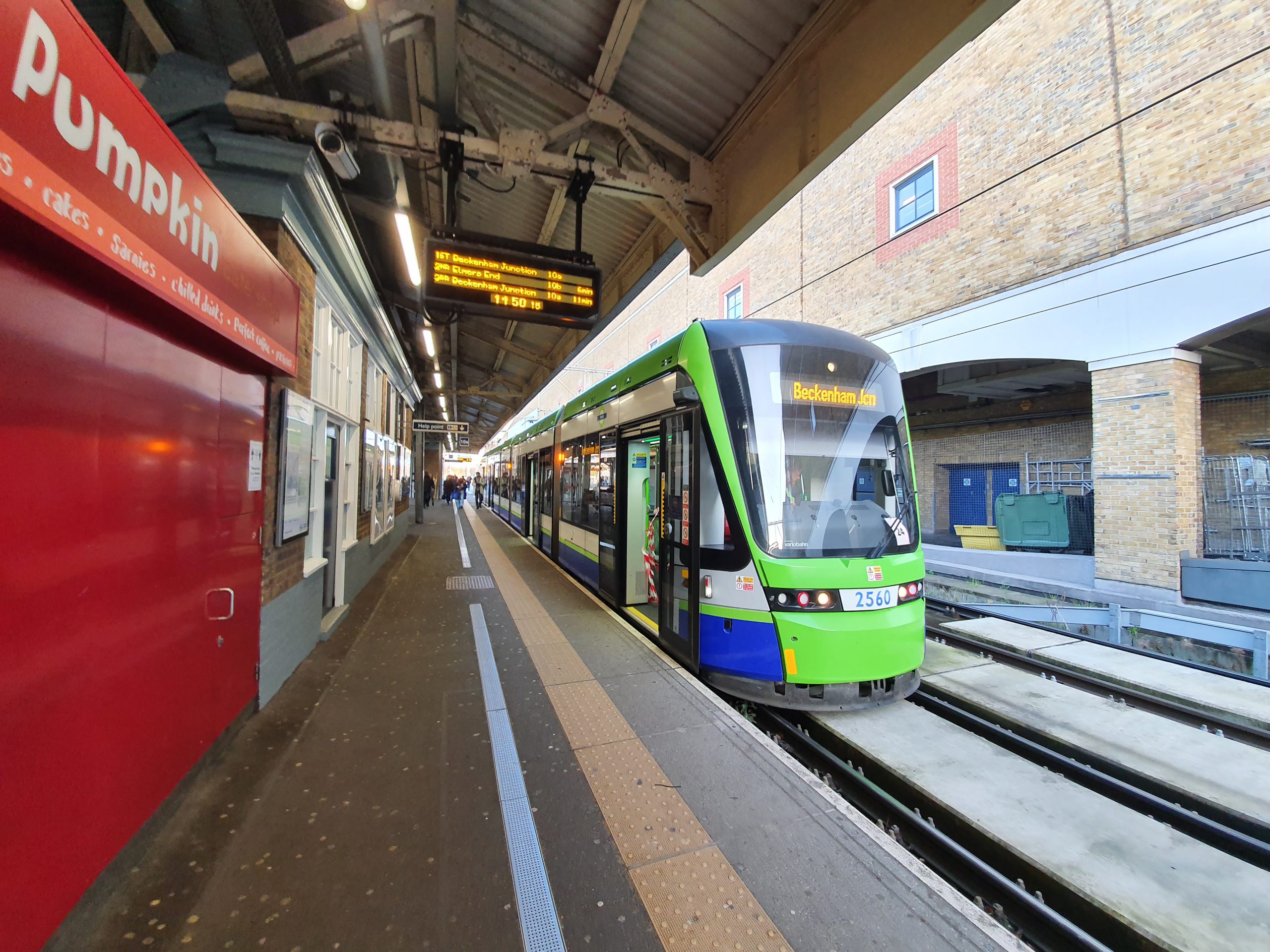
    I’ve never before used the tram service to Croydon, so this was a new experience. The network has 39 stops along 17 miles of track, connecting into the London Underground network at Wimbledon, where I caught the tram from. There are two main different trams on the network, the 23 trams of the older Bombardier CR4000 style and the 12 newer Croydon Stadler Variobahn variety. The above is the latter, and thus the newer model.

    The tram service wasn’t overly busy at Wimbledon, although it got busier towards Croydon. It was generally easy to use, although I forgot that it wasn’t the DLR and I tapped in when arriving in Croydon, which isn’t actually necessary. There is also a procedure in Wimbledon to tap in so that the system knows that the passenger used a tram and not a train.

    The service was comfortable and the journey was smooth, it’s a shame that more cities around the country can’t afford tram networks such as this. Norwich would perhaps be very well suited to such a network, although I can’t imagine how the initial funding would ever be reached. Although Norwich did have a tram system in the past, it’s very much now for larger cities only, in the UK at least.

    A tragedy took place on 9 November 2016, which became news across the world, when a driver managed to overturn a tram, killing seven people. It’s hard to imagine just how a driver could do this, but it was confirmed that it was his error that caused the incident, in what was the first tram crash in the UK since 1959 which led the death of a tram passenger. An inquest into the derailment was meant to start in October 2020, but it has now been delayed until next year.