Tag: Bucharest

  • Bucharest – Origo

    Bucharest – Origo

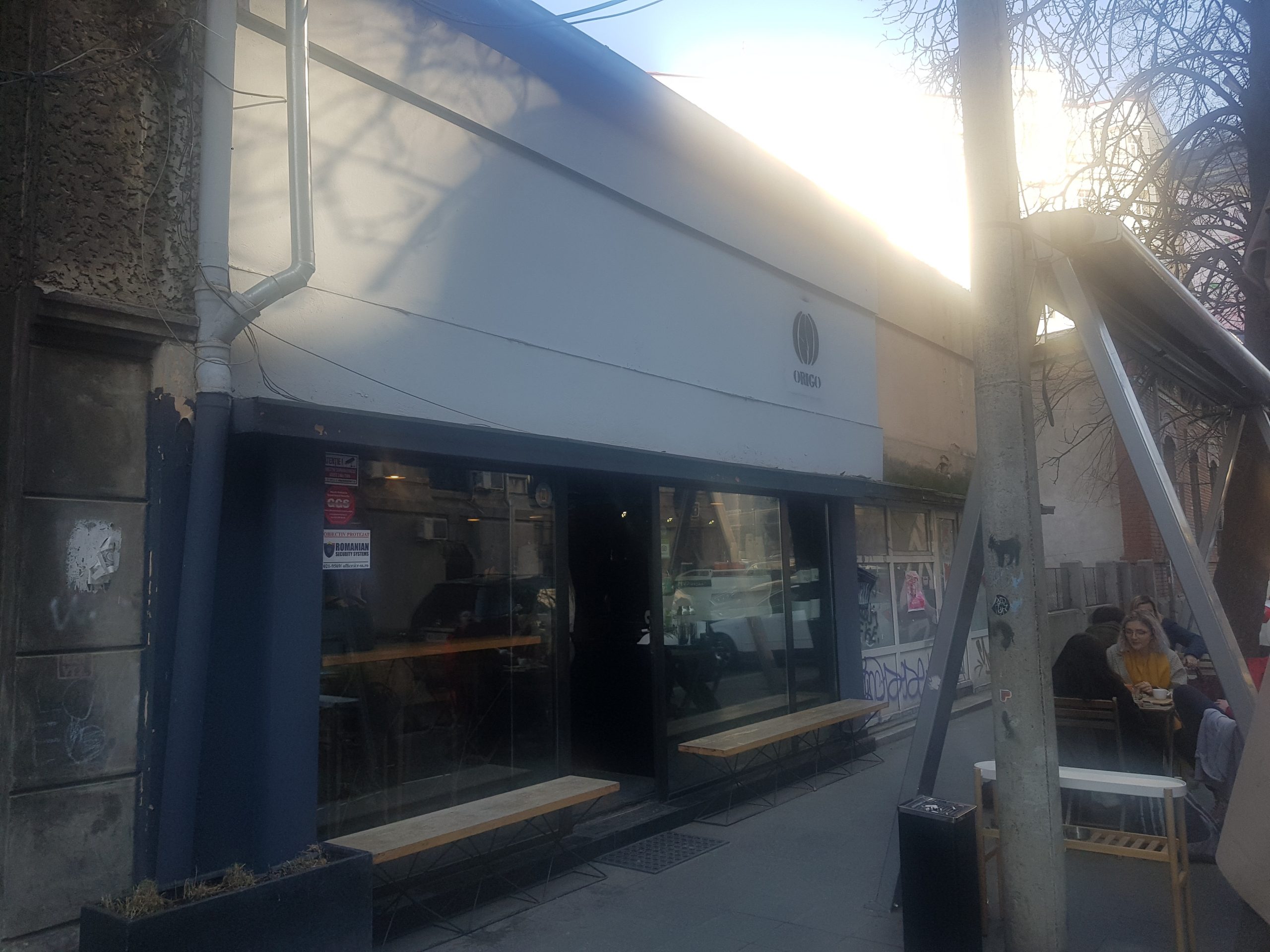
    I nearly didn’t go to this coffee shop as it’s incredibly well reviewed and most of the comments are that it’s impossible to get a seat because it’s so popular. But, I thought I’d have one go as it seems to be one of the most on-trend coffee shops in Bucharest and I’m trying to get a better understanding of coffee.

    When I entered I saw that there was one table free, but I made a little mistake by trying to order at the counter. The staff member gave what I considered the perfect response that he could take the order there, but that there was table service if I wanted to make sure that I could get a table.

    It’s not usual to get water brought out before the coffee, but this is a positive touch. The staff member was engaging and spoke perfect English, telling me that I had a choice of three different beans. This is something that’s been happening in a few locations in Bucharest that I’m not used to, but I suspect that it’ll become more common with the next generation of coffee shops. The staff member explained that there were three different beans, I could choose between Burundi, Brazil or Colombia, and she gave an explanation of what the taste was for all of these. The Burundi bean was rich and chocolatey, the Brazilian bean was nutty with a taste of grapes, whilst the Colombian bean was the most complex in terms of the taste, with floral, caramel and strawberry flavours.

    I went for the last option, the Colombian bean, as I like complex flavours, but I was entirely sceptical that a cup of coffee could produce all of these tastes. Incidentally, I usually like my coffee in the same way that I like beer, rich with a strong and deep chocolately flavour. Indeed, that’s also how I like my food, but that’s a different matter. I didn’t go for the Brazilian bean solely as the complexity of the Colombian bean seemed something more unique.

    And then the coffee arrived. It was as near to coffee perfection as I can imagine getting, I couldn’t get the caramel taste, but there were floral notes, strawberry flavours and quite subtle aftertastes. The coffee didn’t seem that rich, but it was smooth and those flavours were astoundingly good. The coffee was ridiculously priced for Romania at nearly £4, but for this experience, it was definitely worth it.

    I normally don’t like signs like this, but I haven’t been taking my laptop out this week anyway. But, in the case of this coffee shop I can understand why they’ve made this decision as it’s a small location and it’s all about the coffee experience, rather than being a cafe where people can get work done on their computer.

    The payment process was smooth and professional, just like everything else had been. As an experience, this was impeccable and although this would be difficult to replicate as part of a chain, I wish that some would at least try. I never really visit chain coffee shops (well, bar JD Wetherspoons for their unlimited coffee) but I’ve tried Costa coffee (usually when it’s free from Vodafone Rewards) and it’s routinely bloody awful.

  • Bucharest – Ceauşescu Mansion (Photos)

    Bucharest – Ceauşescu Mansion (Photos)

    I wrote about my visit to the Ceauşescu Mansion here, but below are some more of the photos I took…..

  • Bucharest – Ceauşescu Mansion

    Bucharest – Ceauşescu Mansion

    For my final full day in Bucharest, I went on a tour of what was the private residence of Nicolae and Elena Ceauşescu, which was also lived in for a time by their children, Nicu, Zoia, and Valentin. The house, also known as the Spring Palace, was built in the mid 1960s and Ceauşescu had the property expanded in the early 1970s.

    The outside of the house, which is an upmarket part of Bucharest, an area at the time where only communist officials could live.

    The welcome at the entrance was very friendly from the staff, I had pre-booked a place on the tour and was pleased to find that this was all carefully noted. Protective bags are required over shoes to protect the carpets and even Ceauşescu didn’t wear shoes around the house. The tour I was on had four people on it, myself and a family of three, so it didn’t feel busy or congested.

    Ceauşescu’s private office. The decoration is, well, a bit kitsch throughout the building, with the house being littered with presents from foreign dignitaries. In the room above there were plates given by HM Queen Elizabeth II, although more bizarre was the tour guide talking about the personal gift of a dog from David Steel. Frankly, the back story to this, where Steel was a personal guest of Ceauşescu at a time when his activities were already causing international concern shames the Liberal politician and it’s quite right that this story is related to visitors to the property.

    Luminous lights and the bottom is a bell which Ceauşescu could press if he wanted anything. The tour guide said that two of the staff who used to work for the dictator are still at the house today, but are now managers.

    The private dining area used by the dictator. The tour was long and went through many rooms, including the apartments of the three children.

    After Ceauşescu was executed on 25 December 1989, this house was raided by members of the public and some items were lost. All of the TVs in the property were stolen, other than this one. It was a very expensive colour TV when new, a ridiculous acquisition as the dictator got it six years before Romanian TV broadcast in colour. Fortunately, on the looting front, the army managed to protect the property as it was initially thought that the country’s next President might like to live there.

    This was the safe of Elena Ceaușescu, which was opened by the National Bank after she died, to prevent looters breaking into it. It had expensive jewels and possessions stored in it. This was the end of the tour in the older part of the house and it’s probably what most people at the time expected Ceaușescu to be living in, a comfortable, but modest house. He had made great play about how everyone was equal, but the tour then went to Ceaușescu’s little extension.

    Nicolae’s private bathroom.

    Elena’s private clothing room, she also had a large collection of shoes. The people of Romania it is said didn’t expect this level of opulence and it’s hard to find anyone who has anything positive to say about Elena at all. The young tour guide was professional and careful with his words, but even he was struggling to be polite about Elena.

    Nicolae’s little shower area.

    Bearing in mind that Romania was in economic crisis, it was clearly important that Nicolae had somewhere nice to sit inside the property to cope with the trauma his people were going through.

    And Nicolae’s private swimming pool. As the nation crumbled, Nicolae demanded that two men spent two years creating the mosaics on the walls.

    This was a marvellous tour, although expensive by Romanian standards, as it cost £11 for the one-hour guided tour. I thought that this was an excellently managed site and the guide was engaging and spoke fluent English. There is another tour, which goes around the underground cellars of the property, which had miles of tunnels to other parts of the city, but that was around £50 and seemed a little expensive. Maybe another time I’ll go on that though, as this was a fascinating property.

  • Bucharest – The Urbanist

    Bucharest – The Urbanist

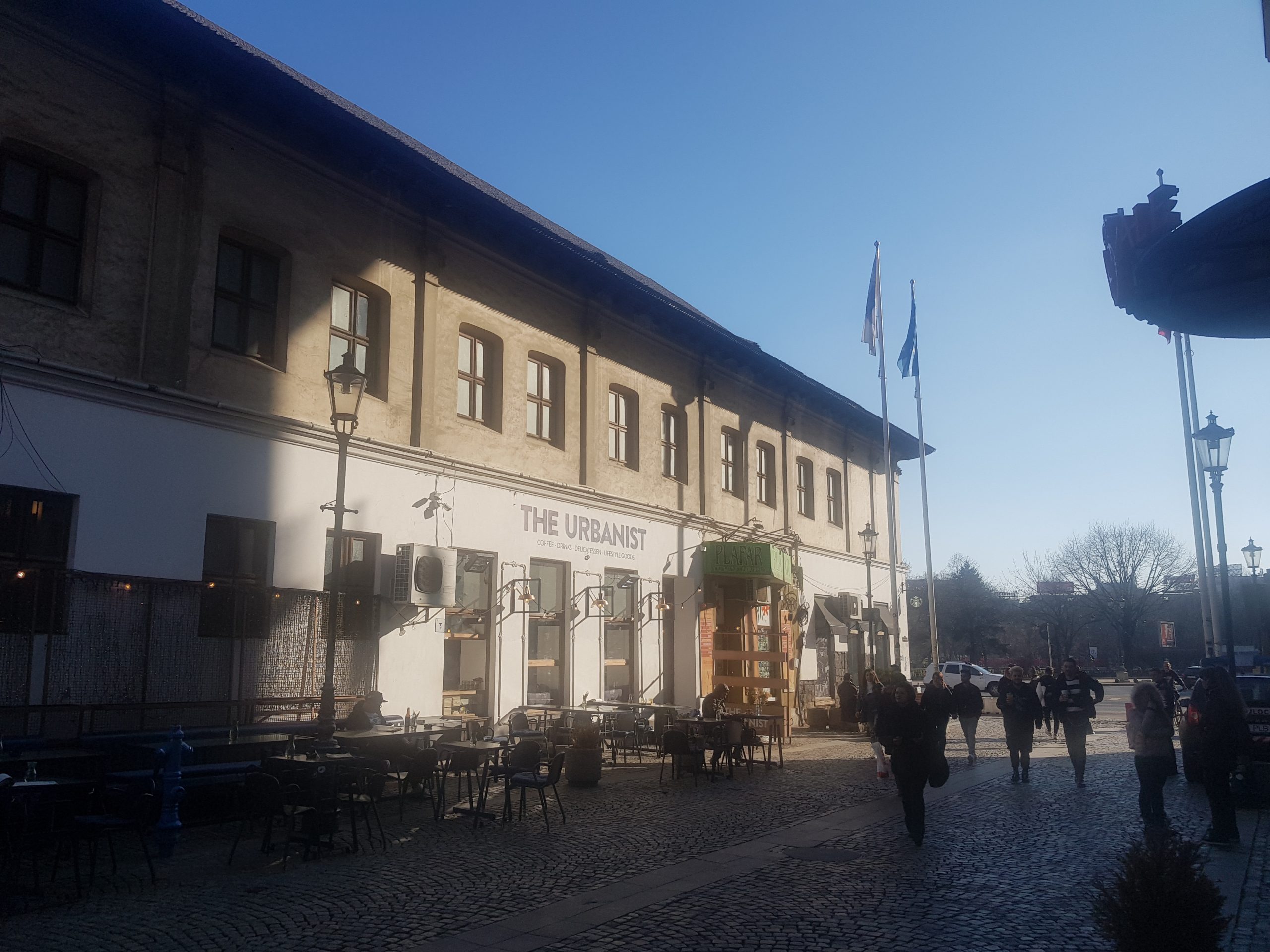
    This is the sort of location that isn’t necessarily designed for me, although also slightly is. It’s an on-trend clothing shop along with a bar and coffee shop, although I’m not sure which one generates the most profit. I suspect the bar, but it’s an interesting and quirky destination. The element that is designed for me is that they sell craft beer, so on that basis alone, I thought I’d have a little visit.

    Unfortunately, they didn’t have the Black IPA from Perfektum that I wanted, but the helpful staff member suggested the Zaganu Bruna instead. Indeed, that’s the only dark beer that they had, but I like Zaganu as I visited their bar a couple of days ago.

    I’m not sure jars are the ideal drinking vessel, but it adds to the theatre and so I didn’t disapprove. The beer was excellent, a taste of caramel and a pleasant aftertaste. Reassuringly competent…. The beer was about £3, perhaps a little expensive for Romania, but this was a city centre location which is clearly the place to be seen for many, so not an unreasonable cost.

    The clothing element of the store, all neatly presented. I liked this place, relaxing and comfortable, with a large outside terrace as well which would be handy in the summer months for people watching. I think it has more of a vibrancy in the evenings, but the daytime ambience was certainly sufficiently welcoming for me. It reminded me a little of when I visited Toms Shoes in Athens….

  • Bucharest – Grave of Nicolae Ceaușescu

    Bucharest – Grave of Nicolae Ceaușescu

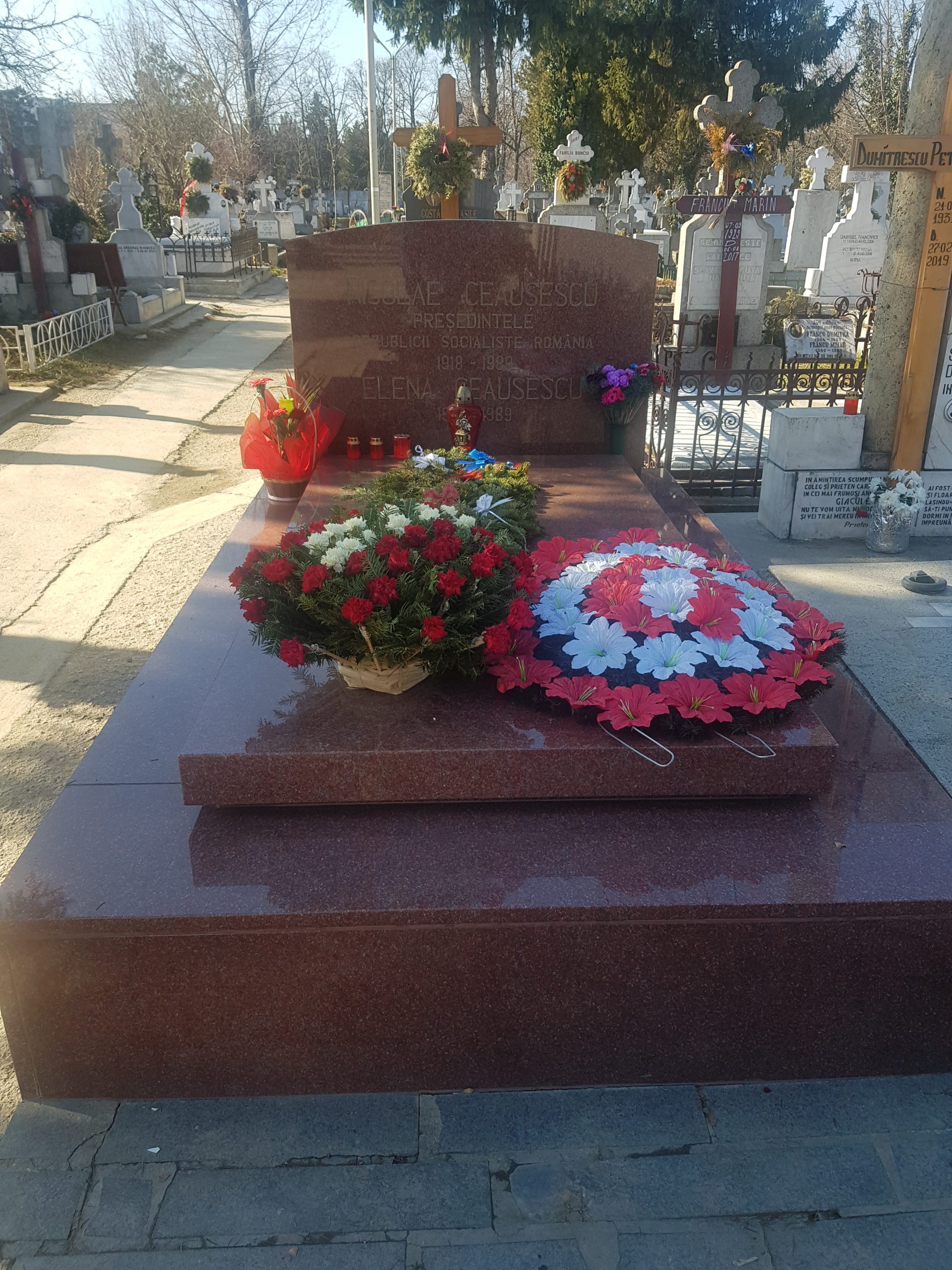
    It’s a bit of a walk from the city centre to go to Ghencea Cemetery, which is absolutely not where Nicolae Ceaușescu would have expected to be buried. After he was executed on 25 December 1989, his body, along with his wife Elena, was buried here and they were given different plots around 10 metres apart. It was deliberately a pauper’s burial, they weren’t going to get the state burial that they had anticipated.

    I struggled for a short while to find the grave, as I was using an older description of where they were located and it transpired that in 2010 the two former political leaders were exhumed to check that it was actually their bodies buried in the graves. Apparently the security guards at the entrance to the cemetery will walk you to the grave if you ask, but I wasn’t entirely comfortable asking someone where their former dictator was buried. Anyway, for anyone who wants to visit, it’s easy to find now, go to the central chapel, turn left and it’s there.

    The new joint grave is a much grander affair than the others, although for anyone walking in the cemetery, it doesn’t particularly stand out and there are many more substantial tombs nearby. Some people come and visit this grave to honour Ceaușescu, but I think it’s fair to say that I didn’t do much honouring. Incidentally, after the bodies were exhumed, it was confirmed that it was the couple, with Nicolae still in the thick black coat that he was shot in.

  • Bucharest – National Village Museum (19th Century House from Piatra Soimului)

    Bucharest – National Village Museum (19th Century House from Piatra Soimului)

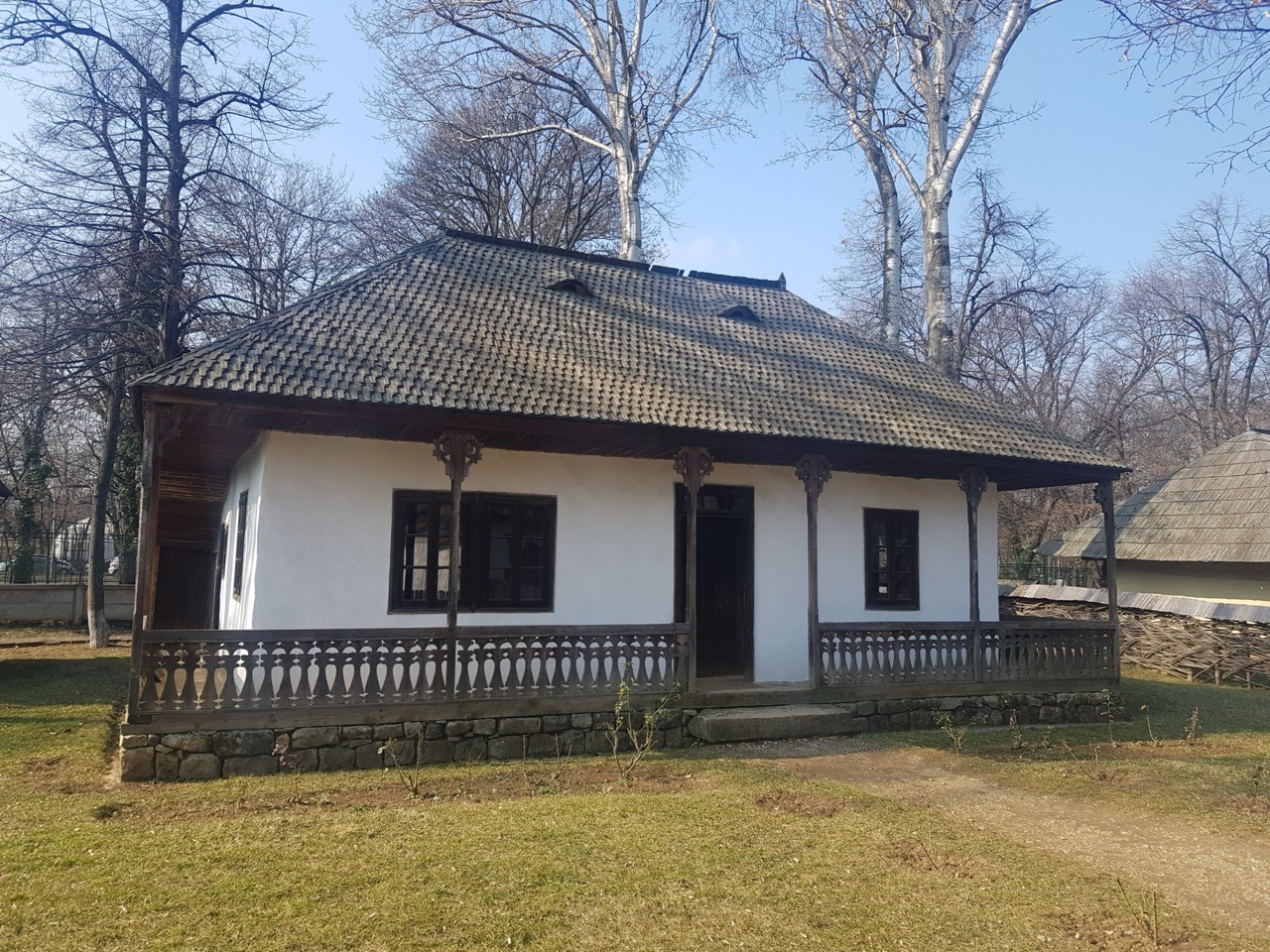
    This house was constructed in the late nineteenth century in Piatra Şoimului, a town in the northern part of Romania. It couldn’t have been there that long as it was moved to this museum in 1936. Quite a large property, there’s a guest room to the left of the main entrance hall, a pantry behind it and the main room to the right. The little bumps on the roof are to let smoke out of the attic.

  • Bucharest – National Village Museum (Hovel)

    Bucharest – National Village Museum (Hovel)

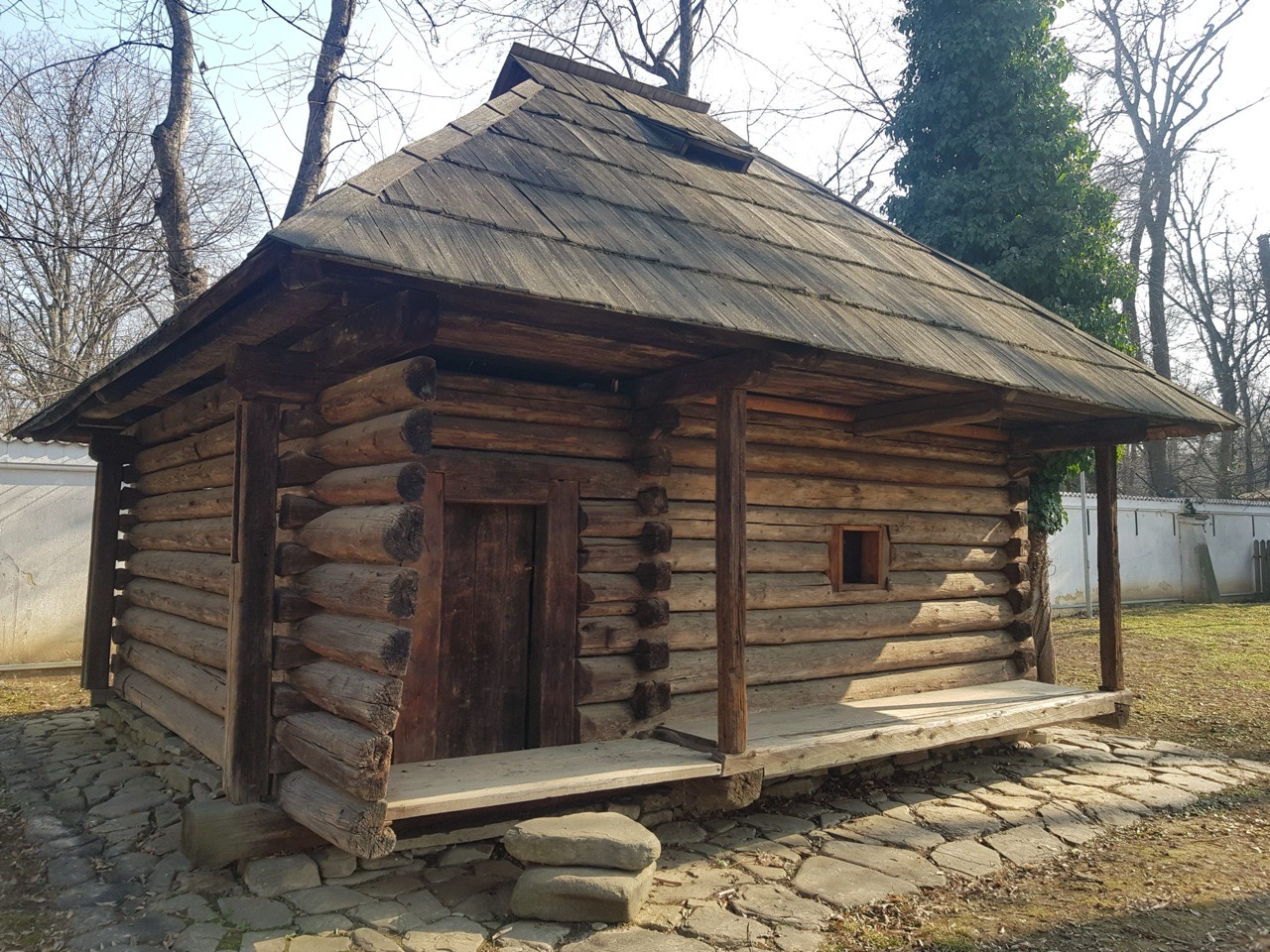
    I like the word hovel and I should use it more, but in this case that’s what the museum have called this eighteenth century building from northern Romania. It was used as a temporary home by a farmer tending his sheep and looking after his land.

    It has two rooms inside, a small entrance hall on the left and everything else in the room on the right. The entrance hall has planks of wood on the floor, the everything else room has a gravel and compacted earth floor. Very luxurious.

  • Bucharest – National Village Museum (Yellow Inn)

    Bucharest – National Village Museum (Yellow Inn)

    This is the kind of heritage that too often gets lost, a nineteenth century inn from a northern suburb of Bucharest. Known as the Yellow Inn as it was yellow, there was no obscurity to that naming decision.

    The rear of the building, which, to be honest isn’t the most visually interesting at the museum. The interior was recreated using archives, although the building transformation doesn’t yet look quite complete. Internally, there are thirteen rooms, three halls, a veranda and a kitchen.

    The bread oven, which is more modern, from the mid-twentieth century.

  • Bucharest – National Village Museum (Turea Church)

    Bucharest – National Village Museum (Turea Church)

    This rather beautiful church is from Turea, in northern Romania, and dates from the middle of the eighteenth century.

    The interior of the church, which currently doesn’t look entirely, well, churchey… This is the nave, the altar is in the section at the rear.

    Gravestones in the small churchyard.

  • Bucharest – National Village Museum (1780 House from Moiseni)

    Bucharest – National Village Museum (1780 House from Moiseni)

    This is a little complex of farm buildings moved to the National Village Museum from Moişeni in the north of Romania. It’s a chunky construction, the walls of the main building are comprised of just two or three planks.

    The also quite chunky turning gate.

    The inside isn’t open, but there’s a photo provided at least.

    The stable.

    The pantry on the left, with modern fire fighting equipment, and the pigsty on the right.

    The wooden cross made from oak, apparently known as a ruga, meaning prayer. It was designed to offer protection for the household.