
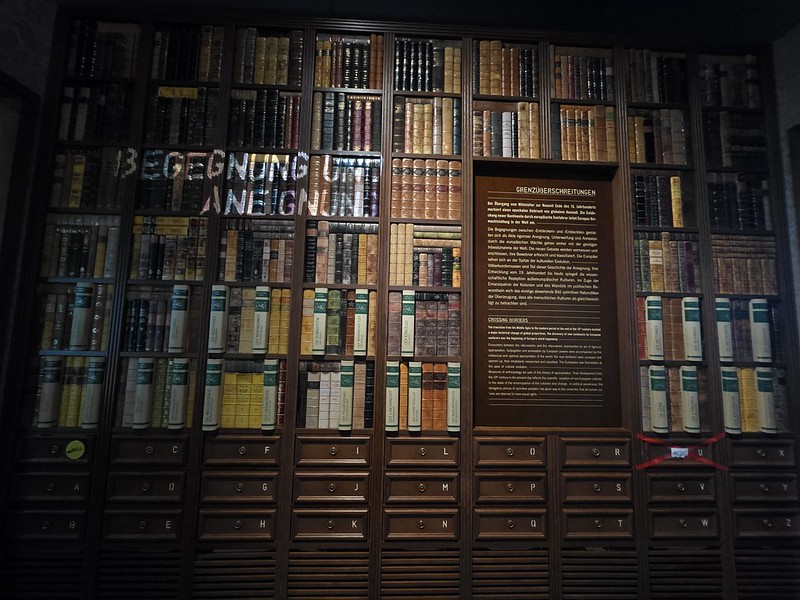
Without verging too much into the political, the Rautenstrauch-Joest Museum in Cologne is clearly trying to do something serious and in very many ways admirable. It does not want to be an old ethnographic museum that simply places objects in cases and invites visitors to gawp at them as though the wider history of colonialism, collecting and cultural power were of no consequence. That instinct is sensible, and probably necessary. There is a genuine effort to reinterpret the collection, to question how objects arrived in Europe, and to push visitors into thinking about who gets to tell these stories. On paper, that is all rather noble. In practice though the museum perhaps sometimes feels so anxious about the moral framing that it risks becoming slightly stiff and over-managed, as though it no longer quite trusts the objects to speak for themselves.
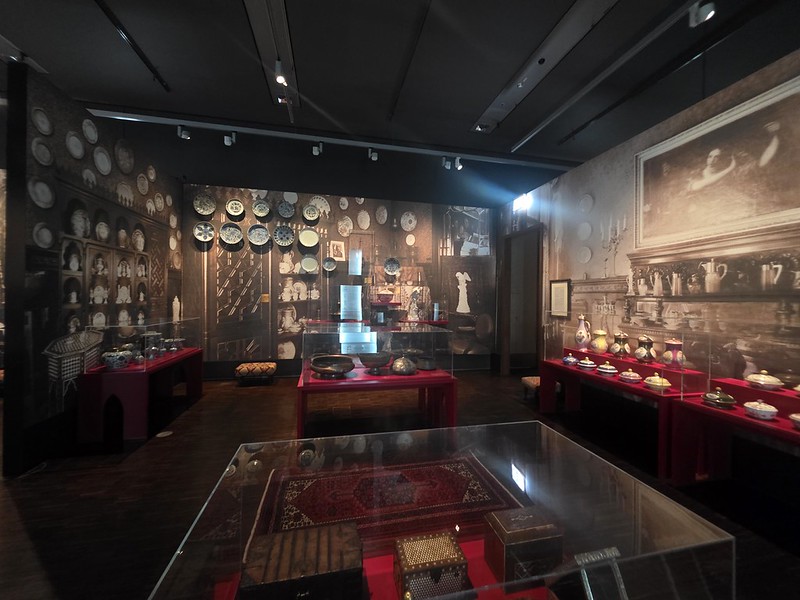
For all the language of reinterpretation, there remain plenty of fairly conventional displays of artefacts in cases in the first few rooms, presented in a manner that would not have seemed wildly unfamiliar in a much older museum. That in itself is not a problem and is no doubt deliberate as part of the story that they wish to tell about the evolution of the museum.
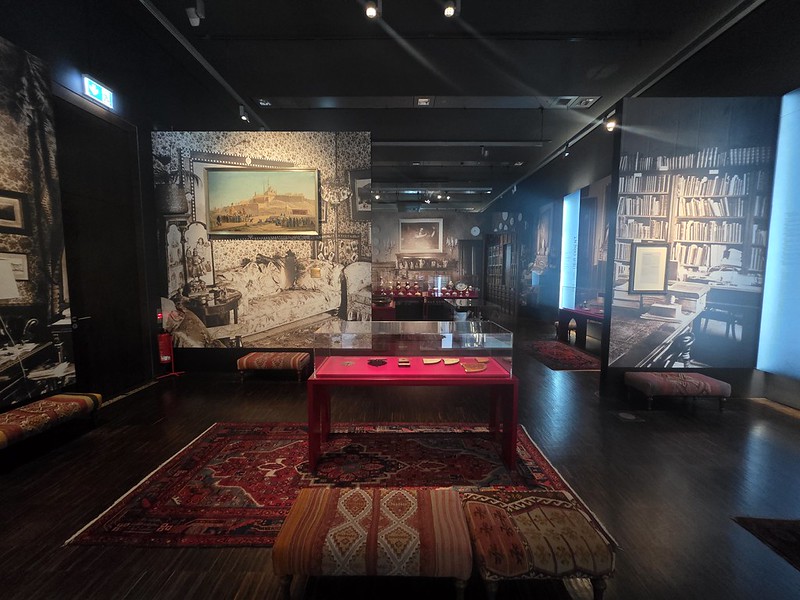
The collection is interesting, although the display labels are not very clear visually, and there is nothing shameful about displaying it properly and giving people the information they came for. But the curatorial voice often seems oddly nervous, almost apologetic, as if the museum is worried that straightforward engagement with the material might be morally suspect unless heavily supervised. The result is perhaps a slightly sub-optimal arrangement in which the institution appears, at moments, to be more comfortable critiquing the existence of its collection than actually helping visitors understand it in a direct and human way.
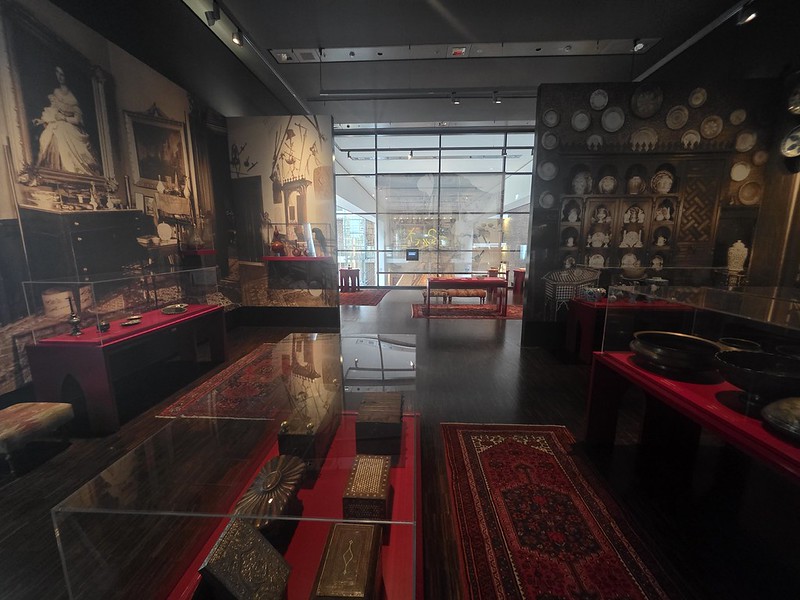
Museums do not need to pretend that difficult histories are not difficult, but nor do they perhaps need to turn every gallery into a little seminar in correct opinion. At times it feels less like a place eager to share knowledge and more like one slightly embarrassed by its own holdings.