Category: Norfolk

  • Attleborough – Thieves Lane Wesleyan Methodist Graveyard

    Attleborough – Thieves Lane Wesleyan Methodist Graveyard

    On this map of Attleborough from the early twentieth century, there’s B Gd. marked, or Burial Garden.


    I didn’t add much to the debate on how Thieves Lane got its name, but one legacy that remains along it is the burial garden that remains along the road. The Wesleyan Methodist church opened here in 1809 and in the following year, this graveyard was laid out. The church built new premises nearby in 1872, on Station Road, leaving just the graveyard behind in a similar manner to that in Swaffham.

    Today, the graveyard is a public park following its formal closure in 1991 for burials.

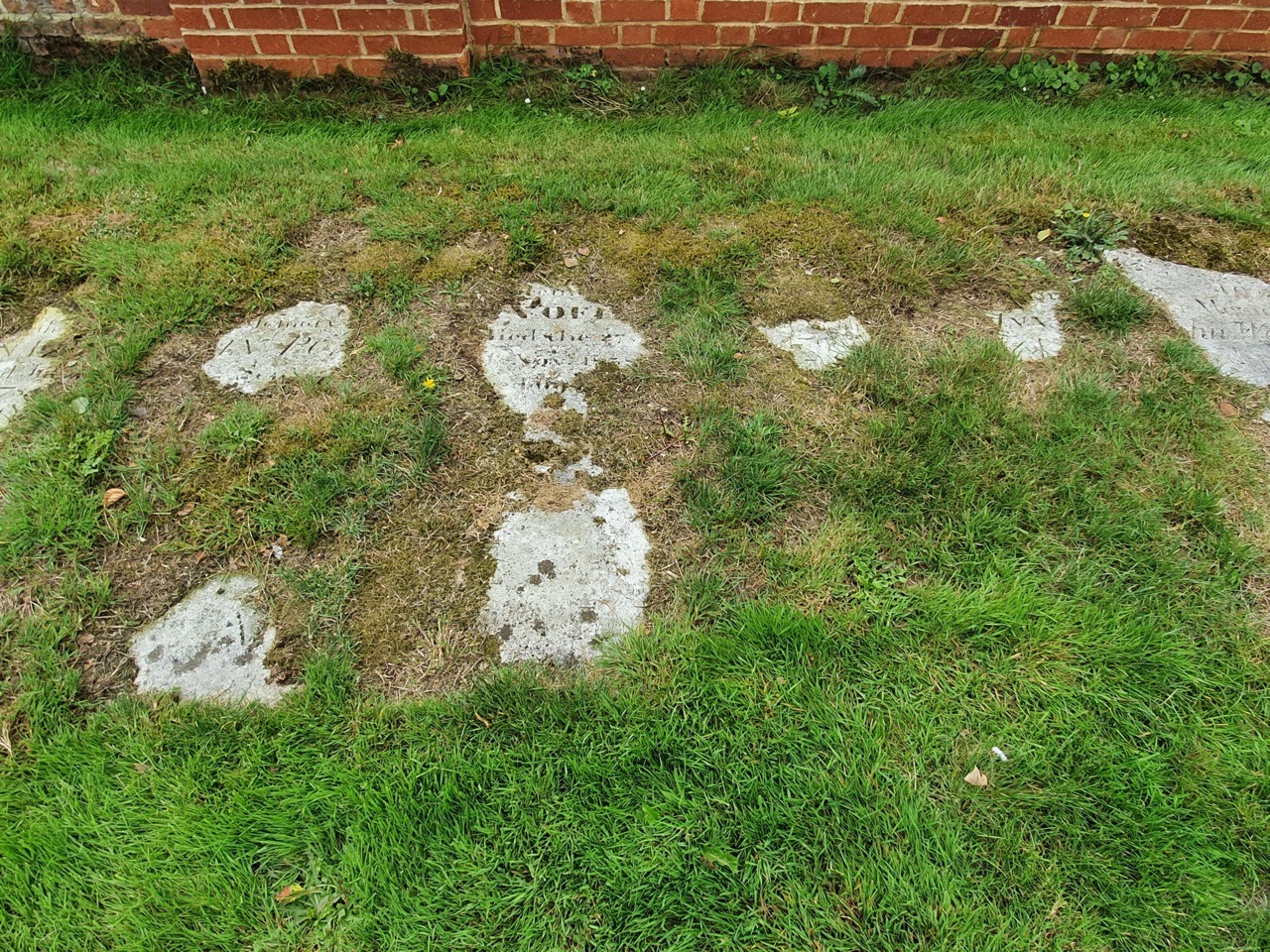
    Most of the graves have been placed by the wall of the neighbouring building.

  • Attleborough – Thieves Lane

    Attleborough – Thieves Lane

    I like street names such as this, they sound like they have some interesting heritage. The book “the Newmarket, Bury, Thetford and Cromer Road” from 1904, which is intriguing in its own right, just makes reference to this being where thieves may once have preyed on locals. But, it’s clear the author probably doesn’t know. And, I can’t find anything else about this beyond it probably being an area where some crimes had been committed long ago, giving it a bad reputation.

    The tree seems to have partly consumed the sign.

    And the dangerous lane…. It’s not the most prestigious of road names to live on, but it’s memorable at least.

  • Attleborough – St. Mary’s Church

    Attleborough – St. Mary’s Church

    One advantage of looking at medieval churches in remote villages is that the buildings make some sort of sense to someone such as myself, who has a limited understanding of the architecture and evolution of the structures. St. Mary’s in Attleborough makes, at first sight, very little sense with all of its all additions and removals over the centuries. There has been a church here since Saxon times, likely the ninth century, although the current structure is mostly from the eleventh century onwards.

    Unfortunately, this plan isn’t the clearest in terms of the quality. But it’s indicative at least, the north porch is visible on the left and Mortimer’s Chapel in the top-right.

    This is the north porch and work started on this in the late fourteenth century and it was completed early on during the fifteenth century. Unfortunately, all of the statues which once stood in the niches are no longer present.

    The west end of the church.

    The area between the north porch and the west end of the nave.

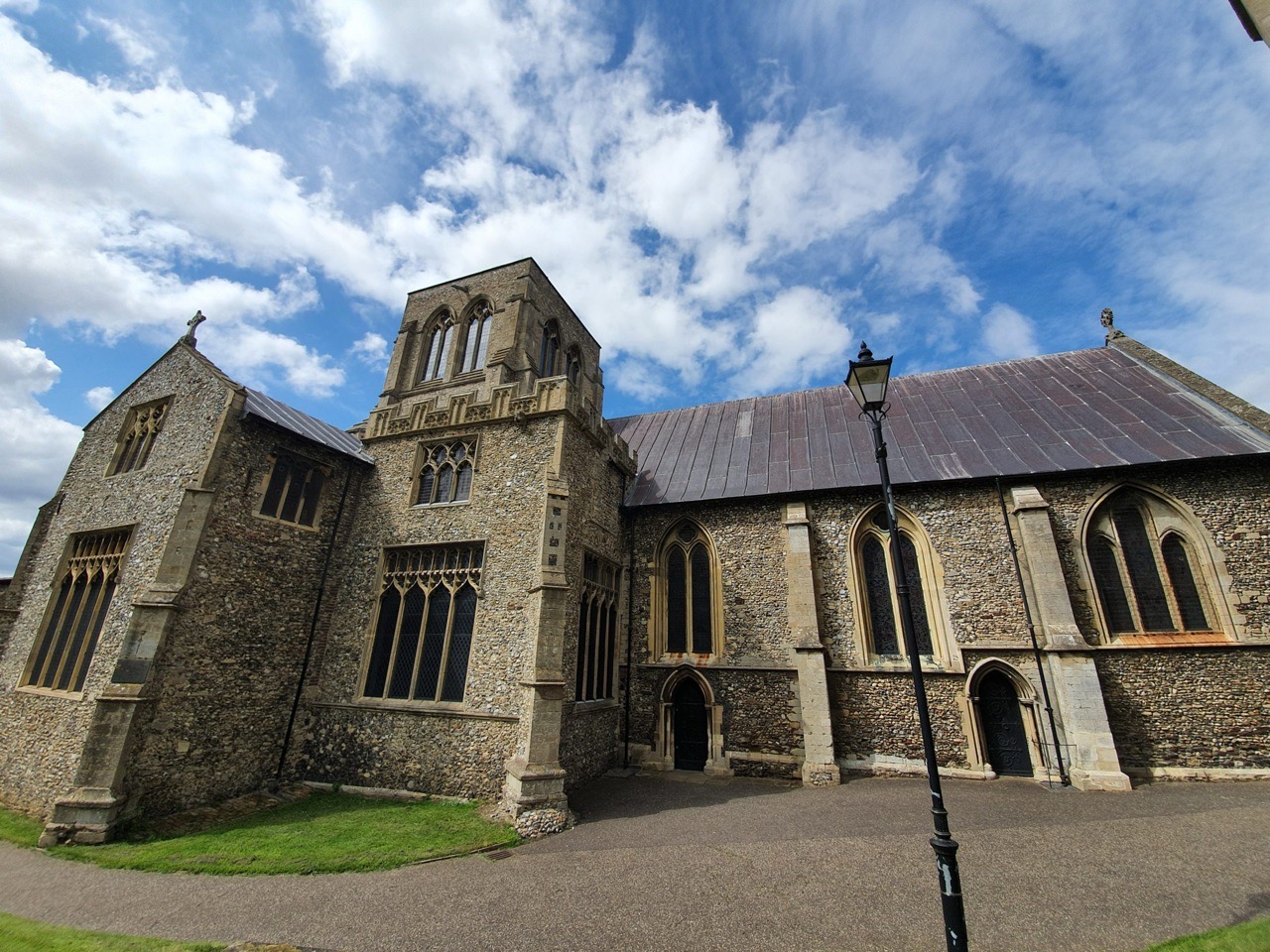
    Back to the north side of the building, this is the outside of the north aisle, which was a later addition.

    The church’s complexity is evident here, it looks more like a closed down priory converted into a new building. But, this is where the chancel once stood, which was taken down in 1541. The tower, which dates from the twelfth century at the base and the thirteenth century at the top, then became the east end rather than the central tower that it once was. It also left a rather muddled appearance, although it all adds character. The tower did once have a spire that was built in around 1300, but that fell down in around 1700. Which isn’t entirely ideal.

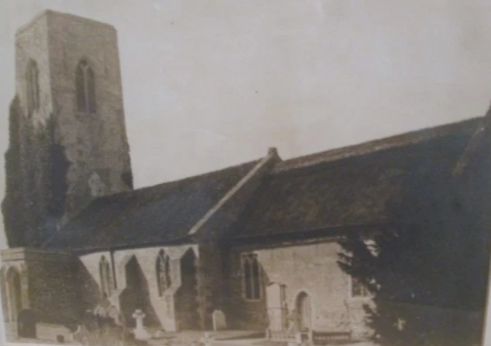
    An illustration of the church from the mid-nineteenth century.

    An old doorway in the base of the east end of the church.

    This is the south side of the church, where a new extension was added in 1994 to house a community centre.

    Given the current health situation, the interior of the church wasn’t open, but I understand it’s worth seeing with numerous old treasures, including wall paintings and the rood screen. So, I’ll meander back at some point.

  • Attleborough – Pillar

    Attleborough – Pillar

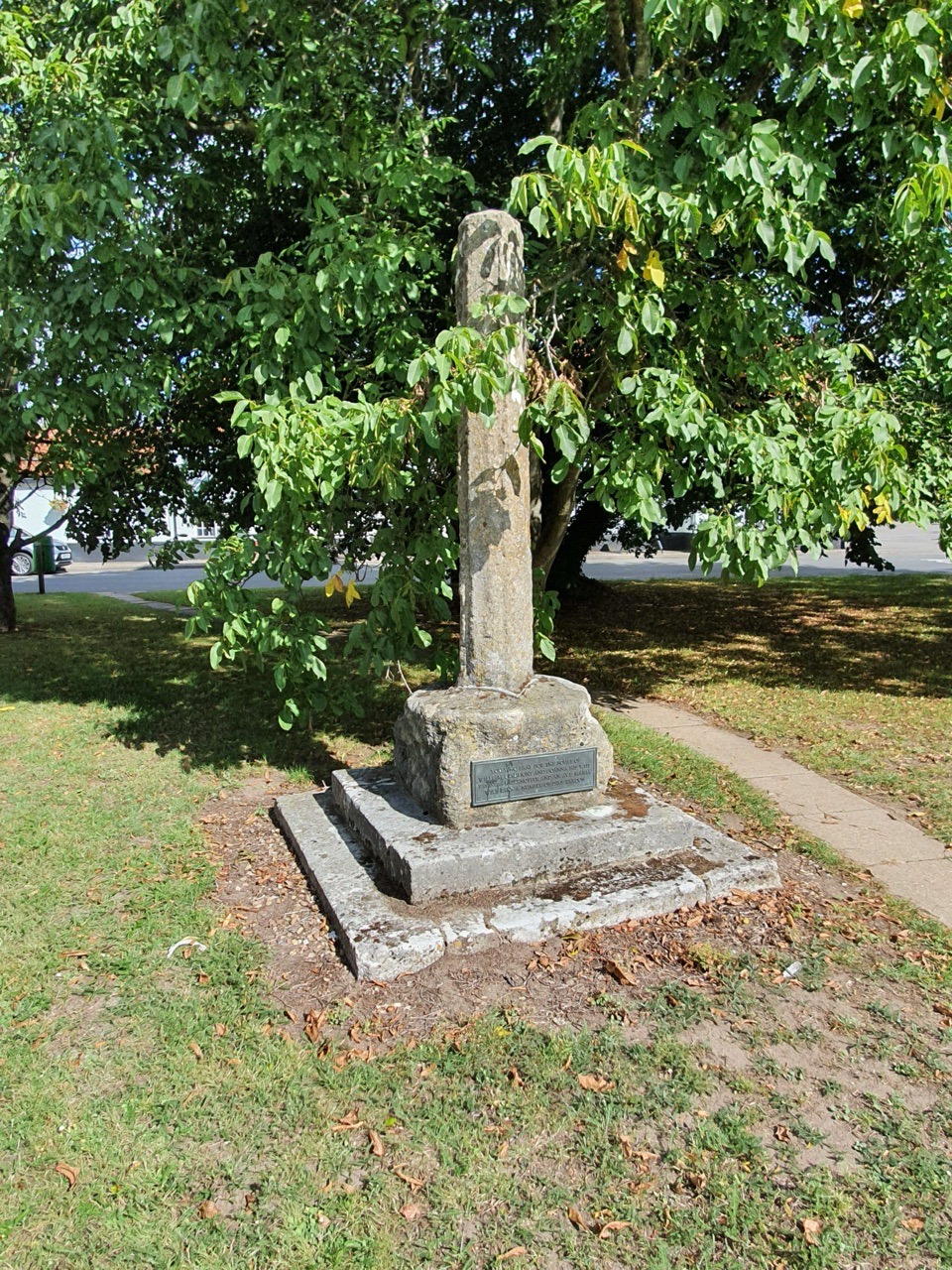
    I accept that the title of this post (excuse the unintentional pun) being “pillar” isn’t exactly overly descriptive, but that’s what the listed monuments register calls it. If it’s good enough for them, then it’s certainly good enough for me.

    This pillar was installed here in 1856 and it noted on the sides of its top section some of the battles which were fought during the Crimean War. That means that this is one of the few surviving monuments in the country which commemorates this conflict against the Russians, which led to over 20,000 British deaths.

    At the base, and visible in the below photos, the column was used as a milestone with distances to various locations around the country. This is in a good state of repair, but I suspect much of that is because a car driver slammed into it in 1983, meaning that some restoration was essential. When it was repaired, it was realised that the monument didn’t have a solid core, but instead the slabs had been placed around a hollow middle section.

  • Attleborough – Village Pump

    Attleborough – Village Pump

    This water pump is located at Queen’s Square in Attleborough and it was installed here in June 1897, to mark the 60th year of Queen Victoria’s reign.

    The timber water pump is now a listed structure and the original pump handle and spout are still intact. The pump was renovated and refurbished in 2002 and there’s a floral display around it in a trough-like arrangement.

  • Attleborough – 2020 First War Memorial Poppy

    Attleborough – 2020 First War Memorial Poppy

    This rather beautiful poppy was installed in Queen’s Square in 2014 to mark the centenary of the beginning of the First World War.

    The idea was to use 500 stones to make the poppy, with the red stones marking those who returned and the black ones marking those who didn’t come back.

    Each of the stones has a name written on them, although some have faded over the last few years. The names of those who died are also etched onto the side of the memorial. Ridgeons, Monarch Landscaping, Travis Perkins and the local council all got involved with the project, which is something that likely didn’t cost too much, but which has a powerful impact.

  • Attleborough – St. Mary’s Church (Overgrown Grave)

    Attleborough – St. Mary’s Church (Overgrown Grave)

    I’m not sure that I can recall seeing such a neatly overgrown grave (is that a thing?), but this one stands out at St. Mary’s in Attleborough.

  • Attleborough – Ivor Goodsite

    Attleborough – Ivor Goodsite

    This is some fun and seriously intentioned branding, very nice. I wonder whether Liam should create something for the construction sites he works at…..

  • Attleborough – Donuts

    Attleborough – Donuts

    I have no complaints with this messaging.

  • Swaffham – 1894 Former Post Office

    Swaffham – 1894 Former Post Office

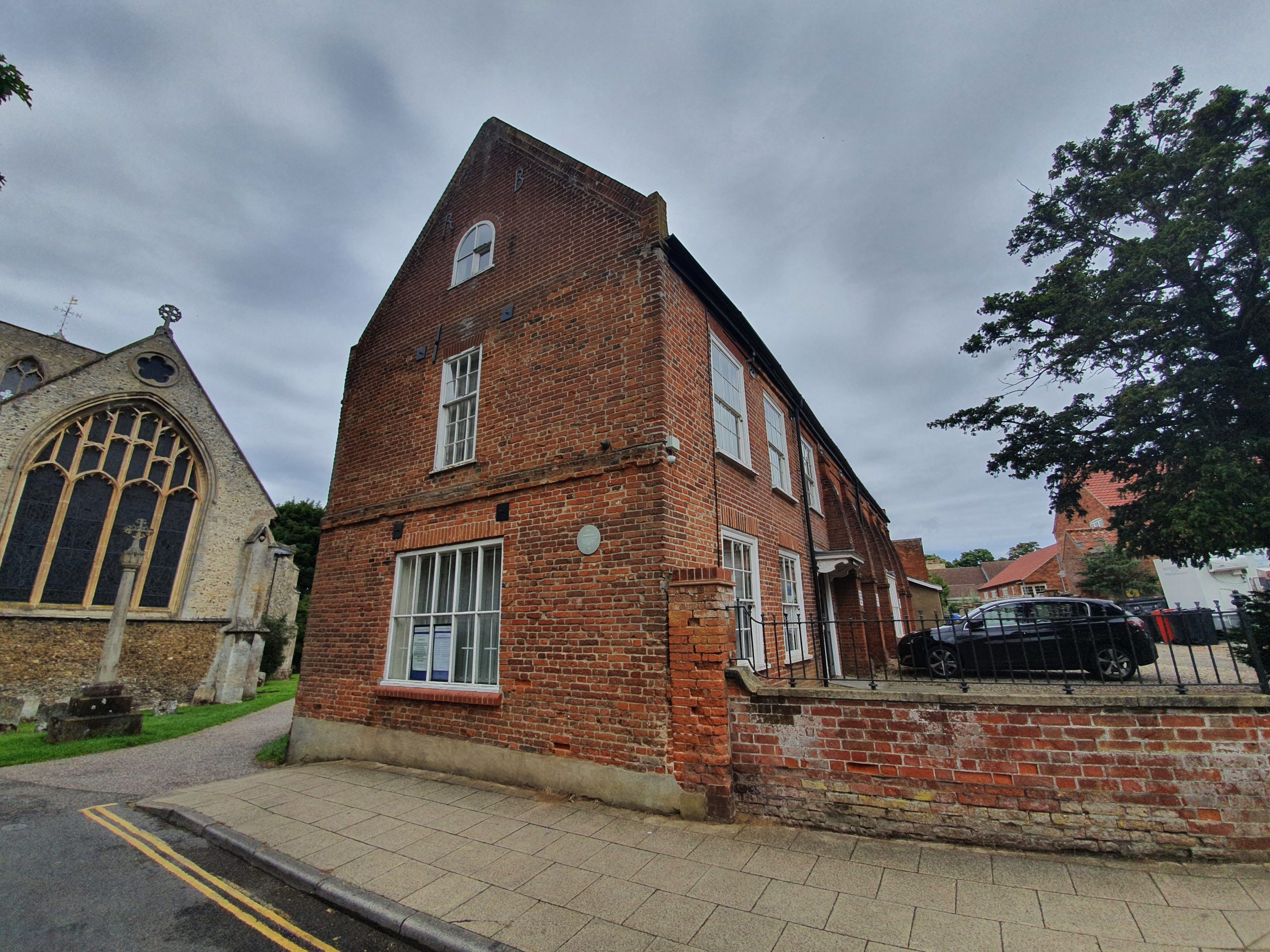
    This is quite an enchanting little extension, added in 1894 to serve as Swaffham’s Post Office. It’s quite brave to actually mark in brick what the building is going to be used for, as things inevitably change, but it does make it easier over a century on to understand its original purpose. This set of buildings is listed, with the main part of the structure dating from the eighteenth century, but the listed building record makes no specific mention to the post office.

    Things didn’t quite work out in 1903 at what I will call ‘beegate’. A swarm of bees decided that they liked the dome on the building (to the left of the photo) and they set up residence there. Local bee-keepers decided they weren’t dealing with that, so the fire brigade came with hoses to wash the bees into the gutters. The Norwich Mercury reported that after the bees were in the gutters, “the sun being warm revived the bees, and an angry swarm hovered all day just above the doorway of the Post Office”.

    The Norfolk Chronicle reported in 1908 that the Post Office had a public house sign swinging above its doors. The reason is that this sign used to hang from outside the Crown pub, and when the new postal building opened, it was thought that some relic of the old coaching inn should remain (the Crown had closed in the 1870s). So they shoved the pub sign up at the Post Office, which I’d have thought caused more confusion than anything else.

    There’s a photo of the Post Office from 1937 here, and I can see where they have delicately placed this pub sign (which had by that time gone).