Category: London

  • London – Westminster (Borough of) – Victoria (Paddington)

    London – Westminster (Borough of) – Victoria (Paddington)

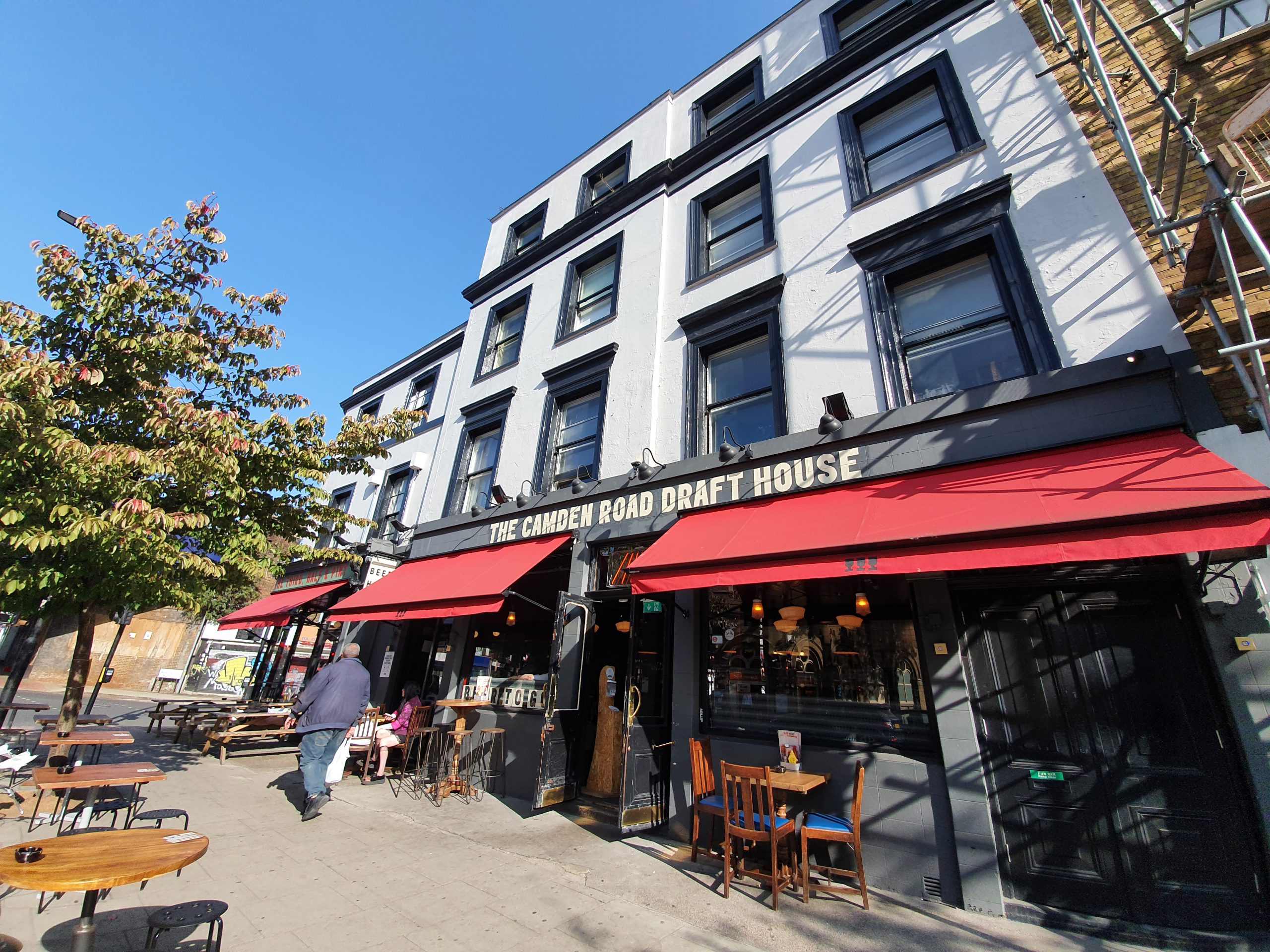
    This is part of my continued meander around Good Beer Guide pubs and it’s located a relatively short walk away from Paddington railway station. It is named, as so many things are, after Queen Victoria and it might have opened on the same day as she was born. But this might be a myth, but it’s what CAMRA say might be true….

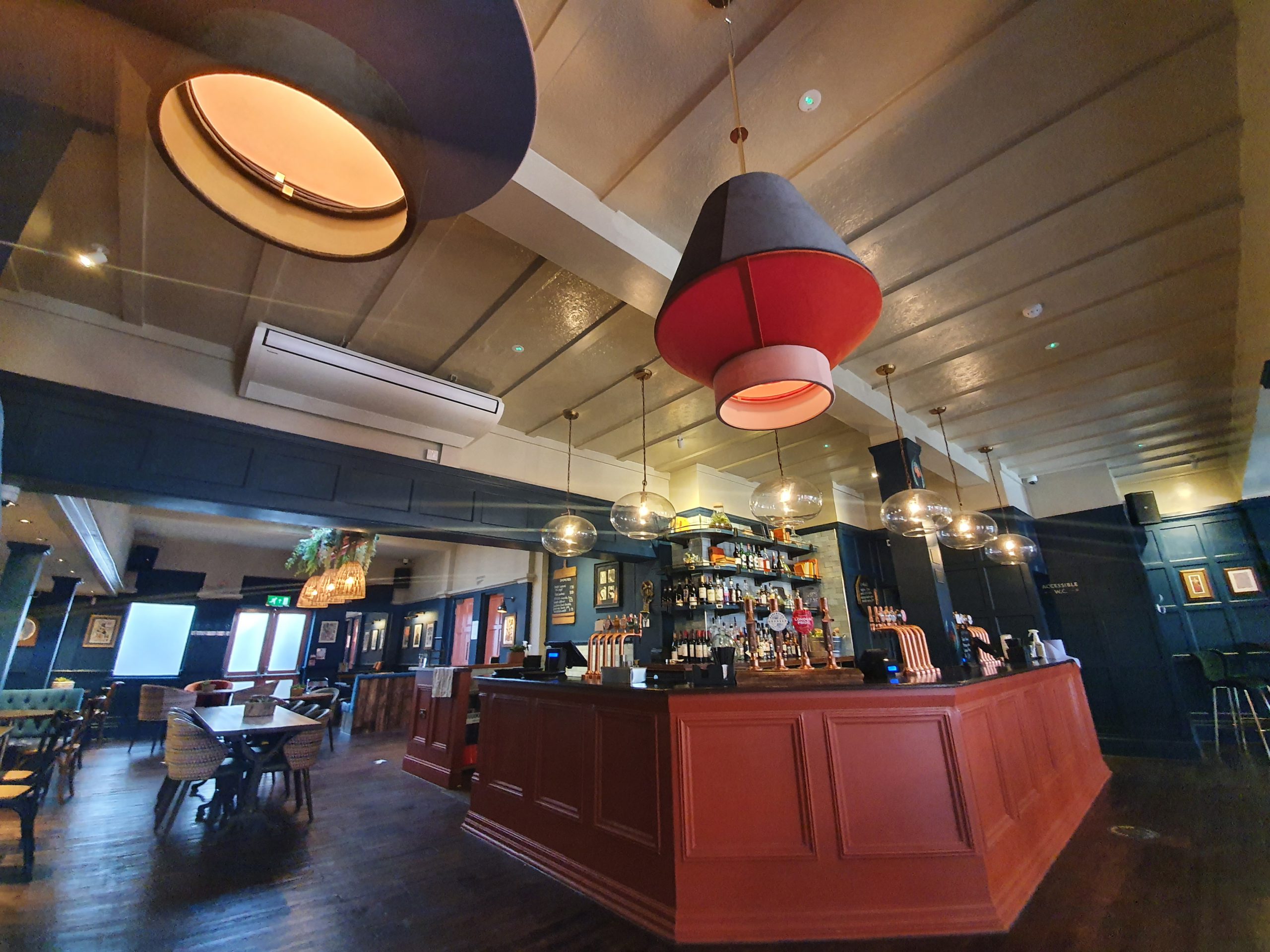
    The inside of the pub, which is listed on the CAMRA’s list of nationally important historic interiors. Much of what remains is mid-Victorian or inspired from the period, with the pub having avoided the modernisation that so many other locations have suffered from.

    The pub didn’t have any dark beer options, for which the staff member apologised and explained they weren’t busy enough to get the throughput that they’d need at the moment. So, I settled for half a pint of Fuller’s London Pride and some Mini Cheddars. The drink was as good a pint of London Pride as I’ve had, but it was just a little disappointing this was as exciting as it got.

    The service though was marvellous, engaging and helpful, with the staff being friendly and polite. It was clear that most of the customers were locals, but the pub still seemed to be offering a warm welcome to all. I think that the staff member who served me was actually the operator and if so, they’ve been here for over fifteen years. Fuller’s do perhaps need to take off their web-site though that this was their pub of the year in 2007 and 2009, there’s a limited amount that customers can do with that information given it is now ten years out of date.

    As an aside, CAMRA notes that Charles Dickens might have written some of his works here and, in 1966, David Bowie hosted a gig here. Certainly, an interesting pub and it justifies its place in the Good Beer Guide, but hopefully, they can return to a wider selection of drinks as things get busier again. The pub is well-reviewed (and the owner takes great care in responding to feedback which I like) and they were also taking trace and trace seriously, with everything seeming to be managed in a professional manner. All rather lovely and a comfortable location to have a drink or two.

  • London – Tower Hamlets (Borough of) – Museum of London Docklands

    London – Tower Hamlets (Borough of) – Museum of London Docklands

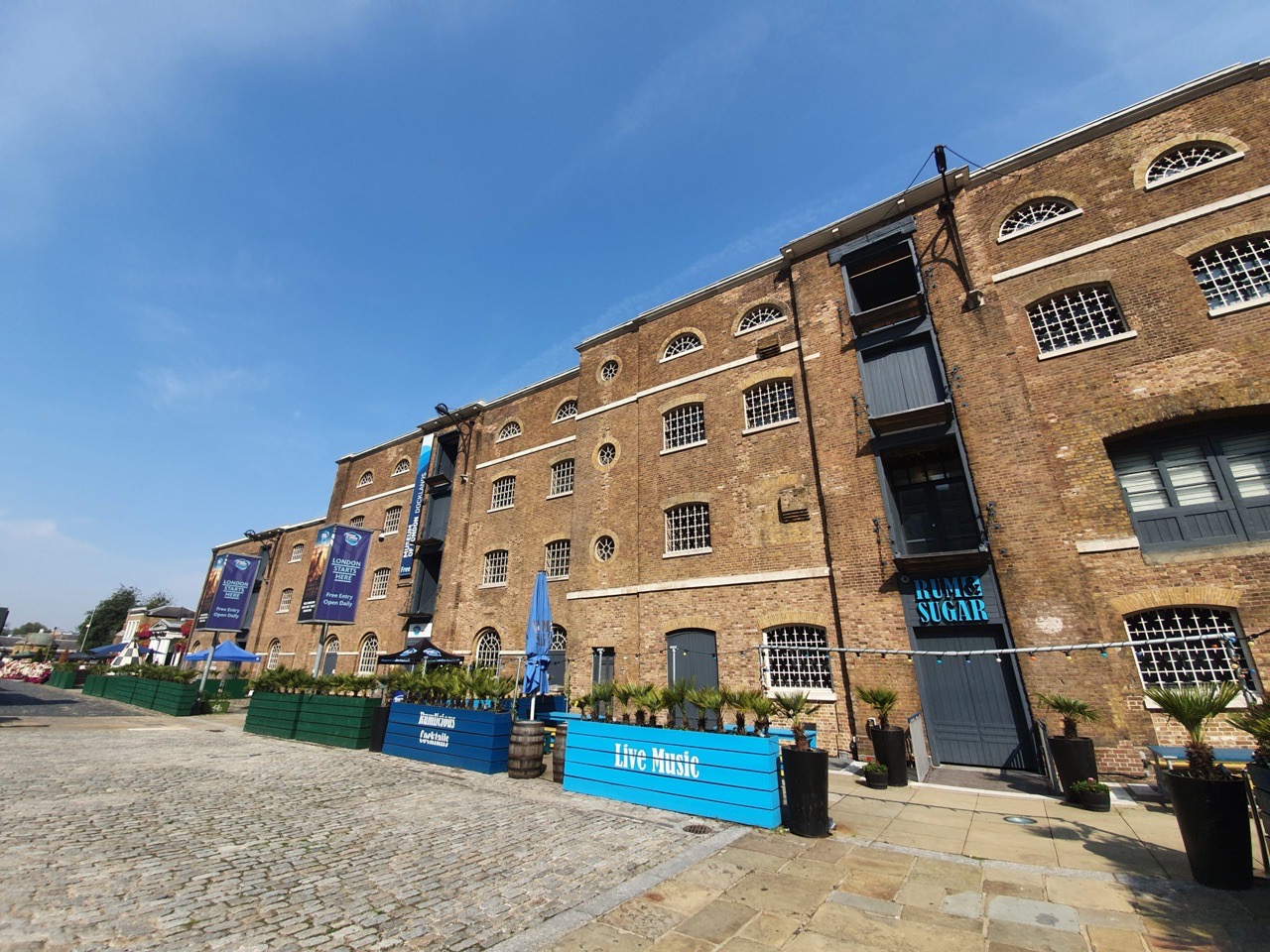
    After my trip to the Museum of London a couple of weeks ago, it reminded me that I hadn’t visited the Museum of London Docklands for eight years. Located near to Canary Wharf, it first opened in 2003 in former sugar warehouses and it’s an extensive collection that looks at the history of shipping and trade in London. It’s well put together and there’s plenty of material that is accessible to younger visitors, such as a recreation of a dockside scene.

    The museum ticketing process was all well managed and they didn’t have many people in the building at one time, I’m not sure whether by design or lack of demand. Like the Museum of London’s main location, they scan visitors in and out so that they know how many people are in the building. A visit here is likely to take a good ninety minutes or so, perhaps longer, with the museum being free of charge.

    The museum is very well-reviewed, they’ve only picked up three very poor reviews on TripAdvisor, which is some going. One of those was last week because someone came with a cabin bag and was confused they couldn’t get in, despite the museum making that clear in advance. Another person objected to being asked if they’d make a donation and the remaining negative reviewer complained that they spent thirty minutes in the cafe nearly to the last entry of the day and then were refused access to the galleries.

    Anyway, I digress. Here are some photos…..

  • London – City of London – Police Call Box

    London – City of London – Police Call Box

    This police call box, which is no longer in use, is located where Aldersgate Street joins St Martin’s Le Grand. It was installed here in 1935 and the listed building record notes that it’s a relatively rare survival. It’s a chunky piece of iron and although bits have dropped off, the instructions for use have apparently remained. They were once a handy way of alerting the police to an incident and there was no charge made for using them. They were taken out of usage in the 1960s and most were destroyed, but a handful still remain in the city.

    The police box from the side, which has recently been painted a much lighter shade of blue that it had previously. This is deliberate as paint analysis was done on these boxes and it was discovered that this was closer to the original colour scheme.

  • London – Westminster (Borough of) – Frank Pick Memorial at Piccadilly Circus

    London – Westminster (Borough of) – Frank Pick Memorial at Piccadilly Circus

    There’s a new one-way system at Piccadilly Circus which is of no relevance here other than it meant I had to go a different way to enter the underground network. Which meant that for the first time I saw this rather lovely tribute to Frank Pick, the first Chief Executive of the London Passenger Transport Board. He oversaw the introduction of new modern station buildings, new fonts and also the now famous roundel used across London Transport.

    This installation was opened on 7 November 2016, commemorating the 75th anniversary of Pick’s death. Apparently a quiet and thoughtful man who shunned publicity, he declined a knighthood and a Peerage when they were offered to him. Nikolaus Pevsner, who as far as I’m concerned is the final word on matters such as this said:

    “He is the greatest patron of the arts whom this century has so far produced in England, and indeed the ideal patron of our age”.

    A true honour from such a respected man as Pevsner.

  • London – City of London – First Metropolitan Drinking Fountain

    London – City of London – First Metropolitan Drinking Fountain

    OK, so I admit that this isn’t the most interesting content ever, a photo of a water fountain at the junction of Holborn Viaduct and Giltspur Street. But I like it, so here we are….

    It’s the first fountain to be erected by the Metropolitan Drinking Fountain and Cattle Trough Association. It was placed nearby in 1859 and had to be moved to its current site in 1867 when Holborn Viaduct was constructed.

    The association was established in 1859 by Samuel Gurney, a banker from what is now Barclays, as he wanted to ensure that members of the public could access clean water. It was initially known as the Metropolitan Free Drinking Fountain Association, but changed its name in 1867 to show that it was also concerned with animals. During the mid-nineteenth century it had become known that beer was safer to drink than water, which wasn’t going down entirely well with the temperance movement.

    The association still exists, now known as the Drinking Fountain Association, with its original intentions intact, of providing water fountains to encourage water consumption.

  • London – City of London – Museum of London (Ceramic Moulded Frog)

    London – City of London – Museum of London (Ceramic Moulded Frog)

    I’m quite impressed that from this fragment of pot that the Museum of London is able to know that it’s from the cult of Sabazios, a God from the Phrygian period. The pot dates from the second century and would have likely also had imagery of lizards and snakes on, which sounds awful if I’m being honest. It was found in 2010 when they demolished Bucklersbury House, an office building on Cannon Street, noted for incorporating a Roman Temple of Mithras in its cellar.

  • London – City of London – Museum of London (Plate Owned by Samuel Pepys)

    London – City of London – Museum of London (Plate Owned by Samuel Pepys)

    This is a new acquisition for the Museum of London and it belonged to Samuel Pepys, the famous diarist. It’s one of only three items of silver belonging to Pepys that still exists, with the other two now being in the United States. The silver is hallmarked, so it’s known that it was made in 1681 by Mary King in Foster Lane, a street near St. Pauls Cathedral that is still there. The one thing that the museum doesn’t state though is where this plate has been over the centuries (or where they acquired it from), although they note that its importance has only recently come to light.

  • London – City of London – Museum of London (Portrait of King Henry VIII)

    London – City of London – Museum of London (Portrait of King Henry VIII)

    The first thing I’ve discovered from this artwork is that the National Portrait Gallery is closed until the spring of 2023, I just thought that they were being a little slow to re-open after the health crisis. Anyway, this is one of the gallery’s artworks, currently on loan to the Museum of London.

    I’m puzzled that the Museum of London term this as a “portrait bust”, as I don’t know what that means. The National Portrait Gallery don’t use this terminology and it just looks like a portrait to me. It’s also mentioned to be after (ie, a copy of) a painting by Hans Holbein the Younger, with the gallery saying it was painted between 1536 and 1537, but other on-line sources say it might be 1538. Some people can be very precise….

    Anyway, it came into the collections of the National Portrait Gallery in 1871 and Holbein’s studio seemingly produced numerous versions of these paintings. It was painted during the process of the Dissolution of the Monasteries, relevant since the artwork is located within the exhibits on this subject in the Museum of London. I’m not sure that the King looks particularly strong in this image either, his eyes look tired and he doesn’t appear very magisterial. I’m not entirely sure who would have bought this and I don’t think that its provenance is known.

  • London – Westminster (Borough of) – Wallace Collection (The Rainbow Landscape by Peter Paul Rubens)

    London – Westminster (Borough of) – Wallace Collection (The Rainbow Landscape by Peter Paul Rubens)

    I hadn’t realised how many artworks that Peter Paul Rubens (1577-1640) had painted, which was over 1,400, so it’s no surprise how many museums and galleries he appears in. This painting dates to around 1636 and it’s of the land outside Rubens’s country house, Het Steen, near Antwerp. It was painted towards the end of his life and the gallery say, as I hardly knew this, that it was only during this period that he worked on landscapes.

    Fortunately, the Wallace Collection have uploaded a clear version of the painting, one that doesn’t have a bronze animal in front of it. This is one of a pair of paintings, with the other being in the National Gallery in London (although it’s noted as not being on display at the moment), painted for his own enjoyment and to hang on his own walls. It must be handy being one of the greatest artists of the century if you fancy decorating your front room, it gives you some options….

    Anyway, the gallery has placed on its web-site a handy video of how to understand this painting, which is useful as I usually miss everything of note. It’s painted on wooden panels, and it is noticeable on the right-hand side where the artwork may have been extended. It was purchased by Richard Seymour-Conway in 1856 and was given to the nation in 1897 by Lady Wallace.

  • London – City of London – Museum of London (Fourteenth Century Royal Arms from Guildhall)

    London – City of London – Museum of London (Fourteenth Century Royal Arms from Guildhall)

    This rather lovely stone coat of arms is on display at the Museum of London and it dates to around the middle of the fourteenth century. The coat arms is from the Guildhall in London, which was where it was found in the roof during renovations of the building in 1864. The arms were for King Edward III after he claimed France (he claimed to be the heir as the grandson of Philip IV) and put the fleurs-de-lis into the coat of arms, alongside the English three lions. It wasn’t until 1801 that the fleurs-de-lis were finally dropped from the national coat of arms, a perhaps belated acknowledgement that the United Kingdom wasn’t going to include France.