Category: London

  • London – Brent (Borough of) – Wembley – Ibis Wembley (again)

    London – Brent (Borough of) – Wembley – Ibis Wembley (again)

    I was at this hotel a few days ago (well, two days ago) and all was well with the stay. This stay again cost just a few pounds thanks to the Accor offer that they’ve currently got going on, which is most lovely and represented really excellent value for money.

    I commented on this lack of reception area in my last post, and it failed them on this visit. I had to traipse over to the bar to get help after standing here for too long (although I accept by traipse, I mean walk about three metres) and then the barman had to traipse back to the office. I don’t know how this set-up helps them, a traditional reception desk would make things easier. It didn’t take long to get checked-in and, anyway, I’m sounding grumpy and I’m not, I like this hotel.

    The room, which didn’t have the fancy television I had the other day. The room was again on the top floor, just around the corner from my previous room. As a positive, this television didn’t keep turning itself on.

    The view was a little less exciting than before, but still rather lovely.

    This was the free welcome drink, I had the same Goose Island option as before (although I’ve got muddled up on Untappd as I seem to have listed one wrongly), it’s a perfectly good option. I wonder whether they also operate Ibis Heathrow, as they have the identical drinks choices as that hotel. The barman was friendly and engaging, it’s a comfortable bar area they have themselves on the ground floor, although it’s not that large.

    Anyway, it was another comfortable stay, with everything being clean and organised. Keenly priced again at under £40, even without the Accor offers, it seemed quiet and I don’t think that they had that many guests in the hotel.

  • London – Kensington and Chelsea (Borough of) – National Army Museum (Wellington’s Despatch Case)

    London – Kensington and Chelsea (Borough of) – National Army Museum (Wellington’s Despatch Case)

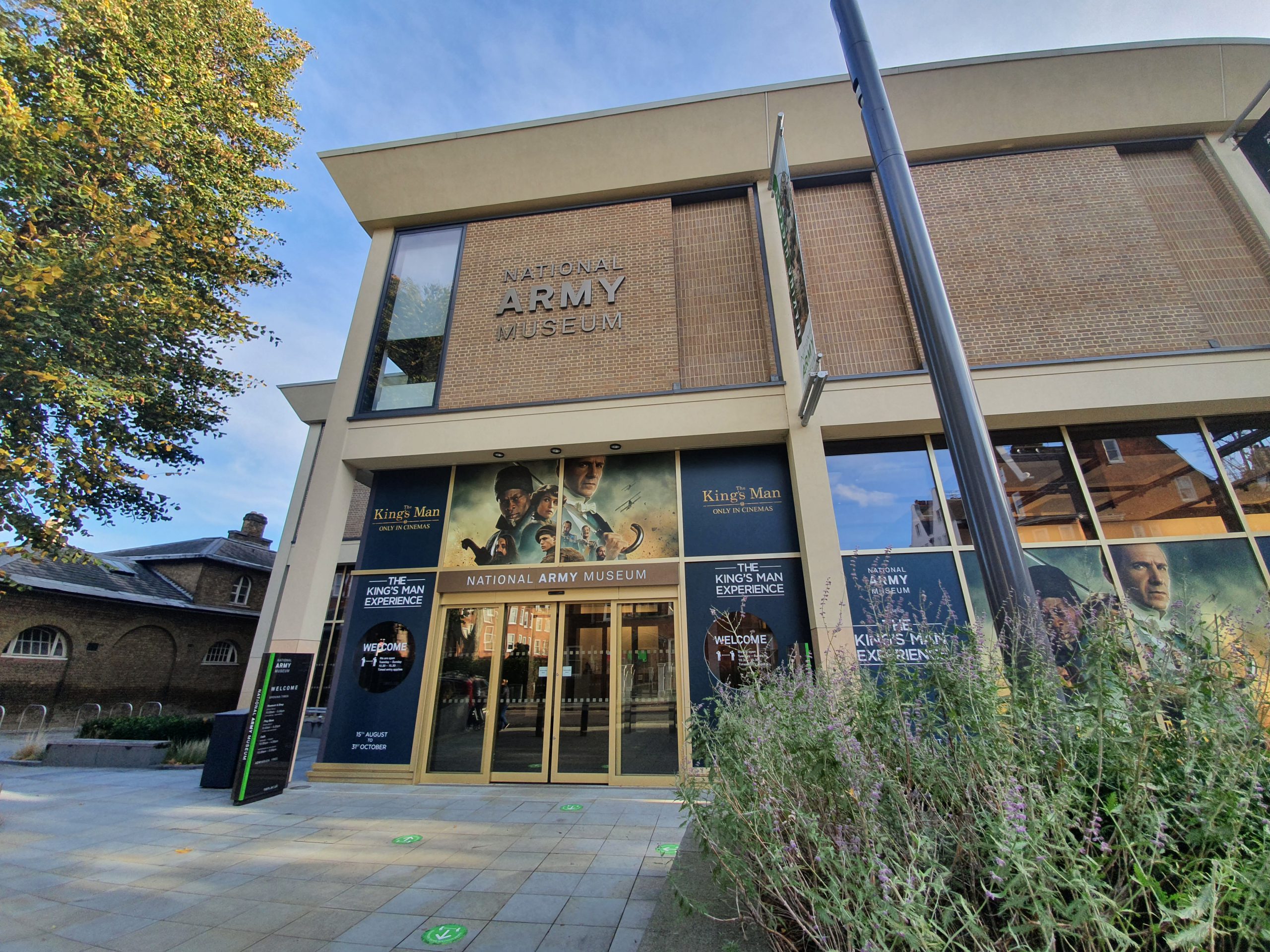
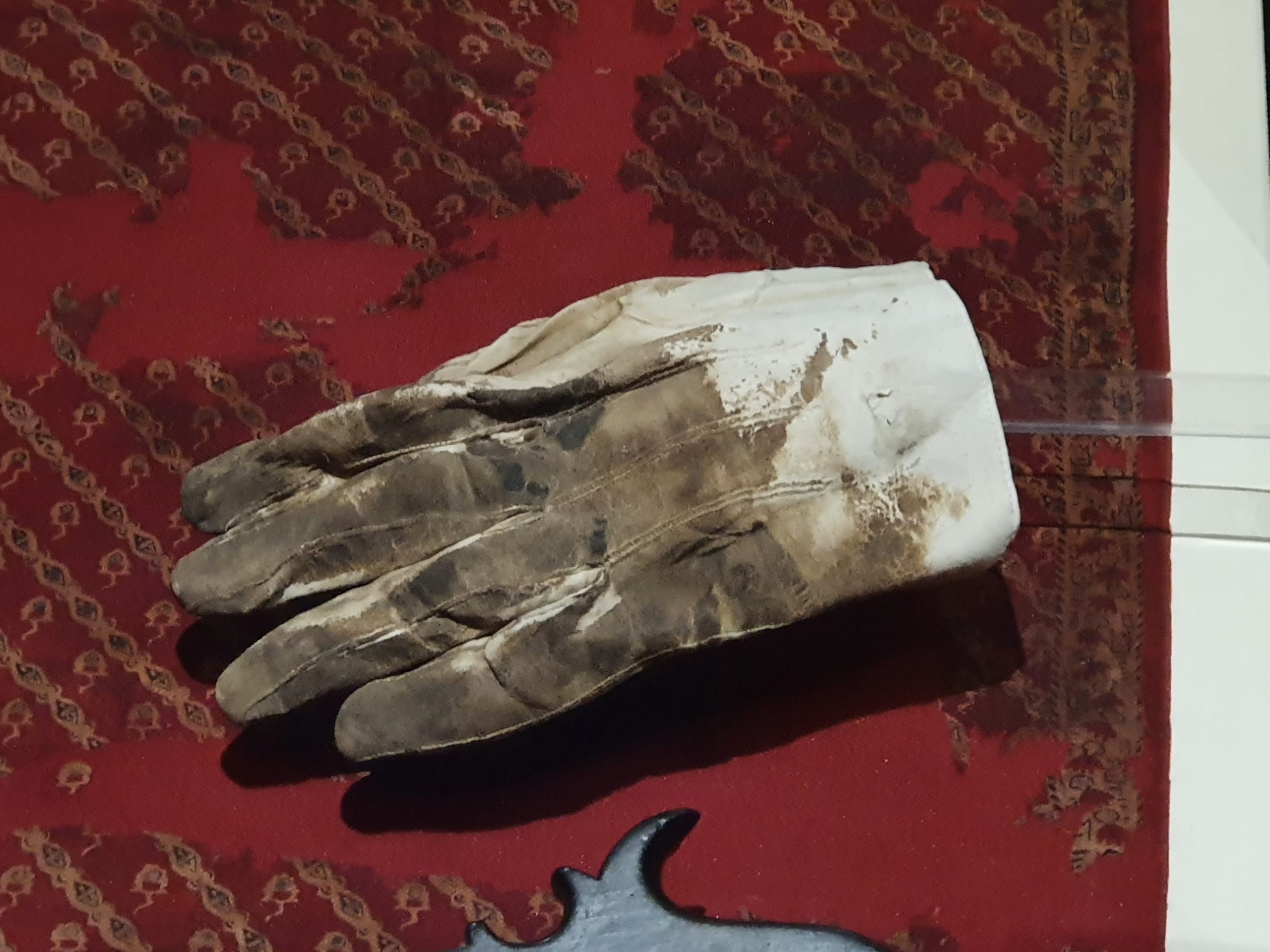
    This is the despatch case that was used by the Duke of Wellington during the Peninsular War of 1808 until 1814 and at the Battle of Waterloo in 1815. The National Army Museum acquired it in 1973, but their web-site isn’t very good at providing the provenance of items or where they’ve been. The museum notes Wellington’s quote, when asked why he was so successful, of “I was always on the spot – I saw everything; and did everything for myself”.

  • London – Kensington and Chelsea (Borough of) – National Army Museum (Napoleon’s Horse Marengo)

    London – Kensington and Chelsea (Borough of) – National Army Museum (Napoleon’s Horse Marengo)

    This is Marengo (something like 1793 to 1831), or at least what is left of him, who was Napoleon’s horse which he used in campaigns between 1800 and 1815. When Napoleon was defeated by the Duke of Wellington, the horse was taken to London and he lived here until he died in 1831. It was decided to preserve his bones and he was given to the Royal United Services Institute, which was founded by the Duke of Wellington, also in 1831. The Institute later asked Wellington for the skeleton of his horse, Copenhagen, so they could be displayed together, but this permission was refused.

    Now at the National Army Museum, I think the skeleton is clumsily displayed and I wasn’t sure why he wasn’t placed in an area of his own. It transpires that this was what the previous museum authorities thought was a good idea, it’s a recent innovation that he’s been shoved in this cluttered display. He’s missing a couple of hooves, which were taken for souvenirs and are now displayed elsewhere.

  • London – Kensington and Chelsea (Borough of) – Antelope

    London – Kensington and Chelsea (Borough of) – Antelope

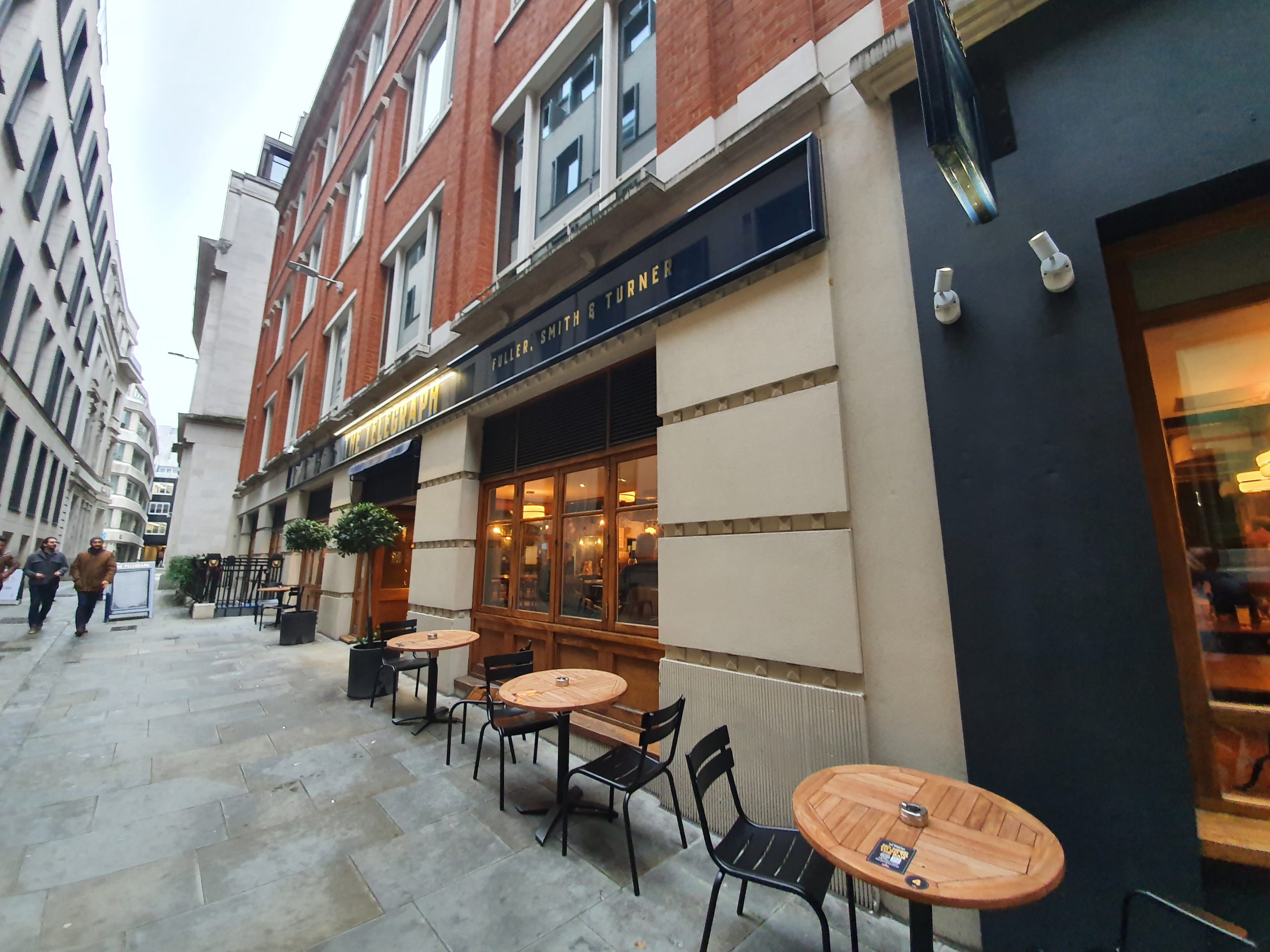
    This pub was built in 1827 and was designed to be used by the servants who worked in the neighbouring large residential properties. Today, it’s operated by Fuller’s and is listed in the Good Beer Guide, so the latter reason meant that I felt the need for a quick visit.

    It’s quite an atmospheric pub, my photo is limited in scope here because there were people standing on the right-hand side who might not have wanted to be included. The welcome was prompt and polite, with the pub taking orders via the app, although table service did seem to be offered. I ordered via the app whilst sitting about a metre from the bar and I nearly reached across and got the drink before the staff member came to deliver it, but I thought that might break their system. There are some separate rooms, all traditionally decorated, with a cosy feel though.

    A sporting theme runs through the pub, although I’m not entirely sure why or for what reason in particular.

    Fuller’s pubs rarely offer me my desired dark beers of decadence, but the beers that they have seem to nearly always be well kept. This isn’t my normal beer style of choice, but the Gale’s Seafarers Ale was fine, quite a light and fruity flavour. The pub has a good reputation for food looking at the reviews and there were a few customers dining when I was there, although I limited myself to Mini Cheddars. For anyone visiting here, it’s probably also worth popping into the nearby Star Tavern as well.

  • London – City of Westminster – Star Tavern

    London – City of Westminster – Star Tavern

    I suspect most people have to come looking for this pub, it’s not one you’d easily stumble on, tucked away on Belgrave Mews. It’s in the heart of the diplomatic area of London, with the German and Austrian embassies being located over the road.

    The history is one of the selling points of the pub and although it has been serving customers since the Victorian period, it’s the 1950s and 1960s that perhaps are the most notorious. This period was when the pub was frequented with criminals and also many celebrities from the period, not least figures such as Princess Margaret, Diana Dors, Clement Freud, Elizabeth Taylor and Bing Crosby. It’s also where the Great Train Robbery was planned, in the room upstairs, and where corrupt police officers were known to hang out.

    The pub themselves have some history about the building and its characters on their web-site, I like it when an effort is made like this. The pub also haven’t glorified the crimes that took place, which caused substantial suffering to many, so it remains an intriguing part of the history.

    The main room downstairs, all rather comfortable and cosy. The welcome was friendly and the beer selection reasonable, mostly Fuller’s since it’s one of their pubs.

    The half pint of ESB and bacon crisps, reasonably priced for the location, and the beer was everything it should be in terms of the taste and temperature.

    I liked this pub, all laid-back and comfortable, with the clientele seemingly much more genteel than they perhaps once were. The pub is listed in the Good Beer Guide, but that might be an under-statement, it has been in every single issue which as of 2017 was an achievement just five pubs had managed. These are this pub, the Buckingham Arms in Westminster, the Square & Compass in Swanage, the Queen’s Head in Cambridge and the Roscoe Head in Liverpool. They received their 45th entry award in 2017 which was presented by the brilliant Roger Protz, so not long until they hit 50 years of entries in the guide. A remarkable achievement.

  • London – Kensington and Chelsea (Borough of) – National Army Museum (REME)

    London – Kensington and Chelsea (Borough of) – National Army Museum (REME)

    This is the display of the Royal Electrical and Mechanical Engineers (REME) corps at the National Army Museum. The REME also have their own museum at RAF Lyneham in God’s own county of Wiltshire, who the National Army Museum co-operates with. The smock in the top-right of the above photo is from the 1980s and the body armour in the bottom-right is from the 2003 Gulf War in Iraq.

    A recruitment poster from the 1980s for REME.

    'Think REME Gun Fitters'

    Not on public display, but this similar poster to the above is on the museum’s web-site.

    Cap and badge from the late 1950s.

    Cap badge, Royal Electrical and Mechanical Engineers, 1954 (c)

    A cap badge from the 1950s, from the museum’s study collection.

    Uniform patches from the late 1950s.

  • London – Kensington and Chelsea (Borough of) – Brompton Cemetery (John Wisden)

    London – Kensington and Chelsea (Borough of) – Brompton Cemetery (John Wisden)

    This is the grave at Brompton Cemetery of John Wisden (1826-1884) who was a world class cricketer, but is perhaps best known for Wisden’s Almanack. The headstone was changed in 1984 to reflect his cricketing life and who some said was arguably the best all-rounder of his day.

    I find this photograph slightly amazing, as it looks quite recent in terms of its quality, but it dates to 1859 when the English team were touring North America. Wisden is in the centre row, the person sitting down on the left-hand side. Their tour caused much interest, but unfortunately the American Civil War prevented any return matches and during that time baseball rather took over as a national sport.

  • London – Kensington and Chelsea (Borough of) – Brompton Cemetery (Henry Breakspear)

    London – Kensington and Chelsea (Borough of) – Brompton Cemetery (Henry Breakspear)

    This grave is located at Brompton Cemetery in London and commemorates the life of Henry Breakspear. There’s not a lot of information at the Commonwealth War Graves web-site, but as is noted on the grave, his service number was 2273 and he was a trooper in the 1st Life Guards of the Household Cavalry. He was born in Handborough in Oxfordshire and enlisted at Oxford.

    He was married to Mary Breakspear on 26 October 1903 and they had two children, Olive Mary (born 22 December 1903) and Stella Elizabeth (born 5 May 1907). For some reason they were with their uncle and aunt’s on the day of the 1911 census, at Tamworth Street in Fulham. The family though usually lived in West Brompton, hence why he’s buried here.

    His military records remain and it notes that he had served as a soldier before, signing up on 13 September 1900. He served in France between 15 August 1914 and 23 May 1915, then again between 17 March 1916 and 8 August 1916 when he received injuries on the battlefield.

    Henry returned to the UK and was admitted to the London General Hospital on Denmark Hill, which was also known as the Fourth London General Military Hospital or King’s College Hospital. His medical notes record that he died of septicemia from his wounds, which the doctor confirmed was related to his injuries.

  • London – Kensington and Chelsea (Borough of) – Brompton Cemetery

    London – Kensington and Chelsea (Borough of) – Brompton Cemetery

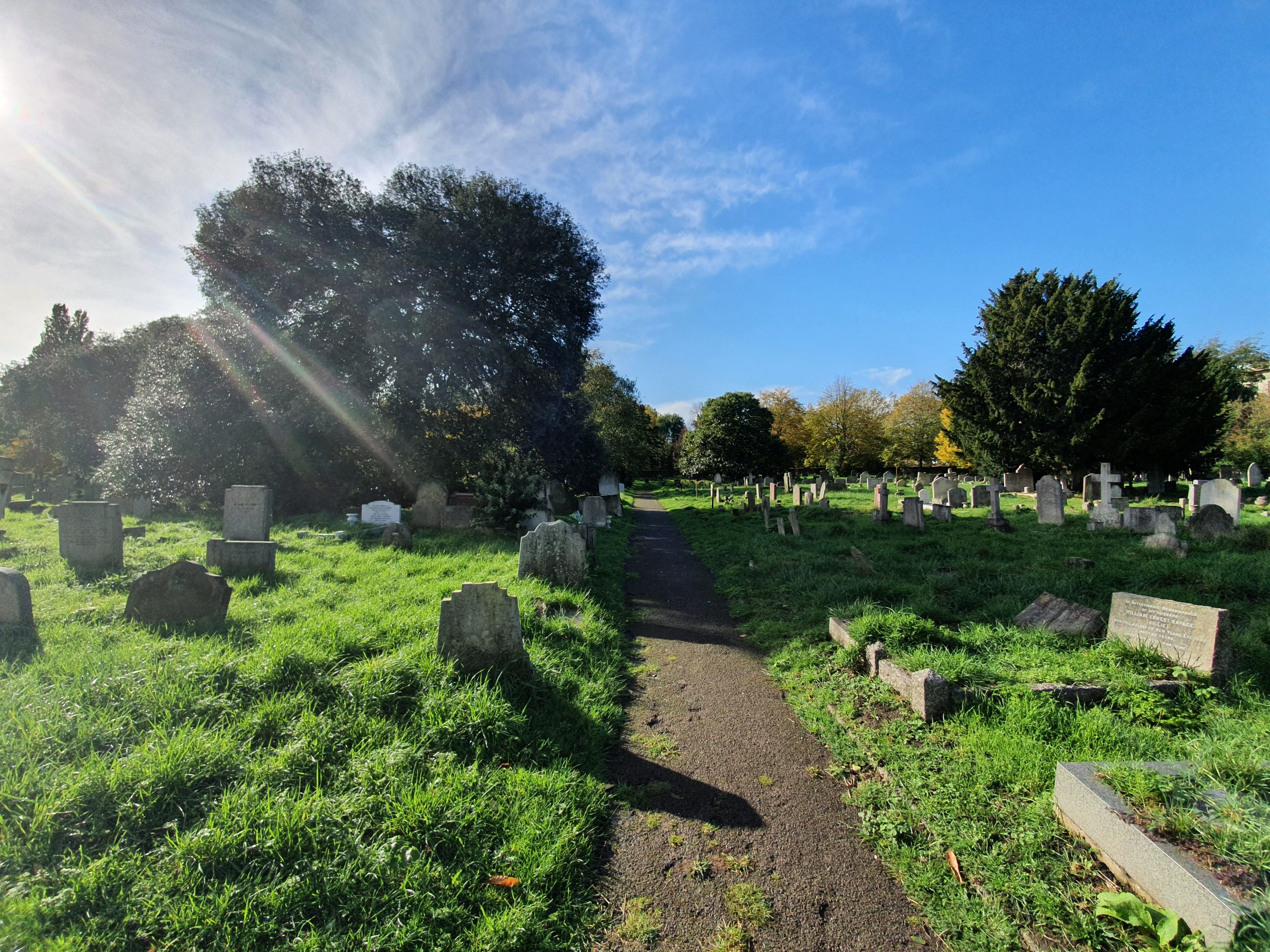
    Formerly known as the West of London and Westminster Cemetery, this site was opened in 1840 to take pressure off churches where space for new graves had pretty much run out and it was also presenting problems to human health. There are now 35,000 monuments here and burials continue, with an estimated 200,000 people buried at the cemetery. The site was previously used as a market garden and there was more of a countryside feel to the area at this time.

    There were numerous other similar cemeteries build for the same purpose around London and they received the name of the ‘Magnificent Seven’. Most were on hills and so were easier to present as an interesting landscape, but this area was flat and so more buildings were added here to add character.

    The cemetery is now managed by Royal Parks and they’ve put together a list of 100 things to see, mostly graves but also some trees and memorials. There’s a map as well on-line and although a few graves were marked in the wrong place, it was otherwise a useful way of exploring the enormous cemetery. After spending a couple of hours here I rather exhausted myself out with reminders of the dead, still only getting around halfway through the highlights of the cemetery.

    Lots more photos to follow, but here are a few…..

  • London – Camden – British Museum (Misaligned Healed Fracture)

    London – Camden – British Museum (Misaligned Healed Fracture)

    This doesn’t look quite as painful as the damaged spine, but this badly reset right femur must have been awkward as well. The bone was found in Upper Egypt and was acquired by the British Museum in 1902. The bone is from a mummy, so I’m not sure where the rest of the body is.