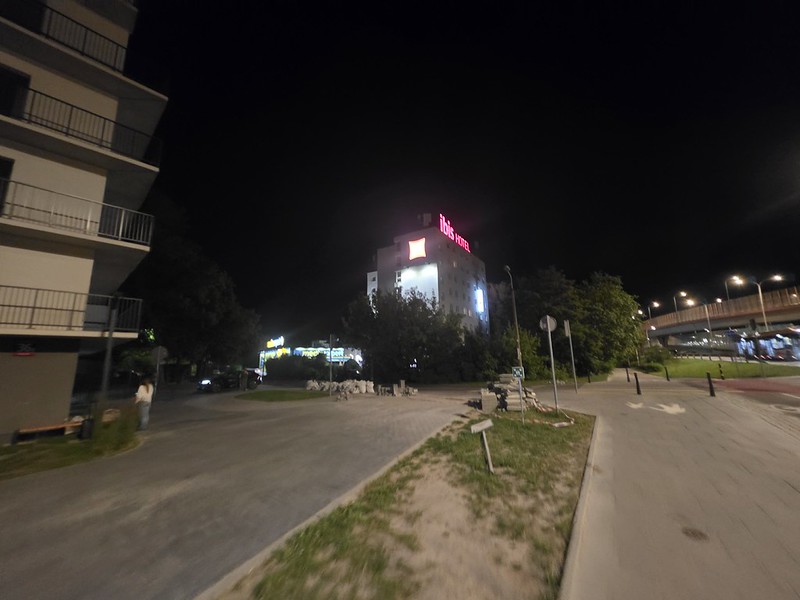
And another short post as I’ve stayed at this hotel many times before and written about a fair number of them, so I won’t try the patience of my two loyal blog readers for long. There are limits even to my commitment to documenting budget hotel consistency, although admittedly I keep testing them.
It’s routinely the cheapest of the Accor hotels in Warsaw and it’s not hard to get to on the tram or bus, so it’s a very viable option. It’s probably not the best hotel to use as part of an airport layover, but travel should have challenges sometimes as where’s the fun in efficient?
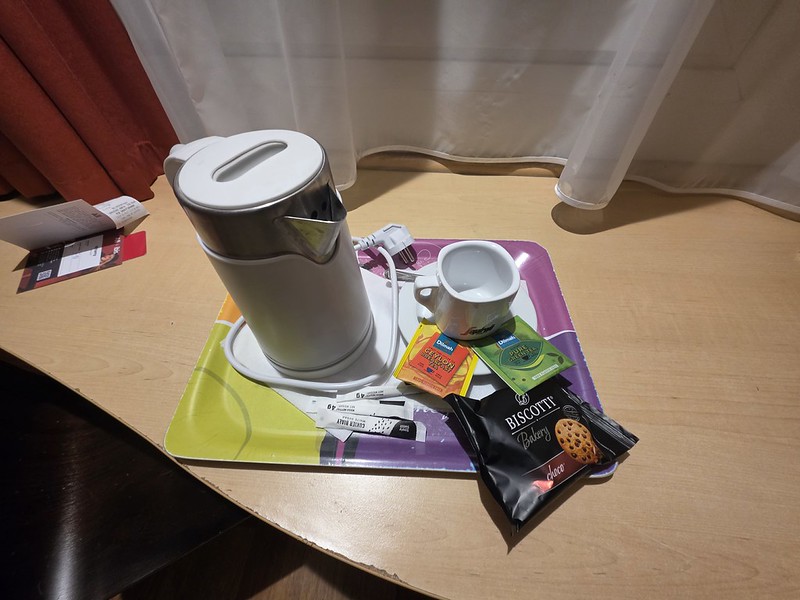
I had arrived too late for my free welcome drink, which is never ideal, but they had given me a welcome gift of some teas and a biscuit. These little gestures are always much appreciated.
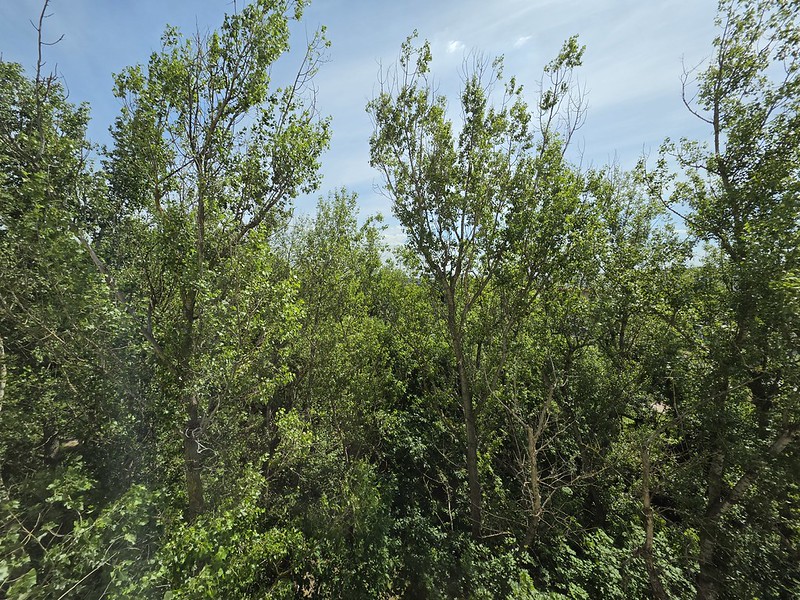
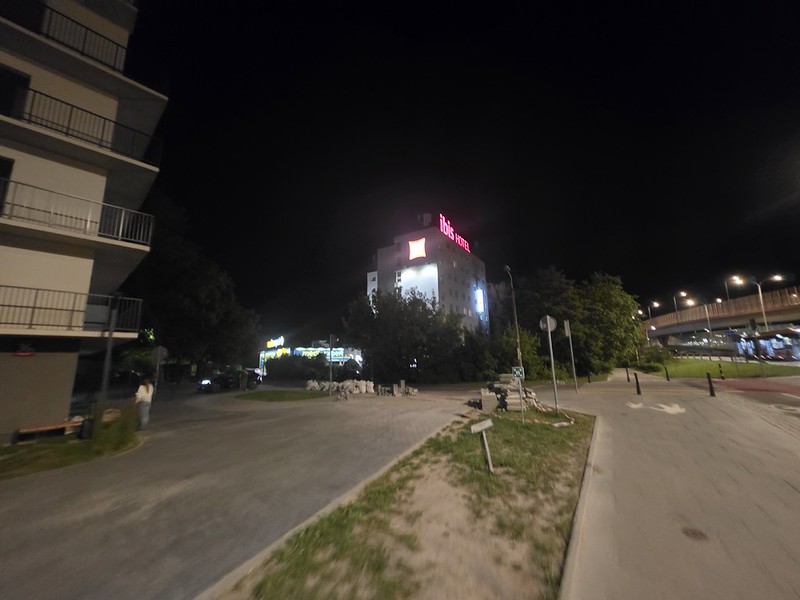
Although the hotel is located by a busy road, the view from my window was rather more pleasant.
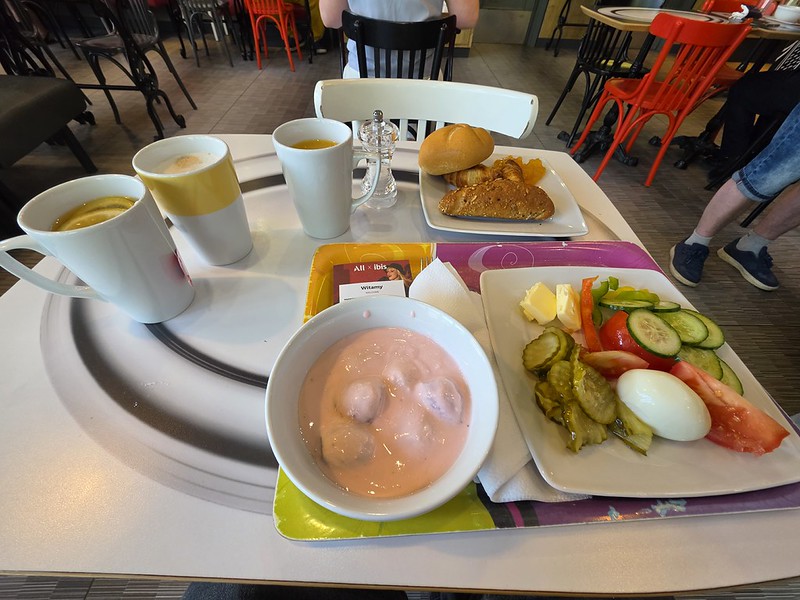
And a rather lovely breakfast. The meat looked quite frightening, so I went for some more healthy options. And a heap of bread and pastries at the back, alongside coffee, orange juice and tea. And a big dollop of strawberry yoghurt.
With that, I had to start planning my return to the airport, which was slightly annoying as I had only been at the hotel for a few hours. But, there were no noise issues internally or externally and I was able to catch up on sleep after a warm night in Faro the previous day. It was not a long stay, but it did exactly what was required which was a clean room, quiet night, decent breakfast and a biscuit-based welcome.
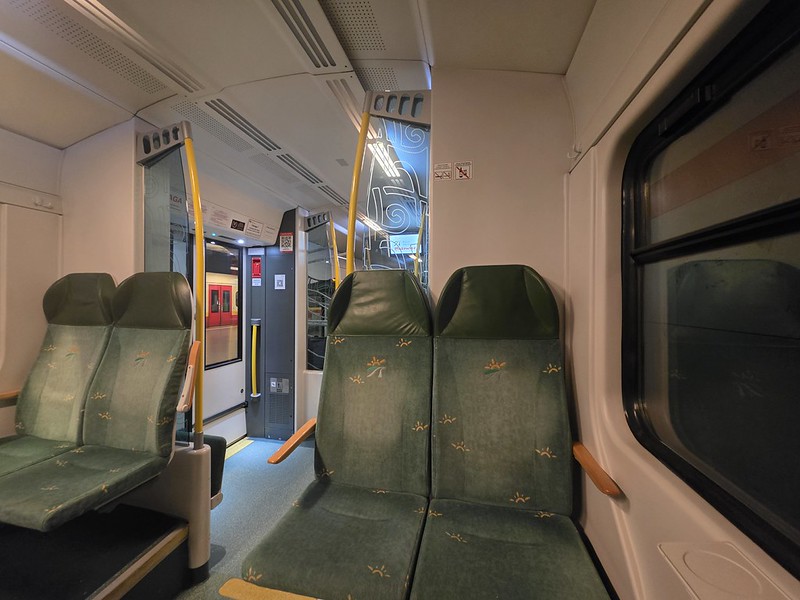
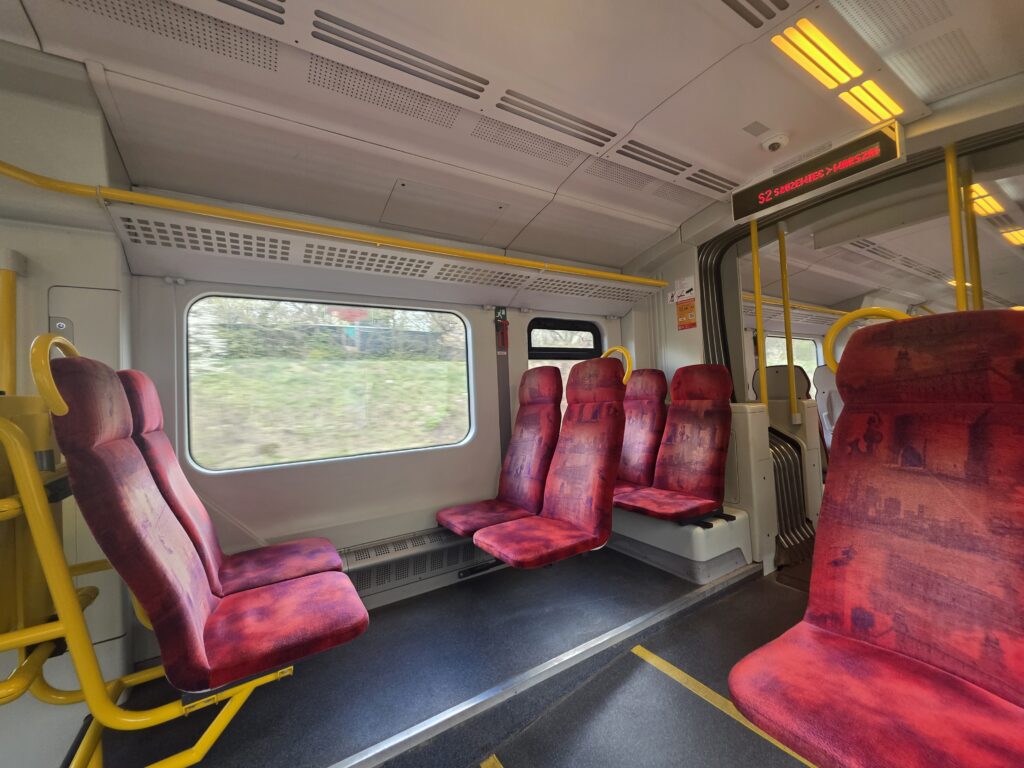
I won’t linger too much on this post as I’ve written about public transport in Warsaw so many times before. However, this is the train to the city centre and I’ll note here that a 24 hour public transport ticket is under £3. A single underground journey in Zone 1 in London is the same price.
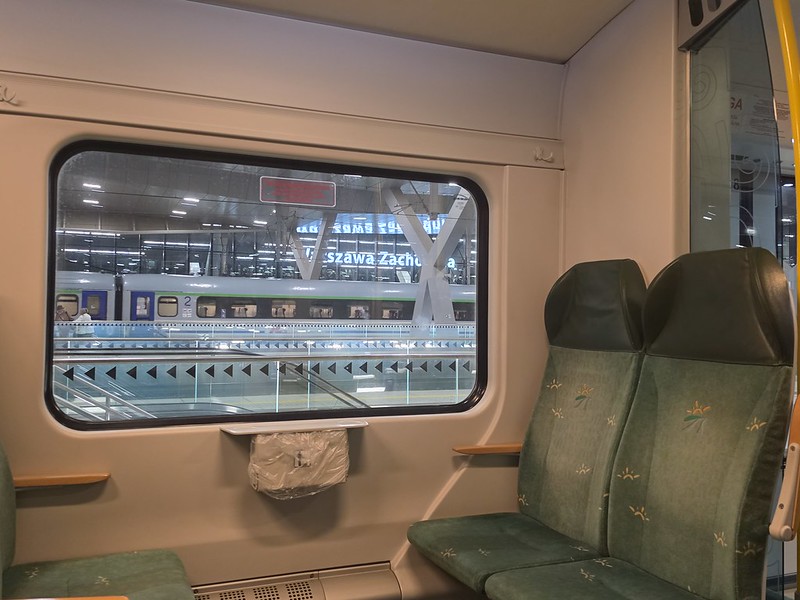
The train stopped for a few minutes at Warszawa Zachodnia railway station, which is all new and shiny. This is moderately annoying as I realised that the Ibis Budget I usually stay at had suddenly become available and if I had realised earlier, I would have switched to this one. But, it meant I instead got to see more of Warsaw at night and there are worse things.
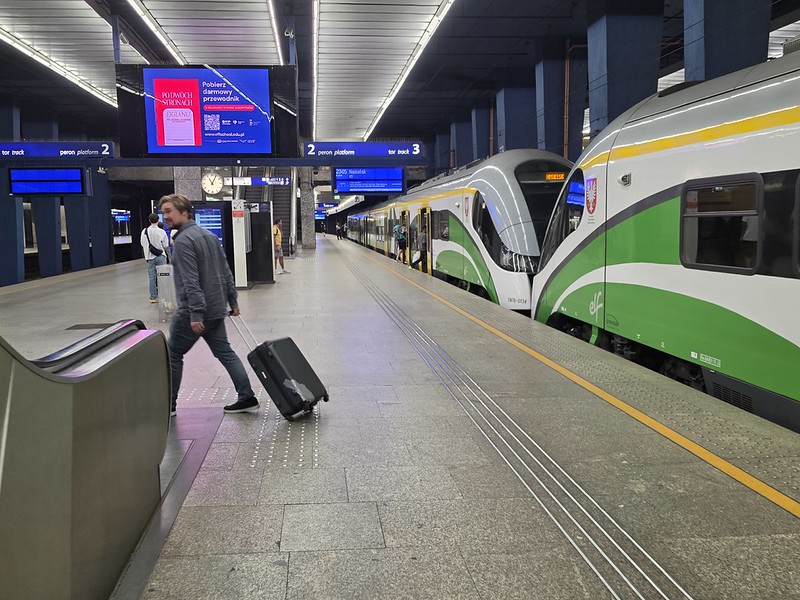
Getting off at Warszawa Centralna railway station.
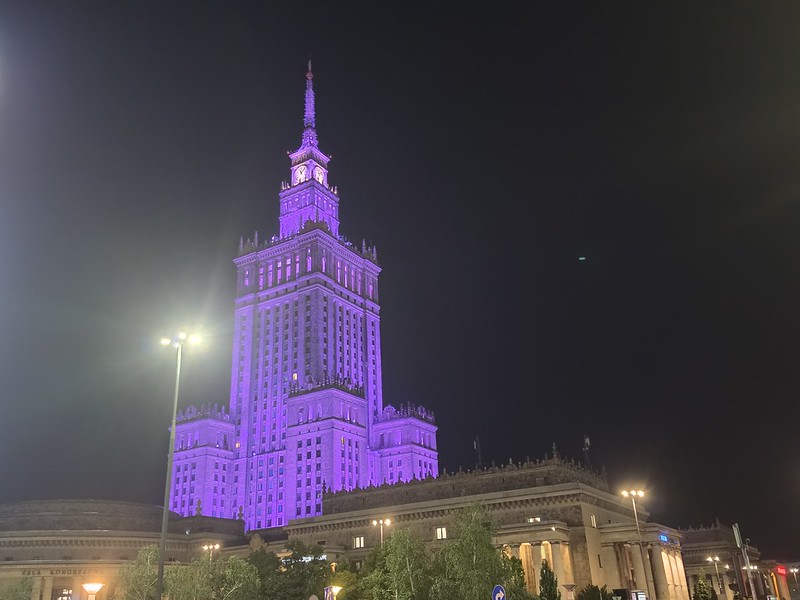
I needed to change from a train to a night bus and there’s the Palace of Culture and Science. I sent a photo of this to my friend Liam who asked me why it was purple. Unfortunately, no-one seems to know, but it looks rather lovely at night and it is certainly a bold choice for Stalinist architecture, which is not usually known for its playful approach to mood lighting.
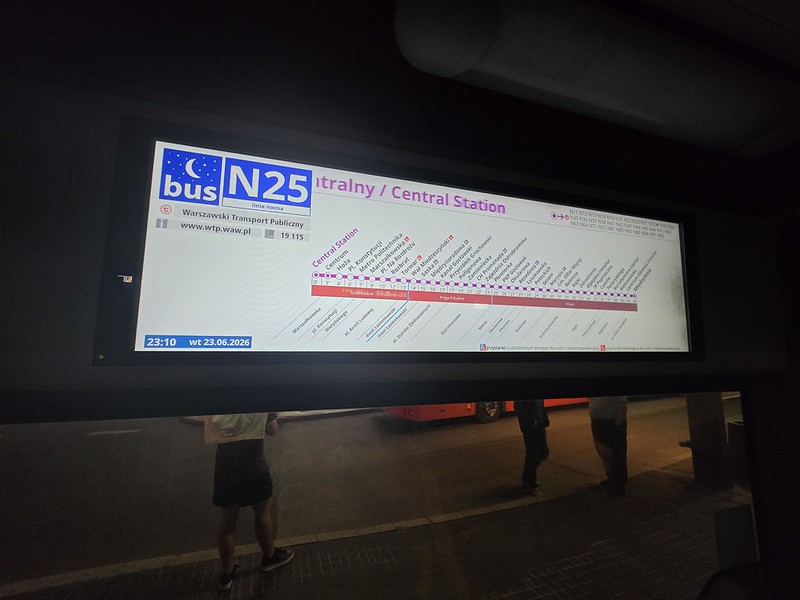
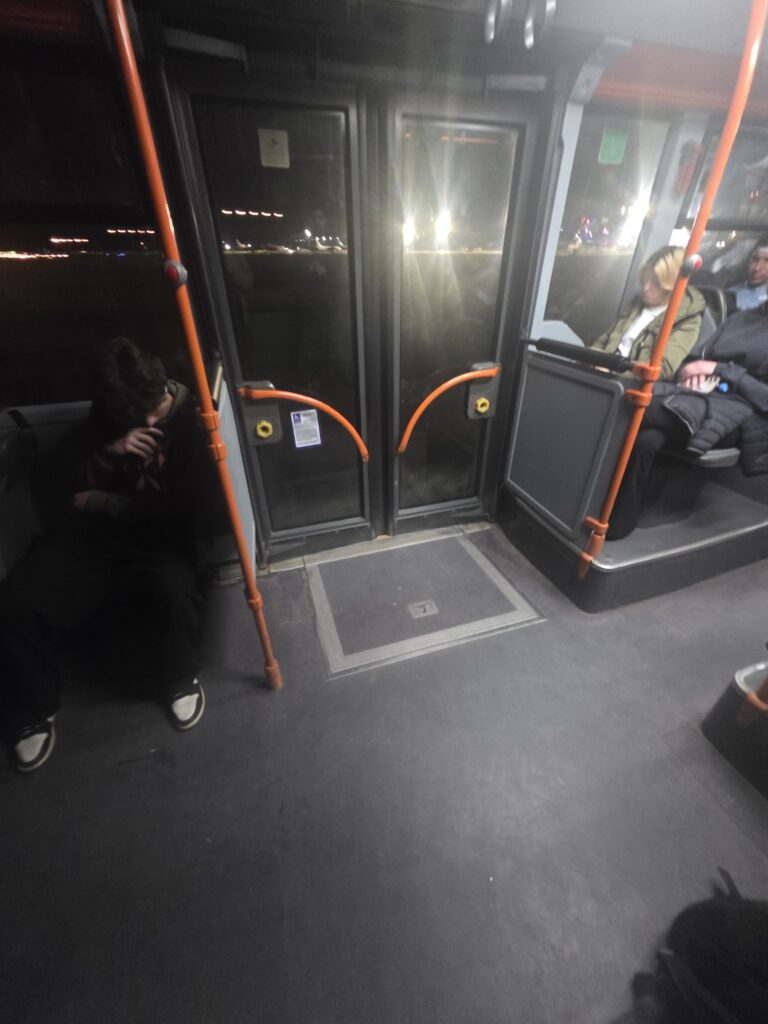
On the night bus.
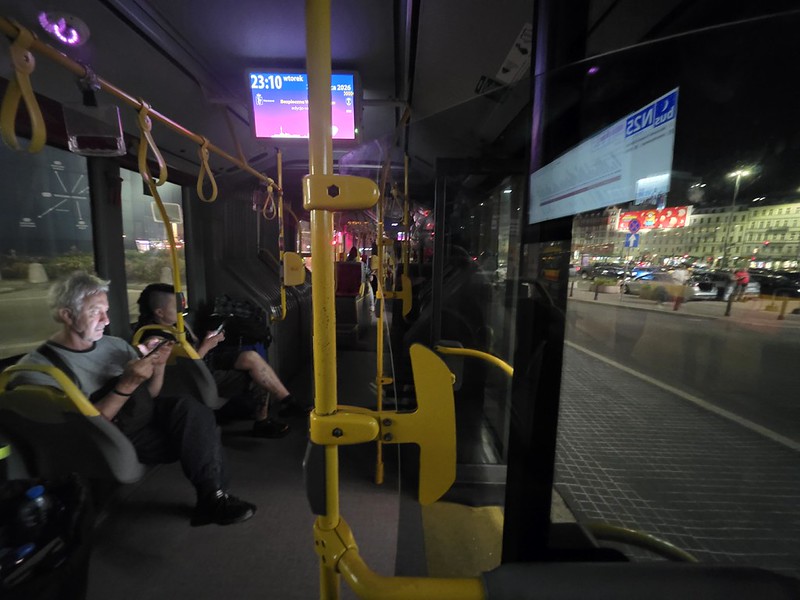
It was quite busy and we sat in the dark for a while which I think was to add anticipation before we departed. Public transport often lacks theatricality, so perhaps Warsaw is addressing this with a brief blackout sequence. Either that or the driver hadn’t turned the lights on yet, but I prefer the more dramatic interpretation.
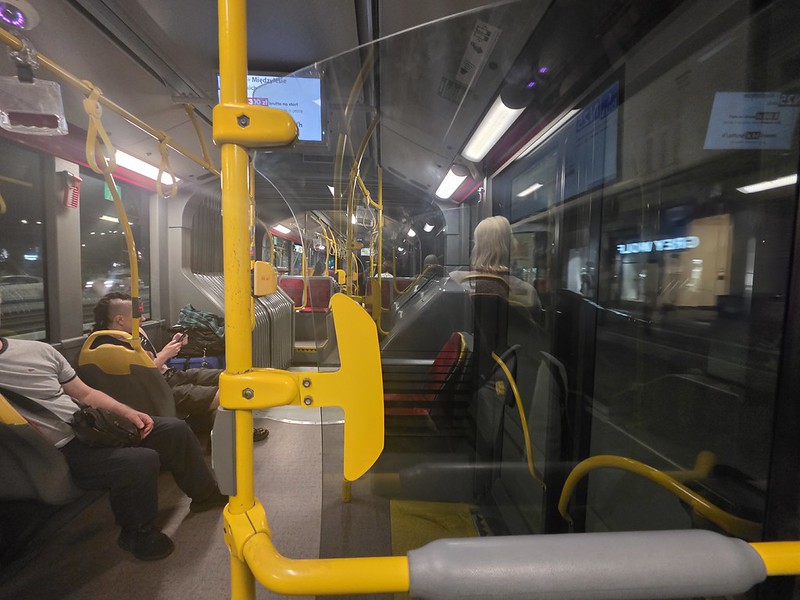
Let there be light. And off we went, all suddenly illuminated and reassured that the bus had not, in fact, been designed by people who believed passengers should travel by instinct alone.
And safely at the hotel. Public transport in Warsaw really is very easy, it’s cheap, frequent and well signed. Their trams and buses are shown live on Google Maps which helps if anything is delayed and, I know I say this frequently, but no-one was playing music or had their feet on the seats. This is a proper culture. A civilisation can be judged in many ways, but “can I sit on public transport without listening to someone else’s phone or inspecting their shoes on the upholstery?” seems as good a measure as any.
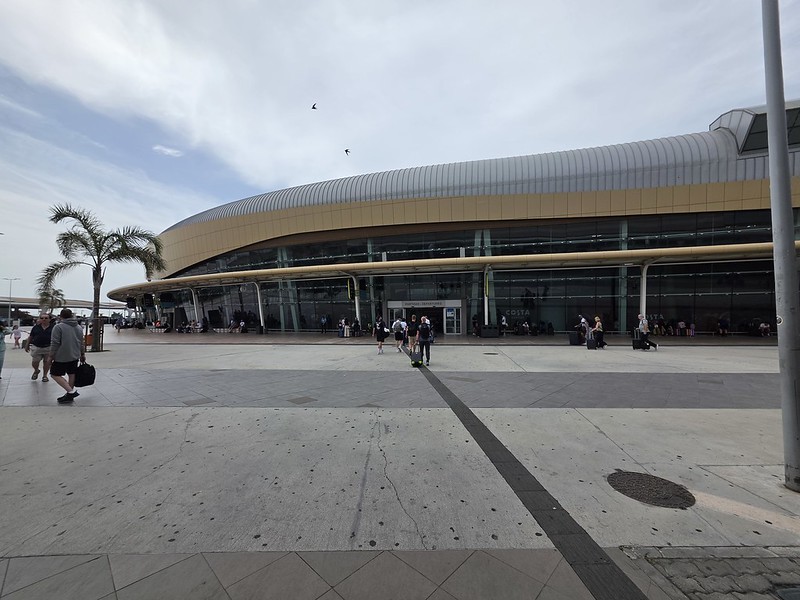
After my little beach walk in the morning, it was time to return to Faro Airport just a few hours after arriving there. And, I will admit that the planning element of all of this was a little sub-optimal. I had flown from Norwich to Faro as the Ryanair flight was very cheap and I noticed I could then fly from Faro to Warsaw with the last minute flight availability from my Wizz Air Multipass. I like Warsaw, as I might have mentioned, so my plan was to spend some time there.
That was until I saw the hotel prices, which have been becoming consistently high over recent months. Warsaw has clearly worked out that I like it and is now attempting to monetise the emotional relationship. I then noticed that there was a flight from Warsaw to Bilbao, which is where I planned to spend a few days. So the new arrangement became Faro to Warsaw, then Warsaw to Bilbao, which looked perfectly sensible on a screen and slightly less sensible when exposed to time, distance and human comfort. Anyway, travel is about the journey and not the destination.
So the issue was that I had managed to not really think through the fact that the flight from Faro to Warsaw was four hours in length and then I discovered that the seating Gods had given me a middle seat. This flight was looking a little less appealing, especially as I knew that I was flying back to Spain the next day.
This is where rail ticketing needs to improve across countries, it’s just too expensive at the moment and I ideally like to use trains. But it was going to cost me £18 to get from Faro to Bilbao (via Warsaw) which also gave me two lounge accesses. Google informed me that to get from Faro to Bilbao by rail required six trains, would take over 28 hours and would cost somewhere around £150.
Security at Faro was efficient from a staffing perspective, but I was slightly inwardly annoyed that the passenger in front of me didn’t know that liquids needed to go in their own bag. This has been the rule for over a decade so perhaps I should be fair. There then followed five minutes while she located her various liquids spread across three bags, as though she had prepared a small toiletries treasure hunt for the benefit of airport security. I remained outwardly calm, which is one of my lesser-known heroic qualities.
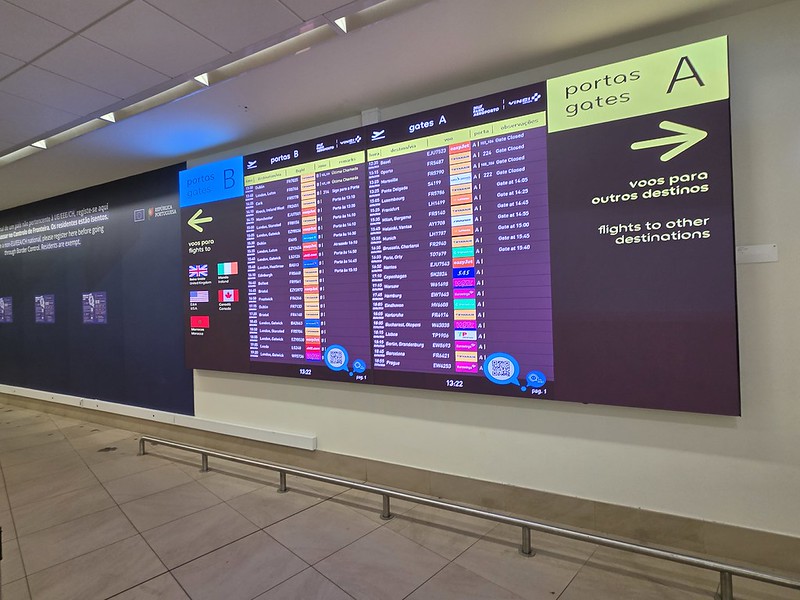
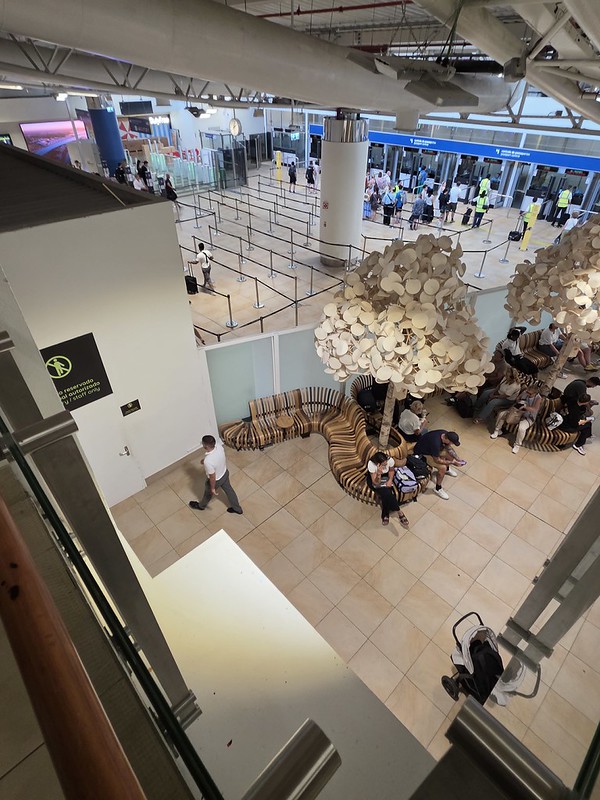
Anyway, after that, I got to turn right at the above sign for the first time, which means that I was heading from the Schengen area. Last time I went left and was faced with long queues due to border control requirements.
I could see the non-Schengen area and the queues didn’t actually look too bad, although I still preferred the Schengen option of not needing to show a passport.
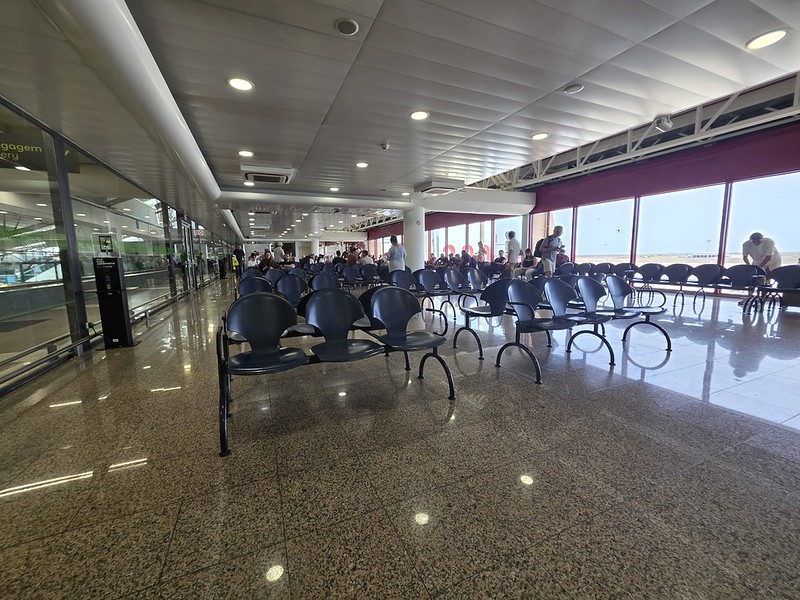
There were plenty of seats in the terminal, there were numerous power points and it all felt relaxed.
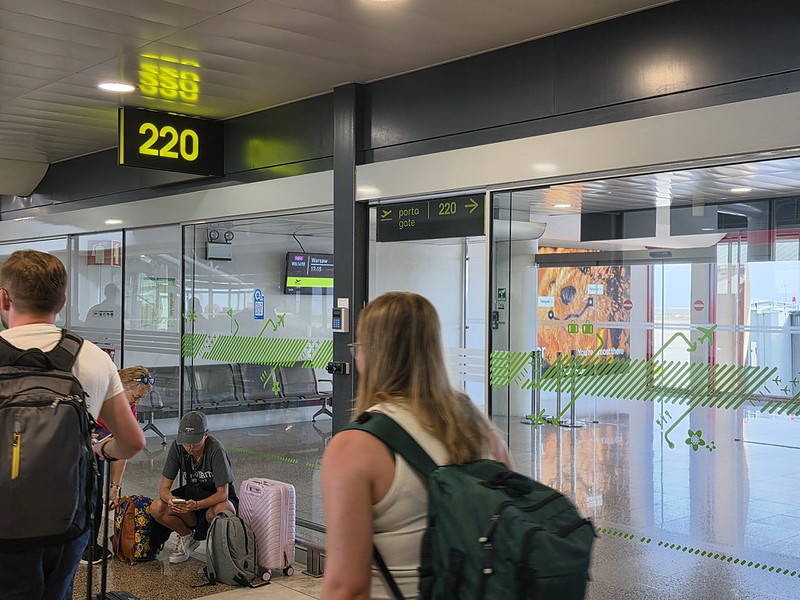
We were departing from Gate 220 and the whole process was well managed and it was clear where the priority and non-priority passengers needed to wait. The staff here seemed rather laid-back and I noticed that they weren’t checking bag sizes.
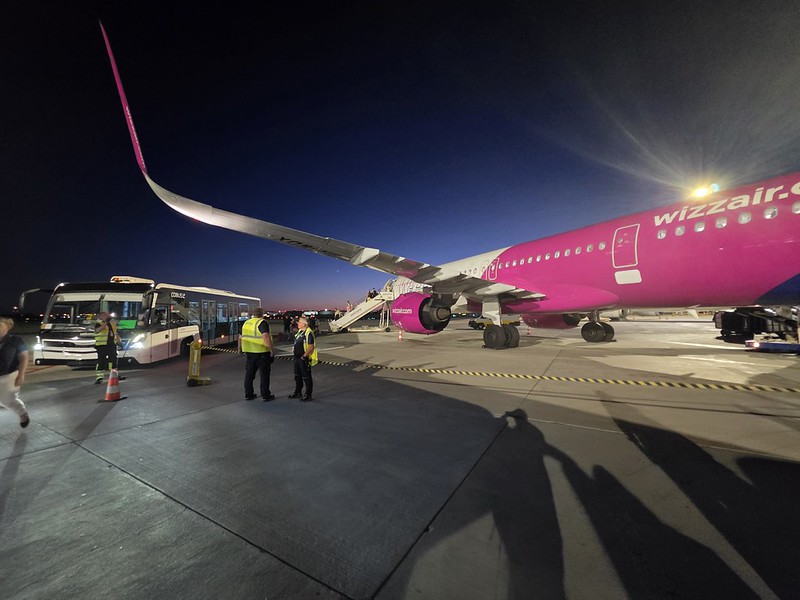
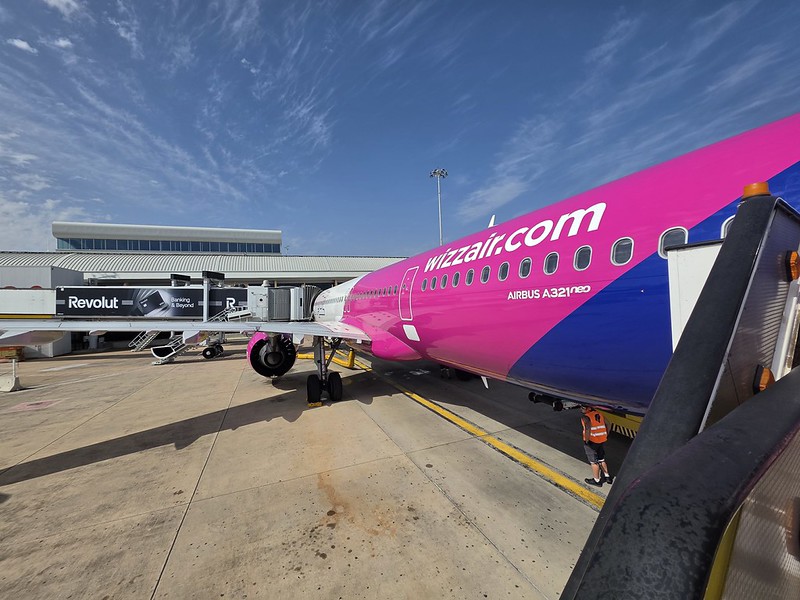
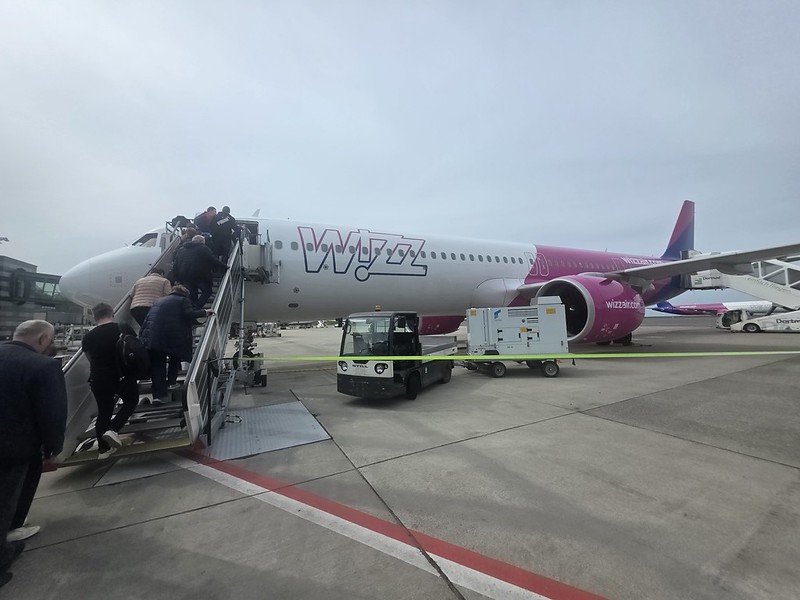
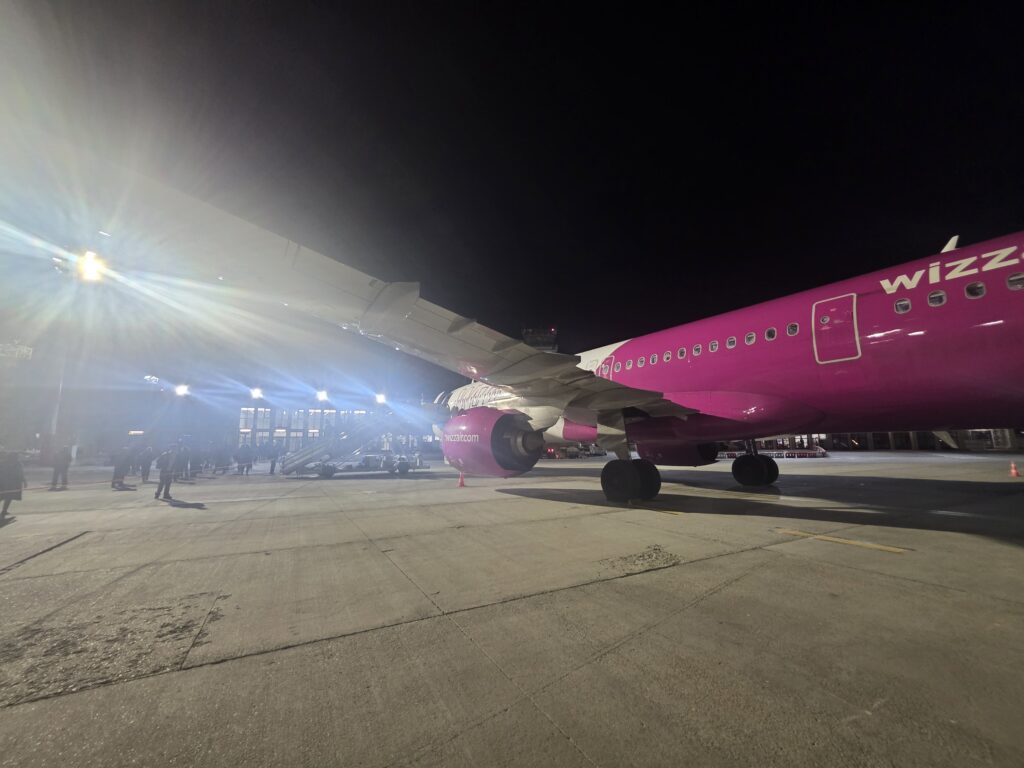
The boarding process was all well managed and we weren’t in the extreme Portuguese heat for long. Did I mention that it was too hot? The aircraft was 9H-WDX which I’ve been on twice before, although as it’s part of their Polish fleet, that’s perhaps not entirely unsurprising. The crew were Polish and were impeccable in terms of their friendliness during the flight.
The middle seat arrangement isn’t ideal, but wasn’t problematic and I managed to combine sleeping with watching YouTube videos to make the time go a little quicker. The aircraft was clean, the pilots were professional and we arrived into Warsaw a few minutes ahead of schedule.
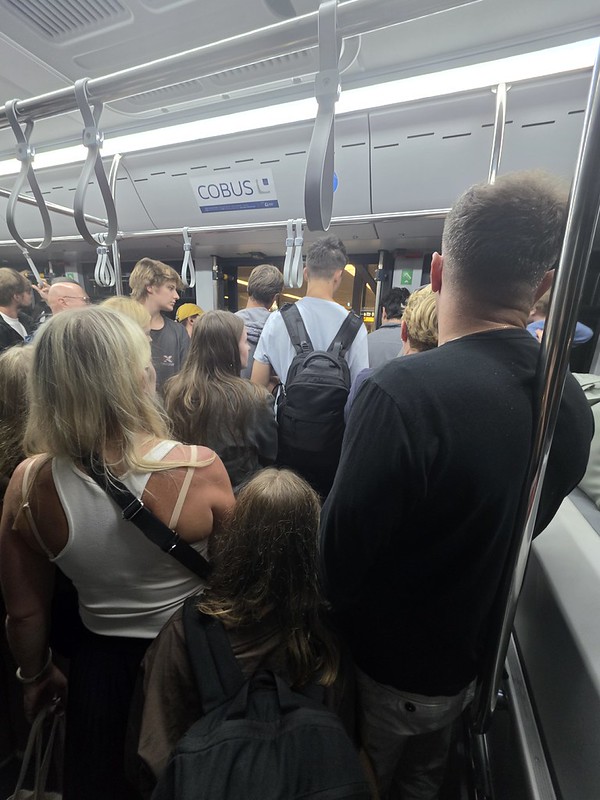
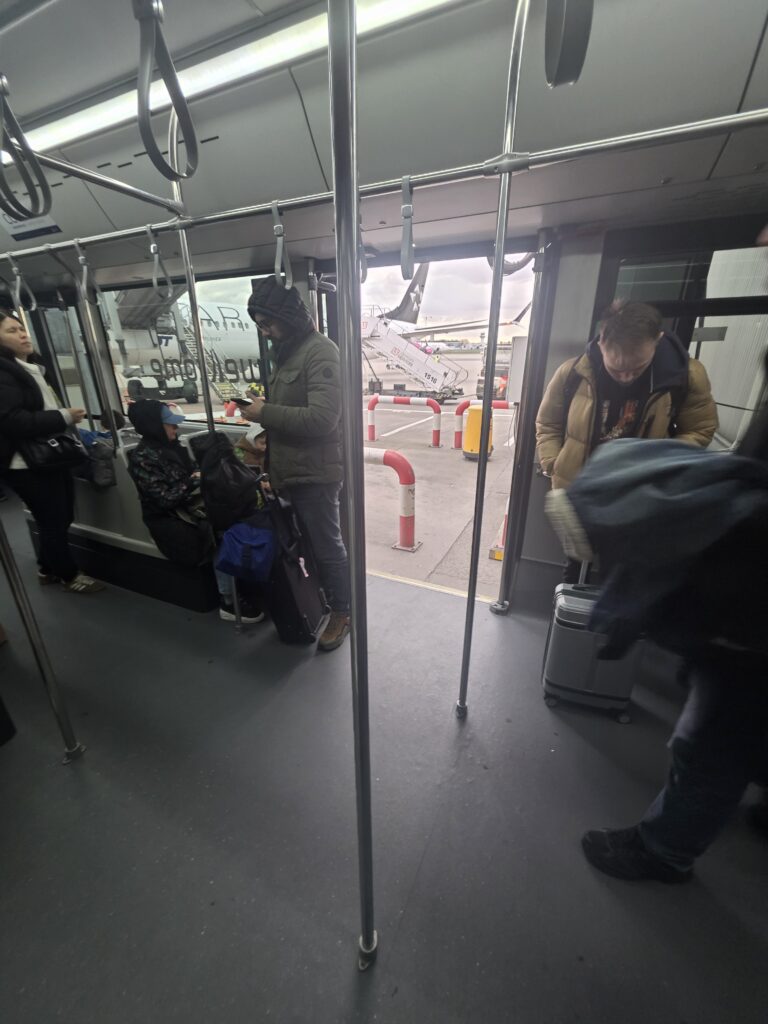
Oh good, a packed bus from the aircraft to the airport. Although I was a little time restricted as I needed to cross Warsaw, I knew that there was no border control and so I would be able to get on the train quickly enough. That transpired to be true, it took eight minutes from getting to the terminal to getting on the train, which included buying a ticket from the machine.
Overall, this flight cost me £9 and everything went as expected, so I was pleased with the whole arrangement. It’s rare that I get the middle seat allocated and the flight was relatively full, but there are worse things that can happen. Once again, I thought that Wizz Air’s operation was all well managed and I was delighted to be back in Warsaw, even if just for one night. It might not have been the most logical routing, but it was cheap, efficient and let me continue my little adventure.
[Apologies I published this early if anyone saw a half finished post!]
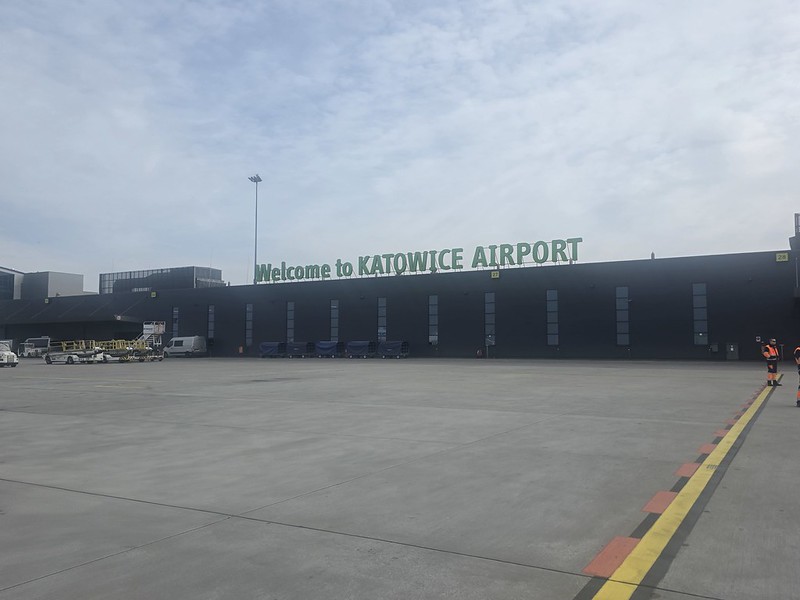
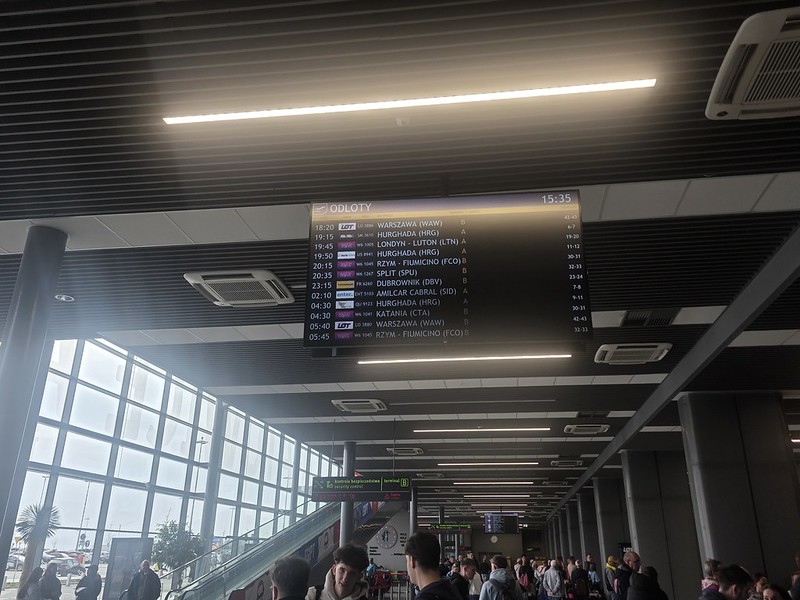
I was connecting at Katowice Airport to fly to London Luton, although there was no airside connection available. I also discovered that the security area at Terminal A wasn’t open for thirty more minutes, so the process was hardly rushed.
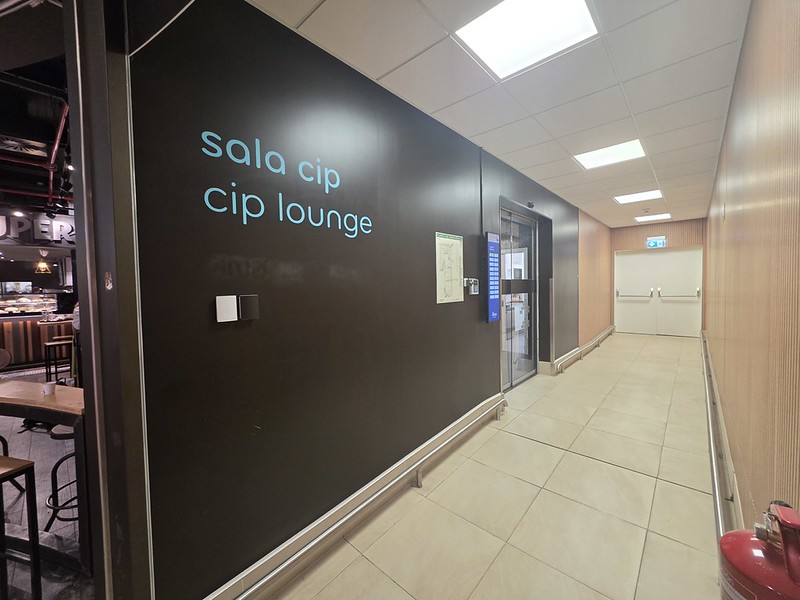
Mine was the 19:45 flight and I had the advantage of popping to the airport lounge, but I wrote about that separately.
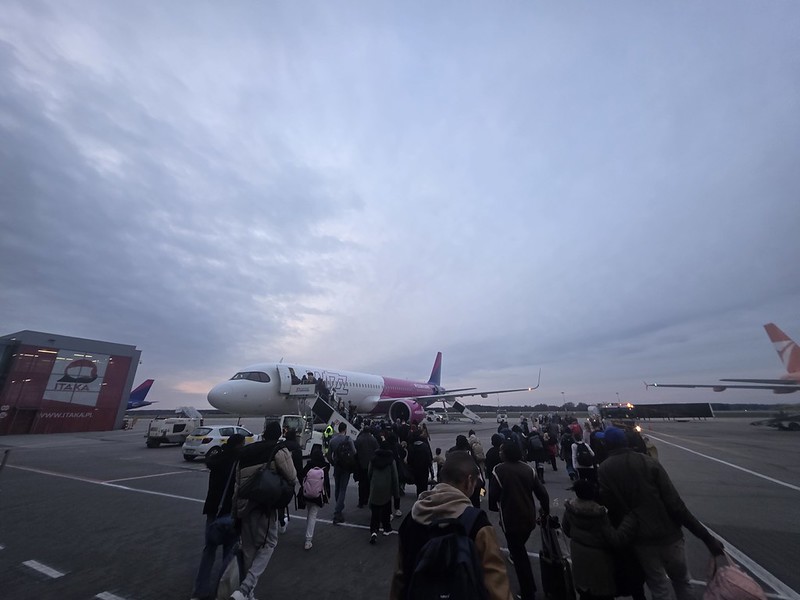
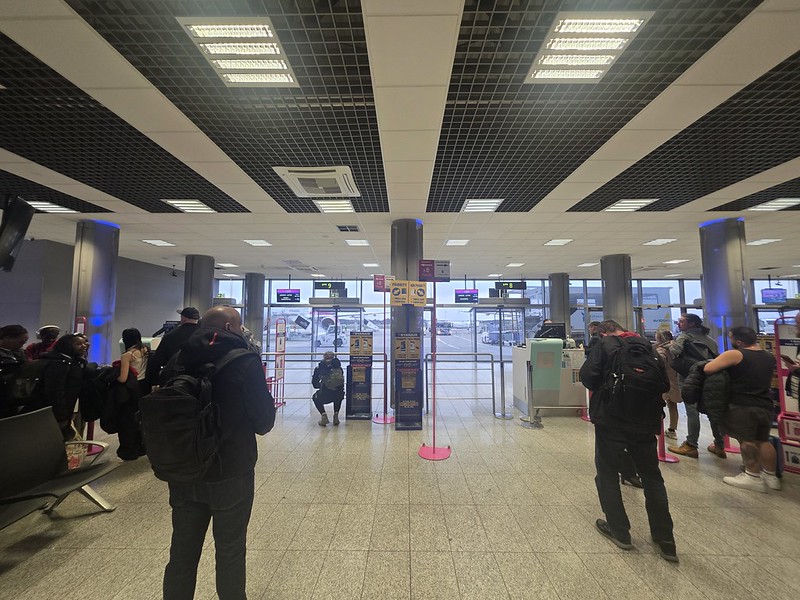
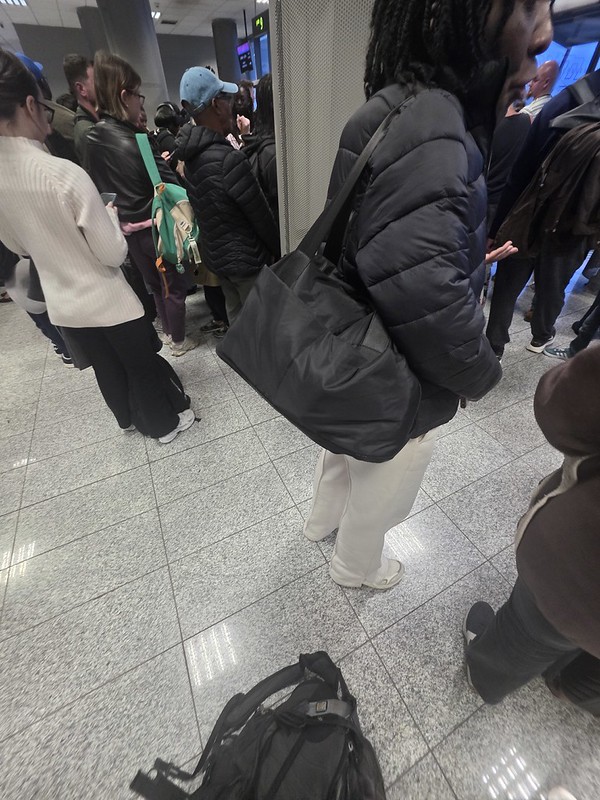
The boarding process was all efficient, but there was a particular focus on checking bag sizes on this flight. The lady was walking down the queue and she spoke to me briefly before telling me that my bag was fine, but a fair few were being stopped and charged extra money. One guy was charged four times for his family, so around £320, so it was a profitable exercise for Wizz Air. Although, the rules are very clear, so the customers took a risk.
This lady was charged £80, she might have been a little unlucky. It’s fair to say that she wasn’t very pleased and she asked a couple of us whether we’d been charged as well.
The aircraft is 9H-WAD, yet another one that I haven’t been on before and this has been part of the Wizz Air fleet since 2022.
Everything was smooth and well managed yet again, although the seating Gods had given me a middle seat which wasn’t ideal. However, the flight was only two hours so it’s hardly traumatic. The flight cost the usual £8.99 with my Multipass and the aircraft was clean, the crew were friendly and everything worked as it should.
We landed into London Luton on time and I had a hotel just a short walk away from the airport, which is always something that I look forward to. This marked the end of my one week stay in Poland, Romania and Germany, another successful trip that was made a lot easier with my cheap Wizz Air flights.
With around three and a half hours before my flight from Katowice to London Luton, I thought I’d see how busy the lounge was. Fortunately I was flying on a non-Schengen flight departing from Terminal A, as the lounge at Terminal B has now stopped accepting Priority Pass. I hadn’t realised I had been to this lounge before, but it seems that I came here in 2019. I am a creature of habit sometimes.
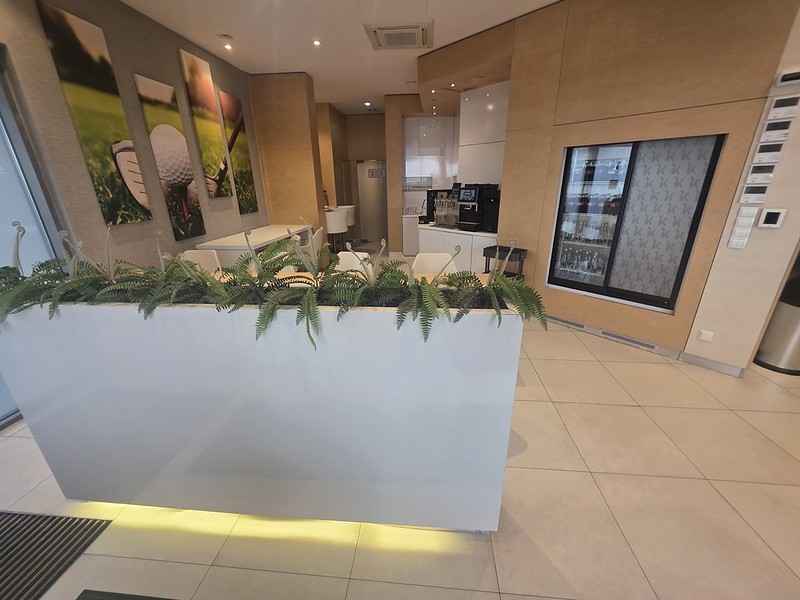
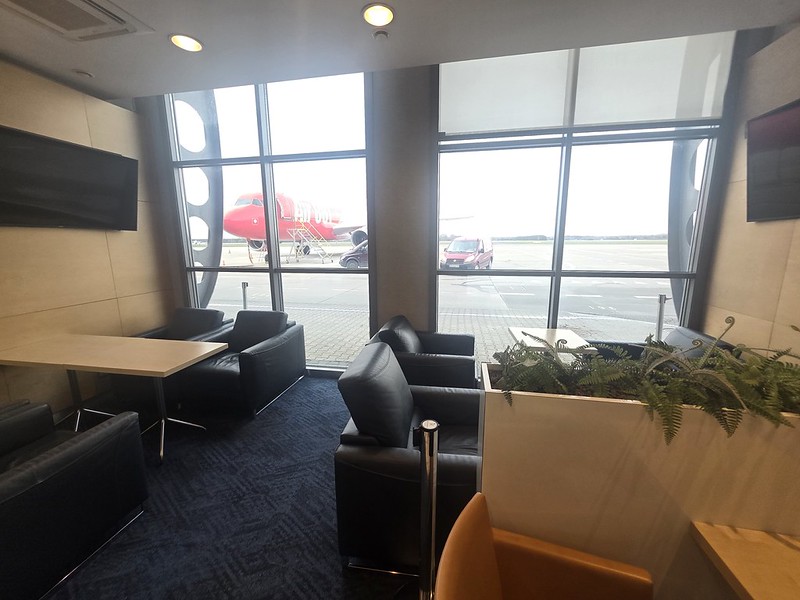
There was a friendly welcome from the team member at the reception desk and it was evident that there weren’t any capacity issues as I was the only customer in the lounge. Indeed, that was the situation for nearly two more hours. That gave me a choice of seats, so I sat near the runway to look out. I’m easily pleased.
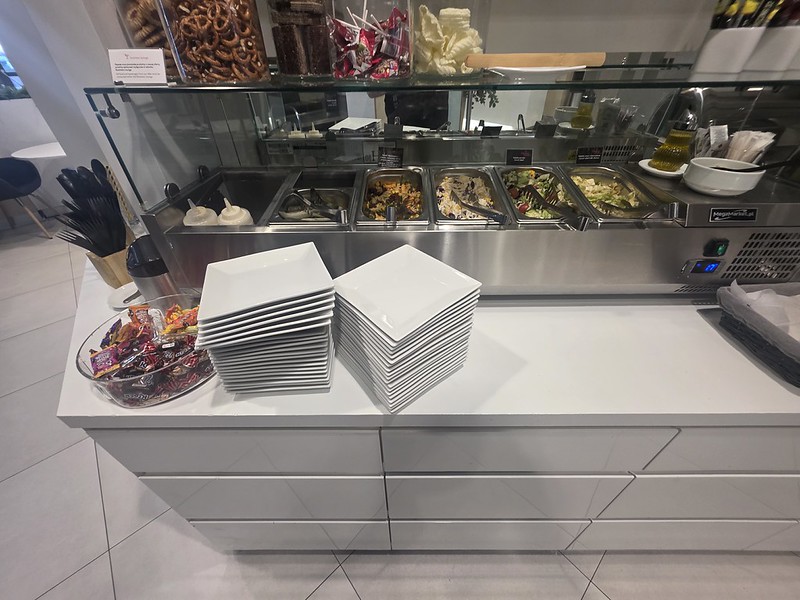
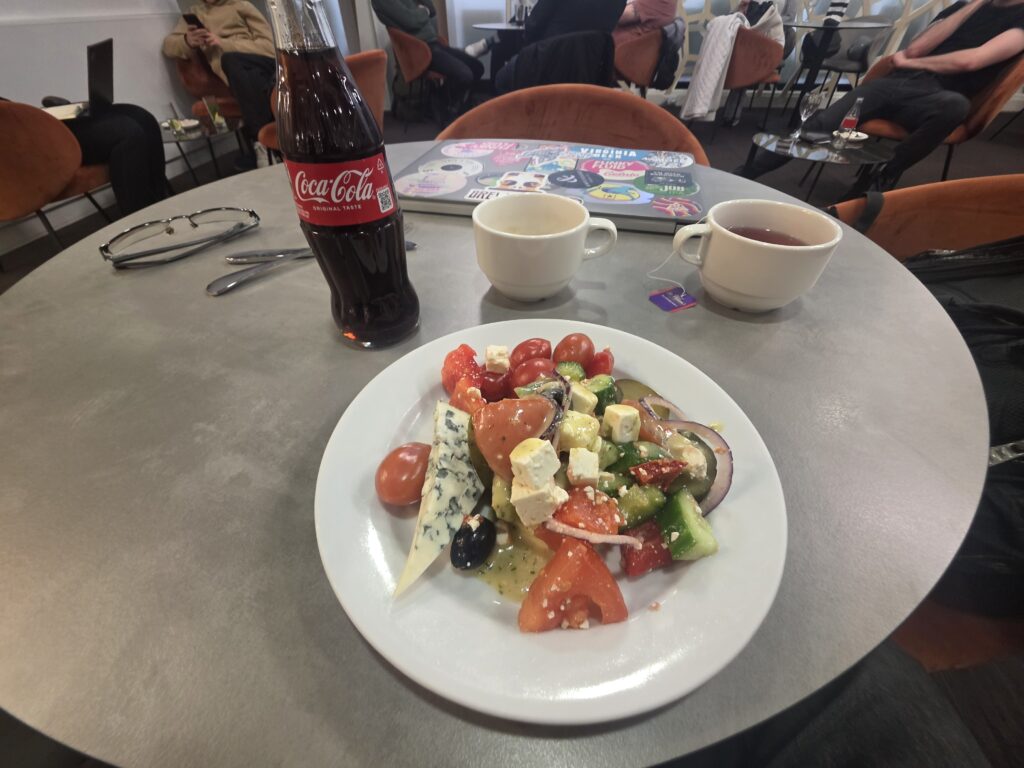
This was the limit of the food (other than for some yoghurts and sausage rolls) and the Caesar salad on the right didn’t look entirely fresh, but the Greek salad was entirely acceptable. And those jelly sweets on the left, let’s just say that the team member in the lounge had to refill those.
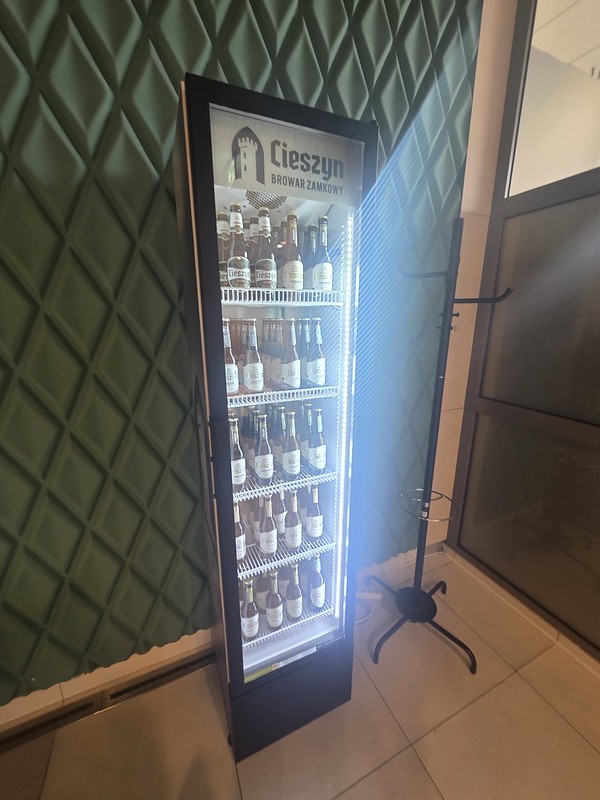
I was impressed at the beer fridge with five different local options from the Cieszyn brewery, which is the longest continually operated set-up in the country. I tried a couple of the beers and it’s a shame that more UK airports don’t offer a local beer, even if they can’t manage five of them.
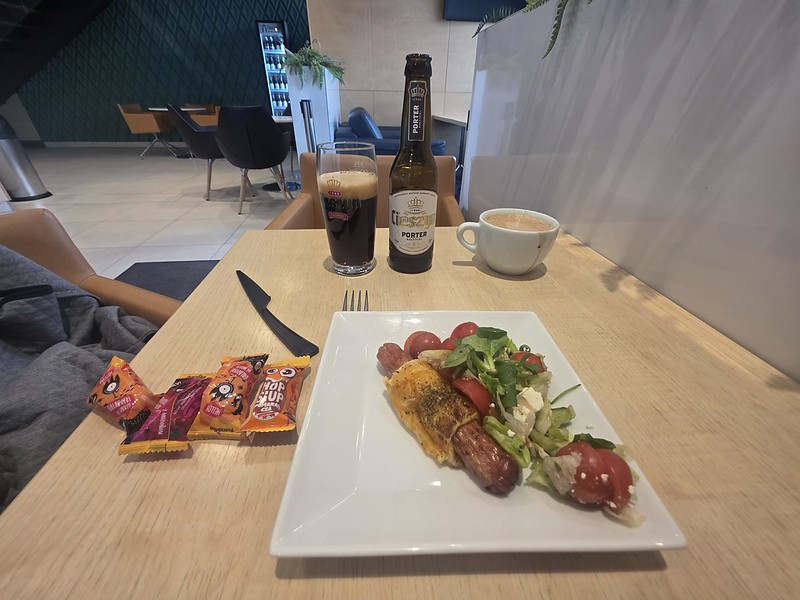
This wasn’t a bad set-up, there was a decadent 9% beer, coffee, salad, sausages with insufficient pastry and jelly sweets. This pleased me…. And there were also plenty of power points in the lounge which was handy.
The facilities were a little limited with just one toilet, but when you’re the only person in the lounge, that proves to be less of a challenge. I’m not sure that it would be worth paying full price for, unless you wanted to drink several beers, but I found it a useful resting and working place for the few hours that I was in there.
Dortmund is one of the older airports which is simply too small to deal with the number of passengers it currently has to handle. There are over three million passengers using the airport every year now and they have been creative about using the space that they have.
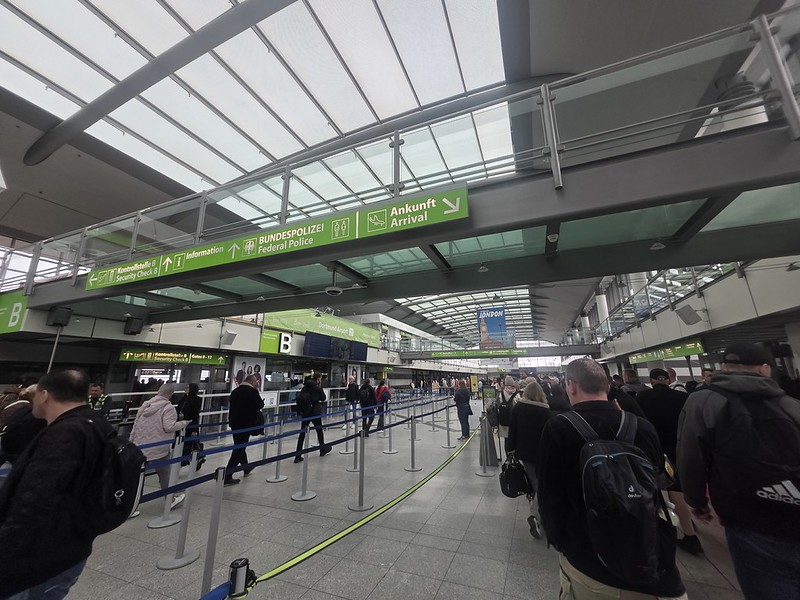
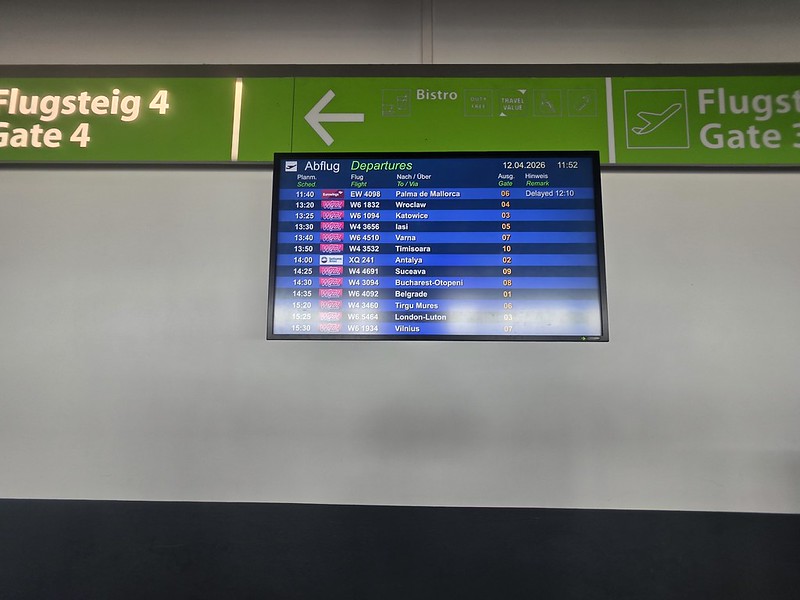
Mine was the 13:25 flight and I took this photo just after I went through security, showing how perilously close I was. Well, by my standards. The security process was slightly problematic as some drunk, mostly older, Polish football fans barged by a few of us in the security line. I decided to take the opposite security line to them and managed to get through quite a bit quicker, and certainly had a quieter time.
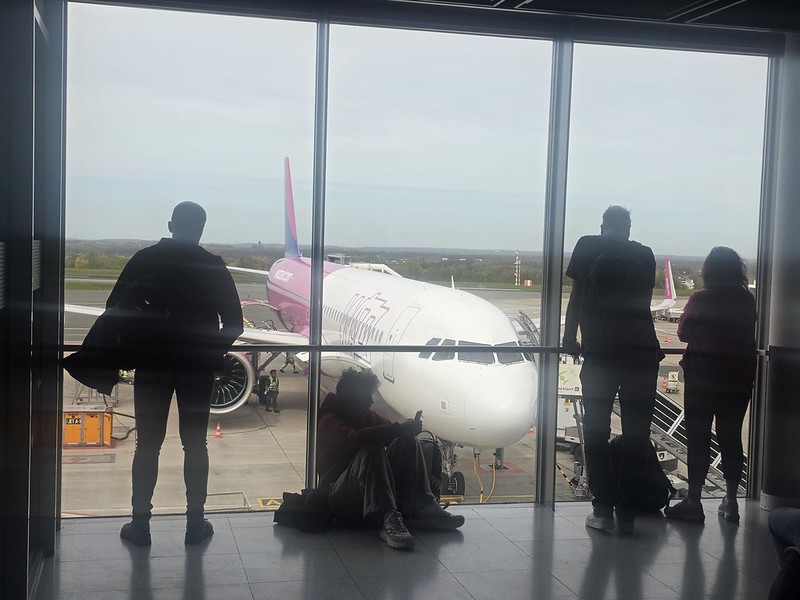
And the aircraft arrives, albeit a little late. The seating arrangement at the airport wasn’t dreadful, but they do need more seats for passengers as quite a few just opted for the floor. There were no power points and the general facilities at the airport were quite limited, but everything seemed to work efficiently.
I was slightly nervous of a delay as I had a flight from Katowice four hours after this one arrived, but fortunately, there was no impact of note.
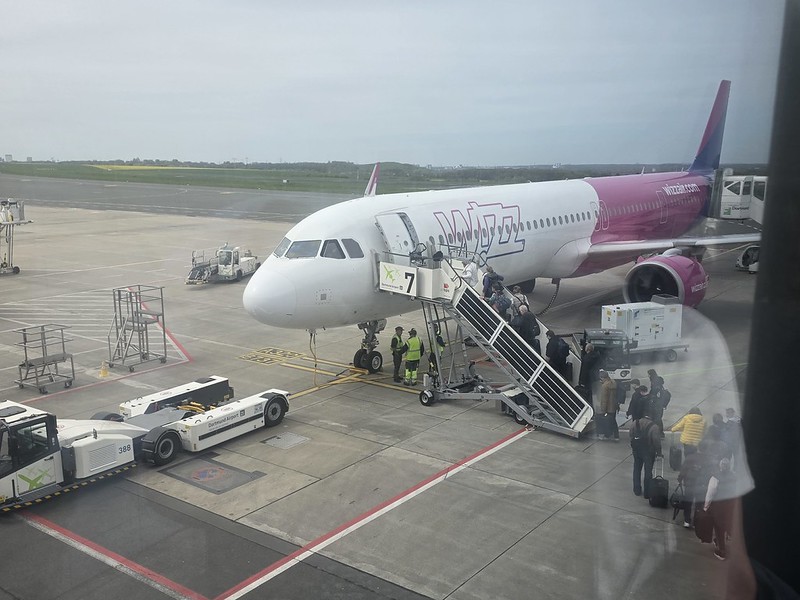
This is aircraft HA-LVD, yet another one that I haven’t been on before, with this one in operation since 2019. The seating Gods had given me a window seat near the back, which suited my needs entirely for a flight of a little over one hour.
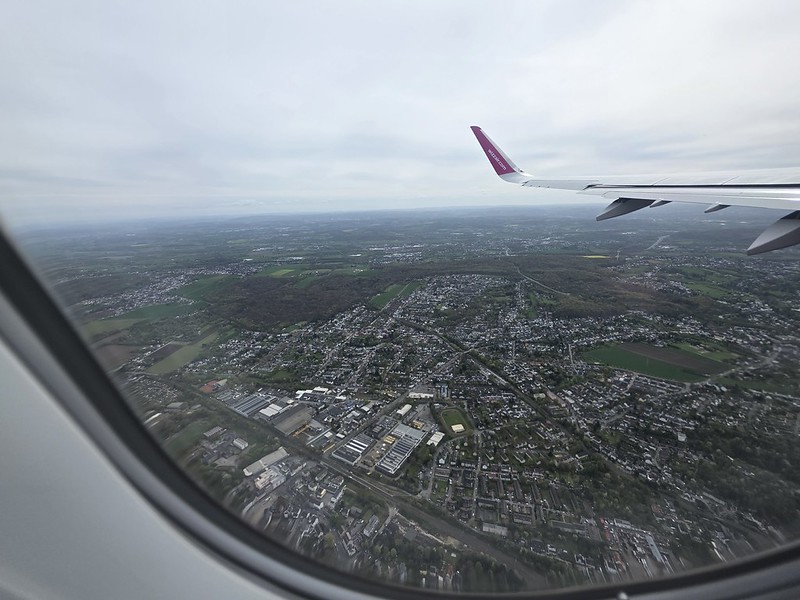
Somewhere over Dortmund.
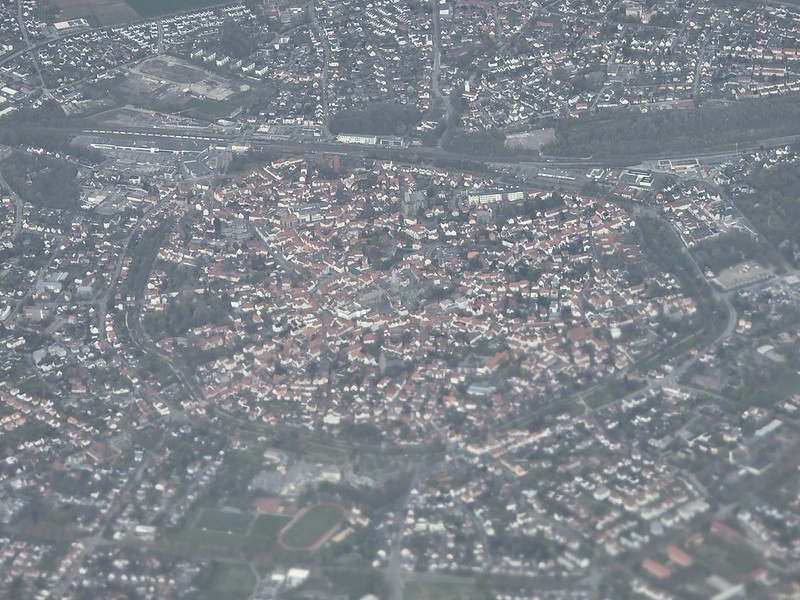
What looks like a pretty town, this is Soest in Germany.
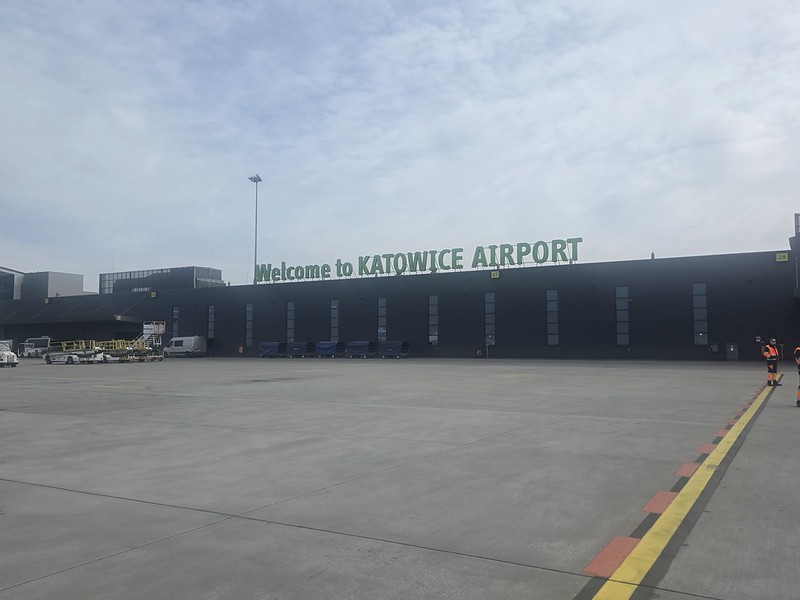
And safely into Katowice and we we hardly late at all, giving me more than enough time at the airport to sit in the lounge for hours….
The flight cost £9 with my Multipass and was another competently managed operation, with the aircraft being clean, the crew being friendly and the pilots sounding professional. It’s becoming a bit samey I know with Wizz Air, but routinely good isn’t a bad thing…
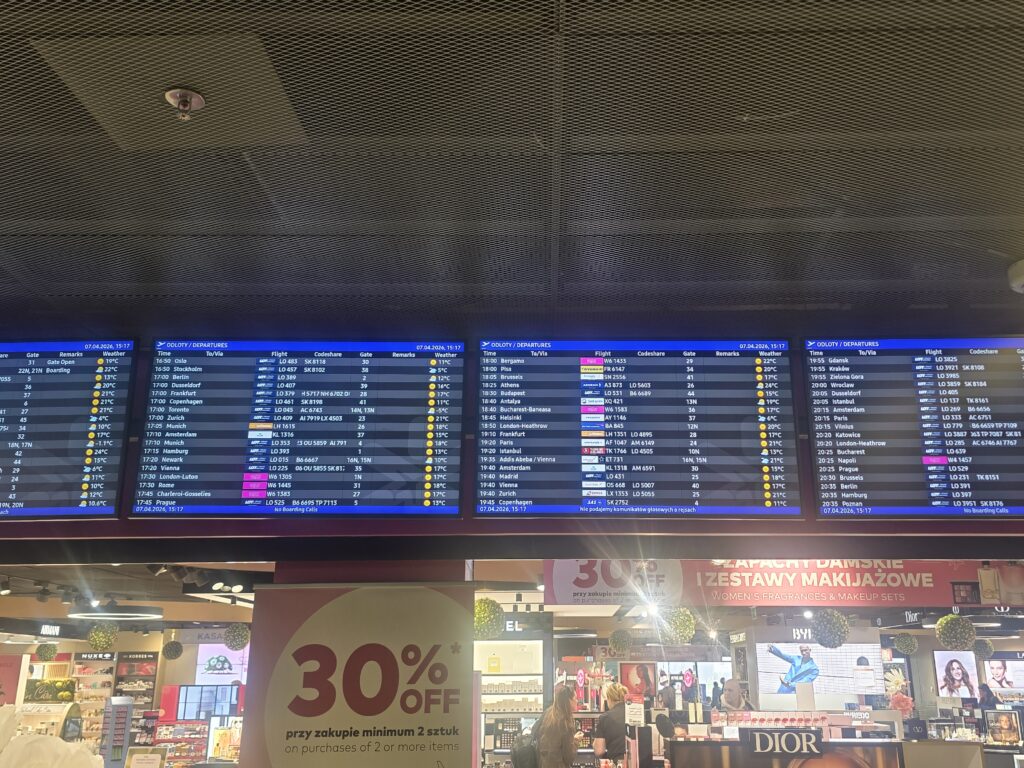
Safely back at Warsaw Chopin airport and ready for my next flight to Bucharest. As usual, there was a minimal wait for the security process and it took under five minutes from scanning my boarding pass to being airside.
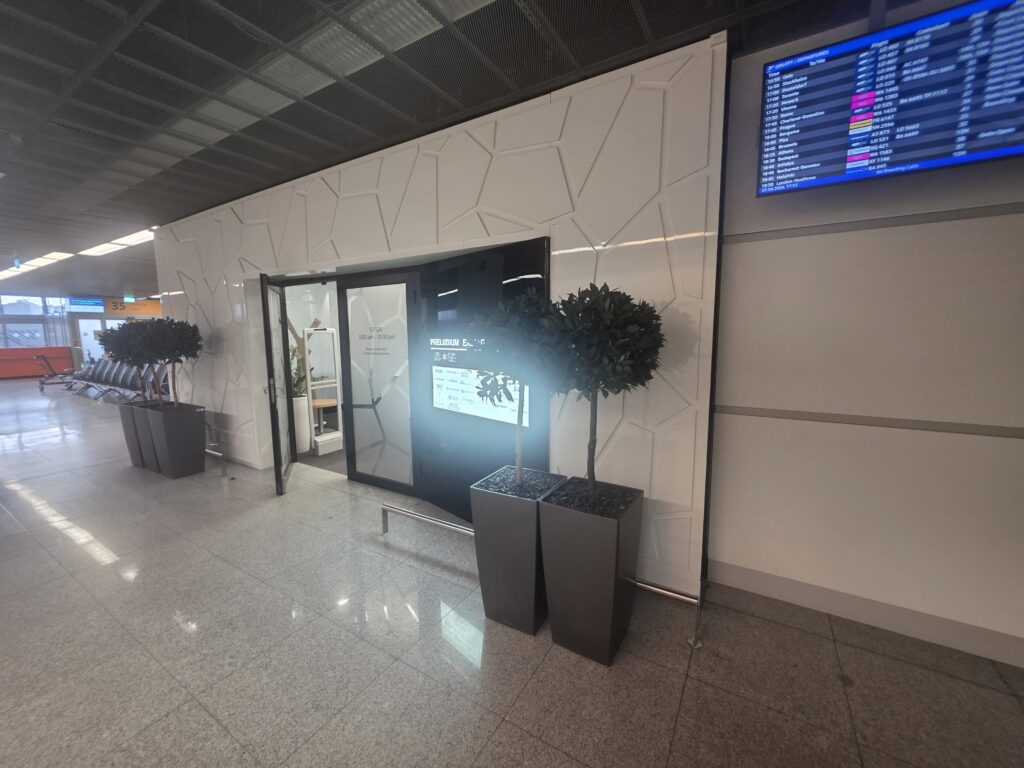
That meant a quick stop in the lounge.
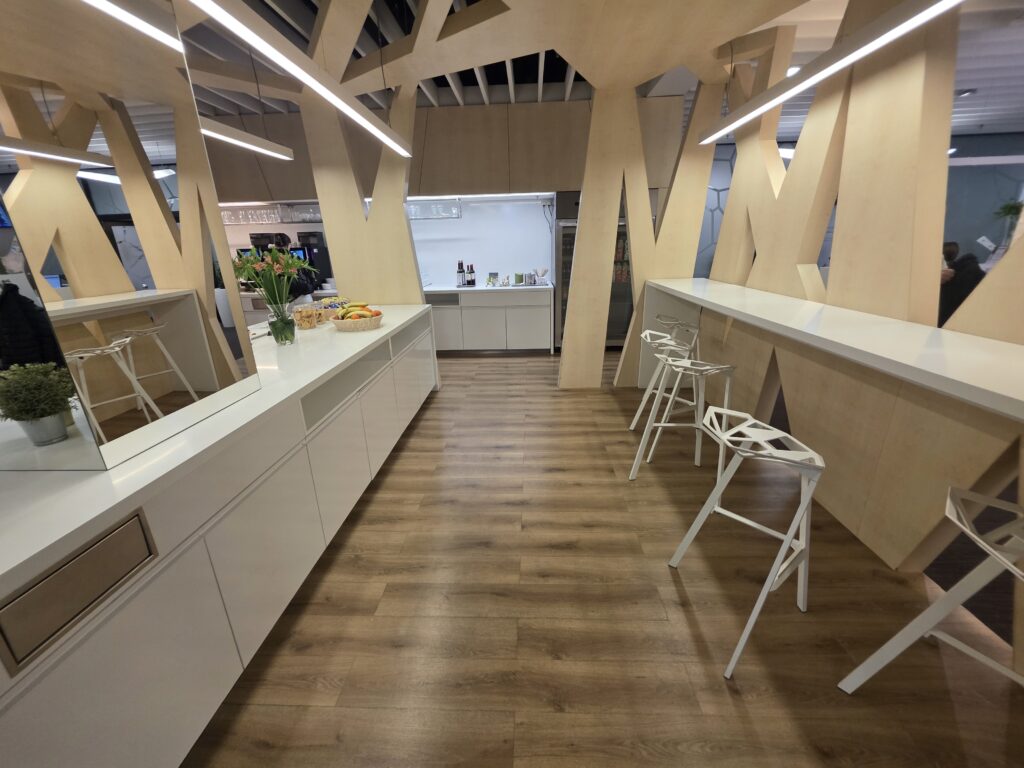
It was all clean, comfortable and spacious as usual, with plenty of power points available.
Very healthy.
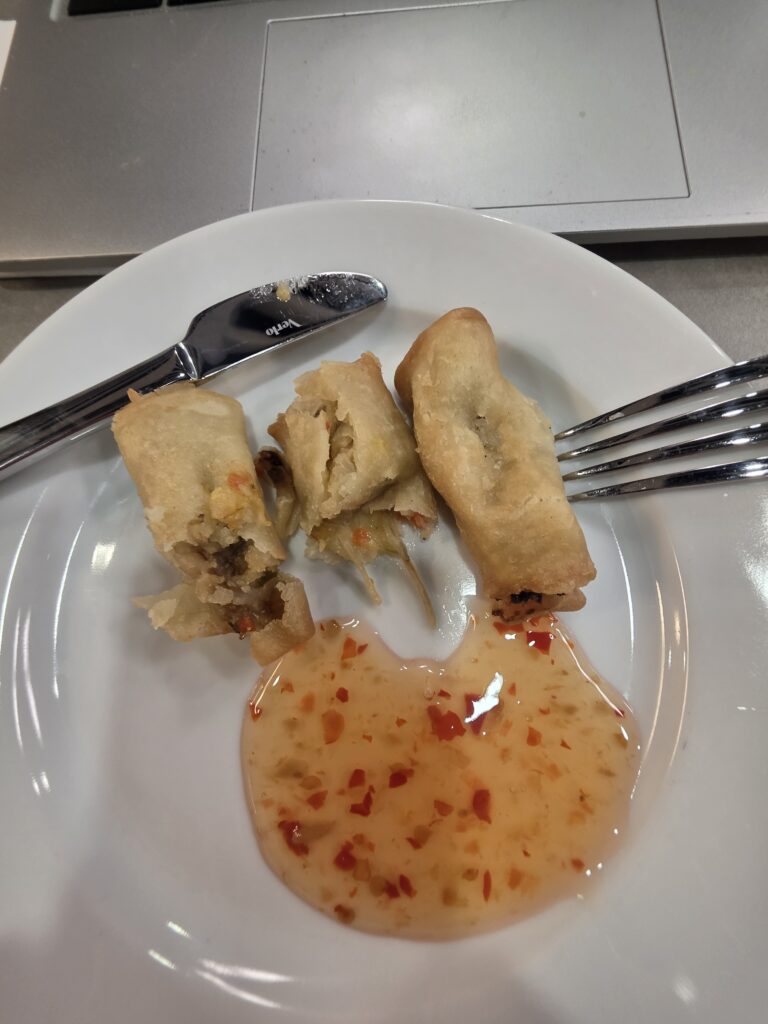
The spring rolls didn’t look entirely appetising as they were quite broken up, but it transpired that they were really quite agreeable.
The boarding process was efficient and I was flying within the Schengen zone, I didn’t have to wait for an hour for the EES system like last week.
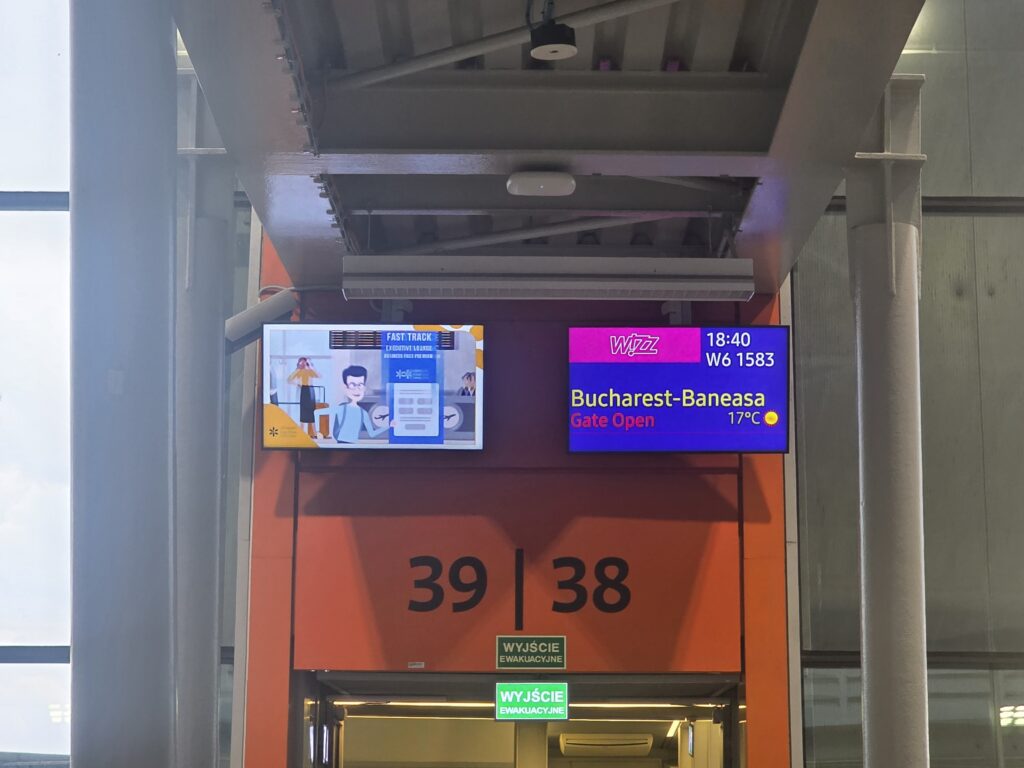
Oh good, a bus gate.
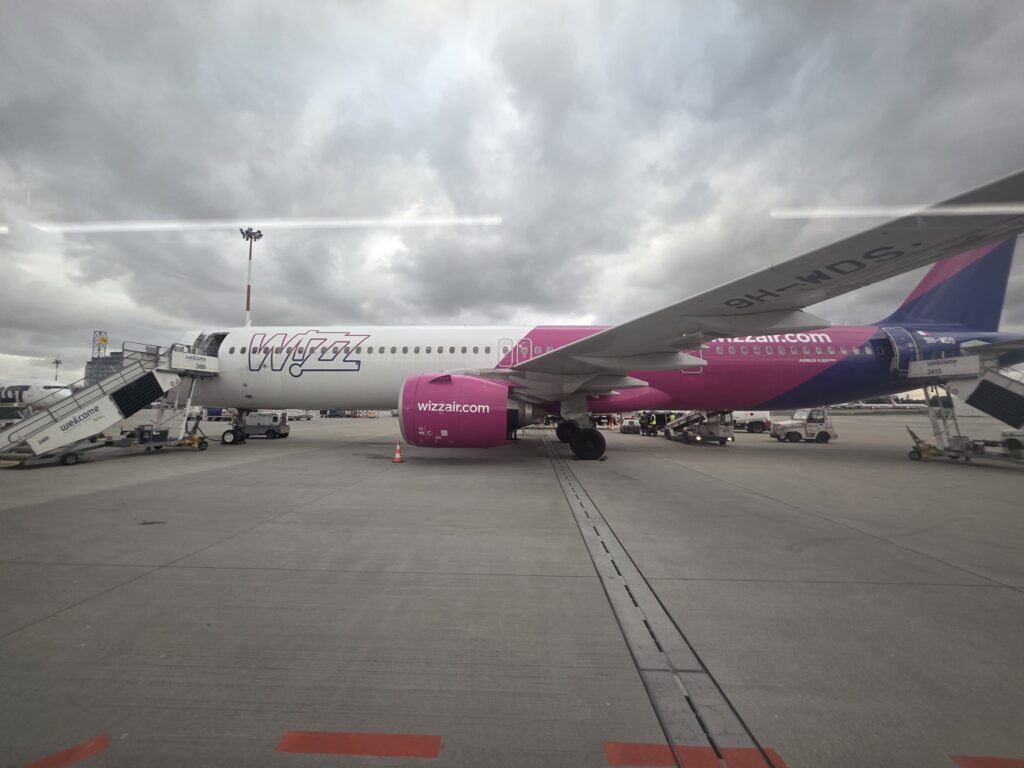
And ready to board. It’s aircraft 9H-WDS, which entered Wizz Air’s fleet in late 2023 and appears to be yet another aircraft that I haven’t been on.
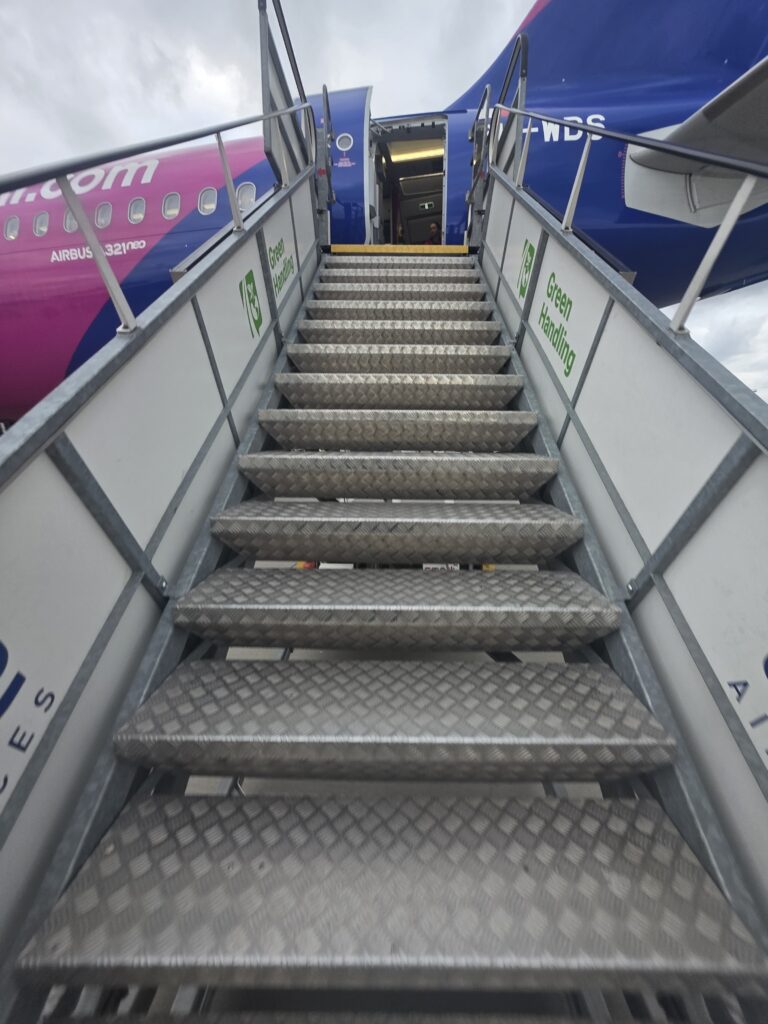
Unusually, I was first to board the aircraft. The excitement of it all….
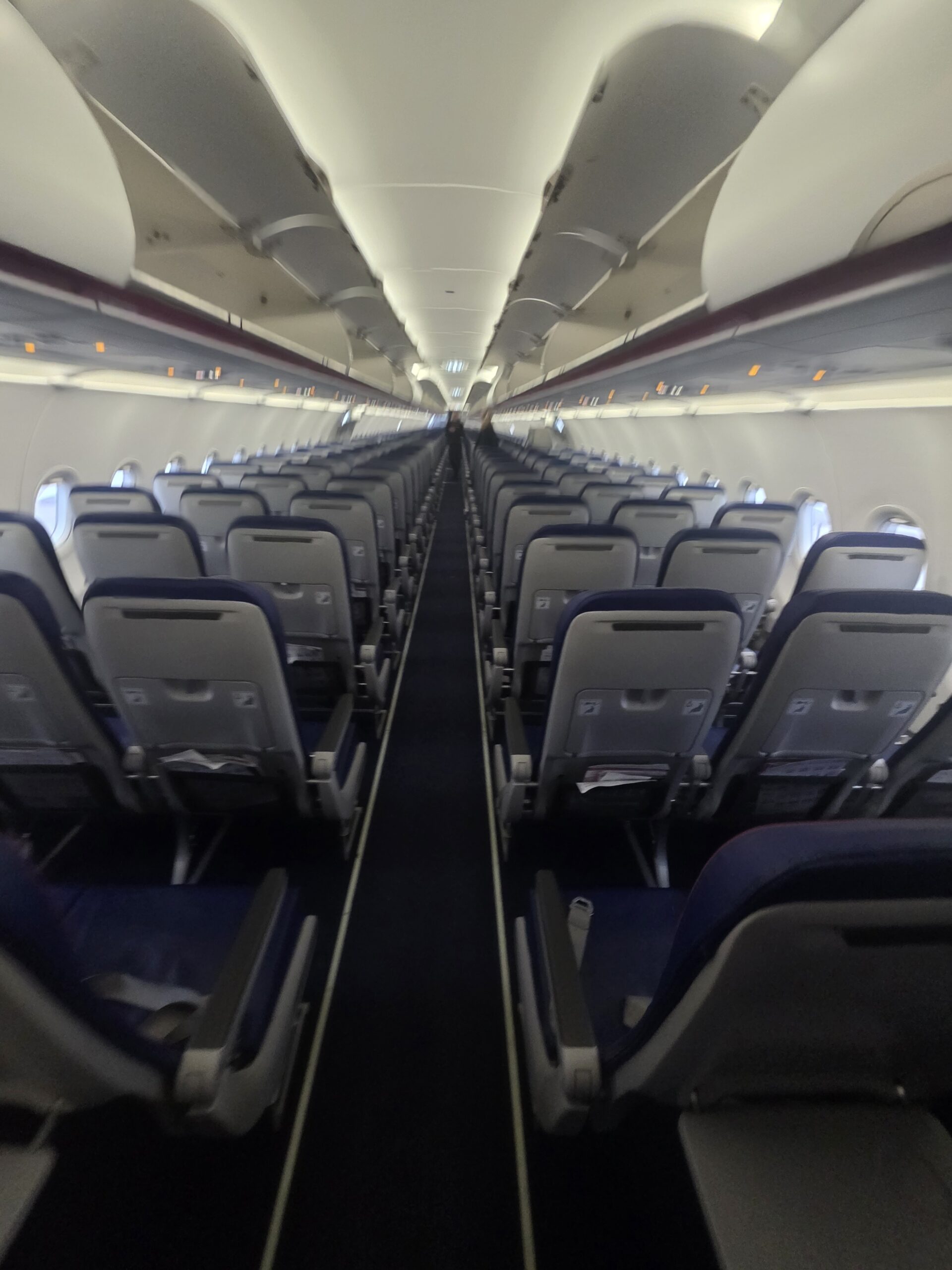
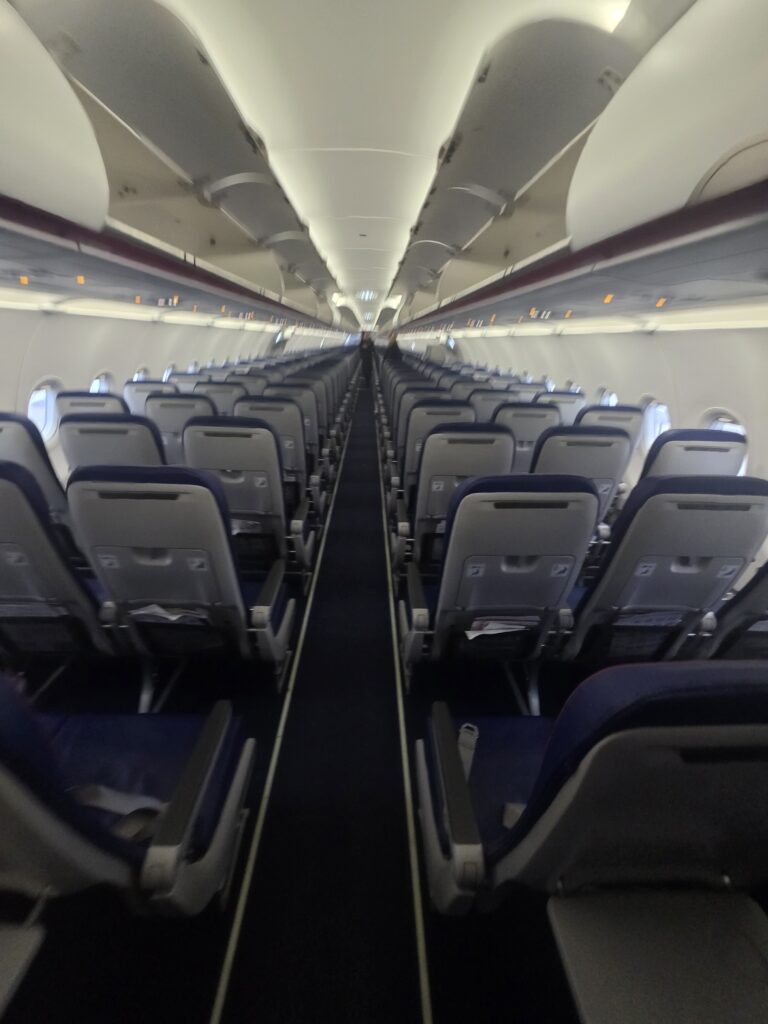
So here’s a photo of an empty cabin, I don’t get to post these very often.
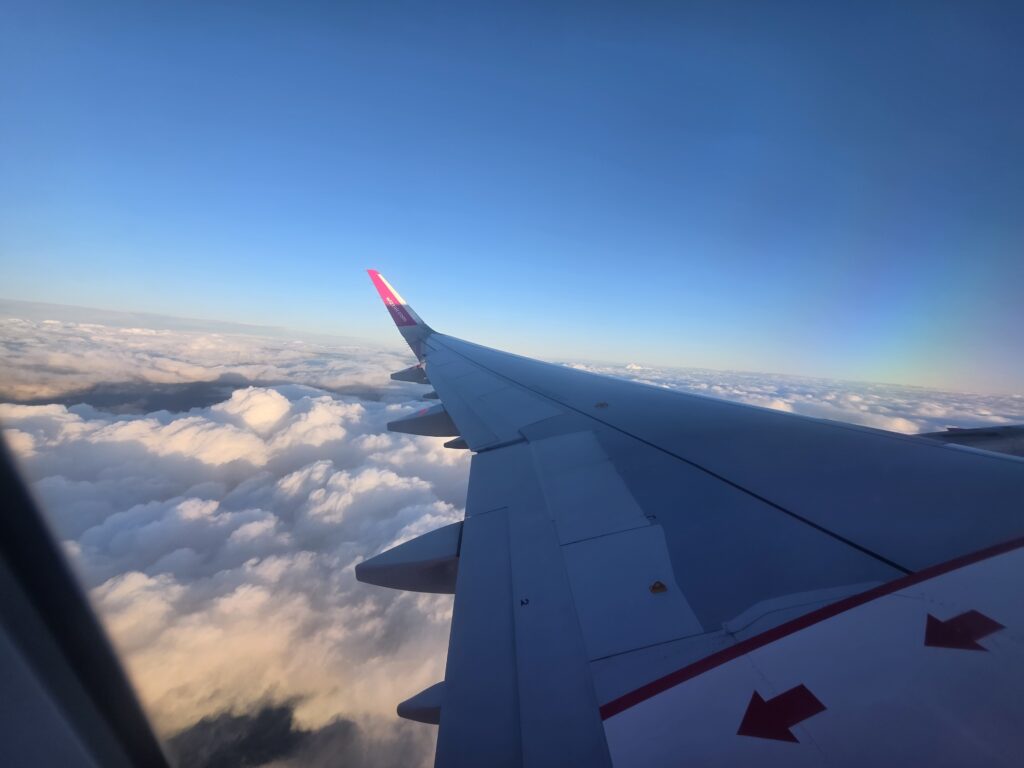
The seating Gods had given me a window seat and also no-one sitting next to me, which was all very handy. Wizz Air seems to pad their schedules to cover a small delay so the estimated one hour fifty minutes flight time was actually only eighty minutes. The crew were friendly, the aircraft were clean and, once again, there were no negatives for me to mention.
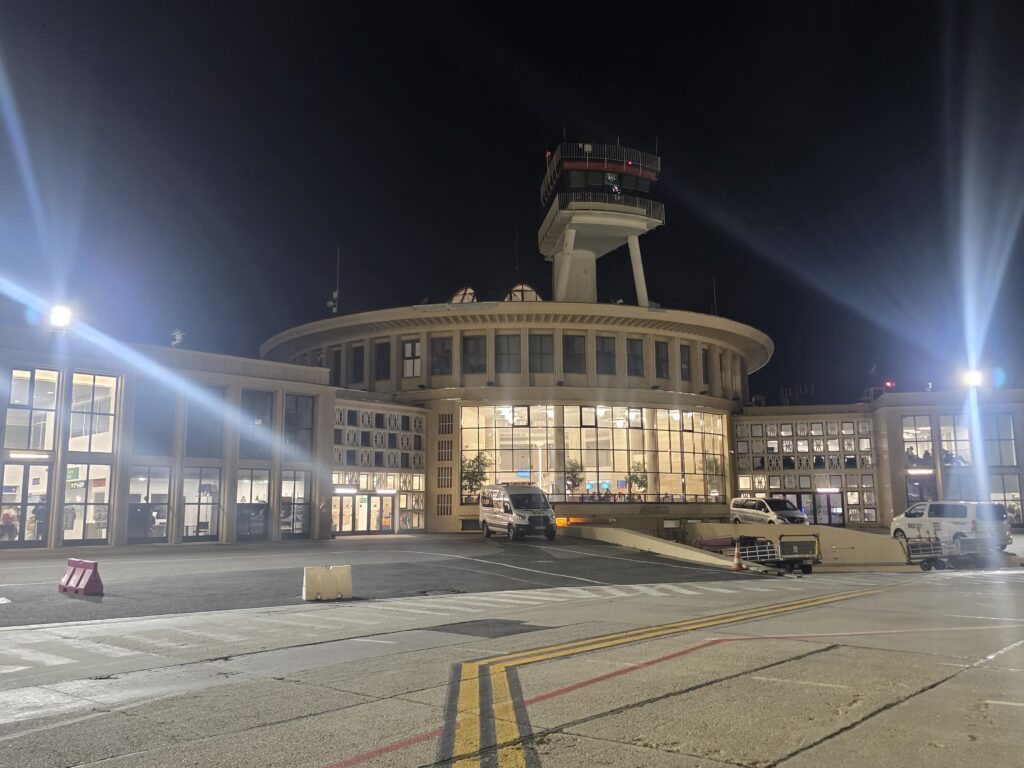
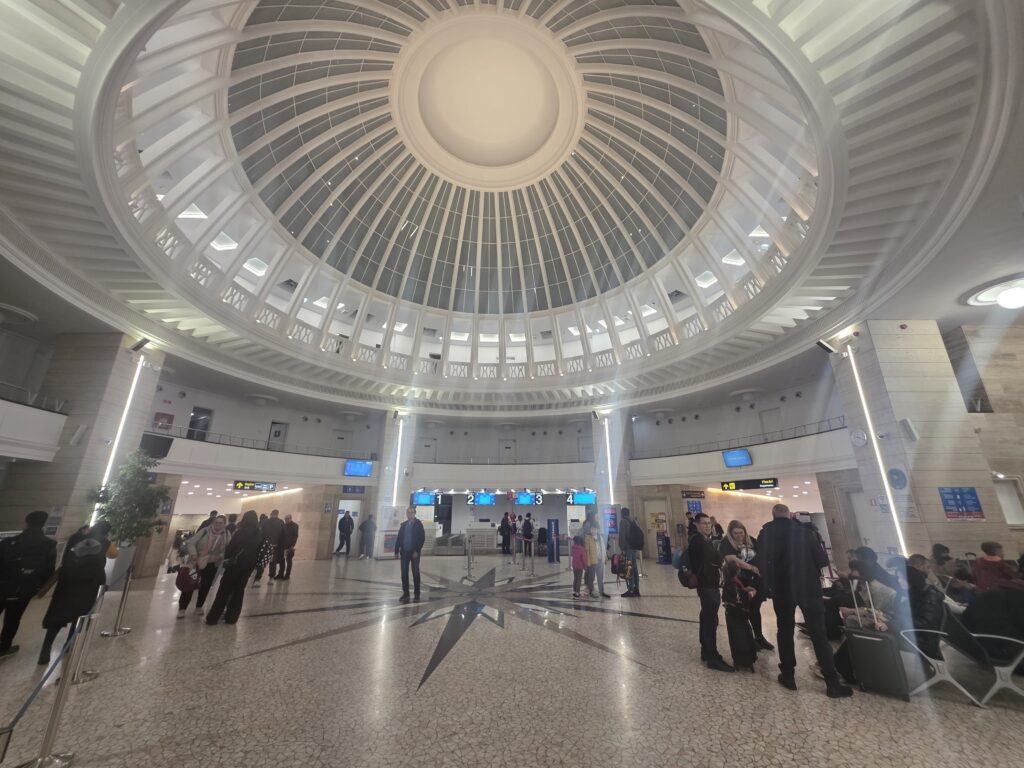
Safely in Bucharest on time and able to walk to the terminal.
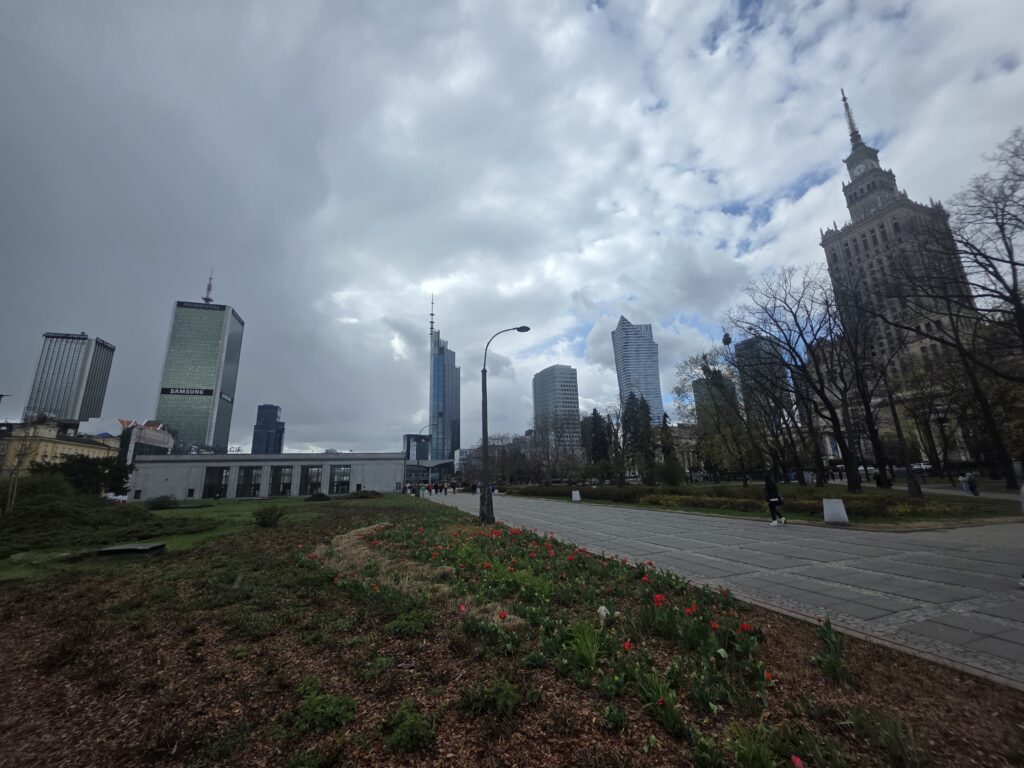
I was only in Warsaw for a few hours before it was necessary to return to the airport for the next part of my little expedition. In the centre-left of the photo is Warszawa Śródmieście railway station.
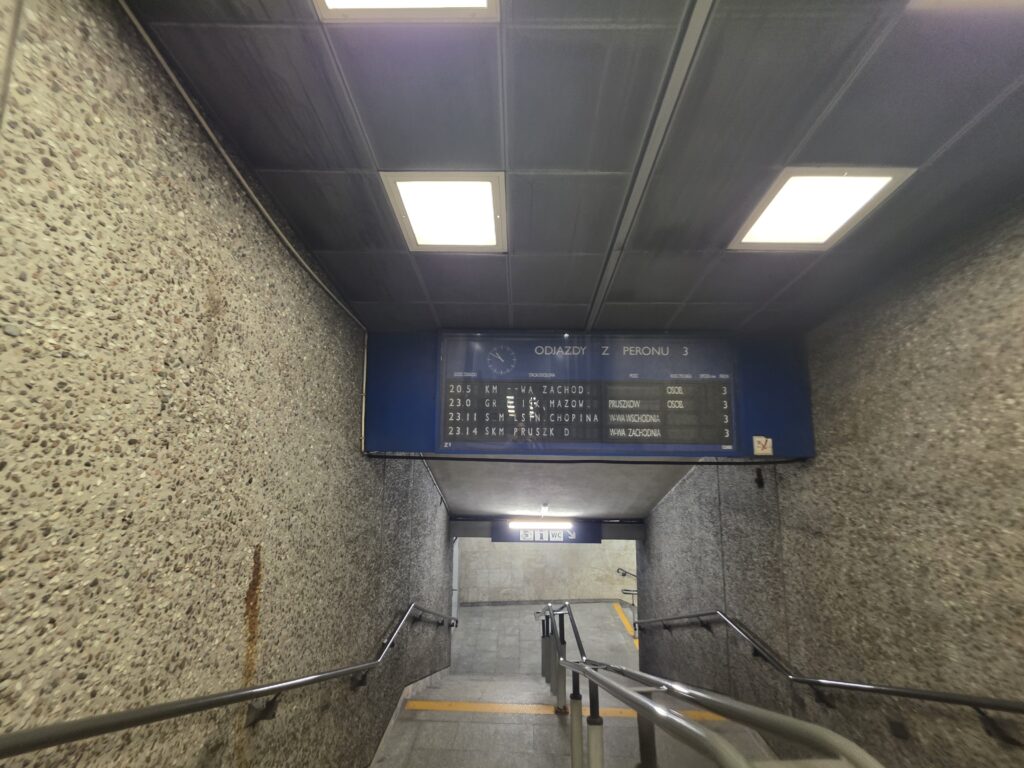
Down to the platforms.
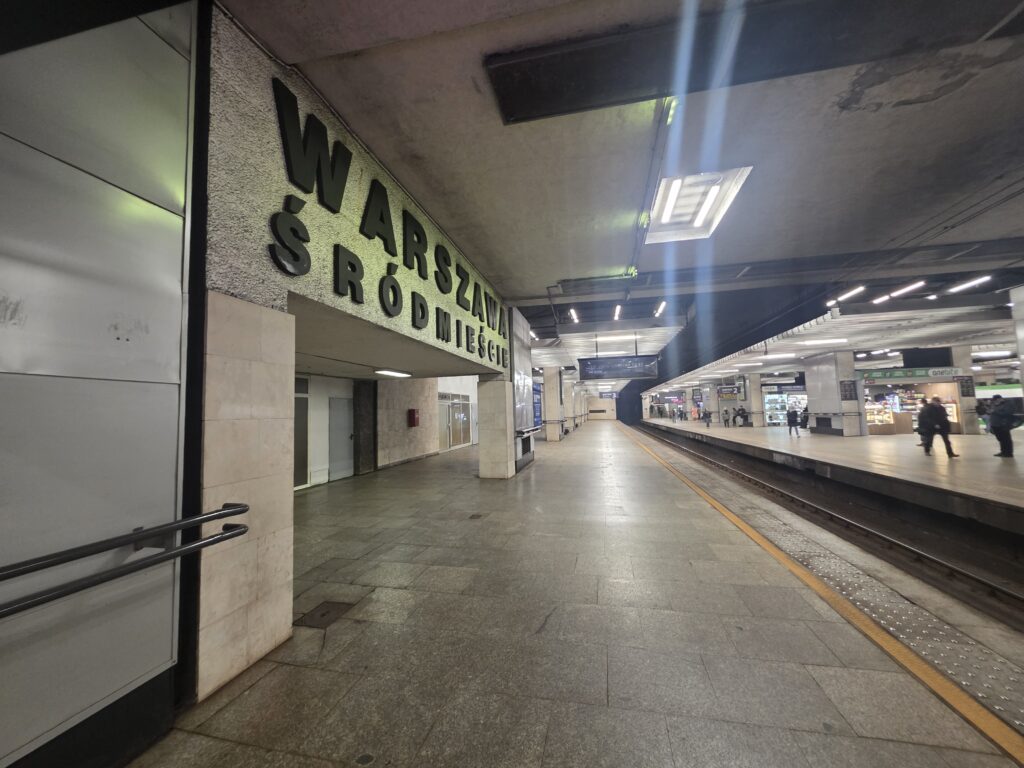
The station was built between 1955 and 1963, initially using the Spanish solution of platforms (where passengers disembark from one side and get on from the other side) although they had abandoned that by the 1980s.
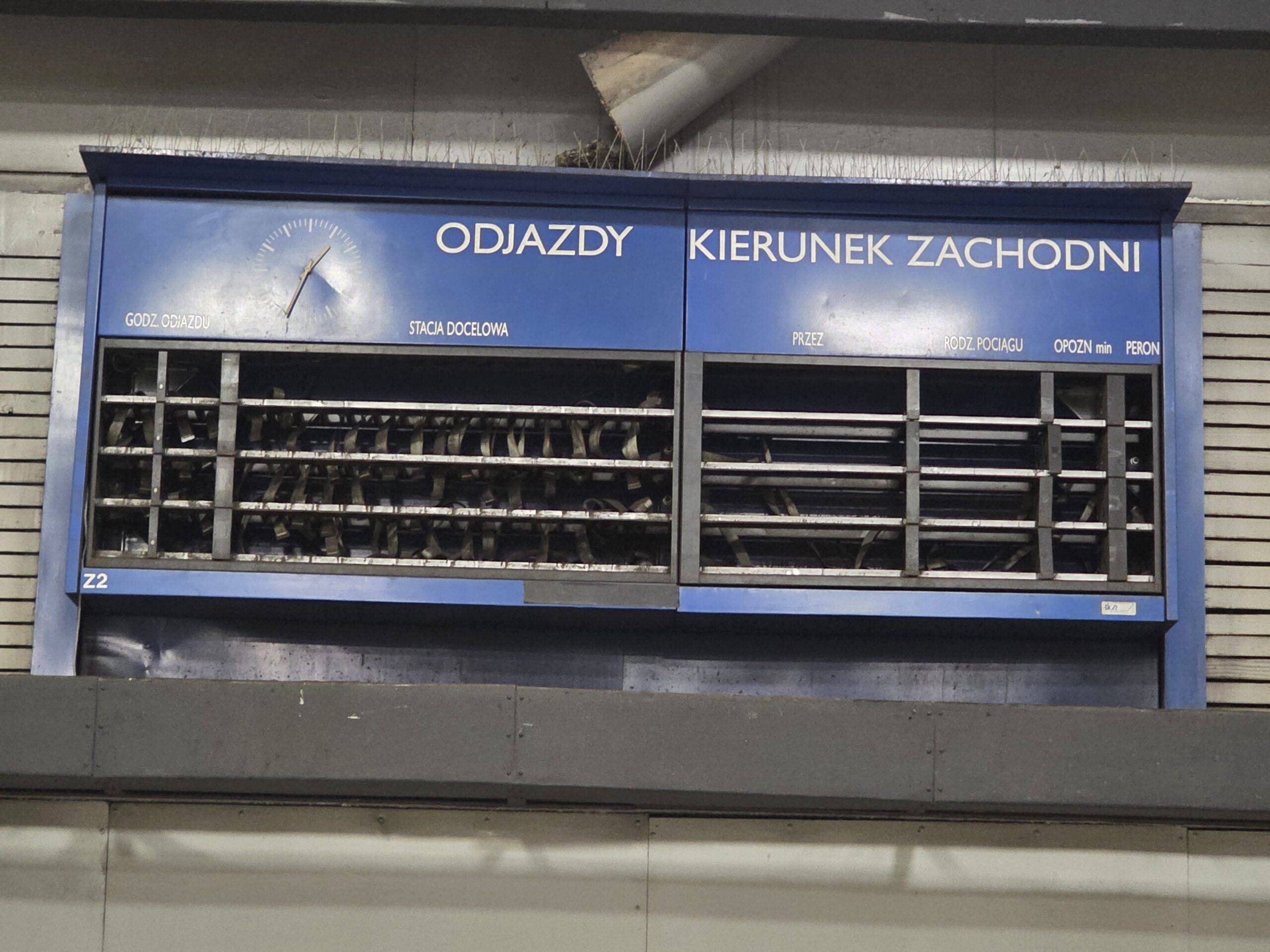
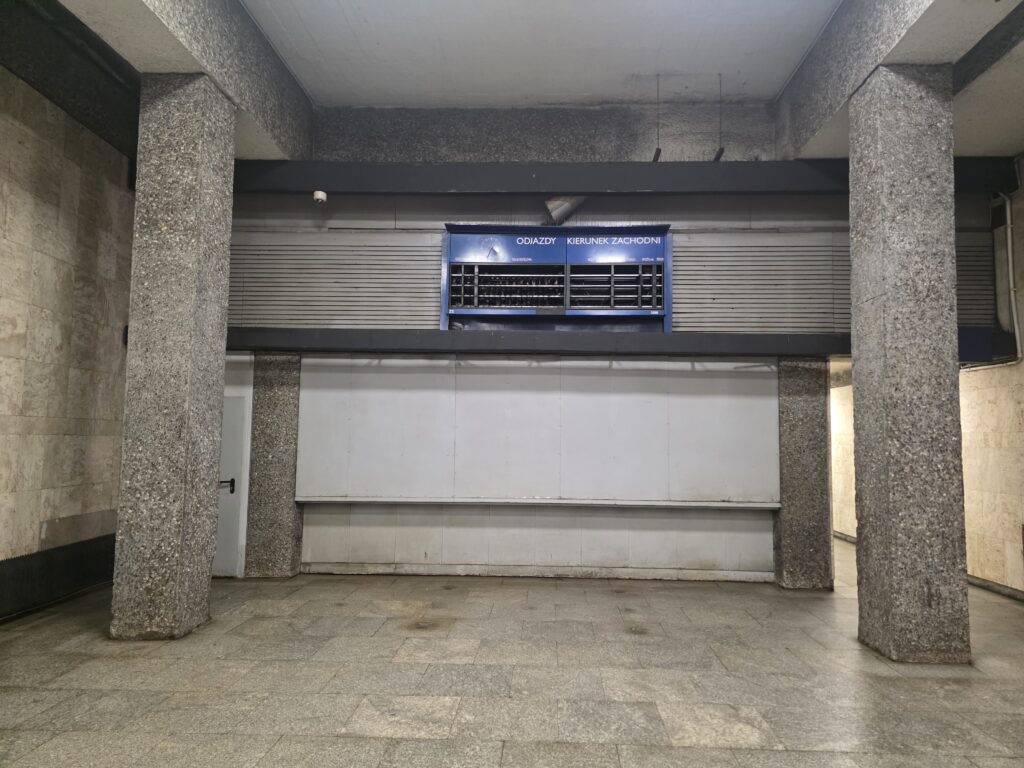
It would not be unkind to say that the station is past its best.
The station was modernised a bit in 2006, but has remained fairly unloved since then.
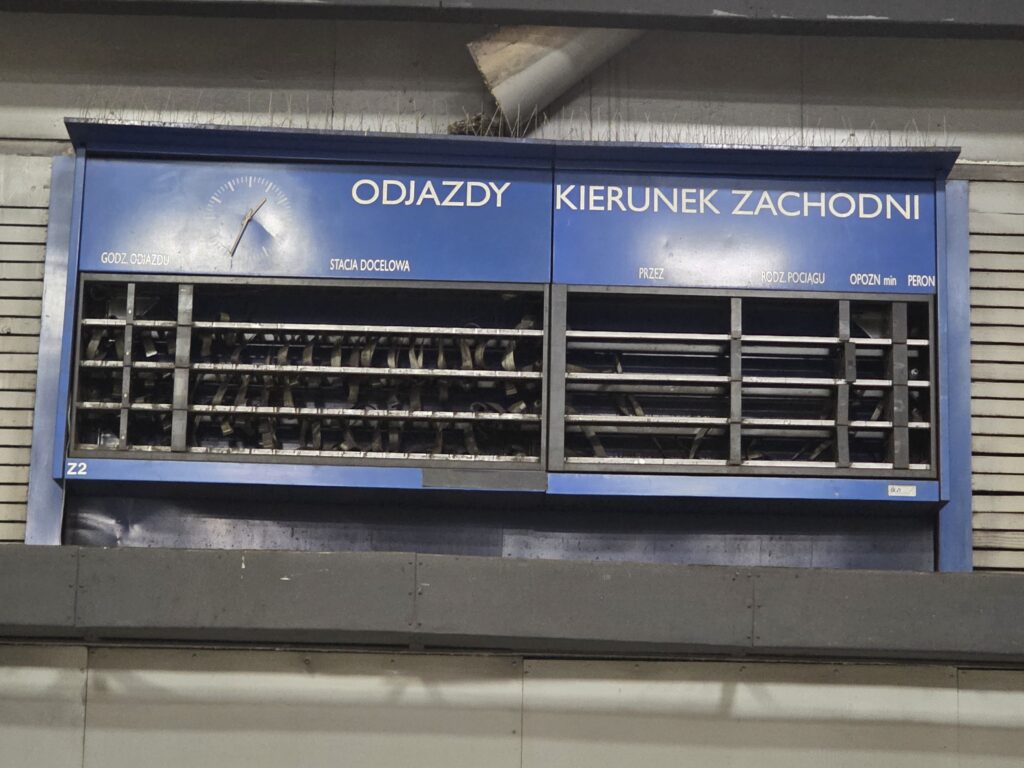
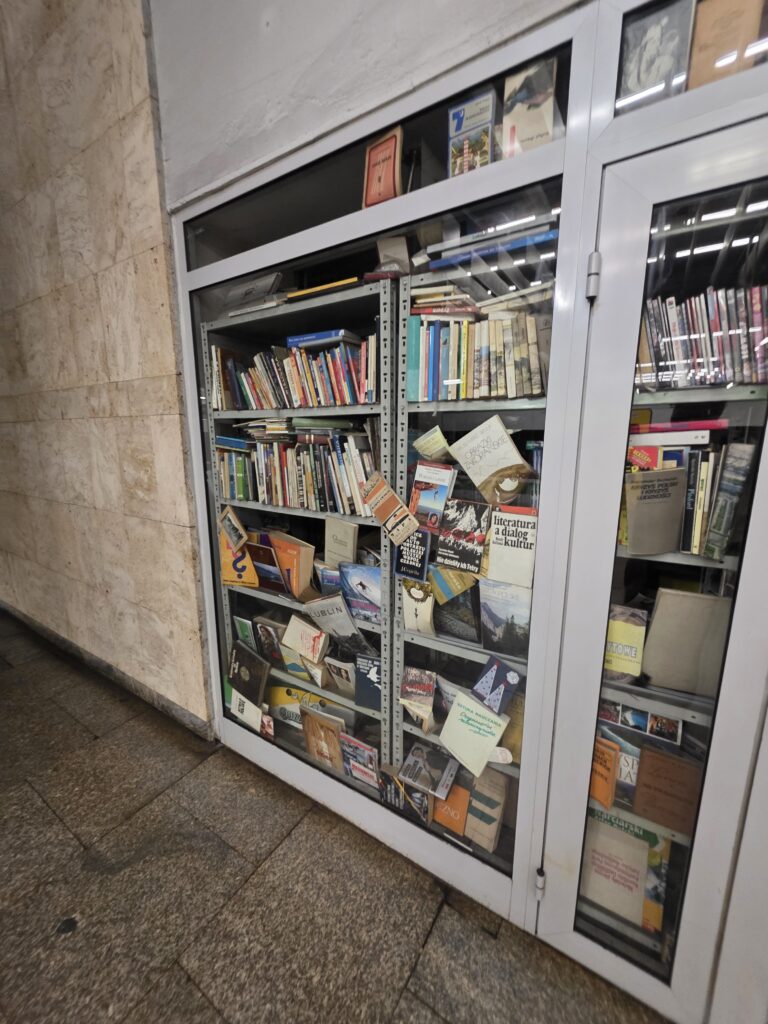
This book stall hasn’t been open in the years that I’ve been using this station.
The station is useful for S2 connections to Chopin airport, and this journey means that it’s the end of another Warsaw trip. This one was really quiet brief.
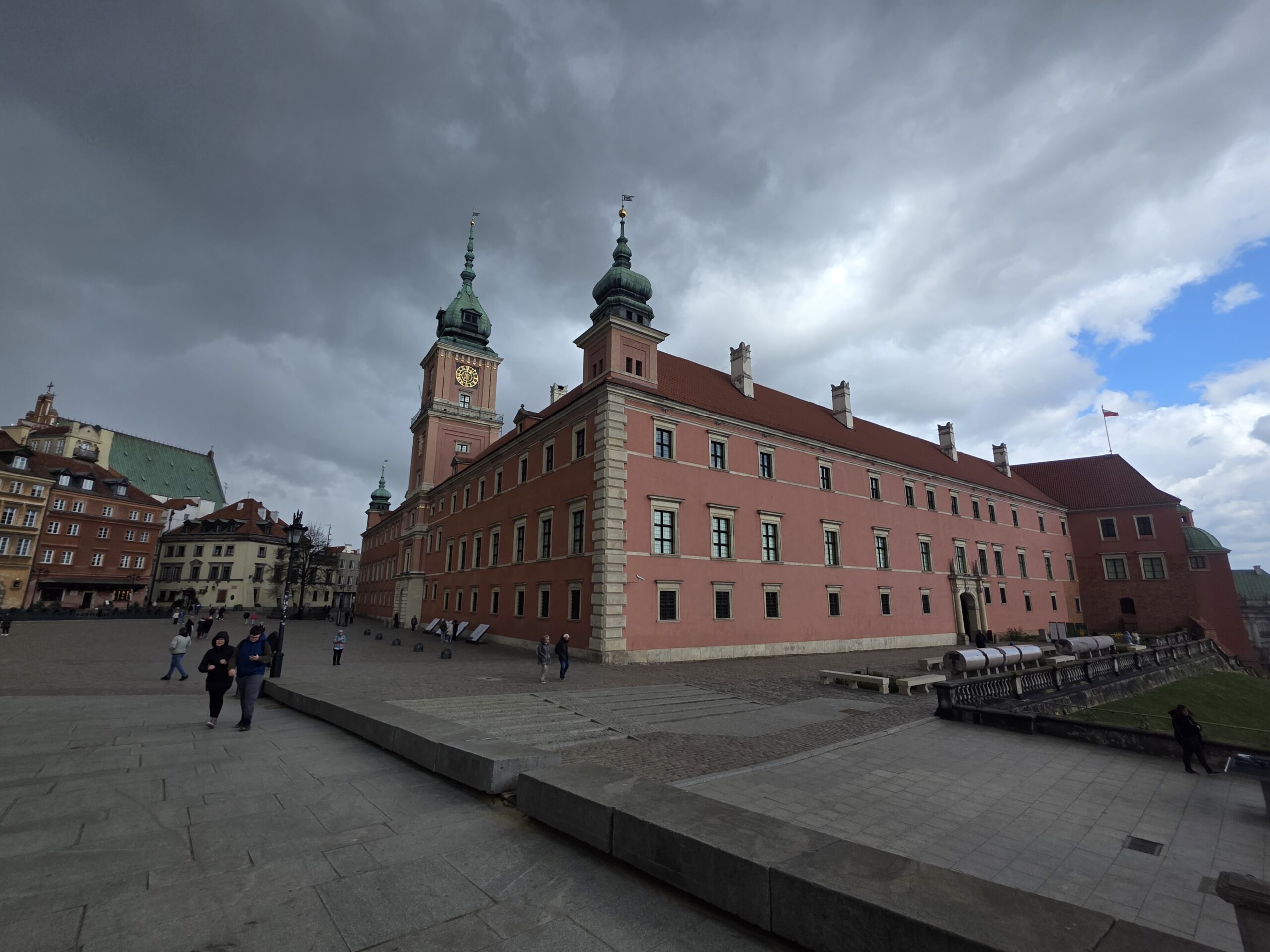
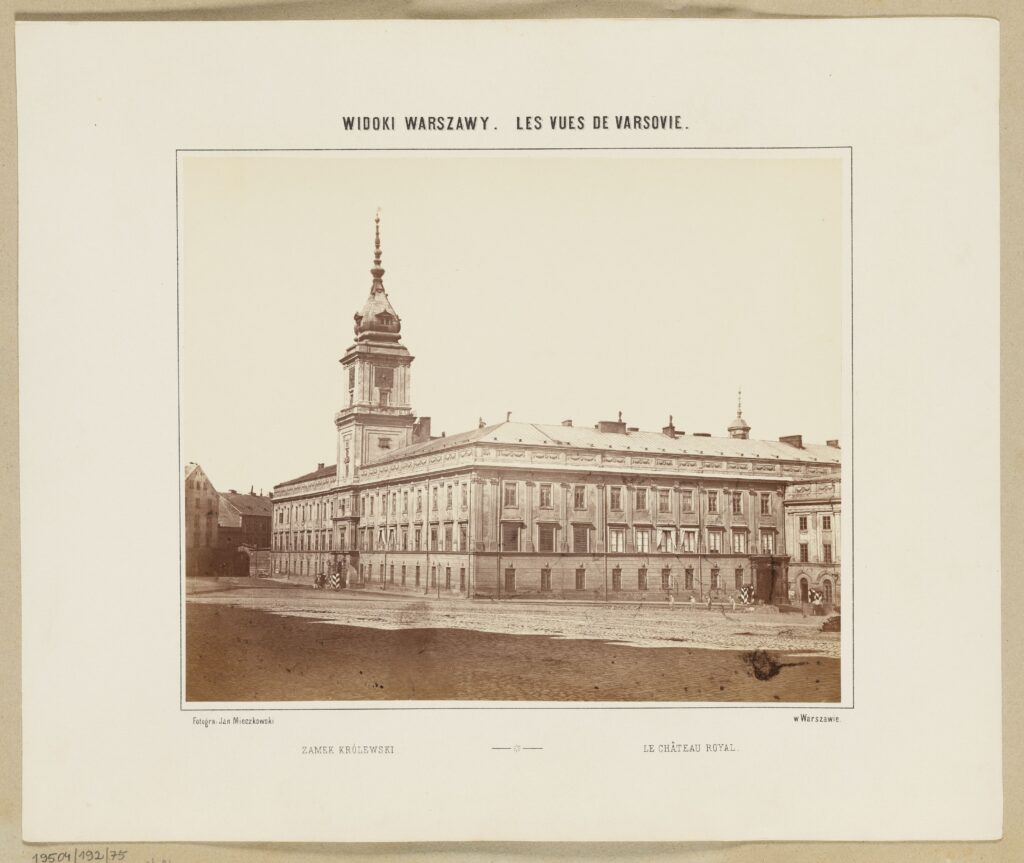
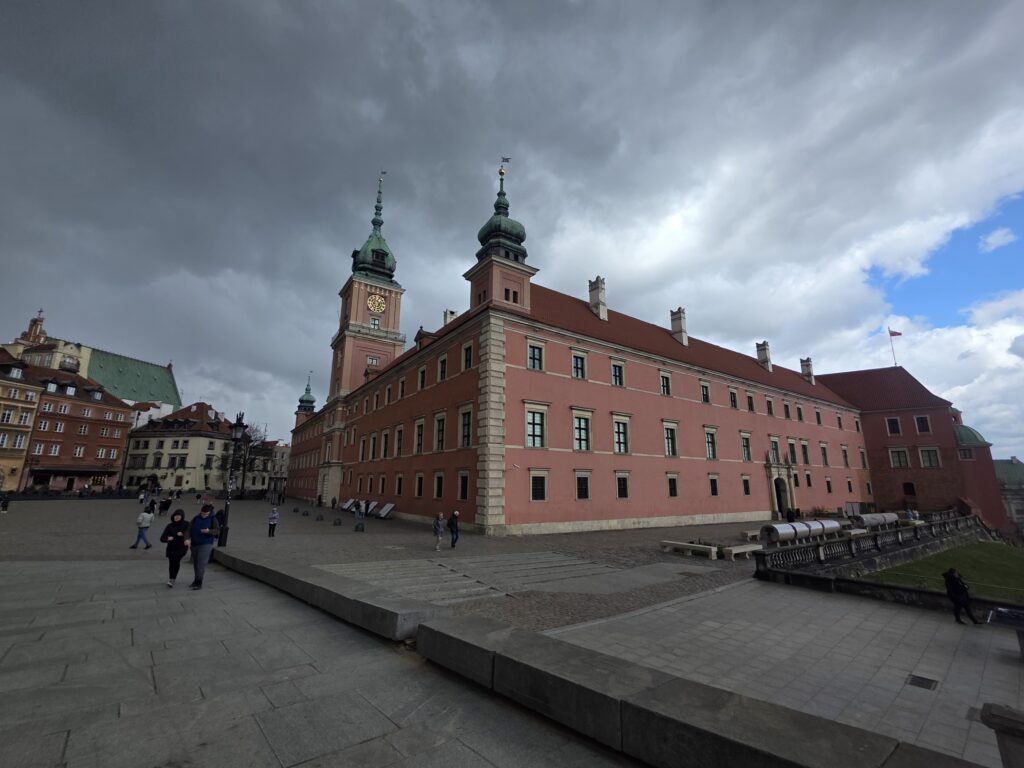
And this is what it looks like now. There are some changes that are evident if counting the number of windows, but this remains an impressive rebuilding of a structure as it was entirely demolished by the Germans during the Second World War. Well, other than a couple of small sections of walls, but otherwise the destruction was complete.
There’s one hero in all this, namely Stanisław Lorentz (1899-1991) who was a museum official who was able to take numerous exhibits to save them, including from the Royal Castle. He continued to rebuild the museum service in Poland after the end of the Second World War and he was later involved with the committee that rebuilt the structure between 1971 and 1984. There must have been something very satisfying about being able to watch the rebuilding of not just the rebuilding, but also galleries and museums across the city.
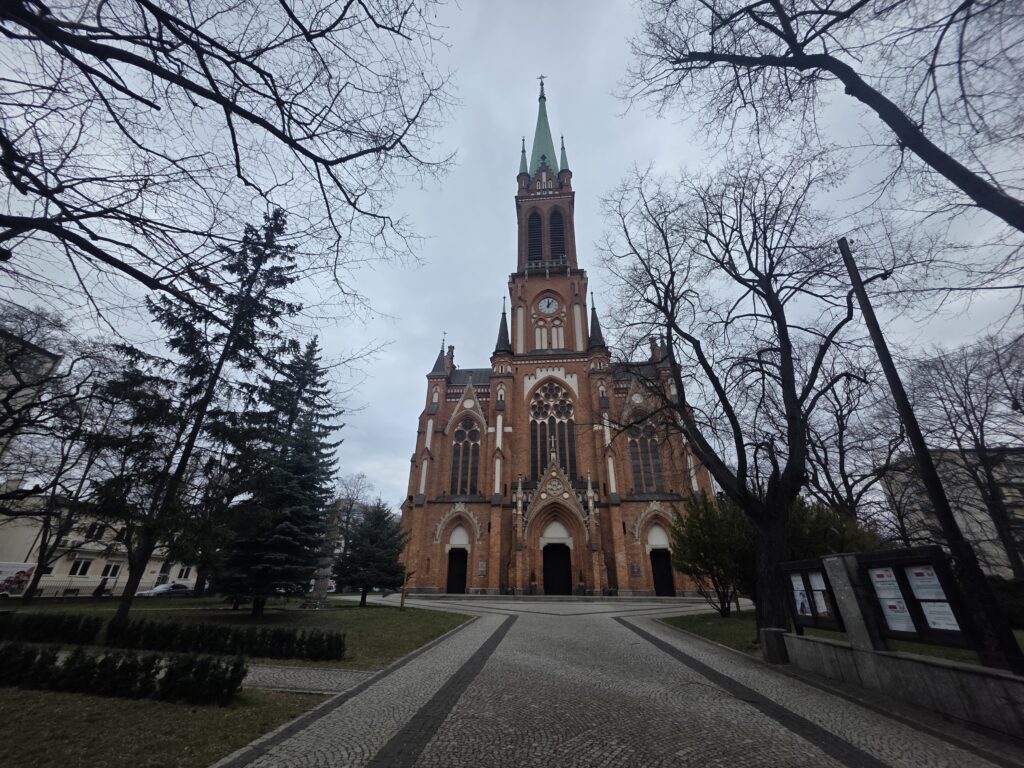
Carrying on from the first part of my post, this is Kościół św. Wojciecha or the Church of St. Wojciech. St Wojciech parish in Warsaw’s Wola district was established in 1927, though plans to build the church itself began in 1898.
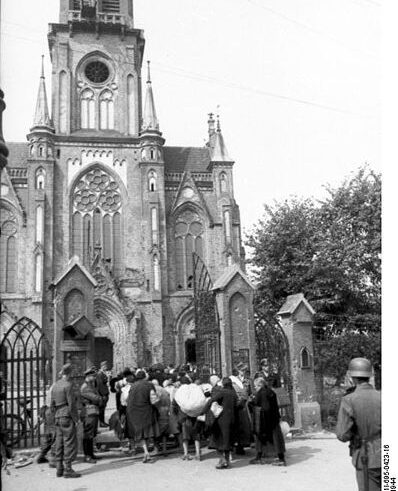
It was heavily damaged in September 1939 and during the Warsaw Uprising the Germans used it as a transit camp for civilians expelled from the city, where clergy tried to help those imprisoned there and some were killed. The church was rebuilt following the end of the Second World War and it’s hard to imagine the terrors, such as those in the above photo, that took place here.
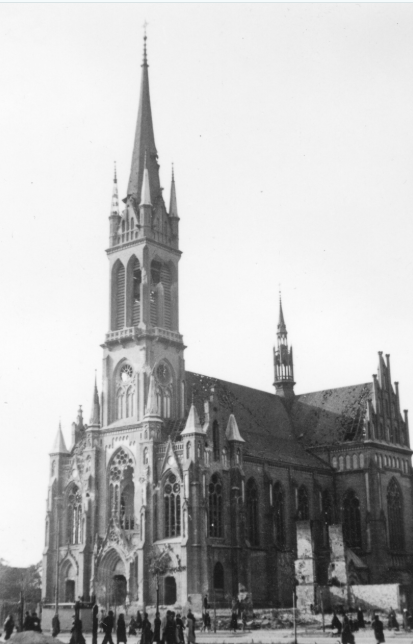
This is a German photo from around 1941 showing the damage which had been done to the church in 1939.
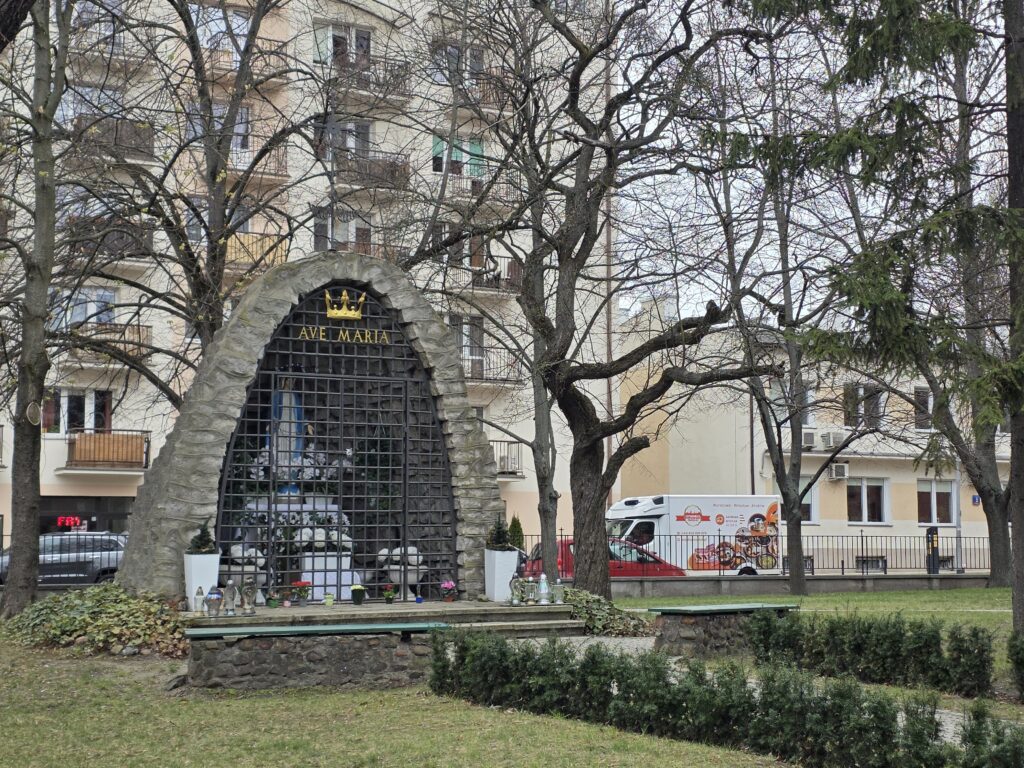
The grotto outside of the church.
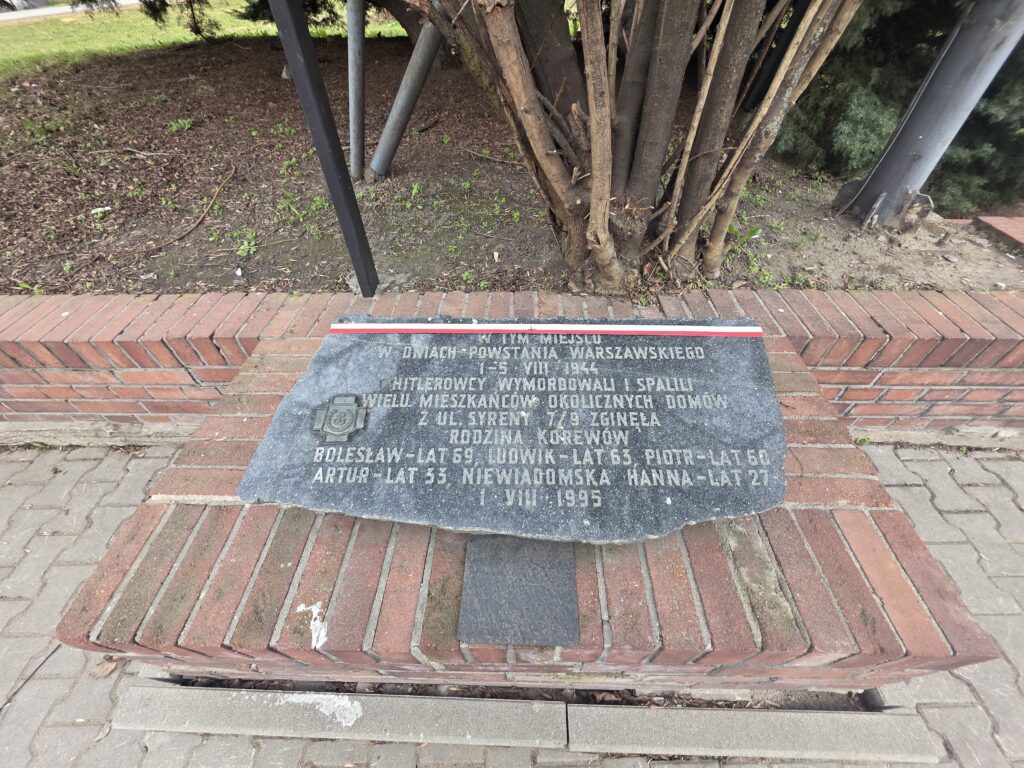
This memorial reads:
“At this site, during the Warsaw Uprising from 1 to 5 August 1944, German forces murdered and burned many residents of nearby homes. Among those killed from 7/9 Syreny Street were members of the Korzeń family: Bolesław, 69; Ludwik, 65; Piotr, 60; Artur, 33; and Hanna Niewiadomska, 21. Unveiled on 1 August 1995.”
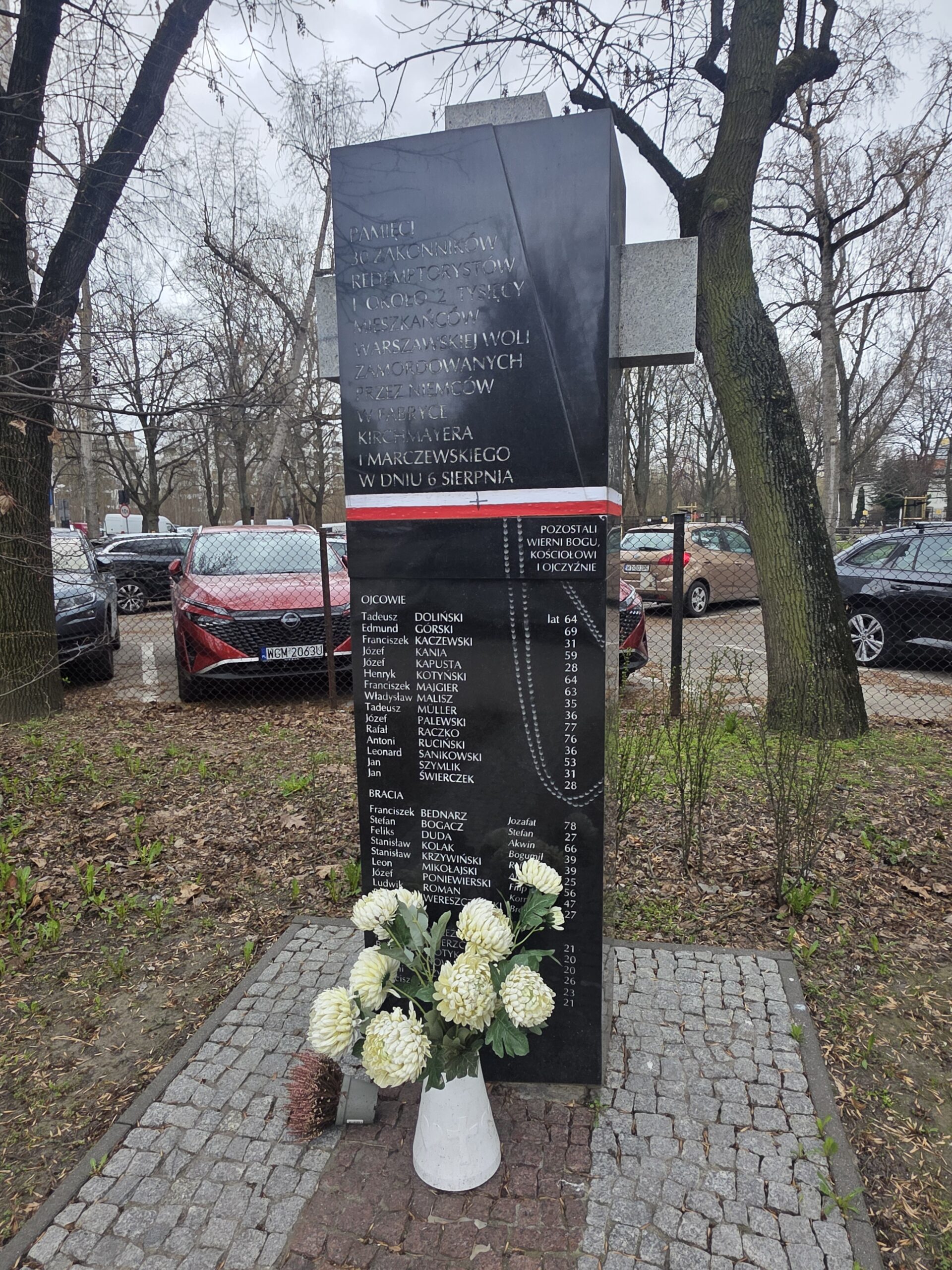
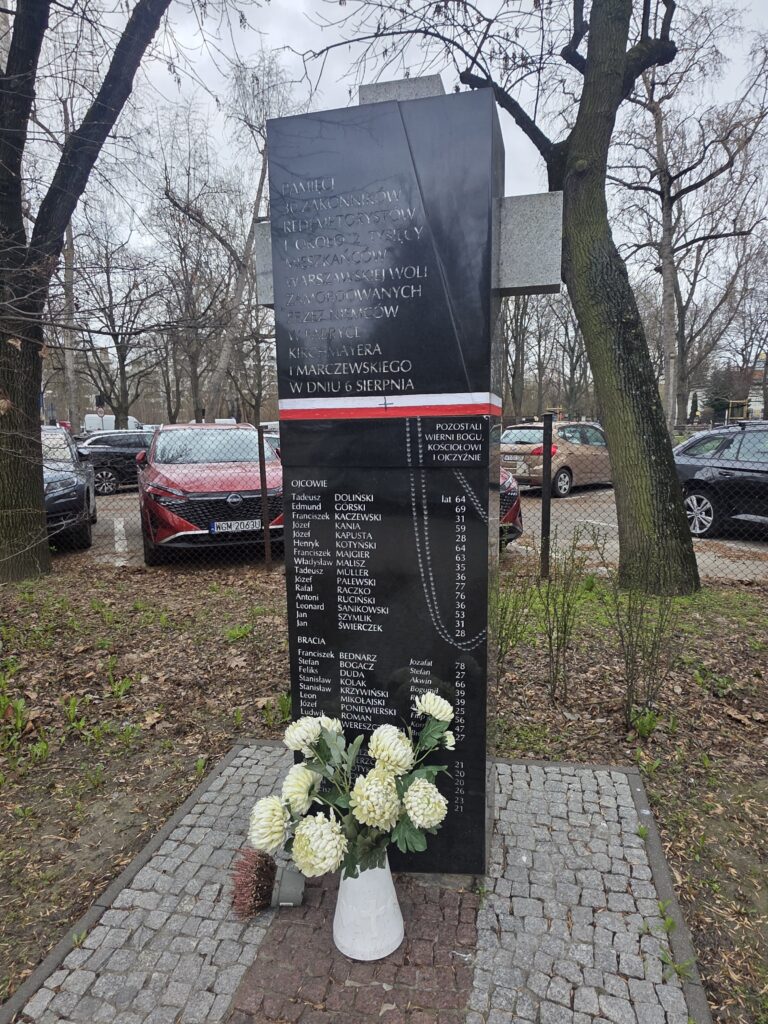
This memorial reads:
“In memory of 30 Redemptorist monks and about 2,000 inhabitants of Warsaw’s Wola district who were murdered by the Germans in the Kirchmayer and Marczewski factory on 6 August. They remained faithful to God, the Church and their homeland.”
When I was taking this photo, an elderly lady came up to talk to me. She was putting flowers down and telling me something in Polish about her family, but unfortunately that was the limit of my understanding. Realising I was British, she pointed to other monuments, thanking me several times for what I assume she thought was my interest in the heritage of the city. If it’s the case that this monument represents members of her family, that would have been something of a privilege, so I’m going to assume that it’s that.
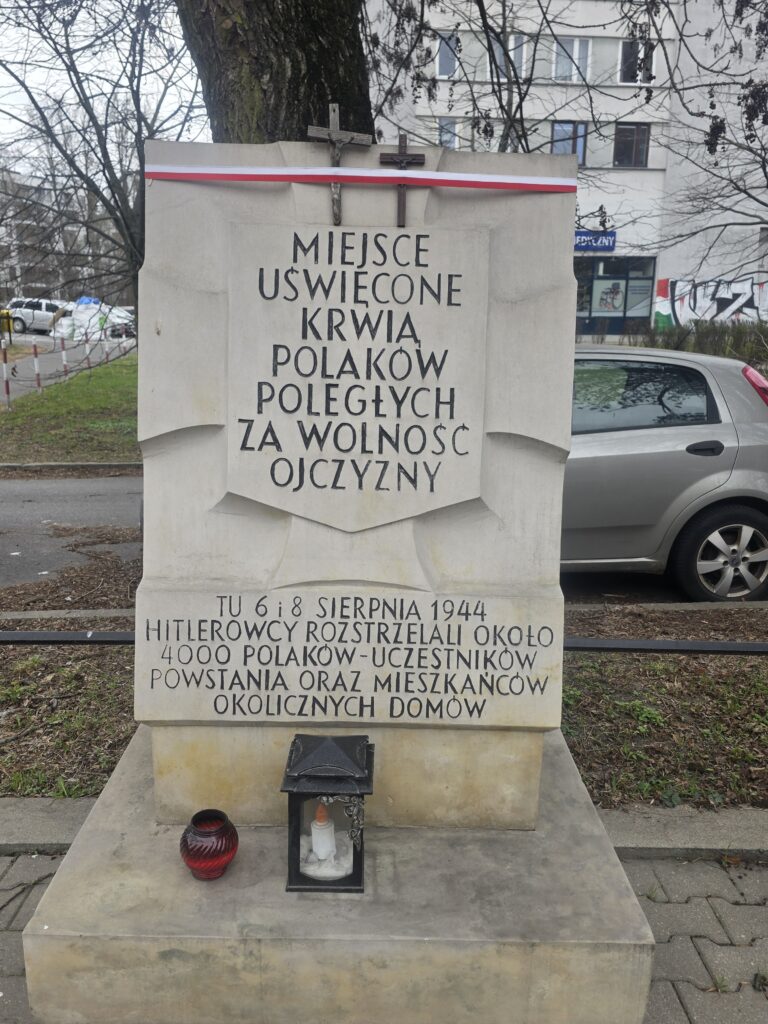
This memorial reads:
“This place is consecrated by the blood of Poles who died for the freedom of their country. Here, on 6 and 8 August 1944, German forces shot around 4,000 Poles, including participants in the Warsaw Uprising and residents of nearby homes.”
The Wola Massacre was one of the worst war crimes of the Second World War. I’ll leave this with a quote from a mother who lost her son as part of the murders.
“We were halted, ordered to stand facing the square where the machine guns were positioned, and immediately the first bursts were fired. Hit people fell, shrieking and screaming.
I saw my husband and children go down and I collapsed myself, unhurt; already on the ground, I got a bullet in my left arm. Lying motionless on the corpses, I played dead.
After a while, the bursts died down; both nearby and farther away, I heard heavy steps and single shots. I understood that it was soldiers walking among the bodies, looking for survivors and finishing them off with handguns.
I lay there, quietly, for a long time, maybe two hours, and when I opened my eyes, I saw that the ‘Ukrainians’ were still in the square. My little son crawled up to me, wounded. I begged him to lie still and be silent, but he’d been shot through a lung and was in too much pain. An untimely move gave him away.
I heard heavy steps and a shot, and after that, my boy did not move anymore. From the town hall building a burning window frame fell to the street, and I saw the clothes on my son’s dead body catch fire.”
That little boy could well still be alive today if not for the German massacre.
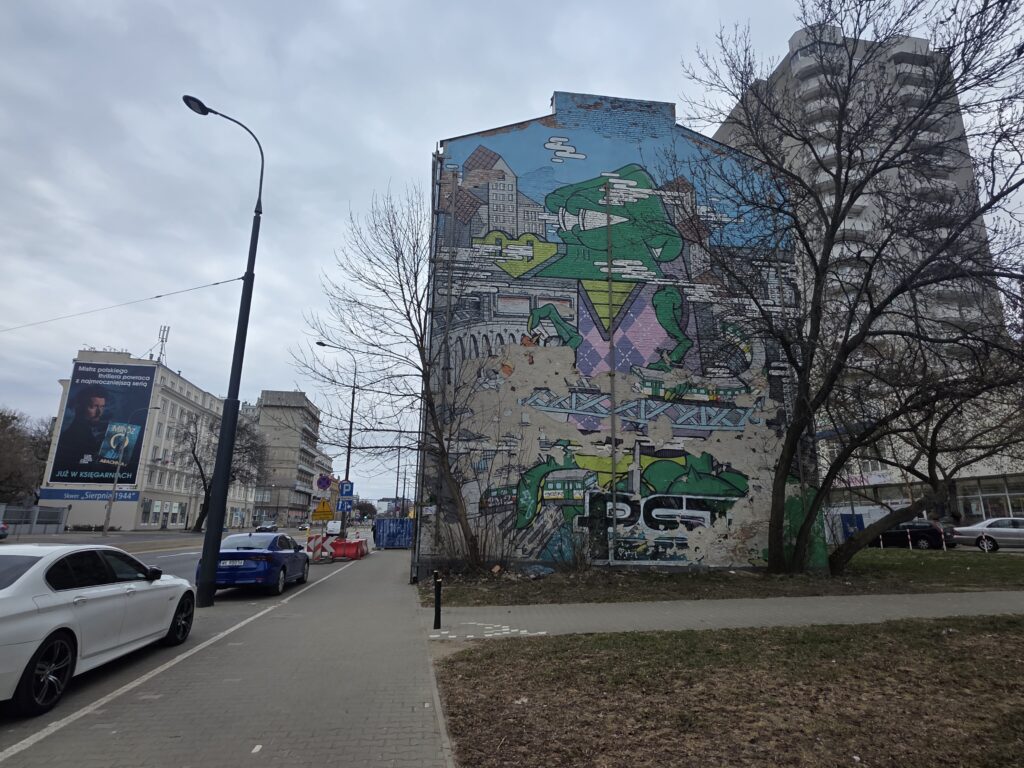
And some street art near the metro station to bring a little positivity to proceedings.