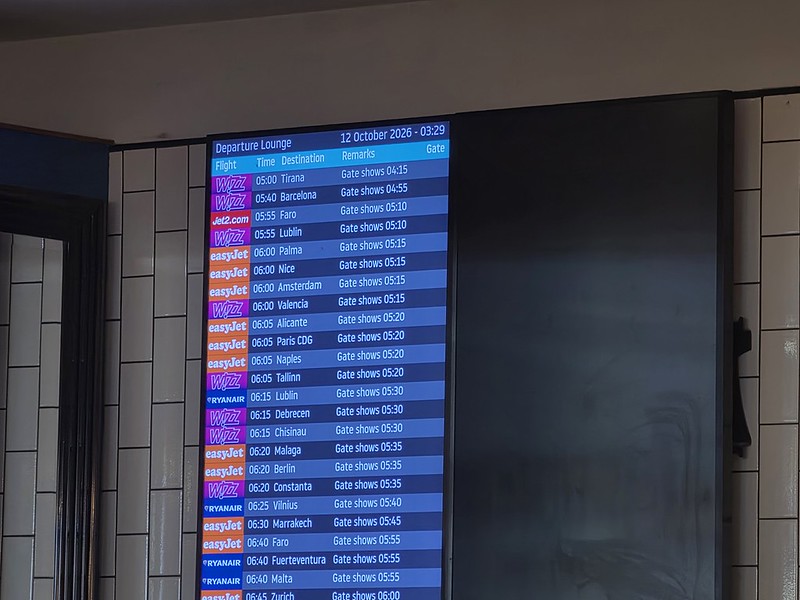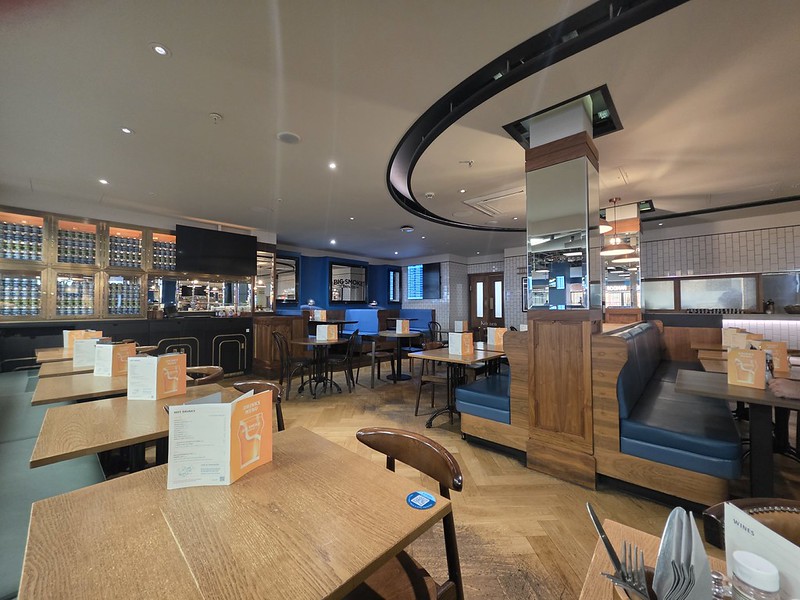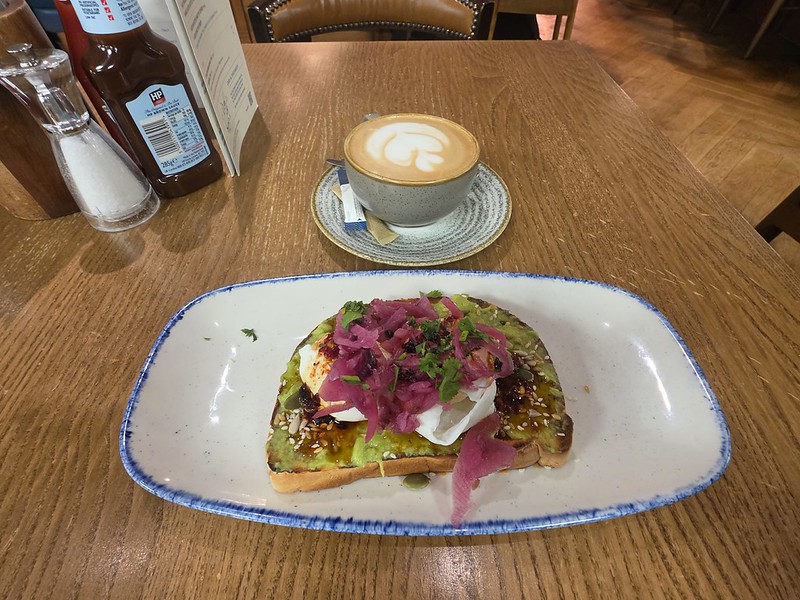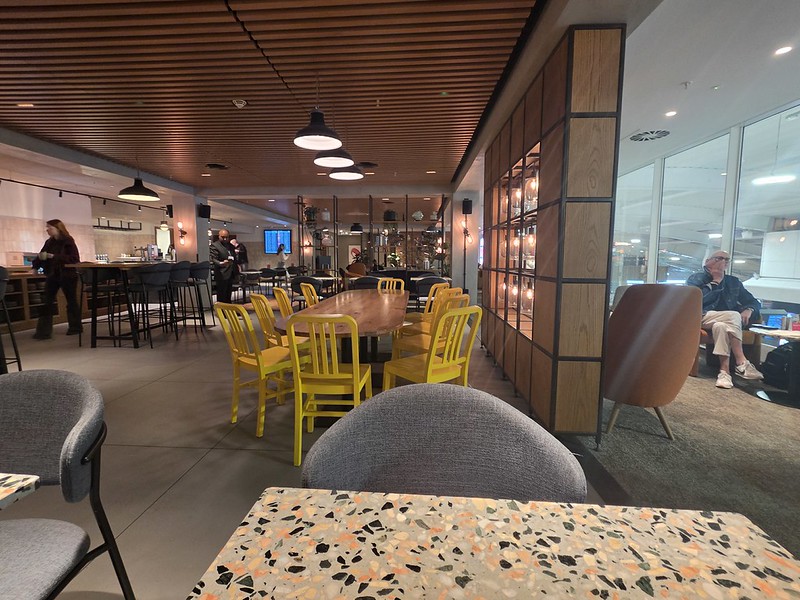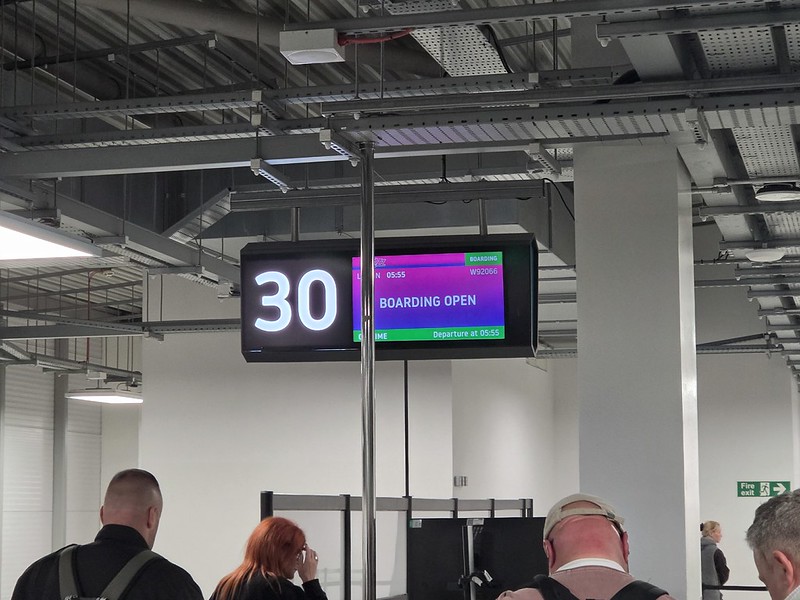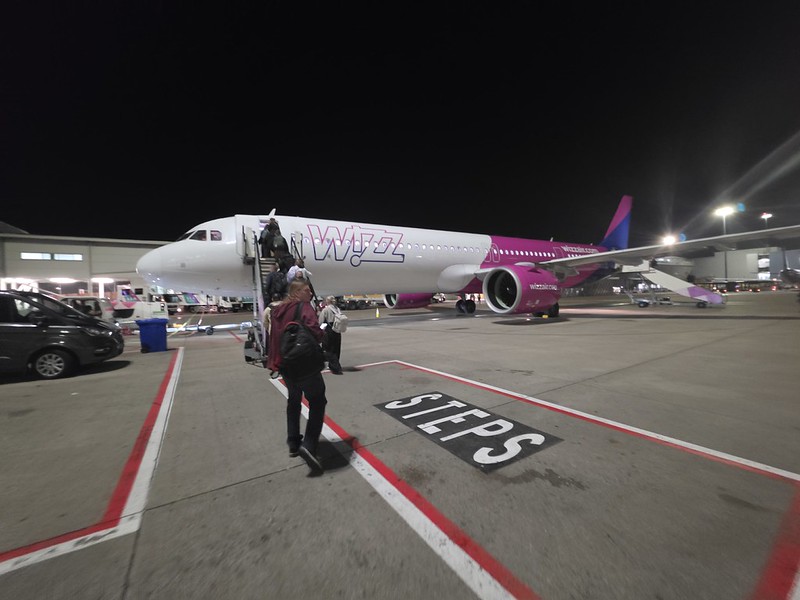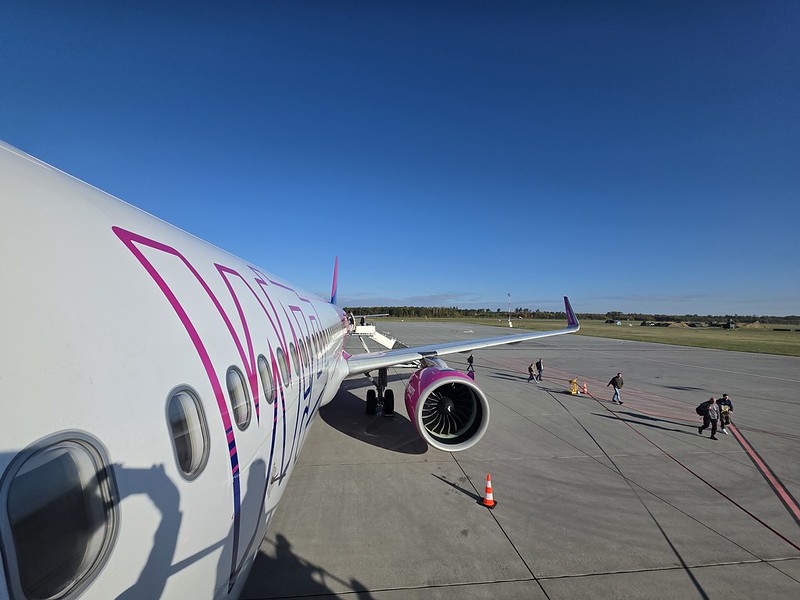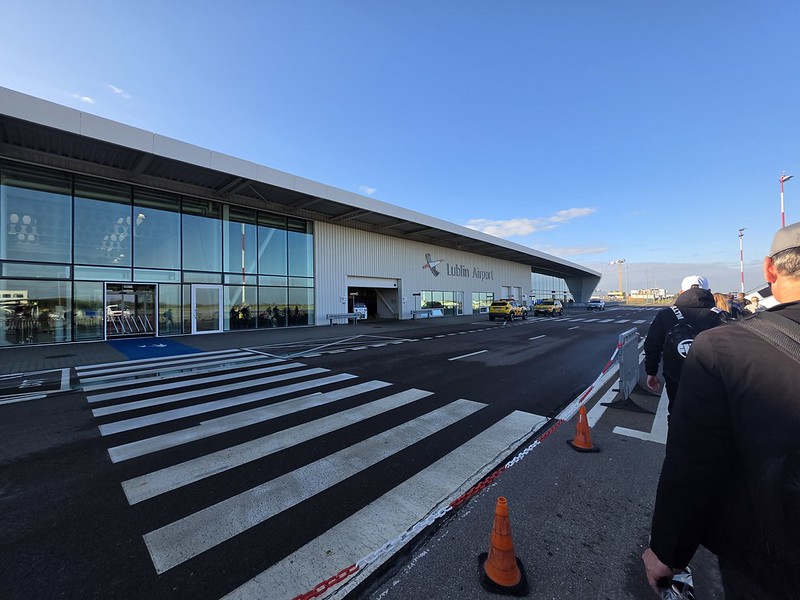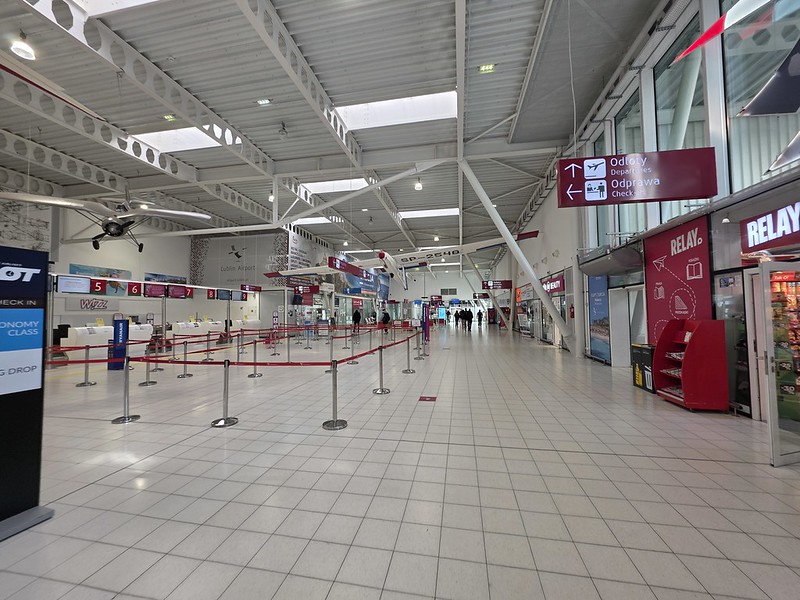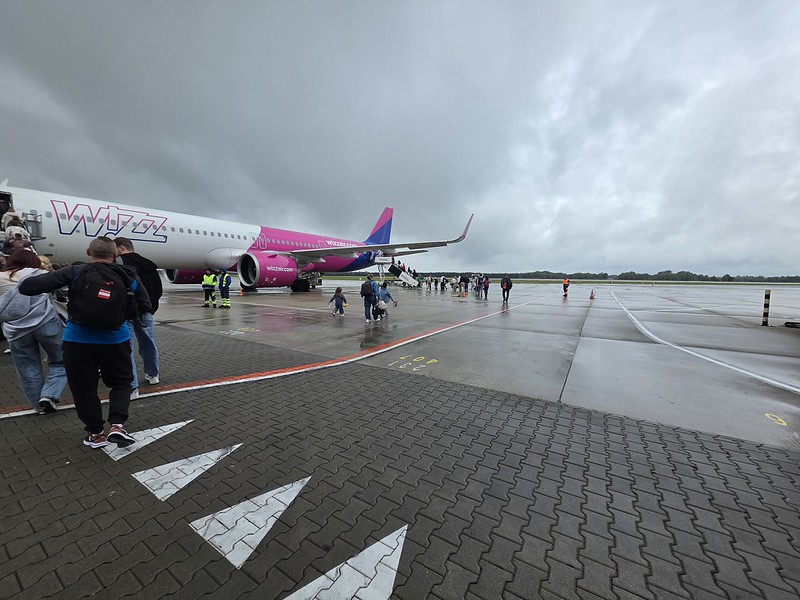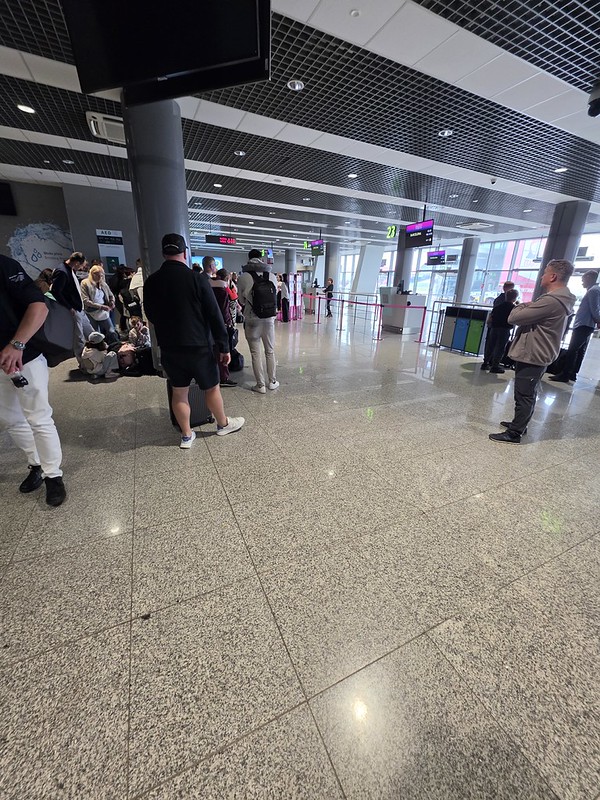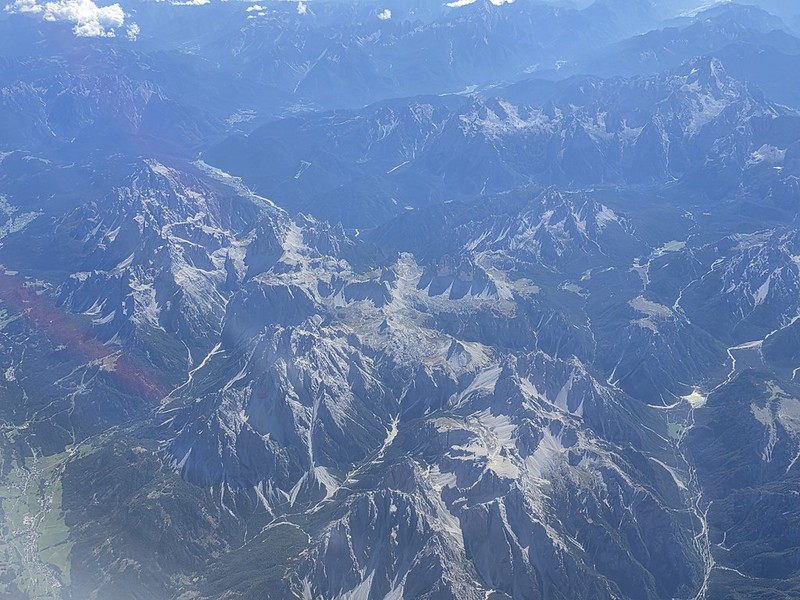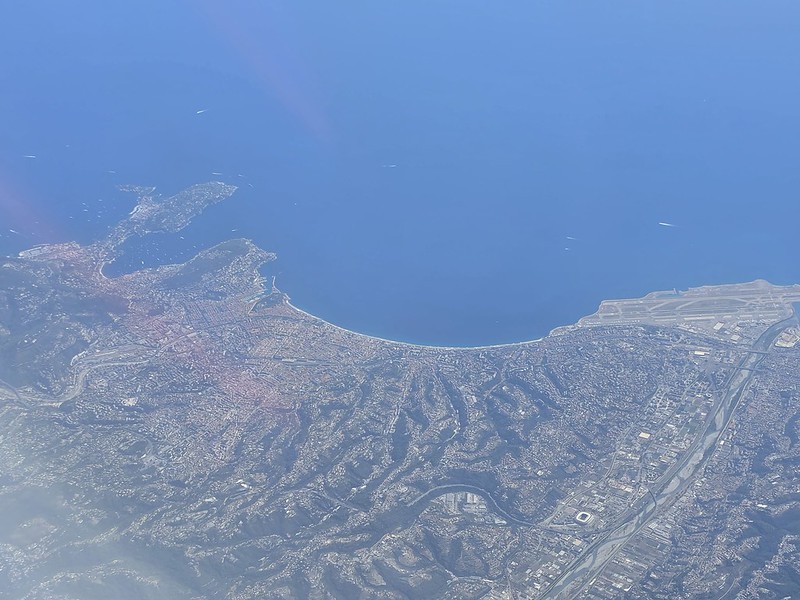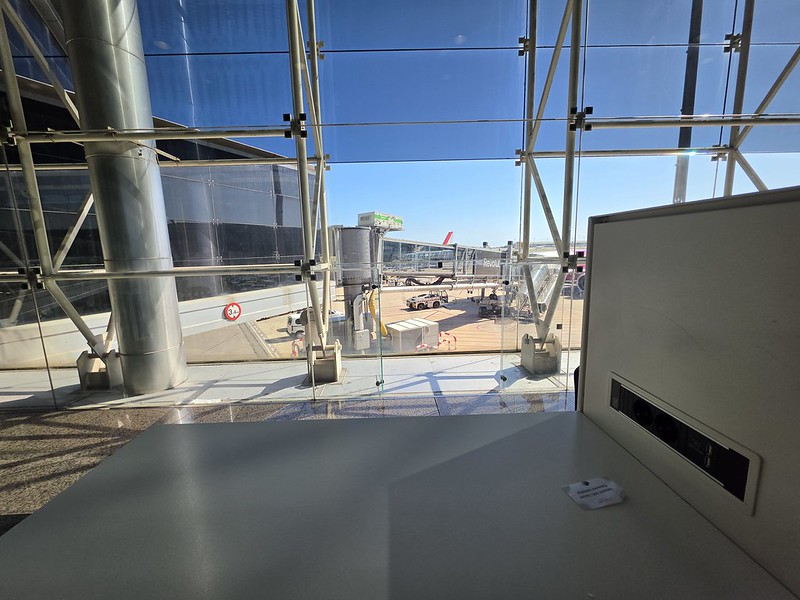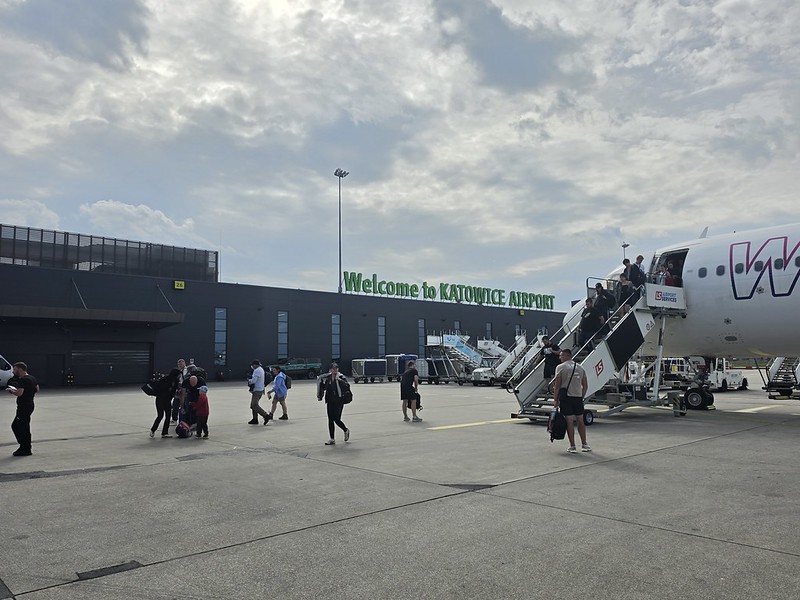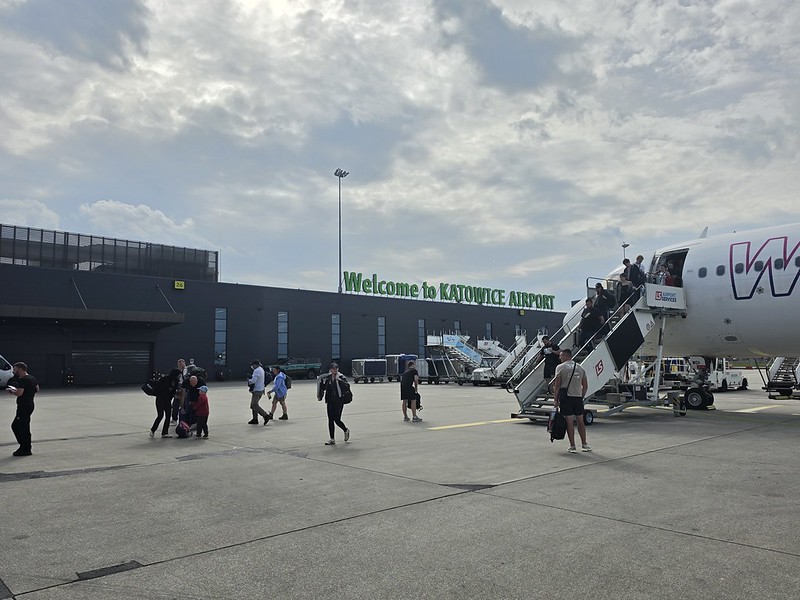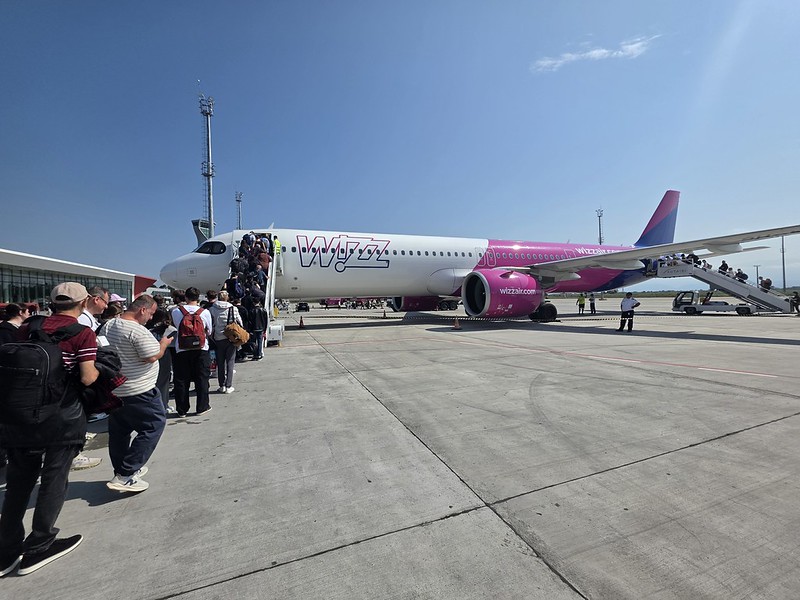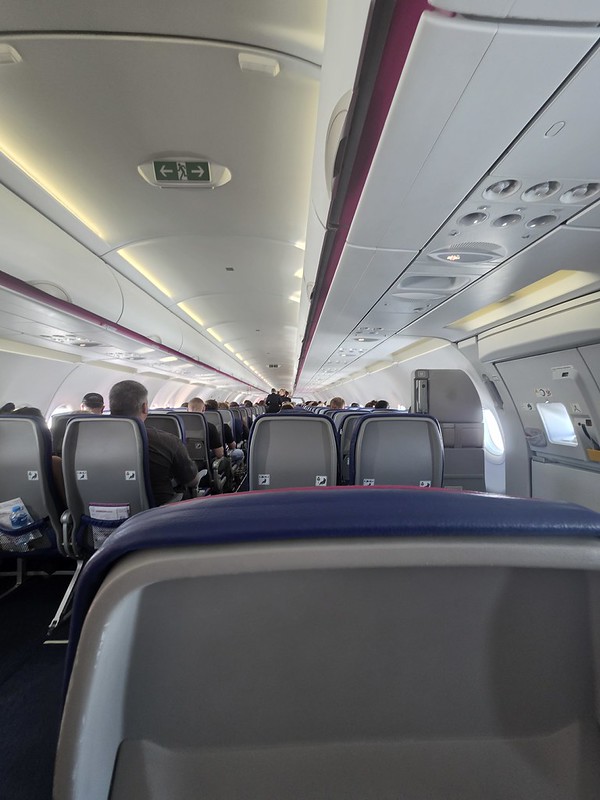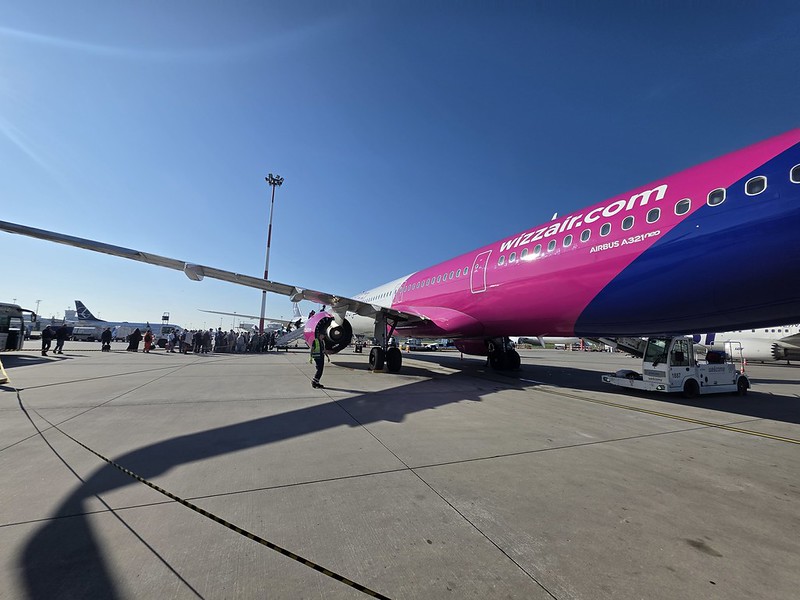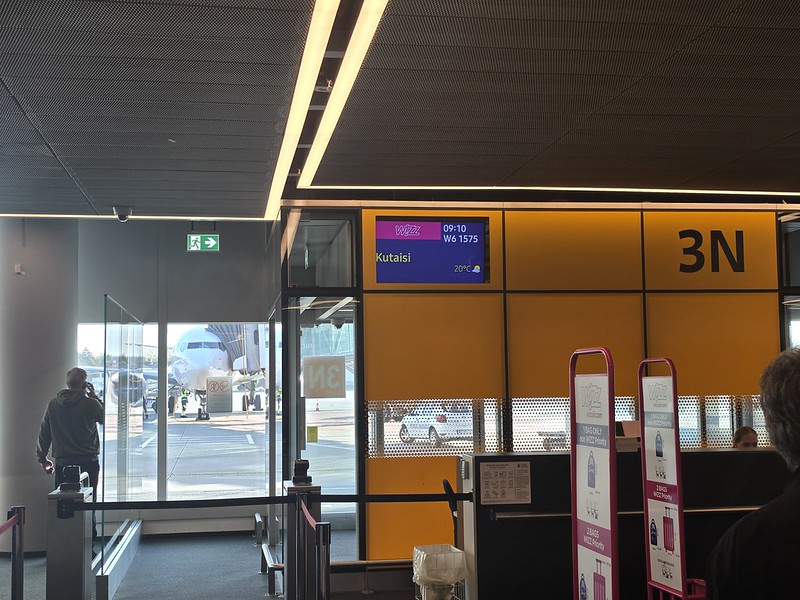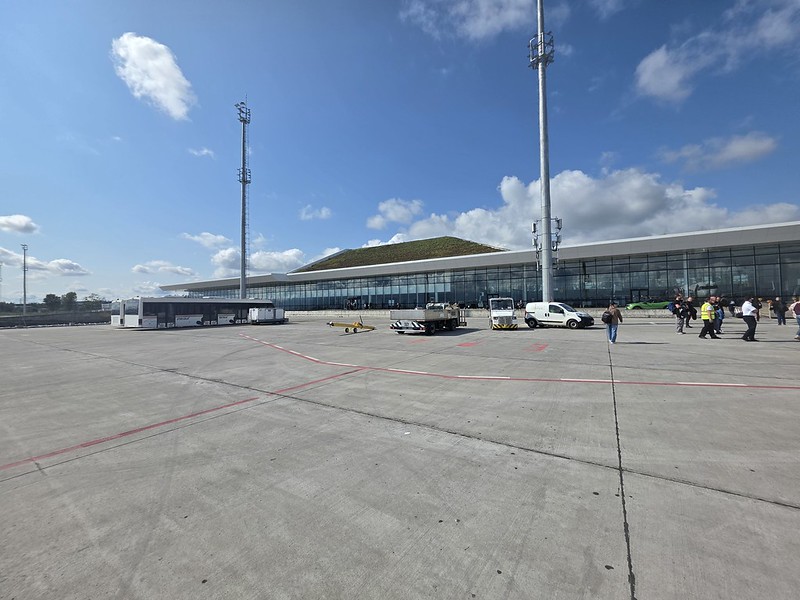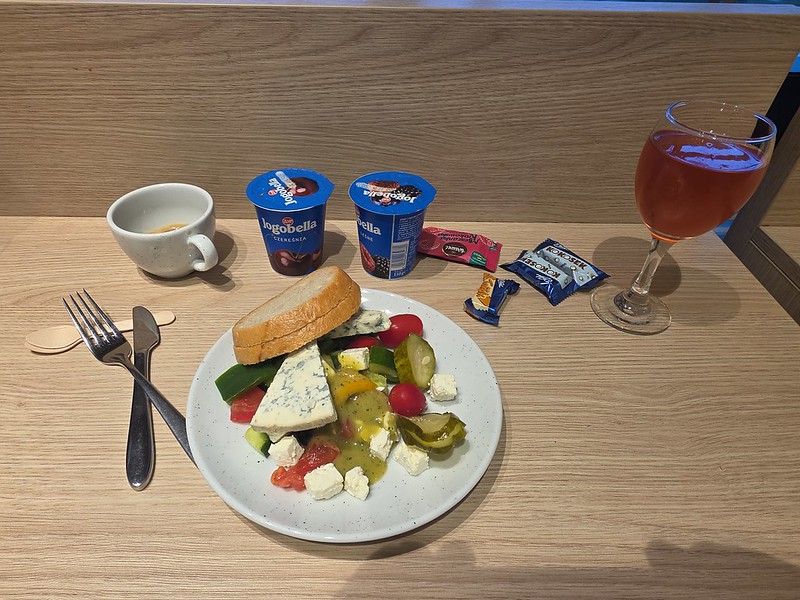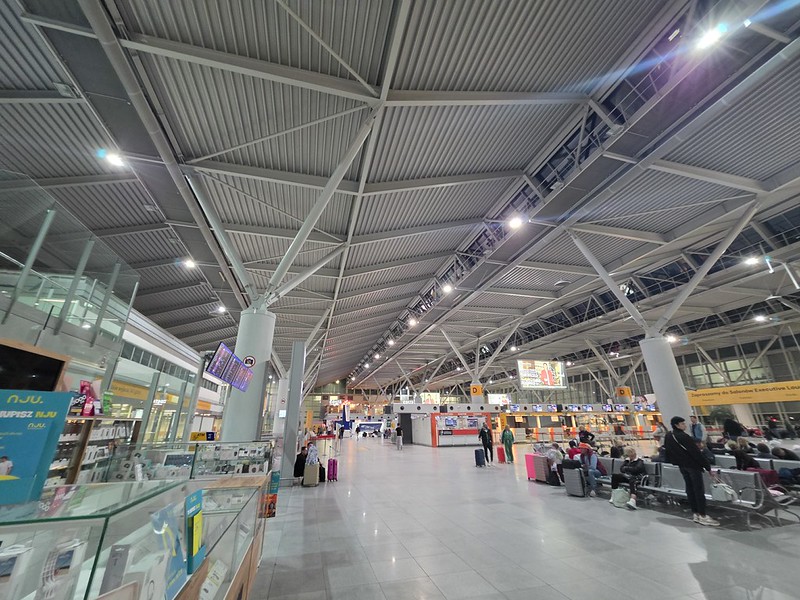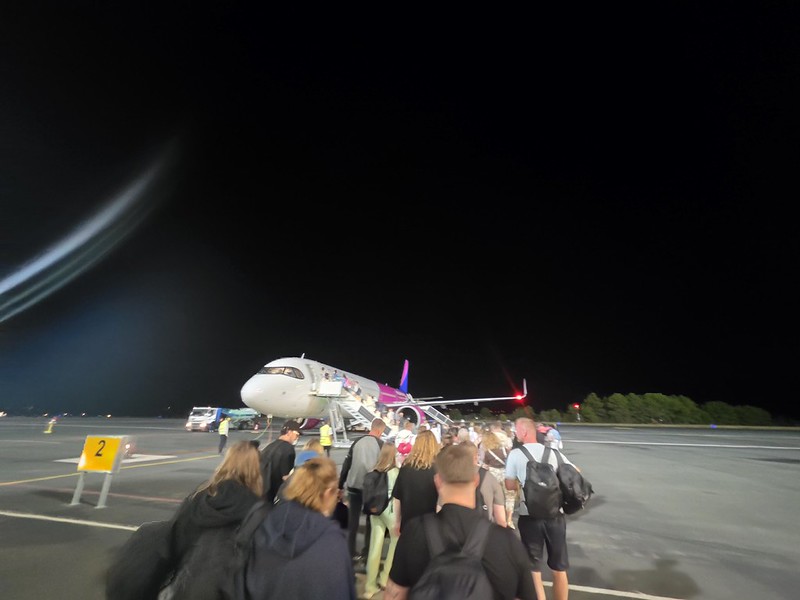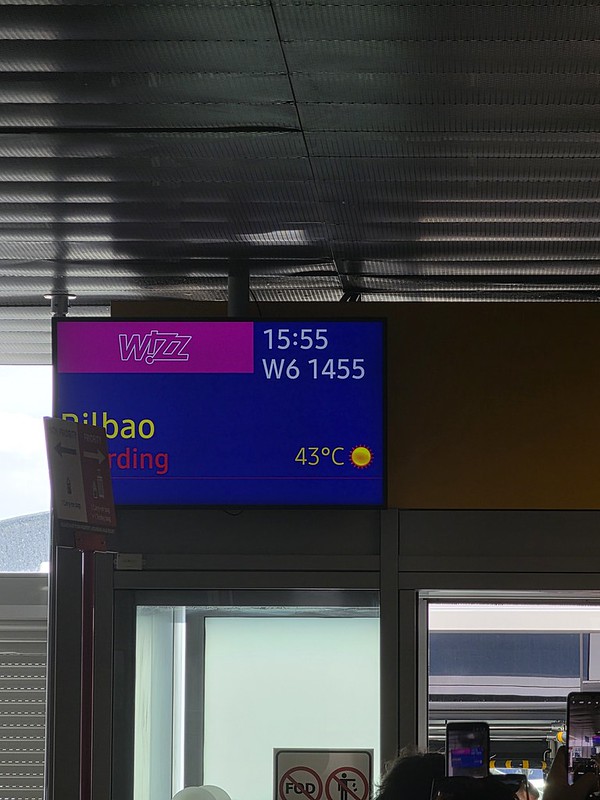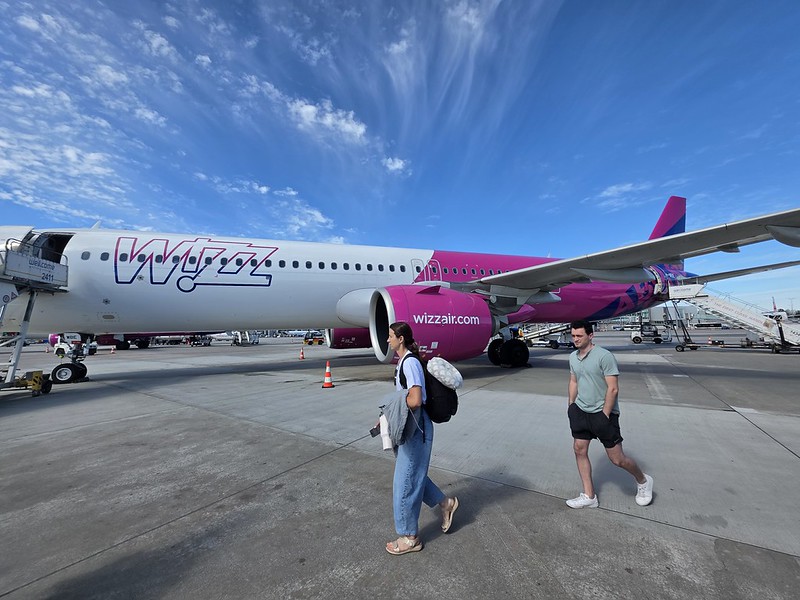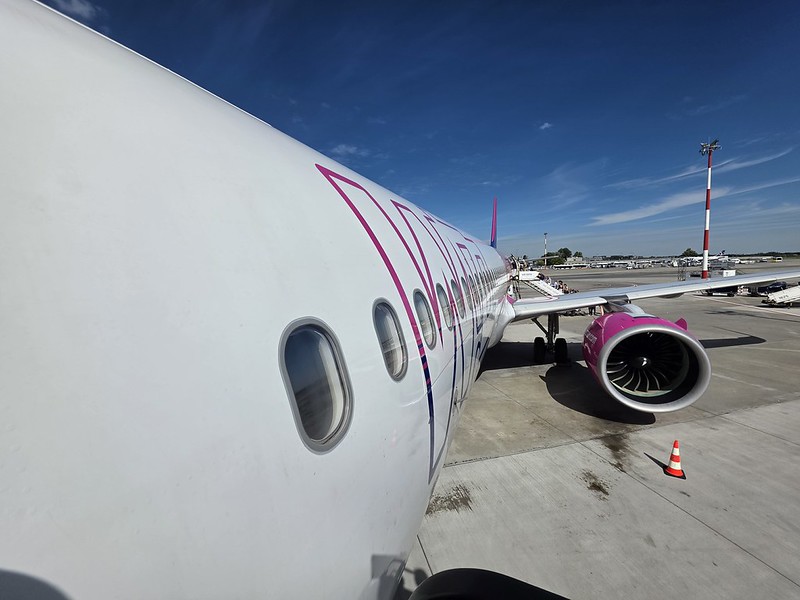
I had to start somewhere and this year’s beer festival started at Browar Moczybroda. They’re from Poznań and I’ve had a couple of their beers before in Poland, both of which were decent. This was about as quiet as the three-day festival was, so I took advantage of that. The brewery have been trading since 2018, although I don’t think that they have a taproom in Poznań.
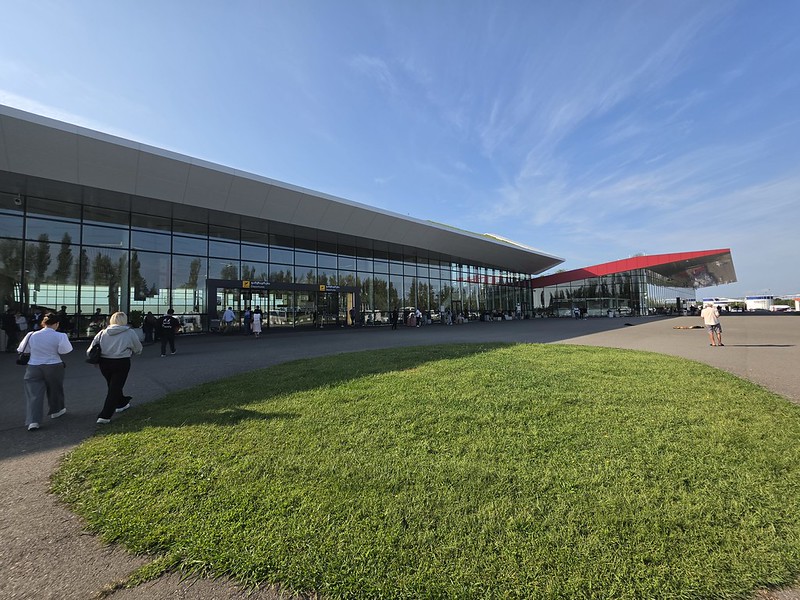
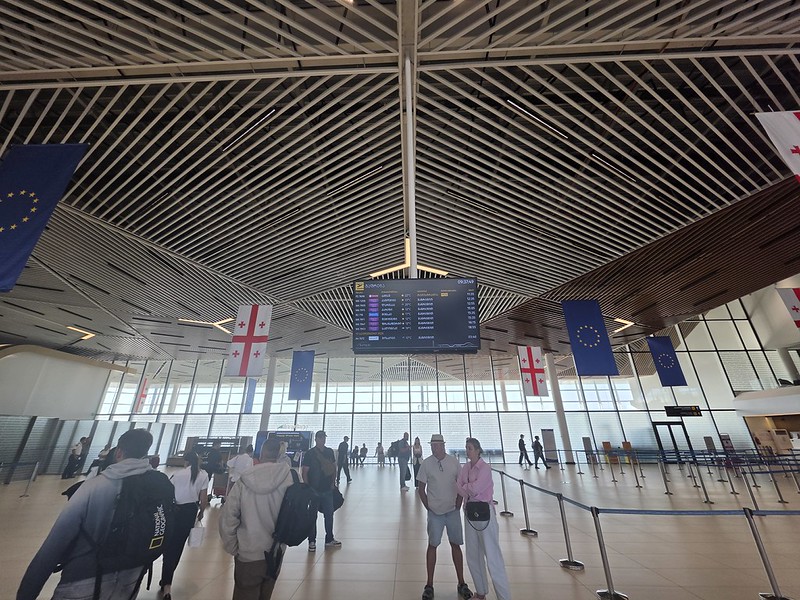
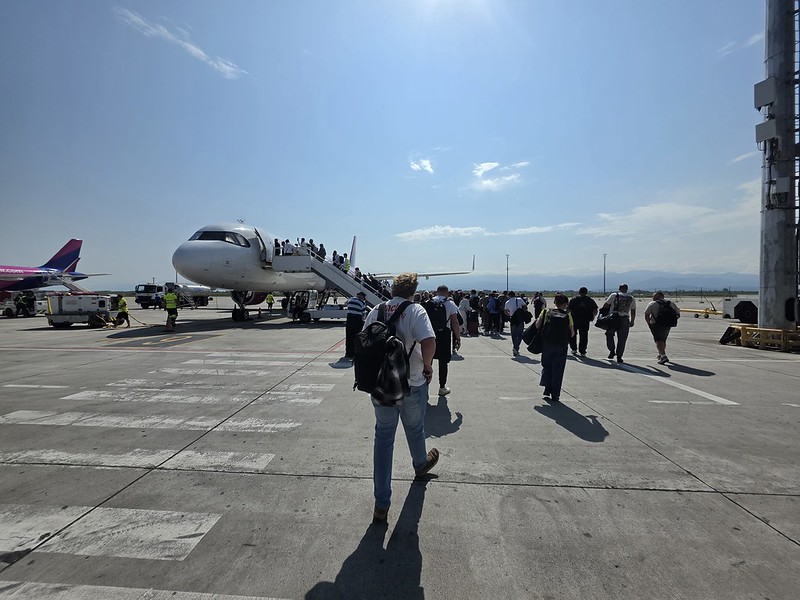
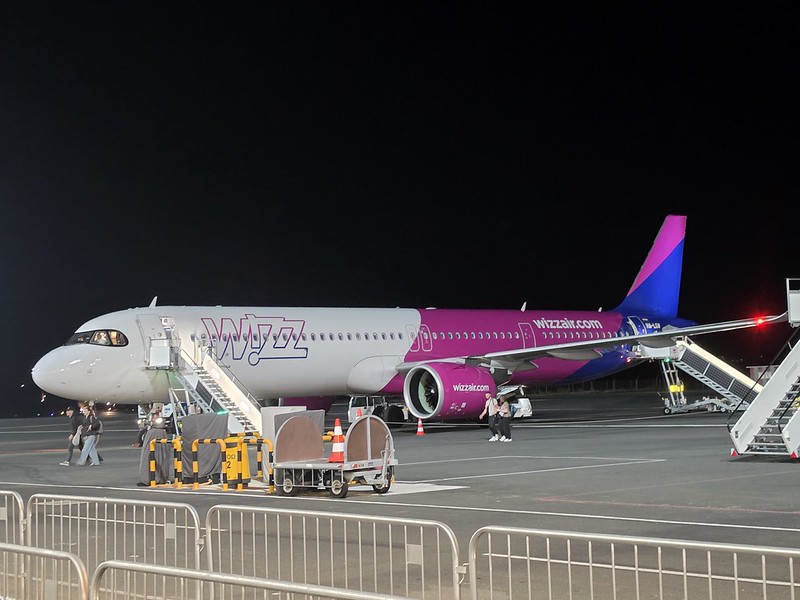
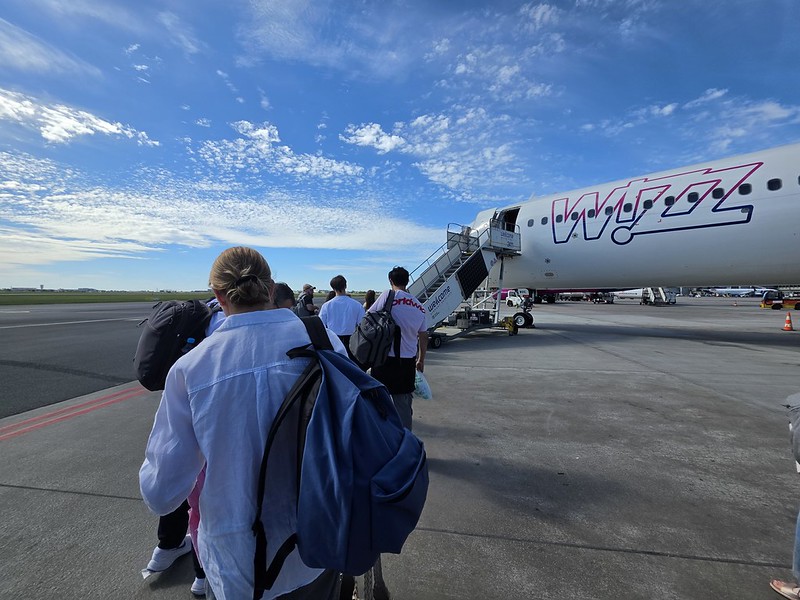
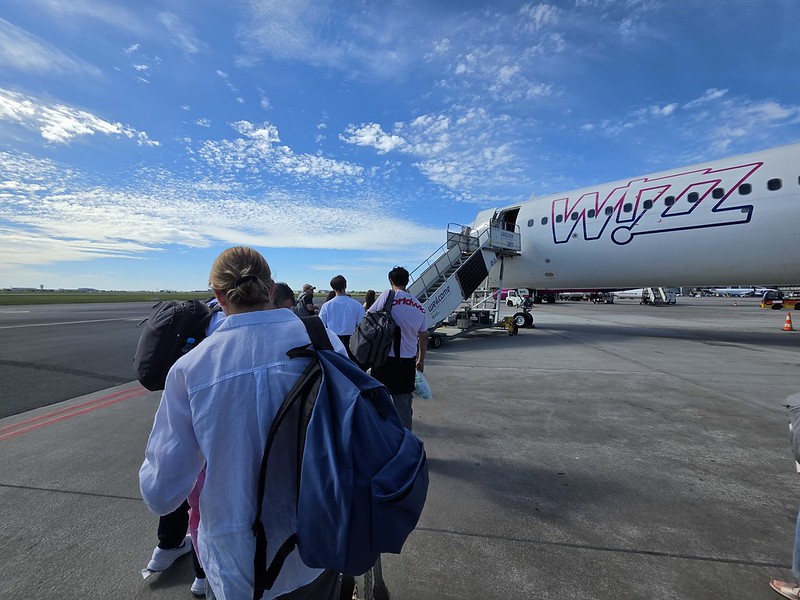
I was pleased that they had plastic glasses as I didn’t want to try and get an actual glass back on Wizz Air. These cost £1 and they are refundable, but I’ve kept mine. The beer is the Jack Mangow, a 7% DIPA, which had a robust mango taste, it was juicy and I’m convinced that this was healthy. A very decent start to the weekend.
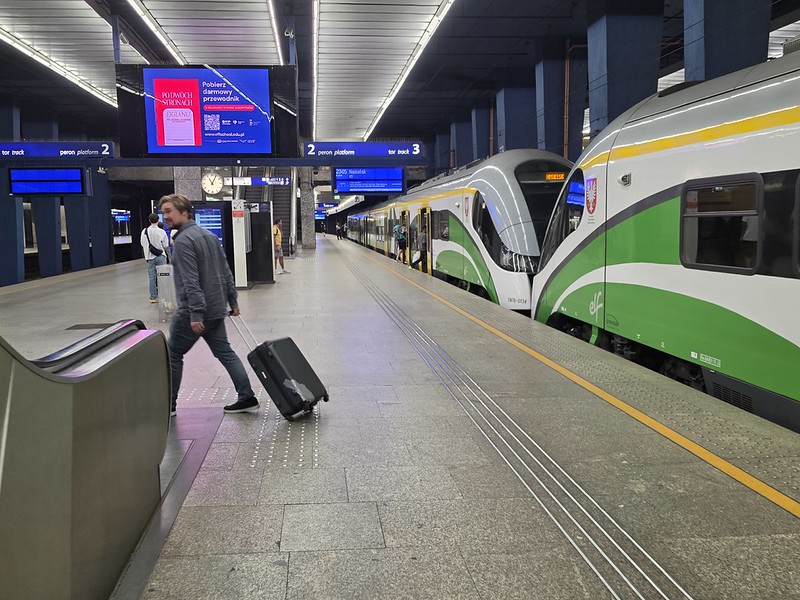
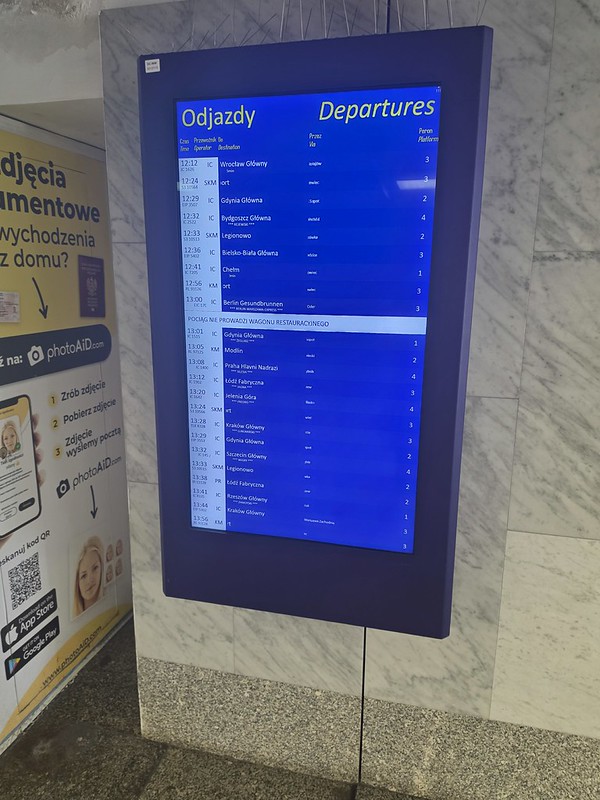
After a brief stay in Łódź, I went to get my train to Warsaw at the rather impressive Łódź Fabryczna railway station. This was heavily modernised in 2016 and it still looks in a decent state of repair. it first opened in 1866 as the terminus of the line linking Łódź with Koluszki, helping drive the city’s rapid industrial growth.
There has been a large investment into the Polish rail network over the last decade and these spacious, open and welcoming railway stations have been established in many cities. They might lack the heritage of the original station, but they do feel modern.
There’s my train, the 13:34.
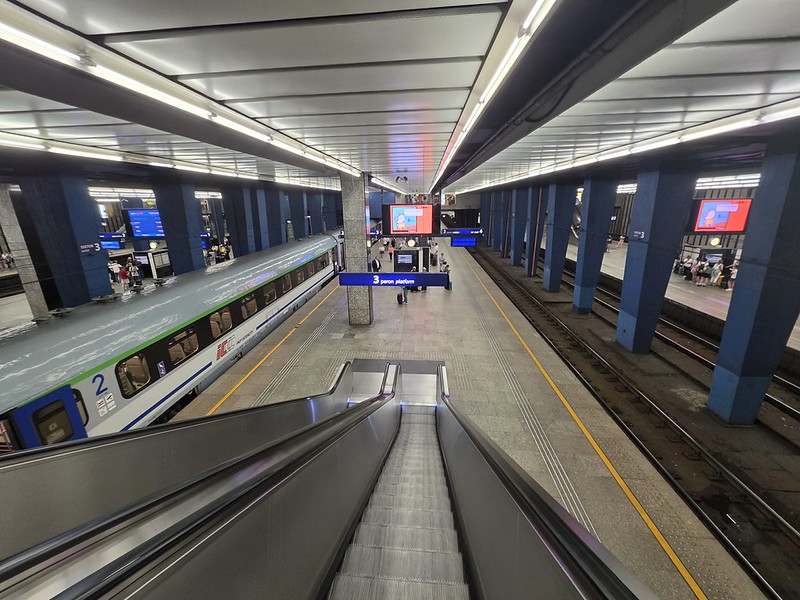
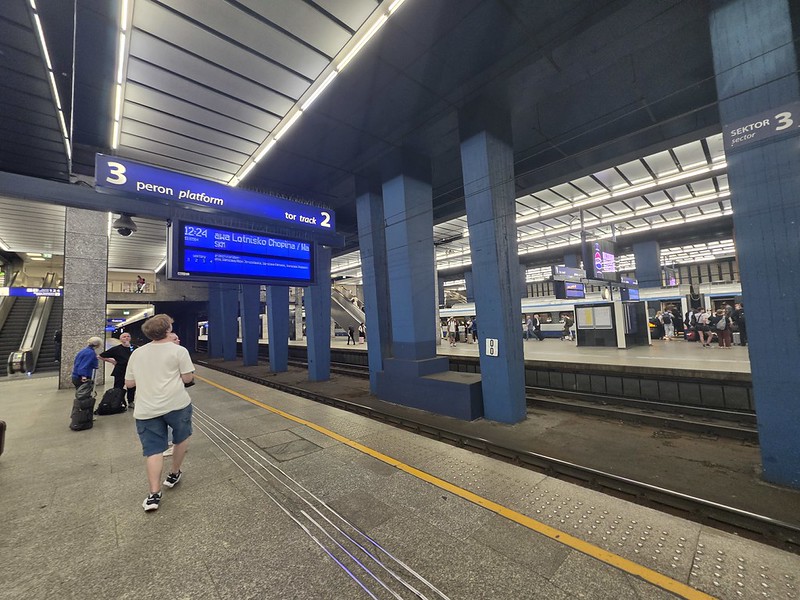
Down to the platforms which go off for some way in both directions.
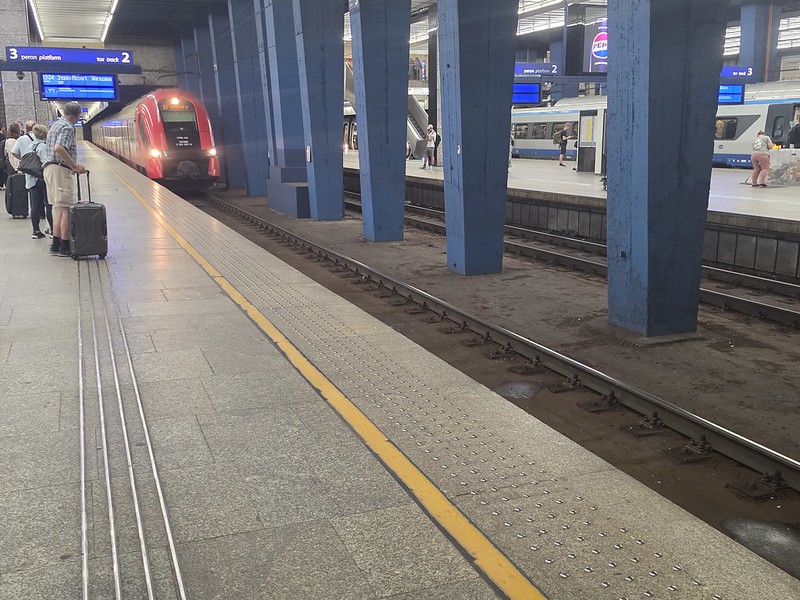
And here we are, the train was already waiting for passengers at the other end of the platform. This is one of the regional trains operated by Łódzka Kolej Aglomeracyjna (ŁKA).
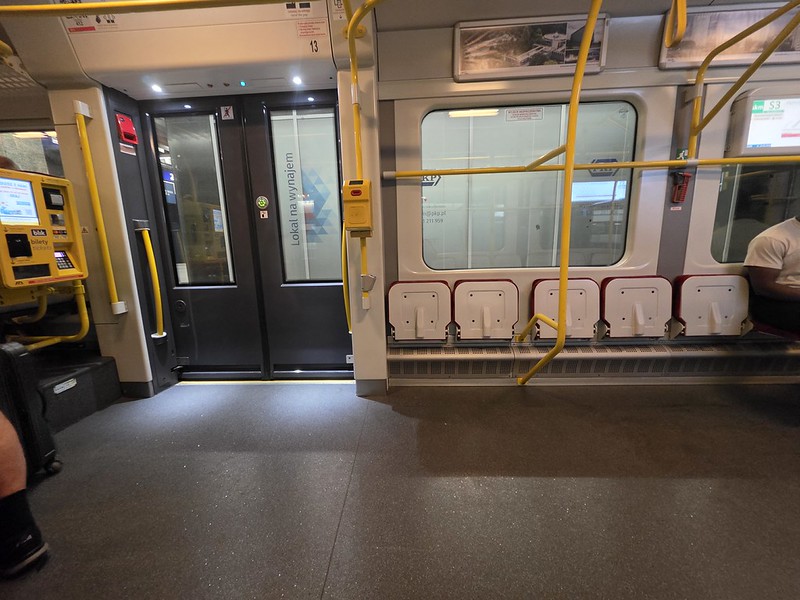
It’s only about an hour’s journey into Warsaw and although it got a little busy, there was still plenty of space. As usual, there were plenty of power points and numerous tables. The journey was relaxed, with, yet again, no-one putting their feet on the seats or playing music loudly. Another joy to behold…
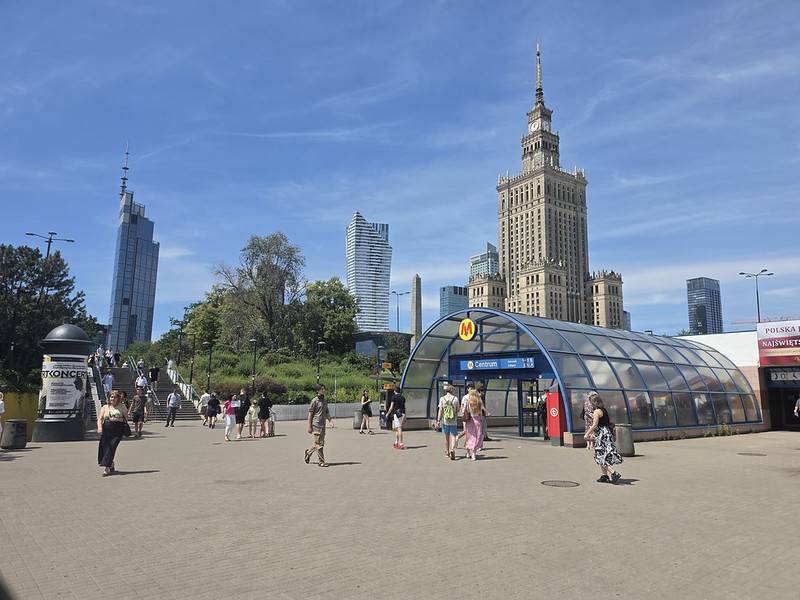
And safely into Warszawa Zachodnia (Warsaw West), which has been completely transformed over the last couple of years, but more of that in another post. That meant I was safely in Warsaw and ready to quickly check-in to my hotel and then head to the Warsaw Beer Festival.
I’ve stayed at this Accor operated Ibis hotel twice before but that was over eight years ago and I was pleased that this hotel hasn’t bothered with the new Ibis rooms, as I’m one of those who prefers the old style. I suspect that there will be an investment soon, as I’m not sure that they’re had a renovation in a decade.
This design adds some character to the whole arrangement, I like it.
The room, and I was given a larger one which had three sets of windows. I feel that city noise adds to the authenticity of a night’s stay, so I opened all of those windows straight away.
The welcome gift, this was delicious. I like welcome gifts.
The hotel’s bar area.
I didn’t eat at the hotel’s restaurant, but for my hundreds (well, two) excited readers, here’s what I could have had.
My welcome drink was Żywiec Białe and I managed to confuse the very helpful member of staff. She didn’t speak much English, although they had nearby staff that could, so I ordered this beer in my bestest Polish. Unfortunately, their standard beer on draft is Żywiec and she thought I was trying to order that, but my beautiful Polish tripped off my tongue after the third go and all was well. On that note, the team members here were all very personable, it all adds to the atmosphere.
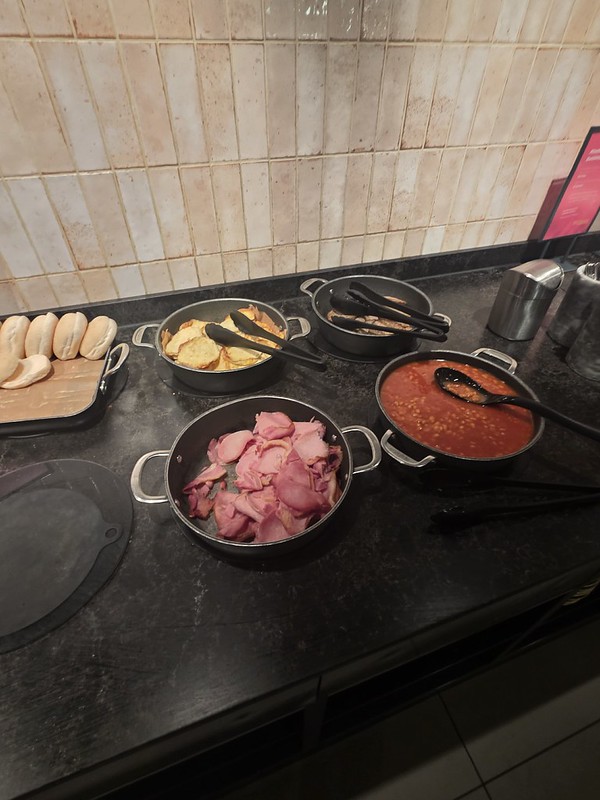
Cheeses, meats and the various salad type options. There were some hot breakfast options, but they looked a bit rustic for my liking.
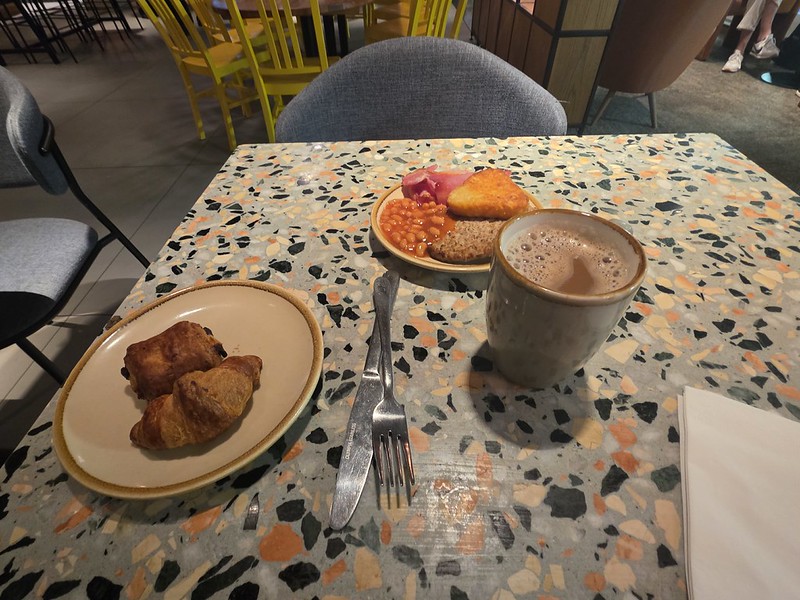
The bread selection and the little croissants.
That’s a smoked cheese and I kept going back for that, it was unusually decent and went rather well with the tomatoes. I can definitely do healthy, especially with that mango smoothie thing at the side. The selection was quite broad and I liked that the breakfast area wasn’t that busy.
The Novotel is next door and is a bit too decadent for me, although Richard would have merrily booked in there. Although, I noted that it was actually full the night that I was staying, which made choosing that bit easier.
The hotel night cost £42 (actually less as I used reward points) including breakfast, which I thought was perfectly good value for money. I’ve missed this city, I’d like to come back sooner rather than later. And, as I mentioned, I don’t dislike that they haven’t modernised much recently.
Next on the list for Łódź was this mix of cafe, board game centre and craft beer bar. It opened in 2022 and appears to have built up a quite a loyal following of customers since then.
The craft beer list and the team member was friendly, engaging and personable. It’s a nicely balanced beer list with a range of styles in there with 13 keg lines and a selection of bottles.
Some of the board game selection, although I didn’t investigate them as I thought being on my own reduced the excitement of them slightly.
There’s no shortage of board games, the bar is there on the right. It’s noted that there particular times when staff teach customers certain games, it all sounds really rather social.
The beer is a collab between Funky Fluid and Vault City, two of my favourite breweries. The beer is the Gelato XTREME : Crema which is a punchy 8% pastry sour which has flavours of banana, vanilla and peach. Rounded, smooth and pure decadence.
The venue had a rather nice atmosphere, there was a friendly welcome and they had an interesting selection of beers. All really rather lovely and a proper community atmosphere.
On my walk from the railway station to the city centre, I noticed this rather impressive derelict building. I’m not brave enough to be an urban explorer, but it’s one of many buildings that are left in ruins in the city which was once an industrial heartland and powerhouse.
And a rather better view of the frontage. Adam Osser’s factory grew out of his cotton business, with the spinning mill built in 1903 for Majer Feinkind, Albert Jarociński and Adam Osser, who later took control himself. After damage in the First World War, production was restored, and in 1923 the business was turned into a joint-stock company. Like so many factories in Łódź, it then lived several different lives, textile production first, wartime conversion by the Germans to aircraft and car parts, then the communist-era continuation of that mechanical profile under the name Polmo.
After the factory collapsed in roughly the mid 1990s, the site drifted into ruin, was looted, and even lost its former office building to arson and demolition. All very sub-optimal. There were plans in 2018 to revive the place with offices, services, research functions and a hotel, but they came to nothing, leaving it as another of Łódź’s splendid and broken monuments to industrial ambition. There is a lot of money coming into the city, so it’s perhaps just a matter of time before something is done with this site.
I might not be an urban explorer, but there are photos on this website of braver people who are.
This is the mural painted by Eduardo Kobra in 2014, commemorating the life of the locally born Arthur Rubinstein (1887-1982). He was a great patriot, although when he was born the city was part of the Russian Empire.
And here’s what the mural looked like in 2018 when I was last in the city. It’s only lost a little vibrancy and is certainly a very noticeable artwork.
It’s been several years since I last went to Łódź and I’m not sure that I was quite as engaged with craft beer at that point as I am now. Which means that I have some catching up to do with the bars of Łódź, starting with the Italian restaurant and craft beer bar that is Dzielna 43.
The food menu, which was helpfully in English and it was quite extensive, but pizzas are the main attraction here.
The beer list, although I had already seen it on ontap.pl and made my decision in advance.
The nice bright interior which all felt on-trend. There was a very friendly welcome when I entered and I was offered a choice of tables.
The little robot delivering orders. I see these more regularly, but I always like seeing them.
The beer is the 11th Anniversary Smoothie Bowl from Nepo Brewing, one of my favourite breweries. It was smooth, fruit with lots of mango. And yes, it’s a beer despite the colour.
The nduja topped pizza which surprised and delighted me, plenty of toppings and a depth of flavour to the whole arrangement.
The only dessert that they had was a pistachio cannoli, but that looked interesting enough and it was well presented.
I very much liked this venue, it was clean, comfortable and welcoming. It had a busy and vibrant atmosphere, with the quality of the food being high. As for the beer, this very much delighted me, but Nepo rarely disappoints me. The online reviews are very high and I’d certainly want to come back here.
I didn’t go to Łask itself, other than passing through it on the train. Their railway station is a little bit of heritage though and I wonder whether it’ll be renovated over the next few years. It’s owned by the local area rather than by the rail network, otherwise perhaps the work would already have been completed. The central reservation and platform areas have been upgraded, although I suspect passengers might not have seen that as a priority.
The current railway station is boarded up and there is no ticket office at the moment, but they’ve at least put the timetables on the wall. The railway station was first built in 1902 and was part of the Warsaw to Kalisz Railway.
I’d say that it’s a fair bet that this sign has been there since I was born….
Anyway, I thought I’d post about this so that I can look back in twenty years and see what’s changed.
After one night in Oleśnica, it was time to move closer towards Warsaw for the beer festival and I was heading to Łódź, also for one night. This is a different station, on the opposite side of the city, from the one that I arrived into.
The railway station was built in 1875 and there’s not much here, just a few benches and no public buildings as the former railway station has long been since converted into residential properties.
The departures for the day.
The track splits in two just past the station.
The train arriving, fortunately on time as there were no display boards at the station to show if it was running late.
This was an Intercity train so I had to reserve seats. The train looked pretty empty when I booked and although it got busier, no-one was seated here so I had the table to myself. Incidentally, I was delighted that once again no-one on the train put their feet on the seats or listened to music loudly on their phone. Indeed, the entire journey was peaceful with plenty of power points to keep everything charged up.
The train was going to Warsaw and ended up in Białystok. The journey took around three hours and everything ran to the schedule. I like that the screens note how fast the train is going, I find that an interesting little bit of knowledge to have.
And safely into Łódź Chojny railway station, located around two miles to the south of the city. This station first opened in 1903, but it was closed to passengers between 2002 and 2011, used only for freight traffic. Increasing usage of the network saw it reopen and it serves numerous Intercity trains.
I first came to Łódź nearly ten years ago, when I stayed for a week, but I haven’t been back since 2018. So, it was good to be back at last….
This is the Wrocław Gate, or Brama Wrocławska, in Oleśnica, the only surviving medieval city gate in the old defensive walls. It was built in the first half of the fourteenth century as part of the town fortifications and is the only one left from the original four gates that once controlled entry into the town. The name comes from the road leading towards Wrocław and it was also once known as the Trzebnica Gate.
The more modern stairway arrangement which has been created to give access back to the rooms above the gate.
The tall brick tower originally had guard rooms above the passage and the gate formed part of a wider fortified circuit of walls, towers and later outer works. By the eighteenth century the walls had lost much of their military purpose, and by 1868, three of Oleśnica’s four gates were demolished because they were getting in the way of transport and development. The city was also aided by the future Frederick III (the one who was briefly Emperor and married Queen Victoria’s eldest daughter), who during a visit in 1866 decided that this gate should be saved. A very sensible move.
This Latin inscription relates to when the gate was renovated in 1614 and reads:
“Unless God protects this City with His fatherly goodness, all the care and labour of the watchmen are in vain and lost.”
This more modern sign notes that German funding was used to restore the gate, something quite appropriate given that this was formerly a Prussian gate.
There were properties on either side of the tower, but they were left burnt out following the end of the Second World War. The gateway itself has done very well to survive at all.
A photo from outside of the city walls, with the portcullis visible that would have protected the denizens inside.