Category: Sarajevo

  • Balkans Trip Day 11 – Sarajevo Cable Car

    Balkans Trip Day 11 – Sarajevo Cable Car

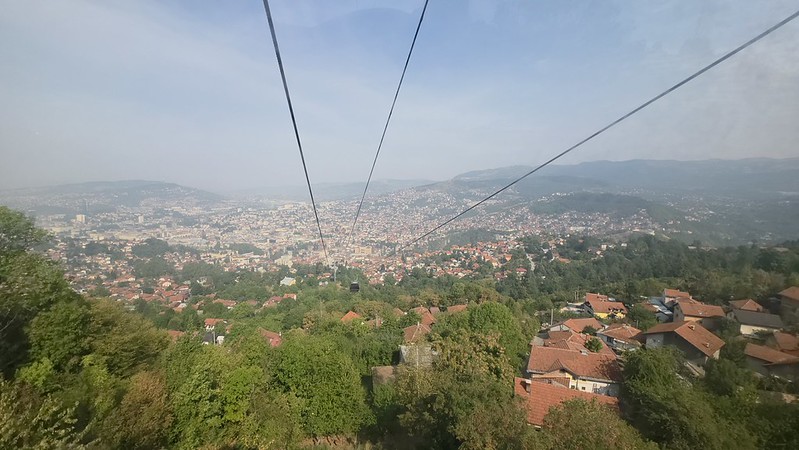
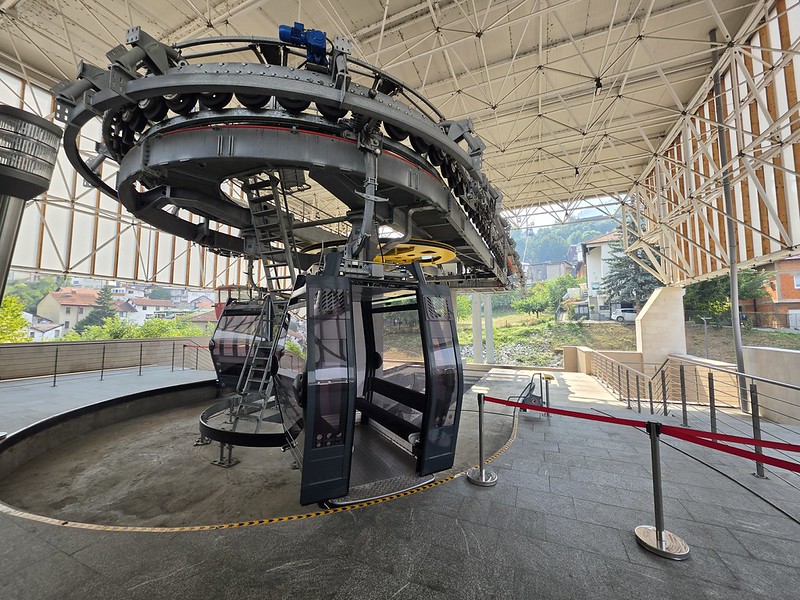
    Jonathan and I decided that it would be a good idea to get a better view over Sarajevo, something the city makes remarkably easy by providing a cable car up the slopes of Mount Trebević. The Sarajevo Cable Car carries passengers from its lower station in Bistrik to the slopes of Mount Trebević, climbing from the city to more than 1,100 metres above sea level. Our journey lasted for over ten minutes, rather longer than I had expected, although the spectacular views meant that I was in no hurry for it to end. I videoed the entire journey and that footage will soon become available for particularly fortunate readers of this blog. Unfortunately, it must first undergo the demanding technical process of me remembering to upload it, so that will have to wait.

    The original cable car opened on 3 May 1959, following a route of just over two kilometres between Sarajevo and Trebević. It became one of the city’s best known attractions and carried generations of residents into the mountain air, later providing access to the area used for the 1984 Winter Olympics. The original journey took around twelve minutes, so our slightly leisurely ascent was historically authentic. Years of wear eventually took their toll and the system was closed on safety grounds in 1989, before the outbreak of the Bosnian War.

    During the Siege of Sarajevo, the cable car and its stations were extensively damaged and the system was left unusable for more than two decades. A complete reconstruction finally began in 2017, with 33 modern gondolas installed along the historic route, and the cable car reopened on 6 April 2018, Sarajevo City Day. The reconstruction received crucial support from Dutch born American businessman Edmond Offermann and his Sarajevo born wife Maja Serdarević, who donated around US$3.9 million towards bringing the cable car back into service. Offermann had travelled on the original cable car with Maja in 1991, shortly before the war, and later became one of the driving forces behind its restoration.

    Its return represented considerably more than the restoration of a tourist attraction, reconnecting the city with a mountain that had once represented leisure, then war and finally recovery. It now provides an exceptionally scenic journey and, more importantly, allows visitors to climb several hundred metres without undertaking any of the traditional and deeply unnecessary uphill effort. This suited me perfectly, as mountains are things I prefer to admire rather than ascend manually.

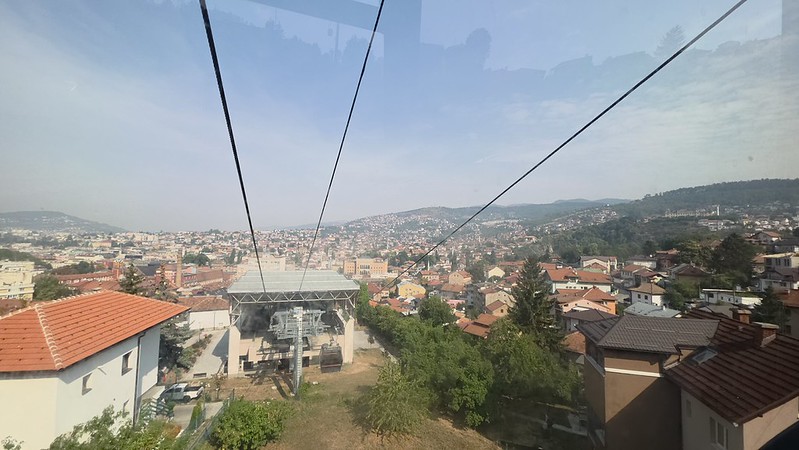
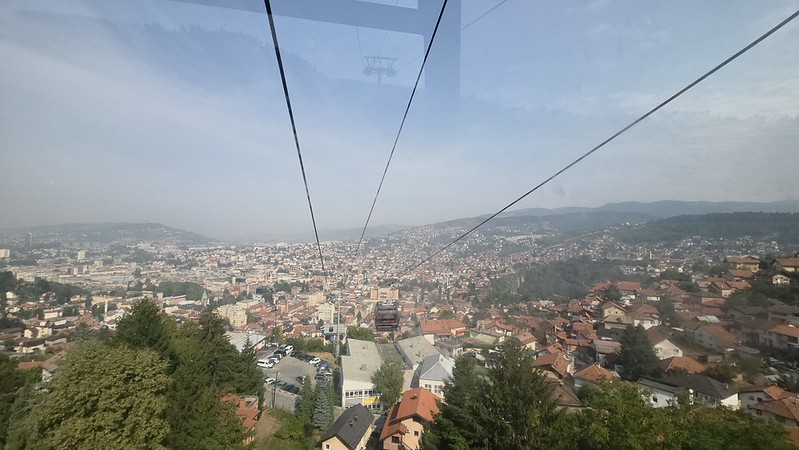
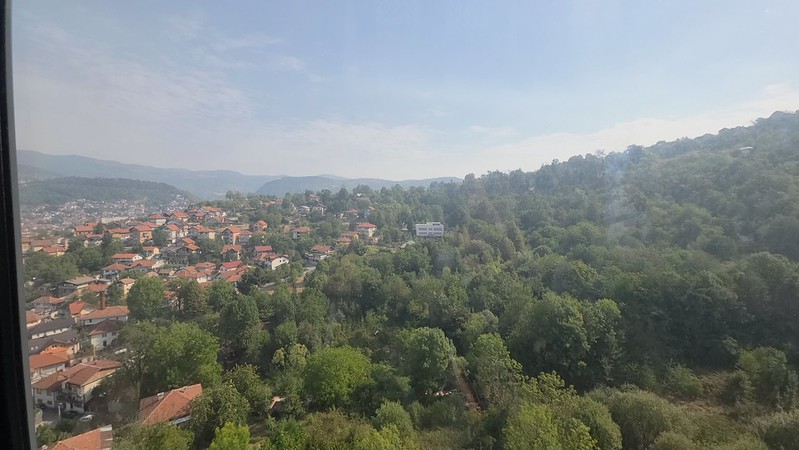
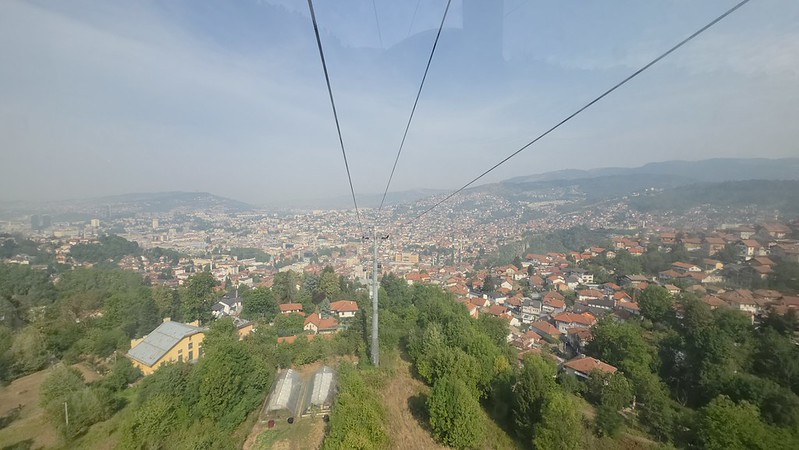
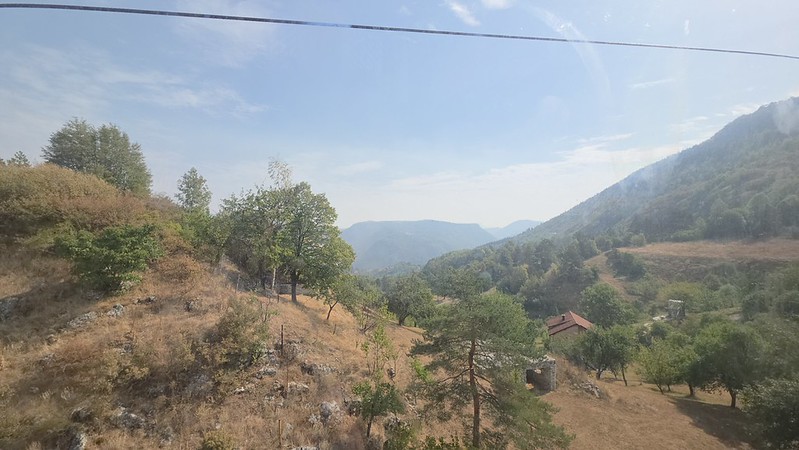
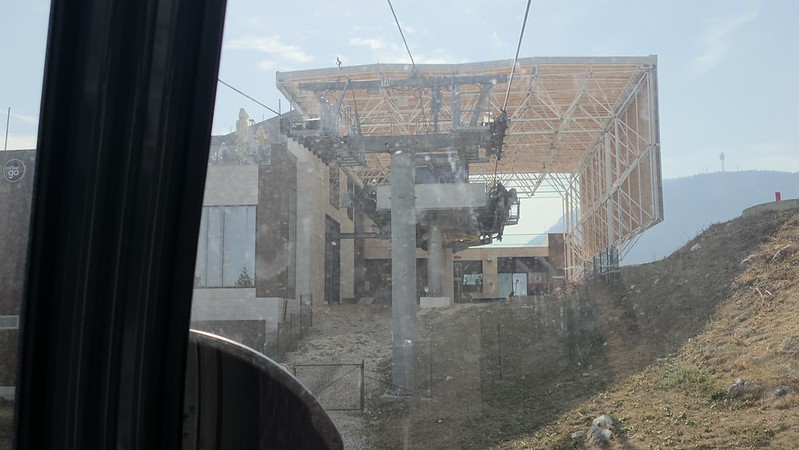
    Until the full cinematic production becomes available, here are some stills from the journey.
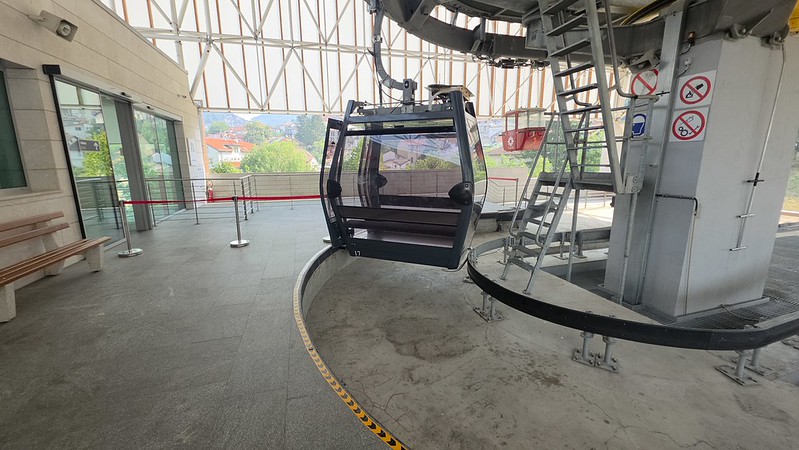
    The rooftops of Sarajevo gradually receded beneath us as the gondola climbed away from Bistrik.
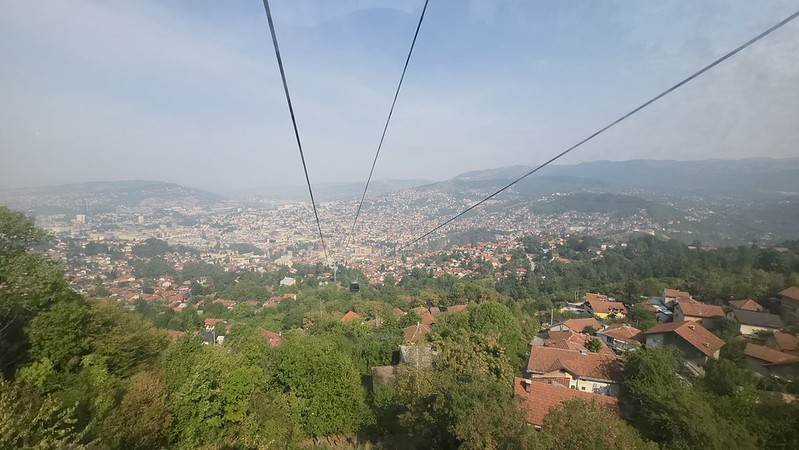
    The higher we climbed, the clearer the city’s position within its surrounding mountains became.
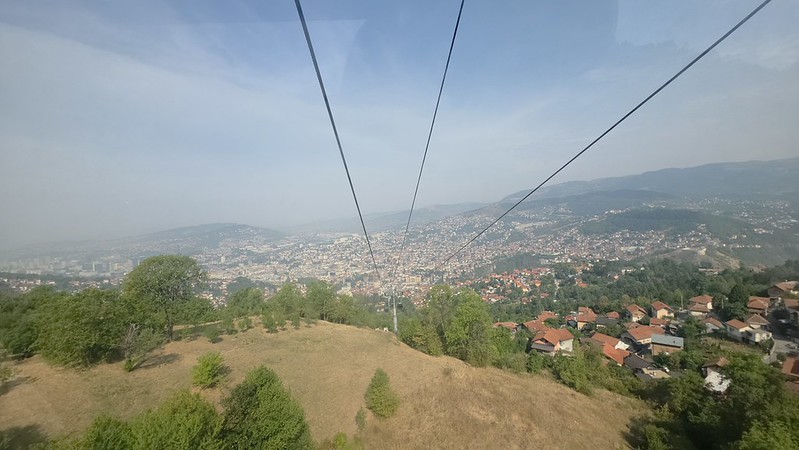
    Approaching the upper station, the dense city gave way to the wooded slopes of Trebević.
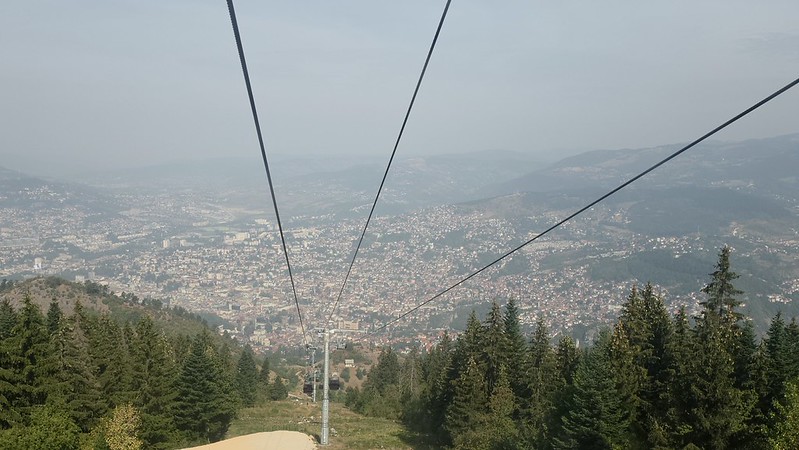
    Perhaps the only lingering mystery here is how the Communications Officer of the Long Distance Walkers Association has constructed a personal definition of walking which apparently excludes anything going upwards.
  • Balkans Trip Day 11 – Assassination of Archduke Ferdinand Location in Sarajevo

    Balkans Trip Day 11 – Assassination of Archduke Ferdinand Location in Sarajevo

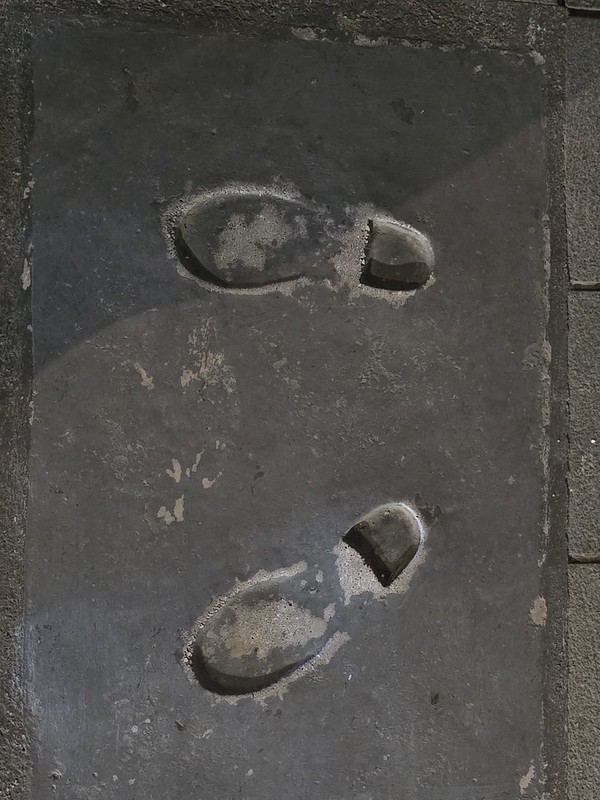
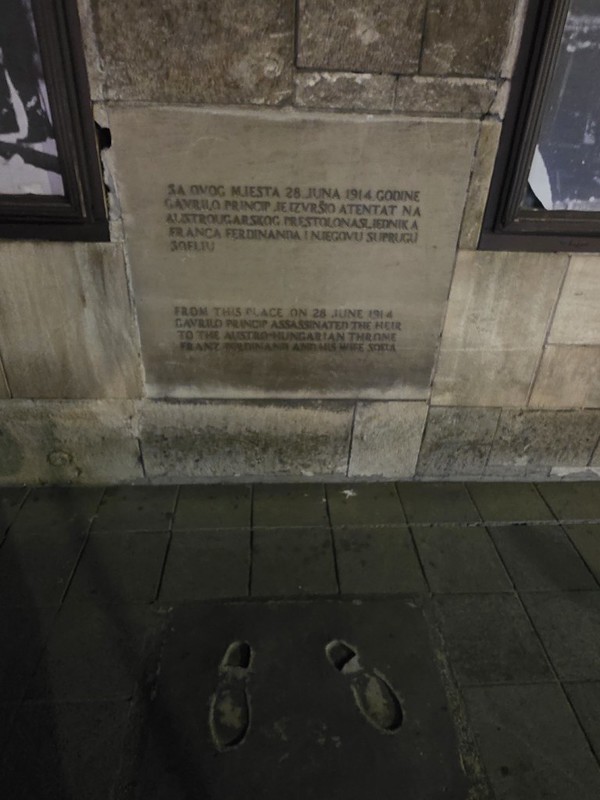
    Few patches of pavement have had such disproportionate consequences for world history and this was also the site that I most wanted to see in Sarajevo. This plaque marks the street corner in the city where Gavrilo Princip shot Archduke Franz Ferdinand, heir to the Austro-Hungarian throne, and his wife Sophie on 28 June 1914. Princip fired twice at close range after their car stopped beside him, fatally wounding Sophie in the abdomen and Franz Ferdinand in the neck. The assassination triggered the July Crisis, which drew Europe’s competing alliances into the First World War just over a month later.

    The site also has a connection with Adolf Hitler as a different plaque erected here in 1930 celebrated Gavrilo Princip as a herald of freedom, but it was removed after German forces occupied Sarajevo in April 1941. The plaque was presented to Hitler for his 52nd birthday and a photograph survives of him examining his new and rather historically loaded gift. It was later displayed in a Berlin museum before disappearing in 1945, adding yet another political interpretation to a street corner which has repeatedly been redesigned according to whoever happened to be in power.

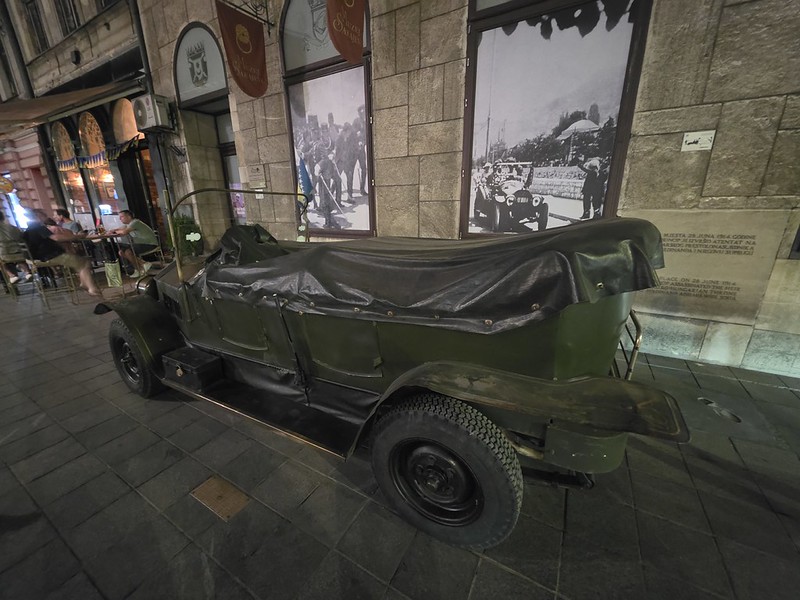
    The car displayed outside the museum is a replica rather than the vehicle in which the couple were travelling. Earlier that morning, another conspirator had thrown a grenade at the procession, injuring members of the following party. Franz Ferdinand later decided to visit the wounded in hospital, but the change of route was not properly communicated and his driver turned into the wrong street beside the Latin Bridge. The car stopped while attempting to correct the mistake, placing the couple almost directly in front of Princip. The original Gräf & Stift car is preserved at the Museum of Military History in Vienna, which I naturally failed to visit when I was there. It has now been added to the increasingly unmanageable list of places requiring a return journey.

    The footprints are intended to mark the position from which Princip fired, although these are modern recreations rather than impressions surviving from 1914. Concrete footprints were first installed here in 1949, when socialist Yugoslavia presented Princip as an anti-imperialist freedom fighter. They were removed at the beginning of the Siege of Sarajevo in 1992 as interpretations of Princip and his legacy changed once again. The footprints were restored in 2022 and it was a strange sensation to stand in the marked position, looking at what is now an ordinary and busy street corner but also one of the most consequential locations in twentieth century history.

    The building behind the plaque now houses the Museum of Sarajevo 1878–1918, but in 1914 it was occupied by Moritz Schiller’s delicatessen. We didn’t get a chance to visit this museum, but it’s one that I’ll likely pop into if I return to Sarajevo in the future. Anyway, it might not be the site that many people have on their bucket list to visit, but I’m pleased to get the chance to see this.

  • Balkans Trip Day 10 – Sub-Optimal Sarajevo Transportation

    Balkans Trip Day 10 – Sub-Optimal Sarajevo Transportation

    The previous post ended with the sub-optimal news that we had been deposited at East Sarajevo Bus Station, rather farther from the city centre than we had expected. My mobile plan had included data roaming in Montenegro but not Bosnia and Herzegovina, leaving us without an easy way to work out how to fix the situation. It was too far to walk, particularly in the considerable heat, so we needed a plan.

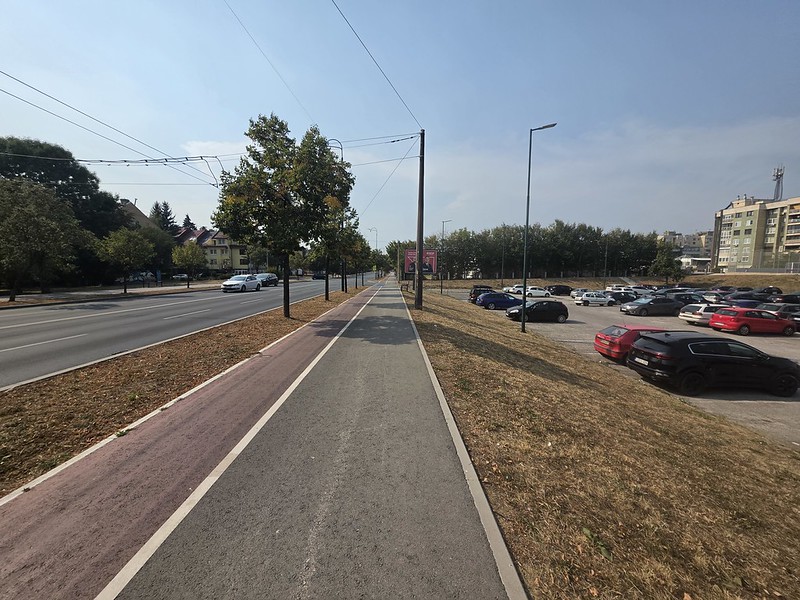
    Our plan involved walking until we found somewhere with shops and, ideally, Wi-Fi. Fortunately, we soon encountered the universal sanctuary of the stranded traveller, a shopping centre. It had Wi-Fi, a supermarket and somewhere to change money, so all our immediate requirements were met.

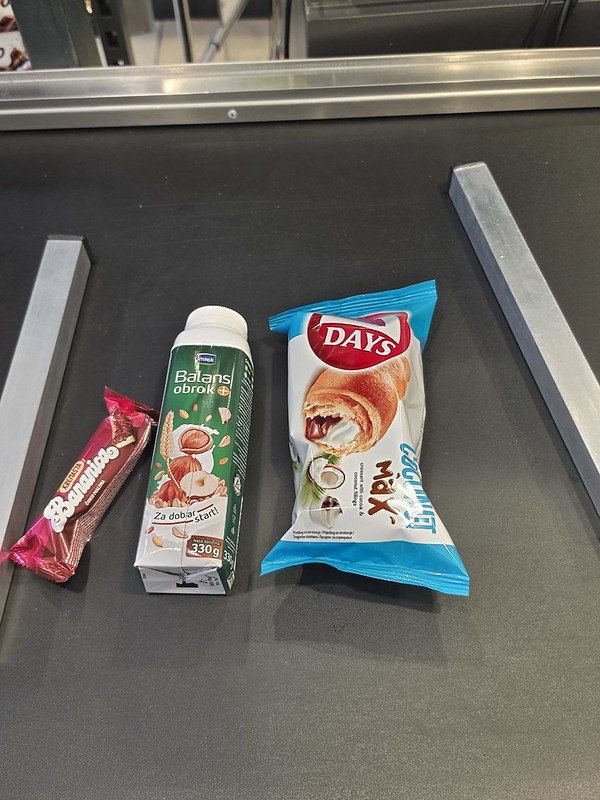
    Jonathan changed some money, I acquired snacks and, using the shopping centre’s Wi-Fi, I plotted a route into the city centre. I was pleased to discover what appeared to be a direct journey on the 103 trolleybus.

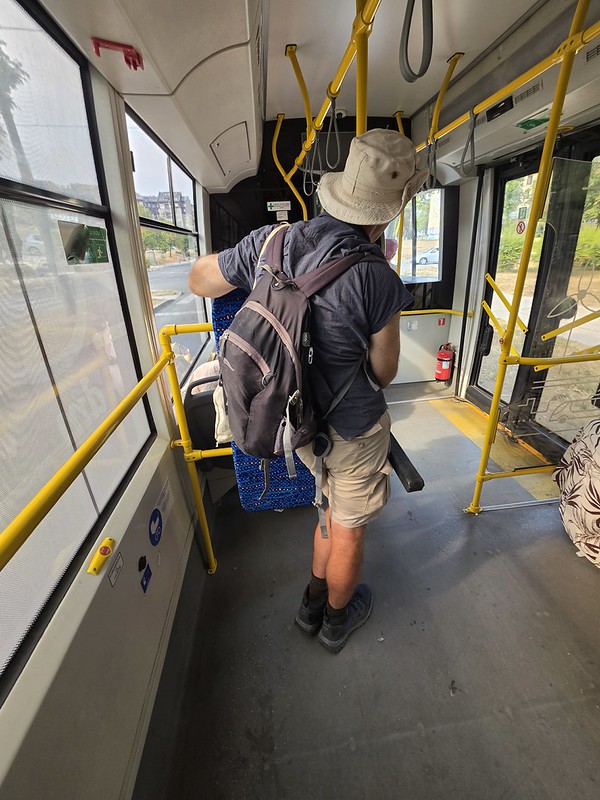
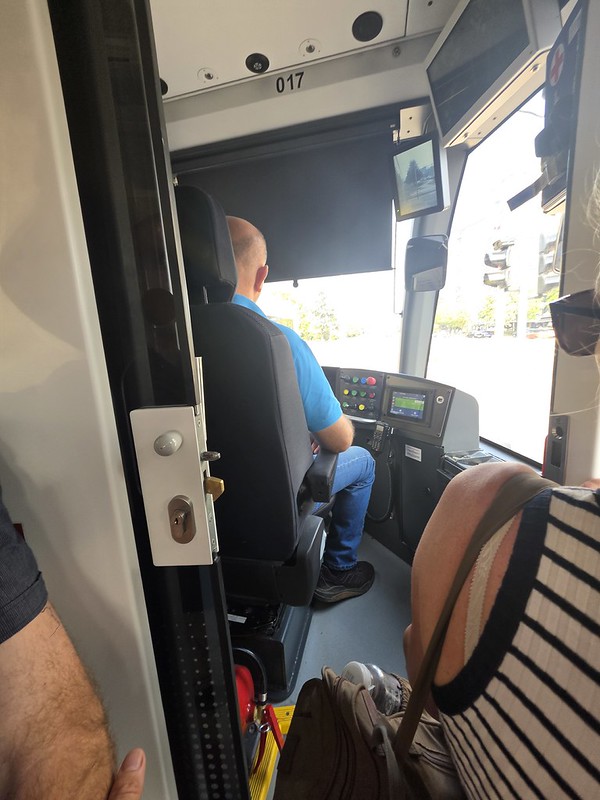
    We waited for the 103 trolleybus, but it never appeared. Several 108s passed instead and we were just about to abandon the plan and return to the shopping centre in search of another one when a driver noticed our confusion. He asked whether we needed help, which we very much did, and kindly told us to get aboard. He would make sure that we reached the tram line into the centre and we were very grateful for his assistance.

    Jonathan managed to look remarkably casual while neither of us had much idea what was happening. The driver was also helping another passenger and eventually dropped us at the main tram line into central Sarajevo. His kindness made an otherwise confusing journey considerably easier.

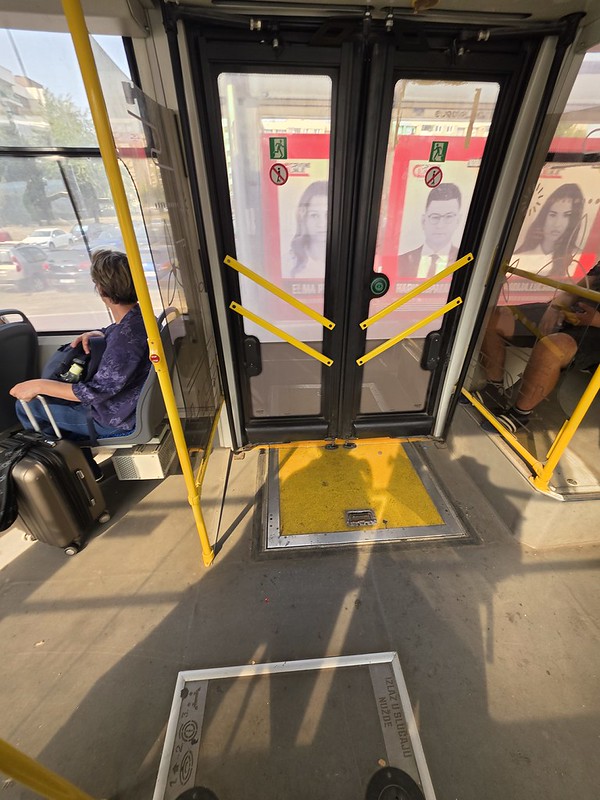
    At the tram stop, we discovered that tickets needed to be purchased with cash from the driver. The process felt slow and clunky, particularly after Belgrade had made its entire public transport network free. The tram was also extremely crowded, apparently because of a football match that evening, and we encountered some impressively determined use of elbows from our fellow passengers that was absolutely not ideal. By the time we escaped, hot, slightly battered and grumpy (well, I was grumpy, Jonathan wasn’t), my first impressions of Sarajevo’s public transport were not especially charitable. Admittedly, arriving at the wrong bus station without mobile data and then attempting the journey during a football crowd may not have constituted the fairest possible assessment, butI was confident that I would calm down eventually, probably within a few days.

    Whatever I thought of the transport system, the driver who noticed our confusion and went out of his way to help us had been exceptionally kind. And given that Jonathan was still cheery, I did debate that Sarajevo’s principal public transport difficulty may have been one particular British passenger.

  • Balkans Trip Day 10 – Coach Journey from Montenegro Border to Sarajevo

    Balkans Trip Day 10 – Coach Journey from Montenegro Border to Sarajevo

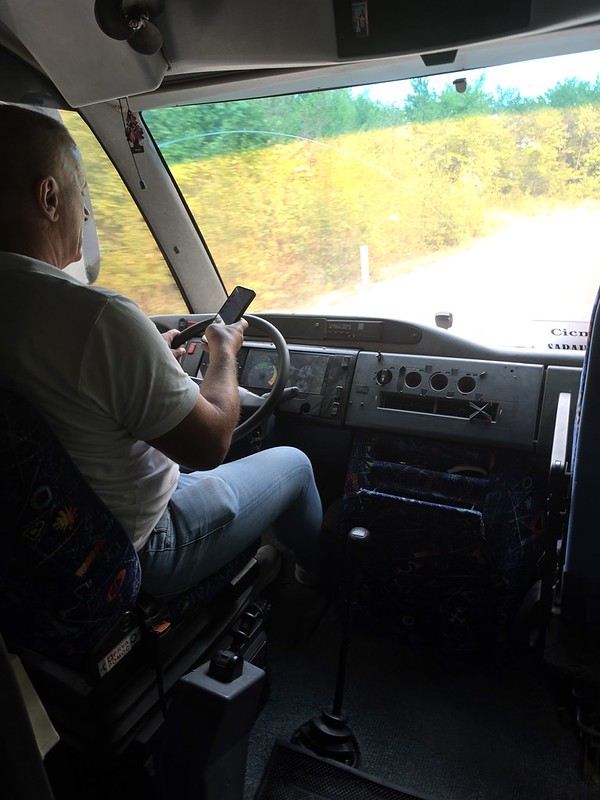
    We were back on the road after the first part of the expedition and I was pleased to see the driver demonstrating his ability to multitask by driving while using his phone.

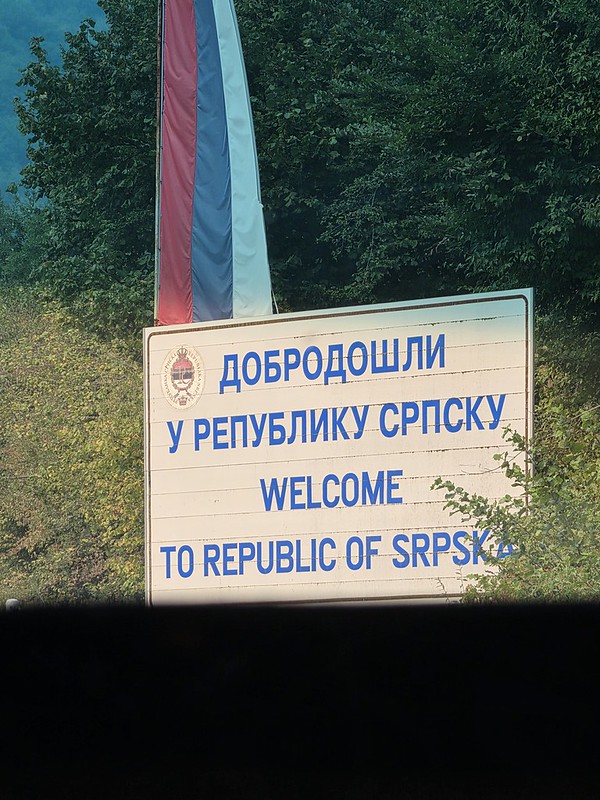
    Following the formalities at the Montenegrin checkpoint, we climbed back into our increasingly adventurous minibus and continued across the border into Bosnia and Herzegovina. We had another short wait at the Hum border checkpoint while the Bosnian authorities checked our passports. Hum is located within Republika Srpska, one of the two political entities which make up Bosnia and Herzegovina. They did not need to inspect us individually, as the driver simply carried a job lot of passports into the office. It was an efficient system, provided everyone eventually received the correct identity back and I’m pleased to say that they did, although we did have an extra passport for a while.

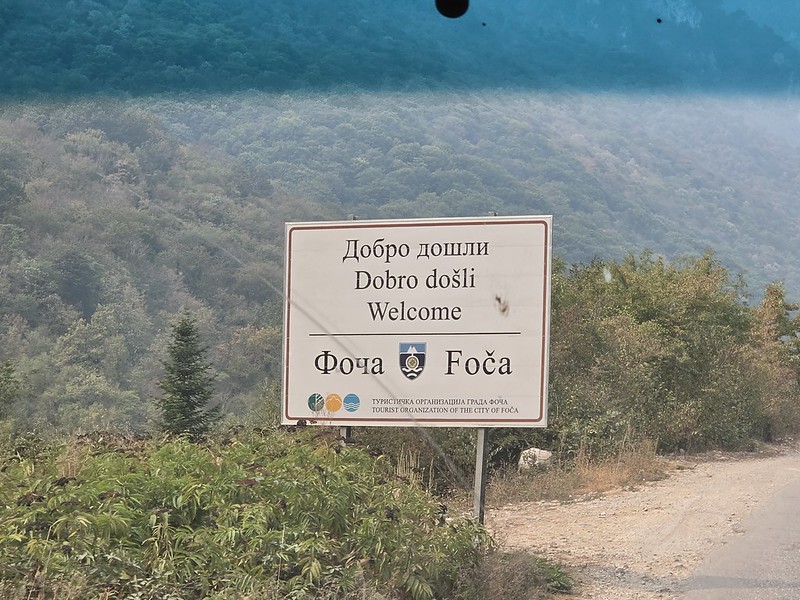
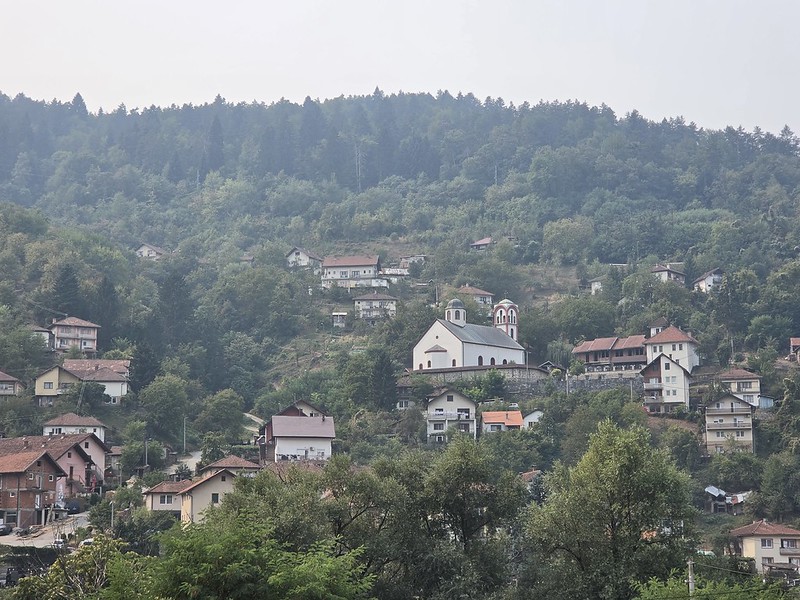
    Around ten minutes after crossing the border, we entered Foča, an attractively situated town beside the River Drina with an exceptionally dark recent history.

    Foča was the scene of some of the worst atrocities committed during the Bosnian War. Bosnian Serb forces conducted a campaign of ethnic cleansing against the town’s Bosniak population, involving killings, forced displacement, unlawful imprisonment, torture and systematic sexual violence. Several of those responsible were subsequently convicted of crimes against humanity by the International Criminal Tribunal for the former Yugoslavia.

    We stopped in Foča for a short while, allowing passengers to visit the café or use the facilities. I tend to regard these interruptions as an unnecessary delay to the important business of arriving, whereas Jonathan considered them a welcome part of the journey. One of us was clearly better suited to coach travel.

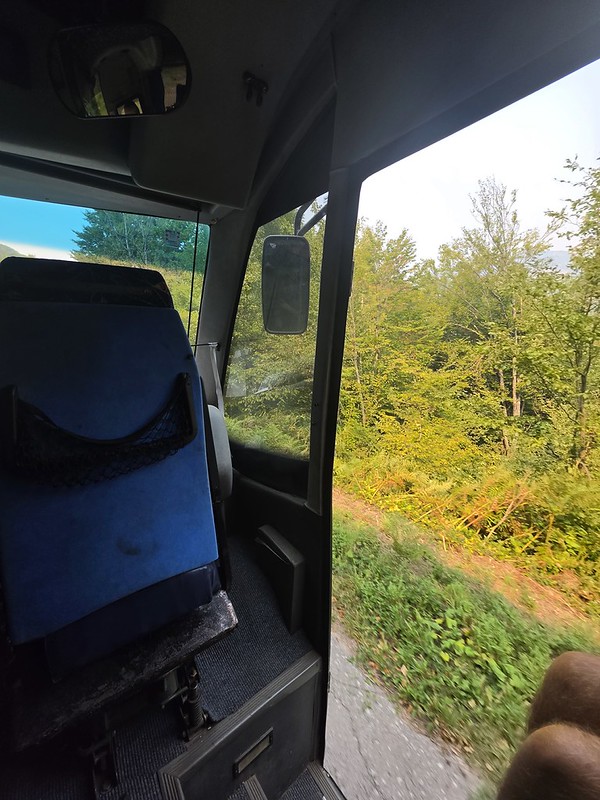
    During the later part of the journey, the driver opened the passenger door while we were moving to provide some improvised air conditioning. I appreciated the sudden flow of cool air, although Jonathan had to ensure that neither his bag nor he followed it out of the vehicle. I was very pleased with the whole arrangement.

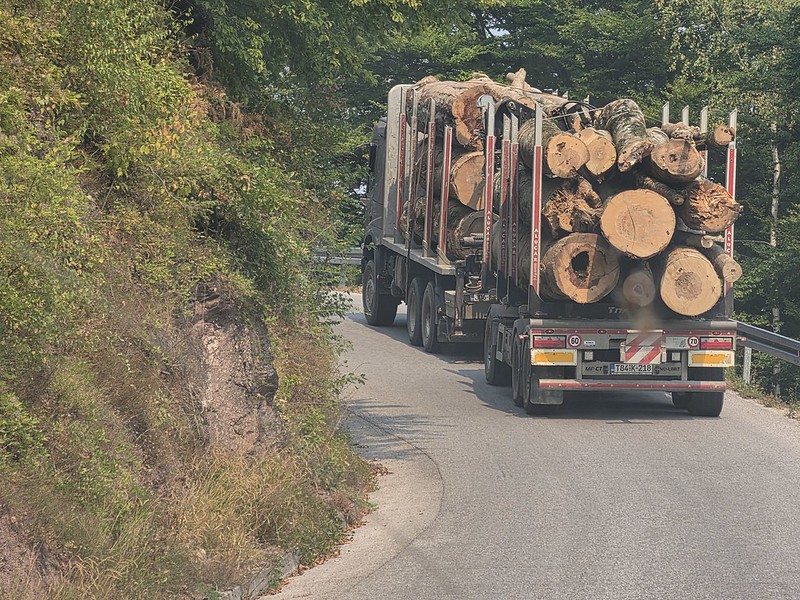
    I had visions of Final Destination 2. The countryside that we went through was beautiful once again, although photographing it whilst holding on for dear life in the front seat was more challenging, so I concentrated on road photos.

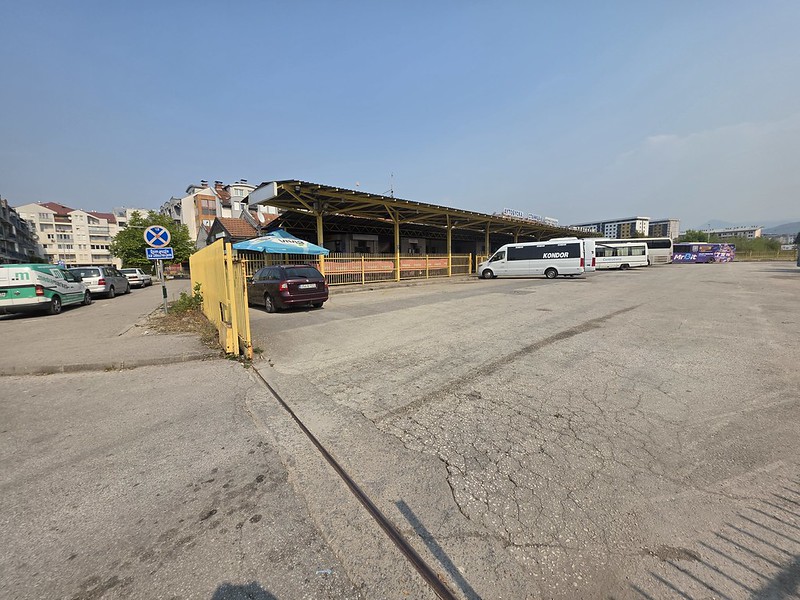
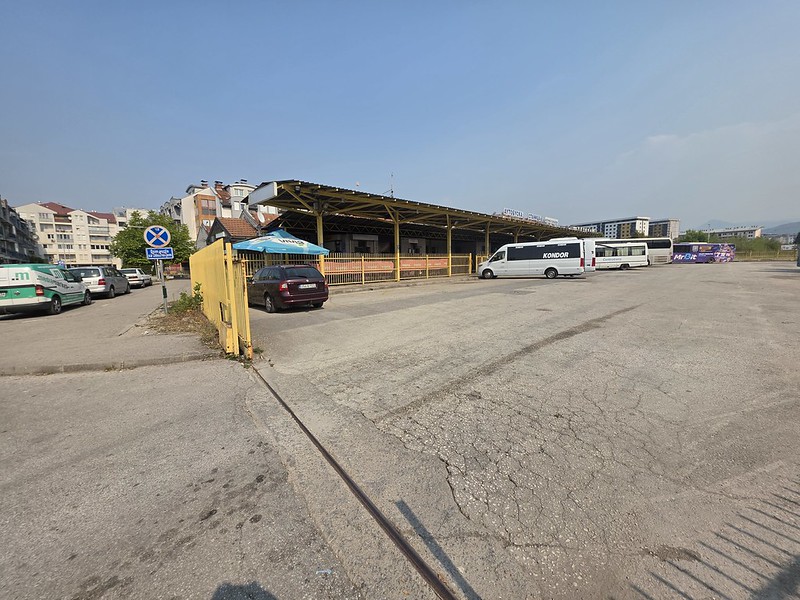
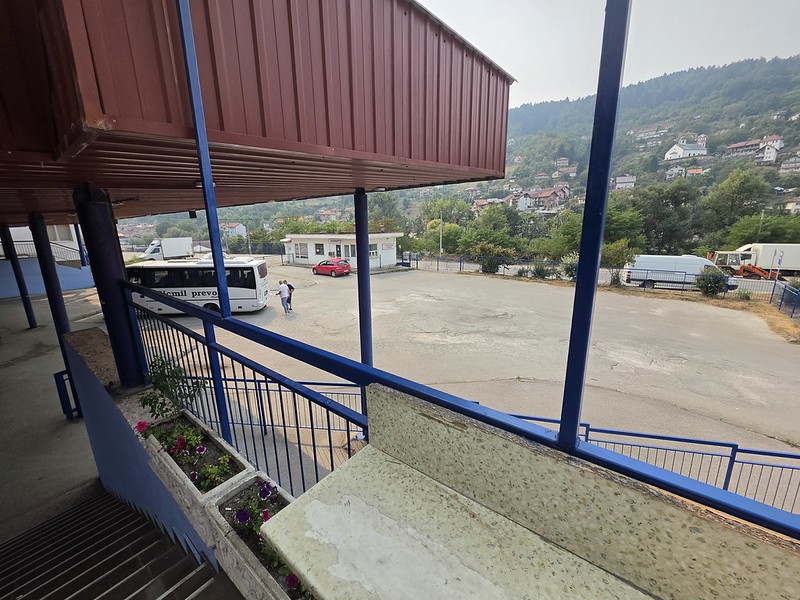
    Against several reasonable expectations, we arrived safely at East Sarajevo Bus Station in Lukavica. The safe arrival was welcome, but the location was not, as we had assumed that the service would terminate at Sarajevo’s central bus station. East Sarajevo turned out to mean a separate city within Republika Srpska rather than merely the eastern side of central Sarajevo. Resolving that little geographical misunderstanding will feature in the next blog post. Oh, the anticipation once again.

    As a final note, I would add that the bus journey was a very enjoyable one, the driver was engaging and personable, the bus didn’t fall apart and we got there in time. So all rather lovely.