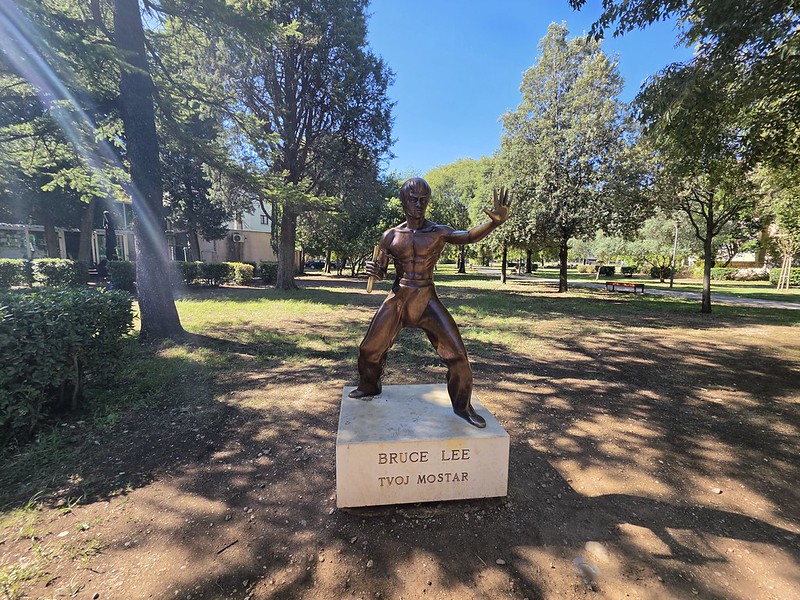
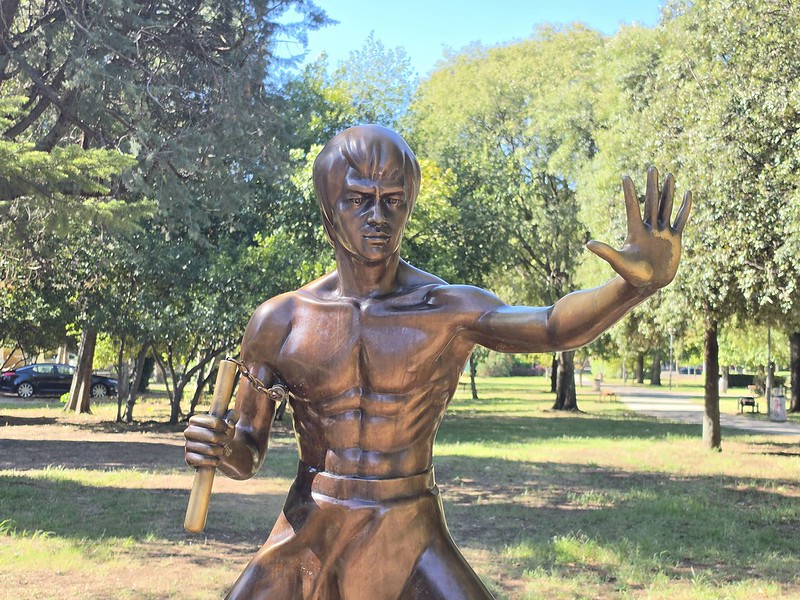
Perhaps one of Mostar’s more unexpected monuments is this bronze statue of Bruce Lee in Zrinjevac Park. I’m not sure if this was on Jonathan’s list of things to see, but it was on mine and he likes films, so that all worked out nicely. The wider view shows Lee standing above the words “Bruce Lee, Your Mostar” which is all very positive.
Created by Croatian sculptor Ivan Fijolić and unveiled on 26 November 2005, it was proposed by the Mostar Urban Movement as a shared hero for a city still divided after the war. Bruce Lee was distant from local political and ethnic arguments, while his films had been enormously popular throughout Yugoslavia. It was also the first public monument to him anywhere in the world, beating the unveiling of Hong Kong’s statue by one day and giving Mostar a victory in a competition that Hong Kong probably had not realised was taking place.
These things are never entirely easy though and even his orientation proved politically sensitive, as residents complained that his fighting stance appeared to be directed towards their side of the divided city. He was consequently positioned to face a more neutral direction, which must be one of the few occasions when municipal reconciliation has involved carefully rotating Bruce Lee.
Although a symbol of unity, his time in the park has not been entirely peaceful. The statue was vandalised soon after its original unveiling and later spent several years away being repaired. It was stolen in March 2024 and recovered after being cut into pieces for sale as scrap metal, which was all a little sub-optimal. Following extensive restoration, Bruce returned to his pedestal in December 2025, making these photographs evidence that Mostar’s unifying action hero has survived vandalism, theft and dismemberment and remains impressively difficult to defeat.
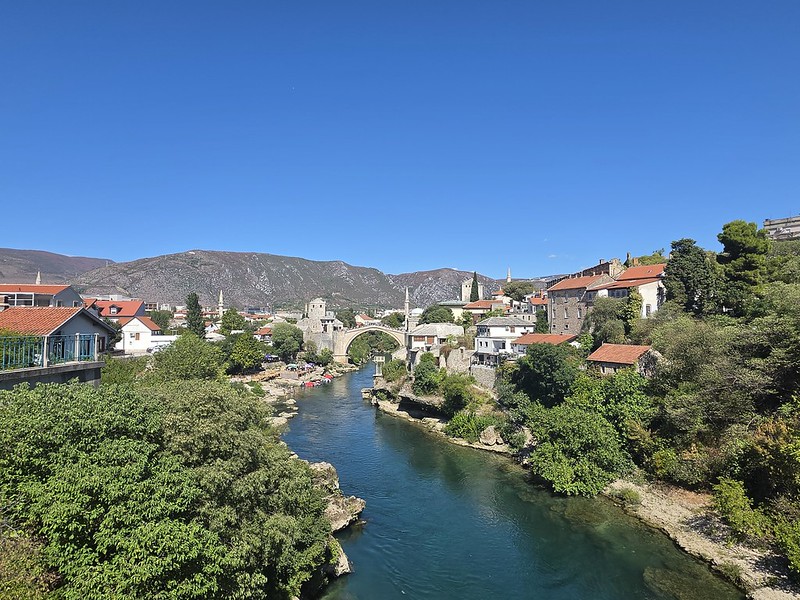
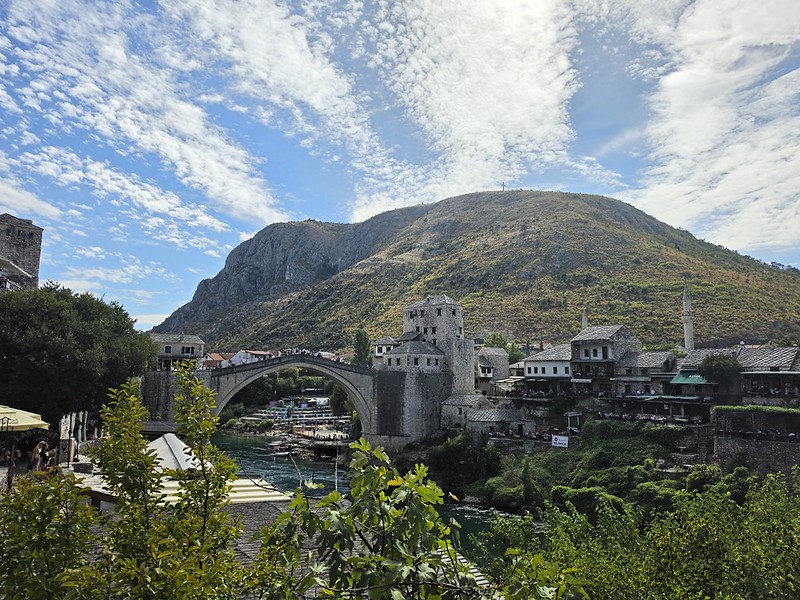
I took this photograph from farther down the River Neretva, primarily because I had forgotten to take one while walking across the bridge itself when it was extremely busy. This is the Stari Most, looking rather delicate against the surrounding mountains. The bridge was commissioned by the Ottoman sultan Suleiman the Magnificent and constructed between 1557 and 1566 under the direction of Mimar Hayruddin. Its single stone arch connected the two sides of Mostar for more than four centuries and became so closely associated with the city that Mostar itself takes its name from the mostari, the bridge keepers who guarded the crossing.
The bridge visible today is a reconstruction. The original survived earthquakes and centuries of political change before being destroyed by Bosnian Croat forces on 9 November 1993 during the Croat–Bosniak conflict. Images of the arch collapsing into the river became one of the most powerful symbols of the damage done to cultural heritage during the Bosnian War and I watched the video on YouTube of the destruction.
And since I’ve mentioned it, here’s the video.
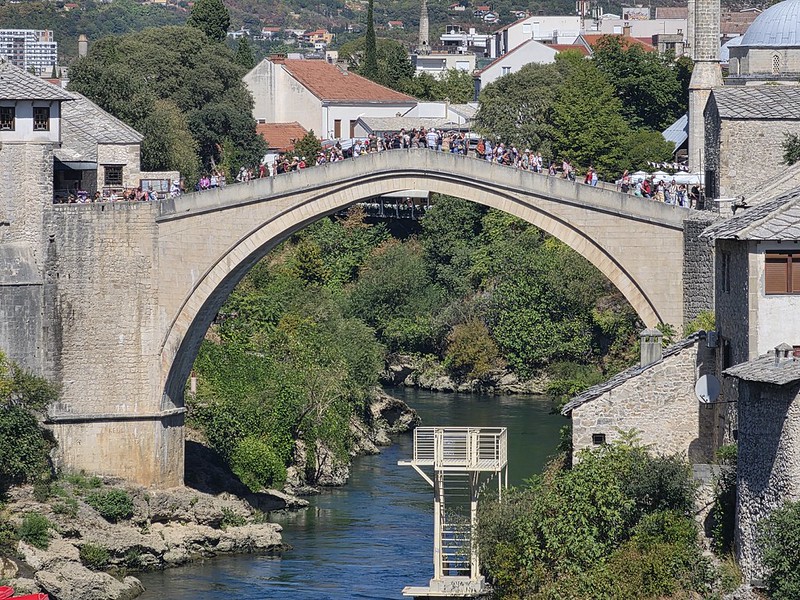
This closer view shows the remarkable height and steeply curved profile of the bridge. The reconstruction was undertaken as an international project coordinated with UNESCO and the World Bank, using traditional building methods and locally quarried Tenelija limestone chosen to match the original masonry. Stari Most reopened on 23 July 2004 and the bridge and surrounding Old City were inscribed on UNESCO’s World Heritage List the following year. It was intended not simply as an architectural restoration, but as a symbol of reconciliation in a city that remains divided in numerous ways. More on that theme in a future blog post though, this was certainly a complex city.
The metal platform in the river belongs to Mostar’s long tradition of bridge diving. Local divers leap from the top of the arch into the exceptionally cold Neretva approximately 24 metres below, although this requires training rather than merely an excess of holiday confidence. Organised competitions have taken place for generations and the spectacle has become almost as closely associated with the bridge as the architecture itself. Jonathan and I weren’t tempted.
From this angle, the bridge can be seen with the fortified towers that once controlled access to it. The Tara Tower stands on the eastern bank and the Halebija Tower on the western side, both forming part of the historic defensive complex surrounding the crossing. The buildings climbing the riverbanks help explain why the bridge feels like part of the old town rather than an isolated monument. Its arch links two dense groups of stone buildings and narrow streets, just as the original was designed to do in the sixteenth century.
Although this is technically a twenty-first-century bridge, it has been reconstructed closely enough to restore one of Europe’s most recognisable Ottoman views. It was always busy with tourists when we walked over it and I’m not sure that I would have realised it was a modern replacement, it feels like an authentic reconstruction.
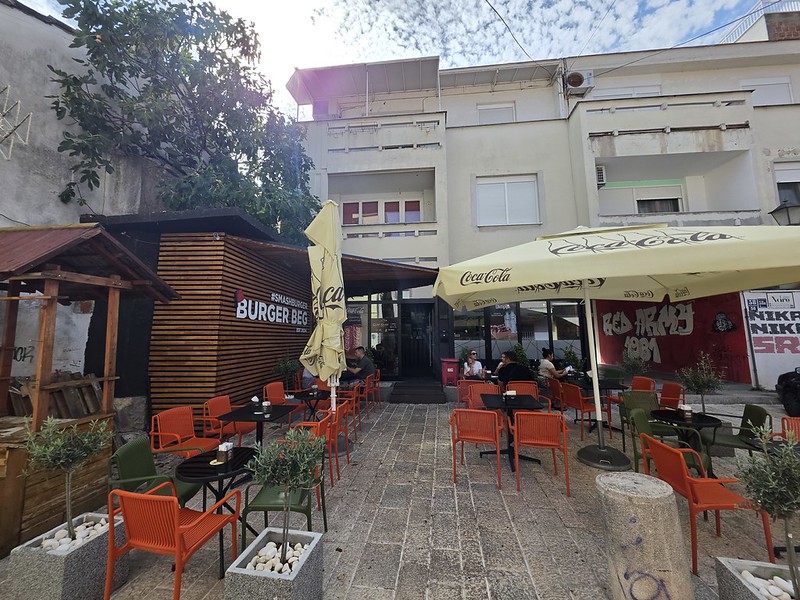
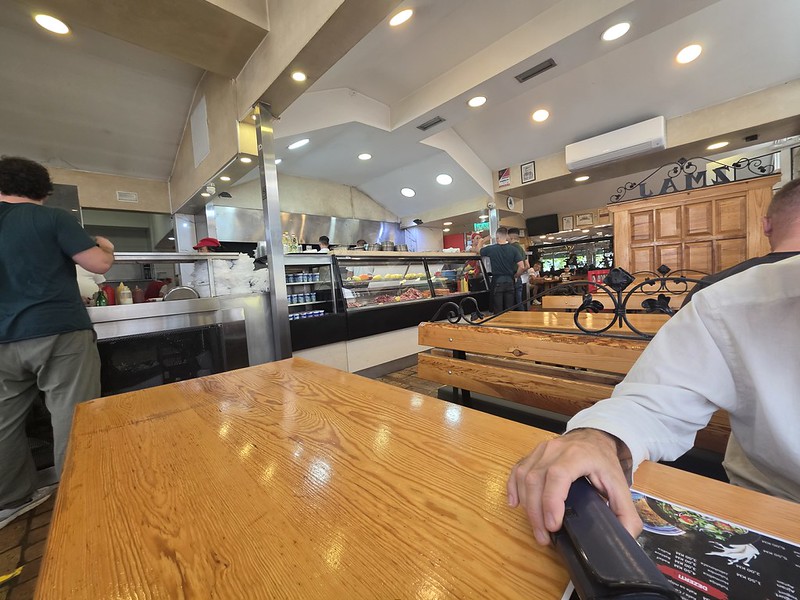
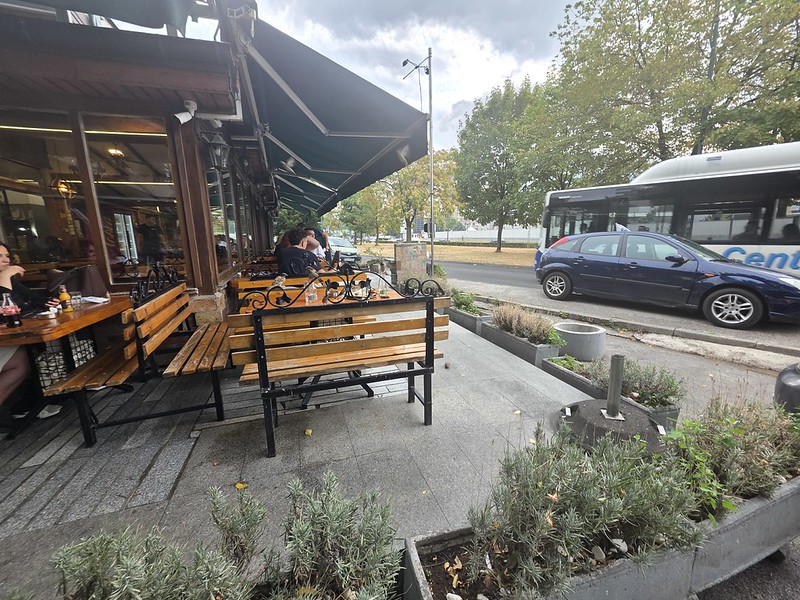
Having arrived in Mostar and wanting food, I noticed that this venue, Burger Beg, was well reviewed and so thought I’d quickly pop in. They’ve got this on-trend looking arrangement on the main street in Mostar, but they previously had a smaller back street venue, so it seems that they’ve done well.
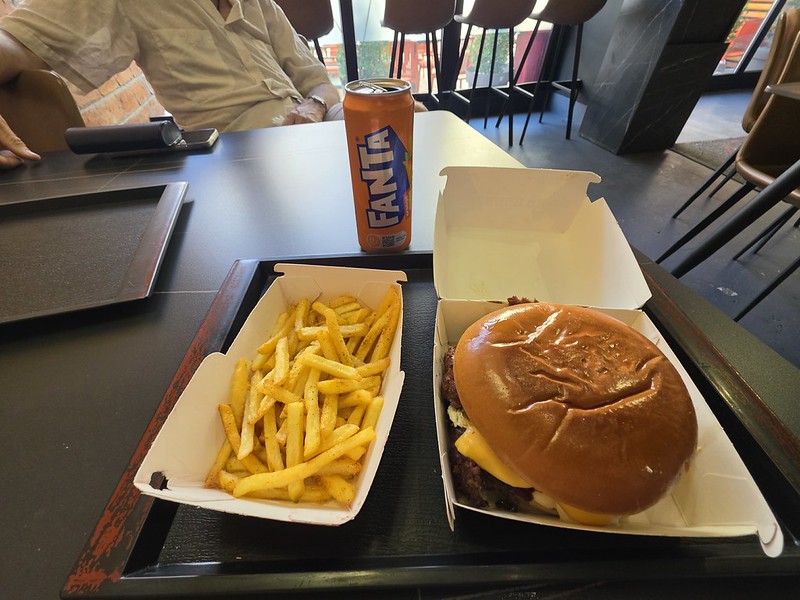
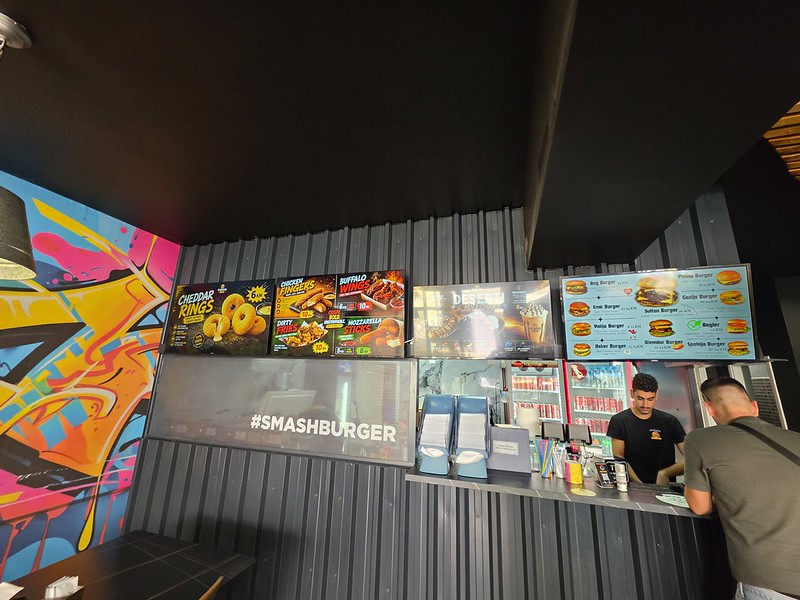
Jonathan went off to buy a sandwich from somewhere, which I understand wasn’t very appetising, but I thought that the options here looked shiny and interesting. I opted for the Beg Burger, which didn’t seem overly decadent as I’m not Richard, along with fries and a Fanta. Customers order at the counter and are given a device which vibrates when their food is ready for collection. The venue was clean and I liked the branded wet wipes which were very useful.
All rather rather lovely for the equivalent of around £7 for the meal. The burger was meaty, the fries were served as a large portion, and everything was hot, other than the Fanta of course.
I liked it here, there was Wi-Fi which was most useful, plenty of seating inside and outside, friendly service, quick service and the food tasted of a decent quality. Mostar had now provided me with food and internet access, so my earlier mood was beginning to lift.
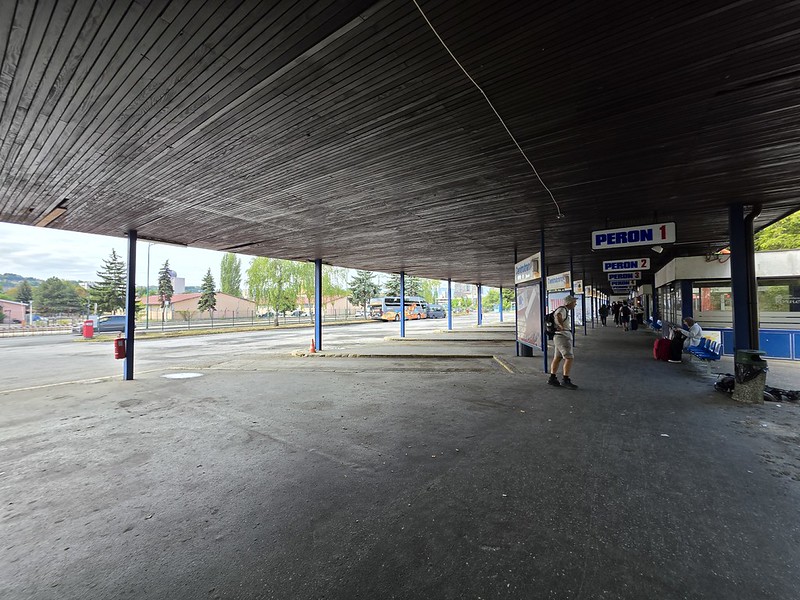
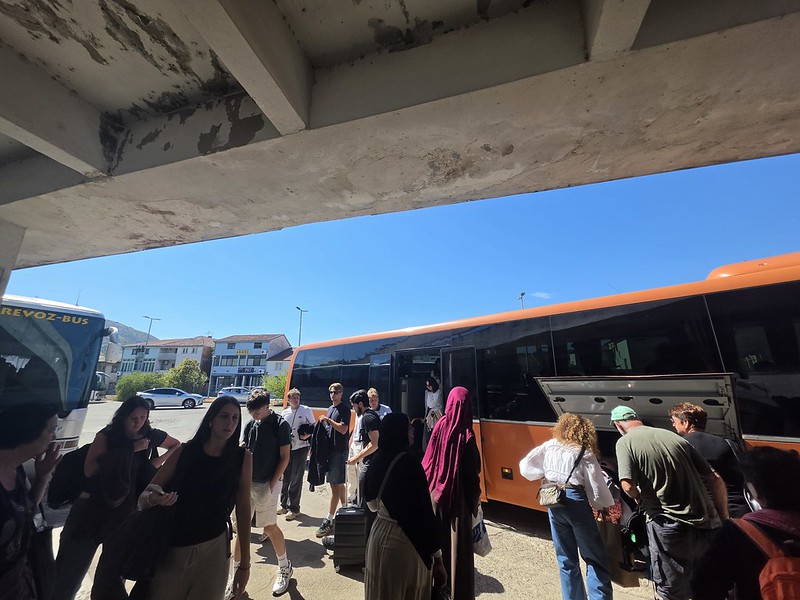
In an attempt to move on this blog, I will leave Sarajevo behind in a bid to get to Mostar and indeed perhaps one day to the end of this trip. Anyway, this is Sarajevo coach station and it probably needs a little bit of updating.
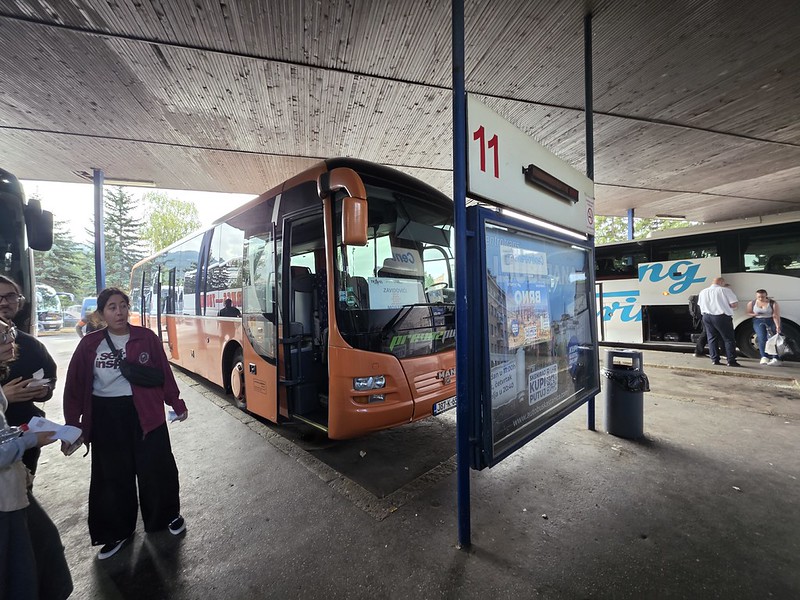
Our coach pulled in at platform 11 and a number of passengers invited themselves on board. I remained cautious as I didn’t have permission and I believe in a rules-based society. Anyway, the driver came over from the cafe and threw all these passengers off and I felt validated. There was a minor moment of concern when the driver asked for the slip that came with our paper tickets and I had separated that thinking it was a card receipt. Fortunately, I had kept them otherwise Jonathan and I might not have been going very far.
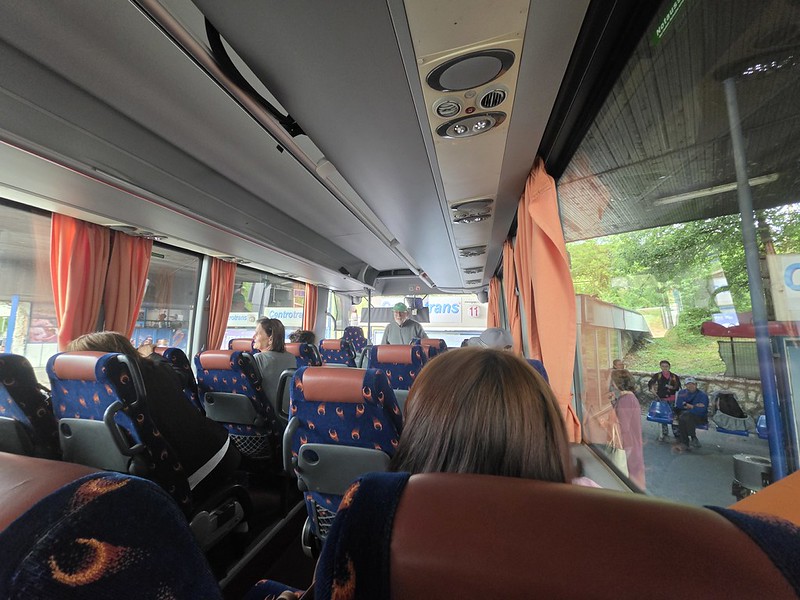
Safely boarded and the bus was nearly full, but at least it was spacious and not some rickety little minibus that the coach company had found from somewhere.
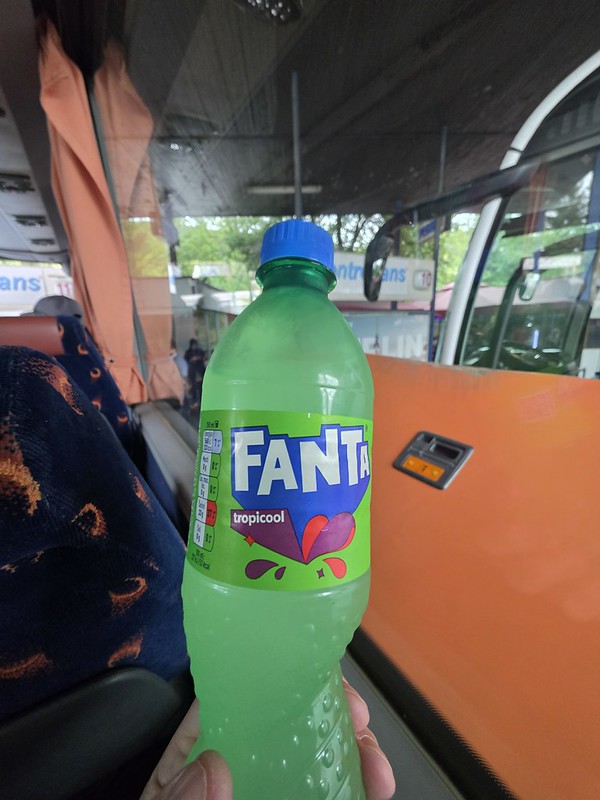
I had acquired a healthy drink from the bus station shop.
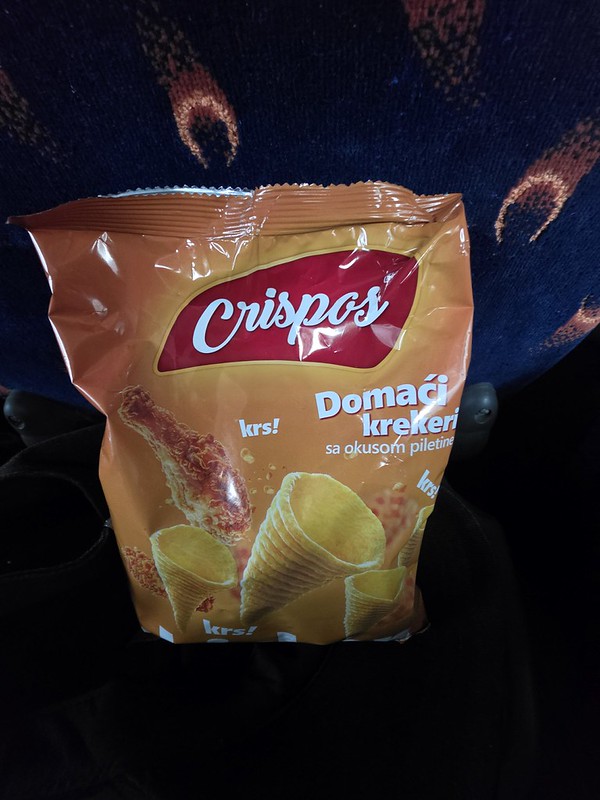
And some healthy crisps. Well, maybe not entirely healthy. Fortunately, I had purchased two packs as I managed to eat one whilst waiting for the coach to leave Sarajevo.
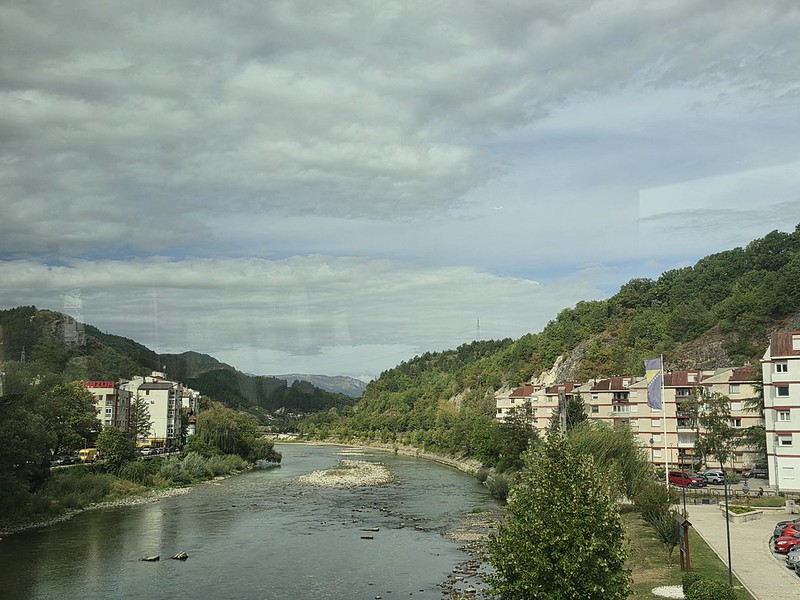
The town of Konjic.
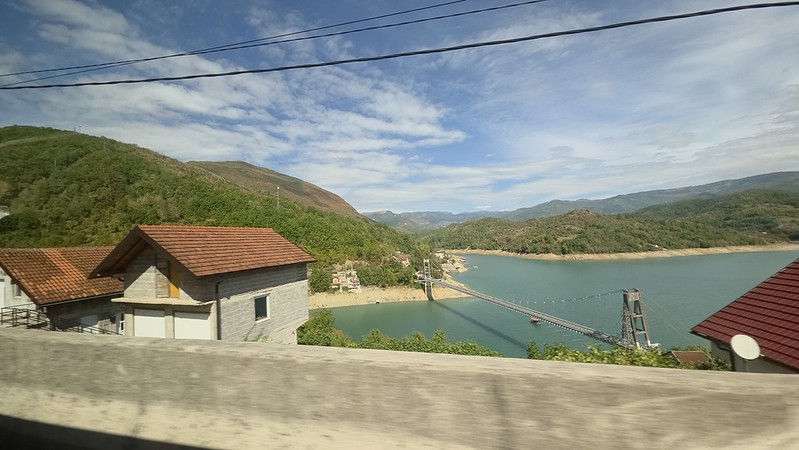
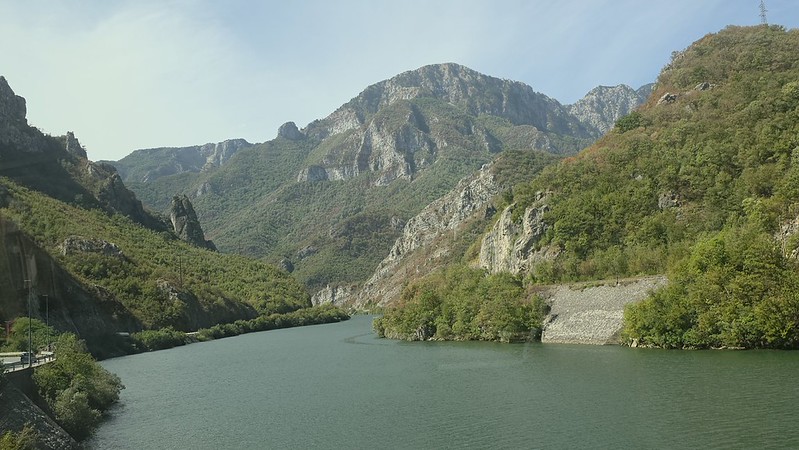
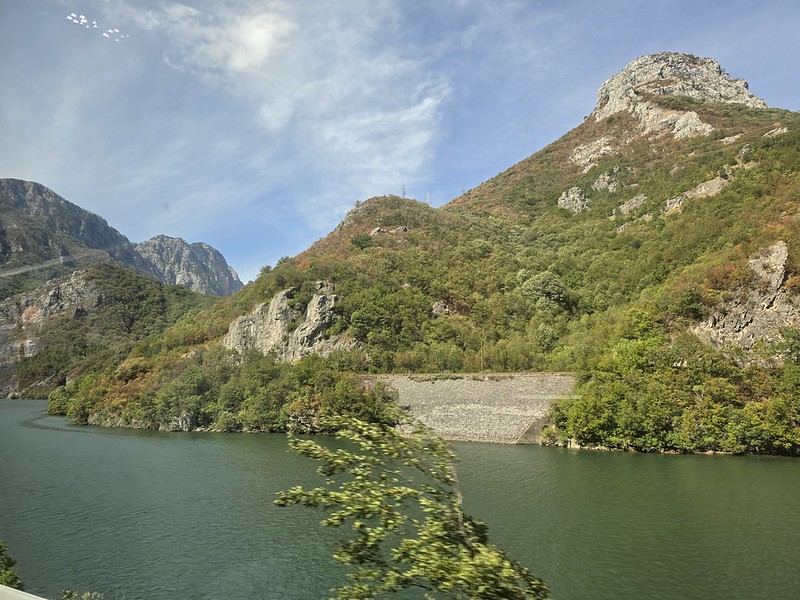
Lake Jablanica, an artificial reservoir created in 1953 during the construction of Jablanica Dam.
The village of Ostrožac.
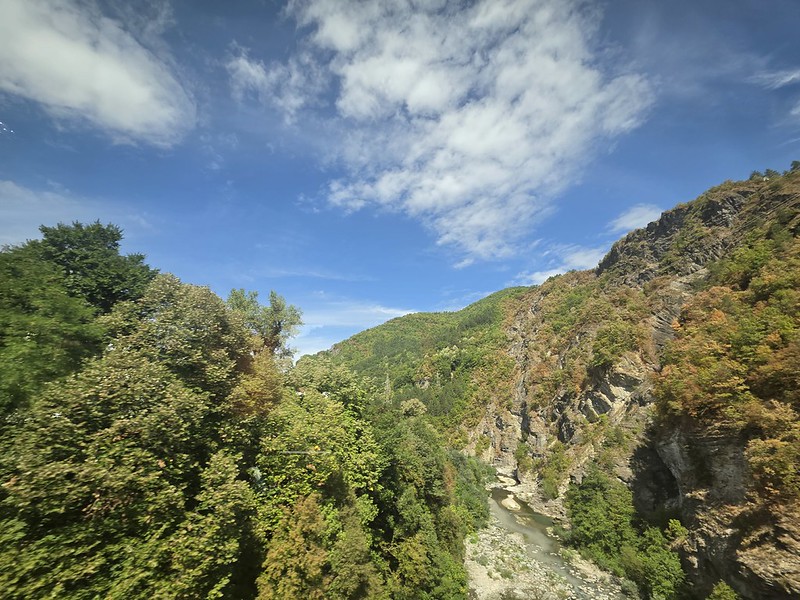
A little further down the valley.
The village of Jablanica.
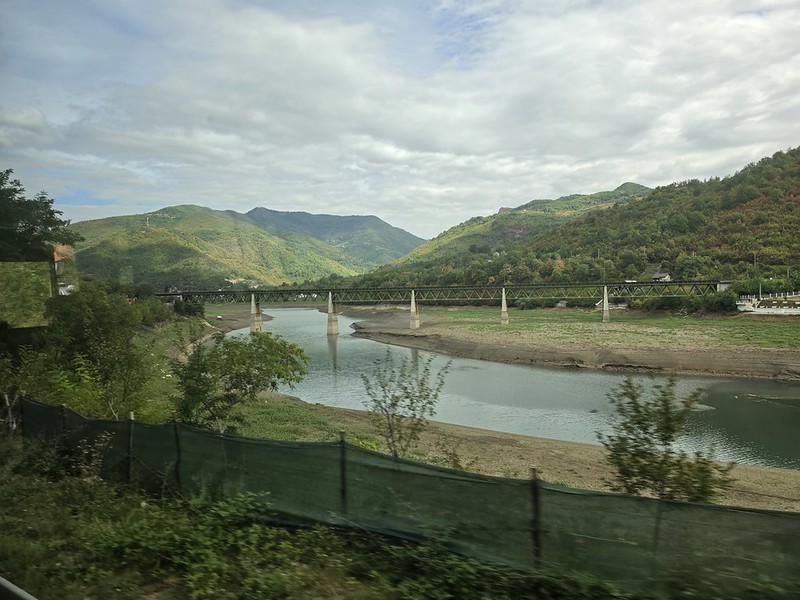
This really was a beautiful coach journey and I was fortunate to have picked the right side of the vehicle to sit on to get the best views. To excite and delight my loyal blog readers, there are numerous videos that I took so I’m sure that’ll be the highlight of many people’s days for weeks to come.
And safely into Mostar where we promptly discovered that there was no Wi-Fi, so I was in an immediate mood. I accept that the tourist board of Bosnia and Herzegovina might think that I should focus on the view, but sometimes the Internet is too important not to focus on.
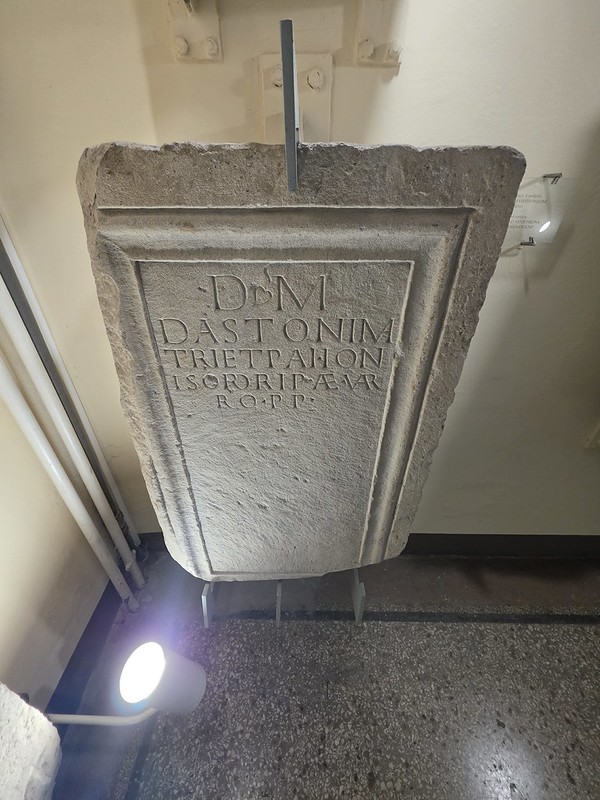
One of the Roman exhibits at the National Museum of Bosnia and Herzegovina is this limestone funerary monument, discovered at Borčani near modern Tomislavgrad. It dates from around AD 130 to 170, when the area formed part of the Roman province of Dalmatia. I take photos of every gravestone in churchyards from before 1800, so I couldn’t find a reason not to take a photo of this and witter on about it.
The inscription begins with the letters D M, an abbreviation of Dis Manibus, meaning “to the spirits of the dead”. It records that Publius Aelius Varro dedicated the monument to his mother Dasto and his sister Paiio. Publius does not tell us what his mother or sister were like, unfortunately, although even the Romans presumably recognised that there was only so much room available on the stone. He simply states that it was erected as a token of affection and, in fairness, it’s lasted remarkably well.
Without being morbid, I don’t want a gravestone. My friend Liam will instead be busy scattering me around the world in a list of locations that I regularly update, requiring him to undertake an extensive international tour which I hope he doesn’t moan about. But if I did had a gravestone, I’d be very pleased if it survived for nearly 2,000 years. I hope he realises that even death will apparently not release Liam from the administrative burden of being my friend……
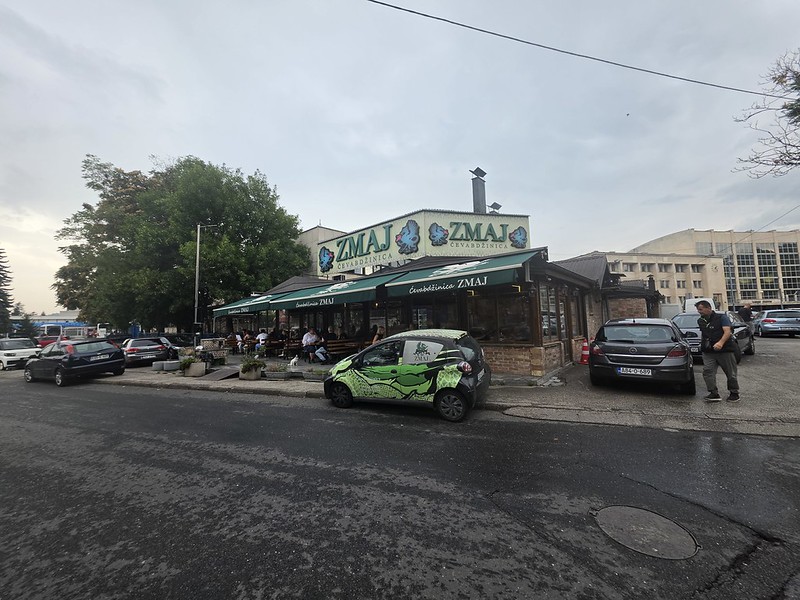
When looking for lunch in Sarajevo after a busy morning of museum visiting, we thought that we’d pop into this restaurant, Ćevabdžinica Zmaj Stanica, located near the coach station as it was well reviewed and looked interesting. We were told that we could sit anywhere and a waiter came to take our order promptly, so we weren’t left waiting for long.
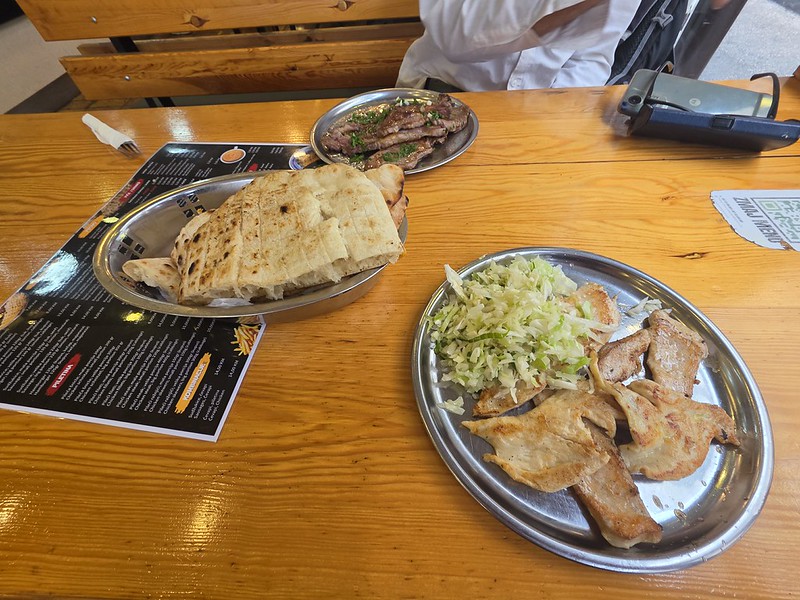
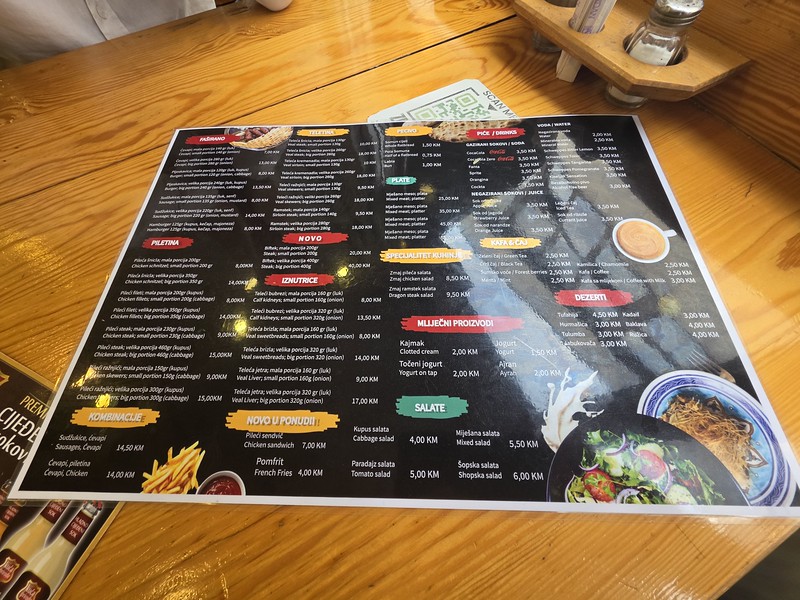
There was a reasonable selection on the menu and I went for the large chicken schnitzel with a bottle of Coke.
This isn’t really what is usually called chicken schnitzel, even in Bosnia, but it was hot, filling and inoffensive. I’m not sure that this was much of a taste sensation, but it wasn’t expensive and it seemed healthy and freshly prepared. Jonathan had some sort of decadent steak as it was keenly priced so not an option that he’d order at home and he was surprised and delighted at the whole arrangement. There was some bread supplied to the table, although I found the combination a little dry.
My Coke never arrived so I chased that up and the whole ordering and payment system was perhaps a little erratic. It seemed to be going wrong in a few places, although the food was served promptly. It’s nice to see this sort of open kitchen set-up so that we could watch our food being prepared. The team members were always polite and friendly, although they were often quite rushed when it got busy.
Birds playing on the table outside, seemingly having a lovely time. Another advantage of the restaurant is that they have plenty of seating, both inside and outside. I think Jonathan was planning to sit outside, but we somehow ended up inside when he wasn’t looking. I’d also add that everything was clean and tidy, with team members busily cleaning down surfaces on a regular basis.
This restaurant has been here for decades, it’s welcoming, it’s open for very long hours and it was reasonably priced, so I’d actually come here again. It’s a bit like a fast food option, the quality might not be impeccable, but it feels sufficiently reliable to visit. It also seems that there has been a new development that the restaurant has started to take cards, which made payment rather easier.
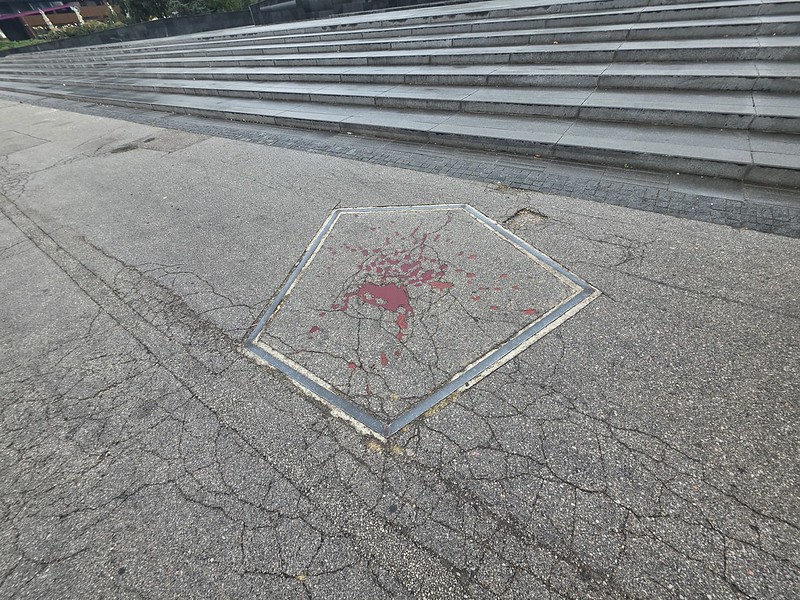
Scattered across Sarajevo are around 200 memorials embedded in the pavement, known as Sarajevo Roses. Each preserves the scar left when a mortar shell exploded during the Siege of Sarajevo between 1992 and 1996. The crater was later filled with red resin, preserving the damage rather than removing it and turning part of the ordinary pavement into a memorial.
The name comes from the pattern produced when a mortar shell struck concrete or asphalt, sending cracks and fragments outwards in a shape resembling the petals of a flower. Officially marked roses generally identify places where at least three people were killed, with the red filling representing the bloodshed. Many have faded, been damaged or disappeared during later resurfacing, while others have been restored and protected.
It was Jonathan that pointed these out to me and they are a strikingly visual reminder of the suffering Sarajevo endured during the siege. What felt quite powerful about these memorials is that they are not separated from everyday life behind railings or inside a museum. They remain beneath people’s feet, quietly forcing the violence of the past into the present day and for visitors, that can come at quite unexpected times when exploring the city.
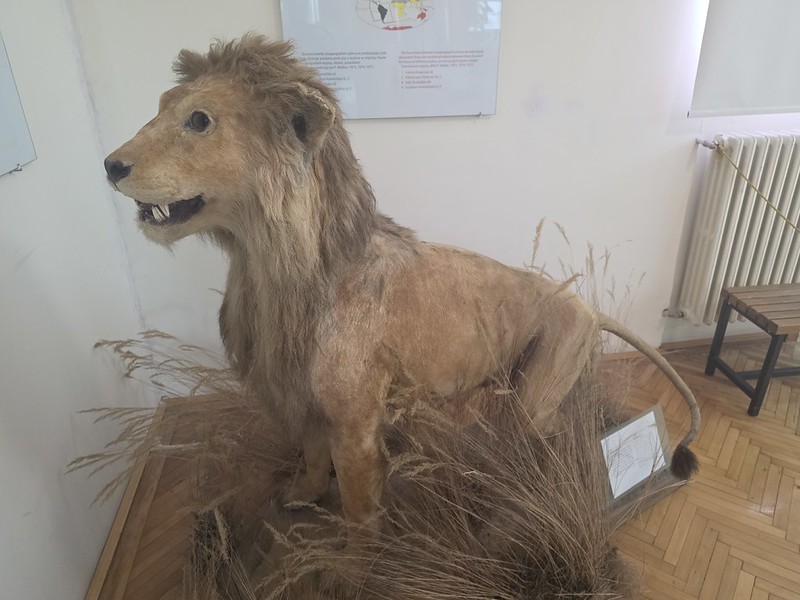
Among the exhibits in the natural history galleries of the National Museum of Bosnia and Herzegovina was this lion, although it appeared to have been assembled by someone working from a description supplied over the telephone. The elongated face, wide eyes and unexpectedly modest mane gave it less the commanding presence of the king of the beasts and more the expression of a slightly startled dog that had just heard someone opening a packet of biscuits.
Taxidermy is an unforgiving business, particularly when the finished specimen is expected to represent an animal normally associated with strength and dignity for decades to come. This lion may not communicate quite the intended degree of menace, but it was certainly memorable and quickly became one of my favourite exhibits. There is something rather endearing about a museum lion that looks as surprised to be there as the visitors are to find it.
This photograph will also be a useful addition to my collection of Artichoke Hearts bar billiards memes, particularly for those occasions when Luke the Lion performs rather more like Luke the Mildly Alarmed Labrador.
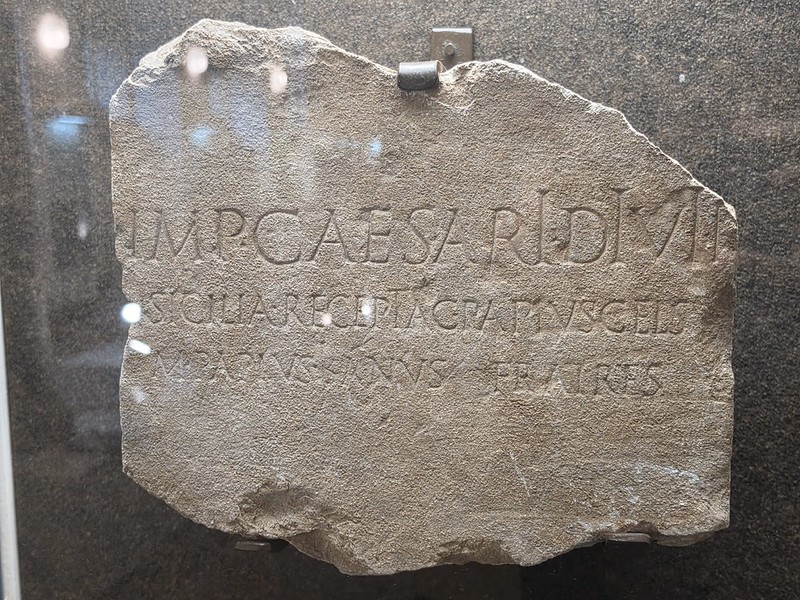
This fragment of stone in the National Museum of Bosnia and Herzegovina came from the base of an honorary monument discovered at Tasovčići, near Čapljina in southern Bosnia and Herzegovina. It was erected to celebrate Octavian’s victory over Sextus Pompey in Sicily in 36 BC, although that perhaps rather understates the amount of fighting involved. I got rather muddled up with all these Caesars, but Octavian styled himself Imperator Caesar Divi Filius, meaning something like “Commander Caesar, son of the divine one”. The divine one was Julius Caesar, who had adopted Octavian as his son and heir and was officially declared a god after his death. Rather nice really.
The monument was erected by two brothers, Gaius Papius Celsus and Marcus Papius Canus. Researchers believe that they were probably merchants associated with nearby Narona, an important Roman settlement and trading centre on the River Neretva. Publicly honouring Octavian may have expressed gratitude or political loyalty, although it probably did the brothers no harm to advertise that they had supported the emerging winner. Some things never change.
Only part of the inscription survives, but there is still enough to preserve the names of the brothers and the ruler they wanted to impress. Octavian would go on to become one of the most famous people in history, while the Papius brothers are remembered largely because they paid for what was effectively a very durable press release.
As for why I stared at this for far too long, I liked the thought that it was erected more than 2,000 years ago, survived everything that followed and is now safely displayed in a museum. Admittedly, a few pieces have fallen off, but after that length of time it is entitled to have developed some minor structural concerns.
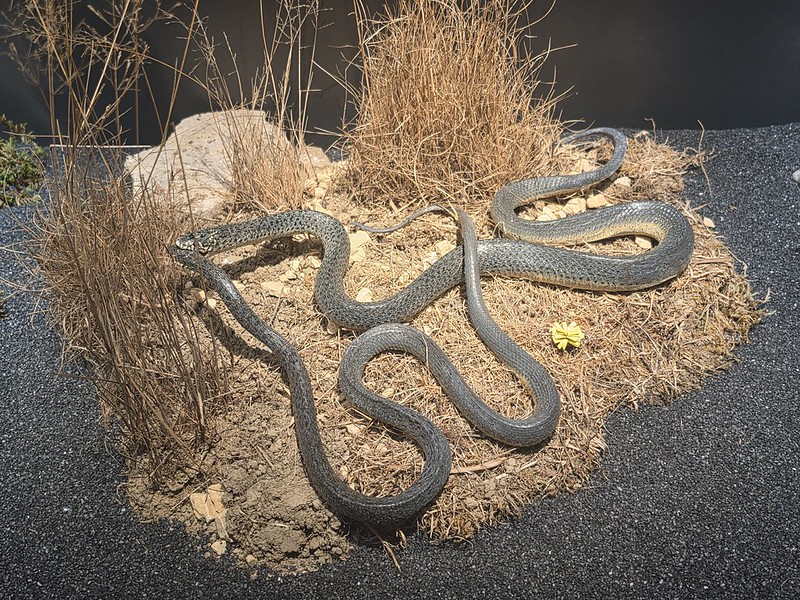
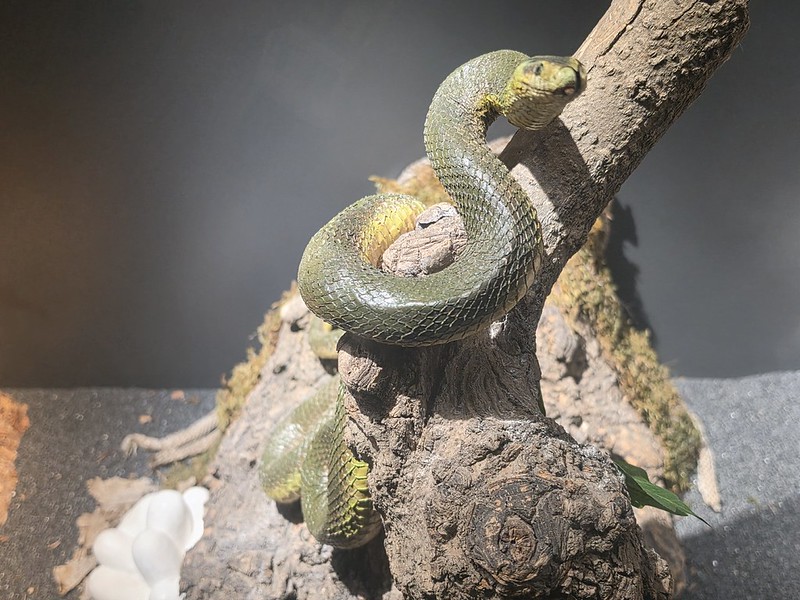
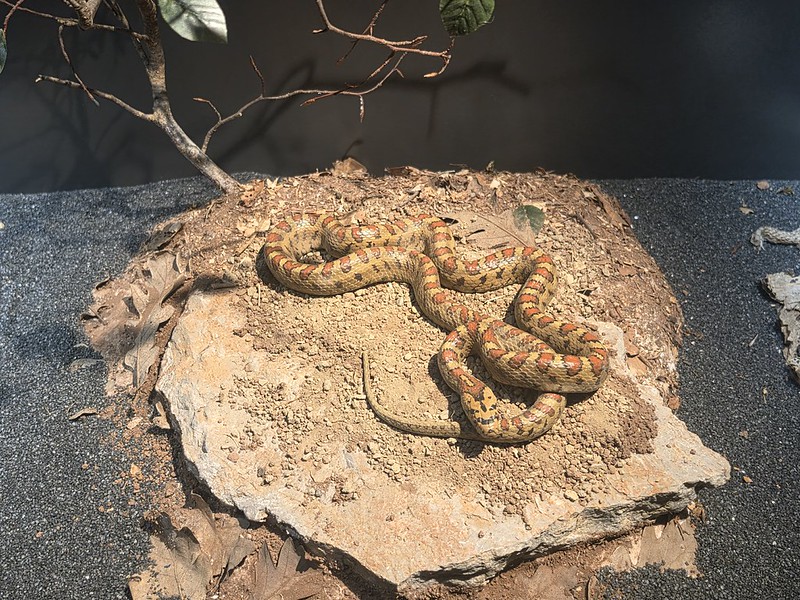
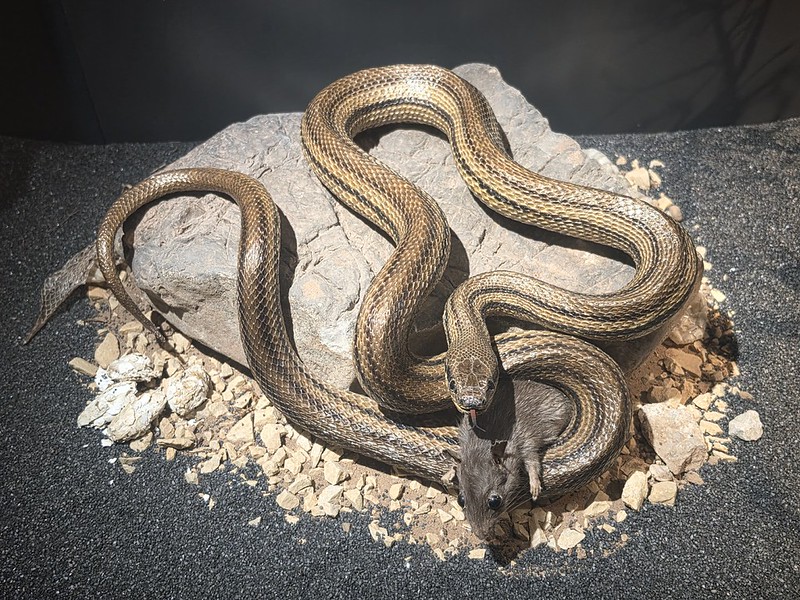
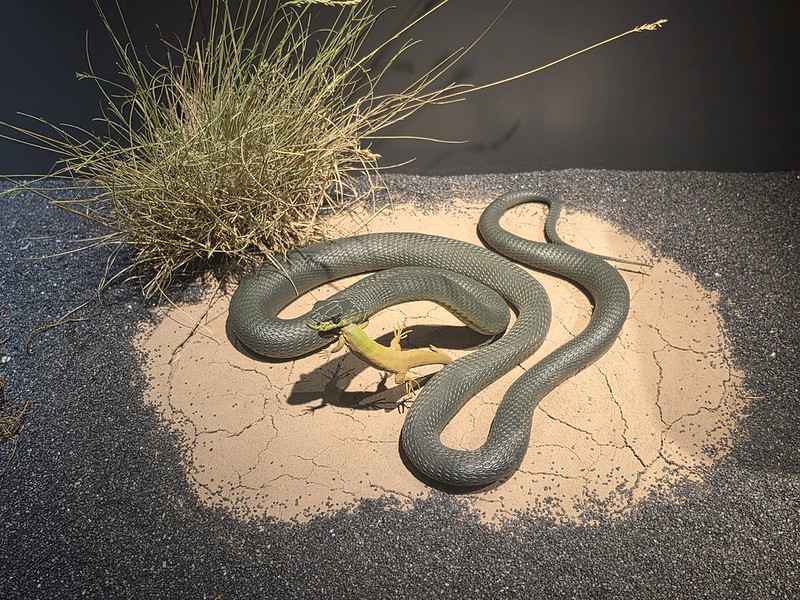
I don’t like snakes. It’s nothing personal, it’s just that they seem very scary to me, so I do my best to stay well away from them. Unless they’re in zoos or dead ones in museums, then I’m quite intrigued by them. The National Museum of Bosnia and Herzegovina had quite a collection of them, so, for the sake of completeness, I thought that I’d take a photo of them all.
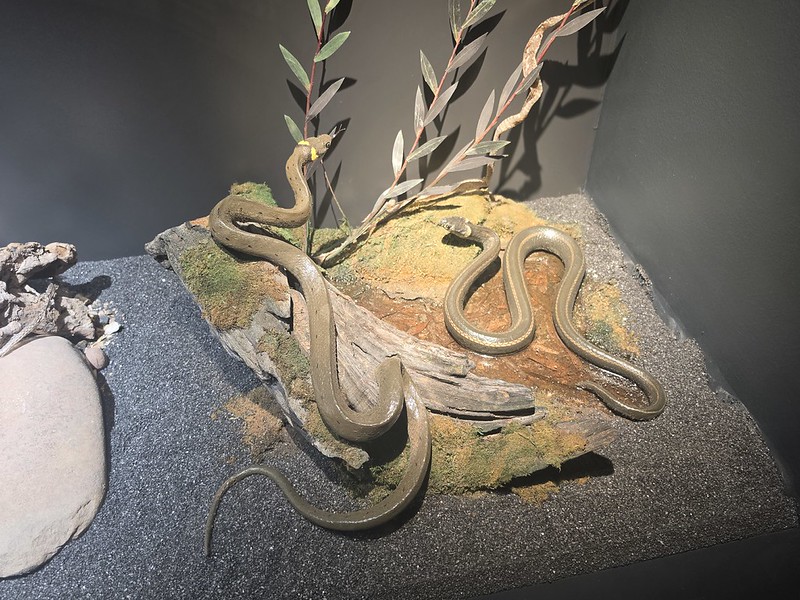
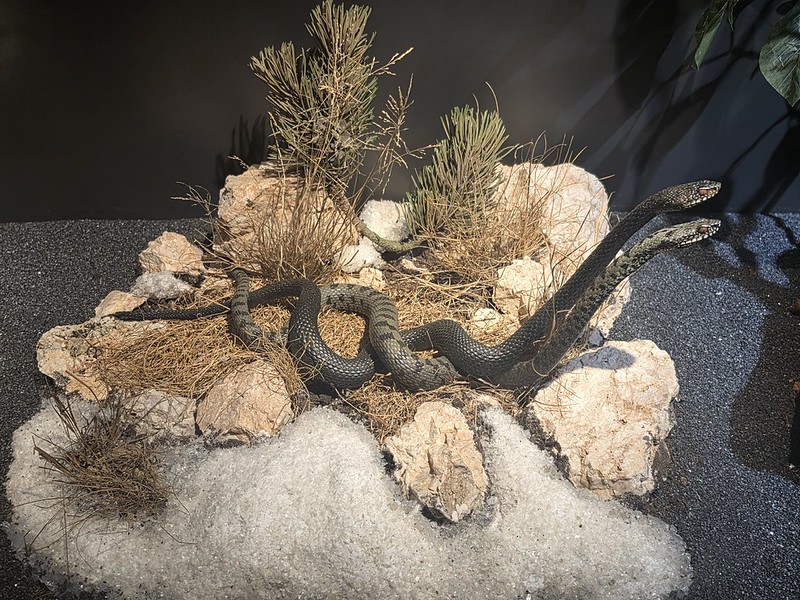
Here are a couple of grass snakes playing. Grass snakes are strong swimmers and the name of their genus, Natrix, comes from the Latin for a water snake, probably influenced by the word natare, meaning to swim so this means that even entering the water is no guarantee of escaping them, which seems like a serious design flaw.
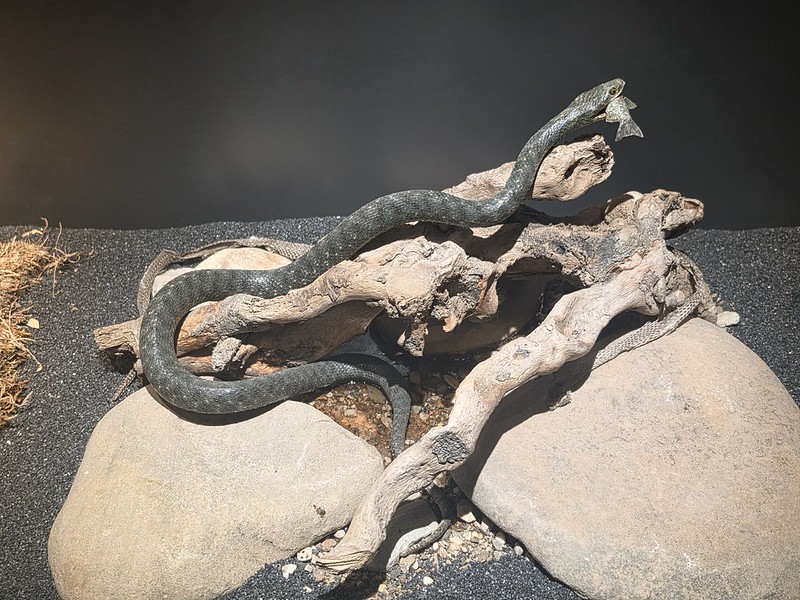
A dice snake. Its scientific name, Natrix tessellata, means something like tiled or mosaic-patterned, referring to the square markings which give the snake its dice-like appearance. It spends much of its time in or near water and feeds mainly on fish.
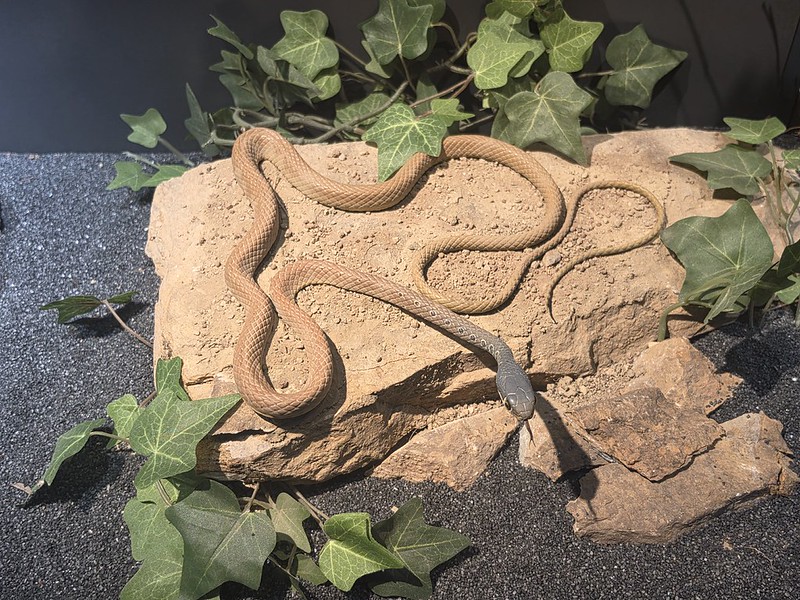
Two Balkan whip snakes. The word whip refers to their long, slender bodies and considerable speed rather than any tendency to whip passing museum visitors. They are non-venomous, which is a modest source of reassurance.
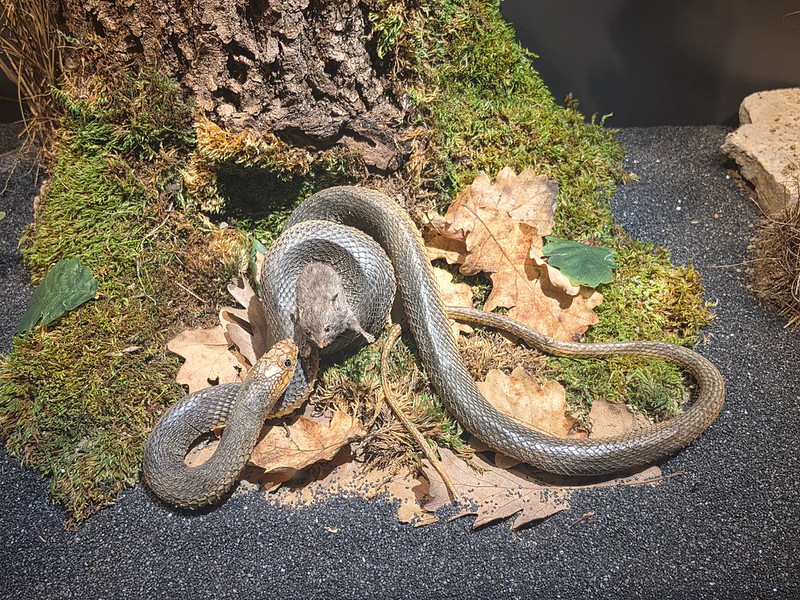
A Caspian whip snake playing with a mouse. This is one of Europe’s largest snakes and particularly substantial individuals can exceed two metres in length. The mouse appears to be having a less enjoyable game.
A Dahl’s whip snake. Its name honours the Austrian naturalist Georg Dahl, who collected the specimen used to describe it in Dalmatia in 1824.
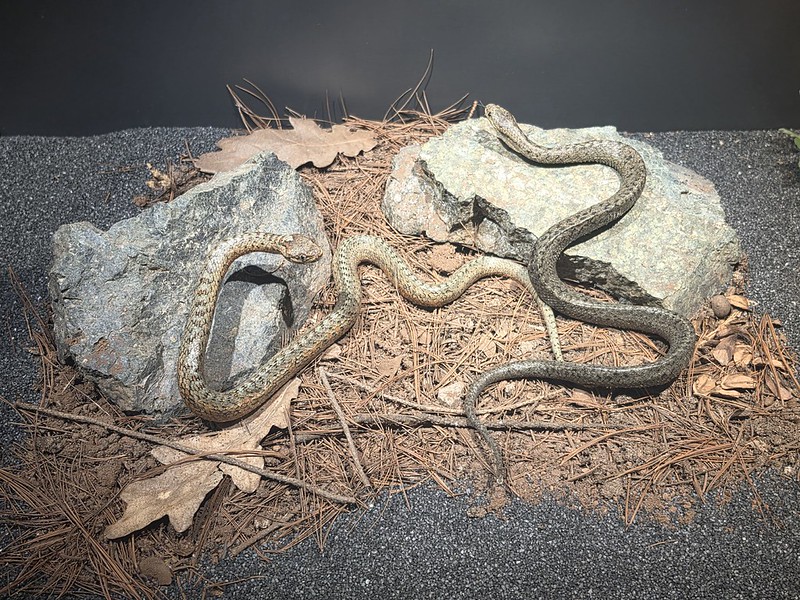
Two smooth snakes which take this name because their scales lack the raised central ridges found on many other snakes. Their scientific name, Coronella, means little crown and probably refers to the dark marking on the top of the head.
An Aesculapian snake which is named after Aesculapius, or Asclepius, the ancient god of medicine whose staff entwined by a snake remains a medical symbol today. These snakes are also excellent climbers so the bloody things can lunge off trees if necessary.
A European rat snake which is also known as the leopard snake because of its blotched markings. It is non venomous and feeds on rodents, hence its name.
A four-lined snake and the name comes from the four dark stripes running along the bodies of adults, although younger snakes begin life with blotches.
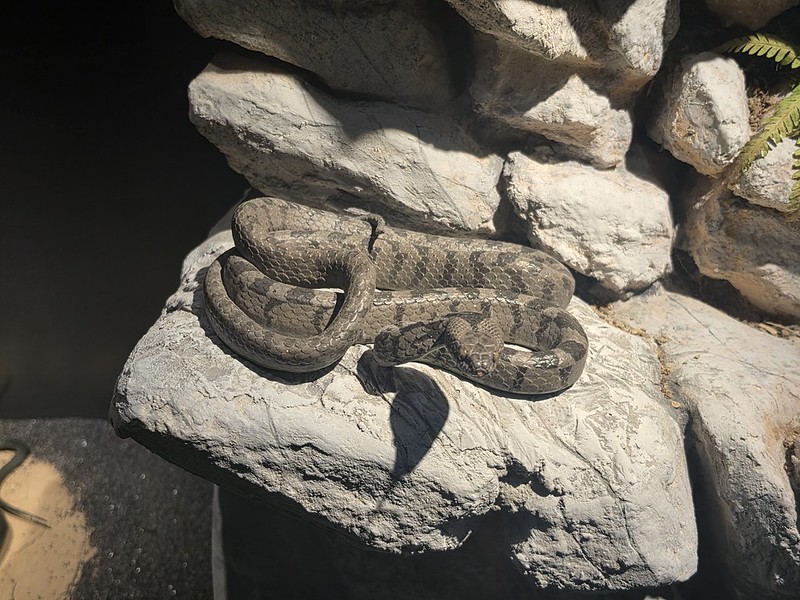
A European cat snake and this takes its name from its vertical pupils, which resemble those of a cat. It is rear fanged and mildly venomous, because having unsettling eyes was evidently not considered enough.
An eastern Montpellier snake. The Montpellier part of the name was inherited from its western relative, whose scientific name refers to the French city. It is another rear fanged snake, although serious encounters with humans are uncommon when both parties behave sensibly.
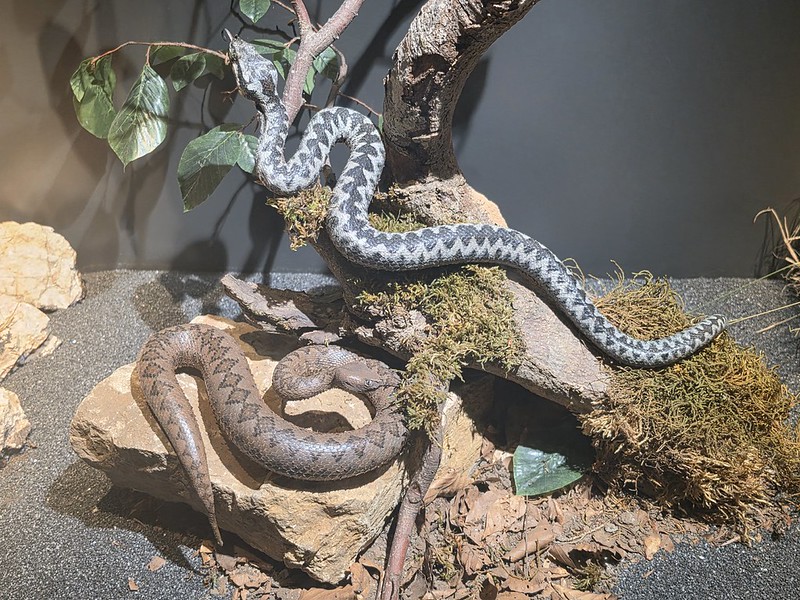
Two nose-horned vipers and the horn is made from soft scales and is not a weapon, although the rest of the venomous snake remains quite sufficient.
Two European adders. The name developed when the old expression ‘a nadder’ was gradually redivided into ‘an adder’. It is the only venomous snake native to Britain, although Bosnia appears to offer a considerably wider selection for anyone dissatisfied with that.
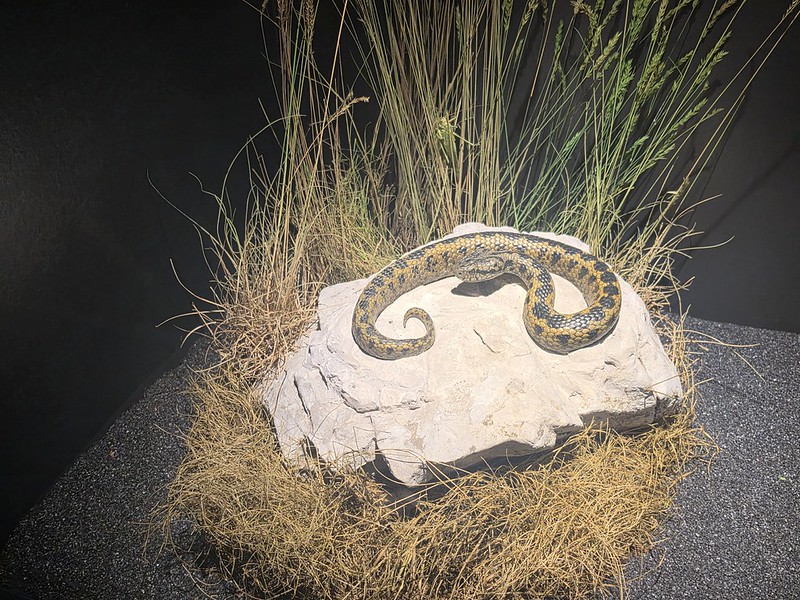
A meadow viper and its scientific name, Vipera ursinii, honours the Italian naturalist Antonio Orsini. Unlike many vipers, it feeds heavily on insects such as grasshoppers and crickets, making it slightly less alarming provided that you are not a grasshopper.
There seem to be an awful lot of snakes in this region and I’m glad that I only visited the museum after walking around the countryside, where it appears that all these reptiles are slithering about without supervision. I accept that most snakes are probably perfectly well behaved, but it is the troublesome minority that concerns me.