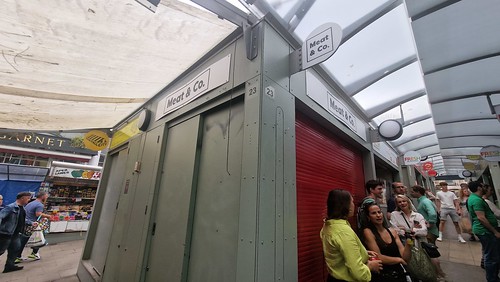
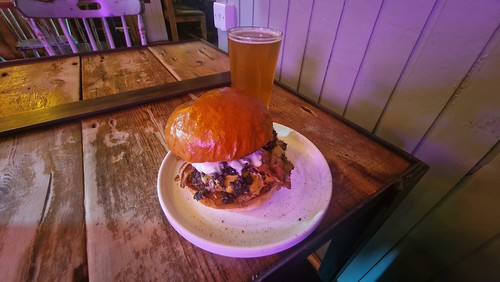
Unfortunately, I fear that this market stall has permanently closed relatively shortly after opening. As part of my plan to eat at every Norwich market food stall, we’ve made multiple visits over different days and it has not only been closed but there’s no signage and there’s no social media.
Blog
-

Norwich Castle Museum – The Travelling Zoo
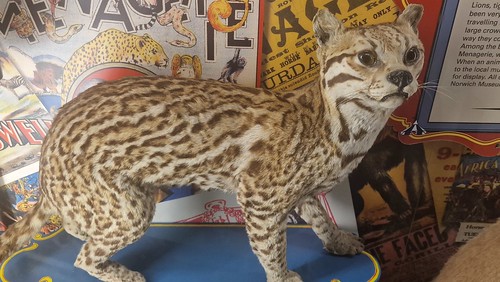
Meandering around the collections of the Norwich Castle Museum, this display of dead stuffed animals is hard to miss and they’re from the Bostock and Wombwell Menagerie. This travelling circus was in operation between 1810 and 1931 and when their animals died on tour, they were often given to local museums. No doubt the menagerie was most exciting at the time, especially for children, as I can’t imagine many people had previously seen big cats, kangaroos, monkeys and even a rhino to name just a few.
The above animal doesn’t have a name, or at least not one that has been recorded, but it’s an ocelot which did in January 1893 before it was stuffed and brought to the museum. I hadn’t realised, but ocelots can be kept as pets, although I’m hoping that not too many people decide to do that in Norwich as it would feel sub-optimal for too many of these to be wandering around.
As evidence that these displays were educational, this is a binturong and I’ve never heard of them before so that’s something new to me. It’s an Asian bear cat and it looks very odd to me, they’re apparently noted for their strong tail which helps them climb trees. According to Plumpton Park Zoo they are “normally shy in the wild, but very aggressive when harassed and they may urinate or defecate on a threat”. They sound like just the thing you’d want to traipse around in your menagerie.
The museum notes that in 1812, George Wombwell bred the first lion in captivity in the UK, apparently now stuffed and on display at Saffron Walden museum. This lion cub was born on tour in 1887, dying at three months old when it reached Lowestoft. If he had lived longer, he is unlikely to have had a pleasant life, as Wombwell had used the lions to fight dogs, usually a battle which the lion would win but at some cost to its health and well-being. They were controversial even back in the early nineteenth century and Parliament banned them, which is one of the earlier pieces of animal rights legislation.
This male was caught in Australia and used by the menagerie as a boxing red kangaroo. I’m not sure that zoos or the like would get away with that little arrangement any more, he died in Somerset in March 1896. The museum doesn’t note whether he died in a fight or of natural causes. For anyone who wants to read more about this way of exhibiting animals before the establishment of zoos, there’s a Wikipedia page about them.
-

Norwich Castle Museum – Pull’s Ferry Water Gate by Joseph Stannard
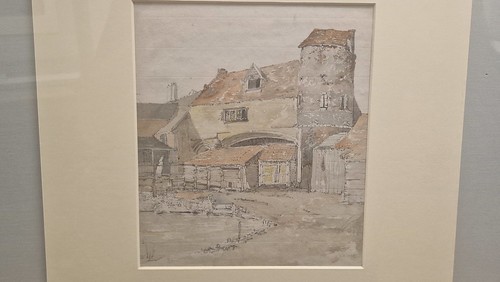
In the collections of Norwich Castle Museum, this is a pencil and watercolour by Joseph Stannard (1797-1830) from 1808. My first thought is that this shows just what a heap of dreadful buildings that had been shoved up in front of the historic Pull’s Ferry water gate. But, back to Stannard, who had his first painting exhibited at the Norwich Society of Artists when he was just 14. He suffered from poor health throughout most of his life, dying of tuberculosis at the age of 33, but despite that short life he became an important member of the Norwich School of Painters.

Here’s what it looks like today, with the River Wensum just visible in the left hand corner. I wonder whether the marks on the right-hand tower, looking like where a window or door once was, once led into the structure that Stannard drew. I rather like looking at how buildings have changed over the centuries during their repairs and reconstructions and this structure has gone through some periods when it was quite unloved.

By the late nineteenth century, the building had fallen into some state of disrepair and the roof had fallen in which was really all quite sub-optimal. On the bright side at least, the ramshackle arrangement of rickety buildings in front of the gate have been removed, although perhaps it was those that was holding them up.
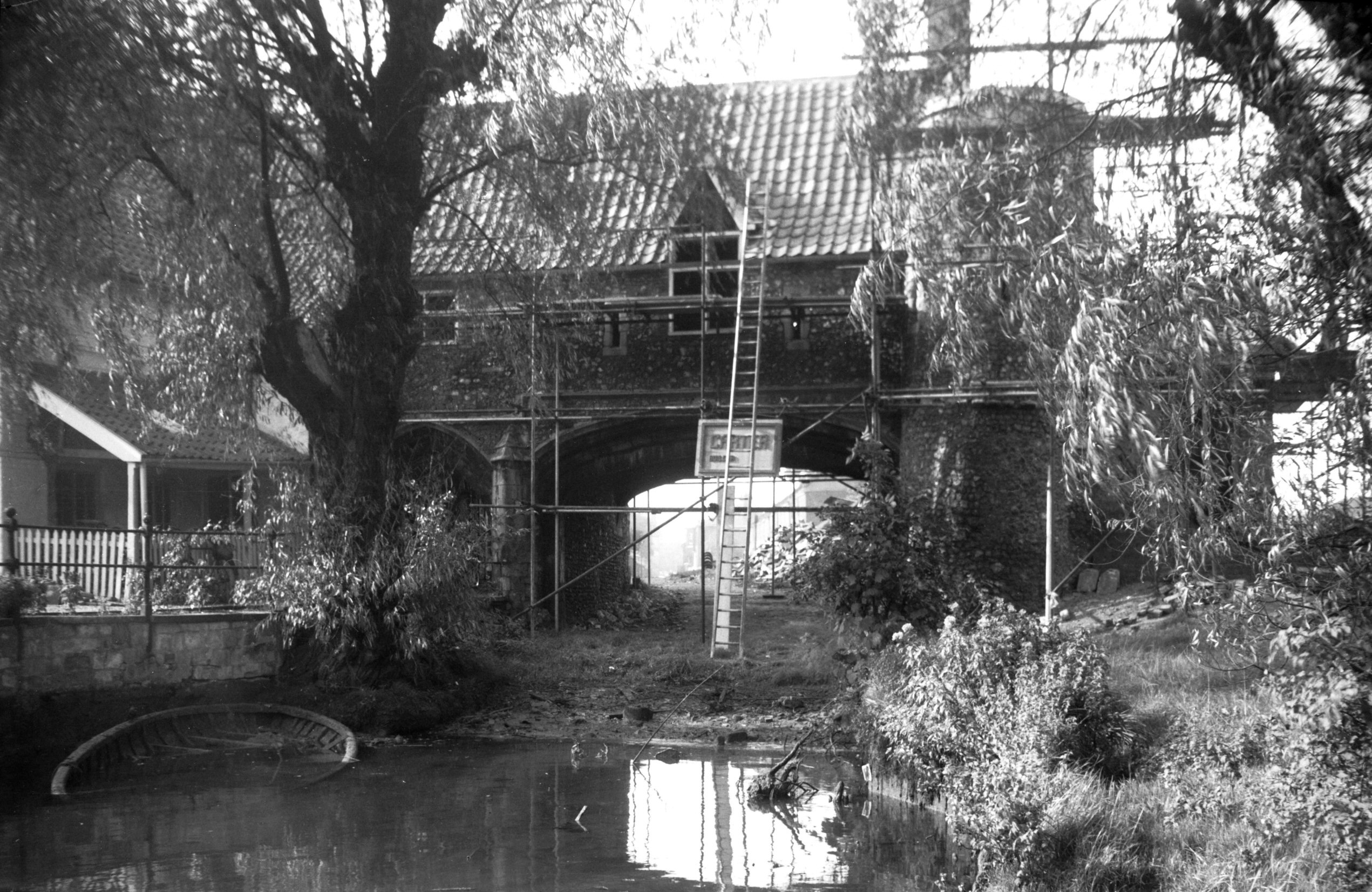
In terms of when things improved for the building, George Plunkett, as ever, helps with this as he has a photo from 1949 showing a modernisation taking place and this was overseen by Cecil Upcher. Pull’s Ferry was for centuries used as a ferry house (the ferry operated until 1943), and the gate itself was built in the fourteenth century over the canal that had been used to take stone the short distance down to the cathedral during its construction. The canal was filled in during the late eighteenth century and for a while the building was used as a pub, which strikes me as a useful enterprise.
-

Norwich Castle Museum – Bible Gospels and First World War Soldiers
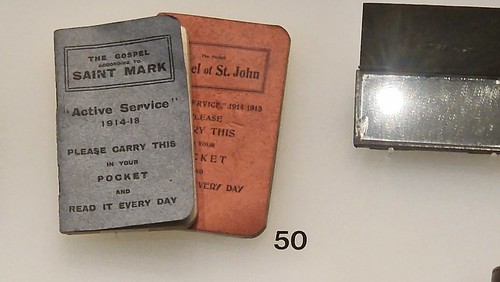
On display at Norwich Castle Museum, these gospels were carried by Private JP Benstead during the First World War, designed to instil confidence and peace into the soldiers who no doubt needed some considerable reassurance. There were nine million Bibles distributed to British troops throughout the war years and the National Army Museum has the full text of one.
The Gospel of Saint Mark has the following message from Field Marshal Roberts inside it, dated 25 August 1914:
“I ask you to put your trust in God. He will watch over you and strengthen you. You will find in this little book, guidance when you are in sickness, and strength when you are in adversity.”
On 14 November 1914, the elderly Roberts was dead, dying of pneumonia in France when visiting Indian troops fighting in the war. The religious texts were evidently important to soldiers though, it’s mentioned by the Bible Society that Professor Michael Snape from the Department of Theology at Durham University said:
‘This is a phenomenon that was recorded when soldiers who were killed on 1 July 1916 – the first day of the Battle of the Somme – were recovered and buried, many of them were found dead with the Bible, or New Testament in their hands.”
Much as reassurance must have been a real comfort, I wonder how many young servicemen pondered how on earth God had let them get into this situation and what exactly He was doing to protect them. Anyway, I don’t digress to much, I just rather liked the exhibit as it would have been a hugely important thing for a serviceman to take into war and that it has survived is likely a testament (no pun intended) to that.
-

Why is this Bloody Blog Slow and a Bit Broken?
I’m aware that this riveting blog is creaking along at a very slow pace, both the front-end and the back-end of the site. Unfortunately, this is sub-optimal (not least as it stops Google Adsense helping fund my pub visits which are so important to the local community) for numerous reasons and I don’t have a timescale for any fix either. Hopefully it won’t be too long coming, then I can return to continue writing my irrelevant piffle.
-

Norwich Castle Museum – Foundry Bridge and Railway Station in 19th Century (John Newman)
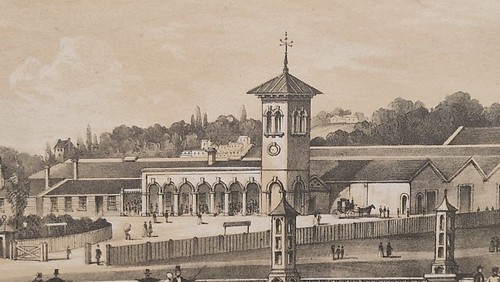
On display in Norwich Castle Museum, this scene isn’t easily recognisable today as the bridge has been replaced and the railway station shifted a little bit. It’s a print by John Newman dating from the middle of the nineteenth century and shows what was then Norwich Thorpe railway station, now just Norwich as they’ve shut all the others.
A wooden bridge was constructed to cross the River Wensum in 1810, with the lattice iron arch bridge which is visible in the above print added in 1844 to serve the new railway station. A more substantial replacement was constructed in the yard of the station and in 1886 it was rolled over to use the same abutments as the previous structure. That 1886 structure is still there today and there are people still merrily canoeing and boating under the bridge.
The railway station was first constructed in 1844 and the adjoining current railway station opened in 1886 when a larger building was needed. Which is when they also needed a bigger bridge…. I think it’s quite an attractive railway station and it must have been exciting as it was the first in the city, as Norwich Victoria didn’t open until 1849 and Norwich City didn’t open until 1882.

The older railway station was initially used as a goods station, but was then faffed about with and a new brick structure added in 1921 which is still standing today.
And there’s the larger building on the left, which is still the city’s main railway station. The building on the right is the 1921 structure which I think is used by train crew now. Vehicles once entered the railway station on this corner, but that was sub-optimal from a safety point of view, so cars now come through on a road between the two buildings.
-

National Art Pass Trial

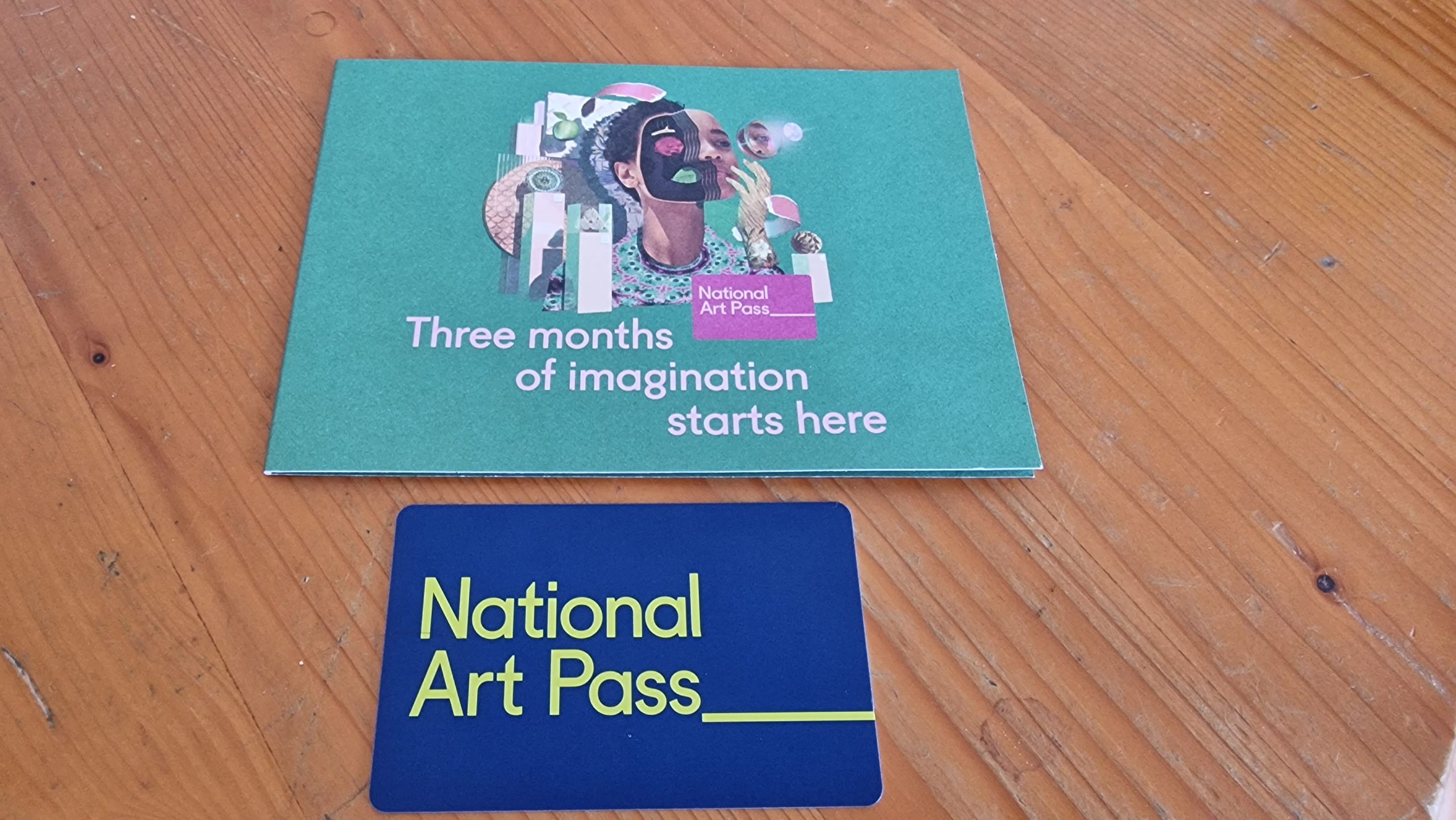
I’ve been waiting for the Art Fund to offer this £15 three month trial membership for a while, as it seems rather good value. It allows free entry into a large number of museums and historic properties, and discounts to many others. To start off with, I’m going to use mine to visit museums in Norfolk which I haven’t visited for some time, including Norwich Castle which I haven’t been to for many years. It’s usual £75 per year for a membership, which seems a bit decadent to me, so I’ll likely just make do with having this one for three months.
The deal is available until the end of June 2023 at https://www.artfund.org/national-art-pass. My card arrived within two working days of buying the pass and there’s no digital version, you have to wait for the card to arrive before it can be used.
Expect a heap of posts about museums now, in addition to all of the usual pub posts…..
-

Wymondham Pub Day – Two Julians
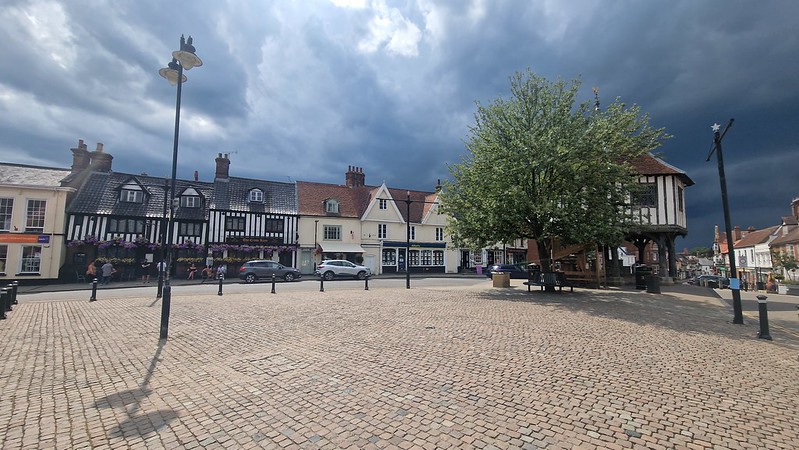
Our study tour of the week was to Wymondham and we managed to visit all nine venues which CAMRA have listed. Julian and I are both unanimous in just how rigorous our testing needs to be, so we didn’t want any venue to be missed out. Here’s Julian at Wymondham Abbey, which we found time to go and visit. We’re not one trick ponies, we also have plenty to say about public transport and history.
On the subject of buses, I was once again delighted to take advantage of the £2 single fare, with the buses sort of running to time.
The pubs or bars we visited were:
Wymondham is certainly not badly served by the pubs and there’s plenty of choice for visitors and locals. The Robert Kett is more of an estate pub, but the rest are located in the town centre. The Queen’s Head and the Railway are more food led, with those liking historic interiors being recommended to visit the Green Dragon and the White Hart. The Wymondham Sports Bar was an unexpected highlight, although there’s some confusion as to whether CAMRA members can visit the Ex-Services Club or not. The Cross Keys was the liveliest of the venues, with the Feathers being the only Wymondham pub listed in the Good Beer Guide with the Green Dragon having lost their position in the book.
Julian and I rarely complain about anything, but we did comment several times about how bloody hot it was during the day.
It did rain at some point, but we were too busy studying one of the pubs in detail.
The length of this study day meant that we didn’t get back to the bus stop until around 20:30, but at least we left in daylight. I hope that my comments about all the venues are sufficiently positive, as it’s marvellous that these pubs are all still open and operating. In these challenging times, pubs are an important part of the community and I’m delighted that we were able to visit them all.
Previous study tours have included to North Walsham, Aylsham, Bungay and Dereham. I’m pleased to report that there are several more study tours currently being planned, including one by train to widen our coverage territory even further.
-

Wymondham – The Railway
This was the ninth and final pub of the day for Julian and I on our study tour of Wymondham, with some slight concern as we approached that it was shut. It would have been something of an anti-climax, but I’m pleased to say that it was open and numerous customers were enjoying the outside seating area.
The frontage of the pub, which was for a long time a hotel, from another angle. It’s located just a short walk from the town’s railway station, but the pub name might have given that away to my assiduous readers.
This signage feels like something from a couple of years ago, but they don’t appear to be entirely enforcing these requirements now.
The bar and another reminder that they’re short of staff. We were served by a friendly staff member and I was pleased that she was able to point us towards a table with a plug by it as my phone was running out of charge. As can be seen, there weren’t unfortunately any real ales available.
The range of keg beers with a relatively limited choice.
However, there was Blue Moon which I’m always quite partial to, served with the obligatory slice of orange. This was sufficient for me and tasted as expected.
It’s a large pub and everything felt clean and comfortable. Not that I’m really one to offer decor advice, but I was a little surprised at the lack of railway memorabilia or posters on the walls, that would have felt more appropriate to me. However, I was just pleased that I was able to leave with rather more phone charge than I entered with.
Another room in the pub, there were no issues with finding a seat. The venue seems quite food led, although drinkers are welcome, with numerous people eating meals. They’re trying to keep the prices affordable and the quality high, if we hadn’t of just eaten I think that we would have pleased with the offering here.
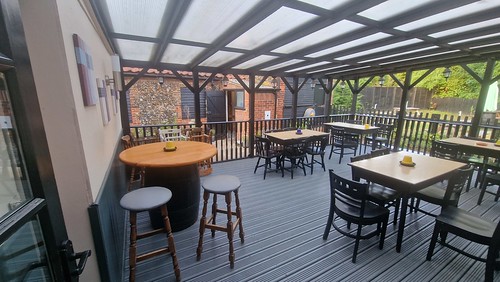
A covered area outside, this looked suitably inviting. This area looked new and as if the pub has recently gone through something of a refurbishment.
I liked this pub, although it had the weakest selection of beers that we encountered during the day. The service was friendly, the pub was clean and I always enjoy Blue Moon so that sufficed me. I thought that the limited beer options might have been some issue with the venue being part of a pubco, but the pub’s web-site notes that they are a family operated free house. Although we didn’t eat here, this appears to be a strong point of the pub’s offering and at some point I may return for a quick meal. For anyone with a wait for a train (or, more specifically, a train departing from Wymondham), this seems a suitable place to come and visit.

-

Wymondham – Ex-Services Club
I used to be a member of the Lowestoft Ex Servicemens Club, although not for reasons of ever being in the military, as I’m not sure how useful I would have been to them if I’m being honest. CAMRA note that “CAMRA members are admitted up to 6 times a year” and so Julian and I thought that we’d pop in when passing. We are very thorough in our study tour research and if CAMRA say it’s good to go in, then we feel obliged to give it a little try which made this our eighth venue of the day.
Unfortunately, the barman informed me that CAMRA members couldn’t enter and the information from CAMRA thus seemed wrong. Rather awkwardly but fortunately for us, a helpful customer told us that we were welcome but just needed to sign in. The barman fortunately decided not to contest this, but it’s unfortunate as otherwise we would have had a clean sweep of nine excellent welcomes in Wymondham.
Back to the beer options, there were three real ales to choose from and for non-members they’re priced at slightly above pub prices, although members are I understand charged a lower rate.
I went for the Oakham Inferno and this was well-kept and suitably refreshing.
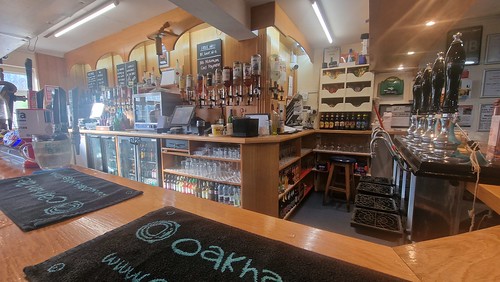
The bar area and there were plenty of snack options to be had. The club was busy when we went, so we sat at the bar and gossiped about numerous people we know, in that way we have of informing each other of random news. Everything was clean and comfortable, although it was rather hot inside.
The members in the club were all welcoming and I think this is probably just a venue that doesn’t get many people just wandering in off the streets in the early evening and so perhaps we caught them unawares. I suspect that the system is that a member can guest someone in, hence how we were allowed to be served, but I found the set-up just a little awkward and it’s wasn’t clear for a while whether we’d just be asked to leave. It’s a shame, as without generalising I think CAMRA members would enjoy the club as it’s got a decent selection of beers and an amenable group of members. For anyone wanting to visit, I’d be tempted to contact the club in advance just to check where the land currently lies.