Author: admin

  • Isle of Wight Trip – Day 0 (The Train)

    Our journey from Norwich to Southampton started at 05:37 and Gordon was there and he came bearing sweets, so very generous of him. I didn’t really doubt him though at any time on this. A longer than usual train took us to Cambridge, departing from Platform 6, and it wasn’t particularly busy.
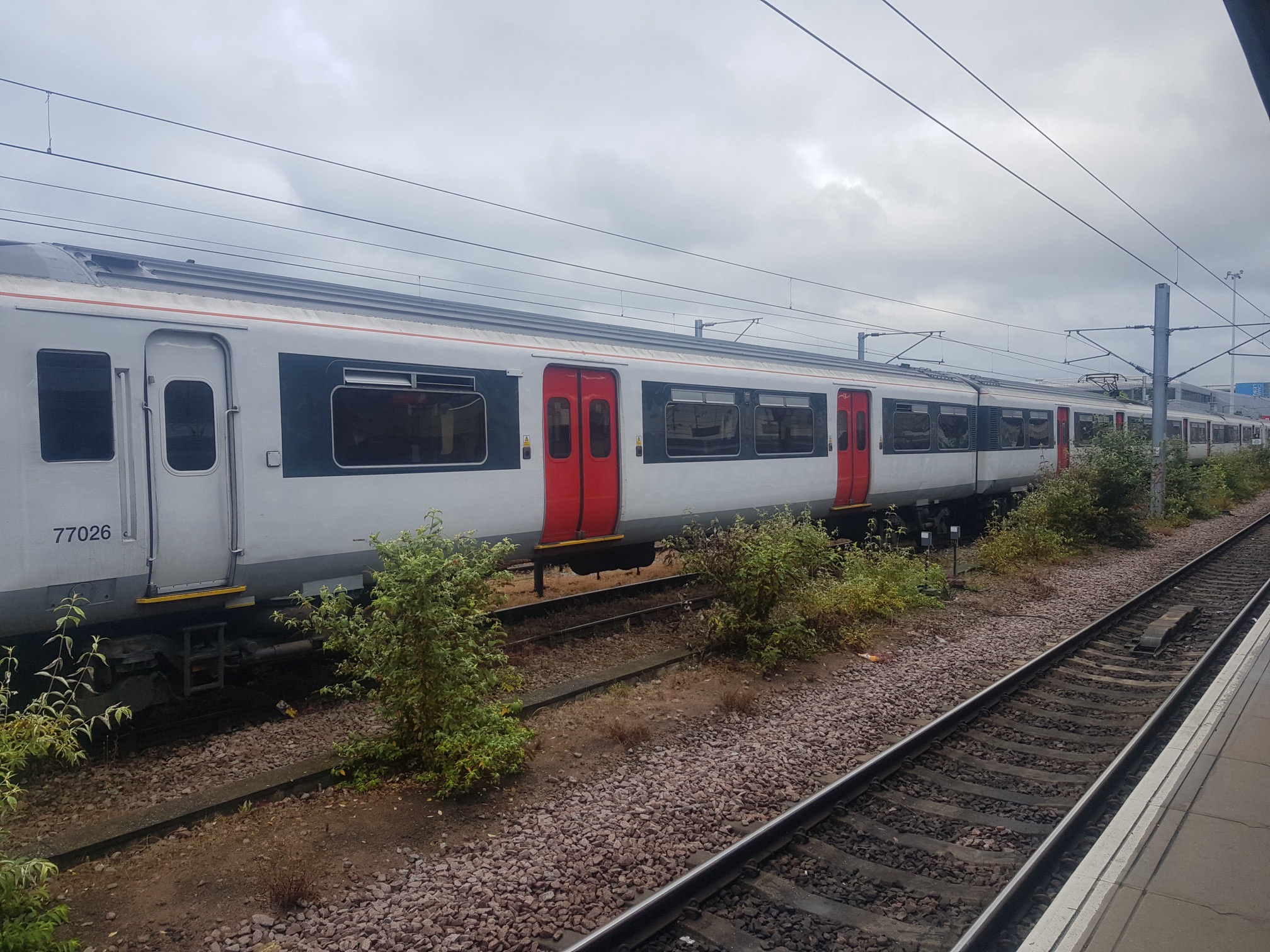
    The amount of shrubbery neatly placed along the track at Cambridge railway station did give me the impression that the planting was deliberate. It’s certainly unusual to have so much foliage between tracks.
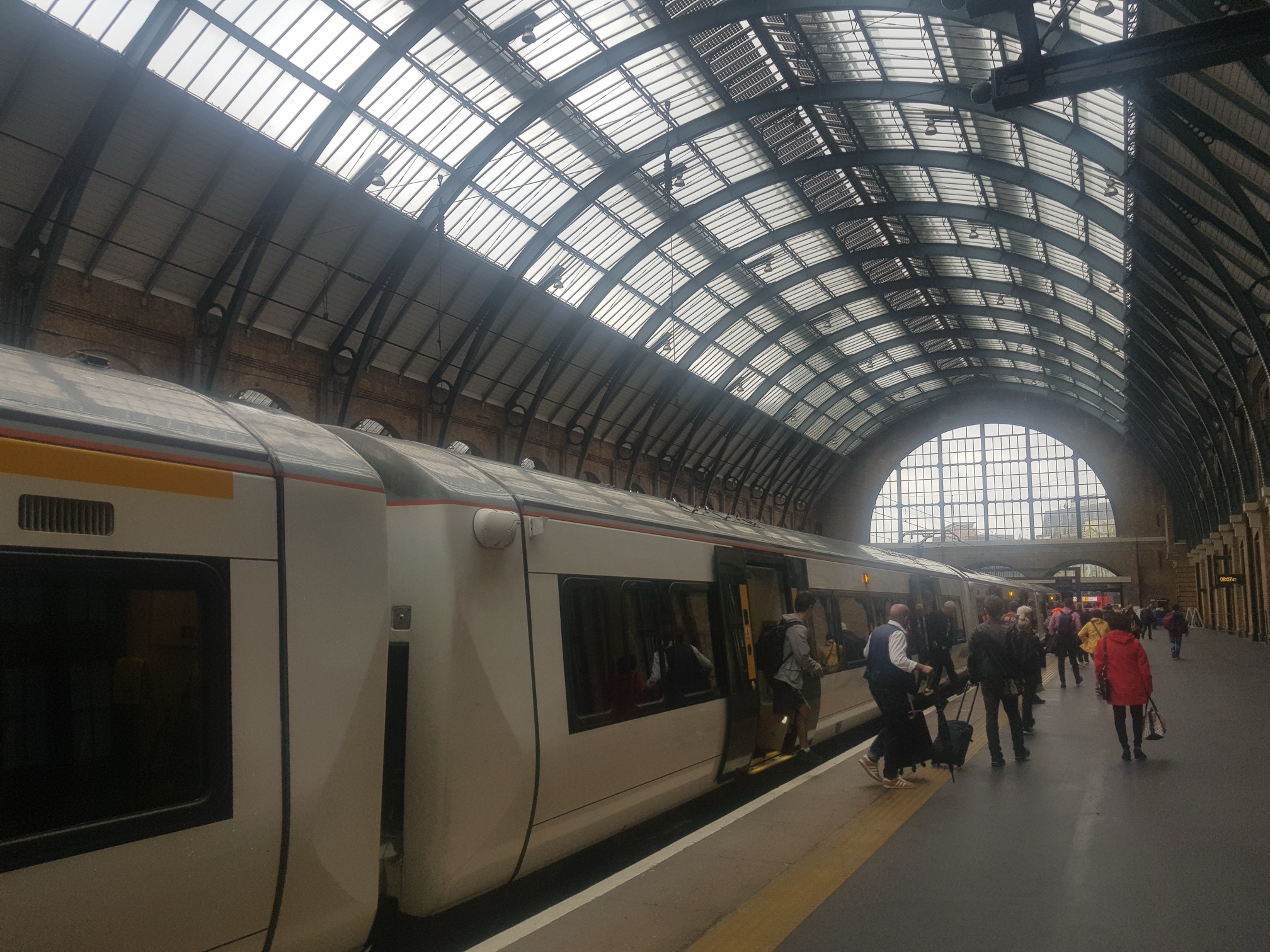
    The train arrived safely into London King’s Cross from Cambridge and it wasn’t as busy as I had been anticipating. It was the fast service from Cambridge which didn’t stop between there and the capital, with the train being relatively busy but not packed.
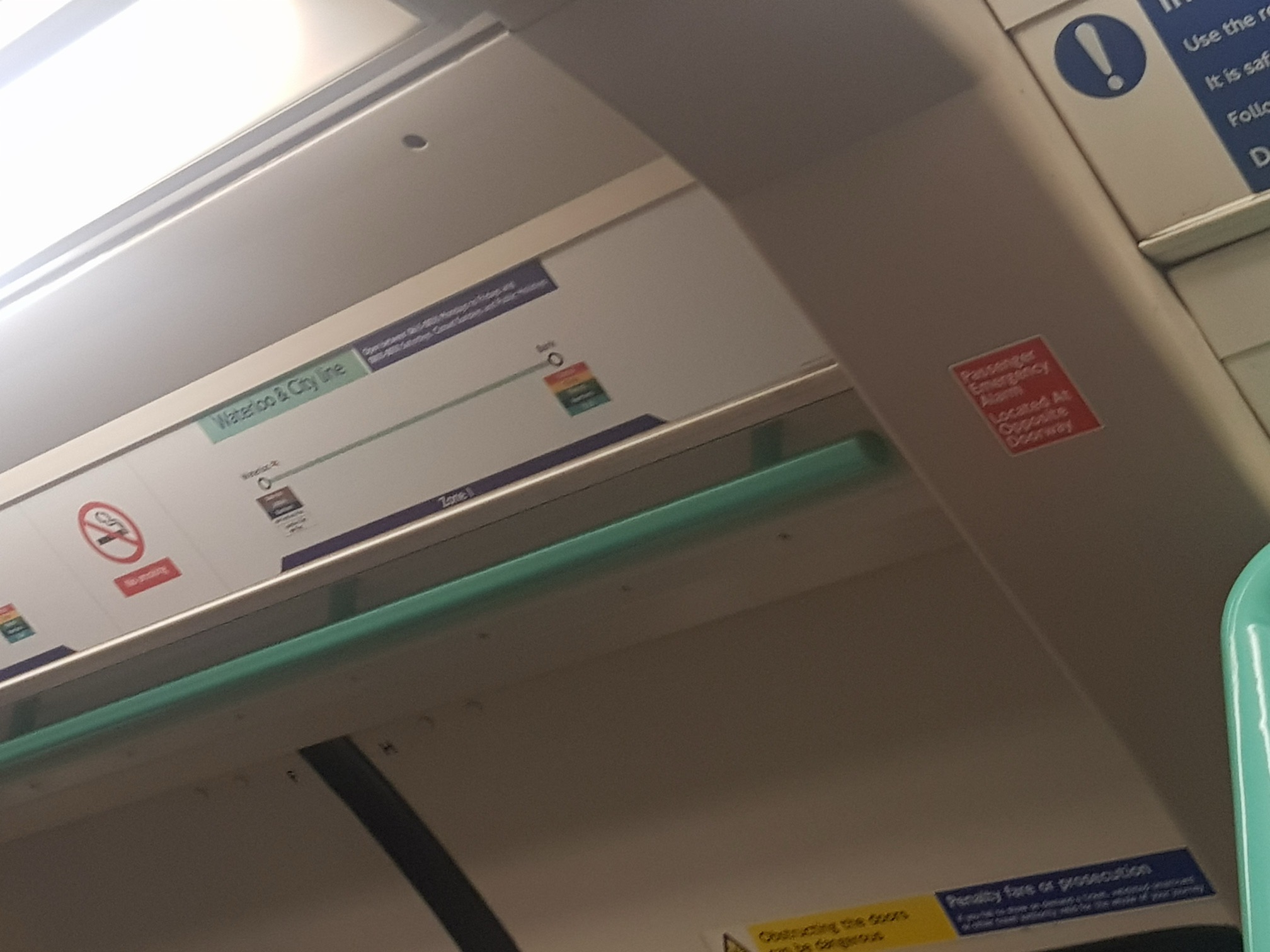
    In order to cross London, we got a chance to go on my favourite underground line (everyone has a favourite underground line don’t they?), the Waterloo and City.
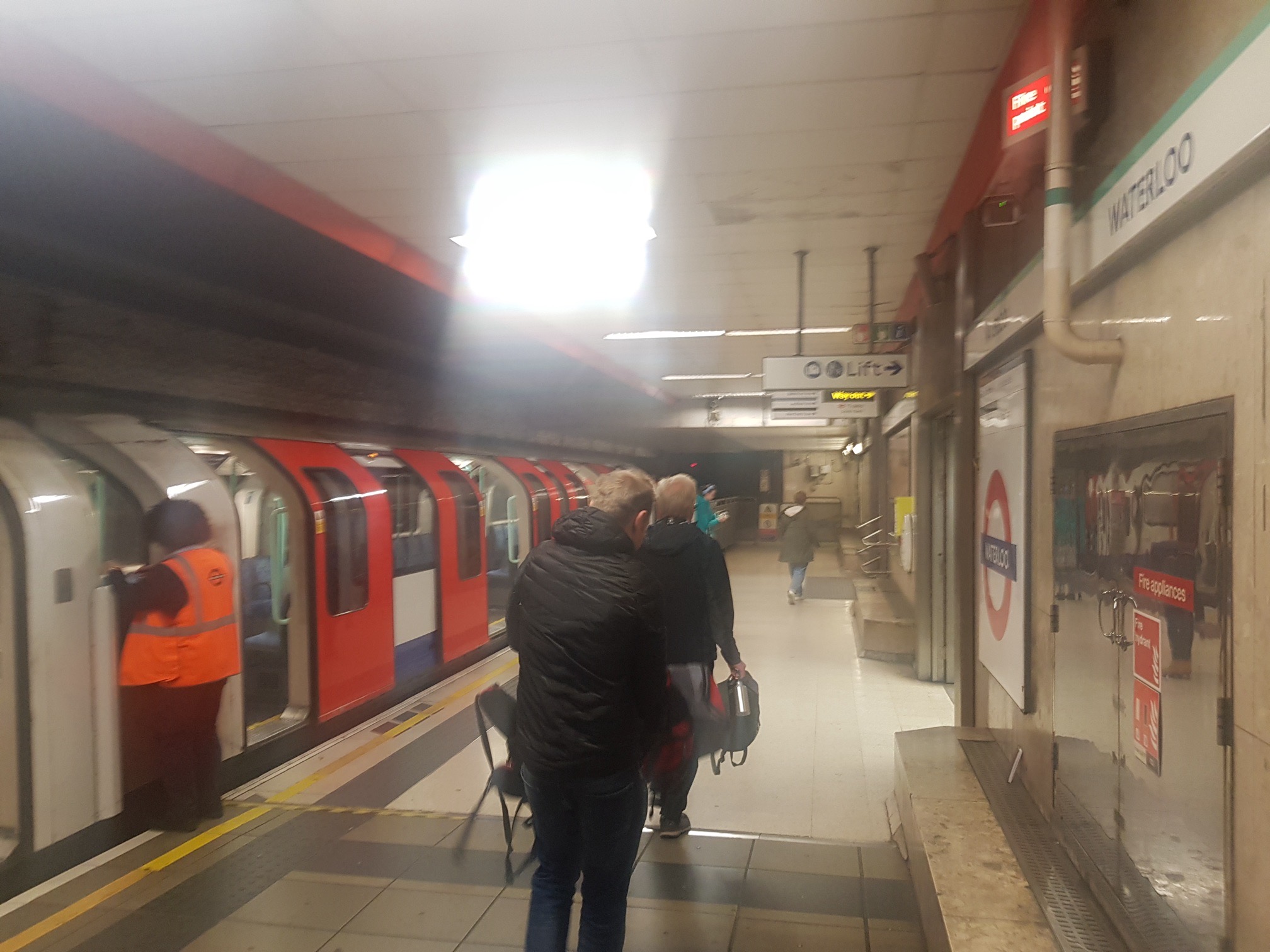
    Getting off the Waterloo and City Line, nearly always a leisurely and comfortable service outside of commuting hours.
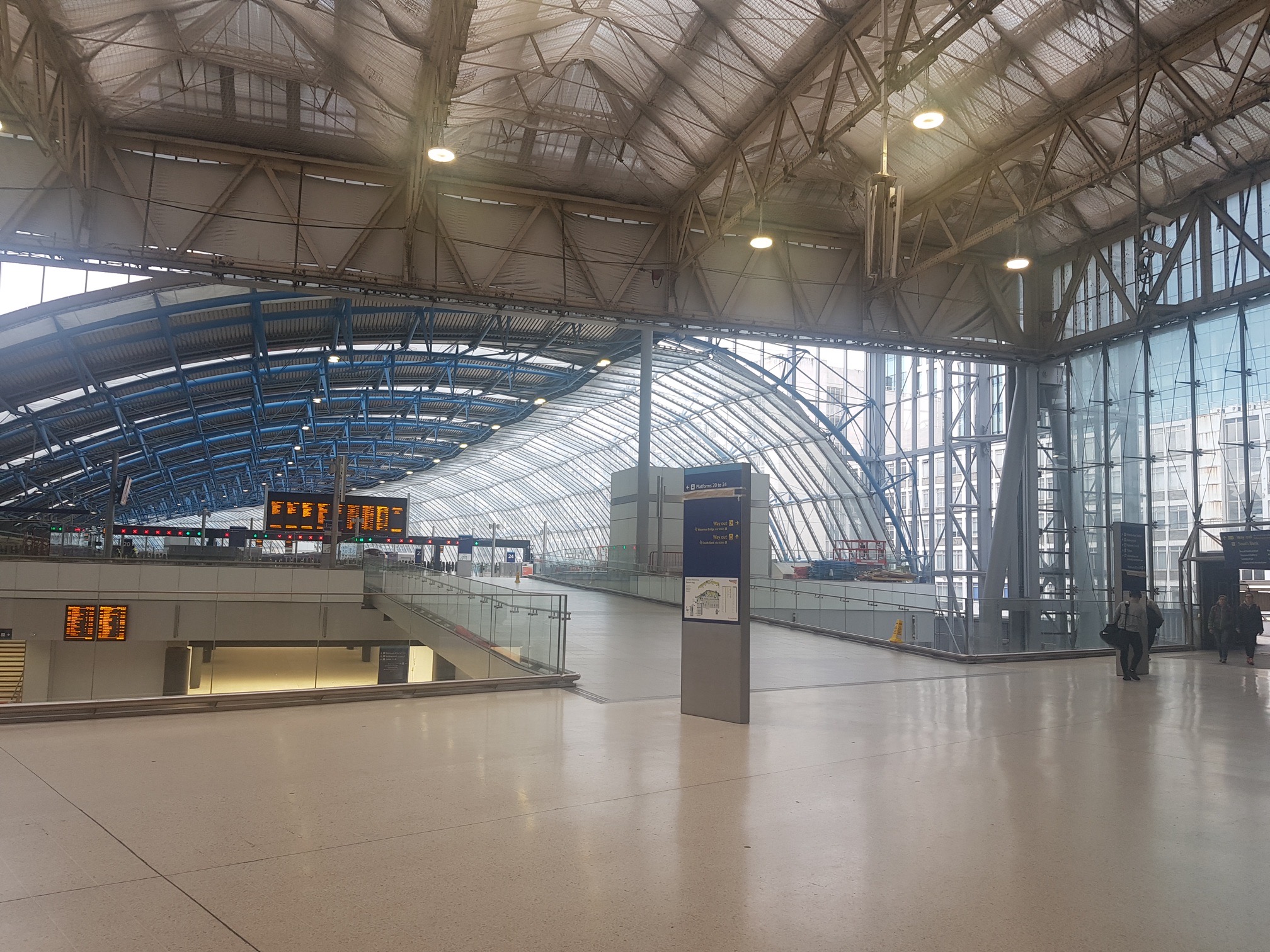
    The former Eurostar terminal at Waterloo station. After getting a Boots meal deal (living the dream….) I was able to get us a four-person table seat on the South-West Trains service to Southampton. The train was clean and functional, although there was a lack of an at seat trolley service, which Gordon was slightly devastated about.

    We arrived in Southampton dead on time at 10:22, which is impressive given that we had three trains and two underground trains to navigate. The entire ticket price was just over £20, which I thought was excellent value. I was also pleased that there were working power points on all of the three trains, meaning I was always fully charged and ready to go. How lovely.
  • Isle of Wight Trip – Coast Path

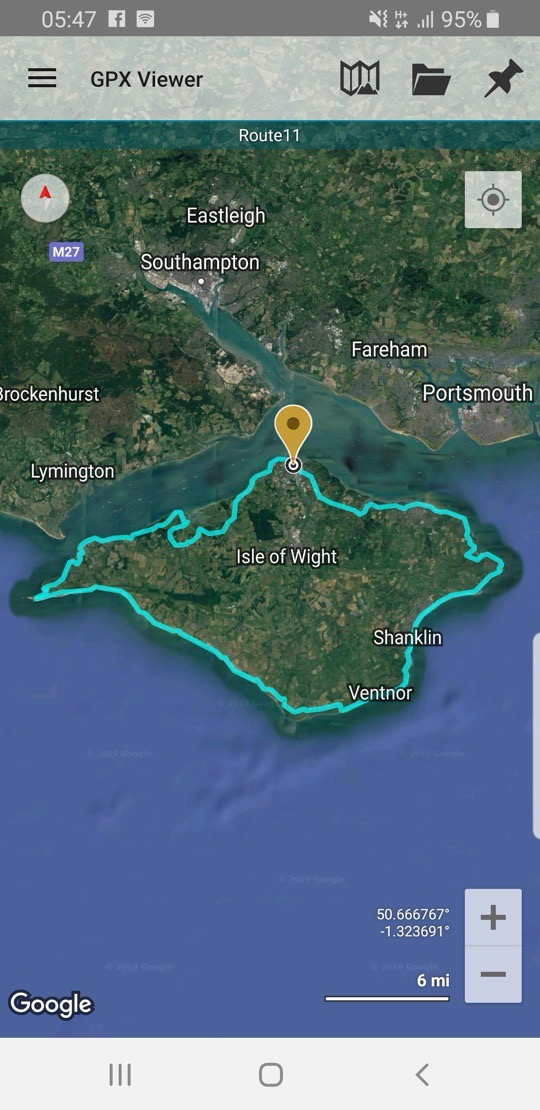
    The walk this week is the Isle of Wight coastal path, a total of around 70 miles, so one of the shortest long distance walks that we’ve done.

    9/6/19: Cowes-Yarmouth 16 miles
    10/6/19: Yarmouth-Totland 8 miles
    11/6/19: Totland-Chale 13 miles
    12/6/19: Chale-Sandown 12 miles
    13/6/19: Sandown-Ryde 12 miles
    14/6/19: Ryde-Cowes 10 miles

  • Isle of Wight Trip – And So it Begins

    And it’s just gone 4am in the morning, which means that it’s the beginning of the Hike Norfolk trip walking around the Isle of Wight. The adventure today is getting the train from Norwich to Cambridge, then from Cambridge to London, then crossing London, then getting the train from London to Southampton and then getting the ferry from Southampton to West Cowes. So, a lovely easy day.

    Why a 4am start? Well, there was the choice between getting the £22 rail ticket to get us to Southampton (leaving at 05:30) or spending twice as much and getting a slightly later one. Much as a slightly later one would have been rather more comfortable, economy wins out….

  • North Walsham – Supermarket

    I’m sure my memory must be fading…. There’s a photo (which is likely copyright, so I’ll just link to it) at:

    https://www.northwalshamarchive.co.uk/1/archive/770px/the-precinct-1970s.jpg

    Which shows that there were two supermarkets in the old Ship Yard, an International and a Fine Fare. Although I thought the Fine Fare was where the International supermarket was in the photo, which I thought then moved to what is now Roy’s and which then in turn became Gateway which in turn became Somerfields, who then built a store out of the town centre which is now Sainsbury’s.

    However, the confusion I’ve caused myself might be resolved as I’ve found out that International was bought out by Fine Fare in 1984, and rebranded as Gateway in 1988. So perhaps the Fine Fare that I don’t remember being there simply moved into the International store at that time……

    Anyway, I can’t imagine my memories of North Walsham supermarkets are of much interest to anyone, but part of the reason I posted is because the web-site I linked to above has some marvellous photos of the town.

  • North Walsham – Reeves Lane (The Dog)

    Still on the theme of pubs in North Walsham in 1839, the Dog pub (also known for a time as the Dog Inn) was in operation from the late eighteenth century until the late nineteenth century. For part of its time it was run by the Coltishall Brewery which at one point in the mid nineteenth century operated nearly sixty pubs in the county.

    By 1892, the Dog was operated by Morgans Brewery, who were trying to let the pub out. At the time Morgans operated 600 pubs and they remained trading until 1961 when they were taken out by Bullards and Steward & Patteson. There is no further mention I can find of the pub operating after 1892, so perhaps Morgans couldn’t find a new tenant and it ceased trading.

    After the pub fell out of use the building became used as Craske’s fish and chip shop. If a building can’t be used as a pub, then this seems a perfectly acceptable alternative to me.

    What was known as Dog Yard, I assume because of the pub, became Reeve’s Court when the council approved the demolition of some old and run down buildings with an anonymous and unexciting new one. I’m sure that they were more suitable and comfortable in which to live, but visually it’s not great. I can’t quite see from the map exactly where the Dog pub was, but it seems to be under the housing development that is known as Reeve’s Court.

  • North Walsham – Market Street / Bear Street (The Bear Pub)

    Again carrying on my theme of pubs now disappeared in North Walsham, the Bear was once located on Bear Street, now better known as Market Street.

    It’s possible that the name of the pub comes from a time of bear baiting, although I’m unsure how prevalent that would have been in the market town of North Walsham. The pub was trading from the late eighteenth century and it finally closed in 1967 when Bullards, the owner, decided that it was uneconomic.

    For anyone in the town on Thursday 10 October 1850, they could have gone to watch the auction performed by William Pope auctioneers. It was the property of William Youard who was the landlord leaving the pub and for sale was “all the household furniture, china, glass and sociable” belonging to him. There was an indication of the scale of the property, as it was noted that there was “a commercial room, a dining room, an assembly room, sleeping rooms, a porter room, a bar, store room, kitchen, wash-house and yard”.

    In 1872 the pub was available to be let and it was noted by the agent that “as the contemplated railroad from Norwich to Cromer will pass very near this house, it cannot fail to derive great benefit from it”.

  • North Walsham – Market Street (Angel Hotel)

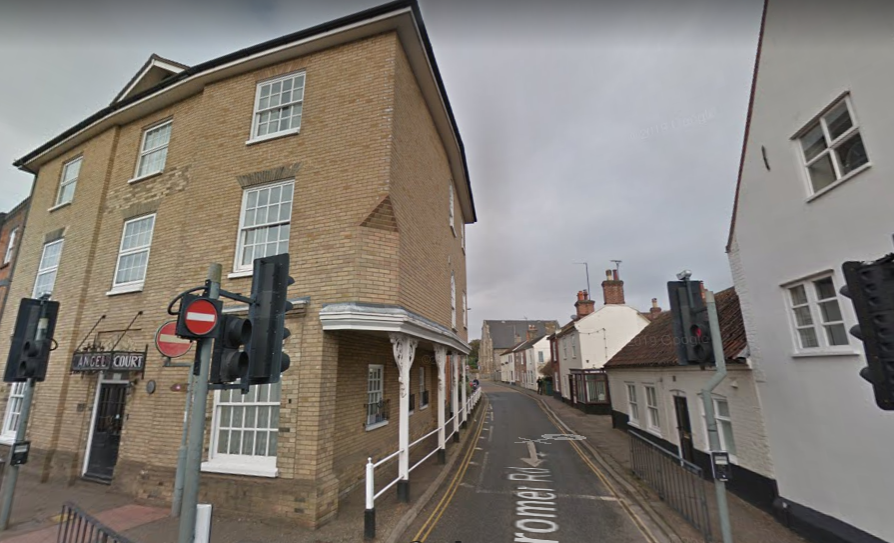
    From Google Streetview

    Following on from my list of pubs from the 1839 Pigot’s Directory, the Angel (known both as the Angel Hotel and the Angel Inn) is one of those which is no longer trading. This is primarily as it was thought to be a marvellous idea to knock the building down in 1992 and build another one that looked like it. But the new building would be flats, not a pub.

    It’s a shame that the council in its wisdom allowed for the destruction of a pub that had been trading for perhaps as long as 350 years, especially as they seemed to like the design so much the replacement building looked nearly the same. Although they gained a pavement for pedestrians to walk along, which I suppose is an improvement.

    The building which was demolished was constructed in the late eighteenth century and built with white bricks. The landlord in the early 1890s was Edward J. Morris, apparently a well-known athlete according to the press of the time. He died at the age of 43, after he had left the Angel, and he also became the landlord of the George and Dragon in Haymarket (better known as McDonald’s now).

  • North Walsham – Pubs of 1839

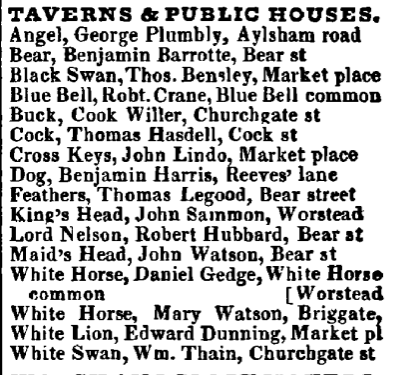
    From 1839’s Pigot’s Directory of Norfolk, these were the pubs that existed in North Walsham at the time. Those still trading include the Black Swan, the Blue Bell and the White Swan. More on those, and others no longer trading, in other posts….

  • Thetford – Thetford Railway Station (1845)

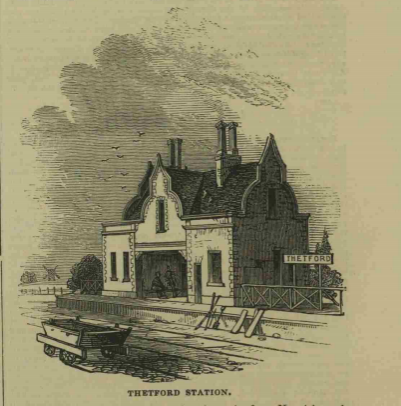
    This illustration in the Illustrated London News is of Thetford railway station, just after it had opened in 1845. There must have been a lot of excitement about the increasing possibilities of rail travel which were opening up, a golden age…..

  • Thetford – Thetford Railway Station

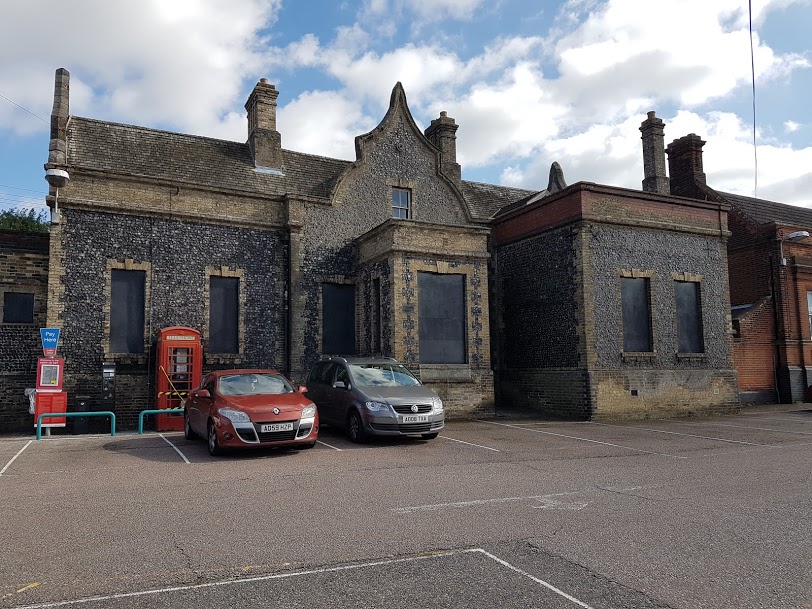
    Thetford railway station is an attractive flint-faced building which opened to passengers in July 1845. It expanded throughout the late nineteenth century due to the increasing volumes of passengers and it remained a junction station until in 1953 when the line from Thetford to Bury St. Edmunds closed.

    The listed building register notes just how important the building is in terms of its heritage:

    “There are numerous stations throughout the country that retain three building types but only approximately forty in which a group of four or more types survive. Thetford retains nine, including the loading gauge which would once have been a familiar feature in all country stations but is now an increasingly rare element. Very few stations have survived with this number of buildings, and Thetford thus provides an almost complete picture of an early station that continued to evolve throughout the second half of the C19”.

    The main station building isn’t currently in great shape, and most of it isn’t used, but there is an on-going restoration work to protect the fabric of the structure. There are longer term plans to open the former station building back up, which would give a better first impression than its current boarded up state.

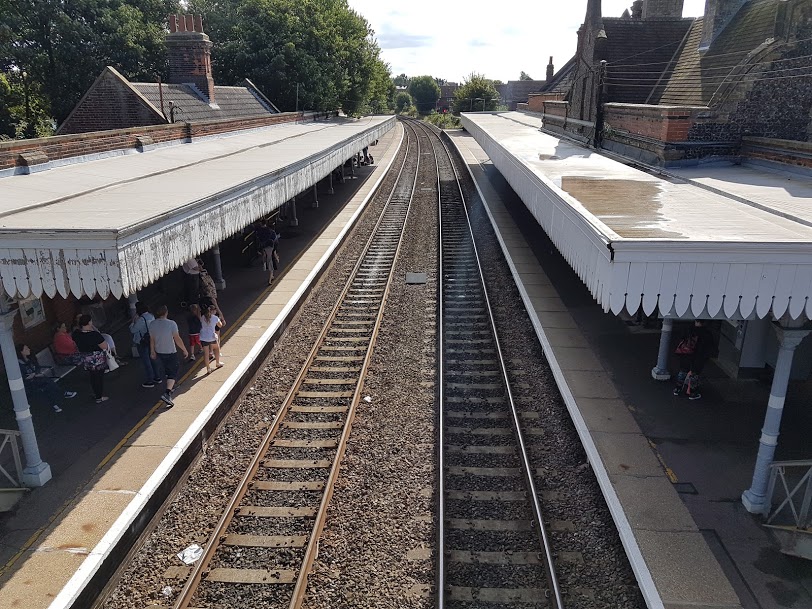
    Looking down onto the tracks in the direction of Norwich railway station. The track curves off to the left at the end of this photo, with the old line to Bury St. Edmunds once going off the right. It was unfortunate that the line between the two towns closed, as it might have been viable to connect the towns via a circular route, as it’s not as easy as it perhaps should be to connect from Thetford to Bury St. Edmunds by public transport.