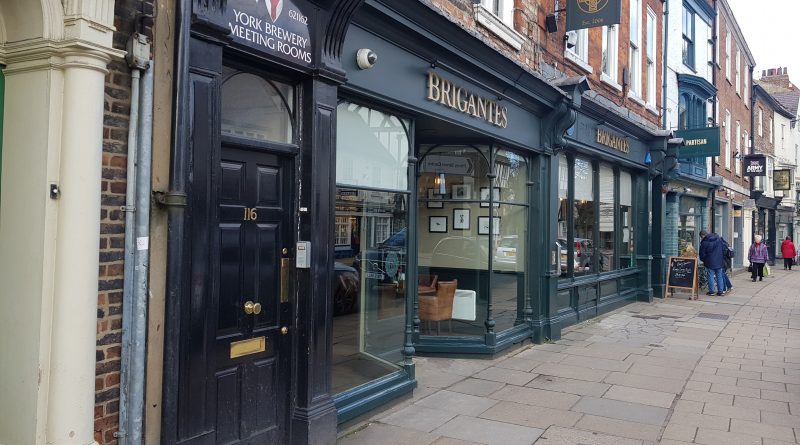
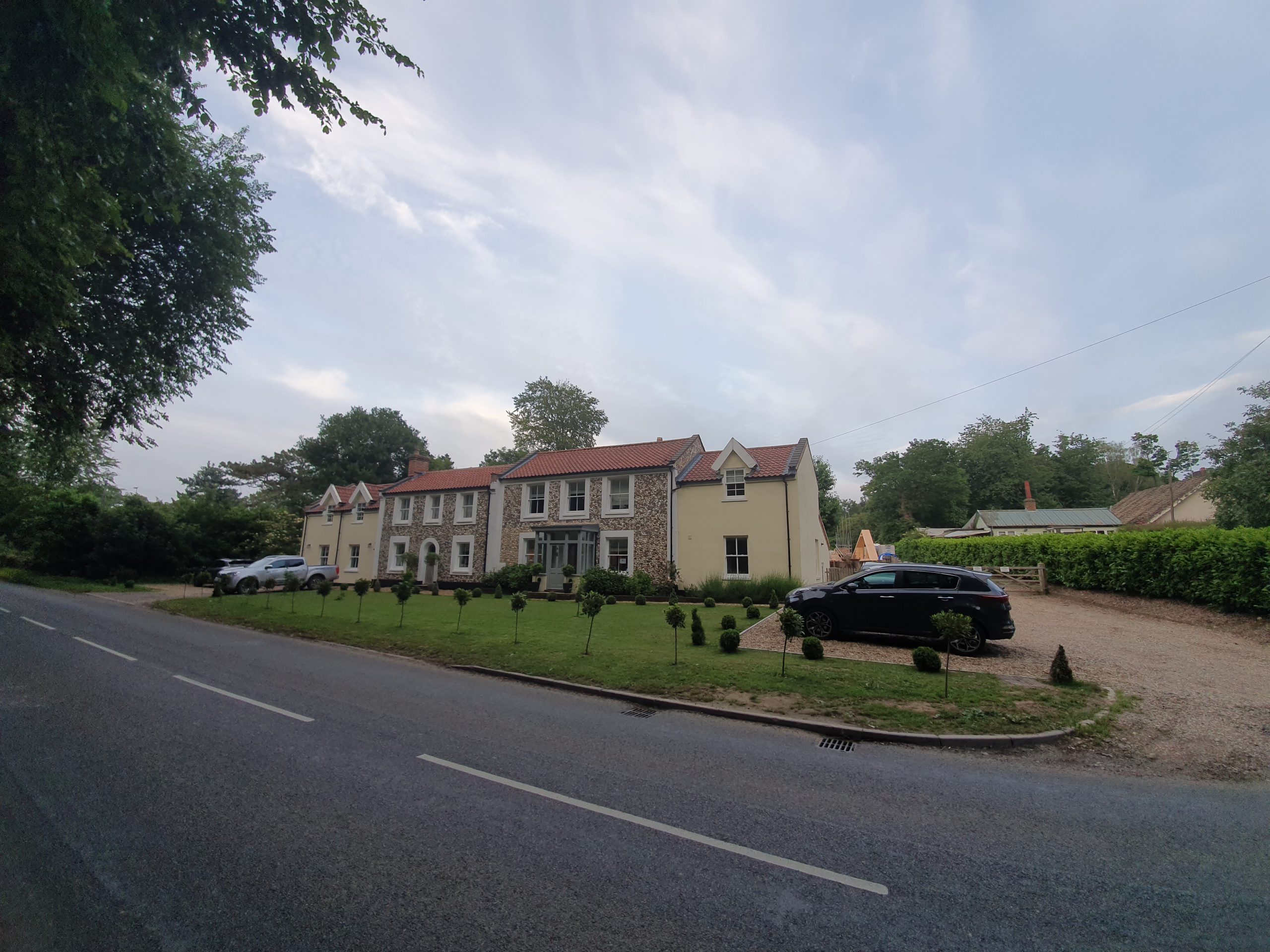
I visited Brigantes a few days before all pubs were forced to close in the UK and I thought that it was a well-deserved entry into the Good Beer Guide. Anyway, it’s been confirmed today that Brigantes won’t be re-opening when pubs are allowed to, so the closure is permanent.
Sad news and I agree with Roger Protz who posted on Twitter:
Very sorry to learn that @BrigantesYork on Micklegate will not be reopening. Great beer, especially cask, and good food. The York beer scene will be all the poorer. Best wishes to all staff for the future.
Back to The Concise Oxford Dictionary Of English Placenames to look up the origins of the village name Tunstead.
Tunstead, Norfolk. Tunesteda in 785, Tunstede in 1044, Tunesteda in Domesday Book. Old English for farmstead.
That’s nice and easy, it means farmstead and there are a few of these around the country, with ‘tun’ meaning farm and ‘stead’ meaning, well, stead. It’s a true piece of English history for a place name to stay the same for at least 1,250 years.
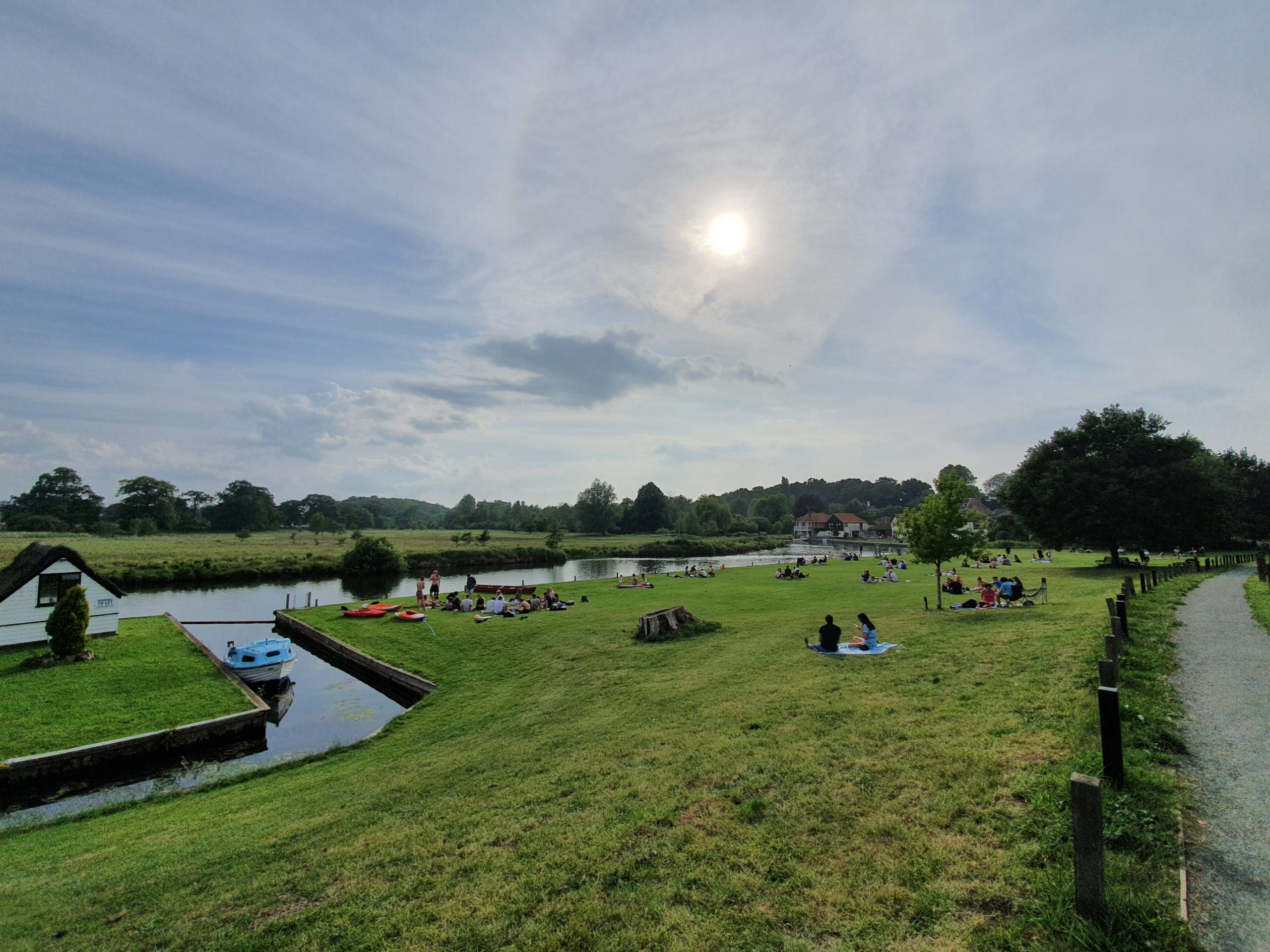
After visiting Coltishall yesterday evening, I had a little look at The Concise Oxford Dictionary Of English Placenames to understand its name origins.
Coltishall, Norfolk. Coketeshala in Domesday Book, Couteshal in 1200 and Couteshale in 1219.
Like with Brundall, the ‘halh’ bit is usually a secret place, a tucked away area or some land which is separate from its administrative area. So, it’s a tucked away place owned by an Anglo-Saxon known as Cohhede or Coccede.
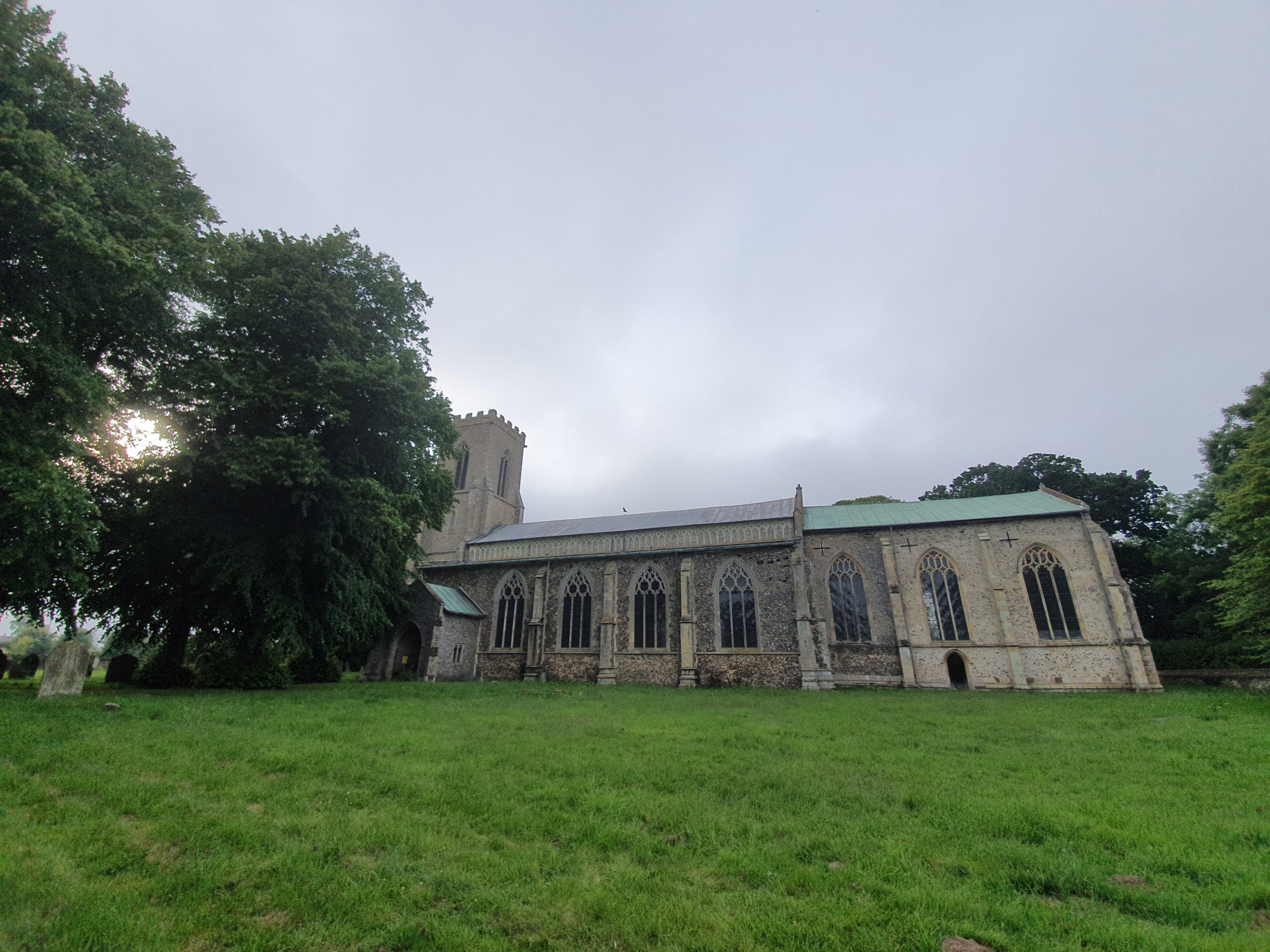
I can’t remember visiting this church before, but it’s a substantial building and way out of proportion for the size of the settlement that exists today. All churches are currently closed at the moment, but the interior of this seems to have some mystery to it, so this is another building I’ve put on my list to visit again. I’m getting quite a long list…..
Anyway, the bulk of this church dates to the fourteenth century and most of it was already completed before the Black Death caused so much death and suffering across the country. But the Black Death is probably the reason why there aren’t that many nearby homes and it seems possible that the church was funded by the woollen industry, in a similar manner to nearby Worstead Church.
The base of the tower and it’s worrying to see that the building is on the Historic England Heritage at Risk register, so hopefully this will allow them to gain funding to fix some of the problems. The register mentions that plaster is flaking off the walls internally and the medieval rood screen is suffering from damp problems.
The entirety of the east window is also blocked and I couldn’t work out why this was, but there’s an article dating back to the early nineteenth century that the glass was being smashed so often by local children that this was seen as the best solution by the church-wardens at the end of the eighteenth century. The author noted “our beautiful churches are continually being spoilt by the ignorance of peoples utterly unfit to be their guardians”. There’s sometimes a view that people always treated churches with great respect in the past, but stories like this show that this isn’t the case.
As an aside, the same author notes that “the clearstory [clerestory] walls, instead of being pierced with windows, are beautifully panelled with flint and stone”, and they do look a little unusual in their arrangement.
The north-east chancel window is also blocked, probably for the same reason as the east window.
This iron working on the door is quite expansive and it’s original, dating back to the fourteenth century. Havelock Ellis wrote in 1920 that this ironwork was so well-formed that it seemed more modern than this, but its heritage seems beyond dispute and is of national importance.
I’m assuming that this is the outside of the rood screen steps, since it’s located where the chancel and nave meet.
Anyway, a rather beautiful church and I look forwards to being able to visit the interior.
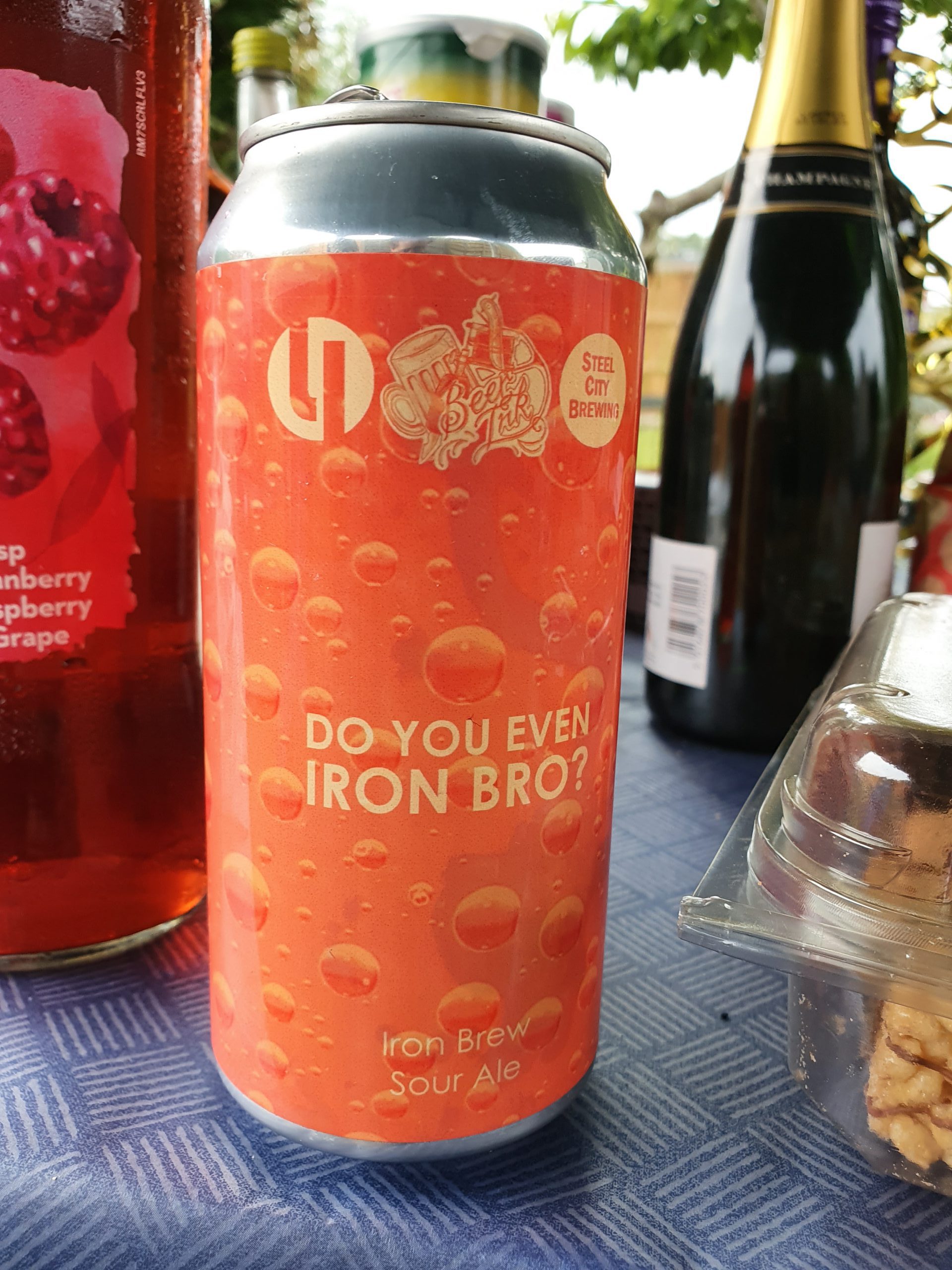
As mentioned in some previous posts, there aren’t many opportunities to post about beers in pubs, so I’ll have to limit myself to beers bought from pubs to takeaway. This is a twist on the Scottish soft drink, a collaboration between Lost Industry and Steel City Brewing.
The taste was there equivalent to the soft drink, but it was so authentic that it also tasted of a soft drink. Weak in body, not particularly sour and with a limited aftertaste. So, a fine idea, although it’d probably just be easier just to buy Irn-Bru.
The Dictionary of the Vulgar Tongue was first published at the end of the eighteenth century, and given that the Coronavirus crisis is giving too much time to read books, I thought I’d pick a daily word from it until I got bored…..
Cramp Words
Not quite as cheery as some previous definitions, this is defined as a term used in the criminal world meaning a “sentence of death passed on a criminal by a judge. He has just undergone the cramp word; sentence has just been passed on him”. There are a series of other terms related to this, such as “cramping day” which is when the execution took place and “cramp laws” meaning laws that could lead to the death sentence if broken. The terms were used from the early eighteenth century until it slowly faded out of use. Newgate Prison also became known as “Cramp Abbey” and this term was then used as a generic term for any prison.
And, the fading out over time of the “cramp words” phrase.
Just to show how rarely I go to Coltishall, the last time I went by the Railway Tavern it looked something like this. It opened just before the First World War, originally known as the New Inn, before becoming known as the Railway Inn and later on the Railway Tavern.
And this is what it looks like now, which is quite sad as I suspect that with the seemingly ever-increasing number of people coming to Coltishall for walking and canoeing that it would likely have been able to be viable once again. I admit it’s at the wrong end of the village for that, but start serving craft beer and it’ll soon attract the hoards…. It closed in 2012, although it remained empty for some time before it was permanently delicensed. It’s a former Morgans, Bullards and then Watley Mann owned pub, before going through a series of pubco owners.
What is interesting is the heritage statement required, primarily relating to the lime kiln behind the building, when planning permission was approved, with the document referring to the planning inspector being “spectacularly wrong” in 1991. It’s an intriguing read….
This slightly quirky church is located on Great Hautbois Road, a short distance from the centre of Coltishall.
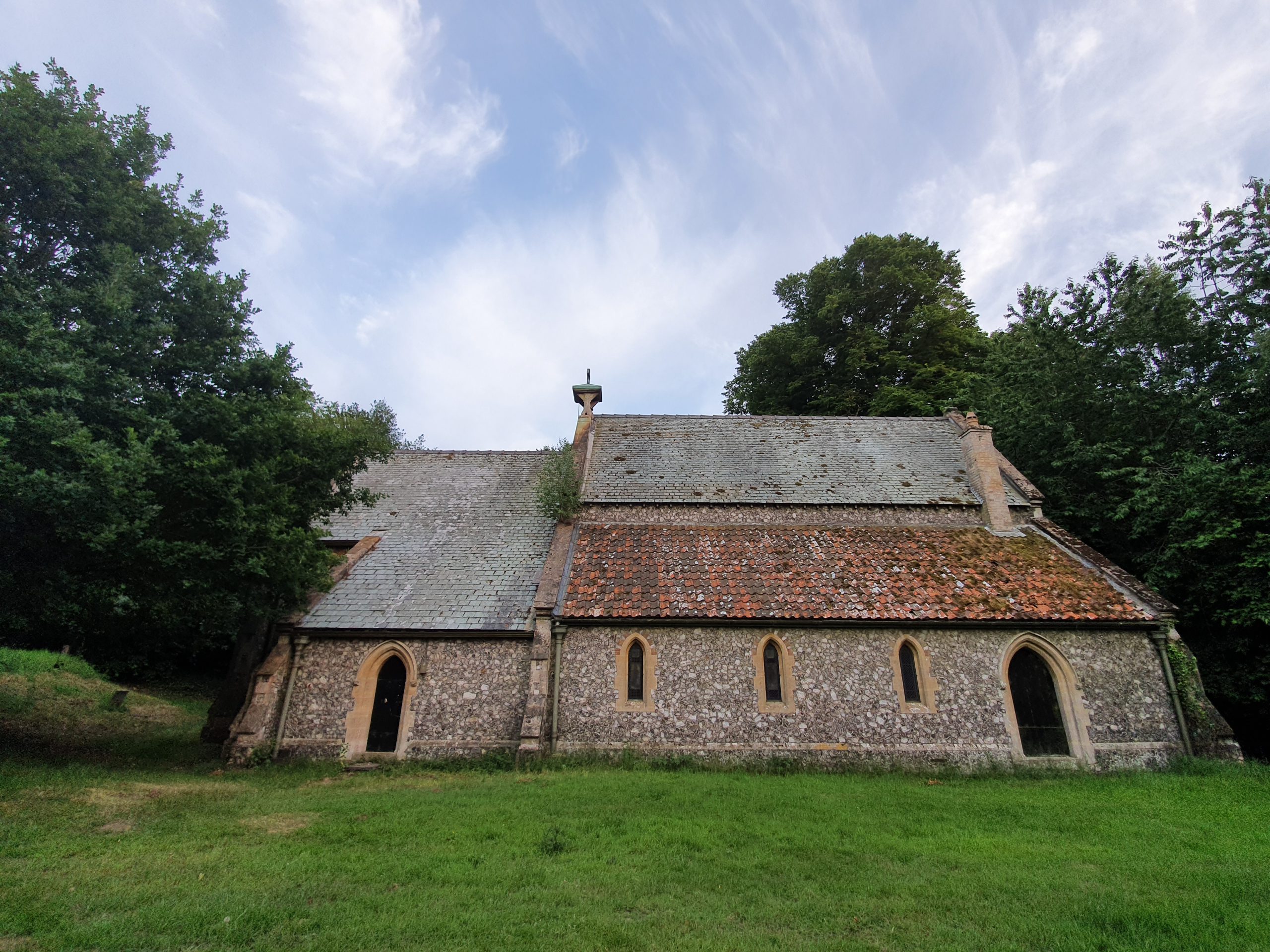
The church dates from the late nineteenth century and is unexceptional, but is in keeping with its rural environment. The church is apparently usually closed, although it is inevitably at the moment given the health situation, but it does have inside the twelfth-century font that was from St. Theobalds, a nearby ruined church. The building was designed by Thomas Jeckyll and although there’s a churchyard there are no burials in it, other than for a very small number of cremated remains.
The chimney and the bell tower add some charm to the church, which seems a little misproportioned to me. The church has in some of its windows the only transfer glass left in Norfolk, with the images laid onto the glass using the transfer method in the 1880s. Incidentally, I didn’t notice any of this glass, the listed building record helped me out there.
We wondered why there was no sign at the entrance with the church name on, but then we saw this near to the church door, so it looks like a repair is being planned. There was a newspaper article in 2017 saying that the girl guides, who have a large base opposite, were looking to take over the building as the Church of England congregation had fallen to just four people. There aren’t any signs at the site that this takeover has happened, but I can’t see much religious future for the church with such a low congregation.