Author: admin

  • Florence – Trams

    Florence – Trams

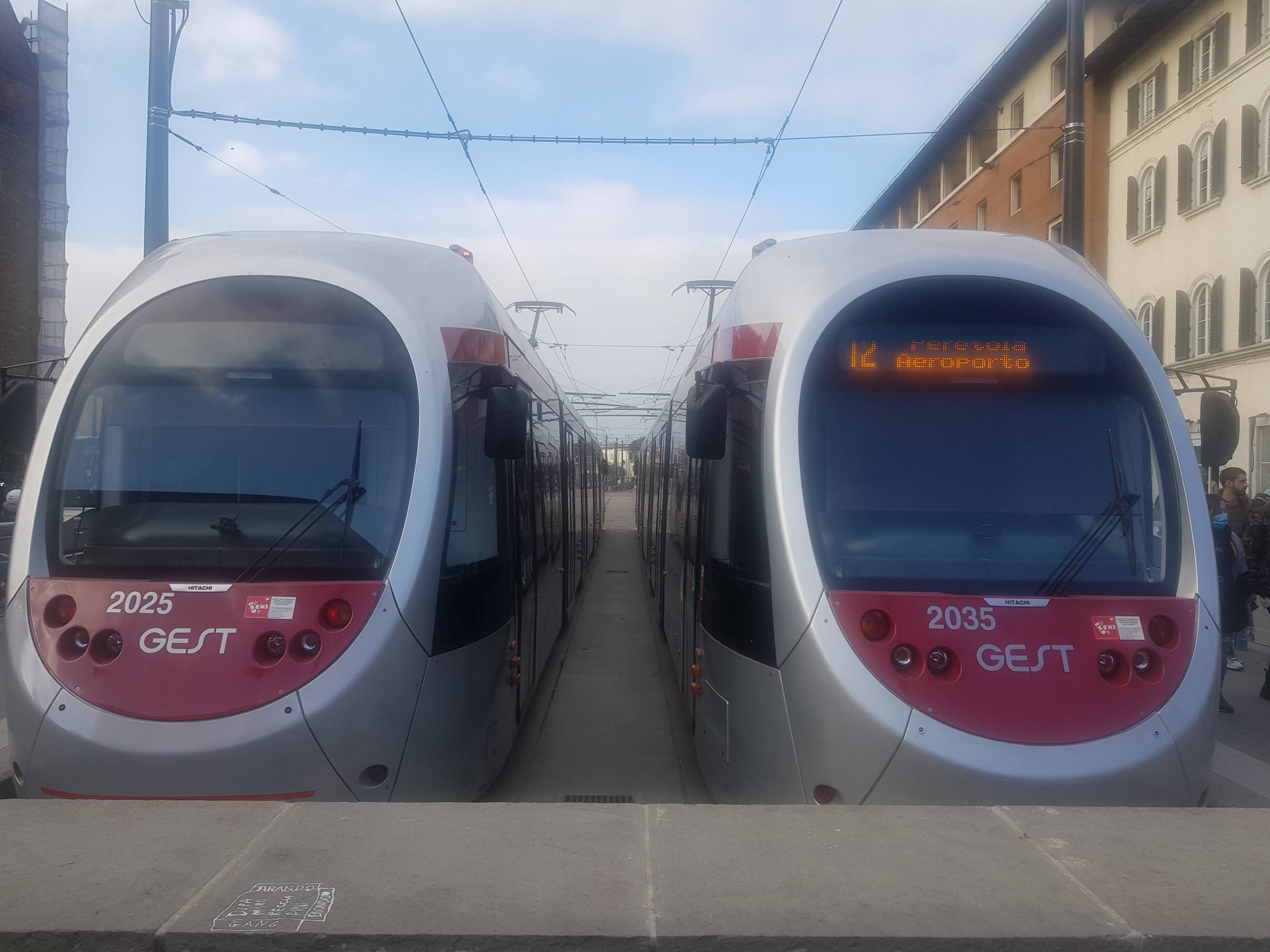
    There were trams in Florence from 1879 until 1958, then it was thought that they were no longer useful and that cars and buses would provide the alternatives. The service has though been brought back from 2010, with the T1 service which runs from Villa Costanza to Careggi. It’s the second line, T1, which openly recently, which is though perhaps the most useful to visitors to Florence, as it runs from the airport to just outside of the city centre.

    The trams are easy to find when leaving the airport, with clear signage, and there’s a machine which accepts cards and cash to buy the tickets from. The trams leave on a regular basis and late into the evening, with the validation machines being easily visible and clear to understand. Richard did manage to miss his stop when he went back to the hotel on one, but they’re much easier than the previous option of getting a bus to the airport. And, these trams are just €1.50 for a 90-minute ticket, which allows users to get off onto another tram or bus as long as the journey is completed before the 90 minutes since validation are up.

  • Florence – Museo della Misericordia (Saint Tobias by Santi di Tito)

    Florence – Museo della Misericordia (Saint Tobias by Santi di Tito)

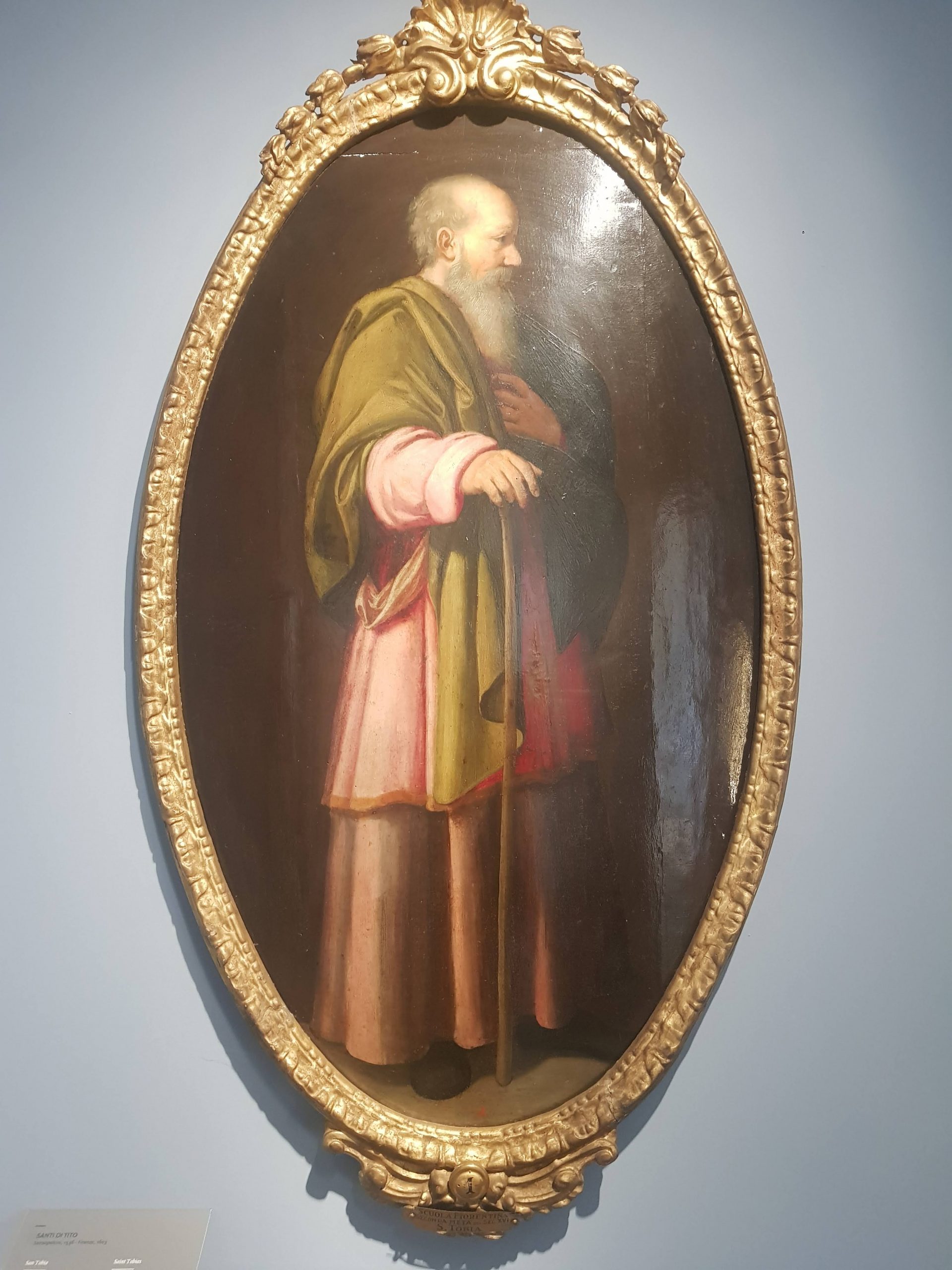
    This artwork was painted in oils by Santi di Tito in around 1578 to 1580. He was an influential local painter who was born in Florence in 1536 and died in the city in 1603. I think that Saint Tobias is the patron saint of grave-diggers, along with Saint Anthony and Saint Joseph, it seems quite a competitive role….. Anyway, an interesting artwork, but there’s unfortunately no obvious provenance of where this painting has been over the centuries.

  • Florence – Marino Marini Museum

    Florence – Marino Marini Museum

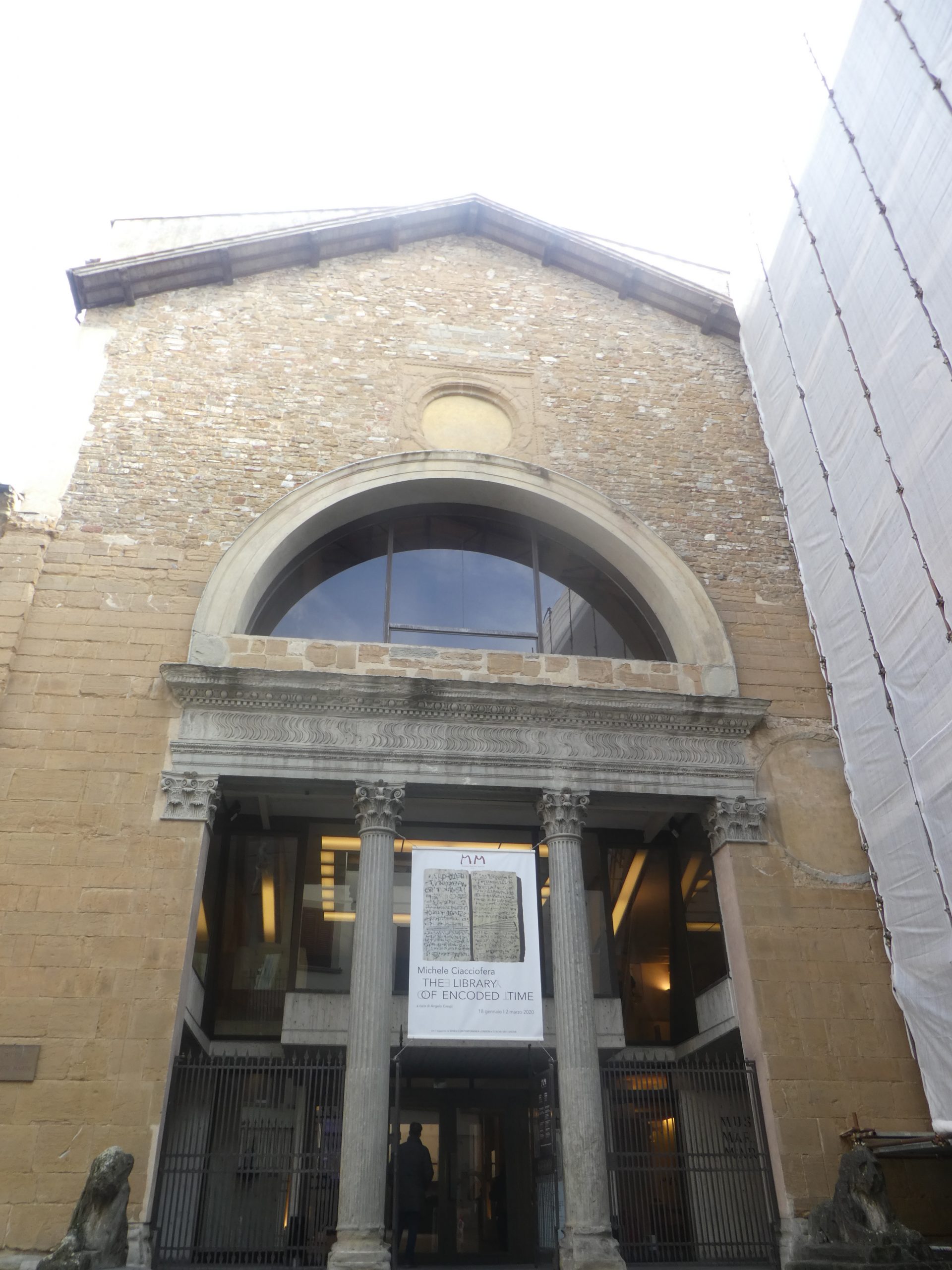
    This museum and gallery is located in what was San Pancrazio Church, primarily a fourteenth century structure, although there has been a church on this site since the tenth century. The Rucellai Sepulchre has been retained within the church and this is accessible through the museum, although there’s an extra charge for that. The staff member at the reception area was friendly and he explained what there was to see and how to access it.

    The view of the gallery from the entrance desk. The church stopped being used for religious purposes in 1808 during the Napoleonic Suppression and the building was then was used by the city as a tribunal court and then as a tobacco factory. It was a sad fall from grace for such a beautiful building which was used by the Vallombrosan Congregation order of Benedictine monks from 1230 until 1808.

    And looking down on the gallery from the first floor.

    There are plenty of works, around two hundred, by Marini which are located around the gallery. The majority of works were given to the city by the artist during his lifetime, with many others given by his widow following his death. There’s no admission charge to visit the gallery, just to see the chapel and also the regularly changing exhibition in the crypt.

    Although damaged, this fresco on the ceiling retains some beauty and it’s interesting to see how it looks in its unrestored versions. The church has lost much of its interior, although some decorative elements remain, primarily in the crypt.


    Some of the sculptures which Marini created and I’ve also posted separately about the sculptures Bagnante, Miracolo and Giocoliere. The sculptures were all interesting to look at and the environment is pleasing, with the light and space being ideal for this project. However, I didn’t really understand anything that I was looking at and although every sculpture was named there was no more information provided. It’s an intriguing museum, but I would have liked more explanation of the messages that the artist sought to convey in these artworks.

  • Florence – Marino Marini Museum (Bagnante)

    Florence – Marino Marini Museum (Bagnante)

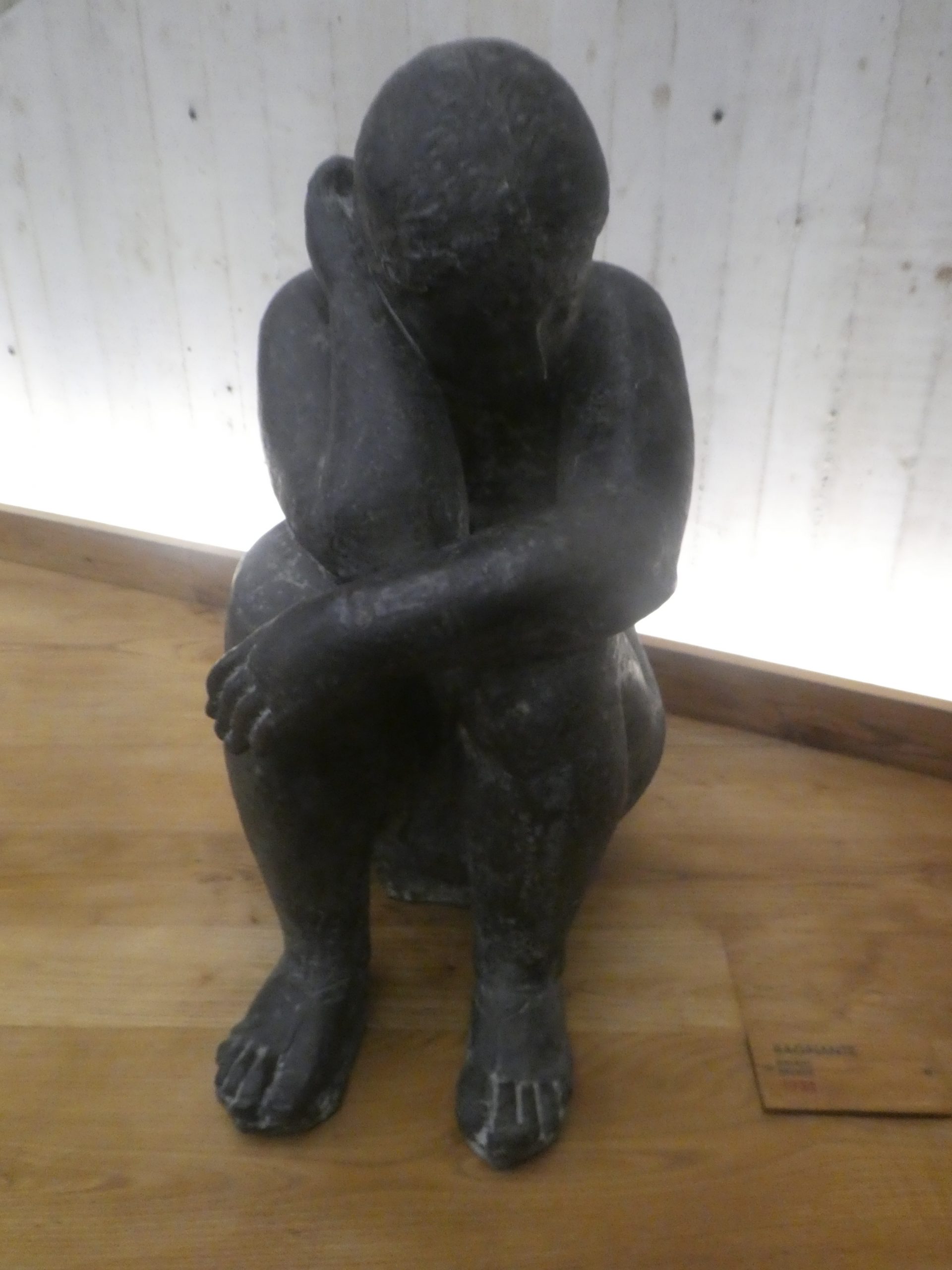
    Meaning ‘bather’ in English, this sculpture by Marino Marini was cast in bronze in 1938. I’ve been trying to bring some understanding of what Marini was representing in these sculptures, with limited success. The Museum of Modern Art in Rome has a similar sculpture, although made from stone, and they have managed to write on their web-site five paragraphs describing their version of the artwork and a further four explaining it. I’m still none the wiser……

  • Florence – Marino Marini Museum (Miracolo)

    Florence – Marino Marini Museum (Miracolo)

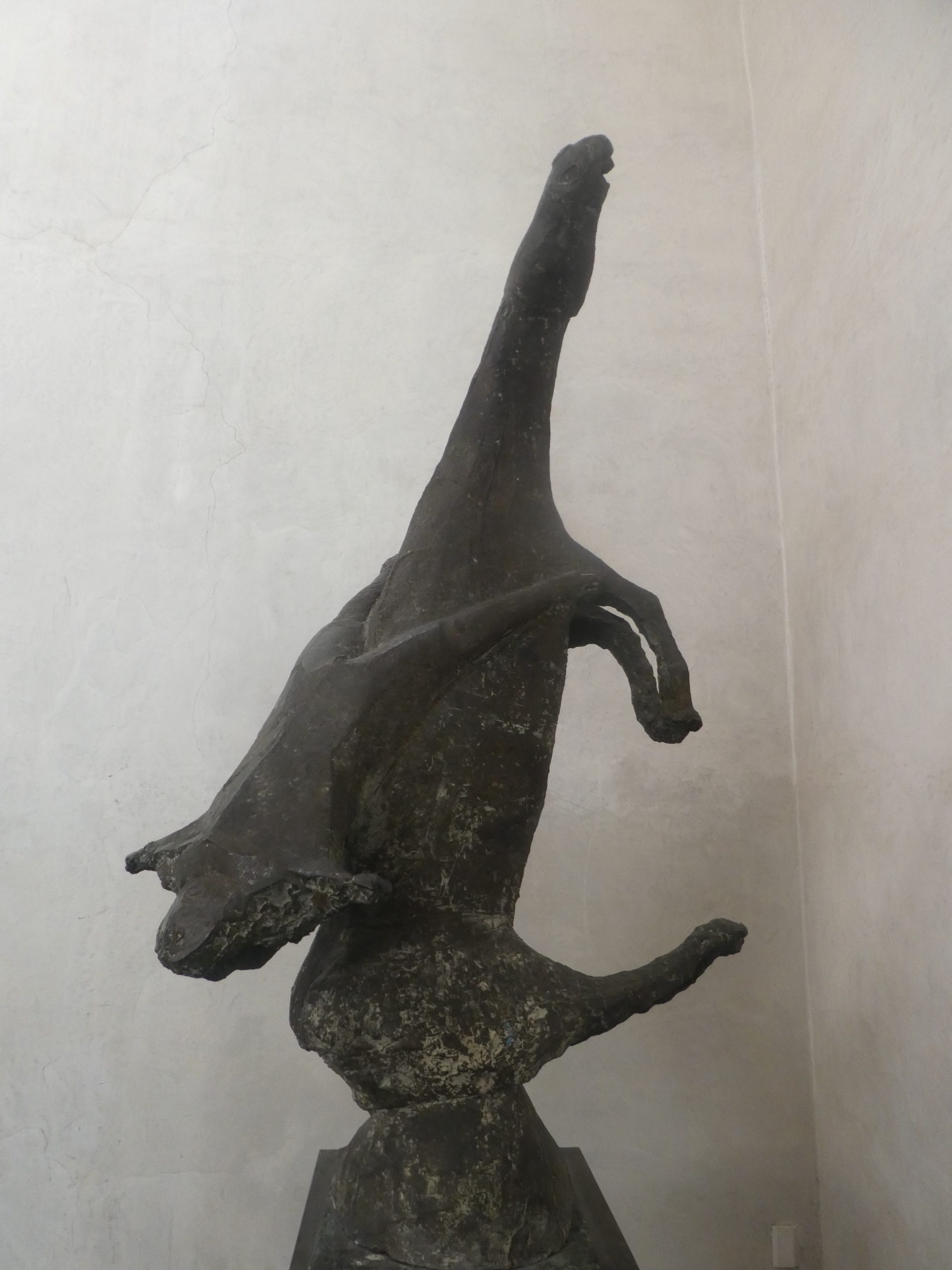
    This work, meaning ‘Miracle’ in English, was created by Marino Marini in 1952 and was cast in bronze. As with many other works by the artist on this theme, it’s a horse and rider in what looks quite a precarious position. Marini comes back to this throughout his career, and he starts with a horse and rider under control, and throughout time, as the artist despairs with the world, the situation becomes more chaotic. Quite a nice metaphor, it could be argued that we need something similar given the political situation that we face today.

  • Florence – Marino Marini Museum (Giocoliere)

    Florence – Marino Marini Museum (Giocoliere)

    This is Giocoliere, a bronze sculpture by Marino Marini in 1939 which is one of just three in the world which the artist cast. Giocoliere means ‘juggler’ in Italian, and although I’m not sure what is being juggled here, there is meant to be a wider message about humanity and the individual struggle. Anyway, another one of these three sculptures sold in 2018 for just under £80,000, not a bad little result.

  • Florence – Florence Cathedral Museum (Death Mask by Andrea di Lazzaro Cavalcanti)

    Florence – Florence Cathedral Museum (Death Mask by Andrea di Lazzaro Cavalcanti)

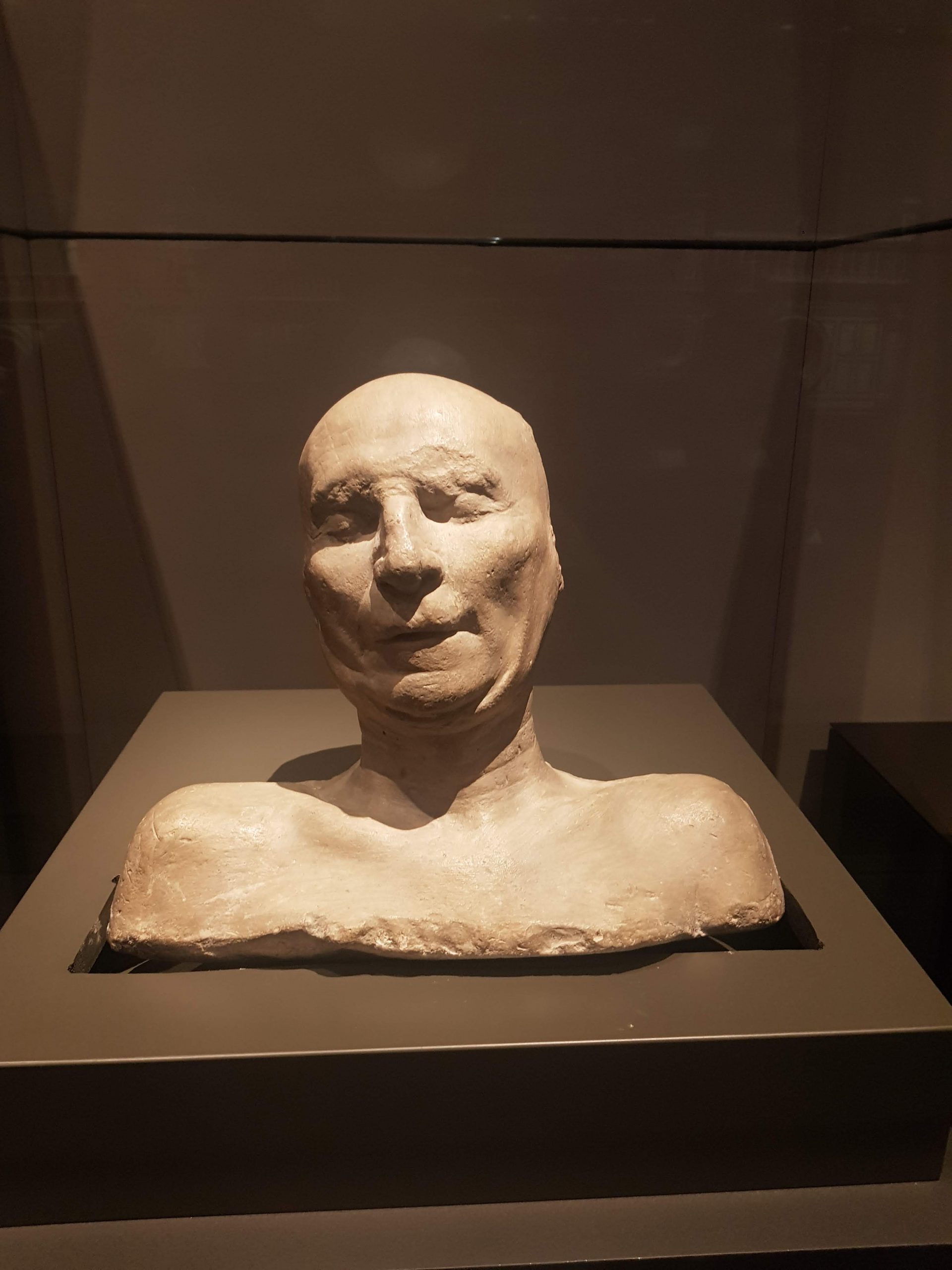
    This is the death mask created (or cast, however he made it….) by Andrea di Lazzaro Cavalcanti, also known as Buggiano, a sculptor who lived in Florence between 1412 and 1462. The element that interested me is that during this period of Florence’s history, it apparently became popular for people to have death masks on display in their homes. So here we are during a great renaissance period of art and the local denizens decide to buy themselves some death masks to display. Buggiano worked on numerous buildings, including Florence Cathedral, with this death mask dating from 1446.

    The death mask is of Buggiano’s step-father, Filippo Brunelleschi, who was responsible for much of the construction of the dome of Florence Cathedral. Brunelleschi was buried in the Cathedral in 1446 and his tomb was lost for many centuries, only being rediscovered in 1972.

  • Florence – Florence Airport (Aeroporti VIP Club Toscana)

    Florence – Florence Airport (Aeroporti VIP Club Toscana)

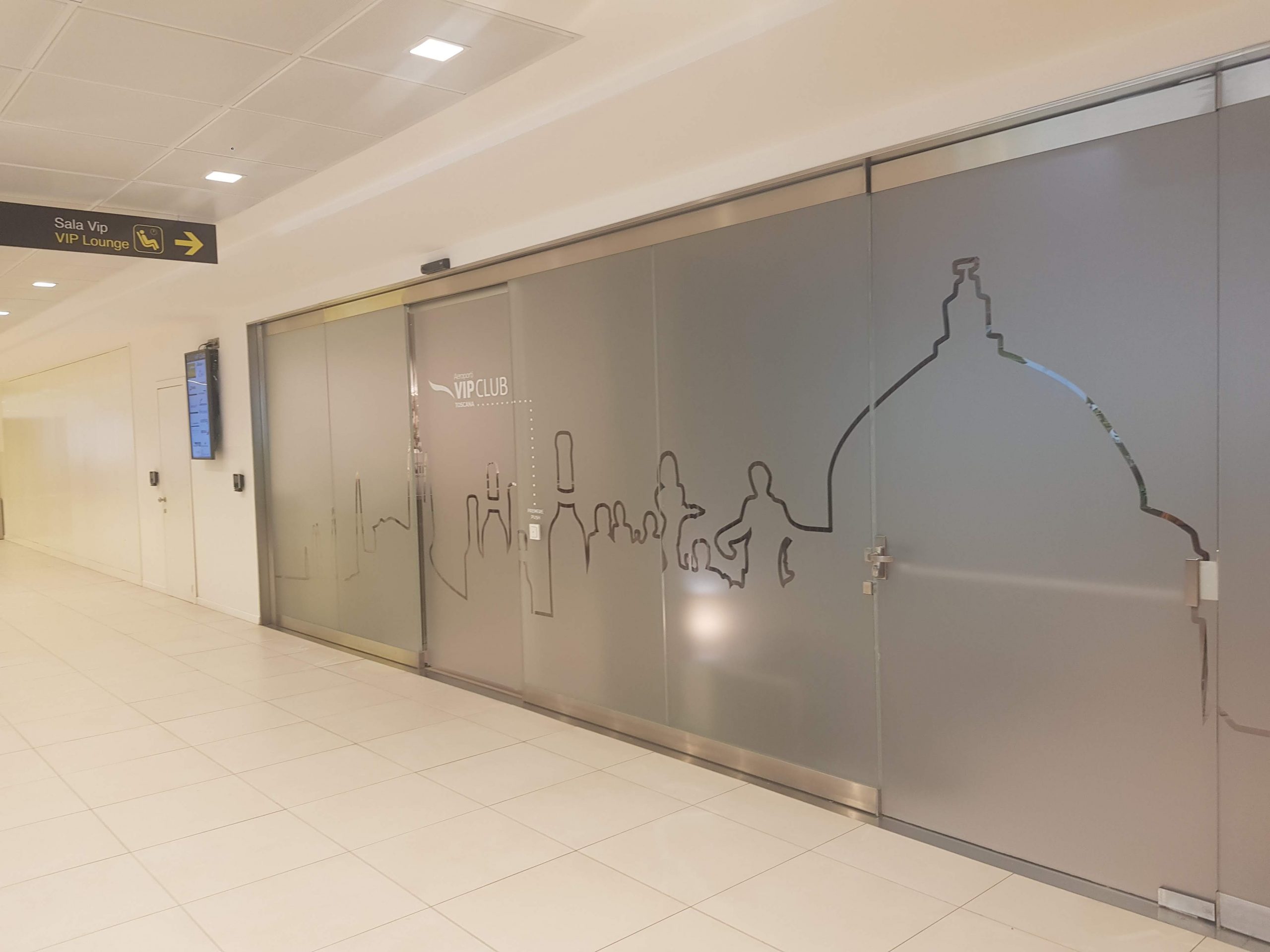
    I arrived into the lounge at Florence Airport aware that most people were leaving the airport as their flights had been cancelled. I was a few hours early arriving, but the member of lounge staff said that I was welcome to come in, but I should be aware that as things stood my flight was likely to be cancelled. There didn’t seem much point worrying, I checked that Accor had hotels in Florence available should I need them and then concentrated on exploring the lounge.

    There were a range of different seating areas, with the lounge being nearly empty when I was there, although it got much busier later on.

    I decided that I should pretend to be an executive and so I sat here.

    The food selection, with pastries, sandwiches, cakes and the like, but it was the doughnuts that were the most exciting. I checked all of the flavours, there were four, several times. There was briefly some hot food brought out in the form of pasta, but this didn’t last long and wasn’t replaced.

    There were sandwiches, salads and fruit boxes in the fridges, with the salad being fresh and the cheese was rather moreish.

    There were two different beers, although they tasted the same to me, just generic and nearly tasteless Italian lager. I didn’t explore the wine selection, but I overheard others saying it tasted of a decent quality.

    There were also coffees and fruit juices, along with a fridge full of canned drinks such as Coke, Fanta and also some energy drinks.

    And some sweets.

    The lounge was clean throughout and there were books, newspapers and magazines to read. The staff went around relatively regularly collecting empty plates and glasses, whilst there were also plenty of power sockets available to use. There were numerous screens displaying flight information and there were toilets inside the lounge complex. All told, this was an above average lounge with plenty of choice of food and drink, although it did seem to be nearly full at one stage so it might be more problematic during busier times of the year for the airport.

  • Flights – Florence to London City Airport (British Airways)

    Flights – Florence to London City Airport (British Airways)

    When I arrived at Florence airport, most of the flights from that afternoon were being cancelled due to high winds, so it didn’t bode well for my later departure. Nor was the sign of a lady sitting on the floor outside of the terminal screaming particularly conducive to calm travel, although at least the Italian military and police were on hand to deal with the situation. The staff at the airport lounge were friendly, although warned me that my flight was likely to be cancelled, but as the afternoon turned into evening, all started to look better.

    The inbound BA flight to Florence was delayed, apparently the pilot said due to a technical issue rather than air traffic control or the winds, but the departure was only around an hour later than it should have been.

    The boarding process was a little confused as customers weren’t really shown where to wait, although to be fair to the staff, they didn’t have a great deal of space as there was another flight boarding at the neighbouring gate. There was a vague effort at boarding by group number as I did hear one announcement, but it was ineffective. Although it didn’t make much difference anyway as there was a bus to the gate rather than an air bridge. The boarding gate staff were polite and helpful, with the process being prompt if nothing else.

    The BA flight to London City Airport before mine had been cancelled, so the aircraft I boarded was completely full, although I’m not sure where the other passengers were sent from the earlier flight. The crew member made some authoritative, but essential, statements that baggage must be placed into the lockers quickly and everything other than large bags should be placed under the seats. I like my bag by my feet, but it’s perhaps still a little unfair that BA reward those with large luggage by having the area under their seat clear, whilst those who pack light have their foot room impeded.

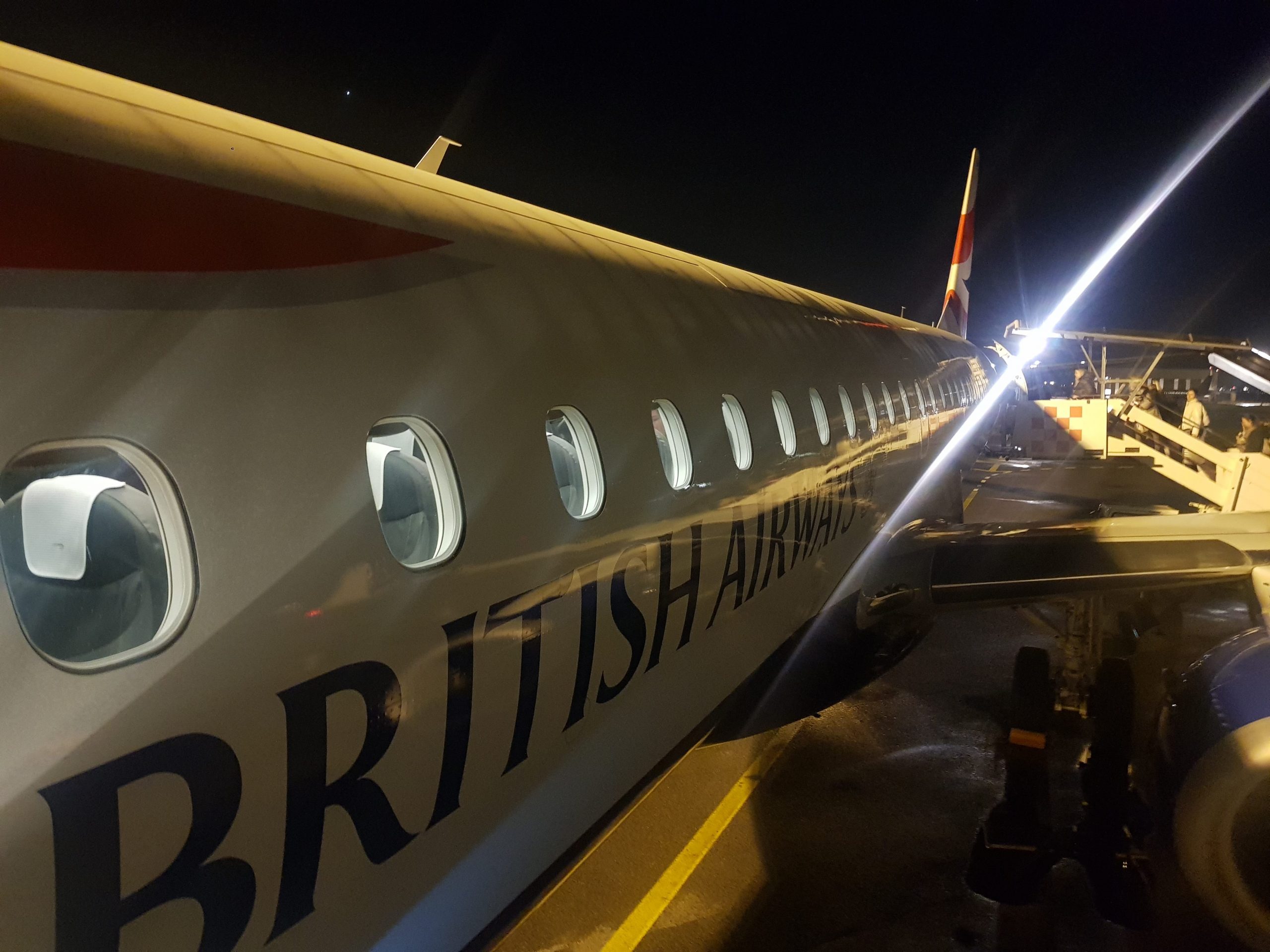
    The aircraft was G-LCAA, an Embraer 190 which was used by China Southern Airlines from 2011 until May 2019, when it entered BA’s fleet. I find it quite intriguing to know that this aircraft has spent most of its life shuttling around China before being entirely refitted by BA.

    The pilot then made a friendly announcement and in that he mentioned that there was a slight rush as we had headwinds against us and a need to get into London City Airport by 22:30 because no incoming flights are allowed in after that due to their curfew. As a slight spoiler to this post, the aircraft landed at 21:54, which meant that all was well and we avoided having to land at London Southend Airport which would have been over an hour by bus transfer. London City Airport usually closes at 22:00, but it remained open to deal with our flight.

    Back to the flight itself… British Airways have, for the many years I’ve travelled with them, managed to perfect inconsistency. I’m aware of what the offering would be, since I read the timing of the flight and associated menu on Flyertalk, but it was a near pointless effort compared to the excellent meal provided on the outbound flight to Florence. I had eaten in the lounge, but most other customers hadn’t, perhaps expecting something similar to what they had received on their previous flight.

    And into London City airport, safe, sound and only a little later than anticipated. The curfew at London City Airport is an absolute one, so all told, BA did well to get this aircraft back given all the problems there had been at Florence airport during the day. A bus journey from Southend Airport is something that I could have done without, so I’ll forgive BA for their limited catering arrangements on this flight….

  • Florence – Porta San Niccolò

    Florence – Porta San Niccolò

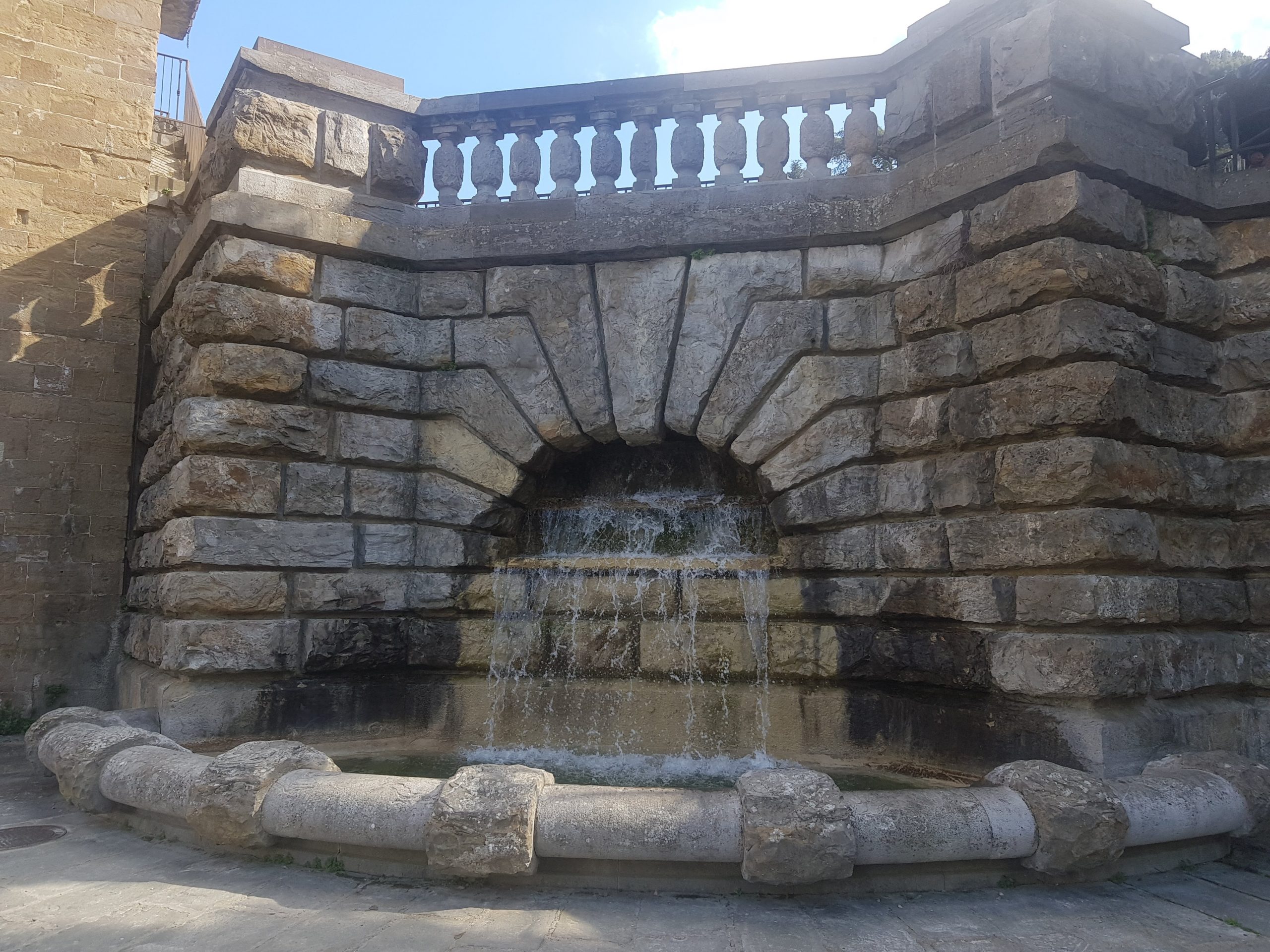
    Above is one of the fountains alongside Porta San Niccolò, a city gate first constructed in 1324. Other gates in the city were lowered during the sixteenth century, but this was one was left at its original height.

    This is from what was the inside of the gate, with Piazzale Michelangelo visible on the right-hand side of the photo. There were debates about demolishing it in the nineteenth century, with the nearby city walls being taken down, but the gate was saved because of the excellent views of the city from its top. Visitors can still climb to the top of the tower, but only during the summer months.

    And this is what the gate looked from the outside, quite a formidable structure.