Author: admin

  • Knapton – St. Peter and St. Paul’s Church (War Memorial)

    Knapton – St. Peter and St. Paul’s Church (War Memorial)

    This war memorial is located in front of the village’s church and was installed here in 1919. There was a grant of £273 provided for by the War Memorials Trust in 2010, which was used to clean up the lead lettering which had become hard to read.

    There are seven names on the war memorial from the First World War:

    Tom Colin Barcham

    Percy William Swann

    George Turner

    Douglas Lambert

    Albert John Mace

    George Wild

    Robert Christmas Yaxley

    Another three names were added to the side of the memorial following the end of the Second World War:

    Frederick Watts

    Thomas BB Wood

    Sydney E Woollsey

  • Dictionary of the Vulgar Tongue – Day 158

    Dictionary of the Vulgar Tongue – Day 158

    The Dictionary of the Vulgar Tongue was first published at the end of the eighteenth century, and given that the current health crisis is giving too much time to read books, I thought I’d pick a daily word from it until I got bored….

    Hook and Snivey, with Nix the Buffer

    This is a rather long-winded definition, but here goes…. “This rig consists in feeding a man and a dog for nothing, and is carried on thus: three men, one of whom pretends to be sick and unable to eat, go to a public house: the two well men make a bargain with the landlord for their dinner and when he is out of sight, feed their pretended sick companion and dog gratis”.

    I’m not sure how this scam works, as it seems to suggest that the two men just get less food each, unless some sort of buffet arrangement was the standard in hostelries in the late eighteenth century. I like the addition of the dog in the definition though, although I’m not sure why that bit is necessary.

    The ‘hook and snivey’ element is defined as a general deceit, it’s just here that Grose has been quite precise with his definition. It is also spelled as ‘hookem snivey’ and ‘hookem snivvy’ and there are various other ways of spelling it. The word ‘hook’ originally meant to ‘to steal’, I have no idea about the other bit. I still like the appearance in this definition of Nix the Buffer, who could perhaps be a cartoon character with a name like that.

  • Cambridge – Brewdog

    Cambridge – Brewdog

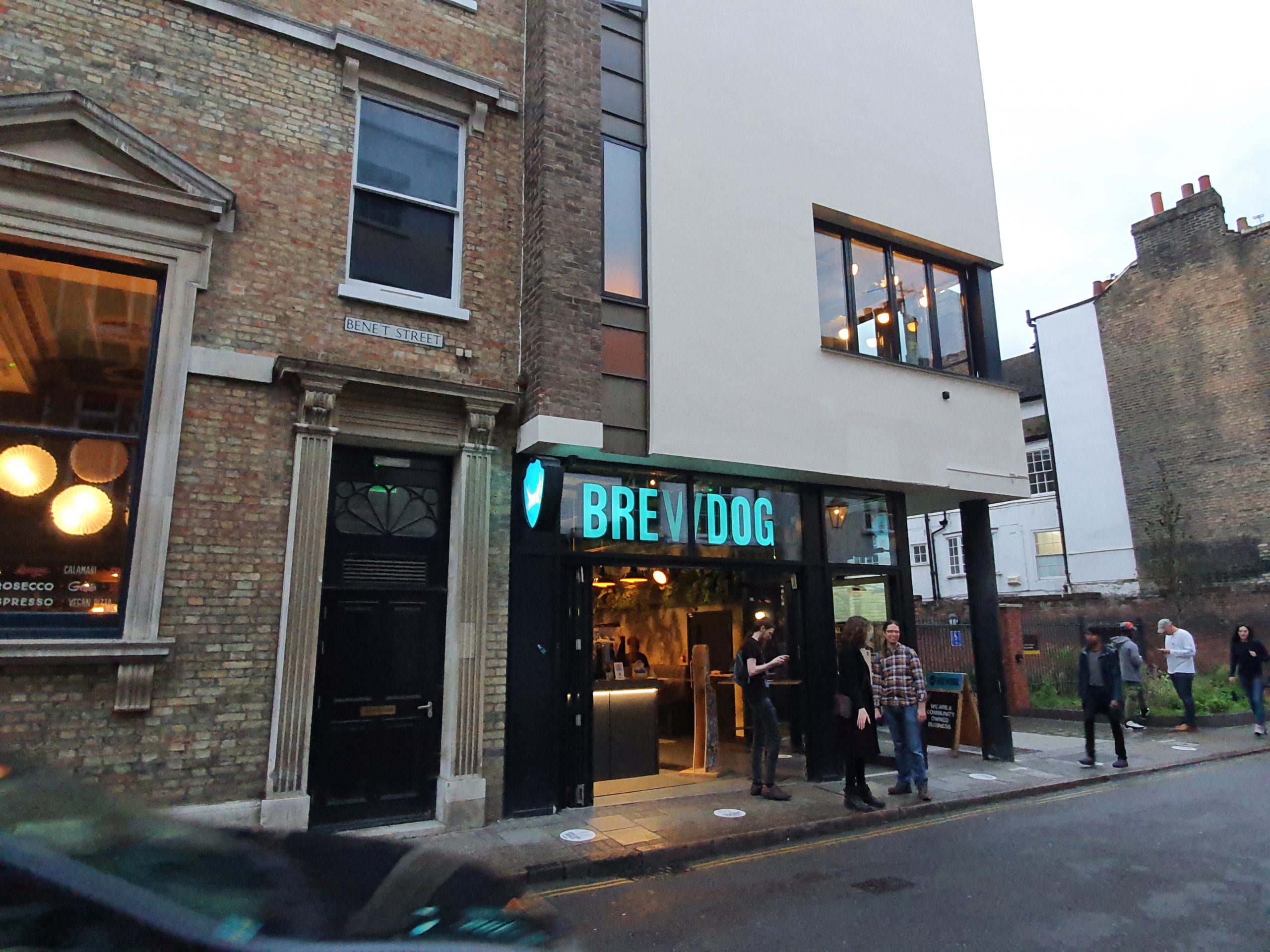
    I’m slowly and steadily (which keeps reminding me of strong and stable) working through the Brewdogs in the world and this is one of their newer ones, opening in Cambridge in 2019.

    The beer board, with palpably enthusiastic staff serving customers. A nicely balanced selection of beers, although that’s no surprise in a Brewdog.

    The bar is laid out over two floors.

    I had a nice little table reserved upstairs near to the front of the pub. The staff members upstairs were helpful and friendly, this is a very laidback pub, but it still seemed efficiently run to me.

    This is the Cranachan Killer, a fruit beer which isn’t normally what I gravitate to. But, I liked the description which mentioned the raspberries, honey, toasted oats and cream. So, it’s an oatmeal pale ale, with a rich taste of raspberries running through it and a slightly sweet flavour. Served at the beautiful moderately chilled temperature, this was well measured and not too sweet with a pleasant and smooth aftertaste. Nice.

    Both of these burgers are mine, they were buy one get one free as part of Brewdog’s Vegan Monday offer, then the Government’s eat out to help out kicked in. So the burgers, also reduced by the Government’s VAT cut, cost just over £2.30 each and the beer was about £4, so a total meal cost of £8.60 or so. Marvellous value.

    I didn’t order fries or any sides, since I thought two burgers would be enough. They’re both vegan burgers and I thought now would be a good time to try them, although I had low expectations.

    The one at the front is the Temple of Seitan, which was rather creative. The seitan has a texture and coating sort of similar to chicken, although it’s not quite there. But the kale added texture, the tomato chutney added some sweetness and flavour and I liked the hummus. A perfectly acceptable burger. Both of the burgers came with a vegan beetroot brioche bun, which retained its texture and tasted fine.

    But, that’s not the burger I want to write excitedly about, it’s the one at the back, the Beyond Meat Burger. It came with vegan Gouda cheese, chipotle slaw, roasted red peppers and pickles. Pickles are a delight with nearly any meal (particularly chicken bakes), and the peppers added some sweetness and the slaw some crunch, but they weren’t the main part of the excitement here. That vegan burger was a joy to behold (OK, I’m going a bit far now, I wasn’t at Greggs) as it had the texture of meat, a similar flavour and, actually, I think I preferred it to meat. I’d quite happily sub out meat burgers if this is the quality of the vegan alternative. It’s like the Greggs vegan sausage roll all over again, tremendously exciting.

    Gloriously creative from Brewdog and they’re rolling out more vegan and vegetarian options next month which keeps them on-trend and intriguing. But, anyway, this pub was clean, the staff were engaging, the food was marvellous and I couldn’t find any fault here worth noting. I’m not sure Brewdog get much better than this, everything running to a high standard. How very lovely.

  • Cambridge – The Eagle

    Cambridge – The Eagle

    I like to start on a positive, but unfortunately, this pub is operated by Greene King, who have provided a pretty dreary selection of beers. I can ignore that though, because otherwise the pub is a magnificent piece of history. It’s where Francis Crick announced to the assembled company that he and James Watson had figured out the building blocks of DNA.

    The pub’s long history, closely linked in with Corpus Christi College.

    To be fair to the pub, it was busier than this, but I’ve managed to ensure no people are in these photos. These are the front two rooms of the pub, I’m sure they must be packed with atmosphere during the winter months when the fires are on. I liked them though and I can imagine tourists to Cambridge from shores far away must like it too.

    The back room. The staff member on the front door was full of enthusiasm and was happy to keep explaining the pub’s health procedures in a friendly and personable manner to every new customer. I got the impression that she was very proud of the pub and that came across, so this was a welcoming place from the outset. The pub was also impressively clean and tidy, with plenty of staff around all seeming to be busy. To be fair, Greene King has got this sorted out nicely.
    The outside seating area, which is where I went until I got annoyed by people smoking (they’re allowed to there, I just get irritated easily). Uninspired with the pub’s beer selection, I opted for that traditional drink of lemonade…. It was helped that it was half-price as part of the Government’s eat out to help out, and it was a poor lemonade that primarily tasted primarily of soda water.

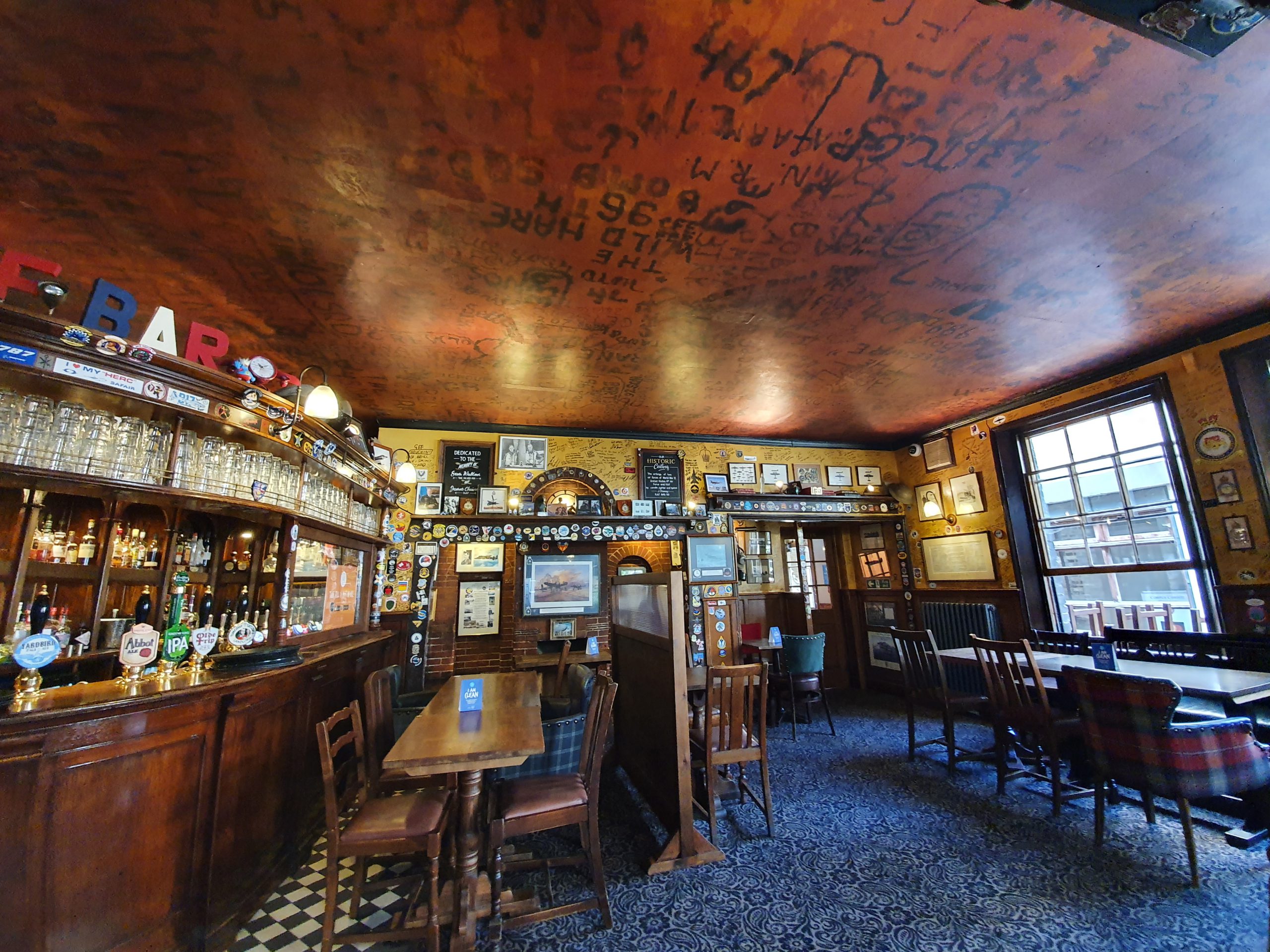
    The RAF bar, right at the back of the pub past the courtyard. The writing on the ceiling is that of RAF and USAF airmen during the Second World War, which probably annoyed the staff at the time, but it now a snapshot of a time gone by and their bravery. It was lost under a veneer of nicotine in the years after the war, but it was uncovered during a major restoration of the pub.

    I had a little look at TripAdvisor and I’m not sure I want to comment in too much detail about the disabled man who had to wee in a plant pot as there was no disabled toilet. I was humoured though by the review which complained about the fish finger sandwiches, noting:

    “3 fish fingers in nasty thin “plastic” brown bread, not crusty, not artisan, not Ciabatta, but thin processed slices of brown bread!!”

    That wasn’t the bit I liked though, it was the pub replying:

    “I’m sorry you didn’t enjoy your fish finger brioche”.

    I quite liked the photo, in the review entitled ‘Appalling Portion’ where someone had paid £3 for 3 medium-sized chips and a handful of very small ones. For anyone with a few minutes spare, it’s worth finding that review  🙂

    Anyway, I digress. This was an absolutely wonderful pub (other than the drink element) and it’s an omission that I’ve never been here in all my previous visits to Cambridge. So, recommended, just try and forget it’s a Greene King operated pub. I wish Greggs ran it.

  • Cambridge – Pint Shop

    Cambridge – Pint Shop

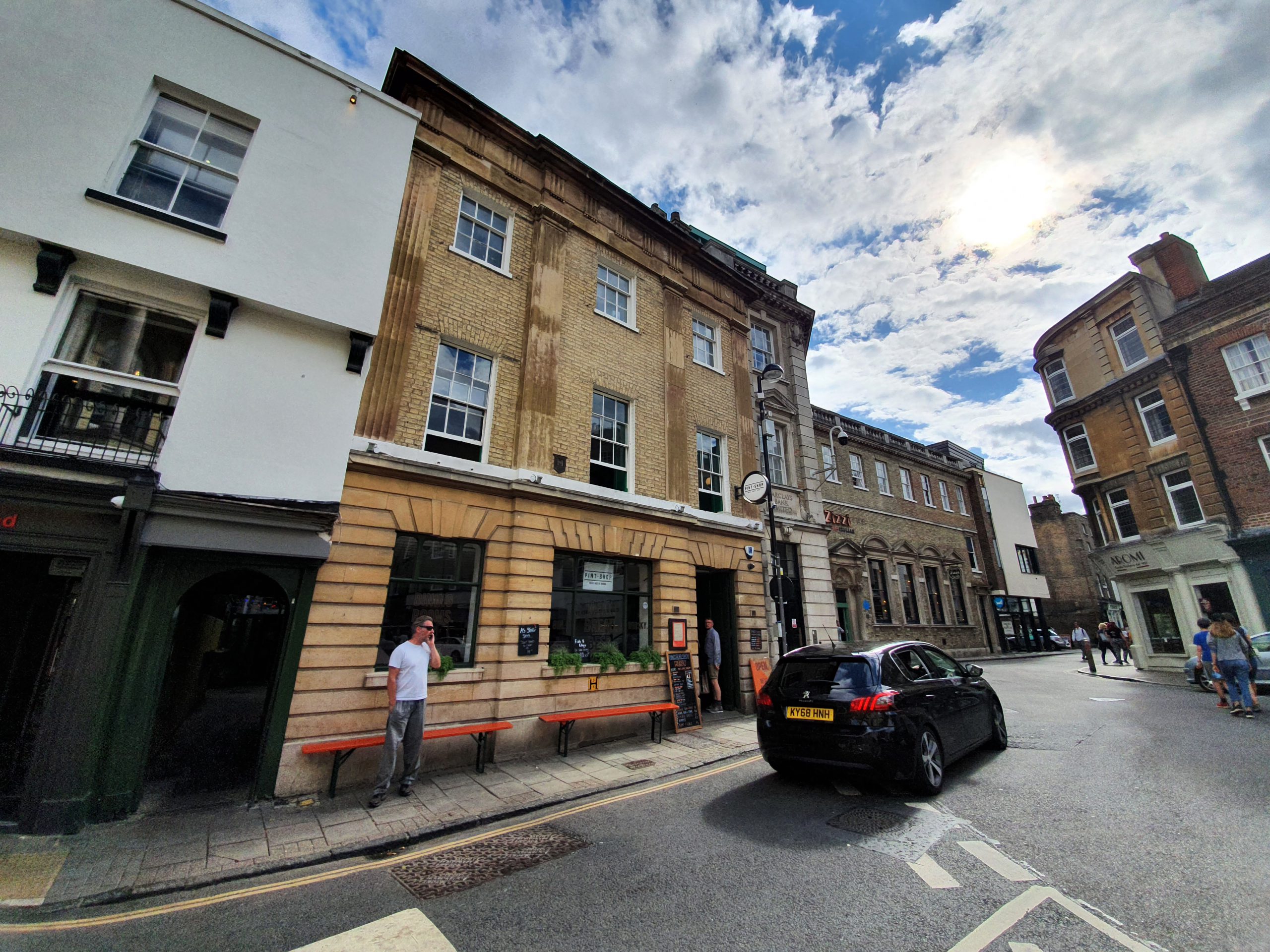
    There are a surprising number of Good Beer Guide listed pubs in Cambridge which are closed at the moment, a few because they are usually shut on Mondays, the rest still not re-opened after the health issue. So, it seemed a good moment to go with Nathan’s recommendation of the Pint Shop.

    There’s a restaurant area upstairs, this is the ground floor bar area and it’s a comfortable and clean environment. It was surprisingly quiet, especially as it’s ‘eat out to help out’, although I think there were a few people in the restaurant upstairs and they seemed to be taking a fair number of bookings for the evening. The pub is well-reviewed, although I was amused by the negative review they picked up from someone who accused them of using a quail’s egg in their Scotch Egg.

    The beer options in the pub, and I went for number 10, which is the Banana’s, No Pyjama’s from 71 Brewing, although I asked if they’d cut it down to a third, which they willingly did. I did try and set up a tab, and I couldn’t work out whether they weren’t keen or were trying to be helpful to take payment individually, but that messed up an Amex Shop Small offer and so I just had the one drink. Service was though personable and warm, it felt a welcoming environment.

    I spent some time deciding whether or not I liked the beer, and ultimately, I decided I didn’t. The flavours were so subtle as to be nearly impossible to discern, no noticeable banana and the maple syrup was only evident as some slight sweetness in the drink. The drink was served at the appropriate temperature, so I’m not sure why the drink lacked in flavour, although as a stout it was perfectly pleasant. But, it needed some taste of banana given its name and so I’m verging of the opinion that something has gone wrong at the brewery.

    All rather peaceful and the staff seemed genuinely friendly, and I liked the engagement and also thanking customers as they left. They had a suitable range of different beer styles to choose from, including two dark options. As a pub, this is perfectly delightful and I’d merrily come again, although I think I’d choose a different drink next time.

  • Knapton – St. Peter and St. Paul’s Church (James Riesbrow)

    Knapton – St. Peter and St. Paul’s Church (James Riesbrow)

    It took me a little while to work out this name, but it’s the grave of James Riesbrow, located in Knapton’s church. It’s such a rare name that this is the only person I can find in the country over the last few centuries with that name, which makes tracking him down that bit easier.

    James was married to Mary Means at the church on 14 October 1759 and the ceremony was witnessed by Charles Coleby and James Downing. It’s clear the clerk was confused by the name as well, trying to originally spell it as Riesborough. James died at the age of 48 on 7 June 1778 and I note that someone with the same surname was buried at the church in 2018, so the name has continued on.

    There aren’t that many graves from the late 1700s that remain in Norfolk’s churchyards, particularly not in this good a condition.

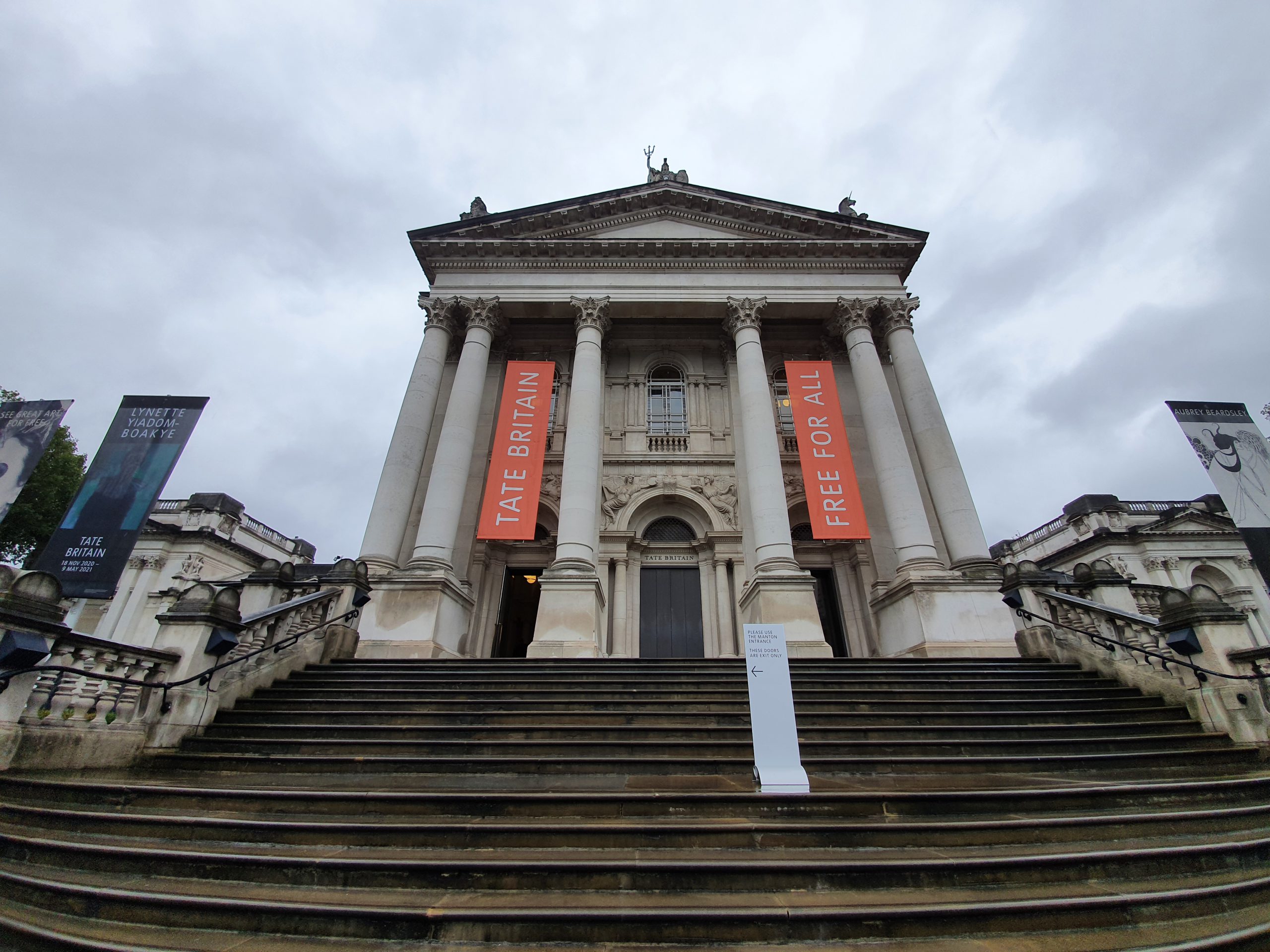
  • London – Westminster – Tate Britain (Lady Elizabeth Grey by Paul Van Somer)

    London – Westminster – Tate Britain (Lady Elizabeth Grey by Paul Van Somer)

    Lady Elizabeth Grey, the Countess of Kent (1582–1651), looks a formidable character in this painting by Paul Van Somer (1578-1621). She was married to Henry Grey, the 8th Earl of Kent, a land-owner and MP, but they didn’t have children to pass their wealth onto. Grey’s interesting, er, display in her painting wasn’t unusual for a mature woman of the time, but only one from the middle or upper classes would get away with that.

    The artwork was painted in around 1619, but what is perhaps the most notable about this is that it became part of the art collection of King Charles I. It was later acquired by Friends of the Tate Gallery in 1961, although there’s no other provenance listed on the gallery’s web-site, so goodness knows where it has been for the last few centuries…..

  • National Express : Norwich to Cambridge

    National Express : Norwich to Cambridge

    One of the very exciting things that Jamie Burles has done in his tenure of Greater Anglia is to oversee a near-doubling of the price of the rail rover ticket in just a few years. I’ve never understood this and the Greater Anglia press office admitted he had no answer or comment, because that rover ticket can helpfully fill trains up a bit during quieter periods of the day. As it stands now, Greater Anglia need people on the trains during the quieter periods of the day, but I’m sure Burles knows what he’s doing so I’ll stay positive. But, it has meant that the cost of an open return ticket to Cambridge has reached such levels as to make it much cheaper by coach.

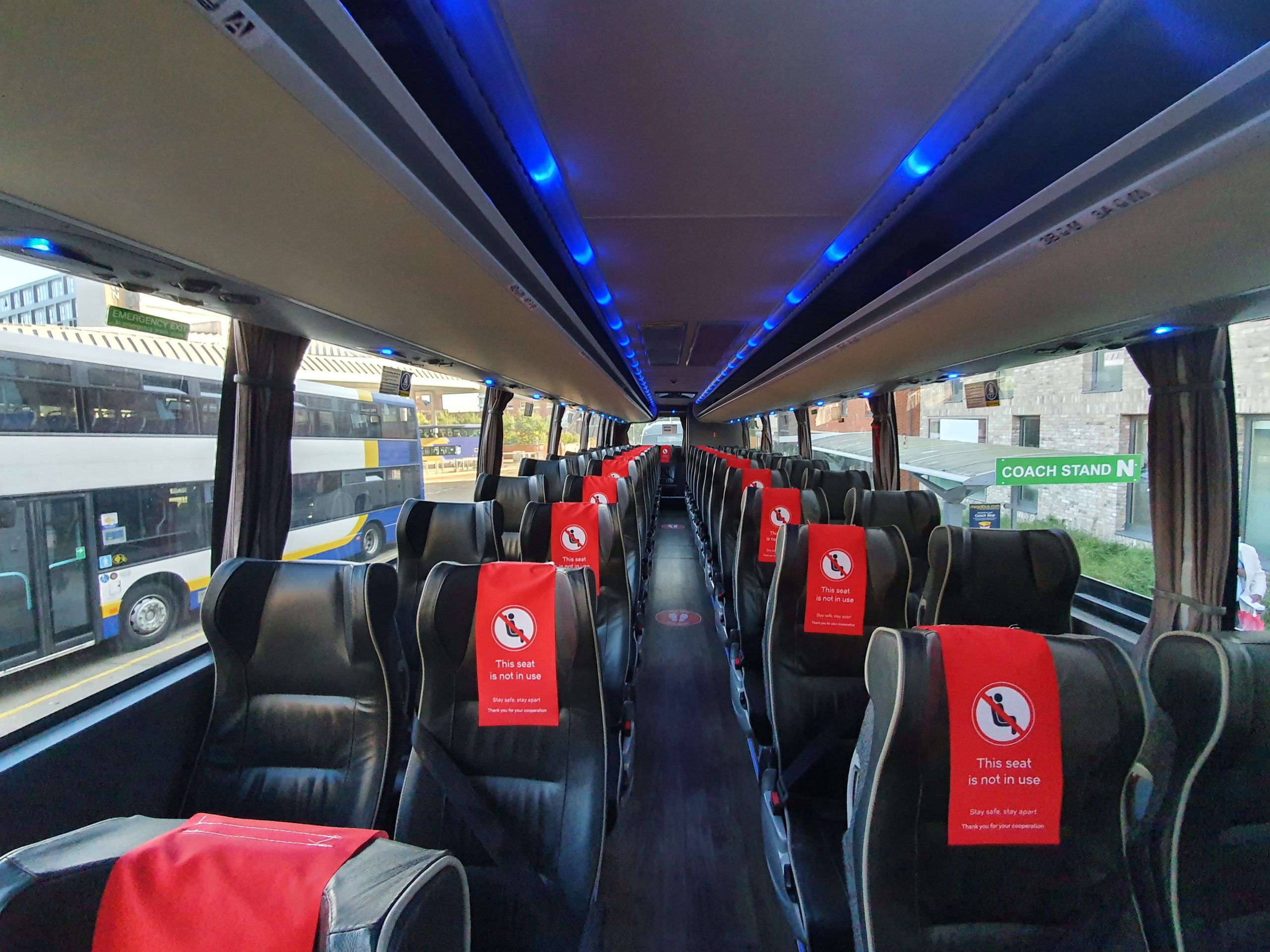
    So, here’s the National Express coach from Norwich bus station, moved over to its new boarding location by the YMCA. The driver was jovial and welcoming, but it wasn’t a particularly packed service with only four of us boarding. The driver measured the temperature of each customer’s wrist, which I didn’t know was a thing. Anyway, he seemed happy with the results, so that made me happy.

    A packed service. The automated announcement went wrong and so the driver did his own version, still in his friendly style. All very welcoming.

    The coach was spotlessly clean and there were hand dispensers on board, all pointed out by the driver. The temperature on the coach was also just as I would want it, slightly chilled, although I note that the seat-back tables have all been removed. A customer was complaining on the coach before ours, which went to London, that he wanted to sit next to his wife but the seating didn’t allow. The driver was helpful, as apparently people can’t manage to sit on their own for more than three minutes.

    Megabus have taken out a lot of their seats, on the grounds of they can’t use a lot of them, so they might as well make customers feel more comfortable. National Express haven’t done this. The leg-room on these coaches really isn’t very good and it would be unbearable for many if sitting behind someone who reclined. Fortunately, this isn’t a problem on a service with four customers.

    And safely into Cambridge, all on time. It’s not the faster service as we went through Thetford, Mildenhall, Newmarket and some random stops along the way, but it all took less than two hours. The fare was £10, which seems reasonable to me, although I’d still preferred to have got the train as it’s infinitely more comfortable. The bus was the NX727 service which went to the airports and I was a little jealous of the customers going there….

  • Knapton – St. Peter and St. Paul’s Church

    Knapton – St. Peter and St. Paul’s Church

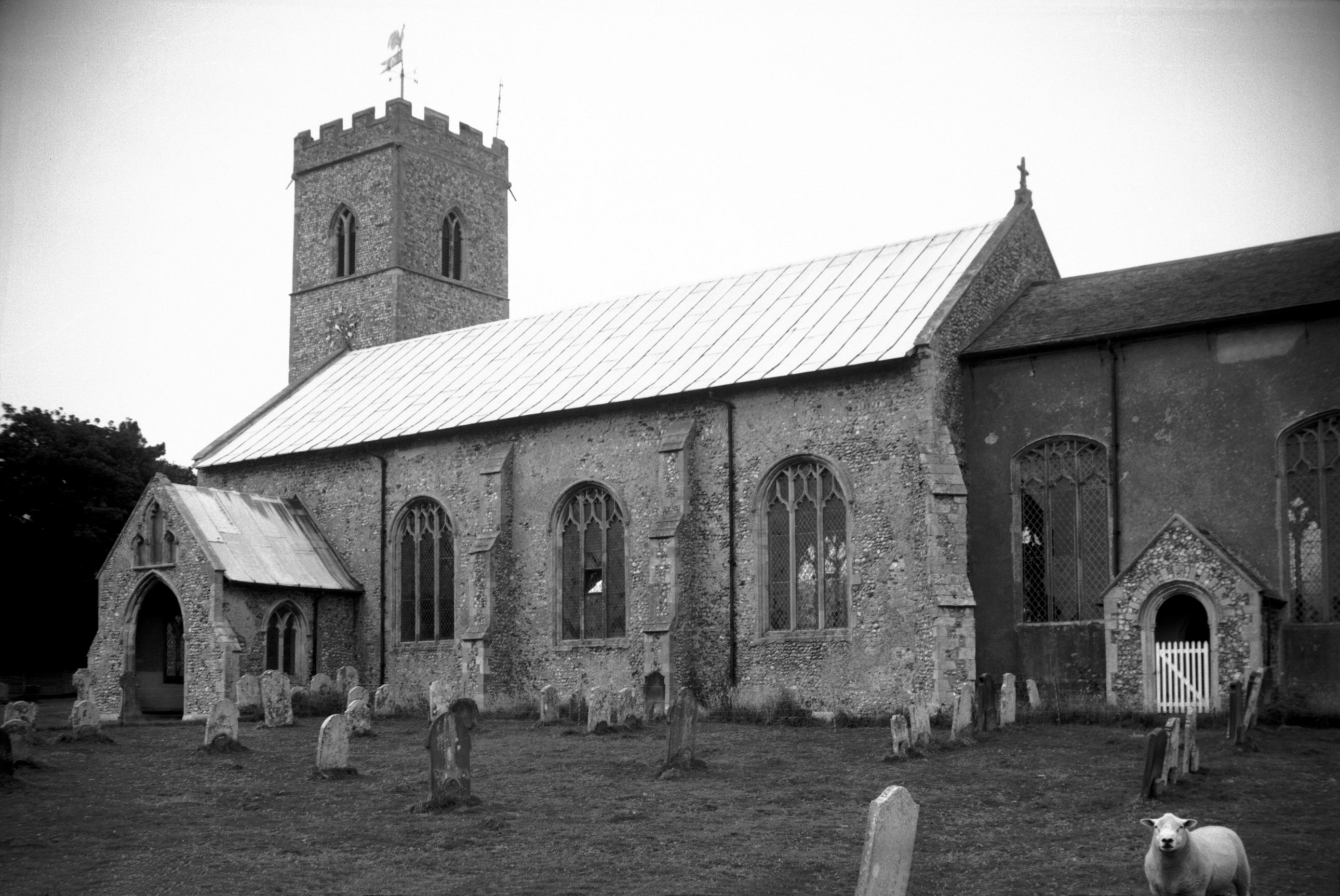
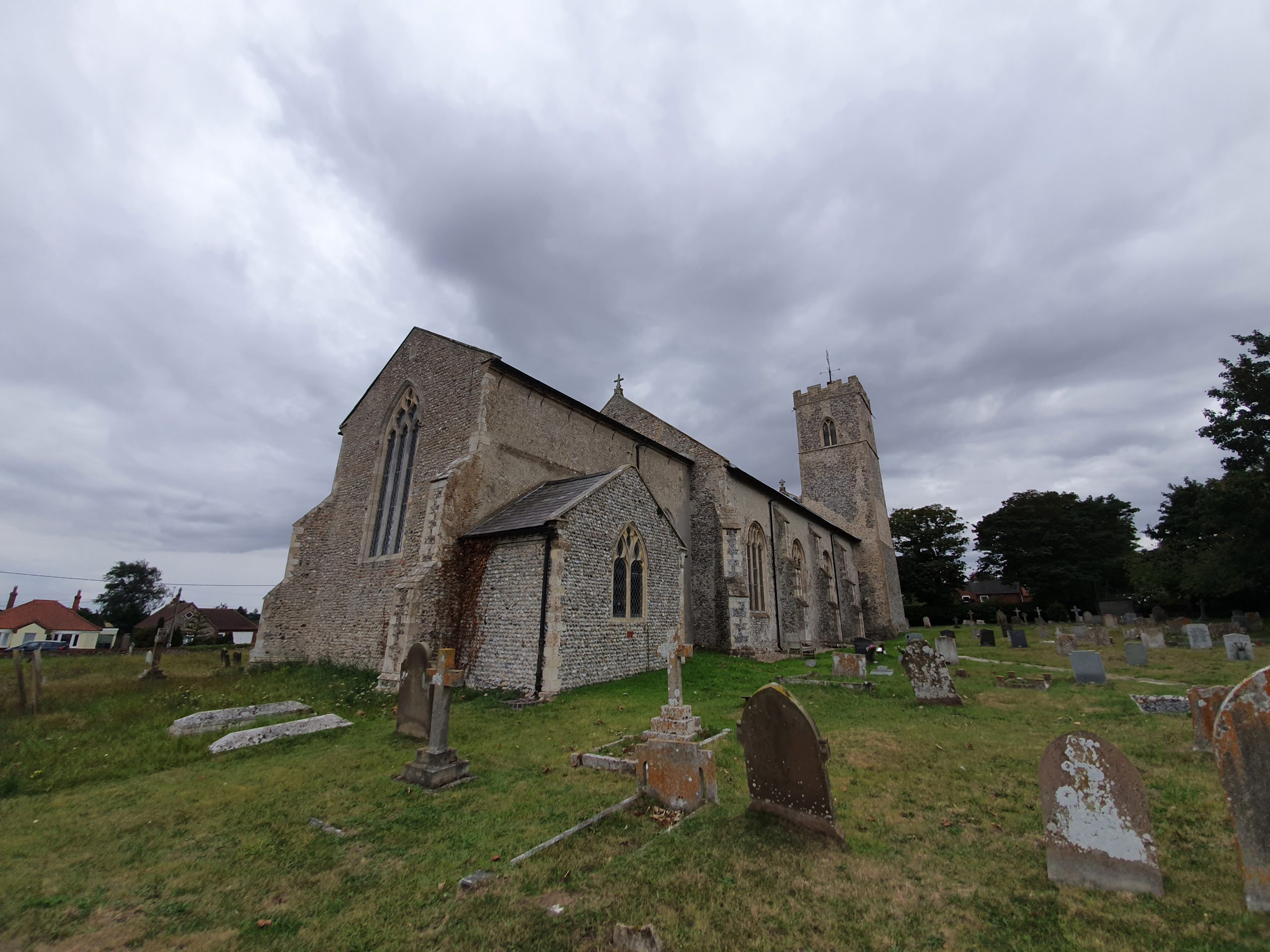
    As part of our church spotting evening (yes, I know, churches aren’t that hard to spot in the scheme of things), Richard noted this one which is St. Peter and St. Paul’s Church in Knapton.

    The current building (including the tower) primarily dates to the early fourteenth century, although there was likely a church on the same site before this. As an aside, apparently the tower’s weather-vane was designed by John Sell Cotman.

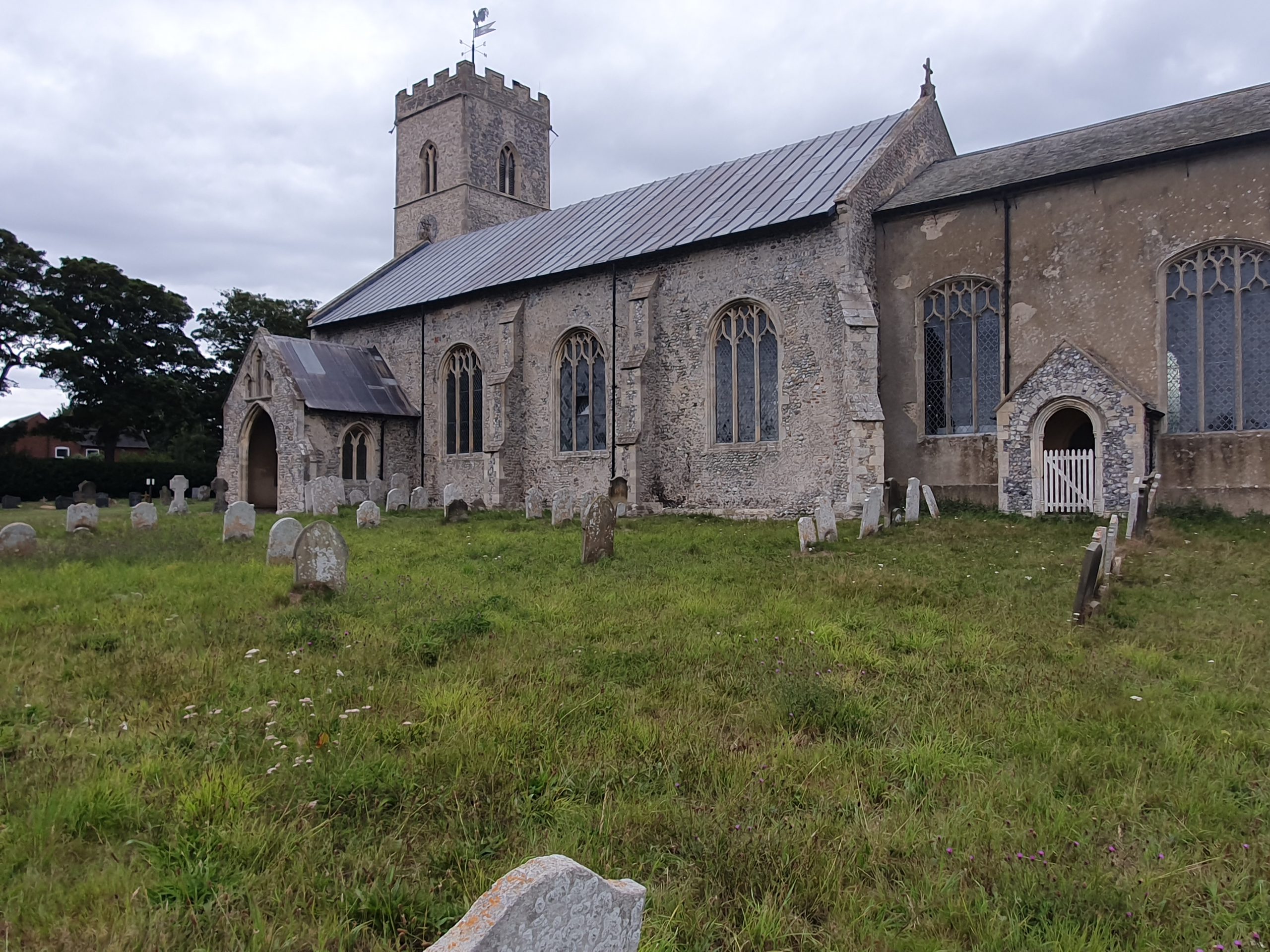
    I don’t know why the Priest’s door has its own little porch and I’m not sure that picket gate arrangement does much for it either. I have no idea how old it is, but it looks like something that the Victorians would have done. The church was modernised by the Victorians (overseen by George Gilbert Scott) and there was a re-opening ceremony on 7 September 1883, with an advert in the Eastern Daily Press providing details of what trains or omnibuses people could catch.

    Visible here is that the church tower is off-centre, which isn’t a usual arrangement. But, I’ve learned something new by reading the description of this church at Norfolk Heritage, which notes:

    “The odd position of the tower was not the result of a change of plan but clearly deliberate from the first as demonstrated by the straight joint on the north wall close to the tower showing that provision for the tower was made. The slightly later building of the tower was separated from the nave at first – a practice commonly observed in other medieval churches where towers took long to build and tended to settle at a different rate from the nave.”

    I hadn’t realised that this was a thing, but building the tower and nave separately does make sense, although I’m still unsure quite why it’s off-centre.

    The porch, so near to the treasures within and one of the most important roofs in the country apparently, dating to the beginning of the sixteenth century.

    Alas, the church seems to be rather nervous about opening up for 72 hours before a service and 72 hours after a service. Seems a bit much to me, but there we go, there’s always another day to see what is apparently a glorious interior. The roof has been a problem in recent decades, with an expensive restoration having just been completed at the church. The church authorities have had problems with death-watch beetles throughout much of the early twentieth century as well, proving to be an expensive pest to remove.

    The churchyard is curious, there are a couple of eighteenth-century graves in noticeably good condition, which I assume is simply because a different stone was used, but nonetheless. There are also large gaps in the churchyard where graves must have been, but there is an absence of gravestones in some areas.

    Back to this photo again, we deliberately tried to find the spot where George Plunkett stood to take his photo (in 1993, so this was a later one). His photo is here, so I think that our effort was creditable…..

  • London – Westminster – Tate Britain (Wire and Demolition by Prunella Clough)

    London – Westminster – Tate Britain (Wire and Demolition by Prunella Clough)

    I’m still working with my theme that it’s lazy to generalise all modern art as difficult and pointless, when much of it has meaning and depth. But, along with that, I’m suspecting that when a gallery has nothing to say on it either, then it probably doesn’t have a great deal of meaning. It might still have value, but if no-one can offer any perceptive comment on it other than just a guess, then you could just have a drawing by a child on the wall.

    This painting, or whatever it is, is by the esteemed artist Prunella Clough (1919-1999) and the gallery has decided not to put anything in its summary of the artwork. So, the entirety of what the gallery has to offer here is:

    “Clough’s paintings of urban and industrial scenes were often inspired by objects the artist noticed during walks around sites of interest. Here Clough references a piece of old wire discovered on a building site.”

    But, yet, there are many artists who have reflected on the urban theme and have given something a little more defined whether it be in photographs, drawings, paintings or sculpture. Each to their own though, the gallery acquired this in 1982 and so its been shoved on the wall now for the best part of 40 years.