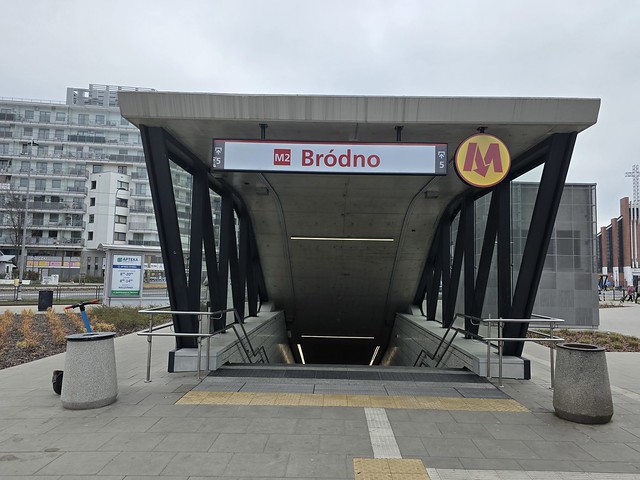
The first in my attempt to visit every metro station in Warsaw and Bródno is located at the eastern end of the M2 line. It’s a relatively new station, with construction work starting in 2019 and they found the remains of two bison during the excavations. The station opened to passengers on 28 September 2022 as part of the M2 line extension.
The Catholic parish was established here in 1990 and this rather impressive and modern looking church was constructed in the first few years of this century.
The area is mainly residential blocks of flats built from the 1960s, which makes uncovering the history of this area a little more difficult as there’s not much that seems old. I can’t find any old maps of Warsaw which include this district, but I’m sure they’re out there somewhere….. This station is also intriguing as they’re opening in a few weeks the Metro Stage Theatre, which will operate at the -1 level of the metro station (the trains go from level -2) which adds some culture to arrangements.
The big commercial centre in the area is Factory Annopol, one of the city’s largest factory outlet centres.
As a random aside, I didn’t expect to see outlet shops for Trespass, Regatta and Mountain Warehouse. I don’t need any outdoor related items, but the prices here were rather favourable to say the least.
The station was spotlessly clean and, as with other stations, they don’t seem to have any staff visible. Although everything is so efficient that it would be hard to see what they would need to do.
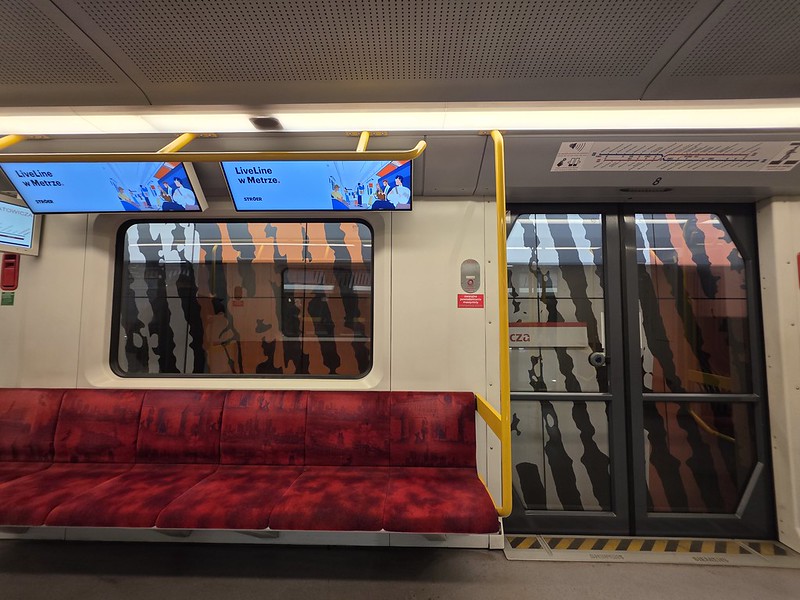
The bright and welcoming station and an incoming metro train. There is plenty of seating, it’s spacious and the signage is clear throughout.
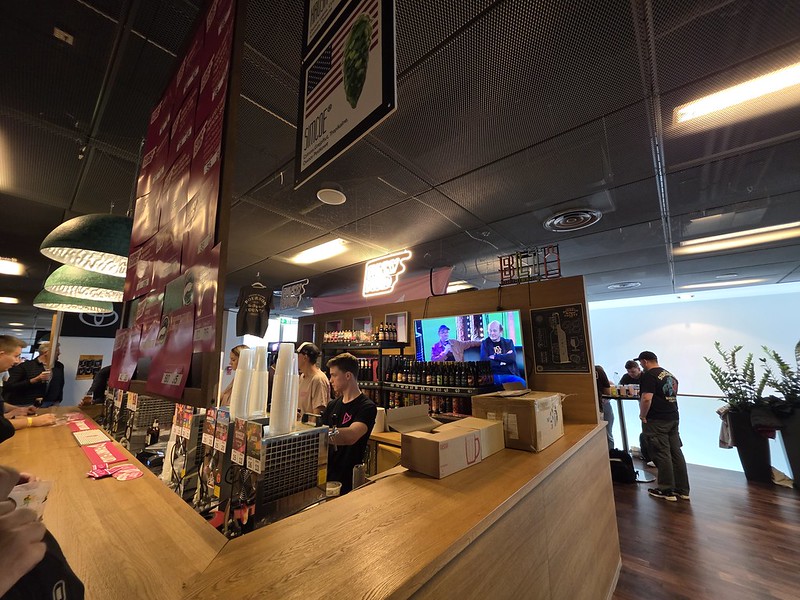
As I’ve mentioned numerous times before (perhaps too many….), this is my favourite European brewery and I was delighted to see them at Warsaw Beer Festival.
So many exciting options…. This is strictly speaking from day one, but I don’t think either of my two loyal readers will note that I’ve posted them the wrong way around.
The Triple Gelato : Mango Sticky Rice from Funky Fluid. This beer was bang on what I ideally like, it’s rich, it’s thick and it has coconut and mango powering through it. Beautiful.
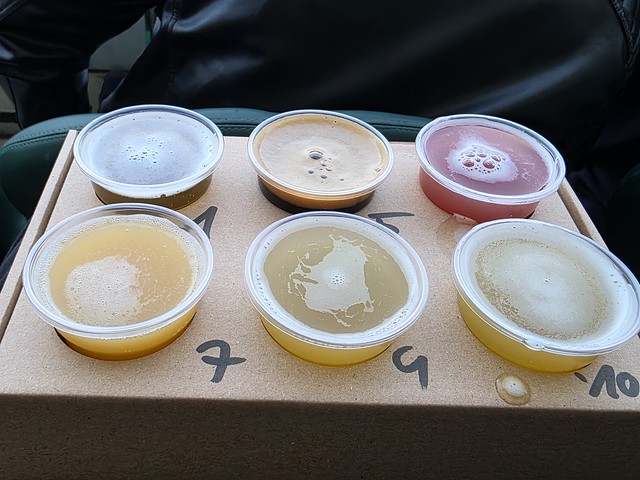
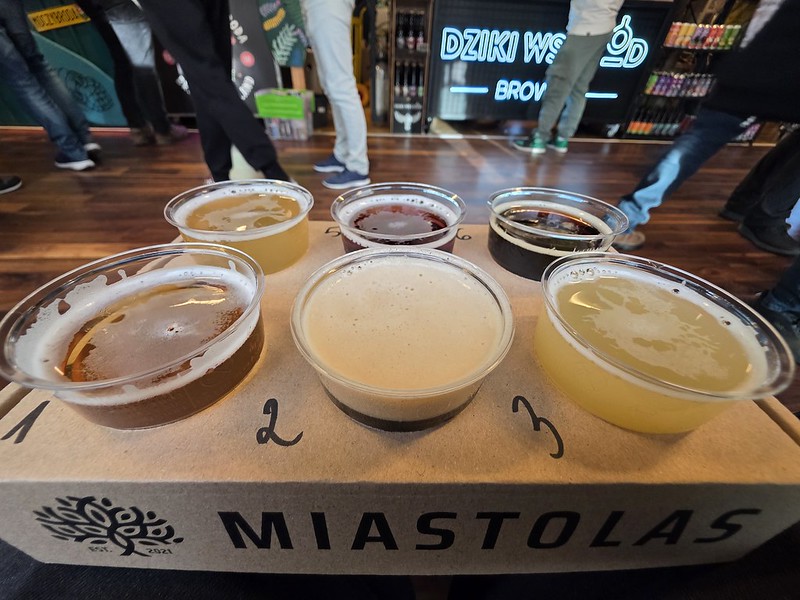
Next up for me at Warsaw Beer Festival was Browar Sarabanda, who I haven’t encountered before but they had some interesting looking beers. The service was immediate, friendly and warm, they seemed keen to engage about their options that they had. Their tasting set changes during the festival, but it’s clearly visible on the left-hand side.
Ignoring their numbering, from back left to back right and then front left to front right:
(i) Serenity – a very hoppy little arrangement. A little rough and ready, but there’s always a place in life for a beer like that. As long as it’s not rough like the bloody awful generic lagers are….
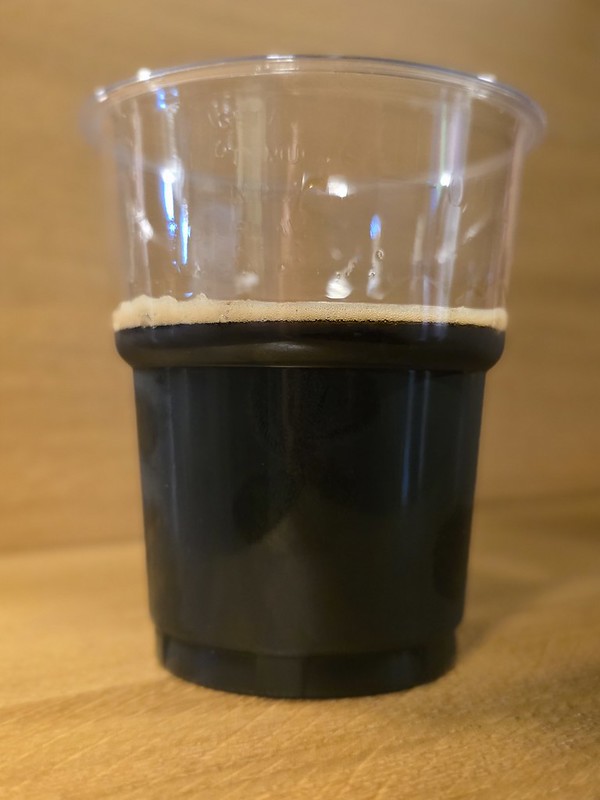
(ii) Black Celebration #3 – this isn’t holding back. Rich, decadent, heavy and maybe a bit brutal. Chocolate and coffee flavours, but subtle this is not. An adult’s beer.
(iii) Currant the Black & Red – lots of berry flavour going on here. A nice level of sourness, very agreeable. And premiered at this beer festival 🙂
(iv) Mango Passion Delight – not as rich as other mango pastry sours that I’ve had before. It’s a bit tart to be honest, but there’s a nice lingering mango flavour. There’s a bit of lime or similar in there as well.
(v) Tantalus #2 – very heavy grapefruit flavour from the hops, it’s a bit thin and not one of my favourites, but still a credible beer.
(vi) Cofeecolus – I can’t recall having had a coffee IPA before so marks for innovation here as I thought it worked well.
This is another brewery that I was surprised and delighted by, so I’ll look out for their beers in the future.
As far as I’m concerned, Funky Fluid are the best brewer in Europe at the moment and thanks to them for giving me stickers so I can show that love. There are three parts to this Funky Fluid love as the beer festival is taking place over three days and I’ll be there every day at their stall.
This is actually day two, but I don’t think anyone will worry that I’ve posted the days the wrong way around. Just looking at these tempting options, let alone the 2024 Bourbon County Stout.
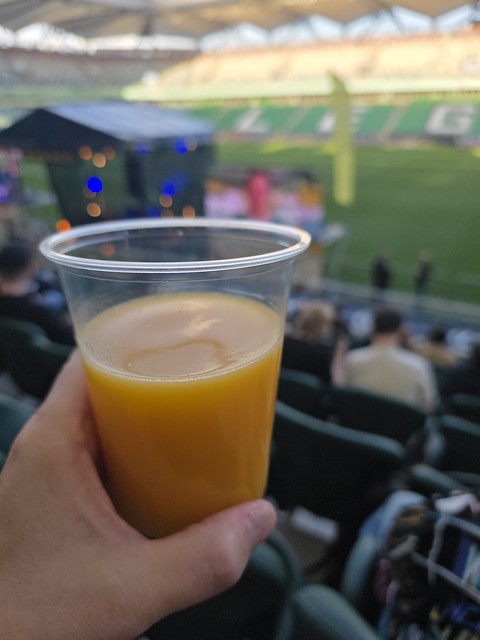
This is the Gelato XTREME : Tropical Shake from Funky Fluid, an 8% sour, and it’s made of 40% fruit which pushes beer to its absolute limits. It’s an 8% ABV and punchy in taste but not boozy, like an adult fruit juice. Innovative, packed with mango and verging on perfection once again.
This is the Gelato White Fluff from Funky Fluid and it’s deeply clever, a mixture of sweet and sour. There are tastes of marshmallows alongside peaches and pears. Smooth, decadent and innovative.
I love innovation in beers and Funky Fluid merrily push at this, in a similar way to how Vault City play about at the margins. All very lovely.
This is a brewery that I haven’t come across before, but they had some interesting sounding beers so I thought that I’d get a flight to experience their offerings. The service at the bar was personable, engaging and I liked that they suggested an order to drink the beers in which I always think shows an attention to detail.
OK, from front left to front right, and then back left to back right.
(i) Tańczący Wilk – a clean and malty beer with a bitter ending. Not my favourite beer style, but decent.
(ii) Dobry Wiewiór – a very dry stout, roasty with chocolate notes.
(iii) Kot Browarny – a really decent DIPA, hazy, a little dank, tropical, stonefruit and very agreeable.
(iv) Pachnący Motyl – you have to like lavender to enjoy this, it’s effectively an IPA with a heap of lavender. Luckily, I liked it.
(v) Cherry Wild Ale – I love sours, but I can find wild ales a little bit too much sometimes. However, this one wasn’t overly sour and it had lingering flavours of cherries and it didn’t have a chemical edge.
(vi) Coconut and Vanilla Imperial Baltic Porter – this was very boozy, thick and rich. Lots of coconut and vanilla flavour, a big ABV (10.4%) and a very drinkable beer. Not perfectly smooth as it was so punchy, but I quickly forgave that.
All told, I was very impressed with this little selection, I’ll look out for the brewery in future
I accept that I might need to get out more, but this is just magical, a combination of my two favourite breweries in the world, Funky Fluid and Goose Island. I’ve visited the Goose Island taproom in Chicago and there’s no shortage of posts on this blog about the outstanding Goose Island outlet in Shoreditch before it closed. One of their highlights, brewed in Chicago, is the annual Bourbon County Stout and I thought I’d be missing out as I hardly dare visit the US at the moment and there’s now no UK outlet of this marvellous beer. However, I was surprised and delighted to see that Funky Fluid have brought some of this excellent beer to Warsaw Beer Festival.
This is possibly the best beer in the world, or at least, it’s up there. It’s the 2024 edition of Bourbon County Stout and it weighs in at a mighty 14.7%. In terms of the taste, this is incredible, it’s smooth and hides its booziness with some ease. There’s the flavour from the Bourbon barrels and there’s chocolate, cherry, coffee, fudge and vanilla going on there, tastes almost competing with each other. The maturity of this beer is incredible and it has travelled well, but these rich and decadent stouts don’t struggle with that. Outstanding, it’s a glorious chaos of tastes, it’s rowdy and aggressive, but yet calm and settled.
It might be possible to read between the lines and note that I liked this.
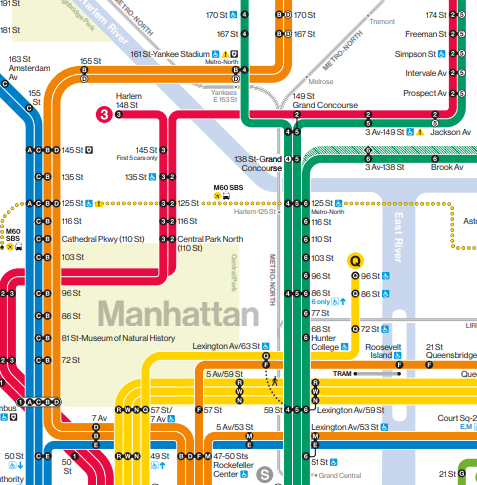
Since I’ve just started a project to write about every metro station in Warsaw, I felt the need to comment on the new metro map that has been released in New York, the first new design style in decades. Here’s a PDF of it for anyone who hasn’t seen it yet.
I obviously need a new project since I only have about 18 ongoing ones….. It’s not a great secret that I have a moderate obsession with trains, metros and trams, although coaches and buses usually annoy me, so I can be picky rather than randomly loving all forms of public transport. The evolution of metro systems also intrigues me, I’ve been on a couple of systems in China which were expanding at an insane rate, and on systems which don’t seem to be getting bigger any time soon.
The Warsaw Metro system (Metro Warszawskie) is the only rapid transit system in Poland and it’s of a manageable size as they only have two lines. After many failed starts to the project, the first section didn’t open until 1995 and a second line has since opened. The first line goes from north to south and is the M1 (the blue line) and the second line goes from east to west and is the M2 (the red line). They cross at just one place, Świętokrzyska, and there are plans to extend the lines and also to open new lines.
So my intention here is to cause mass excitement for my two loyal blog readers with no end of posts about the history of the network, but I’m also going to visit every metro station and try and find something interesting to write about all of them. To check this will sufficiently interest me, I’ve already visited eight of the metro stations and I haven’t lost engagement yet, so I think it’s safe to start posting this. I’m starting with the M2 line, but to get us going, here is a list of all of the stations. I’ll eventually hopefully link to all of them. And, yes, I should probably get out more if I think metro systems are this exciting, but there we go…. I’m not saying this will be fascinating, but it’ll keep me sort of quiet for a little while.
OK, given all of that, here is a list of the currently operational stations on the Warsaw Metro system, based on the network status since the last openings in September 2022, grouped by line:
This was the third pub on the latest perambulation around Norwich that Julian and I undertook last week as a service for the people of Norfolk and Suffolk (and indeed beyond) as we continue our attempts to straddle the Waveney. I confess we haven’t done much straddling lately, but never write us off as we are brave enough to return to Suffolk for brief periods at a time.
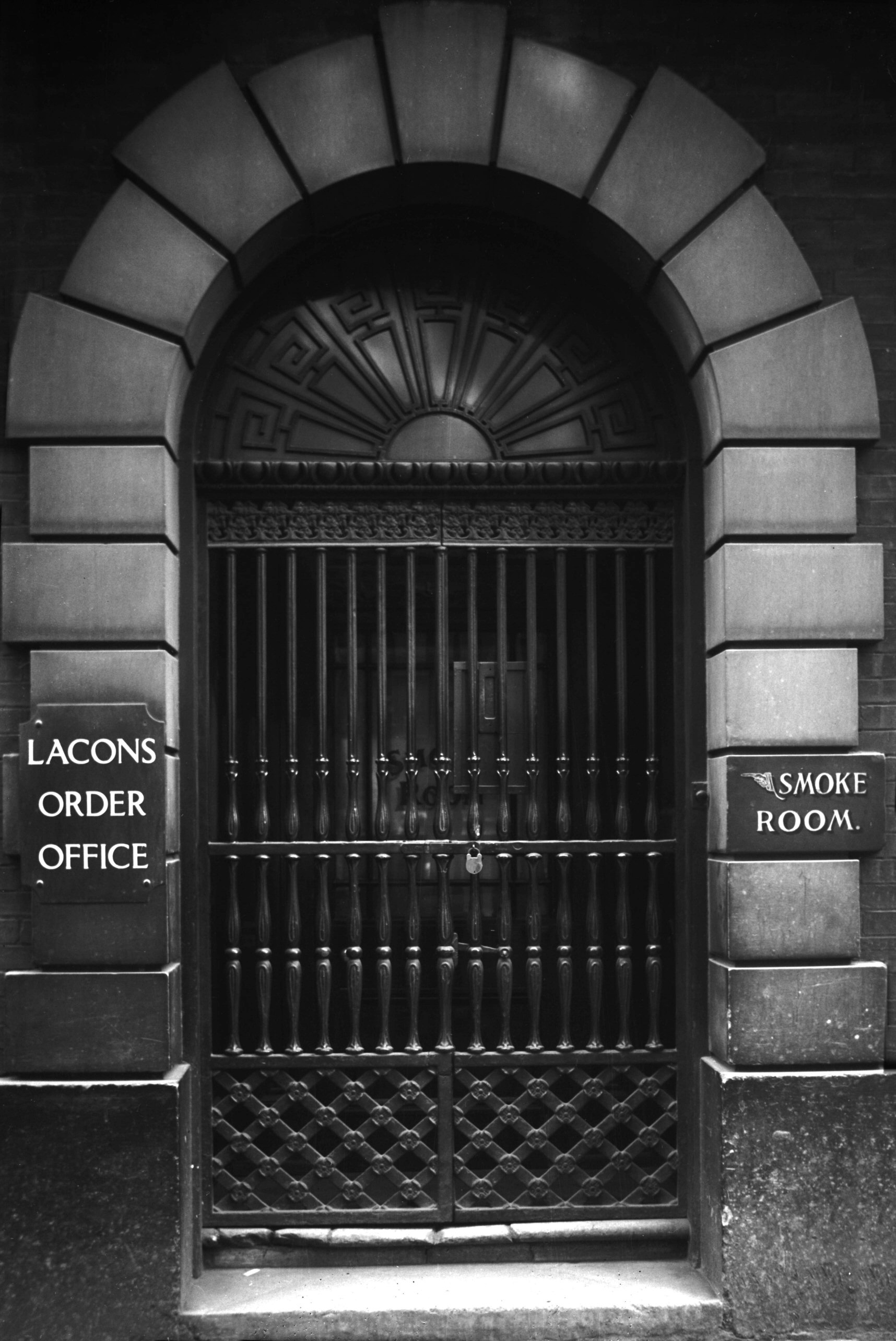
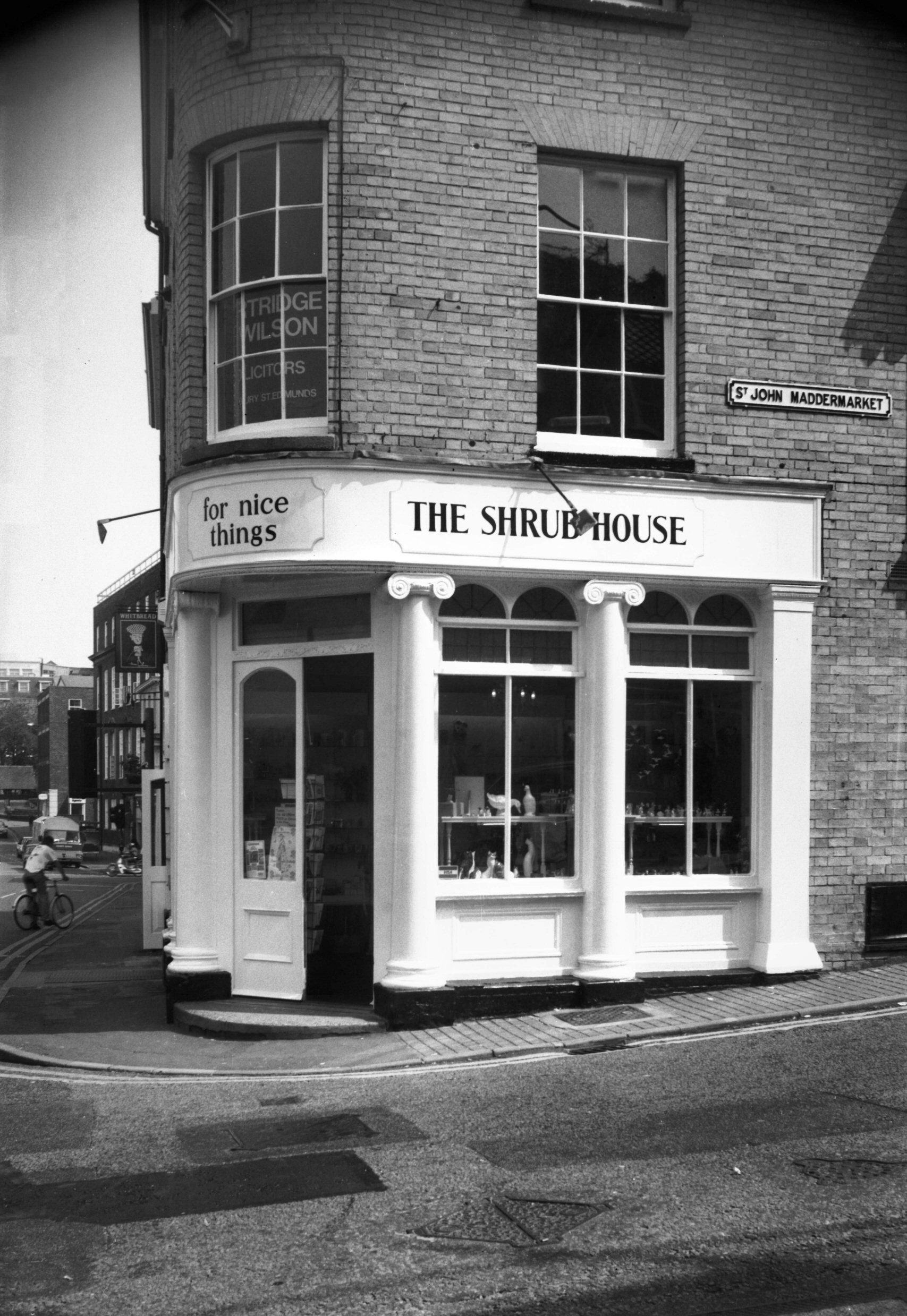
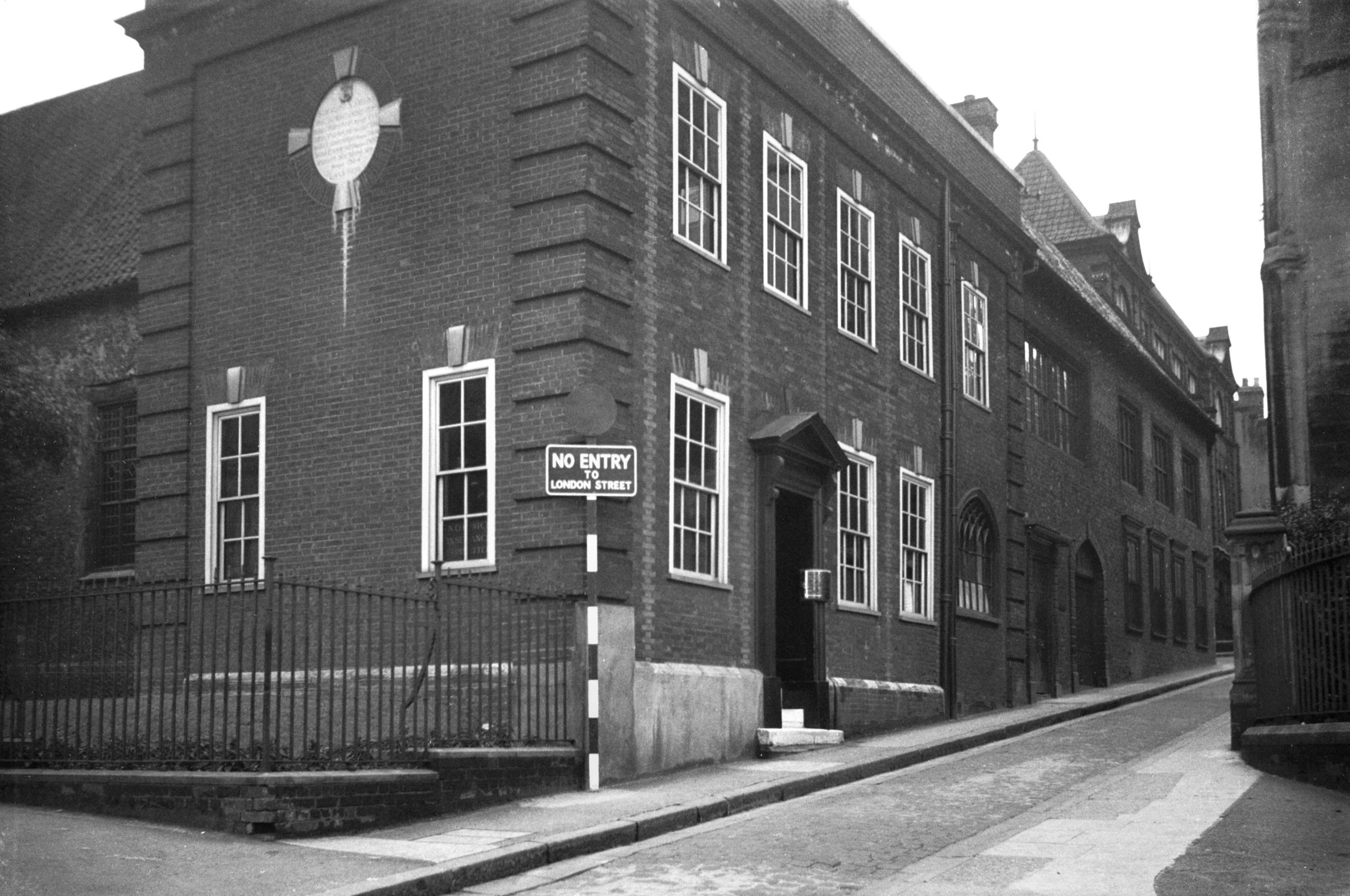
I have digressed though. The history of the pub is complex, although it has transpired that Julian once again remembered its recent past correctly (he hasn’t entirely lost it just yet), and effectively the pub was originally the building on the right. It then lost that bit on the corner which is now a shop, but which was the main bar, but then gained the relatively large building in the middle which was a hat outfitters. George Plunkett has a rather lovely photo of the front door from 1938. There’s also a photo in his archive from 1989 which shows what is now a separate shop, but the old name remained it appears for the new shop.
The historic pub bit of the building had opened as a wine and spirits shop, operated by Ward & Fisher (later Ward & Seaman), in the early 1820s and in 1829 the owners offered the lease for sale and noted the substantial cellars and premises that the wine merchants were operating from. The building became a pub in the later Victorian period which was known as the Shrub House and it was taken over by Lacons in 1896. In the 1970s, the corner section was lost to become a shop and the pub closed in 1979 for a few years. In 1984 it opened in its expanded form and was renamed the Blueberries and then became known as the Rumsey Wells between 1985 and 1989. It was then renamed again (I wish they’d stop doing this to pubs as it always sounds like they’ve having some identity crisis) to St. Andrew’s Tavern, but reverted once again to the Rumsey Wells in 2008. Hopefully they’ll just leave it like this now.
The new bit of the pub. This is the former shop area which was historically run by Herbert Rumsey Wells (1877-1937) and he was rewarded by having the pub name after him. He was by all accounts something of an eccentric hatter and his family business dated back to the early nineteenth century. Visible in the above photo, this was the Wells & Son hat shop that became part of the pub in 1984. Between 1984 and 1989, the pub was run by Colin Keatley, who went on to do great things at the Fat Cat. Back to Rumsey Wells, I mentioned that he was eccentric as I got that impression from the obituary put in the local newspaper in December 1937:
“Norwich has lost a picturesque personality by the death at his home in St. Andrew’s Street, on Wednesday, of Mr. Herbert Rumsey Wells. He was 60 years of age. With his “doggy” cap, large Inverness cape, snuffbox, and sometimes a monocle, he must have been known to many thousands of his fellow-citizens, and he was almost as well known in most of the big cities and towns of the British Isles. It was his boast that he was the most expensive cap maker in the world. He travelled the country on behalf of his firm from Land’s End to John o’Groat’s and it certainly could be said that he was his own walking advertisement.”
You’ve got to have some confidence to say that you’re the most expensive in the world…..
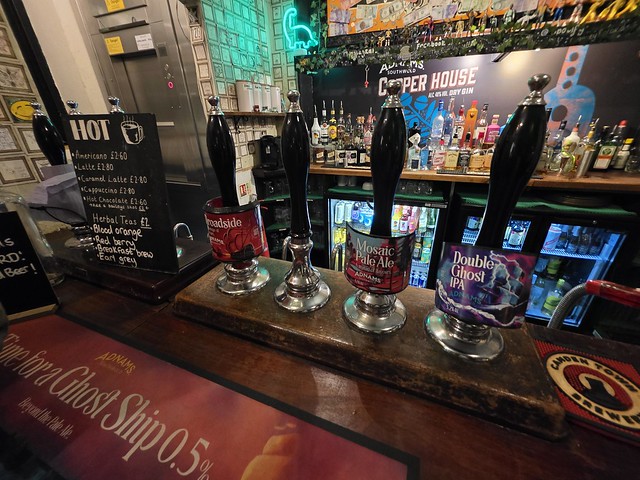
The pub today is operated by Adnams, which might be obvious when looking at the beer options. The service from the team member was efficient and polite, although it’s a little difficult here as they have a split bar and I know from past experience that it’s hard for them to see who is waiting next. Everything seemed well managed, although there were some uncovered sausage rolls that were looking a bit lost and vulnerable at the end of the bar, like pastry orphans awaiting adoption. For the truly forensic photo inspectors, they can spot them in the earlier photo, assuming they have the time and, frankly, the inclination for such detailed sausage roll scrutiny.
The old bit of the pub is visible behind the glass. The beer inside the glass is the Double Ghost IPA from Adnams, not a beer that I’ve heard of before, but it was rather lovely with a malty, slight toffee flavour which was balanced and smooth. The beer was well-kept and served in an appropriate branded glass, not something that’s essential but I do try and mention it positively.
The food offer here is Pieminister (which I keep calling Pieminster in error) and they had a selection of pies available at prices that weren’t unreasonable. It’s an interesting food franchise, it keeps an option open for customers, without having the huge kitchen and salary costs of a larger operation.
The venue is a rather agreeable one, although it’s not one that I visit at all regularly. The pricing was somewhere around average and the pub was clean and organised, with a slightly studenty vibe going on. I didn’t visit them on this occasion, but they have a little courtyard area available and I think there’s a basement bar which is in operation when it gets busier. Anyway, the pub had some interesting beer choices and a quirky building history, so all rather lovely.
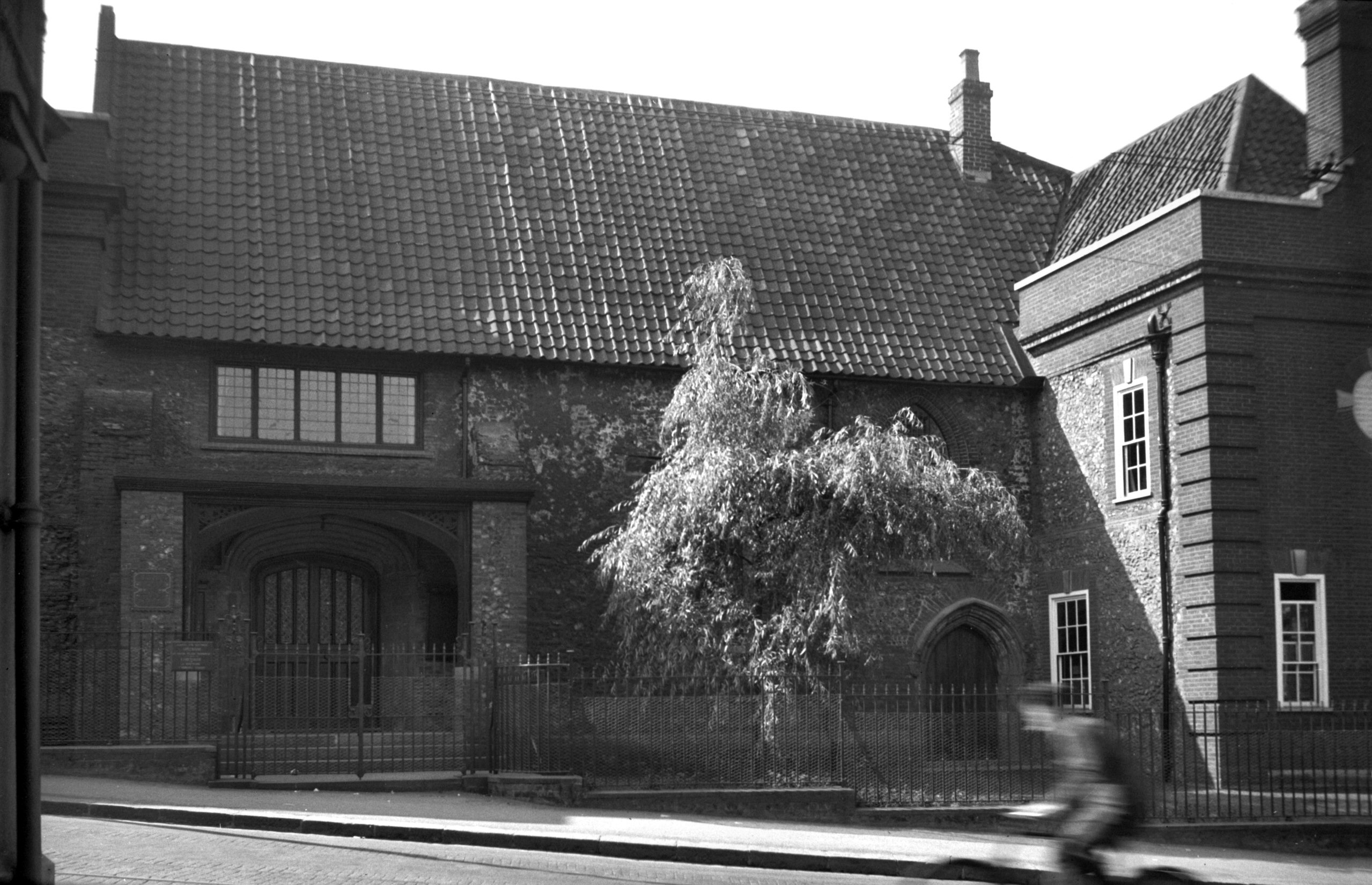
Julian suggested for the second evening visit of the night that we should visit the Cinema City bar. Now, this was a decent idea, but it’s such a complex building that there’s quite a lot of history to uncover. Julian has had some significant involvement here over the years, but I’ll let him tell those stories over a pint…. It’s an historic building which opened as a cinema in April 1978 and it was remodelled between 2004 and 2007 to add more screens. George Plunkett took a photo from around this location in 1936 and it looks relatively unchanged from the exterior. Here’s one of the frontage of the building from the same time period, showing what is now the entrance to Cinema City.
The courtyard of the building. So, as I understand, Cinema City is formed of two buildings:
(i) Suckling House – This is the core medieval part of the building which faces onto St Andrews Street. It’s a Grade I listed merchant’s house with origins dating back to the early 14th century (around the 1320s). It’s named after the Suckling family (Robert Suckling was Mayor of Norwich) who owned it in the 16th century and it stopped being used as a residence around 1915, today being the restaurant and bar area of the cinema.
(ii) Stuart Hall – This hall was added to the east side of Suckling House. It was part of a restoration project funded by Ethel Mary and Helen Caroline Colman (of the Colman’s Mustard family) in 1923. They gifted the restored Suckling House and the newly added Stuart Hall (designed by local architect Edward Boardman) to the City of Norwich in 1925 for public and educational use. Stuart Hall was equipped with cinema projection facilities from early on and this is the area of the building where the cinema screens are located.
Two medieval doorways survive in Suckling House and it was originally constructed as a hall house. Julian correctly remembered the building was descheduled in 1997, but it remains protected and is known as one of the city’s most historic buildings. It has obviously required some clever and innovative thinking to ensure that the building could be modified to become a cinema and remain in usage, but to also ensure that it remained suitably protected.
The dining room area. I didn’t go in here as I didn’t want to disturb the sole table of diners. The building was partly demolished by the construction of a tramway, although not as much as the building opposite, but the listed building record mentions that some of it was restored back again. I am going to copy the building survey here as I think it’s a definitive record and offers a more detailed background than I can offer:
“The Great Hall of Suckling House is generally agreed to be 14th century, although opinions about the precise date vary. The original entrance to the hall would have been through one of the two doors which face one another at the western end of the hall. This would have led into a screens passage which, on the western side led to service rooms in vaulted bays, and to the east into the open hall. The screen was probably timber, and no trace remains. The area where the cinema foyer is today was originally part of the Little Parlour, and fragments of the wall survive in the north and south walls. In the south wall at first floor level a medieval door still exists, and may represent the original entrance to the Solar from an external stair.
The ground floor of the western range would have served as the service wing. Three vaulted bays survive, with evidence for another in the panelled room. This latter bay has fragmentary remains of vault webbing and is thought to have been the buttery, with the larder to the south, and further south were kitchens. There is much speculation about whether the service wing is earlier or later than the hall. The awkward junction between the original southern door and the vaults suggest that the two buildings cannot be contemporary. The layout of the hall follows the typical Norwich format of having the principal living rooms separated from the street by service rooms.
Early in the 16th century a long covered passageway was added to the north of the hall, leading out from the screens passage towards the counting house. This had open sides with oak posts and decorated spandrels, one with the Grocers’ Arms and another with the arms of St Andrew. The inventory of Robert Suckling (1589) has allowed a conjectural plan of the building to be drawn up. In the 17th century the building begins to be broken up. In 1608 the buildings were divided into northern and southern sections and sold separately. The wine merchant Philip Rose who bought Suckling House from 1819 is believed to be responsible for the insertion of a cellar in the Great Hall by raising the floor. Wine merchants continued to use the building until 1914. In the 17th century the western range was refaced . The Great Gate that once stood just south of the Counting House was blocked off and incorporated into a house of six bays which appears Georgian, but is in fact just refaced.”
A rather lovely window which has some seating located within it. There’s some stained glass at the top of the window, although it’s hard to make out from this photo.
For reference, this is the pizza menu. The pricing is a little punchy, but it’s in quite a decadent building which is generally frequented by, let’s be realistic, a relatively middle-class audience.
The main menu.
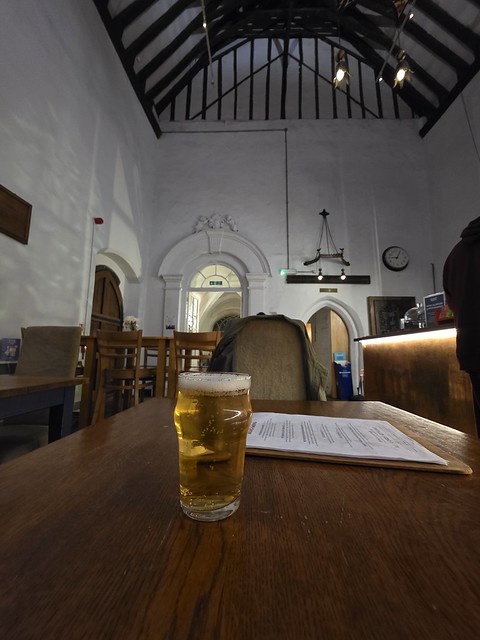
That’s some ceiling arrangement.
Spot the smoke alarm in the rafters which it feels must be entirely sub-optimal to have to change.
The bar area and it’s perhaps a little cluttered, but they are trying to sell snacks to cinema goers, so I understand that. The service was friendly, personable and efficient, so the vibe was welcoming.
And finally the beer, which was pretty much the only option and there’s no cask available at all. The beer is the Mosaic Pale Ale from Adnams, but this is the keg version which was light and hoppy, but a little too cold and I think it’s simply better in cask form.
This venue is one that is probably over-looked by many drinkers in the city and I have to confess that it has never occurred to me to come here. But that’s what you get for being friends with Julian, an encyclopaedia knowledge of every watering hole in Norwich. It’s a little pricey and the beer selection is limited, but the surroundings are historic and on that basis alone, it’s worth a visit.