

I misread this farm’s name at first and it’s probably evident what I thought the sign said. It’s actually derived from Snail’s Pit, a local lake.
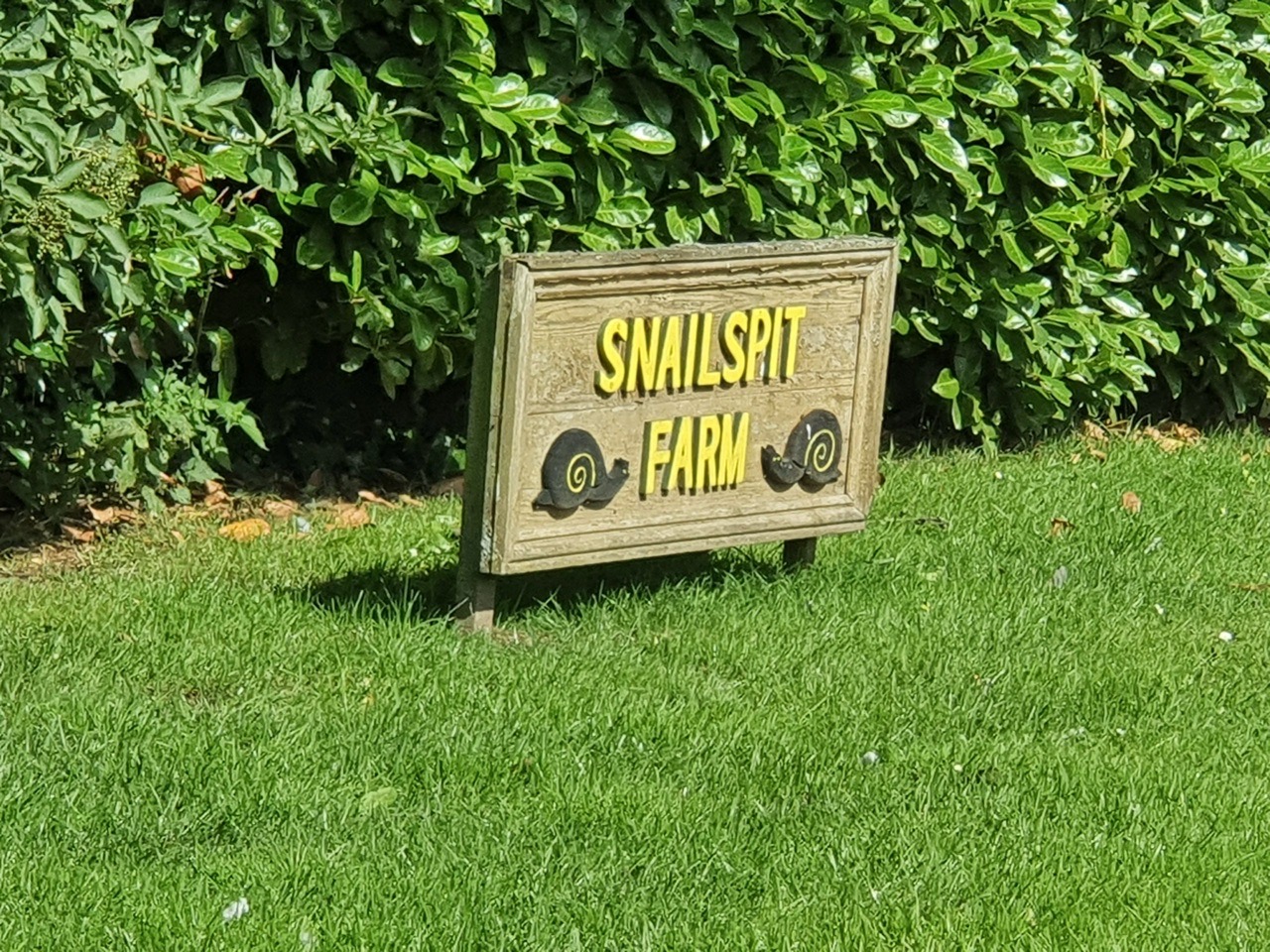
I misread this farm’s name at first and it’s probably evident what I thought the sign said. It’s actually derived from Snail’s Pit, a local lake.
On this map of Attleborough from the early twentieth century, there’s B Gd. marked, or Burial Garden.

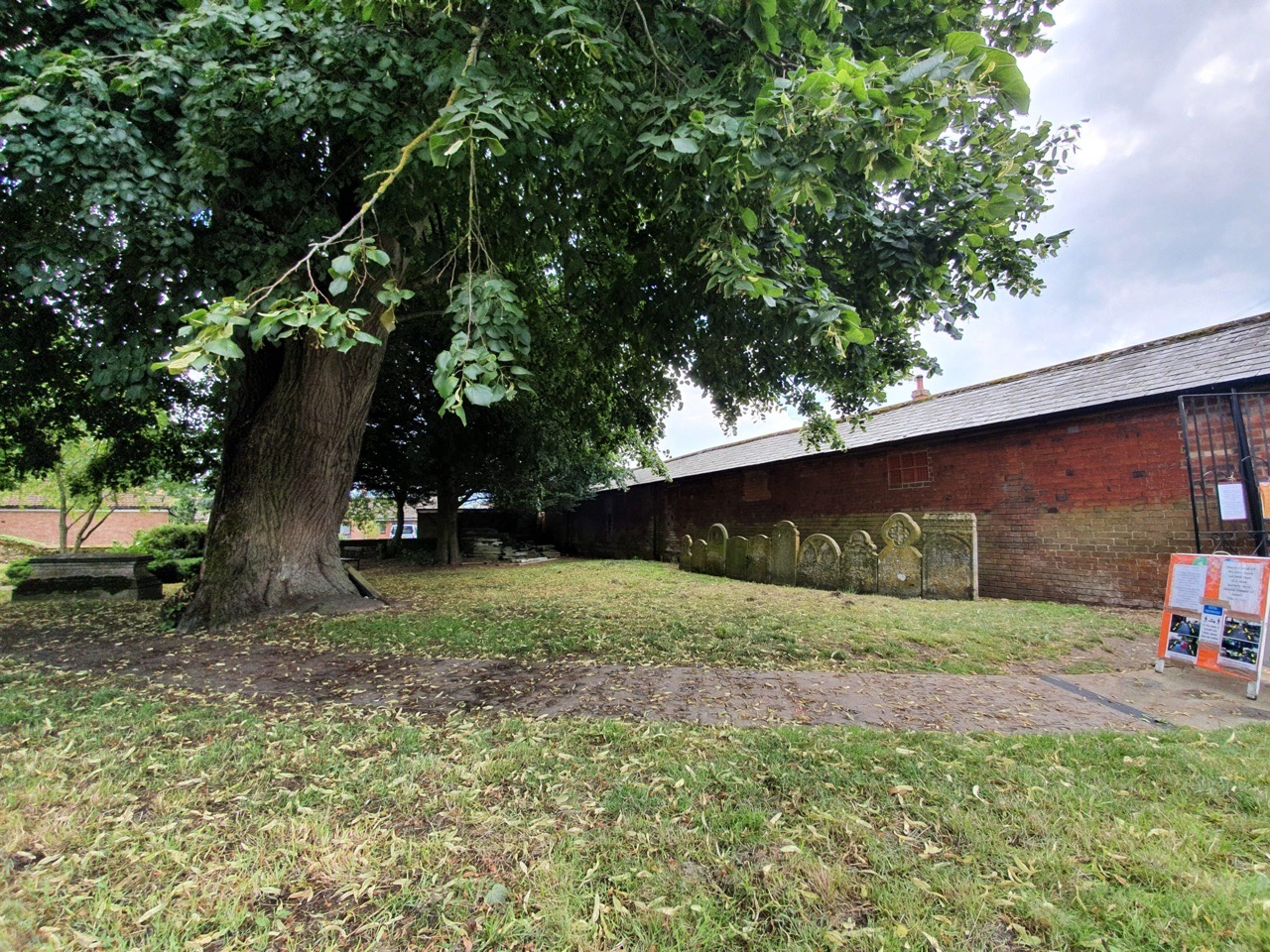
I didn’t add much to the debate on how Thieves Lane got its name, but one legacy that remains along it is the burial garden that remains along the road. The Wesleyan Methodist church opened here in 1809 and in the following year, this graveyard was laid out. The church built new premises nearby in 1872, on Station Road, leaving just the graveyard behind in a similar manner to that in Swaffham.

Today, the graveyard is a public park following its formal closure in 1991 for burials.

Most of the graves have been placed by the wall of the neighbouring building.
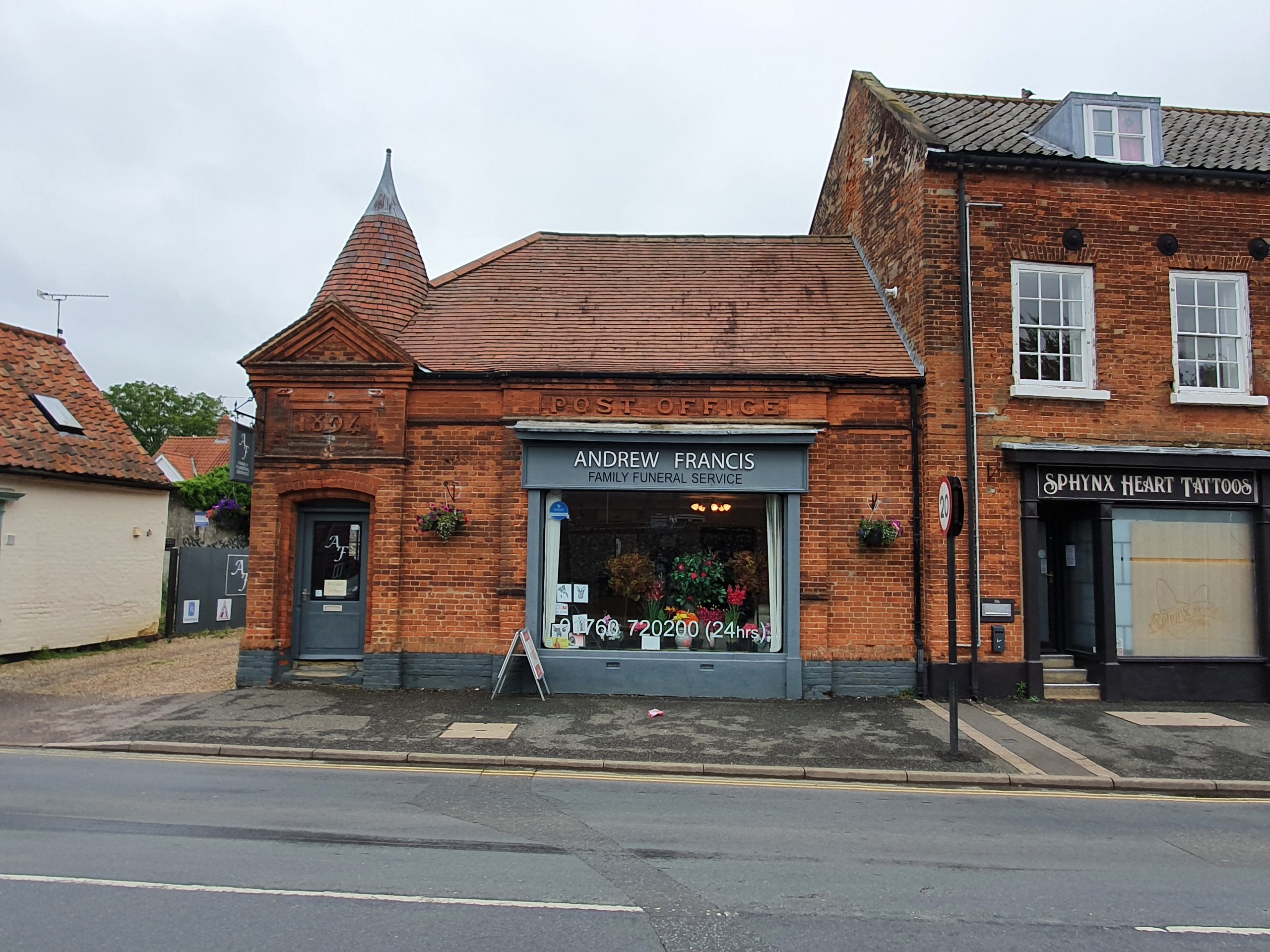

This is quite an enchanting little extension, added in 1894 to serve as Swaffham’s Post Office. It’s quite brave to actually mark in brick what the building is going to be used for, as things inevitably change, but it does make it easier over a century on to understand its original purpose. This set of buildings is listed, with the main part of the structure dating from the eighteenth century, but the listed building record makes no specific mention to the post office.
Things didn’t quite work out in 1903 at what I will call ‘beegate’. A swarm of bees decided that they liked the dome on the building (to the left of the photo) and they set up residence there. Local bee-keepers decided they weren’t dealing with that, so the fire brigade came with hoses to wash the bees into the gutters. The Norwich Mercury reported that after the bees were in the gutters, “the sun being warm revived the bees, and an angry swarm hovered all day just above the doorway of the Post Office”.
The Norfolk Chronicle reported in 1908 that the Post Office had a public house sign swinging above its doors. The reason is that this sign used to hang from outside the Crown pub, and when the new postal building opened, it was thought that some relic of the old coaching inn should remain (the Crown had closed in the 1870s). So they shoved the pub sign up at the Post Office, which I’d have thought caused more confusion than anything else.
There’s a photo of the Post Office from 1937 here, and I can see where they have delicately placed this pub sign (which had by that time gone).

After my little trip to Swaffham this week, this is what The Concise Oxford Dictionary Of English Placenames have to say about the name origin of the town.
Swaffham, Norfolk. Swafham in Domesday Book, Swaffham in 1130. The first element is the tribal name Swaefas in its stem form. The name means the ‘ham’ of the Swaefas, or Swabians in early sources.
The Swaefas were a German tribe, or the Angles, who came to settle in Britain as visible in the below image (https://upload.wikimedia.org/wikipedia/commons/5/56/Anglo-Saxon_Homelands_and_Settlements.svg). So, Swaffham was a settlement where the Angles resided, one of their earlier places of residence in the country, and the town name has also hardly changed in the last millennium.

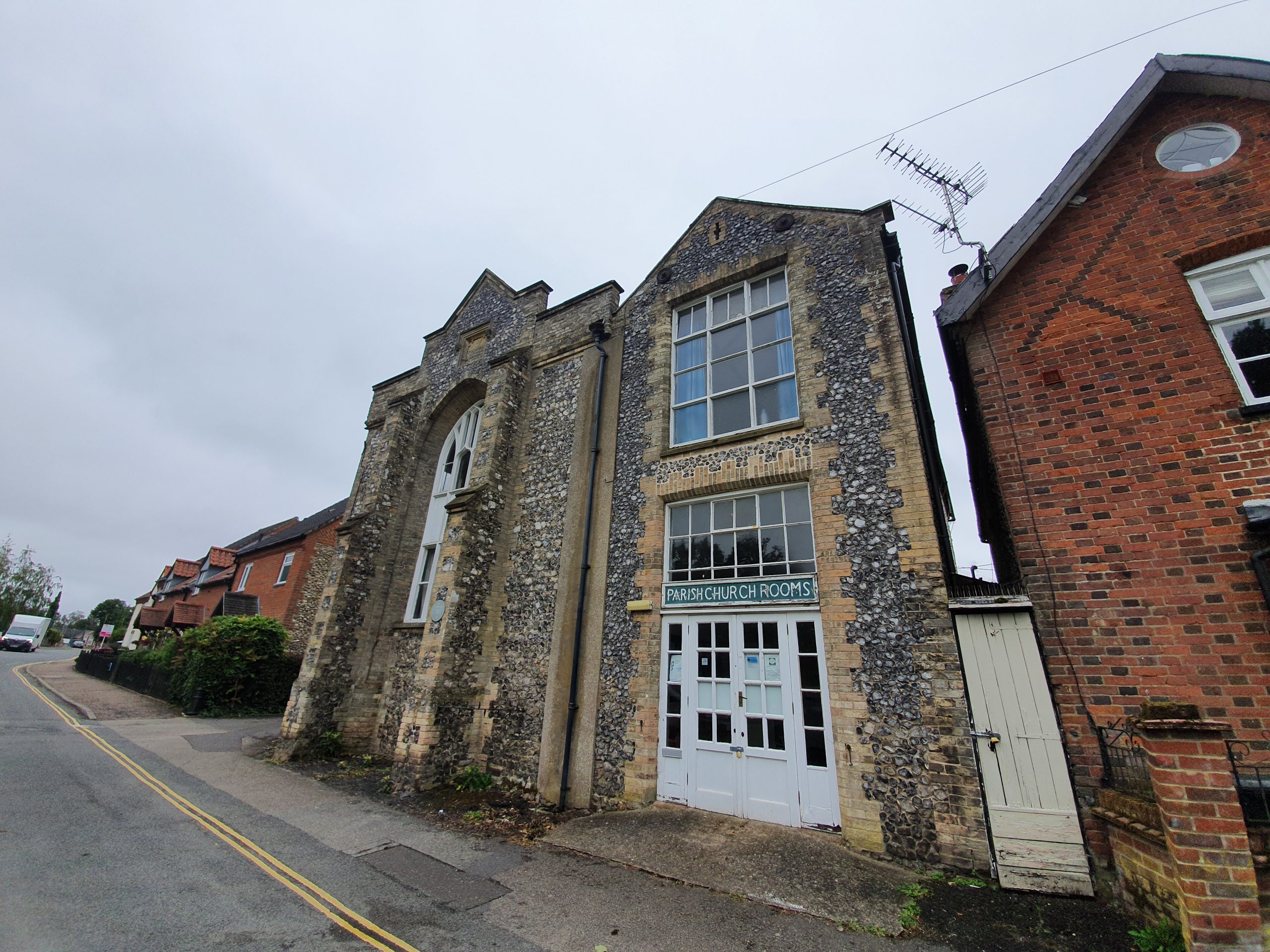

This quite imposing building dates from 1838, when it was built as Swaffham’s national school. It was designed by William Donthorne (1799-1859), a notable Norfolk architect who had been born in Swaffham and he also designed Cromer Hall, elements of Felbrigg Hall and Aylsham Workhouse. The national schools were established by the National Society for Promoting Religious Education, which taught religion along the Church of England lines, and from 1833 the Government provided grants for the running of these schools.
There was a treat for the children on New Year’s Day 1839, when the new school held a celebration dinner to mark the opening of their new building. The local press reported that there was “an excellent dinner of beef and plumb pudding, provided for them by the inhabitants of the town. It was gratifying to witness the interest taken by the company present on this occasion, and great merit is due to those individuals who so kindly exerted themselves in providing this treat”.

The building was converted in the twentieth century into church rooms and they remain in use for this purpose today.
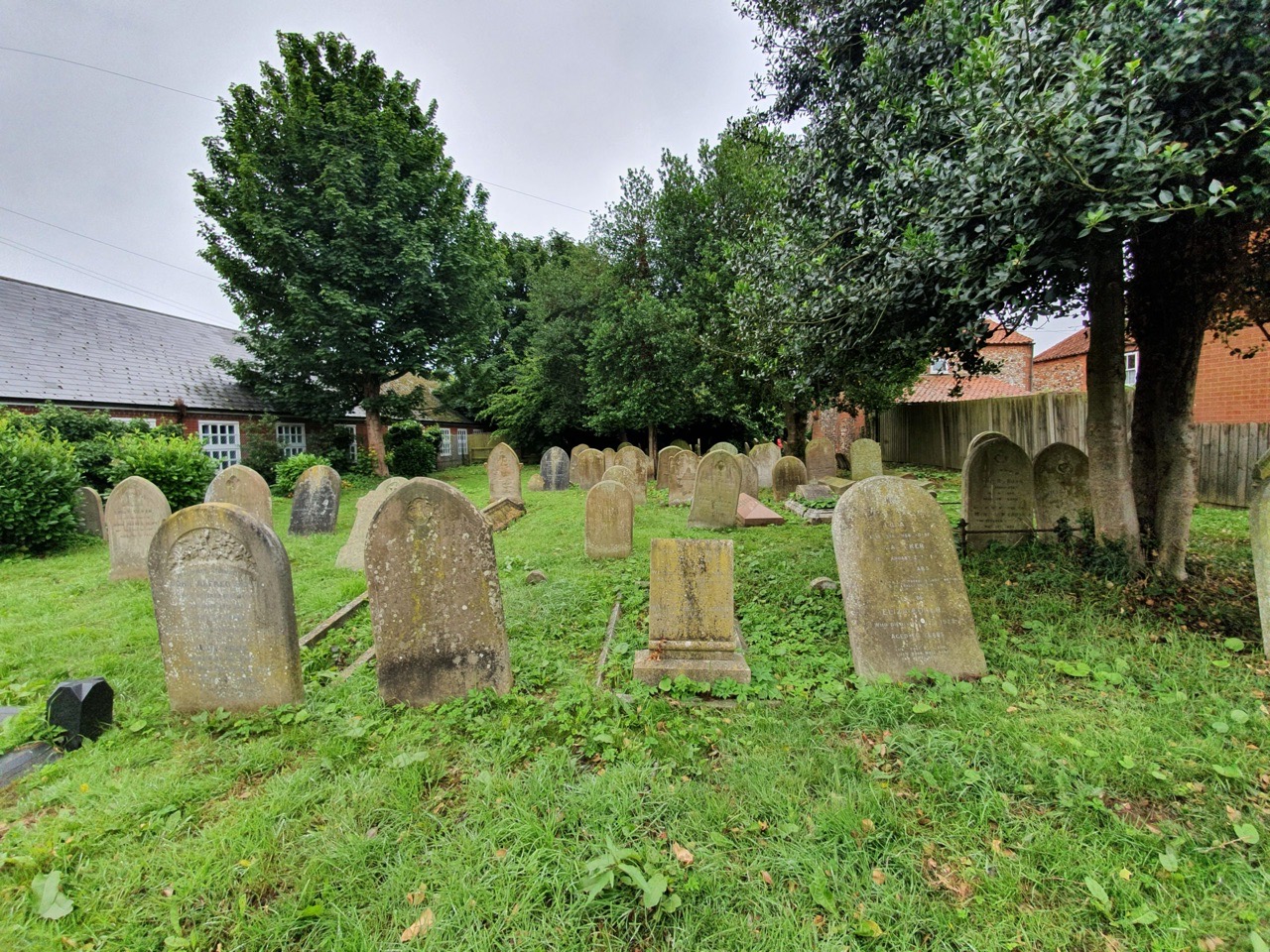

There’s a burial ground, looking a little out of place today, located just to the left of where mortuary chapel is marked on the above map. The first Baptist church in Swaffham was opened in August 1823, with the burial ground next to it. The Baptists outgrew their church relatively quickly, building a new church on Station Street in 1860, which is still in use today.

The burial ground on Whitecross Road remains, a relatively small affair but it’s organised and tidy, although there haven’t been any new burials here since 1979.
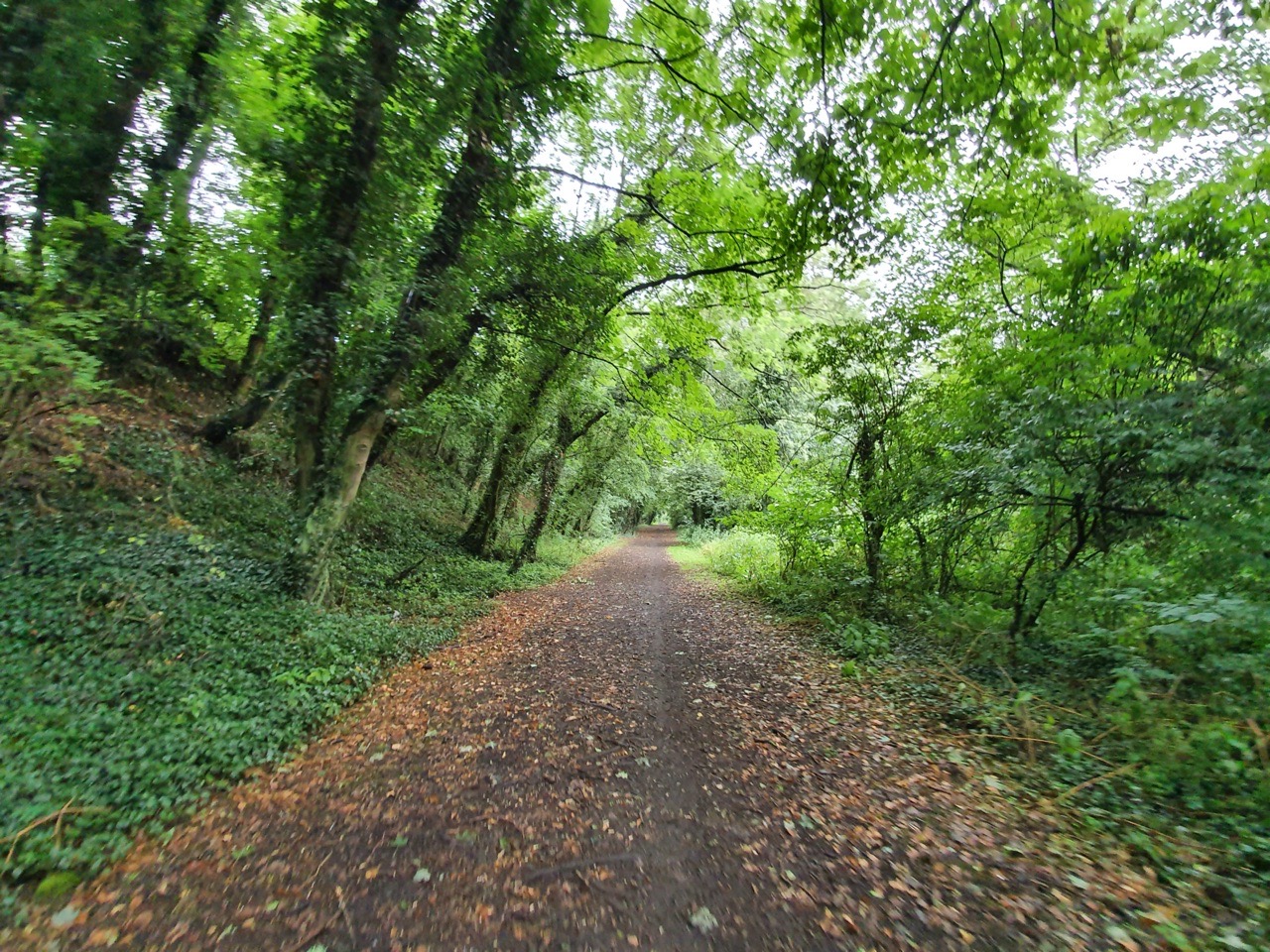
Just photos in this post. I wondered if it was possible to walk from Swaffham railway station towards the former King’s Lynn section of the line. Interestingly, the last section between East Winch and King’s Lynn is still in place for freight, so a line could be restored to Swaffham if there was ever a desire to do so. Unfortunately, the railway station section in Swaffham is built on, meaning any new station would have to be relocated.

The railway station is just ahead in this photo, but the path stops here and people have to walk to the left back to the nearby road. Below are photos in the other direction, where it’s all clear. With few obstructions, the trackbed is still in place and could be put back to King’s Lynn, but then there’s the problem that it would have to bypass Swaffham if the lines carried on to Dereham. Which would then cause the problem that the last section of the line from Swaffham to Dereham is now buried under the A47. The cost of fixing this, for the volume of rail traffic it would generate, is sadly likely though to be just too high.


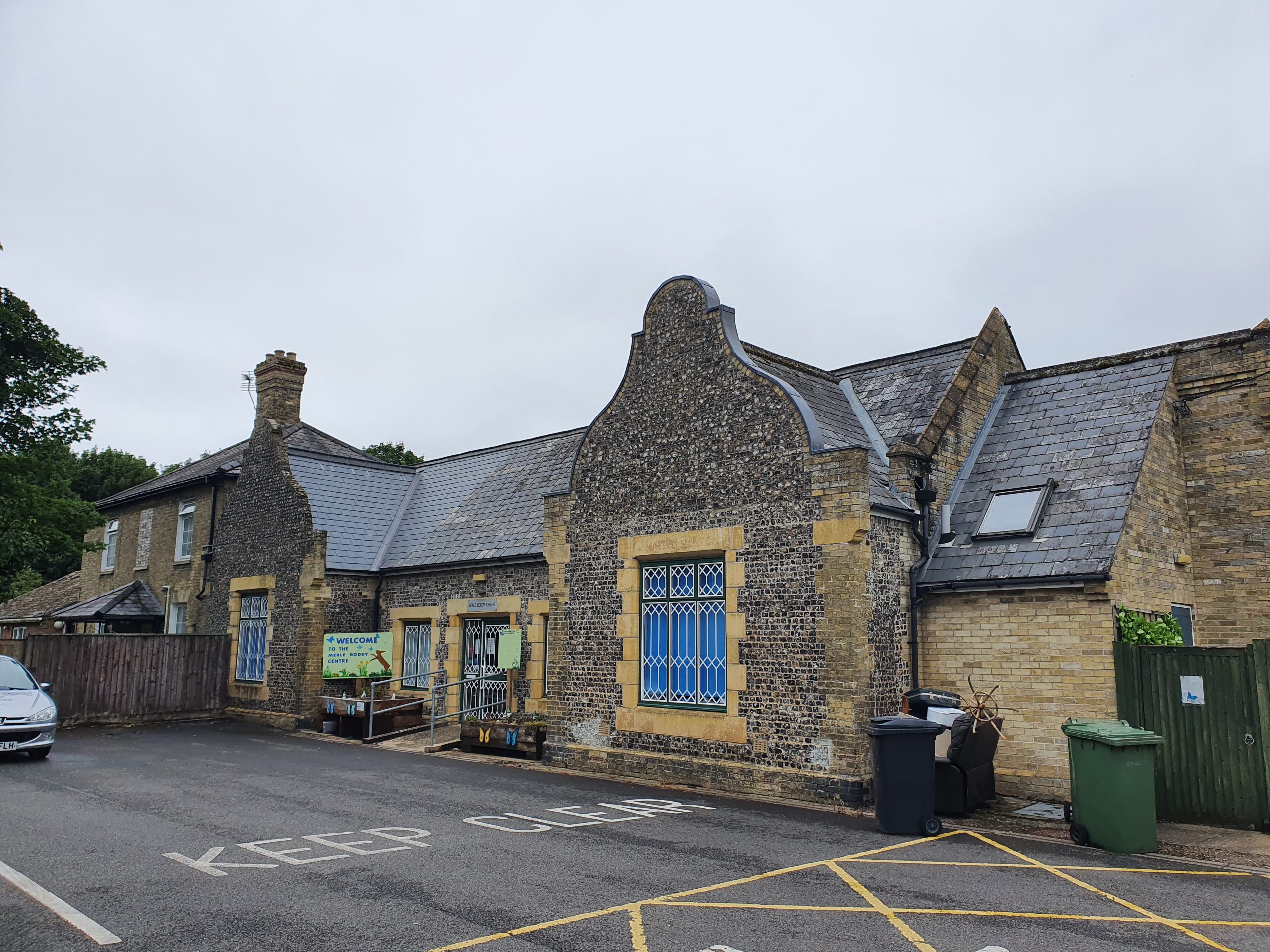
Unfortunately, there’s no railway station left in Swaffham now serving the transport needs of the local population. Going back before the station was closed in 1968, there were services from Swaffham to King’s Lynn (via East Winch, Pentney & Bilney and Narborough & Pentley), from Swaffham to Dereham (via Scarning, Wendling, Fransham, Dunham and Sporle) which in turn connected to Norwich and Wymondham and from Swaffham to Thetford (via Holme Hale, Watton and Stow Bedon). It’s true that the Swaffham to Thetford line wasn’t that busy, but the line through from Norwich to King’s Lynn would have been enormously useful if it had been left open.

I’d never gone to look to see what remains at the site now, but the railway station is still there and converted into office use today. There are lots more photos of the station over the decades at http://www.disused-stations.org.uk/s/swaffham/.
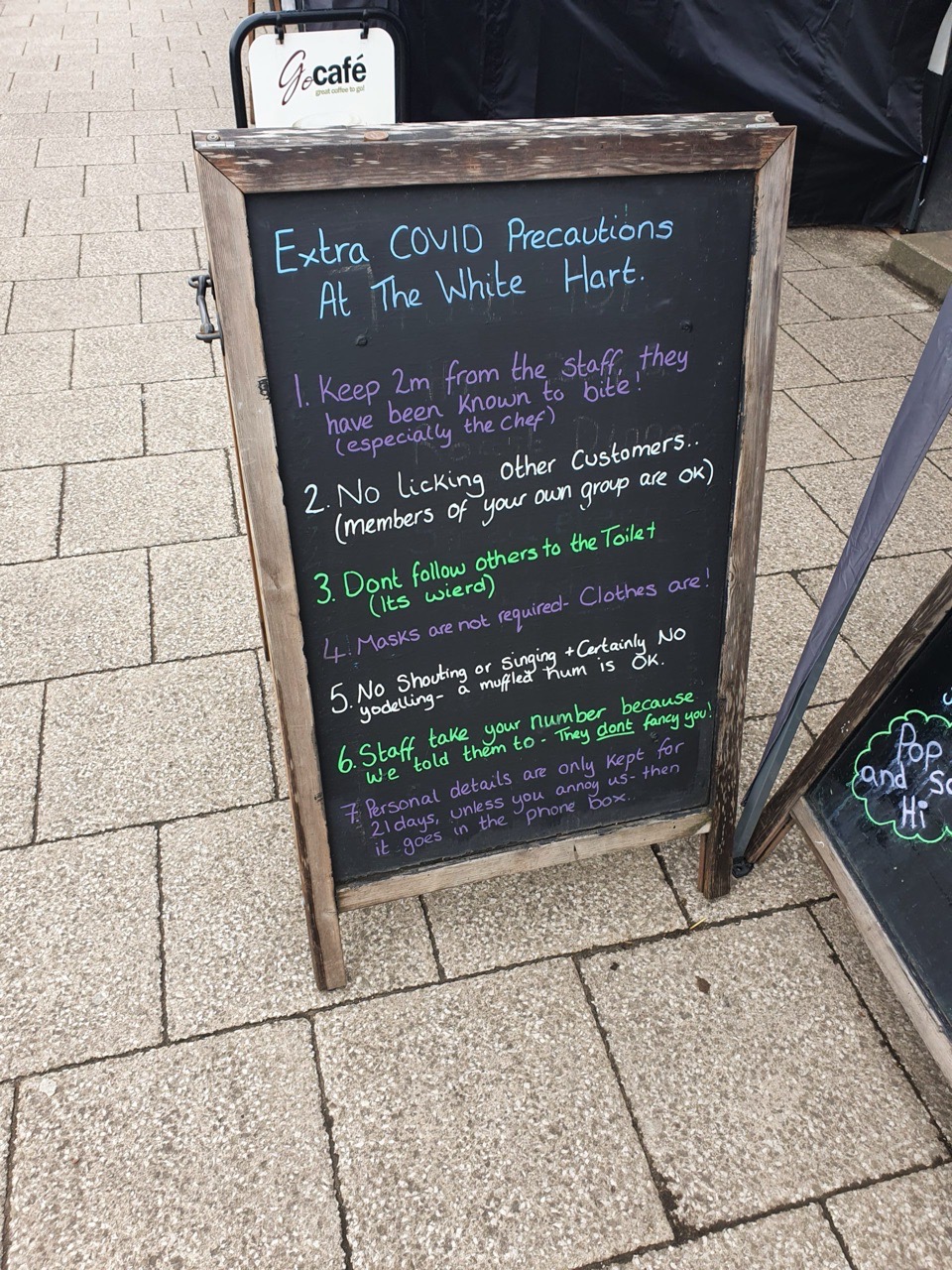
I’ve never been to the White Hart in Swaffham, perhaps I’ll go as part of the Government’s new 50% off meals in August….. Anyway, I like their sign. I’ve seen similar signs on-line and I’m sure someone else probably did it first, but I still like it.

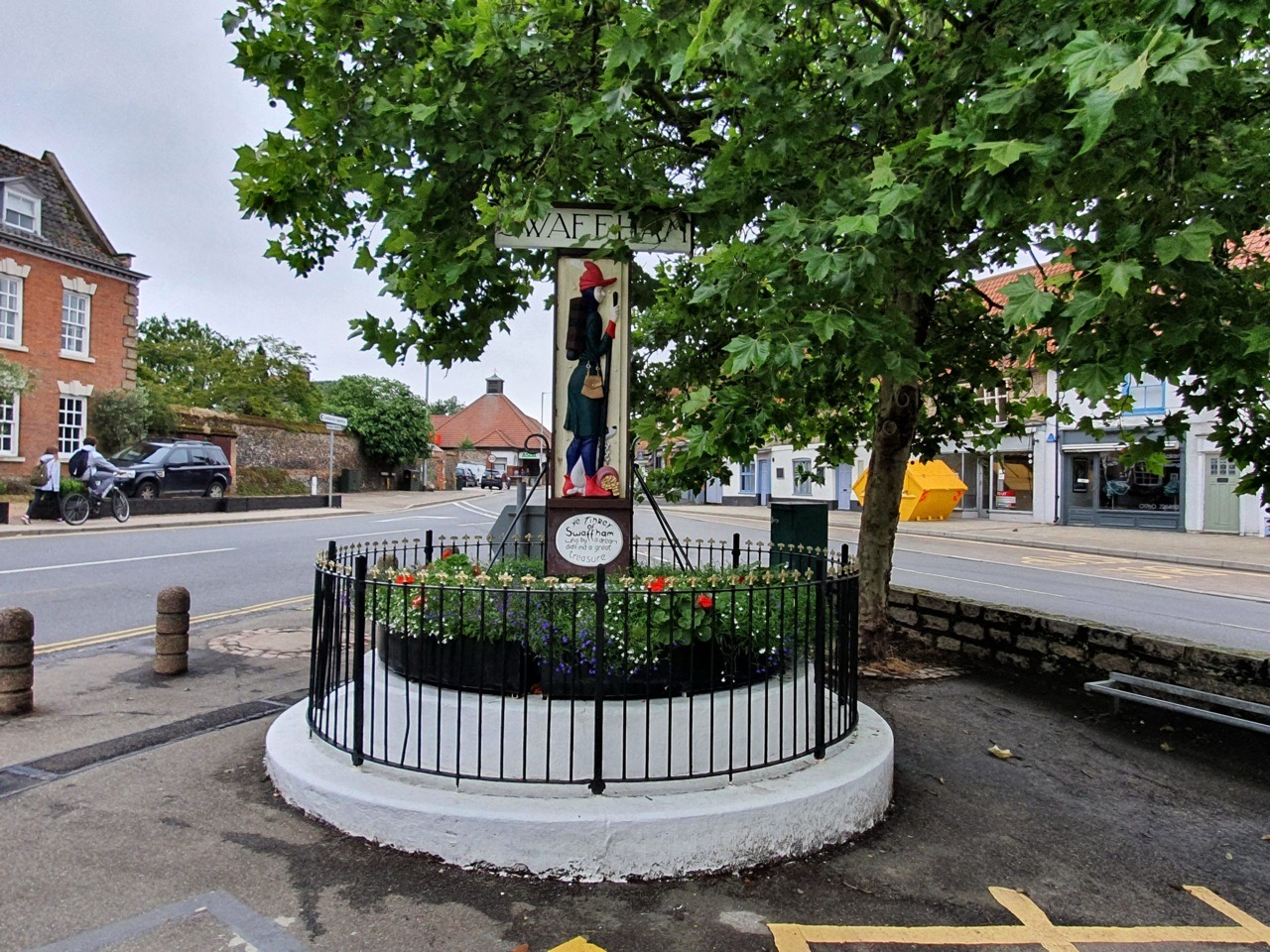

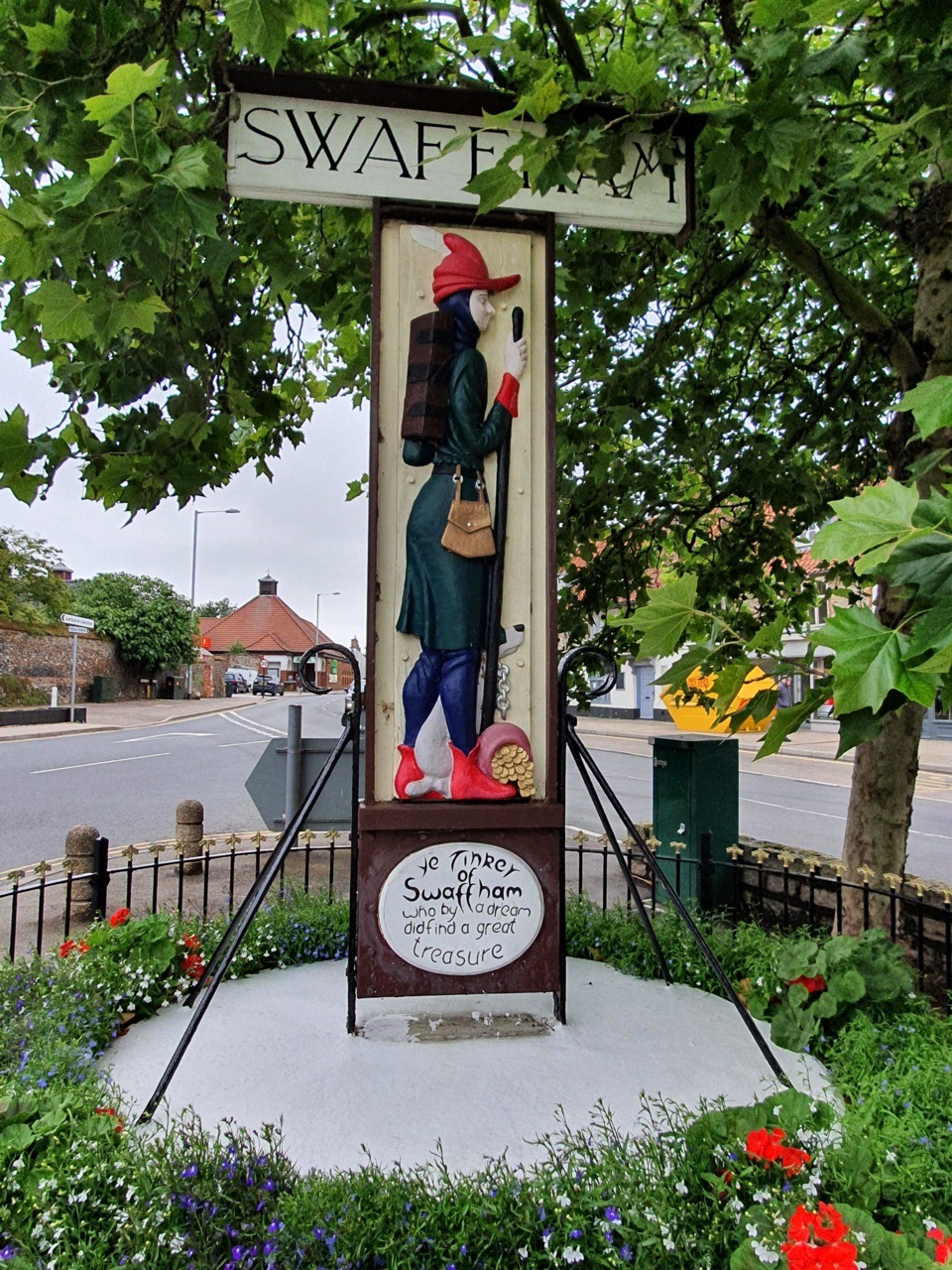
Swaffham’s town sign features the Pedlar of Swaffham, a story that I wrote briefly about before in my ‘riveting’ post about St. Peter and St. Paul Church. The sign was carved in 1929 by Harry Carter (1907-1983) and it has been repainted in different colours at some point over the last decade, for reasons unknown.

The text at the base reads “ye pedlar of Swaffham who did by a dream find a great treasure” and on the reverse “ye tinker of Swaffham who by a dream did find a great treasure”.

This is the same town sign that was amended to be used in the television programme Kingdom, based around the fictional location of Market Shipborough.