One of the slightly more jovial definitions in Grose’s book, this means “a peruke maker”, with a peruke being a wig.
As an aside, the word peruke itself has rather fallen out of usage over time. Specifically, a peruke wig is the one worn by barristers and judges in British courts, although at the time of Grose they were quite a common fashion accessory amongst the well-to-do. I’m not sure that this was a much used phrase though, it doesn’t appear to have been used often in print.
Scum
I thought it was interesting that this definition is an old one, not anything more recent, and it’s “the riff-raff, tag-rag, and bob-tail, or lowest order of people.” In its other meaning of the dirty layer on liquid, it’s from the Germanic word ‘Schaúm’, which still means ‘foam’ in English.
Sea Lawyer
It’s a long time since I’ve heard this phrase, which Grose defines as “a shark”. I know it more in the sense of it being an argumentative person, but it also means a sailor who refuses to follow an order, although that usage seems to be more from the late nineteenth century. It’s a quirky little phrase though, I like the idea of being able to refer to someone as a sea lawyer without them realising its full meaning….
Any excuse for me to roll out Ngram….. However, it shows the phrase is sadly fading out of usage.
As this print from 1742 shows, this procession had been going on for a few years and it took place just outside of the boundaries of the City of London. I can’t imagine that the Freemasons were much impressed by this little show, but there were many even at this time who treated the organisation with some disrespect.
Schism Shop
On the subject of disrespect, those involved with the dissenting religions in the eighteenth century were often vilified by those who couldn’t believe anyone couldn’t accept everything that the Church of England said was true. The dictionary definition of this is “a dissenting meeting house”, whether that be Quakers, Baptists, Congregationalists or Unitarians, to name just a few. There’s something quite charming though in the abusive term, I like to think that some of the groups would have adopted it almost as a badge of pride. Looking at newspaper archives, the dictionary was ahead of its time, as the term was relatively rare at the end of the eighteenth century, but it became much more commonly used towards the end of the nineteenth century before it died out during the early twentieth century.
Scourers
There’s a myth that there used to be a lot more respect for the law in centuries gone by, but there were plenty of robberies in churches in the nineteenth century and no shortage of anti-social behaviour in the eighteenth and nineteenth centuries. That is also evident from this dictionary definition, namely “Riotous bucks, who amuse themselves with breaking windows, beating the watch, and assaulting every person they meet: called scouring the streets”. Crime as a whole was also high in the eighteenth century, partly through increased poverty but also through a greater opportunity given the newly wealthy classes. Much as I like city living, I think the rural life was probably safer and more peaceful back in the late eighteenth century when Grose wrote his book.
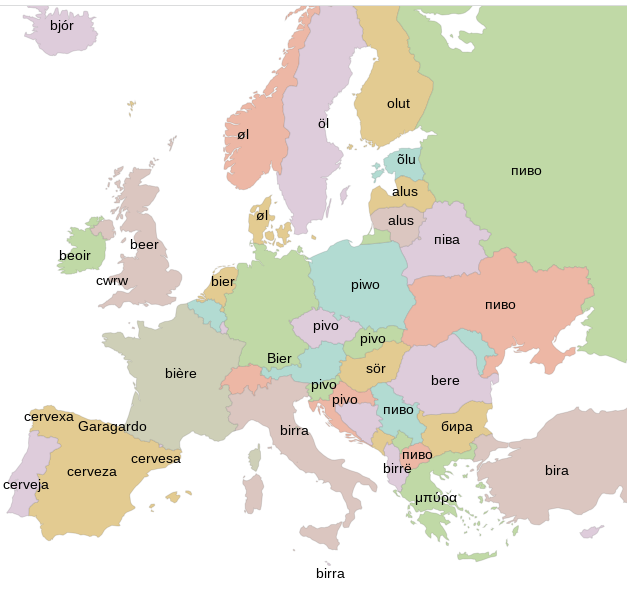
As another of my random and pointless posts, I’ve found this handy web-site which shows the translation of an English word across Europe. Hours of fun typing in words, although, for example purposes only, I went for beer.
This blog has reached nearly 5,000 posts and it’s becoming really quite difficult for anyone to easily navigate around it. Topics veer between Good Beer Guide pubs to British Airways, from random museum exhibits to Wetherspoons, from Norfolk churches to walking group trips. Eclectic, absolutely, but for search engines and those who drop in occasionally, it’s too difficult to find anything.
I accept that this blog isn’t the most important media outlet in the country, however much I think that it should be. But, if something is worth doing, then it’s worth doing right. And just to reassure anyone who is concerned (goodness knows who) that the blog is closing, then that definitely won’t be happening. In the future, there will though be just one daily post which encompasses everything exciting (or what I consider exciting, which is very different to what others might define it at) that has taken place in the previous day that I think is worth writing about.
Which means that there will also now be a series of new web-sites where I’ll focus more specific content on. Over the next few weeks I’ll be creating entirely separate web-sites for:
Accor Hotels
British Airways
Good Beer Guide Pubs
Long Distance Walking
Poland
Random Museum Exhibits
UK Churches
Wetherspoon Pubs
Which will free this blog to become a more navigable site with its one post per day, linking to the above external sites when I think it’s necessary to do so.
I think it’ll be very lovely and I’ll be making the shift this week to the new style.
As another random post, I never knew booking.com even went up to level three until they e-mailed me this, but apparently it’s a new thing. It seems quite clever, they’re saying to hotels that people in level three cancel fewer bookings and are more loyal, so it’s best to offer them larger discounts. I don’t use booking.com all that much, but this might be a slightly handy benefit for when I’m in an area without Accor or IHG hotels….
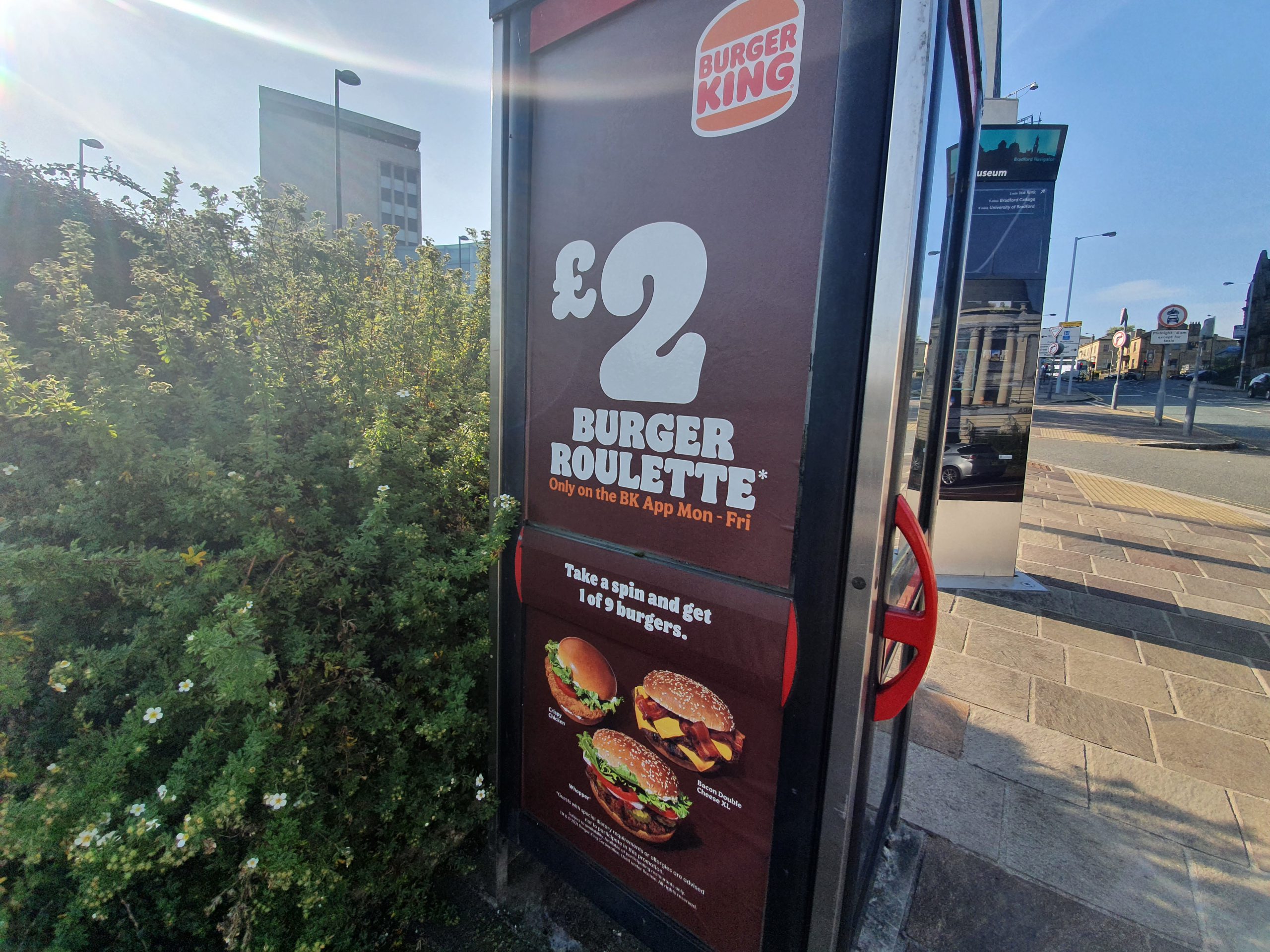
I saw this stupid promotion a few weeks ago and meant to check review sites to see if it worked out. The idea behind it was that customers could go into Burger King and get a random burger for £2. There were very clear warnings all over the Burger King web-site that this wasn’t suitable for vegans, vegetarians, anyone with an allergy, anyone who didn’t eat bacon, anyone who hates halloumi and so on. Realistically, that’s a huge number of people ruled out of the entire promotion.
I thought initially that users of the app could see what random burger they would receive before committing to purchase it, which I thought was quite clever before I went to the web-site to read more. Burger King has had to add to their web-site policies explaining that customers cannot refund these burgers or request any changes. If you don’t like it, the burger has to be binned which doesn’t strike me as the most environmentally friendly option.
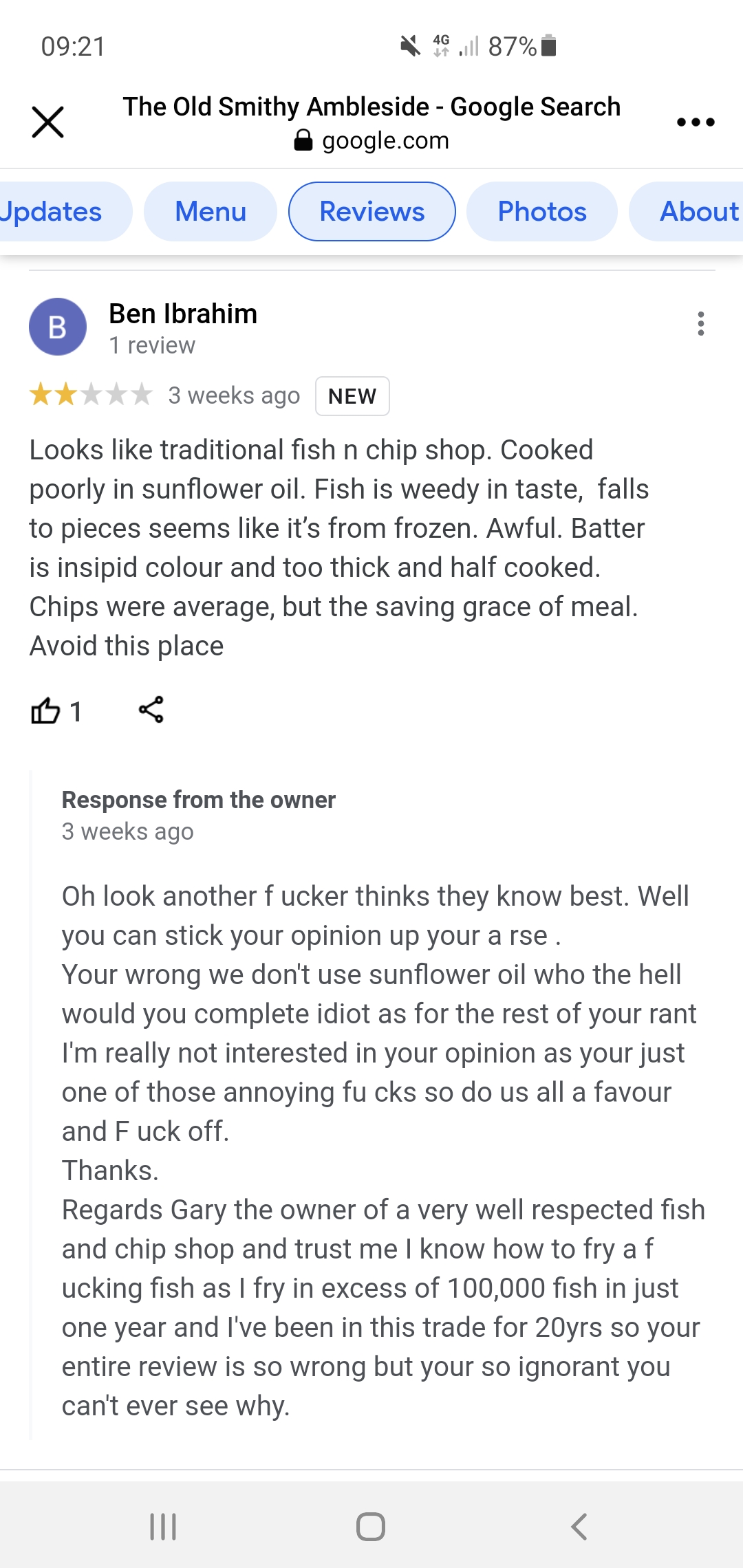
Anyway, I’ve gone to look at the reviews and I can’t find a single positive one (and I’ve scrolled through a lot of pages other than the pointless press releases they dumped out at the start of the campaign. I’ve found tens of negative ones though. This one probably sums the whole thing up:
“Burger Roulette is a fake game. 1. Every time I try, I get the same burger… NO surprise, NO roulette 2. They never show you the result in front of you. 3. The roulette is not transparent and kind of cheating roulette. 4. ALL roulette MUST reveal and show to customer in front. This is fake roulette, at least I never seen any fair roulette in front of me!”
How on earth this was Burger King’s big idea of the summer I’ll never quite know. Perhaps people loved the concept very secretly. Anyway, random post over.
This is Max Hawkins, a programmer who spoke at a TedX event. I’ll use the text they provided as it sums his talk up as well as I can:
“For two years Max let a randomized computer program determine the course of his life. Everything from what he ate and the music he played to the city where he lived was determined by the whim of the computer. The randomizer sent him everywhere from a shopping mall in Japan to a goat farm in rural Slovenia. He tells the story of his randomly generated life: how he stumbled upon the concept of chance, why it became an obsession, and how he discovered that refusing to choose can be a radical act.”
I’m very engaged with this whole random thing, which is partly something that I’ve been doing with GeoGuessr in selecting random locations to visit. Max has a web-site at https://maxhawkins.me/ and he has randomized huge sections of his life in what I consider to be an inspirational manner. He started by writing software to pick him up in an Uber taxi and be dropped off at a random food venue, which even he himself didn’t know the location of until he arrived. He then chose to live in random places, go to random Meetup events and listen to random music. Having the opportunity to live in different places around the world for a month or so brought him so many new perspectives and life experiences.
And there’s something in this. I followed Max’s Spotify playlist, which is 30 random songs generated every day. I found more stuff that I liked on that playlist than I did on Spotify’s own algorithm of recommended music. When I’ve used GeoGuessr locally, going to random places is like a chain reaction of finding other things I never knew existed and then felt the need to investigate. And it creates adventures, such as the national GeoGuessr challenges that Nathan and I have done. On a simple level, just going to read random Wikipedia articles can be an interesting way to pass the time, so many new things to learn and become intrigued by.
I’m not sure that I’ll take the element of the random as far as Max has, but he has managed to be taken out of his comfort zone to try almost endless new experiences. Algorithms can perhaps limit our lives, we follow the recommendations of Google or whoever, but they are really just keeping us within our comfort zones and never showing us anything really new. Often, we might think that our experiences are new because we’ve visited a new pub down the road, but is that enough for a meaningful life?
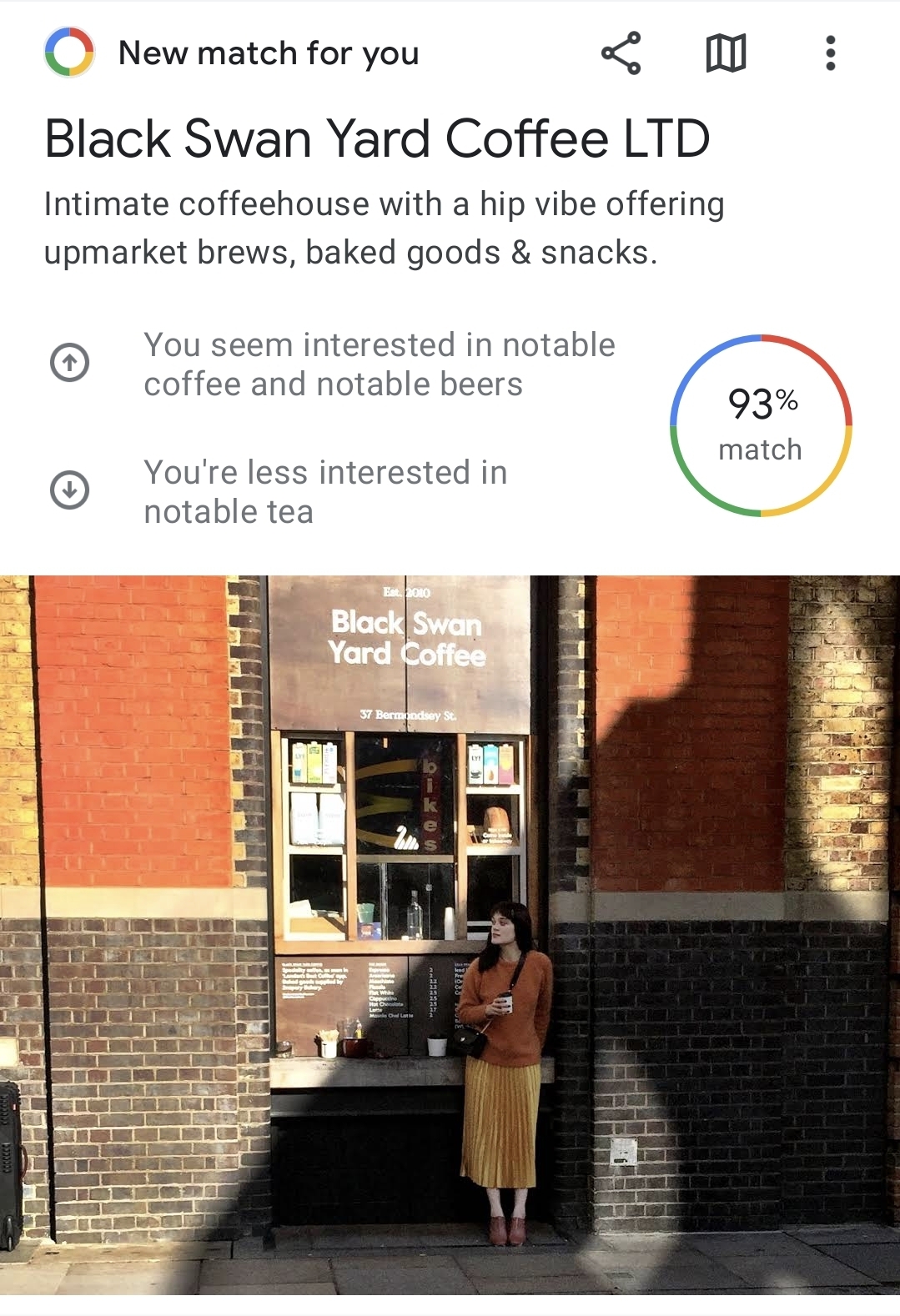
This was an alert I received from Google a couple of hours ago, they’ve decided that I like notable coffee and notable beers, so they’ve suggested this location. It actually looks pretty decent, but Google has also decided that I don’t seem interested in notable tea (which is probably true to be fair). And this is the danger, it’s sending me to what look like new and interesting locations, but they’re the same sort of places. I will visit, as I see no need to not go to places that I like, but the joy of the random is going somewhere I wasn’t sure I’d like, then discovering it offered something very new and exciting. And, I can quite like innovative teas, so I shouldn’t rule those out.
For my friends, expect a wave of things being done randomly in the future. I don’t think that many of my friends find me particularly predictable anyway (I have a lot of “good ideas”), so they might not be too surprised. Without getting too deep, there’s some sort of order in the chaos as well, so many coincidences and things which felt inevitable. Meeting people and having experiences which were random, but which seemed to be destined to be, as if the universe meant for that to happen.
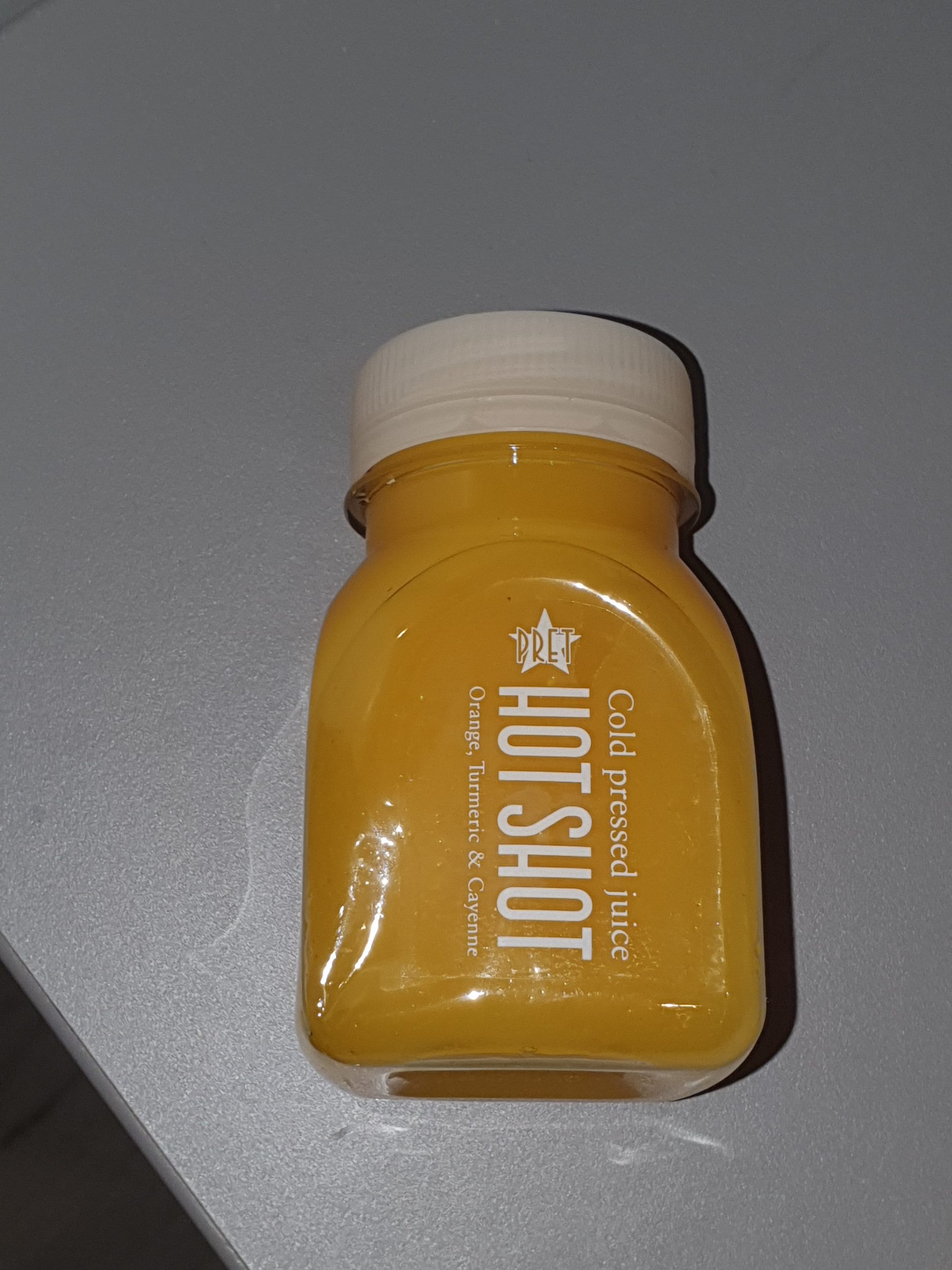
Although anyone sensible would likely have a blog that concentrates on just one thing, it’s quite handy to be able to write about any drivel. On that vein I’ll shift over to food & drink issues, and this is a rather lovely little product from Pret. It contains orange, but to that is added turmeric, ginger and cayenne. It does give quite a kick, it’s an inventive product from Pret…..
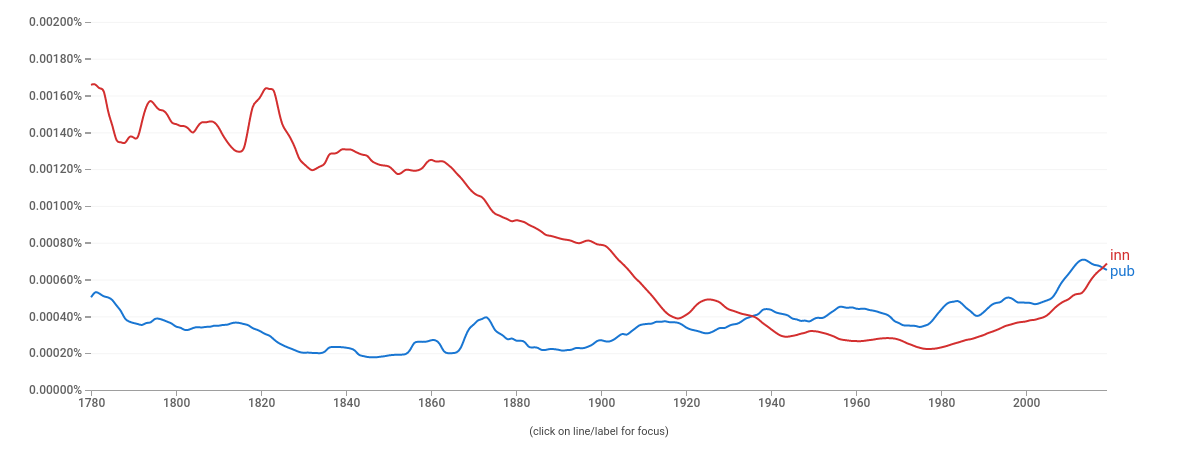
As an another irrelevant aside, I just noticed this on Google Ngram, which is how frequently the words ‘pub’ and ‘inn’ have been used in literature over the last two centuries.
It’s no surprise to me that the word ‘inn’ used to be used much more frequently when the word ‘pub’, but I’m puzzled how it is now used more frequently in writing once again.