Tag: National Village Museum

  • Bucharest – National Village Museum (Half Buried House)

    Bucharest – National Village Museum (Half Buried House)

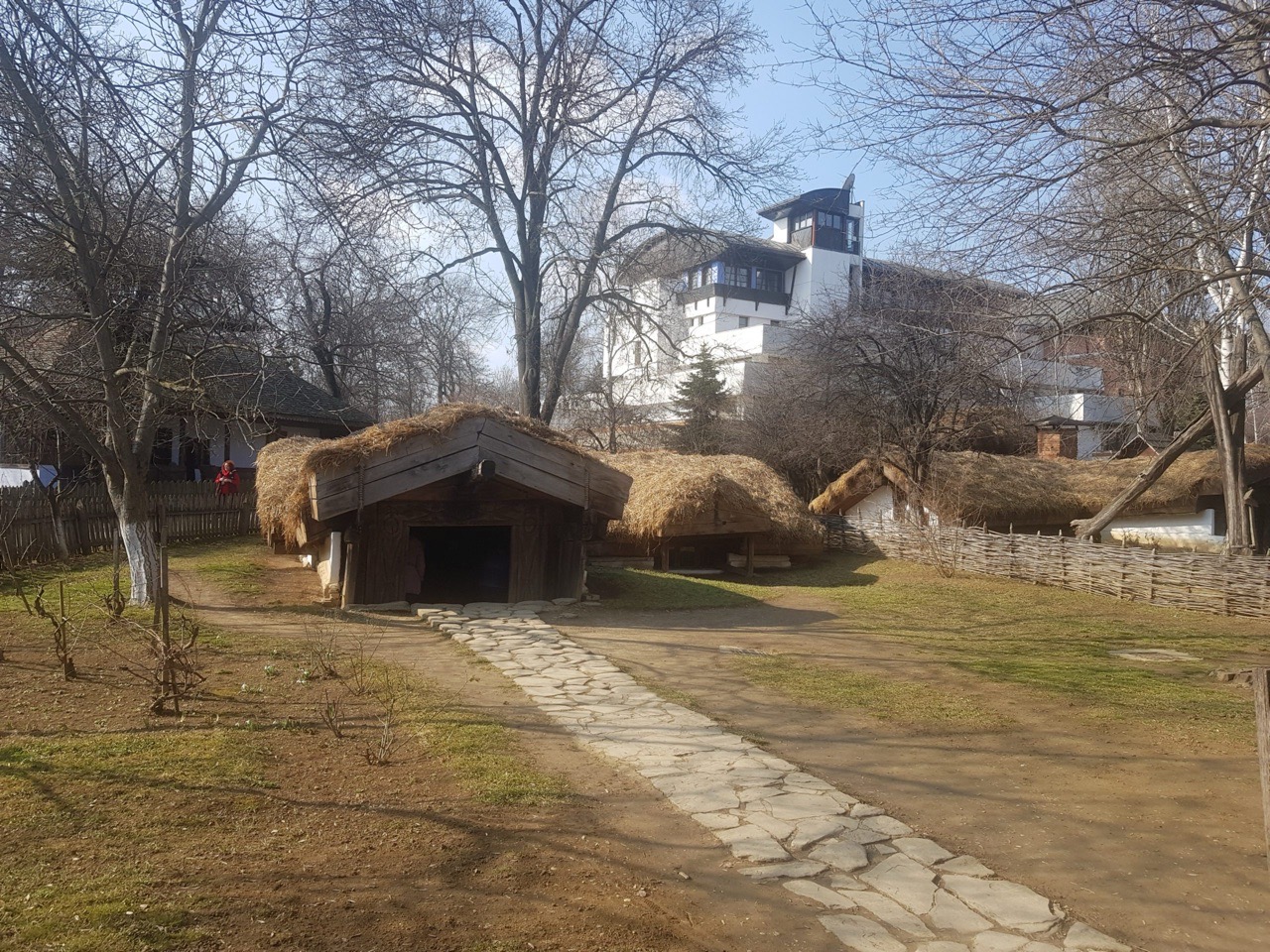
    This half-buried house dates to the beginning of the nineteenth century and it was brought to the museum in 1949 from Drăghiceni, a town in the south-west of Romania. There are two functions to this sort of property, with the primary one being that this helps with keeping the temperature under control, so it would preserve the cold in summer, but also the warmth in winter. I’d note that Ibis have some hotels like that, although they preserve the heat in winter and the heat in summer, which can be most annoying. There was also a defensive element as well though (to the half-buried house, not Ibis), there were occasional Turkish raids and this sort of property was easier to defend. It wasn’t though a cheaper construction option, as building a half-buried property apparently uses more wood than building a traditional structure.

    This house was popular with children at the museum, who enjoyed climbing down into the property. The roof was constructed with oak planks and there would be a straw type finish on the top.

    That’s the step down.

    And there’s the entrance room. Behind this would have been the kitchen, and further into the structure would have been the living room. It seems to me to be quite a fun place to live as well, something a little different.
  • Bucharest – National Village Museum (Swing)

    Bucharest – National Village Museum (Swing)

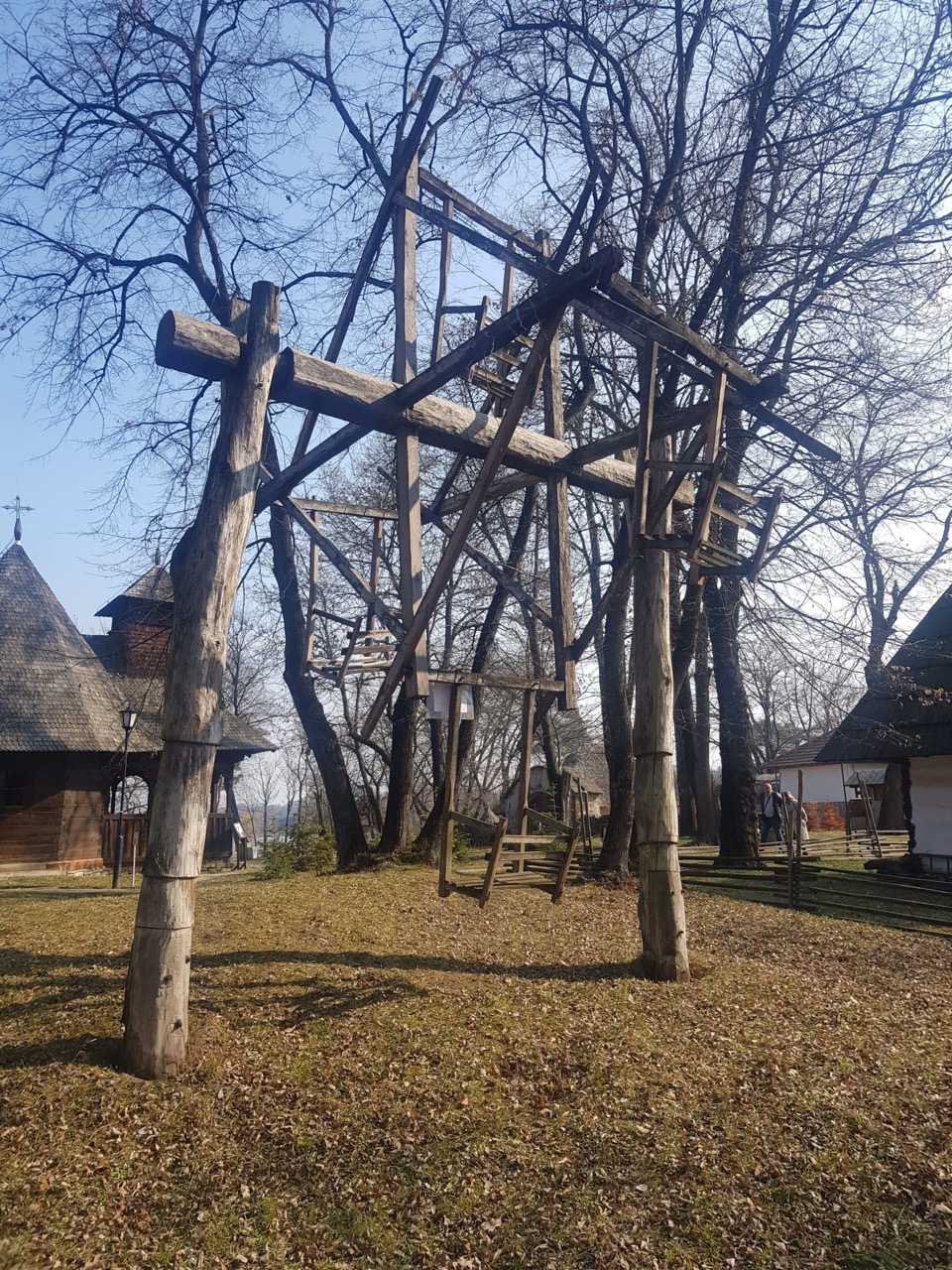
    This nifty swing is from Zăpodeni, in eastern Romanian near to the border with Moldova. It’s relatively modern for this museum, dating to the early twentieth century, and it was primarily used on major holidays. Traditionally, two boys would start the contraption going and they’d be rewarded with a gift, such as Easter Eggs at Easter. If I had a garden, perhaps I’d create something like this for Dylan and Leon, although I suspect they’d take one look at my handiwork and refuse to go on it.

  • Bucharest – National Village Museum (19th Century House from Piatra Soimului)

    Bucharest – National Village Museum (19th Century House from Piatra Soimului)

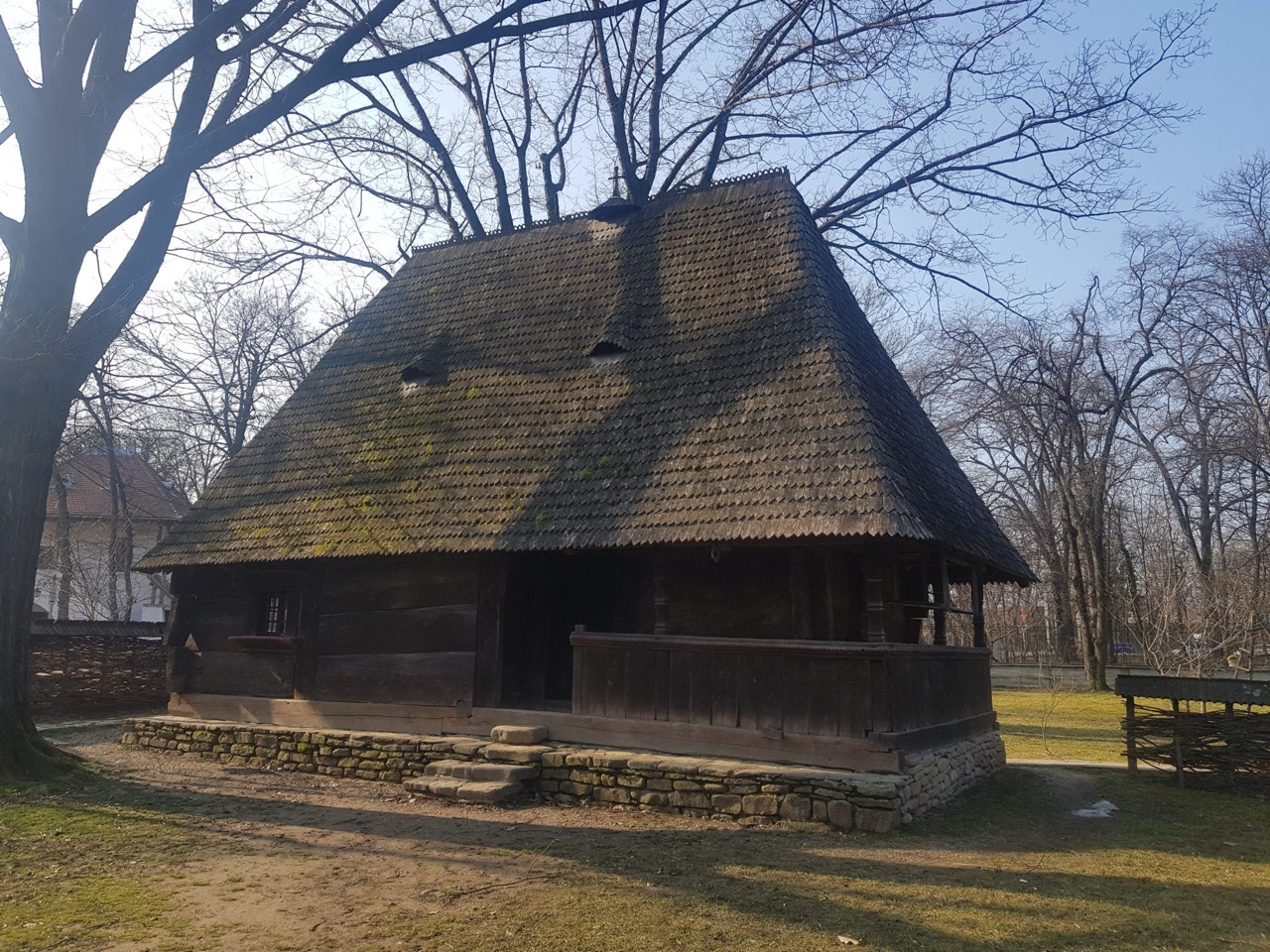
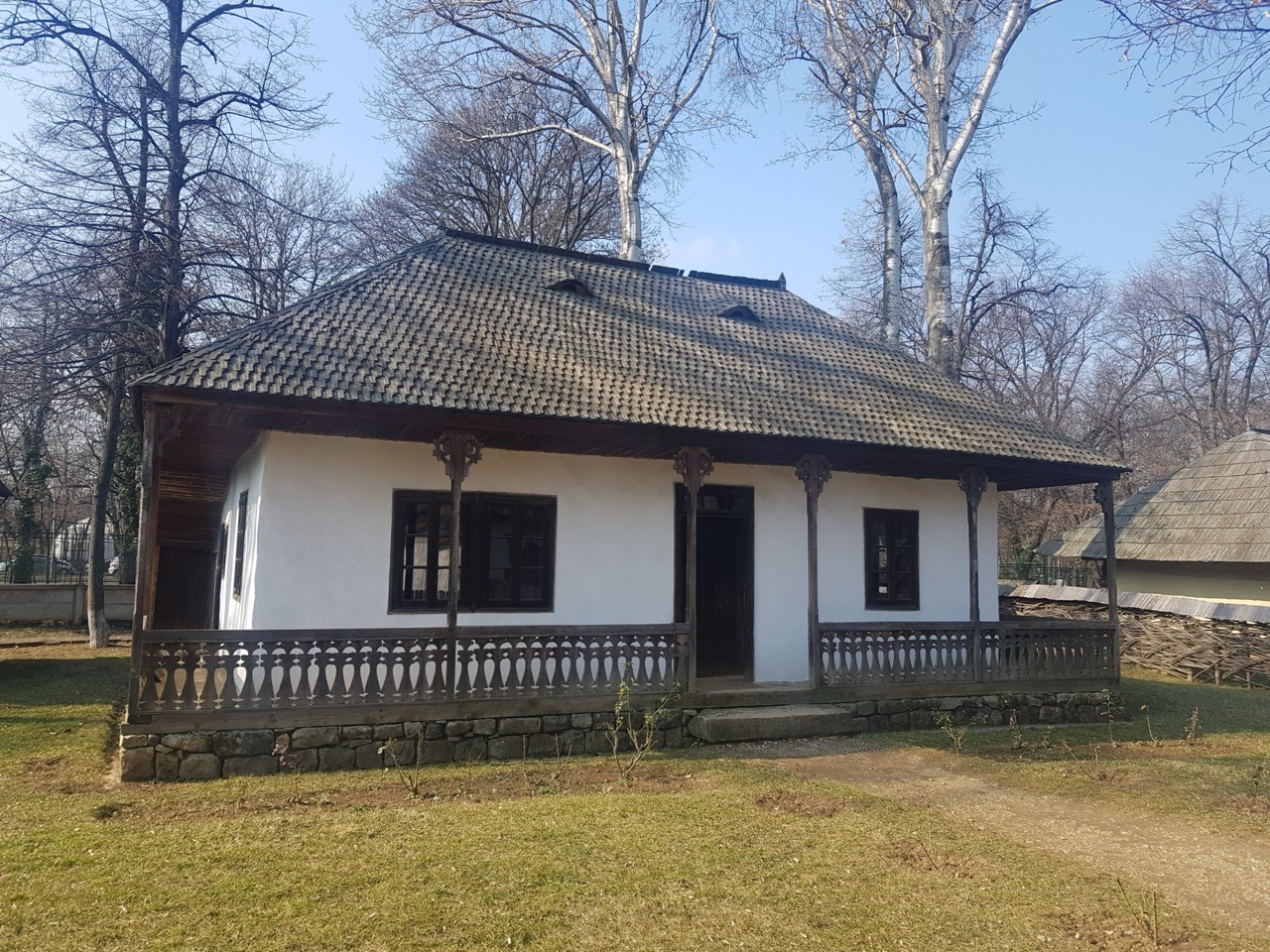
    This house was constructed in the late nineteenth century in Piatra Şoimului, a town in the northern part of Romania. It couldn’t have been there that long as it was moved to this museum in 1936. Quite a large property, there’s a guest room to the left of the main entrance hall, a pantry behind it and the main room to the right. The little bumps on the roof are to let smoke out of the attic.

  • Bucharest – National Village Museum (Hovel)

    Bucharest – National Village Museum (Hovel)

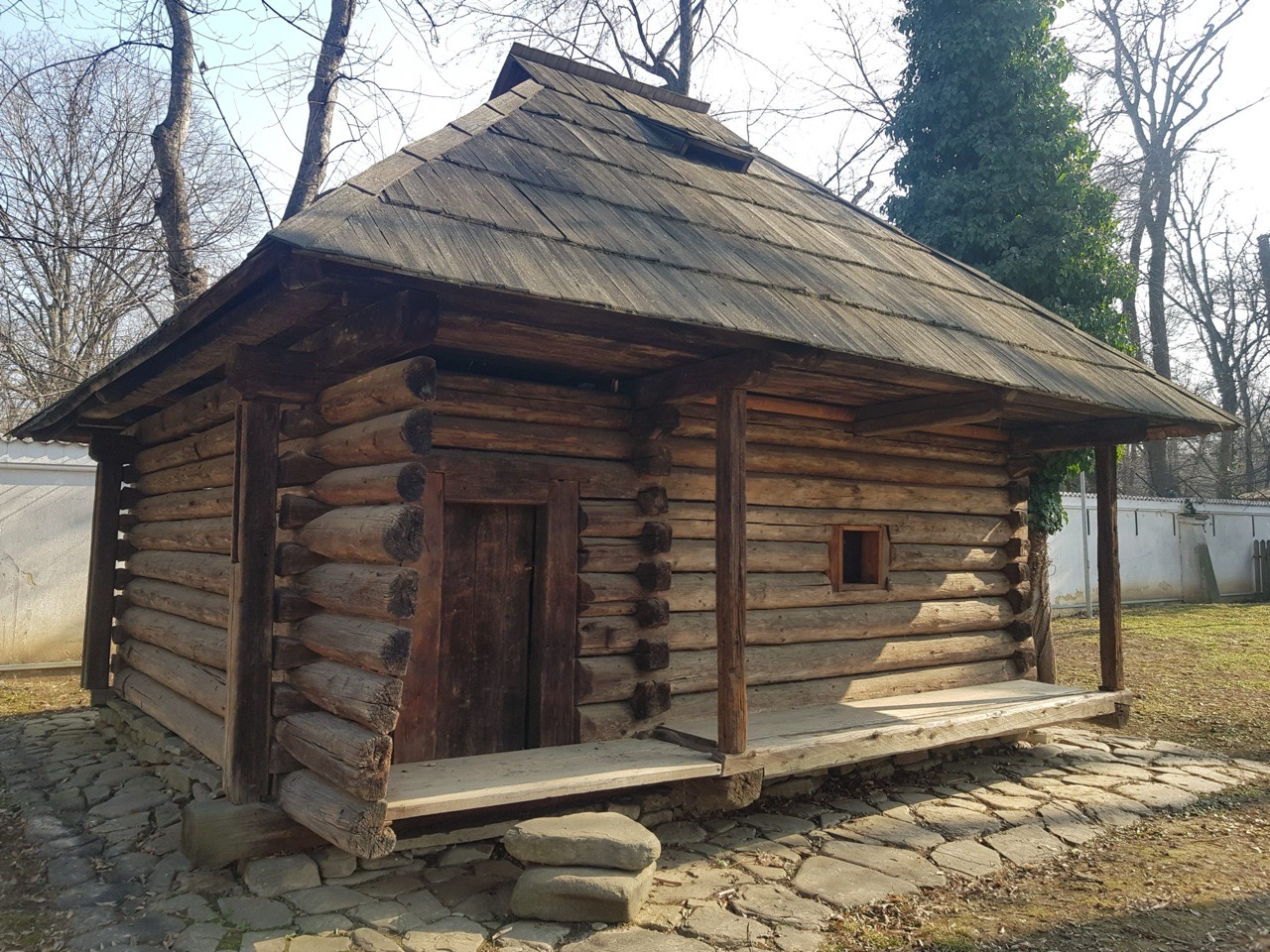
    I like the word hovel and I should use it more, but in this case that’s what the museum have called this eighteenth century building from northern Romania. It was used as a temporary home by a farmer tending his sheep and looking after his land.

    It has two rooms inside, a small entrance hall on the left and everything else in the room on the right. The entrance hall has planks of wood on the floor, the everything else room has a gravel and compacted earth floor. Very luxurious.

  • Bucharest – National Village Museum (Yellow Inn)

    Bucharest – National Village Museum (Yellow Inn)

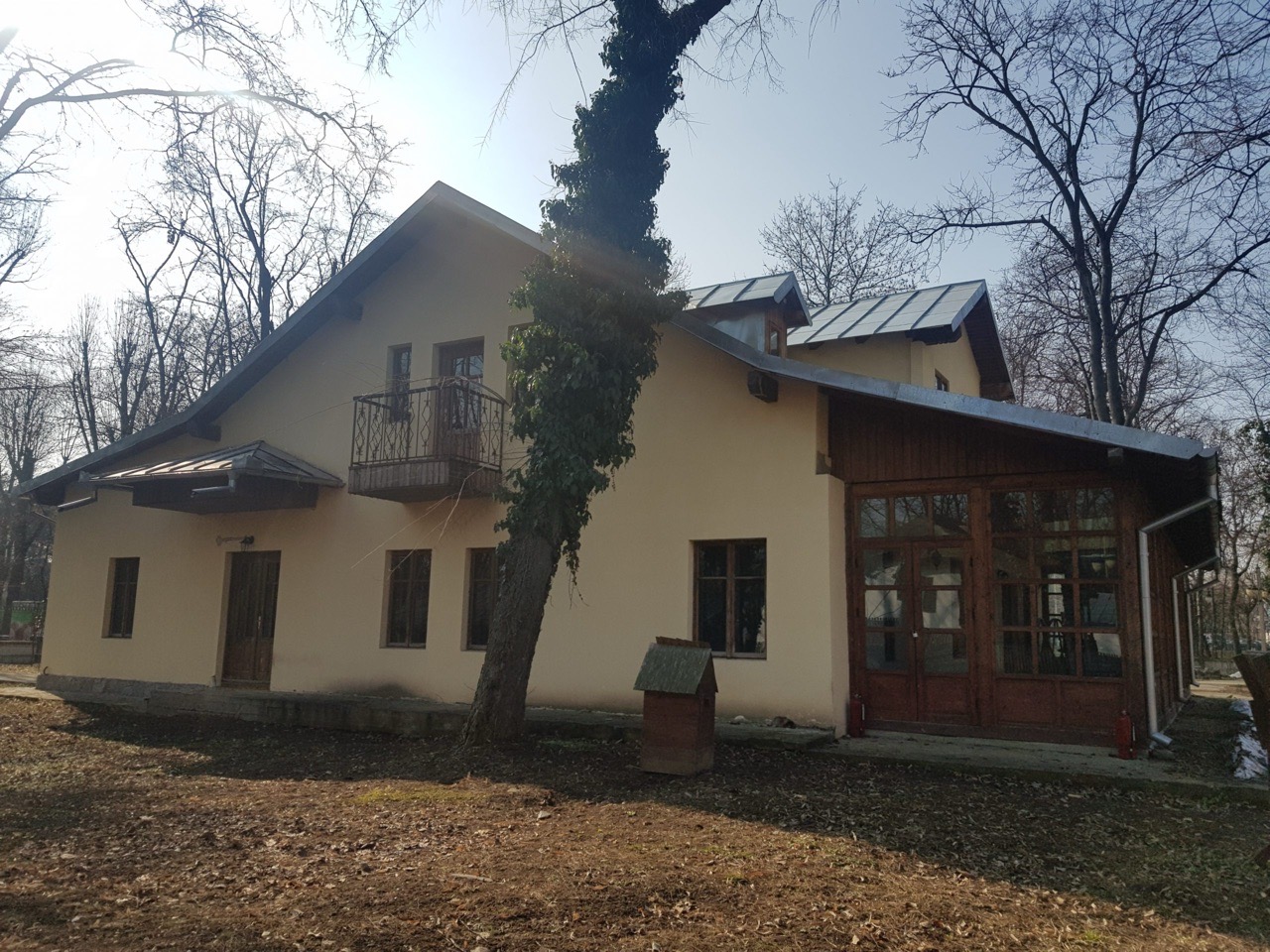
    This is the kind of heritage that too often gets lost, a nineteenth century inn from a northern suburb of Bucharest. Known as the Yellow Inn as it was yellow, there was no obscurity to that naming decision.

    The rear of the building, which, to be honest isn’t the most visually interesting at the museum. The interior was recreated using archives, although the building transformation doesn’t yet look quite complete. Internally, there are thirteen rooms, three halls, a veranda and a kitchen.

    The bread oven, which is more modern, from the mid-twentieth century.

  • Bucharest – National Village Museum (Turea Church)

    Bucharest – National Village Museum (Turea Church)

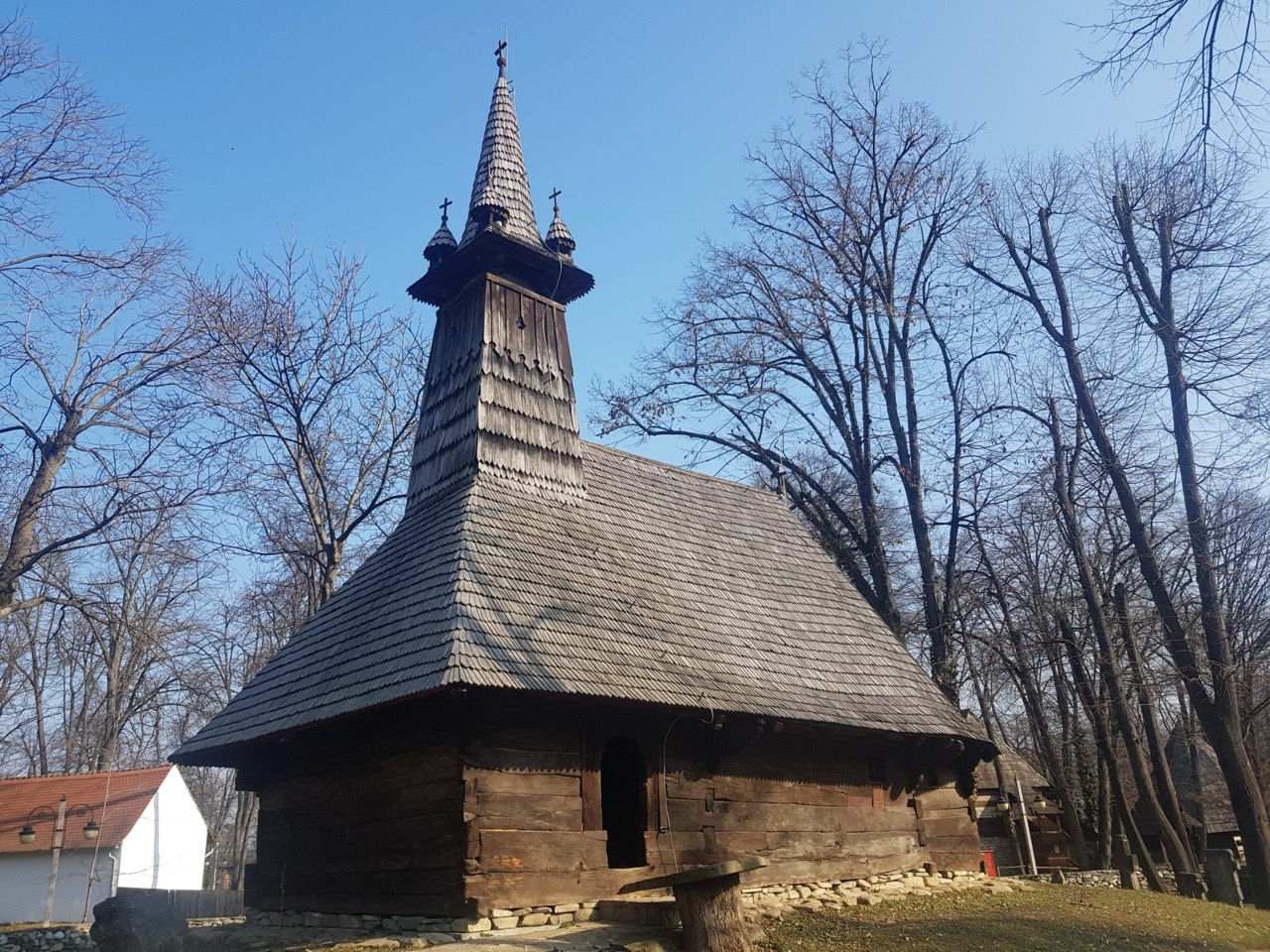
    This rather beautiful church is from Turea, in northern Romania, and dates from the middle of the eighteenth century.

    The interior of the church, which currently doesn’t look entirely, well, churchey… This is the nave, the altar is in the section at the rear.

    Gravestones in the small churchyard.

  • Bucharest – National Village Museum (1780 House from Moiseni)

    Bucharest – National Village Museum (1780 House from Moiseni)

    This is a little complex of farm buildings moved to the National Village Museum from Moişeni in the north of Romania. It’s a chunky construction, the walls of the main building are comprised of just two or three planks.

    The also quite chunky turning gate.

    The inside isn’t open, but there’s a photo provided at least.

    The stable.

    The pantry on the left, with modern fire fighting equipment, and the pigsty on the right.

    The wooden cross made from oak, apparently known as a ruga, meaning prayer. It was designed to offer protection for the household.