

I’ve dusted off my previous page at https://www.julianwhite.uk/ldwa-100/ all about the LDWA 100 to bring it up to date for 2026.
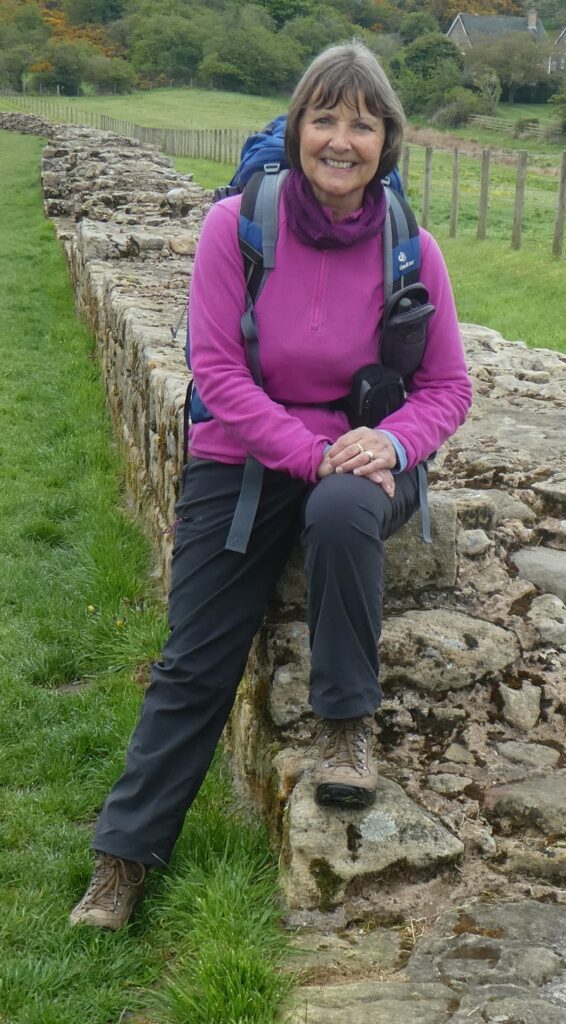
This interview is with Annette and although she’s completed an LDWA 100, she has some interesting perspectives from a view of being an event organiser and marshal.
Q. Could you briefly introduce yourself and say how you came to be involved with the LDWA?
A. I am Annette Merchant, I became involved with the LDWA when my husband, Les, started walking the annual hundred mile challenges in 1985. Initially I left him to do the event, but when Cornwall and Devon group hosted the 1994 Dartmoor hundred, I got involved in the organisation of the event and then started to marshal at the C&D checkpoint, going to Marches in 1995 where we did breakfast at Clun. I have been involved every year since. The Hunnypot will be my 30th hundred.
Q. You’ve been marshalling hundreds since 1994. What has kept bringing you back to help with these events for so many years?
A. Initially, because Les was entering the event I wanted to be there to see him through our checkpoint and support him, but I made so many friends over the years amongst the other regular entrants and marshals that I looked forward to seeing them each year, both at the start and our checkpoint and then at the finish. So even after Les died in 2020, I found I wanted to keep coming to the hundred. Also, early on, I realised that we could really make a difference at our checkpoint, especially to the mid and slower paced walkers and their being able to complete the event which gives me huge sense of satisfaction.
Q. Cornwall and Devon group will be manning Ide Hill on this year’s event, which is around 75 miles in. What makes a good checkpoint from the marshal’s side?
A. We look for a kitchen with the right equipment matched to the food we are being asked to serve. Plenty of space, so that we can have drinks station and prep cold food away from the kitchen. A lobby for check in, a good hatch from the kitchen directly into the hall. A good amount of parking (quite a few of our marshals have campers for staying overnight before we open).
Q. What do you think walkers most need from checkpoint teams when they arrive tired, hungry or beginning to wonder whether sitting down was a tactical error?
A. They need to be able to concentrate on themselves, changing socks, sorting gear, head torches etc., not queue for food and drinks. They need marshals who can understand how they are feeling and can encourage them, prepared to have a joke, but sympathetic and helpful if they’re feeling nauseous or fatigued. The food needs to be appetising and easily eaten when they are likely to be dehydrated and finding it difficult to get food down.
Q. You’ve been involved in organising four hundreds, including the 2027 Jurassic 100. What are the biggest things that need to come together behind the scenes to make a 100 work well?
A. The people dealing with each of the main aspects – Route, HQ, checkpoints, catering and transport need to communicate and work together to ensure that the route is safe and passes through checkpoint locations at appropriate distances. That the food provided matches the facilities available at the halls and the halls can provide the appropriate food needed at that point (hot, cold, etc.) Transport needs to be able to deliver food and equipment to checkpoints efficiently and try to minimise retirement waiting times. They all need to work together, along with the communication on the day.
Q. From an organiser’s perspective, what are the details that entrants might not notice when everything goes smoothly, but which make a huge difference to the event?
A well written route description, providing the right food in the right places. Marshals that are sympathetic and understanding, especially in the latter stages. Providing information to supporters.
Q. You’ve attempted two hundreds and completed one. How has being on the walking side helped you understand what entrants need from the organising and marshalling teams?
A. Having retired on one and seen Les retire on a few hundreds, I understand how you can feel as though you just can’t go any further but can regret the decision within hours of making it. That is why we never take a potential retiree’s tally until they have stopped, had some food and drink and rested for a while and then still decided to retire. I also know the euphoria of having completed and how all the bad bits of the walk fade quickly, which makes me want to help those that are struggling at our CP to achieve that and have that feeling of euphoria.
Q. Food can become rather central on a 100, sometimes with the emotional weight of a major life decision. What do you think makes good checkpoint food on an event of this length?
A. A good mix of sweet and savoury. Not big portions. Some checkpoints are open for a long time a CP could be lunch for one person and evening for another, so versatile food with different options for different tastes.
Q. What advice would you give to entrants taking part in their first 100?
A. Don’t get swept up into walking too fast at the beginning, walk at a comfortable pace that you can keep up for hours at a time. Don’t be overwhelmed by the whole distance, just concentrate on getting to the next checkpoint. Have target times for arriving at each checkpoint to help you keep your pace, but don’t let them rule you.
Q. What would you say to someone interested in marshalling LDWA challenge events?
A. You need to aim to have fun. Treat it as a social event, a weekend away with friends and like-minded people, helping colleagues to succeed in a significant challenge. The camaraderie and atmosphere is amazing.
Q. Finally, tell us what entrants can look forwards to at the Jurassic 100 in May 2027.
A. Some fabulous walking along the Jurassic coast, with a mix of riverside, common and countryside walking and some lovely Devon villages. There will also be some great food and plenty of encouragement from their LDWA colleagues.