Category: UK

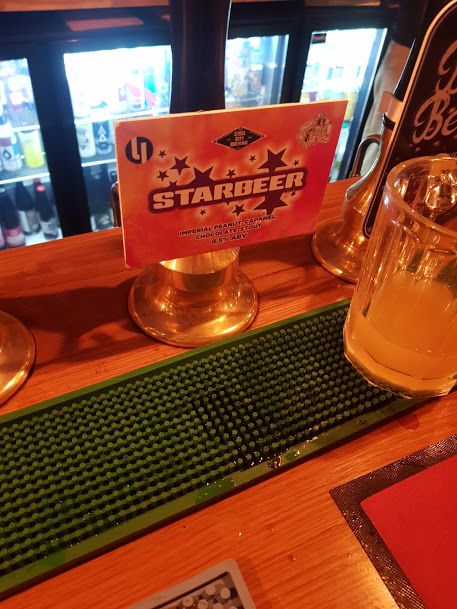
  • Norwich – Starbeer

    Norwich – Starbeer

    Just as another of my little asides, this is one of the best cask beers that I’ve had this year. Expensive, although ordering only in thirds as it’s so rich made it affordable, this has an almost unhealthy richness of liquid peanut butter and caramel. It felt stronger than its 8.5% with an almost treacle like feel to it, with the cask almost certainly tasting better than the bottled versions of this beer.

    A marvellous choice from the Artichoke in Norwich…

  • London – Moon Under Water (Leicester Square)

    London – Moon Under Water (Leicester Square)

    We had several hours to kill before getting a train back to Norwich, so it seemed a sensible idea to get unhealthy amounts of coffee to ensure a wide awake approach to the rest of the day. There were, after all, several more pubs to get to.

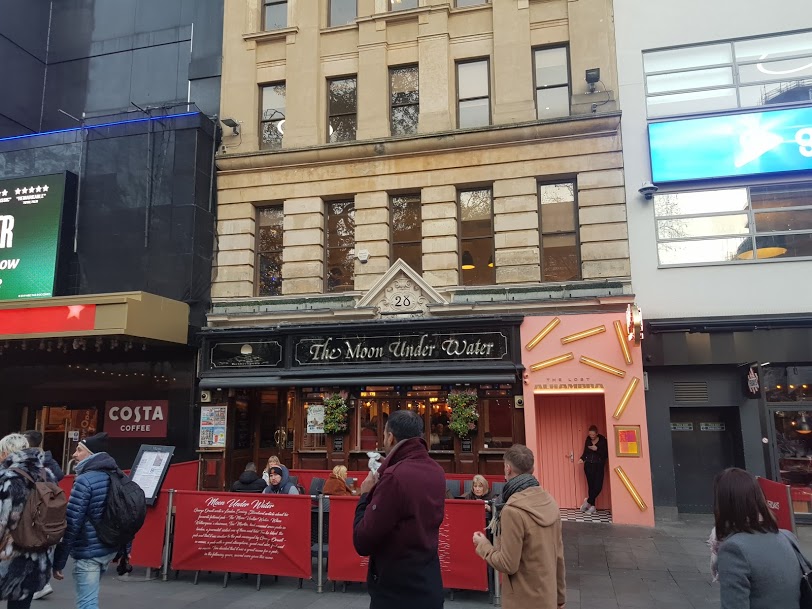
    The Moon Under Water, which is what George Orwell described a perfect pub as being, has been in this central West End location on Leicester Square since 1992. CAMRA mention that it was formerly a steak club and it’s also the first Wetherspoons which opened in the West End, so it’s done really well to last for thirty years. It’s a long and narrow pub and when we visited it wasn’t easy to find a seat, we got rather fortunate to get a table right near to the back.

    Wetherspoons themselves have some history of this pub, noting:

    “This famous square was laid out in 1670 by Lord Leicester. The first house on the site of this pub was occupied, in turn, by a Lord Chancellor, two princes and the famous Scottish surgeon John Hunter. ‘Hunter’s House’ was demolished in 1892 and replaced by the present building.”

    I found this particularly interesting, as John Hunter was heavily involved in body snatching, a surgeon who didn’t ask any questions about where his bodies came from. His house here on Leicester Square was once used as his personal museum and he had a connected property at the rear of this house which was used as a dissecting house. That property was located on Castle Street, which has since been renamed Charing Cross Road.

    A chicken wrap, chips and unlimited coffee was something like £6.59, which given the location really isn’t too bad. The chicken was a little light (I think they’d used one chicken strip instead of two, although I can’t say that I dwelled unnecessarily long over this), but it all tasted perfectly fine and was sufficient. The visit was more about the coffee than expecting any fine cuisine, although this is the first Wetherspoons I’ve seen with only one coffee machine, space is just very limited.

    The service was efficient and polite, plates collected promptly and the pub environment was all clean and tidy. I have visited here before on a few occasions, but they were several years ago and I had forgotten the theatre posters which line the corridors to the toilets.

    I had a little look at TripAdvisor to amuse myself, and there were some marvellous reviews, such as:

    “We ordered chips and they came literally after 2 secs completely cold!!!”

    I’d highly doubt it took “literally two seconds” if I’m being honest, but who knows….

    Anyway, for those visiting central London and wanting a cheap and affordable option, with real ale and craft beer, there are many worse….

  • London – Greggs Stratford

    London – Greggs Stratford

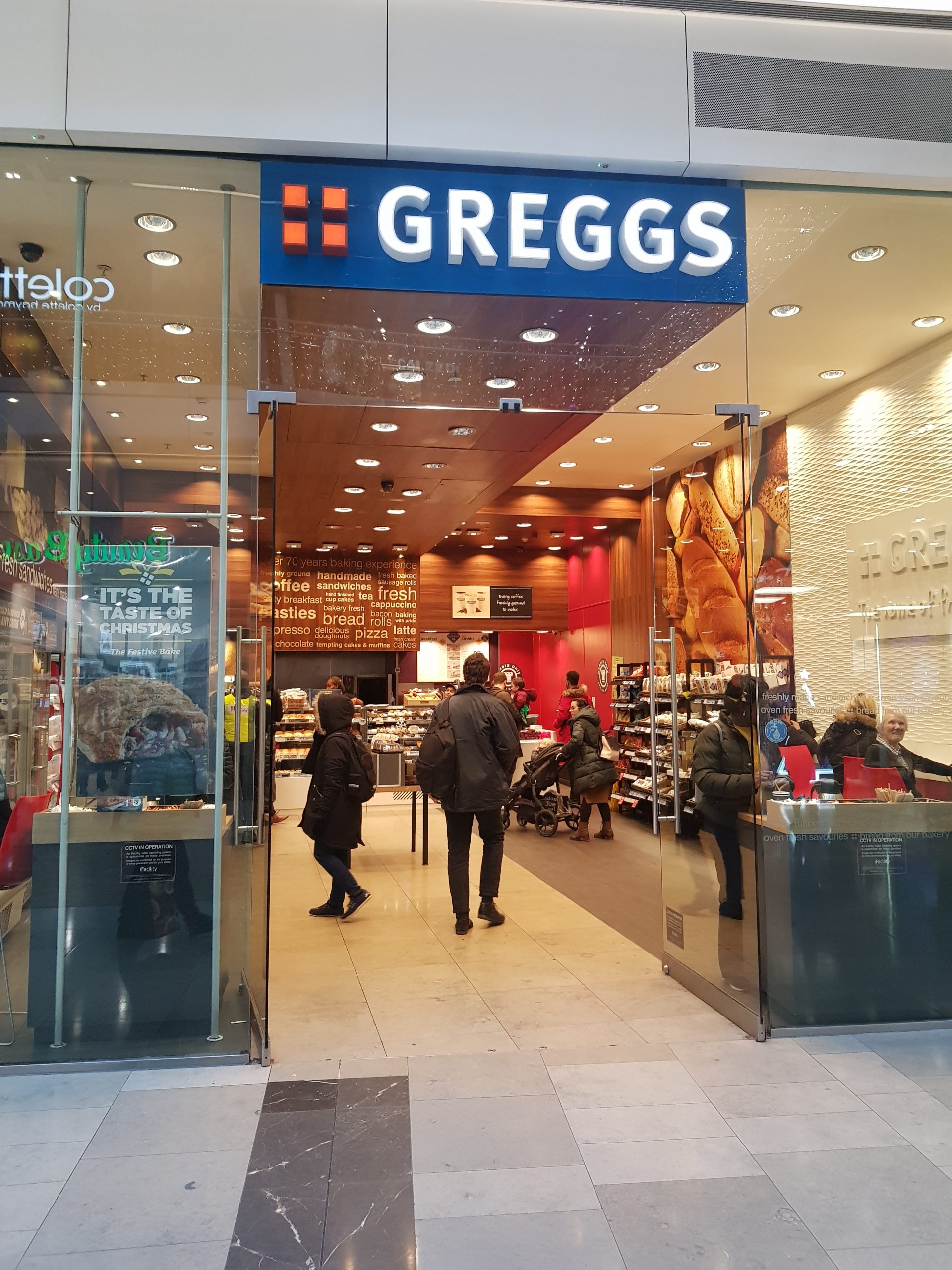
    After we’d got off the Megabus from Norwich to London, there was one cultural highlight of London to visit, the Greggs at Stratford Westfield…..

    Cakes.

    And beautifully presented pastries.

    Greggs are giving free Walkers crisps to lots of people who have the Greggs App, which complemented my hot sausage roll beautifully. Friendly service and top quality products, what a quite marvellous way to start a weekend away…..

  • Norwich – Megabus to London

    Norwich – Megabus to London

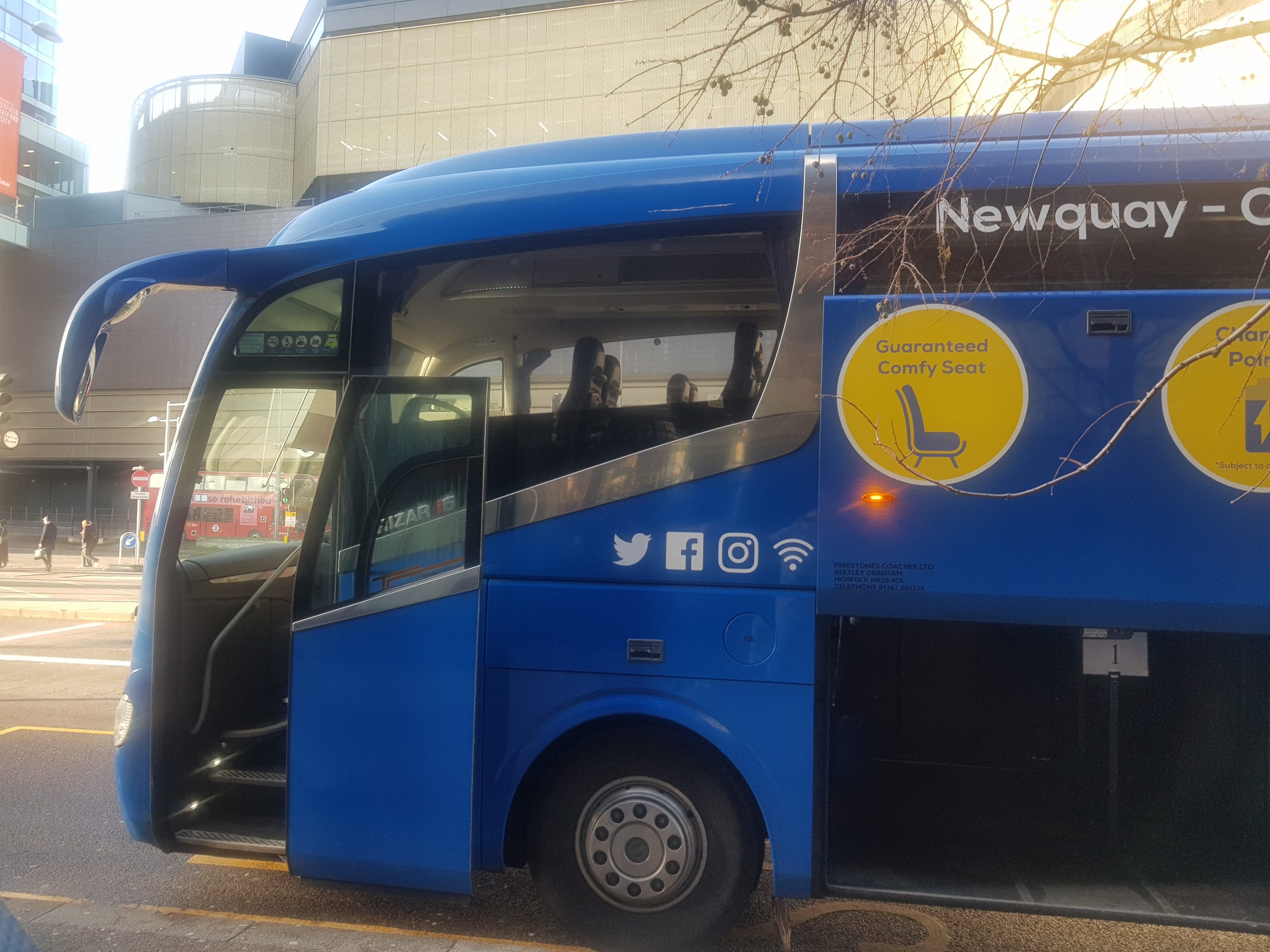
    We needed to get to Heathrow cheaply and easily, but doing this in the morning is a challenging exercise to do cheaply on the trains. So, Megabus were the perfect option, costing around £7 per ticket to get from Norwich to Stratford in London. I’ve caught this bus many times and it’s a stress-free experience usually, with no need to print the tickets out, just showing the driver the e-mail order.

    Boarded first, so had a choice of the seats. Since there was no Donovan (excuse the Inbetweeners reference), we decided to sit at the back like some rebels….. It was a very smooth journey and Nathan’s alcoholic drinks the night before didn’t give him any sickness issues. We arrived into London safely at just before 10:00, having set off at 07:30, so the timing of the journey was good and as expected.

    The driving was professional, the bus was clean, the driver was professional and it was just a short walk to the Central Line at London Stratford underground station. All very lovely.

  • Norwich – Brewdog (Out of Office)

    Norwich – Brewdog (Out of Office)

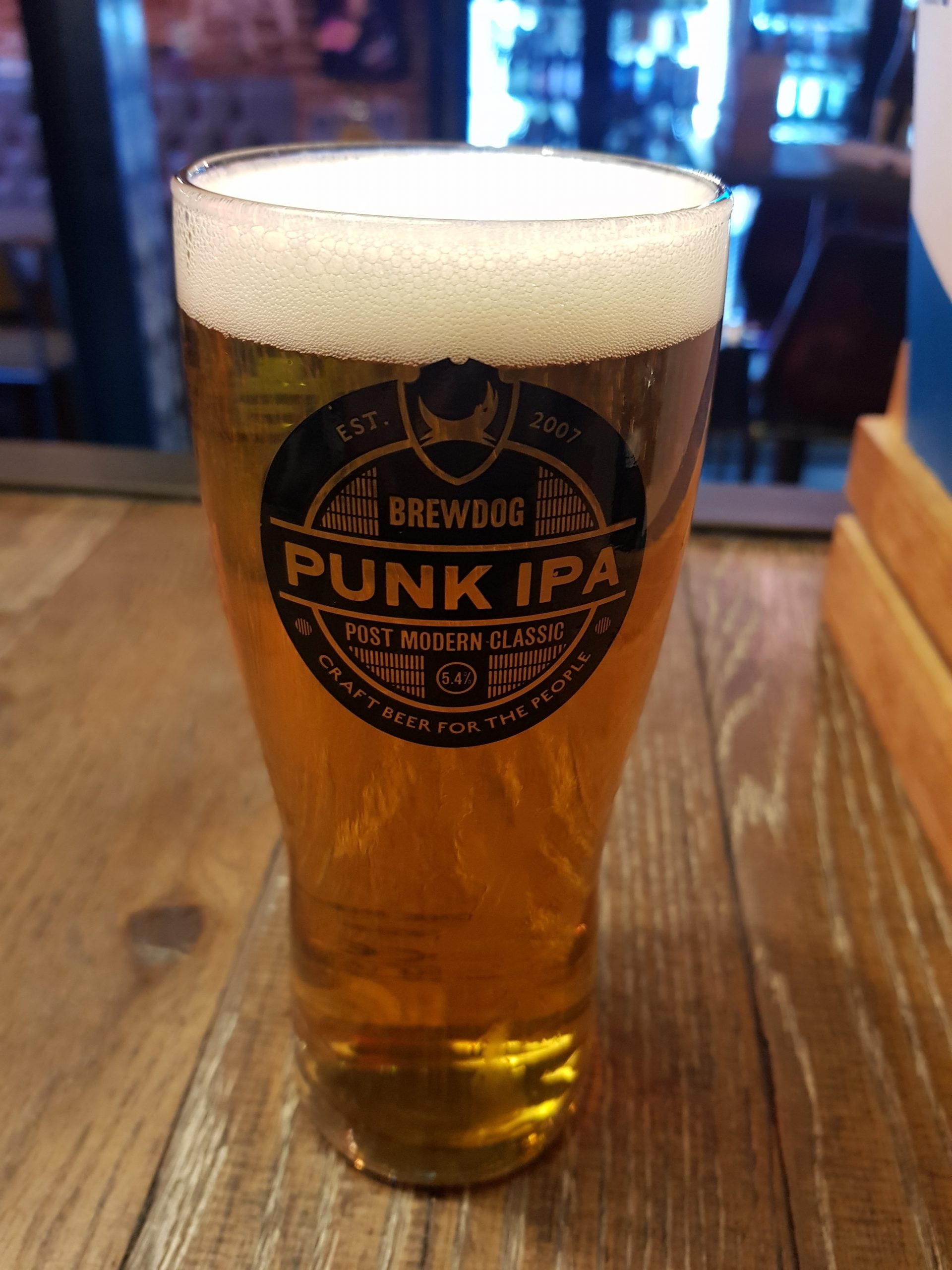
    How marvellous, Brewdog nationally this week are running an “out of office” campaign, so anyone who comes to one of their pubs between 12:00 and 14:00 can claim a free pint of beer from a handful of choices. Quite marvellous. Technically, since I take my laptop and get so much work done in pubs, cafes and restaurants, I sort of ‘came to the office’ to take part in this promotion.

    But, nonetheless, a generous campaign and the pint of Punk IPA was all very acceptable.

  • Great Yarmouth – Community Garden

    Great Yarmouth – Community Garden

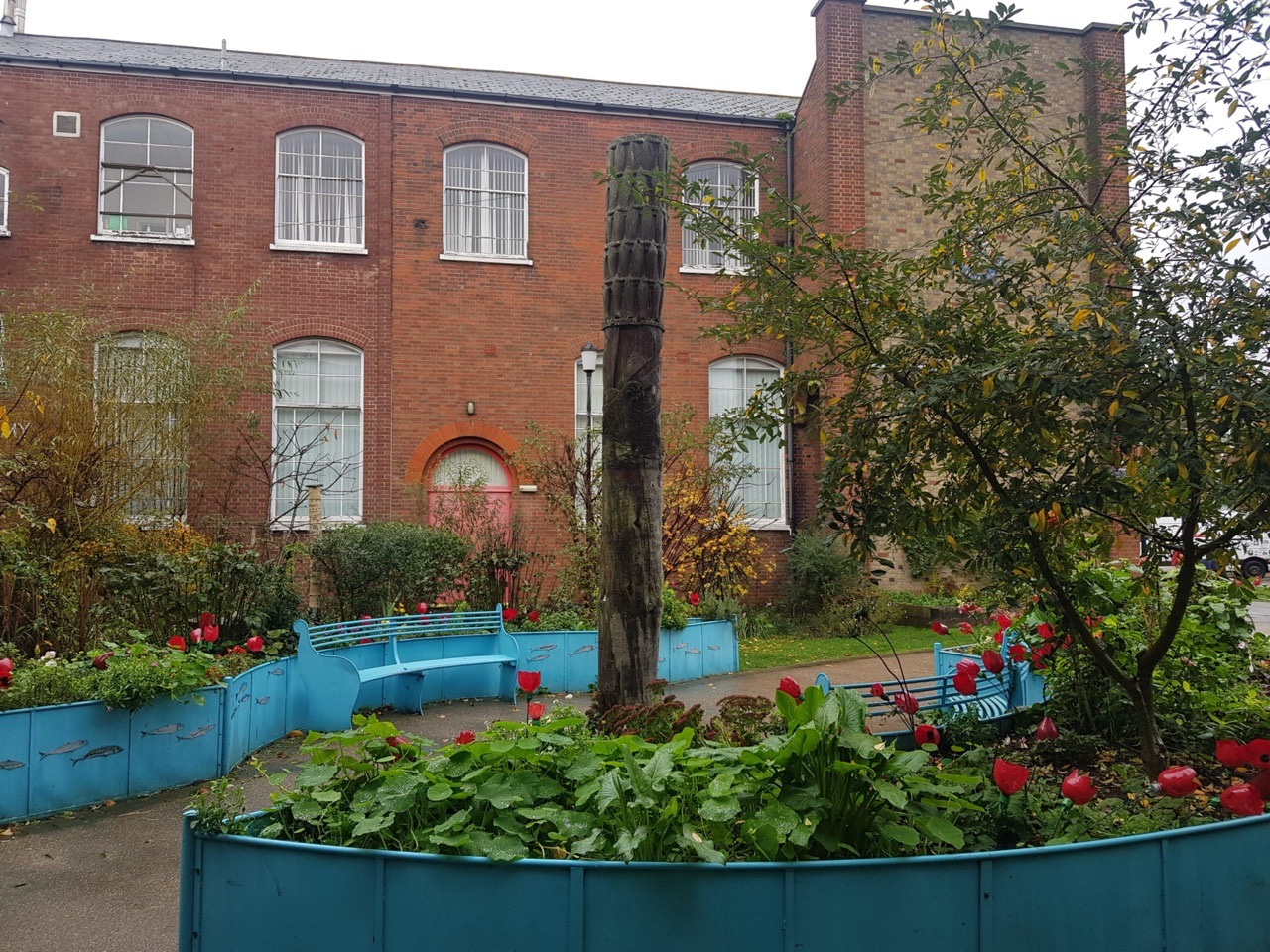
    I haven’t noticed this before, it’s a community garden which is located outside of Great Yarmouth’s library. Once this space was occupied by Rows 104 and 106, but they were destroyed by bombings during the Second World War and this area was remodelled. The hand-crafted totem pole is part of the community garden’s art project, designed alongside the sculptor Jason Parr and installed here in 2011.

    This is an interesting survival, it’s the former sign above the entrance to the Corn Hall on Howard Street, which opened in October 1871. The building was used by a corn merchants and a general sale room before it was demolished in the 1960s due to road widening.

  • Great Yarmouth – Mariners

    Great Yarmouth – Mariners

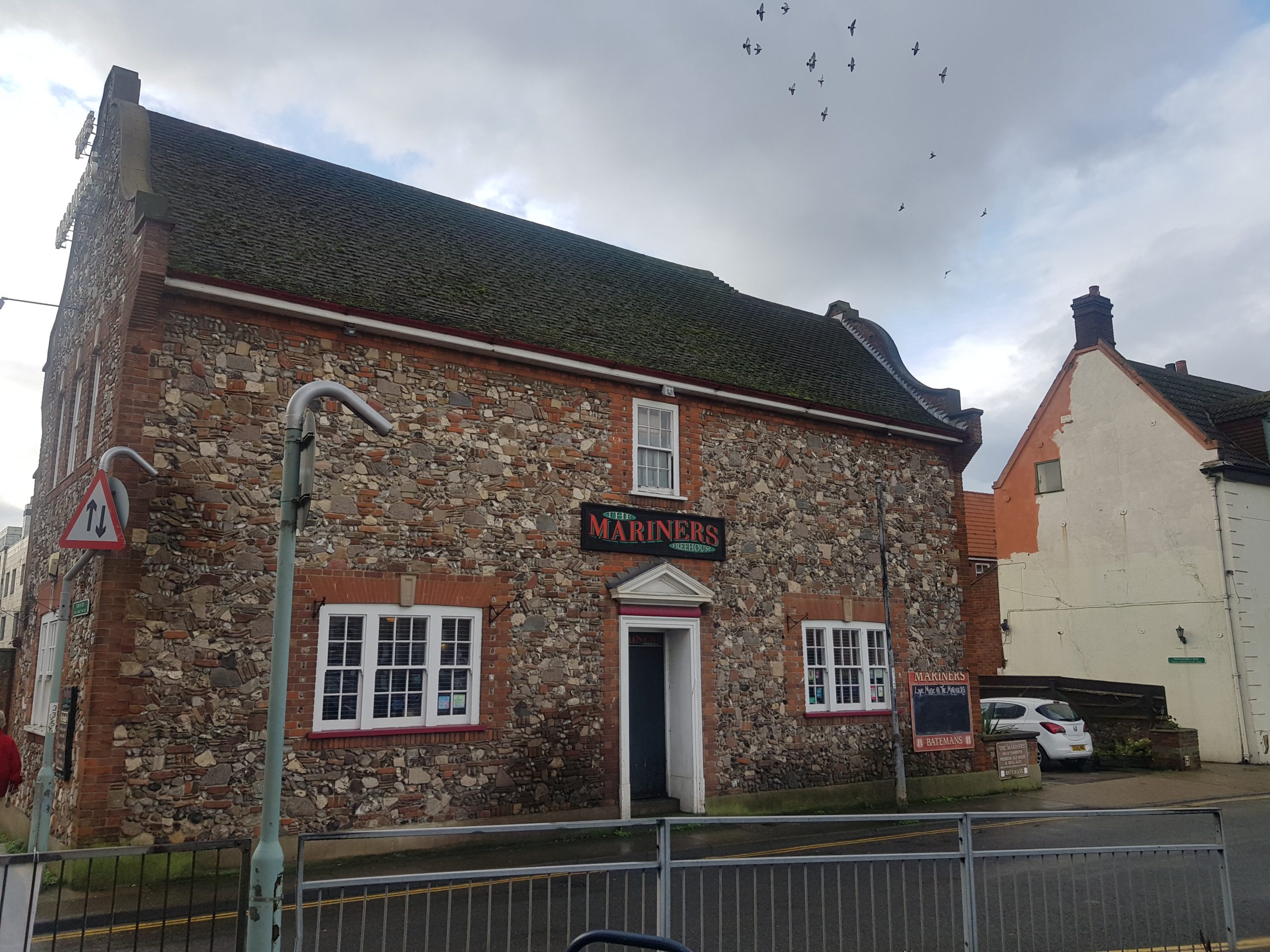
    It’s been an omission of mine that I haven’t visited this Good Beer Guide listed pub in Great Yarmouth before, a traditional pub located just a short walk from the town’s market place. This can’t be the easiest pub to make work, as Great Yarmouth hasn’t been the most prosperous of towns in recent years, and the Mariners is a little tucked away, so the owners have done well to keep it going. Although the pub has been trading since the early nineteenth century, I can’t find much mention of its history on-line.

    The interior was pleasant and there was a selection of around eight or nine beers available, with a variety of different types. I really can’t resist the Plum Porter from Titanic Brewery, even though I’m aware that it’s becoming increasingly ubiquitous. Reasonably priced, excellent flavour and at the appropriate temperature, so all very lovely.

    The fire was going, which added nicely to the atmosphere in the pub, which was otherwise quiet. I suspect that most customers are regular, but there wasn’t a cliquey and unwelcoming feel, so it seemed non-judgemental. There’s no food offered, so the main draw is the wide selection of real ales and the traditional pub atmosphere.

    Some kind soul decided they’d try and do some damage to the pub by leaving a review on TripAdvisor saying:

    “Old Man’s Pub! Went here for drinks before a meal – not really the sort of ambience we wanted and as we were dressed up to the nines we stood out like sore thumbs!”

    I’m not quite sure what the pub is supposed to do about that, destroy its ambience to deliver a different and generic atmosphere? Although Craft Union seem to be doing that in some pubs, so perhaps that is the future…. Anyway, I hope they don’t change, another well deserved entry into the Good Beer Guide.

  • Wisbech – St. Peter and St. Paul Church (Joseph Medworth)

    Wisbech – St. Peter and St. Paul Church (Joseph Medworth)

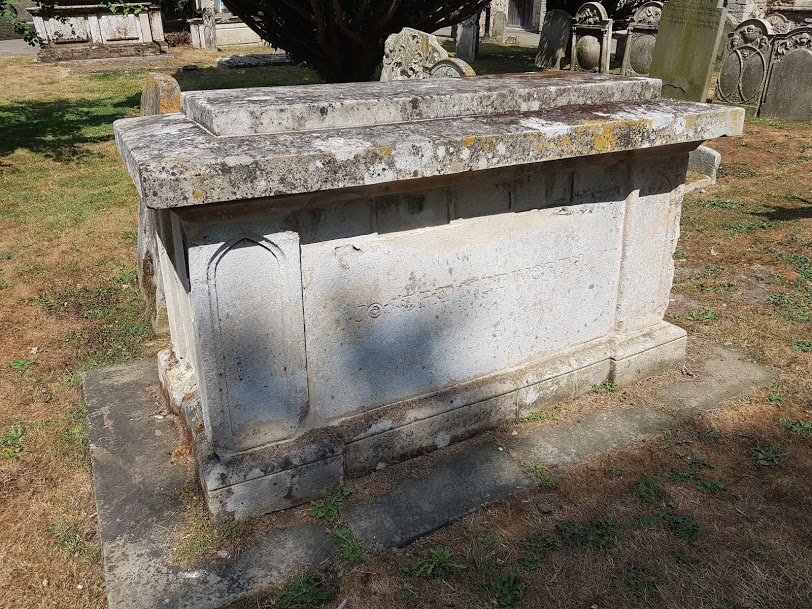
    Joseph Medworth was born in Wisbech in 1752, the son of Simon Medworth and Anna Medworth (nee Lampson). He moved to London after being educated in the town, initially becoming a bricklayer but then working his way up to becoming a master builder. Medworth made some money and he then became a bit of a property developer and he constructed some impressive buildings on the site of the former Bishop’s Palace and Wisbech Castle, although the loss of that is unfortunate. It wasn’t though always Medworth’s intention, he was going to renovate the castle building and turn it into a school, but the plans were thwarted by the local authorities. Instead, he ripped the castle down and let other parts of it fall into decay, at which point the local authorities became more sympathetic.

    I would have probably missed Medworth’s tomb if it wasn’t for the large information panel which was located nearby to it, a useful contribution. The properties which Medworth built though, such as The Crescent, Ely Place and York Row, are attractive and a town the size of Wisbech is fortunate to have such architectural delights. Medworth’s tomb is located near to the entrance of St. Peter and St. Paul Church, appropriate not just as his buildings are nearby, but because he was married in the church in 1775 and his funeral service was held here in 1827.

  • Wisbech – King John’s Treasure

    Wisbech – King John’s Treasure

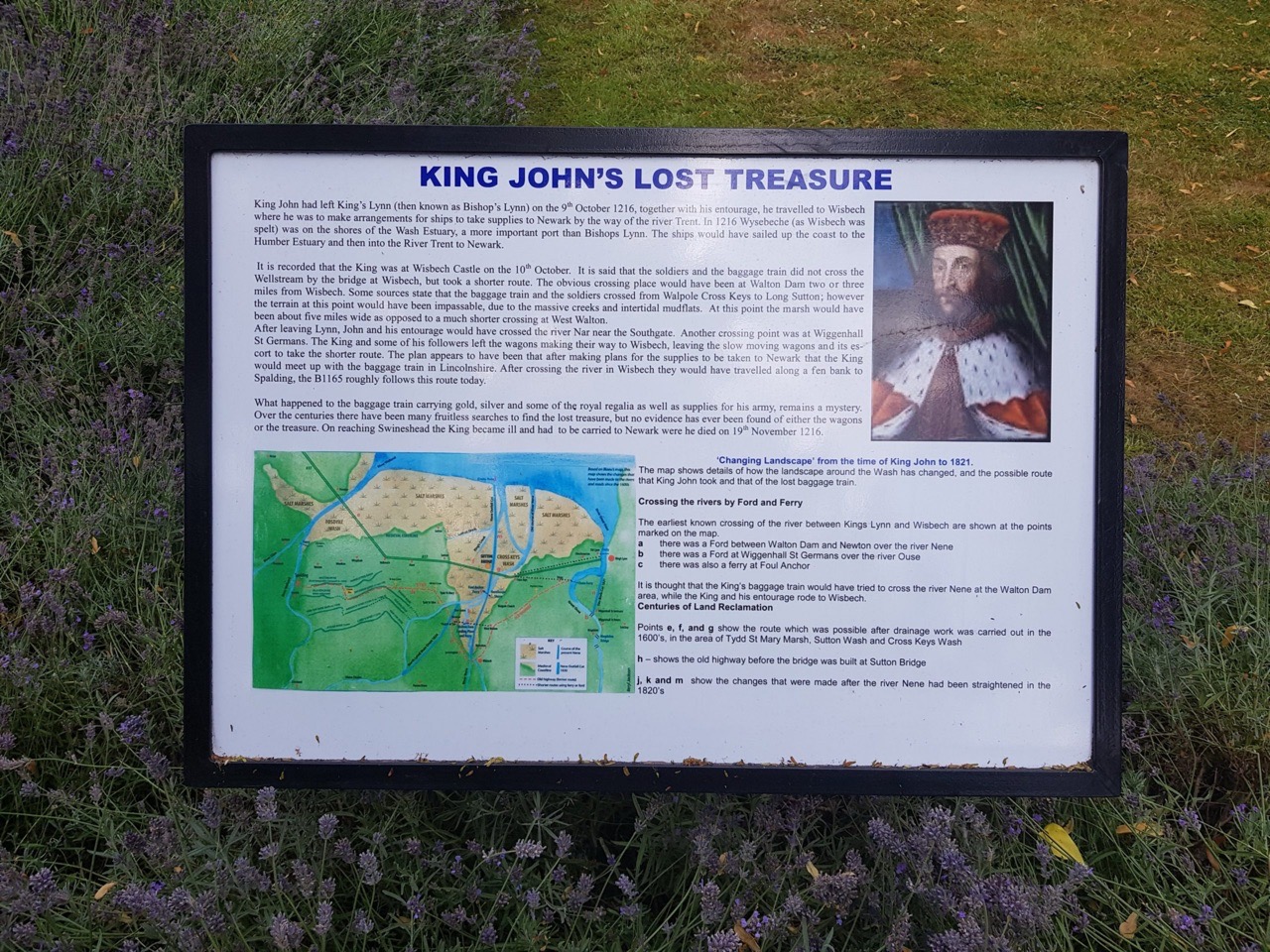
    The story of King John’s lost treasures is well known, they were allegedly lost when a baggage train led by an idiot misjudged the tides on a causeway. They’re relevant to Wisbech as this is where the King was staying whilst travelling from Spalding to King’s Lynn (albeit then Bishop’s Lynn) and I can imagine his irritation when it was discovered that his head of transportation had lost the Crown Jewels in The Wash.

    The reality is perhaps less exciting as the thought that these treasures may one day be found. It seems that numerous experts have claimed that most of King John’s treasures still existed after the date that they were meant to be lost, with the only true element about being the story being that some idiot sank most of the King’s baggage train. But, from experience of walk leading, it’s never easy to judge tides and I suppose that they couldn’t quickly Google them.

    There is more evidence that King John did lose a crown during this little debacle, although the chances of finding this seem remote now. But, that hasn’t stopped numerous people continuing to hunt for the treasures and the media has been littered with stories over the last few decades about some new project to find them. In 1906, a local and important antiquarian, William St John Hope, had spent hours establishing the tides which would have existed at Sutton Bridge at the time of King John and he was confident of finding the treasures and suggested digging shafts to begin that work. He, obviously, never found anything of note.

    Perhaps the finding of the lost Crown, and whatever associated treasures there are, might be a sign of something quite substantial. Like the advent of a new Monarch, a change in the future of the United Kingdom of Great Britain and Northern Ireland, or perhaps just the opening of a new Greggs in Sutton Bridge.

  • Wisbech – St. Peter and St. Paul Church

    Wisbech – St. Peter and St. Paul Church

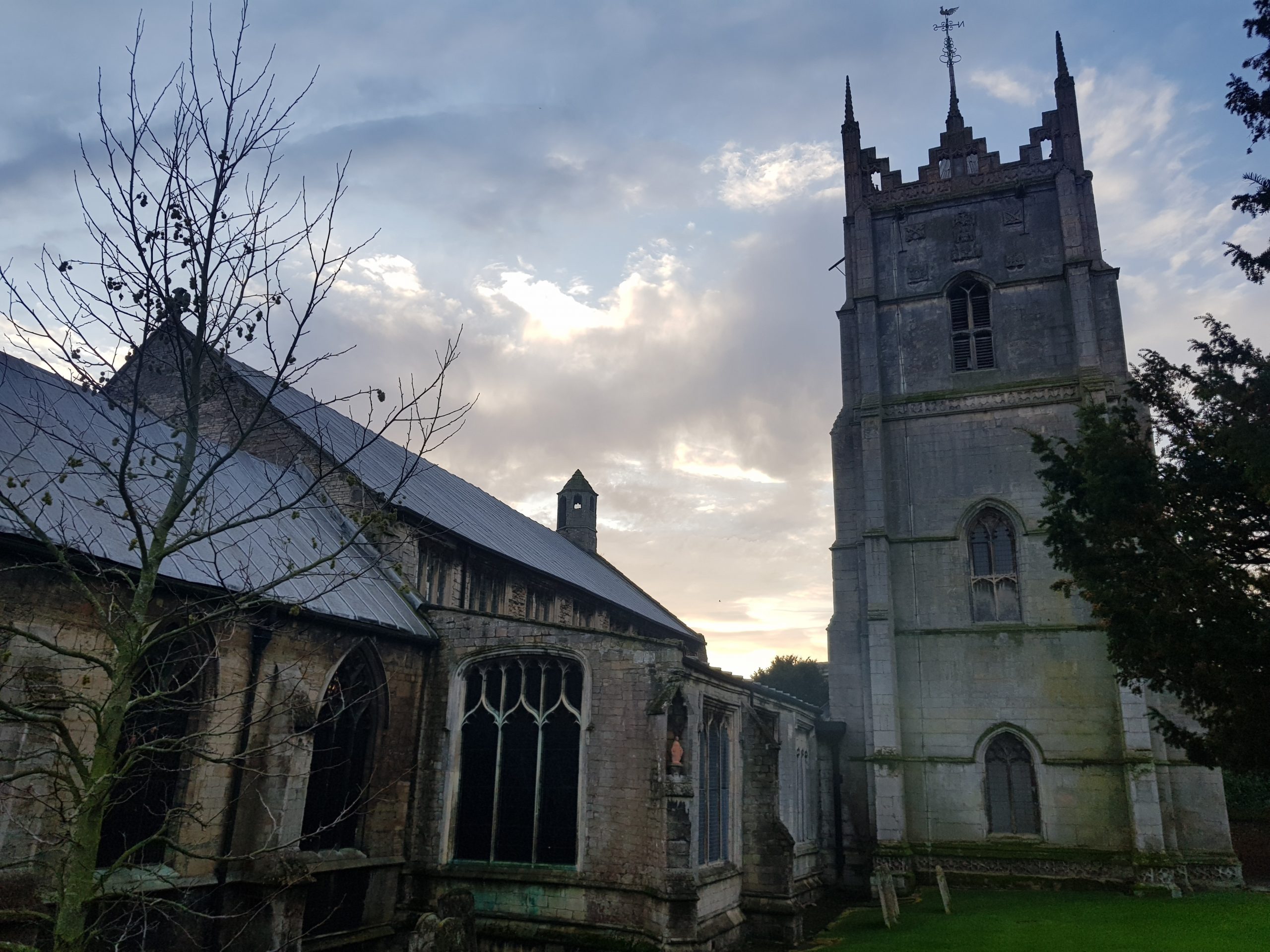
    This church dates back to the twelfth century, it’s thought around 1187, although there was a Saxon religious building at the same site which it replaced. Much of the current building is from the fourteenth century when the nave was enlarged and the chancel increased in size. Concerningly, the church has found itself on the Heritage at Risk register, but, fortunately, a National Lottery Heritage Fund project development grant has been made available to help to resolve the problems.

    The church tower dates from around 1525 and is separate from the main part of the building, fears of unstable ground dictated its placement.

    I like irregularities in church buildings, it helps to tell the story of how the structure has changed over the centuries, with some of this relating to the rebuilding of the chancel. The complications of the church continued when there was a little incident and the original tower fell down in around 1450. The structure of the church is confusing, as the central nave is narrower than the north aisle and there are two south aisles due to the positioning of the tower.

    The nave.

    The chancel, looking towards the altar, this is one of the most logical parts of the building in terms of its design.

    The marble pulpit, a relatively new addition which was placed here in 1904.

    The font, which dates to the fourteenth century.