Category: UK

  • King’s Lynn – Whitefriar’s Gate Etching by William Taylor and William Pickford

    King’s Lynn – Whitefriar’s Gate Etching by William Taylor and William Pickford

    I posted about the Whitefriar’s Gate, or Carmelite Gate, yesterday, and today I found this etching in the on-line collections of the British Museum (© The Trustees of the British Museum).

    Dating from 1843, it’s quite atmospheric with children playing and chickens eating, and it couldn’t be much more different than the surroundings of the gate today, which is just quite a lot of barrenness. The image was drawn by William Pickford and was etched by William Taylor, with Taylor also being the publisher of the image. The plate isn’t on display at the British Museum, but they’ve owned it since 1876 when they purchased it from the art dealer Robert Jackson.

  • West Lynn – St. Peter’s Church

    West Lynn – St. Peter’s Church

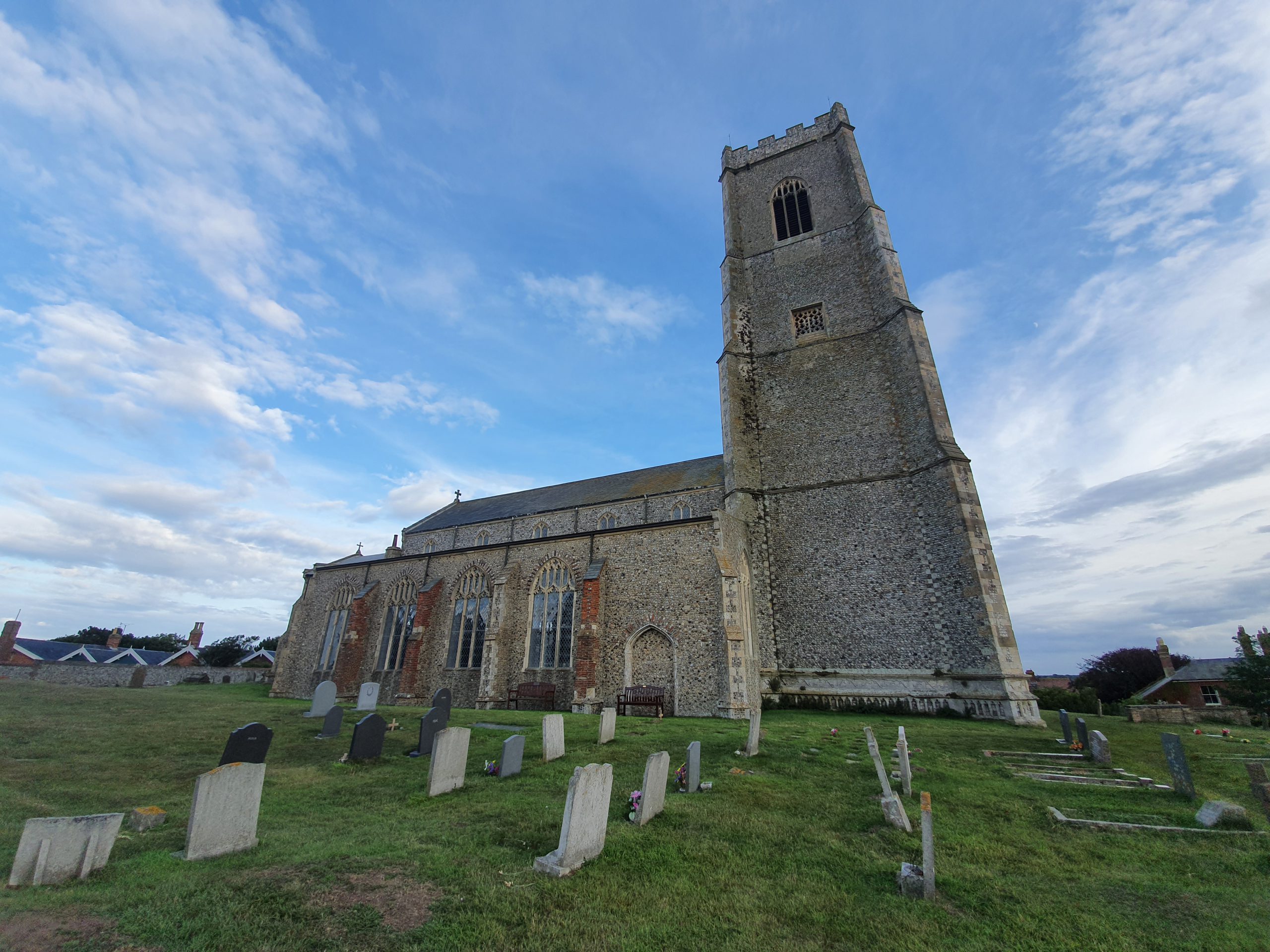
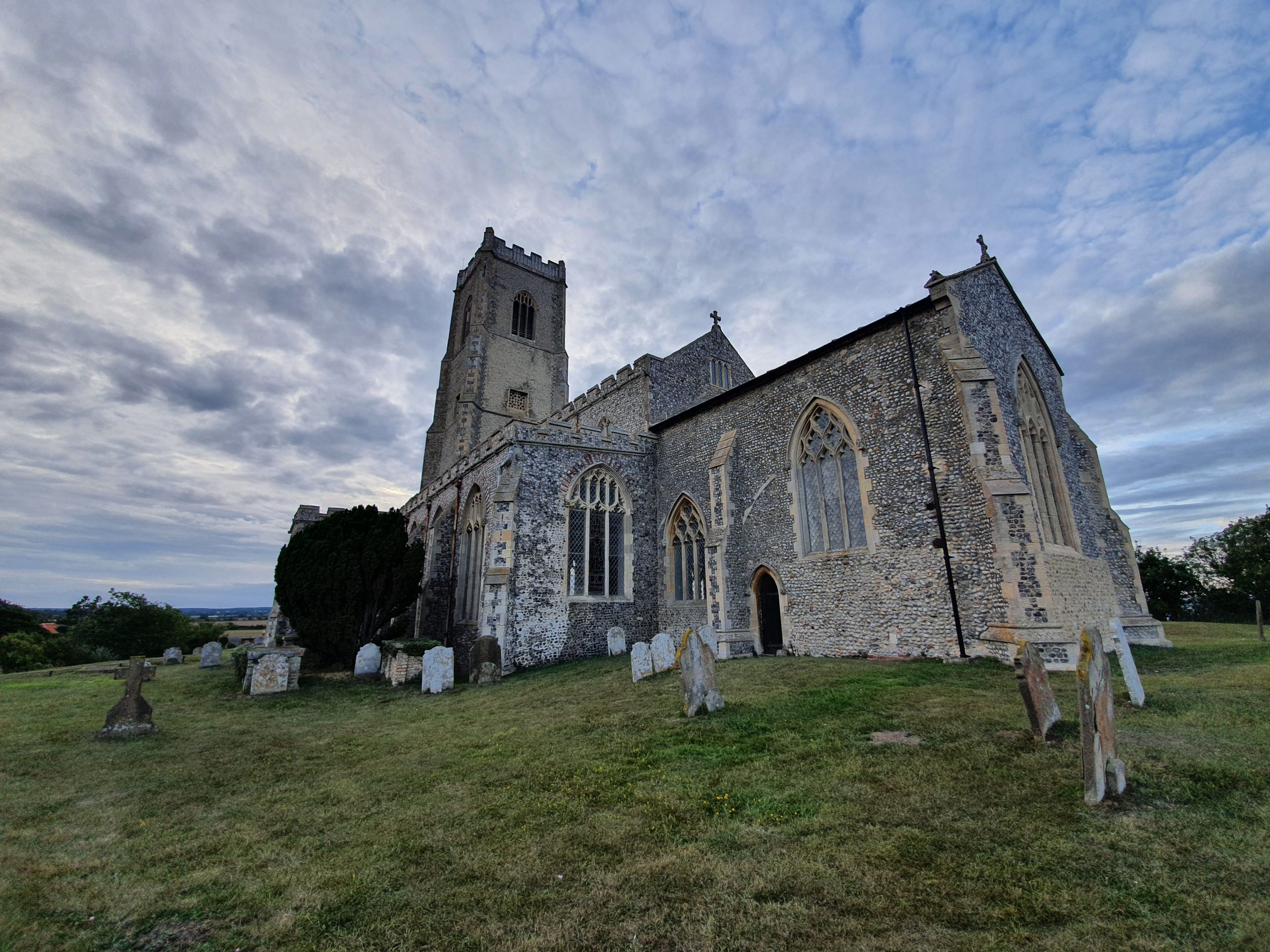
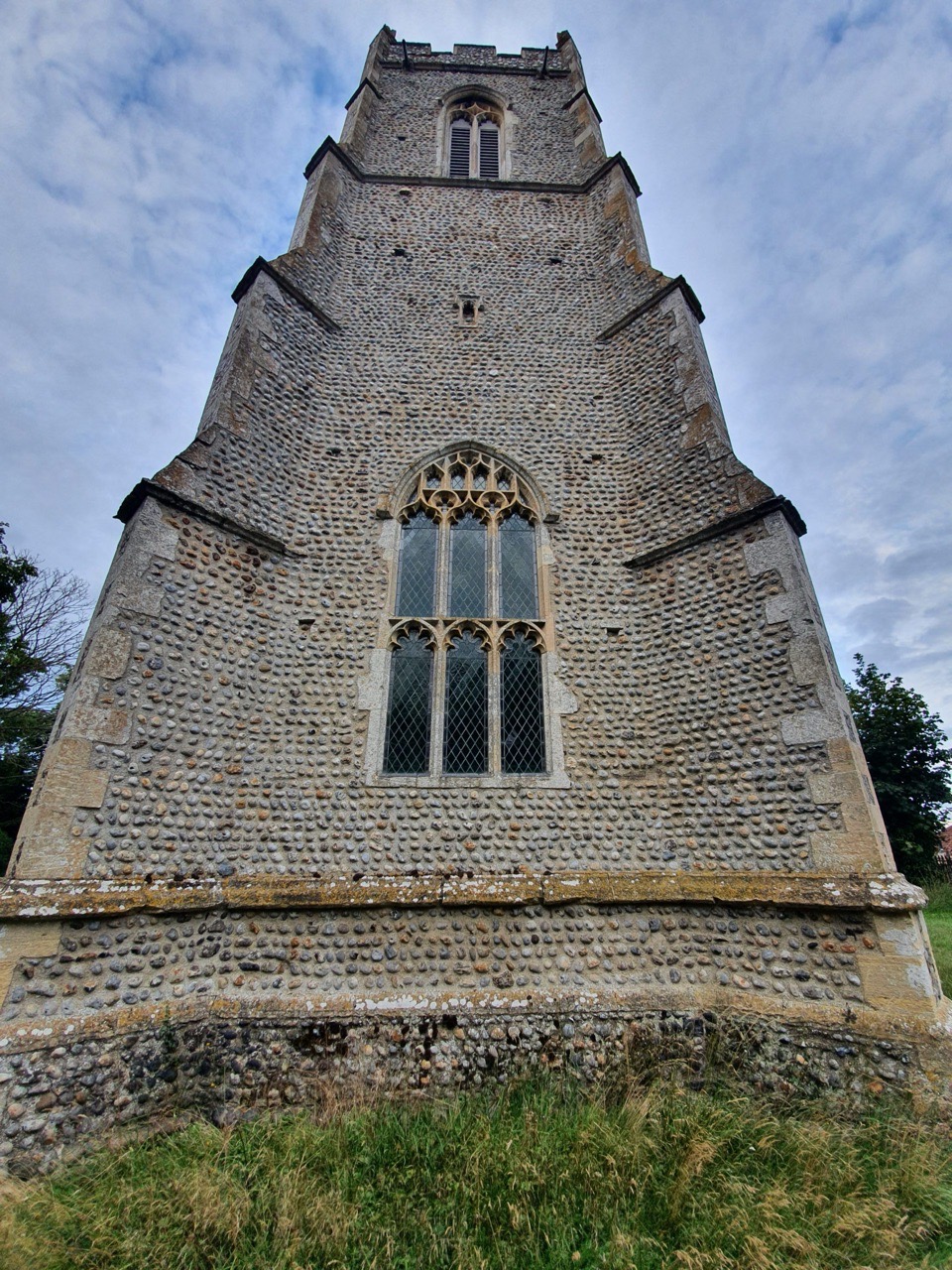
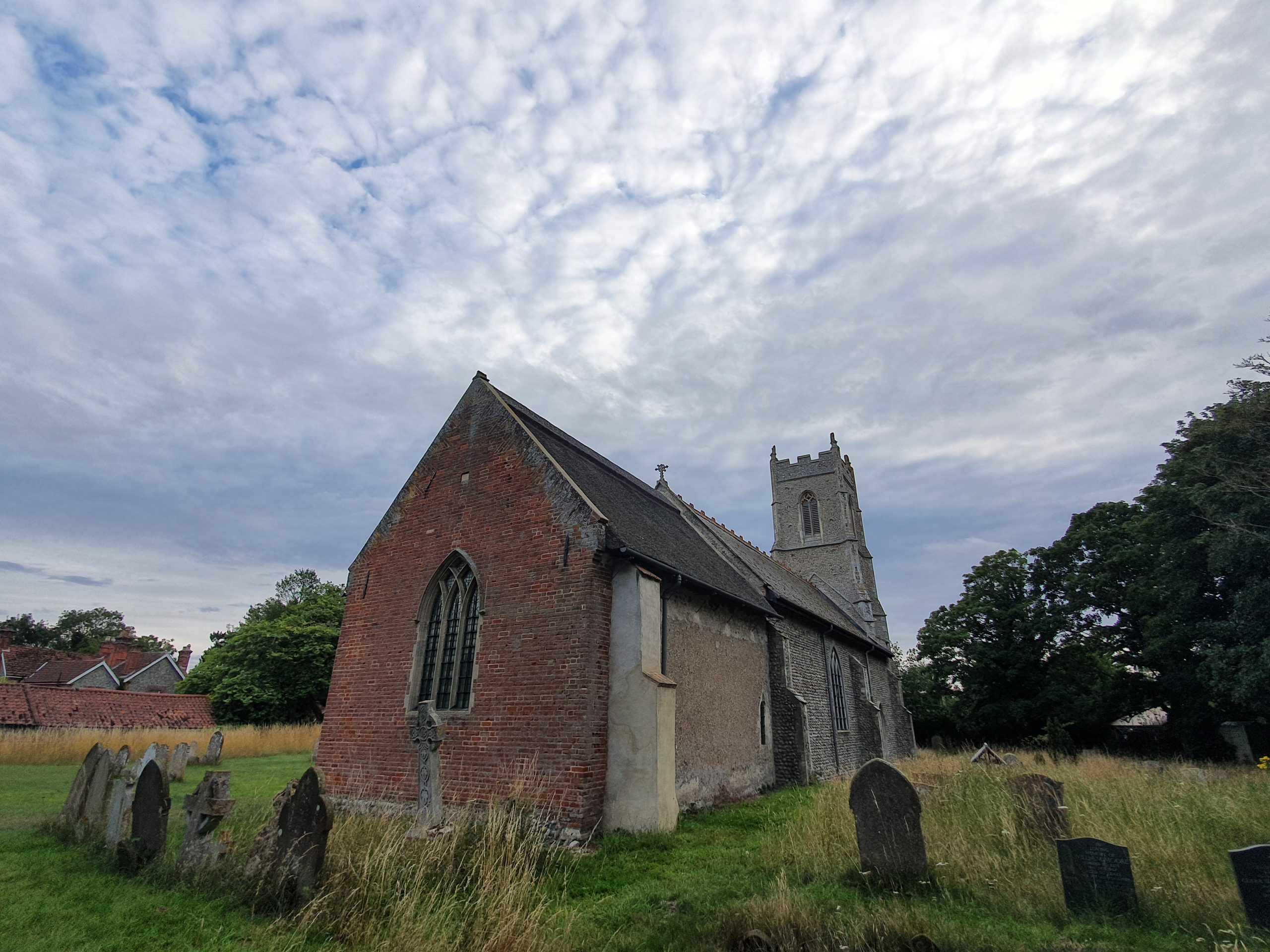
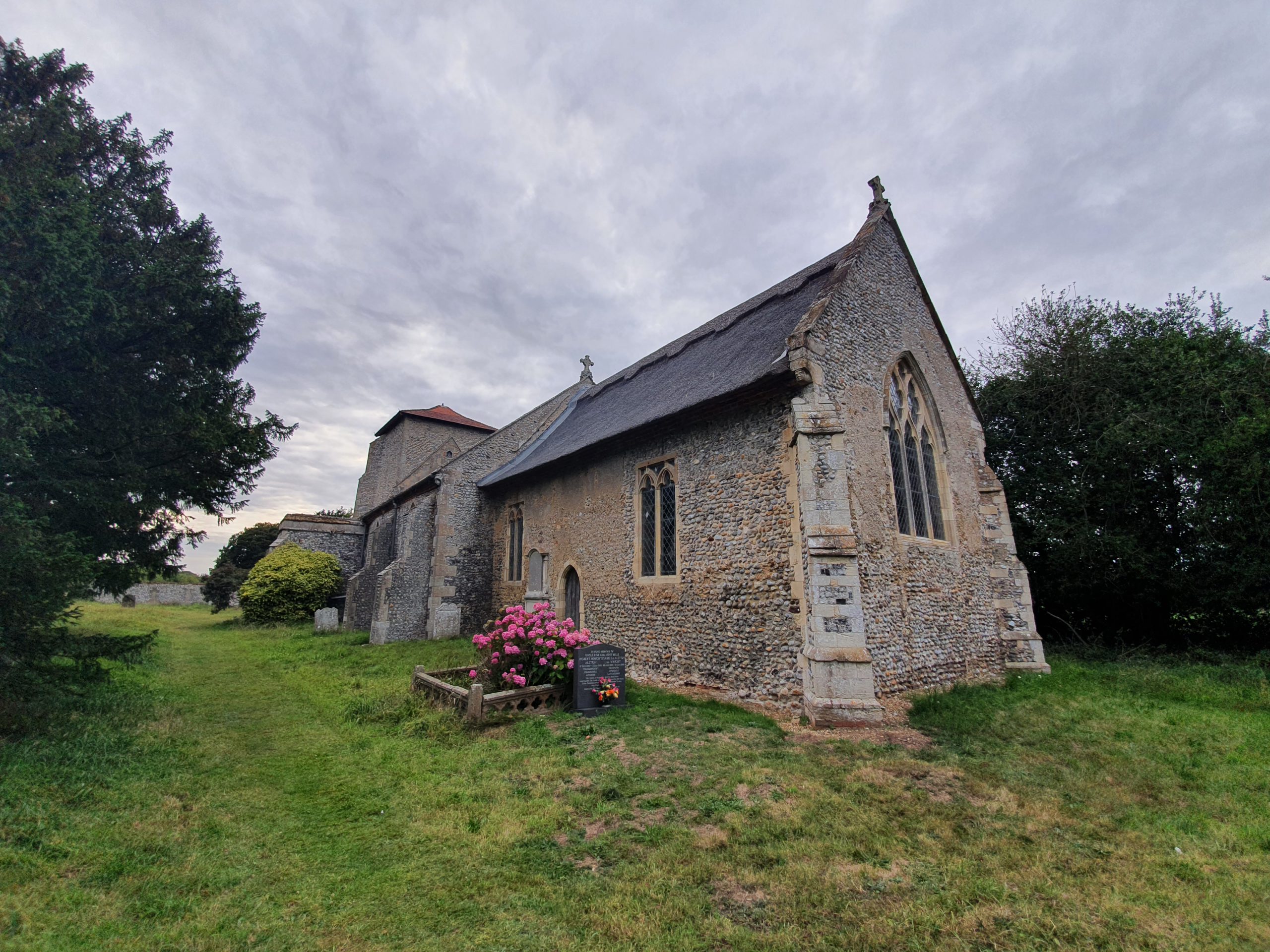
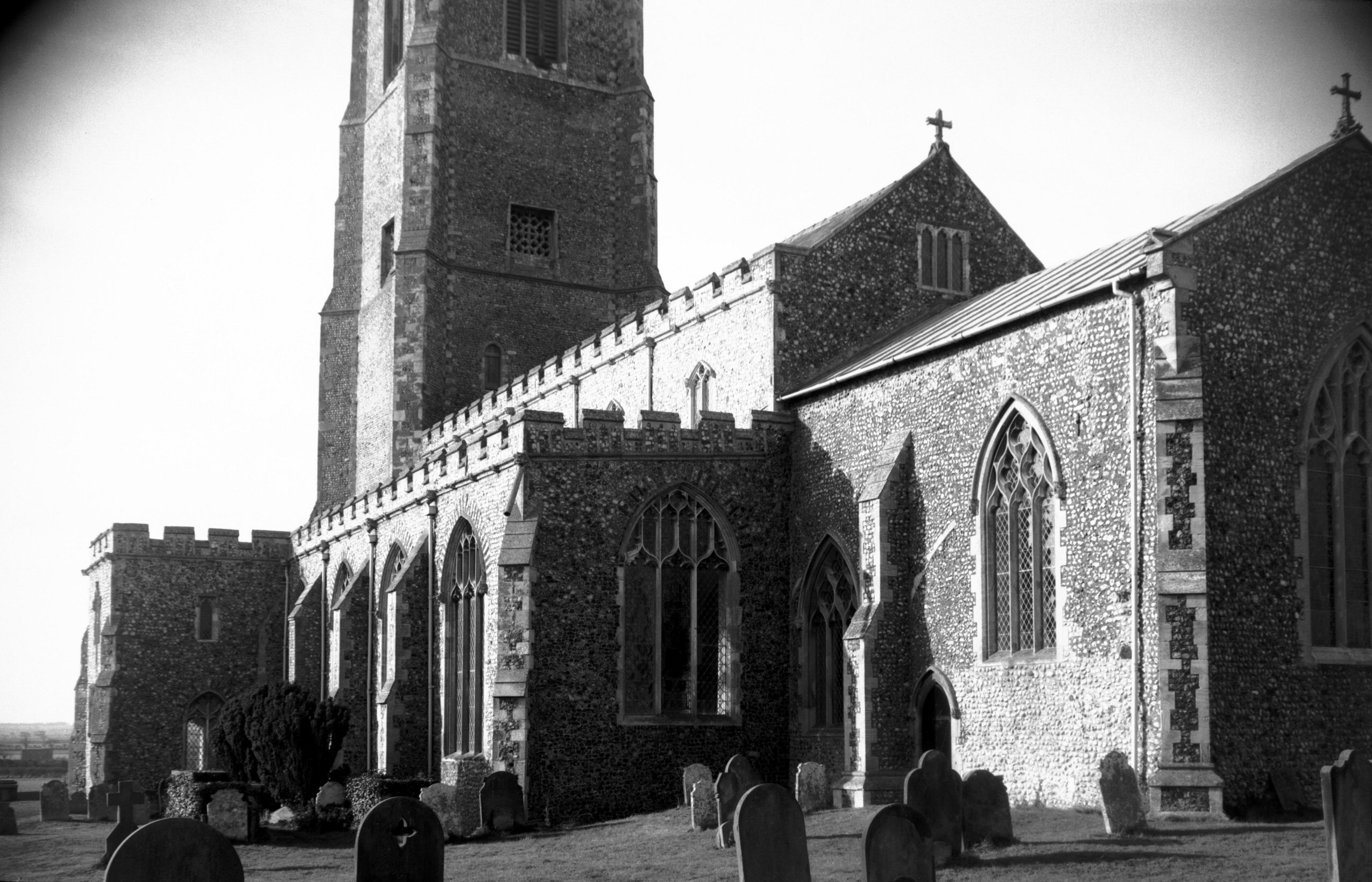
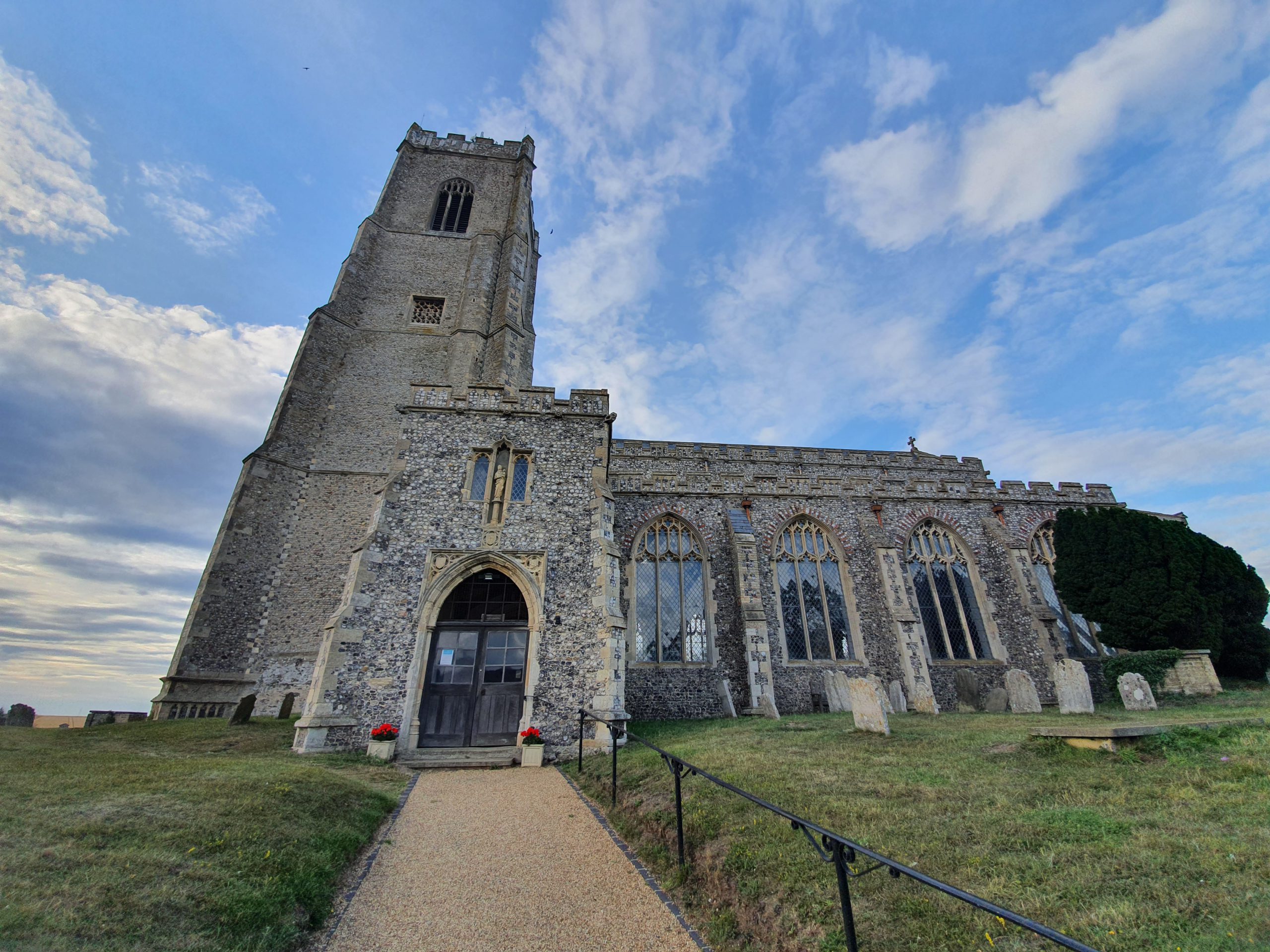
    There has been a church in West Lynn since the late Saxon times, but it appears that the previous one was badly damaged by flooding and a decision was made in 1271 to abandon it. This means that this church was built in the 1270s, likely using materials from the previous church, and the tower is from the fourteenth century. There were reconstructions during the fifteenth century and the chancel is a more modern rebuild, from 1934.

    The four-stage west tower.

    The tower and the north porch.

    The south porch.

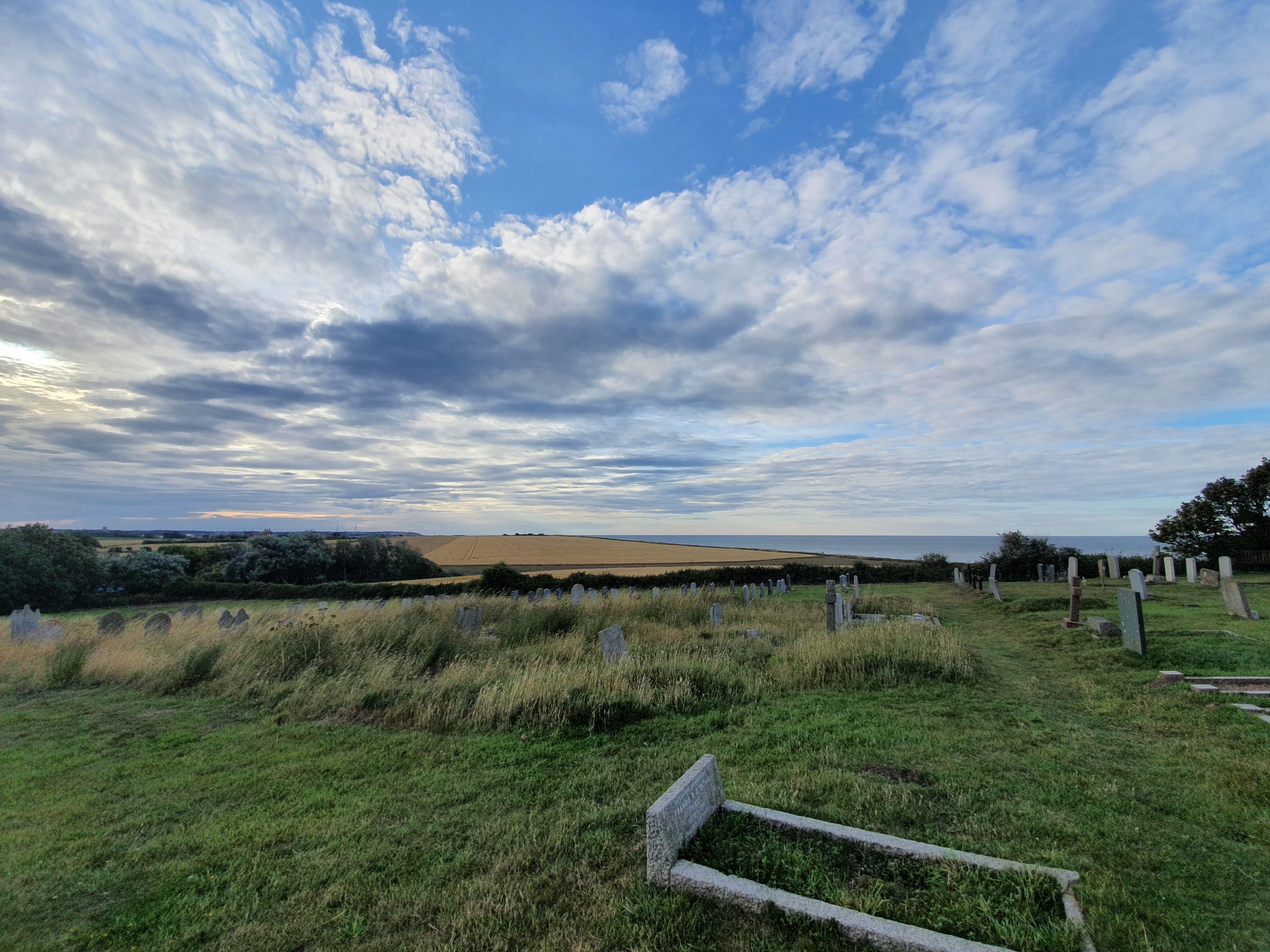
    The churchyard, with the chancel visible at the east of the church which looks quite squat, but which was once a little longer. In the early nineteenth century, a local author noted that the chancel was roofed with reeds, whilst the main church was roofed with lead, which would explain why that section became harder to look after.

    The church did appear to be open when I visited, but given the current health situation I think they were trying to provide somewhere from locals to pray quietly rather than have people traipsing around looking at the older monuments, so I’ll go back at a more opportune time in the future.

  • King’s Lynn – Vandalism and Shopping Trolleys

    King’s Lynn – Vandalism and Shopping Trolleys

    Unfortunately, King’s Lynn appears to have been hit with a wave of vandalism and crime over recent weeks judging by the newspapers. And, this week someone smashed a load of new trees in one of the town’s parks, meaning they have to be dug up and removed.

    There are also countless shopping trolleys dumped in the River Great Ouse.

  • King’s Lynn – Former A47 Road Bridge

    King’s Lynn – Former A47 Road Bridge

    Walking along the quieter of the two road bridges across the River Great Ouse (the other is visible in the background of the above photos), I wondered what the supports next to it once held up. I assumed it must be the rail bridge that I knew went near here, although that didn’t make sense as there were no signs of a former railway line at either end.

    Two of the bridge supports.

    This is the support on the north side of the river.

    And, the answer is here (click on the image to see a clearer one). There are two bridges in the same place on the two maps, the first map is from the 1950s and the second map is a current one. On the first map, the top bridge is the A47 road and the lower bridge is the rail bridge. On the second map, the top bridge is now Wisbech Road bridge and the lower bridge is the A47 road. Confusing…. But, that’s why the remnants of the bridge are there, it was another carriageway of the A47, which was taken down when a new road was constructed when the rail bridge was taken down following the closure of the rail line in 1959. The route of the A47 was then changed to follow much of the former rail line, leaving the bridges as they are now.

  • West Lynn – Photos of King’s Lynn

    West Lynn – Photos of King’s Lynn

    Just photos in this post. I walked from King’s Lynn to West Lynn, with these photos showing what King’s Lynn looks like from the other side of the River Great Ouse.

  • King’s Lynn – Whitefriar’s Gate

    King’s Lynn – Whitefriar’s Gate

    I’m not sure how I haven’t noticed this before on Hardings Way, but it’s the gateway to Whitefriars, a Carmelite Friary which stood here between around 1260 and the Dissolution of the Monasteries in the late 1530s. Although the rest of the monastery has now gone, the street names here reflect the past, there’s The Friars, Carmelite Terrace, Whitefriar’s Terrace, Whitefriar’s Road, All Saints’ Street and Friars Street.

    Over the last couple of centuries, buildings have surrounded the gate, but these have mostly been cleared and the structure now looks quite exposed. This area around this gate, inside the former monastery, was also used as a graveyard and some local residents (as well as Anglian Water staff digging in the area) have uncovered bodies.

    George Plunkett has a photo of how the gateway looked back in 1935 and there’s an etching of the gate by William Taylor and William Pickford.

  • First Bus – New Excel Buses

    First Bus – New Excel Buses

    First brought their new Excel buses into service in February 2020, although circumstances have meant that they’ve obviously been heavily under-used since. They run between Norwich and Peterborough, stopping at Dereham, Swaffham, King’s Lynn and Wisbech.

    This was my first foray onto public transport since March and so this Norwich bus station queueing system was new to me.

    There were only two of us attempting to board the bus in Norwich, so the queueing system wasn’t exactly overloaded.

    The front of the bus, with a clear new display screen.

    And looking back to the rear.

    The interior upstairs is light and airy, there are no shortage of windows.

    There are now tables at some of the seats and the seats themselves have USB power, wi-fi and there’s a stop button on every pair of seats. The seats are leather, which I personally find can get quite sticky in the heat, but there’s a modern feel to the whole arrangement.

    The seat and it’s clear they’ve spent a chunk of money on these buses. The ride doesn’t feel that comfortable, but it might well be that this is more to do with Norfolk’s roads than anything else.

    Health arrangements on-board.

    And, safely in King’s Lynn.

    Another one of the same fleet of buses in King’s Lynn.

  • King’s Lynn – Former Lynn Savings Bank Building

    King’s Lynn – Former Lynn Savings Bank Building

    This is the former Lynn Savings Bank building which was completed in 1858 and the gothic design was meant to give a feeling of reassurance, after some traumatic decades for banks. The bank had been trading since October 1817 from their previous premises at 118 High Street in the town, which were open to the public from 12.00 until 13.00 on Mondays. There are banks 200 years on with similar opening times…. The bank, I think, was later subsumed into the Trustee Savings Bank, now better known as TSB.

    The town’s pelican symbol, which is on the King’s Lynn Coat of Arms, is on the central corbel of the building, all designed to give it that official feel. The building was later used by the Royal Antediluvian Order of Buffaloes as their community building, who have recently moved their meetings to the Workers Club on Church Street.

    The building has now been converted into “four imposing apartments” according to the developers, plus another apartment in the former cellar which I’m imagining isn’t quite as imposing.

  • Martham – War Memorial (Herbert Sims)

    Martham – War Memorial (Herbert Sims)

    Herbert Ernest Sims is listed on the war memorial in Martham and he was the son of James (born in 1851) and Alice Sims (born in 1852) who lived at Gibbet Vale in Martham. Herbert was born in 1889 and at the 1911 census he was 22 and was living with his parents and his brother Edgar who was 20, having been born in 1891. Both the brothers worked as market gardeners and had been born in Ormesby, with two older siblings, James and Julia who had moved out of the family home.

    He joined the 6th battalion of the Royal Dublin Fusiliers and went with a multi-national military force to fight the Bulgarians as part of the Salonika Campaign. Noel Drury, a member of the same battalion as Herbert wrote about the conditions:

    “Our overcoats are frozen hard, and when some of the men tried to beat theirs to make them pliable to lie down in they split like matchwood. The men can hardly hold their rifles as their hands freeze to the cold metal.”

    Corporal Herbert Sims died on 17 November 1916, at the age of 29. He is buried at Struma military cemetery in Greece, another British soldier left a long way from home.

  • Martham – War Memorial (Robert Rivett)

    Martham – War Memorial (Robert Rivett)

    Robert Alfred Rivett is listed on the war memorial in Martham and, in my previous post about Elijah Long, I mentioned the burnt war records. And Robert’s war records survive, although they are partly burnt, which makes looking at them moderately challenging as some information has been lost. Robert, who worked as a fisherman, was the son of David Moore, who lived at Somerton Road in Martham. He was enlisted in Great Yarmouth on 10 August 1914 into the 3rd Battalion of the Norfolk Regiment, which he joined as a private on 26 September 1914, service number 3/7837. Robert was 5’9″ in height, was aged 37 and weighed 12 stone.

    Robert’s war records show that he was wounded in action on 18 March 1915 and a few weeks later there is a request from his family to see him, where he was described as “seriously ill”. A doctor noted that he had “developed paralysis of the diaphragm”, which would have likely meant he had been caught by the poison gas which the Germans were using at the time. Robert died at the Royal Victoria Hospital in Netley, Hampshire, on 4 January 1916 and the cause of death was “gunshot wound to the spine”. He was duly buried in the church at Martham, in the churchyard extension.

    In the records, there’s a copy of the letter written by David Moore, Robert’s father, which mentioned that his wife Emma Moore had died and that he was Robert’s next of kin. Unfortunately, as it’s partly burnt, it’s hard to get a wider context of the letter, but the long chain of letters to and from David Moore to the army are highly unfortunate and there seems to have been a misunderstanding. The army wanted to know the address details of Ernest Rivett, who was Robert’s brother, to send him the 1914 star medal and David wrote to the army on 1 August 1919 saying “why are you not more careful and indifferent of our feelings? Anyway you have got what you want”. The confusion appears to have been the different surnames and there are some inconsistencies with the information provided by Robert, so the cause of the difficulty is perhaps understandable.